

Exam Code: RCNI
Exam Name: RUCKUS Certified Networking Implementer
Certification Provider: RUCKUS Networks
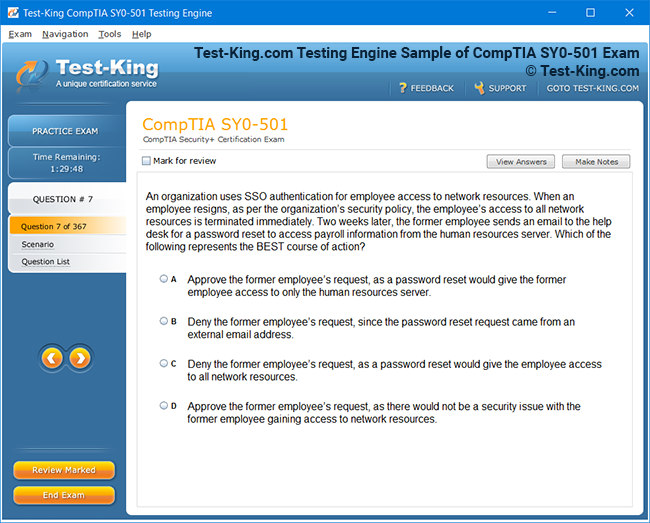
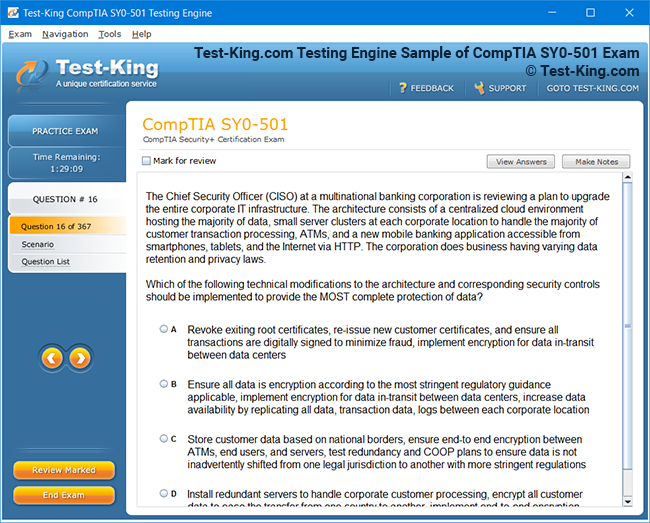
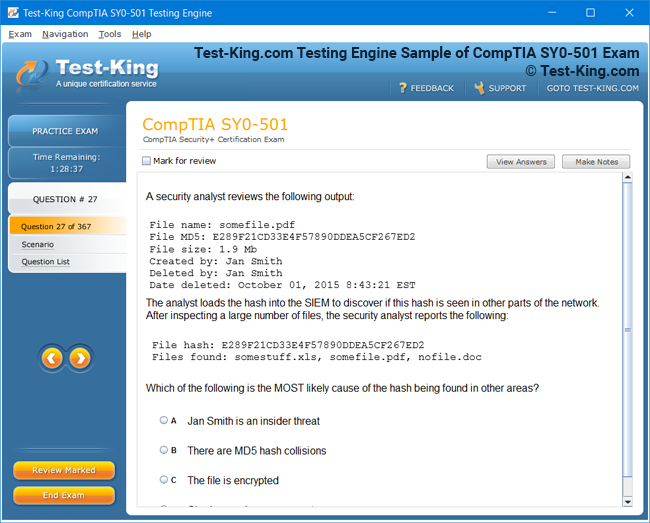
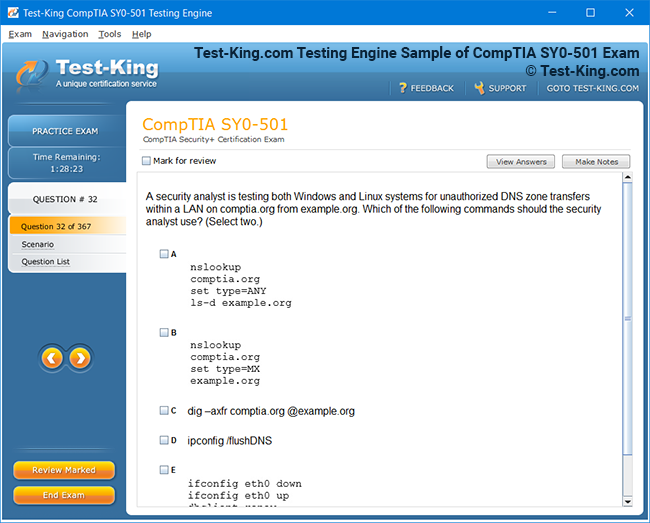
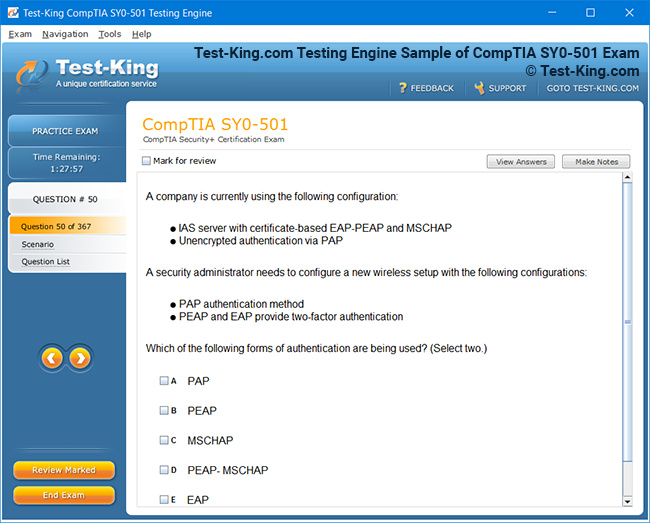
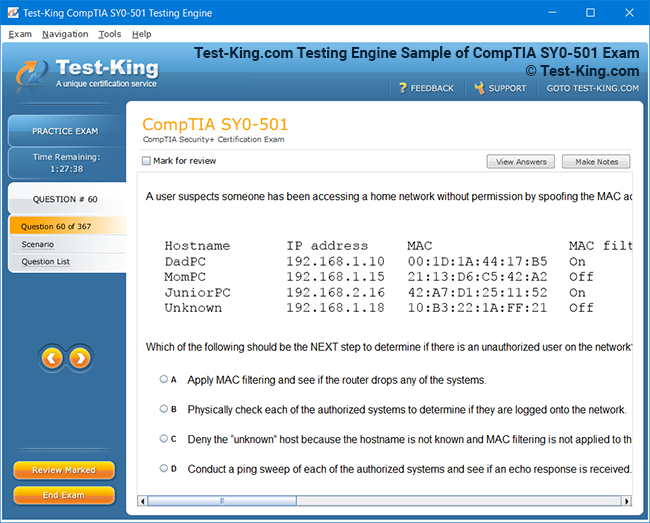
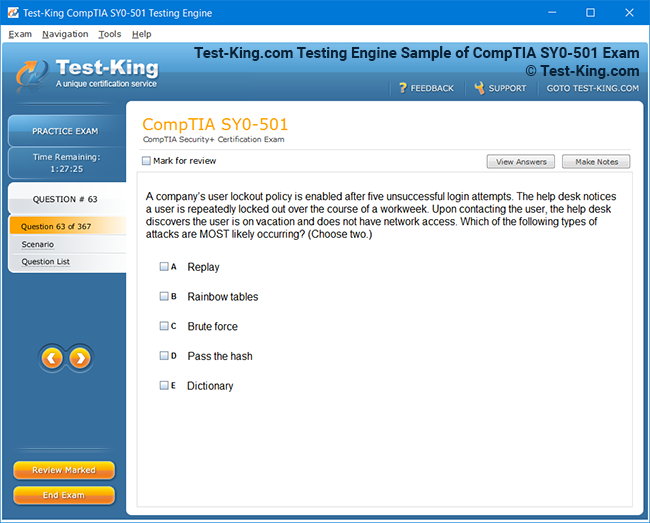
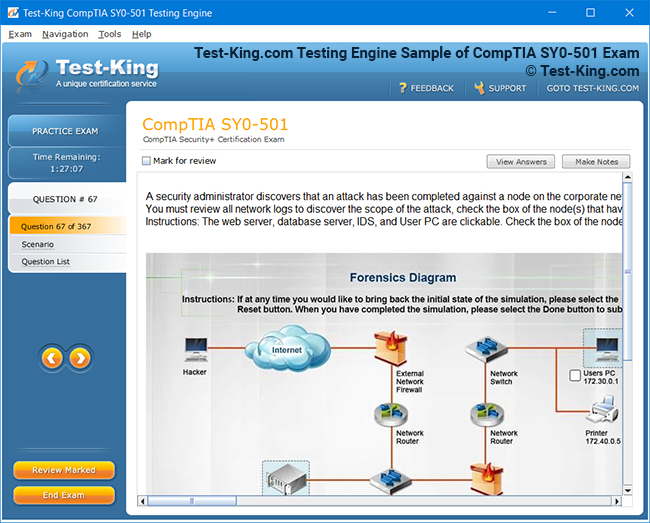
Product Screenshots
Frequently Asked Questions
How can I get the products after purchase?
All products are available for download immediately from your Member's Area. Once you have made the payment, you will be transferred to Member's Area where you can login and download the products you have purchased to your computer.
How long can I use my product? Will it be valid forever?
Test-King products have a validity of 90 days from the date of purchase. This means that any updates to the products, including but not limited to new questions, or updates and changes by our editing team, will be automatically downloaded on to computer to make sure that you get latest exam prep materials during those 90 days.
Can I renew my product if when it's expired?
Yes, when the 90 days of your product validity are over, you have the option of renewing your expired products with a 30% discount. This can be done in your Member's Area.
Please note that you will not be able to use the product after it has expired if you don't renew it.
How often are the questions updated?
We always try to provide the latest pool of questions, Updates in the questions depend on the changes in actual pool of questions by different vendors. As soon as we know about the change in the exam question pool we try our best to update the products as fast as possible.
How many computers I can download Test-King software on?
You can download the Test-King products on the maximum number of 2 (two) computers or devices. If you need to use the software on more than two machines, you can purchase this option separately. Please email support@test-king.com if you need to use more than 5 (five) computers.
What is a PDF Version?
PDF Version is a pdf document of Questions & Answers product. The document file has standart .pdf format, which can be easily read by any pdf reader application like Adobe Acrobat Reader, Foxit Reader, OpenOffice, Google Docs and many others.
Can I purchase PDF Version without the Testing Engine?
PDF Version cannot be purchased separately. It is only available as an add-on to main Question & Answer Testing Engine product.
What operating systems are supported by your Testing Engine software?
Our testing engine is supported by Windows. Andriod and IOS software is currently under development.
Top RUCKUS Networks Exams
Everything You Need to Know About the RUCKUS Certified Networking Implementer (RCNI) Exam Code: RCNI
The RUCKUS Certified Networking Implementer, commonly referred to by its exam code RCNI, represents a pivotal credential for networking professionals who aspire to excel in wireless deployment and network management. As the digital landscape increasingly relies on seamless connectivity, enterprises require specialists who possess not only technical acumen but also the ability to implement robust, scalable networking solutions. The RCNI certification validates such proficiency, emphasizing hands-on experience and comprehension of RUCKUS Networks technologies. For professionals seeking to differentiate themselves in the competitive networking industry, this certification serves as a formal recognition of capability and commitment to best practices.
Introduction to the RUCKUS Certified Networking Implementer Certification
RUCKUS Networks, a subsidiary of CommScope, has earned a reputation for its innovative approach to wireless connectivity and network infrastructure solutions. The company’s portfolio includes access points, controllers, and cloud-managed systems that are widely used across industries including healthcare, education, hospitality, and enterprise environments. The RCNI certification is designed for individuals tasked with configuring, deploying, and maintaining RUCKUS wireless networks, ensuring they can handle real-world challenges such as high-density deployments, roaming, interference mitigation, and network optimization. This credential not only demonstrates mastery of technical skills but also signals to employers a professional’s readiness to manage mission-critical network operations.
The RCNI certification caters to a diverse audience, including network engineers, system administrators, IT consultants, and technical specialists seeking to formalize their experience with RUCKUS solutions. Individuals preparing for this exam must possess foundational networking knowledge, including familiarity with TCP/IP, VLANs, wireless standards, and basic routing concepts. However, the certification is structured in a way that allows motivated learners to progress from conceptual understanding to practical deployment, making it accessible to both emerging and seasoned networking professionals. The curriculum is designed to blend theoretical comprehension with applied skills, reinforcing knowledge through configuration exercises and scenario-based problem-solving.
Understanding the RCNI credential’s significance requires an appreciation of RUCKUS Networks’ approach to innovation and enterprise solutions. RUCKUS emphasizes performance, reliability, and adaptability, providing networking technologies that respond effectively to evolving connectivity demands. Wireless networks today are not simply conduits for data; they must accommodate high client density, bandwidth-intensive applications, and complex security requirements. As such, RUCKUS solutions integrate adaptive antenna technology, interference mitigation algorithms, and centralized management platforms to ensure consistent performance across a range of environments. The RCNI certification trains professionals to leverage these technologies efficiently, preparing them to configure and maintain networks that meet stringent enterprise standards.
The historical evolution of RUCKUS Networks contributes to the RCNI certification’s relevance. Originally known for its pioneering work in Wi-Fi access points with beamforming capabilities, the company has expanded to encompass a holistic approach to networking, including cloud-managed services and IoT integration. This trajectory reflects the broader evolution of the networking industry, where static, manually managed systems are giving way to intelligent, centrally orchestrated solutions. By obtaining the RCNI certification, networking professionals demonstrate that they are not only familiar with legacy networking concepts but are also adept at deploying contemporary, dynamic systems that align with industry trends.
Core Competencies of the RCNI Certification
The RCNI credential is structured around several domains that collectively establish the professional’s ability to implement RUCKUS networking solutions proficiently. Among the most essential competencies is wireless network deployment. Candidates are expected to understand site surveys, access point placement, channel allocation, and the principles of coverage and capacity planning. Effective deployment requires not only technical knowledge but also the ability to anticipate environmental factors such as physical obstructions, signal interference, and user behavior patterns. Mastery of these elements ensures that the network performs optimally under varying conditions and scales efficiently as demand increases.
Configuration and management of network elements constitute another critical competency. Professionals must be capable of provisioning access points, configuring SSIDs, managing VLANs, and implementing security protocols. RUCKUS solutions offer centralized controllers and cloud-based management tools, which simplify operations while enabling fine-grained control over network behavior. Understanding the nuances of these tools, including firmware updates, troubleshooting procedures, and performance monitoring, is essential for effective network administration. The RCNI certification emphasizes the practical application of these skills, ensuring that candidates can translate theoretical knowledge into tangible operational outcomes.
Troubleshooting and optimization form a third pillar of the RCNI certification. Networking professionals frequently encounter scenarios in which performance degradation, connectivity issues, or client complaints require rapid diagnosis and remediation. The RCNI curriculum guides candidates through systematic troubleshooting methodologies, including analyzing wireless logs, interpreting performance metrics, and isolating sources of interference or configuration errors. Optimization strategies, such as load balancing, airtime fairness, and channel planning, are also explored, reinforcing the professional’s ability to maintain networks that meet performance benchmarks.
Security and policy enforcement are integral to modern network implementation. The RCNI certification covers authentication mechanisms, encryption standards, role-based access controls, and guest network configurations. Professionals must understand how to safeguard sensitive data, prevent unauthorized access, and ensure compliance with organizational policies. RUCKUS solutions provide granular security features, including integration with external authentication servers, firewall settings, and traffic segmentation. Candidates are expected to demonstrate the ability to configure these features effectively, balancing accessibility with protection in a manner consistent with enterprise requirements.
Finally, the RCNI certification fosters an understanding of network scalability and adaptability. As organizations grow and technologies evolve, networks must accommodate increasing traffic, new devices, and emerging applications. The RCNI curriculum emphasizes forward-thinking network design, including modular expansion, cloud-based orchestration, and IoT integration. Professionals certified in this domain are equipped to plan for future growth, implement redundant architectures, and leverage advanced features such as mesh networking and seamless roaming. This competency ensures that networks remain resilient, efficient, and aligned with organizational objectives over time.
Target Audience and Career Implications
The RCNI certification is particularly suited for networking professionals seeking to establish credibility in wireless network implementation. Entry-level engineers benefit from structured guidance that translates theoretical knowledge into practical skill, while experienced administrators gain validation for their existing expertise. Beyond technical proficiency, the credential signals to employers a professional’s commitment to continuous learning and adherence to best practices in network deployment. Industries with high demands for reliable wireless connectivity, such as education, healthcare, hospitality, and corporate enterprise, view the RCNI certification as a marker of competence, often influencing hiring and promotion decisions.
Attaining the RCNI certification opens a spectrum of career opportunities. Professionals may assume roles such as network engineer, wireless systems administrator, IT consultant, or solutions architect, depending on their experience and interests. The credential also serves as a foundation for pursuing more advanced RUCKUS certifications, including network specialist and design-focused programs. By aligning skill development with industry-recognized validation, networking professionals enhance their marketability, command higher remuneration, and gain access to projects that require specialized knowledge in RUCKUS deployments. Additionally, certification holders often develop stronger problem-solving capabilities, as they are trained to navigate complex network environments and implement solutions that optimize performance and reliability.
Evolution of RUCKUS Technologies and Industry Relevance
RUCKUS Networks has consistently pursued innovation, particularly in the realm of adaptive wireless technologies. Early developments in beamforming and dynamic channel allocation allowed RUCKUS access points to outperform conventional devices in congested environments. Over time, the company expanded its focus to include cloud-managed networks, integrated analytics, and IoT-ready infrastructure. These innovations underscore the importance of acquiring skills that extend beyond basic networking concepts. The RCNI certification ensures that candidates are equipped to leverage these advancements, providing organizations with networks that are not only functional but also intelligent and future-ready.
In parallel, the broader networking industry has experienced profound transformations. Enterprises increasingly rely on high-density wireless networks to support collaboration tools, cloud applications, and connected devices. Traditional network management approaches, which often required manual configuration and reactive troubleshooting, are being replaced by centralized, automated platforms capable of predictive monitoring and dynamic adjustments. The RCNI credential prepares professionals to operate within this evolving landscape, emphasizing adaptability, technical rigor, and a holistic understanding of network behavior. Certified implementers are thus positioned to bridge the gap between conventional networking expertise and modern enterprise requirements.
The RCNI exam also reflects the growing complexity of network ecosystems. Wireless networks are no longer isolated systems; they intersect with wired infrastructures, cloud services, mobile devices, and security frameworks. Candidates preparing for the RCNI certification are introduced to these interdependencies, learning how RUCKUS solutions integrate with existing systems and respond to operational challenges. This knowledge is critical for ensuring that networks perform reliably, maintain security standards, and accommodate future technological developments without necessitating major reconfigurations.
Practical Relevance of the RCNI Certification
The value of the RCNI certification extends beyond theoretical mastery. Networking professionals who earn this credential demonstrate an ability to design, implement, and manage real-world RUCKUS deployments. Case studies from enterprise environments illustrate that certified implementers contribute to network resilience, improved client experiences, and reduced operational downtime. By combining technical skill with strategic insight, RCNI-certified professionals optimize resource utilization, enhance coverage and capacity, and mitigate interference or configuration issues effectively. This practical orientation differentiates the RCNI from certifications that focus solely on conceptual understanding.
Additionally, the RCNI certification encourages continuous professional development. RUCKUS Networks regularly updates its technologies, introducing new features, security protocols, and management tools. Certified professionals are expected to maintain awareness of these developments and incorporate them into their practices. This ongoing engagement cultivates a mindset of lifelong learning, ensuring that the knowledge and skills validated by the certification remain relevant and valuable. Networking professionals who embrace this philosophy not only maintain their credentials but also position themselves as leaders in enterprise wireless solutions.
Understanding the RUCKUS RCNI Exam Code and Objectives
The RUCKUS Certified Networking Implementer, denoted by the exam code RCNI, serves as a comprehensive assessment of a professional's ability to configure, deploy, and troubleshoot RUCKUS wireless networks. The exam is designed to measure practical skills and conceptual understanding, ensuring that candidates are proficient in deploying enterprise-grade wireless solutions. It is particularly tailored for networking professionals who manage access points, configure network controllers, and implement wireless solutions in complex environments. The RCNI certification is widely recognized in the industry, not only for validating technical proficiency but also for demonstrating the capacity to optimize network performance, enhance reliability, and maintain robust security.
The RCNI exam encompasses multiple domains that collectively define the knowledge and skill set required of certified professionals. These domains include wireless fundamentals, network configuration, deployment strategies, troubleshooting methodologies, security protocols, and management tools specific to RUCKUS solutions. Understanding these areas in depth allows candidates to address real-world challenges with precision. For instance, wireless fundamentals cover concepts such as frequency bands, modulation techniques, signal propagation, and interference mitigation. Network configuration involves creating and managing VLANs, configuring SSIDs, implementing authentication protocols, and ensuring seamless integration with existing infrastructure.
Candidates preparing for the RCNI exam must also be familiar with deployment strategies for enterprise environments. This entails site surveys to assess coverage and capacity requirements, strategic access point placement, channel planning to minimize interference, and designing redundant network topologies to ensure resilience. Deployment skills are critical for maintaining high-density networks where multiple clients access the network simultaneously. Effective deployment practices directly influence network performance, minimizing latency, reducing packet loss, and maintaining optimal throughput even under heavy usage.
Troubleshooting is another crucial domain in the RCNI exam. Networking professionals are often required to diagnose and resolve performance issues, connectivity disruptions, and configuration anomalies. Candidates learn systematic approaches to troubleshooting, including examining wireless logs, analyzing client connectivity patterns, evaluating controller performance, and addressing interference or channel congestion. The RCNI exam emphasizes practical scenarios where implementers must identify problems, apply corrective measures, and validate network stability. Mastery of troubleshooting ensures minimal downtime and preserves the quality of service expected in enterprise networks.
Security and policy enforcement form an integral part of the RCNI assessment. Candidates are evaluated on their ability to implement secure wireless networks by configuring encryption standards, authentication protocols, and access controls. Understanding how to deploy role-based policies for different types of users, configure guest networks, and integrate with centralized authentication servers is essential. Security measures are not only crucial for protecting sensitive organizational data but also for maintaining regulatory compliance and mitigating risks associated with unauthorized access or network vulnerabilities.
Management tools specific to RUCKUS technologies are also a significant focus. Candidates must be proficient in configuring and monitoring access points through RUCKUS controllers and cloud management platforms. Skills include firmware management, performance monitoring, client tracking, and automated alert configuration. The RCNI exam tests the candidate’s ability to navigate these tools effectively, ensuring that networks are maintained efficiently and that performance metrics are optimized. Understanding management interfaces and their advanced functionalities allows certified implementers to handle networks of varying scale and complexity.
The exam format of RCNI is designed to evaluate both theoretical knowledge and practical aptitude. It consists of multiple-choice questions, scenario-based inquiries, and configuration challenges that simulate real-world situations. Candidates are expected to demonstrate analytical reasoning, problem-solving skills, and hands-on implementation capability. The exam typically allows a set duration for completion, requiring candidates to manage their time effectively to address all questions comprehensively. Familiarity with the structure of the exam enhances confidence and reduces the likelihood of errors during testing.
Registration for the RCNI exam involves creating an account through the official RUCKUS certification portal. Candidates must select a testing center or choose an online proctored option if available. Eligibility requirements generally include foundational knowledge in networking and experience with RUCKUS equipment, though formal prerequisites are flexible to accommodate motivated learners. Once registered, candidates receive details regarding exam schedules, testing procedures, and preparatory resources. Scheduling options often allow rescheduling under certain conditions, providing flexibility for candidates to align testing with their preparation.
The scoring and evaluation process of the RCNI exam reflects a holistic approach to certification. Answers are assessed for accuracy, understanding of networking principles, and the ability to apply concepts to practical situations. Scenario-based questions are scored based on how effectively candidates identify issues, propose solutions, and implement network configurations. Passing the exam indicates that the professional has demonstrated both the technical skill and applied knowledge required to manage RUCKUS wireless networks successfully.
Preparation strategies for the RCNI exam emphasize a blend of study, practice, and experiential learning. Candidates are encouraged to review official RUCKUS documentation, attend authorized training programs, and engage in hands-on labs or simulations. Practice exercises focusing on access point deployment, controller configuration, VLAN setup, and troubleshooting scenarios enhance familiarity with real-world network environments. Study schedules that balance theoretical learning with practical application improve retention and reinforce competence across all exam domains.
Understanding the RCNI exam objectives also involves grasping the nuances of wireless architecture. RUCKUS access points utilize adaptive antenna technology, allowing efficient coverage in challenging environments with interference or high client density. Candidates must understand how to configure antennas, adjust power levels, and optimize channel allocation to maximize network performance. Knowledge of roaming protocols, load balancing, and airtime fairness is crucial for maintaining seamless connectivity as clients move within the network. These concepts are tested to ensure candidates can implement networks that meet enterprise-grade standards.
Network configuration challenges require a deep understanding of connectivity principles. Candidates are expected to configure multiple SSIDs, manage VLANs for traffic segmentation, and implement authentication mechanisms that align with organizational policies. Integration with other networking devices, controllers, and cloud management platforms requires careful planning and precise execution. The RCNI exam assesses the candidate’s ability to apply configuration concepts in dynamic environments, demonstrating readiness to manage diverse network topologies effectively.
Troubleshooting methodologies extend beyond simple error detection. Candidates must analyze network logs, interpret performance metrics, and identify the root causes of connectivity issues. Techniques for mitigating interference, optimizing channels, and resolving client-specific problems are emphasized. Certification ensures that implementers can restore network functionality promptly, maintaining service continuity and reducing the impact of potential disruptions on end users. This practical competence is essential for sustaining high-performance wireless networks in enterprise settings.
Security protocols require comprehension of both theoretical principles and applied practices. Encryption standards such as WPA2 and WPA3, role-based access control, and integration with authentication servers are key components. Candidates learn to design secure networks that protect sensitive information while maintaining accessibility for authorized users. Scenario-based questions on guest networks, policy enforcement, and compliance requirements test the implementer’s ability to balance security with usability, reflecting real-world organizational challenges.
Management and monitoring capabilities are indispensable for network optimization. Candidates must demonstrate familiarity with RUCKUS controllers, cloud-based management platforms, and performance dashboards. Skills include configuring alerts for network anomalies, tracking client performance, and managing firmware updates efficiently. Understanding management tools enables certified professionals to oversee complex networks, identify trends, and proactively address potential issues before they impact users. The RCNI exam ensures candidates can leverage these platforms to maintain networks that are both reliable and scalable.
Exam-day readiness is an important aspect of success. Candidates are encouraged to review key concepts, practice configurations, and simulate troubleshooting scenarios to build confidence. Time management during the exam is critical, as the evaluation requires both speed and precision. Familiarity with question formats and practical exercises reduces anxiety and allows candidates to focus on applying knowledge rather than recalling isolated facts. This preparation ensures that professionals are capable of demonstrating competence across all tested domains.
Post-exam procedures include receiving official results, which typically detail scores in each domain. Candidates who pass receive certification that formally recognizes their ability to implement and manage RUCKUS wireless networks. Certification provides access to professional resources, continuing education, and a network of certified peers. These benefits enhance employability, support career growth, and reinforce the professional’s reputation in the industry. Maintaining awareness of updates to RUCKUS technologies ensures that certified professionals remain current, retaining the value of the credential over time.
RCNI Exam Preparation and Study Strategies
Preparing for the RUCKUS Certified Networking Implementer exam, commonly referred to as RCNI, requires a strategic blend of theoretical understanding, practical experience, and methodical study habits. The credential assesses a professional’s capacity to implement, configure, and manage RUCKUS wireless networks in complex enterprise environments. Candidates who approach preparation with a disciplined plan are more likely to master the exam objectives, retain critical concepts, and demonstrate the applied skills necessary to excel in real-world network deployments.
Effective preparation begins with familiarization with the exam objectives. The RCNI credential covers domains such as wireless fundamentals, access point deployment, controller configuration, VLAN management, security protocols, and troubleshooting. Candidates must cultivate a holistic understanding of each domain while integrating practical experience. Wireless fundamentals, for instance, encompass understanding frequency bands, signal propagation, modulation techniques, interference mitigation, and coverage optimization. Mastery of these concepts is essential for designing networks that deliver reliable performance under diverse conditions, including high-density environments and spaces with challenging topographies.
Study resources form the foundation of RCNI preparation. Official RUCKUS documentation provides detailed explanations of device configuration, network management tools, and deployment strategies. Training courses offered by RUCKUS-certified instructors supplement self-paced study by providing hands-on labs, interactive exercises, and expert guidance. Many candidates benefit from simulation environments that replicate enterprise networks, enabling them to configure access points, controllers, and security features as they would in real deployment scenarios. These practical exercises reinforce theoretical knowledge, ensuring that concepts are not merely memorized but applied effectively.
A structured study schedule is essential for sustained progress. Candidates often begin by dedicating time to understanding fundamental networking concepts before advancing to more specialized RUCKUS-specific configurations. Prioritizing domains based on personal strengths and weaknesses allows focused effort on areas that require reinforcement. Daily or weekly study goals, combined with periodic self-assessment, create a disciplined approach that improves retention and builds confidence. Incremental learning, rather than attempting to master all objectives at once, fosters deeper comprehension and reduces cognitive overload.
Hands-on experience is a critical component of RCNI exam preparation. Candidates are encouraged to set up lab environments that mirror enterprise networks, including multiple access points, VLAN configurations, and controller-managed networks. Practicing deployment scenarios, such as determining optimal access point placement, configuring SSIDs, and managing client connectivity, enhances technical competence. Troubleshooting exercises that simulate real-world issues, such as interference, authentication failures, and coverage gaps, help candidates develop analytical skills and problem-solving strategies that are directly tested in the exam.
Exam practice is another valuable tool for preparation. Sample questions, scenario-based exercises, and practice assessments help candidates gauge their readiness and identify areas that require further study. Engaging with a variety of question formats, including multiple-choice and scenario interpretation, familiarizes candidates with the exam’s structure and the type of reasoning expected. Timed practice sessions are particularly beneficial, as they cultivate efficient time management and reduce anxiety during the actual test.
A thorough understanding of network security is essential for success in the RCNI exam. Candidates must be capable of configuring authentication protocols, implementing encryption standards, and applying access control policies. RUCKUS solutions offer a variety of security features, including integration with external authentication servers, role-based access controls, and guest network configurations. Exam preparation involves learning how to deploy these features effectively, ensuring that networks are both secure and compliant with organizational policies. Scenario-based exercises often require candidates to balance security measures with accessibility, reflecting real-world challenges.
In addition to technical knowledge, candidates benefit from developing analytical thinking and systematic troubleshooting approaches. Troubleshooting is a central component of the RCNI exam, as certified professionals are expected to diagnose and resolve network performance issues efficiently. Candidates are trained to interpret wireless logs, analyze client connectivity patterns, and identify the root cause of problems, whether they arise from interference, misconfiguration, or hardware limitations. Practicing these skills in lab environments helps cultivate intuition and rapid problem-solving abilities, which are invaluable both in the exam and in professional practice.
Understanding RUCKUS network management tools is crucial for exam readiness. Candidates must be proficient with controller interfaces, cloud management platforms, and performance monitoring dashboards. Skills include configuring alerts, tracking client activity, updating firmware, and optimizing access point performance. Familiarity with these tools allows candidates to manage networks proactively, anticipate potential issues, and implement preventive measures. Exam preparation often involves navigating these interfaces in simulated environments, reinforcing practical competence and ensuring candidates can apply their knowledge in real deployments.
Time management strategies play a pivotal role in exam preparation. Given the breadth of the RCNI objectives, candidates are encouraged to allocate study hours efficiently, focusing on high-impact topics while maintaining exposure to all domains. Using techniques such as spaced repetition, active recall, and mind mapping can enhance memory retention and understanding. Candidates often schedule periodic reviews of previously studied material, integrating new knowledge with foundational concepts to create a cohesive understanding of RUCKUS networking principles.
Candidates also benefit from peer learning and community engagement. Discussion forums, study groups, and professional networks provide opportunities to exchange knowledge, clarify doubts, and gain insights into practical deployment challenges. Interacting with other candidates or certified professionals exposes learners to diverse perspectives and strategies, enhancing their comprehension of complex concepts. Such collaboration often reveals nuances that may not be immediately evident in written resources, enriching the learning experience and fostering a more holistic understanding of RUCKUS network implementation.
Adaptive learning approaches further enhance preparation. Candidates may encounter topics that are particularly challenging, such as high-density deployment optimization, mesh network configuration, or complex VLAN segmentation. Tailoring study efforts to address these areas, while continuously reinforcing strengths, ensures balanced preparation. Integrating simulation exercises, scenario-based learning, and real-world deployment examples promotes deeper understanding and better retention, equipping candidates with the practical insight necessary to excel in the exam.
Developing an experiential mindset is also advantageous. The RCNI exam emphasizes practical knowledge over rote memorization, testing candidates’ ability to apply concepts in realistic network scenarios. Engaging with lab exercises, troubleshooting challenges, and deployment simulations cultivates intuition and enhances decision-making skills. Candidates learn to anticipate potential network issues, implement proactive solutions, and validate configurations, reflecting the responsibilities of a professional RUCKUS networking implementer.
Exam readiness includes cultivating confidence and managing test anxiety. Candidates are encouraged to simulate exam conditions, complete timed practice assessments, and review errors to understand areas requiring improvement. Familiarity with the exam structure, question types, and expected responses reduces uncertainty and enhances performance. Maintaining a calm and methodical approach during preparation and testing is essential for accurately demonstrating both technical knowledge and applied proficiency.
Integrating theoretical learning with practical exercises ensures comprehensive preparation. Studying wireless fundamentals alongside hands-on deployment allows candidates to connect conceptual knowledge with real-world application. For instance, understanding signal propagation principles is complemented by physically configuring access points in lab scenarios, adjusting power levels, and observing coverage patterns. This dual approach reinforces understanding and enables candidates to respond effectively to scenario-based questions that test applied skills.
Candidates should also emphasize continuous review and self-assessment. Tracking progress across domains, identifying gaps, and revisiting challenging topics improves retention and ensures balanced preparation. Incorporating diverse learning modalities, such as visual aids, interactive labs, and written notes, caters to different cognitive preferences and enhances comprehension. Regular assessment of readiness, combined with adaptive study strategies, positions candidates to approach the RCNI exam with confidence and competence.
Finally, maintaining awareness of updates in RUCKUS technologies enhances preparation. Networking solutions are dynamic, with frequent updates to controllers, access points, and management platforms. Candidates who integrate knowledge of the latest features, performance improvements, and security protocols into their study regimen demonstrate both currency and adaptability. This knowledge not only improves exam performance but also ensures that certified professionals remain relevant and capable of implementing advanced RUCKUS networking solutions in evolving enterprise environments.
Deep Dive into RUCKUS Networking Concepts
The RUCKUS Certified Networking Implementer, identified by the exam code RCNI, assesses a professional's capacity to design, configure, and maintain advanced wireless networks using RUCKUS technologies. At the heart of the credential lies the understanding of both theoretical networking principles and practical deployment strategies. Candidates are expected to navigate complex environments where high-density client connectivity, interference mitigation, and network scalability are pivotal. Mastery of these concepts is indispensable for implementing networks that are robust, reliable, and capable of meeting modern enterprise demands.
Understanding wireless architecture is the cornerstone of RUCKUS networking expertise. RUCKUS access points employ adaptive antenna technology, which dynamically adjusts signal direction and strength to optimize coverage and mitigate interference. Candidates must be adept at interpreting site survey data to determine ideal access point placement, taking into account factors such as wall composition, client density, and potential sources of electromagnetic disruption. The ability to evaluate propagation patterns and anticipate coverage gaps ensures that networks deliver consistent performance across diverse environments, from open-plan offices to multi-story complexes.
Network configuration is a critical competency validated by the RCNI credential. Professionals must understand the principles of VLAN segmentation, enabling them to manage network traffic efficiently and isolate sensitive data streams. Configuring multiple SSIDs allows the creation of distinct network environments tailored to specific user groups, such as employees, guests, or IoT devices. Authentication mechanisms, including WPA2, WPA3, and integration with external RADIUS servers, safeguard access and enforce organizational policies. Candidates are expected to implement these configurations with precision, ensuring both functionality and compliance with security standards.
Deployment strategies for enterprise-grade networks emphasize redundancy, load balancing, and seamless roaming. Redundant configurations ensure that a failure in a single access point or controller does not disrupt service, maintaining high availability for critical operations. Load balancing distributes client connections evenly across access points, preventing congestion and optimizing throughput. Seamless roaming protocols allow clients to move throughout a network without experiencing dropped connections, an essential feature for environments with mobile devices or high user mobility. Candidates must demonstrate proficiency in designing and implementing these strategies to meet performance and reliability objectives.
Troubleshooting remains a central skill in the RCNI framework. Candidates are trained to diagnose connectivity issues, interpret performance metrics, and resolve configuration conflicts. Interference from neighboring networks, physical obstructions, and client-specific anomalies are common challenges that require analytical reasoning and methodical problem-solving. By practicing troubleshooting scenarios, candidates develop intuition for identifying root causes and implementing corrective measures efficiently. This ability to maintain network stability underpins the practical value of the RCNI certification.
Security protocols and policy enforcement are integral to RUCKUS network management. Implementers must configure access control lists, apply encryption standards, and manage guest networks to balance security with usability. RUCKUS solutions provide centralized tools for monitoring network access, auditing client behavior, and enforcing compliance with organizational standards. Candidates are expected to understand how to integrate these capabilities with existing security infrastructure, including firewalls and authentication servers, ensuring a cohesive and secure network environment. Mastery of these protocols minimizes vulnerabilities and enhances overall network resilience.
Monitoring and management tools specific to RUCKUS technologies are essential for optimizing network performance. Candidates must navigate controller interfaces and cloud-based dashboards to configure alerts, track client activity, and analyze performance trends. Understanding metrics such as signal-to-noise ratio, channel utilization, and client density informs decisions about access point adjustments, power settings, and channel allocations. Effective use of these tools allows implementers to proactively maintain networks, anticipate potential issues, and optimize throughput and connectivity for all users.
High-density deployments present unique challenges that require advanced knowledge of network optimization. Environments such as auditoriums, conference centers, and classrooms often experience simultaneous access by hundreds of clients. Implementers must understand strategies for airtime fairness, dynamic channel allocation, and spatial reuse to ensure equitable bandwidth distribution. Knowledge of advanced RUCKUS features, such as beamforming and adaptive radio management, allows professionals to enhance client experience and maintain consistent network performance under heavy load conditions. These competencies are tested rigorously in the RCNI exam, highlighting the importance of both conceptual understanding and practical application.
Integration with existing wired infrastructure is another critical aspect of RUCKUS network implementation. Implementers must ensure that wireless networks interface seamlessly with switches, routers, and firewalls, maintaining consistency in traffic flow and security policies. Configuring VLANs across access points and wired segments allows for efficient traffic segmentation and prioritization, while integration with network monitoring tools provides visibility into client behavior and performance trends. Candidates are expected to demonstrate proficiency in aligning wireless configurations with broader enterprise network architecture, reflecting the holistic approach demanded by modern deployments.
Mesh networking capabilities extend the flexibility and scalability of RUCKUS solutions. In environments where cabling is impractical or network expansion is required, mesh configurations enable access points to relay traffic wirelessly while maintaining connectivity and performance. Candidates must understand the principles of mesh formation, routing optimization, and redundancy, ensuring that additional nodes enhance rather than degrade network performance. Practical exercises in lab environments help candidates internalize these concepts, preparing them to implement mesh networks that meet enterprise standards for reliability and throughput.
Troubleshooting complex deployments combines multiple competencies, including wireless architecture, configuration, and network management. Candidates are trained to approach issues methodically, analyzing logs, identifying anomalies, and applying targeted solutions. For example, resolving a client connectivity issue in a high-density environment may involve adjusting channel allocation, recalibrating power levels, or modifying VLAN assignments. By integrating theoretical knowledge with hands-on practice, candidates develop a versatile skill set that equips them to maintain networks that are both resilient and efficient.
Roaming optimization and client mobility are emphasized in advanced network design. RUCKUS solutions incorporate protocols that support fast and seamless handoff between access points, minimizing latency and maintaining session continuity for mobile users. Candidates must configure parameters such as signal thresholds, roaming aggressiveness, and load balancing to ensure optimal performance. Understanding the interaction between client devices and access points, including variations in hardware capabilities and software behavior, is critical for maintaining consistent connectivity in dynamic enterprise environments.
Network scalability considerations guide the design and implementation of RUCKUS deployments. Candidates learn to plan for growth in user numbers, device types, and bandwidth demands, ensuring that networks remain resilient and performant over time. Modular designs, cloud-managed orchestration, and automated configuration updates allow networks to adapt efficiently to evolving requirements. Implementers must understand how to anticipate potential bottlenecks, allocate resources strategically, and integrate new technologies seamlessly, reflecting the forward-thinking mindset fostered by the RCNI certification.
Advanced monitoring and reporting provide actionable insights into network health and performance. Candidates must interpret metrics such as throughput, packet loss, latency, and client distribution to make informed adjustments to configurations and deployment strategies. Continuous monitoring allows proactive identification of emerging issues, reducing downtime and enhancing user experience. Knowledge of trend analysis and performance forecasting empowers implementers to make strategic decisions, optimizing network design and operations for both current and future demands.
Interference management is another critical aspect of RUCKUS networking expertise. Implementers must understand sources of interference, including neighboring networks, physical barriers, and electronic devices, and apply strategies to mitigate their impact. Techniques such as channel reassignment, power adjustment, and adaptive antenna alignment are central to maintaining optimal network performance. Candidates must demonstrate the ability to recognize interference patterns, implement corrective measures, and validate network stability, ensuring consistent connectivity in challenging environments.
Integration with emerging technologies and IoT devices further enhances the relevance of the RCNI certification. Implementers must ensure that wireless networks accommodate a diverse array of devices while maintaining security, performance, and reliability. Knowledge of device behavior, traffic patterns, and security implications allows professionals to design networks that are adaptable and future-ready. Practical exercises often involve configuring networks for mixed environments, balancing client requirements, and optimizing throughput to maintain a seamless user experience.
The RCNI Exam Experience and Post-Certification Path
The RUCKUS Certified Networking Implementer, identified by the exam code RCNI, evaluates the practical and conceptual expertise required to deploy and manage advanced wireless networks. The exam experience itself is designed to simulate real-world networking scenarios, challenging candidates to demonstrate both analytical reasoning and applied skills. Understanding what to expect during the exam and the steps following certification is essential for candidates who aim to translate their preparation into successful outcomes and tangible career advancement.
Exam day preparation begins with familiarity with the testing environment. Candidates are required to register through the official RUCKUS certification portal and select either a physical testing center or an online proctored option if available. Documentation verification and procedural guidelines are provided to ensure a secure and standardized experience. Knowledge of these administrative details minimizes stress and allows candidates to focus on demonstrating technical competence. Being mentally prepared, maintaining a steady pace, and adhering to time management strategies are crucial aspects of exam readiness, as the evaluation encompasses multiple-choice questions, scenario-based problems, and configuration challenges that mirror enterprise networking situations.
Managing time efficiently during the RCNI exam is critical. Candidates encounter a blend of theoretical questions and practical scenarios that assess their understanding of wireless fundamentals, access point deployment, controller configuration, VLAN management, security protocols, and troubleshooting techniques. Allocating sufficient time to each question, avoiding unnecessary dwell on particularly challenging scenarios, and prioritizing areas of strength contribute to optimal performance. Familiarity with the exam’s structure enables candidates to navigate questions systematically, reducing the likelihood of errors and enhancing confidence during testing.
The exam evaluates proficiency in wireless architecture and deployment strategies. Candidates may be presented with situations involving high-density environments, complex topographies, or interference-prone locations. Effective access point placement, channel allocation, power adjustment, and load balancing are key competencies tested under these circumstances. Candidates must demonstrate an ability to analyze conditions, select appropriate configurations, and predict the impact of deployment decisions on overall network performance. The scenarios are designed to assess both technical knowledge and practical judgment, reflecting challenges encountered in real enterprise networks.
Configuration skills are assessed through scenario-based questions requiring candidates to set up SSIDs, implement VLANs, and enforce authentication protocols. Understanding RUCKUS controller interfaces and cloud management platforms is essential for demonstrating proficiency in network administration. Candidates are expected to manage multiple SSIDs, configure role-based policies, and integrate network elements seamlessly to maintain connectivity, security, and performance. Evaluators focus on how effectively candidates apply theoretical knowledge to tangible network configurations, testing both precision and adaptability.
Troubleshooting scenarios form a significant component of the RCNI exam. Candidates may be asked to resolve connectivity issues, diagnose performance degradation, or address client-specific anomalies. This requires methodical problem-solving skills, including interpreting wireless logs, identifying sources of interference, recalibrating access points, and optimizing channel assignments. Candidates who can quickly pinpoint issues and implement corrective measures demonstrate the practical competence that the RCNI certification seeks to validate. These exercises emphasize the importance of both analytical reasoning and hands-on proficiency in maintaining network reliability.
Security configuration is another area emphasized during the exam. Candidates are expected to implement encryption protocols, configure access control policies, and manage guest networks while ensuring compliance with organizational standards. Integration with external authentication servers and role-based access management are tested to evaluate how well candidates balance accessibility with security. The ability to apply security measures in varied scenarios reflects a professional’s readiness to manage enterprise-grade wireless networks effectively, maintaining both functionality and protection against potential threats.
After successfully completing the RCNI exam, candidates receive official results detailing their performance across different domains. Passing the exam grants certification, formally recognizing the candidate’s capacity to implement and manage RUCKUS wireless networks. The credential serves as a testament to both technical skill and applied experience, enhancing professional credibility in the industry. Certification not only validates competence but also opens doors to more complex network responsibilities, leadership roles, and specialized projects that require advanced expertise.
Post-certification, professionals gain access to a network of peers, training resources, and RUCKUS technical updates. Engaging with the RUCKUS community provides opportunities for knowledge sharing, mentorship, and continuous learning. Certified professionals often participate in forums, workshops, and technical discussions that expand their understanding of emerging network technologies, deployment strategies, and troubleshooting innovations. This ongoing engagement ensures that the skills validated by RCNI remain relevant and applicable to evolving enterprise networking requirements.
Certified professionals are equipped to leverage their credential for career advancement. The RCNI certification enhances employability in diverse sectors such as education, healthcare, hospitality, corporate enterprises, and government organizations, where wireless connectivity is mission-critical. Professionals may pursue roles including network engineer, wireless administrator, IT consultant, or solutions architect, depending on experience and interests. The credential signals both technical competence and a commitment to best practices, influencing hiring decisions and career trajectories positively.
The practical relevance of the RCNI certification extends to real-world deployments. Professionals apply skills learned during preparation and assessment to design networks that optimize performance, reliability, and scalability. Understanding high-density deployment techniques, interference mitigation strategies, and seamless roaming protocols allows certified implementers to maintain consistent connectivity for a broad range of client devices. Effective management of VLANs, SSIDs, authentication, and security protocols ensures that networks operate efficiently and securely, meeting enterprise expectations for uptime and service quality.
Post-certification growth includes pursuing advanced RUCKUS credentials and specialized training programs. Professionals who complete RCNI often progress to certifications focused on network design, advanced troubleshooting, or RUCKUS-specific solutions such as cloud-managed networks or IoT integration. Continuing education reinforces foundational skills while introducing new concepts, technologies, and deployment methodologies. This commitment to learning ensures that certified implementers remain at the forefront of networking innovations, capable of implementing sophisticated solutions that address emerging challenges.
Maintaining currency in RUCKUS technologies is essential for leveraging the full benefits of certification. Networking solutions evolve with firmware updates, feature enhancements, and emerging standards. Certified professionals who remain informed about these developments can optimize network performance, integrate new capabilities, and anticipate operational challenges. Practical experience combined with ongoing education fosters a mindset of adaptability, ensuring that certified implementers are capable of managing both existing deployments and future expansions effectively.
Professional networking and collaboration are valuable post-certification activities. Engaging with peers, mentors, and RUCKUS technical experts enables implementers to exchange best practices, troubleshoot uncommon scenarios, and explore innovative deployment techniques. Collaborative learning accelerates knowledge acquisition and strengthens problem-solving capabilities. Certified professionals who actively participate in technical communities are better equipped to respond to complex network issues, implement optimized solutions, and contribute to organizational objectives through informed, strategic decisions.
The RCNI credential also provides a foundation for developing specialized expertise in wireless networking. Professionals may focus on optimizing performance in high-density environments, implementing advanced security protocols, or integrating networks with emerging technologies such as IoT and cloud-based services. These specialized skills are highly valued in sectors requiring robust, scalable, and secure wireless infrastructure. Certification validates the ability to navigate these challenges, enhancing both professional reputation and the capacity to contribute meaningfully to organizational goals.
Preparing for real-world deployments is reinforced by the practical emphasis of the RCNI exam. Candidates trained in troubleshooting, network design, and configuration are equipped to address challenges such as interference, client mobility, and complex topologies. Scenario-based exercises during preparation replicate enterprise conditions, ensuring that certified implementers can translate knowledge into actionable solutions. This experiential competence distinguishes RCNI-certified professionals, allowing them to maintain high-performance networks and implement resilient architectures effectively.
Networking professionals with RCNI certification gain a measurable advantage in career progression. The credential signals expertise to employers, enabling access to opportunities that require advanced wireless networking capabilities. Certified implementers are often entrusted with designing and managing mission-critical networks, overseeing high-density deployments, and implementing security and policy frameworks that safeguard organizational assets. The professional recognition conferred by RCNI complements technical ability, supporting long-term growth, industry credibility, and leadership potential within the networking domain.
Career Advancement with RUCKUS RCNI Certification
The RUCKUS Certified Networking Implementer, recognized by the exam code RCNI, is a credential that provides networking professionals with the expertise and validation needed to excel in enterprise wireless networking. Beyond technical proficiency, the certification offers significant career advantages, allowing professionals to navigate complex deployments, optimize network performance, and demonstrate applied competence in real-world environments. RCNI-certified implementers are equipped to address challenges that arise in high-density environments, large-scale enterprises, and dynamic organizations where reliability, security, and scalability are paramount.
Professional recognition is a primary benefit of obtaining the RCNI certification. Employers value credentials that validate both theoretical knowledge and practical skills, especially in high-stakes networking environments. Certified implementers often gain priority consideration for roles such as network engineer, wireless administrator, IT consultant, or solutions architect. The credential signals that a professional can manage RUCKUS deployments effectively, including configuring access points, implementing VLANs, optimizing coverage, and maintaining robust security protocols. This formal acknowledgment of capability enhances employability and creates opportunities for career growth and leadership responsibilities.
The RCNI certification also serves as a foundation for specialization in advanced wireless technologies. Professionals may develop expertise in high-density network optimization, mesh configurations, cloud-managed deployments, or integration with IoT devices. Such specialization is increasingly in demand as organizations adopt sophisticated networking solutions that require nuanced understanding of coverage, capacity, and performance optimization. By demonstrating competence in these areas, certified implementers position themselves as valuable contributors capable of designing networks that are both resilient and adaptable to evolving enterprise requirements.
Hands-on experience reinforced by RCNI training prepares professionals to navigate complex enterprise deployments with confidence. Implementers are skilled in access point placement, load balancing, interference mitigation, seamless roaming, and network troubleshooting. These practical competencies allow certified individuals to maintain network reliability, reduce downtime, and optimize client experience. Organizations benefit from implementers who can proactively identify and resolve performance issues, ensuring uninterrupted service and enhancing overall operational efficiency.
Security expertise is another crucial aspect of career advancement facilitated by RCNI certification. Implementers are trained to configure encryption standards, authentication protocols, and access control policies that protect organizational data. Effective security management is critical in environments where sensitive information is transmitted over wireless networks. Professionals certified in RCNI are equipped to implement secure networks, enforce policies, and integrate security measures with broader IT infrastructure, reducing vulnerability and ensuring compliance with regulatory requirements.
Post-certification growth opportunities are abundant. Networking professionals can pursue higher-level RUCKUS certifications, such as network specialist, design engineer, or advanced troubleshooting credentials. These pathways enable professionals to expand their knowledge, take on more complex projects, and assume leadership roles in network design and implementation. Continuous professional development also fosters adaptability, ensuring that certified implementers remain current with evolving technologies, firmware updates, and best practices in enterprise networking.
Networking with peers and engaging with the RUCKUS community further enhances career prospects. Certified professionals gain access to forums, workshops, and technical discussions where knowledge sharing, mentorship, and collaborative problem solving occur. Exposure to diverse deployment scenarios and innovative approaches strengthens professional competence, encourages creative solutions, and broadens practical understanding. Engaging with the community positions implementers as informed, connected professionals capable of contributing to organizational objectives and industry advancements.
The practical application of RCNI skills contributes significantly to professional growth. Implementers apply learned techniques to optimize performance in dense environments, configure access points for seamless connectivity, implement VLANs for traffic management, and troubleshoot client-specific issues effectively. By demonstrating the ability to design and maintain networks that are resilient, secure, and efficient, certified professionals establish themselves as indispensable assets within their organizations. The combination of theoretical knowledge and practical skill ensures that RCNI holders can deliver high-quality network performance consistently.
Comparison with other certifications highlights the unique value of RCNI. While many credentials focus solely on conceptual understanding or vendor-neutral networking principles, RCNI emphasizes applied proficiency with RUCKUS technologies. Professionals gain the ability to deploy, configure, and manage enterprise wireless networks with specialized insight into RUCKUS access points, controllers, cloud management platforms, and adaptive antenna technologies. This practical orientation distinguishes RCNI-certified implementers, enabling them to provide immediate, tangible value to organizations and clients.
Advanced troubleshooting is a critical differentiator that enhances career advancement. Certified professionals are adept at diagnosing connectivity issues, interpreting network logs, analyzing client behavior, and implementing corrective measures with precision. These skills are vital in enterprise environments where performance issues can have operational or financial repercussions. By demonstrating competency in problem-solving and proactive network maintenance, RCNI-certified implementers are positioned to take on higher-responsibility roles that involve oversight of complex deployments and coordination of network teams.
Employers increasingly seek professionals capable of integrating RUCKUS solutions into diverse environments. The RCNI certification ensures that implementers understand wireless architecture, deployment strategies, management tools, and security frameworks, allowing seamless integration with existing IT infrastructure. This versatility is particularly valuable in organizations undergoing digital transformation, expanding IoT integration, or adopting cloud-managed services. Certified professionals contribute to organizational objectives by ensuring network stability, optimizing throughput, and implementing scalable solutions that accommodate growth and technological evolution.
Continuous skill development post-certification reinforces long-term career benefits. Professionals remain engaged with updates to RUCKUS technologies, including firmware enhancements, new management features, and advanced deployment strategies. Incorporating these updates into practical knowledge allows certified implementers to maintain competitive relevance, optimize network performance, and provide guidance on future-proofing infrastructure. The habit of ongoing learning positions RCNI holders as proactive contributors who can anticipate challenges, implement innovative solutions, and drive organizational efficiency.
Mentorship and leadership opportunities emerge as professionals gain experience post-certification. RCNI-certified implementers are often entrusted with guiding junior engineers, designing network strategies, and advising on enterprise deployments. By leveraging the skills and knowledge validated by the credential, professionals can assume roles that influence decision-making, contribute to strategic planning, and shape network architecture in alignment with organizational goals. The certification, therefore, functions not only as validation of technical proficiency but also as a catalyst for leadership and influence within networking teams.
Practical experience in high-density and complex deployments further enhances career progression. RCNI-certified professionals are adept at implementing seamless roaming, optimizing coverage in challenging physical layouts, mitigating interference, and managing client performance. These competencies ensure that networks remain resilient and efficient under demanding conditions, reinforcing the professional’s value within the organization. Employers recognize these capabilities, often entrusting certified implementers with critical infrastructure projects and enterprise-wide network management responsibilities.
The RCNI certification also opens opportunities in consulting and specialized project roles. Professionals may work with multiple organizations to design, implement, and optimize RUCKUS wireless networks. Consulting roles leverage both technical knowledge and applied experience, requiring implementers to assess client environments, recommend solutions, and execute deployments that meet performance and security objectives. This breadth of experience not only strengthens technical acumen but also enhances communication, project management, and client-facing skills, contributing to holistic professional development.
The global applicability of RCNI-certified skills provides additional career advantages. Organizations worldwide deploy RUCKUS technologies, and professionals who possess the certification are recognized as qualified implementers capable of operating in diverse regulatory and environmental contexts. Knowledge of international deployment standards, security protocols, and performance optimization techniques ensures that certified implementers can contribute effectively to multinational projects, expanding their career opportunities beyond regional markets.
By integrating technical expertise, practical experience, and professional recognition, RCNI certification serves as a catalyst for career advancement. Implementers are equipped to design, deploy, manage, and troubleshoot enterprise wireless networks with precision and foresight. The credential enhances employability, provides access to specialized opportunities, and supports ongoing professional development. Certified professionals are positioned to influence network strategy, contribute to organizational objectives, and remain at the forefront of technological innovation in enterprise wireless networking.
Conclusion
The RUCKUS Certified Networking Implementer credential embodies a comprehensive validation of both theoretical knowledge and applied skill in wireless network implementation. Through mastery of deployment strategies, configuration, troubleshooting, and security, professionals achieve a level of expertise that sets them apart in the competitive networking industry. The career benefits of RCNI certification are extensive, encompassing professional recognition, enhanced employability, access to advanced roles, and opportunities for specialization. By combining technical proficiency with practical experience, networking professionals who earn this credential are well-positioned to navigate the complexities of modern enterprise networks, contribute to organizational success, and maintain relevance in an ever-evolving technological landscape. RCNI certification is not merely an exam but a gateway to advanced career pathways, continuous learning, and professional distinction in the field of enterprise wireless networking.