

Certification: NNP SD-DC
Certification Full Name: Nuage Networks Professional - Software Defined Datacenter
Certification Provider: Nuage Networks
Exam Code: 4A0-N01
Exam Name: Nuage Networks Virtualized Cloud Services (VCS) Fundamentals
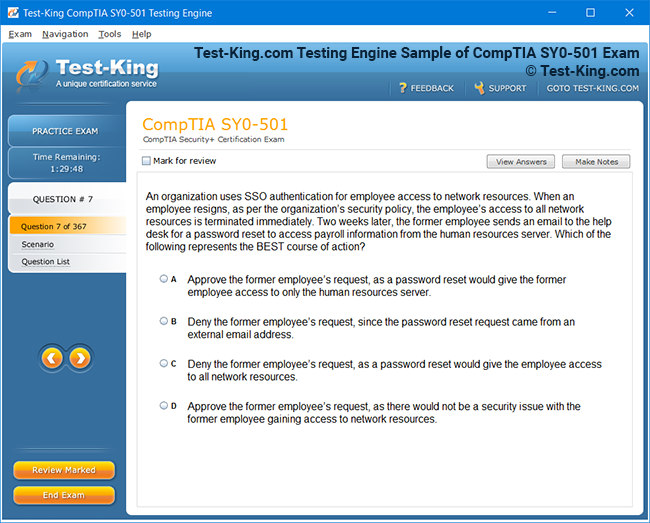
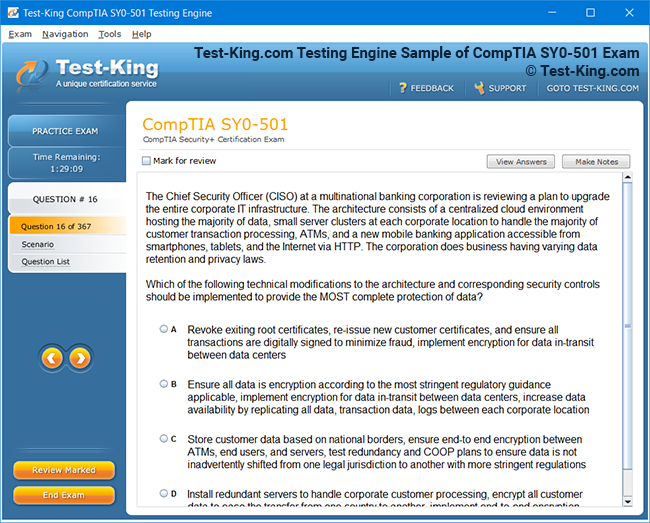
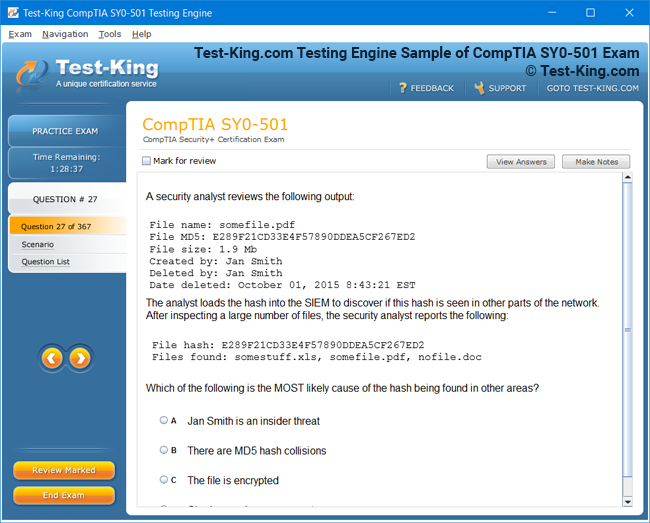
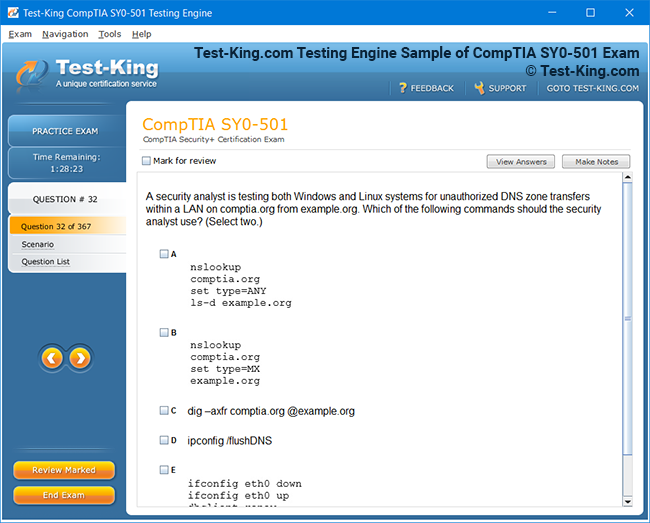
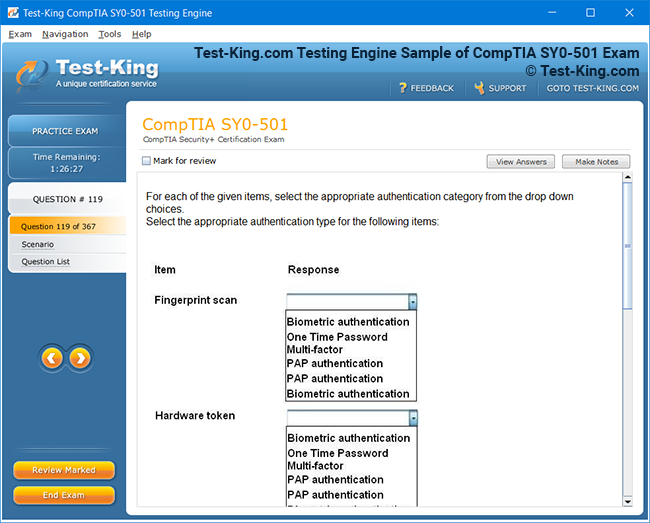
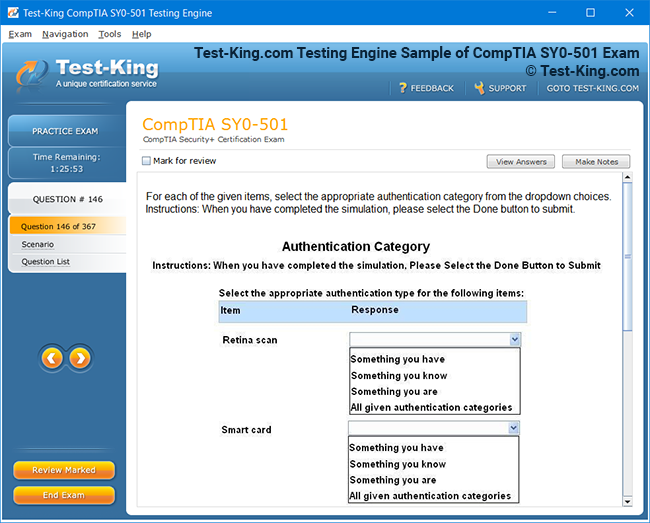
Product Screenshots
NNP SD-DC : Why Choose Nuage Networks for Software Defined Datacenter Certification
In the rapidly evolving realm of digital infrastructure, enterprises are abandoning archaic networking frameworks and embracing agile, programmable, and scalable environments. At the forefront of this transformation stands Nuage Networks, a company that has quietly but powerfully reshaped how data centers operate in an era where automation, virtualization, and hybrid cloud designs determine competitive advantage. The pursuit of mastery in Software Defined Datacenter technologies has led countless technology professionals to explore credentials that go beyond conventional hardware-centric expertise, and one such distinguished path is the Nuage Networks Professional certification in Software Defined Datacenter. This certification opens gateways to highly specialized knowledge of policy-driven networks, overlay and underlay integration, and virtualized services, preparing individuals to contribute meaningfully to enterprises striving for operational finesse.
Emergence of Nuage Networks and the Relevance of Software Defined Datacenter Expertise
Nuage Networks emerged as a subsidiary of Nokia to focus specifically on software-defined networking and network virtualization. While traditional networks relied on rigid configurations and manual intervention, Nuage Networks introduced a paradigm grounded in automation, dynamic policy enforcement, and centralized network intelligence. This evolution aligned perfectly with the needs of data center modernization. Over time, real-world adoption of Software Defined Datacenter methodologies began accelerating, and the necessity for professionals proficient in Nuage solutions became undeniable. Organizations now seek engineers who can deploy and manage the Nuage Virtualized Services Platform, enabling seamless control across data center fabrics, wide area networks, and cloud infrastructures without disrupting legacy operations.
The Software Defined Datacenter model simplifies network complexity by decoupling control from underlying hardware, a concept that forms the essence of the Nuage architecture. Rather than relying on inflexible command-line interfaces, engineers can orchestrate end-to-end connectivity through centralized policies that govern traffic flow, quality of service, segmentation, and security. The Nuage Virtualized Services Platform, renowned for its minimal latency and intricate automation capabilities, consists of key components that work in synchrony to ensure the data center operates like an intelligent organism rather than a mosaic of isolated components. Within this ecosystem, the Virtualized Services Directory functions as the policy and analytics engine, the Virtualized Services Controller handles the routing intelligence, and the Virtual Routing and Switching module embedded in hypervisors ensures efficient packet forwarding. By studying for the Nuage Networks Professional certification, learners immerse themselves in this architecture, understanding not just configuration parameters but the philosophical shift driving its existence.
This level of knowledge is valued significantly across industries where data integrity, uninterrupted services, and adaptable network frameworks are paramount. Telecommunications providers use Nuage solutions to build carrier-grade virtual networks that accommodate diverse customer demands without deploying vast quantities of specialized hardware. Financial institutions adopt Software Defined Datacenter technologies from Nuage to ensure low latency while simultaneously enforcing granular security controls. Retail conglomerates, healthcare systems, and governmental sectors rely on network agility to manage fluctuating workloads, and the expertise validated by this certification allows professionals to contribute to such environments with proficiency. The growing enterprise demand for Nuage SDN solutions is closely tied to the challenges of maintaining consistency across private clouds, public cloud services, branch offices, and core data centers. With globalization and surging digital consumption, it is no longer acceptable to manually reconfigure network elements for every application update or new service launch.
Career value forms another compelling justification for choosing this path. Employers seek individuals capable of deploying nuanced Software Defined Datacenter frameworks that accommodate micro-segmentation, traffic steering, and multi-tenant orchestration. Certified professionals often find themselves in roles such as cloud network architect, software-defined network engineer, or virtualization strategist. Unlike generic network certifications that focus only on routing protocols or firewall configurations, the Nuage Networks Professional credential demonstrates intricate understanding of virtualization overlays, integration of virtual machines with policy-based controllers, and dynamic service chaining across physical and virtual realms. This differentiation makes candidates more attractive in competitive hiring landscapes where enterprises require both theoretical mastery and practical dexterity.
Furthermore, the certification grants insight into how Nuage solutions harmonize with technologies like OpenStack, Kubernetes, and various hypervisors, enabling seamless deployment of applications in multi-cloud or hybrid ecosystems. Engineers learn to design cloud-first architectures where network services adapt fluidly to application demands rather than forcing applications to conform to network constraints. This aligns with the broader industry shift toward intent-based networking, where desired outcomes guide the network behavior rather than manual configurations. Such concepts are not just theoretical fancies but operational necessities for enterprises undergoing digital metamorphosis. The Nuage Networks Professional credential in Software Defined Datacenter equips professionals with this advanced mindset through meticulously structured knowledge pathways and exposure to real-world use cases.
Another compelling reason for considering this domain is the technological credibility associated with Nuage Networks. While large vendors like Cisco, VMware, and Juniper dominate mainstream networking syllabi, Nuage has carved a niche by focusing exclusively on fully automated SDN solutions that bridge data center and wide area network environments. Their approach is not just a supplementary overlay but a holistic framework that redefines network governance. Learning this architecture offers an invaluable perspective for professionals who wish to become thought leaders in network virtualization rather than mere executors of configuration scripts. Enterprises increasingly prefer specialists who can forecast network behavior, optimize application delivery, and implement advanced security policies without being encumbered by hardware limitations.
Beyond professional and enterprise demand, the intellectual satisfaction derived from understanding Software Defined Datacenter principles through Nuage technology is profound. It challenges engineers to rethink traditional network constructs, encouraging them to explore how policies, analytics, security, and automation interplay to govern network behavior. The architecture promotes elegance, minimizing operational entropy that often plagues networking teams. By earning this certification, professionals do not merely memorize commands; they cultivate the ability to conceptualize large-scale network systems that evolve organically with growing business requirements. The mastery acquired provides the capacity to troubleshoot complex issues, design scalable architectures, and offer strategic insights that influence organizational technology decisions.
What enhances the desirability of this certification even further is the global adoption of Nuage Networks solutions by service providers and enterprises that prioritize reliability and flexibility. In a world moving rapidly toward 5G, edge computing, and AI-driven operations, Software Defined Datacenter technologies form the foundation upon which intelligent networks thrive. Nuage’s architecture, built to support massive volumes of data and heterogeneous traffic patterns, suits this reality impeccably. Professionals holding the certification are prepared to address challenges associated with distributed computing environments, ensuring that every workload receives optimal resources while maintaining strict compliance and operational discipline.
The certification also offers an immersive understanding of network segmentation, overlay encapsulations, policy hierarchies, and orchestration techniques that integrate with security frameworks. These competencies are vital for constructing resilient infrastructures where applications, virtual machines, and containers communicate seamlessly across geographically disparate data centers. Mastery in these concepts becomes indispensable as organizations scale operations, migrate legacy systems to cloud-native environments, or incorporate artificial intelligence in network monitoring and predictive maintenance.
Enterprises that adopt Nuage Networks solutions value professionals who can harness the full capabilities of the Virtualized Services Platform, whether designing virtual private clouds for customers or creating granular firewall rules enforced at the hypervisor level. Such knowledge assures employers that certified individuals can adapt infrastructure to new business models without lengthy deployment cycles or onerous manual interventions. By emphasizing architecture comprehension and policy-driven network governance, the certification uplifts a professional’s profile in the technology ecosystem.
Competitive differentiation also plays a significant role in why many aspirants choose Nuage Networks for Software Defined Datacenter certification. In an industry flooded with conventional certifications, having specialized expertise in Nuage’s virtualized networking landscape reflects commitment to innovation and future-centric learning. It signals readiness to contribute to transformative projects involving automation, microservices, container orchestration, and hybrid cloud strategies. As digital ecosystems grow in complexity, certified professionals become invaluable assets who can navigate labyrinthine network topologies with confidence and precision.
In addition, enterprises deploying Nuage technologies often seek consultants and engineers who understand not only the functional aspects but also the strategic implications of SDN adoption. These professionals can articulate how software-defined frameworks reduce capital expenditure, minimize operational overhead, and accelerate service delivery. They become integral in guiding executive decision-making, ensuring that technology investments align with long-term organizational aspirations.
Another subtle yet pivotal factor is the ongoing innovation within Nuage Networks. The company continuously refines its software to accommodate new virtualization techniques, edge computing demands, and security challenges. By acquiring certification, professionals enter a realm where learning never remains static. They stay informed about progressive updates, emerging features, and evolving deployment models, ensuring their expertise remains relevant and versatile. The certification thus becomes not just an academic accomplishment but a gateway to continuous learning and technological stewardship.
Ultimately, choosing Nuage Networks for Software Defined Datacenter certification is a decision rooted in ambition, foresight, and the desire to harness innovation in its most potent form. It provides access to a sophisticated ecosystem where technology, strategy, and career growth intersect harmoniously. For professionals eager to transcend traditional networking paradigms and immerse themselves in the intricacies of virtualization, policy automation, and cloud integration, this path offers intellectual fulfillment and career prosperity.
Understanding the Strategic Superiority of Nuage in Modern Virtualized Data Environments
The modern digital economy has imposed unprecedented demands on data infrastructure, pushing enterprises to transcend outdated network methodologies in favor of intelligent, scalable, and policy-driven models. Within this transformative environment, Nuage Networks has emerged as a discerning choice for those seeking mastery in Software Defined Datacenter technologies. This recognition is not the result of fleeting market hype, but a culmination of refined engineering, architectural innovation, and the ability to solve deeply entrenched challenges in networking. Pursuing certification in this domain equips individuals with a robust understanding of these strategies and enhances their relevance in a world governed by automation and cloud-native architectures.
The strategic advantages of Nuage Networks begin with its unparalleled ability to create a harmonious blend of simplicity and sophistication within virtualized networking. Traditional network operations often required elaborate manual configurations, dependency on physical hardware, and a continuous cycle of reconfiguration for every minor service deployment. Nuage disrupts this monotony by allowing centralized policy enforcement, enabling the network to become an autonomous facilitator rather than a static conduit. Through the Nuage Virtualized Services Platform, data center architects can implement policies that automatically propagate across hypervisors, routers, and gateways, ensuring universal consistency without manual repetition. This feature, known in the professional narrative as intent-driven virtualization, forms the cornerstone of Software Defined Datacenter operations.
The strategic decision to adopt Nuage Networks solutions is often motivated by the desire to achieve a certain fluidity within digital infrastructures. Enterprises no longer operate confined to private data centers alone; they maneuver between hybrid and multi-cloud models where applications may reside in on-premises machines, public cloud platforms, or edge locations. Nuage creates a seamless overlay that interconnects all these disparate environments, allowing policy inheritance, consistent security frameworks, and minimal disruption during workload migration. This gives organizations an unprecedented level of control over application delivery, resource utilization, and network integrity. Professionals who pursue certification learn how these architectural components interact and how virtual networks can be orchestrated to maintain reliability irrespective of the underlying geography or hardware.
One of the most noteworthy strengths of Nuage Networks lies in its virtual routing and switching capabilities, engineered to operate effortlessly in environments where scalability is no longer a luxury but a necessity. As data volumes multiply and latency-sensitive services proliferate, infrastructure must adjust dynamically. Nuage’s implementation of software-defined principles ensures that routing intelligence is not confined to centralized devices but distributed across virtual switches embedded within hypervisors. This architecture reduces bottlenecks, accelerates packet processing, and supports segmentation at a granular level. Understanding these intricacies becomes an essential part of the certification, enabling professionals to design networks that are both efficient and future-ready.
Automation serves as another pivotal element where Nuage demonstrates exceptional acumen. In legacy data centers, provisioning a new network zone or modifying firewall policies could consume extensive time and manpower. Nuage replaces these manual efforts with automated workflows executed through centralized controllers. Policies are defined once and enforced across the data center fabric, reducing operational errors and enhancing service agility. The certification instills not only theoretical awareness but also practical insights into how such automation transforms network management into a streamlined, almost self-regulating endeavor. The engineer becomes a designer of policy rather than a technician of physical configuration, greatly elevating the intellectual scope of their role.
Security within a Software Defined Datacenter is often a complex labyrinth, where threats can emerge from internal lateral movement or external intrusions. Nuage addresses this through micro-segmentation, a technique that isolates workloads at a granular level, ensuring that unauthorized lateral traffic is immediately curtailed. Instead of relying on perimeter firewalls alone, security becomes embedded within the virtual fabric of the data center, enforced at the hypervisor level through Virtual Routing and Switching components. This reduces the surface area of attack and ensures compliance with regulatory obligations. By undertaking this certification, individuals gain an intricate understanding of how security policies are crafted, implemented, and maintained across diverse infrastructure layers.
The strategic utility of Nuage Networks also becomes evident in how it simplifies multi-tenant environments, particularly in telecommunications and large enterprises that serve multiple customers or business units. Each tenant can be provided with isolated virtual networks, security policies, and bandwidth controls without requiring additional physical devices. The Virtualized Services Directory handles policy distribution while the Virtualized Services Controller manages traffic flow, ensuring that tenants receive tailored network environments without resource contention. Certification candidates learn how to construct such multi-tenant architectures, making them invaluable to organizations that operate at large scale or service provider levels.
One of the most compelling reasons professionals gravitate towards Nuage Networks lies in its adherence to open standards and interoperability with external orchestration platforms. Unlike proprietary ecosystems that trap organizations in vendor-specific ecosystems, Nuage supports popular cloud orchestrators such as OpenStack, Kubernetes, and various hypervisors. This ensures that data centers can integrate virtual machines, containers, and legacy applications under a unified control plane. The certification covers how these integrations are achieved, highlighting the significance of APIs, REST interfaces, and northbound-southbound communications between network components. Mastery in these areas makes professionals adept at constructing hybrid infrastructures that blend innovation with stability.
Furthermore, Nuage’s architectural approach to Software Defined Datacenter design aligns with the ongoing evolution toward edge computing and 5G deployments. Data is no longer centralized; it is now dispersed across edge locations, branch offices, and user devices. Nuage solutions ensure that connectivity, security, and policy enforcement are not diluted by distance or network complexity. Instead, the platform intelligently extends its capabilities to remote environments, maintaining operational uniformity. Individuals who understand these constructs become instrumental in deploying next-generation networks that support real-time analytics, autonomous vehicles, and immersive digital applications.
Scalability within Nuage Networks is not merely about expanding capacity; it is about enabling infrastructure to respond to fluctuating demands without reconfiguration. Enterprises witness cycles of intense data consumption followed by periods of dormancy. Nuage uses predictive analytics, intelligent routing updates, and dynamic policy enforcement to adapt to these changing conditions. This creates an agile environment where resources are allocated intelligently and traffic bottlenecks are mitigated before they impair service delivery. Professionals trained under this certification acquire a nuanced understanding of how such adaptability is engineered and maintained.
An often overlooked yet significant advantage of choosing Nuage Networks is the intellectual elegance embedded within its framework. Instead of dealing with convoluted command-line instructions or device-specific configurations, engineers interact with the network at a conceptual level. They define outcomes, policies, and business intentions, while the system translates these into precise configurations behind the scenes. This shift in paradigm liberates professionals from monotonous device management and allows them to engage in strategic network planning. It nurtures analytical thinking, foresight, and technological creativity—qualities that are increasingly sought in high-stakes roles.
Moreover, Nuage’s support for service chaining allows organizations to integrate virtual firewalls, load balancers, and intrusion prevention systems into automated workflows. Traditional environments would require manual cabling and reconfiguration to route traffic through such services. In contrast, Nuage orchestrates these elements through virtual tunnels and policy instructions. Certified professionals learn how to create service chains that adjust in real time based on application needs, traffic patterns, or security alerts. This capability enhances flexibility and significantly reduces the operational burden on network teams.
From a business standpoint, the strategic implications of deploying Nuage Networks solutions are profound. Enterprises can reduce capital expenditure by reducing reliance on specialized hardware and instead leveraging generic off-the-shelf devices controlled by software. Operational expenditure also diminishes due to automation, reduced manual intervention, and faster service deployment cycles. When professionals understand this financial context during certification, they become capable of articulating the business value of Software Defined Datacenter adoption in executive discussions. This elevates their role from mere technologists to strategic advisors.
Hybrid cloud integration is another domain where Nuage Networks demonstrates exceptional competence. Organizations often struggle to maintain uniform policies and connectivity across on-premises infrastructure and cloud environments such as Amazon Web Services, Microsoft Azure, or Google Cloud. Nuage abstracts the underlying complexity through overlays that connect virtual machines, containers, and physical servers across disparate locations. This ensures that network identity, security groups, and quality-of-service parameters remain consistent, even when workloads migrate across cloud boundaries. Certification candidates learn to design and troubleshoot these hybrid pathways, a skillset that commands high demand in the global job market.
In industries like finance, healthcare, and telecommunications, regulatory compliance and data sovereignty are major concerns. Nuage addresses these through policy-based encryption, audit trails, and segmentation that ensures sensitive data remains confined to approved geographic zones. Professionals who hold expertise in these capabilities are often entrusted with responsibilities involving regulatory audits, infrastructure compliance, and secure deployment of mission-critical applications. This trust stems from a deep understanding gained through certification about how Software Defined Datacenter frameworks underpin secure and compliant infrastructures.
Nuage’s innovative use of overlays such as VXLAN, GRE, and MPLS in data center connectivity offers yet another strategic advantage. Instead of reengineering the physical network, these technologies create virtual pathways that carry tenant-specific or application-specific traffic securely across the infrastructure. This reduces cost, increases flexibility, and accelerates deployment timelines. Understanding how overlay encapsulation interacts with underlay routing becomes essential for any professional attempting to optimize network performance and resilience.
Another distinctive merit of the Nuage approach is its analytical prowess. The platform not only enforces policies but also gathers telemetry from switches, hypervisors, and network devices to provide insights into performance anomalies, congestion points, or security threats. These analytics are processed through the Virtualized Services Directory and displayed via dashboards that allow network teams to make informed decisions. During certification study, individuals explore how to interpret these insights and use them to fine-tune network behavior. As businesses pursue predictive maintenance and AI-enhanced network monitoring, the importance of such expertise will only expand.
Lastly, the forward-looking nature of Nuage Networks solidifies its place in the future of digital infrastructure. Whether enterprises are preparing for autonomous networks, artificial intelligence integrations, or fully self-healing systems, the foundational architecture of Nuage supports such evolution. Pursuing certification in this domain is not merely a step toward current career advancement; it is an investment in enduring relevance as technology paradigms shift.
Growing Adoption, Enterprise Needs, and Career Implications
The relevance of Nuage Networks Software Defined Datacenter certification continues to expand as global industries reshape their digital ecosystems to support cloud-native applications, data-heavy services, and increasingly decentralized operations. Modern enterprises have grown weary of static architectures that once dominated conventional data centers. As a result, they are now gravitating toward virtualization, automation, and policy-based networking, domains where Nuage Networks has carved out a sophisticated identity. This certification does not exist in isolation; it aligns with real-world challenges such as multi-cloud integration, workload mobility, network micro-segmentation, and service agility across global infrastructures. The growing demand for skilled professionals in this discipline reflects an undeniable transformation in how organizations manage connectivity, security, and scalability. Rather than remaining confined to theoretical doctrines, the certification embodies practical competency that enterprises actively seek when modernizing data centers into flexible, software-driven environments.
Industries such as telecommunications, finance, healthcare, government, aerospace, digital media, energy, and manufacturing are increasingly dependent on Software Defined Datacenter strategies due to the explosion of data and the need for uninterrupted service delivery. Telecom providers face intense pressure to support bandwidth-hungry applications like high-definition streaming, real-time gaming, and remote surgeries, all while preparing infrastructure for 5G and edge computing. Nuage Networks offers them an SDN solution that unifies data centers, cloud platforms, and branch networks under a single control plane. The certification gives professionals the capability to configure policies that move effortlessly across virtual networks, allowing telecom operators to deliver isolated network slices, tenant-specific bandwidth guarantees, and resilient connectivity. These environments demand engineers who understand how overlays, virtual routing, and distributed control models function within a Software Defined Datacenter structure. Skilled personnel holding this credential help enterprises maintain service-level agreements while reducing operational latency and configuration errors.
Financial institutions are another major source of rising demand. Banks, investment firms, cryptocurrency platforms, and insurance companies must process enormous volumes of data with microscopic tolerance for latency or service interruption. They also must adhere to stringent compliance mandates, ensuring that data privacy, client authentication, and transaction integrity remain uncompromised. The Software Defined Datacenter approach enabled by Nuage Networks supports micro-segmentation that isolates high-risk or sensitive data flows, giving financial organizations a granular level of control unseen in traditional network architectures. Through policy-based automation, changes can be propagated instantly without manual reconfiguration on every switch or router. Professionals who possess this certification understand how to maintain deterministic network behavior, implement encryption schemas, establish controlled traffic pathways, and ensure regulatory conformity in a virtualized framework. This transforms them into valuable assets for financial enterprises looking to modernize legacy infrastructure without jeopardizing trust or security.
In healthcare, the urgency for secure, reliable, and scalable data networks is growing exponentially. Electronic health records, telemedicine, robotic surgeries, and AI-driven diagnostics require flexible data routes that can scale dynamically as patient loads fluctuate. Hospitals and medical research institutions turn to Nuage Networks Software Defined Datacenter solutions to create segmented network zones that protect patient confidentiality, allow authorized access for medical professionals, and provide isolated environments for research simulations or clinical trials. The certification equips individuals with understanding of policy orchestration, virtualized security enforcement, and hybrid cloud integration that is essential in these healthcare operations. This ensures that medical applications communicate smoothly across private data centers, public cloud services, and edge devices used in ambulatory services or rural telehealth units. Certified professionals are capable of sustaining critical healthcare applications even during peak usage, power fluctuations, or cross-site data migrations, enhancing overall health infrastructure resilience.
The public sector and defense agencies are also embracing Software Defined Datacenter methodologies due to the growing complexity of digital governance and cybersecurity threats. Government institutions handle massive databases containing citizen records, tax transactions, judicial information, urban infrastructures, and classified intelligence. Traditional data center architectures struggle to keep pace with evolving cyberattacks, espionage attempts, and operational inefficiencies. Nuage Networks offers a secure and programmable environment where network administrators can enforce strict access control, isolate departmental traffic, and monitor anomalies through centralized oversight. Certification in this field teaches professionals how to architect secure communication channels that span geographically distributed sites, remote offices, and secure data zones. The capacity to manage policy consistency across diverse infrastructure domains makes these professionals indispensable for government digital transformation strategies.
Manufacturing and industrial automation sectors are adopting the Software Defined Datacenter approach as they shift toward Industry 4.0, where robotics, IoT devices, real-time analytics, and autonomous machinery generate continuous streams of data. These networks require ultra-reliable latency, dynamic segmentation, and the ability to connect factory floors to cloud analytics platforms without interruption. Nuage Networks provides this capability by enabling virtual overlays that isolate production lines, manage machine-to-machine communications, and facilitate data exchange with AI-based quality control systems. A professional with this certification understands how to configure Software Defined Datacenter frameworks to support programmable interfaces, manage traffic bursts during production cycles, and secure operational technology networks from external cyber threats.
The entertainment and digital media industries are illustrative examples of how Software Defined Datacenter adoption aligns with unpredictable data flows. Streaming platforms, online gaming providers, digital content creators, and advertising networks handle traffic surges that fluctuate dramatically based on live events, content releases, or seasonal demand. With Nuage Networks solutions, these enterprises can automatically allocate bandwidth, distribute workloads to cloud servers, and protect content from piracy or unauthorized access. The certification endows professionals with the knowledge to maintain content delivery networks that operate across global regions, ensuring smooth delivery and adherence to data governance laws. The integration of virtual routing, automated scaling, and granular security allows the media industry to maintain unprecedented responsiveness without manually navigating a labyrinthine configuration process.
Another reason behind the increasing demand for Nuage Networks Software Defined Datacenter certification is the transition from conventional hardware-centric networks to intent-based, software-oriented ecosystems. Organizations require engineers who can interpret business objectives and translate them into network policies that are executed automatically across data center fabrics. With this certification, professionals learn to conceptualize network behavior not in terms of static device configurations, but as dynamic infrastructures that respond intelligently to requirements like application priority, user experience, security posture, or service reliability. This represents a profound shift from how conventional networking roles were defined, and it is precisely this mechanism that makes Nuage Networks knowledge so valuable.
Hybrid cloud models have become the de facto standard for many enterprises, requiring consistent network policies across private data centers and public cloud platforms such as AWS, Azure, and Google Cloud. Nuage Networks excels at facilitating this harmonization by enabling software-defined overlays that extend across these environments. Workloads can move freely without rewriting network policies or reconfiguring devices. This capability significantly reduces migration complexity and mitigates operational disruptions. Professionals certified in this discipline understand how to manage cloud on-ramps, interconnect data center and cloud environments, and design network topologies that remain consistent irrespective of where the application resides. This is critical for organizations undergoing cloud-first strategies, acquisitions, or infrastructure consolidation.
Another advantage that has escalated the relevance of the certification is the rising adoption of containerized environments and DevOps practices. Teams deploying applications using microservices architectures require networks that adapt to ephemeral workloads and orchestrated containers. Nuage Networks supports seamless integration with Kubernetes and other container orchestration systems by enabling automated policy enforcement and virtual network overlays that accompany container lifecycles. Certified individuals understand how to bind Software Defined Datacenter frameworks with CI/CD pipelines, ensuring that every new deployment automatically receives the correct network environment, quality-of-service priorities, and security policies. This harmonizes application development and network operations, reducing deployment time and minimizing configuration missteps.
Large enterprises and service providers also value this certification due to the efficiency improvements it introduces. Operating massive data centers often involves extensive manual labor, which leads to prolonged provisioning time, increased chances of misconfiguration, and difficulty in enforcing uniform security. With Nuage Networks, the network behaves like a programmable entity governed by centralized logic. Policies defined at a higher level are disseminated to thousands of virtual switches, routers, and gateways. Professionals proficient in this field know how to create policy hierarchies, design virtual routing domains, and manage tenant-based segmentation, all of which contribute to flawless execution of business-critical workflows. This reduces operational expenditure, minimizes downtime, and enhances the reliability of service delivery.
Corporate leadership teams and technology strategists are increasingly aware that business success relies heavily on robust digital infrastructure. They require network architects who understand how to maintain interoperability across heterogeneous environments, integrate legacy systems, and future-proof infrastructure against emerging technological disruptions. Nuage Networks Software Defined Datacenter certification aligns with these strategic visions by offering comprehensive knowledge of data center policies, virtualized services, and policy-driven management. Certified professionals can articulate the business benefits of adopting such frameworks, including cost reduction, service agility, improved governance, and resilience against cyber threats or infrastructure failure. Their ability to bridge technical understanding with strategic insight makes them invaluable for transformation initiatives across global enterprises.
The rise of artificial intelligence in networking further amplifies the significance of this certification. AI-driven analytics, predictive failure detection, autonomous troubleshooting, and self-healing infrastructure all rely on a programmable and software-defined foundation. Nuage Networks facilitates this by providing telemetry data, centralized control mechanisms, and policy-driven frameworks that can be augmented with machine learning systems. Professionals certified in this domain learn how Software Defined Datacenter setups become fertile ground for automation tools and AI-based decision engines. As networks evolve to anticipate issues and automatically remediate them, certified individuals will find themselves at the forefront of designing these intelligent ecosystems.
The global need for disaster recovery, data replication, and business continuity also drives attention to this certification. Catastrophic events, cyberattacks, power grid failures, or natural disasters can cripple organizations that rely on traditional manual recovery procedures. Software Defined Datacenter models enabled by Nuage Networks allow data and services to failover gracefully to alternative sites with minimal disruption. Certified professionals understand how to architect policies that replicate traffic flows, preserve security configurations across secondary sites, and ensure uninterrupted application functionality during crises. This makes them crucial for enterprise resilience planning and risk mitigation strategies.
Edge computing has further magnified the importance of Software Defined Datacenter knowledge. As enterprises distribute workloads to remote locations such as factories, retail outlets, telecom towers, or autonomous vehicles, they need secure connectivity between centralized data centers and peripheral nodes. Nuage Networks solutions extend policy-based control and virtual overlays to the edge, enabling consistent service delivery even when operating in bandwidth-constrained or latency-sensitive environments. Certified professionals can design these overlays, ensuring that security, performance, and segregation remain intact while connecting edge workloads to centralized analytics systems or cloud platforms.
All these factors show that the demand for Nuage Networks Software Defined Datacenter certification is not merely an ephemeral trend, but a reflection of widespread transformation across industries. From increased reliance on cloud-native applications to heightened security needs, from automation-driven efficiency to AI-based network intelligence, the SD-DC approach forms the backbone of modern digital ecosystems. Professionals who obtain this certification are uniquely equipped to contribute to these transformations, making them sought-after in recruitment drives, consulting roles, infrastructure design projects, and enterprise modernization initiatives.
How Expertise Transforms Opportunities, Salaries, and Industry Credibility
The Nuage Networks Software Defined Datacenter certification holds a growing stature in the professional realm, not merely as a technical qualification but as a testament to one’s ability to navigate and architect advanced virtualized network infrastructures. In an era where data traffic surges unstoppably, organizations need architects and engineers who can design, deploy, and oversee scalable environments that blend automation, cloud connectivity, network virtualization, and micro-segmentation. This certification serves as a decisive credential that separates individuals familiar with traditional networking from those capable of orchestrating intelligent, policy-driven data centers powered by Nuage Networks technology. The result is a surge in career value that is observable across job roles, salary improvements, industry recognition, and strategic influence within organizations.
In many hiring scenarios, employers are no longer satisfied with generic certifications that cover only rudimentary network principles. Instead, they look for individuals who can demonstrate competence in virtualized services, multi-cloud integration, intent-based networking, and dynamic policy enforcement—core tenets of Software Defined Datacenter design. The significance of Nuage Networks expertise becomes particularly evident in interviews and technical assessments, where candidates must articulate how distributed control planes, Virtualized Services Platform components, and hybrid cloud overlays interact to maintain service continuity and security. Those who have engaged deeply with these concepts through certification training often display a refined level of comprehension that employers consider indispensable. This gives them a competitive advantage over applicants whose knowledge remains confined to static routing, switch configurations, or isolated firewall management.
The credential also opens the gateway to prestigious job roles that command higher remuneration and decision-making responsibility. Professionals equipped with Nuage Networks Software Defined Datacenter skills frequently progress into positions such as cloud network architect, SDN engineer, data center virtualization consultant, network automation specialist, or infrastructure design strategist. These roles involve more than maintaining routine configurations; they require the ability to conceptualize frameworks that support thousands of virtual machines, containers, and user applications while adhering to strict performance and compliance expectations. As companies migrate their workloads to hybrid and multi-cloud environments, the ability to stitch connectivity between data centers, public clouds, and edge devices has become vital. Certified individuals demonstrate this capacity, and consequently, they find themselves entrusted with assignments that shape the technological direction of entire enterprises.
Salary potential reflects this rising demand. Organizations are prepared to offer lucrative compensation to professionals who can transform legacy architectures into agile infrastructures powered by software-defined logic. The more intricate the network environment—spanning data centers, cloud platforms, WAN segments, and branch offices—the more valuable such expertise becomes. Employers acknowledge that a single misconfiguration in a complex virtualized ecosystem can provoke critical downtime or security vulnerabilities. Thus, they seek professionals who have validated proficiency in Nuage Networks automation, virtual routing domains, tenant segmentation, and security enforcement frameworks. Professionals with this certification commonly report noticeable salary increments or premium job offers compared to peers with conventional networking backgrounds.
Professional recognition goes beyond salary figures. Certification holders often gain a reputation within technical circles as specialists capable of bridging the gap between legacy network practices and modern virtualized governance. They are sought for consultations, architectural reviews, technology audits, and cross-functional planning meetings involving cloud teams, data center engineers, cybersecurity units, and software developers. Their ability to translate business requirements into policy-driven network designs enhances collaboration across departments that traditionally operated in silos. This transformation is critical in enterprises that are striving to modernize not only their infrastructure but their organizational culture. As a result, certified professionals journey from technical execution to strategic influence, shaping solutions that affect operational efficiency and digital innovation.
Another element that elevates career value is the capacity to align network infrastructure with organizational objectives such as cost reduction, time-to-market acceleration, and enhanced user experience. Nuage Networks Software Defined Datacenter certification helps individuals articulate how virtual overlays reduce hardware expenses, how automation minimizes operational overhead, and how policy enforcement ensures compliance with industry regulations. This ability to connect technical insight with business impact is considered a hallmark of leadership potential. Decision-makers within companies appreciate engineers who present network solutions not as isolated systems but as drivers of competitive advantage. Consequently, these certified individuals may find themselves consulted by directors, CIOs, or transformation executives when determining budget allocation, vendor selection, or cloud strategy.
The global adoption of Nuage Networks technology across various industries also expands career horizons beyond regional boundaries. Telecommunications operators on multiple continents, financial hubs in dominant economic regions, manufacturing giants, managed service providers, and government agencies are actively deploying Software Defined Datacenter implementations. Possessing this certification enhances mobility, allowing professionals to explore opportunities in diverse geographical markets. It becomes easier to transition from one environment to another because the underlying principles of Nuage Networks automation, Virtualized Services Platform components, and policy-driven orchestration remain consistent across deployments. This mobility is especially advantageous in a world where organizations are forging international data operations, remote infrastructure management, and global consulting partnerships.
Freelancers and independent consultants find particular value in acquiring this expertise. The ability to design Software Defined Datacenter environments, propose migration roadmaps, and troubleshoot complex virtualization issues positions them as high-demand advisors in contract-based roles. Many organizations are wary of committing to full-time hires for short-term transformation projects but are willing to engage specialists who can guide deployment, ensure adherence to compliance standards, and train internal teams. Consultants with this certification can command higher hourly rates due to their scarcity and the intricate knowledge they possess of technologies like Nuage Virtualized Services Directory, Virtualized Services Controller, and Virtual Routing and Switching implementations across hypervisors. These consultants often participate in workshops, training sessions, and infrastructure audits, enhancing their reputation and client trust.
Internally within companies, certified professionals often ascend into roles that involve decision-making authority. They become instrumental in evaluating vendors, choosing between cloud providers, recommending network hardware upgrades, and designing blueprints for future data center expansions. By leveraging their knowledge of Software Defined Datacenter structures, they can identify inefficiencies that strain resources or hinder growth. As a result, senior management is more likely to involve them in high-level planning meetings or invite them to contribute to long-term digital transformation roadmaps. This increases visibility and fosters career progression, paving the way for roles like lead architect, infrastructure manager, or network strategy advisor.
The certification also strengthens one’s professional identity in networking communities, technical forums, symposiums, and conferences. Skilled individuals often share their experiences of deploying Nuage Networks solutions, integrating multi-tenant structures, automating policy hierarchies, or resolving application connectivity challenges in hybrid clouds. Their contributions to whitepapers, technical blogs, or keynote presentations further reinforce their stature as thought leaders. As they disseminate real-world insights, they attract professional networks, mentorship invitations, and collaborative projects. Such exposure not only enriches their knowledge but also inspires peers to pursue similar mastery.
In addition to external recognition, certification holders experience personal evolution in terms of problem-solving ability, confidence, and theoretical depth. Engaging with concepts like dynamic intent-based networking, overlay encapsulations such as VXLAN, BGP EVPN integration, and distributed control logic enhances their analytical capability. They no longer perceive data centers as static rooms filled with switches and servers, but as fluid ecosystems governed by virtual policies, orchestrated service chains, and hybrid connectivity models. This expanded worldview improves troubleshooting prowess. Rather than reacting to symptoms, certified professionals anticipate potential issues by understanding how policies might conflict, where overlays intersect physical underlays, and how latency-sensitive routes can be optimized. This preventative thinking is essential for reducing downtime and ensuring compliance in mission-critical environments.
Nuage Networks Software Defined Datacenter mastery also opens avenues for teaching, mentoring, and internal knowledge cultivation. Certified individuals are often asked to train junior engineers or develop documentation that guides future operations. This enhances not only organizational resiliency but also the individual's leadership profile. The ability to explain sophisticated concepts such as policy inheritance, virtual private cloud constructs, or Software Defined WAN integration using Nuage technology requires clarity of thought and pedagogical finesse. Through such endeavours, the certification holder evolves into a mentor figure who shapes future generations of network professionals.
Furthermore, the rapid evolution of cloud-native approaches, container networking, artificial intelligence integration, and edge computing means that enterprises remain in a constant state of adaptation. Traditional roles are being redefined, and the relevance of classic networking principles, though still important, is no longer sufficient on its own. Nuage Networks Software Defined Datacenter certification positions professionals for long-term relevance, enabling them to stay attuned to emerging shifts in infrastructure. The credential serves as a foundation from which they can further explore related innovations like intent-based automation platforms, zero-trust security models, and programmable data plane technologies. As businesses adopt new paradigms, certified experts can evolve rather than become obsolete, ensuring their career longevity.
Distinguishing Features, Enterprise Preferences, and Career Implications
In the rapidly evolving field of software-defined networking, professionals often weigh multiple certification paths, each offering unique emphases, skill sets, and career implications. Nuage Networks Software Defined Datacenter certification occupies a distinctive position in this ecosystem, focusing on the orchestration of virtualized environments, policy-driven networking, and integration across hybrid and multi-cloud landscapes. While other certifications offered by vendors such as Cisco, VMware, and Juniper emphasize conventional network design, device configuration, and proprietary solutions, Nuage provides a more holistic understanding of network abstraction, dynamic overlays, and automated policy enforcement. This distinction influences enterprise preference, career trajectory, and the perceived strategic value of professionals who pursue this credential.
One of the most salient differences lies in architectural orientation. Traditional certifications often prioritize physical network devices, including routers, switches, and firewalls, as well as their configuration and troubleshooting. Engineers emerge with expertise in CLI commands, VLAN configurations, or device-specific protocols. In contrast, Nuage Networks places emphasis on virtualization principles and distributed control planes. Professionals learn to implement virtualized overlays that traverse multiple physical and cloud domains while maintaining consistency in policy enforcement. By focusing on intent-based networking and software-defined constructs, the certification equips candidates to manage complex ecosystems where infrastructure evolves dynamically in response to application demands, user behavior, or automated orchestration workflows.
Enterprise adoption patterns further illustrate this distinction. Large-scale organizations, particularly those operating hybrid cloud models or multi-tenant data centers, prioritize professionals who can implement scalable and secure Software Defined Datacenter environments. Nuage Networks expertise allows for the creation of isolated virtual networks, micro-segmentation of workloads, and automated policy propagation across diverse physical and virtual domains. While certifications from other vendors may provide knowledge of network virtualization technologies, the integration of comprehensive policy orchestration, automation, and overlay management as emphasized by Nuage is often considered a differentiating factor in recruitment and deployment scenarios. Employers value the ability to translate business requirements into automated network behaviors, a skill uniquely reinforced by the Nuage certification framework.
The emphasis on cloud and hybrid integration also sets Nuage apart. Whereas other SDN certifications may limit instruction to single-platform environments or proprietary cloud integrations, Nuage Networks prepares professionals to operate seamlessly across private data centers, public cloud providers, and edge nodes. This capability is particularly relevant as enterprises increasingly adopt distributed computing models where applications span multiple geographies and cloud providers. Professionals trained in Nuage networking are proficient in connecting workloads across these disparate environments without sacrificing policy consistency, security, or performance. The skill to harmonize network behavior across hybrid infrastructures makes certified individuals invaluable for organizations undergoing digital transformation initiatives or implementing cloud-first strategies.
Automation and intent-driven orchestration form another point of differentiation. While Cisco or VMware SDN credentials often concentrate on configuring and troubleshooting programmable switches or controllers, Nuage Networks emphasizes defining desired network outcomes that the system then executes automatically across the entire infrastructure. This shift transforms the role of the engineer from manual executor to strategic architect. By mastering policy propagation, dynamic routing decisions, and automated security enforcement, certified professionals are able to reduce operational errors, enhance agility, and respond to changing business needs with unprecedented speed. Enterprises that prioritize rapid service deployment, low-latency application delivery, and multi-tenant segmentation often seek professionals with this capability over traditional device-focused certifications.
Security management is further refined within the Nuage framework. The certification covers techniques such as micro-segmentation, dynamic policy enforcement, and granular traffic control that are embedded within virtualized overlays. This approach reduces reliance on perimeter-centric security models and instead integrates protection directly into the data plane and hypervisor layer. Professionals trained in Nuage can isolate workloads, enforce tenant-specific policies, and maintain compliance with regulatory standards in a manner that is more automated and less error-prone than conventional methods. While other certifications may touch on security in the context of individual devices or firewalls, Nuage integrates security principles across an entire software-defined ecosystem, providing enterprises with robust protection at scale.
Professional recognition also differentiates Nuage Networks certification from other SDN paths. The credential signals to employers that a candidate has mastered not just configuration syntax, but also conceptual design, orchestration logic, and strategic network management. Individuals who achieve this certification often find that they are considered subject-matter experts capable of advising on architecture, automation workflows, cloud integration, and operational optimization. This contrasts with more traditional certifications, where recognition may be limited to operational proficiency or device-specific knowledge. The ability to translate complex software-defined concepts into actionable enterprise strategies enhances both career progression and visibility within technical leadership circles.
Another consideration is the practical emphasis on multi-tenancy and service orchestration. Large enterprises and service providers frequently manage multiple business units, clients, or tenants simultaneously, requiring isolation of workloads and precise traffic management. Nuage Networks certification trains professionals to implement isolated virtual networks, automate policy application for each tenant, and monitor traffic dynamically, creating a foundation for efficient multi-tenant operations. In comparison, other SDN certifications may offer less exposure to multi-tenant orchestration or require supplemental learning to achieve equivalent capabilities. Professionals who understand these constructs are able to contribute immediately to complex deployment environments, making them attractive hires for organizations with elaborate network demands.
The distinction extends to the depth of analytics and monitoring capabilities. Nuage Networks equips candidates with skills to leverage telemetry, performance data, and policy compliance metrics to proactively manage network health. Real-time insights into overlay traffic, virtual routing behavior, and service performance allow certified professionals to anticipate bottlenecks, detect anomalies, and optimize network flows. While other certifications may cover monitoring at the device level, Nuage provides an end-to-end view of the virtualized and software-defined infrastructure. This holistic perspective empowers engineers to implement predictive maintenance, capacity planning, and automated remediation strategies that enhance overall network resilience and efficiency.
Integration with containerized applications and modern DevOps workflows is another distinguishing advantage. Enterprises increasingly deploy microservices using Kubernetes or other container orchestration platforms, creating ephemeral network entities that must adhere to consistent policies. Nuage Networks certification teaches professionals to bind policy enforcement to container lifecycles, automatically adjusting network overlays, firewall rules, and bandwidth allocation as workloads scale up or down. While other SDN certifications may offer modules on virtualized networking, few focus as explicitly on container-aware, automated policy orchestration across hybrid infrastructures. This prepares certified individuals for the rapidly evolving requirements of cloud-native environments, where agility, security, and scalability are paramount.
The global applicability of Nuage Networks certification is enhanced by its alignment with open standards and interoperability across diverse cloud and data center platforms. Organizations often operate in heterogeneous environments where devices, hypervisors, and cloud services from multiple vendors coexist. Nuage Networks emphasizes integration with OpenStack, VMware, KVM, and public cloud platforms, allowing certified professionals to design flexible, vendor-agnostic solutions. This interoperability gives them a significant edge in multinational organizations or consultancies where the ability to operate across different technology stacks is highly prized. Other SDN certifications, while valuable, often focus more narrowly on vendor-specific ecosystems, limiting immediate applicability in diverse enterprise settings.
Career advancement potential is also influenced by the strategic depth of the certification. Professionals trained in Nuage Networks are capable of moving beyond operational roles into architecture, strategy, and leadership positions. The ability to conceptualize intent-driven policies, integrate hybrid clouds, manage multi-tenant overlays, and automate complex workflows positions certified individuals to contribute to enterprise planning, technology roadmaps, and operational governance. This trajectory is often more accelerated than that offered by conventional SDN certifications, which may emphasize technical execution over strategic foresight. As organizations increasingly value network intelligence, automation proficiency, and cross-domain expertise, certified professionals are often fast-tracked into senior technical or managerial roles.
The Nuage certification also provides substantial advantages for consultancy and freelance work. With enterprises seeking guidance on data center modernization, hybrid cloud implementation, and network automation, professionals with expertise in software-defined and policy-driven architectures are highly marketable. Their ability to design end-to-end solutions, optimize virtual overlays, and enforce secure policies across multiple environments enhances their credibility and demand. Unlike certifications that primarily certify operational knowledge, Nuage equips professionals with the analytical and architectural insight needed to influence decision-making, making them sought-after advisors for short-term projects, audits, or transformation initiatives.
In addition, the credential is often recognized as a differentiator in competitive hiring markets. With many engineers possessing generic networking skills, employers increasingly prioritize specialized expertise in software-defined virtualization, multi-cloud orchestration, and policy-driven network management. Candidates certified in Nuage Networks stand out because they demonstrate a deep understanding of how to architect, deploy, and manage sophisticated data center ecosystems that align with enterprise strategy. This recognition not only improves employability but also enhances professional credibility in peer networks, industry forums, and technical conferences.
The certification’s emphasis on real-world implementation challenges further solidifies its relevance. Candidates engage with scenarios such as migrating legacy networks to hybrid cloud models, integrating multi-tenant virtual environments, implementing automated policy hierarchies, and orchestrating overlays for latency-sensitive applications. This experiential knowledge differentiates them from peers who may have studied SDN concepts in isolation or within simulated environments. By understanding the operational, security, and performance implications of network decisions, certified professionals contribute immediately to organizational goals, demonstrating both technical proficiency and practical problem-solving acumen.
Finally, the dynamic nature of Nuage Networks technology ensures ongoing professional relevance. The field of software-defined networking is continually evolving, with innovations in automation, analytics, container orchestration, edge computing, and AI integration. Professionals holding this certification are well-positioned to stay ahead of these trends, as the foundational principles emphasize flexibility, policy-driven automation, and hybrid integration. This future-proofing aspect contrasts with some other SDN certifications, which may be tied more closely to current device configurations or specific vendor tools, potentially requiring additional updates or training to maintain relevance in rapidly evolving environments.
Innovation, Industry Evolution, and Career Sustainability
The horizon of networking technology is evolving at a velocity that demands foresight, adaptability, and mastery of software-defined principles. Nuage Networks Software Defined Datacenter certification positions professionals at the intersection of innovation and operational efficiency, granting them proficiency in managing virtualized data center architectures, multi-cloud connectivity, and policy-driven orchestration. The modern enterprise faces complex challenges: the proliferation of cloud-native applications, the surge in edge computing, the expansion of hybrid infrastructures, and an increasing need for autonomous network management. Certification in this domain equips professionals with not only a deep understanding of network virtualization but also the ability to anticipate and implement strategies that address evolving operational requirements and technological paradigms.
Emerging trends in the networking domain reflect the necessity for skills validated by this certification. Software-defined infrastructures are increasingly converging with artificial intelligence, machine learning, and predictive analytics to create autonomous or semi-autonomous networks. Nuage Networks solutions provide telemetry, policy enforcement, and virtual overlay intelligence that can be leveraged for predictive decision-making, anomaly detection, and proactive remediation. Professionals trained in these environments gain insight into how software-defined networks can evolve beyond static configurations to adaptive ecosystems that anticipate demand, optimize throughput, and secure sensitive workloads. This represents a significant departure from traditional network management, highlighting the relevance and foresight inherent in pursuing the Nuage certification.
Another critical trend is the pervasive adoption of hybrid cloud environments across industries. Organizations are no longer confined to single private data centers but operate within ecosystems that integrate public clouds, private clouds, and distributed edge locations. Nuage Networks Software Defined Datacenter certification prepares professionals to orchestrate workloads across these environments while maintaining consistent policy enforcement, secure segmentation, and operational visibility. Professionals become adept at deploying virtualized overlays that traverse physical and cloud infrastructures, ensuring that applications retain connectivity, performance, and compliance regardless of where they reside. As enterprises accelerate cloud migration, this expertise becomes indispensable, positioning certified individuals as architects of reliable, scalable, and intelligent network fabrics.
Edge computing presents yet another frontier where this certification holds immense value. As latency-sensitive applications, IoT devices, autonomous machinery, and industrial automation proliferate, data processing increasingly shifts closer to the source. Nuage Networks enables the extension of policy-driven network overlays to edge environments, facilitating secure and consistent connectivity between remote locations and central data centers. Certified professionals understand how to implement micro-segmentation, automate policy propagation, and maintain quality of service in these distributed architectures. By mastering these techniques, they become critical contributors to the success of modern industrial operations, smart city initiatives, and remote service delivery platforms.
Security continues to evolve in tandem with software-defined infrastructures, and the certification addresses these complexities comprehensively. Traditional perimeter-based security is increasingly inadequate in environments characterized by dynamic workloads, multi-tenant overlays, and hybrid clouds. Nuage Networks emphasizes embedded security within the virtual fabric of the data center, leveraging micro-segmentation, policy-driven access control, and distributed enforcement to mitigate threats. Professionals with this certification gain the ability to design resilient security frameworks that are scalable, adaptive, and capable of maintaining compliance across global operations. This skill set is particularly valuable as organizations navigate regulatory demands, privacy mandates, and cyber resilience requirements, enhancing the strategic relevance of certified experts.
Automation is another hallmark of emerging trends in networking that elevates the value of this certification. The orchestration of network policies, service chaining, traffic steering, and security enforcement is increasingly automated, reducing manual intervention and operational errors. Nuage Networks enables engineers to define intent-based policies that automatically propagate across virtualized fabrics, ensuring consistency, scalability, and alignment with business objectives. Professionals certified in these principles are not only capable of maintaining operational efficiency but are also positioned to contribute to digital transformation strategies, accelerate service deployment, and optimize infrastructure utilization across hybrid environments. Automation, in this context, represents both a technological advantage and a career differentiator for certified individuals.
The integration of containerized applications and microservices further underscores the emerging demand for Nuage Networks expertise. Organizations deploying Kubernetes or other container orchestration platforms require networks that dynamically adapt to ephemeral workloads while maintaining consistent policies. Certified professionals are equipped to implement virtual overlays that follow container lifecycles, automatically enforcing security, bandwidth allocation, and segmentation policies. This integration reduces latency, mitigates configuration errors, and enables agile application deployment. By mastering container-aware network orchestration, certified engineers become highly valuable in modern development environments where speed, scalability, and security are paramount.
Multi-tenant architectures also remain a critical trend, especially in cloud service providers, managed services, and enterprise data centers. The ability to create isolated network segments, enforce tenant-specific policies, and dynamically scale resources is central to operational success. Nuage Networks certification equips professionals to design and manage such complex environments effectively, combining automation, security, and policy enforcement in a seamless manner. Enterprises benefit from reduced operational overhead, enhanced security, and increased flexibility, while certified professionals enjoy elevated recognition and opportunities in roles that require sophisticated network orchestration.
Global enterprise adoption of Nuage Networks solutions underscores its strategic importance and the long-term prospects for certified professionals. Telecommunications operators, financial institutions, healthcare providers, government agencies, digital media companies, and manufacturing organizations are increasingly seeking engineers who can bridge traditional network expertise with software-defined, policy-driven architectures. The certification signals to employers that an individual possesses advanced knowledge in virtualized overlays, automation, multi-cloud orchestration, and security enforcement. Consequently, professionals gain access to high-impact projects, consulting opportunities, and leadership roles that shape enterprise strategy, digital transformation, and operational resilience.
The ongoing evolution of artificial intelligence and analytics in networking environments further enhances the relevance of this certification. Nuage Networks provides extensive telemetry, real-time monitoring, and policy-driven analytics that can be integrated with AI systems to optimize performance, predict failures, and implement proactive remediation. Certified individuals understand how to harness these insights, enabling enterprises to anticipate network anomalies, mitigate congestion, and ensure reliable service delivery. By combining expertise in software-defined principles with analytical intelligence, certified professionals occupy a strategic position in the modern networking workforce, capable of influencing both operational and strategic decisions.
Professional recognition derived from this certification is multifaceted. Individuals gain visibility not only within their organizations but also across industry networks, technical forums, and conferences. Their knowledge of virtualized data center architecture, hybrid cloud orchestration, policy automation, and intelligent networking elevates them as thought leaders capable of advising on complex projects, contributing to research initiatives, or mentoring junior engineers. Recognition translates into career progression, consulting opportunities, and invitations to participate in high-level decision-making. In this way, certification acts as a multiplier of both technical and professional credibility.
Sustainability of career prospects is another compelling aspect of Nuage Networks Software Defined Datacenter certification. As enterprises embrace hybrid and multi-cloud strategies, edge computing, autonomous networks, and AI-driven operations, traditional network skill sets become less sufficient. Certification ensures that professionals remain relevant by providing mastery over virtualization, automation, cloud integration, security enforcement, and policy-driven orchestration. By equipping individuals to anticipate emerging demands, adapt to evolving technologies, and contribute strategically to organizational objectives, this credential secures long-term career resilience in a competitive and rapidly changing industry.
Emerging opportunities in consultancy, global mobility, and project leadership further enhance the long-term prospects for certified professionals. Organizations embarking on digital transformation initiatives, cloud migrations, or infrastructure modernization often require specialized knowledge to navigate complex deployments efficiently. Certified individuals are uniquely positioned to provide guidance, design architectures, ensure operational continuity, and implement best practices. Their expertise is transferable across industries, geographies, and operational contexts, creating expansive career pathways that combine technical mastery with strategic influence.
In addition, the certification fosters continuous learning and adaptation. Nuage Networks solutions evolve in tandem with trends such as container networking, edge computing, autonomous infrastructure, and AI integration. Professionals holding this credential are encouraged to remain engaged with platform updates, new deployment methodologies, and evolving best practices. This culture of perpetual learning ensures that certified individuals do not stagnate, maintaining relevance as the networking landscape transforms. The ability to integrate new capabilities seamlessly into existing infrastructures further distinguishes certified professionals from their peers, creating a sustained competitive advantage.
The strategic insight gained through this certification also enables professionals to evaluate technological decisions, influence organizational strategy, and optimize operational outcomes. By understanding how policy-driven overlays, virtualized services, and hybrid infrastructures interact, certified individuals can design solutions that reduce cost, enhance security, accelerate deployment, and improve user experience. This comprehensive understanding extends beyond technical execution, positioning professionals as strategic contributors capable of guiding enterprise-level decisions and shaping technology roadmaps.
Conclusion
Nuage Networks Software Defined Datacenter certification offers profound advantages in terms of future readiness, career sustainability, and professional recognition. By equipping individuals with expertise in virtualized overlays, policy-driven orchestration, hybrid cloud integration, automation, security enforcement, and emerging technologies like edge computing and AI analytics, the credential ensures that professionals remain highly valuable in a rapidly evolving networking landscape. It bridges the gap between traditional network management and next-generation infrastructure design, enabling certified individuals to take on strategic roles, lead transformative projects, and contribute to organizational success. As industries continue to embrace cloud-native architectures, autonomous networks, and intelligent data centers, the relevance of Nuage Networks certification will only intensify, cementing its position as a cornerstone of professional advancement, industry recognition, and enduring career value.
Frequently Asked Questions
How can I get the products after purchase?
All products are available for download immediately from your Member's Area. Once you have made the payment, you will be transferred to Member's Area where you can login and download the products you have purchased to your computer.
How long can I use my product? Will it be valid forever?
Test-King products have a validity of 90 days from the date of purchase. This means that any updates to the products, including but not limited to new questions, or updates and changes by our editing team, will be automatically downloaded on to computer to make sure that you get latest exam prep materials during those 90 days.
Can I renew my product if when it's expired?
Yes, when the 90 days of your product validity are over, you have the option of renewing your expired products with a 30% discount. This can be done in your Member's Area.
Please note that you will not be able to use the product after it has expired if you don't renew it.
How often are the questions updated?
We always try to provide the latest pool of questions, Updates in the questions depend on the changes in actual pool of questions by different vendors. As soon as we know about the change in the exam question pool we try our best to update the products as fast as possible.
How many computers I can download Test-King software on?
You can download the Test-King products on the maximum number of 2 (two) computers or devices. If you need to use the software on more than two machines, you can purchase this option separately. Please email support@test-king.com if you need to use more than 5 (five) computers.
What is a PDF Version?
PDF Version is a pdf document of Questions & Answers product. The document file has standart .pdf format, which can be easily read by any pdf reader application like Adobe Acrobat Reader, Foxit Reader, OpenOffice, Google Docs and many others.
Can I purchase PDF Version without the Testing Engine?
PDF Version cannot be purchased separately. It is only available as an add-on to main Question & Answer Testing Engine product.
What operating systems are supported by your Testing Engine software?
Our testing engine is supported by Windows. Andriod and IOS software is currently under development.
