

Certification: Oracle Financials Cloud: Payables 2021 Certified Implementation Specialist
Certification Full Name: Oracle Financials Cloud: Payables 2021 Certified Implementation Specialist
Certification Provider: Oracle
Exam Code: 1z0-1055-21
Exam Name: Oracle Financials Cloud: Payables 2021 Implementation Essentials
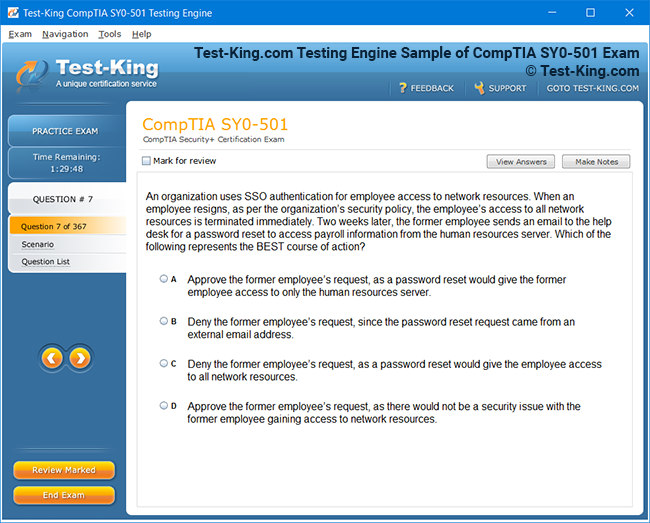
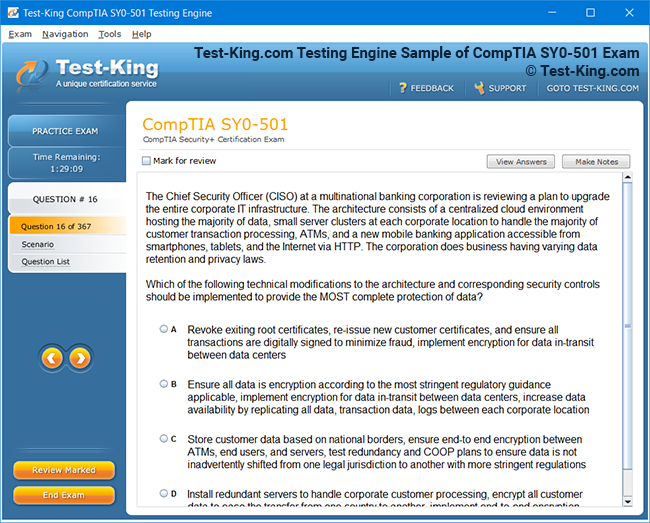
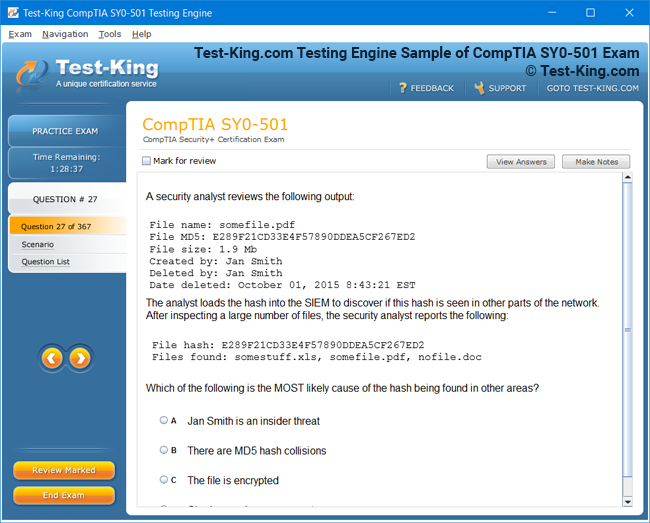
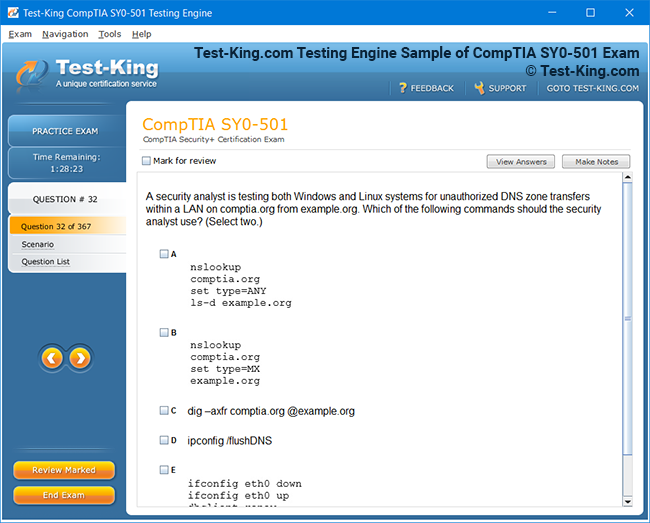
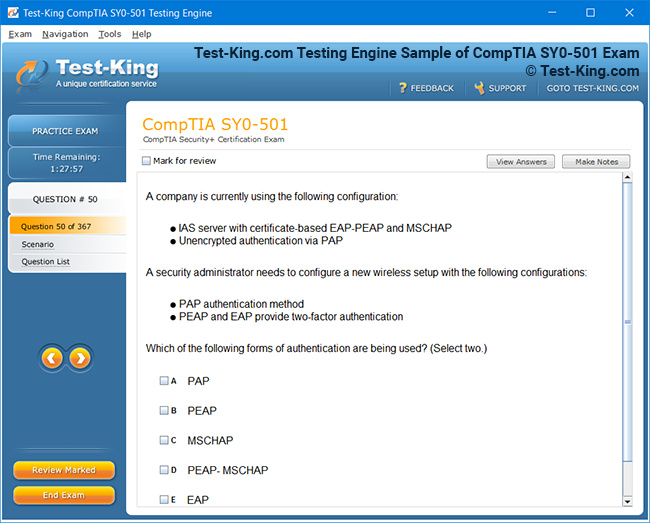
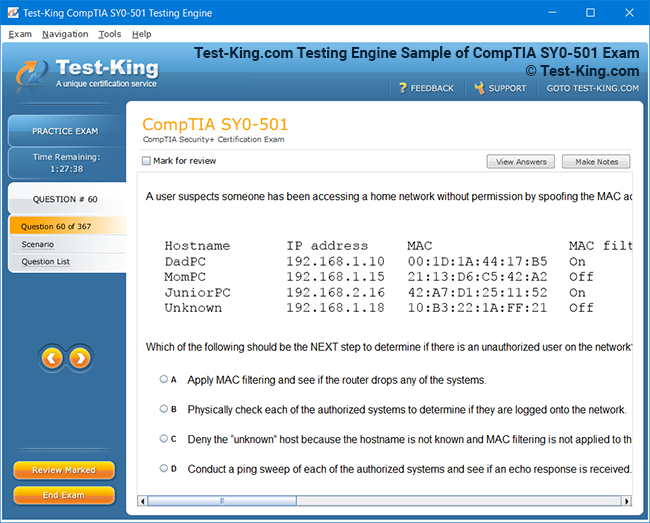
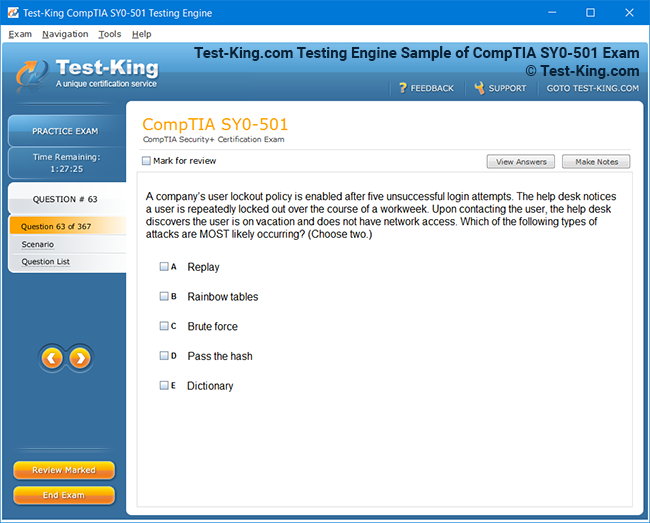
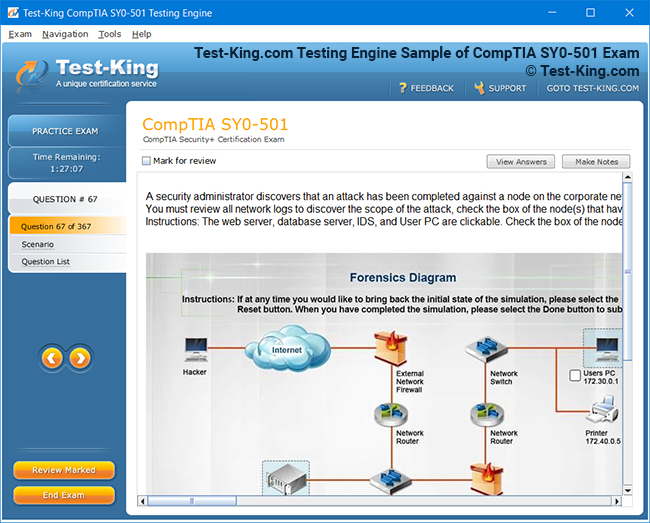
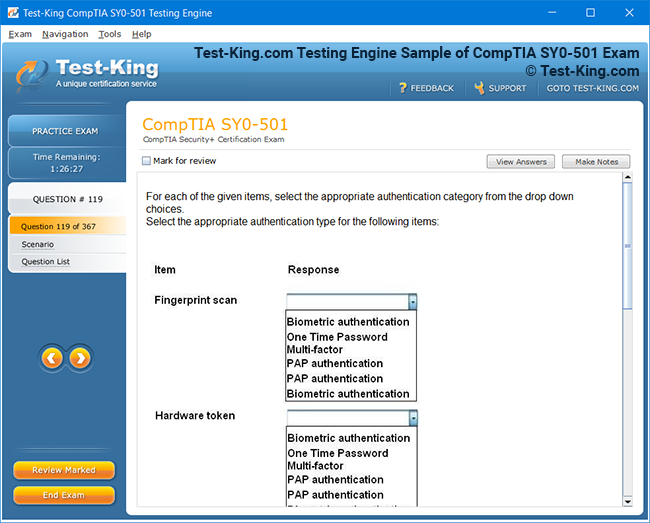
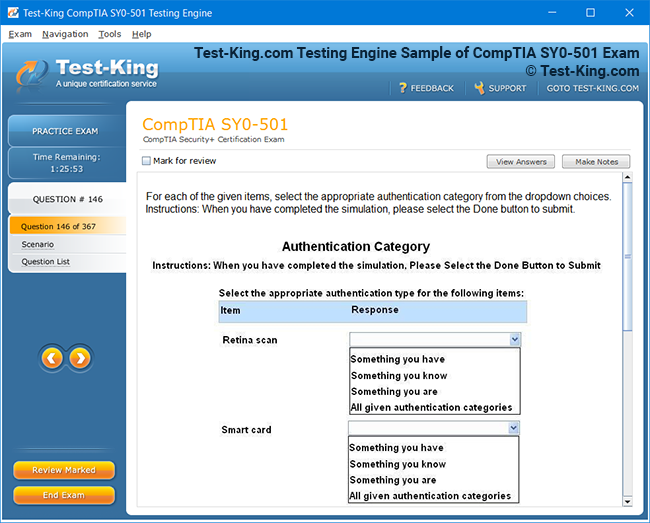
Product Screenshots
Understanding Oracle Financials Cloud: Payables 2021 Certified Implementation Specialist Certification
Oracle Financials Cloud: Payables 2021 certification is a distinguished credential that equips finance professionals with advanced knowledge and practical expertise in implementing and managing payables modules within Oracle Financials Cloud. This certification validates the ability to navigate complex financial processes, optimize vendor management, and ensure compliance with organizational and statutory requirements. In contemporary enterprises, where automation, transparency, and efficiency in financial operations are paramount, this certification serves as a pivotal tool for professionals seeking to make a meaningful impact on organizational performance.
The certification emphasizes an extensive understanding of payables operations, including invoice processing, payment scheduling, expense management, and reconciliation activities. It trains professionals to configure system parameters, set up approval hierarchies, and implement automated workflows that reduce manual intervention and improve operational accuracy. By mastering these functionalities, a certified specialist can transform the accounts payable landscape, making it more efficient, error-resistant, and strategically aligned with business objectives.
Exploring the Relevance and Scope of Oracle Financials Cloud: Payables Certification
In practical terms, professionals holding this credential are capable of integrating payables processes with other ERP modules such as general ledger, procurement, and cash management. This integration enables a cohesive financial ecosystem, providing a holistic view of organizational finances. Certified implementers can analyze cash flow patterns, forecast liabilities, and generate reports that aid management in decision-making. Their expertise ensures that organizations can leverage Oracle Financials Cloud to not only streamline daily operations but also enhance strategic financial planning.
The credential also equips professionals with the ability to implement and manage automated invoice matching, which reduces discrepancies and accelerates processing times. This functionality is critical for maintaining accurate financial records and preventing duplication of payments. By utilizing Oracle Financials Cloud's validation rules and automated approvals, certified specialists ensure that every transaction adheres to organizational policies and regulatory standards. This level of diligence safeguards the company from potential compliance issues and reinforces internal controls.
Oracle Financials Cloud: Payables 2021 certification is particularly valuable in enterprises that handle a high volume of transactions and require precise management of vendor relationships. Certified professionals can configure payment terms that optimize working capital, manage early payment discounts, and implement electronic payment methods such as ACH and virtual cards. These capabilities improve vendor satisfaction, enhance negotiation leverage, and minimize the risk of late payments or financial penalties. The strategic impact of these skills is often observed in reduced operational costs, improved supplier trust, and heightened efficiency in financial operations.
The certification also emphasizes the importance of data accuracy and audit readiness. Professionals learn to maintain comprehensive records, track invoice approvals, and document exceptions. This creates an audit trail that is transparent and easily verifiable, which is essential for internal audits and regulatory examinations. By implementing automated compliance checks and validation rules, certified specialists reduce the probability of errors and enhance the credibility of financial statements. Organizations benefit from increased confidence in their reporting processes and reduced exposure to financial or reputational risk.
From a technological perspective, Oracle Financials Cloud: Payables 2021 certification familiarizes professionals with cloud-based ERP environments, where scalability, real-time access, and security are critical considerations. Certified specialists can manage system configurations, perform data migration, and implement best practices for payables processes in a cloud environment. Their knowledge enables organizations to adopt cloud technology seamlessly, facilitating digital transformation initiatives while maintaining financial integrity. The certification ensures that professionals understand the nuances of cloud ERP systems, including access controls, data security measures, and multi-currency handling, which are crucial for global enterprises.
In addition to operational benefits, the certification enhances analytical capabilities. Professionals can utilize reporting tools and dashboards to monitor key performance indicators such as average payment cycle, overdue invoices, and vendor balances. These insights enable finance teams to identify trends, detect anomalies, and take corrective actions promptly. By leveraging analytics, certified implementers contribute to more informed decision-making, which can result in optimized cash flow management, better resource allocation, and strategic planning aligned with organizational goals.
A unique aspect of this certification is its emphasis on real-world implementation scenarios. Professionals are trained to handle diverse challenges such as managing multiple business units, coordinating across geographies, and dealing with complex approval hierarchies. This practical focus ensures that certified specialists are not merely familiar with theoretical concepts but are adept at applying their knowledge to solve tangible problems within enterprise environments. Their skills facilitate smoother project implementations, faster adoption by end users, and measurable improvements in payables efficiency.
The credential also supports career growth and professional recognition. Certified individuals are often sought after for roles such as ERP consultants, finance operations managers, and implementation leads. Their expertise in Oracle Financials Cloud: Payables distinguishes them in the competitive landscape, providing opportunities for higher compensation, leadership positions, and participation in strategic finance initiatives. Organizations, in turn, benefit from employing professionals who can deliver operational excellence and drive digital transformation in financial operations.
Moreover, the certification fosters a mindset of continuous improvement. Professionals are encouraged to evaluate existing processes, identify bottlenecks, and implement innovative solutions using Oracle Financials Cloud tools. This proactive approach results in enhanced efficiency, reduced errors, and increased satisfaction among stakeholders, including vendors, employees, and management. By combining technical acumen with strategic thinking, certified specialists contribute to a culture of excellence within finance departments.
Another significant advantage of this certification is its contribution to risk management. Certified professionals are equipped to design payables processes that mitigate exposure to fraud, errors, and regulatory noncompliance. By implementing segregation of duties, approval workflows, and automated alerts, they ensure that every financial transaction is executed with integrity and accountability. This capability is invaluable for organizations seeking to maintain robust internal controls while optimizing operational efficiency.
Furthermore, Oracle Financials Cloud: Payables 2021 certification empowers professionals to participate in cross-functional projects. Their knowledge of accounts payable processes and system configuration enables them to collaborate effectively with procurement, treasury, and audit teams. Such collaboration ensures that payables processes are aligned with organizational policies, financial strategy, and regulatory requirements. Certified specialists become indispensable in projects that require integration of business processes with technology, contributing to seamless operations and improved financial performance.
The certification’s focus on automation also aligns with contemporary trends in digital finance. By minimizing manual intervention, professionals can reduce human error, accelerate processing times, and allocate resources to higher-value activities. Automated workflows, notifications, and approvals enhance efficiency and create a structured environment where payables operations are predictable and manageable. Organizations adopting these practices can scale their operations without proportional increases in headcount, achieving cost-effective growth and operational excellence.
In conclusion, Oracle Financials Cloud: Payables 2021 certification is a transformative credential for finance professionals seeking to enhance their expertise in payables management and ERP implementation. It equips individuals with the skills to streamline accounts payable processes, optimize vendor relationships, ensure compliance, drive ERP adoption, and support digital transformation initiatives. The credential has tangible benefits for both professionals and organizations, including operational efficiency, risk mitigation, enhanced financial reporting, and career advancement. Its real-world applications extend across diverse industries, making it a valuable asset for anyone involved in enterprise financial management.
Streamlining Payables Processes and Enhancing Operational Efficiency
Oracle Financials Cloud: Payables 2021 certification empowers finance professionals to revolutionize accounts payable operations with precision and strategic insight. By mastering this credential, specialists can implement end-to-end processes that automate invoice handling, optimize payment workflows, and ensure compliance with organizational policies and regulatory standards. In contemporary enterprises, where financial accuracy, speed, and vendor satisfaction are critical, the expertise validated by this certification becomes indispensable for operational excellence.
The certification equips professionals with the knowledge to configure payables modules that manage high volumes of invoices efficiently. This includes setting up invoice tolerances, automated approval hierarchies, and validation rules to prevent errors. By leveraging these capabilities, certified specialists can reduce processing time, eliminate duplicate payments, and ensure that every invoice aligns with organizational policies. The integration of automation not only enhances accuracy but also frees finance personnel to focus on strategic initiatives, analytical tasks, and cross-functional collaboration.
Certified professionals are trained to design workflows that accommodate complex business scenarios, such as handling multiple subsidiaries, diverse currency requirements, and varied tax regulations. They can configure the system to route invoices for approvals based on value thresholds, department assignments, or vendor type, ensuring a structured and auditable process. This capability enhances visibility and accountability, providing managers with real-time insights into pending approvals, payment schedules, and exception management.
Oracle Financials Cloud: Payables 2021 certification also emphasizes reconciliation and reporting processes. Professionals can set up automated reconciliation between invoices, purchase orders, and receipts, ensuring that discrepancies are identified and resolved promptly. This functionality reduces manual effort, mitigates risk of payment errors, and strengthens internal controls. By maintaining accurate records and audit trails, certified specialists contribute to transparency in financial operations and provide management with confidence in reporting accuracy.
A critical aspect of streamlining payables operations is optimizing vendor payment cycles. Certified professionals can configure payment terms that take advantage of early payment discounts or extend payment timelines to manage cash flow strategically. The ability to automate payment runs, select appropriate payment methods, and schedule disbursements ensures that organizations maintain healthy vendor relationships while preserving liquidity. This strategic management of payables impacts both operational efficiency and financial performance, demonstrating the tangible value of certification expertise.
In addition to operational improvements, the certification enhances analytical capabilities. Professionals can utilize reporting tools to monitor key performance indicators such as average payment cycle, overdue invoices, vendor aging, and invoice exception rates. These insights enable organizations to identify process bottlenecks, evaluate vendor performance, and make data-driven decisions. Certified specialists play a vital role in interpreting these metrics and recommending process enhancements that improve efficiency, reduce costs, and enhance vendor satisfaction.
Automation features within Oracle Financials Cloud allow certified professionals to implement rules that flag anomalies or exceptions in real-time. For instance, duplicate invoices, incorrect amounts, or missing approvals can be automatically detected and routed for resolution. This proactive monitoring reduces financial exposure, prevents errors from escalating, and ensures that organizational policies are enforced consistently. The ability to leverage such intelligent automation distinguishes certified implementers as critical contributors to operational excellence.
Another transformative capability is the integration of payables operations with other ERP modules. Certified specialists ensure seamless connections between accounts payable, general ledger, procurement, and cash management. This integration allows organizations to obtain a holistic view of financial operations, track budget compliance, and streamline interdepartmental workflows. By maintaining alignment between modules, professionals ensure that invoice processing, payment scheduling, and financial reporting occur harmoniously, reducing errors and improving overall efficiency.
The certification also prepares professionals to manage electronic payments effectively. By configuring ACH transfers, virtual card payments, and other digital methods, certified implementers enhance speed, security, and transparency in disbursements. Automated payment processing reduces reliance on manual checks, minimizes administrative overhead, and ensures timely settlement of vendor obligations. Organizations benefit from faster transaction cycles, improved cash flow management, and stronger vendor relationships, all guided by certified expertise.
Certified professionals can also implement approval hierarchies that are dynamic and adaptable to organizational needs. These hierarchies may be designed to accommodate changes in staffing, business unit structures, or transaction types. By configuring conditional routing rules and escalation paths, specialists ensure that invoices requiring attention are promptly addressed, minimizing delays and preventing operational bottlenecks. This level of customization demonstrates the practical and strategic value of certification in real-world finance operations.
Error reduction and process consistency are central outcomes of leveraging the skills validated by this certification. Professionals can configure invoice validation rules to detect discrepancies such as incorrect tax codes, missing invoice details, or mismatched purchase orders. Automation ensures that errors are caught before payment execution, maintaining financial integrity and preventing potential disputes with vendors. Organizations benefit from improved reliability in accounts payable processes, reduced risk of compliance violations, and enhanced confidence in financial data accuracy.
The certification also empowers professionals to implement advanced reporting and analytics dashboards. These tools provide actionable insights into payables operations, highlighting trends, anomalies, and opportunities for process optimization. Certified specialists can design reports that measure vendor performance, monitor outstanding liabilities, and evaluate adherence to payment terms. Such analytical capabilities enable organizations to make informed decisions, optimize working capital, and strengthen financial strategy, further emphasizing the real-world impact of Oracle Financials Cloud: Payables expertise.
Risk management is another critical dimension addressed by the certification. Professionals are trained to implement segregation of duties, approval workflows, and exception management processes that prevent fraud and errors. By enforcing internal controls within the ERP system, certified specialists ensure that accounts payable operations are executed with accountability and compliance. This capability is particularly valuable in large enterprises where the volume of transactions and complexity of operations increase exposure to financial and operational risks.
Certified professionals are also adept at managing change during ERP adoption or process transformation initiatives. Their knowledge allows them to identify inefficiencies in existing payables workflows and design optimized processes that leverage Oracle Financials Cloud functionalities. By guiding organizations through process reengineering and automation, they facilitate smoother adoption, higher user acceptance, and measurable improvements in operational efficiency. Their expertise bridges the gap between technological capabilities and organizational objectives, ensuring that investments in ERP systems deliver maximum value.
The certification’s emphasis on practical scenarios ensures that professionals are prepared to handle diverse challenges in accounts payable management. Whether it is managing intercompany transactions, handling multi-currency invoices, or coordinating approvals across multiple business units, certified specialists possess the skills to navigate complexity effectively. Their ability to anticipate and resolve operational challenges contributes to uninterrupted financial processes, timely payments, and consistent adherence to corporate policies.
In addition to operational and analytical competencies, certified professionals bring strategic insight to finance teams. Their understanding of payables processes, system configuration, and automation enables them to contribute to budgeting, forecasting, and cash flow management initiatives. By aligning payables operations with broader financial strategy, they ensure that operational efficiency translates into tangible organizational benefits, including cost reduction, optimized liquidity, and improved stakeholder confidence.
The certification also fosters continuous improvement in finance operations. Professionals are trained to monitor process efficiency, identify recurring issues, and implement enhancements using Oracle Financials Cloud functionalities. This mindset of proactive optimization results in long-term gains for organizations, including reduced processing times, fewer errors, and stronger vendor relationships. By combining technical skills with strategic thinking, certified specialists become invaluable assets in enhancing the overall performance of accounts payable functions.
Oracle Financials Cloud: Payables 2021 certification transforms the way organizations manage their payables, providing a blend of operational expertise, strategic insight, and technological acumen. Certified professionals can automate workflows, enhance vendor management, ensure compliance, mitigate risk, and provide analytical insights that inform decision-making. Their expertise allows enterprises to achieve efficiency, accuracy, and transparency in accounts payable operations, creating measurable value across financial, operational, and strategic dimensions.
Enhancing Vendor Management and Streamlining Payments
Oracle Financials Cloud: Payables 2021 certification equips finance professionals with the expertise to manage vendor relationships with precision while optimizing payment operations for efficiency and strategic advantage. In contemporary enterprises, where timely payments, accurate invoicing, and transparent interactions with suppliers are essential, the skills validated by this certification provide significant operational and strategic benefits. Professionals holding this credential are adept at implementing workflows that balance organizational cash flow requirements with vendor satisfaction, ensuring a harmonious and efficient financial ecosystem.
The certification emphasizes configuring payment terms and schedules that accommodate both organizational liquidity management and vendor expectations. Certified professionals can set up early payment discounts, deferred payment cycles, and automated payment runs that align with contractual obligations. By leveraging these capabilities, organizations can optimize working capital, reduce payment-related disputes, and strengthen supplier trust. The ability to automate payments and track compliance with terms ensures that vendors are consistently paid on time, creating goodwill and reinforcing long-term partnerships.
Managing vendor relationships effectively requires a deep understanding of invoice processing and validation. Oracle Financials Cloud: Payables provides tools to capture invoices electronically, validate data against purchase orders, and identify exceptions automatically. Certified specialists can implement these tools to ensure accuracy, prevent duplicate payments, and detect discrepancies before they escalate into operational issues. By automating these processes, finance teams can focus on higher-value activities, such as strategic negotiation, supplier performance evaluation, and process optimization, rather than routine administrative tasks.
Certified professionals also gain proficiency in electronic payment methods, including ACH transfers, virtual card payments, and wire transfers. By configuring these payment methods within the ERP system, specialists can enhance transaction speed, reduce manual intervention, and increase security. Digital payments reduce the risk of lost checks, human error, and payment delays, resulting in improved efficiency and reliability. Vendors benefit from timely settlements and transparent tracking, which fosters stronger relationships and enables organizations to negotiate better terms, discounts, and collaborative initiatives.
Another critical component of optimizing vendor management is monitoring supplier performance and compliance. Certified professionals can leverage analytics within Oracle Financials Cloud to generate reports on payment history, dispute resolution, and adherence to contractual terms. By analyzing these metrics, finance teams can identify high-performing suppliers, detect potential risks, and make informed decisions regarding procurement strategies. This analytical insight enables organizations to cultivate relationships with reliable vendors while addressing performance issues proactively.
The certification also highlights the importance of exception handling and dispute management. Professionals are trained to configure automated alerts for late or missing invoices, payment discrepancies, and approval delays. These alerts ensure timely intervention and prevent minor issues from affecting cash flow or vendor satisfaction. By implementing structured resolution workflows, certified specialists ensure that disputes are addressed promptly, transparently, and in alignment with organizational policies. This approach enhances operational efficiency while maintaining strong vendor relationships.
Strategic cash flow management is an integral part of vendor optimization. Certified professionals can schedule payments in alignment with projected cash availability, enabling organizations to maintain liquidity without compromising supplier commitments. By balancing payment cycles with revenue inflows, organizations can optimize their working capital, reduce interest costs, and avoid financial strain. Oracle Financials Cloud provides real-time visibility into outstanding obligations, enabling finance teams to make data-driven decisions about payment timing and prioritization.
In addition to transactional efficiency, the certification enables professionals to implement sophisticated approval hierarchies and conditional workflows. Invoices can be routed for approvals based on vendor type, invoice amount, or department requirements, ensuring compliance with internal policies and segregation of duties. Automated routing and escalation rules minimize delays, reduce bottlenecks, and maintain a consistent approach to payments. Certified specialists can design these workflows to accommodate complex business structures, multiple subsidiaries, and cross-border operations, providing a scalable solution for growing enterprises.
The role of certified professionals extends beyond routine payments to encompass vendor relationship strategy. By analyzing historical data, payment trends, and supplier responsiveness, specialists can advise management on renegotiating contracts, optimizing procurement cycles, and establishing collaborative initiatives. This strategic oversight ensures that vendor interactions contribute not only to operational efficiency but also to long-term organizational goals, including cost reduction, process innovation, and competitive advantage.
Risk mitigation is another dimension enhanced by this certification. Professionals are trained to implement controls that prevent fraud, errors, and unauthorized payments. By configuring system alerts, enforcing segregation of duties, and maintaining a transparent audit trail, certified specialists ensure that vendor payments are executed with integrity and accountability. This proactive approach protects the organization from financial loss, reputational damage, and regulatory noncompliance while maintaining trust with suppliers.
Certified professionals also play a vital role in supporting multi-currency and global vendor operations. Oracle Financials Cloud provides functionalities for handling foreign exchange rates, cross-border payment regulations, and multi-currency reporting. Specialists can configure the system to calculate exchange rate differences, track international payment obligations, and maintain accurate records for accounting and compliance purposes. By managing these complexities efficiently, certified implementers ensure smooth operations in global supply chains and maintain strong international vendor relationships.
Automation and analytics are central to enhancing payment efficiency. Professionals can design dashboards that provide real-time insights into payment cycles, outstanding invoices, and vendor performance. These dashboards allow finance teams to monitor trends, identify potential bottlenecks, and implement corrective measures proactively. By using analytics to optimize payment timing, prioritize high-value transactions, and detect anomalies, certified specialists contribute to a more responsive and resilient accounts payable function.
The certification also prepares professionals to manage electronic invoicing and digital document management. By implementing invoice scanning, optical character recognition, and automated approval workflows, specialists can reduce manual effort, enhance data accuracy, and accelerate payment cycles. Digital document management enables secure storage, easy retrieval, and compliance with record-keeping requirements. Organizations benefit from reduced operational costs, faster processing, and improved vendor satisfaction, while finance teams gain more time for analytical and strategic work.
Collaboration between finance and procurement teams is another area enhanced by certified expertise. Professionals can design integrated workflows that ensure alignment between purchase orders, invoices, and payment schedules. This coordination minimizes errors, prevents duplicate payments, and facilitates timely communication with vendors. Certified specialists can also provide insights on supplier performance, cost optimization, and process improvement, enabling cross-functional teams to make informed decisions and achieve organizational objectives.
The certification emphasizes practical application in real-world business environments. Professionals are trained to manage exceptions, handle high-volume transactions, and address challenges such as late submissions, partial deliveries, or contract discrepancies. Their ability to navigate these complexities ensures that vendors are treated fairly, organizational policies are enforced, and operational efficiency is maintained. By applying these skills, certified implementers create a streamlined, reliable, and transparent accounts payable process that benefits both the organization and its suppliers.
By optimizing vendor management and payment efficiency, certified professionals contribute to broader financial objectives such as cost control, cash flow management, and financial transparency. Their expertise allows organizations to negotiate favorable terms, reduce late-payment penalties, and maintain a strong supplier network. Furthermore, the integration of Oracle Financials Cloud functionalities with operational strategies ensures that technology is leveraged effectively to deliver measurable business outcomes.
Certified professionals also bring strategic foresight to vendor management. They can evaluate vendor performance trends, assess risk exposure, and recommend changes to payment practices or contractual terms. This proactive approach allows organizations to mitigate potential issues before they impact operations, strengthen supplier partnerships, and maintain a competitive advantage. By combining operational efficiency with strategic insight, professionals holding this certification become indispensable contributors to enterprise financial management.
Driving Compliance and Risk Management in Payables Operations
Oracle Financials Cloud: Payables 2021 certification equips finance professionals with the knowledge and practical expertise to enforce compliance and mitigate operational and financial risks within enterprise payables processes. In today’s regulatory environment, where adherence to accounting standards, tax regulations, and internal controls is critical, this credential ensures that professionals can design, implement, and monitor processes that safeguard organizational integrity. Certified specialists are capable of configuring automated controls, maintaining audit-ready records, and ensuring that every transaction is executed in accordance with internal policies and statutory obligations.
The certification emphasizes understanding regulatory frameworks and organizational policies that govern accounts payable processes. Professionals learn to implement system-based controls that monitor compliance with payment approvals, invoice verification, and vendor management practices. By setting up automated alerts for exceptions such as duplicate invoices, missing approvals, or incorrect amounts, certified specialists prevent errors and maintain financial integrity. These proactive mechanisms reduce the risk of regulatory violations and provide transparency in financial operations, which is vital for internal audits and external examinations.
Certified professionals are trained to enforce segregation of duties within Oracle Financials Cloud, ensuring that no single individual can authorize, process, and reconcile transactions independently. This fundamental principle of internal control mitigates the risk of fraud and ensures accountability. By configuring role-based access, approval hierarchies, and conditional workflows, specialists can monitor adherence to organizational policies in real time, providing management with confidence in the reliability of payables processes.
Risk management extends to handling exceptions and disputes effectively. Professionals are adept at setting up structured workflows that automatically escalate issues such as late invoices, discrepancies in purchase orders, or variances in payment amounts. This ensures that anomalies are addressed promptly and systematically, preventing operational disruptions and financial losses. By maintaining a transparent process for exceptions, certified specialists strengthen organizational resilience and promote trust among vendors and stakeholders.
The certification also equips professionals to maintain comprehensive records that support compliance and risk mitigation. Oracle Financials Cloud enables the creation of detailed audit trails that document every transaction, approval, and adjustment. Certified specialists can ensure that records are accurate, accessible, and aligned with statutory requirements. These practices are crucial for demonstrating regulatory compliance, preparing for audits, and minimizing exposure to financial penalties or reputational damage.
One of the critical applications of the certification is tax compliance and reporting. Professionals are trained to configure the system to calculate taxes accurately, apply appropriate tax codes, and generate reports that meet legal requirements. By automating tax calculations and ensuring proper documentation, certified specialists reduce the risk of errors, avoid noncompliance, and facilitate timely reporting to authorities. This capability is particularly valuable in enterprises operating across multiple jurisdictions with complex tax structures.
Certified specialists also bring a strategic approach to risk mitigation by analyzing historical transaction data to identify patterns of potential vulnerability. They can detect recurring discrepancies, high-risk vendors, or unusual payment trends that may indicate procedural gaps or control weaknesses. By leveraging this analytical insight, finance teams can implement targeted interventions, strengthen internal controls, and reduce the likelihood of financial loss or compliance breaches.
Another essential aspect is the integration of compliance and risk management within automated workflows. Professionals can configure Oracle Financials Cloud to enforce mandatory approvals, validate invoice data against purchase orders, and flag exceptions before payments are executed. Automation reduces the dependence on manual intervention, ensuring that policies are consistently applied and minimizing the chance of oversight. Organizations benefit from more predictable, controlled, and auditable payables operations, which enhances trust and operational stability.
Certified professionals are also equipped to manage multi-currency and cross-border transactions while maintaining compliance with international regulations. By configuring the system to handle currency conversions, exchange rate fluctuations, and country-specific reporting requirements, specialists ensure that global payables operations remain accurate and compliant. This capability is critical for multinational enterprises seeking to mitigate risks associated with currency volatility, regulatory differences, and international payment processes.
The certification enhances analytical and reporting capabilities, enabling finance teams to monitor compliance and risk metrics continuously. Dashboards and reports can display pending approvals, overdue invoices, exception counts, and policy violations in real time. Certified specialists can interpret these insights to recommend corrective actions, optimize workflows, and ensure adherence to internal and external requirements. This proactive approach transforms compliance from a reactive task into a strategic function that adds operational value.
Maintaining vendor compliance is another crucial aspect addressed by the certification. Professionals can configure Oracle Financials Cloud to enforce contractual terms, track vendor certifications, and ensure adherence to agreed-upon payment schedules. By monitoring vendor compliance, certified specialists reduce exposure to disputes, penalties, or service interruptions. They also provide management with insights into vendor reliability and performance, which supports strategic decision-making regarding supplier selection, payment practices, and procurement strategy.
The certification also emphasizes the importance of continuous monitoring and improvement in compliance and risk management. Professionals are trained to review payables processes regularly, identify vulnerabilities, and implement enhancements using system capabilities. This continuous improvement mindset ensures that the organization remains resilient in the face of evolving regulatory requirements, operational challenges, and financial risks. Certified specialists become essential in fostering a culture of diligence, accountability, and proactive governance within finance teams.
Automation in compliance extends to exception management, audit readiness, and regulatory reporting. Professionals can configure automated notifications for overdue approvals, unusual transaction patterns, or policy violations. These alerts enable immediate corrective action, ensuring that potential issues are addressed before they escalate. By maintaining a structured, automated approach, organizations reduce the likelihood of financial misstatement, enhance transparency, and strengthen internal and external stakeholder confidence.
Certified specialists also contribute to risk mitigation through role-based controls and user activity monitoring. By defining clear responsibilities and monitoring access to financial transactions, professionals prevent unauthorized actions, detect anomalies, and enforce accountability. This granular control over system access complements automated processes and ensures that payables operations adhere to both internal standards and external regulations.
Another important aspect of compliance management is documentation and audit preparedness. Professionals can implement structured workflows that maintain electronic records of approvals, adjustments, and exceptions. These records are essential for audits, regulatory reviews, and internal evaluations. By ensuring that documentation is complete, accurate, and easily retrievable, certified specialists facilitate transparency, reduce audit preparation time, and demonstrate organizational commitment to compliance.
The certification also prepares professionals to align payables operations with organizational policies and governance frameworks. By integrating policy enforcement into automated workflows, specialists ensure that financial processes are consistent, auditable, and resilient to errors or fraud. This alignment enhances organizational confidence in financial management and supports strategic objectives, such as operational efficiency, risk mitigation, and vendor relationship optimization.
Certified professionals play a pivotal role in fostering collaboration between finance, procurement, and audit teams. By sharing insights from automated monitoring, reporting, and exception management, they ensure that all stakeholders have visibility into compliance and risk metrics. This collaborative approach promotes accountability, enables informed decision-making, and strengthens the overall control environment within the enterprise.
Risk assessment and mitigation are further enhanced by scenario analysis and predictive monitoring. Professionals can evaluate historical transaction patterns, identify potential vulnerabilities, and anticipate the impact of changes in policies, regulations, or market conditions. By applying these insights, certified specialists enable organizations to proactively adjust workflows, improve internal controls, and maintain financial and operational resilience.
Oracle Financials Cloud: Payables 2021 certification thus empowers professionals to combine technological expertise with strategic risk management capabilities. Certified specialists can implement automated controls, monitor compliance in real time, manage exceptions efficiently, and provide actionable insights to management. Their skills enhance operational reliability, reduce exposure to financial and regulatory risks, and ensure that payables operations are executed with transparency and accountability.
Supporting ERP Implementation and Digital Transformation in Payables
Oracle Financials Cloud: Payables 2021 certification empowers finance professionals to play a pivotal role in ERP implementation and digital transformation initiatives, ensuring that accounts payable operations are aligned with organizational goals, technological capabilities, and strategic objectives. The credential validates expertise in configuring payables modules, managing system integration, and optimizing processes to leverage the full potential of enterprise resource planning systems. Certified professionals are capable of guiding organizations through complex implementation projects, minimizing disruption, and maximizing efficiency while enhancing financial control and reporting accuracy.
A critical application of the certification is configuring the payables module to meet specific business requirements. Professionals can set up workflows for invoice processing, approvals, payment scheduling, and exception management. They are adept at mapping organizational processes into the ERP system, ensuring that automated workflows reflect company policies, regulatory requirements, and operational nuances. This alignment reduces errors, accelerates adoption, and creates a seamless transition from legacy systems to Oracle Financials Cloud.
Certified specialists also facilitate data migration during ERP deployment. They ensure that historical invoice data, vendor records, and payment histories are accurately transferred into the new system. By validating data integrity, resolving inconsistencies, and performing test migrations, professionals prevent operational disruption and maintain continuity of accounts payable operations. Accurate data migration is critical for preserving financial transparency, ensuring compliance, and providing management with reliable insights from day one of ERP adoption.
The certification emphasizes the integration of payables operations with other ERP modules, including general ledger, procurement, and cash management. Certified professionals ensure that invoice data flows seamlessly across modules, supporting consolidated reporting, real-time visibility, and accurate financial analysis. This integration enables organizations to synchronize procurement, payment, and accounting activities, providing a cohesive view of financial performance and facilitating strategic decision-making.
Automation is a cornerstone of ERP-enabled payables transformation. Certified professionals can configure automated invoice validation, approval routing, and payment execution. These features reduce manual intervention, minimize errors, and accelerate payment cycles. Automated exception handling ensures that discrepancies are addressed promptly, preventing operational bottlenecks and maintaining vendor satisfaction. By leveraging automation, finance teams can focus on higher-value activities, including process optimization, vendor negotiation, and strategic planning.
Another important aspect of ERP implementation is user adoption and change management. Certified specialists are trained to provide guidance, training, and support to end users, ensuring they understand system functionalities, workflows, and compliance requirements. By facilitating effective training programs, creating user documentation, and offering ongoing assistance, professionals ensure a smooth transition and high adoption rates. Successful user adoption is critical for realizing the full benefits of ERP systems, including operational efficiency, accurate reporting, and enhanced control.
Certified professionals also contribute to digital transformation initiatives by implementing advanced reporting and analytics within Oracle Financials Cloud. They can design dashboards that provide real-time insights into accounts payable operations, highlighting key performance indicators such as invoice cycle times, payment accuracy, and vendor performance. These analytical tools empower finance teams to make data-driven decisions, identify inefficiencies, and implement continuous improvements that enhance operational effectiveness.
The certification further prepares professionals to manage complex approval hierarchies and workflows that are essential in multi-entity organizations. They can configure routing rules that consider transaction amount, department, vendor type, and business unit, ensuring that invoices are reviewed and approved by the appropriate personnel. Conditional routing and automated escalation rules prevent delays, maintain compliance, and support operational efficiency in large, decentralized organizations.
Certified specialists are also adept at managing electronic payments within ERP systems. By implementing ACH transfers, virtual card payments, and other digital methods, they enhance speed, security, and transparency in disbursements. Automated payment scheduling ensures that vendors are paid on time, improving relationships and maintaining organizational credibility. Efficient payment processes reduce administrative overhead, minimize errors, and enable organizations to optimize cash flow strategically.
Risk management is another dimension strengthened by ERP implementation guided by certified professionals. By configuring segregation of duties, automated approval workflows, and exception monitoring, they ensure that accounts payable operations are secure, auditable, and aligned with internal controls. This proactive approach reduces the likelihood of fraud, errors, or regulatory noncompliance, safeguarding the organization’s financial and operational integrity.
The certification also equips professionals to manage multi-currency and global payables operations within ERP systems. They can configure exchange rate handling, cross-border payment processing, and international reporting requirements, ensuring that global financial operations remain accurate and compliant. Certified specialists can navigate the complexities of international transactions, mitigate currency risk, and maintain consistency in financial records, providing valuable expertise for multinational organizations undergoing digital transformation.
Collaboration across departments is enhanced through ERP implementation. Certified professionals ensure that finance, procurement, treasury, and audit teams are aligned in payables processes. By facilitating communication, integrating workflows, and providing analytical insights, they create a cohesive operational environment where all stakeholders can monitor performance, track obligations, and optimize processes. This collaborative approach supports strategic objectives, enhances efficiency, and improves the reliability of financial operations.
The certification further emphasizes continuous monitoring and process improvement in ERP environments. Professionals are trained to review operational data, identify bottlenecks, and implement enhancements that optimize invoice processing, approval workflows, and payment cycles. By fostering a culture of continuous improvement, certified specialists ensure that payables operations evolve alongside organizational growth, technological advancements, and changing business needs.
Certified professionals also contribute to compliance during ERP deployment. They can configure system controls to enforce regulatory requirements, maintain audit trails, and validate transactions automatically. This ensures that accounts payable operations remain transparent, accountable, and aligned with statutory obligations from the outset of implementation. Compliance integration into ERP processes reduces the risk of errors, enhances financial governance, and supports organizational credibility with stakeholders and auditors.
Another advantage of certified expertise is the ability to leverage analytics for predictive insights. Professionals can analyze historical invoice data, vendor performance trends, and payment cycles to forecast cash flow needs, identify potential operational challenges, and anticipate compliance risks. These insights enable proactive decision-making, optimized resource allocation, and improved operational resilience. By integrating predictive analytics into ERP workflows, certified specialists transform data into strategic value for the organization.
The certification also empowers professionals to manage high-volume transactions efficiently within ERP systems. They can configure batch processing, automated approvals, and exception handling to ensure that accounts payable operations scale effectively as organizations grow. This capability ensures that financial operations remain accurate, timely, and compliant even under increasing transactional complexity, supporting enterprise growth and operational scalability.
In addition to operational optimization, certified professionals enhance reporting and decision-making capabilities within ERP systems. By designing interactive dashboards, real-time reports, and KPI monitoring tools, they provide management with actionable insights into accounts payable performance. These insights facilitate strategic planning, enable informed decisions regarding cash flow management, and support vendor relationship strategies. By transforming transactional data into analytical intelligence, certified specialists deliver tangible value beyond routine operational functions.
Oracle Financials Cloud: Payables 2021 certification thus positions finance professionals as key enablers of ERP implementation and digital transformation. Their expertise ensures that accounts payable processes are automated, compliant, efficient, and integrated with broader financial operations. Certified specialists contribute to operational excellence, strategic financial management, and organizational resilience, bridging the gap between technology deployment and real-world business objectives.
Unlocking Professional Growth and Driving Enterprise Efficiency
Oracle Financials Cloud: Payables 2021 certification is a transformative credential that not only validates technical expertise but also opens pathways for career advancement and meaningful organizational impact. Professionals who achieve this certification are recognized for their ability to manage complex payables operations, implement ERP solutions, and enhance financial processes across enterprises. In an era where digital transformation, automation, and operational efficiency define competitive advantage, certified specialists become essential contributors to organizational success while simultaneously enhancing their professional trajectory.
The certification equips professionals with the knowledge and skills to configure accounts payable modules, streamline invoice processing, and manage vendor relationships effectively. By mastering automated workflows, approval hierarchies, payment scheduling, and exception management, certified specialists ensure that financial operations are accurate, compliant, and efficient. This expertise allows finance teams to operate with agility, respond to business needs promptly, and provide management with reliable, real-time financial insights that inform strategic decision-making.
Professionals holding this credential are highly sought after for roles such as ERP implementation consultants, accounts payable managers, finance operations leads, and process optimization specialists. The certification demonstrates proficiency in Oracle Financials Cloud functionalities, ensuring that organizations can trust certified individuals to deliver operational excellence and process improvements. Career advancement is supported not only by technical capabilities but also by the strategic perspective developed through certification, enabling professionals to contribute beyond transactional tasks toward organizational growth initiatives.
Certified specialists play a pivotal role in enhancing operational efficiency within enterprises. By leveraging automation and system configuration, they reduce manual effort, minimize errors, and accelerate processing cycles. Invoice validation, exception handling, and automated payment scheduling are examples of processes that are optimized through certified expertise. As a result, organizations experience improved cash flow management, fewer payment discrepancies, and strengthened vendor trust. These operational improvements translate directly into measurable business value, demonstrating the importance of certification in driving enterprise efficiency.
Another significant benefit of this certification is the enhancement of analytical capabilities. Certified professionals can design dashboards, generate reports, and monitor key performance indicators related to payables operations, vendor performance, and compliance metrics. By interpreting this data, they identify bottlenecks, predict cash flow requirements, and recommend process improvements. The ability to transform operational data into actionable insights positions certified specialists as strategic advisors who contribute to organizational planning, risk management, and financial decision-making.
The certification also enables professionals to ensure compliance and mitigate financial risks effectively. By configuring segregation of duties, approval workflows, and exception monitoring, certified specialists maintain adherence to internal policies and regulatory requirements. Audit trails, automated alerts, and exception reports provide transparency and accountability, reducing the likelihood of fraud or noncompliance. Organizations benefit from improved governance, reduced financial exposure, and greater confidence in financial reporting, all facilitated by certified expertise.
Global enterprises particularly value the certification for its applicability in multi-currency and cross-border operations. Professionals are trained to manage international transactions, handle foreign exchange fluctuations, and comply with jurisdiction-specific regulations. By configuring Oracle Financials Cloud to address these complexities, certified specialists ensure that global payables processes remain accurate, efficient, and compliant. This capability strengthens multinational operations and positions certified professionals as essential contributors to global financial management.
Vendor relationship management is another critical area enhanced by the certification. Certified specialists can optimize payment schedules, enforce contractual compliance, and provide real-time insights into vendor performance. By maintaining timely payments, transparent communication, and automated exception handling, they foster stronger supplier partnerships. These capabilities improve operational reliability, enhance negotiation leverage, and contribute to long-term business continuity. Organizations benefit from both cost optimization and improved collaboration with key vendors, reinforcing the strategic importance of certified expertise.
ERP implementation and digital transformation initiatives are also supported through certification. Professionals can map business processes into the system, configure workflows, migrate data accurately, and ensure seamless integration with other modules such as procurement, general ledger, and cash management. By guiding organizations through these complex implementations, certified specialists minimize disruption, enhance user adoption, and maximize the value of ERP investments. Their expertise ensures that technology deployment aligns with organizational objectives and delivers measurable efficiency gains.
Certified professionals are further positioned to drive continuous improvement in payables operations. They monitor process performance, identify recurring issues, and implement enhancements leveraging Oracle Financials Cloud functionalities. By fostering a culture of innovation and process optimization, they ensure that financial operations evolve alongside business growth and technological advancement. This continuous improvement mindset enhances both operational resilience and strategic decision-making capabilities within organizations.
From a career perspective, Oracle Financials Cloud: Payables 2021 certification provides professionals with a competitive edge. It distinguishes individuals in a crowded job market, demonstrating mastery of advanced ERP functionality and practical application in complex business environments. Certified specialists are recognized for their ability to implement best practices, optimize workflows, and provide strategic insights that impact both operational efficiency and organizational success. This recognition often translates into accelerated career progression, leadership opportunities, and increased compensation.
The certification also fosters cross-functional collaboration within enterprises. Professionals can coordinate with procurement, treasury, audit, and management teams to ensure that payables processes are efficient, compliant, and strategically aligned. By bridging communication gaps and integrating operational insights across departments, certified specialists contribute to cohesive financial management, improved organizational performance, and enhanced stakeholder confidence. Their role extends beyond transactional responsibilities to include strategic advisory and operational governance.
Moreover, certified specialists contribute to financial transparency and accountability. By maintaining accurate records, configuring automated controls, and monitoring key metrics, they ensure that all payables operations are auditable, compliant, and reliable. This transparency is critical for internal and external reporting, supporting decision-making, and maintaining organizational credibility with stakeholders. The ability to provide clear, verifiable insights into financial operations underscores the strategic value of Oracle Financials Cloud: Payables expertise.
Digital transformation initiatives benefit from certified professionals’ ability to optimize workflows, implement automation, and integrate data across ERP modules. By aligning operational practices with technological capabilities, they ensure that organizations realize the full potential of cloud-based finance solutions. Enhanced automation, streamlined approvals, and real-time reporting contribute to efficiency, accuracy, and agility in financial operations, creating measurable business advantages.
Training and mentoring are additional areas where certified professionals make a significant impact. They can guide colleagues, provide system knowledge, and ensure that end users understand operational workflows. By sharing expertise, they facilitate smoother adoption of Oracle Financials Cloud functionalities, reduce errors, and enhance overall productivity. Their mentorship strengthens finance teams, promotes best practices, and contributes to long-term organizational capability development.
Certified specialists also provide strategic insight into cost management and operational efficiency. By analyzing invoice trends, vendor performance, and payment cycles, they identify opportunities for cost reduction, optimize cash flow, and recommend process enhancements. These strategic contributions extend the value of the certification beyond operational tasks, positioning professionals as key advisors in enterprise financial management and strategic planning.
Organizations benefit from the certification through enhanced payables efficiency, reduced financial risk, improved compliance, and optimized vendor relationships. Certified professionals ensure that transactions are accurate, timely, and auditable, supporting operational excellence and strategic decision-making. By leveraging automation, analytics, and ERP integration, they create a robust financial ecosystem that enhances both organizational performance and competitiveness.
The career advantages of this certification are equally significant. Professionals gain recognition for their advanced technical skills, practical application expertise, and strategic mindset. The credential opens doors to leadership roles, consulting opportunities, and specialized positions within finance and ERP operations. Certified individuals are distinguished as capable of driving operational excellence, ensuring compliance, and contributing to strategic initiatives, enhancing both career growth and professional reputation.
Conclusion
In Oracle Financials Cloud: Payables 2021 certification is a powerful tool for professionals seeking to advance their careers while delivering tangible organizational impact. It equips individuals with the skills to optimize accounts payable processes, manage vendor relationships, implement ERP solutions, and enhance compliance and risk management. Certified specialists contribute to operational efficiency, financial transparency, and strategic decision-making, positioning themselves as indispensable assets within modern enterprises. The credential fosters both personal growth and organizational excellence, ensuring that finance professionals are prepared to meet the demands of a dynamic and technology-driven business environment.
Frequently Asked Questions
How can I get the products after purchase?
All products are available for download immediately from your Member's Area. Once you have made the payment, you will be transferred to Member's Area where you can login and download the products you have purchased to your computer.
How long can I use my product? Will it be valid forever?
Test-King products have a validity of 90 days from the date of purchase. This means that any updates to the products, including but not limited to new questions, or updates and changes by our editing team, will be automatically downloaded on to computer to make sure that you get latest exam prep materials during those 90 days.
Can I renew my product if when it's expired?
Yes, when the 90 days of your product validity are over, you have the option of renewing your expired products with a 30% discount. This can be done in your Member's Area.
Please note that you will not be able to use the product after it has expired if you don't renew it.
How often are the questions updated?
We always try to provide the latest pool of questions, Updates in the questions depend on the changes in actual pool of questions by different vendors. As soon as we know about the change in the exam question pool we try our best to update the products as fast as possible.
How many computers I can download Test-King software on?
You can download the Test-King products on the maximum number of 2 (two) computers or devices. If you need to use the software on more than two machines, you can purchase this option separately. Please email support@test-king.com if you need to use more than 5 (five) computers.
What is a PDF Version?
PDF Version is a pdf document of Questions & Answers product. The document file has standart .pdf format, which can be easily read by any pdf reader application like Adobe Acrobat Reader, Foxit Reader, OpenOffice, Google Docs and many others.
Can I purchase PDF Version without the Testing Engine?
PDF Version cannot be purchased separately. It is only available as an add-on to main Question & Answer Testing Engine product.
What operating systems are supported by your Testing Engine software?
Our testing engine is supported by Windows. Andriod and IOS software is currently under development.