

Exam Code: P3O
Exam Name: PPM Portfolio, Programme and Project Offices Foundation
Certification Provider: PEOPLECERT
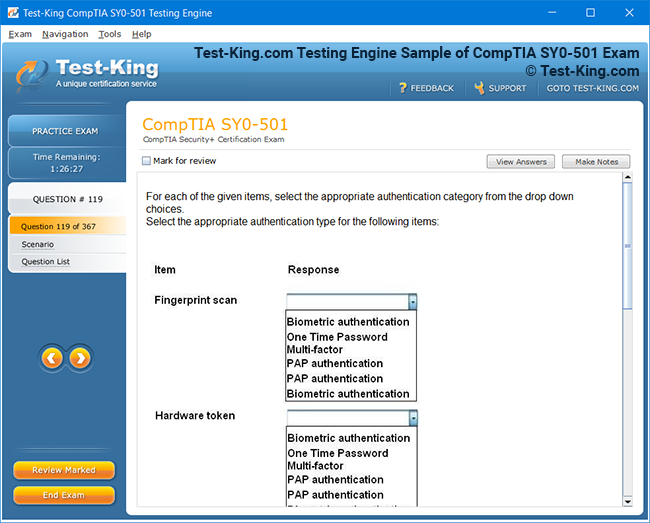
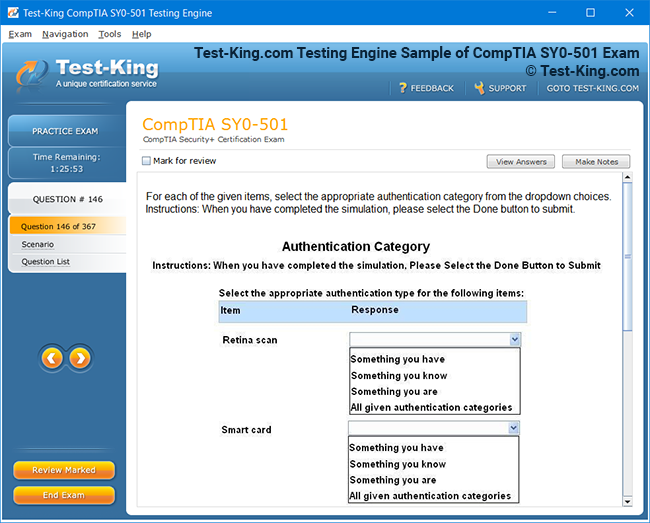
Product Screenshots
Frequently Asked Questions
How can I get the products after purchase?
All products are available for download immediately from your Member's Area. Once you have made the payment, you will be transferred to Member's Area where you can login and download the products you have purchased to your computer.
How long can I use my product? Will it be valid forever?
Test-King products have a validity of 90 days from the date of purchase. This means that any updates to the products, including but not limited to new questions, or updates and changes by our editing team, will be automatically downloaded on to computer to make sure that you get latest exam prep materials during those 90 days.
Can I renew my product if when it's expired?
Yes, when the 90 days of your product validity are over, you have the option of renewing your expired products with a 30% discount. This can be done in your Member's Area.
Please note that you will not be able to use the product after it has expired if you don't renew it.
How often are the questions updated?
We always try to provide the latest pool of questions, Updates in the questions depend on the changes in actual pool of questions by different vendors. As soon as we know about the change in the exam question pool we try our best to update the products as fast as possible.
How many computers I can download Test-King software on?
You can download the Test-King products on the maximum number of 2 (two) computers or devices. If you need to use the software on more than two machines, you can purchase this option separately. Please email support@test-king.com if you need to use more than 5 (five) computers.
What is a PDF Version?
PDF Version is a pdf document of Questions & Answers product. The document file has standart .pdf format, which can be easily read by any pdf reader application like Adobe Acrobat Reader, Foxit Reader, OpenOffice, Google Docs and many others.
Can I purchase PDF Version without the Testing Engine?
PDF Version cannot be purchased separately. It is only available as an add-on to main Question & Answer Testing Engine product.
What operating systems are supported by your Testing Engine software?
Our testing engine is supported by Windows. Andriod and IOS software is currently under development.
Top PEOPLECERT Exams
Top Tips for Passing the PEOPLECERT P3O Foundation Exam
The PEOPLECERT P3O Foundation examination is a gateway for professionals who aspire to acquire a robust understanding of Portfolio, Programme and Project Offices within contemporary organizational frameworks. Grasping the intricacies of P3O is more than a mere academic endeavor; it is an exploration into how organizations orchestrate strategic initiatives, streamline governance, and optimize the alignment between portfolio, programme, and project management. The P3O Foundation is particularly pivotal for professionals engaged in Project Portfolio Management (PPM), as it elucidates the mechanisms by which offices function to enhance organizational efficiency, mitigate risks, and promote sustainable value creation.
Understanding P3O Foundation and Its Importance
At the heart of P3O lies the principle of structured support. Organizations often grapple with dispersed initiatives that, while seemingly independent, are interlinked through strategic objectives and organizational priorities. The concept of a portfolio office serves as a central nerve for oversight, ensuring that investment decisions, resource allocation, and performance metrics adhere to overarching corporate aims. Programme offices, in turn, supervise interrelated projects that collectively contribute to strategic benefits, offering coordination, risk management, and benefits realization oversight. Project offices operate at the tactical level, providing project managers with tools, guidance, and standardized methodologies to achieve outputs efficiently. Understanding this stratification is crucial for anyone preparing for the P3O Foundation exam, as it forms the backbone of scenario-based questions and situational analysis that frequently appear in PEOPLECERT assessments.
Examining the role of P3O from a governance perspective reveals its indispensability in risk mitigation and informed decision-making. Organizations without structured offices often encounter inconsistencies in project delivery, fragmented reporting, and delayed identification of critical issues. The P3O Foundation certification emphasizes the value of establishing clear accountabilities, standardized procedures, and effective communication channels. These frameworks do not merely enforce bureaucratic oversight; they create an environment where strategic objectives cascade seamlessly through programmes and projects, ensuring alignment with long-term organizational vision. Professionals who internalize this understanding can better appreciate the exam’s scenario-based questions, which often assess not only theoretical knowledge but also the ability to analyze organizational scenarios and recommend suitable P3O models.
A nuanced understanding of the P3O model also requires an appreciation of its adaptability. PEOPLECERT P3O Foundation examinations often explore different types of office structures, including enterprise, hub-and-spoke, and virtual arrangements. An enterprise P3O, for example, integrates portfolio, programme, and project oversight across the entire organization, providing a comprehensive view of resource utilization, risk exposure, and strategic alignment. Hub-and-spoke arrangements, in contrast, may involve a central office supporting several decentralized units, ensuring consistency while allowing local autonomy. Virtual P3Os leverage technology to deliver oversight across geographically dispersed teams. Recognizing these variations is crucial for answering exam questions that probe the suitability of particular office types for given organizational contexts.
The benefits of acquiring the PEOPLECERT P3O Foundation certification extend beyond examination success. For professionals engaged in PPM, it offers a lexicon of concepts, processes, and best practices that are directly applicable in operational environments. By familiarizing oneself with the language of portfolio, programme, and project offices, candidates can communicate effectively with stakeholders at all organizational levels. The P3O Foundation emphasizes the importance of value management, resource optimization, and benefits realization, which are critical in contemporary business landscapes characterized by volatility, uncertainty, complexity, and ambiguity. Knowledge gained from P3O Foundation training allows professionals to design, implement, and maintain office structures that are not only compliant with organizational governance requirements but also capable of responding to emergent challenges with dexterity.
A key component of succeeding in the P3O Foundation examination is understanding the lifecycle of offices and the flow of information within them. Portfolio offices monitor strategic initiatives from inception to conclusion, capturing performance data, risk metrics, and benefit realization reports. Programme offices coordinate interdependent projects, ensuring that deliverables contribute effectively to the intended benefits while managing dependencies and resource constraints. Project offices support individual projects with standardized methodologies, documentation, and guidance, enabling project managers to focus on execution while maintaining alignment with strategic objectives. PEOPLECERT exam questions often present scenarios requiring candidates to determine which type of office would best address particular organizational challenges. Developing the skill to map real-world situations to appropriate office structures is therefore essential.
The examination also evaluates candidates on the critical functions performed by each office type. Portfolio offices focus on strategic alignment, prioritization, and governance. They analyze the interdependencies between projects and programmes, assess risks at a macro level, and ensure that resource allocation aligns with organizational priorities. Programme offices, meanwhile, concentrate on benefits management, stakeholder engagement, and coordination of interrelated projects. Their role is particularly significant in mitigating risks arising from interdependencies and ensuring that outcomes deliver measurable benefits. Project offices, operating closer to operational levels, provide project managers with tools, reporting mechanisms, and standardized processes that facilitate consistency, efficiency, and control. Understanding the differentiation between these functions is fundamental for accurate responses in scenario-based questions, which are designed to assess practical comprehension rather than rote memorization.
Another dimension emphasized in the P3O Foundation is stakeholder management. Offices do not exist in isolation; they interact with sponsors, senior management, project managers, and external stakeholders. Effective P3O structures ensure that communication channels are clear, reporting mechanisms are transparent, and escalation paths are defined. PEOPLECERT examinations often incorporate questions requiring candidates to evaluate how an office could improve stakeholder engagement or resolve conflicts arising from misaligned objectives. Familiarity with concepts such as stakeholder mapping, RACI charts, and benefits dependency networks is advantageous, although the examination focuses more on applied understanding than exhaustive technical detail. Professionals who internalize these dynamics can anticipate the reasoning behind questions and provide answers that reflect pragmatic insight.
Understanding the lifecycle of benefits is another pivotal aspect of P3O Foundation preparation. The examination places emphasis on how portfolio, programme, and project offices collectively contribute to benefits realization. Portfolio offices oversee the identification, prioritization, and monitoring of benefits, ensuring that investments align with strategic goals. Programme offices coordinate benefits across projects, managing dependencies and sequencing activities to optimize outcomes. Project offices contribute by delivering outputs that feed into benefits realization plans. Recognizing how these layers interconnect allows candidates to interpret scenario-based questions effectively, providing responses that demonstrate comprehension of both the conceptual framework and operational application.
Knowledge of performance measurement and reporting is indispensable for those preparing for the PEOPLECERT P3O Foundation exam. Offices are responsible for gathering, analyzing, and disseminating performance data, which informs decision-making at all levels. Portfolio offices track strategic performance indicators, programme offices monitor benefits and milestones, and project offices measure deliverables and schedule adherence. Candidates must understand not only what metrics to monitor but also the rationale behind them. Questions often challenge examinees to determine which type of report or performance measure is appropriate for a given scenario, testing analytical skills and practical reasoning. Mastery of this content ensures that candidates can provide answers that reflect realistic organizational practices rather than purely theoretical knowledge.
The P3O Foundation exam also assesses understanding of the principles of scalability and customization. Not all organizations require fully-fledged enterprise offices; smaller entities may benefit from tailored or lightweight structures. Candidates must be able to distinguish when a full-scale P3O is necessary versus when a modular, scalable approach is sufficient. This requires understanding organizational complexity, size, and maturity in PPM practices. PEOPLECERT scenarios frequently present organizations of varying scales, asking candidates to recommend suitable office models. Developing the ability to match office structures to organizational needs is an invaluable skill that transcends the exam and has practical utility in professional practice.
Integration with other methodologies and frameworks is another area explored within the P3O Foundation. Offices operate in ecosystems that may include PRINCE2, MSP, Agile, and other project management approaches. Recognizing how P3O complements these frameworks allows for seamless implementation of governance practices, risk management, and benefits realization. The examination often presents hybrid environments, requiring candidates to evaluate compatibility, dependencies, and potential conflicts. Professionals who cultivate an understanding of these intersections can approach questions with nuance and sophistication, providing responses that reflect both theoretical knowledge and practical insight.
Finally, understanding the broader strategic context in which P3O operates is fundamental for exam success. Offices do not exist in isolation; they are instruments of organizational strategy, designed to maximize return on investment, enhance transparency, and ensure that projects and programmes deliver tangible benefits. The P3O Foundation certification emphasizes this strategic orientation, preparing candidates to think beyond operational tasks and consider the organizational implications of office structures, reporting mechanisms, and decision-making processes. By internalizing these perspectives, candidates develop the analytical acuity necessary to navigate complex scenario-based questions, demonstrating mastery of the interconnected world of Portfolio, Programme and Project Offices.
Core Concepts and Terminology You Must Know
Achieving proficiency in the PEOPLECERT P3O Foundation examination necessitates an intimate understanding of the core concepts and terminology that underpin Portfolio, Programme and Project Offices. The P3O framework is not merely a collection of theoretical constructs; it is a dynamic methodology that governs how strategic initiatives are conceived, coordinated, and delivered across an organization. Candidates preparing for this examination must develop a conceptual lattice that enables them to interpret scenario-based questions, assess organizational contexts, and recommend optimal office structures with clarity and precision.
At the heart of P3O lies the interplay between strategy, governance, and operational execution. Portfolio offices function as custodians of strategic alignment, ensuring that projects and programmes contribute to organizational objectives. They provide a panoramic perspective on investments, prioritizing initiatives according to strategic value and available resources. Programme offices, in contrast, focus on the orchestration of related projects, managing interdependencies, sequencing activities, and optimizing benefits realization. Project offices operate at a more granular level, standardizing procedures, offering guidance to project managers, and ensuring adherence to governance frameworks. Recognizing these differentiated roles is essential, as the PEOPLECERT exam often assesses the candidate's ability to identify which office type is most appropriate in varying organizational circumstances.
The terminology within P3O, while seemingly straightforward, carries nuanced meaning that often distinguishes proficient candidates from those who rely solely on rote memorization. For example, the concept of benefits management is not restricted to the completion of deliverables; it encompasses the identification, planning, tracking, and realization of benefits that are aligned with strategic objectives. Understanding this continuum allows candidates to evaluate scenarios where benefits may be delayed, contingent upon multiple projects, or subject to shifting organizational priorities. Similarly, risk management within P3O is not merely a defensive measure; it is a proactive mechanism that informs decision-making at all levels, from portfolio oversight to project execution.
An essential concept within the framework is the differentiation between outputs, outcomes, and benefits. Outputs are tangible deliverables produced by individual projects, whereas outcomes represent the effects or changes resulting from these outputs. Benefits, in turn, are measurable improvements that contribute to organizational objectives. PEOPLECERT questions often require candidates to trace this progression, analyzing how a project office’s outputs feed into programme outcomes, which ultimately support portfolio-level benefits. Mastery of this terminology allows candidates to interpret questions holistically, providing answers that demonstrate analytical rigor and comprehension of strategic context.
The P3O Foundation emphasizes the principle of office scalability and customization. Not all organizations require a comprehensive, enterprise-level office; smaller entities or departments may benefit from a scaled-down or modular approach. Understanding how to tailor office structures according to organizational size, complexity, and maturity is a recurrent theme in the examination. Candidates are often presented with scenarios involving varying organizational scales, requiring them to recommend appropriate office models. The ability to match office type with organizational context is a critical differentiator in examination performance, reflecting both practical insight and theoretical understanding.
Communication and stakeholder management are additional pillars within the P3O framework. Offices serve as conduits between governance bodies, project managers, sponsors, and external stakeholders. Portfolio offices facilitate strategic dialogue, ensuring that senior management receives accurate and timely information to inform investment decisions. Programme offices coordinate communication across interrelated projects, aligning objectives, addressing conflicts, and ensuring that dependencies are managed effectively. Project offices provide operational reporting, progress updates, and issue escalation to ensure projects remain on course. The examination often evaluates how candidates would structure communication pathways or manage stakeholder expectations, emphasizing applied knowledge rather than memorized definitions.
Another significant concept is performance measurement. P3O offices are responsible for collecting, analyzing, and disseminating performance data, which informs decision-making at multiple organizational levels. Portfolio offices monitor strategic KPIs, programme offices track benefits realization and milestone achievement, and project offices assess schedule, cost, and quality adherence. Understanding which metrics are relevant at which level, and the rationale behind them, is crucial for answering scenario-based questions accurately. Candidates must demonstrate the ability to analyze situations, determine appropriate measures, and interpret data to support informed recommendations.
The concept of configuration and tailoring is central to P3O terminology. Offices are not rigid entities; they can be designed to suit organizational needs, with roles, responsibilities, and processes adapted to specific environments. This includes defining the scope of office support, reporting structures, and integration with other governance and management frameworks. The examination often presents organizations with unique challenges or hybrid structures, requiring candidates to evaluate how P3O principles can be applied or adjusted. Familiarity with configuration terminology enables candidates to provide answers that reflect pragmatic understanding, showing the ability to balance standardization with flexibility.
Governance is another cornerstone of P3O concepts. Offices are tasked with establishing oversight, accountability, and decision-making protocols to ensure initiatives align with strategic objectives. Portfolio governance encompasses prioritization, resource allocation, and investment appraisal. Programme governance focuses on benefits realization, interdependency management, and coordination of related projects. Project governance ensures adherence to agreed standards, timely reporting, and escalation of risks and issues. Candidates must comprehend these governance levels, as PEOPLECERT questions frequently require the analysis of scenarios where governance lapses or adjustments are necessary, testing practical reasoning rather than simple theoretical knowledge.
Resource management is a further essential concept. Portfolio, programme, and project offices coordinate the deployment of human, financial, and technical resources to maximize organizational value. Portfolio offices assess capacity and demand across the portfolio, ensuring strategic initiatives receive appropriate support. Programme offices manage resource sharing between interdependent projects, mitigating conflicts and optimizing utilization. Project offices facilitate resource allocation at the task level, maintaining operational efficiency. The examination may present scenarios with constrained resources, asking candidates to recommend solutions or adjustments to office structures, highlighting the importance of understanding resource management concepts in depth.
The P3O framework also underscores the importance of lessons learned and continuous improvement. Offices collect knowledge from completed projects and programmes, facilitating organizational learning and enhancing future performance. Portfolio offices analyze patterns, trends, and systemic issues to inform strategic planning. Programme offices review interdependencies, risks, and benefits realization to refine practices. Project offices capture operational insights to improve methodologies, tools, and delivery practices. PEOPLECERT examination questions often assess how candidates would implement lessons learned, reflecting the need for an integrated, continuous improvement mindset.
Integration with other methodologies and frameworks is a recurring theme in P3O terminology. Offices must function harmoniously with project management approaches such as PRINCE2, MSP, Agile, and hybrid models. Portfolio offices ensure strategic alignment and governance, regardless of the delivery methodology. Programme offices coordinate multiple project approaches, harmonizing benefits and dependencies. Project offices apply consistent practices to ensure outputs meet quality standards, irrespective of the chosen methodology. Understanding these integrations allows candidates to approach complex examination scenarios with confidence, demonstrating both theoretical knowledge and practical acumen.
The concept of tailoring reporting and documentation is another important element. Offices must deliver reports that are fit for purpose, appropriate for audience needs, and aligned with governance requirements. Portfolio offices produce strategic performance dashboards and investment appraisals. Programme offices generate benefit realization and dependency reports. Project offices provide operational status updates, risk logs, and issue registers. Scenario-based questions in the exam often require candidates to determine the most suitable reporting format or frequency, testing their ability to apply terminology and concepts contextually rather than mechanically.
A comprehensive understanding of the P3O framework also requires knowledge of the principles of alignment, consistency, and flexibility. Offices must ensure initiatives align with strategic objectives, maintain standardized processes, and remain flexible to respond to evolving organizational priorities. The examination often presents cases where organizational priorities shift, requiring candidates to recommend adjustments to office structures or practices. Mastery of these principles enables candidates to analyze dynamic scenarios, provide reasoned recommendations, and demonstrate comprehension of both the conceptual and operational dimensions of P3O.
The PEOPLECERT P3O Foundation examination also tests the candidate’s understanding of roles and responsibilities within offices. Portfolio managers, programme managers, project managers, support staff, and sponsors each have defined accountabilities. Understanding these roles, their interactions, and the flow of information between them is crucial for interpreting scenario-based questions accurately. Candidates must recognize how these roles contribute to governance, decision-making, and benefits realization, ensuring that answers reflect practical understanding rather than abstract theory.
Finally, understanding the vocabulary of benefits, outcomes, outputs, risks, dependencies, and performance metrics in context is essential for success. P3O terminology is interrelated, with each concept influencing decision-making, reporting, and strategic alignment. The examination frequently challenges candidates to synthesize this terminology in practical scenarios, analyzing how portfolio, programme, and project offices collectively contribute to organizational objectives. By internalizing these concepts, candidates can navigate complex questions, provide reasoned responses, and demonstrate mastery of the PEOPLECERT P3O Foundation framework.
Exam Structure, Question Patterns, and Marking Criteria
Achieving success in the PEOPLECERT P3O Foundation examination requires not only a thorough understanding of Portfolio, Programme and Project Offices concepts but also a strategic comprehension of the exam structure, question patterns, and marking methodology. The examination is designed to assess a candidate’s ability to synthesize theoretical knowledge with practical application, evaluating both conceptual understanding and analytical reasoning. The structure of the P3O Foundation exam encourages candidates to navigate scenario-based questions, interpret organizational contexts, and determine optimal office models and governance practices. Understanding the underlying architecture of the examination itself provides candidates with a tactical advantage, allowing them to approach questions with clarity, precision, and a measured sense of strategy.
The examination is composed of multiple-choice questions, each meticulously crafted to probe understanding of portfolio, programme, and project office dynamics. Candidates encounter questions that simulate real-world scenarios, requiring the application of principles such as benefits management, risk mitigation, stakeholder engagement, and resource optimization. Each question presents a situation within an organizational context, often highlighting challenges, conflicts, or uncertainties. Candidates are tasked with evaluating the scenario, analyzing dependencies, and determining the most suitable response. Unlike rote-learning assessments, the PEOPLECERT P3O Foundation examination prioritizes reasoning, comprehension, and the ability to translate theory into actionable recommendations.
Timing is a critical factor in navigating the exam effectively. The examination imposes a defined duration, demanding that candidates manage their pace judiciously. Effective time management involves allocating appropriate attention to complex scenario-based questions while maintaining momentum for questions that are more straightforward. Candidates who develop a disciplined approach to answering questions—reading thoroughly, interpreting key details, and eliminating implausible options—maximize their likelihood of achieving high scores. Awareness of question weight, which varies depending on complexity and scenario richness, further enhances strategic exam navigation, ensuring that time is proportionally invested where it yields the greatest return.
Understanding the nature of scenario-based questions is paramount. These questions often describe an organization with a complex array of projects, programmes, and portfolios, highlighting challenges such as misalignment, resource constraints, or benefits uncertainty. Candidates are required to determine which type of office structure—portfolio, programme, or project—would best address the situation, or to recommend processes and governance adjustments that would optimize performance. Mastery of these questions necessitates an appreciation of office functions, reporting hierarchies, and stakeholder interactions. By visualizing the flow of information, decision-making, and resource allocation within the described scenario, candidates can arrive at answers that reflect both theoretical understanding and operational insight.
Multiple-choice questions are frequently phrased to test subtle nuances of understanding. The wording may include qualifiers such as “most effective,” “primary reason,” or “least likely,” requiring careful interpretation. Misreading a single word can lead to incorrect assumptions, emphasizing the importance of meticulous attention to language. Candidates benefit from analytical reading, identifying key indicators, and aligning responses with the principles of Portfolio, Programme and Project Offices. Scenarios may also include distractors—plausible options that appear correct but conflict with foundational P3O principles. Developing the ability to discern the most appropriate answer, rather than the superficially attractive one, is a hallmark of successful exam strategy.
Another critical element in the examination is the understanding of interdependencies and the flow of benefits. Many scenario-based questions involve multiple projects or programmes with overlapping objectives, shared resources, or sequential deliverables. Candidates must evaluate how portfolio offices prioritize investments, how programme offices coordinate interdependent projects, and how project offices ensure timely delivery of outputs. Recognition of these interconnections allows candidates to propose solutions that enhance value realization, mitigate risk, and maintain strategic alignment. PEOPLECERT assesses not only recognition of concepts but also the ability to apply them dynamically, simulating real organizational decision-making.
The marking criteria for the P3O Foundation examination are structured to reward comprehensive understanding and practical reasoning. Each correct answer contributes to the overall score, with no penalties for incorrect attempts, encouraging candidates to engage with every question. Scenarios often have one most appropriate answer, although other options may appear plausible. Understanding why certain answers are superior involves connecting theoretical principles with practical applications, such as determining which office type would most efficiently manage a particular risk or ensure benefits realization. Candidates who cultivate the skill of reasoning through scenarios systematically are better positioned to achieve higher scores, as opposed to relying on memorized content alone.
In addition to scenario-based questions, some items may test knowledge of terminology and foundational principles. Candidates may be asked to identify the function of a portfolio office, the scope of programme governance, or the operational support provided by project offices. While these questions are more straightforward, they are often embedded within complex contexts, requiring analytical reading and application of knowledge. Understanding the terminology in depth, including nuanced distinctions between outputs, outcomes, and benefits, as well as risk management, resource allocation, and stakeholder engagement, is crucial for providing accurate answers. Mastery of both conceptual and applied knowledge is essential for navigating this dual-layered assessment approach.
The examination emphasizes the integration of offices with organizational strategy. Questions may present scenarios involving misalignment between projects and strategic objectives, prompting candidates to evaluate how portfolio oversight, programme coordination, or project support could remedy the situation. Recognition of cascading responsibilities—from strategic alignment at the portfolio level to tactical execution at the project level—is essential. Candidates who internalize the hierarchical and functional distinctions of offices, as well as the interdependencies between them, are better equipped to respond accurately and confidently.
A recurring theme in the examination is benefits realization. Questions may challenge candidates to identify how outputs from individual projects contribute to outcomes and ultimately support strategic benefits. Understanding the role of each office type in tracking, monitoring, and reporting benefits is fundamental. Portfolio offices ensure alignment with strategic goals and provide oversight of investment performance. Programme offices manage dependencies and sequence activities to optimize benefit delivery, while project offices ensure that deliverables are completed on time and to specification. Candidates who can articulate these connections and reason through complex scenarios are more likely to select the most appropriate response, reflecting both theoretical knowledge and operational insight.
Risk management is similarly emphasized in question design. Scenarios may present potential threats to project or programme success, requiring candidates to evaluate which office is best positioned to identify, assess, and mitigate the risk. Portfolio offices typically address strategic and aggregate risks, programme offices manage interdependencies, and project offices mitigate operational risks. The ability to match risk types to the appropriate office function demonstrates a sophisticated understanding of P3O principles. Questions may also incorporate multiple risks simultaneously, testing the candidate’s capacity for analysis, prioritization, and strategic reasoning under pressure.
The examination also tests understanding of stakeholder relationships. Candidates may encounter scenarios in which conflicting interests, unclear responsibilities, or communication breakdowns are causing delays or inefficiencies. Evaluating the role of portfolio, programme, and project offices in resolving such challenges requires insight into reporting structures, escalation mechanisms, and stakeholder engagement strategies. Candidates who can demonstrate awareness of these dynamics and propose coherent solutions are able to navigate scenario-based questions effectively, reflecting the applied nature of the examination.
Time management strategies are essential for maximizing performance. The examination duration requires candidates to balance speed with accuracy, ensuring that complex scenarios receive sufficient attention without compromising responses to simpler questions. Practicing with mock scenarios and timed exercises familiarizes candidates with the cognitive demands of the examination. Techniques such as reading questions thoroughly, identifying key details, eliminating implausible answers, and prioritizing questions by difficulty can significantly enhance efficiency. A disciplined approach to pacing enables candidates to maintain concentration and composure throughout the examination.
Exam preparation benefits from familiarity with the types of questions commonly encountered. These include situational judgment items, where candidates evaluate the appropriateness of actions in organizational contexts; knowledge-based items, assessing familiarity with P3O terminology and principles; and integrative scenarios, combining multiple concepts such as risk, benefits, and stakeholder engagement. Developing a systematic approach to interpreting each question type allows candidates to respond with clarity and accuracy, leveraging both conceptual understanding and practical insight.
Understanding the hierarchical nature of offices is critical when analyzing questions. Portfolio offices operate at a strategic level, influencing investment decisions, aligning initiatives with organizational objectives, and monitoring performance. Programme offices focus on coordination of interrelated projects, managing dependencies, risks, and benefits to achieve outcomes. Project offices provide tactical support, guidance, and standardized processes to ensure deliverables are completed efficiently and consistently. Recognizing these distinctions and their interrelations allows candidates to navigate complex scenarios, ensuring responses are aligned with the intended functional context.
The examination also evaluates understanding of reporting and documentation practices. Candidates may be asked to identify which type of report—strategic performance dashboards, benefit realization trackers, or operational status updates—is most appropriate in a given scenario. Portfolio offices produce high-level performance insights, programme offices generate interdependency and benefits reports, and project offices maintain task-level operational documentation. Comprehending the purpose and audience for each type of report is essential for selecting accurate responses, highlighting the importance of applied knowledge in examination success.
Integration with broader management methodologies, such as PRINCE2, MSP, or Agile frameworks, is another recurring examination theme. Questions may present hybrid environments, requiring candidates to evaluate how P3O offices can complement or adapt to different delivery approaches. Portfolio offices maintain strategic oversight, programme offices coordinate interrelated projects, and project offices apply consistent delivery practices. Understanding these interactions enables candidates to reason through scenarios where multiple frameworks intersect, demonstrating practical and conceptual competence.
Finally, candidates must appreciate the dynamic and adaptive nature of P3O offices. The examination often presents evolving organizational contexts, requiring assessment of how offices can respond to change, reallocate resources, or adjust governance practices. Recognition of office adaptability, combined with understanding of interdependencies, risk management, benefits realization, and stakeholder engagement, allows candidates to approach questions with dexterity and confidence. Mastery of exam structure, question patterns, and marking criteria equips candidates with the tactical tools to navigate the PEOPLECERT P3O Foundation examination successfully, demonstrating both knowledge and applied acumen.
Effective Study Techniques for P3O Foundation
Preparation for the PEOPLECERT P3O Foundation examination requires more than superficial review of concepts; it demands a structured approach to learning, deliberate practice, and an ability to internalize the principles of Portfolio, Programme and Project Offices in both theoretical and applied contexts. Candidates who approach their study regimen with discipline and insight are more likely to navigate the complexity of scenario-based questions, understand the nuances of governance, and identify optimal office structures under varying organizational circumstances. Effective study techniques not only improve retention but also enhance analytical reasoning, allowing candidates to translate their knowledge into actionable recommendations within the examination environment.
A fundamental approach to studying for the P3O Foundation exam involves constructing a structured study plan that encompasses all domains of portfolio, programme, and project office operations. Candidates should begin by mapping out the primary topics, including governance, benefits realization, stakeholder management, resource allocation, reporting, and risk management. Within each domain, it is beneficial to break concepts into manageable subtopics, establishing a framework that guides learning progression. By sequencing study material logically—from strategic oversight at the portfolio level to tactical execution at the project level—candidates can develop a cohesive understanding of how offices interrelate and contribute to organizational objectives.
Deliberate practice is central to mastery of the P3O Foundation principles. This involves engaging with scenario-based questions that mirror real-world organizational challenges, analyzing them critically, and determining the most appropriate responses. By repeatedly working through these exercises, candidates develop cognitive pathways that reinforce decision-making skills and conceptual understanding. The practice should not merely be mechanical; it should encourage reflection on why particular options are superior, considering dependencies, governance implications, and alignment with strategic goals. Over time, this approach cultivates a nuanced perspective that enhances both examination performance and practical competence.
Mind mapping is an effective technique to visually organize and consolidate P3O concepts. By constructing interconnected diagrams of portfolio, programme, and project office roles, functions, and processes, candidates can identify relationships between benefits, outputs, outcomes, risks, and stakeholders. Mind maps serve as cognitive scaffolding, allowing learners to grasp complex interdependencies and navigate scenario-based questions more efficiently. Creating maps that integrate office functions with governance structures and reporting hierarchies reinforces comprehension and facilitates recall during examination conditions.
Case study analysis is another potent method for internalizing P3O principles. By examining historical examples of Portfolio, Programme and Project Offices in practice, candidates gain insight into how theoretical concepts are operationalized. Case studies reveal how organizations manage interdependent projects, align initiatives with strategic objectives, mitigate risks, and optimize resource allocation. Analyzing both successful implementations and failures sharpens critical thinking and highlights potential pitfalls, equipping candidates with practical insight that directly translates to scenario-based examination questions. Observing how benefits are tracked, outcomes measured, and stakeholder engagement managed in authentic contexts enriches theoretical understanding with empirical clarity.
Scenario simulation is particularly useful for reinforcing understanding of office scalability and adaptability. Candidates can construct hypothetical organizational environments with varying sizes, resource constraints, and project complexities. Within these simulations, they can apply P3O principles to determine which office types, reporting structures, and governance processes are most appropriate. This active engagement cultivates cognitive dexterity, enabling candidates to respond to examination scenarios with confidence. Simulated exercises also enhance awareness of organizational nuances, preparing candidates to analyze situations where standard textbook solutions may require adaptation or customization.
Memory techniques are crucial for retaining the lexicon and core concepts required by the PEOPLECERT P3O Foundation examination. Utilizing mnemonic devices, acronyms, or associative imagery can facilitate recall of terms related to benefits realization, outputs, outcomes, governance, and interdependencies. For example, associating the hierarchy of offices with a visual metaphor—portfolio at the strategic apex, programme as the coordinating intermediary, and project at the operational foundation—can solidify understanding. Repetition combined with active retrieval practices, such as self-quizzing or explaining concepts aloud, reinforces neural pathways and strengthens long-term retention.
Reflective learning is a powerful tool in the preparation arsenal. After engaging with practice questions or case studies, candidates should reflect on their reasoning processes, identifying areas of strength and weakness. This metacognitive approach allows learners to adjust study strategies, focus on challenging topics, and refine their application of P3O principles. Reflection also cultivates a deeper comprehension of how offices interact to deliver value, enhancing the ability to reason through complex scenarios in the examination. Maintaining a reflective journal or log of insights can provide a tangible record of progress and areas requiring further attention.
Integration with other project management methodologies is essential for contextual understanding. Candidates should study how Portfolio, Programme and Project Offices interact with PRINCE2, MSP, Agile, and hybrid approaches. Recognizing points of synergy and potential friction between P3O offices and these methodologies allows candidates to navigate examination scenarios that involve mixed frameworks. Understanding how offices can complement or adapt to different delivery methods ensures responses are grounded in practical reality and not limited to abstract knowledge.
Active engagement with peers and mentors can enhance learning effectiveness. Discussing concepts, analyzing scenarios collaboratively, and exchanging insights exposes candidates to alternative perspectives and problem-solving approaches. Dialogue reinforces comprehension, challenges assumptions, and encourages deeper reasoning about office functions, benefits realization, and governance practices. Mentors or experienced practitioners can provide practical anecdotes and nuanced interpretations that enrich theoretical study, bridging the gap between academic understanding and real-world application.
Simulated examinations under timed conditions are particularly beneficial in developing exam-day competence. By replicating the pacing, pressure, and complexity of the PEOPLECERT P3O Foundation examination, candidates acclimate to the cognitive demands they will encounter. Timed practice improves focus, reinforces effective time management, and reduces the likelihood of anxiety or disorientation during the actual examination. Candidates can analyze performance metrics from these simulations, identifying questions or scenarios that pose difficulty, and adjusting study emphasis accordingly. This iterative approach sharpens both accuracy and efficiency.
Understanding scenario deconstruction is another critical technique. When approaching a complex question, candidates should systematically dissect the scenario, identifying key organizational elements, stakeholders, interdependencies, risks, and intended outcomes. By isolating these components, candidates can evaluate which office type, governance adjustment, or reporting mechanism best addresses the situation. This methodical approach not only improves response accuracy but also cultivates a structured thinking style that aligns with the analytical expectations of the PEOPLECERT examination.
The use of visualization techniques can further enhance comprehension and memory retention. Candidates can imagine organizational structures, office hierarchies, and workflows dynamically, visualizing how portfolio, programme, and project offices interact. Visualizing the cascading effect of decisions, the flow of benefits, and the escalation of risks reinforces understanding of office interrelationships and operational dynamics. Such mental simulations can be particularly effective for preparing for scenario-based questions, where candidates must anticipate the consequences of proposed interventions or governance modifications.
Candidates are encouraged to incorporate iterative review cycles into their study strategy. Revisiting previously studied topics ensures retention and reinforces comprehension of complex interdependencies. Cyclical review allows learners to integrate new insights with foundational knowledge, strengthening cognitive connections and enabling more fluid application during examination scenarios. This approach is particularly useful for internalizing the interrelated concepts of benefits, outcomes, outputs, risks, and governance mechanisms, which form the backbone of P3O understanding.
Analytical reading is vital when engaging with study materials and practice scenarios. Candidates should focus on identifying nuanced cues, subtle distinctions, and embedded assumptions within text descriptions. Attention to detail enhances the ability to discern key organizational dynamics, accurately interpret scenario requirements, and avoid being misled by distractors. Developing analytical reading skills ensures that responses are precise, well-reasoned, and aligned with PEOPLECERT expectations.
Synthesizing knowledge from multiple sources is a powerful strategy for holistic comprehension. Candidates can draw insights from official P3O manuals, training materials, case studies, and peer discussions, creating a rich tapestry of understanding. Synthesizing these perspectives allows learners to form a nuanced view of office functions, governance principles, and strategic alignment, facilitating agile thinking and informed decision-making in examination contexts. The capacity to integrate diverse insights also prepares candidates for the unexpected or unconventional scenarios that often feature in PEOPLECERT questions.
Active recall through self-testing is a particularly effective technique for embedding knowledge. Candidates can formulate practice questions, explain concepts aloud, or use flashcards to challenge memory retention. Active recall encourages deep cognitive processing, reinforces conceptual understanding, and highlights gaps in knowledge that require targeted review. Coupled with scenario-based exercises, this technique ensures that knowledge is both retained and practically applicable, enhancing examination performance.
Finally, maintaining physical and cognitive well-being is integral to effective study. Adequate rest, proper nutrition, and scheduled breaks enhance concentration, cognitive agility, and memory retention. Mental stamina is crucial when navigating the intensive demands of the PEOPLECERT P3O Foundation examination, where scenario complexity and analytical reasoning require sustained focus. Incorporating mindfulness practices or brief reflection periods can reduce stress, reinforce learning, and improve the ability to apply knowledge judiciously under examination conditions.
By employing a multifaceted approach that combines structured planning, deliberate practice, scenario simulation, reflective learning, active recall, and cognitive strategies, candidates can cultivate both mastery of P3O principles and confidence in their ability to navigate the examination. Effective study techniques enhance the ability to synthesize knowledge, analyze scenarios, and provide reasoned, practical responses, ensuring readiness for the PEOPLECERT P3O Foundation examination and beyond.
Practical Application and Case Studies
Mastering the PEOPLECERT P3O Foundation examination requires more than theoretical knowledge; it necessitates an appreciation for practical application of Portfolio, Programme and Project Offices in real-world organizational contexts. The examination often assesses a candidate’s ability to translate concepts such as governance, benefits realization, stakeholder engagement, and resource optimization into actionable recommendations. Understanding how these offices function in practice provides a deeper comprehension of interdependencies, organizational hierarchies, and decision-making mechanisms, equipping candidates to address scenario-based questions with acuity and insight.
Practical application of P3O principles begins with recognizing the overarching purpose of offices. Portfolio offices act as strategic custodians, ensuring that investments align with organizational objectives, prioritizing initiatives, and monitoring performance at a macro level. Programme offices coordinate interrelated projects, managing dependencies, sequencing activities, and overseeing benefits realization. Project offices provide operational guidance, standardize methodologies, and support project managers in delivering outputs efficiently and consistently. Scenario-based questions in the examination frequently require candidates to identify which type of office is most suitable for addressing particular organizational challenges, demanding not only knowledge of roles but also an understanding of how these roles interact dynamically.
Case studies provide invaluable insights into the real-world implementation of P3O. Exam preparation benefits from analyzing examples of organizations that have successfully integrated offices to manage portfolios, programmes, and projects. In practice, portfolio offices often establish governance boards, investment prioritization frameworks, and performance monitoring mechanisms. Programme offices implement structured coordination processes, align interdependent projects with strategic goals, and track benefits realization. Project offices standardize documentation, provide reporting templates, and facilitate risk and issue management. By examining these practical applications, candidates gain clarity on how offices function in harmony, translating theory into operational practice that can be reflected in examination responses.
Understanding common pitfalls in office implementation is equally important. Organizations that fail to establish clear roles, standardized processes, or effective communication channels often encounter project delays, misalignment of objectives, and resource inefficiencies. P3O Foundation examination questions may present scenarios where these challenges exist, requiring candidates to recommend interventions such as establishing a portfolio office to improve strategic oversight, a programme office to manage interdependencies, or a project office to enhance operational consistency. Recognizing these challenges and their remedies reinforces comprehension and prepares candidates to provide practical, reasoned solutions in the examination.
Benefits realization is a central theme in practical application. In real-world contexts, outputs produced by projects contribute to outcomes, which in turn support the realization of strategic benefits. Portfolio offices oversee this continuum at a strategic level, ensuring that investments deliver expected value. Programme offices manage dependencies and sequence activities to maximize the delivery of benefits. Project offices ensure that outputs meet quality, time, and cost requirements, forming the foundation for achieving outcomes. Examination scenarios often test the candidate’s ability to trace this chain from output to benefit, assessing understanding of the practical interrelationship between offices, projects, and organizational strategy.
Resource management is another critical area where practical application informs examination readiness. Portfolio offices analyze capacity across the organization, ensuring resources are allocated in alignment with strategic priorities. Programme offices coordinate resource sharing across interdependent projects, mitigating conflicts and ensuring optimal utilization. Project offices focus on operational deployment of resources, managing schedules, budgets, and staffing requirements. Candidates who understand these mechanisms are better equipped to navigate scenario-based questions involving constrained resources, competing priorities, or unexpected demands, applying P3O principles in a practical and reasoned manner.
Stakeholder engagement represents an essential facet of practical application. Offices serve as conduits for communication and decision-making between sponsors, senior management, project managers, and external parties. Portfolio offices facilitate strategic dialogue and ensure transparency in investment decisions. Programme offices manage inter-project communication, align objectives, and resolve conflicts. Project offices provide operational reporting and escalate issues as necessary. Examination scenarios often present stakeholder challenges, requiring candidates to evaluate which office structure or reporting mechanism would best resolve communication breakdowns, improve alignment, or address concerns effectively.
Analyzing lessons learned from prior projects and programmes enhances both practical insight and examination performance. In practice, offices collect knowledge from completed initiatives, identify patterns, and implement improvements for future efforts. Portfolio offices identify systemic risks, assess investment effectiveness, and adjust governance frameworks. Programme offices refine coordination practices, manage dependencies more effectively, and ensure benefits realization processes are robust. Project offices standardize operational procedures, improve documentation, and enhance delivery practices. Candidates who internalize the importance of lessons learned can address scenario-based questions with a focus on continuous improvement and adaptive practices.
Scenario simulation exercises reinforce practical understanding. Candidates can imagine complex organizational environments with multiple projects, resource constraints, and strategic objectives. Within these simulations, they can evaluate the effectiveness of various office types, governance structures, and reporting mechanisms. By actively engaging with hypothetical challenges, learners develop the ability to anticipate consequences, assess risks, and propose reasoned solutions. This practice aligns directly with the structure of the PEOPLECERT P3O Foundation examination, where scenario-based questions require both analytical reasoning and practical comprehension.
Practical understanding also extends to reporting and performance measurement. Offices must provide accurate, timely, and relevant information to support decision-making. Portfolio offices produce strategic performance reports, investment evaluations, and governance dashboards. Programme offices generate interdependency analyses, benefits realization tracking, and milestone monitoring. Project offices maintain operational status reports, risk logs, and issue registers. Examination scenarios often ask candidates to determine the appropriate type of report or performance measure for a given context, testing the ability to apply practical knowledge of office responsibilities and reporting practices.
Understanding adaptability is crucial in practical application. Offices must be capable of responding to changing organizational priorities, resource fluctuations, and emergent risks. Portfolio offices may need to reprioritize initiatives, programme offices may need to adjust sequencing of interdependent projects, and project offices may need to reallocate tasks or resources. Scenario-based questions frequently test the candidate’s capacity to evaluate adaptive strategies, requiring a balance between standardization and flexibility. Practical comprehension of office adaptability enables candidates to navigate these challenges with confidence, demonstrating both theoretical understanding and applied reasoning.
Integration with other project management frameworks is another dimension of practical application. Portfolio, programme, and project offices often operate alongside PRINCE2, MSP, Agile, or hybrid methodologies. Understanding how these offices complement or adapt to different delivery methods allows candidates to approach examination scenarios that involve multi-methodology environments. Portfolio offices maintain strategic alignment regardless of delivery method. Programme offices coordinate dependencies across different project approaches, ensuring benefits realization. Project offices implement consistent operational practices, ensuring deliverables meet standards irrespective of methodology. Recognizing these interactions enhances the candidate’s ability to respond to complex scenarios with nuanced and practical recommendations.
Understanding the hierarchy and interrelationships of offices is reinforced through case studies. Observing how portfolio offices influence investment decisions, programme offices manage interdependent initiatives, and project offices ensure operational delivery demonstrates the cascading effect of office responsibilities. Candidates who study these real-world examples can visualize organizational dynamics, enabling them to respond to examination scenarios that require an understanding of cascading benefits, risk propagation, and inter-office communication. This visualization aids in both comprehension and recall during the examination.
Analyzing organizational challenges in case studies also highlights the importance of governance and accountability. Portfolio offices establish governance boards, prioritize initiatives, and monitor organizational performance. Programme offices ensure that interdependent projects achieve intended outcomes and manage inter-project dependencies. Project offices maintain operational governance, tracking progress and addressing issues promptly. Examination questions may present deficiencies in governance, asking candidates to recommend interventions. By examining practical examples, candidates can identify common governance pitfalls and propose solutions informed by real-world practice, reflecting the applied nature of P3O principles.
Risk and issue management is another area where practical application informs exam readiness. Case studies reveal how portfolio offices identify strategic risks, programme offices coordinate mitigation across projects, and project offices manage operational threats. Candidates can study these examples to understand escalation pathways, risk interdependencies, and proactive mitigation strategies. This knowledge directly supports scenario-based questions, where the identification of appropriate office responsibilities, escalation mechanisms, or risk interventions is required.
Benefits tracking and realization provide a tangible demonstration of practical application. Case studies show how outputs generated by project offices contribute to outcomes monitored by programme offices, ultimately leading to benefits evaluated at the portfolio level. Candidates who internalize this flow can navigate examination scenarios requiring analysis of delayed benefits, interdependent outcomes, or resource constraints. Understanding the end-to-end process enhances the ability to reason through complex situations and propose recommendations aligned with strategic objectives.
Communication and stakeholder management are illustrated vividly through practical examples. Organizations often face challenges such as misaligned expectations, conflicting priorities, or lack of clarity in roles. Portfolio offices facilitate strategic alignment discussions, programme offices coordinate stakeholder interactions across projects, and project offices provide operational transparency. Candidates who study these cases gain insight into effective communication mechanisms, stakeholder mapping, and escalation pathways, preparing them to answer examination questions that test applied understanding rather than rote memorization.
The examination also emphasizes the need for scalable and flexible office structures. Case studies often illustrate how organizations adjust office scope, reporting mechanisms, and governance levels to suit organizational size, complexity, or project portfolio diversity. Candidates who appreciate these adaptive strategies are better positioned to evaluate scenarios requiring the customization of portfolio, programme, or project offices to specific organizational needs.
Finally, by integrating theoretical knowledge with insights drawn from practical examples and case studies, candidates develop a holistic comprehension of Portfolio, Programme and Project Offices. They gain the ability to analyze scenarios, evaluate organizational challenges, and recommend solutions grounded in both principles and operational realities. This practical perspective is essential for excelling in scenario-based questions, which form the core of the PEOPLECERT P3O Foundation examination, enabling candidates to demonstrate mastery, analytical acuity, and applied understanding.
Exam Day Strategy, Stress Management, and Post-Exam Steps
Preparation for the PEOPLECERT P3O Foundation examination culminates in the practical application of knowledge on exam day. The examination assesses not only familiarity with Portfolio, Programme and Project Offices but also the candidate’s ability to analyze scenarios, evaluate organizational structures, and apply governance, benefits realization, and resource management principles effectively. Understanding the dynamics of exam day, mastering stress management techniques, and knowing the appropriate steps after completing the examination are as essential as mastering the theoretical content itself. Candidates who integrate strategic preparation with psychological readiness are better positioned to maximize performance and leverage the certification effectively in professional practice.
Exam day strategy begins with logistical readiness. Candidates should ensure familiarity with the examination venue, whether physical or online, confirming required identification, technical requirements, and timing. Arriving early or logging in ahead of schedule allows for mental acclimatization, minimizing anxiety associated with last-minute uncertainties. Preparation of necessary materials, including identification documents, approved stationery, or digital access credentials, reduces cognitive distractions and allows candidates to focus fully on the examination content. A calm and organized start establishes a foundation for cognitive dexterity, enabling effective application of Portfolio, Programme and Project Office principles throughout the assessment.
Effective time management during the examination is critical. The PEOPLECERT P3O Foundation assessment consists of multiple-choice questions, often embedded in scenario-based narratives. Candidates must balance speed and accuracy, ensuring that each question receives appropriate attention without sacrificing overall pacing. Techniques such as initial scanning of questions, prioritizing complex scenarios, and allocating time according to perceived difficulty can optimize performance. The ability to triage questions and make quick yet informed decisions is essential, particularly when navigating scenarios involving interdependent projects, benefits realization, or resource constraints. Developing an internal rhythm for answering questions reduces the risk of cognitive fatigue and enhances sustained focus.
Scenario deconstruction is a key technique for approaching complex questions. Candidates should identify the critical organizational elements, including office type, governance responsibilities, stakeholder roles, interdependencies, risks, and intended benefits. By breaking down scenarios into manageable components, examinees can analyze the relationships between portfolio, programme, and project offices, assessing how each office contributes to outcomes and strategic objectives. Scenario deconstruction allows for logical deduction, minimizes misinterpretation, and enhances the precision of responses. This approach is particularly valuable in questions where multiple plausible options exist, enabling candidates to select the solution that most accurately aligns with P3O principles.
Stress management is integral to maximizing examination performance. High-stakes testing often provokes anxiety, which can impair analytical reasoning, concentration, and recall. Techniques such as controlled breathing, visualization, mindfulness, and brief mental resets between questions can maintain cognitive equilibrium. Visualizing organizational structures, office hierarchies, and workflow dynamics, for instance, not only reinforces understanding but also anchors attention, reducing the disruptive effects of stress. Maintaining a calm and composed demeanor allows candidates to navigate complex scenario-based questions with clarity, applying knowledge of Portfolio, Programme and Project Offices without distraction.
Prioritizing clarity in reading is essential for successful navigation of the examination. Many questions include subtle qualifiers such as “most effective,” “primary responsibility,” or “least likely,” which can drastically alter the correct response. Careful reading ensures that examinees comprehend the nuances of organizational context, governance frameworks, benefits dependencies, and resource allocations. By attentively parsing the language of each question, candidates minimize the risk of misinterpretation and increase the likelihood of selecting the most appropriate answer. Analytical reading, combined with scenario deconstruction, forms the foundation of precise and confident responses.
Understanding the hierarchy and interplay of offices is critical on exam day. Portfolio offices operate at the strategic level, prioritizing investments, overseeing organizational alignment, and monitoring benefits realization. Programme offices coordinate interrelated projects, manage interdependencies, and sequence activities to achieve outcomes. Project offices provide operational guidance, standardize processes, and support project managers in delivering outputs efficiently and consistently. Scenario-based questions frequently test the candidate’s ability to identify the office type responsible for specific functions, requiring both theoretical understanding and practical reasoning. Visualizing these hierarchies in real-time facilitates rapid and accurate decision-making during the examination.
Resource allocation and risk management frequently feature in examination scenarios. Candidates must evaluate how offices manage constrained resources, optimize utilization, and mitigate risks that span multiple projects or programmes. Portfolio offices oversee strategic resource deployment, programme offices coordinate inter-project allocation, and project offices ensure operational efficiency. Similarly, risks may propagate across levels, from strategic to operational. Understanding the cascading effect of risks, dependencies, and benefits enables candidates to select solutions that address immediate concerns while maintaining alignment with broader organizational objectives.
Stakeholder engagement and communication are additional dimensions examined. Scenarios may present conflicting interests, unclear responsibilities, or misaligned expectations. Portfolio offices facilitate strategic dialogue, programme offices coordinate communication across projects, and project offices provide operational transparency. Candidates must evaluate which office structures, reporting mechanisms, or governance interventions would most effectively resolve stakeholder challenges. Visualizing these relationships, understanding escalation pathways, and anticipating the impact of decisions on benefits and outcomes are vital for achieving accurate, reasoned responses.
Active recall and mental rehearsal techniques can support performance under pressure. Prior to the examination, candidates can review scenario exercises, visualize organizational dynamics, and mentally simulate the decision-making process within Portfolio, Programme and Project Offices. Rehearsing the application of governance structures, benefits realization processes, and resource management principles enhances recall and cognitive agility. This technique allows candidates to approach complex questions with confidence, drawing upon an internalized understanding of office functions and interdependencies without relying solely on memorized definitions.
Maintaining adaptability is crucial during the examination. Questions may present evolving organizational contexts, emergent risks, or ambiguous scenarios. Candidates must remain flexible, considering alternative solutions and evaluating the consequences of different interventions. Recognizing the need for adaptability mirrors real-world application, where portfolio, programme, and project offices must respond dynamically to changing priorities, resource fluctuations, and stakeholder requirements. Scenario-based examination questions often reward candidates who can demonstrate this analytical agility, reflecting both conceptual understanding and practical insight.
After completing the examination, post-exam steps play a significant role in leveraging the P3O Foundation certification. Candidates should reflect on the examination experience, identifying areas of confidence and aspects requiring further study or reinforcement. This reflection consolidates learning, enhances long-term comprehension, and prepares candidates for applying P3O principles in professional contexts. The knowledge gained through PEOPLECERT certification can be immediately translated into organizational practice, supporting the establishment or optimization of Portfolio, Programme and Project Offices, enhancing governance, improving benefits realization, and strengthening stakeholder engagement.
Professional application post-certification may involve designing office structures, defining governance frameworks, or implementing reporting and monitoring mechanisms. Portfolio offices can be established to oversee investment prioritization, monitor performance, and ensure alignment with strategic objectives. Programme offices may coordinate interdependent projects, sequence activities, and manage benefits realization. Project offices provide operational support, standardizing methodologies, facilitating resource allocation, and ensuring timely delivery of outputs. Utilizing the knowledge gained from P3O Foundation training allows professionals to enhance organizational efficiency, mitigate risks, and optimize outcomes, demonstrating tangible value from certification.
The certification also provides a foundation for ongoing professional development. Knowledge acquired from the PEOPLECERT P3O Foundation examination can inform participation in advanced training, workshops, or mentorship opportunities, enabling professionals to deepen their expertise in portfolio, programme, and project management practices. Engaging with professional networks, sharing insights, and contributing to organizational learning enhances both competence and credibility, leveraging the certification for career advancement and broader organizational impact.
Continuous reflection on practical application reinforces the value of the P3O Foundation certification. Professionals who apply principles learned during preparation—such as scenario analysis, governance oversight, benefits tracking, and resource management—gain experiential insight that extends beyond theoretical knowledge. These insights enable practitioners to refine office structures, optimize communication channels, and enhance strategic alignment, ensuring that portfolio, programme, and project initiatives deliver measurable value to the organization. The integration of conceptual mastery with operational application represents the ultimate goal of certification, enabling sustained professional growth and organizational contribution.
Developing a strategic mindset post-examination is essential. The P3O Foundation certification equips professionals with a framework for analyzing organizational complexity, identifying interdependencies, and making informed decisions. Applying this framework allows for the anticipation of potential challenges, proactive mitigation of risks, and the orchestration of initiatives to maximize benefits. Professionals can utilize these skills to influence decision-making at multiple organizational levels, from tactical project delivery to strategic portfolio management, ensuring that their expertise translates into tangible outcomes.
Networking and collaborative learning post-certification can further enhance professional efficacy. Engaging with peers, mentors, and professional communities provides opportunities to exchange experiences, share lessons learned, and refine approaches to portfolio, programme, and project office management. These interactions reinforce understanding, introduce novel perspectives, and promote continuous improvement, aligning with the adaptive, reflective, and value-driven principles emphasized during P3O Foundation preparation.
The PEOPLECERT P3O Foundation examination is more than a credential; it is a gateway to practical mastery of Portfolio, Programme and Project Offices. Effective exam-day strategies, stress management, and deliberate application of learned principles enable candidates to perform optimally under assessment conditions. Post-exam, the certification serves as a catalyst for professional growth, organizational improvement, and enhanced governance practices. By integrating cognitive dexterity, scenario analysis, and strategic application, candidates transform their knowledge into actionable expertise that delivers measurable benefits to their organizations and careers.
Conclusion
In success in the PEOPLECERT P3O Foundation examination demands a holistic approach encompassing meticulous preparation, scenario-based reasoning, time management, and stress mitigation. Mastery of Portfolio, Programme and Project Offices principles, combined with an understanding of practical application, ensures that candidates can navigate complex organizational scenarios both during the examination and in professional practice. Post-certification, the application of these principles enhances governance, optimizes benefits realization, strengthens stakeholder engagement, and supports strategic alignment within organizations. The knowledge, analytical skills, and operational insights gained from the P3O Foundation certification provide a robust foundation for continued professional development and meaningful contribution to the field of portfolio, programme, and project management.