Exam Code: AFE
Exam Name: Accredited Financial Examiner
Certification Provider: SOFE
Corresponding Certification: Accredited Financial Examiner
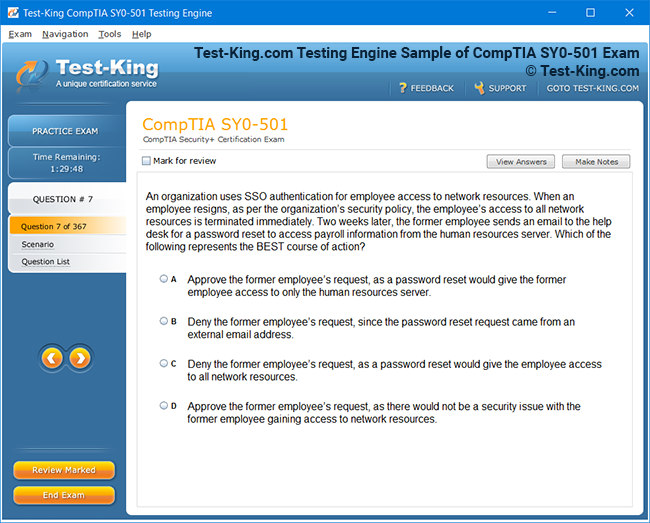
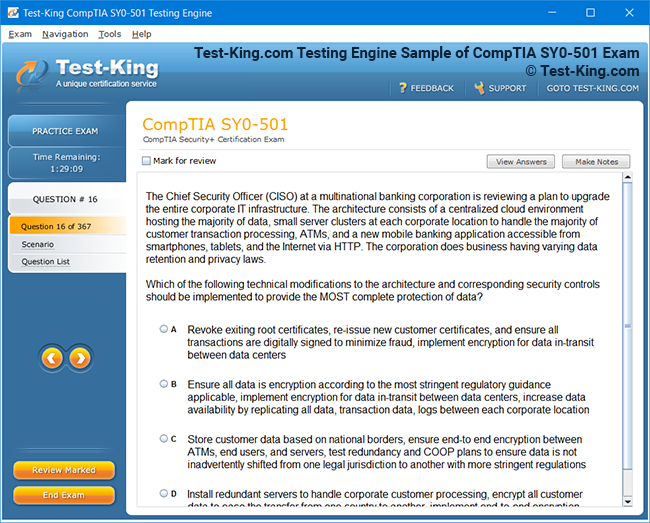
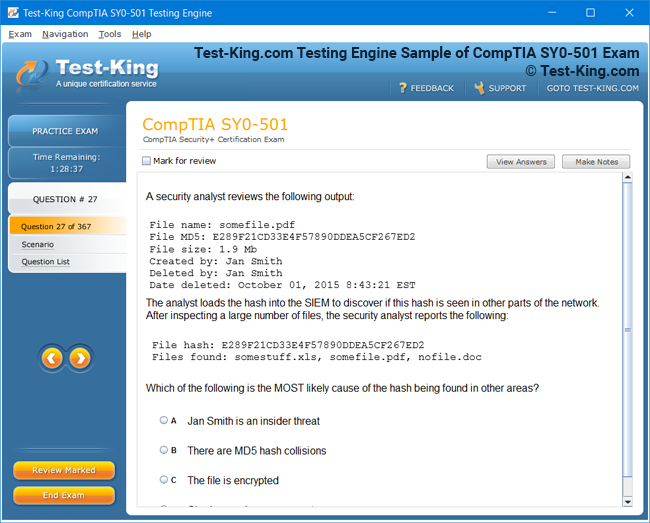
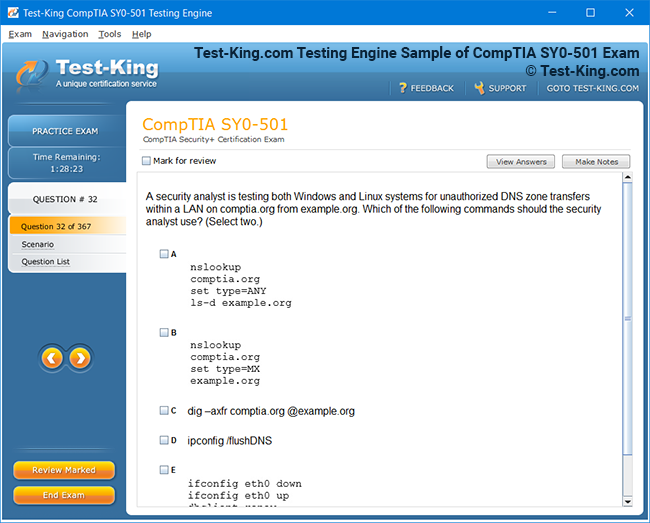
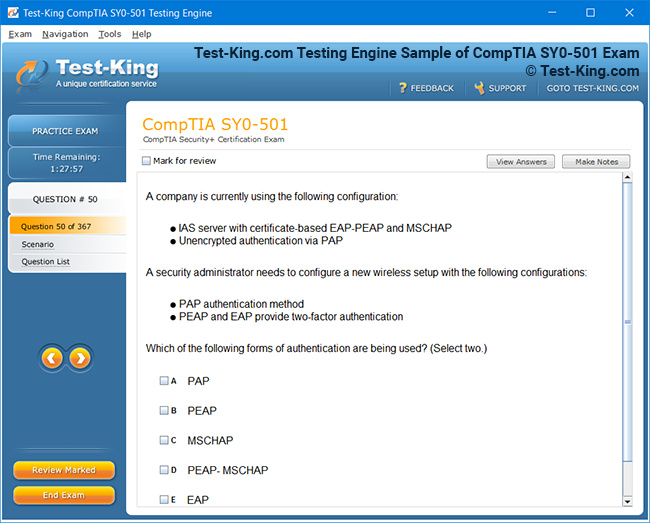
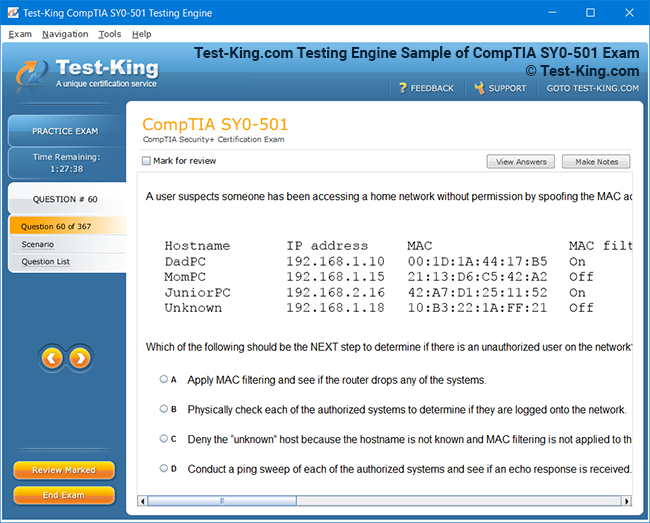
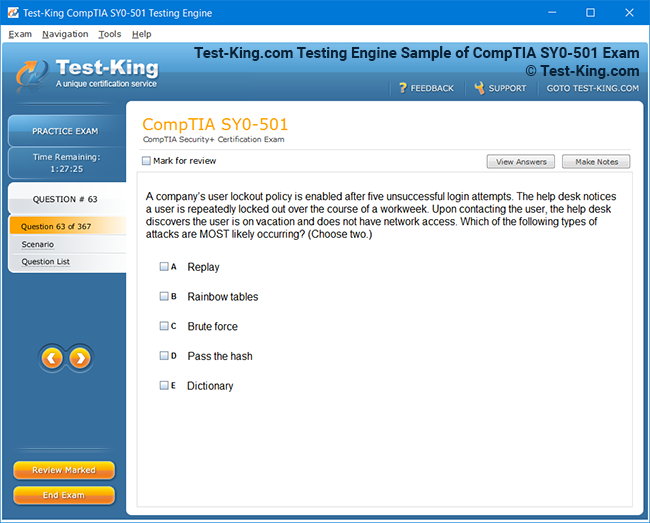
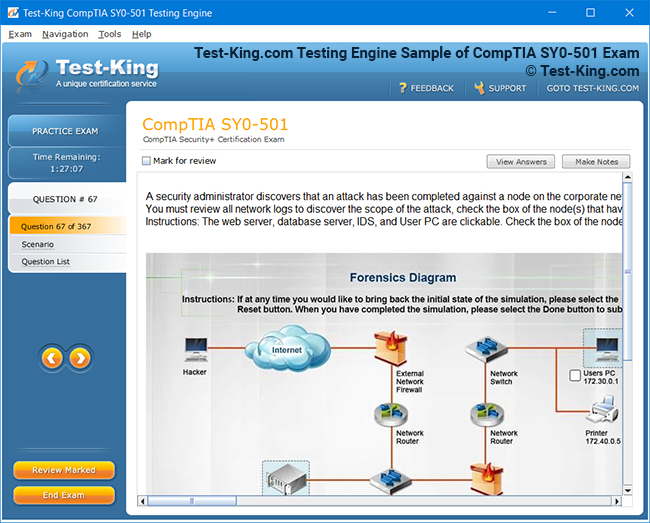
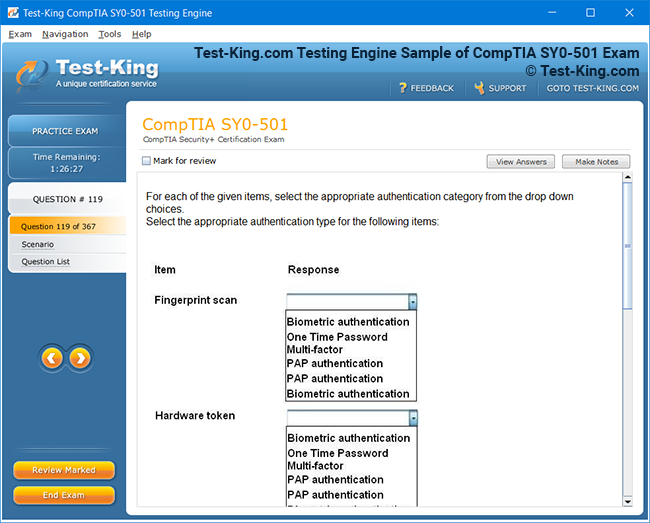
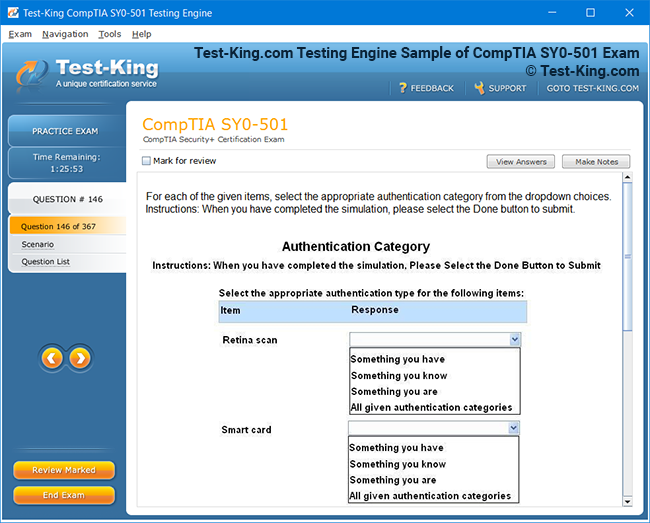
Product Screenshots
Frequently Asked Questions
How can I get the products after purchase?
All products are available for download immediately from your Member's Area. Once you have made the payment, you will be transferred to Member's Area where you can login and download the products you have purchased to your computer.
How long can I use my product? Will it be valid forever?
Test-King products have a validity of 90 days from the date of purchase. This means that any updates to the products, including but not limited to new questions, or updates and changes by our editing team, will be automatically downloaded on to computer to make sure that you get latest exam prep materials during those 90 days.
Can I renew my product if when it's expired?
Yes, when the 90 days of your product validity are over, you have the option of renewing your expired products with a 30% discount. This can be done in your Member's Area.
Please note that you will not be able to use the product after it has expired if you don't renew it.
How often are the questions updated?
We always try to provide the latest pool of questions, Updates in the questions depend on the changes in actual pool of questions by different vendors. As soon as we know about the change in the exam question pool we try our best to update the products as fast as possible.
How many computers I can download Test-King software on?
You can download the Test-King products on the maximum number of 2 (two) computers or devices. If you need to use the software on more than two machines, you can purchase this option separately. Please email support@test-king.com if you need to use more than 5 (five) computers.
What is a PDF Version?
PDF Version is a pdf document of Questions & Answers product. The document file has standart .pdf format, which can be easily read by any pdf reader application like Adobe Acrobat Reader, Foxit Reader, OpenOffice, Google Docs and many others.
Can I purchase PDF Version without the Testing Engine?
PDF Version cannot be purchased separately. It is only available as an add-on to main Question & Answer Testing Engine product.
What operating systems are supported by your Testing Engine software?
Our testing engine is supported by Windows. Andriod and IOS software is currently under development.
Comprehensive Guide to the Accredited Financial Examiner (AFE) and SOFE Exam
The Accredited Financial Examiner designation represents a distinguished benchmark in the realm of financial assessment and analysis. This credential, administered by SOFE, signifies a profound mastery of auditing, risk evaluation, and regulatory comprehension. Professionals who achieve this certification are recognized for their meticulous acumen in examining complex financial structures, ensuring transparency, and reinforcing ethical standards across diverse organizations. In a profession where precision, analytical depth, and adherence to stringent protocols are paramount, the certification not only validates technical proficiency but also demonstrates an unwavering commitment to professional integrity.
Understanding the Accredited Financial Examiner Certification
Earning the Accredited Financial Examiner credential entails more than merely passing an examination. It embodies a holistic understanding of financial systems, regulatory frameworks, and analytical techniques that underpin organizational accountability. Candidates are expected to exhibit a sophisticated grasp of financial statements, internal controls, risk management paradigms, and compliance protocols, all while applying judgment that balances quantitative scrutiny with qualitative insight. This dual emphasis on analytical rigor and ethical vigilance distinguishes the designation from other financial credentials and positions holders as indispensable resources in both corporate and regulatory environments.
SOFE, the Society of Financial Examiners, has meticulously designed the examination to reflect the multifaceted demands of contemporary financial oversight. The organization’s reputation for rigorous certification processes ensures that individuals who achieve this qualification are not only capable of identifying discrepancies and anomalies but also skilled in recommending actionable improvements. The examination’s structure emphasizes practical application alongside theoretical understanding, making it an instrument of both professional development and industry standardization.
Historically, financial examinations have evolved from simple ledger reviews to encompassing sophisticated analytical techniques, forensic accounting methods, and risk assessment models. The Accredited Financial Examiner credential has adapted alongside this evolution, incorporating emerging trends, technological tools, and regulatory shifts into its syllabus. The credential’s global recognition underscores its relevance in a world where financial practices transcend national boundaries and regulatory frameworks require harmonization with international standards.
Role of the Accredited Financial Examiner in the Financial Sector
The role of an Accredited Financial Examiner extends beyond traditional auditing. Professionals holding this credential are often tasked with evaluating organizational health, identifying latent risks, and ensuring compliance with both internal policies and external regulations. They serve as critical intermediaries between management, investors, and regulatory authorities, providing insight that shapes strategic decision-making. The ability to dissect financial statements with precision and interpret complex data sets enables these professionals to detect irregularities that may not be immediately apparent, thereby safeguarding organizational assets and reputation.
Moreover, the designation conveys an authoritative understanding of financial instruments, accounting methodologies, and governance principles. Examiners are expected to navigate intricate systems, including derivative portfolios, investment structures, and intercompany transactions, while maintaining an overarching perspective on financial stability. Their responsibilities often include advising on remedial measures, designing audit frameworks, and implementing continuous monitoring processes to prevent mismanagement or malfeasance. In essence, the certification is both a testament to analytical competence and a seal of professional reliability.
The Accredited Financial Examiner is also pivotal in bridging gaps between theory and practice. While textbooks and regulatory manuals provide foundational knowledge, the practical application of these concepts requires judgment, critical thinking, and nuanced interpretation. Examiners must balance numerical analysis with contextual understanding, recognizing patterns that indicate potential risks or inefficiencies. Their work directly influences corporate governance, strategic planning, and investor confidence, making their expertise integral to the financial ecosystem.
The Importance of SOFE Certification
SOFE’s role as the certifying body is central to the credibility and recognition of the Accredited Financial Examiner credential. The organization establishes rigorous standards for knowledge, skill, and ethical practice, ensuring that certified individuals possess not only technical acumen but also professional integrity. By setting high benchmarks, SOFE cultivates a cadre of experts capable of upholding industry norms and advancing best practices. The certification signals to employers and stakeholders that the holder has undergone a comprehensive evaluation, encompassing theoretical proficiency, analytical dexterity, and practical problem-solving.
The organization’s influence extends beyond examination administration. Through continuing education, networking opportunities, and industry updates, SOFE fosters a culture of perpetual learning and adaptation. The financial landscape is perpetually evolving, influenced by regulatory reforms, technological innovations, and emerging risks. SOFE’s commitment to maintaining a dynamic certification process ensures that Accredited Financial Examiners remain at the forefront of these developments, capable of addressing novel challenges with expertise and foresight.
Obtaining the certification also enhances professional credibility in multifarious contexts. In corporate environments, it underscores reliability and accountability, qualities that inspire trust among investors, colleagues, and regulators. In consulting or advisory capacities, the credential validates the examiner’s ability to provide informed guidance on complex financial matters, from compliance audits to strategic risk assessments. The SOFE certification, therefore, is not merely an academic accolade but a professional instrument that amplifies career trajectory and influence.
Historical Evolution and Global Recognition
The trajectory of the Accredited Financial Examiner credential mirrors the evolution of financial oversight itself. Initially, financial review processes were predominantly clerical, involving manual verification of ledgers and accounts. As commerce expanded and financial transactions grew in complexity, the need for systematic evaluation and regulatory oversight became apparent. SOFE responded to this need by instituting a standardized framework for assessing financial competence, emphasizing analytical rigor, ethical conduct, and procedural consistency.
Over the decades, the certification has integrated innovations in accounting, auditing, and risk management. Modern examinations incorporate case-based evaluations, forensic analysis techniques, and scenario planning, reflecting the realities of contemporary financial environments. Candidates must demonstrate not only their mastery of established principles but also their capacity to adapt knowledge to novel situations, interpret regulatory updates, and employ sophisticated analytical tools. This adaptability is a cornerstone of the designation, distinguishing it as a dynamic and future-ready credential.
Globally, the recognition of the Accredited Financial Examiner credential has expanded in parallel with international financial integration. Regulatory frameworks increasingly emphasize transparency, accountability, and cross-border compliance, and certified examiners are well-positioned to navigate these requirements. Professionals holding this designation often find opportunities in multinational corporations, regulatory agencies, and consulting firms, where their expertise in auditing, financial analysis, and risk evaluation is highly sought after. The global relevance of the certification underscores its value in an interconnected financial landscape, where standards and practices are continuously harmonized.
Professional Advantages and Career Implications
The attainment of the Accredited Financial Examiner certification opens avenues for professional advancement and specialization. Holders of the credential often experience accelerated career progression, with roles in senior auditing, risk management, and regulatory oversight becoming accessible. Their expertise enables them to assume leadership positions in financial departments, participate in strategic planning, and advise on complex fiscal matters. The designation also conveys a level of competence and trustworthiness that is recognized by employers, peers, and clients alike.
In addition to career mobility, the certification fosters intellectual growth and analytical refinement. Candidates engage deeply with financial concepts, regulatory frameworks, and auditing methodologies, cultivating a nuanced understanding that extends beyond rote memorization. This knowledge equips them to tackle intricate financial scenarios, anticipate challenges, and formulate evidence-based recommendations. The integration of theoretical knowledge with practical application ensures that Accredited Financial Examiners contribute meaningfully to organizational success and stability.
Furthermore, the credential provides a competitive advantage in the job market. Organizations increasingly prioritize candidates who demonstrate specialized expertise and adherence to professional standards. The designation not only validates technical proficiency but also signals a commitment to ongoing learning, ethical practice, and professional development. These qualities are particularly valuable in environments characterized by complex financial instruments, stringent regulatory scrutiny, and heightened stakeholder expectations.
Core Competencies and Skill Development
The Accredited Financial Examiner credential emphasizes a spectrum of competencies, ranging from technical mastery to strategic judgment. Central to this proficiency is the ability to analyze financial statements with acuity, identifying patterns, anomalies, and potential areas of concern. Candidates develop expertise in assessing internal controls, evaluating risk exposure, and interpreting regulatory requirements, enabling them to make informed recommendations and support sound decision-making.
Analytical thinking, attention to detail, and problem-solving aptitude are cultivated throughout the certification process. Candidates learn to synthesize information from multiple sources, apply quantitative techniques, and assess qualitative factors that may influence financial outcomes. Ethical discernment and professional judgment are equally emphasized, ensuring that decisions are made with integrity and in alignment with industry standards. These competencies collectively create professionals capable of navigating complex financial ecosystems with confidence and precision.
In addition to technical skills, candidates acquire a comprehensive understanding of regulatory frameworks, including reporting standards, compliance mandates, and corporate governance principles. This knowledge equips them to interpret changes in legislation, anticipate regulatory developments, and ensure organizational adherence to statutory requirements. The integration of regulatory awareness with analytical skill enables Accredited Financial Examiners to provide holistic evaluations and foster resilient financial practices.
Understanding Eligibility Requirements
The journey toward earning the Accredited Financial Examiner designation commences with understanding the eligibility prerequisites established by SOFE. Prospective candidates must demonstrate a combination of formal education and professional experience to ensure they possess the foundational knowledge and practical acumen necessary for navigating complex financial evaluations. Typically, applicants are expected to hold a bachelor’s degree in finance, accounting, economics, or related disciplines, though in certain circumstances, equivalent professional experience may substitute for formal qualifications. The emphasis is on ensuring candidates have cultivated analytical rigor, numerical literacy, and familiarity with financial systems.
Beyond formal education, experience in auditing, risk assessment, financial reporting, or regulatory compliance is paramount. Candidates must provide evidence of roles where they have engaged in reviewing financial statements, analyzing internal controls, or participating in risk management initiatives. This professional exposure ensures that candidates are not only theoretically equipped but also practically adept at interpreting financial data, identifying anomalies, and providing actionable recommendations. International applicants may also need to demonstrate experience in regulatory or auditing contexts that align with globally recognized standards to meet the eligibility threshold.
Ethical conduct and professional integrity are implicit components of eligibility. SOFE mandates that candidates adhere to a code of ethics, reflecting their commitment to impartiality, confidentiality, and diligence. Instances of professional misconduct or regulatory infractions can affect eligibility, emphasizing the organization’s focus on cultivating trustworthy professionals. Candidates are encouraged to maintain meticulous documentation of their professional experience, including role descriptions, responsibilities, and outcomes, to facilitate verification during the registration process.
Certain nuances in eligibility cater to individuals with alternative educational backgrounds or unique professional trajectories. For instance, candidates with extensive experience in accounting firms, regulatory agencies, or corporate finance may qualify even without a conventional finance-related degree, provided they can substantiate their expertise through detailed work records, recommendations, and documented achievements. This flexibility allows SOFE to attract diverse talent while maintaining high standards of competency.
Documentation and Verification
Registration for the Accredited Financial Examiner credential requires careful preparation of supporting documents to verify both education and professional experience. Applicants must submit academic transcripts or certificates, letters of employment, and detailed descriptions of their responsibilities. Each document must demonstrate alignment with SOFE’s criteria, ensuring that the candidate has engaged in activities directly relevant to financial examination. Letters of recommendation from supervisors or senior professionals are particularly valuable, providing external validation of the candidate’s skills, diligence, and ethical conduct.
Verification may also involve attestation of professional experience through official correspondence from employers or regulatory authorities. Candidates should be prepared to provide detailed accounts of their involvement in auditing, financial reporting, or risk assessment projects, emphasizing the scope, complexity, and outcomes of their work. Documentation should clearly convey the candidate’s role in decision-making, analytical processes, and compliance activities, highlighting instances where their actions directly contributed to organizational transparency or regulatory adherence.
For international candidates, additional steps may include credential evaluation or translation of academic records to align with SOFE’s standards. Verification processes are designed not only to authenticate qualifications but also to ensure consistency and fairness across a diverse applicant pool. Candidates are advised to initiate the documentation process well in advance, as verification may involve multiple institutions and administrative procedures that can extend over several weeks.
Registration Process and Timelines
The registration process for the Accredited Financial Examiner certification is structured to facilitate a seamless transition from eligibility assessment to examination preparation. Prospective candidates begin by submitting an application form through SOFE’s official platform, providing personal details, educational background, and professional experience. Alongside the application, candidates upload the requisite documentation, including transcripts, letters of recommendation, and professional attestations. The application process is accompanied by a fee, which supports the administrative and evaluative processes involved in registration.
Once submitted, applications undergo a thorough review by SOFE’s certification committee. This review assesses the candidate’s alignment with eligibility criteria, completeness of documentation, and adherence to ethical standards. In some cases, additional clarification or supplementary documents may be requested, particularly when educational or professional records require further verification. Timely responsiveness during this stage is critical to avoid delays, as the committee evaluates numerous applications with precision and attention to detail.
Upon successful verification, candidates receive confirmation of eligibility and access to scheduling options for the examination. SOFE provides multiple examination windows throughout the year, allowing candidates to select dates that align with their preparation schedule. This flexibility enables aspirants to organize study timelines, practice exercises, and mock evaluations to optimize performance. It is recommended that candidates schedule the exam only after attaining confidence in their readiness, as the credential reflects not merely knowledge acquisition but the ability to apply financial analysis in practical scenarios.
Timing and Strategic Planning
Effective planning is a cornerstone of successful registration and preparation. Candidates are encouraged to initiate the registration process several months in advance to accommodate documentation gathering, verification procedures, and scheduling preferences. Aligning registration timelines with personal and professional obligations allows candidates to devote focused attention to study without undue pressure. Early registration also provides access to preparatory materials, practice questions, and professional guidance that can enhance readiness.
Strategic planning involves assessing personal strengths and weaknesses, evaluating proficiency in core financial concepts, and developing a structured study regimen. Candidates with prior experience in auditing or regulatory functions may concentrate on advanced topics such as risk modeling, internal control assessment, and forensic analysis. Conversely, individuals with limited practical exposure may allocate additional time to foundational concepts, including accounting principles, financial statement interpretation, and compliance frameworks. A meticulously planned schedule, harmonized with registration and examination dates, maximizes the likelihood of success.
International Considerations
For candidates seeking the Accredited Financial Examiner credential from outside the United States, additional considerations apply. Verification of educational qualifications may require credential evaluation services, and professional experience must be contextualized within internationally recognized standards. SOFE provides guidelines for assessing equivalency of degrees, certifications, and work experience, ensuring that candidates from diverse jurisdictions are evaluated fairly.
International candidates may also encounter language requirements or examination accommodations designed to facilitate comprehension and performance. Familiarity with global financial regulations, international accounting standards, and cross-border auditing practices enhances preparedness, reflecting the credential’s relevance in a globally interconnected financial ecosystem. Candidates are advised to engage with SOFE’s guidance resources, professional networks, and preparatory materials specifically tailored for international contexts, thereby ensuring alignment with examination expectations.
Ethical and Professional Prerequisites
Ethics and professionalism are integral to the eligibility and registration process. SOFE emphasizes that the Accredited Financial Examiner credential is not merely a reflection of technical knowledge but a testament to integrity, impartiality, and accountability. Candidates must disclose any history of professional misconduct, regulatory violations, or ethical breaches, as these factors influence eligibility evaluation. Maintaining transparent records and demonstrating adherence to professional codes of conduct throughout one’s career are essential for successful registration.
Applicants are encouraged to cultivate habits that reinforce ethical practice, including meticulous documentation, unbiased reporting, and consistent compliance with internal and external standards. The certification process evaluates not only what candidates know but how they have applied knowledge in real-world scenarios with ethical discernment. Demonstrating ethical vigilance throughout professional experience strengthens the candidacy and aligns with the broader objectives of the Accredited Financial Examiner credential.
Preparing for Registration
Preparation for registration extends beyond assembling documentation. Candidates should conduct a self-assessment of educational and professional qualifications, identify any gaps that may require clarification, and proactively gather supporting evidence. Engaging mentors, supervisors, or professional colleagues for letters of recommendation can enhance credibility, while reviewing prior projects and responsibilities ensures that descriptions of experience are precise and compelling.
Attention to detail is paramount during registration, as incomplete or inconsistent applications can delay the process or jeopardize eligibility. Candidates are advised to meticulously review forms, confirm document authenticity, and adhere to all instructions provided by SOFE. Utilizing checklists, timelines, and reminders ensures that every component of the application is addressed comprehensively, facilitating a smooth progression from registration to examination.
Strategic Advantages of Early Registration
Early registration confers multiple advantages. Candidates gain access to preparatory resources, practice materials, and professional guidance that may be limited to confirmed registrants. Additionally, scheduling flexibility allows candidates to select examination dates that align with peak readiness, avoiding periods of professional or personal distraction. Early engagement with the registration process also signals commitment and diligence, qualities that resonate with the standards embodied by the Accredited Financial Examiner credential.
By planning registration strategically, candidates can synchronize documentation preparation, study schedules, and examination timing, thereby optimizing performance and reducing stress. Early registration provides a structured pathway to certification, ensuring that aspirants are well-prepared, confident, and aligned with SOFE’s rigorous standards.
Understanding the Scope of the Accredited Financial Examiner Curriculum
The Accredited Financial Examiner certification encompasses a meticulously structured curriculum designed to cultivate both theoretical mastery and practical acumen in financial examination. Candidates are expected to develop a profound understanding of financial statements, auditing methodologies, regulatory frameworks, and risk management strategies. The syllabus is intentionally comprehensive, reflecting the multifaceted responsibilities of professionals who analyze complex organizational finances and ensure regulatory compliance. It integrates both traditional auditing concepts and modern analytical techniques, providing a robust foundation for evaluating financial integrity in diverse organizational contexts.
Central to the curriculum is the exploration of financial reporting principles. Candidates study the architecture of balance sheets, income statements, cash flow reports, and statements of shareholders’ equity, delving into the subtleties that distinguish accurate representation from obfuscation. Emphasis is placed on the ability to detect discrepancies, assess accounting treatments, and interpret disclosures with critical judgment. This knowledge equips candidates to identify potential anomalies, evaluate managerial decisions, and provide reliable assurance regarding financial statements’ fidelity.
Auditing forms another cornerstone of the syllabus, encompassing both internal and external perspectives. Candidates examine risk-based auditing techniques, sampling methods, evidence gathering, and documentation standards. They are trained to conduct thorough assessments of internal controls, detect irregularities, and evaluate the efficacy of operational procedures. The curriculum also emphasizes the integration of technological tools, including automated auditing software and data analytics, reflecting contemporary trends in financial oversight. By blending conventional auditing methodologies with modern digital capabilities, the syllabus ensures that candidates are prepared for the evolving landscape of financial examination.
Risk Management and Analytical Techniques
A significant component of the curriculum addresses risk management, requiring candidates to understand, identify, and evaluate potential threats to organizational stability. This includes credit risk, market volatility, liquidity challenges, operational vulnerabilities, and strategic uncertainties. The curriculum trains candidates to quantify exposure, assess mitigation measures, and propose corrective interventions. Analytical techniques, ranging from ratio analysis to trend assessment and scenario modeling, are emphasized to equip candidates with tools for discerning both latent and manifest risks.
Candidates also delve into forensic accounting methodologies, learning to trace irregular transactions, uncover concealed liabilities, and reconstruct incomplete financial records. This aspect of the syllabus highlights investigative acumen, attention to detail, and logical deduction. It encourages candidates to adopt a skeptical lens, questioning assumptions, corroborating evidence, and maintaining professional objectivity. Mastery of forensic approaches ensures that examiners can detect fraud, embezzlement, or misreporting with confidence and precision.
Regulatory Frameworks and Ethical Standards
Understanding regulatory frameworks constitutes a pivotal element of the Accredited Financial Examiner curriculum. Candidates explore local, national, and international financial regulations, including reporting standards, compliance obligations, and governance mandates. Emphasis is placed on reconciling divergent regulatory systems, interpreting statutory requirements, and advising organizations on maintaining compliance. The curriculum also explores emerging regulatory trends, enabling candidates to anticipate changes and adapt examination practices accordingly.
Ethics and professional conduct are woven into every aspect of the syllabus. Candidates examine case studies highlighting ethical dilemmas, conflicts of interest, and reporting responsibilities. They are trained to navigate complex decision-making scenarios where numerical precision intersects with moral judgment. The emphasis on ethical reasoning reinforces the role of Accredited Financial Examiners as impartial, trustworthy, and accountable professionals whose evaluations underpin organizational integrity and stakeholder confidence.
Internal Controls and Operational Assessment
A substantial portion of the curriculum focuses on evaluating internal controls and operational systems. Candidates are expected to identify weaknesses in processes, assess control adequacy, and recommend enhancements that bolster organizational reliability. This includes scrutiny of approval hierarchies, segregation of duties, information security measures, and financial transaction protocols. By cultivating a meticulous approach to operational assessment, candidates develop the ability to prevent mismanagement, detect errors, and ensure that financial practices align with both regulatory mandates and organizational objectives.
The curriculum emphasizes the interconnection between internal control systems and overall financial health. Candidates analyze how deficiencies in controls may cascade into larger systemic risks, potentially impacting liquidity, solvency, or compliance standing. By mastering these concepts, examiners become adept at evaluating organizational resilience, offering strategic guidance, and contributing to long-term financial stability.
Advanced Financial Analysis and Interpretation
Advanced financial analysis constitutes another critical component of the syllabus. Candidates learn to interpret complex data, conduct variance analysis, and assess performance metrics across multiple periods and entities. Analytical techniques extend beyond traditional ratio analysis to include trend evaluation, benchmarking, and predictive modeling. Emphasis is placed on drawing actionable insights from financial data, correlating numerical patterns with operational realities, and presenting findings in a coherent, professional manner.
Candidates also explore consolidation procedures, intercompany transactions, and segment reporting. They develop proficiency in understanding how different subsidiaries, affiliates, or divisions contribute to overall financial outcomes. This aspect of the syllabus enhances their capacity to evaluate organizational complexity, ensuring that financial examinations consider both granular and macro-level perspectives.
Case-Based Applications and Practical Exercises
A distinctive feature of the Accredited Financial Examiner syllabus is its emphasis on case-based learning and practical exercises. Candidates engage with real-world scenarios, simulated audits, and complex financial situations that require integrative thinking. These exercises challenge candidates to synthesize knowledge from multiple domains, apply analytical techniques, and exercise professional judgment under realistic constraints. By confronting diverse challenges, candidates hone problem-solving skills, develop resilience under pressure, and cultivate adaptability—qualities essential for effective financial examination.
In addition to scenario analysis, the curriculum incorporates exercises designed to enhance critical thinking and decision-making. Candidates evaluate contradictory data, reconcile inconsistencies, and recommend evidence-based solutions. This iterative practice fosters intellectual dexterity, encourages creative approaches to problem resolution, and solidifies understanding of both technical and operational aspects of financial oversight.
Integration of Technology in Financial Examination
Modern financial examination increasingly relies on technological proficiency. The syllabus reflects this trend by integrating topics such as automated auditing tools, data analytics, and financial modeling software. Candidates learn to harness technology for transaction analysis, risk assessment, and reporting efficiency. The curriculum emphasizes not only tool utilization but also the interpretation of digitally generated insights, ensuring that examiners maintain a critical perspective and do not rely solely on automated outputs.
Technological integration also extends to data visualization, trend projection, and scenario simulation. Candidates gain skills in representing complex financial information in accessible formats, facilitating communication with management, regulators, and stakeholders. By embedding technology within the curriculum, SOFE ensures that Accredited Financial Examiners are equipped to operate in modern, data-driven financial environments without sacrificing analytical depth or professional judgment.
Specialized Topics and Emerging Trends
The syllabus further encompasses specialized topics that reflect contemporary challenges in financial examination. These include corporate governance, sustainability reporting, environmental risk assessment, and ethical investment considerations. Candidates explore how organizational decisions intersect with societal and environmental imperatives, integrating non-financial factors into comprehensive evaluations. Emerging trends such as cryptocurrency accounting, digital asset auditing, and cross-border regulatory harmonization are also addressed, ensuring that candidates remain relevant in a rapidly evolving landscape.
By incorporating these specialized and forward-looking topics, the curriculum fosters a sophisticated understanding of both traditional and novel financial phenomena. Candidates learn to anticipate changes, evaluate unconventional risks, and offer strategic guidance that aligns with evolving regulatory, economic, and technological contexts. This breadth of knowledge ensures that Accredited Financial Examiners are versatile, adaptive, and prepared to address the full spectrum of challenges in modern financial oversight.
Holistic Approach to Curriculum Mastery
The Accredited Financial Examiner syllabus is structured to cultivate a holistic approach to financial analysis and examination. Candidates are trained to integrate knowledge across accounting principles, auditing methods, regulatory requirements, risk assessment, and ethical standards. This integrative approach ensures that evaluations are comprehensive, balanced, and insightful, reflecting the complexity of contemporary financial systems.
Throughout the curriculum, emphasis is placed on developing professional judgment alongside technical expertise. Candidates learn to interpret data critically, recognize patterns indicative of risk, and formulate recommendations that support organizational objectives while maintaining compliance. This combination of analytical rigor, ethical awareness, and practical application underpins the designation’s value, preparing candidates to operate as authoritative, reliable, and competent financial examiners in diverse professional settings.
Developing a Comprehensive Preparation Framework
Successfully attaining the Accredited Financial Examiner designation requires a meticulous and structured approach to preparation. Candidates must integrate conceptual understanding with practical application, ensuring that knowledge is not merely theoretical but also applicable to real-world financial examination scenarios. The preparation framework begins with a thorough analysis of the curriculum, identifying areas of strength and weakness, and creating a strategic plan that balances study time, review exercises, and practice evaluations.
Central to effective preparation is the establishment of a routine that accommodates both cognitive absorption and analytical practice. Financial examination concepts, regulatory frameworks, and auditing techniques are often intricate and interdependent, requiring iterative study, review, and application. Candidates are encouraged to allocate dedicated periods for deep learning of core principles, followed by exercises that reinforce comprehension through problem-solving and scenario analysis. This cyclical approach ensures retention, facilitates critical thinking, and cultivates the nuanced understanding necessary for proficient examination performance.
Resource Selection and Utilization
Selecting appropriate resources is pivotal to preparation. Candidates should utilize textbooks, professional manuals, regulatory guidelines, and contemporary case studies that align with the Accredited Financial Examiner curriculum. Resources that integrate examples of practical application, interpretive commentary, and analytical methodologies enhance comprehension, bridging the gap between abstract theory and operational realities. Additionally, access to previous examination questions, mock evaluations, and scenario-based exercises provides insight into question framing, assessment priorities, and evaluative standards.
Digital tools and platforms can augment traditional study methods. Data analytics software, accounting simulators, and financial modeling applications enable candidates to practice real-time analysis, assess financial statements, and test hypotheses within a controlled environment. Leveraging technology in preparation fosters familiarity with tools frequently employed in modern financial examination, thereby enhancing both technical proficiency and confidence in applying analytical methods.
Time Management and Scheduling
Efficient time management is an indispensable element of preparation. Candidates are advised to develop a structured study timetable that accommodates daily obligations while prioritizing intensive study sessions. Dividing preparation into thematic units allows for focused attention on specific topics, ensuring comprehensive coverage without superficiality. For instance, allocating dedicated periods to risk assessment methodologies, internal control evaluation, and regulatory compliance enhances depth of understanding, while interspersing review sessions reinforces retention and integration of knowledge.
Balancing preparation with professional responsibilities and personal commitments necessitates strategic planning. Candidates may benefit from employing techniques such as time-blocking, prioritization matrices, and milestone tracking to monitor progress and adjust schedules as required. Incorporating buffer periods for unexpected interruptions ensures continuity of study, mitigating the risk of unpreparedness or undue stress as examination dates approach.
Active Learning and Cognitive Engagement
Active learning strategies play a critical role in mastering the Accredited Financial Examiner curriculum. Passive reading or rote memorization is insufficient for navigating the complexity of financial systems, auditing practices, and regulatory requirements. Candidates should engage with material through summarization, questioning, and discussion, thereby promoting cognitive processing and deeper comprehension. Concept mapping, for instance, facilitates visualization of relationships between accounting principles, internal controls, and risk management, enhancing analytical clarity.
Problem-solving exercises and case studies cultivate practical application skills. Candidates analyze hypothetical or historical organizational scenarios, interpret financial statements, evaluate internal controls, and propose corrective actions. This approach reinforces theoretical understanding, hones professional judgment, and simulates the analytical environment of real-world financial examination. Peer discussions, study groups, and mentorship can further enhance learning by exposing candidates to diverse perspectives and interpretive approaches.
Spaced Repetition and Memory Techniques
Retention of complex information is bolstered through spaced repetition, a method that systematically revisits material at increasing intervals. By reviewing key concepts, formulas, and procedures at strategically spaced intervals, candidates strengthen memory consolidation and reduce cognitive decay. Spaced repetition is particularly effective for financial ratios, regulatory standards, and auditing methodologies, which require both precision and recall under examination conditions.
Mnemonic devices and visualization techniques also support retention. Candidates may employ acronyms, illustrative diagrams, or narrative associations to encode and retrieve complex information efficiently. For example, conceptualizing interrelated auditing steps as a sequential narrative enhances recall while maintaining logical coherence. These cognitive tools complement analytical exercises, enabling candidates to integrate memory with critical thinking for comprehensive preparation.
Simulated Examinations and Practice Questions
Engaging with simulated examinations and practice questions is indispensable for honing examination readiness. Candidates gain familiarity with question structures, time constraints, and evaluative criteria, allowing them to calibrate both speed and accuracy. Practice evaluations also highlight knowledge gaps, providing actionable insight into areas requiring further review or reinforcement. Systematic analysis of performance in these exercises cultivates reflective learning, enabling candidates to refine strategies, anticipate challenging topics, and enhance overall competence.
Simulated examinations should mirror the conditions of the actual Accredited Financial Examiner evaluation. Candidates are encouraged to complete questions within designated time frames, refrain from external aids, and subsequently review responses critically. This approach fosters both technical proficiency and psychological preparedness, instilling confidence in navigating the pressures and complexities inherent in formal assessment.
Integration of Analytical and Conceptual Understanding
Preparation strategies should prioritize the integration of analytical skills with conceptual understanding. Candidates must navigate complex financial statements, interpret nuanced regulatory guidance, and evaluate operational systems while maintaining a coherent understanding of underlying principles. This dual focus ensures that examination responses reflect both technical accuracy and interpretive sophistication.
Analytical exercises may include scenario-based assessments, variance analysis, risk evaluation, and audit planning. Conceptual understanding encompasses recognition of regulatory intent, ethical imperatives, and governance structures. The interplay between analysis and concept fosters holistic evaluation capabilities, enabling candidates to synthesize diverse inputs into comprehensive, evidence-based conclusions.
Focus on Weakness Identification and Iterative Review
An essential aspect of preparation is the identification and remediation of weaknesses. Candidates should systematically assess performance across topics, pinpoint areas of difficulty, and implement targeted review strategies. Iterative cycles of practice, reflection, and reinforcement consolidate understanding, transform weaknesses into strengths, and optimize overall preparedness.
This process may involve revisiting foundational accounting principles for clarity, engaging in advanced risk modeling exercises, or analyzing additional case studies to refine judgment. By iteratively addressing gaps, candidates cultivate resilience, adaptability, and precision, ensuring that performance is consistent across the spectrum of examination content.
Psychological Preparedness and Stress Management
The psychological dimension of preparation is equally vital. Candidates must cultivate resilience, focus, and composure, particularly when confronting complex analytical problems under time constraints. Techniques such as mindfulness, structured breathing exercises, and cognitive rehearsal can mitigate stress and enhance concentration. Mental rehearsal of examination scenarios, including pacing and prioritization strategies, equips candidates to manage anxiety and maintain clarity during high-pressure evaluation.
Additionally, fostering a balanced routine that integrates physical activity, adequate rest, and nutrition supports cognitive performance. Sustained mental acuity, endurance, and alertness are critical for engaging with intricate financial materials, interpreting regulatory nuances, and making precise evaluations. Psychological preparedness thus complements technical mastery, ensuring that candidates approach the Accredited Financial Examiner evaluation with confidence and composure.
Leveraging Mentorship and Professional Networks
Mentorship and engagement with professional networks can significantly enhance preparation. Experienced practitioners provide insight into practical applications of curriculum content, illuminate nuanced interpretive challenges, and offer guidance on examination strategy. Candidates benefit from discussions on auditing techniques, risk evaluation methods, and regulatory interpretations, gaining perspective beyond theoretical exposition.
Professional associations, online forums, and study groups facilitate collaborative learning, enabling candidates to exchange ideas, analyze case studies collectively, and refine problem-solving approaches. Exposure to diverse professional experiences broadens understanding, fosters analytical versatility, and enriches preparation by integrating real-world insights into study practices.
Adaptive Learning and Customization
Effective preparation is adaptive, aligning study strategies with individual learning preferences, prior experience, and cognitive strengths. Candidates with strong analytical skills may focus on scenario application and case studies, while those seeking conceptual reinforcement may prioritize theoretical frameworks and regulatory interpretation. Customizing preparation enhances engagement, optimizes cognitive absorption, and ensures that time investment yields maximal comprehension and skill development.
Adaptive learning also entails adjusting strategies in response to feedback from practice exercises, mentor evaluations, and self-assessment. Continuous refinement of study methods, content focus, and pacing ensures that preparation remains dynamic, targeted, and responsive to emerging needs.
Preparing Mentally and Logistically for Examination Day
Examination day for the Accredited Financial Examiner designation is a culmination of rigorous preparation, strategic planning, and cognitive discipline. Candidates must approach the day with a combination of mental acuity, organizational readiness, and procedural awareness to optimize performance. Preparation begins long before the scheduled date, encompassing familiarization with the exam environment, understanding the scope of question types, and rehearsing time management strategies. Candidates are encouraged to simulate conditions similar to the actual examination to develop comfort with pacing, analytical focus, and pressure management.
Logistical readiness is equally critical. Ensuring timely arrival at the examination venue, carrying all requisite identification, and adhering to procedural regulations reduces stress and allows candidates to concentrate fully on problem-solving. Verification protocols are standard, requiring candidates to present documentation and comply with check-in procedures. Awareness of these procedural details minimizes disruption and creates an environment conducive to analytical clarity and sustained concentration.
Strategic Time Allocation During Examination
Effective time management is indispensable on examination day. The Accredited Financial Examiner evaluation encompasses a variety of question formats, ranging from analytical case studies to interpretive evaluations of financial statements and regulatory scenarios. Candidates must allocate time judiciously, ensuring that each section receives appropriate attention while reserving sufficient intervals for review and error correction.
A recommended approach involves initial assessment of question complexity, prioritizing sections where confidence and proficiency are highest to secure early marks. Subsequent focus shifts to more challenging areas, applying problem-solving skills and referencing practiced analytical frameworks. Regular monitoring of elapsed time and adherence to pacing strategies prevent last-minute rushes and promote accuracy under constrained conditions. Candidates benefit from planning small checkpoints within the examination timeline, periodically evaluating progress and adjusting focus as necessary.
Managing Cognitive Load and Maintaining Focus
The complexity of the Accredited Financial Examiner examination imposes significant cognitive demands. Candidates confront intricate financial statements, multifaceted regulatory requirements, and analytical scenarios requiring simultaneous application of diverse concepts. Maintaining focus and managing cognitive load are therefore crucial to performance.
Techniques to enhance concentration include structured reading of questions, segmenting multi-layered problems into manageable components, and employing note-taking or scratch work to clarify thought processes. Avoiding premature conclusions or impulsive responses ensures that analytical rigor is preserved. Candidates are advised to approach each question systematically, verifying data, cross-referencing assumptions, and considering alternative interpretations before finalizing responses.
Common Errors in Analytical Evaluation
One prevalent pitfall involves misinterpretation of financial data due to cursory analysis or assumptions not grounded in documentation. Candidates may overlook critical details in balance sheets, cash flow statements, or notes to accounts, leading to flawed conclusions. Vigilant attention to detail, methodical verification, and cautious interpretation mitigate these risks, enabling candidates to derive accurate assessments and recommendations.
Another common error is excessive reliance on memorized formulas or procedural routines without contextual application. The examination evaluates not only technical knowledge but also professional judgment, interpretive insight, and problem-solving capability. Candidates who fail to integrate conceptual understanding with analytical application may struggle to address nuanced or scenario-based questions effectively. Practicing application-focused exercises and case simulations reinforces the capacity to synthesize knowledge dynamically rather than mechanically.
Navigating Regulatory and Ethical Scenarios
Regulatory and ethical evaluation constitutes a significant component of the Accredited Financial Examiner examination. Candidates may encounter scenarios requiring assessment of compliance, governance structures, or ethical dilemmas. Errors arise when candidates apply rigid rules without interpreting context or when ethical considerations are undervalued relative to numerical analysis.
Candidates are encouraged to approach these scenarios with a dual lens, balancing technical accuracy with ethical reasoning. Evaluating organizational policies, regulatory intent, and stakeholder implications ensures comprehensive responses. Integrating ethical judgment into analytical evaluations not only aligns with examination expectations but also reflects the professional ethos that the designation embodies.
Stress Management and Psychological Resilience
Examination day inherently induces stress, which can impair cognitive function, decision-making, and analytical precision. Candidates must employ strategies to maintain composure and cognitive clarity. Breathing exercises, brief mindfulness interventions, and visualization techniques can reduce physiological stress responses and enhance focus. Maintaining a positive mindset, avoiding catastrophic thinking, and reinforcing self-efficacy contribute to psychological resilience.
Candidates should also plan for basic physiological needs, including nutrition, hydration, and rest prior to the examination. Fatigue, hunger, or discomfort can diminish concentration and analytical sharpness. By addressing both mental and physical readiness, candidates create optimal conditions for sustained performance and effective engagement with complex examination material.
Approaching Complex Case Studies
The Accredited Financial Examiner evaluation frequently presents intricate case studies that require integrative thinking. Candidates must dissect multi-layered information, identify salient issues, and develop coherent recommendations. Common pitfalls include jumping to conclusions without thorough analysis, overlooking interdependencies between financial variables, or failing to consider operational and regulatory contexts.
A recommended strategy involves systematic deconstruction of the case study. Candidates first identify key data points, highlight discrepancies, and map relationships between financial, operational, and regulatory elements. Subsequent analysis incorporates risk assessment, scenario evaluation, and application of ethical and governance principles. Drafting preliminary outlines or mental frameworks before committing to final answers ensures that responses are organized, comprehensive, and defensible.
Review and Error Correction Techniques
Allocating time for review is critical to minimizing avoidable mistakes. Candidates should revisit completed sections with a focus on verifying calculations, reassessing assumptions, and confirming alignment with regulatory and ethical standards. Common errors such as transposition of figures, misapplication of ratios, or misinterpretation of scenario parameters can be rectified through structured review.
During review, candidates benefit from adopting a critical lens, questioning the plausibility of conclusions, and evaluating alternative interpretations. This iterative approach enhances accuracy, strengthens analytical reasoning, and demonstrates professional judgment consistent with the expectations of the Accredited Financial Examiner designation.
Handling Time-Intensive Analytical Problems
Certain examination questions are inherently time-intensive, involving multi-step calculations, detailed financial assessments, or complex scenario analysis. Candidates often encounter difficulty balancing depth of analysis with time constraints. Effective strategies include segmenting problems into discrete components, applying incremental verification, and prioritizing sections based on marks allocation and personal proficiency.
Candidates should avoid prolonged fixation on particularly challenging problems at the expense of overall performance. Instead, adopting a balanced approach that addresses all questions methodically ensures that effort is distributed efficiently, maximizing overall scoring potential. Practice with timed exercises and simulation of examination conditions enhances familiarity with pacing, mitigating the risk of time-induced errors.
Awareness of Cognitive Biases
Cognitive biases can subtly influence analytical judgment, leading to errors in interpretation or decision-making. Candidates may exhibit confirmation bias, anchoring on initial assumptions, or overconfidence in preliminary evaluations. Recognizing these tendencies and deliberately counteracting them through reflective analysis, cross-checking, and systematic evaluation enhances the reliability of examination responses.
Structured problem-solving, use of analytical frameworks, and explicit consideration of alternative perspectives serve as effective tools to mitigate cognitive bias. By maintaining an objective and critical stance, candidates align with the rigorous evaluative standards inherent in the Accredited Financial Examiner assessment.
Practical Tips for Exam Day Success
Successful candidates often employ a combination of logistical readiness, cognitive strategies, and reflective practice to optimize performance. Arriving early, confirming procedural requirements, and establishing a comfortable workspace reduce anxiety and allow focus on analysis. Maintaining a calm and systematic approach to each question, adhering to time management plans, and integrating ethical and regulatory considerations into evaluations promote accuracy and coherence.
Engaging with scratch work, outlines, and analytical notes provides structure, while strategic review sessions facilitate error detection and refinement. Candidates who integrate preparation, psychological readiness, and analytical discipline approach the examination with confidence, composure, and adaptability, reflecting the professional caliber expected of an Accredited Financial Examiner.
Leveraging the Accredited Financial Examiner Credential for Professional Growth
The Accredited Financial Examiner certification opens a plethora of avenues for professional development, positioning candidates for elevated roles in auditing, regulatory compliance, risk management, and corporate finance. Holding this designation signifies mastery of financial examination techniques, regulatory frameworks, and analytical acumen, signaling to employers, clients, and stakeholders that the professional possesses both technical expertise and ethical rigor. The credential establishes a foundation for assuming leadership responsibilities, participating in strategic financial decision-making, and navigating intricate fiscal landscapes with confidence.
Professionals with this certification are often considered for senior-level roles due to their demonstrated capability in evaluating organizational health, detecting latent risks, and ensuring compliance with regulatory standards. The credential differentiates candidates in competitive environments, providing tangible evidence of proficiency, diligence, and analytical depth. By validating skills that are critical to safeguarding financial integrity, the designation amplifies career mobility and creates opportunities for influence in both private and public sectors.
Opportunities in Auditing and Risk Management
Auditing remains a primary domain for those who hold the Accredited Financial Examiner credential. Certified professionals are equipped to perform comprehensive audits, encompassing financial statement verification, internal control assessment, and regulatory compliance evaluation. Their expertise extends to identifying inefficiencies, uncovering discrepancies, and implementing robust auditing methodologies that enhance organizational transparency and accountability.
Risk management is another pivotal area enriched by the certification. Professionals can assess operational, financial, and strategic risks, employing advanced analytical techniques to quantify exposure and recommend mitigation strategies. Organizations increasingly rely on certified examiners to construct predictive models, simulate potential adverse scenarios, and evaluate the efficacy of risk control frameworks. The combination of auditing proficiency and risk assessment expertise ensures that credential holders are indispensable in maintaining organizational resilience and fostering stakeholder confidence.
Advancing in Regulatory and Compliance Roles
Regulatory and compliance roles benefit substantially from the analytical and interpretive capabilities developed through the Accredited Financial Examiner curriculum. Certified professionals possess an in-depth understanding of local, national, and international financial regulations, enabling them to guide organizations in adhering to statutory mandates while optimizing operational efficiency.
In regulatory bodies, credential holders are often called upon to evaluate institutional compliance, conduct investigations, and recommend corrective measures. Their training equips them to interpret complex legislative frameworks, analyze organizational adherence, and provide informed recommendations for systemic improvement. Within corporate environments, these professionals develop compliance programs, monitor regulatory changes, and ensure that operational practices align with legal and ethical standards. The credential thus positions professionals as essential arbiters of financial integrity and regulatory observance.
Consulting and Advisory Opportunities
The Accredited Financial Examiner designation also enhances prospects in consulting and advisory roles. Certified professionals leverage their analytical skills and regulatory knowledge to provide guidance on financial management, organizational governance, and strategic planning. They assist clients in interpreting financial statements, assessing internal controls, and evaluating risk exposure, offering recommendations that are both practical and compliant with industry standards.
Consulting opportunities often involve project-based assignments, requiring adaptability, judgment, and expertise in addressing unique organizational challenges. Credential holders are valued for their ability to synthesize complex financial data, anticipate potential pitfalls, and design solutions that enhance operational efficiency and financial stability. By translating analytical insights into actionable recommendations, these professionals contribute meaningfully to organizational decision-making processes.
Specialized Career Paths and Niche Expertise
Holding the Accredited Financial Examiner credential facilitates entry into specialized career paths requiring advanced analytical skills and regulatory knowledge. These may include forensic accounting, investigative auditing, corporate governance evaluation, and financial advisory for mergers and acquisitions. Candidates with a penchant for nuanced financial investigation may focus on uncovering fraudulent transactions, reconstructing incomplete financial records, or evaluating compliance with ethical and regulatory standards.
Specialized roles often demand continuous learning and adaptability, reflecting the evolving nature of financial systems, regulatory requirements, and organizational structures. Credential holders who cultivate niche expertise gain recognition for their depth of knowledge, analytical rigor, and ability to navigate complex financial landscapes with discernment. These roles not only offer professional prestige but also provide intellectually stimulating challenges that reinforce the value of the certification.
Global Recognition and International Career Opportunities
The Accredited Financial Examiner credential enjoys recognition across borders, facilitating career opportunities in multinational corporations, international regulatory agencies, and global consulting firms. The analytical techniques, auditing methodologies, and regulatory understanding developed through the certification are applicable in diverse jurisdictions, making professionals versatile contributors in a globalized financial environment.
Internationally, credential holders may engage in cross-border audits, compliance evaluations, or advisory services that demand familiarity with multiple regulatory regimes, reporting standards, and organizational practices. Their training enables them to bridge gaps between disparate systems, harmonize financial assessment processes, and provide authoritative guidance in multinational contexts. The global applicability of the certification underscores its value in an interconnected financial ecosystem, enhancing mobility and career flexibility.
Professional Networking and Continuing Education
Post-certification, professionals benefit from active engagement with the broader community of Accredited Financial Examiners and the resources offered by SOFE. Networking with peers, attending industry conferences, and participating in professional forums facilitates knowledge sharing, exposure to emerging trends, and collaborative problem-solving. Interaction with experienced practitioners enriches understanding of practical challenges, regulatory developments, and innovative approaches to financial examination.
Continuing education is another avenue for sustained career advancement. SOFE encourages lifelong learning through workshops, seminars, and advanced training modules. These opportunities enable credential holders to remain current with evolving auditing methodologies, regulatory reforms, and technological innovations, ensuring that their expertise remains relevant and competitive in dynamic professional landscapes.
Strategic Career Planning and Advancement
Credential holders are positioned to plan strategic career trajectories that capitalize on their analytical capabilities and regulatory knowledge. Early-career professionals may leverage the certification to secure foundational roles in auditing, compliance, or financial analysis, gradually advancing to managerial or director-level positions. Mid-career professionals can utilize the credential to transition into advisory roles, specialize in forensic or investigative accounting, or assume leadership positions in risk management departments.
Strategic career planning involves aligning professional development with market demand, personal interests, and emerging opportunities. Credential holders who combine technical proficiency, ethical practice, and strategic vision often ascend to executive roles, influencing organizational governance, financial policy, and regulatory compliance. By continuously refining skills, seeking mentorship, and embracing professional challenges, Accredited Financial Examiners maximize the impact of their certification on career trajectory.
Long-Term Professional Impact
The long-term impact of obtaining the Accredited Financial Examiner credential extends beyond immediate career advancement. Professionals develop a robust analytical framework, refined judgment, and an ethical compass that guide decision-making across complex financial contexts. This holistic development enhances reputation, fosters credibility, and establishes the individual as a trusted advisor, capable of navigating high-stakes financial environments with discernment.
Credential holders often experience accelerated career growth, elevated professional recognition, and increased earning potential. Their expertise becomes a strategic asset, enabling organizations to mitigate risk, optimize financial performance, and maintain regulatory compliance. The certification’s influence permeates both professional and organizational domains, underscoring the enduring value of mastery in financial examination.
Conclusion
Achieving the Accredited Financial Examiner certification represents a significant milestone in a financial professional’s career, unlocking diverse opportunities across auditing, risk management, regulatory compliance, consulting, and specialized financial roles. The credential not only validates technical expertise but also demonstrates ethical integrity, analytical precision, and the capacity for strategic judgment. By leveraging the designation, professionals can accelerate career advancement, access global opportunities, and contribute meaningfully to organizational governance and financial stability. Engagement with professional networks, ongoing learning, and strategic career planning further amplify the value of the certification, ensuring that Accredited Financial Examiners remain influential, adaptable, and highly sought-after in the evolving financial landscape.