

Exam Code: AND-403
Exam Name: Monetize Android Applications
Certification Provider: AndroidATC
Corresponding Certifications: Android Certified Application Engineer, Android Certified Trainer
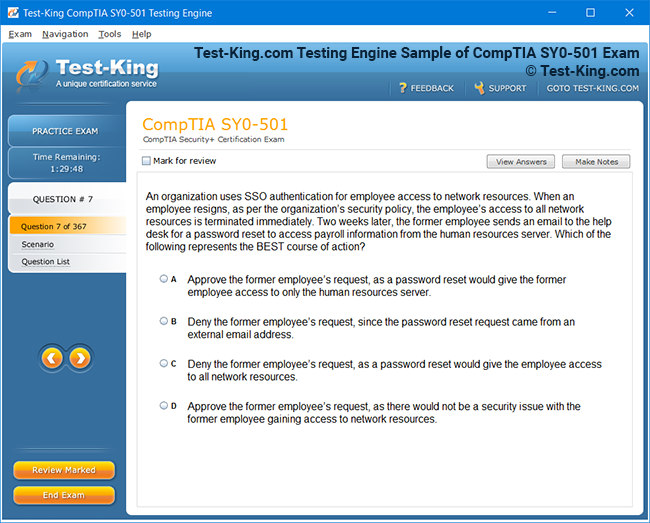
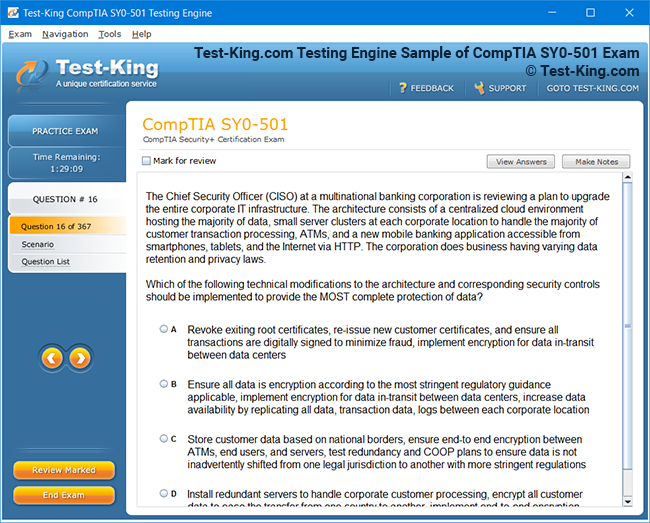
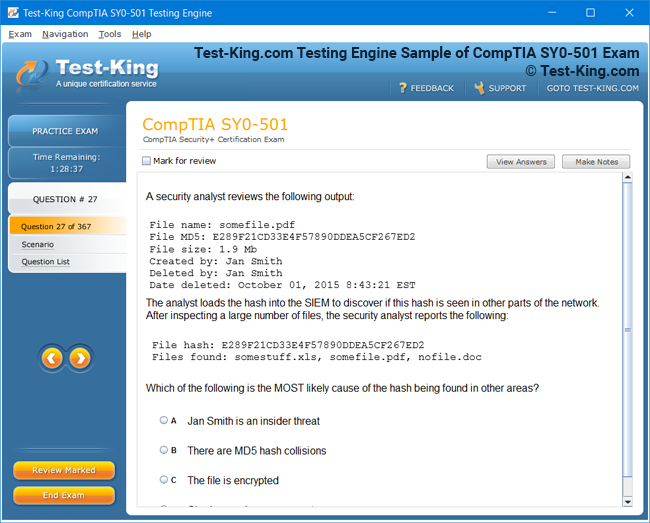
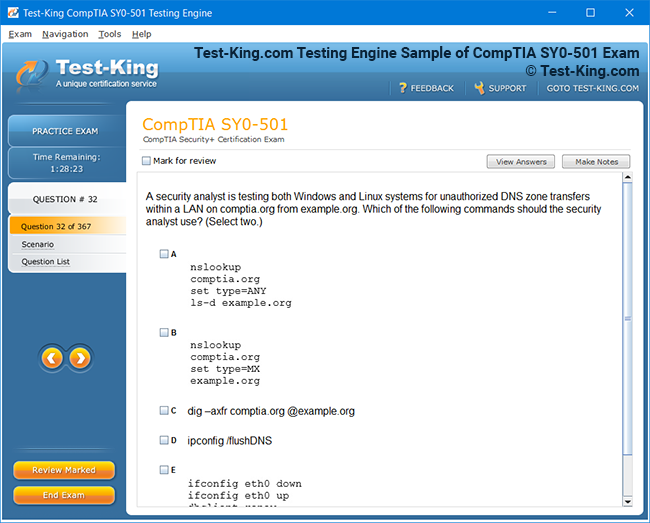
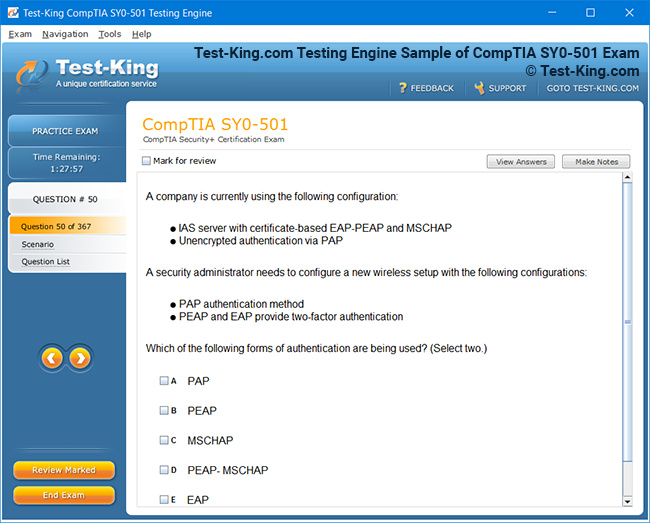
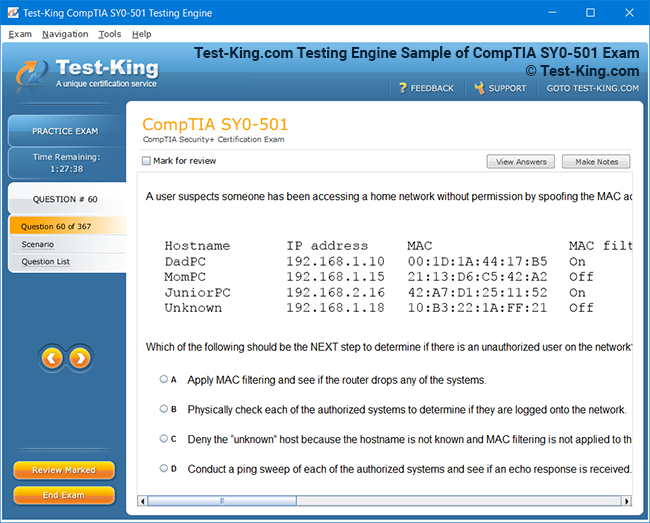
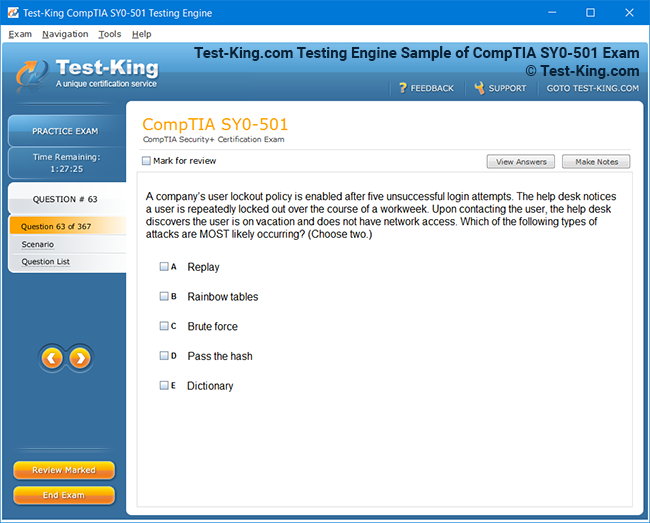
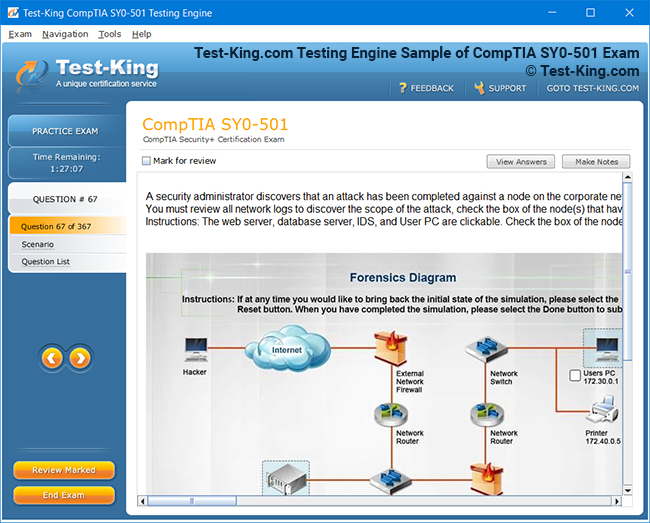
Product Screenshots
Frequently Asked Questions
How can I get the products after purchase?
All products are available for download immediately from your Member's Area. Once you have made the payment, you will be transferred to Member's Area where you can login and download the products you have purchased to your computer.
How long can I use my product? Will it be valid forever?
Test-King products have a validity of 90 days from the date of purchase. This means that any updates to the products, including but not limited to new questions, or updates and changes by our editing team, will be automatically downloaded on to computer to make sure that you get latest exam prep materials during those 90 days.
Can I renew my product if when it's expired?
Yes, when the 90 days of your product validity are over, you have the option of renewing your expired products with a 30% discount. This can be done in your Member's Area.
Please note that you will not be able to use the product after it has expired if you don't renew it.
How often are the questions updated?
We always try to provide the latest pool of questions, Updates in the questions depend on the changes in actual pool of questions by different vendors. As soon as we know about the change in the exam question pool we try our best to update the products as fast as possible.
How many computers I can download Test-King software on?
You can download the Test-King products on the maximum number of 2 (two) computers or devices. If you need to use the software on more than two machines, you can purchase this option separately. Please email support@test-king.com if you need to use more than 5 (five) computers.
What is a PDF Version?
PDF Version is a pdf document of Questions & Answers product. The document file has standart .pdf format, which can be easily read by any pdf reader application like Adobe Acrobat Reader, Foxit Reader, OpenOffice, Google Docs and many others.
Can I purchase PDF Version without the Testing Engine?
PDF Version cannot be purchased separately. It is only available as an add-on to main Question & Answer Testing Engine product.
What operating systems are supported by your Testing Engine software?
Our testing engine is supported by Windows. Andriod and IOS software is currently under development.
Key Concepts and Strategies for Passing the AND-403 Monetize Android Applications Exam
The AND-403 certification, titled Monetize Android Applications, is designed for developers seeking to enhance their ability to generate revenue through mobile applications. In an era dominated by digital consumption, understanding how to convert an Android app into a profitable asset has become a fundamental skill. This certification evaluates not only technical proficiency in integrating monetization frameworks but also a strategic comprehension of user behavior, market trends, and effective financial models. Android developers who aspire to monetize their applications successfully need to grasp both the conceptual underpinnings and practical execution strategies to excel in the AND-403 exam.
Understanding the AND-403 Certification and Its Importance
The exam itself serves as a benchmark for expertise in mobile application monetization. It examines candidates on a range of topics, from advertisement integration to in-app purchases, subscription models, and analytics-driven optimizations. Passing the AND-403 requires more than memorizing theoretical frameworks; it necessitates an intimate understanding of how Android applications interact with users, how different monetization models can be applied to diverse audiences, and how data insights can inform revenue decisions. As the mobile app ecosystem evolves rapidly, mastery of these concepts positions developers to adapt to new monetization opportunities and implement innovative strategies.
Core Monetization Models in Android Applications
Monetization of Android applications can be approached through several models, each tailored to specific user behaviors and market dynamics. Understanding these models is critical for the AND-403 exam. Advertising remains one of the most ubiquitous methods, with developers leveraging display ads, interstitial ads, and rewarded video ads. Display ads are typically integrated within the app interface, subtly engaging users without disrupting the experience, while interstitial ads present full-screen messages at transition points, requiring precise timing to maximize engagement without frustrating users. Rewarded video ads offer users in-app incentives in exchange for viewing content, effectively balancing monetization with user satisfaction.
In-app purchases constitute another significant revenue channel. They allow users to unlock additional features, virtual goods, or premium content, creating a direct revenue stream. Subscription models, often combined with in-app purchases, provide recurring revenue by granting users access to exclusive content or services over time. Understanding the nuances of these models, including pricing strategies, user retention tactics, and integration methods, is essential for the AND-403 certification. Developers must also be able to evaluate which monetization strategy aligns with their application’s purpose and target audience.
Analytics-driven monetization forms a more advanced approach. By analyzing user behavior, engagement patterns, and retention rates, developers can optimize monetization strategies in real time. This may involve personalizing advertisements, adjusting subscription tiers, or tailoring in-app purchase offerings to maximize revenue without compromising user experience. The AND-403 exam emphasizes the importance of leveraging analytics tools to interpret data effectively, make informed monetization decisions, and enhance overall application profitability.
Advertisement Integration and Best Practices
A substantial portion of the AND-403 exam focuses on advertisement integration. Developers must be familiar with popular ad networks, such as Google AdMob, and understand how to implement various ad formats within Android applications. This includes knowing the technical steps to embed ads, configure ad requests, and handle user interactions appropriately. Beyond technical implementation, best practices emphasize maintaining a balance between monetization and user experience. Excessive or poorly timed ads can lead to negative reviews, reduced engagement, and ultimately diminished revenue.
Strategic placement of ads is crucial. Developers should identify natural pauses or transitional moments in the app where ads can be displayed without disrupting user activity. Rewarded ads should provide tangible value, ensuring users perceive the trade-off as fair and enjoyable. Interstitial ads should be sparse and contextually relevant, minimizing user frustration. The AND-403 exam evaluates the ability to apply these principles, requiring candidates to demonstrate a comprehensive understanding of how advertisement choices impact both revenue potential and user retention.
Leveraging In-App Purchases and Subscription Models
In-app purchases allow users to access premium features or virtual goods, creating an immediate revenue stream. Successful monetization through in-app purchases requires careful design of feature tiers, pricing strategies, and user engagement techniques. Developers must anticipate user expectations, offering meaningful enhancements that justify expenditure while maintaining the app’s overall appeal. Subscription models extend this principle by creating recurring revenue streams through ongoing access to premium content or services. Implementing subscriptions demands an understanding of billing cycles, user retention incentives, and communication strategies to encourage continued engagement.
The AND-403 exam emphasizes evaluating the effectiveness of these monetization models. Candidates must understand how different app genres, user demographics, and market conditions influence purchase behaviors. Incorporating analytics to track conversion rates, user activity, and churn is essential for refining in-app purchase and subscription strategies. By mastering these aspects, developers can align monetization models with both business objectives and user satisfaction, ensuring sustainable revenue generation.
Data-Driven Optimization for Maximum Revenue
Analytics and data interpretation play a pivotal role in monetizing Android applications effectively. Developers must use insights derived from user behavior, engagement metrics, and market trends to inform monetization strategies. This may involve A/B testing different ad formats, adjusting subscription pricing, or personalizing in-app offerings to maximize conversions. Understanding how to extract actionable intelligence from data sets is a core competency assessed by the AND-403 exam.
Advanced analytics techniques, such as cohort analysis, funnel tracking, and lifetime value calculations, provide a deeper understanding of user engagement patterns and revenue potential. By leveraging these methods, developers can identify high-performing features, detect revenue leakage, and optimize the user journey to encourage monetization. The exam tests the ability to integrate analytical thinking with practical application, ensuring candidates can implement strategies that adapt to evolving user behaviors and market conditions.
Exam Preparation Strategies
Preparation for the AND-403 exam involves more than studying theoretical content. Candidates should engage in hands-on practice by developing sample Android applications that incorporate monetization techniques. Experimenting with ad integration, in-app purchases, subscription models, and analytics tools builds practical knowledge and reinforces conceptual understanding. Simulated exercises allow developers to troubleshoot implementation issues, optimize user experience, and refine revenue strategies.
Time management and structured study plans are critical. Breaking down the exam objectives into manageable learning modules helps ensure comprehensive coverage of topics. Practicing with mock scenarios, reviewing case studies of successful app monetization, and analyzing real-world revenue strategies enhance retention and application skills. The AND-403 exam rewards candidates who can combine conceptual clarity with practical proficiency, applying learned strategies to diverse monetization challenges.
Exploring Sophisticated Monetization Approaches
For developers aiming to achieve mastery in monetizing Android applications, understanding advanced strategies is crucial. The AND-403 exam evaluates not only fundamental revenue models but also the capacity to implement nuanced approaches that enhance profitability while maintaining user satisfaction. Beyond basic advertising and in-app purchases, developers must explore hybrid monetization methods that combine multiple revenue streams to optimize earnings. This may involve integrating subscription models with microtransactions, creating personalized ad experiences, or employing tiered content offerings that cater to different user preferences.
Hybrid monetization strategies demand an understanding of user behavior patterns. Developers must analyze which combinations of revenue channels yield the highest engagement and conversion rates. For instance, apps offering both a freemium subscription and in-app purchase options allow users to choose their preferred method of access, increasing potential revenue without alienating any segment of the audience. The AND-403 exam emphasizes the importance of designing flexible monetization architectures capable of adapting to shifting market dynamics and user expectations.
Implementing Rewarded Advertising for User Engagement
Rewarded advertising has emerged as one of the most effective tools for balancing monetization with user experience. This model incentivizes users to interact with promotional content in exchange for in-app benefits such as virtual currency, premium features, or exclusive access. For developers preparing for the AND-403 exam, mastering the implementation of rewarded ads is essential. It involves understanding the technical integration of ad networks, timing the delivery to maximize engagement, and ensuring the reward structure aligns with user expectations.
The efficacy of rewarded advertising depends on careful calibration. Excessive or misaligned rewards can erode perceived value and reduce long-term engagement. Conversely, insufficient rewards may fail to motivate user interaction, limiting revenue potential. The exam tests candidates on the ability to design reward systems that encourage repeated engagement, increase retention, and seamlessly integrate with the broader app ecosystem. Developers must also consider analytics to measure the impact of rewarded ads on user behavior and revenue, adjusting strategies based on data-driven insights.
Optimizing In-App Purchases for Maximum Conversion
In-app purchases remain a cornerstone of monetization in mobile applications. The AND-403 exam assesses candidates on their ability to design and implement effective purchase strategies that appeal to diverse user segments. Key considerations include the pricing structure, feature accessibility, and perceived value of purchasable content. Developers must balance revenue objectives with user satisfaction, ensuring that purchases feel worthwhile without creating a sense of coercion or unfairness.
A nuanced approach to in-app purchases involves segmenting offerings based on user engagement and spending behavior. For example, new users might be presented with introductory offers to encourage initial conversion, while loyal users could receive exclusive content or premium upgrades. Tracking conversion rates and analyzing purchasing patterns allows developers to refine offerings over time, increasing both immediate revenue and long-term user retention. The AND-403 exam evaluates the ability to apply these principles thoughtfully, ensuring that in-app purchase strategies are both profitable and sustainable.
Leveraging Subscription Models for Recurring Revenue
Subscription-based monetization provides developers with a predictable and recurring revenue stream. Unlike one-time in-app purchases, subscriptions encourage continuous engagement by offering ongoing access to premium content or services. Mastery of subscription strategies is a key aspect of the AND-403 certification. Candidates must understand how to design subscription tiers, establish pricing models, and incentivize renewal to maximize retention and lifetime value.
Successful subscription strategies often include multi-tiered offerings that cater to different user needs. Basic tiers might provide limited access to content, while premium tiers offer comprehensive features or exclusive benefits. Communicating the value proposition clearly is essential for encouraging users to commit to ongoing subscriptions. The exam tests candidates on their ability to integrate subscription systems technically within Android applications, as well as strategically by aligning offerings with user behavior and market expectations.
Utilizing Analytics to Refine Monetization Strategies
Data-driven decision-making is central to effective monetization. The AND-403 exam highlights the necessity of leveraging analytics to understand user behavior, optimize revenue streams, and improve app performance. Developers must be proficient in tracking engagement metrics, conversion rates, retention statistics, and revenue generation across different monetization channels. By interpreting these data points, they can identify high-value users, detect bottlenecks in the monetization funnel, and refine strategies accordingly.
Advanced analytics techniques, such as cohort analysis, lifetime value prediction, and user segmentation, provide deeper insights into the app ecosystem. For instance, developers may discover that certain user groups respond more positively to subscription models, while others engage more with rewarded advertising. Applying these insights allows for tailored monetization strategies that maximize revenue without degrading user experience. The AND-403 exam emphasizes the integration of analytical insights with practical implementation, ensuring candidates can make informed decisions in dynamic app environments.
Practical Preparation Techniques for the Exam
Hands-on experience is indispensable for success in the AND-403 exam. Developing sample Android applications that incorporate a range of monetization techniques enables candidates to internalize theoretical knowledge. Experimentation with ad integration, subscription flows, in-app purchases, and analytics dashboards reinforces understanding and builds confidence. Simulated scenarios, such as adjusting ad frequency or modifying subscription tiers based on user engagement, prepare developers to tackle real-world challenges effectively.
Structured study plans enhance exam readiness. Breaking down topics into manageable objectives, practicing technical implementations, and reviewing case studies of successful monetized applications ensures comprehensive mastery. Mock tests and scenario-based exercises help candidates internalize concepts, identify areas needing improvement, and strengthen decision-making skills. The AND-403 exam rewards developers who combine strategic thinking with practical proficiency, demonstrating their ability to implement monetization strategies effectively and ethically within Android applications.
Enhancing User Retention to Support Monetization
Monetization success is closely linked to user retention. Apps with high churn rates struggle to sustain revenue regardless of the monetization model employed. The AND-403 exam evaluates candidates on strategies that enhance user engagement and long-term retention. Developers must consider onboarding experiences, user interface design, feature accessibility, and reward systems as part of a holistic approach to retention. Engaged users are more likely to interact with advertisements, make in-app purchases, and subscribe to recurring content offerings.
Retention-driven monetization strategies often include personalized experiences, gamified elements, and continuous content updates. By maintaining user interest over time, developers not only improve revenue but also enhance the app’s reputation and market presence. Understanding the interplay between retention and monetization, and being able to implement corresponding strategies, is a crucial skill tested by the AND-403 certification.
Optimizing Ad Network Integration and Revenue Generation
A critical aspect of excelling in monetizing Android applications involves selecting and integrating appropriate ad networks. The AND-403 exam evaluates developers on their ability to choose networks that align with their application’s audience, functionality, and user experience. Popular ad networks, such as Google AdMob, provide flexible integration options, supporting multiple ad formats including banner, interstitial, native, and rewarded advertisements. Mastery of technical integration, proper configuration of ad requests, and understanding the nuances of ad lifecycle management are essential skills for this certification.
Beyond technical implementation, developers must evaluate the effectiveness of each ad network based on performance metrics, fill rates, and revenue potential. A sophisticated monetization approach considers factors such as eCPM (effective cost per mille), ad frequency, and geographic user distribution. Developers are expected to adjust strategies dynamically, optimizing ad placement and delivery to maximize engagement without compromising user satisfaction. The AND-403 exam tests the ability to apply these analytical and technical insights to real-world application monetization scenarios.
Pricing Strategies for In-App Purchases and Subscriptions
Developers seeking to generate sustainable revenue must employ intelligent pricing strategies for in-app purchases and subscription models. The AND-403 certification emphasizes understanding how pricing impacts user behavior and conversion rates. In-app purchases should provide perceived value that justifies the cost while remaining accessible to a broad audience. Subscription pricing must balance affordability with premium content offerings, encouraging user commitment over time.
Dynamic pricing techniques can enhance revenue outcomes. This involves adjusting offers based on user engagement, geographic location, and historical purchasing behavior. Developers might implement introductory pricing for new users, discounted bundles for loyal users, or seasonal promotions to drive engagement. By understanding these strategies, candidates can demonstrate their ability to optimize revenue streams while maintaining positive user experiences, a competency central to the AND-403 examination.
Enhancing User Lifetime Value through Engagement Strategies
User lifetime value represents the total revenue a developer can expect from an individual user over their engagement period. The AND-403 exam emphasizes techniques to maximize this metric by enhancing user retention and interaction. Engaged users are more likely to view advertisements, make in-app purchases, and subscribe to premium content, directly influencing profitability. Developers must design experiences that foster sustained engagement, including intuitive interfaces, compelling content updates, and personalized interactions.
Gamification and reward mechanisms are effective strategies for increasing engagement. Implementing achievement systems, loyalty programs, and incentive-based interactions encourages repeated user activity, which in turn supports monetization efforts. Analytics tools allow developers to monitor engagement levels, track user behavior, and identify opportunities for enhancing lifetime value. Mastery of these concepts is critical for the AND-403 certification, as it demonstrates the ability to transform a casual user base into a consistent revenue-generating audience.
Data-Driven Monetization and Performance Optimization
Analytics-driven decision-making is pivotal for maximizing monetization in Android applications. The AND-403 exam assesses candidates on their ability to utilize data to refine strategies and improve revenue outcomes. Developers must track metrics such as user engagement, conversion rates, churn, ad impressions, and purchase patterns. This data informs decisions regarding ad placement, pricing adjustments, and content updates, ensuring monetization approaches remain responsive to user behavior.
Advanced analysis techniques, including cohort analysis, funnel visualization, and segmentation, allow for deeper insight into user trends. By identifying which user segments contribute most to revenue, developers can allocate resources effectively, targeting high-value users with tailored offers. This data-driven methodology not only increases profitability but also enhances user satisfaction, creating a virtuous cycle of engagement and monetization. The AND-403 exam emphasizes the integration of these analytical competencies with practical application, ensuring candidates can optimize both technical implementation and strategic decision-making.
Integrating Multiple Monetization Channels
A sophisticated monetization strategy often involves the integration of multiple revenue channels. The AND-403 exam evaluates candidates on their ability to combine advertising, in-app purchases, and subscription models effectively. Hybrid approaches allow developers to diversify income streams, mitigating the risk of reliance on a single revenue source. For example, a freemium app may offer rewarded ads for casual users while providing premium subscription tiers for dedicated users.
Successful multi-channel monetization requires careful orchestration. Developers must ensure that different revenue streams complement rather than conflict with one another, maintaining a seamless user experience. Analytics and user feedback are essential tools for assessing the impact of combined monetization strategies, allowing developers to refine offerings and maximize overall revenue. The exam tests the ability to design and implement integrated monetization frameworks that balance technical precision with strategic insight.
Leveraging Market Research and User Insights
Understanding the target audience and market conditions is vital for effective monetization. The AND-403 certification emphasizes the importance of market research, competitive analysis, and user profiling. Developers must identify the needs, preferences, and spending behaviors of their users to tailor monetization strategies appropriately. Insights derived from market analysis guide decisions regarding pricing, ad formats, subscription tiers, and feature offerings, ensuring that revenue strategies resonate with the intended audience.
User feedback and behavioral data complement market research, providing granular insights into engagement patterns and monetization potential. Developers are expected to iterate on their strategies continuously, adjusting features, rewards, and offers based on observed user responses. Mastery of these analytical and strategic skills demonstrates readiness for the AND-403 exam, showcasing the ability to translate market and user intelligence into actionable monetization tactics.
Practical Exercises for Exam Readiness
Hands-on experimentation reinforces theoretical knowledge and prepares candidates for practical challenges. The AND-403 exam assesses familiarity with real-world implementation, so developing Android applications that incorporate diverse monetization methods is essential. Practicing ad integration, subscription flows, and in-app purchase mechanics allows developers to troubleshoot technical challenges, refine user experiences, and optimize revenue generation. Simulated scenarios, such as adjusting pricing structures or evaluating ad network performance, provide practical insights that complement conceptual understanding.
Structured study routines, including the use of mock exams and practice projects, enhance comprehension and retention. Reviewing case studies of successful monetized applications offers additional perspective, highlighting effective strategies and common pitfalls. Candidates who combine practical experience with analytical reasoning and strategic foresight are well-prepared to excel in the AND-403 certification, demonstrating a holistic mastery of Android application monetization.
Maximizing User Acquisition and Retention for Revenue Growth
Successful monetization in Android applications is deeply intertwined with user acquisition and retention. The AND-403 exam evaluates candidates on their ability to attract new users and maintain sustained engagement, which directly influences revenue potential. Developers must employ a blend of marketing strategies, organic growth tactics, and in-app engagement techniques to build a loyal user base. Understanding the lifecycle of an application user—from initial discovery through long-term interaction—is essential for both passing the exam and achieving practical success in monetization.
User acquisition strategies encompass diverse channels, including social media campaigns, search engine optimization, influencer partnerships, and app store optimization. Each channel demands an understanding of audience behavior and content relevance to maximize conversion rates. Developers must also analyze acquisition costs and balance them against projected lifetime value to ensure that marketing efforts are economically viable. The AND-403 certification underscores the importance of evaluating and refining acquisition tactics based on measurable performance metrics.
Retention is equally critical. High churn rates undermine monetization regardless of the revenue model applied. Techniques to enhance retention include providing compelling onboarding experiences, maintaining intuitive navigation, offering regular content updates, and integrating reward systems that incentivize repeated engagement. Developers must also monitor engagement patterns using analytics, adjusting features, notifications, and rewards to sustain user interest. The exam emphasizes the ability to design retention strategies that reinforce monetization while enhancing user satisfaction.
Creating Engaging Content and Incentive Structures
Content design and incentive mechanisms are central to effective monetization. Users are more likely to engage with applications that provide meaningful interactions, entertainment, or utility. Reward structures, such as loyalty points, achievement badges, and gamified challenges, can motivate users to remain active, interact with advertisements, and make in-app purchases. The AND-403 exam requires candidates to understand the psychology behind user engagement and the ways incentive systems can be applied to enhance revenue without alienating the audience.
The balance between monetization and user experience is critical. Poorly designed incentives or overly aggressive monetization tactics can diminish user satisfaction and lead to attrition. Developers must implement systems that feel rewarding, fair, and seamlessly integrated into the application environment. Monitoring user feedback and engagement metrics allows for continuous improvement, ensuring that incentive structures remain effective and contribute positively to overall revenue generation.
Personalization and Segmentation for Enhanced Monetization
Personalization is a powerful tool for maximizing revenue potential. The AND-403 certification assesses the ability to leverage user data to tailor experiences, advertisements, and purchase opportunities. By segmenting users based on demographics, behavior, and preferences, developers can deliver targeted content and offers that resonate more effectively, increasing the likelihood of interaction and purchase. Personalized messaging, dynamic offers, and adaptive content presentation enhance both monetization and user satisfaction.
Segmentation also allows developers to identify high-value users and tailor monetization strategies accordingly. For example, casual users may be offered introductory purchases or ad-supported content, while highly engaged users could receive premium subscription offers or exclusive in-app items. Analytics play a pivotal role in tracking the performance of personalized campaigns, providing insights that inform iterative adjustments. Mastery of personalization and segmentation demonstrates a candidate’s capability to implement data-driven monetization, a core competency of the AND-403 exam.
Advanced Analytics for Revenue Optimization
Analytics extends beyond basic metrics to include predictive modeling, cohort analysis, and lifetime value forecasting. The AND-403 exam evaluates candidates on their ability to apply these advanced analytical techniques to optimize monetization strategies. Predictive models help developers anticipate user behavior, enabling proactive adjustments to pricing, offers, and ad placement. Cohort analysis reveals patterns of engagement and retention among different user groups, highlighting opportunities for targeted interventions. Lifetime value calculations allow developers to allocate resources efficiently, focusing on users who contribute most to revenue.
The practical application of analytics requires the integration of tracking mechanisms within the Android application. Developers must collect accurate and meaningful data, interpret insights effectively, and implement changes that enhance monetization outcomes. The exam emphasizes the importance of linking analytical reasoning with strategic action, ensuring that candidates can transform raw data into tangible revenue growth and sustained application performance.
Experimentation and Iterative Improvement
Iterative testing is fundamental for mastering monetization. Developers preparing for the AND-403 certification must engage in continuous experimentation, evaluating the impact of different ad formats, pricing strategies, incentive mechanisms, and content structures. A/B testing allows for comparison of alternative approaches, identifying those that yield higher engagement, conversion, and revenue. Iteration also involves monitoring user feedback, analyzing behavioral trends, and refining application features to optimize monetization while maintaining a positive experience.
Practical experimentation reinforces theoretical understanding. Developing test applications, adjusting monetization variables, and observing user reactions help candidates internalize concepts and anticipate real-world challenges. The AND-403 exam rewards candidates who demonstrate the ability to implement iterative improvement processes effectively, combining analytical insight, strategic foresight, and technical skill to maximize the profitability of Android applications.
Integration of Ethical and Sustainable Monetization Practices
Ethical monetization practices are increasingly important in the mobile application ecosystem. The AND-403 exam evaluates candidates on their understanding of sustainable monetization that respects user privacy, avoids deceptive tactics, and fosters trust. Developers must ensure compliance with platform policies, data protection regulations, and industry standards while designing monetization strategies. Ethical practices not only protect users but also enhance brand reputation and long-term revenue sustainability.
Sustainable monetization involves balancing short-term gains with long-term user satisfaction. Developers should avoid intrusive advertisements, misleading offers, or aggressive upselling that could lead to churn. Instead, monetization strategies should be transparent, fair, and aligned with user expectations. Mastery of ethical and sustainable monetization demonstrates a comprehensive understanding of both the technical and human dimensions of Android application profitability, an essential competency for the AND-403 certification.
Ad Mediation and Optimization Techniques
A pivotal skill for maximizing revenue in Android applications involves the strategic implementation of ad mediation. The AND-403 exam assesses candidates on their ability to integrate multiple ad networks through mediation platforms, optimizing fill rates and effective revenue per impression. Ad mediation enables developers to prioritize ad networks based on performance, dynamically allocating impressions to networks offering the highest eCPM, and ensuring consistent revenue flow. Mastery of ad mediation requires understanding both the technical configuration and the analytical interpretation of network performance metrics.
Developers must also consider factors such as user experience, ad frequency, and contextual relevance when configuring mediation layers. Poorly managed ad placement can disrupt user engagement, while precise targeting enhances monetization without alienating the audience. The AND-403 certification emphasizes practical proficiency, requiring candidates to demonstrate the ability to implement mediation solutions that balance revenue optimization with seamless user interaction. Analytics tools are essential for monitoring mediation performance, allowing for iterative adjustments to maximize profitability.
Technical Integration of In-App Purchases
In-app purchases form a core monetization strategy, and technical integration is a critical aspect of the AND-403 exam. Developers must understand the mechanisms for embedding purchase flows, validating transactions, and managing content delivery upon successful payment. Android provides frameworks that facilitate secure and efficient transaction processing, but candidates must ensure proper implementation to prevent errors, maintain user trust, and comply with platform standards.
Advanced integration involves not only technical correctness but also strategic design. Developers should configure purchase options to be intuitive, accessible, and contextually relevant, enhancing the likelihood of conversion. The exam evaluates the ability to align technical integration with revenue goals, demonstrating an understanding of how in-app purchase flows impact user behavior and overall monetization. Monitoring purchase data and iterating on pricing or feature availability is crucial for sustaining revenue streams.
Subscription Management and Revenue Consistency
Subscription models require careful technical and strategic planning to maintain consistent revenue. The AND-403 exam tests candidates on their ability to implement recurring billing, manage subscription tiers, and handle user lifecycle events such as renewals, cancellations, and upgrades. Developers must ensure that subscription flows are seamless, notifications are timely, and value propositions are clear to users.
Optimizing subscription strategies involves analyzing engagement patterns, retention rates, and churn. Developers can use this information to adjust content offerings, introduce incentives for renewal, and identify opportunities to convert free users to paying subscribers. Technical proficiency, combined with strategic insight, is critical for sustaining subscription revenue, a key focus of the AND-403 certification.
Advanced Analytics for Monetization Decisions
Analytics are foundational to informed monetization strategies. The AND-403 exam emphasizes the use of detailed data analysis to guide revenue optimization. Developers must track ad impressions, click-through rates, in-app purchase conversions, subscription behavior, and user engagement metrics. This information allows for fine-tuning of monetization channels, enhancing revenue without compromising user experience.
Beyond basic metrics, advanced techniques such as predictive modeling, cohort tracking, and funnel analysis provide deeper insights. Predictive models enable developers to forecast revenue trends and user behavior, guiding strategic decisions about ad placement and subscription offers. Cohort analysis identifies retention patterns across different user groups, highlighting opportunities to improve engagement and monetization. The exam evaluates the ability to apply these advanced analytical methods to optimize both technical implementation and business outcomes.
Testing and Iterative Improvement of Monetization Systems
Practical experimentation is essential for mastering the monetization of Android applications. The AND-403 certification emphasizes iterative testing to refine ad placement, pricing strategies, subscription tiers, and incentive mechanisms. Developers should conduct A/B tests to compare the effectiveness of different approaches, analyze results, and implement improvements based on data-driven insights. This process ensures that monetization strategies are continuously optimized to maximize revenue while maintaining user satisfaction.
Simulated scenarios provide additional preparation for real-world challenges. Testing variations in ad frequency, purchase pricing, or subscription benefits helps developers understand the impact of adjustments on user behavior and revenue. Iterative improvement cultivates both technical proficiency and strategic acumen, which are critical for excelling in the AND-403 exam.
Ensuring Compliance and Ethical Monetization Practices
Ethical monetization and compliance are integral to sustainable revenue generation. The AND-403 exam assesses candidates on their understanding of platform guidelines, privacy regulations, and user expectations. Developers must ensure that advertising, in-app purchases, and subscriptions comply with policies and protect user data. Ethical practices foster trust, reduce churn, and enhance long-term profitability.
Sustainable monetization also involves designing revenue strategies that balance short-term gains with user satisfaction. Aggressive or deceptive tactics can damage reputation and revenue potential, while transparent and fair practices encourage engagement and loyalty. Mastery of ethical monetization demonstrates comprehensive knowledge of both the technical and human aspects of Android application revenue, a competency central to the AND-403 certification.
Integration of Multi-Channel Revenue Streams
Advanced monetization requires the integration of multiple revenue streams to diversify income and reduce risk. The AND-403 exam evaluates the ability to combine advertising, in-app purchases, and subscription models effectively. Developers must ensure that these streams complement one another, creating a coherent user experience that maximizes engagement and profitability.
Combining multiple channels necessitates careful planning and monitoring. Developers should use analytics to assess the performance of each revenue stream, adjusting allocation, placement, and pricing strategies based on user response and market conditions. This integrated approach demonstrates an advanced understanding of monetization principles, aligning technical execution with strategic business objectives, a central focus of the AND-403 certification.
Troubleshooting Monetization Challenges in Android Applications
Monetizing Android applications involves navigating a variety of technical and strategic challenges, and the AND-403 exam evaluates candidates on their ability to address these issues effectively. Developers often encounter hurdles such as inconsistent ad performance, low conversion rates for in-app purchases, and unpredictable subscription renewals. Understanding the root causes of these problems and implementing targeted solutions is essential for sustained revenue generation. Common causes include poor integration of ad networks, ineffective pricing strategies, and inadequate user engagement mechanisms.
To troubleshoot effectively, developers must leverage both technical diagnostics and analytical insights. Monitoring key performance indicators such as ad impressions, click-through rates, in-app purchase conversions, and subscription retention rates helps identify bottlenecks. Technical adjustments may involve refining ad placement, ensuring proper API implementation, or optimizing purchase flow functionality. Strategic adjustments can include revisiting pricing models, enhancing reward structures, or tailoring content to better match user expectations. The AND-403 exam emphasizes the ability to combine analytical reasoning with practical problem-solving to maintain optimal monetization performance.
Case Studies of Successful Android Monetization
Learning from successful examples provides invaluable insights for developers preparing for the AND-403 certification. High-performing applications often demonstrate the seamless integration of multiple monetization channels, strategic use of analytics, and user-centric design. For instance, freemium apps that combine rewarded advertisements with tiered subscription offerings tend to achieve high engagement and revenue. These applications focus on providing tangible value through content and incentives while maintaining a non-intrusive user experience.
Case studies highlight the importance of iterative improvement. Developers regularly test variations in ad formats, pricing, and incentive mechanisms to optimize revenue outcomes. Successful apps also demonstrate robust analytics usage, tracking user behavior, segmenting audiences, and adjusting monetization strategies accordingly. The AND-403 exam assesses a candidate’s ability to extract lessons from these examples and apply similar approaches within their own applications, ensuring that monetization strategies are both innovative and data-driven.
Maximizing Revenue Efficiency through Analytics
Advanced analytics are critical for optimizing monetization and maximizing revenue efficiency. The AND-403 certification evaluates candidates on their ability to interpret complex data sets to make informed decisions. By analyzing user engagement, retention patterns, ad performance, and purchasing behaviors, developers can identify high-value opportunities and minimize revenue leakage. Techniques such as cohort analysis, funnel optimization, and lifetime value estimation provide a comprehensive view of user interactions and monetization potential.
Revenue efficiency also requires continuous monitoring and adaptation. Developers must assess the impact of new features, promotional campaigns, and pricing adjustments on overall profitability. Predictive modeling allows developers to anticipate trends, plan monetization initiatives, and allocate resources effectively. The AND-403 exam emphasizes the integration of analytical insights with practical implementation, ensuring candidates can translate data into actionable strategies that enhance both user satisfaction and revenue generation.
Advanced Techniques for User Engagement and Retention
Sustained engagement and retention are fundamental to effective monetization. The AND-403 exam tests developers on strategies that increase user activity, reduce churn, and foster loyalty. Engagement can be enhanced through gamification, reward systems, personalized content, and interactive experiences. For instance, achievement badges, loyalty points, and exclusive content encourage repeated interactions, while tailored notifications and dynamic offers keep users invested over time.
Retention strategies must also address the lifecycle of the user. Onboarding experiences, intuitive navigation, and regular content updates help maintain interest, while personalized communication strengthens connections with high-value users. By implementing these techniques, developers create an environment in which users are more likely to engage with ads, make in-app purchases, and subscribe to premium offerings. Mastery of these approaches demonstrates the candidate’s ability to link engagement with monetization, a core competency of the AND-403 certification.
Integration of Multi-Channel Monetization for Sustainability
Sustainable revenue generation requires the integration of multiple monetization channels. The AND-403 exam evaluates the ability to combine advertising, in-app purchases, and subscriptions in a coherent strategy that maximizes profitability. Developers must ensure that different channels complement one another, providing a seamless user experience while diversifying income streams to reduce dependency on a single revenue source.
Multi-channel monetization also benefits from analytics-driven refinement. By evaluating the performance of each channel, developers can adjust ad placements, pricing strategies, and content offerings to optimize overall revenue. For example, high-engagement users might be targeted with subscription incentives, while casual users are served rewarded advertisements that encourage interaction. This approach ensures balanced revenue generation while maintaining user satisfaction, aligning with the principles assessed in the AND-403 certification.
Ethical and Regulatory Considerations in Monetization
Ethical monetization and regulatory compliance are essential for long-term application success. The AND-403 exam requires developers to design revenue strategies that respect user privacy, adhere to platform policies, and maintain transparency. Ethical monetization practices build trust, reduce churn, and enhance brand reputation, contributing to sustainable profitability.
Developers must avoid intrusive advertising, deceptive promotions, or aggressive upselling, which can damage both revenue and user relationships. Compliance with privacy regulations, secure transaction handling, and transparent subscription communication are critical. The AND-403 certification emphasizes the integration of ethical considerations with technical and strategic execution, ensuring candidates understand the full scope of responsible monetization practices.
Conclusion
Mastery of monetization in Android applications requires a comprehensive understanding of technical integration, strategic planning, analytics, and ethical practices. The AND-403 Monetize Android Applications exam assesses developers on their ability to implement effective revenue strategies, troubleshoot challenges, optimize engagement, and sustain user satisfaction. Candidates who excel combine analytical insight with practical proficiency, demonstrating the ability to design, implement, and refine monetization systems that maximize revenue while maintaining a seamless user experience. By leveraging advanced techniques, multi-channel strategies, and ethical practices, developers can achieve both certification success and real-world profitability in the competitive landscape of Android applications.