

Exam Code: CBM
Exam Name: Certified Business Manager
Certification Provider: APBM
Corresponding Certification: Certified Business Manager
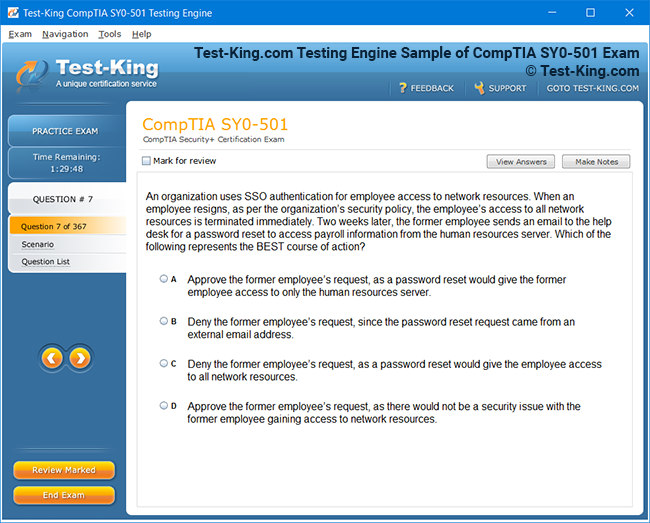
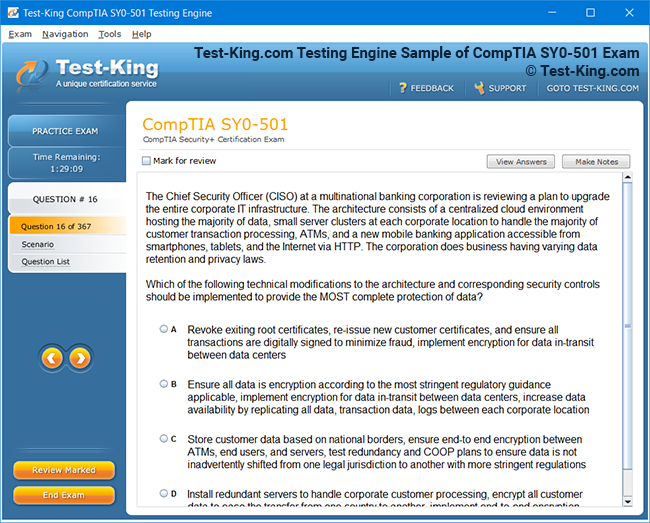
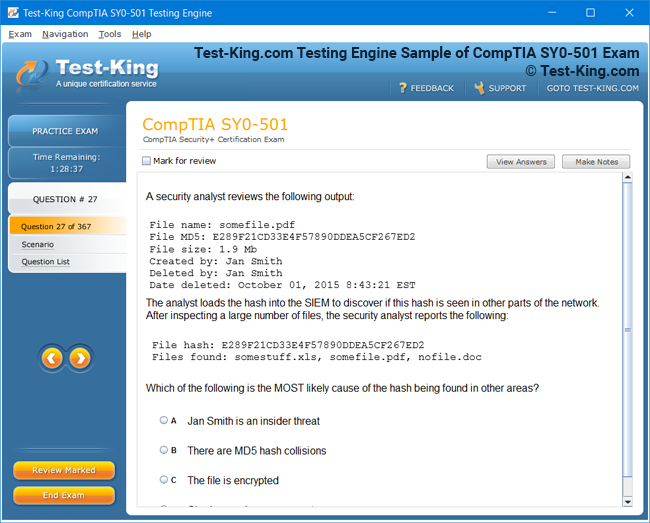
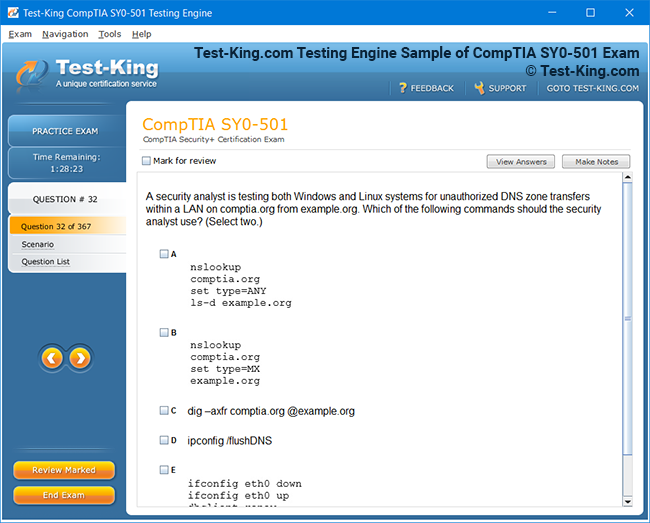
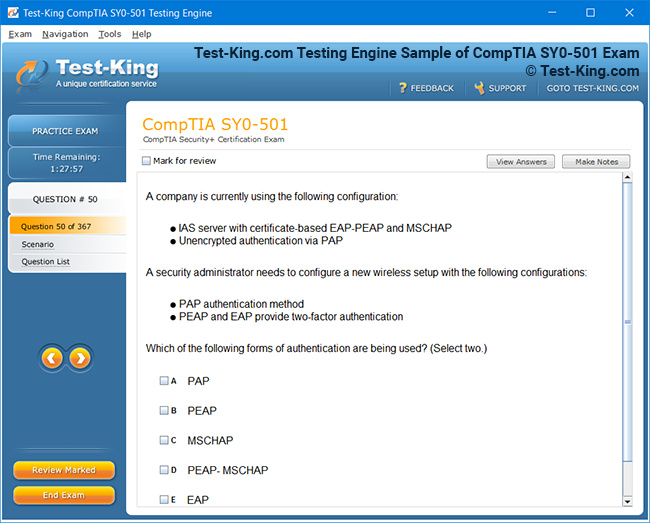
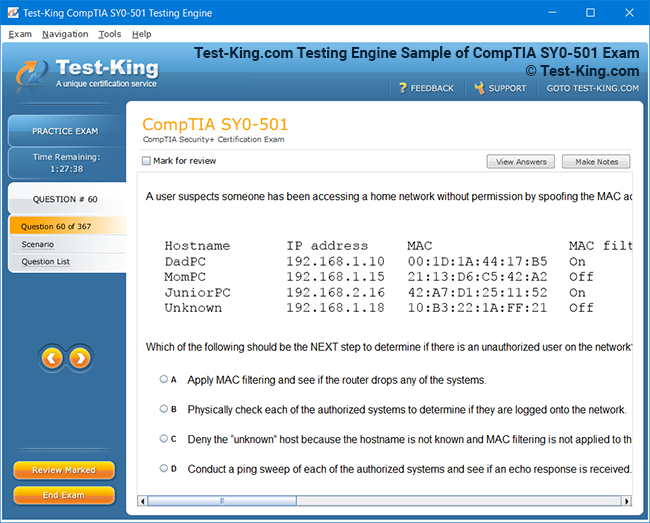
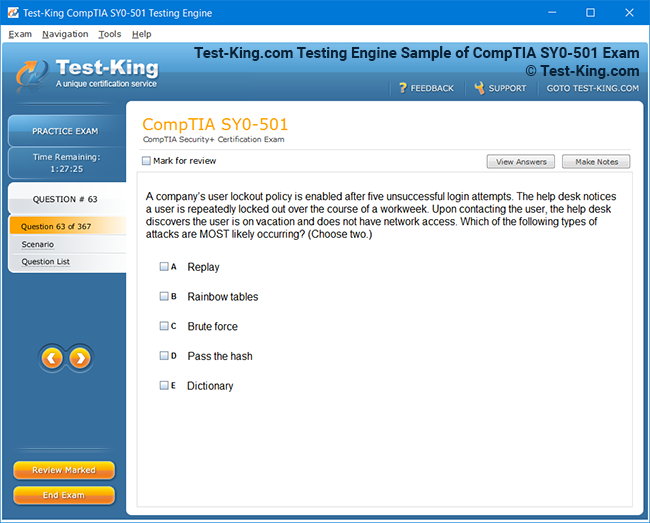
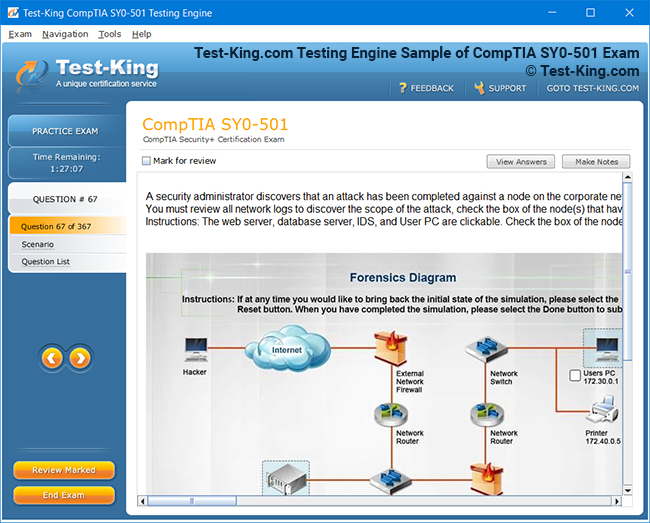
Product Screenshots
Frequently Asked Questions
How can I get the products after purchase?
All products are available for download immediately from your Member's Area. Once you have made the payment, you will be transferred to Member's Area where you can login and download the products you have purchased to your computer.
How long can I use my product? Will it be valid forever?
Test-King products have a validity of 90 days from the date of purchase. This means that any updates to the products, including but not limited to new questions, or updates and changes by our editing team, will be automatically downloaded on to computer to make sure that you get latest exam prep materials during those 90 days.
Can I renew my product if when it's expired?
Yes, when the 90 days of your product validity are over, you have the option of renewing your expired products with a 30% discount. This can be done in your Member's Area.
Please note that you will not be able to use the product after it has expired if you don't renew it.
How often are the questions updated?
We always try to provide the latest pool of questions, Updates in the questions depend on the changes in actual pool of questions by different vendors. As soon as we know about the change in the exam question pool we try our best to update the products as fast as possible.
How many computers I can download Test-King software on?
You can download the Test-King products on the maximum number of 2 (two) computers or devices. If you need to use the software on more than two machines, you can purchase this option separately. Please email support@test-king.com if you need to use more than 5 (five) computers.
What is a PDF Version?
PDF Version is a pdf document of Questions & Answers product. The document file has standart .pdf format, which can be easily read by any pdf reader application like Adobe Acrobat Reader, Foxit Reader, OpenOffice, Google Docs and many others.
Can I purchase PDF Version without the Testing Engine?
PDF Version cannot be purchased separately. It is only available as an add-on to main Question & Answer Testing Engine product.
What operating systems are supported by your Testing Engine software?
Our testing engine is supported by Windows. Andriod and IOS software is currently under development.
Overview of the Certified Business Manager (CBM) Exam
The Certified Business Manager examination represents a pinnacle of professional validation for individuals striving to demonstrate comprehensive business acumen and strategic leadership capabilities. Administered by the Association of Professionals in Business Management, this certification embodies a holistic approach to modern business practices, integrating analytical reasoning, operational proficiency, and executive decision-making. For ambitious professionals seeking to ascend the echelons of management, the credential offers a unique opportunity to signal both expertise and commitment in a highly competitive corporate environment.
Introduction to the Certified Business Manager Exam
Unlike conventional business credentials that often focus on narrow skill sets, this exam evaluates candidates across multiple dimensions of organizational management. It encompasses strategic thinking, operational efficiency, financial literacy, marketing acumen, and leadership aptitude. By doing so, it ensures that certified individuals are not only capable of managing day-to-day operations but also equipped to envision and execute long-term organizational strategies with efficacy and foresight.
In an era of globalization and digital transformation, the demand for managers who possess both tactical knowledge and strategic insight has never been higher. The Certified Business Manager credential addresses this demand by offering a rigorous assessment framework that measures cognitive skills, practical application, and ethical decision-making. Candidates who undertake this examination often find themselves better positioned for promotions, international assignments, and roles that require multifaceted problem-solving abilities. The certification also acts as a testament to sustained professional development, signaling to employers and peers that the holder has committed to mastering the principles of modern management.
Beyond individual career enhancement, the certification carries organizational value. Companies that encourage or support their employees in pursuing this credential often benefit from enhanced managerial capacity, improved operational efficiency, and more strategic alignment across departments. The credential fosters a culture of accountability and analytical rigor, as certified managers are adept at balancing quantitative analysis with qualitative judgment, ensuring decisions are both data-driven and contextually sound.
The examination is meticulously structured to evaluate not only theoretical knowledge but also the ability to apply concepts in practical scenarios. It is widely recognized that true managerial effectiveness is demonstrated not through rote memorization but through the ability to synthesize information, identify patterns, and implement strategies that generate measurable outcomes. This philosophy underpins the design of the Certified Business Manager assessment, emphasizing scenario-based evaluation and problem-solving exercises that mirror real-world business challenges.
Individuals considering this examination must possess a strong foundation in general business knowledge. Academic credentials in fields such as business administration, management, finance, or economics often provide a solid starting point. However, professional experience remains equally crucial. The examination is designed to test the integration of practical experience with theoretical knowledge, rewarding candidates who can translate abstract concepts into actionable strategies. Professionals from diverse industries, ranging from finance and marketing to operations and human resources, find the credential relevant due to its comprehensive coverage of management principles.
The Association of Professionals in Business Management has cultivated a reputation for rigorous standards and high credibility. This reputation ensures that the credential is recognized internationally, enhancing its value for professionals seeking global mobility. Unlike certifications that are region-specific, the Certified Business Manager credential maintains uniformity in its assessment criteria across borders, making it a symbol of excellence for multinational corporations and global enterprises. The recognition extends beyond corporate employers, as consultancy firms, governmental agencies, and non-profit organizations also value the analytical rigor and leadership competency that certified professionals bring to the table.
The content of the examination is curated to reflect the evolving nature of business management. It integrates traditional disciplines such as financial accounting, operations management, and marketing strategy with contemporary topics like digital transformation, innovation management, and sustainable business practices. Candidates are encouraged to develop a mindset that is both adaptable and strategic, capable of navigating the complex interplay between market forces, organizational dynamics, and societal expectations. This forward-looking perspective ensures that those who achieve certification are not only equipped for current challenges but are also prepared to anticipate and respond to future trends.
Furthermore, the credential emphasizes ethical decision-making and corporate governance. In today’s business environment, where reputation and regulatory compliance are paramount, managers must be attuned to the ethical implications of their decisions. The examination assesses the ability to balance profit objectives with social responsibility, ensuring that certified professionals uphold the highest standards of integrity while driving organizational performance. This dimension of the assessment reflects a growing recognition that effective management is inseparable from ethical stewardship, and that sustainable success depends on principled leadership.
The Certified Business Manager examination also encourages interdisciplinary thinking. Candidates must demonstrate an understanding of how various functions within an organization intersect and influence one another. For example, a decision in the marketing department may have financial repercussions, operational consequences, and implications for human resource allocation. The ability to anticipate and manage these interdependencies distinguishes exceptional managers from those who operate in silos. By evaluating candidates on integrated knowledge and cross-functional insight, the examination cultivates a mindset that appreciates the complexity and interconnectedness of modern business ecosystems.
In addition to technical and strategic competence, the credential places considerable emphasis on leadership and communication. Effective managers must not only make informed decisions but also inspire teams, negotiate with stakeholders, and convey complex concepts clearly. The examination evaluates these competencies through scenario-based questions, requiring candidates to propose solutions, justify decisions, and communicate outcomes as they would in a professional setting. This approach ensures that certification holders are not merely proficient in theoretical knowledge but also capable of influencing and guiding others toward achieving organizational objectives.
The preparation journey for the examination itself offers significant professional growth. Candidates engage in intensive study, analyze case studies, and reflect on their practical experiences, often gaining insights that immediately enhance their performance in current roles. This process reinforces critical thinking, problem-solving, and strategic planning skills, which remain valuable irrespective of the exam outcome. For many professionals, the preparation period is transformative, cultivating a deeper appreciation for business dynamics, competitive analysis, and the nuanced art of leadership.
Globally, the credential has become synonymous with managerial excellence. Its adoption by professionals from diverse geographic and cultural backgrounds demonstrates its universal applicability. Whether in a technology firm in Silicon Valley, a manufacturing conglomerate in Europe, or a consultancy in Asia, the principles tested in the examination remain relevant. This international acceptance enhances the professional mobility of certified individuals, allowing them to pursue roles in multinational corporations, cross-border projects, and strategic advisory positions.
Organizations that employ certified managers often report measurable improvements in performance. By fostering a cadre of leaders who understand the intricate balance between strategy, operations, and stakeholder management, companies can implement initiatives more effectively, reduce operational inefficiencies, and enhance customer satisfaction. The credential, therefore, is not merely a personal accolade but an instrument that contributes to organizational resilience, competitiveness, and long-term sustainability.
In essence, the Certified Business Manager examination embodies a synthesis of knowledge, practical skill, and professional integrity. It is designed for individuals who aspire to lead, innovate, and effect meaningful change within their organizations. By integrating rigorous assessment, comprehensive syllabus coverage, and real-world applicability, the credential ensures that certified professionals are prepared to navigate the complexities of modern business with confidence and competence. Those who earn this distinction emerge with a refined skill set, enhanced credibility, and the ability to influence both strategy and execution at the highest levels of management.
The examination also serves as a benchmark for lifelong learning. In an era where business practices evolve rapidly due to technological disruption, regulatory changes, and shifting market dynamics, staying abreast of contemporary knowledge is crucial. The credential reinforces a culture of continuous professional development, encouraging candidates to revisit core principles, explore emerging trends, and cultivate adaptive expertise. This emphasis on ongoing learning ensures that the value of the certification extends well beyond the initial assessment, shaping professionals who are equipped to thrive in dynamic business landscapes.
Finally, the Certified Business Manager credential distinguishes itself through its commitment to excellence, relevance, and practicality. It is not merely a testament to one’s academic or experiential accomplishments but a demonstration of the capacity to think critically, act decisively, and lead responsibly. For professionals seeking to consolidate their knowledge, elevate their career prospects, and contribute meaningfully to organizational success, the examination offers an unparalleled platform to achieve these goals. Through its comprehensive assessment of managerial competence, the credential affirms the holder’s ability to meet the multifaceted demands of contemporary business with insight, integrity, and ingenuity.
Understanding Eligibility and Enrollment Process
The journey toward achieving the Certified Business Manager designation begins with a thorough comprehension of the eligibility requirements and the enrollment process. This credential is designed to attract professionals who possess a blend of academic acumen and practical experience, ensuring that those who undertake the examination are well-prepared to demonstrate holistic management proficiency. Candidates aspiring to undertake this assessment are expected to have a foundational educational background, often in fields such as business administration, finance, management, economics, or related disciplines. The academic preparation provides the essential theoretical frameworks necessary for analyzing complex business scenarios and making informed strategic decisions.
Beyond formal education, professional experience serves as an equally crucial criterion. The examination is structured to evaluate the application of knowledge in real-world contexts, emphasizing decision-making, strategic thinking, and operational management. Typically, candidates are expected to have accrued a minimum period of professional engagement in managerial roles, during which they would have gained exposure to organizational processes, cross-functional coordination, and leadership responsibilities. This blend of education and experiential learning ensures that examinees are capable of addressing multifaceted business challenges with both analytical rigor and practical insight.
The eligibility parameters extend beyond merely fulfilling educational or experiential thresholds. Applicants must demonstrate a commitment to ethical practices, an understanding of corporate governance, and a capacity for strategic foresight. This is because the Certified Business Manager credential is designed not only to assess knowledge but also to gauge judgment, integrity, and the ability to navigate complex organizational dilemmas. Candidates who exhibit a synthesis of technical knowledge, leadership competence, and ethical consideration are most likely to excel in the assessment and subsequently leverage the credential for professional advancement.
Once eligibility is confirmed, the enrollment process involves several structured steps facilitated by the Association of Professionals in Business Management. Prospective candidates are required to submit an application that details educational qualifications, professional experience, and relevant certifications, if any. The application is meticulously reviewed to ensure that all criteria are satisfied, reflecting the credentialing body's emphasis on standards, credibility, and the integrity of the certification process. Upon approval, candidates gain access to examination scheduling, preparatory resources, and other logistical support designed to optimize performance and readiness.
The enrollment process includes the selection of an examination date and location, which is often aligned with the candidate’s convenience while maintaining uniform standards across testing sites. Candidates are encouraged to plan their preparation timeline in conjunction with the scheduled examination to ensure adequate coverage of all domains. The Association provides comprehensive guidance on registration procedures, including document submission, fee remittance, and acknowledgment of examination policies. These policies encompass critical information such as identification requirements, permissible materials, and instructions for navigating the testing environment.
An essential aspect of the registration process is the verification of credentials. Candidates are typically required to furnish official transcripts, letters of experience, or professional references to substantiate their qualifications and work history. This verification process underscores the examination’s commitment to professionalism, accountability, and the maintenance of a robust standard of competency. In addition, the association may conduct background validation to ensure that applicants have not only the requisite knowledge but also a record of ethical and responsible conduct in their professional undertakings.
Financial considerations form an integral part of the registration process. Examination fees are structured to reflect the comprehensive nature of the assessment and the resources provided to candidates, including access to preparatory materials, practice questions, and guidance from experienced professionals. Payment of the fees secures a candidate’s place in the examination schedule and signals a formal commitment to pursuing the credential. Fee structures are designed to be transparent and equitable, accommodating a diverse pool of candidates from various industries and geographical regions.
The timing of the examination is carefully orchestrated to balance accessibility with logistical feasibility. Candidates are advised to register well in advance to secure preferred dates and to allow sufficient time for intensive preparation. The scheduling flexibility ensures that professionals actively engaged in demanding roles can participate without compromising their current responsibilities. Additionally, advance registration allows candidates to engage in preparatory activities systematically, which enhances confidence, minimizes stress, and optimizes performance on the examination day.
Understanding the examination’s format is an important component of the registration and preparation process. The assessment comprises multiple domains, each evaluating a distinct aspect of business management. These domains include general management, finance, marketing, operations, strategy, and leadership. Candidates are expected to demonstrate mastery across all domains, integrating knowledge, analytical skills, and practical application. Awareness of the domains and their interconnections informs the candidate’s study approach and allows for the prioritization of areas requiring additional focus or reinforcement.
Candidates are encouraged to familiarize themselves with the guidelines and policies governing the examination. These include protocols for identification verification, conduct within the testing environment, handling of examination materials, and procedures for addressing unforeseen circumstances such as emergencies or technical difficulties. Adherence to these guidelines ensures a smooth examination experience and reflects the candidate’s commitment to professional integrity. Furthermore, understanding the procedural requirements reduces anxiety, allowing candidates to focus on demonstrating their competencies rather than navigating administrative hurdles.
The application process also provides an opportunity for candidates to reflect on their career trajectory and readiness for certification. By articulating their educational achievements, professional experience, and aspirations, applicants engage in a form of self-assessment that highlights strengths and identifies areas for improvement. This introspective exercise often informs study strategies, preparation priorities, and overall approach to the examination. Candidates who undertake this reflection with sincerity are more likely to approach the examination with clarity, purpose, and confidence.
Preparation for the examination begins in tandem with registration, as candidates align their study schedules with the timeline for enrollment and examination dates. Access to preparatory resources is typically granted upon successful registration, including study guides, sample questions, and recommended reading materials. These resources are curated to provide a comprehensive overview of all domains, emphasizing both conceptual understanding and the application of principles in practical scenarios. The availability of structured materials allows candidates to engage in systematic preparation, reinforcing knowledge through practice and application.
Candidates often engage in a blend of self-directed study and collaborative learning. Study groups, mentorship opportunities, and professional forums provide platforms for discussion, analysis, and clarification of complex concepts. These interactions foster critical thinking, expose candidates to diverse perspectives, and enhance problem-solving capabilities. By engaging with peers and mentors, candidates refine their understanding of business principles, strengthen analytical reasoning, and develop the communication skills essential for managerial effectiveness.
Professional experience is integrated into preparation strategies, as candidates draw upon their own work history to contextualize theoretical concepts. Case studies, scenario analyses, and real-world problem-solving exercises often mirror situations encountered in professional settings, allowing candidates to apply knowledge in familiar contexts. This experiential approach deepens comprehension, reinforces retention, and cultivates confidence in addressing practical challenges during the examination.
An additional dimension of the enrollment process involves consideration of recertification and maintenance requirements. The Certified Business Manager credential is designed to reflect ongoing professional competence, and certified individuals are expected to engage in continuous learning to remain current with evolving business practices. Candidates planning for long-term career impact should be aware of periodic recertification protocols, continuing education opportunities, and professional development initiatives that sustain the relevance and credibility of the credential over time.
The registration experience often includes guidance on optimizing preparation time, managing workload, and balancing professional commitments with study demands. Time management, prioritization, and disciplined study routines are emphasized to ensure that candidates can achieve comprehensive coverage of all domains without undue stress. The association provides insights on effective strategies, allowing candidates to structure study schedules, focus on critical areas, and monitor progress through practice assessments.
Ethical considerations are also emphasized throughout the registration and preparation process. Candidates are expected to approach the examination with integrity, honesty, and adherence to professional standards. The credentialing body maintains strict policies against malpractice, plagiarism, and misconduct, reinforcing the importance of ethical behavior in both preparation and examination. Candidates who internalize these principles are better prepared to navigate challenges, make principled decisions, and demonstrate professionalism under evaluative conditions.
Enrollment in the Certified Business Manager examination also signals a commitment to professional growth and strategic development. Candidates embarking on this path demonstrate initiative, ambition, and a willingness to engage with complex business concepts. The registration process thus represents both a procedural step and a symbolic commitment to excellence, reflecting the candidate’s readiness to embrace the rigor, challenge, and reward associated with achieving certification.
Ultimately, understanding eligibility and navigating the registration process forms the foundation for successful engagement with the examination. By ensuring that candidates meet educational and professional criteria, facilitating structured enrollment, and providing comprehensive guidance on preparatory resources, the credentialing organization fosters an environment conducive to achievement, learning, and professional transformation. Through meticulous adherence to eligibility standards, thoughtful planning, and dedicated preparation, candidates position themselves to maximize the benefits of the Certified Business Manager credential, enhancing career prospects, professional credibility, and strategic capability within the contemporary business landscape.
Understanding the Exam Structure and Assessment Pattern
The Certified Business Manager examination is meticulously crafted to evaluate a candidate’s comprehensive understanding of modern business practices, strategic decision-making, and managerial competence. Its design reflects an intricate balance between theoretical knowledge and practical application, ensuring that individuals who attain this credential demonstrate both cognitive acuity and operational proficiency. The examination encompasses multiple domains, each representing a critical facet of organizational management, and collectively providing a holistic assessment of a professional’s ability to navigate complex business environments.
At its core, the examination is divided into six principal domains: general management, finance, marketing, operations, strategy, and leadership. Each domain is designed to test not only knowledge retention but also the capacity to apply principles in realistic scenarios. For example, general management questions may require candidates to address challenges related to organizational behavior, human resources allocation, or internal communication strategies, while finance-focused queries may examine budgeting, financial analysis, and capital allocation in a corporate context. Marketing elements are structured to evaluate market research, brand strategy, consumer behavior, and digital marketing trends, reflecting the dynamic and evolving nature of business engagement.
The operational management portion of the assessment challenges candidates to synthesize knowledge across production, supply chain, logistics, and quality assurance. Practical problem-solving is emphasized, as candidates are required to propose strategies that optimize efficiency while maintaining product and service quality. Strategy-related questions demand the integration of analytical reasoning with creative foresight, compelling candidates to devise long-term plans, assess competitive landscapes, and implement strategic initiatives that advance organizational objectives. Leadership evaluation examines interpersonal skills, team management, ethical decision-making, and the capacity to inspire and guide employees toward achieving common goals.
The examination format is structured to include multiple-choice questions, scenario-based assessments, and case study evaluations. Multiple-choice questions are designed to test foundational understanding, conceptual clarity, and the ability to recognize best practices in management. Scenario-based questions challenge candidates to interpret complex situations, identify critical issues, and select appropriate courses of action based on available information. Case studies provide an immersive experience, simulating real organizational challenges where candidates must demonstrate analytical reasoning, strategy formulation, and decision-making acumen. This combination of assessment techniques ensures a well-rounded evaluation of knowledge, skills, and judgment.
Time management is a crucial aspect of engaging with the examination effectively. Candidates are allocated a defined duration for completion, during which they must navigate multiple question types and domains. The ability to prioritize questions, allocate sufficient time to complex scenarios, and maintain focus throughout the assessment period is critical. Professionals preparing for the examination often simulate time-bound practice exercises, honing their ability to balance speed and accuracy while maintaining analytical rigor. This practice not only enhances performance during the assessment but also reinforces decision-making under pressure, a valuable skill in managerial roles.
Scoring mechanisms are designed to reflect both correctness and the depth of reasoning in responses. Multiple-choice questions are typically assessed for accuracy, while scenario-based and case study evaluations may incorporate qualitative judgment, assessing the rationale behind proposed solutions. Candidates who demonstrate comprehensive analysis, logical reasoning, and practical application of concepts receive higher evaluations, emphasizing the importance of integrating theory with real-world insight. The scoring methodology encourages thorough preparation across all domains, rewarding both knowledge mastery and strategic thinking.
The weightage of domains varies, reflecting the relative emphasis placed on different managerial competencies. General management and leadership may constitute a larger proportion of the assessment, given their centrality to organizational success, while technical domains such as finance and operations are weighted to ensure adequate demonstration of specialized knowledge. Understanding domain weightage allows candidates to tailor preparation strategies, ensuring that focus is directed proportionately to areas that influence overall assessment outcomes.
Candidates are also evaluated on their ability to interpret data, perform quantitative analysis, and apply statistical or financial reasoning where applicable. Questions may present financial statements, operational metrics, market research findings, or performance indicators, requiring candidates to analyze information critically, draw insights, and make evidence-based recommendations. This analytical component underscores the examination’s commitment to assessing practical intelligence alongside conceptual knowledge, ensuring that certified individuals are prepared to navigate complex data-driven environments in professional settings.
Ethical considerations are intricately woven into the examination. Candidates may encounter scenarios where conflicting interests, regulatory requirements, or corporate governance issues must be addressed. Responses are evaluated not only for correctness but also for alignment with ethical principles, organizational values, and societal responsibility. By incorporating ethics into the assessment, the examination emphasizes the integral role of moral judgment and integrity in effective management, preparing candidates to make decisions that are principled and sustainable.
The examination also assesses adaptability and critical thinking. As business environments evolve rapidly due to technological innovation, market disruption, and globalization, managers must demonstrate flexibility in approach, the ability to synthesize new information quickly, and the capacity to devise solutions in ambiguous situations. Scenario-based questions frequently present dynamic contexts, such as sudden market shifts, operational disruptions, or strategic dilemmas, requiring candidates to evaluate options, anticipate outcomes, and select courses of action that optimize organizational performance.
Preparation strategies for engaging with the examination format often involve immersive practice with sample questions, mock assessments, and case study simulations. Candidates benefit from repeated exposure to scenario-based challenges, as this hones analytical acuity, reinforces conceptual knowledge, and cultivates confidence in applying principles under evaluative conditions. Experienced professionals frequently advise approaching each question with a structured framework: identify the problem, analyze the underlying factors, evaluate alternatives, and propose a justified solution. This systematic approach enhances clarity of thought, reduces errors, and ensures that responses reflect both knowledge and judgment.
The examination environment itself is designed to simulate professional rigor. Candidates are expected to adhere to procedural protocols, demonstrate focus, and engage with materials under controlled conditions. The testing environment minimizes distractions and standardizes assessment conditions, ensuring fairness and consistency across all candidates. Familiarity with these conditions prior to the examination can enhance performance, as it allows candidates to focus on problem-solving and strategic reasoning without being encumbered by procedural uncertainties.
Integration of multiple competencies is a hallmark of the Certified Business Manager examination. For instance, a single scenario may require the application of financial analysis, marketing insight, operational strategy, and leadership judgment concurrently. This integrated approach mirrors real-world management responsibilities, where decisions are seldom confined to a single functional area. By evaluating candidates on their capacity to synthesize knowledge across domains, the examination ensures that certified individuals possess the versatility, foresight, and coordination skills essential for executive roles.
Candidates are also assessed on communication and justification skills, particularly in case study responses. Clear articulation of reasoning, logical structuring of arguments, and coherent explanation of recommendations are critical. This emphasis reflects the importance of effective communication in professional management, as decisions must often be conveyed to diverse stakeholders, from team members and executives to investors and regulators. The examination’s evaluation criteria thus extend beyond correctness to include the ability to present and defend well-considered solutions.
The examination further incorporates contemporary business themes, including digital transformation, innovation management, sustainability, and risk assessment. Candidates may be required to evaluate the impact of emerging technologies, propose innovative strategies, or assess risks associated with market expansion or operational changes. This integration ensures that the assessment remains relevant to modern business challenges, cultivating professionals who are not only proficient in traditional management principles but also capable of leading organizations through evolving landscapes.
Feedback mechanisms are another important aspect of understanding the structure and format. While the formal scoring communicates quantitative results, candidates often gain insight into performance across domains, highlighting strengths and areas for improvement. This feedback is valuable for ongoing professional development, enabling individuals to refine competencies, explore knowledge gaps, and enhance strategic capabilities beyond the examination itself.
In terms of preparation, candidates are encouraged to develop a study approach that mirrors the integrated and scenario-based nature of the assessment. Focusing exclusively on memorization is insufficient; rather, emphasis is placed on application, synthesis, and analysis. Case study practice, problem-solving exercises, and simulation of real-world managerial decisions allow candidates to internalize concepts, reinforce critical thinking, and cultivate the judgment necessary for high-stakes decision-making.
Ultimately, understanding the examination structure and format is essential for successful engagement. Familiarity with domain distribution, question types, scoring methodology, ethical considerations, and scenario-based evaluation empowers candidates to plan effectively, prioritize preparation, and approach the assessment with confidence. By mastering these elements, individuals position themselves to demonstrate the comprehensive managerial proficiency, strategic insight, and operational expertise that define the Certified Business Manager credential, ensuring that achievement reflects both knowledge and practical capability.
Exploring the Domains and Learning Objectives
The Certified Business Manager examination encompasses a meticulously designed syllabus that reflects the multifaceted nature of contemporary business management. This curriculum integrates foundational principles, advanced concepts, and practical applications, ensuring that candidates demonstrate comprehensive knowledge across all critical dimensions of organizational leadership. The syllabus is structured to evaluate understanding in six overarching domains: general management, finance, marketing, operations, strategy, and leadership. Each domain is not only a repository of theoretical knowledge but also a test of analytical reasoning, problem-solving aptitude, and the ability to apply concepts in dynamic, real-world contexts.
General management forms the cornerstone of the curriculum, emphasizing the principles that govern effective organizational functioning. Candidates are expected to demonstrate an understanding of organizational structures, corporate governance, policy formulation, and human resource management. Concepts such as delegation, workflow optimization, performance appraisal, and employee engagement are integral, reflecting the practical challenges faced by managers in coordinating diverse teams. Emphasis is placed on strategic planning, decision-making under uncertainty, and aligning departmental objectives with overarching corporate goals. The objective is to cultivate professionals who can orchestrate resources, processes, and personnel to achieve sustainable outcomes while maintaining operational coherence.
Finance is another pivotal domain within the syllabus, requiring candidates to possess a robust grasp of accounting principles, financial analysis, investment evaluation, and risk management. Knowledge of financial statements, budgeting processes, and capital allocation strategies is essential, as these concepts form the backbone of informed managerial decisions. Candidates are also expected to interpret financial ratios, assess liquidity and solvency, and apply valuation techniques in diverse scenarios. This domain emphasizes the practical application of numerical analysis to real-world problems, including cost-benefit evaluations, project feasibility studies, and resource optimization. Through these competencies, certified individuals are equipped to guide financial planning, monitor fiscal performance, and ensure organizational sustainability.
Marketing as a domain emphasizes both traditional strategies and contemporary trends that influence consumer behavior. Candidates explore market segmentation, brand management, product lifecycle strategies, and pricing models, while also integrating emerging concepts such as digital marketing, social media analytics, and customer experience management. Understanding consumer psychology, competitive positioning, and demand forecasting is critical, as managers must anticipate market shifts and craft strategies that enhance brand equity. Case-based evaluation ensures that candidates can translate theoretical insights into actionable marketing plans, aligning promotional activities with organizational objectives and revenue targets.
Operations management within the syllabus underscores the importance of efficiency, quality control, and supply chain integration. Candidates are expected to understand process optimization, capacity planning, inventory management, and logistics coordination. Additionally, the curriculum emphasizes quality assurance, lean methodologies, and continuous improvement techniques, reflecting the operational challenges faced in contemporary business environments. Scenario-based questions often simulate production bottlenecks, resource allocation dilemmas, or workflow disruptions, requiring candidates to propose solutions that enhance productivity while minimizing cost and risk. By mastering this domain, professionals are prepared to design operational frameworks that sustain organizational performance and competitive advantage.
Strategic management is a domain that synthesizes insights from all other areas to facilitate long-term planning, competitive analysis, and organizational positioning. Candidates examine frameworks for environmental scanning, SWOT analysis, scenario planning, and strategic implementation. Emphasis is placed on the alignment of corporate vision with operational execution, resource deployment, and stakeholder engagement. The syllabus also integrates the study of mergers and acquisitions, diversification strategies, global market entry, and innovation management. Through this domain, candidates learn to anticipate trends, evaluate alternatives, and devise strategies that foster resilience and growth in complex, rapidly changing business landscapes.
Leadership represents the final, yet equally critical, domain of the syllabus. Effective management is inseparable from the capacity to inspire, motivate, and guide teams toward collective achievement. This domain evaluates competencies in transformational leadership, conflict resolution, negotiation, and ethical decision-making. Candidates are encouraged to understand organizational culture, employee motivation, and communication dynamics, ensuring that leadership strategies are both principled and effective. The examination also explores situational leadership, change management, and crisis response, highlighting the importance of adaptability, empathy, and decisiveness in managerial roles. Professionals who excel in this domain are prepared to foster cohesive, high-performing teams while upholding ethical standards and corporate values.
The syllabus emphasizes integration across domains, reflecting the interconnected nature of modern business operations. Candidates may encounter complex scenarios requiring simultaneous consideration of financial, operational, marketing, and leadership factors. For example, a strategic initiative might demand resource reallocation, budget optimization, market repositioning, and employee engagement, all of which must be considered holistically. This integrative approach mirrors real-world challenges, ensuring that certified professionals can apply interdisciplinary thinking, anticipate cascading effects of decisions, and maintain organizational coherence.
Emerging trends are incorporated into the syllabus to ensure that candidates remain relevant in a rapidly evolving business environment. Topics such as digital transformation, sustainability, corporate social responsibility, and innovation management are embedded across domains. Candidates are encouraged to evaluate how technology, regulatory changes, and market disruptions impact strategy, operations, and consumer engagement. By integrating contemporary developments, the syllabus cultivates managers who are not only grounded in foundational knowledge but also capable of navigating future challenges with foresight and agility.
Preparation for the syllabus requires a structured approach that balances breadth with depth. Candidates must allocate sufficient time to review foundational concepts while engaging in scenario-based exercises that reinforce practical application. Case study analysis is particularly emphasized, as it cultivates analytical reasoning, decision-making under uncertainty, and the ability to synthesize insights across multiple functional areas. The process of dissecting complex business problems, evaluating alternative solutions, and justifying recommendations mirrors the cognitive demands of the examination itself, enhancing readiness and confidence.
In addition to cognitive and analytical competencies, the syllabus cultivates ethical awareness and professional judgment. Questions often involve dilemmas where candidates must weigh competing interests, assess regulatory implications, and consider societal impacts. By integrating ethics into each domain, the curriculum reinforces the importance of principled decision-making, integrity, and corporate responsibility. This dimension ensures that certified professionals are equipped to lead responsibly, balancing profitability with long-term sustainability and stakeholder trust.
Candidates are encouraged to draw upon their professional experiences when engaging with the syllabus. Real-world exposure to management challenges, financial planning, marketing campaigns, operational bottlenecks, and leadership scenarios enhances comprehension and contextual understanding. The synthesis of practical experience with theoretical frameworks deepens insight, allowing candidates to navigate complex questions with confidence and to propose solutions that are both informed and pragmatic.
Time management is essential when mastering the syllabus. With its comprehensive coverage, the curriculum demands sustained focus and disciplined study routines. Professionals often develop structured study plans that allocate dedicated time for each domain, interspersed with case study exercises, practice questions, and reflective review sessions. This methodical approach ensures that knowledge is reinforced, analytical skills are sharpened, and proficiency is developed across all functional areas.
In summary, the syllabus of the Certified Business Manager examination represents an extensive, integrated curriculum designed to cultivate holistic managerial competence. Each domain—general management, finance, marketing, operations, strategy, and leadership—offers both theoretical insight and practical application. The inclusion of emerging trends, ethical considerations, and integrative problem-solving ensures that candidates are prepared to navigate complex organizational landscapes. By engaging with the syllabus comprehensively, professionals enhance their analytical reasoning, strategic foresight, operational insight, and leadership capability, positioning themselves to excel in both the examination and subsequent managerial roles.
Effective Approaches to Exam Readiness and Resource Utilization
Achieving success in the Certified Business Manager examination necessitates a deliberate and methodical approach to preparation, combining rigorous study, practical application, and strategic engagement with resources. The examination evaluates proficiency across multiple domains, including general management, finance, marketing, operations, strategy, and leadership. Candidates must therefore develop an integrated preparation plan that balances comprehension of theoretical frameworks with the ability to apply knowledge to real-world scenarios.
One of the foundational strategies in preparing for the examination is the creation of a structured study plan. This plan should allocate dedicated time to each domain, ensuring comprehensive coverage of the syllabus while allowing for iterative reinforcement. Candidates often divide study sessions into thematic clusters, beginning with general management and progressing through finance, marketing, operations, strategy, and leadership. Within each domain, emphasis should be placed on mastering core concepts, understanding interdependencies between functional areas, and practicing scenario-based problem solving. Structured time allocation, coupled with periodic review sessions, fosters retention, analytical clarity, and the ability to integrate knowledge across domains.
Active learning techniques are particularly effective in preparing for the examination. Rather than relying solely on passive reading, candidates benefit from approaches such as case study analysis, scenario simulations, and problem-solving exercises. Case studies, for example, immerse candidates in realistic business contexts, requiring them to evaluate complex situations, identify critical variables, and propose well-reasoned solutions. Scenario simulations allow professionals to test decision-making skills under conditions of uncertainty, enhancing adaptability and strategic thinking. These active learning strategies cultivate the cognitive agility and practical insight essential for both examination success and managerial competence.
Another critical component of preparation involves engagement with diverse study resources. Comprehensive study guides, reference texts, and scholarly publications provide foundational knowledge across all domains. Candidates are advised to consult authoritative sources on business management, finance, marketing strategy, operations optimization, and leadership theory. Additionally, professional journals, industry reports, and case collections offer contemporary perspectives on market trends, technological innovations, and organizational practices. By integrating multiple resource types, candidates develop both breadth and depth of understanding, ensuring that responses reflect both theoretical grounding and practical awareness.
Practice examinations constitute a vital aspect of preparation. Simulated tests provide candidates with opportunities to gauge comprehension, identify knowledge gaps, and refine time management strategies. Regular practice under exam conditions fosters familiarity with the assessment format, question types, and scoring expectations. Candidates learn to allocate time effectively across multiple domains, approach complex scenarios with structured reasoning, and maintain focus under pressure. Practice assessments also cultivate analytical rigor, reinforcing the ability to synthesize information, evaluate alternatives, and justify recommendations, which are crucial skills for the examination and professional practice alike.
Collaborative learning enhances preparation through exposure to diverse perspectives and problem-solving approaches. Study groups, professional forums, and mentorship arrangements allow candidates to discuss challenging topics, debate strategic alternatives, and clarify ambiguous concepts. These interactions stimulate critical thinking, promote deeper understanding, and provide insights into practical applications of theoretical principles. Mentorship, in particular, offers guidance from experienced professionals who can share strategies for managing complex scenarios, approaching ethical dilemmas, and integrating knowledge across domains.
Integration of professional experience into preparation is a defining feature of successful candidates. The examination emphasizes the application of knowledge in realistic contexts, and candidates who draw upon their prior managerial exposure gain significant advantage. Reflecting on workplace challenges, analyzing past decisions, and considering the implications of strategic choices enhance comprehension and contextual understanding. This experiential integration allows candidates to relate abstract concepts to tangible outcomes, fostering confidence in approaching scenario-based questions and case studies.
Time management during preparation is essential for maintaining consistent progress and avoiding cognitive fatigue. Candidates often establish daily or weekly study routines, interspersing focused learning sessions with review and application exercises. Techniques such as active recall, mind mapping, and spaced repetition reinforce memory retention and comprehension. Prioritization of high-impact domains or areas of relative weakness enables efficient allocation of effort, ensuring that candidates achieve balanced mastery across all elements of the syllabus.
Ethical and professional awareness should be incorporated into all preparatory activities. The examination evaluates candidates’ ability to make principled decisions under complex circumstances, and preparation should include reflection on ethical dilemmas, corporate governance, and responsible leadership. Candidates are encouraged to analyze case studies that involve competing interests, regulatory challenges, or stakeholder considerations, developing the capacity to balance organizational objectives with societal and ethical responsibilities. This ethical preparation enhances both examination performance and real-world managerial judgment.
Digital resources play a growing role in examination readiness. Online courses, webinars, interactive platforms, and practice question banks provide accessible and flexible avenues for learning. Candidates can engage with multimedia content, participate in interactive discussions, and track progress through digital assessments. These resources complement traditional study methods, offering varied perspectives, real-time feedback, and exposure to contemporary business challenges. Leveraging technology enhances efficiency, accommodates different learning styles, and ensures familiarity with tools and practices relevant to modern management.
Analytical and quantitative skills form a critical component of preparation. Candidates must be proficient in financial analysis, operations metrics, and data interpretation. Practice exercises involving financial statements, performance indicators, and operational data enhance numerical literacy and critical evaluation skills. Understanding how to apply quantitative reasoning to strategic decisions, resource allocation, and performance assessment ensures readiness for the examination and equips candidates to make informed, evidence-based decisions in professional contexts.
Stress management and cognitive endurance are essential elements of preparation. The comprehensive nature of the examination can induce anxiety, and candidates benefit from techniques that maintain focus, enhance retention, and optimize cognitive performance. Mindfulness, structured breaks, exercise, and adequate rest contribute to sustained concentration and mental clarity. Developing resilience and managing cognitive load are integral to consistent preparation, ensuring that candidates approach the examination with confidence and composure.
Review and reflection are vital in the final stages of preparation. Candidates consolidate knowledge by revisiting challenging concepts, analyzing past practice assessments, and refining problem-solving approaches. This reflective practice fosters meta-cognition, allowing candidates to evaluate the effectiveness of their strategies, identify persistent gaps, and adjust study techniques accordingly. Reflection ensures that preparation is iterative, adaptive, and aligned with the integrative demands of the examination.
Networking and engagement with professional communities enhance preparation by providing exposure to practical insights and industry perspectives. Attendance at conferences, participation in professional forums, and interaction with certified peers allow candidates to observe how concepts are applied in operational, strategic, and leadership contexts. Such exposure reinforces learning, contextualizes theoretical frameworks, and enhances understanding of real-world managerial challenges. Networking also offers opportunities for mentorship, peer support, and collaborative problem-solving, further strengthening readiness for the examination.
Ultimately, effective preparation for the Certified Business Manager examination is a multidimensional endeavor. It combines structured study, active learning, engagement with diverse resources, experiential integration, ethical reflection, quantitative practice, and cognitive management. By adopting a systematic approach, candidates cultivate analytical rigor, strategic insight, operational competence, and leadership capability. This comprehensive readiness not only enhances examination performance but also equips professionals with the skills, knowledge, and confidence necessary to excel in complex organizational environments and assume roles of significant responsibility.
Navigating the Examination Experience and Leveraging Certification
The culmination of rigorous preparation for the Certified Business Manager examination is the day of the assessment itself, which demands meticulous planning, focus, and strategic engagement. The examination is designed to evaluate proficiency across general management, finance, marketing, operations, strategy, and leadership, integrating theoretical knowledge with practical application. Success is contingent not only on preparation but also on the ability to approach the examination environment with composure, clarity, and analytical precision.
On the day of the examination, candidates are advised to begin with careful logistical planning. Arriving well in advance, equipped with necessary identification and documentation, minimizes stress and allows for acclimatization to the testing environment. A calm and organized approach to entry procedures ensures that cognitive resources are reserved for the intellectual demands of the assessment. Maintaining a balanced mindset, free from distraction and anxiety, enhances focus and allows candidates to navigate complex scenarios with poise.
Time management during the examination is of paramount importance. The assessment comprises multiple question formats, including scenario-based evaluations and case studies that require both analytical reasoning and practical problem-solving. Candidates are encouraged to allocate their time judiciously, prioritizing complex scenarios while ensuring coverage of all domains. By adhering to a structured approach—reading questions carefully, identifying key issues, analyzing alternatives, and formulating responses—candidates optimize both accuracy and efficiency. This strategy reduces errors, mitigates the risk of incomplete responses, and enables sustained cognitive engagement throughout the assessment period.
Analytical acuity is essential during the examination. Candidates must evaluate data, interpret financial statements, assess operational metrics, and consider strategic implications in dynamic contexts. Scenario-based questions often present ambiguous or incomplete information, requiring the application of judgment, experience, and problem-solving frameworks. Practicing structured decision-making prior to the examination fosters confidence and clarity in addressing such challenges, ensuring that responses are reasoned, coherent, and aligned with best practices in management.
Ethical considerations permeate the examination. Candidates may encounter dilemmas involving conflicting stakeholder interests, regulatory constraints, or corporate governance challenges. Demonstrating principled decision-making and adherence to ethical norms is as critical as providing technically accurate solutions. By integrating ethical reflection into responses, candidates convey managerial maturity, foresight, and responsibility, qualities that the credentialing body seeks to recognize in Certified Business Manager candidates.
The physical and mental preparedness of candidates also influences performance. Adequate rest, proper nutrition, and cognitive warm-up routines contribute to alertness, retention, and analytical agility. Mental exercises such as scenario visualization or brief reflective meditation can enhance focus, reduce stress, and prime the mind for complex problem-solving. Maintaining composure during challenging questions allows candidates to approach each scenario methodically, avoiding hasty decisions and ensuring that responses are both accurate and strategically sound.
Following the examination, candidates enter the post-exam phase, which includes result declaration, score interpretation, and formal certification. Results typically provide detailed feedback on performance across domains, highlighting strengths, areas for improvement, and overall competency. This feedback serves not only as a record of achievement but also as a tool for ongoing professional development, enabling candidates to refine knowledge, strengthen analytical skills, and address any lingering gaps in expertise.
The awarding of the Certified Business Manager credential signifies recognition of comprehensive managerial proficiency. This certification demonstrates mastery across multiple functional domains, including strategy, operations, finance, marketing, and leadership, reflecting both conceptual understanding and practical application. By achieving certification, professionals validate their ability to synthesize complex information, make informed decisions, and lead organizational initiatives effectively. The credential carries substantial weight with employers, peers, and industry stakeholders, enhancing professional credibility and signaling readiness for elevated responsibilities.
Career advancement is a significant benefit of attaining the credential. Certified professionals often find themselves better positioned for promotions, expanded responsibilities, and leadership roles within their organizations. The credential serves as tangible evidence of competence, strategic insight, and commitment to professional excellence, distinguishing holders in competitive job markets. Whether aspiring to executive management, consultancy, or entrepreneurial leadership, individuals leverage the certification to access new opportunities, demonstrate value, and command enhanced influence within their professional spheres.
Global recognition is another distinguishing feature of the certification. As the examination is administered by a reputable professional body, the credential is acknowledged across industries and international borders. Professionals seeking roles in multinational corporations, global consultancy firms, or cross-border projects benefit from the mobility afforded by the certification. Its international credibility allows individuals to navigate diverse organizational cultures, engage with global stakeholders, and contribute to initiatives that span multiple geographic and regulatory environments.
The credential also facilitates continuous professional growth. Many certified individuals engage in ongoing learning initiatives, advanced training, and executive development programs to maintain relevance and extend expertise. By fostering a culture of lifelong learning, the certification ensures that holders remain informed about emerging trends, technological innovations, regulatory shifts, and strategic best practices. This ongoing engagement enhances adaptability, enriches decision-making capabilities, and reinforces the value of the credential in evolving business landscapes.
Networking and professional visibility are further advantages of certification. Membership in professional communities, access to exclusive forums, and participation in industry events enable Certified Business Managers to interact with peers, exchange insights, and cultivate strategic relationships. These connections provide opportunities for mentorship, collaboration, and exposure to diverse managerial approaches, contributing to both personal development and organizational impact. Active engagement in such networks enhances professional stature, broadens knowledge horizons, and fosters a collaborative mindset.
Practical application of knowledge gained through certification is crucial in translating achievement into tangible outcomes. Certified professionals are equipped to lead initiatives that improve operational efficiency, optimize resource allocation, develop marketing strategies, and drive strategic objectives. By applying analytical reasoning, data interpretation, and leadership skills, individuals contribute to measurable organizational success, enhancing productivity, profitability, and sustainability. The credential thus serves as both a marker of competence and a catalyst for practical impact in professional settings.
Preparation for post-exam engagement includes reflection on performance and strategic planning for career growth. Candidates are encouraged to evaluate their experiences during the examination, identify transferable skills, and consider pathways for applying knowledge in organizational contexts. This reflective practice enhances self-awareness, informs professional development plans, and enables individuals to capitalize on the full potential of the certification in advancing career objectives.
The broader implications of certification extend to organizational value. Companies employing Certified Business Managers often benefit from enhanced managerial capacity, informed strategic planning, and improved operational execution. Certified professionals bring a systematic, analytical, and ethically grounded approach to decision-making, fostering alignment across functional areas and contributing to long-term organizational resilience. Their expertise supports innovation, drives efficiency, and enhances competitive positioning, reflecting the comprehensive training and assessment underlying the certification.
Finally, the attainment of the Certified Business Manager credential represents a synthesis of knowledge, experience, and professional integrity. It validates proficiency across domains, demonstrates readiness for strategic leadership, and equips individuals to navigate complex business landscapes with confidence. The preparation journey, examination experience, and post-certification application collectively cultivate professionals who are analytical, adaptive, and principled, capable of influencing organizational success on multiple levels.
Conclusion
In achieving certification as a Certified Business Manager is both a milestone and a springboard. The examination challenges candidates to demonstrate mastery across general management, finance, marketing, operations, strategy, and leadership. Exam day strategies emphasize composure, time management, analytical reasoning, and ethical decision-making. Post-exam processes provide feedback, formal recognition, and pathways for continuous professional development. Career advancement opportunities are enhanced through global recognition, organizational impact, and professional credibility. By successfully navigating preparation, assessment, and application, professionals emerge with a distinguished credential that validates their competence, enhances their strategic influence, and positions them for sustained success in complex, dynamic, and competitive business environments.