

Exam Code: CPSA_P_New
Exam Name: CPSA Physical New
Certification Provider: PCI Security Standards Council
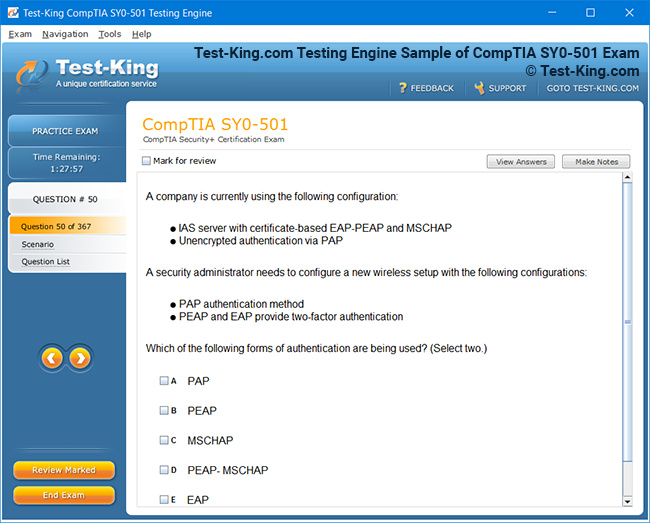
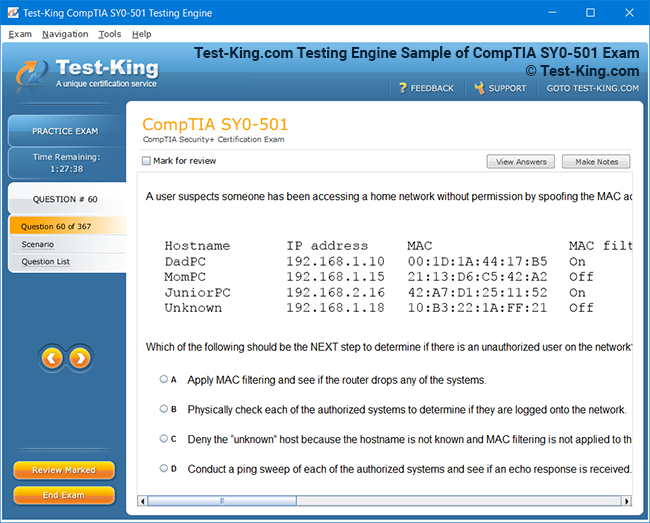
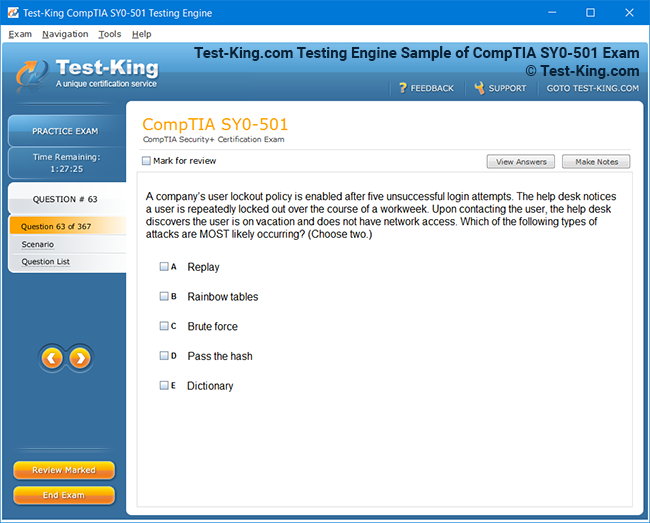
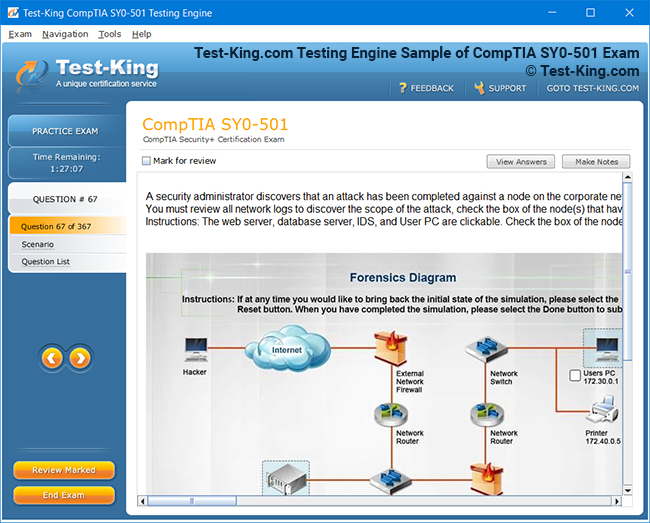
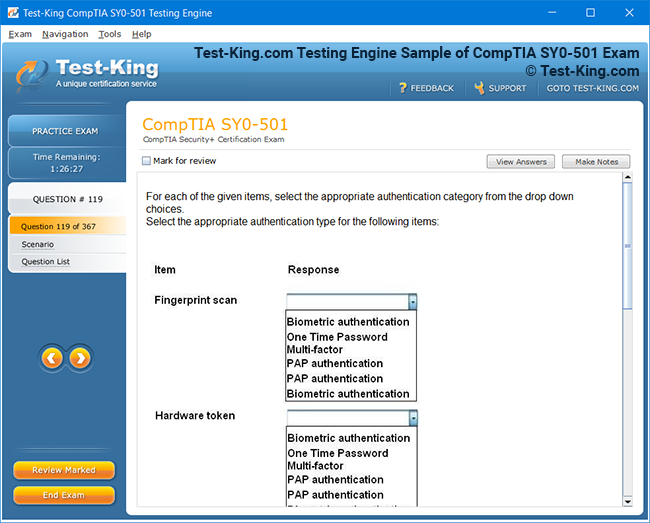
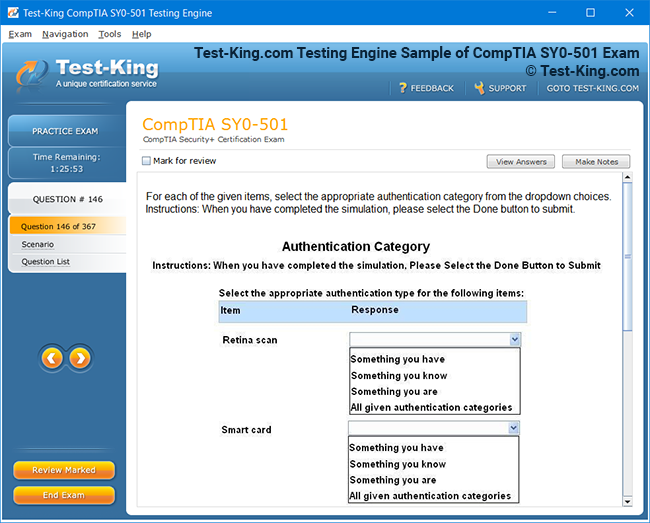
Product Screenshots
Frequently Asked Questions
How can I get the products after purchase?
All products are available for download immediately from your Member's Area. Once you have made the payment, you will be transferred to Member's Area where you can login and download the products you have purchased to your computer.
How long can I use my product? Will it be valid forever?
Test-King products have a validity of 90 days from the date of purchase. This means that any updates to the products, including but not limited to new questions, or updates and changes by our editing team, will be automatically downloaded on to computer to make sure that you get latest exam prep materials during those 90 days.
Can I renew my product if when it's expired?
Yes, when the 90 days of your product validity are over, you have the option of renewing your expired products with a 30% discount. This can be done in your Member's Area.
Please note that you will not be able to use the product after it has expired if you don't renew it.
How often are the questions updated?
We always try to provide the latest pool of questions, Updates in the questions depend on the changes in actual pool of questions by different vendors. As soon as we know about the change in the exam question pool we try our best to update the products as fast as possible.
How many computers I can download Test-King software on?
You can download the Test-King products on the maximum number of 2 (two) computers or devices. If you need to use the software on more than two machines, you can purchase this option separately. Please email support@test-king.com if you need to use more than 5 (five) computers.
What is a PDF Version?
PDF Version is a pdf document of Questions & Answers product. The document file has standart .pdf format, which can be easily read by any pdf reader application like Adobe Acrobat Reader, Foxit Reader, OpenOffice, Google Docs and many others.
Can I purchase PDF Version without the Testing Engine?
PDF Version cannot be purchased separately. It is only available as an add-on to main Question & Answer Testing Engine product.
What operating systems are supported by your Testing Engine software?
Our testing engine is supported by Windows. Andriod and IOS software is currently under development.
CPSA_P_New : Exam Tips for Effective Time Management and Preparation
The CPSA Physical New exam, orchestrated by the PCI Security Standards Council, has become a benchmark for professionals seeking to demonstrate their mastery of physical security standards within the payment card industry. The examination encompasses a diverse array of concepts, ranging from physical access controls to environmental considerations, and challenges candidates to exhibit both theoretical understanding and practical application skills. Unlike conventional assessments that focus solely on memorization, this exam demands a holistic grasp of how physical security frameworks operate in dynamic and sometimes unpredictable environments. This necessitates meticulous preparation, strategic time management, and a robust mental schema for recalling complex information efficiently.
Understanding the CPSA Physical New Exam and Its Scope
Candidates often find themselves navigating a labyrinth of topics, including secure facility design, surveillance protocols, incident response mechanisms, and compliance requirements. Each of these domains possesses its own intricacies, and mastery requires more than superficial familiarity. The CPSA Physical New exam emphasizes not just knowledge retention but the ability to synthesize multiple concepts under temporal constraints. Therefore, a candidate must cultivate both intellectual agility and disciplined study habits to succeed.
Strategies for Organizing Study Time Effectively
One of the foremost challenges in preparing for the CPSA Physical New exam is the management of study time. Many aspirants struggle with balancing professional obligations, personal responsibilities, and exam preparation. Establishing a structured study regimen is paramount. Begin by performing a comprehensive analysis of your current schedule, identifying periods of heightened cognitive performance. Some individuals exhibit peak focus during early morning hours, whereas others function optimally in the evening. Allocating study sessions during these high-efficiency windows can significantly enhance information retention.
Segmenting the study material into manageable portions is another efficacious tactic. Instead of attempting to assimilate voluminous content in one sitting, consider distributing the topics across multiple sessions, interleaving related themes to reinforce neural pathways. For example, combining lessons on access control systems with surveillance methodologies may improve contextual understanding and application ability. Implementing spaced repetition techniques ensures that information migrates from short-term to long-term memory, reducing the likelihood of forgetting critical details during the exam.
Furthermore, it is prudent to incorporate intermittent self-assessment into the study routine. Rather than relying solely on passive reading, actively engage with the material through practice questions, scenario analyses, and reflective summaries. This not only illuminates areas of weakness but also fosters a proactive learning mindset. Maintaining a dedicated journal or log to track progress and record insights can also reinforce learning and provide motivation as the exam approaches.
Utilizing Resources to Maximize Efficiency
Selecting and utilizing resources judiciously is essential for effective preparation. The CPSA Physical New exam draws upon a wide spectrum of standards, guidance documents, and best practices. Candidates should prioritize official PCI Security Standards Council publications, complemented by reputable study guides and online learning platforms. Engaging with peer communities or discussion forums can also provide invaluable perspectives, highlighting nuances that may not be immediately evident from solitary study.
In addition to textual resources, hands-on practice is indispensable. The exam evaluates practical comprehension, and candidates who engage with real-world simulations or lab exercises often exhibit superior performance. For instance, constructing mock access control layouts or simulating incident response scenarios enables learners to internalize concepts in a tangible manner. Such experiential learning embeds knowledge more deeply than abstract reading alone and cultivates confidence in applying theoretical principles under time constraints.
Time efficiency can be further enhanced by establishing a hierarchy of topics based on complexity and personal proficiency. Allocate extended sessions to areas that pose the greatest difficulty, while reserving shorter periods for familiar subjects. This triage approach ensures that energy is concentrated where it yields the highest returns, preventing cognitive fatigue from diluting study effectiveness.
Techniques to Improve Focus and Retention
Maintaining focus during prolonged study sessions is often a formidable obstacle. Cognitive fatigue, environmental distractions, and digital interruptions can severely impede progress. To mitigate these challenges, create a dedicated study environment optimized for concentration. Ensure that the workspace is well-lit, ergonomically arranged, and devoid of extraneous stimuli. Establishing ritualistic cues, such as a specific study playlist or pre-session meditation, can signal the brain to enter a state of heightened attentiveness.
Active learning techniques play a critical role in enhancing retention. Summarization, elaboration, and teaching concepts to an imagined audience are methods known to consolidate memory. For example, paraphrasing complex standards into concise narratives or explaining security procedures aloud fosters deeper neural encoding. Similarly, visual aids, such as flow diagrams or conceptual maps, can help contextualize interrelated topics, making them easier to recall during the exam.
Incorporating mnemonic devices or unique associations can further strengthen recall. Linking abstract principles to vivid imagery, alliterative phrases, or personal anecdotes transforms otherwise sterile information into memorable constructs. While unconventional, these strategies leverage the brain’s natural affinity for storytelling and pattern recognition, facilitating quicker retrieval under timed conditions.
Managing Stress and Cognitive Load
The CPSA Physical New exam can be mentally taxing, given its breadth and requirement for precision. Effective preparation entails not only knowledge acquisition but also psychological resilience. Candidates must cultivate strategies to manage stress, prevent burnout, and maintain cognitive clarity. Mindfulness techniques, including controlled breathing, meditation, and progressive muscle relaxation, can reduce anxiety and improve concentration. Incorporating brief physical activity, such as walking or stretching, enhances cerebral oxygenation, promoting sustained alertness.
Equally important is pacing study sessions to avoid cognitive overload. Prolonged periods of intense focus can lead to diminishing returns, where additional study yields negligible benefit. Structuring sessions with scheduled breaks, utilizing techniques such as the Pomodoro method, allows the brain to consolidate information while preserving energy levels. Alternating between theoretical review and practical exercises maintains engagement and stimulates different cognitive faculties, reducing monotony and fostering comprehensive understanding.
Social support and collaborative learning can also mitigate stress. Engaging in study groups, sharing insights, and discussing challenging scenarios provides reinforcement, exposes candidates to alternative perspectives, and cultivates a sense of accountability. While solitary study is valuable, interaction with peers can create a more dynamic and motivating preparation environment.
Time Allocation During the Exam
Effective time management extends beyond preparation into the examination itself. The CPSA Physical New exam requires candidates to navigate multiple question formats, interpret complex scenarios, and apply standards accurately within a limited timeframe. Familiarity with the exam’s structure is crucial. Prioritize questions based on difficulty and personal confidence, addressing easier items first to secure marks and build momentum. Allocate sufficient time to interpret case studies and scenario-based questions, which often require meticulous analysis.
Reading questions carefully and identifying keywords can prevent errors arising from misinterpretation. Avoid dwelling excessively on a single challenging item; instead, make a preliminary attempt and revisit it later if time permits. Maintaining a strategic pace, coupled with regular mental checks on remaining time, ensures comprehensive coverage of all exam components. Developing a flexible approach allows candidates to adjust in response to unexpected difficulties while maintaining overall composure.
Integrating Review and Reinforcement
As the exam date approaches, integrating systematic review becomes paramount. Revisiting notes, practice questions, and scenario analyses reinforces memory and identifies residual gaps. Emphasis should be placed on high-yield topics, recurring patterns in practice questions, and areas that historically challenge candidates. Creating concise reference sheets or summarization charts can facilitate last-minute review without overwhelming cognitive capacity.
Self-reflection is another critical element. After each practice session, consider which strategies were most effective, which topics remain elusive, and how preparation methods can be optimized. This iterative process of review, assessment, and adjustment cultivates adaptive learning, ensuring that preparation evolves in response to emerging insights. By continuously refining study techniques, candidates increase efficiency and resilience, positioning themselves for optimal performance during the exam.
Deep Dive into Practical Preparation Techniques
Preparing for the CPSA Physical New exam requires more than passive reading or rote memorization; it demands immersive engagement with the material and deliberate practice. Candidates often encounter questions that test situational comprehension, procedural knowledge, and the application of standards to real-world scenarios. To navigate this complexity, it is imperative to adopt practical preparation techniques that enhance both comprehension and retention. Experiential exercises, scenario walkthroughs, and contextual analyses are invaluable tools for embedding information in long-term memory while simultaneously honing analytical skills.
One effective method involves simulating environments and operational challenges that one might encounter in a secured facility. For example, designing a hypothetical access control system, identifying vulnerabilities, and suggesting mitigation strategies can bridge the gap between theoretical knowledge and practical implementation. This approach stimulates critical thinking, reinforces the understanding of physical security protocols, and allows candidates to anticipate the rationale behind potential exam questions. Engaging with tangible scenarios cultivates an intuitive grasp of standards and encourages proactive problem-solving.
Structuring Study Sessions for Maximum Retention
To optimize study sessions, it is beneficial to adopt a structured yet flexible approach that accommodates both intensive focus and restorative intervals. Cognitive research suggests that information retention improves when study periods are segmented into focused intervals interspersed with short breaks. During these intervals, concentrating on discrete topics, such as surveillance systems, intrusion detection, or secure facility planning, ensures that knowledge is assimilated in manageable units. Between sessions, brief intermissions allow the brain to consolidate information, reducing mental fatigue and enhancing recall.
Allocating time according to difficulty and familiarity can further improve efficiency. Complex subjects, such as integrating multi-layered physical controls with organizational policies, may require longer, more concentrated sessions. Simultaneously, revisiting simpler or previously mastered topics for brief refreshers reinforces memory without expending excessive cognitive resources. This layered approach, when consistently applied, allows candidates to build both breadth and depth of understanding in a measured, sustainable manner.
Leveraging Practice Questions and Scenario Exercises
Practice questions and scenario exercises form a cornerstone of effective preparation for the CPSA Physical New exam. These exercises mirror the nuanced, context-driven nature of the exam and enable candidates to test their knowledge in realistic situations. By analyzing scenarios involving security breaches, environmental hazards, or access violations, learners develop an appreciation for the practical implications of standards. The iterative process of attempting questions, reviewing solutions, and correcting misunderstandings sharpens judgment, reinforces procedural knowledge, and strengthens confidence.
When engaging with practice materials, it is crucial to treat each question not merely as an isolated task but as part of an interconnected framework. Understanding why a particular response is correct, and why alternative options are less appropriate, cultivates the ability to reason through novel scenarios. This analytical rigor is particularly vital for situational questions that require the integration of multiple concepts, such as combining physical access controls with surveillance protocols in a cohesive security strategy.
Enhancing Memory Through Unique Techniques
Memory enhancement plays a pivotal role in exam success. Beyond conventional repetition, employing distinctive mnemonic strategies can make information more memorable. Associating procedural steps with visual imagery, creating unusual analogies, or using rare terminology to label concepts can stimulate neural pathways that facilitate recall. For instance, envisioning a layered security system as a fortress with specific defensive measures can provide a vivid mental model, making it easier to retrieve details under timed conditions.
Interleaving study topics also promotes retention. By alternating between seemingly unrelated subjects, such as environmental controls and incident response, learners create more robust cognitive links. This method encourages flexible thinking and reduces the tendency to compartmentalize knowledge excessively, which is essential for the holistic problem-solving required in the exam. Regularly reviewing these interconnections reinforces understanding and prepares candidates for the integrative nature of the questions.
Balancing Theory and Hands-On Application
The CPSA Physical New exam assesses both theoretical knowledge and practical application. To achieve a balanced preparation, candidates should integrate hands-on exercises with traditional study methods. Laboratory simulations, mock assessments, and field observations enable learners to witness theoretical principles in operation, enhancing comprehension and problem-solving skills. For example, evaluating the effectiveness of a security camera layout or conducting a mock access audit provides concrete experience that supports conceptual learning.
Practical exercises also illuminate nuances that might otherwise remain abstract. Understanding how environmental factors, human behavior, and procedural inconsistencies affect security systems enhances the ability to anticipate challenges and devise effective solutions. By blending theoretical review with applied practice, candidates cultivate a more intuitive and resilient understanding, equipping themselves to respond adeptly to complex exam scenarios.
Time Management Strategies for the Exam Day
Effectively managing time during the CPSA Physical New exam is as critical as preparation itself. The exam presents a variety of question types, including scenario-based analysis, multiple-choice questions, and procedural interpretation. Establishing a strategic approach to sequencing questions can optimize performance. Addressing familiar or simpler questions first builds momentum and ensures that no marks are inadvertently forfeited due to time pressure. More challenging questions can then be approached with focused attention, benefiting from the confidence gained through early successes.
Monitoring time continuously during the exam prevents disproportionate allocation to any single question. Candidates should periodically check remaining time and adjust their pace accordingly, ensuring comprehensive coverage of all items. Developing an internal rhythm, where each question receives an appropriate share of time relative to its complexity, reduces anxiety and enhances accuracy. Practicing under timed conditions during preparation familiarizes candidates with this pacing, translating to more controlled execution on exam day.
Cultivating Mental Resilience and Focus
The mental demands of the CPSA Physical New exam extend beyond knowledge recall; candidates must also maintain focus under pressure. Techniques for cultivating resilience include mindfulness exercises, deep breathing, and brief meditative practices, which calm cognitive overload and enhance clarity. Additionally, structuring the study environment to minimize distractions and employing rituals that signal the beginning of focused work can strengthen concentration. Consistency in these practices ensures that mental agility is preserved even during prolonged sessions or high-pressure situations.
Physical wellness is equally integral to cognitive performance. Adequate sleep, balanced nutrition, and intermittent physical activity support sustained attention and memory consolidation. Integrating these factors into the preparation regimen ensures that candidates approach both study sessions and the examination itself in optimal condition, maximizing the effectiveness of each effort.
Review Techniques to Reinforce Learning
As the examination draws near, targeted review becomes indispensable. Revisiting previously studied material through concise notes, scenario analysis, and reflective exercises consolidates learning and identifies residual gaps. Prioritizing high-yield topics and recurring themes ensures that efforts are concentrated where they are most likely to impact performance. Summarizing complex concepts in personalized language enhances comprehension and facilitates rapid recall during the exam.
Iterative reflection strengthens understanding further. After each review session, analyzing which strategies were most effective and adjusting study approaches accordingly creates a feedback loop that enhances efficiency. Candidates benefit from continuously refining their methods, ensuring that preparation remains dynamic and responsive to evolving needs. This adaptive approach equips learners to confront unfamiliar questions with confidence, reasoning through novel challenges with clarity and precision.
Integrating Insights from Experienced Professionals
Gaining insights from professionals who have successfully completed the CPSA Physical New exam provides valuable perspective. These individuals often share practical tips, highlight common pitfalls, and elucidate strategies for tackling complex questions. Engaging in mentorship or discussion with experienced candidates can reveal subtleties not immediately apparent from textual materials alone, such as interpretive nuances in scenarios or effective mental heuristics for rapid decision-making.
Learning from these experiences enhances preparation by providing concrete examples and practical guidance. It also fosters a mindset of continuous improvement, encouraging candidates to adopt strategies that have proven effective in real-world contexts. This integration of peer insight with structured study methods enriches the preparation experience, reinforcing both confidence and competence.
Creating a Cohesive Study Plan
Ultimately, success in the CPSA Physical New exam hinges on a cohesive and well-orchestrated study plan. This plan should harmonize multiple elements, including theoretical review, practical exercises, scenario analysis, mental resilience, and time management. By systematically addressing each component, candidates cultivate a comprehensive skill set that aligns with the exam’s demands. A cohesive plan also facilitates adaptability, allowing learners to adjust priorities as gaps are identified, ensuring balanced and thorough preparation.
Meticulous planning, combined with disciplined execution, transforms preparation from a daunting endeavor into a structured journey. Candidates who adhere to a consistent regimen, integrate experiential learning, and maintain focus and mental clarity position themselves to excel, demonstrating mastery not only of physical security standards but also of the cognitive strategies necessary to navigate complex assessments successfully.
Advanced Strategies for Mastering the CPSA Physical New Exam
Preparing for the CPSA Physical New exam requires an intricate balance of disciplined study, practical engagement, and mental acuity. The examination evaluates both theoretical understanding and applied competence in physical security within the context of payment card industry standards. Candidates are expected to demonstrate nuanced comprehension of complex systems, including layered access controls, surveillance integration, environmental safeguards, and incident management protocols. The multifaceted nature of the exam necessitates advanced strategies that encompass not only knowledge acquisition but also critical thinking, problem-solving, and strategic time management.
One essential strategy involves cultivating analytical acuity. Candidates should approach study material with a mindset that seeks patterns, connections, and causality. Understanding how different elements of physical security interact—such as how environmental monitoring enhances access control efficacy—provides the cognitive scaffolding needed to navigate scenario-based questions. This analytical approach allows learners to anticipate potential challenges and apply standards in contextually appropriate ways, fostering both confidence and competence.
Structuring the Cognitive Framework for Exam Success
Creating a robust cognitive framework is critical for handling the extensive content of the CPSA Physical New exam. Candidates benefit from mapping key concepts, identifying hierarchical relationships, and visualizing procedural flows. For example, conceptualizing a facility’s security as concentric layers of protection—from perimeter barriers to internal access zones—enables the integration of surveillance, access control, and response protocols into a cohesive understanding. This mental model supports rapid recall during the exam and assists in synthesizing complex scenario questions.
Additionally, candidates should incorporate reflective learning into their study routine. By periodically pausing to summarize key points, analyze procedural logic, or question assumptions, learners reinforce memory pathways and develop meta-cognitive awareness. This deliberate reflection aids in detecting gaps in understanding and enhances the ability to apply knowledge adaptively. Over time, this iterative process sharpens judgment and ensures readiness for questions that require both factual recall and situational reasoning.
Integrating Simulated Exercises for Practical Mastery
Experiential learning is indispensable for excelling in the CPSA Physical New exam. Simulated exercises allow candidates to apply theoretical knowledge in realistic contexts, thereby deepening comprehension and reinforcing procedural fluency. Constructing mock access control designs, performing hypothetical threat assessments, or conducting virtual security audits engages multiple cognitive faculties simultaneously, creating a durable learning experience.
These simulations are particularly effective when they replicate the complexity and unpredictability of real-world environments. For instance, evaluating a multi-zone facility with varying access requirements, surveillance blind spots, and potential environmental hazards encourages problem-solving under conditions that mirror the exam’s expectations. By repeatedly engaging with such scenarios, candidates develop an intuitive grasp of how standards operate in practice, improving both accuracy and efficiency in answering exam questions.
Techniques for Efficient Study and Memory Consolidation
Memory consolidation is central to success in the CPSA Physical New exam. Beyond passive review, employing techniques such as spaced repetition, interleaved practice, and associative imagery significantly enhances retention. Spaced repetition reinforces memory by revisiting topics at strategically spaced intervals, preventing cognitive decay and strengthening long-term recall. Interleaving unrelated topics, such as access management and environmental monitoring, challenges the brain to form flexible connections, which is critical for scenario-based questions that require integrative reasoning.
Associative imagery and mnemonic devices provide additional reinforcement. Linking abstract concepts to vivid mental images or unique linguistic cues transforms otherwise sterile material into memorable constructs. For example, envisioning a layered security protocol as a fortress with distinct defensive tiers creates a visual scaffold that facilitates rapid retrieval during the exam. Combining these strategies within a disciplined study schedule maximizes both retention and application capability.
Balancing Depth and Breadth in Preparation
Candidates must balance the need for depth in complex topics with sufficient breadth across the entire body of knowledge. Over-focusing on familiar areas may lead to vulnerabilities in less comfortable domains, while superficial coverage risks inadequate mastery of core standards. Prioritizing high-yield topics, such as integrated access controls, surveillance methodologies, and incident response procedures, ensures efficient use of study time while still addressing peripheral content.
Regular self-assessment is critical to maintaining this balance. Attempting practice questions across a spectrum of difficulty and evaluating performance highlights both strengths and weaknesses. By systematically addressing areas of deficiency while reinforcing competence in familiar topics, candidates create a dynamic equilibrium in their preparation, ensuring comprehensive readiness for the diverse demands of the exam.
Strategies for Optimized Time Management
Time management extends beyond preparation into exam execution. Candidates must allocate study hours effectively, alternating between focused, intensive sessions and restorative breaks to maintain cognitive acuity. Planning study schedules around peak mental performance periods maximizes efficiency, while deliberate pacing prevents burnout. Integrating micro-reviews of challenging concepts during short intervals further consolidates knowledge without overloading cognitive resources.
During the exam, time allocation strategies are equally vital. Candidates should initially address questions that align with their strengths, securing marks and building confidence. More intricate scenario-based items can be approached with deliberate attention once momentum has been established. Monitoring elapsed time and maintaining a steady pace prevents disproportionate focus on any single question and ensures comprehensive coverage of all components.
Managing Stress and Enhancing Cognitive Resilience
Examination stress can impair performance, making resilience-building a crucial component of preparation. Techniques such as controlled breathing, mindfulness meditation, and progressive muscle relaxation enhance focus, reduce anxiety, and improve information retrieval under pressure. Creating a consistent pre-study and pre-exam routine signals the brain to enter a state of readiness, promoting mental clarity and reducing susceptibility to distraction.
Cognitive resilience is further reinforced by integrating physical wellness into preparation routines. Adequate sleep, balanced nutrition, and moderate physical activity support sustained concentration and efficient memory consolidation. Candidates who prioritize overall well-being are better equipped to maintain focus during lengthy study sessions and the examination itself, enabling sharper judgment and quicker analytical reasoning.
Engaging with Peer Insights and Mentorship
Learning from individuals who have previously navigated the CPSA Physical New exam provides invaluable insights. Experienced professionals can elucidate common pitfalls, interpret complex standards, and share practical strategies for scenario analysis. Engaging in discussion, collaborative study, or mentorship enriches understanding by introducing alternative perspectives and highlighting nuances not readily apparent in textual materials. This interactive approach enhances preparation by combining theoretical study with contextualized guidance, fostering both competence and confidence.
Peer engagement also introduces a dynamic dimension to study routines. Collaborative review sessions, scenario discussions, and problem-solving exercises challenge candidates to articulate reasoning, defend conclusions, and integrate diverse viewpoints. These interactions stimulate critical thinking, reinforce learning, and cultivate adaptive expertise, all of which are crucial for success in the multifaceted exam environment.
Refining Exam Day Techniques
Approaching the CPSA Physical New exam with a clear strategy enhances performance and reduces cognitive strain. Candidates should develop a plan for question sequencing, time monitoring, and scenario interpretation. By prioritizing familiar items first and maintaining awareness of elapsed time, learners can maximize efficiency and accuracy. Careful reading and analysis of each question, coupled with methodical application of relevant standards, reduces errors arising from misinterpretation or oversight.
Simulating exam conditions during practice sessions improves familiarity and comfort with the time constraints and question formats. Timed mock exams, combined with reflective review of performance, instills a sense of rhythm and confidence that translates to the actual testing environment. Through repeated exposure and strategic rehearsal, candidates develop the composure and mental agility required to navigate complex scenarios efficiently and accurately.
Integrating Knowledge Through Holistic Review
Holistic review is essential in the final stages of preparation. Revisiting the full spectrum of content, emphasizing interconnections between systems, protocols, and standards, fosters integrated understanding. Reflective summaries, scenario analyses, and concise mental mapping consolidate knowledge while highlighting residual gaps. Candidates should focus on synthesizing information rather than isolated memorization, as the exam rewards analytical application of standards to real-world situations.
Iterative review enhances both speed and accuracy. By repeatedly practicing scenario-based questions and reviewing solutions, learners reinforce procedural fluency, internalize key concepts, and build confidence. This dynamic approach ensures that knowledge is accessible under timed conditions, enabling candidates to respond to unfamiliar or complex questions with reasoned judgment and composure.
Mastering the Intricacies of CPSA Physical New Exam Preparation
The CPSA Physical New exam represents a sophisticated benchmark in the realm of physical security for the payment card industry. It evaluates a candidate’s ability to navigate complex scenarios, apply procedural standards, and integrate theoretical knowledge with practical insight. Successful preparation demands a multi-layered approach, combining meticulous study, practical exercises, time management, and cognitive resilience. The exam challenges not only the retention of factual information but also the capacity to synthesize disparate elements into coherent and actionable strategies.
Candidates must develop a nuanced understanding of security architecture, encompassing access control hierarchies, surveillance systems, environmental safeguards, and incident management protocols. Each element interrelates with others, forming a dynamic network where deficiencies in one area can compromise overall security integrity. Understanding these interdependencies is essential for both preparation and performance during the exam. Developing cognitive models that visualize these relationships enhances the ability to analyze scenarios and apply standards effectively under temporal constraints.
Creating an Optimized Study Schedule
Effective preparation begins with the construction of a disciplined study schedule. Candidates should assess their current commitments, cognitive peak times, and available resources to design a regimen that maximizes efficiency and retention. Segmenting study sessions into focused intervals, separated by restorative breaks, prevents cognitive fatigue and enhances consolidation of knowledge. Allocating longer sessions to more complex topics such as multi-layered security controls, integrated surveillance, or environmental hazard management ensures depth of understanding, while shorter sessions can reinforce familiar areas and provide quick refreshers.
Flexibility within the study schedule is equally important. As learners progress, identifying areas of difficulty and adjusting the focus accordingly prevents stagnation and ensures balanced preparation. Periodically reviewing the schedule itself, rather than solely the content, fosters strategic oversight, allowing candidates to prioritize high-impact topics and optimize study efficacy.
Leveraging Scenario-Based Learning
Scenario-based learning forms a cornerstone of effective CPSA Physical New exam preparation. Realistic situations, such as evaluating vulnerabilities in a multi-zone facility or responding to simulated security breaches, encourage application of standards in context. These exercises cultivate analytical thinking, problem-solving skills, and procedural fluency. By repeatedly engaging with scenarios, candidates internalize how different security layers interact, anticipate potential challenges, and develop strategies that align with regulatory standards.
In addition to enhancing comprehension, scenario-based exercises foster cognitive agility. Candidates learn to navigate unexpected developments, reconcile conflicting information, and prioritize responses under time pressure. This form of practice mirrors the cognitive demands of the exam, preparing learners to respond with both accuracy and confidence.
Techniques for Enhancing Retention and Recall
Memory consolidation is critical when preparing for the CPSA Physical New exam. Candidates benefit from employing diverse retention strategies, including spaced repetition, interleaved practice, and associative mnemonics. Spaced repetition, which involves revisiting content at increasing intervals, strengthens long-term memory pathways. Interleaving topics such as access control mechanisms, environmental monitoring, and incident response protocols encourages flexible thinking and the integration of multiple concepts.
Associative mnemonics and unique mental imagery further reinforce retention. By linking abstract principles to vivid or unusual visual constructs, learners can access information more efficiently during the exam. For example, visualizing a facility’s layered defenses as a series of concentric rings with specific checkpoints provides a memorable cognitive map that supports rapid recall. Employing these strategies systematically ensures that knowledge remains accessible even under the temporal pressures of the examination.
Balancing Depth and Breadth of Knowledge
A recurring challenge for candidates is achieving the proper balance between depth and breadth of knowledge. Overemphasizing familiar topics can leave critical gaps in less comfortable areas, while superficial coverage may hinder the ability to tackle complex, integrative questions. Prioritizing high-impact domains, such as surveillance integration, access control strategies, and environmental safeguards, allows learners to achieve sufficient depth while maintaining coverage across the full spectrum of exam content.
Periodic self-assessment is essential to maintaining this balance. Practicing questions of varying difficulty and reviewing performance highlights both strengths and areas requiring reinforcement. By continuously refining focus and addressing deficiencies without neglecting well-understood topics, candidates cultivate comprehensive competence and develop confidence in their ability to navigate any question presented during the exam.
Managing Cognitive Load and Mental Resilience
The mental demands of preparing for the CPSA Physical New exam necessitate strategies to manage cognitive load and foster resilience. Prolonged periods of intense focus can lead to mental fatigue and reduced efficiency. Structured study sessions, interspersed with brief restorative breaks, preserve attentional resources and facilitate information consolidation. Incorporating mindfulness exercises, deep breathing, or short meditative practices enhances concentration and mitigates the effects of stress.
Cognitive resilience is complemented by attention to physical well-being. Adequate sleep, proper nutrition, and moderate physical activity support neural function, improve alertness, and facilitate memory retention. Candidates who maintain both mental and physical health are better equipped to sustain performance during extensive study sessions and maintain focus throughout the examination itself.
Efficient Use of Study Materials
Selecting and utilizing study materials judiciously enhances preparation efficiency. Official PCI Security Standards Council publications provide authoritative guidance and form the foundation of exam preparation. Supplementing these materials with reputable study guides, practical exercises, and peer discussions enriches understanding and introduces additional perspectives. Engaging with online forums or study communities can reveal insights into common challenges, interpretive nuances, and effective strategies for scenario-based questions.
Hands-on practice is equally essential. Constructing mock security layouts, analyzing hypothetical breaches, or performing virtual audits allows learners to apply theoretical principles in tangible contexts. These exercises bridge the gap between knowledge and application, reinforcing procedural understanding and fostering confidence in real-world implementation. Regular engagement with both textual and practical resources ensures comprehensive preparation and cultivates a well-rounded skill set.
Optimizing Exam Day Performance
Time management during the exam itself is as critical as preparation. Candidates should develop a strategic approach to sequencing questions, balancing the need to secure marks efficiently with the requirement to address complex scenarios thoughtfully. Tackling questions aligned with one’s strengths first builds momentum and confidence, while allocating sufficient attention to challenging items ensures accurate application of standards.
Monitoring elapsed time and pacing responses reduces the risk of leaving questions unanswered or rushing through difficult scenarios. Candidates should also practice mental cues for transitioning between questions, allowing focus to remain steady and avoiding cognitive fatigue. Familiarity with the exam format through timed practice tests fosters rhythm and enhances readiness, enabling learners to respond effectively under the pressure of strict time constraints.
Integrating Reflection and Review
Reflection and iterative review are central to reinforcing preparation for the CPSA Physical New exam. After each study session or practice exercise, candidates should analyze performance, identify areas of weakness, and adjust strategies accordingly. Summarizing complex standards in personal language, visualizing procedural flows, and connecting related concepts enhance understanding and facilitate rapid retrieval during the exam.
Reviewing previously studied material periodically prevents cognitive decay and ensures long-term retention. By integrating reflective practices with targeted revision of challenging topics, candidates strengthen both memory and procedural fluency. This continuous process of assessment, adjustment, and reinforcement creates a dynamic preparation environment, equipping learners to tackle the full range of exam challenges with confidence and precision.
Engaging with Experienced Practitioners
Learning from individuals who have previously succeeded in the CPSA Physical New exam offers valuable practical insights. Experienced practitioners can illuminate subtleties in scenario interpretation, highlight common misconceptions, and suggest effective strategies for both study and examination. Engaging in mentorship, collaborative discussions, or case-based exercises provides exposure to diverse perspectives and enriches understanding of complex concepts.
Peer interaction also fosters accountability and motivation. Discussing challenging scenarios, sharing problem-solving approaches, and debating interpretations of standards cultivates analytical skills and reinforces retention. Integrating these insights with structured study routines enhances preparation and ensures that candidates develop the adaptive expertise required to navigate both predictable and novel exam situations successfully.
Creating a Cohesive and Dynamic Study Approach
The most effective preparation combines disciplined study, practical exercises, scenario analysis, cognitive resilience, and strategic time management. A cohesive approach ensures that all facets of the CPSA Physical New exam are addressed systematically, while allowing flexibility to adjust focus as areas of difficulty are identified. By integrating reflection, iterative review, hands-on practice, and peer insights, candidates cultivate a multidimensional understanding that supports both knowledge retention and application.
Meticulous planning, combined with consistent execution, transforms the preparation journey into a structured and efficient process. Candidates who harmonize these elements position themselves to excel, demonstrating mastery not only of physical security standards but also of the strategic thinking, time management, and cognitive resilience necessary for navigating the complexities of the CPSA Physical New exam.
Advanced Preparation Strategies for CPSA Physical New Exam
The CPSA Physical New exam represents a comprehensive evaluation of a candidate’s expertise in physical security principles within the payment card industry. It assesses the ability to apply regulatory standards, analyze complex scenarios, and integrate theoretical and practical knowledge in a cohesive manner. Successful preparation requires more than rote memorization; it demands analytical thinking, strategic time management, and mastery of multifaceted concepts that encompass access control, surveillance, environmental considerations, and incident response protocols.
Candidates often encounter questions that require the synthesis of multiple security components into a unified operational plan. Understanding how surveillance coverage complements access control systems, or how environmental safeguards reinforce physical barriers, is crucial for effective performance. Preparing for such integrative questions necessitates a study approach that combines conceptual understanding with practical application and scenario analysis. This comprehensive method ensures that learners can navigate nuanced situations confidently and accurately.
Designing an Effective Study Schedule
Structuring a disciplined and flexible study schedule is fundamental for maximizing preparation efficiency. Candidates should assess their cognitive peaks, daily commitments, and available resources to allocate focused study periods and restorative breaks strategically. Longer sessions may be dedicated to intricate topics such as multi-layered access controls, surveillance system integration, or procedural incident responses, while shorter intervals can be used to refresh foundational concepts and reinforce retention.
Flexibility within the study schedule allows candidates to adapt to emerging weaknesses or shifting priorities. Regularly reviewing progress, adjusting focus, and reallocating time to areas of greater challenge ensures comprehensive coverage. Incorporating micro-reviews during brief intervals, such as reviewing key procedural steps or revisiting scenario-based solutions, further strengthens long-term retention without causing cognitive overload.
Utilizing Scenario-Based Exercises for Skill Application
Scenario-based exercises play a pivotal role in reinforcing preparation for the CPSA Physical New exam. Simulated incidents, such as evaluating vulnerabilities in a facility, responding to hypothetical security breaches, or conducting virtual audits, enable candidates to apply theoretical knowledge in a practical context. These exercises cultivate critical thinking, problem-solving skills, and procedural fluency, which are essential for interpreting complex, real-world scenarios presented in the exam.
Engaging with diverse scenarios enhances cognitive flexibility, as candidates learn to assess situations from multiple perspectives, weigh risks, and prioritize mitigation strategies. Repetition of scenario-based exercises strengthens intuition regarding standard application, allowing learners to respond efficiently and accurately under the time constraints of the examination. These practical simulations also bridge the gap between abstract concepts and operational implementation, solidifying understanding.
Techniques for Memory Consolidation and Recall
Effective memory retention is indispensable for the CPSA Physical New exam. Beyond traditional review methods, candidates benefit from employing techniques such as spaced repetition, interleaved practice, and associative mnemonics. Spaced repetition reinforces long-term retention by revisiting material at progressively increasing intervals. Interleaving disparate topics, such as access management, environmental monitoring, and incident response protocols, fosters the ability to integrate concepts and think critically when faced with complex questions.
Associative mnemonics, unique imagery, and rare word associations enhance recall by creating memorable cognitive anchors. Visualizing a facility’s layered security as interconnected fortifications or assigning distinctive symbolic cues to procedural steps strengthens the ability to retrieve information under exam pressure. Combining these strategies systematically ensures that knowledge is durable, easily accessible, and applicable to both straightforward and scenario-based questions.
Balancing Depth and Breadth of Knowledge
Achieving an optimal balance between in-depth understanding and comprehensive coverage is critical for success in the CPSA Physical New exam. Candidates must ensure that mastery of high-yield topics, such as integrated surveillance, layered access controls, and environmental safeguards, is complemented by awareness of peripheral concepts that may appear in less frequent questions. Overemphasis on familiar areas can leave critical gaps, while superficial coverage may undermine the ability to tackle integrative scenarios.
Regular self-assessment helps maintain this balance. Practicing questions across a spectrum of difficulty and reviewing results highlights strengths and areas that require reinforcement. By systematically addressing weaker areas while maintaining competence in familiar topics, candidates build both confidence and comprehensive expertise. This adaptive preparation strategy ensures readiness for the varied and multifaceted demands of the exam.
Time Management During Preparation and Examination
Strategic time management is essential for both preparation and performance during the CPSA Physical New exam. During study, candidates should schedule intensive sessions for challenging topics and brief review intervals for reinforcement of previously mastered material. Structuring sessions around cognitive peak periods maximizes retention, while restorative breaks prevent fatigue. Incorporating timed practice questions enhances familiarity with pacing, enabling learners to manage the pressure of real exam conditions effectively.
During the examination, candidates should approach questions methodically, initially addressing items aligned with personal strengths to secure marks and build confidence. More complex scenario-based questions require deliberate focus and analytical reasoning. Continuous monitoring of elapsed time ensures balanced attention across all questions, preventing disproportionate allocation that could result in incomplete responses. Developing an internal rhythm and practicing under simulated conditions equips candidates to maintain efficiency and accuracy throughout the exam.
Managing Stress and Cognitive Resilience
Examination stress can significantly impact performance, making cognitive resilience a critical component of preparation. Techniques such as controlled breathing, mindfulness exercises, and short meditative practices reduce anxiety and enhance focus. Creating a consistent pre-study or pre-exam routine signals the brain to enter a state of heightened attentiveness, improving clarity and decision-making.
Physical well-being also supports cognitive resilience. Adequate sleep, balanced nutrition, and moderate physical activity sustain alertness, improve memory consolidation, and optimize mental energy. Candidates who integrate these practices into their preparation routines are better equipped to maintain focus and perform consistently under the demands of both study sessions and the examination itself.
Leveraging Study Materials and Resources
Selecting appropriate study materials and utilizing them effectively is crucial for efficient preparation. Official PCI Security Standards Council publications provide authoritative guidance, forming the foundation for understanding regulatory requirements. Supplementary resources, such as reputable study guides, practice questions, and online forums, enrich comprehension and introduce diverse perspectives. Engaging with peer discussions or mentorship opportunities reveals nuances in scenario interpretation and practical applications that may not be evident from solitary study.
Hands-on exercises complement textual study by translating theoretical knowledge into operational practice. Constructing mock security systems, analyzing simulated breaches, or conducting virtual audits allows candidates to internalize concepts, evaluate procedural effectiveness, and develop problem-solving skills. Regular integration of these activities strengthens both understanding and confidence, creating a robust preparation framework.
Reflective Review and Iterative Learning
Reflective review is essential for reinforcing knowledge and identifying gaps. After each study session or practice exercise, candidates should analyze performance, evaluate comprehension, and adjust strategies to address weaknesses. Summarizing procedural steps in personal language, mapping interconnected concepts, and revisiting challenging scenarios facilitate deeper understanding and more efficient recall.
Iterative learning, which combines review, practice, and reflection, ensures that knowledge becomes integrated and accessible under exam conditions. By consistently refining preparation methods based on insights gained from practice, learners cultivate adaptive expertise, enabling them to navigate complex questions with accuracy and confidence.
Engaging with Peer Insights
Interaction with experienced peers provides practical guidance that enhances preparation. Individuals who have previously completed the CPSA Physical New exam can highlight common challenges, provide tips for scenario analysis, and offer strategic insights into time management and procedural application. Collaborative learning, discussions, and problem-solving exercises foster analytical thinking and reinforce understanding of standards.
Peer engagement also introduces accountability and motivation. Sharing strategies, debating interpretations, and exploring alternative approaches strengthens comprehension and cultivates adaptive skills, ensuring that learners are well-prepared to apply knowledge flexibly during the exam.
Cohesive and Strategic Approach to Preparation
A cohesive preparation strategy integrates disciplined study, practical exercises, scenario analysis, reflective review, and time management. By systematically addressing each component and allowing for adaptive adjustments, candidates cultivate comprehensive knowledge, procedural fluency, and cognitive resilience. Harmonizing these elements ensures that learners can respond effectively to a wide range of exam scenarios, demonstrating mastery of both theoretical principles and practical applications within the context of physical security standards.
Meticulous planning, consistent execution, and strategic refinement create a dynamic and effective preparation environment. Candidates who maintain focus, manage time efficiently, and engage with both practical exercises and peer insights position themselves to excel, demonstrating the analytical and operational skills required for success in the CPSA Physical New exam.
Comprehensive Techniques for CPSA Physical New Exam Success
The CPSA Physical New exam demands an advanced understanding of physical security protocols within the payment card industry and the ability to integrate theoretical knowledge with practical execution. Candidates are assessed on their capacity to analyze complex situations, apply standards accurately, and devise coherent solutions to multifaceted security challenges. Success requires a blend of disciplined preparation, strategic time management, and cognitive agility, combined with practical experience and iterative reflection.
The examination evaluates proficiency in a variety of domains including access control hierarchies, surveillance integration, environmental safeguards, and procedural incident response. Mastery of these topics involves recognizing the interdependencies between different security mechanisms, understanding the implications of potential vulnerabilities, and applying mitigation strategies effectively. Preparing for the CPSA Physical New exam requires candidates to develop both a robust mental framework for recall and the analytical flexibility to adapt principles to novel scenarios.
Structuring an Optimal Study Regimen
Establishing a meticulously organized study regimen is crucial for effective preparation. Candidates should begin by assessing their existing commitments and identifying cognitive peak periods during which learning efficiency is maximized. Longer, concentrated sessions can be allocated to intricate topics, such as layered access control design or integrated surveillance systems, while shorter, frequent intervals can be used for reviewing foundational material and reinforcing retention.
Flexibility is a vital aspect of any study regimen. Regular evaluation of progress allows learners to adjust focus, spend additional time on difficult topics, and maintain a balance between breadth and depth of coverage. Incorporating micro-reviews of critical concepts, such as procedural steps for incident escalation or surveillance optimization strategies, ensures that essential knowledge is reinforced without overwhelming cognitive resources. This structured yet adaptable approach enhances both retention and practical understanding.
Utilizing Scenario-Based Learning for Practical Application
Scenario-based learning is essential for preparing for the CPSA Physical New exam, as it provides a context in which theoretical knowledge is applied to real-world situations. Exercises that simulate security breaches, evaluate vulnerabilities in facilities, or test response protocols allow candidates to integrate multiple concepts into cohesive solutions. Engaging with diverse scenarios cultivates critical thinking, problem-solving skills, and procedural fluency, all of which are indispensable for success in the examination.
Practicing scenarios helps candidates anticipate potential pitfalls, identify interrelated security weaknesses, and devise strategies that align with regulatory standards. By repeatedly interacting with realistic situations, learners internalize best practices, gain confidence in their analytical reasoning, and develop the adaptability required to handle complex questions that may present unexpected challenges.
Memory Enhancement Techniques for Exam Readiness
Effective memory retention strategies are central to performing well on the CPSA Physical New exam. Spaced repetition, interleaved practice, and associative mnemonics are among the most effective methods for consolidating knowledge. Spaced repetition strengthens long-term retention by revisiting material at increasing intervals, while interleaving seemingly unrelated topics fosters integrative thinking and enhances adaptability for scenario-based questions.
Associative mnemonics and distinctive mental imagery facilitate recall by linking abstract concepts to memorable constructs. Visualizing layered access control systems as concentric defensive rings, or mapping surveillance coverage as a network of observation nodes, creates cognitive anchors that support rapid retrieval of information under time pressure. Systematic application of these techniques ensures that critical knowledge remains accessible during the examination, even in high-stress conditions.
Balancing Depth and Breadth of Knowledge
A well-prepared candidate for the CPSA Physical New exam maintains a balance between detailed understanding of high-priority topics and broad coverage of peripheral concepts. Mastery of integrated surveillance, layered access control, and environmental safeguards is crucial, but awareness of less common scenarios and standards is also necessary to navigate the full spectrum of potential questions. Focusing excessively on familiar areas may create knowledge gaps, while superficial coverage can impede performance on complex, integrative questions.
Regular self-assessment enables candidates to monitor strengths and weaknesses, adjust study focus, and achieve comprehensive readiness. By addressing deficiencies without neglecting areas of competence, learners cultivate both confidence and versatility. This balanced approach ensures that candidates are prepared to respond effectively to a variety of scenarios presented in the examination.
Time Management for Study and Exam Execution
Time management is critical during both preparation and examination. Allocating focused study periods to challenging topics and brief intervals for review maximizes retention and reduces cognitive fatigue. Candidates should structure study sessions around peak mental performance periods and incorporate restorative breaks to maintain attention and prevent burnout. Timed practice exercises familiarize learners with pacing and improve efficiency during the actual exam.
During the examination, a strategic approach is essential. Beginning with questions aligned with personal strengths builds momentum and secures marks early. Complex scenario-based questions require deliberate analysis and application of standards. Monitoring elapsed time, pacing responses, and maintaining a consistent rhythm throughout the exam ensures balanced coverage and reduces the risk of incomplete or rushed answers. Familiarity with the exam format through timed practice enhances confidence and performance.
Cognitive Resilience and Stress Management
Managing stress and maintaining cognitive resilience are integral to preparation and exam performance. Techniques such as mindfulness exercises, controlled breathing, and short meditative practices reduce anxiety and improve focus. Establishing consistent pre-study and pre-exam routines signals the brain to enter a state of heightened attentiveness, enhancing clarity and decision-making under pressure.
Physical wellness supports cognitive function. Adequate sleep, balanced nutrition, and moderate exercise sustain mental energy, improve memory consolidation, and maintain alertness. Candidates who integrate these practices are better prepared to manage prolonged study sessions and perform optimally during the examination.
Effective Use of Study Materials
Selecting and applying study materials strategically enhances preparation efficiency. Official PCI Security Standards Council publications provide authoritative guidance, forming the foundation for understanding regulatory requirements. Supplementary resources, such as reputable study guides, scenario exercises, and online forums, expand comprehension and offer practical insights. Engaging with peer discussions or mentorship can reveal interpretive subtleties and practical applications that may not be evident from solitary study.
Hands-on practice is essential for integrating theory with practical skill. Constructing mock access systems, evaluating hypothetical security breaches, and performing virtual audits reinforce procedural understanding and enhance problem-solving abilities. Regular engagement with both textual and practical resources ensures a comprehensive and well-rounded preparation approach.
Reflective Review and Iterative Learning
Reflection and iterative review strengthen knowledge retention and procedural mastery. After each study session or practice exercise, candidates should analyze performance, identify weaknesses, and adjust strategies accordingly. Summarizing complex standards in personal language, visualizing procedural flows, and connecting related concepts reinforce understanding and facilitate rapid recall during the exam.
Iterative learning, combining practice, reflection, and review, ensures that knowledge becomes deeply ingrained and accessible under timed conditions. Continuous refinement of preparation techniques based on insights from practice enhances adaptability, enabling candidates to handle complex questions effectively and confidently.
Leveraging Peer and Mentor Insights
Learning from peers and mentors who have previously navigated the CPSA Physical New exam provides practical perspectives and actionable strategies. Experienced professionals can highlight common challenges, clarify ambiguities in scenario interpretation, and share techniques for efficient time management and effective application of standards. Collaborative study and discussion promote analytical reasoning, reinforce retention, and cultivate adaptive expertise.
Peer engagement introduces accountability and motivation. Sharing insights, debating approaches, and solving challenging scenarios collectively strengthens understanding and prepares candidates to address both conventional and novel questions with skill and confidence.
Cohesive Strategy for Comprehensive Preparation
A successful preparation strategy for the CPSA Physical New exam integrates disciplined study, scenario-based practice, memory enhancement techniques, reflective review, peer engagement, and strategic time management. Addressing these elements systematically ensures both procedural competence and conceptual understanding. Adaptability, analytical reasoning, and cognitive resilience are reinforced through iterative learning and hands-on application, enabling candidates to navigate diverse and challenging exam scenarios successfully.
By harmonizing these components, candidates cultivate a multidimensional skill set that prepares them not only for the examination but also for practical application of physical security standards in professional contexts. This structured approach transforms preparation from a fragmented endeavor into a cohesive, strategic journey toward mastery.
Conclusion
Mastering the CPSA Physical New exam requires a combination of disciplined preparation, strategic time management, practical application, and cognitive resilience. Candidates must integrate theoretical knowledge with hands-on exercises, scenario-based learning, and reflective review to ensure comprehensive understanding. Balancing depth and breadth of knowledge, utilizing effective memory techniques, and leveraging insights from experienced professionals further enhances readiness.
Success is achieved through meticulous planning, consistent execution, and iterative refinement. By adopting a cohesive and adaptive preparation strategy, candidates develop the analytical and operational skills necessary to navigate complex scenarios, apply standards accurately, and perform confidently under examination conditions. Ultimately, preparation for the CPSA Physical New exam equips professionals with the expertise and resilience required to excel in both certification and real-world physical security applications.