

Exam Code: CTAL-TM_UK
Exam Name: ISTQB Certified Tester Advanced Level - Test Manager (CTAL-TM_UK)
Certification Provider: iSQI
Corresponding Certification: iSTQB Certified Tester - Advanced Level
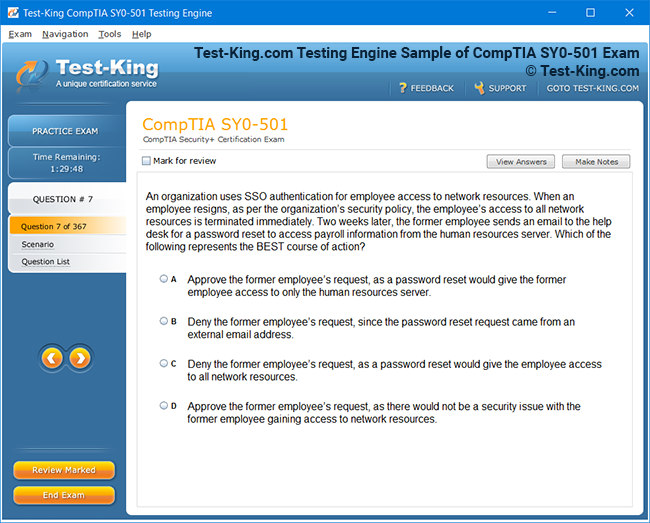
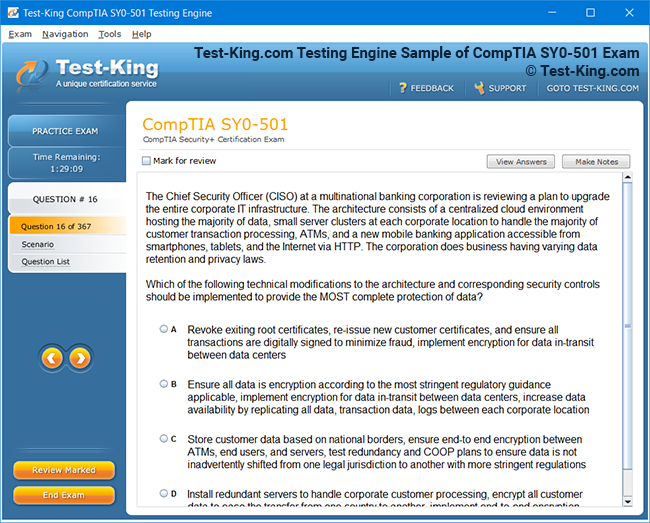
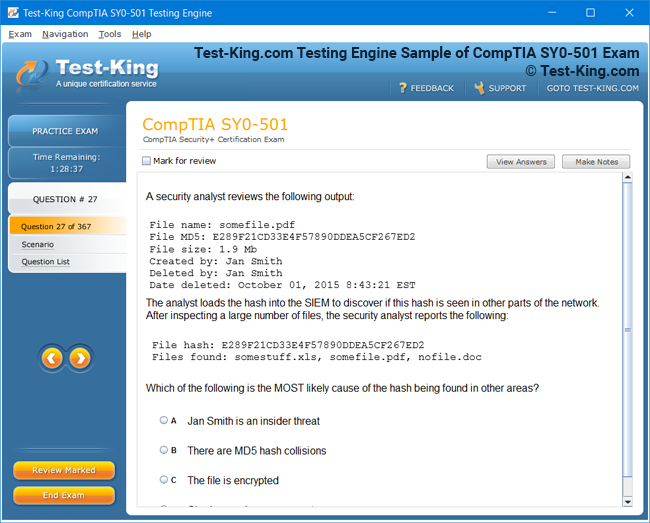
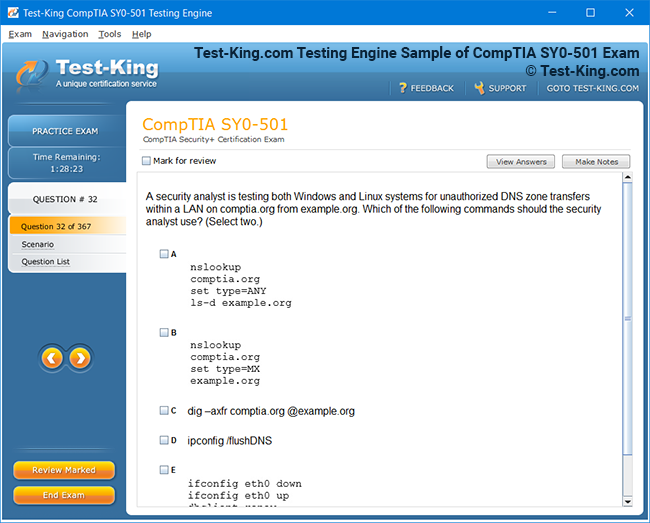
Product Screenshots
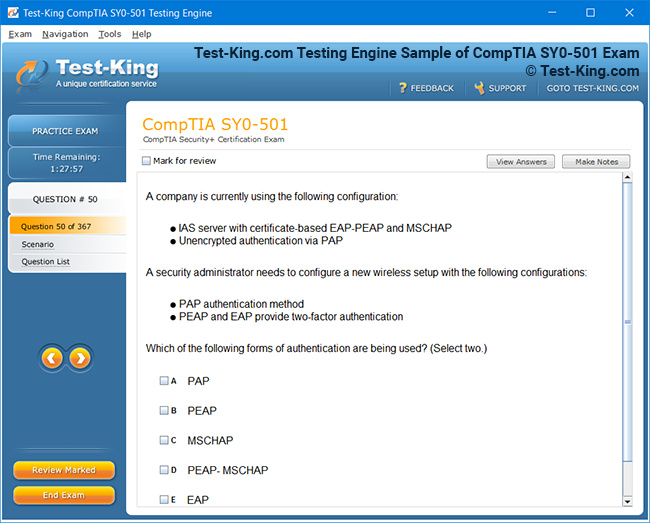
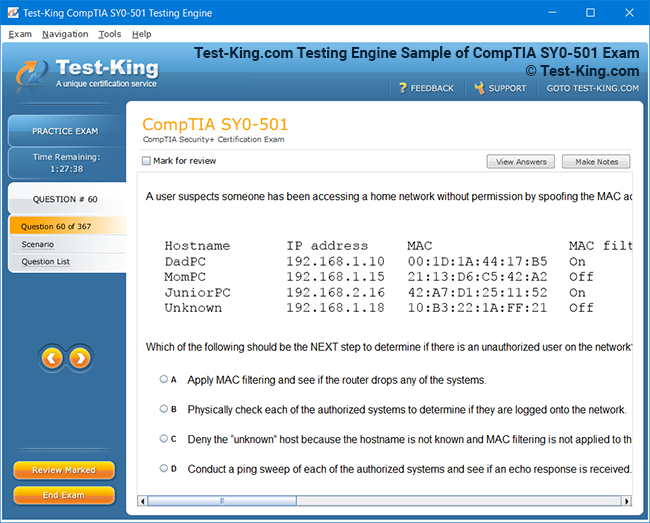
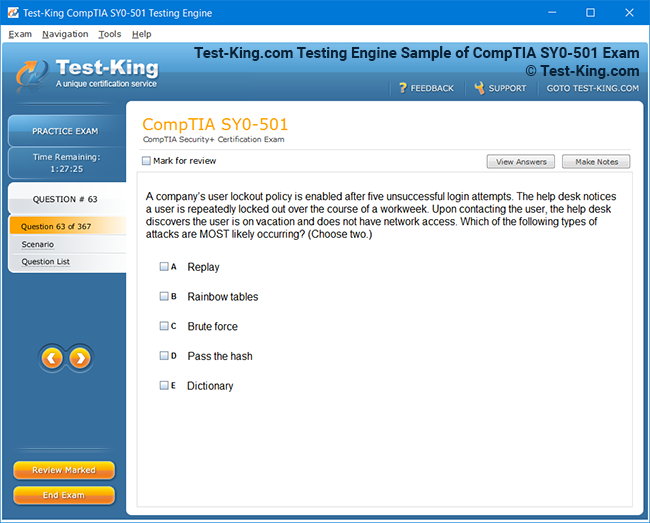
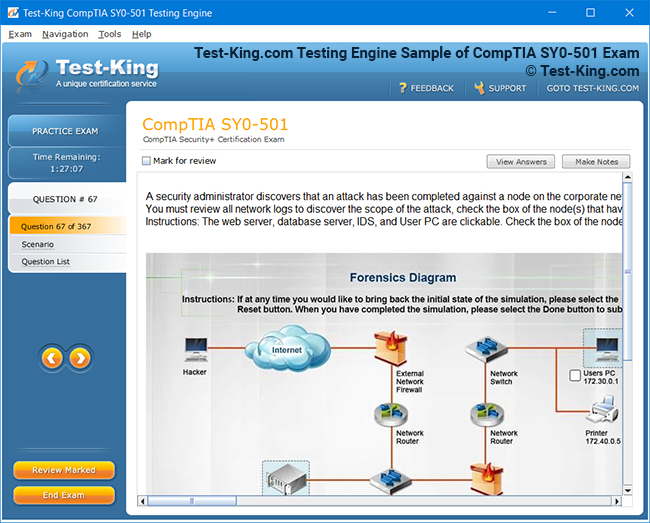
Frequently Asked Questions
How can I get the products after purchase?
All products are available for download immediately from your Member's Area. Once you have made the payment, you will be transferred to Member's Area where you can login and download the products you have purchased to your computer.
How long can I use my product? Will it be valid forever?
Test-King products have a validity of 90 days from the date of purchase. This means that any updates to the products, including but not limited to new questions, or updates and changes by our editing team, will be automatically downloaded on to computer to make sure that you get latest exam prep materials during those 90 days.
Can I renew my product if when it's expired?
Yes, when the 90 days of your product validity are over, you have the option of renewing your expired products with a 30% discount. This can be done in your Member's Area.
Please note that you will not be able to use the product after it has expired if you don't renew it.
How often are the questions updated?
We always try to provide the latest pool of questions, Updates in the questions depend on the changes in actual pool of questions by different vendors. As soon as we know about the change in the exam question pool we try our best to update the products as fast as possible.
How many computers I can download Test-King software on?
You can download the Test-King products on the maximum number of 2 (two) computers or devices. If you need to use the software on more than two machines, you can purchase this option separately. Please email support@test-king.com if you need to use more than 5 (five) computers.
What is a PDF Version?
PDF Version is a pdf document of Questions & Answers product. The document file has standart .pdf format, which can be easily read by any pdf reader application like Adobe Acrobat Reader, Foxit Reader, OpenOffice, Google Docs and many others.
Can I purchase PDF Version without the Testing Engine?
PDF Version cannot be purchased separately. It is only available as an add-on to main Question & Answer Testing Engine product.
What operating systems are supported by your Testing Engine software?
Our testing engine is supported by Windows. Andriod and IOS software is currently under development.
Top iSQI Exams
Mastering Test Leadership: A Deep Dive into the ISTQB CTAL-TM_UK Exam
The role of a test manager has evolved far beyond traditional boundaries of quality assurance. In the intricate ecosystem of modern software development, leadership in testing is no longer confined to verifying that applications function correctly. It encompasses strategic orchestration, analytical foresight, and the nurturing of teams that can anticipate defects before they manifest. The ISTQB Certified Tester Advanced Level – Test Manager (CTAL-TM_UK) certification by iSQI stands as a cornerstone for individuals who aspire to transcend conventional testing practices and emerge as visionary leaders within the software quality domain.
The Evolution of Test Leadership in Modern Software Quality Landscapes
Software development today operates in a realm defined by continuous integration, cross-functional collaboration, and the relentless pursuit of digital excellence. Within this environment, the certified test manager becomes the linchpin connecting strategic vision to technical precision. The CTAL-TM_UK certification equips professionals with the intellectual dexterity to bridge gaps between testing methodologies and organizational imperatives, blending managerial acumen with empirical rigor. This credential does not merely validate proficiency; it cultivates a mindset aligned with the highest ideals of quality governance and adaptive leadership.
At its essence, test leadership demands more than command over processes—it requires insight into human and technological dynamics. A proficient test manager must harness analytical acuity while fostering a culture of trust and innovation within testing teams. The CTAL-TM_UK certification molds candidates to perceive testing not as a reactive safeguard but as a proactive discipline integral to every stage of product conception. It refines the ability to analyze risk, design optimized test architectures, and inspire cohesive collaboration between diverse stakeholders.
The CTAL-TM_UK pathway represents the culmination of structured knowledge and experiential refinement. Candidates are expected to possess a deep understanding of test management frameworks, process optimization techniques, and the subtleties of defect prevention mechanisms. Through this learning journey, they gain exposure to principles that emphasize strategic alignment between quality assurance and business outcomes. Test management ceases to be an isolated technical activity; it transforms into a continuous cycle of improvement and leadership reflection.
An intrinsic quality of this certification lies in its emphasis on analytical leadership. The certified test manager learns to balance empirical data with intuition, ensuring that decision-making remains both evidence-based and contextually sound. For instance, while quantitative metrics can indicate efficiency, qualitative insights derived from team behavior or stakeholder sentiment can reveal latent risks. The ability to interpret these nuances distinguishes a leader from a mere process executor. Through the CTAL-TM_UK curriculum, professionals learn to weave these perspectives into their leadership approach, ensuring a harmonious blend of precision and empathy.
In contemporary software environments, where agile and DevOps frameworks dominate, the test manager’s role demands versatility and resilience. The CTAL-TM_UK certification aligns perfectly with these paradigms, encouraging professionals to adapt to dynamic project cycles while maintaining unwavering standards of quality. It emphasizes the orchestration of testing activities as a continuous, value-driven process that integrates seamlessly with development lifecycles. Certified individuals are taught to perceive testing as a collaborative endeavor—one that thrives on communication, shared accountability, and strategic foresight.
One of the distinguishing attributes of the CTAL-TM_UK qualification is its global recognition. As part of the ISTQB’s Advanced Level framework, it adheres to internationally respected testing standards, ensuring that certified professionals can operate effectively across varied industrial and cultural contexts. The certification prepares candidates to manage both local and distributed teams, understanding that leadership in testing extends beyond geographical confines. In an era of remote collaboration and digital transformation, such adaptability becomes an invaluable asset.
Strategic test management, as conceptualized in the CTAL-TM_UK syllabus, revolves around structured planning and risk-oriented thinking. Certified professionals learn to identify potential vulnerabilities within projects and to allocate resources judiciously to mitigate them. This approach transforms testing into a predictive discipline, where risks are managed proactively rather than addressed retrospectively. It trains leaders to balance timelines, quality objectives, and financial constraints while preserving the integrity of testing outcomes. Through meticulous planning, they ensure that quality assurance remains both efficient and sustainable.
Furthermore, the certification accentuates the significance of stakeholder communication. Effective leadership in testing depends on transparent dialogue between managers, developers, clients, and executive teams. A test manager must articulate the value of testing in terms that resonate with business priorities, transforming technical insights into strategic narratives. The CTAL-TM_UK program refines these communicative capabilities, teaching professionals to influence decisions and advocate for quality in environments where rapid delivery often takes precedence. By mastering these interpersonal dimensions, test managers evolve into persuasive leaders capable of guiding organizational culture toward quality excellence.
The CTAL-TM_UK certification also immerses professionals in the intricate art of metrics and reporting. Quantitative assessment of testing effectiveness remains a fundamental pillar of informed management. However, metrics serve their true purpose only when interpreted within context. Certified test managers learn to design metric frameworks that provide actionable insights rather than mere statistical representations. They understand how to correlate data points with project goals, transforming abstract measurements into tangible performance indicators. This analytical sophistication empowers them to justify quality initiatives with empirical evidence, thereby strengthening organizational trust in the testing function.
Beyond process management, leadership in testing requires a profound grasp of human psychology. Teams perform optimally when guided by empathy, purpose, and recognition. The CTAL-TM_UK curriculum integrates these humanistic principles, encouraging leaders to create environments where testers feel valued and motivated. It underscores the importance of mentorship, skill development, and emotional intelligence within testing teams. A truly effective test manager nurtures autonomy and curiosity, cultivating professionals who view testing as an intellectual pursuit rather than a procedural obligation.
As part of their training, candidates also explore the dynamics of test process improvement. Continuous enhancement forms the cornerstone of sustainable testing ecosystems. Through frameworks like the Test Maturity Model and the Capability Maturity Model Integration, professionals learn to evaluate existing processes and implement iterative refinements. This ensures that testing methodologies evolve in tandem with technological advancements and organizational shifts. The CTAL-TM_UK program, by instilling these adaptive competencies, prepares leaders to drive systemic progress rather than settle for procedural maintenance.
Equally crucial is the mastery of defect management strategies. A test manager certified under CTAL-TM_UK learns to perceive defects not merely as failures but as data points for systemic improvement. Defect trends reveal deeper insights about process inefficiencies, requirement ambiguities, or communication gaps. By interpreting these patterns, leaders can devise preventive mechanisms, reducing the probability of recurrence. This proactive perspective elevates testing from a corrective function to a strategic pillar of quality assurance.
Financial stewardship represents another dimension of test leadership. Testing activities, though essential, must align with fiscal prudence. The CTAL-TM_UK certification trains professionals to manage testing budgets effectively, ensuring optimal resource allocation without compromising quality standards. Leaders learn to evaluate the cost-benefit ratio of testing efforts, balancing coverage with efficiency. They develop the discernment to prioritize testing activities based on risk profiles and business criticality, ensuring that every testing investment yields measurable value.
Risk management, a cornerstone of the CTAL-TM_UK framework, equips professionals to identify, analyze, and mitigate potential disruptions in the testing lifecycle. A test manager must anticipate both technical and organizational risks, ranging from requirement volatility to resource limitations. By developing structured mitigation plans, certified professionals ensure that testing remains resilient under fluctuating conditions. This risk-oriented mindset fosters a culture of vigilance and preparedness, attributes indispensable to effective test leadership.
The integration of test tools and automation frameworks also forms a vital aspect of the CTAL-TM_UK learning trajectory. As automation continues to redefine software testing paradigms, leaders must understand how to balance automated and manual efforts. The certification encourages strategic evaluation of tool suitability, implementation feasibility, and long-term sustainability. Test managers are trained to ensure that automation complements rather than replaces human intelligence, preserving the nuanced reasoning that underpins exploratory and risk-based testing.
The CTAL-TM_UK certification also explores governance and compliance considerations in testing. In industries such as finance, healthcare, and telecommunications, regulatory adherence is non-negotiable. Test leaders must ensure that all testing practices comply with relevant standards and documentation requirements. Certified professionals gain an understanding of auditability, traceability, and accountability mechanisms that safeguard both product integrity and organizational credibility. Through these competencies, they become guardians of ethical and regulatory conformance in software development.
Leadership in testing also encompasses conflict resolution and negotiation. The CTAL-TM_UK program cultivates the soft skills required to mediate between technical teams and management hierarchies. Conflicts often arise from differing perceptions of quality priorities or resource constraints. A proficient test manager must reconcile these differences through reasoned dialogue and objective evidence. This ability to balance competing interests ensures harmony and productivity within testing ecosystems.
Moreover, the certification encourages reflective practice—an often overlooked but profoundly transformative aspect of professional growth. Certified test managers are urged to evaluate their own decision-making processes, learn from past outcomes, and refine their leadership approaches continuously. This self-awareness engenders humility and resilience, traits that distinguish exceptional leaders from transactional managers.
The learning outcomes of the CTAL-TM_UK program extend beyond immediate project contexts. Certified professionals emerge with a holistic worldview of software quality, understanding its interplay with organizational strategy, customer satisfaction, and technological innovation. They are equipped to influence quality policies at the enterprise level, ensuring that testing principles are embedded in every decision-making layer. Such strategic influence transforms testing into a value-generating discipline that contributes directly to business sustainability.
In a broader context, the ISTQB CTAL-TM_UK certification nurtures a community of practice among test leaders worldwide. By adhering to a shared framework of ethics, methodology, and excellence, certified professionals contribute to a global dialogue on software quality. This collective wisdom accelerates innovation, enriches professional discourse, and elevates the stature of testing as an intellectual profession.
Ultimately, mastering test leadership through the CTAL-TM_UK pathway represents a synthesis of art and science. It demands analytical rigor, human sensitivity, and strategic foresight in equal measure. As technology continues to evolve at an unprecedented pace, organizations increasingly seek leaders who can navigate uncertainty with composure and conviction. The certified test manager, armed with this credential, stands at the confluence of technical mastery and visionary leadership—an architect of quality in an age defined by complexity and change.
The journey of achieving the CTAL-TM_UK certification therefore transcends examination and credentialing. It signifies an evolution of identity, transforming professionals into custodians of quality consciousness. It prepares them to guide organizations through the intricate terrains of software reliability, ensuring that every product delivered embodies precision, trust, and excellence. In cultivating such leaders, the certification reinforces the enduring principle that quality is not a destination but a disciplined way of thinking—one that harmonizes technology, process, and humanity into a unified vision of progress.
Integrating Strategic Thinking into Test Management Practices
In the contemporary landscape of software development, the role of the test manager extends well beyond operational oversight. Mastery in test leadership involves the ability to synthesize strategic insight with practical execution, ensuring that quality assurance is not merely a procedural activity but a value-driven component of organizational success. The ISTQB Certified Tester Advanced Level – Test Manager (CTAL-TM_UK) credential from iSQI provides a rigorous framework for cultivating these capabilities, equipping professionals to navigate complex project ecosystems with foresight, analytical precision, and a sophisticated understanding of both technical and managerial dynamics.
Strategic competence in testing begins with the alignment of quality objectives to business imperatives. A test manager must understand not only the technical specifications of software products but also the broader goals of the organization, including risk mitigation, regulatory compliance, and customer satisfaction. The CTAL-TM_UK curriculum emphasizes this integrative perspective, guiding candidates to plan testing activities in a manner that complements organizational strategy. By fostering a vision that connects testing outcomes to business value, certified professionals position quality assurance as an essential driver of competitive advantage rather than a reactive mechanism.
One of the critical competencies developed through the CTAL-TM_UK pathway is risk-based test planning. Certified professionals learn to evaluate project requirements, identify areas of potential vulnerability, and allocate resources accordingly. This approach prioritizes high-risk components without compromising overall test coverage, ensuring efficiency and precision. The methodology involves both qualitative and quantitative analyses, integrating metrics such as defect density, requirement volatility, and historical failure patterns with contextual judgment and stakeholder insight. In doing so, test managers can anticipate challenges and intervene proactively, enhancing the robustness of software products while optimizing resource utilization.
The certification also instills an acute awareness of process optimization. Test managers are trained to scrutinize existing procedures, identify inefficiencies, and implement improvements that streamline operations while enhancing quality outcomes. Techniques explored in the CTAL-TM_UK framework include process modeling, workflow analysis, and continuous improvement paradigms. Professionals learn to balance standardization with adaptability, recognizing that rigid adherence to procedures may inhibit responsiveness in fast-paced environments. This strategic flexibility ensures that testing processes remain effective across diverse project contexts, from small-scale agile initiatives to enterprise-level deployments.
Leadership within testing teams is a central theme of the CTAL-TM_UK certification. Professionals are encouraged to cultivate an environment of collaboration, intellectual curiosity, and accountability. Effective test managers understand that team performance is influenced as much by culture and motivation as by technical capability. By fostering trust, providing mentorship, and recognizing contributions, certified leaders can inspire higher engagement and productivity. This human-centric approach not only improves immediate project outcomes but also builds a sustainable talent pipeline, nurturing the next generation of testing professionals.
A critical dimension of strategic test management involves decision-making under uncertainty. Software projects frequently encounter evolving requirements, unforeseen technical challenges, and shifting stakeholder expectations. The CTAL-TM_UK framework equips test managers to navigate such volatility through structured approaches that combine empirical data with judicious intuition. Techniques such as scenario analysis, risk assessment matrices, and decision trees are employed to evaluate options and predict potential outcomes. Through these methods, professionals gain the confidence to make informed choices that balance quality, cost, and schedule constraints while maintaining alignment with organizational priorities.
Effective communication is another pillar reinforced by the certification. Test managers must convey complex technical insights to diverse audiences, including executives, developers, and clients, in a manner that resonates with their objectives and concerns. The ability to translate technical findings into strategic recommendations enhances the influence of the testing function and fosters collaborative decision-making. The CTAL-TM_UK curriculum emphasizes clarity, persuasion, and narrative construction, enabling certified leaders to advocate for quality initiatives, justify testing investments, and promote a culture of continuous improvement.
Metrics and measurement play a vital role in strategic test leadership. While raw data offers limited insight in isolation, the CTAL-TM_UK program trains professionals to design and interpret meaningful metrics that inform decision-making. This includes the development of performance indicators such as test effectiveness, coverage ratios, defect trends, and efficiency indexes. By contextualizing these measures within project goals, test managers can identify patterns, detect anomalies, and guide corrective actions. The ability to harness quantitative analysis as a tool for strategic reflection distinguishes a leader from a manager who merely reports figures.
Resource management is another complex aspect addressed by the certification. In large-scale software projects, optimizing human, technological, and financial resources requires both analytical rigor and adaptive foresight. Certified test managers learn to forecast workload, allocate expertise to critical tasks, and balance competing demands without compromising the integrity of testing activities. This careful orchestration ensures that projects adhere to timelines, budgets, and quality standards simultaneously. The emphasis on judicious resource allocation aligns operational efficiency with organizational objectives, highlighting the strategic dimension of the testing function.
The CTAL-TM_UK pathway also explores the integration of automation and tooling in test processes. Professionals are trained to evaluate which aspects of testing can benefit from automation while retaining the nuanced judgment required for exploratory and risk-based testing. Strategic tool selection involves assessing scalability, maintainability, and alignment with project goals. Certified test managers understand that automation is an enabler of efficiency rather than a replacement for human insight, allowing teams to focus on higher-value activities such as scenario design, risk assessment, and stakeholder communication.
Governance and compliance form another critical area of strategic competence. Test managers often operate in environments constrained by regulatory requirements, industry standards, and contractual obligations. The CTAL-TM_UK certification ensures that professionals are adept at implementing audit trails, traceability measures, and compliance protocols that safeguard both organizational reputation and product integrity. By embedding governance within everyday testing practices, leaders foster accountability and transparency, mitigating operational risk and ensuring alignment with legal and ethical obligations.
Conflict resolution and negotiation skills are subtly integrated into the curriculum. Test managers frequently mediate disputes over priorities, timelines, and resource allocation. Effective resolution requires a combination of empathy, persuasion, and evidence-based reasoning. The certification encourages professionals to cultivate the interpersonal acumen necessary to reconcile differing perspectives while maintaining project cohesion. Through this, test managers ensure that teams remain focused, motivated, and aligned with broader quality objectives, minimizing friction that could undermine outcomes.
Reflective practice is another hallmark of strategic leadership emphasized in the CTAL-TM_UK curriculum. Professionals are guided to evaluate the efficacy of their decisions, learn from past experiences, and refine their approaches continuously. This reflective mindset not only improves individual performance but also contributes to the evolution of organizational testing maturity. By embedding continuous learning into leadership practices, certified test managers cultivate adaptability, resilience, and an enduring commitment to quality excellence.
The certification encourages an anticipatory approach to defect management. Rather than viewing defects solely as corrective challenges, certified professionals analyze patterns, trends, and root causes to implement preventive measures. This proactive philosophy transforms testing from a reactive process to a forward-looking strategic capability. By anticipating issues before they escalate, leaders minimize risk, optimize resource deployment, and enhance overall software reliability.
The strategic integration of testing within project lifecycles is a recurring theme in the CTAL-TM_UK framework. Certified test managers understand the importance of engaging with development teams early, influencing design decisions, and shaping requirement definitions to reduce downstream risks. This upstream involvement positions quality assurance as a proactive contributor to product success rather than a gatekeeping function, fostering collaboration and shared responsibility across development and testing teams.
Risk communication is a further area of emphasis. Effective test leadership requires the ability to articulate potential challenges and mitigation strategies to diverse stakeholders. The CTAL-TM_UK certification equips professionals with techniques to present complex risk information in accessible and actionable ways, ensuring that decision-makers are informed and capable of responding strategically. By combining technical insight with persuasive communication, test managers reinforce their role as both analysts and influencers.
The cultivation of a high-performing team is central to strategic leadership. Professionals learn to identify skill gaps, promote knowledge sharing, and implement training initiatives that enhance team capability. They develop strategies to motivate and engage individuals, recognizing that human factors are critical determinants of testing success. Through these leadership interventions, certified managers ensure that teams remain agile, knowledgeable, and capable of executing testing strategies with excellence and consistency.
Test strategy formulation is an advanced skill nurtured within the CTAL-TM_UK curriculum. Professionals learn to design comprehensive test strategies that align with project objectives, mitigate risks, and optimize resource utilization. These strategies encompass test planning, execution sequencing, coverage analysis, and monitoring mechanisms. By integrating these elements into a cohesive framework, certified test managers ensure that testing activities are deliberate, targeted, and strategically informed.
The certification also emphasizes adaptability in diverse technological and organizational contexts. Whether managing projects in traditional waterfall frameworks or agile, iterative environments, certified professionals are equipped to tailor approaches to suit the unique demands of each scenario. This versatility ensures that testing remains effective, efficient, and relevant, regardless of shifting project parameters or emergent technologies.
Through the lens of the CTAL-TM_UK qualification, leadership in testing is conceptualized as a multidimensional endeavor encompassing strategic insight, operational dexterity, and humanistic engagement. Certified professionals emerge with the capability to orchestrate complex projects, guide teams with clarity and purpose, and influence organizational culture toward sustained quality excellence. This comprehensive mastery of strategic competencies positions them as indispensable contributors to the long-term success of software development initiatives.
The ISTQB CTAL-TM_UK certification thus transforms traditional testing roles into elevated leadership functions, equipping professionals with the foresight, analytical acuity, and interpersonal sophistication required to navigate intricate project landscapes. By embedding strategic thinking into every facet of test management, certified individuals ensure that quality assurance transcends operational confines, contributing directly to business value, technological innovation, and organizational resilience.
This approach reinforces the notion that leadership in software testing is not solely a matter of technical competence, but an intricate balance of foresight, strategy, and human-centric engagement, enabling certified professionals to sculpt software ecosystems that are reliable, efficient, and aligned with overarching organizational goals.
Enhancing Organizational Impact through Effective Test Leadership
In the complex and rapidly evolving domain of software development, the influence of a test manager extends far beyond the execution of test cases. True mastery in test leadership involves the synthesis of technical knowledge, strategic foresight, and organizational acumen, ensuring that quality assurance becomes a decisive driver of project success. The ISTQB Certified Tester Advanced Level – Test Manager (CTAL-TM_UK) certification from iSQI provides a comprehensive framework for cultivating these capabilities, preparing professionals to navigate multifaceted project landscapes with both precision and vision.
A central tenet of the certification is the development of strategic test planning skills. Effective test managers are expected to anticipate potential risks, align testing priorities with business objectives, and allocate resources efficiently. By evaluating requirements, historical defect trends, and project constraints, professionals can construct test plans that are both robust and adaptable. The CTAL-TM_UK program emphasizes this risk-oriented methodology, encouraging leaders to implement preventive measures that mitigate the likelihood of defects while optimizing coverage and efficiency. This approach transforms testing from a reactive safeguard into a proactive contributor to organizational resilience.
Leadership in testing requires a deep understanding of process improvement frameworks. Certified professionals are trained to assess current practices critically, identify inefficiencies, and introduce refinements that enhance productivity and quality outcomes. Techniques such as process mapping, workflow optimization, and continuous improvement cycles are explored in depth, allowing test managers to design processes that are resilient and scalable. The ability to harmonize standardization with flexibility ensures that testing operations remain effective across diverse project types, from agile iterations to enterprise-level deployments, and that the quality function evolves in tandem with technological advancements.
Human factors play a pivotal role in test leadership. The CTAL-TM_UK curriculum underscores the importance of cultivating motivated, skilled, and cohesive teams. Effective test managers understand that performance is influenced not only by technical aptitude but also by culture, communication, and recognition. Certified professionals are trained to implement mentoring programs, foster collaboration, and encourage knowledge sharing, cultivating an environment where team members are engaged and empowered. This human-centric leadership approach enhances overall efficiency, reduces attrition, and nurtures the development of future leaders within the testing domain.
Decision-making under uncertainty is an intrinsic component of advanced test management. Projects often encounter shifting requirements, technological unpredictabilities, and resource constraints. The CTAL-TM_UK framework equips test managers with structured methodologies to navigate these challenges, combining empirical data with informed judgment. Scenario analysis, risk evaluation, and decision matrices enable professionals to anticipate potential outcomes and implement strategies that balance quality, cost, and time. This systematic approach enhances organizational confidence in testing initiatives, ensuring that leadership decisions are both defensible and effective.
Communication remains a cornerstone of test leadership. Test managers are frequently tasked with conveying complex technical findings to stakeholders with varying degrees of technical understanding. The CTAL-TM_UK program emphasizes the translation of intricate testing data into actionable insights that inform business decisions. By presenting risks, trends, and recommendations clearly and persuasively, certified leaders can secure stakeholder buy-in, advocate for quality initiatives, and foster collaborative decision-making. This ability to influence through communication strengthens the strategic position of the testing function within organizational hierarchies.
Metrics and performance assessment constitute another critical dimension of advanced test management. While raw numbers offer limited utility in isolation, certified professionals are trained to design and interpret meaningful indicators that guide strategy and operational refinement. Key performance measures such as defect detection efficiency, requirement coverage, and test execution rates are evaluated in context, allowing test managers to detect systemic issues, optimize processes, and implement corrective actions. By integrating quantitative insights with qualitative observations, leaders ensure that performance measurement translates into continuous improvement and informed decision-making.
Resource management in complex testing environments demands both analytical rigor and strategic foresight. The CTAL-TM_UK certification instructs professionals in workload forecasting, skill-based resource allocation, and prioritization under constraints. Test managers learn to balance competing demands without compromising quality standards, ensuring that teams operate at optimal efficiency. This orchestration extends to technological resources, including the judicious selection of tools and automation frameworks. Certified leaders evaluate tool applicability, integration feasibility, and long-term maintainability, leveraging technology to augment human capability rather than supplant it.
Automation and tooling strategies are emphasized as enablers of productivity and quality. Professionals trained under CTAL-TM_UK understand how to integrate automated testing within broader quality assurance strategies. They discern which processes benefit from automation, how to maintain reliability and maintainability, and how to complement automation with manual exploratory testing for nuanced evaluation. This strategic balance ensures that test efforts are both thorough and efficient, optimizing coverage while preserving the critical reasoning necessary for risk-based assessment and adaptive decision-making.
Governance, compliance, and regulatory adherence are integral to effective test leadership. Certified test managers are expected to operate within frameworks that meet industry standards and contractual obligations. The CTAL-TM_UK program prepares professionals to implement traceability, documentation, and audit mechanisms that safeguard both product quality and organizational reputation. By embedding these governance measures within everyday testing practices, leaders cultivate transparency, accountability, and alignment with legal and ethical imperatives, mitigating operational and reputational risk.
Conflict resolution and negotiation are subtle yet vital skills for advanced test managers. Disagreements may arise due to diverging priorities, resource limitations, or differing interpretations of requirements. The certification emphasizes the cultivation of interpersonal acumen, enabling leaders to mediate effectively and foster consensus. Through evidence-based reasoning, empathetic communication, and persuasive negotiation, certified professionals maintain cohesion and focus within teams, ensuring that testing activities proceed smoothly and remain aligned with overarching quality objectives.
Reflective practice and continuous learning are cornerstones of professional development emphasized in the CTAL-TM_UK framework. Test managers are encouraged to evaluate the efficacy of their decisions, learn from successes and setbacks, and refine their methodologies iteratively. This reflective approach enhances resilience, adaptability, and strategic insight, enabling leaders to evolve in parallel with the dynamic technological and organizational landscapes in which they operate. By embedding a culture of learning within teams, certified leaders amplify both individual and collective performance, driving sustained improvement in testing practices.
Defect management is conceptualized as a proactive, data-driven practice. Certified professionals learn to analyze trends, identify root causes, and implement preventive measures that reduce recurrence and enhance product reliability. By treating defects as opportunities for systemic improvement rather than isolated failures, test managers foster continuous enhancement of both process and product. This mindset positions testing as an anticipatory, value-generating function within the organization, rather than a corrective afterthought.
Integration of testing with the broader project lifecycle is emphasized for maximum organizational impact. CTAL-TM_UK-trained managers engage with development teams early in the requirement and design phases, influencing architecture, functional specifications, and risk identification. This upstream involvement ensures that testing contributes strategically to product quality, enabling proactive mitigation of defects and fostering a collaborative ethos across development and testing functions. By embedding quality considerations from inception through delivery, certified leaders elevate the strategic significance of the testing discipline.
Stakeholder engagement and risk communication are essential facets of advanced test leadership. Professionals are trained to articulate potential issues, their impact, and mitigation strategies clearly and persuasively. By presenting risk information in accessible and actionable ways, test managers enable stakeholders to make informed decisions, reducing uncertainty and enhancing trust in the testing function. This ability to synthesize technical insight with strategic communication strengthens both project outcomes and organizational confidence.
Building and maintaining high-performing teams is a central responsibility for certified test managers. Professionals learn to identify skill gaps, promote skill development, and implement initiatives that enhance team capability. Motivational strategies, recognition practices, and collaborative culture-building are all emphasized, ensuring that teams remain engaged, agile, and capable of executing sophisticated testing strategies. The CTAL-TM_UK certification equips leaders to foster resilience, innovation, and adaptability within their teams, creating a sustainable foundation for long-term quality excellence.
Formulating comprehensive test strategies is a critical competency emphasized throughout the CTAL-TM_UK curriculum. Certified professionals design strategies that align with project goals, anticipate risks, optimize resources, and provide a structured framework for execution and monitoring. By considering coverage, sequencing, risk prioritization, and reporting mechanisms, test managers ensure that all testing activities are coordinated, efficient, and strategically informed. This holistic approach transforms testing into a deliberate, high-value activity that integrates seamlessly with broader project objectives.
The versatility cultivated by the certification allows test managers to operate effectively across diverse technological environments and project methodologies. Whether within traditional waterfall structures or agile iterative processes, certified leaders adapt strategies to suit context-specific demands. This adaptability ensures that testing remains robust, relevant, and responsive to the unique challenges of each project, reinforcing the strategic and operational efficacy of the testing function.
Leadership in testing, as defined by the CTAL-TM_UK framework, is a multidimensional endeavor. Certified professionals emerge with the capability to harmonize technical mastery, strategic foresight, and human-centric engagement, orchestrating complex projects while influencing organizational culture toward sustained quality excellence. By mastering these advanced practices, test managers elevate the discipline of testing from procedural execution to a pivotal organizational function, directly contributing to business value, technological innovation, and resilience in an ever-changing software development landscape.
This comprehensive mastery positions certified test managers as architects of quality within their organizations, blending analytical rigor, human insight, and strategic vision. The CTAL-TM_UK certification equips professionals to navigate the intricacies of modern software development, ensuring that testing is both a proactive driver of success and a sustainable, value-generating practice that underpins long-term organizational excellence.
Elevating Test Management through Advanced Leadership Competencies
In contemporary software development, the role of a test manager transcends technical proficiency, demanding a sophisticated blend of strategic oversight, operational acumen, and human-centered leadership. The ISTQB Certified Tester Advanced Level – Test Manager (CTAL-TM_UK) certification from iSQI is designed to cultivate these multidimensional competencies, empowering professionals to orchestrate complex testing initiatives while ensuring alignment with organizational objectives. Certified test managers are equipped to operate as strategic influencers, bridging the technical, managerial, and business dimensions of software quality assurance with precision and foresight.
A central focus of the certification is the integration of strategic planning into testing operations. Effective leaders anticipate project risks, evaluate resource constraints, and align testing priorities with overarching business goals. The CTAL-TM_UK curriculum emphasizes a risk-oriented approach to planning, enabling professionals to allocate resources efficiently, prioritize critical components, and implement preventive measures that enhance product reliability. By embedding strategic foresight into test management, certified professionals transform quality assurance into a proactive function that mitigates potential defects and maximizes organizational value.
Process optimization forms another core dimension of advanced test leadership. Test managers trained under CTAL-TM_UK analyze workflows critically, identifying bottlenecks, redundancies, and opportunities for improvement. Through structured methodologies, such as process mapping and continuous improvement paradigms, leaders design resilient, scalable, and efficient testing processes. This analytical rigor ensures that testing operations remain adaptable across diverse project environments, whether in agile iterative cycles or large-scale, enterprise-driven deployments. By harmonizing standardization with flexibility, certified professionals elevate the operational efficacy of their teams while maintaining consistent quality outcomes.
Human-centric leadership is integral to the CTAL-TM_UK philosophy. Professionals are trained to cultivate environments that foster motivation, collaboration, and accountability. Recognizing that team performance is influenced by culture and communication as much as technical skill, certified leaders implement mentoring programs, encourage knowledge sharing, and provide constructive feedback. By nurturing engagement and empowerment, test managers enhance team productivity, reduce attrition, and cultivate a resilient workforce capable of executing complex testing strategies with precision and initiative.
Decision-making under uncertainty is a critical competency developed through the certification. Software projects frequently encounter evolving requirements, resource fluctuations, and technological unpredictabilities. The CTAL-TM_UK framework equips professionals with structured approaches for evaluating options, forecasting potential outcomes, and implementing risk mitigation strategies. Techniques such as scenario analysis, risk matrices, and cost-benefit assessments enable test managers to make informed, defensible decisions that balance quality, budget, and schedule constraints while maintaining strategic alignment with organizational priorities.
Communication skills remain essential in effective test leadership. Test managers must translate technical findings into actionable insights for diverse stakeholders, including development teams, executives, and clients. The certification emphasizes clarity, persuasion, and narrative construction, enabling leaders to articulate risks, recommend solutions, and advocate for quality initiatives in ways that resonate with decision-makers. This ability to influence through communication enhances organizational trust in testing activities, fosters collaboration, and positions the testing function as a strategic partner in project execution.
Metrics and performance evaluation constitute another vital aspect of advanced test management. Professionals trained under CTAL-TM_UK design meaningful indicators to assess test effectiveness, coverage, defect trends, and operational efficiency. By contextualizing quantitative data within project objectives, test managers identify patterns, detect systemic issues, and implement improvements that optimize outcomes. The integration of empirical measurement with qualitative observation ensures that performance assessment informs strategy, enhances decision-making, and drives continuous refinement of both processes and deliverables.
Resource management is emphasized as a multidimensional competency. Test managers balance human, technological, and financial resources to ensure optimal project outcomes. The certification instructs professionals in forecasting workloads, aligning expertise with task requirements, and prioritizing activities based on risk and impact. Leaders evaluate tool suitability, automation feasibility, and integration potential, ensuring that technological investments complement human efforts and enhance overall productivity. This holistic approach to resource orchestration enables certified test managers to achieve efficiency without compromising quality.
The strategic implementation of automation is another area of emphasis. CTAL-TM_UK-trained professionals discern which testing processes benefit from automation, balancing efficiency gains with the need for nuanced human judgment. Automation is applied selectively to repetitive, high-volume tasks, while exploratory and risk-based testing remain guided by critical thinking and contextual insight. This careful calibration ensures comprehensive test coverage, accelerates execution, and preserves the intellectual rigor that underpins high-quality software evaluation.
Governance, compliance, and regulatory adherence are integral to professional test management. Certified leaders are adept at embedding traceability, documentation, and audit mechanisms within testing processes, ensuring alignment with industry standards and contractual obligations. By integrating these practices into everyday operations, test managers safeguard organizational reputation, reduce operational risk, and uphold accountability. This focus on governance ensures that testing outcomes are both credible and defensible in highly regulated or scrutinized environments.
Conflict resolution and negotiation form subtle but essential components of leadership. Differences in priorities, resource allocation, or interpretation of requirements are common in dynamic project environments. CTAL-TM_UK equips professionals with interpersonal strategies to reconcile conflicts effectively, maintain team cohesion, and ensure project alignment. Through empathetic dialogue, evidence-based reasoning, and persuasive negotiation, certified leaders navigate divergent perspectives, minimizing disruptions and maintaining focus on quality objectives.
Reflective practice and continuous improvement are emphasized as drivers of professional growth. Test managers evaluate the efficacy of decisions, analyze outcomes, and adjust methodologies iteratively. This reflective mindset cultivates adaptability, resilience, and strategic insight, enabling leaders to evolve alongside technological and organizational shifts. Embedding continuous learning within teams amplifies collective capability, fostering a culture of excellence and innovation in testing practices.
Defect management is approached as a proactive, analytical practice. Certified test managers analyze trends, identify root causes, and implement preventive strategies to reduce recurrence and enhance product reliability. This anticipatory perspective transforms testing from a reactive correction mechanism into a forward-looking, value-generating discipline. By integrating insights from historical patterns and systemic analysis, leaders optimize test coverage, prioritize critical areas, and strengthen overall software quality.
Integration with the broader project lifecycle is emphasized to maximize impact. CTAL-TM_UK-trained professionals engage early in requirement analysis, design discussions, and risk identification, ensuring that testing informs product architecture and functional specifications. Upstream involvement allows leaders to anticipate defects, influence design decisions, and foster cross-functional collaboration, positioning quality assurance as an integral component of project strategy rather than a downstream checkpoint.
Risk communication is a vital element of effective test leadership. Professionals are trained to present potential issues, impacts, and mitigation strategies in ways that are accessible and actionable for stakeholders. By combining technical insight with strategic articulation, test managers enable informed decision-making, reinforce trust in the testing function, and enhance organizational readiness to respond to emerging challenges.
Building and sustaining high-performing teams is a cornerstone of advanced test management. Certified leaders identify capability gaps, implement training programs, and foster collaborative cultures that maximize engagement and adaptability. Through motivational strategies, recognition practices, and structured knowledge-sharing initiatives, test managers create resilient teams capable of executing complex testing strategies with consistency and precision. This focus on human capital ensures long-term organizational capability and continuous enhancement of quality outcomes.
Comprehensive test strategy formulation is another critical competency. Professionals design strategies that align with project objectives, optimize resource utilization, and provide structured execution frameworks. Strategies encompass coverage planning, risk prioritization, sequencing, monitoring, and reporting mechanisms, ensuring that testing is deliberate, coordinated, and strategically aligned. By developing cohesive, context-sensitive strategies, test managers elevate the function of testing from tactical execution to a decisive contributor to organizational goals.
Versatility in approach is emphasized for leadership across diverse technological landscapes. CTAL-TM_UK-certified professionals adapt methodologies to both agile and traditional project environments, tailoring processes to specific requirements while maintaining quality standards. This adaptability ensures testing efficacy regardless of project complexity, technological innovation, or evolving organizational demands.
Leadership cultivated through the certification integrates strategic foresight, operational mastery, and human-centric engagement. Certified test managers orchestrate complex projects, influence organizational culture, and embed quality assurance within the strategic architecture of their organizations. By combining analytical rigor with interpersonal acumen, these professionals transform the testing function into a proactive, high-value contributor to business success, innovation, and sustained technological excellence.
The CTAL-TM_UK certification thus enables professionals to navigate intricate software ecosystems with authority, precision, and foresight. Through the synthesis of strategy, process optimization, team leadership, and risk-oriented thinking, certified test managers ensure that quality assurance operates not only as a functional discipline but as a pivotal driver of organizational effectiveness, innovation, and resilience in a dynamic digital landscape.
Advancing Organizational Quality through Expert Test Management
In the contemporary realm of software development, effective test management requires a sophisticated amalgamation of strategic insight, operational competence, and nuanced human leadership. The ISTQB Certified Tester Advanced Level – Test Manager (CTAL-TM_UK) certification offered by iSQI equips professionals to fulfill these multifaceted demands, preparing them to orchestrate testing operations that are both efficient and aligned with organizational objectives. Certified test managers emerge not only as operational overseers but as strategic architects capable of shaping quality assurance into a proactive, value-generating discipline.
The foundation of advanced test leadership lies in integrating strategic foresight with practical execution. Test managers are expected to anticipate potential risks, evaluate resource allocation, and align testing priorities with overarching business objectives. The CTAL-TM_UK curriculum emphasizes risk-oriented planning, enabling leaders to prioritize critical areas, deploy resources efficiently, and implement preventive measures that reduce defect recurrence. This approach transforms testing into a proactive function, enhancing software reliability while contributing directly to organizational resilience and competitive advantage.
Process refinement and optimization are central tenets of advanced test management. Professionals trained under CTAL-TM_UK critically analyze workflows, identify inefficiencies, and introduce enhancements that elevate operational performance. Methods such as process modeling, workflow analysis, and continuous improvement cycles enable test managers to develop processes that are both robust and adaptable. By harmonizing standardization with flexibility, leaders ensure that testing operations remain effective across diverse project contexts, whether agile iterations, hybrid methodologies, or large-scale enterprise deployments. This analytical rigor fosters both operational excellence and sustainable quality outcomes.
Human-centric leadership is emphasized as a vital component of effective test management. Certified professionals are instructed to cultivate environments that promote motivation, accountability, and collaboration. Recognizing that team performance is influenced by culture, communication, and recognition as much as by technical expertise, test managers foster engagement through mentoring, structured knowledge sharing, and constructive feedback. This human-focused approach enhances productivity, reduces attrition, and develops a resilient workforce capable of executing complex testing strategies with precision and initiative.
Decision-making under uncertainty represents a critical competency for advanced test managers. Software projects frequently face shifting requirements, emergent technical challenges, and resource constraints. The CTAL-TM_UK framework equips professionals with structured methodologies for evaluating options, forecasting outcomes, and implementing mitigation strategies. Techniques such as scenario analysis, risk matrices, and cost-benefit assessments enable leaders to make informed decisions that balance quality, budget, and schedule constraints while maintaining alignment with strategic goals. This capacity for judicious decision-making strengthens organizational confidence in testing activities and reinforces the role of test management as a strategic function.
Effective communication forms a cornerstone of test leadership. Professionals trained under the certification learn to convey complex technical insights to diverse stakeholders, including development teams, executives, and clients, in accessible and actionable terms. By translating test metrics, risks, and findings into strategic recommendations, test managers secure stakeholder buy-in, advocate for quality initiatives, and foster a collaborative culture of accountability. The ability to communicate persuasively and clearly elevates the strategic influence of testing within the organizational framework, ensuring that quality is recognized as a key driver of project success.
Metrics and performance assessment constitute an indispensable aspect of advanced test management. Certified professionals design meaningful indicators that evaluate test effectiveness, coverage, efficiency, and defect trends. By contextualizing quantitative metrics within project objectives, leaders identify patterns, detect systemic weaknesses, and implement process improvements that optimize results. Integration of quantitative analysis with qualitative observation ensures that performance evaluation informs strategic decisions, reinforces operational rigor, and drives continuous enhancement of testing methodologies.
Resource orchestration represents a sophisticated aspect of leadership cultivated by the certification. Test managers balance human, technological, and financial resources to achieve optimal outcomes. The CTAL-TM_UK program instructs professionals in forecasting workload, aligning skills with critical tasks, and prioritizing activities based on risk, impact, and strategic importance. Leaders assess the suitability of automation tools and technology frameworks to complement human expertise, ensuring that every resource contributes maximally to quality objectives. This holistic approach to resource management strengthens operational efficiency without compromising the integrity of testing outcomes.
Automation strategy is highlighted as a key enabler of productivity and quality. Certified professionals discern which testing processes benefit from automation while retaining the need for exploratory and risk-based human evaluation. Automation is applied selectively to repetitive, high-volume tasks, enabling testers to focus on critical, judgment-intensive activities. This strategic implementation ensures comprehensive coverage, accelerates execution, and maintains the intellectual rigor necessary for sophisticated risk assessment and adaptive decision-making.
Governance, compliance, and regulatory adherence form essential elements of strategic test leadership. Certified managers integrate traceability, documentation, and audit mechanisms within everyday testing operations, ensuring adherence to industry standards, legal requirements, and contractual obligations. This approach safeguards organizational credibility, mitigates operational and reputational risk, and ensures that testing outcomes remain accountable and defensible. Governance practices are embedded seamlessly within operational workflows, reinforcing the integrity and reliability of the testing function.
Conflict resolution and negotiation skills are subtly reinforced as part of leadership development. Differences in project priorities, resource allocation, or interpretations of requirements are common in dynamic environments. CTAL-TM_UK-trained managers mediate disputes effectively, leveraging empathetic communication, evidence-based reasoning, and persuasive negotiation to maintain cohesion and alignment with quality objectives. By managing conflict adeptly, leaders ensure that teams remain focused, collaborative, and capable of delivering consistent, high-quality outcomes.
Reflective practice and continuous improvement are core competencies emphasized in the certification. Test managers evaluate the impact of their decisions, learn from outcomes, and refine strategies iteratively. This reflective mindset enhances adaptability, resilience, and strategic insight, enabling leaders to evolve alongside technological and organizational shifts. By fostering a culture of continuous learning within teams, certified managers amplify both individual and collective capability, driving sustainable enhancement of quality assurance practices.
Defect management is approached as a proactive, data-driven discipline. Certified professionals analyze trends, identify root causes, and implement preventive mechanisms to reduce recurrence and improve product reliability. Viewing defects as opportunities for systemic improvement rather than isolated failures transforms testing from a reactive activity into a forward-looking, strategic function. This anticipatory perspective strengthens process efficiency, prioritizes critical areas, and enhances overall software quality.
Integration of testing within the broader project lifecycle is crucial for maximizing organizational impact. CTAL-TM_UK-trained managers engage early in requirements definition, design evaluation, and risk identification, ensuring that testing informs architectural decisions and functional specifications. This upstream involvement enables leaders to anticipate defects, influence design choices, and foster collaborative engagement across development and testing teams. By embedding quality considerations throughout the project lifecycle, test managers elevate testing from a procedural activity to a strategic contributor to project success.
Risk communication is emphasized as a critical leadership skill. Professionals convey potential challenges, impacts, and mitigation strategies clearly and persuasively to stakeholders. By combining technical insight with strategic articulation, test managers facilitate informed decision-making, reinforce organizational trust in testing, and enhance the capacity of teams to respond proactively to emerging issues. Effective risk communication strengthens both the operational and strategic influence of testing within complex software ecosystems.
Building and sustaining high-performing teams is central to advanced test management. Certified leaders identify capability gaps, implement development programs, and foster collaborative cultures that maximize engagement, adaptability, and performance. Motivational strategies, recognition practices, and structured knowledge-sharing initiatives cultivate resilient teams capable of executing complex testing strategies with consistency and precision. Emphasis on human capital ensures long-term organizational capability and continuous improvement of quality outcomes.
Formulating comprehensive test strategies is a sophisticated competency nurtured in the CTAL-TM_UK curriculum. Professionals design strategies that align with project objectives, optimize resource deployment, and provide structured frameworks for execution, monitoring, and reporting. These strategies encompass coverage planning, risk prioritization, execution sequencing, and performance evaluation, ensuring that all testing activities are coordinated, effective, and strategically aligned. This approach transforms testing from tactical execution to a decisive function that underpins organizational success.
Versatility is cultivated to ensure effectiveness across diverse technological and methodological environments. Certified managers adapt strategies to both agile iterative and traditional waterfall projects, tailoring processes to contextual requirements while maintaining rigorous quality standards. This adaptability ensures that testing operations remain robust, efficient, and relevant regardless of project complexity, technological innovation, or shifting organizational demands.
The CTAL-TM_UK certification therefore develops leaders who harmonize strategic foresight, operational mastery, and human-centered engagement. Certified test managers orchestrate complex projects, influence organizational culture, and embed quality assurance within strategic frameworks. By integrating analytical rigor, interpersonal acumen, and adaptive insight, these professionals elevate testing into a proactive, high-value contributor to business success, technological advancement, and sustained excellence in software quality.
This transformative leadership approach positions CTAL-TM_UK-certified professionals as architects of organizational quality, capable of navigating intricate software landscapes with precision, authority, and vision. Through the synthesis of strategy, operational insight, and human leadership, test managers ensure that quality assurance functions as an essential, proactive driver of innovation, resilience, and sustained organizational performance.
Achieving Organizational Excellence through Strategic Test Leadership
In the modern software development landscape, test management demands an intricate balance of strategic foresight, operational precision, and human-centric leadership. The ISTQB Certified Tester Advanced Level – Test Manager (CTAL-TM_UK) certification from iSQI cultivates these multidimensional competencies, preparing professionals to lead complex testing initiatives that are aligned with organizational objectives. Certified test managers evolve beyond operational oversight to become strategic architects, shaping quality assurance into a proactive, value-generating discipline that enhances product reliability, organizational resilience, and business competitiveness.
Strategic test planning remains a core pillar of advanced leadership. Professionals trained under CTAL-TM_UK are adept at anticipating risks, evaluating resource allocation, and aligning testing priorities with overarching organizational goals. Through risk-oriented planning, test managers allocate resources efficiently, focus on critical areas, and implement preventive measures that minimize defect recurrence. This proactive approach transforms testing from a reactive safeguard into a strategic contributor, ensuring that quality initiatives generate tangible business value while mitigating potential threats.
Process refinement and continuous improvement are essential for operational excellence. Certified professionals analyze workflows critically, identifying inefficiencies, redundancies, and opportunities for optimization. Techniques such as process modeling, workflow analysis, and iterative improvement cycles enable leaders to develop testing processes that are both resilient and adaptable. By harmonizing standardization with flexibility, test managers ensure that operations maintain effectiveness across agile iterations, hybrid methodologies, and enterprise-scale deployments. This analytical rigor fosters consistent quality outcomes while enhancing operational efficiency.
Human-centric leadership is a foundational element of advanced test management. Professionals are trained to cultivate team environments that promote motivation, collaboration, and accountability. Recognizing that culture, communication, and recognition influence performance as much as technical skills, test managers implement mentoring programs, encourage structured knowledge sharing, and provide constructive feedback. This approach fosters engagement, builds team resilience, and ensures that personnel are capable of executing complex testing strategies with precision, creativity, and initiative.
Decision-making under uncertainty is a key competency reinforced in the certification. Software projects frequently face shifting requirements, emergent technical challenges, and resource constraints. CTAL-TM_UK equips professionals with structured approaches for evaluating alternatives, forecasting outcomes, and implementing mitigation strategies. Techniques such as scenario planning, risk assessment matrices, and cost-benefit analysis empower test managers to make informed decisions that balance quality, cost, and schedule considerations while remaining aligned with strategic organizational objectives. This structured approach enhances confidence in leadership and positions testing as a proactive, value-adding function.
Effective communication is vital in test leadership. Professionals translate complex technical insights into actionable recommendations for diverse stakeholders, including development teams, executives, and clients. The certification emphasizes clarity, persuasion, and strategic articulation, enabling test managers to convey risks, trends, and mitigation strategies effectively. This communication capability fosters stakeholder trust, secures buy-in for quality initiatives, and positions testing as an integral contributor to organizational strategy, rather than a procedural checkpoint.
Metrics and performance measurement are fundamental to informed decision-making. Certified professionals design meaningful indicators to assess test effectiveness, coverage, defect trends, and operational efficiency. By contextualizing quantitative data with project objectives, leaders identify patterns, detect systemic issues, and implement process improvements that enhance outcomes. Integrating numerical insights with qualitative assessment ensures that measurement informs strategy, promotes operational rigor, and drives continuous improvement in testing practices.
Resource management is a sophisticated aspect of leadership emphasized in the CTAL-TM_UK program. Test managers balance human, technological, and financial resources to optimize project outcomes. Professionals forecast workload, align expertise with critical tasks, and prioritize activities based on risk and strategic importance. Tool evaluation, automation feasibility, and integration potential are assessed to maximize efficiency and effectiveness. This holistic approach to resource orchestration ensures that testing operations achieve optimal outcomes without compromising quality.
Automation strategy is integrated as an enabler of efficiency and quality. Certified test managers determine which processes benefit from automation while preserving exploratory and risk-based human evaluation. Automation accelerates repetitive tasks and enhances coverage, allowing testers to focus on complex, judgment-intensive activities. This strategic integration of technology ensures comprehensive evaluation, expedites execution, and retains the critical thinking necessary for high-quality decision-making in complex testing environments.
Governance, compliance, and regulatory adherence are reinforced as essential components of test leadership. Professionals implement traceability, documentation, and audit mechanisms to meet industry standards, contractual obligations, and legal requirements. Embedding these practices into routine testing activities safeguards organizational credibility, reduces risk, and ensures accountability. Certified test managers maintain alignment with ethical and regulatory imperatives, creating defensible testing outcomes and reinforcing organizational reputation.
Conflict resolution and negotiation are vital skills cultivated in advanced leadership. Disputes over priorities, resources, or requirement interpretations are inevitable in dynamic project environments. CTAL-TM_UK-trained professionals mediate effectively using empathetic communication, evidence-based reasoning, and persuasive negotiation. By resolving conflicts constructively, test managers maintain team cohesion, ensure alignment with objectives, and preserve focus on delivering consistent, high-quality outcomes.
Reflective practice and continuous learning are emphasized to cultivate resilience and strategic insight. Professionals assess the impact of decisions, learn from outcomes, and refine strategies iteratively. Embedding reflective practice within teams encourages innovation, enhances adaptability, and strengthens the capability to navigate complex, rapidly evolving software environments. This culture of continuous learning amplifies both individual and collective performance, driving sustainable improvement in testing processes and outcomes.
Defect management is approached proactively. Certified managers analyze trends, identify root causes, and implement preventive measures to minimize recurrence and optimize product reliability. Defects are treated as opportunities for systemic improvement rather than isolated failures. By adopting this anticipatory approach, test managers enhance process efficiency, focus on critical areas, and contribute to the long-term stability and quality of software products.
Integration with the broader project lifecycle ensures that testing contributes strategically. Certified professionals engage early in requirement analysis, design evaluation, and risk identification, influencing architecture and functional specifications. Upstream involvement enables leaders to anticipate defects, guide design decisions, and foster collaboration across development and testing teams. Embedding quality throughout the lifecycle transforms testing into a strategic function that enhances overall project success and reduces downstream risks.
Risk communication is a critical aspect of leadership. Professionals articulate potential challenges, impacts, and mitigation strategies clearly and persuasively for stakeholders. By translating technical insight into actionable guidance, test managers enhance stakeholder confidence, facilitate informed decision-making, and strengthen the strategic role of the testing function within organizational structures.
Building and maintaining high-performing teams is central to advanced test management. Certified leaders identify skill gaps, implement development programs, and cultivate a culture of collaboration, engagement, and adaptability. Motivational strategies, recognition practices, and structured knowledge-sharing initiatives ensure that teams operate efficiently, remain agile, and execute complex testing strategies effectively. Emphasis on human capital ensures sustainable organizational capability and continual improvement in quality outcomes.
Comprehensive test strategy formulation is a sophisticated skill nurtured in the CTAL-TM_UK program. Leaders design strategies that align with project objectives, optimize resource allocation, and provide structured frameworks for execution, monitoring, and reporting. Strategies encompass coverage planning, risk prioritization, sequencing, and performance evaluation, ensuring that testing activities are coordinated, effective, and strategically aligned. This transforms testing from tactical execution to a high-value contributor to organizational success.
Versatility and adaptability are cultivated to ensure effectiveness across diverse project environments. Professionals tailor testing strategies to agile, iterative, or traditional waterfall methodologies, adjusting processes to contextual needs while maintaining rigorous quality standards. This flexibility ensures that testing operations remain robust, efficient, and relevant regardless of project complexity, technological shifts, or organizational demands.
The CTAL-TM_UK certification develops leaders who harmonize strategic foresight, operational mastery, and human-centric engagement. Certified test managers orchestrate complex projects, influence organizational culture, and embed quality assurance within strategic frameworks. By combining analytical rigor, interpersonal acumen, and adaptive insight, these professionals elevate testing into a proactive, high-value contributor to business success, technological advancement, and sustained organizational excellence.
Conclusion
In the ISTQB CTAL-TM_UK certification equips test managers with the expertise to transform traditional testing roles into strategic leadership positions. By integrating risk-oriented planning, process optimization, human-centric leadership, effective communication, resource management, and proactive defect oversight, certified professionals ensure that testing functions as an indispensable driver of quality, innovation, and organizational resilience. Mastery of these competencies allows leaders to navigate complex software ecosystems with foresight, precision, and strategic impact, solidifying their role as architects of both technical excellence and enduring business value.