

Exam Code: Healthcare Test Financial Professional
Exam Name: Healthcare Test Financial Professional
Certification Provider: HFMA
Corresponding Certification: Healthcare Test Financial Professional
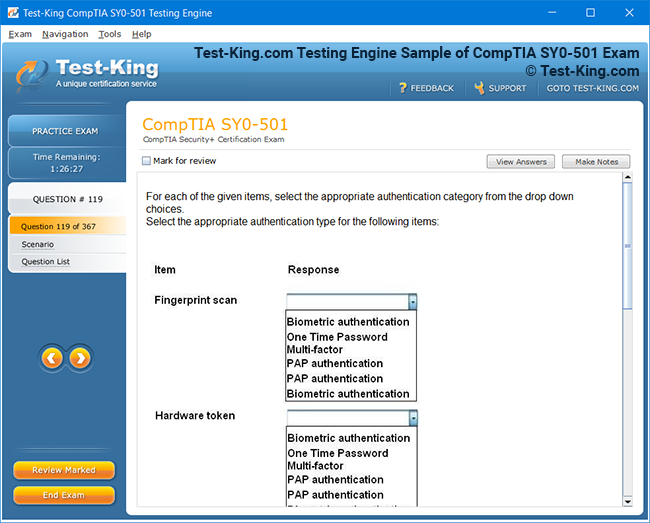
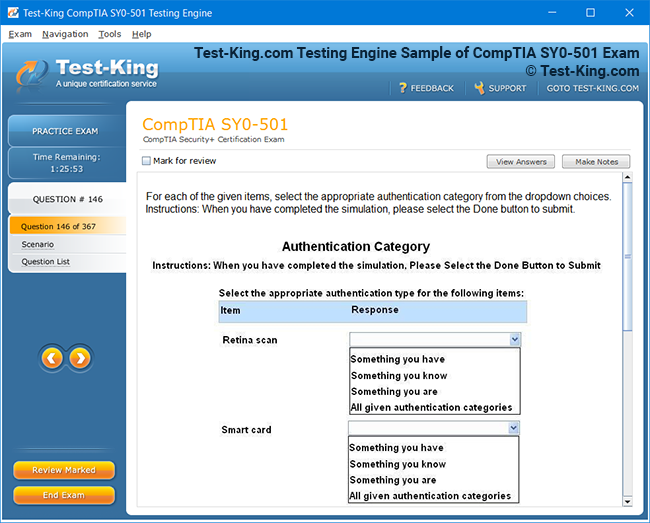
Product Screenshots
Frequently Asked Questions
How can I get the products after purchase?
All products are available for download immediately from your Member's Area. Once you have made the payment, you will be transferred to Member's Area where you can login and download the products you have purchased to your computer.
How long can I use my product? Will it be valid forever?
Test-King products have a validity of 90 days from the date of purchase. This means that any updates to the products, including but not limited to new questions, or updates and changes by our editing team, will be automatically downloaded on to computer to make sure that you get latest exam prep materials during those 90 days.
Can I renew my product if when it's expired?
Yes, when the 90 days of your product validity are over, you have the option of renewing your expired products with a 30% discount. This can be done in your Member's Area.
Please note that you will not be able to use the product after it has expired if you don't renew it.
How often are the questions updated?
We always try to provide the latest pool of questions, Updates in the questions depend on the changes in actual pool of questions by different vendors. As soon as we know about the change in the exam question pool we try our best to update the products as fast as possible.
How many computers I can download Test-King software on?
You can download the Test-King products on the maximum number of 2 (two) computers or devices. If you need to use the software on more than two machines, you can purchase this option separately. Please email support@test-king.com if you need to use more than 5 (five) computers.
What is a PDF Version?
PDF Version is a pdf document of Questions & Answers product. The document file has standart .pdf format, which can be easily read by any pdf reader application like Adobe Acrobat Reader, Foxit Reader, OpenOffice, Google Docs and many others.
Can I purchase PDF Version without the Testing Engine?
PDF Version cannot be purchased separately. It is only available as an add-on to main Question & Answer Testing Engine product.
What operating systems are supported by your Testing Engine software?
Our testing engine is supported by Windows. Andriod and IOS software is currently under development.
Overview of the HFMA Healthcare Test Financial Professional Exam
The HFMA Healthcare Test Financial Professional Exam is a meticulously designed assessment that evaluates the knowledge, competencies, and practical expertise of individuals working in healthcare finance. Unlike conventional examinations that merely test theoretical understanding, this exam delves into the nuanced dynamics of financial management within healthcare organizations, challenging candidates to demonstrate both analytical and strategic acumen. Healthcare finance is a domain where precision, foresight, and regulatory comprehension converge, and this certification is intended to ensure that professionals are not only proficient in handling numerical data but also capable of navigating complex organizational and regulatory frameworks. The exam is recognized as a benchmark for financial professionals seeking to elevate their careers within hospitals, clinics, and other healthcare institutions, offering validation of their expertise and a credential that enhances their professional credibility.
Understanding the HFMA Healthcare Financial Professional Exam
The structure of the examination is carefully curated to measure a wide spectrum of competencies. Candidates are expected to exhibit mastery over financial reporting, budgeting, revenue cycle management, compliance with healthcare regulations, and operational efficiency within financial frameworks. The assessment does not merely test rote memorization; rather, it emphasizes applied knowledge, critical reasoning, and the ability to synthesize information from multiple facets of healthcare finance. Individuals preparing for this examination encounter content that spans diverse topics such as accounting principles specific to healthcare, cost management, reimbursement methodologies, auditing processes, and strategic decision-making. Each of these areas is interwoven to simulate real-world scenarios where financial professionals must make informed choices that impact organizational sustainability and patient care quality.
One distinguishing feature of the HFMA Healthcare Financial Professional Exam is its emphasis on analytical reasoning and problem-solving within the healthcare context. Candidates are often presented with hypothetical scenarios involving financial data, regulatory considerations, and operational challenges. For instance, a candidate might be required to evaluate a hospital’s financial statement to identify inefficiencies or to recommend strategies for revenue enhancement while adhering to compliance mandates. Such exercises necessitate not only technical knowledge but also a strategic mindset and an appreciation of organizational intricacies. This approach reflects the evolving nature of healthcare finance, where professionals are expected to be adept not just at managing numbers but at interpreting them in ways that inform policy, strategic initiatives, and resource allocation.
The purpose of this examination extends beyond mere certification. It serves as a comprehensive validation of a professional’s capability to operate effectively within the multifaceted environment of healthcare finance. By successfully navigating this assessment, candidates demonstrate their ability to contribute to the financial stability and operational efficiency of healthcare organizations. This proficiency is increasingly critical in an era characterized by shifting reimbursement models, regulatory evolution, and heightened scrutiny of healthcare expenditures. Organizations rely on certified financial professionals to interpret complex datasets, optimize financial performance, and ensure compliance with federal, state, and institutional regulations. Consequently, the HFMA Healthcare Financial Professional credential functions as both a professional differentiator and a practical tool for advancing career trajectories within healthcare administration.
Exam preparation for the HFMA Healthcare Financial Professional credential requires a strategic and methodical approach. Candidates often begin by familiarizing themselves with the exam’s content outline, which encompasses foundational financial principles, healthcare-specific accounting standards, performance measurement metrics, and regulatory compliance requirements. The study process is further enhanced by the use of case studies and scenario-based exercises, which cultivate the analytical skills necessary to tackle the exam’s challenging questions. For example, understanding the intricacies of Medicare and Medicaid reimbursement requires candidates to integrate knowledge of billing procedures, coding accuracy, and cost reporting mechanisms. This integration of diverse knowledge domains underscores the comprehensive nature of the examination and highlights the necessity for holistic preparation.
Beyond technical expertise, successful candidates benefit from cultivating cognitive agility and decision-making acumen. The exam often presents complex, multidimensional problems that require not only financial calculations but also critical assessment of contextual factors such as patient demographics, operational constraints, and institutional policies. An effective candidate must weigh competing priorities, evaluate risk, and propose solutions that align with both financial prudence and organizational objectives. This capacity to navigate ambiguity and make evidence-based recommendations distinguishes exceptional candidates from those who merely possess surface-level knowledge. In essence, the examination is a crucible in which practical competence, analytical rigor, and strategic insight are rigorously assessed.
The examination’s scoring methodology reflects its emphasis on applied knowledge and analytical reasoning. Candidates are evaluated not solely on the accuracy of their responses but on their ability to apply financial principles to realistic scenarios. This approach underscores the exam’s commitment to professional relevance, ensuring that certified individuals possess skills that translate directly into workplace effectiveness. For instance, a question might require a candidate to interpret a hospital’s cash flow statement to identify trends in accounts receivable or to recommend corrective measures for budget variances. The ability to synthesize financial data, recognize patterns, and formulate actionable strategies is central to achieving a high score and, by extension, to demonstrating professional competence.
Preparation resources for this examination are varied and encompass formal study guides, workshops, online modules, and mentorship from experienced financial professionals. Candidates are encouraged to engage with comprehensive materials that integrate both theoretical knowledge and practical application. Additionally, peer study groups and interactive forums provide valuable opportunities for discussion, knowledge exchange, and clarification of complex topics. By immersing themselves in these resources, candidates enhance their understanding of nuanced financial principles, gain exposure to diverse problem-solving approaches, and cultivate the confidence necessary to succeed in a demanding examination environment.
An important aspect of the HFMA Healthcare Financial Professional Exam is its alignment with the evolving landscape of healthcare finance. The exam content is periodically updated to reflect changes in regulatory standards, technological advancements, and emerging trends in financial management. This ensures that certified professionals remain current in their knowledge and are equipped to respond effectively to contemporary challenges. For example, advancements in electronic health records, data analytics, and revenue cycle automation have transformed the operational and financial landscape of healthcare institutions. Candidates preparing for the exam must be conversant with these innovations and understand their implications for financial planning, reporting, and decision-making.
The professional trajectory following successful completion of the HFMA Healthcare Financial Professional Exam is often marked by enhanced career opportunities, recognition within the field, and increased responsibility in organizational finance roles. Certified individuals frequently assume positions that involve budget oversight, financial planning, strategic analysis, and policy development. Their expertise enables healthcare organizations to optimize resource allocation, improve financial performance, and maintain compliance with complex regulatory requirements. Moreover, the credential serves as a testament to a professional’s commitment to continuous learning, ethical practice, and mastery of healthcare financial principles, thereby reinforcing trust and credibility among colleagues, supervisors, and stakeholders.
Understanding the practical applications of the knowledge assessed in the HFMA Healthcare Financial Professional Exam is crucial for both preparation and professional practice. For instance, revenue cycle management is a recurring theme in the exam, encompassing the entire process from patient registration to final payment collection. Candidates must be able to analyze metrics such as days in accounts receivable, denial rates, and billing accuracy to identify inefficiencies and propose improvements. Similarly, budgeting and forecasting exercises require candidates to project revenues and expenditures, assess variances, and recommend adjustments that support organizational goals. These practical skills mirror real-world responsibilities, ensuring that certification translates into tangible contributions within healthcare finance roles.
Regulatory compliance represents another central focus of the examination. Candidates must demonstrate familiarity with laws and guidelines that govern healthcare finance, including the Health Insurance Portability and Accountability Act, Medicare and Medicaid regulations, and accounting standards specific to the healthcare sector. This knowledge enables financial professionals to navigate complex compliance landscapes, mitigate risks, and implement processes that safeguard organizational integrity. The examination often incorporates scenario-based questions that require candidates to apply regulatory knowledge in context, assessing not only their understanding of legal requirements but also their ability to make prudent operational decisions that adhere to these mandates.
Analytical reasoning and data interpretation skills are interwoven throughout the exam. Candidates frequently encounter financial statements, statistical reports, and performance dashboards requiring careful scrutiny and insightful analysis. For example, they may be asked to identify trends in patient revenue, evaluate cost variances, or assess the financial impact of strategic initiatives. Success in these tasks necessitates an integrated understanding of accounting principles, operational metrics, and organizational objectives, reinforcing the exam’s emphasis on comprehensive professional competence. The ability to translate data into actionable insights distinguishes top-performing candidates and reflects the practical utility of the certification.
The HFMA Healthcare Financial Professional Exam also encourages the development of strategic thinking within financial roles. Candidates are challenged to consider broader organizational implications of their analyses, balancing short-term operational needs with long-term financial sustainability. Questions often simulate complex decision-making scenarios where multiple factors—financial, operational, regulatory, and ethical—intersect. Candidates must demonstrate the ability to prioritize initiatives, allocate resources judiciously, and anticipate consequences, reflecting the multifaceted responsibilities of healthcare finance professionals. This emphasis on strategy and foresight enhances the relevance of the exam to real-world professional practice.
In preparing for this examination, candidates benefit from adopting a disciplined study regimen that integrates theoretical study, practical application, and continuous self-assessment. Reviewing past performance data, practicing scenario-based questions, and engaging in peer discussions help to reinforce understanding and improve problem-solving agility. By combining diverse learning methods, candidates cultivate a robust knowledge foundation, sharpen analytical skills, and develop the confidence required to navigate the examination successfully. This comprehensive approach ensures that the credential represents not only mastery of content but also readiness for the dynamic challenges of healthcare finance roles.
The examination’s design reflects an understanding that healthcare finance professionals operate within environments of uncertainty and complexity. Candidates must navigate ambiguous situations, interpret incomplete information, and make decisions that impact financial outcomes and patient care. The exam reinforces the importance of critical thinking, adaptability, and professional judgment, emphasizing that technical knowledge alone is insufficient for effective practice. Successful candidates demonstrate not only proficiency with numbers but also the capacity to apply insight, anticipate consequences, and support organizational objectives with informed, strategic decision-making.
Lastly, the HFMA Healthcare Financial Professional Exam serves as a bridge between professional development and practical workplace impact. It validates a candidate’s expertise in financial management, regulatory compliance, analytical reasoning, and strategic planning. By attaining this credential, professionals signal their readiness to contribute meaningfully to healthcare organizations, improve financial operations, and support sustainable growth. The exam encapsulates a rigorous standard of excellence, providing assurance to employers, peers, and stakeholders that certified individuals possess the knowledge, skills, and judgment necessary for success in a demanding and evolving field.
Preparation Strategies and Practical Applications
The HFMA Healthcare Test Financial Professional Exam is a distinguished credential that evaluates a candidate’s ability to navigate the intricacies of healthcare finance with precision and acumen. This examination is not merely an assessment of rote knowledge; it is a rigorous evaluation designed to ascertain how effectively a financial professional can apply concepts to the multifaceted environment of healthcare institutions. Healthcare finance demands a blend of analytical dexterity, strategic foresight, and a comprehensive understanding of regulatory frameworks. The exam mirrors these requirements by incorporating scenarios that challenge candidates to integrate technical knowledge with operational decision-making, ensuring that certified professionals are equipped to manage complex financial landscapes while maintaining organizational integrity and sustainability.
A critical dimension of preparation involves understanding the structure and scope of the examination. The HFMA Healthcare Financial Professional Exam encompasses a broad array of topics that collectively define the domain of healthcare finance. Candidates are tested on budgeting and forecasting, financial reporting, compliance with federal and state regulations, revenue cycle optimization, and performance measurement. Each topic is explored through questions that demand not only familiarity with core principles but also the ability to apply these principles to realistic organizational contexts. For instance, candidates may be presented with a scenario involving a hospital’s revenue cycle and asked to analyze accounts receivable trends, identify bottlenecks, and propose solutions to improve cash flow. Such tasks require a synthesis of accounting knowledge, operational insight, and strategic thinking, highlighting the applied nature of the exam.
Effective preparation necessitates the integration of theoretical study and practical application. Candidates are encouraged to engage deeply with materials that span both foundational concepts and healthcare-specific financial mechanisms. For example, understanding cost accounting within the context of hospital departments involves more than basic accounting principles; it requires an appreciation of patient volume, service mix, reimbursement rates, and departmental resource allocation. Similarly, mastering budgeting techniques entails projecting revenues and expenses with an awareness of regulatory changes, contractual obligations, and anticipated operational shifts. This comprehensive approach ensures that candidates develop a nuanced understanding of financial processes and are able to translate this understanding into actionable insights within a professional setting.
Scenario-based questions constitute a significant component of the examination, reflecting the reality that financial professionals must make informed decisions under conditions of uncertainty. Candidates are often asked to interpret complex datasets, identify patterns, and evaluate the financial impact of operational decisions. For instance, an examination scenario might present a hospital facing declining reimbursement rates coupled with rising operational costs, requiring the candidate to propose a strategy that balances cost containment with service quality. This type of question assesses not only technical proficiency but also judgment, creativity, and the ability to consider multiple variables simultaneously. Success in these scenarios demonstrates a candidate’s capacity to navigate the nuanced challenges inherent in healthcare finance.
Regulatory compliance is an integral focus of the examination, reflecting the critical importance of adhering to legal and ethical standards in healthcare operations. Candidates are expected to be conversant with the regulations that govern reimbursement, financial reporting, and patient data management. These include, but are not limited to, Medicare and Medicaid guidelines, accounting standards for healthcare entities, and institutional compliance policies. The examination often presents scenarios where candidates must apply these regulations in practical contexts, such as assessing the appropriateness of billing practices, identifying potential audit risks, or recommending procedural adjustments to ensure adherence to legal requirements. This emphasis ensures that certified professionals are capable of supporting organizational compliance while mitigating financial risk.
Analytical reasoning forms another cornerstone of the examination. Candidates must demonstrate the ability to interpret financial statements, evaluate performance metrics, and extract meaningful insights from data. For example, a question might present a hospital’s monthly financial summary, highlighting variances in revenue streams and expense categories. Candidates are then required to analyze these variances, identify underlying causes, and suggest remedial measures. This task involves an intricate interplay between numerical analysis, operational understanding, and strategic foresight, underscoring the comprehensive skill set required of certified healthcare financial professionals. Developing this analytical capability is central to both exam success and effective professional practice.
Revenue cycle management is consistently emphasized throughout the exam, given its significance in maintaining financial health within healthcare organizations. Candidates must understand each stage of the revenue cycle, from patient registration and coding to billing, claims processing, and final payment collection. Examination scenarios may involve evaluating metrics such as claim denial rates, days in accounts receivable, or the impact of insurance contracts on revenue recognition. Candidates are expected to apply this knowledge to identify inefficiencies, propose process improvements, and optimize financial outcomes. Mastery of revenue cycle concepts is essential for candidates seeking to translate their certification into meaningful contributions within healthcare institutions.
Budgeting and financial forecasting are similarly critical areas of assessment. Candidates must demonstrate the ability to develop and manage budgets that reflect both operational realities and strategic objectives. Examination questions may involve projecting departmental expenditures, evaluating the financial feasibility of proposed initiatives, or reconciling budget variances. This requires an understanding of cost behavior, revenue drivers, and the potential impact of external factors such as regulatory changes or market trends. Candidates who can integrate these considerations into accurate and actionable forecasts are well-positioned to provide value in their professional roles and to achieve high performance on the examination.
Performance measurement and financial reporting are also prominent within the HFMA Healthcare Financial Professional Exam. Candidates must interpret key financial indicators, analyze trends, and evaluate organizational efficiency. For instance, examining a hospital’s cost per patient encounter may reveal opportunities for operational improvements or resource reallocation. Similarly, analyzing revenue-to-expense ratios, liquidity measures, and capital utilization provides insights into organizational health. Candidates are tested on their ability to translate these analyses into recommendations that support strategic objectives, demonstrating both analytical rigor and practical insight. Developing expertise in performance measurement reinforces a candidate’s ability to drive operational excellence and financial sustainability in real-world contexts.
The examination further emphasizes the integration of strategic thinking with technical proficiency. Candidates must demonstrate the ability to consider the long-term implications of financial decisions, balancing immediate operational needs with broader organizational goals. Scenario-based questions often present competing priorities, requiring candidates to evaluate trade-offs, assess risk, and prioritize initiatives. For example, allocating resources between critical care expansion and investment in revenue cycle technology may involve complex financial modeling and careful consideration of strategic objectives. The exam thus evaluates not only technical skill but also judgment, foresight, and the ability to navigate complex decision-making environments.
Preparation for the HFMA Healthcare Financial Professional Exam benefits from a multifaceted approach. Candidates are advised to combine structured study with practical application, using case studies, practice scenarios, and interactive exercises to reinforce learning. Peer discussions, mentorship, and professional forums provide opportunities to clarify complex concepts, explore diverse approaches to problem-solving, and gain insight into best practices. By immersing themselves in these resources, candidates develop both the cognitive agility and the practical skills required to excel in the examination and in professional practice. This preparation cultivates a deep and enduring understanding of healthcare finance principles, enabling candidates to respond effectively to dynamic challenges in their work environments.
Technological advancements in healthcare finance are increasingly relevant to the examination. Candidates must be familiar with electronic health records, automated billing systems, data analytics platforms, and financial management software. These tools influence revenue cycle efficiency, data accuracy, and operational decision-making. Examination scenarios may incorporate these technological considerations, requiring candidates to evaluate system-generated data, assess process improvements, or recommend technology-enabled solutions. Familiarity with these innovations ensures that certified professionals are prepared to leverage technology to enhance financial performance, optimize workflows, and support evidence-based decision-making in healthcare organizations.
Ethical considerations are also embedded in the assessment framework. Candidates are expected to apply financial principles with integrity, ensuring that organizational decisions uphold legal, ethical, and professional standards. Examination scenarios may involve dilemmas such as balancing cost containment with quality care or reconciling conflicting stakeholder interests. Demonstrating ethical reasoning in these contexts is integral to certification, reflecting the responsibility of healthcare financial professionals to support both fiscal sustainability and organizational mission. Candidates who exhibit ethical judgment alongside technical proficiency are well-positioned to contribute meaningfully to healthcare organizations and to maintain stakeholder trust.
Time management and exam strategy play a significant role in successful performance. The HFMA Healthcare Financial Professional Exam requires candidates to navigate complex questions within a limited timeframe, necessitating both efficiency and precision. Effective candidates allocate time judiciously, prioritize questions based on familiarity and complexity, and employ structured approaches to problem-solving. Practicing under simulated conditions enhances both confidence and proficiency, enabling candidates to perform optimally on the day of the examination. This strategic preparation complements technical knowledge, reinforcing overall readiness and resilience.
In addition to cognitive skills, candidates benefit from cultivating professional demeanor and analytical habits that extend beyond the examination. The ability to interpret financial data, communicate insights persuasively, and collaborate with interdisciplinary teams is essential for long-term success. The examination reflects these professional realities, assessing not only knowledge and analytical skill but also the capacity to apply expertise in ways that influence organizational outcomes. Certified professionals emerge as leaders capable of guiding decision-making, optimizing financial performance, and supporting the strategic objectives of healthcare institutions.
The HFMA Healthcare Financial Professional Exam ultimately serves as a comprehensive validation of expertise, signaling to employers and peers that a candidate possesses both technical mastery and applied proficiency in healthcare finance. Through rigorous assessment of financial reporting, budgeting, revenue cycle management, compliance, performance measurement, strategic thinking, and ethical reasoning, the examination ensures that certified professionals are prepared to navigate the complex, evolving landscape of healthcare organizations. Mastery of these domains translates directly into practical workplace contributions, enhancing operational efficiency, financial stability, and organizational sustainability.
In-Depth Exploration of Core Principles and Competencies
The HFMA Healthcare Test Financial Professional Exam is an eminent evaluation designed to measure a candidate's proficiency in the multifaceted domain of healthcare finance. Its primary objective is to ascertain not only theoretical knowledge but also practical aptitude, analytical acuity, and strategic foresight. Healthcare finance is a field characterized by intricate interactions between operational dynamics, regulatory frameworks, and financial imperatives, and this examination encapsulates the skills required to navigate such complexities effectively. Candidates who undertake this assessment must demonstrate an integrated understanding of budgeting, revenue cycle management, compliance, performance measurement, and financial reporting, with a capacity to apply these principles to real-world organizational scenarios.
The preparation for this examination demands rigorous attention to both foundational concepts and healthcare-specific financial intricacies. Candidates are expected to comprehend the full spectrum of financial management within healthcare institutions, from revenue recognition and cost accounting to capital allocation and fiscal risk assessment. A comprehensive understanding of accounting principles tailored to healthcare is essential, as it enables candidates to interpret financial statements, assess operational efficiency, and develop strategies that align with organizational objectives. For instance, evaluating the financial health of a hospital involves more than analyzing income statements; it requires scrutiny of cash flow cycles, accounts receivable aging, and reimbursement trends, all within the context of regulatory compliance and service delivery.
A central focus of the examination is revenue cycle optimization, an area that profoundly influences organizational sustainability. Candidates must demonstrate the ability to analyze and enhance each component of the revenue cycle, including patient registration, coding, billing, claims processing, and final payment collection. Examination scenarios may present a hospital with delayed payments, high claim denial rates, or discrepancies in insurance reimbursements, requiring candidates to diagnose underlying issues and recommend actionable solutions. Mastery of revenue cycle processes ensures that certified professionals can contribute meaningfully to institutional financial stability while minimizing inefficiencies and safeguarding patient care priorities.
Budgeting and forecasting constitute another pivotal element of the examination. Candidates are tested on their capacity to develop accurate and feasible financial projections that support operational goals and strategic initiatives. Questions may involve evaluating departmental budgets, reconciling projected versus actual expenses, and proposing adjustments to accommodate unforeseen changes in revenue streams or operational requirements. Effective forecasting demands a nuanced understanding of cost behavior, revenue drivers, and external factors such as policy modifications, demographic shifts, and technological advancements. Candidates who can integrate these variables into coherent, actionable plans demonstrate the analytical rigor and strategic judgment essential for success in healthcare finance roles.
Compliance and regulatory adherence are interwoven throughout the exam, reflecting the critical importance of legal and ethical considerations in healthcare financial management. Candidates must possess detailed knowledge of federal and state regulations, including those governing Medicare and Medicaid reimbursement, accounting standards specific to healthcare entities, and institutional policies that guide financial operations. Examination scenarios often require candidates to apply regulatory frameworks to complex situations, such as evaluating billing practices, identifying audit risks, or implementing compliance measures to mitigate potential liabilities. Mastery of these topics ensures that certified professionals are not only adept at managing financial processes but also equipped to uphold organizational integrity and mitigate legal exposure.
Analytical reasoning and data interpretation are core competencies evaluated in the examination. Candidates frequently encounter financial statements, operational reports, and performance metrics that require meticulous analysis and insightful interpretation. For instance, examining a hospital’s monthly revenue and expense report may reveal deviations from expected trends, prompting candidates to investigate causes such as changes in patient volume, payer mix, or resource utilization. The ability to synthesize disparate pieces of information into a coherent assessment and formulate strategic recommendations distinguishes exceptional candidates. Such skills are indispensable in professional practice, where the translation of financial data into actionable decisions directly impacts organizational performance and sustainability.
Performance measurement and operational assessment are integral to the HFMA Healthcare Financial Professional Exam. Candidates must interpret key indicators, assess efficiency, and identify opportunities for improvement across various organizational functions. Questions may involve evaluating cost per patient encounter, analyzing departmental expenditure patterns, or reviewing revenue-to-expense ratios to identify areas requiring corrective action. Successful candidates demonstrate the ability to apply these assessments in context, translating numerical insights into strategies that enhance operational efficiency, optimize resource allocation, and align with broader organizational goals. This practical orientation reinforces the examination’s emphasis on applied competence over theoretical familiarity alone.
The examination also emphasizes strategic thinking and the integration of long-term planning with immediate financial management. Candidates must evaluate scenarios that involve complex trade-offs between operational imperatives, financial constraints, and organizational priorities. For example, deciding whether to invest in new clinical technology, expand patient services, or enhance staff training programs requires careful consideration of costs, projected benefits, and alignment with institutional strategy. Such scenarios test a candidate’s ability to balance competing interests, anticipate consequences, and propose solutions that are both financially sound and operationally feasible. Strategic thinking in this context is not abstract but deeply embedded in the practical realities of healthcare administration.
Technological fluency is increasingly relevant to the examination and modern healthcare finance practice. Candidates are expected to understand how electronic health records, automated billing systems, data analytics platforms, and financial management software influence operational efficiency, data integrity, and decision-making processes. Examination questions may incorporate these technological aspects, requiring candidates to analyze system-generated data, evaluate process optimization opportunities, or recommend technology-enabled solutions. Proficiency with these tools ensures that certified professionals are prepared to leverage innovations to enhance organizational performance, streamline workflows, and support evidence-based financial planning.
Ethical reasoning is a consistent undercurrent throughout the examination. Candidates are required to demonstrate the ability to make decisions that adhere to both regulatory mandates and ethical standards. Scenarios may involve challenges such as balancing cost containment with patient care quality, prioritizing initiatives amidst budget constraints, or reconciling conflicting stakeholder expectations. Certification reflects a candidate’s ability to navigate these dilemmas with integrity, ensuring that financial decisions uphold organizational values while maintaining fiscal responsibility. Ethical judgment, in combination with technical proficiency, distinguishes candidates capable of contributing meaningfully to healthcare organizations.
Practical application is reinforced through scenario-based questions, which mirror the complexities encountered in professional practice. Candidates may be asked to evaluate financial performance in hypothetical healthcare organizations, assess the impact of policy changes on revenue, or propose corrective measures for identified operational inefficiencies. These questions require a synthesis of accounting knowledge, analytical skill, regulatory awareness, and strategic insight. By engaging with such scenarios during preparation, candidates cultivate problem-solving abilities, develop operational perspective, and gain confidence in applying theoretical knowledge to real-world contexts.
Revenue management challenges featured in the examination often encompass multifaceted issues such as payer mix variability, claim denials, delayed reimbursements, and billing discrepancies. Candidates are expected to analyze financial implications, identify root causes, and recommend procedural or policy adjustments. This analysis necessitates a thorough understanding of revenue cycle processes, payer regulations, and operational workflows, as well as the ability to interpret data trends and forecast outcomes. By mastering these competencies, candidates ensure that their certification reflects both technical knowledge and practical capability in managing organizational revenue streams.
Budget management questions similarly require candidates to integrate quantitative analysis with strategic foresight. Preparing a departmental or institutional budget entails projecting revenues, estimating expenditures, and reconciling anticipated financial performance with organizational goals. Candidates must account for variables such as seasonal patient demand, staffing levels, regulatory adjustments, and technological investments. The ability to create accurate, flexible, and strategically aligned budgets demonstrates both analytical skill and operational understanding. Proficiency in this area is essential for certified professionals, as it directly impacts the financial health and sustainability of healthcare organizations.
The examination’s emphasis on performance analysis extends to cost control, resource utilization, and operational efficiency. Candidates may encounter scenarios involving comparative evaluation of departmental performance, identification of high-cost areas, and recommendation of efficiency measures. For instance, analyzing trends in supply chain expenses, labor utilization, or procedural costs allows candidates to propose adjustments that reduce waste and improve financial outcomes. This focus on actionable insights underscores the examination’s practical orientation, ensuring that certified professionals are capable of implementing solutions that yield tangible benefits for healthcare institutions.
Strategic financial planning is consistently integrated into examination content, emphasizing the importance of foresight and long-term decision-making. Candidates must consider the implications of capital investments, expansion projects, and service line modifications, balancing short-term budgetary constraints with future organizational objectives. Scenario-based questions may involve evaluating the financial feasibility of infrastructure projects, assessing potential revenue generation, or recommending strategies to enhance institutional growth. The ability to integrate these considerations into cohesive, actionable plans reflects a sophisticated understanding of healthcare finance and distinguishes high-performing candidates.
Regulatory and compliance considerations are intricately woven into all aspects of the examination. Candidates are tested on their ability to apply laws, guidelines, and institutional policies to complex operational scenarios. This includes understanding reporting requirements, reimbursement rules, and ethical obligations, as well as identifying risks and implementing mitigation strategies. Mastery of these domains ensures that certified professionals can navigate the complex regulatory landscape of healthcare finance, maintain organizational integrity, and safeguard against potential legal or operational pitfalls.
Analytical proficiency remains central to examination success. Candidates must interpret financial statements, evaluate operational metrics, and synthesize data to inform decision-making. For example, analyzing trends in patient revenue, departmental costs, or cash flow provides insights necessary to guide resource allocation, operational adjustments, and strategic initiatives. The ability to extract meaningful conclusions from complex datasets demonstrates the practical utility of the certification and reinforces the examination’s focus on applied expertise over theoretical knowledge alone.
The HFMA Healthcare Test Financial Professional Exam also emphasizes the importance of continuous learning and adaptability. Candidates must demonstrate awareness of evolving industry practices, technological advancements, and regulatory changes. This dynamic approach ensures that certified professionals remain current in their knowledge, capable of responding to shifting financial landscapes, and equipped to contribute meaningfully to organizational resilience. Preparing for the examination, therefore, involves not only mastering existing concepts but also cultivating the capacity to integrate new information, analyze emerging trends, and apply innovative solutions in professional practice.
By incorporating rigorous evaluation of revenue cycle management, budgeting, compliance, analytical reasoning, strategic thinking, technological fluency, ethical judgment, and operational assessment, the HFMA Healthcare Financial Professional Exam provides a comprehensive measure of professional capability. Candidates who attain certification demonstrate that they possess the knowledge, skills, and judgment necessary to excel in complex healthcare financial environments. The examination ensures that certified professionals are prepared to enhance organizational efficiency, optimize financial performance, and support the strategic goals of healthcare institutions in a rapidly evolving sector.
Mastery of Financial Management, Compliance, and Analytical Skills
The HFMA Healthcare Test Financial Professional Exam represents a paramount benchmark for individuals seeking to validate their expertise in healthcare finance. It is meticulously designed to assess the depth and breadth of knowledge required to navigate the intricate financial landscapes of hospitals, clinics, and other healthcare institutions. Unlike standard examinations that focus purely on theoretical knowledge, this assessment challenges candidates to integrate technical proficiency with strategic insight, regulatory comprehension, and operational awareness. Healthcare finance is a field where precision, foresight, and adaptability are indispensable, and this examination serves as a rigorous measure of a professional's capacity to apply complex concepts to real-world organizational scenarios.
A core focus of the examination involves understanding the multifaceted nature of financial management in healthcare. Candidates are expected to demonstrate competence in budgeting, forecasting, revenue cycle optimization, performance measurement, and cost management. Budgeting tasks require a nuanced comprehension of both operational and strategic financial planning, including projecting revenues, estimating expenses, and reconciling variances. For instance, preparing a departmental budget involves analyzing historical data, anticipating fluctuations in patient volume, and accounting for regulatory changes and technological investments. Candidates must be able to synthesize these variables to develop comprehensive, feasible, and strategically aligned financial plans that enhance organizational sustainability.
Revenue cycle management constitutes another critical component of the examination. Candidates are evaluated on their ability to optimize the entire revenue cycle, from patient registration to billing, claims processing, and final payment collection. Examination scenarios often present challenges such as delayed reimbursements, high claim denial rates, or variations in payer contracts, requiring candidates to identify inefficiencies, determine root causes, and recommend process improvements. Mastery of revenue cycle processes is essential for maintaining cash flow, minimizing financial risk, and ensuring the fiscal stability of healthcare organizations. Candidates who can analyze revenue streams and implement corrective strategies demonstrate the practical competence necessary for professional success.
The examination places significant emphasis on compliance and regulatory adherence, reflecting the importance of legal and ethical considerations in healthcare financial management. Candidates are expected to navigate complex frameworks including federal and state regulations, Medicare and Medicaid guidelines, accounting standards specific to healthcare entities, and institutional compliance policies. Scenarios may require candidates to evaluate the appropriateness of billing practices, identify potential audit risks, or implement compliance procedures to mitigate financial and operational exposure. By mastering these domains, certified professionals ensure that their decisions support organizational integrity, safeguard against legal liabilities, and adhere to ethical standards.
Analytical reasoning and data interpretation are integral to the HFMA Healthcare Financial Professional Exam. Candidates are frequently presented with financial statements, operational reports, and key performance metrics that require detailed analysis and interpretation. For example, examining monthly revenue and expenditure reports may reveal discrepancies that necessitate investigation, such as changes in patient demographics, variations in payer reimbursement rates, or anomalies in departmental spending. Successful candidates synthesize data, identify trends, and formulate actionable recommendations that enhance financial performance and operational efficiency. These skills are critical in real-world professional practice, where accurate analysis drives strategic decisions and organizational success.
Performance measurement and operational assessment are central to the examination's framework. Candidates are expected to evaluate key indicators such as cost per patient encounter, revenue-to-expense ratios, and departmental efficiency metrics. Through scenario-based questions, candidates demonstrate the ability to identify areas requiring improvement, propose solutions, and implement strategies that optimize resource allocation. For instance, analyzing trends in labor utilization or supply chain expenses may highlight opportunities for cost containment or process refinement. Mastery of performance measurement ensures that certified professionals can provide actionable insights that support organizational goals and maintain financial stability.
Strategic thinking and long-term planning are consistently integrated into the examination. Candidates must evaluate complex scenarios that involve balancing operational priorities with financial constraints and institutional objectives. Decisions may include prioritizing capital investments, allocating resources between competing initiatives, or assessing the financial impact of expanding services. Success in these scenarios requires the ability to consider short-term effects, anticipate long-term outcomes, and develop strategies that align with organizational vision. Strategic financial planning is therefore a critical competency, reflecting the practical demands of healthcare financial leadership.
Technological awareness is increasingly emphasized within the examination. Candidates are expected to understand the implications of electronic health records, automated billing systems, data analytics platforms, and financial management software on operational efficiency and decision-making. Examination scenarios may involve evaluating data generated by these systems, identifying opportunities for process improvement, or recommending technology-driven solutions to enhance performance. Familiarity with these tools enables certified professionals to leverage technology to optimize workflows, improve data accuracy, and support evidence-based financial strategies, ensuring that financial decisions are both informed and efficient.
Ethical judgment is a recurrent theme in the examination, reflecting the responsibility of financial professionals to balance fiduciary duties with patient care and organizational integrity. Candidates must demonstrate the ability to navigate complex ethical dilemmas, such as reconciling cost containment initiatives with quality care objectives, addressing conflicting stakeholder interests, or ensuring transparency in financial reporting. Ethical decision-making is assessed through scenario-based questions, requiring candidates to weigh multiple factors, consider consequences, and recommend solutions that adhere to both professional standards and institutional values. This emphasis underscores the intersection of morality, regulation, and financial expertise in healthcare practice.
The examination also evaluates the integration of practical financial application with analytical insight. Candidates encounter realistic situations that require the assessment of revenue streams, identification of cost drivers, and evaluation of financial performance. For instance, analyzing a hospital’s cash flow patterns may reveal inefficiencies in billing, collection, or operational processes. Candidates must diagnose the causes, assess risks, and propose corrective measures that are both financially prudent and operationally viable. These exercises cultivate critical thinking, problem-solving abilities, and professional judgment, reflecting the examination’s commitment to applied competence.
Preparation for the HFMA Healthcare Financial Professional Exam necessitates a deliberate and methodical approach. Candidates are encouraged to combine structured study, practical exercises, and scenario-based simulations to reinforce learning. Review of historical financial data, engagement with peer discussions, and mentorship from experienced professionals contribute to deeper comprehension and practical skill development. By immersing themselves in these resources, candidates develop the ability to interpret complex datasets, anticipate challenges, and apply financial principles strategically, fostering readiness for both examination success and professional practice.
Revenue optimization remains a focal point within the examination. Candidates are expected to assess operational and financial factors that influence revenue generation, including payer mix, patient volume, reimbursement mechanisms, and billing accuracy. Examination scenarios may present challenges such as delayed payments or inconsistencies in coding practices, requiring candidates to propose actionable strategies that improve revenue capture. Mastery in revenue management reflects an understanding of operational workflows, financial analysis, and regulatory compliance, highlighting the practical utility of the certification in professional healthcare settings.
Budgeting and forecasting exercises emphasize the integration of analytical skills with strategic foresight. Candidates must develop accurate financial projections, account for variances, and reconcile resource allocation with organizational priorities. Questions may involve preparing departmental budgets, evaluating expenditure trends, or forecasting revenues under changing regulatory or market conditions. Success in these tasks demonstrates the ability to anticipate challenges, mitigate risk, and make informed decisions that promote both operational efficiency and financial sustainability.
Performance evaluation questions further assess a candidate’s capacity to synthesize data and generate actionable insights. Metrics such as operational efficiency, cost per service unit, revenue-to-expense ratios, and resource utilization are analyzed to identify areas for improvement. Candidates may be asked to recommend changes to staffing models, supply chain processes, or financial controls based on these analyses. This aspect of the examination ensures that certified professionals are capable of translating analytical findings into practical improvements that enhance organizational performance.
Strategic financial planning scenarios often challenge candidates to consider multiple competing priorities. Decisions regarding capital expenditures, service expansion, or technology adoption require careful analysis of potential returns, operational impact, and alignment with long-term institutional objectives. The ability to balance immediate operational needs with strategic vision is central to examination success and mirrors the responsibilities of healthcare finance leaders. Candidates who can integrate financial analysis with strategic planning demonstrate the comprehensive expertise that the certification represents.
Technological proficiency is increasingly central to effective healthcare financial management. Candidates must understand the role of electronic health records, revenue cycle automation, data analytics tools, and financial management software in operational decision-making. Examination scenarios may require interpretation of system-generated reports, identification of workflow inefficiencies, or recommendations for technology-driven improvements. Familiarity with these tools equips certified professionals to enhance accuracy, optimize processes, and support data-informed strategic decisions within healthcare organizations.
Ethical reasoning and professional judgment remain vital throughout the examination. Candidates must navigate complex situations where financial objectives intersect with patient care, regulatory compliance, and organizational integrity. Scenario-based questions test the ability to weigh competing factors, anticipate consequences, and recommend ethically sound solutions. This focus reinforces the expectation that certified professionals combine technical knowledge with moral discernment, ensuring that financial management supports both fiscal responsibility and organizational values.
The HFMA Healthcare Test Financial Professional Exam thus integrates rigorous assessment of budgeting, revenue cycle management, compliance, performance evaluation, strategic planning, technological fluency, and ethical reasoning. Candidates who attain certification demonstrate mastery of technical knowledge, analytical proficiency, and applied judgment necessary to succeed in the dynamic and complex environment of healthcare finance. The examination emphasizes practical competence, ensuring that certified professionals can translate theoretical understanding into operational improvements, strategic insight, and organizational impact.
Strategic, Analytical, and Operational Proficiencies
The HFMA Healthcare Test Financial Professional Exam represents a rigorous standard for evaluating the depth of expertise in healthcare finance. It is meticulously constructed to challenge candidates on multiple levels, encompassing not only theoretical knowledge but also practical application, strategic foresight, and operational intelligence. Healthcare finance is a domain characterized by nuanced interactions among resource allocation, regulatory frameworks, revenue optimization, and organizational performance. This examination serves as a precise instrument to measure how effectively candidates can synthesize these elements, demonstrating their ability to make informed decisions that align with institutional objectives and fiscal responsibility.
A foundational aspect of the examination involves mastery of financial management principles in a healthcare context. Candidates must demonstrate comprehensive knowledge of budgeting, forecasting, and performance analysis. Budgeting requires not only projecting revenues and estimating expenses but also understanding the implications of regulatory adjustments, market trends, and patient volume fluctuations. For example, preparing a hospital’s annual budget may necessitate evaluating departmental expenditures, estimating the impact of new clinical programs, and reconciling projected costs with expected reimbursements. Candidates are assessed on their capacity to integrate these elements into coherent and actionable financial strategies that sustain organizational viability and support long-term goals.
Revenue cycle management is consistently emphasized throughout the examination. Candidates are expected to navigate the entire lifecycle of revenue generation, from patient registration and coding to billing, claims submission, and final payment reconciliation. Scenarios frequently challenge candidates to analyze accounts receivable, identify inefficiencies, and propose corrective measures to optimize cash flow. Issues such as delayed reimbursements, high claim denial rates, or inconsistent payer contracts may be presented, requiring candidates to synthesize operational and regulatory knowledge to develop solutions. Proficiency in this domain ensures that certified professionals can contribute meaningfully to institutional financial stability while maintaining compliance with healthcare regulations.
Compliance and regulatory adherence remain central to the evaluation process. Candidates must demonstrate familiarity with federal and state regulations, Medicare and Medicaid guidelines, accounting standards specific to healthcare, and organizational policies that guide financial operations. Examination scenarios may require evaluating the appropriateness of billing practices, identifying audit risks, or recommending adjustments to maintain regulatory conformity. The ability to interpret and apply these complex frameworks is critical for maintaining organizational integrity and mitigating legal and financial exposure. Candidates who excel in this area combine technical knowledge with ethical judgment, ensuring decisions uphold both statutory and institutional standards.
Analytical reasoning and interpretation of financial data constitute another critical competency tested by the examination. Candidates are frequently presented with financial statements, operational reports, and performance metrics requiring careful scrutiny and insightful analysis. For instance, evaluating a hospital’s revenue-to-expense ratios may reveal patterns that necessitate operational adjustments or process improvements. Candidates must identify trends, diagnose inefficiencies, and propose actionable solutions that balance fiscal prudence with operational effectiveness. This integration of data analysis and strategic application underscores the practical orientation of the examination and reflects the competencies expected of certified healthcare finance professionals.
Performance measurement is intricately linked with operational assessment in the examination. Candidates must evaluate efficiency metrics, cost structures, and resource utilization across organizational functions. Questions may involve analyzing departmental costs, identifying high-expense areas, or recommending adjustments to optimize performance. For example, reviewing supply chain expenditures or labor utilization metrics can highlight opportunities for cost reduction or workflow enhancements. Candidates are expected to translate these analyses into practical recommendations that improve organizational efficiency and support strategic objectives, demonstrating their ability to bridge analytical insight with operational application.
Strategic thinking and decision-making are integral to the HFMA Healthcare Financial Professional Exam. Candidates must demonstrate the ability to balance immediate operational needs with long-term financial planning. Scenario-based questions often present competing priorities, such as allocating resources between expanding clinical services and investing in technology infrastructure. Candidates are required to evaluate potential outcomes, anticipate risks, and recommend solutions that align with institutional goals. Mastery of strategic planning ensures that certified professionals are capable of guiding decision-making processes that enhance organizational sustainability and foster growth.
Technological literacy is increasingly important in contemporary healthcare finance. Candidates are expected to understand how electronic health records, automated billing systems, data analytics platforms, and financial management software impact operational efficiency and financial decision-making. Examination scenarios may incorporate these tools, challenging candidates to interpret system-generated data, evaluate workflow efficiency, and propose technology-driven solutions to enhance financial performance. Familiarity with these innovations enables professionals to leverage data insights, optimize processes, and support evidence-based financial planning, ensuring that decisions are both informed and actionable.
Ethical considerations are embedded throughout the examination framework. Candidates are required to demonstrate the ability to navigate situations where financial objectives intersect with patient care priorities, regulatory compliance, and institutional values. Scenario-based questions may involve dilemmas such as prioritizing cost reductions without compromising care quality, reconciling conflicting stakeholder interests, or ensuring transparency in reporting. Candidates must apply ethical reasoning alongside technical expertise to propose solutions that uphold both organizational integrity and fiduciary responsibility, reflecting the holistic competencies expected of certified professionals.
Practical application is reinforced through scenario-based questions that simulate real-world challenges. Candidates may be asked to evaluate operational inefficiencies, assess financial performance, or develop corrective strategies based on provided data. For example, analyzing a hospital’s accounts receivable aging report could reveal delays in payment collection, prompting recommendations for workflow enhancements or process modifications. Such exercises require the integration of analytical skills, operational understanding, regulatory knowledge, and strategic insight, cultivating the practical problem-solving abilities essential for healthcare finance professionals.
Revenue optimization continues to be a focal area within the examination. Candidates are evaluated on their ability to assess operational and financial factors influencing revenue generation, including payer mix, coding accuracy, reimbursement policies, and patient volume. Examination scenarios may challenge candidates to address delayed payments, denied claims, or discrepancies in contract terms. Mastery in this domain reflects an understanding of operational workflows, financial analytics, and compliance, ensuring that certified professionals can optimize revenue streams while mitigating risk and supporting organizational objectives.
Budgeting and financial forecasting are further assessed for their integration of analytical rigor and strategic vision. Candidates are expected to create budgets that account for anticipated revenues, projected expenditures, and external influences such as regulatory changes or demographic trends. Forecasting tasks may require analyzing historical patterns, anticipating fluctuations in patient demand, or evaluating the financial impact of planned initiatives. Success in these exercises demonstrates the ability to anticipate challenges, allocate resources effectively, and support institutional goals with well-informed financial strategies.
Performance evaluation questions emphasize actionable insights derived from operational and financial analysis. Candidates may analyze departmental efficiency, cost-per-service metrics, and resource allocation trends to identify areas for improvement. Recommendations could include adjusting staffing models, refining supply chain practices, or implementing financial controls to enhance efficiency. Mastery of performance evaluation demonstrates the practical application of analytical skills, ensuring that certified professionals can translate data into tangible improvements that drive organizational success.
Strategic planning scenarios challenge candidates to consider long-term objectives alongside immediate operational constraints. Decisions such as capital investment, service expansion, or technology adoption require analysis of potential returns, operational impact, and alignment with institutional strategy. Candidates must weigh multiple variables, anticipate consequences, and propose solutions that balance risk and opportunity. Strategic planning competencies ensure that certified professionals can navigate complex decision-making environments, contributing to the sustainable growth and resilience of healthcare organizations.
Technological integration is continuously evaluated, with candidates expected to demonstrate proficiency in using digital tools to enhance operational and financial performance. For instance, interpreting analytics from electronic health records, revenue cycle management systems, or financial reporting platforms allows candidates to identify inefficiencies, optimize workflows, and support informed decision-making. Familiarity with technological innovations ensures that certified professionals are equipped to leverage data for strategic advantage, improve organizational processes, and enhance financial outcomes.
Ethical reasoning remains a cornerstone of the examination, reinforcing the expectation that financial professionals integrate moral judgment with technical and strategic expertise. Candidates are assessed on their ability to navigate dilemmas where cost efficiency, patient care quality, and regulatory compliance intersect. Demonstrating ethical discernment in such scenarios ensures that certified professionals maintain organizational integrity, foster trust among stakeholders, and contribute to responsible financial stewardship.
The HFMA Healthcare Test Financial Professional Exam, by combining rigorous evaluation of revenue cycle management, budgeting, compliance, performance measurement, strategic thinking, technological fluency, and ethical reasoning, provides a comprehensive measure of professional capability. Candidates who attain certification exhibit mastery of the knowledge, analytical skill, and applied judgment necessary to excel in healthcare finance roles. The examination ensures that certified professionals can translate theoretical understanding into operational improvements, strategic insight, and sustainable organizational impact.
Integration of Knowledge, Analytical Ability, and Professional Judgment
The HFMA Healthcare Test Financial Professional Exam represents the pinnacle of evaluation for individuals seeking mastery in healthcare finance. It is designed to rigorously assess a candidate’s ability to navigate the complexities of financial management within healthcare organizations, integrating theoretical comprehension, analytical precision, operational insight, and strategic foresight. Healthcare finance is a field defined by intricate interdependencies among budgeting, revenue cycle processes, regulatory compliance, performance measurement, and ethical decision-making. This examination provides a structured framework through which candidates can demonstrate the breadth and depth of their capabilities, ensuring that certified professionals are fully equipped to influence organizational performance and sustainability.
A fundamental aspect of this examination is the thorough assessment of financial management practices. Candidates are expected to demonstrate competence in preparing and analyzing budgets, forecasting revenues and expenses, and managing cost structures within healthcare organizations. Budgeting exercises often require candidates to evaluate departmental expenditures, anticipate operational fluctuations, and reconcile projected financial outcomes with organizational objectives. For example, creating an annual budget for a hospital might involve integrating historical financial data, estimating the impact of new service lines, and accounting for changes in regulatory reimbursement rates. Successful candidates exhibit the ability to synthesize these variables into coherent strategies that promote fiscal stability while supporting long-term institutional goals.
Revenue cycle management is a central focus of the examination and remains a critical competency for healthcare financial professionals. Candidates must demonstrate the ability to optimize the entire revenue cycle, encompassing patient registration, coding, claims submission, and final payment collection. Examination scenarios often simulate real-world challenges, such as delayed reimbursements, elevated claim denial rates, or variations in payer contracts. Candidates are required to diagnose operational inefficiencies, identify root causes, and recommend process improvements. Mastery of revenue cycle processes ensures that certified professionals can maintain robust cash flow, improve operational efficiency, and mitigate financial risk while ensuring compliance with regulatory standards.
Compliance and regulatory adherence are essential components of the HFMA Healthcare Financial Professional Exam. Candidates must possess in-depth knowledge of federal and state regulations, Medicare and Medicaid policies, accounting standards specific to healthcare entities, and internal compliance protocols. Examination scenarios frequently challenge candidates to apply these regulations in complex situations, such as evaluating billing procedures, assessing audit risk, or implementing corrective measures to maintain compliance. This rigorous focus ensures that certified professionals are capable of safeguarding organizational integrity, mitigating legal and financial exposure, and supporting transparent, ethical financial practices.
Analytical reasoning and the interpretation of financial data are pivotal competencies evaluated by the examination. Candidates are often presented with complex financial statements, operational reports, and performance metrics requiring careful scrutiny and insightful analysis. For example, analyzing a hospital’s departmental revenue and expenditure report may reveal trends necessitating corrective action, such as shifts in patient volume, changes in payer reimbursement, or discrepancies in resource utilization. Successful candidates synthesize this information, identify root causes, and recommend actionable solutions that improve both operational and financial outcomes. This integration of analytical skill and strategic application reflects the practical focus of the examination and mirrors real-world professional responsibilities.
Performance measurement is closely intertwined with operational assessment. Candidates must evaluate efficiency metrics, cost allocation, and resource utilization across multiple organizational dimensions. Examination scenarios may involve analyzing cost-per-patient encounters, departmental expenditure trends, or revenue-to-expense ratios to identify opportunities for improvement. Recommendations could include adjustments in staffing levels, optimization of supply chain operations, or implementation of internal controls to enhance performance. Mastery of performance measurement enables certified professionals to translate analytical findings into practical strategies that enhance operational efficiency and support strategic organizational objectives.
Strategic thinking and long-term planning are consistently integrated into the examination. Candidates must demonstrate the ability to evaluate complex scenarios that involve competing priorities, financial constraints, and organizational objectives. For example, decisions regarding capital investments, service expansions, or technology upgrades require careful analysis of potential returns, operational impact, and alignment with institutional goals. Candidates must weigh short-term needs against long-term outcomes, anticipate potential risks, and propose solutions that advance institutional sustainability. Proficiency in strategic planning ensures that certified professionals can influence organizational decisions at a high level, balancing operational realities with visionary objectives.
Technological fluency is increasingly emphasized within the HFMA Healthcare Financial Professional Exam. Candidates are expected to understand the impact of electronic health records, revenue cycle automation, data analytics platforms, and financial management software on operational efficiency and decision-making. Examination scenarios may require interpreting system-generated data, evaluating process efficiency, and recommending technology-driven solutions that enhance financial performance. Familiarity with these tools equips professionals to leverage innovation to optimize workflows, improve data accuracy, and support evidence-based financial decisions, reflecting the evolving landscape of healthcare finance.
Ethical reasoning is a critical element of professional competence assessed in the examination. Candidates must navigate situations where financial goals intersect with patient care priorities, regulatory requirements, and organizational values. Scenario-based questions may present dilemmas such as reconciling cost reduction initiatives with quality care objectives, managing conflicting stakeholder interests, or ensuring transparency in financial reporting. Candidates are expected to demonstrate judgment that upholds ethical standards while achieving operational and fiscal objectives. This integration of ethics with technical and strategic expertise underscores the holistic approach of the examination and reinforces professional credibility.
Practical application is reinforced through scenarios that mimic real-world challenges. Candidates may be asked to evaluate financial performance, identify operational inefficiencies, or develop corrective strategies based on detailed data. For example, analyzing accounts receivable aging might reveal delays in payment collection, prompting recommendations for workflow changes or policy adjustments. Such exercises require the integration of analytical skills, operational understanding, regulatory awareness, and strategic insight. Mastery in this domain ensures that certified professionals are prepared to translate theoretical knowledge into actionable solutions that improve organizational performance.
Revenue optimization remains a focal theme throughout the examination. Candidates are evaluated on their ability to assess the financial implications of operational and strategic decisions, including payer mix, coding accuracy, reimbursement structures, and patient volume management. Examination scenarios may challenge candidates to address delayed reimbursements, denied claims, or contractual discrepancies, requiring nuanced understanding and effective problem-solving. Mastery in revenue cycle and financial management demonstrates that certified professionals can enhance institutional revenue streams while maintaining compliance and operational efficiency.
Budgeting and forecasting are similarly emphasized for their role in strategic decision-making. Candidates must develop accurate financial projections, reconcile variances, and ensure alignment between operational execution and institutional objectives. Questions may involve forecasting departmental expenditures, evaluating resource allocation, or anticipating fluctuations in revenue due to regulatory or demographic changes. Candidates who can integrate these factors demonstrate a sophisticated understanding of financial planning, ensuring their capacity to support both immediate operational needs and long-term institutional goals.
Performance evaluation questions challenge candidates to translate financial data into actionable insights. Metrics such as cost per service unit, departmental efficiency, and revenue-to-expense ratios are analyzed to identify areas for operational improvement. Recommendations may include process optimization, resource reallocation, or policy adjustments to enhance efficiency and performance. This aspect of the examination highlights the importance of practical application, ensuring that certified professionals are equipped to generate measurable improvements in organizational outcomes.
Strategic planning scenarios require candidates to integrate multiple financial, operational, and regulatory considerations. For example, decisions regarding infrastructure expansion, technology adoption, or service diversification demand analysis of potential returns, risks, and alignment with institutional strategy. Candidates must demonstrate foresight, evaluate trade-offs, and propose solutions that optimize both operational performance and long-term sustainability. Mastery of strategic planning within the context of healthcare finance distinguishes high-performing candidates and reflects the examination’s emphasis on applied judgment and professional competence.
Technological integration remains a key focus area, with candidates expected to demonstrate proficiency in leveraging digital tools for operational and financial improvement. Interpretation of analytics from electronic health records, revenue cycle systems, and financial management platforms is essential for identifying inefficiencies, improving workflows, and supporting data-informed decisions. Candidates proficient in these technological applications are well-positioned to enhance organizational performance and contribute strategically to decision-making processes.
Ethical reasoning permeates every aspect of the examination, reinforcing the expectation that financial professionals balance fiscal responsibility with patient care, compliance, and organizational integrity. Candidates must demonstrate judgment in navigating dilemmas where operational efficiency, cost containment, and ethical considerations intersect. This focus ensures that certified professionals maintain credibility, foster trust among stakeholders, and contribute to responsible, sustainable financial management practices.
The HFMA Healthcare Test Financial Professional Exam, through its comprehensive assessment of budgeting, revenue cycle management, compliance, performance measurement, strategic thinking, technological fluency, and ethical reasoning, serves as a definitive measure of professional capability. Candidates who attain certification demonstrate the knowledge, analytical skill, operational insight, and strategic judgment required to excel in complex healthcare finance environments. The examination ensures that certified professionals are prepared to drive organizational performance, optimize financial outcomes, and support sustainable institutional growth.
Conclusion
In this examination represents not merely an academic evaluation but a practical affirmation of a professional’s readiness to navigate the complexities of healthcare financial management. It validates technical expertise, analytical acumen, operational understanding, strategic vision, and ethical judgment. By achieving certification, professionals signal their capacity to contribute meaningfully to the financial stability, regulatory compliance, and strategic success of healthcare organizations, establishing themselves as trusted leaders in a field that demands precision, foresight, and unwavering commitment to excellence.