

Exam Code: NSE5_FAZ-7.0
Exam Name: Fortinet NSE 5 - FortiAnalyzer 7.0
Certification Provider: Fortinet
Corresponding Certification: NSE5
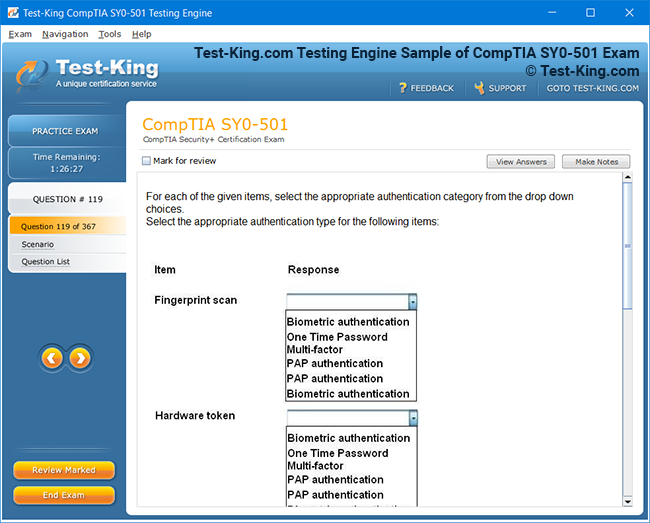
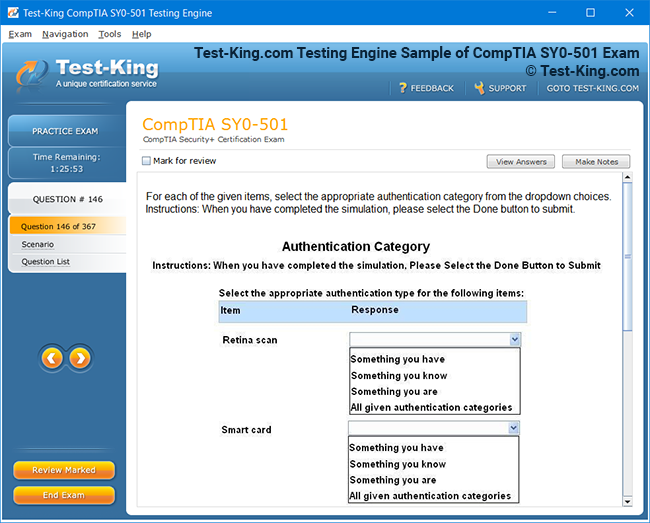
Product Screenshots
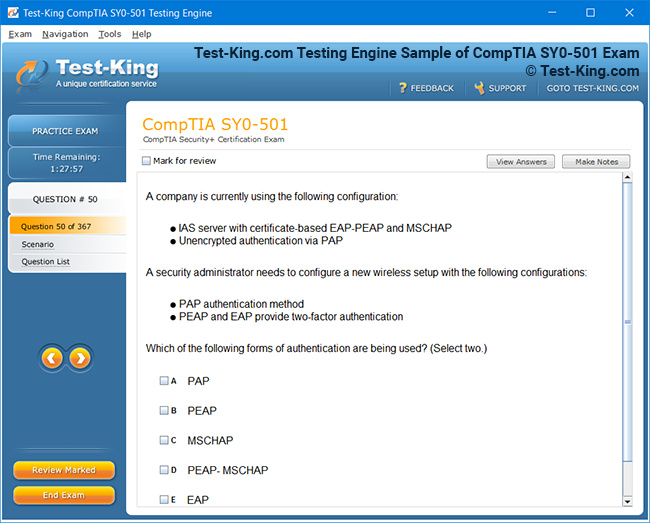
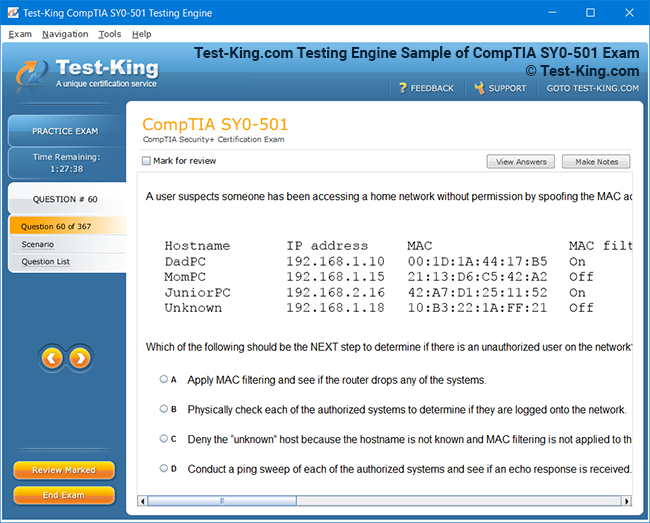
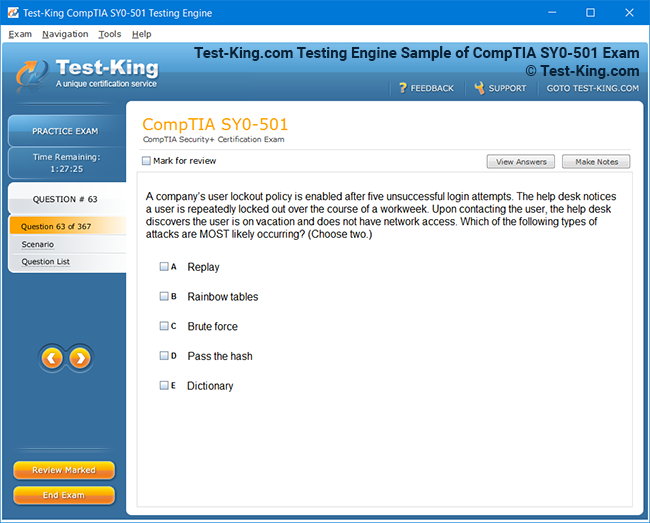
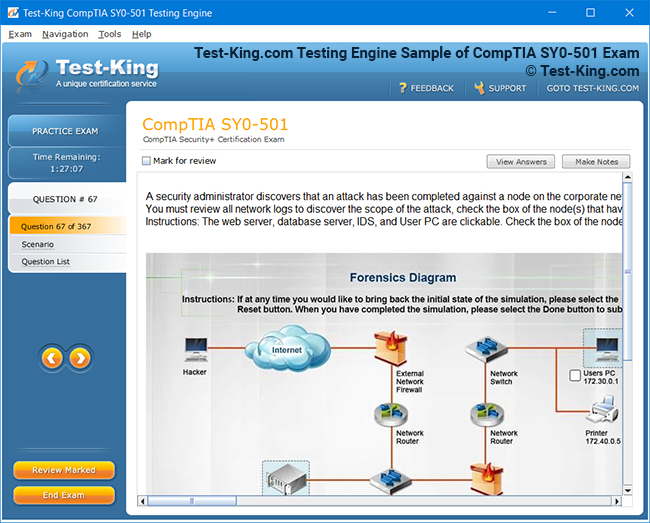
Frequently Asked Questions
How can I get the products after purchase?
All products are available for download immediately from your Member's Area. Once you have made the payment, you will be transferred to Member's Area where you can login and download the products you have purchased to your computer.
How long can I use my product? Will it be valid forever?
Test-King products have a validity of 90 days from the date of purchase. This means that any updates to the products, including but not limited to new questions, or updates and changes by our editing team, will be automatically downloaded on to computer to make sure that you get latest exam prep materials during those 90 days.
Can I renew my product if when it's expired?
Yes, when the 90 days of your product validity are over, you have the option of renewing your expired products with a 30% discount. This can be done in your Member's Area.
Please note that you will not be able to use the product after it has expired if you don't renew it.
How often are the questions updated?
We always try to provide the latest pool of questions, Updates in the questions depend on the changes in actual pool of questions by different vendors. As soon as we know about the change in the exam question pool we try our best to update the products as fast as possible.
How many computers I can download Test-King software on?
You can download the Test-King products on the maximum number of 2 (two) computers or devices. If you need to use the software on more than two machines, you can purchase this option separately. Please email support@test-king.com if you need to use more than 5 (five) computers.
What is a PDF Version?
PDF Version is a pdf document of Questions & Answers product. The document file has standart .pdf format, which can be easily read by any pdf reader application like Adobe Acrobat Reader, Foxit Reader, OpenOffice, Google Docs and many others.
Can I purchase PDF Version without the Testing Engine?
PDF Version cannot be purchased separately. It is only available as an add-on to main Question & Answer Testing Engine product.
What operating systems are supported by your Testing Engine software?
Our testing engine is supported by Windows. Andriod and IOS software is currently under development.
Top Fortinet Exams
- NSE4_FGT_AD-7.6 - Fortinet NSE 4 - FortiOS 7.6 Administrator
- NSE7_FSN_AR-7.6 - Fortinet NSE 7 - Secure Networking 7.6 Architect
- FCP_FGT_AD-7.6 - FCP - FortiGate 7.6 Administrator
- NSE5_FSW_AD-7.6 - Fortinet NSE 5 - FortiSwitch 7.6 Administrator
- FCP_FMG_AD-7.6 - Fortinet NSE 5 - FortiManager 7.6 Administrator
- FCP_FAZ_AN-7.6 - Fortinet NSE 5 - FortiAnalyzer 7.6 Analyst
- NSE5_SSE_AD-7.6 - Fortinet NSE 5 - FortiSASE and SD-WAN 7.6 Core Administrator
- NSE7_SSE_AR-26 - Fortinet NSE 7 - FortiSASE 26 Architect
- FCP_FCT_AD-7.4 - Fortinet NSE 6 - FortiClient EMS 7.4 Administrator
- NSE6_FSM_AN-7.4 - Fortinet NSE 6 - FortiSIEM 7.4 Analyst
- FCSS_EFW_AD-7.6 - NSE 7 - Enterprise Firewall 7.6 Administrator
- NSE7_SOC_AR-7.6 - Fortinet NSE 7 - Security Operations 7.6 Architect
- NSE5_FWB_AD-8.0 - Fortinet NSE 5 - FortiWeb 8.0 Administrator
- NSE6_OTS_AR-7.6 - Fortinet NSE 6 - OT Security 7.6 Architect
- NSE6_SDW_AD-7.6 - Fortinet NSE 6 - SD-WAN 7.6 Enterprise Administrator
- NSE5_FNC_AD-7.6 - Fortinet NSE 5 - FortiNAC-F 7.6 Administrator
- FCSS_SDW_AR-7.6 - FCSS - SD-WAN 7.6 Architect
- NSE6_EDR_AD-7.0 - Fortinet NSE 6 - FortiEDR 7.0 Administrator
- NSE7_SSE_AD-25 - Fortinet NSE 7 - FortiSASE 25 Enterprise Administrator
- FCSS_CDS_AR-7.6 - FCSS - Public Cloud Security 7.6 Architect
- NSE4_FGT-7.0 - Fortinet NSE 4 - FortiOS 7.0
- NSE6_FNC_AD-7.6 - Fortinet NSE 6 - FortiNAC-F 7.6 Administrator
- FCSS_SASE_AD-25 - FCSS - FortiSASE 25 Administrator
- FCP_FAZ_AD-7.4 - FCP - FortiAnalyzer 7.4 Administrator
- FCP_FMG_AD-7.4 - FCP - FortiManager 7.4 Administrator
- FCP_FWB_AD-7.4 - FCP - FortiWeb 7.4 Administrator
- FCP_FML_AD-7.4 - FCP - FortiMail 7.4 Administrator
- FCP_FWF_AD-7.4 - FCP - Secure Wireless LAN 7.4 Administrator
- FCSS_LED_AR-7.6 - Fortinet NSE 6 - LAN Edge 7.6 Architect
- NSE6_FNC-8.5 - Fortinet NSE 6 - FortiNAC 8.5
- NSE8_812 - Fortinet NSE 8 Written Exam
- NSE6_FML-7.2 - Fortinet NSE 6 - FortiMail 7.2
- FCP_FGT_AD-7.4 - FCP - FortiGate 7.4 Administrator
- FCSS_NST_SE-7.6 - Fortinet NSE 6 - Network Security 7.6 Support Engineer
Top Study Strategies for Passing the NSE5_FAZ-7.0 Exam
Embarking on the journey to attain the NSE 5 FortiAnalyzer 7.0 certification requires not only dedication but also an intricate understanding of the underlying concepts, architectures, and functionalities associated with Fortinet’s FortiAnalyzer platform. The NSE5_FAZ-7.0 exam, designed by Fortinet, evaluates candidates on their capacity to manage, monitor, and analyze security events using FortiAnalyzer 7.0. It transcends mere theoretical knowledge, encompassing hands-on skills that are indispensable for cybersecurity professionals who aspire to proficiently handle network infrastructures and security devices in real-world environments.
Understanding NSE5_FAZ-7.0 and FortiAnalyzer 7.0
FortiAnalyzer 7.0 operates as a centralized logging, analytics, and reporting solution that enhances visibility into network activity, providing organizations with the ability to detect anomalies, generate compliance reports, and streamline security operations. Its architecture is meticulously designed to integrate seamlessly with Fortinet’s suite of security appliances, enabling the aggregation of logs from multiple sources, including firewalls, switches, and endpoint security devices. Understanding the interplay between these components is crucial for success in the NSE5_FAZ-7.0 examination, as the questions are often structured to assess a candidate’s ability to navigate complex scenarios involving multiple devices and log sources.
Mastering the Exam Objectives
The NSE5_FAZ-7.0 exam is divided into multiple domains, each focusing on specific competencies necessary for effective FortiAnalyzer management. Candidates are expected to demonstrate proficiency in configuring devices, managing logs, analyzing events, and producing reports that are insightful and actionable. Familiarity with the FortiAnalyzer interface, its dashboards, and various reporting tools is essential, as these are frequently tested through scenario-based questions. To excel, aspirants must not only memorize facts but also cultivate a cognitive fluency in identifying, interpreting, and resolving network security issues in a controlled environment.
One of the initial hurdles for candidates is the vast spectrum of configurations available in FortiAnalyzer 7.0. This includes setting up device log forwarding, understanding storage quotas, managing alerting mechanisms, and orchestrating automated responses to potential threats. Candidates are advised to approach each of these functionalities through a lens of practical application, experimenting with different configurations to observe their effects on event management and reporting accuracy. Developing this experiential knowledge fosters an intuitive understanding that transcends rote memorization, equipping candidates to tackle complex questions during the exam.
The Role of Logs and Event Analysis
Logs constitute the bedrock of FortiAnalyzer operations. Each network event, whether a minor policy change or a critical intrusion attempt, is captured and recorded, providing a chronological narrative of network activity. The ability to meticulously analyze logs is pivotal for certification aspirants, as the NSE5_FAZ-7.0 exam often presents questions that require tracing the origin of an event, understanding its context, and recommending appropriate remediation steps. Logs are categorized based on the type of device, severity of the event, and associated user activity, enabling candidates to dissect intricate scenarios and draw meaningful conclusions.
Event correlation is another facet that cannot be overlooked. FortiAnalyzer 7.0 includes mechanisms to correlate disparate logs into coherent patterns, revealing security incidents that might otherwise remain obscured. Mastery of these correlation techniques allows candidates to demonstrate analytical prowess, a trait highly valued in both the exam and professional practice. By regularly engaging with log data and interpreting the narratives it presents, candidates enhance their capacity to swiftly identify threats, anomalies, and misconfigurations, thereby solidifying their readiness for the NSE5_FAZ-7.0 examination.
Reporting and Compliance
Producing accurate and comprehensive reports is a core responsibility for FortiAnalyzer administrators. The exam evaluates candidates on their ability to generate reports that are not only detailed but also tailored to the needs of stakeholders, ranging from technical teams to management executives. FortiAnalyzer’s reporting tools allow customization of report templates, scheduling of automated report generation, and integration with external systems for compliance auditing. Candidates should dedicate time to understanding the nuances of each reporting module, ensuring that they can efficiently convey information in both granular and aggregated formats.
Compliance adherence is intricately tied to reporting capabilities. Organizations rely on FortiAnalyzer to demonstrate conformity with regulatory frameworks such as GDPR, HIPAA, or ISO standards. Candidates preparing for the NSE5_FAZ-7.0 exam must be conversant with these compliance requirements, as the questions often simulate real-world scenarios where failure to maintain accurate logs or generate reports can lead to substantial organizational risk. Familiarity with compliance-oriented reporting enables candidates to appreciate the broader implications of FortiAnalyzer configurations and reporting decisions.
Device Management and Configuration
A thorough understanding of device management is indispensable for NSE5_FAZ-7.0 aspirants. This encompasses onboarding devices, configuring log settings, assigning device groups, and applying policies consistently across a network. FortiAnalyzer 7.0 provides granular control over device communication, including encrypted log transfers, synchronization schedules, and alert thresholds. Candidates must experiment with these configurations, noting how each adjustment affects overall system behavior and performance. By internalizing these concepts, candidates cultivate an operational agility that is crucial during practical exam scenarios where multiple devices must be orchestrated simultaneously.
The importance of firmware management cannot be overstated. FortiAnalyzer updates frequently introduce enhancements that impact logging mechanisms, reporting features, and security analytics. Candidates should remain apprised of the latest release notes and experiment with new functionalities in a controlled lab environment. This not only prepares them for potential exam questions but also instills a mindset of continuous learning, an attribute that is highly valued in professional cybersecurity roles.
Scenario-Based Learning
Scenario-based learning is a cornerstone strategy for NSE5_FAZ-7.0 preparation. Instead of solely relying on textbooks or theoretical study guides, candidates benefit from immersing themselves in realistic network environments where they can apply knowledge dynamically. For instance, they might simulate a network intrusion, configure FortiAnalyzer to capture relevant logs, correlate events, and generate reports that summarize the incident. These exercises cultivate problem-solving acumen, reinforcing comprehension of fundamental concepts while simultaneously building practical skills that the exam rigorously evaluates.
Scenario exercises also enhance familiarity with troubleshooting processes. Candidates learn to identify configuration errors, interpret ambiguous log entries, and implement corrective actions efficiently. By repeatedly engaging in these simulated exercises, they develop a reflexive understanding of FortiAnalyzer’s operational intricacies, enabling them to respond adeptly under the timed conditions of the NSE5_FAZ-7.0 examination.
Cognitive Strategies for Retention
Beyond hands-on practice, aspirants must employ cognitive strategies to enhance retention of information. Techniques such as interleaved learning, spaced repetition, and concept mapping are highly effective for mastering the breadth of topics covered in the NSE5_FAZ-7.0 exam. Interleaved learning encourages the mixing of different topics, which strengthens neural connections and prevents compartmentalized understanding. Spaced repetition ensures that critical concepts, such as log analysis procedures or report configuration steps, are reinforced over time, reducing the likelihood of forgetting during the exam.
Concept mapping, meanwhile, enables candidates to visualize relationships between different elements of FortiAnalyzer 7.0, such as how device logs feed into correlation engines or how alerts trigger automated workflows. By externalizing these connections in a visual format, learners gain a more holistic perspective, facilitating deeper comprehension and faster recall. These cognitive strategies, when combined with disciplined practice, cultivate both confidence and expertise.
Self-Assessment and Knowledge Reinforcement
Self-assessment constitutes a vital component of the preparation process. Candidates should routinely test their knowledge through quizzes, practice questions, and mock scenarios, identifying areas of weakness and reinforcing understanding. Reflective learning, wherein candidates analyze their mistakes and investigate the rationale behind correct answers, promotes durable learning and sharpens analytical reasoning. For example, if a candidate misinterprets a log entry during practice, revisiting the underlying principles of event categorization and severity assessment consolidates comprehension and prevents recurrence of similar errors.
Engaging with peer study groups or online communities can further enhance knowledge reinforcement. Collaborative discussions expose candidates to diverse perspectives and alternative solutions, enriching their understanding of complex topics. Interacting with experienced professionals, who have already navigated the challenges of FortiAnalyzer 7.0, offers insights into nuanced functionalities and practical approaches that might not be fully covered in standard study materials. Such engagement broadens conceptual horizons and fortifies preparation for the NSE5_FAZ-7.0 exam.
Exam Objectives, Critical Concepts, and Application Scenarios
Attaining the NSE 5 FortiAnalyzer 7.0 certification necessitates a meticulous understanding of the exam objectives and an ability to translate theoretical knowledge into practical, real-world applications. The NSE5_FAZ-7.0 evaluation is designed to measure proficiency in monitoring, managing, and analyzing security events through FortiAnalyzer 7.0, emphasizing both operational dexterity and analytical acumen. Candidates must develop a synthesis of conceptual understanding, hands-on competence, and strategic insight to navigate the complexities of the assessment.
The first imperative for aspirants is a granular comprehension of FortiAnalyzer 7.0 functionalities. The platform serves as a centralized repository for logs, reports, and analytics, enabling organizations to monitor network activities, detect anomalies, and respond efficiently to security incidents. Its architecture is inherently designed to interlace with Fortinet’s diverse ecosystem, including firewalls, endpoint security devices, and switches, creating a unified network security environment. Candidates must familiarize themselves with the hierarchical structure of log collection, event correlation, and report generation, understanding how each element contributes to comprehensive network visibility.
Understanding the Scope of the Exam
The NSE5_FAZ-7.0 exam evaluates knowledge across several key domains, including device management, log handling, event analysis, report generation, and troubleshooting. Each domain presents nuanced scenarios where candidates are required to configure devices, manipulate log data, and interpret the implications of observed network behavior. Mastery of these domains involves both memorization of procedural steps and cultivation of analytical reasoning skills, as the questions often simulate complex operational challenges.
Device management is fundamental. Candidates are expected to demonstrate proficiency in registering devices, configuring logging parameters, applying group policies, and ensuring consistent operation across multiple network endpoints. The exam also scrutinizes knowledge of system settings, storage management, and firmware updates, all of which are critical for maintaining optimal functionality and security compliance. Experiential learning through hands-on labs enables aspirants to internalize these procedures, translating abstract concepts into actionable competencies.
Log Management and Event Analysis
Logs are the lifeblood of FortiAnalyzer operations, providing a chronological record of network events that informs security decisions. Candidates must not only comprehend the types of logs generated but also develop the ability to filter, analyze, and correlate them to uncover underlying issues. FortiAnalyzer 7.0 facilitates the categorization of logs based on device type, severity, and event source, requiring aspirants to interpret patterns and identify anomalies with precision. For example, understanding how repeated failed login attempts may signify a brute-force attack is essential for constructing an accurate incident narrative.
Event correlation enhances the analytical dimension of log management. By linking discrete events into coherent patterns, FortiAnalyzer enables administrators to detect sophisticated threats that might evade conventional monitoring. Candidates preparing for the NSE5_FAZ-7.0 exam should engage in exercises that mimic real-world scenarios, analyzing logs from multiple devices, identifying correlations, and determining appropriate remediation strategies. This iterative practice not only reinforces technical knowledge but also sharpens critical thinking, an indispensable skill during examination challenges.
Reporting Capabilities and Compliance Awareness
FortiAnalyzer 7.0’s reporting functionality is multifaceted, encompassing automated report generation, template customization, and compliance auditing. Candidates must understand how to produce reports that convey actionable insights to diverse stakeholders, from technical teams to executive management. Mastery of report customization enables aspirants to tailor outputs according to audience needs, highlighting critical events, trends, or compliance gaps.
Compliance forms an integral aspect of the certification. Organizations rely on FortiAnalyzer to demonstrate adherence to regulatory standards, including GDPR, HIPAA, and ISO frameworks. Candidates should familiarize themselves with compliance-oriented reporting mechanisms, understanding how accurate log collection, retention policies, and report generation contribute to organizational accountability. Realistic exercises involving compliance audits help candidates internalize the implications of their configurations, enhancing their capacity to respond to scenario-based questions in the NSE5_FAZ-7.0 evaluation.
Troubleshooting and Problem-Solving Skills
Troubleshooting is a cornerstone of professional competency in FortiAnalyzer administration. Candidates must be adept at diagnosing issues related to log collection, device synchronization, alert generation, and system performance. Scenario-based learning is particularly effective, as it allows aspirants to simulate network anomalies, investigate root causes, and implement corrective measures. For instance, if logs from a specific firewall fail to appear in FortiAnalyzer, understanding potential causes—such as network connectivity issues, misconfigured log settings, or firmware incompatibility—is essential for resolution.
Problem-solving exercises also cultivate analytical intuition. Candidates learn to dissect multifaceted scenarios, evaluating evidence, weighing potential interventions, and predicting outcomes. Such exercises bridge the gap between theoretical knowledge and practical application, fostering confidence and operational readiness. Regular engagement with these simulations enhances the ability to respond efficiently under examination constraints, where time pressure necessitates both accuracy and decisiveness.
Cognitive Techniques for Mastery
Cognitive strategies significantly bolster retention and understanding. Techniques such as spaced repetition, interleaved practice, and visualization are particularly effective for internalizing the breadth of topics in the NSE5_FAZ-7.0 exam. Spaced repetition reinforces critical concepts over time, reducing the likelihood of forgetting procedural steps or analytical techniques. Interleaved practice encourages the integration of diverse topics within a single study session, promoting neural connections that enhance problem-solving agility. Visualization, including mental mapping of log flow, device hierarchies, and reporting pathways, enables candidates to conceptualize relationships between system components, deepening comprehension.
Reflective learning is another essential approach. Candidates should routinely review errors from practice exercises, analyze underlying causes, and recalibrate their understanding. This iterative process ensures that knowledge is not superficial but deeply embedded, supporting rapid recall during complex exam scenarios. Engaging with peers or mentors can complement reflective practices, exposing candidates to diverse problem-solving methodologies and perspectives that expand their conceptual repertoire.
Practical Exercises and Scenario Application
Application of knowledge in practical exercises is vital. Candidates benefit from simulating network environments that mimic real-world operational conditions. Exercises might involve configuring device groups, generating logs, correlating events, and producing detailed reports that highlight security trends or compliance gaps. By repeatedly navigating such scenarios, aspirants cultivate procedural fluency, analytical precision, and situational awareness, all of which are central to the NSE5_FAZ-7.0 exam.
Scenario exercises also reinforce troubleshooting proficiency. Candidates learn to identify misconfigurations, interpret ambiguous log entries, and implement corrective measures efficiently. For example, resolving discrepancies in log timestamps or addressing alert generation anomalies cultivates both technical knowledge and procedural intuition. These exercises, performed iteratively, transform theoretical understanding into practical expertise, equipping candidates to tackle exam questions with confidence and accuracy.
Time Management and Exam Strategy
Strategic time management is critical for success in the NSE5_FAZ-7.0 evaluation. Candidates should develop a structured approach that allocates time effectively across different question types, balancing quick analytical questions with complex scenario-based inquiries. Practicing under timed conditions familiarizes candidates with the pacing required to complete the exam efficiently, mitigating stress and enhancing focus.
A strategic approach also involves prioritizing study areas based on proficiency and exam weightage. Candidates should identify domains where comprehension is weakest and allocate additional practice and review time to those areas. Combining intensive hands-on exercises with cognitive reinforcement techniques ensures that knowledge is both deep and resilient, supporting rapid application during the examination.
Integrating Knowledge with Professional Context
Finally, candidates should contextualize their learning within broader professional frameworks. Understanding how FortiAnalyzer 7.0 contributes to organizational security operations, risk management, and compliance initiatives adds depth to preparation. By appreciating the operational significance of logs, reports, and event correlation, candidates can approach exam scenarios not merely as isolated tasks but as integral components of a larger security ecosystem.
Exposure to professional practices, such as auditing, incident response, and system optimization, reinforces the relevance of study materials and exercises. Candidates who internalize these practices develop a nuanced understanding of both the technical and strategic dimensions of FortiAnalyzer administration, enhancing their ability to navigate complex exam questions and translating their certification into tangible professional competency.
Study Materials, Resources, and Learning Methodologies
Achieving the NSE 5 FortiAnalyzer 7.0 certification demands a comprehensive approach to study that combines authoritative resources, experiential practice, and refined learning methodologies. The NSE5_FAZ-7.0 exam evaluates candidates on their ability to manage, analyze, and report on network security events using FortiAnalyzer 7.0. As a result, success requires more than superficial reading; it necessitates a methodical immersion into both the theoretical underpinnings and the operational intricacies of the platform.
The first step in effective preparation is identifying the most reliable study materials. Fortinet provides a wealth of official resources, including detailed study guides, documentation, and online training modules specifically designed to cover the scope of the NSE5_FAZ-7.0 examination. Candidates are encouraged to methodically examine the FortiAnalyzer 7.0 administration guide, which elucidates device configuration, log collection, event correlation, and reporting mechanisms. These guides often include illustrative examples, step-by-step instructions, and scenario-based explanations that help candidates internalize complex processes in a structured manner.
Supplementing official documentation with third-party resources can enrich understanding. Technical blogs, forums, and video tutorials created by experienced Fortinet professionals offer unique insights into operational challenges, practical workarounds, and nuanced interpretations of FortiAnalyzer functionality. These materials can illuminate aspects of device management and event analysis that are not always fully captured in standard guides, fostering a more holistic grasp of the platform. Candidates should carefully select sources, prioritizing those that are reputable and reflect the latest updates to FortiAnalyzer 7.0.
Practical Learning Through Lab Exercises
Hands-on practice is indispensable for mastering the NSE5_FAZ-7.0 exam objectives. Candidates must actively engage with FortiAnalyzer in controlled lab environments, experimenting with device registration, log collection, and report generation. For instance, understanding how different devices transmit logs, how storage quotas affect event retention, and how alert thresholds influence notification mechanisms is critical. By manipulating these parameters and observing the outcomes, learners develop a deep, intuitive understanding of FortiAnalyzer operations that textual study alone cannot provide.
Scenario-based labs also cultivate troubleshooting proficiency. Candidates may simulate common network issues, such as misconfigured log forwarding or synchronization errors between devices, and practice resolving these challenges using diagnostic tools and operational procedures. These exercises not only reinforce knowledge but also prepare candidates to handle complex questions on the NSE5_FAZ-7.0 exam that mirror real-world problems. Iterative practice ensures that learners internalize workflows, enabling swift and accurate responses under examination conditions.
Utilizing Simulation Tools and Practice Exams
Simulation tools and practice exams are particularly valuable for reinforcing learning. They replicate the structure and content style of the NSE5_FAZ-7.0 exam, allowing candidates to familiarize themselves with the pacing and format of questions. Regularly engaging with simulated questions helps aspirants identify knowledge gaps, refine problem-solving strategies, and enhance confidence in applying concepts.
Additionally, practice exams facilitate cognitive calibration. By reviewing explanations for both correct and incorrect answers, candidates develop a nuanced understanding of why certain configurations, log interpretations, or reporting approaches are optimal. This reflective learning reinforces analytical skills, ensuring that candidates do not merely memorize procedures but also grasp the underlying principles that govern FortiAnalyzer functionality. Through repeated engagement with practice scenarios, learners strengthen their ability to navigate intricate problems efficiently and accurately.
Structured Learning Methodologies
Adopting structured learning methodologies is vital for retaining the expansive information required for NSE5_FAZ-7.0 success. One effective approach involves creating a comprehensive study schedule that interleaves theoretical study, hands-on practice, and review sessions. By allocating dedicated time to each domain of the exam, candidates ensure balanced coverage and reduce the risk of neglecting critical topics. Interleaved learning, which alternates between different subjects within a single study period, enhances neural connectivity and improves long-term retention of information.
Spaced repetition further strengthens memory consolidation. Revisiting concepts, such as device management hierarchies, log types, and reporting functions at progressively longer intervals, minimizes forgetting and fortifies understanding. Candidates can leverage flashcards, mind maps, or digital tools to implement this strategy effectively. This approach is particularly useful for retaining complex procedural steps, ensuring that candidates can accurately execute configurations, analyze logs, and generate reports under the time constraints of the NSE5_FAZ-7.0 exam.
Cognitive Visualization and Concept Mapping
Visualization techniques, including concept mapping, are highly effective for grasping the interrelations between FortiAnalyzer components. Mapping the flow of log data from devices to correlation engines and report modules enables candidates to conceptualize the system holistically. Understanding these interdependencies aids in troubleshooting and reinforces operational intuition, allowing candidates to anticipate the impact of configuration changes and system behaviors in practical scenarios.
Concept maps also assist in synthesizing compliance requirements and reporting protocols. By visually linking data retention policies, event categorization, and report generation steps, learners can more easily internalize regulatory obligations and operational procedures. This integration of technical knowledge and regulatory understanding ensures that candidates approach exam questions with a comprehensive, contextually grounded perspective.
Peer Collaboration and Knowledge Sharing
Engaging with peers and mentors can significantly enhance learning outcomes. Collaborative discussions, study groups, and online forums expose candidates to diverse perspectives, alternative solutions, and practical insights gleaned from real-world FortiAnalyzer deployment. Such interactions can illuminate subtleties in log analysis, device configuration, and report customization that might not be fully detailed in textual resources. Candidates benefit from explaining concepts to others, as teaching reinforces comprehension and strengthens retention.
Peer collaboration also fosters problem-solving agility. Candidates can collectively troubleshoot simulated scenarios, debate optimal configuration strategies, and analyze complex event logs. This dynamic exchange of knowledge mirrors professional environments, cultivating both technical expertise and strategic thinking that are essential for successful completion of the NSE5_FAZ-7.0 exam.
Integrating Official and Experiential Learning
Optimal preparation integrates official documentation, third-party resources, practical exercises, and collaborative learning into a cohesive study framework. Candidates should systematically progress from foundational concepts to advanced operational techniques, reinforcing each stage with hands-on practice and reflective analysis. For example, after studying device registration procedures in the official guide, learners can immediately apply the knowledge in a lab exercise, analyze resulting logs, and discuss findings with peers or mentors. This iterative integration of study, practice, and review solidifies understanding and enhances readiness for examination scenarios.
The combination of authoritative resources and experiential learning also promotes cognitive flexibility. Candidates learn to approach problems from multiple angles, anticipate potential issues, and implement corrective measures efficiently. This holistic mastery ensures that aspirants are not merely prepared for specific questions but are capable of navigating unanticipated scenarios with confidence and precision.
Emphasizing Critical Thinking and Analytical Skills
Beyond acquiring technical knowledge, candidates must cultivate critical thinking and analytical skills. FortiAnalyzer 7.0’s operational environment is complex, and the NSE5_FAZ-7.0 exam frequently presents questions that require interpretation, judgment, and synthesis rather than rote execution. Analyzing event logs, discerning patterns in network behavior, and determining the most effective reporting approach demand a high level of analytical acumen. Candidates should practice these skills regularly, applying theoretical knowledge to novel problems and evaluating multiple potential solutions before selecting the optimal course of action.
Critical thinking exercises can involve troubleshooting scenarios, compliance audits, and report generation tasks that mirror real-world conditions. By confronting these challenges repeatedly, candidates develop the capacity to make informed, context-sensitive decisions under pressure, an essential attribute for both examination success and professional competency.
Leveraging Feedback and Continuous Improvement
Continuous feedback is crucial for refining study effectiveness. Candidates should evaluate performance in practice exams, lab exercises, and peer discussions, identifying recurring weaknesses and adjusting study strategies accordingly. This adaptive approach ensures that learning is dynamic and responsive, preventing stagnation and promoting steady improvement. Reflection on errors and iterative correction consolidates both technical skills and strategic thinking, enhancing the likelihood of successfully navigating the NSE5_FAZ-7.0 exam.
Incorporating feedback also encourages a mindset of lifelong learning. FortiAnalyzer evolves with each update, introducing new features and modifications that impact device management, log handling, and reporting. Candidates who cultivate a habit of continuous improvement are better equipped to adapt to these changes, maintaining both exam readiness and professional proficiency.
Hands-On Practice, Simulations, and Troubleshooting Skills
Excelling in the NSE 5 FortiAnalyzer 7.0 exam requires a deliberate focus on practical application and problem-solving skills. While theoretical understanding of FortiAnalyzer 7.0 is essential, hands-on experience is the cornerstone for mastering the complexities of device management, log analysis, event correlation, and report generation. Candidates who immerse themselves in experiential exercises develop the dexterity and analytical acumen necessary to navigate the multifaceted scenarios presented in the NSE5_FAZ-7.0 evaluation.
The first step toward proficiency involves establishing a controlled lab environment where learners can experiment with FortiAnalyzer configurations and monitor real-time responses. This controlled setting allows candidates to interact with multiple devices, configure logging parameters, and observe how changes affect the flow of event data. Understanding the nuances of log types, severity levels, and storage allocation within FortiAnalyzer 7.0 is fundamental, as these elements underpin many of the questions and tasks encountered in the exam.
Importance of Scenario-Based Practice
Scenario-based practice is pivotal for reinforcing theoretical knowledge with applied understanding. Candidates should create realistic network situations that simulate operational challenges, such as integrating new firewalls into FortiAnalyzer, adjusting alert thresholds, or troubleshooting missing logs. By manipulating configurations and observing the outcomes, learners gain insights into cause-and-effect relationships that are often tested in NSE5_FAZ-7.0. For instance, misconfigured log forwarding may result in incomplete event data, and understanding how to identify and correct such issues is crucial.
Scenario exercises also cultivate problem-solving agility. Candidates can practice analyzing correlated events to detect anomalies, interpreting complex logs, and generating insightful reports. These tasks encourage the development of cognitive flexibility, allowing learners to approach questions from multiple angles and identify optimal solutions even under time constraints.
Developing Troubleshooting Acumen
Troubleshooting is an indispensable skill for FortiAnalyzer administrators. Candidates must become adept at identifying root causes of configuration errors, performance issues, or missing log entries. This requires both technical knowledge and a methodical approach to problem-solving. For example, if an expected log from a firewall does not appear in FortiAnalyzer, candidates should evaluate potential issues such as network connectivity, device group assignments, log filter settings, or firmware inconsistencies.
Engaging in repetitive troubleshooting exercises enables learners to internalize diagnostic procedures and cultivate an analytical mindset. By regularly confronting challenges that mirror real-world conditions, candidates develop reflexive expertise, which enhances both exam performance and professional competency.
Practical Exercises for Device Management
Hands-on practice with device management is a critical aspect of NSE5_FAZ-7.0 preparation. Candidates must understand the procedures for onboarding devices, configuring device groups, and assigning appropriate logging parameters. Experimenting with multiple configurations allows learners to observe how different settings influence system performance, log retention, and event correlation. This practical engagement fosters an intuitive understanding of FortiAnalyzer 7.0 operations, which is often more effective than rote memorization of procedural steps.
Regularly testing device connectivity, verifying firmware versions, and adjusting synchronization schedules are additional exercises that reinforce operational competence. These tasks mirror real-world administrative duties and prepare candidates for scenario-based questions that assess both technical knowledge and decision-making abilities.
Log Analysis and Event Correlation Exercises
A fundamental component of hands-on practice involves meticulous log analysis and event correlation. FortiAnalyzer 7.0 aggregates logs from multiple devices, categorizing them by type, severity, and source. Candidates should practice filtering logs to isolate specific events, interpreting the significance of each entry, and correlating data to detect patterns indicative of security incidents. For instance, repeated failed login attempts across multiple devices may indicate a coordinated brute-force attack, and understanding how to identify such patterns is crucial.
Event correlation exercises also help candidates understand how FortiAnalyzer synthesizes disparate logs into coherent narratives, providing insights into network security posture. Practicing these analyses develops both critical thinking and technical fluency, equipping learners to respond adeptly to complex exam scenarios.
Reporting Practice and Automation
Generating accurate and actionable reports is another critical skill assessed in the NSE5_FAZ-7.0 exam. Candidates should practice creating reports that summarize network events, highlight anomalies, and demonstrate compliance with organizational or regulatory standards. Experimenting with report templates, customizing outputs, and scheduling automated reports allows learners to understand the breadth of reporting functionality in FortiAnalyzer 7.0.
Additionally, candidates should explore automation features that trigger alerts based on specific log events. Practicing the configuration of automated notifications and examining their impact on incident response workflows enhances both exam preparedness and professional operational capability.
Simulation Tools and Virtual Labs
Simulation tools and virtual lab environments provide candidates with the opportunity to replicate real-world network configurations without the risk of impacting live systems. These platforms allow learners to practice device onboarding, log management, event analysis, and report generation in a safe, repeatable environment. By repeatedly engaging with simulated scenarios, candidates reinforce procedural memory and develop confidence in executing tasks under examination conditions.
Virtual labs also facilitate experimentation with edge cases or complex network topologies that may be difficult to replicate in physical labs. Exploring these configurations helps candidates develop adaptive problem-solving skills and prepares them for the unpredictable scenarios presented in the NSE5_FAZ-7.0 assessment.
Integrating Cognitive Strategies into Practical Learning
To maximize retention and comprehension, hands-on practice should be combined with cognitive learning strategies. Techniques such as spaced repetition, interleaved practice, and reflective learning enhance the efficacy of experiential exercises. For instance, after practicing log correlation exercises, candidates should review the outcomes, identify errors or misinterpretations, and adjust their approach in subsequent iterations. This reflective process ensures that procedural knowledge is internalized and that analytical reasoning is continuously refined.
Visualization techniques, such as mental mapping of log flow, device hierarchies, and reporting structures, further reinforce understanding. By conceptualizing these relationships, candidates can anticipate the impact of configuration changes and troubleshoot issues with greater precision.
Problem-Solving Exercises for Complex Scenarios
Advanced problem-solving exercises are essential for preparing for the more challenging aspects of NSE5_FAZ-7.0. Candidates should simulate multifaceted scenarios that involve multiple devices, varying log types, and intricate reporting requirements. For example, a simulated intrusion across several firewalls may require filtering and correlating logs, generating an incident report, and recommending a response strategy. Engaging with these comprehensive exercises develops both technical skill and strategic reasoning, ensuring candidates are prepared for the holistic challenges posed by the exam.
Feedback and Iterative Improvement
Continuous feedback is integral to refining hands-on skills. Candidates should assess their performance in lab exercises, identify recurring errors, and implement corrective strategies. This iterative approach fosters progressive improvement, ensuring that practical skills are not only developed but also honed to a level of precision suitable for examination scenarios. Peer collaboration, mentor guidance, and reflective practice further enhance the learning process, providing diverse perspectives and reinforcing operational understanding.
Translating Practice into Exam Success
Consistent engagement with practical exercises, simulations, and troubleshooting scenarios translates directly into exam preparedness. By repeatedly performing real-world tasks, analyzing logs, generating reports, and resolving configuration issues, candidates develop procedural fluency, analytical acuity, and confidence. These attributes are invaluable for navigating the NSE5_FAZ-7.0 exam, where questions often require the integration of multiple competencies and the ability to respond accurately under time constraints.
Time Management, Revision Techniques, and Mock Exams
Excelling in the NSE 5 FortiAnalyzer 7.0 exam requires not only technical proficiency but also meticulous planning and strategic preparation. Candidates often underestimate the importance of structured time management, deliberate revision, and repeated engagement with mock exams. These elements are essential for reinforcing knowledge, refining practical skills, and cultivating the confidence required to navigate the complex scenarios presented by the NSE5_FAZ-7.0 evaluation.
Time management is the cornerstone of an effective preparation strategy. Candidates must balance the study of theoretical concepts, hands-on exercises, log analysis, report generation, and scenario simulations without becoming overwhelmed. Constructing a comprehensive schedule that allocates dedicated intervals to each domain ensures consistent coverage and prevents neglect of critical topics. This disciplined approach allows learners to progress systematically, building both competence and confidence over time.
Prioritizing Topics and Exam Domains
One critical aspect of time management involves prioritizing study areas based on personal proficiency and the weightage of exam domains. Candidates should begin by identifying topics that are less familiar or particularly challenging, dedicating additional time to these areas. Conversely, domains where understanding is already strong may require only brief review sessions. For instance, a candidate who is proficient in basic device registration and log forwarding might focus more on event correlation, report customization, and compliance auditing, which are often more nuanced and complex.
Strategic prioritization ensures that preparation is both efficient and targeted. By concentrating efforts where they are most needed, candidates can strengthen weak points while reinforcing overall knowledge. This approach also enhances confidence, as learners can observe measurable progress in areas that previously posed difficulty.
Structured Revision Techniques
Revision techniques play a pivotal role in consolidating knowledge and ensuring long-term retention. Spaced repetition is particularly effective for remembering procedural steps, system configurations, and analytical approaches required in FortiAnalyzer 7.0. By revisiting concepts at progressively longer intervals, candidates can reinforce understanding and reduce the likelihood of forgetting critical details. For example, revisiting device management workflows or log categorization procedures periodically ensures that these skills remain fresh and readily accessible during the exam.
Interleaved revision, which involves alternating between different topics or types of tasks within a single study session, enhances cognitive agility. This method challenges candidates to switch between concepts, promoting deeper neural connections and improving the ability to apply knowledge in diverse scenarios. For instance, a study session might involve analyzing logs, configuring alerts, generating reports, and troubleshooting misconfigurations in succession, simulating the multi-faceted demands of the NSE5_FAZ-7.0 examination.
Visualization techniques can also enhance revision. Concept maps that depict the flow of logs from devices to correlation engines, the hierarchy of device groups, or the pathways of report generation help candidates internalize complex relationships. This mental mapping allows learners to anticipate the impact of configuration changes, troubleshoot efficiently, and approach exam questions with a holistic perspective.
Incorporating Active Recall and Self-Assessment
Active recall is a powerful revision technique that promotes retention and understanding. Candidates should test themselves by recalling procedural steps, interpreting log entries, or describing the sequence of report generation without referencing study materials. This practice strengthens memory pathways and enhances the ability to retrieve information rapidly under exam conditions.
Self-assessment complements active recall by providing insight into areas that require further attention. Candidates should analyze their performance in practice exercises, lab simulations, and mini-quizzes, identifying patterns of error and revising accordingly. For instance, repeated mistakes in log correlation exercises may indicate a need to review severity categorization, filtering techniques, or event analysis procedures. Addressing these gaps iteratively reinforces both knowledge and analytical capability.
Mock Exams for Exam Simulation
Mock exams are essential for bridging the gap between study and real examination conditions. They provide candidates with the opportunity to experience the pacing, structure, and cognitive demands of the NSE5_FAZ-7.0 evaluation. Engaging with full-length practice exams helps learners develop time management strategies, refine problem-solving approaches, and calibrate their understanding of question complexity.
After completing a mock exam, candidates should thoroughly review each question, focusing on both correct and incorrect responses. Analyzing errors allows learners to identify misconceptions, procedural oversights, or gaps in comprehension. For example, misunderstanding the implications of alert configuration settings or misinterpreting log severity could reveal areas that require targeted revision. Iterative engagement with mock exams reinforces learning and enhances the ability to respond accurately under time pressure.
Time Allocation During Mock Exams
Effective time management during mock exams mirrors strategies that should be employed in the actual examination. Candidates should practice allocating time according to question complexity, ensuring that each domain receives appropriate attention. Quick, analytical questions can be addressed promptly, while more complex scenario-based inquiries may require extended deliberation. Practicing this allocation helps candidates avoid spending excessive time on any single question, reducing the risk of incomplete sections or rushed answers.
Additionally, reviewing time usage patterns after mock exams can highlight areas where pacing requires adjustment. Candidates may discover, for instance, that they consistently spend too long analyzing logs or troubleshooting configurations. Identifying these tendencies allows for strategic refinement, enhancing efficiency and performance in the actual NSE5_FAZ-7.0 evaluation.
Integrating Hands-On Practice with Revision
Revision is most effective when integrated with hands-on practice. Candidates should revisit lab exercises, simulate device configurations, analyze logs, and generate reports as part of their review process. This combination reinforces procedural memory, strengthens analytical skills, and ensures that knowledge remains active rather than passive. For example, a candidate reviewing report generation procedures may simultaneously practice customizing templates, scheduling automated outputs, and interpreting compliance metrics, consolidating theoretical understanding with operational proficiency.
Scenario-based revision further enhances learning outcomes. Candidates can create hypothetical network incidents, trace logs, correlate events, and produce reports that summarize findings. By approaching these exercises as both review and practice, learners strengthen cognitive integration, improve problem-solving speed, and cultivate confidence in their ability to navigate complex exam questions.
Leveraging Feedback and Iterative Improvement
Continuous feedback is essential for refining revision strategies and enhancing exam readiness. Candidates should analyze performance in mock exams, practice exercises, and collaborative discussions, identifying recurring errors or inefficiencies. Iteratively adjusting study techniques, time allocation, and focus areas ensures that preparation remains dynamic and responsive. For example, persistent difficulties in troubleshooting may prompt increased hands-on practice, while challenges in interpreting logs could indicate the need for targeted conceptual review.
Collaborative feedback, such as peer discussions or mentorship, provides additional insight into effective strategies and alternative approaches. Learning from others’ experiences with FortiAnalyzer 7.0 and the NSE5_FAZ-7.0 exam can reveal subtle nuances, common pitfalls, and best practices that enrich preparation and enhance performance.
Combining Cognitive and Practical Strategies
Optimal exam preparation integrates cognitive techniques with practical exercises. Active recall, spaced repetition, interleaved learning, and visualization should be combined with hands-on practice, scenario simulation, and mock exams. This holistic approach ensures that candidates develop both the analytical acuity and procedural fluency required to excel in the NSE5_FAZ-7.0 evaluation. By engaging in iterative cycles of study, practice, revision, and assessment, learners cultivate the resilience and confidence necessary to navigate complex questions effectively.
Candidates should also adopt reflective practices, analyzing how theoretical knowledge translates into practical application. For instance, understanding the conceptual flow of logs and events is reinforced when learners configure devices, observe log aggregation, and generate reports in a simulated environment. This iterative integration of theory and practice consolidates knowledge, strengthens decision-making skills, and enhances readiness for the multi-dimensional challenges of the examination.
Strategic Planning for Peak Performance
Finally, strategic planning enhances the overall effectiveness of study and revision. Candidates should design a preparation roadmap that balances foundational learning, hands-on practice, targeted revision, and mock exam engagement. Allocating sufficient time for each component, while remaining flexible to adapt to identified weaknesses, ensures that preparation is comprehensive and aligned with the demands of the NSE5_FAZ-7.0 exam. Through disciplined planning, iterative refinement, and sustained effort, candidates can maximize retention, analytical competence, and procedural mastery, positioning themselves for success.
Real-World Applications, Career Benefits, and Expert Tips
Achieving the NSE 5 FortiAnalyzer 7.0 certification is not merely a milestone in cybersecurity knowledge but a gateway to practical proficiency in managing complex network security environments. FortiAnalyzer 7.0 serves as a centralized platform for logging, reporting, and analyzing network events, allowing organizations to maintain situational awareness and proactively mitigate threats. Candidates preparing for the NSE5_FAZ-7.0 exam must recognize the relevance of certification in practical, operational contexts and understand how the skills they acquire translate into professional competence.
Real-world application of FortiAnalyzer 7.0 involves configuring devices to forward logs, establishing storage parameters, correlating events across multiple security appliances, and generating actionable reports. In enterprise environments, these tasks are critical for maintaining operational integrity, ensuring compliance with regulatory standards, and detecting security anomalies before they escalate into critical incidents. Candidates who practice these configurations in simulated or lab environments develop an intuitive understanding of cause-and-effect relationships between device settings, log management, and report outputs. This practical knowledge forms the foundation of success in both the NSE5_FAZ-7.0 exam and professional network administration roles.
Leveraging FortiAnalyzer for Network Visibility
One of the primary real-world applications of FortiAnalyzer 7.0 is enhancing visibility into network activities. Administrators can monitor event trends, detect irregular behaviors, and identify potential vulnerabilities across the entire security infrastructure. Candidates preparing for the NSE5_FAZ-7.0 examination should develop a thorough understanding of log aggregation, alert mechanisms, and event correlation techniques. Practicing these tasks in a controlled environment allows learners to recognize patterns indicative of attacks or misconfigurations, strengthening their analytical acumen and operational judgment.
Event correlation in FortiAnalyzer is particularly valuable for recognizing sophisticated threats. By linking seemingly disparate log entries, administrators can detect coordinated attacks, policy violations, or anomalous behaviors. Candidates who develop proficiency in these techniques during preparation gain a significant advantage in both the exam and professional practice, as they can respond rapidly and accurately to complex security scenarios.
Compliance and Regulatory Benefits
FortiAnalyzer 7.0 is integral to organizational compliance frameworks, enabling administrators to generate reports that demonstrate adherence to regulations such as GDPR, HIPAA, and ISO standards. Candidates for the NSE5_FAZ-7.0 exam must understand how accurate log retention, device configuration, and report customization contribute to compliance. Practicing the generation of audit-ready reports ensures that learners can demonstrate regulatory adherence, both in hypothetical exam scenarios and real-world operational contexts.
Knowledge of compliance reporting not only prepares candidates for examination questions but also enhances professional credibility. Organizations value administrators who can produce detailed, accurate, and timely reports that support security audits and regulatory inspections. Candidates who internalize these practices during preparation gain transferable skills that have immediate application in professional environments.
Incident Response and Threat Mitigation
FortiAnalyzer 7.0 provides the analytical tools necessary for effective incident response and threat mitigation. Candidates should practice identifying critical events, tracing their origins, and correlating data to determine root causes. For example, repeated failed login attempts across multiple devices may indicate a coordinated brute-force attack. By simulating these scenarios, candidates develop a practical understanding of incident response workflows, including alert configuration, event prioritization, and escalation procedures.
This hands-on experience fosters critical thinking and operational agility. Candidates learn to interpret ambiguous log entries, diagnose configuration anomalies, and implement corrective actions swiftly. These skills are directly relevant to the NSE5_FAZ-7.0 exam, where scenario-based questions require both analytical reasoning and applied knowledge.
Career Advantages of NSE 5 FortiAnalyzer 7.0 Certification
Attaining the NSE 5 FortiAnalyzer 7.0 certification significantly enhances career prospects in the cybersecurity and network administration domains. Professionals with this certification demonstrate expertise in centralized logging, event correlation, and report generation, skills that are highly sought after in enterprise security operations. Certified individuals are often entrusted with higher levels of responsibility, including managing multi-device networks, conducting compliance audits, and optimizing security monitoring strategies.
In addition, NSE5_FAZ-7.0 certification serves as a differentiator in a competitive job market. Employers recognize the certification as a testament to both theoretical knowledge and practical proficiency, signaling that candidates are capable of navigating complex network environments and responding to evolving threats. The professional credibility conferred by certification often translates into increased career mobility, higher earning potential, and opportunities for advancement into senior security analyst, network administrator, or cybersecurity architect roles.
Expert Tips for Effective Exam Preparation
Expert practitioners recommend a combination of theoretical study, hands-on practice, and strategic revision for NSE5_FAZ-7.0 preparation. Candidates should start by thoroughly reviewing FortiAnalyzer documentation and understanding device management workflows, log types, and reporting procedures. Integrating these studies with controlled lab exercises enhances procedural memory and operational intuition.
Scenario-based learning is highly effective. Experts suggest simulating real-world incidents, including log misconfigurations, alert failures, and compliance reporting challenges. By repeatedly navigating these exercises, candidates build confidence, sharpen analytical skills, and develop a reflexive understanding of FortiAnalyzer operations. Additionally, engaging in mock exams helps candidates familiarize themselves with the structure, pacing, and cognitive demands of the evaluation, allowing for improved time management and performance under pressure.
Balancing Theory and Practice
A balanced approach that combines theoretical understanding with experiential learning is essential. Candidates should allocate dedicated study periods for reviewing documentation, learning objectives, and procedural workflows. Complementing this with practical exercises in device management, log analysis, and report generation ensures that knowledge is both deep and operationally applicable. This integrated approach enhances comprehension, retention, and exam readiness.
Reflective practice further enhances preparation. Candidates should review errors in simulations and mock exams, analyze the underlying causes, and adjust study strategies accordingly. This iterative process strengthens both technical knowledge and analytical reasoning, ensuring that learners are prepared for complex scenario-based questions in the NSE5_FAZ-7.0 exam.
Continuous Learning and Professional Growth
FortiAnalyzer 7.0 evolves with regular updates and new features, requiring administrators to engage in continuous learning to maintain proficiency. Candidates should cultivate a habit of staying informed about product updates, best practices, and emerging threats. This ongoing engagement not only supports exam preparation but also fosters long-term professional growth and adaptability in dynamic cybersecurity environments.
Networking with peers, participating in forums, and engaging with experienced practitioners provides additional insight into practical applications, troubleshooting techniques, and optimization strategies. These interactions expand knowledge horizons and expose candidates to real-world scenarios that reinforce theoretical understanding and operational skills.
Integrating Knowledge into Organizational Security
The knowledge gained from NSE5_FAZ-7.0 preparation extends beyond exam success. Administrators equipped with this certification can optimize organizational security operations by implementing efficient log collection strategies, automating reporting workflows, and proactively detecting anomalies. The integration of FortiAnalyzer 7.0 into security operations allows organizations to reduce response times, enhance situational awareness, and maintain compliance with regulatory requirements.
Certified professionals also play a key role in mentoring colleagues, developing best practices, and contributing to organizational security policies. Their expertise ensures that security strategies are aligned with operational goals and regulatory standards, amplifying the impact of FortiAnalyzer deployments within the enterprise.
Conclusion
In summary, the NSE 5 FortiAnalyzer 7.0 certification represents a convergence of theoretical knowledge, practical skill, and professional acumen. Real-world applications of FortiAnalyzer 7.0 encompass device management, log analysis, event correlation, reporting, compliance, and incident response, providing candidates with highly transferable skills that enhance operational effectiveness. Career benefits include increased credibility, higher responsibility, and opportunities for advancement, while expert preparation tips emphasize a balance of theory, hands-on practice, scenario-based learning, and reflective revision. By adopting these strategies, candidates not only position themselves for success in the NSE5_FAZ-7.0 exam but also cultivate enduring professional competence that supports continuous growth in the dynamic field of cybersecurity.