

Exam Code: NSE8_811
Exam Name: Fortinet NSE 8 Written Exam
Certification Provider: Fortinet
Corresponding Certification: NSE8
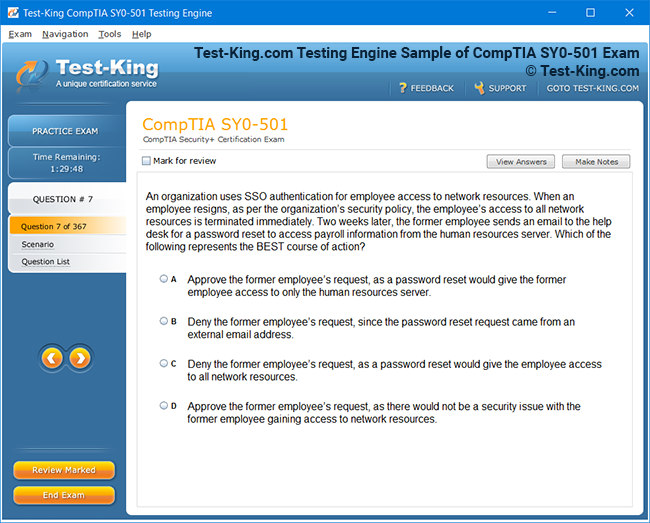
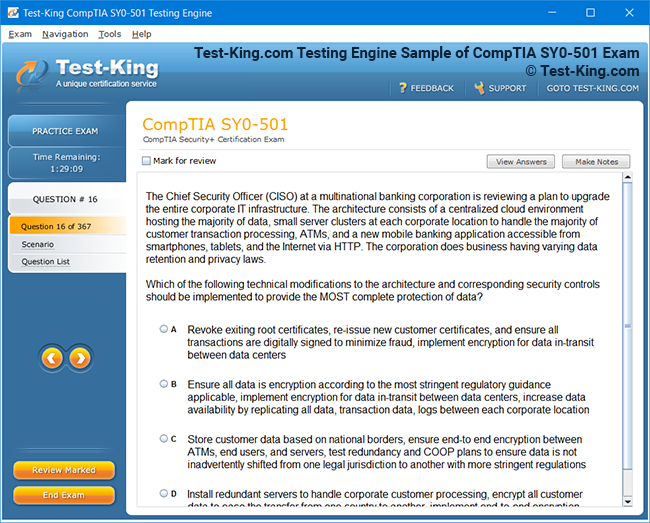
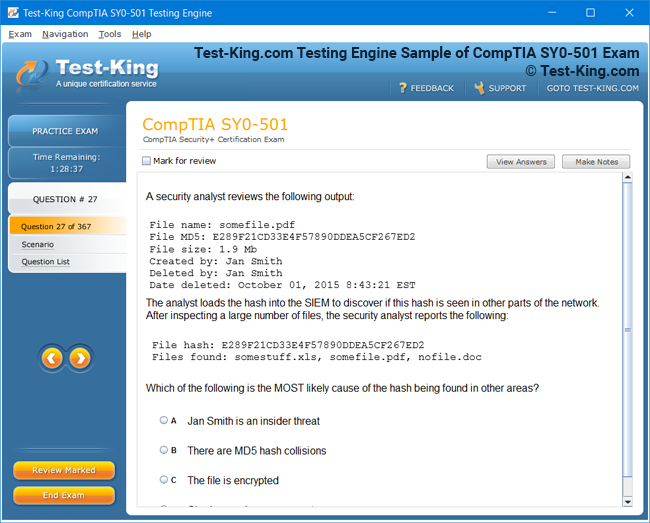
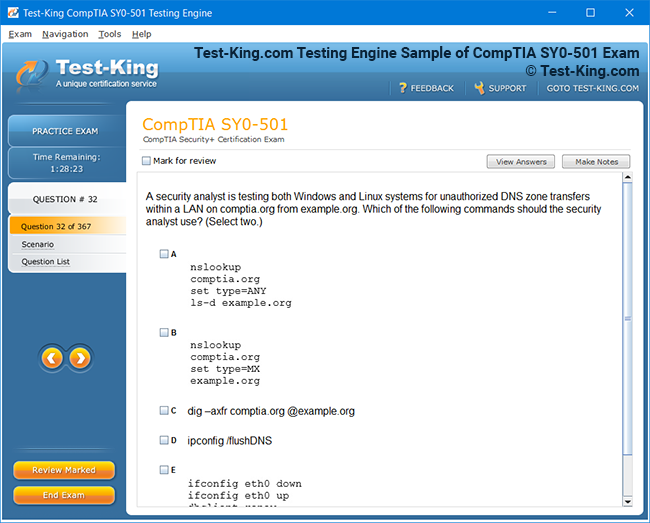
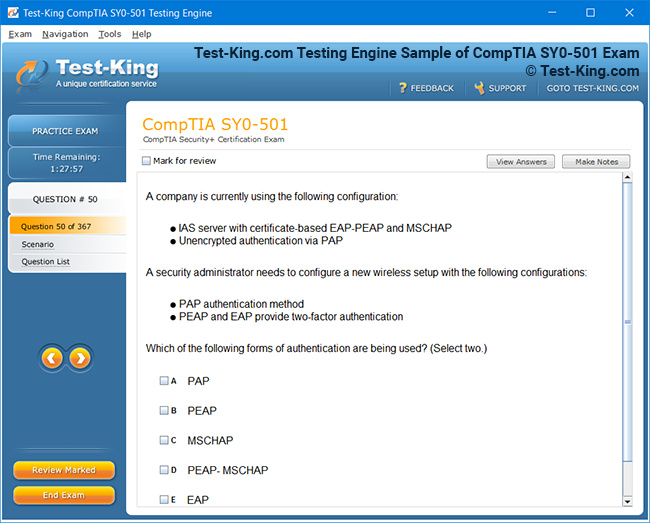
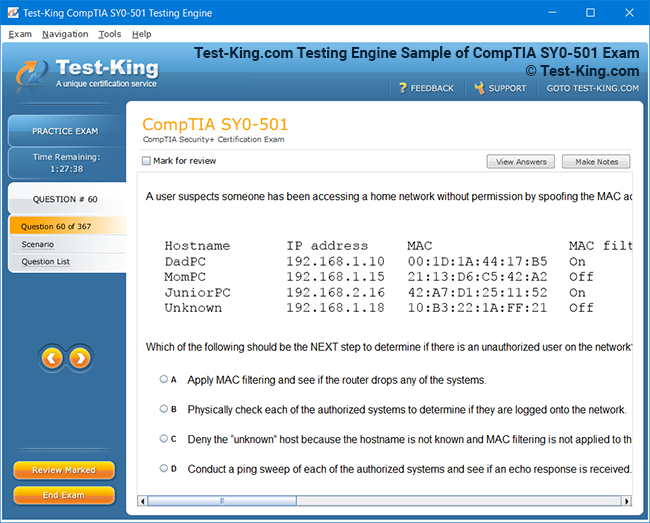
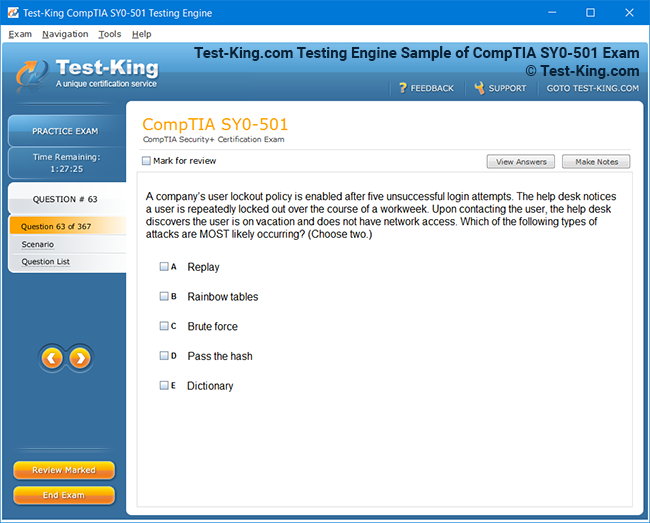
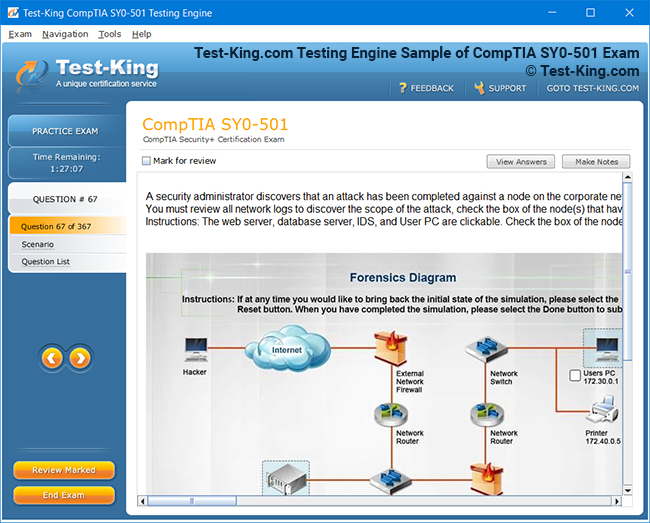
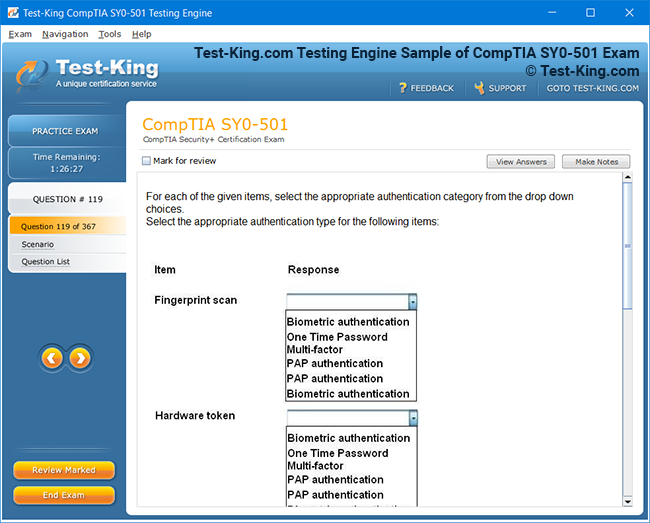
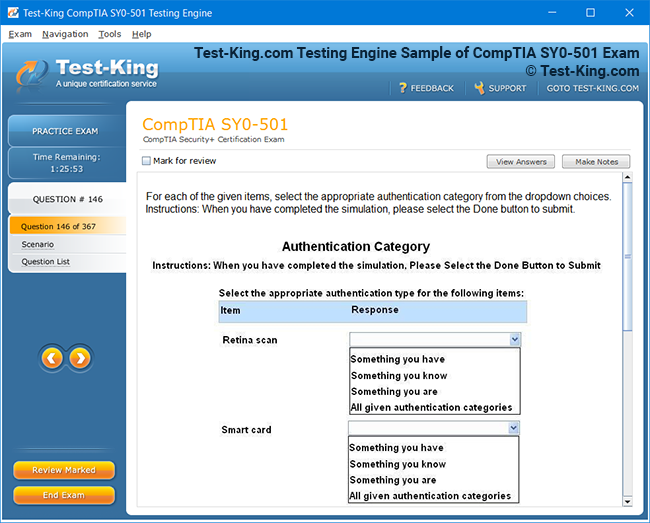
Product Screenshots
Frequently Asked Questions
How can I get the products after purchase?
All products are available for download immediately from your Member's Area. Once you have made the payment, you will be transferred to Member's Area where you can login and download the products you have purchased to your computer.
How long can I use my product? Will it be valid forever?
Test-King products have a validity of 90 days from the date of purchase. This means that any updates to the products, including but not limited to new questions, or updates and changes by our editing team, will be automatically downloaded on to computer to make sure that you get latest exam prep materials during those 90 days.
Can I renew my product if when it's expired?
Yes, when the 90 days of your product validity are over, you have the option of renewing your expired products with a 30% discount. This can be done in your Member's Area.
Please note that you will not be able to use the product after it has expired if you don't renew it.
How often are the questions updated?
We always try to provide the latest pool of questions, Updates in the questions depend on the changes in actual pool of questions by different vendors. As soon as we know about the change in the exam question pool we try our best to update the products as fast as possible.
How many computers I can download Test-King software on?
You can download the Test-King products on the maximum number of 2 (two) computers or devices. If you need to use the software on more than two machines, you can purchase this option separately. Please email support@test-king.com if you need to use more than 5 (five) computers.
What is a PDF Version?
PDF Version is a pdf document of Questions & Answers product. The document file has standart .pdf format, which can be easily read by any pdf reader application like Adobe Acrobat Reader, Foxit Reader, OpenOffice, Google Docs and many others.
Can I purchase PDF Version without the Testing Engine?
PDF Version cannot be purchased separately. It is only available as an add-on to main Question & Answer Testing Engine product.
What operating systems are supported by your Testing Engine software?
Our testing engine is supported by Windows. Andriod and IOS software is currently under development.
Top Fortinet Exams
- NSE4_FGT_AD-7.6 - Fortinet NSE 4 - FortiOS 7.6 Administrator
- NSE7_FSN_AR-7.6 - Fortinet NSE 7 - Secure Networking 7.6 Architect
- FCP_FGT_AD-7.6 - FCP - FortiGate 7.6 Administrator
- NSE5_FSW_AD-7.6 - Fortinet NSE 5 - FortiSwitch 7.6 Administrator
- FCP_FMG_AD-7.6 - Fortinet NSE 5 - FortiManager 7.6 Administrator
- FCP_FAZ_AN-7.6 - Fortinet NSE 5 - FortiAnalyzer 7.6 Analyst
- NSE5_SSE_AD-7.6 - Fortinet NSE 5 - FortiSASE and SD-WAN 7.6 Core Administrator
- NSE7_SSE_AR-26 - Fortinet NSE 7 - FortiSASE 26 Architect
- FCP_FCT_AD-7.4 - Fortinet NSE 6 - FortiClient EMS 7.4 Administrator
- NSE6_FSM_AN-7.4 - Fortinet NSE 6 - FortiSIEM 7.4 Analyst
- FCSS_EFW_AD-7.6 - NSE 7 - Enterprise Firewall 7.6 Administrator
- NSE5_FWB_AD-8.0 - Fortinet NSE 5 - FortiWeb 8.0 Administrator
- NSE7_SOC_AR-7.6 - Fortinet NSE 7 - Security Operations 7.6 Architect
- NSE6_OTS_AR-7.6 - Fortinet NSE 6 - OT Security 7.6 Architect
- NSE6_SDW_AD-7.6 - Fortinet NSE 6 - SD-WAN 7.6 Enterprise Administrator
- NSE5_FNC_AD-7.6 - Fortinet NSE 5 - FortiNAC-F 7.6 Administrator
- FCSS_SDW_AR-7.6 - FCSS - SD-WAN 7.6 Architect
- NSE6_EDR_AD-7.0 - Fortinet NSE 6 - FortiEDR 7.0 Administrator
- FCSS_CDS_AR-7.6 - FCSS - Public Cloud Security 7.6 Architect
- NSE6_FNC_AD-7.6 - Fortinet NSE 6 - FortiNAC-F 7.6 Administrator
- NSE4_FGT-7.0 - Fortinet NSE 4 - FortiOS 7.0
- NSE7_SSE_AD-25 - Fortinet NSE 7 - FortiSASE 25 Enterprise Administrator
- FCSS_SASE_AD-25 - FCSS - FortiSASE 25 Administrator
- FCSS_NST_SE-7.6 - Fortinet NSE 6 - Network Security 7.6 Support Engineer
- NSE6_FML-7.2 - Fortinet NSE 6 - FortiMail 7.2
- FCP_FGT_AD-7.4 - FCP - FortiGate 7.4 Administrator
- FCP_FAZ_AD-7.4 - FCP - FortiAnalyzer 7.4 Administrator
- FCP_FMG_AD-7.4 - FCP - FortiManager 7.4 Administrator
- FCP_FML_AD-7.4 - FCP - FortiMail 7.4 Administrator
- FCP_FWF_AD-7.4 - FCP - Secure Wireless LAN 7.4 Administrator
- FCSS_LED_AR-7.6 - Fortinet NSE 6 - LAN Edge 7.6 Architect
- NSE6_FNC-8.5 - Fortinet NSE 6 - FortiNAC 8.5
- NSE8_812 - Fortinet NSE 8 Written Exam
Exam Blueprint: NSE8_811 Topics and Weightage Analysis – Insight into Which Sections Carry the Most Importance
The NSE8_811 written exam represents the pinnacle of Fortinet’s certification hierarchy, designed to validate the most advanced competencies in network security and Fortinet solutions. Candidates preparing for this exam are expected to demonstrate a profound comprehension of complex firewall architectures, network infrastructures, and security policies. Unlike foundational certifications, the NSE8_811 evaluates not only theoretical knowledge but also the capacity to conceptualize and apply security strategies across large-scale enterprise environments. To navigate this examination effectively, candidates must develop a meticulous approach that encompasses all core domains while appreciating the nuanced interplay between technology, configuration, and operational management.
Understanding the NSE8_811 Written Exam
The exam blueprint provides insight into the focal areas that Fortinet emphasizes, revealing which topics are weighted heavily and demand significant preparation. Although exact percentages are not publicly disclosed, experienced professionals have identified recurring themes that consistently appear, reflecting the priorities Fortinet considers critical for an NSE8-certified engineer. These themes range from security policy implementation to advanced troubleshooting, each requiring an analytical mindset and a strategic perspective. Understanding these priorities is essential for candidates to allocate their study time efficiently and ensure comprehensive readiness.
Core Network Security Principles and Firewall Architecture
A predominant aspect of the NSE8_811 evaluation concerns mastery over Fortinet firewall architecture and underlying network security principles. Candidates must possess an intimate understanding of how firewalls operate within complex network topologies, including the mechanisms of packet inspection, session handling, and protocol analysis. Familiarity with Fortinet-specific features, such as dynamic routing integration, virtual domains, and security profiles, is indispensable. The examination tests the ability to configure, optimize, and troubleshoot these elements to maintain robust network protection while minimizing operational disruptions.
Security policy design is a critical subset of this domain. Candidates are expected to demonstrate not only the ability to create policies that enforce access control but also the capability to anticipate potential security gaps. Policies must be aligned with organizational requirements and regulatory standards, ensuring that firewall configurations support both operational continuity and compliance. Knowledge of advanced policy techniques, including policy ordering, object grouping, and application control, often distinguishes proficient candidates from those with superficial understanding. Practical scenarios in the exam require analyzing network traffic, applying appropriate policies, and predicting the impact of configuration changes on overall security posture.
Additionally, an understanding of high availability and redundancy mechanisms is essential. Candidates should be familiar with clustering techniques, failover configurations, and load balancing strategies that ensure uninterrupted network service. The ability to implement these features while preserving security integrity demonstrates an advanced level of expertise, which is a central expectation of the NSE8_811 evaluation.
Intrusion Prevention, Threat Detection, and Mitigation
The NSE8_811 exam places significant emphasis on proactive security measures, including intrusion prevention systems, threat detection methodologies, and mitigation strategies. Fortinet’s approach integrates real-time threat intelligence with adaptive security controls, enabling rapid identification and containment of malicious activity. Candidates must understand how to deploy and fine-tune these systems to maximize efficacy without introducing excessive latency or false positives.
Knowledge of signature-based detection, anomaly detection, and behavioral analysis is vital. Candidates must be able to interpret logs, alerts, and analytics to identify trends and uncover subtle security breaches that might elude conventional monitoring. The exam often evaluates the ability to correlate disparate indicators to construct a holistic understanding of network threats. In addition, familiarity with sandboxing techniques and automated response mechanisms demonstrates an advanced skill set aligned with enterprise-level security management.
Threat mitigation extends beyond detection to encompass containment, remediation, and policy adjustment. Candidates should be capable of designing comprehensive mitigation strategies that balance immediate threat neutralization with long-term resilience. Understanding how to integrate Fortinet’s security ecosystem, including endpoint, network, and cloud solutions, is increasingly critical, as modern enterprise environments demand a coordinated defense strategy.
Secure Networking Protocols and VPN Management
Proficiency in secure networking protocols and virtual private network (VPN) configurations is another cornerstone of the NSE8_811 examination. Candidates are expected to demonstrate expertise in configuring site-to-site and remote access VPNs, including IPsec and SSL protocols. This requires an understanding of encryption standards, key exchange mechanisms, and authentication methods, as well as the ability to troubleshoot connectivity and performance issues.
The exam tests the capacity to implement VPN solutions that support both security and usability. This includes configuring policies for selective access, managing tunneling protocols, and ensuring seamless interoperability with existing network infrastructure. Advanced candidates must also anticipate potential vulnerabilities associated with VPN deployments, such as misconfigurations or weak cryptographic settings, and apply best practices to mitigate these risks.
Furthermore, knowledge of routing protocols and their integration with secure networks is emphasized. Candidates should understand the interplay between dynamic routing, firewall policies, and VPN connections to ensure consistent security across all network segments. This integrated approach ensures that encrypted communications maintain integrity and confidentiality, while enabling resilient and efficient network operations.
Advanced Logging, Monitoring, and Forensic Analysis
Effective network security management requires more than proactive defense; it also demands meticulous logging, monitoring, and forensic analysis. The NSE8_811 exam evaluates the candidate’s ability to utilize Fortinet’s logging and reporting tools to maintain visibility across complex network environments. This includes generating actionable insights from firewall logs, intrusion prevention alerts, and VPN events, as well as correlating these data points to identify patterns or anomalies.
Forensic analysis is particularly important for understanding past incidents and preventing recurrence. Candidates must be skilled in tracing attack vectors, analyzing compromised systems, and reconstructing timelines of security events. These abilities allow engineers to implement corrective measures and refine security policies, enhancing the overall resilience of the network infrastructure.
In addition, monitoring strategies extend to performance and availability, ensuring that security measures do not inadvertently degrade network functionality. Balancing security and operational efficiency is a recurring theme in the exam, highlighting the importance of practical, real-world application of theoretical knowledge. Candidates are expected to synthesize monitoring data into coherent strategies that support continuous improvement and adaptive security measures.
Network Design, Segmentation, and Performance Optimization
The NSE8_811 exam also assesses the candidate’s ability to design and optimize network architectures that maximize both security and performance. Network segmentation, a technique to isolate critical resources, is a key concept that reduces the attack surface and mitigates lateral movement by malicious actors. Candidates must demonstrate proficiency in defining zones, configuring inter-zone policies, and ensuring secure communication between segments without compromising efficiency.
Performance optimization encompasses both hardware and software considerations. Candidates should understand traffic shaping, bandwidth management, and resource allocation to ensure that security functions do not impede operational throughput. This includes configuring inspection engines, applying content filtering judiciously, and leveraging Fortinet’s optimization tools to achieve a harmonious balance between protection and performance.
Scalability is another crucial aspect, particularly in large enterprise deployments. Candidates must be able to design networks that accommodate growth while maintaining security integrity. This involves planning for additional firewall appliances, configuring redundant paths, and implementing centralized management strategies to simplify administration and enhance oversight.
Troubleshooting, Problem-Solving, and Scenario-Based Evaluation
The practical evaluation component of the NSE8_811 exam frequently revolves around troubleshooting and problem-solving. Candidates must approach complex scenarios with analytical rigor, identifying root causes of network issues and applying corrective measures effectively. This may involve diagnosing misconfigured policies, resolving connectivity problems, or identifying anomalies in network behavior.
Scenario-based questions test not only technical knowledge but also decision-making under pressure. Candidates are expected to prioritize actions, weigh trade-offs, and justify their approaches based on best practices and risk assessments. The ability to adapt theoretical knowledge to dynamic, real-world situations distinguishes highly skilled candidates from those with a more superficial understanding.
Effective troubleshooting also requires familiarity with Fortinet diagnostic tools, including log analyzers, packet capture utilities, and system monitors. Candidates must demonstrate proficiency in using these resources to gather information, interpret results, and implement solutions in a structured and methodical manner.
Emerging Threats, Cloud Security, and Integrated Solutions
As enterprise networks increasingly leverage cloud technologies, the NSE8_811 exam evaluates understanding of cloud security principles and integration with Fortinet solutions. Candidates must appreciate the unique challenges of securing hybrid and multi-cloud environments, including access control, data protection, and threat detection across distributed infrastructures. Knowledge of Fortinet’s cloud security offerings, such as secure SD-WAN integration and cloud-native firewalls, is essential for demonstrating comprehensive expertise.
Emerging threats, including sophisticated malware, zero-day exploits, and advanced persistent threats, are incorporated into exam scenarios to assess a candidate’s ability to respond proactively. This requires not only technical acumen but also an understanding of threat intelligence, incident response protocols, and continuous security improvement strategies. Candidates are expected to demonstrate foresight in anticipating evolving risks and applying adaptive security measures to safeguard organizational assets.
Integrated solutions, encompassing endpoint protection, network defense, and centralized management, reflect the holistic approach emphasized by Fortinet. Candidates who can articulate the interplay between these elements, optimize their configuration, and ensure seamless interoperability are well-positioned to excel in the NSE8_811 examination.
Advanced Strategies for Preparing and Mastering the NSE8_811 Written Exam
Success in the NSE8_811 written exam demands not only a robust understanding of Fortinet technologies but also a strategic approach to preparation that synthesizes theory, practical application, and analytical reasoning. Candidates must cultivate an intricate knowledge of Fortinet firewall architectures, secure networking protocols, and enterprise security frameworks. Achieving proficiency requires methodical study habits, reinforced through continuous hands-on practice and familiarity with real-world deployment scenarios. Preparation begins with a thorough review of core domains, including advanced firewall configuration, high availability, VPN management, and policy optimization, while simultaneously appreciating the interconnections between these domains to form a holistic understanding.
A vital aspect of preparation involves internalizing security principles that underpin Fortinet solutions. Candidates should examine how firewalls filter traffic, enforce access control, and integrate with broader security ecosystems. Understanding the nuances of session handling, deep packet inspection, and intrusion prevention systems enhances the ability to anticipate network behavior and potential vulnerabilities. This knowledge allows candidates to approach exam scenarios analytically, evaluating the implications of configuration changes and policy adjustments on overall network security. In-depth comprehension of these foundational concepts ensures that practical problem-solving is not limited to rote memorization but guided by systemic reasoning.
Mastering Security Policies and Access Control Techniques
A critical domain within the NSE8_811 examination is the design, implementation, and evaluation of security policies. Candidates must demonstrate a nuanced ability to configure granular policies that balance accessibility with risk mitigation. This encompasses understanding policy hierarchy, object creation, and the application of advanced security profiles to safeguard organizational assets. Effective policy design involves anticipating threats, mitigating misconfigurations, and aligning with regulatory or organizational compliance requirements. Scenario-based questions frequently assess the candidate’s aptitude in adjusting policies dynamically to respond to evolving network conditions, demanding both theoretical mastery and practical foresight.
Access control techniques extend beyond basic permission assignment to include nuanced strategies such as segmentation, user identity integration, and application-specific filtering. Candidates are expected to evaluate traffic patterns, determine the optimal placement of policy rules, and forecast the impact of policy changes on network performance. Advanced skills include leveraging role-based access control, managing exceptions, and incorporating authentication mechanisms that ensure secure yet seamless operations. Mastery of these techniques reflects an engineer’s capability to maintain an operationally efficient network without compromising security integrity.
Fortinet High Availability and Redundancy Mechanisms
The written exam places significant emphasis on high availability configurations, ensuring continuous network operation even in the face of hardware failures or configuration anomalies. Candidates should possess an intimate understanding of clustering, failover, and load balancing strategies within Fortinet devices. This includes awareness of heartbeat mechanisms, session synchronization, and resource allocation methods that preserve both connectivity and security integrity during transitions. Proficiency in these areas demonstrates the ability to design resilient networks capable of sustaining enterprise-level demands.
Redundancy extends to multiple layers of network infrastructure, encompassing firewalls, switches, and core routing devices. Candidates are expected to simulate failure scenarios, anticipate bottlenecks, and implement configurations that automatically restore service with minimal disruption. An understanding of both active-passive and active-active deployment models is critical, as is the ability to manage stateful inspection across redundant paths. Real-world scenarios require the integration of high availability features with policy enforcement, VPN tunnels, and security profiles, highlighting the interconnected nature of advanced Fortinet deployments.
Intrusion Prevention, Threat Intelligence, and Response Planning
Proficiency in intrusion prevention is indispensable for candidates aspiring to excel in the NSE8_811 exam. The written evaluation tests the ability to deploy Fortinet’s advanced threat detection mechanisms effectively, analyze threat patterns, and execute mitigation strategies. Candidates must understand signature-based and anomaly-based detection methods, correlate disparate security events, and interpret alerts to distinguish genuine threats from benign anomalies. Mastery of these capabilities ensures that network security remains proactive rather than reactive, enabling the anticipation of evolving attack vectors.
Threat intelligence integration represents a critical component of comprehensive security management. Candidates should be familiar with subscribing to threat feeds, updating signatures, and configuring automated responses to detected incidents. Effective response planning includes containment measures, root cause analysis, and remediation strategies that preserve operational continuity while neutralizing threats. Scenario-based questions often require candidates to simulate attack response, illustrating both technical proficiency and strategic foresight. This dual focus underscores the importance of marrying analytical capabilities with practical skills to navigate complex security landscapes.
VPN Configuration, Secure Tunneling, and Encryption Techniques
Virtual private network management is another pillar of the NSE8_811 examination, emphasizing both configuration proficiency and security foresight. Candidates must demonstrate expertise in establishing site-to-site and remote access VPNs using IPsec and SSL protocols. This includes understanding encryption standards, key exchange mechanisms, and authentication methods, as well as troubleshooting connectivity challenges and performance bottlenecks. Effective VPN deployment ensures secure communication channels while maintaining minimal disruption to business operations.
Candidates must also appreciate the integration of VPNs within broader network architectures. This includes understanding dynamic routing protocols, firewall policy interactions, and failover configurations that preserve security and connectivity under variable conditions. The ability to predict potential vulnerabilities in encrypted channels, such as weak cipher suites or misconfigured authentication settings, is essential. Candidates who exhibit foresight in implementing secure tunneling techniques demonstrate readiness to manage enterprise-scale deployments, aligning theoretical understanding with practical application.
Logging, Monitoring, and Forensic Analysis Techniques
Effective network defense is reinforced through comprehensive logging, monitoring, and forensic analysis. The NSE8_811 exam evaluates the candidate’s ability to leverage Fortinet’s reporting tools to maintain visibility across complex infrastructures. Candidates must interpret firewall logs, intrusion detection alerts, and VPN event records to identify patterns or anomalies that may signify security incidents. Proficiency in synthesizing data from multiple sources allows for proactive threat management, operational optimization, and regulatory compliance.
Forensic capabilities extend beyond detection to post-incident analysis. Candidates are expected to reconstruct event timelines, trace attack vectors, and evaluate the impact of security breaches. This analytical skillset enables engineers to implement corrective measures, refine security policies, and enhance resilience against future threats. Monitoring is not limited to security but also encompasses performance metrics, ensuring that protective measures do not impede network efficiency. The integration of logging, monitoring, and forensic analysis represents a holistic approach to enterprise security management, emphasizing proactive, data-driven decision-making.
Network Design, Segmentation, and Optimization
The ability to design secure, efficient, and scalable network architectures is emphasized throughout the NSE8_811 exam. Network segmentation is a critical technique, isolating sensitive resources and reducing exposure to potential threats. Candidates must demonstrate competence in defining zones, enforcing inter-zone policies, and ensuring secure communication paths that maintain operational flexibility. Strategic segmentation also supports compliance requirements, minimizing risk and enhancing auditability.
Performance optimization remains an essential consideration in advanced network design. Candidates should be adept at traffic shaping, resource allocation, and load distribution to preserve network throughput while enforcing comprehensive security measures. Optimization involves configuring inspection engines, managing security profiles judiciously, and leveraging Fortinet’s performance-enhancing tools. Scalable design principles are increasingly relevant in enterprise contexts, where network growth and evolving business requirements demand adaptive, resilient architectures. Candidates must anticipate future needs and configure networks to accommodate expansion without compromising security or operational efficiency.
Scenario-Based Problem Solving and Practical Application
A distinctive aspect of the NSE8_811 written evaluation involves scenario-based problem-solving. Candidates must navigate complex hypothetical situations that simulate real-world challenges, requiring the integration of multiple skill sets. These scenarios may involve troubleshooting misconfigurations, resolving connectivity issues, or identifying vulnerabilities within intricate network topologies. The ability to analyze circumstances, prioritize interventions, and implement effective solutions distinguishes top-performing candidates.
Scenario-based questions also test strategic thinking and operational judgment. Candidates are expected to balance security imperatives with performance considerations, demonstrating awareness of organizational priorities and risk tolerance. Practical application emphasizes not only technical knowledge but also the capacity to interpret data, assess alternatives, and justify decisions within a professional context. Mastery of scenario-based problem-solving equips candidates with a versatile skill set applicable to diverse enterprise environments.
Cloud Security, Emerging Threats, and Integrated Enterprise Defense
Modern enterprise networks increasingly rely on cloud services, necessitating expertise in cloud security concepts and integration with Fortinet solutions. The NSE8_811 exam evaluates knowledge of hybrid and multi-cloud deployments, emphasizing secure access control, data protection, and threat monitoring across distributed infrastructures. Candidates must understand how Fortinet technologies extend to cloud environments, enabling unified protection for on-premises and remote resources.
Emerging threats, including advanced malware, zero-day exploits, and sophisticated persistent attacks, form an integral part of the examination. Candidates are assessed on their ability to anticipate these challenges, incorporate threat intelligence into decision-making, and design adaptive defenses that mitigate risk. Integration of Fortinet’s ecosystem, encompassing endpoint security, network firewalls, and centralized management, reflects a comprehensive approach to enterprise defense. Candidates who demonstrate expertise in orchestrating these solutions and maintaining operational continuity under threat conditions exemplify the advanced competencies the NSE8_811 exam seeks to validate.
In-Depth Exploration of Advanced Fortinet Concepts for NSE8_811
The NSE8_811 written exam represents an apex in Fortinet certification, emphasizing not only theoretical knowledge but also the application of sophisticated strategies to protect and optimize enterprise networks. Success demands a thorough understanding of Fortinet firewalls, security policies, VPN configurations, and network architectures. Candidates must integrate these competencies with analytical thinking, anticipating complex scenarios and implementing effective solutions. The examination evaluates how well candidates can translate conceptual understanding into practical, high-stakes decision-making within dynamic environments, a skill vital for advanced cybersecurity roles.
Understanding advanced Fortinet concepts begins with mastering firewall functionality, including packet inspection, session management, and protocol analysis. Candidates must appreciate the intricacies of Fortinet’s architecture, including virtual domains, inspection engines, and high-performance throughput capabilities. A profound grasp of these elements allows for the anticipation of network behavior and the mitigation of vulnerabilities before they can be exploited. The exam frequently tests these competencies by presenting scenarios requiring the application of firewall principles to optimize both security and performance.
Sophisticated Security Policy Design and Enforcement
Security policy mastery forms a core component of the examination. Candidates are expected to design policies that enforce organizational objectives while minimizing risk exposure. This involves understanding the nuances of policy ordering, object creation, and the deployment of security profiles tailored to specific threats. Effective policy implementation requires foresight and precision, ensuring that access control measures align with operational needs and regulatory mandates. Exam questions often simulate real-world environments, challenging candidates to adjust policies dynamically in response to evolving network traffic and threat patterns.
Advanced access control techniques extend beyond conventional permission settings to include granular user identification, application-specific filtering, and contextual policy deployment. Candidates must evaluate network flows, anticipate potential misconfigurations, and forecast the impact of policy changes on performance. Mastery of these capabilities enables engineers to maintain a resilient, secure network without compromising efficiency. Scenario-based evaluations highlight the importance of decision-making agility, requiring candidates to integrate analytical reasoning with operational expertise.
High Availability Configurations and Redundant Architectures
Enterprise networks demand uninterrupted service, making high availability and redundancy mechanisms a critical focus. Candidates must understand clustering methods, failover strategies, and load balancing within Fortinet devices. Knowledge of heartbeat synchronization, session persistence, and stateful inspection across redundant pathways ensures that network operations continue seamlessly during hardware failures or configuration anomalies. The exam emphasizes the ability to design resilient architectures capable of supporting enterprise-level throughput and operational continuity.
Redundancy extends beyond individual devices to encompass broader infrastructure, including core switches, routers, and edge appliances. Candidates are expected to anticipate potential bottlenecks, simulate failure conditions, and implement configurations that restore functionality automatically. Both active-active and active-passive deployments require precise understanding of synchronization and policy enforcement. Real-world simulations within the exam assess the candidate’s ability to integrate high availability features with security policies, VPN configurations, and performance optimization, demonstrating comprehensive expertise.
Intrusion Detection, Threat Analysis, and Response Mechanisms
Proficiency in intrusion detection and threat mitigation is a central evaluation criterion. Candidates must deploy Fortinet’s advanced detection capabilities, interpret alerts accurately, and execute mitigation strategies effectively. Understanding signature-based, anomaly-based, and behavioral detection methods is critical, as is the ability to correlate disparate events to identify complex threat patterns. Analytical reasoning is essential to distinguish true security incidents from false positives, enabling proactive management of enterprise networks.
Integrating threat intelligence into operational strategy is increasingly important. Candidates should be adept at subscribing to threat feeds, updating security signatures, and configuring automated responses. Incident response planning encompasses containment, remediation, and forensic investigation, allowing engineers to neutralize threats while maintaining operational continuity. Scenario-based questions frequently challenge candidates to simulate attack responses, illustrating both technical proficiency and strategic foresight. This integrated approach reinforces the importance of synthesizing information from multiple sources to achieve resilient, adaptive security.
VPN Management and Secure Communication Channels
VPN configuration represents another pivotal domain. Candidates must exhibit competence in deploying site-to-site and remote access VPNs using IPsec and SSL technologies. This requires understanding encryption protocols, key exchanges, and authentication methods, as well as troubleshooting connectivity and performance issues. Effective VPN deployment ensures secure, reliable communication channels across distributed enterprise networks.
Integration with broader network infrastructure is essential. Candidates must anticipate how VPN tunnels interact with routing policies, firewall rules, and high availability configurations. Recognizing vulnerabilities in encrypted connections, such as weak cipher suites or misconfigurations, is critical. Scenario-based assessments often evaluate the candidate’s ability to design secure tunneling strategies that maintain both data integrity and network efficiency, demonstrating mastery over complex deployment environments.
Logging, Monitoring, and Proactive Forensic Practices
The ability to log, monitor, and analyze network events is indispensable for high-level Fortinet expertise. Candidates must leverage Fortinet’s analytical tools to maintain visibility across complex infrastructures, identifying anomalies, unusual patterns, or potential security incidents. Interpretation of firewall logs, intrusion alerts, and VPN activity is essential for deriving actionable insights and maintaining robust defenses.
Forensic analysis extends beyond detection, enabling engineers to reconstruct events, trace attack vectors, and assess the impact of incidents. This investigative capability informs policy refinement and strengthens network resilience against future threats. Monitoring also involves ensuring operational efficiency, with candidates evaluating performance metrics alongside security indicators. The exam often integrates practical scenarios where candidates must demonstrate the ability to synthesize monitoring data into coherent strategies, reflecting an advanced understanding of both preventive and reactive security measures.
Network Design, Segmentation, and Operational Efficiency
Advanced network design principles are emphasized to ensure both security and efficiency. Network segmentation is a key technique, isolating critical resources and reducing the risk of lateral movement by potential threats. Candidates must be adept at defining security zones, enforcing inter-zone policies, and maintaining secure, efficient communication channels. Strategic segmentation supports compliance, minimizes exposure, and enhances auditability.
Performance optimization is equally critical, encompassing traffic shaping, resource allocation, and load distribution. Candidates must balance security measures with operational demands, configuring inspection engines and applying security profiles judiciously to maintain throughput. Scalable design principles are necessary for enterprise networks, enabling growth without compromising performance or security. Candidates who demonstrate foresight in network planning exhibit readiness for complex deployment scenarios and dynamic operational environments.
Scenario-Based Evaluation and Problem-Solving Aptitude
The NSE8_811 examination frequently incorporates scenario-based questions to assess problem-solving capabilities. Candidates must navigate multifaceted situations that require the application of multiple competencies simultaneously. This may involve resolving misconfigurations, troubleshooting connectivity issues, or identifying vulnerabilities in intricate topologies. Analytical reasoning and strategic decision-making are central to successful outcomes, emphasizing the integration of theory and practical experience.
Scenario-based evaluation also tests prioritization and judgment under pressure. Candidates must balance competing objectives, such as maintaining security while ensuring performance, and select optimal interventions. The ability to justify decisions based on best practices and operational considerations reflects advanced professional acumen. Mastery of these scenarios demonstrates an engineer’s capacity to operate effectively in high-stakes, real-world environments.
Cloud Security and Emerging Enterprise Threats
As enterprise networks increasingly utilize cloud environments, knowledge of cloud security is critical. Candidates must understand the unique challenges of securing hybrid and multi-cloud architectures, including access control, data protection, and visibility across distributed systems. Fortinet solutions extend to cloud infrastructures, providing integrated protection and centralized management to support enterprise security objectives.
Emerging threats, including advanced persistent attacks, sophisticated malware, and zero-day exploits, are a vital focus. Candidates are assessed on their ability to anticipate risks, integrate threat intelligence, and design adaptive mitigation strategies. Coordinating enterprise defense across endpoints, networks, and cloud resources requires a deep understanding of integrated solutions and the ability to maintain operational continuity under threat conditions. Proficiency in these areas distinguishes top-performing candidates, demonstrating both technical mastery and strategic foresight in advanced network security management.
Advanced Fortinet Practices and Exam Preparation Insights
The NSE8_811 written exam is designed to evaluate the most sophisticated skills in Fortinet network security management, challenging candidates to demonstrate comprehensive knowledge and practical application capabilities. To achieve success, candidates must integrate theoretical understanding with operational acumen, applying advanced strategies to real-world networking scenarios. Mastery requires an intimate familiarity with Fortinet firewalls, policy management, high availability configurations, VPN deployment, and adaptive threat mitigation techniques. The examination tests not only technical competency but also analytical reasoning, decision-making under pressure, and strategic foresight, which are essential attributes for senior security professionals.
A fundamental aspect of preparation involves understanding Fortinet’s firewall architecture, including packet inspection processes, session handling, and virtual domain segmentation. Candidates must grasp the functionality of inspection engines, security profiles, and high-performance throughput capabilities, which together ensure robust protection across complex enterprise networks. The ability to predict network behavior and potential vulnerabilities enables candidates to implement policies and configurations that optimize both security and operational efficiency. Scenarios presented in the exam frequently require the application of these concepts to address intricate challenges, reinforcing the importance of practical mastery alongside conceptual knowledge.
Security Policy Optimization and Access Control Mastery
Security policies are at the heart of Fortinet network management, and candidates are evaluated on their ability to implement, refine, and optimize these policies effectively. This includes understanding the hierarchy and ordering of rules, creating object groups for efficient management, and applying security profiles to enforce advanced threat protection. Candidates must anticipate potential risks and ensure that access control aligns with organizational priorities while adhering to compliance standards. Scenario-based questions often present dynamic network conditions, requiring candidates to adjust policies proactively and maintain secure yet efficient operations.
Advanced access control encompasses techniques such as role-based management, application-specific filtering, and contextual policy deployment. Candidates must evaluate network flows, foresee misconfigurations, and consider the impact of policy changes on overall performance. Mastery in these areas ensures a resilient and adaptable security posture that can respond to evolving threats without compromising network efficiency. The examination emphasizes practical judgment, requiring candidates to synthesize analytical thinking with hands-on knowledge to design effective and scalable policies.
High Availability, Redundancy, and Network Resilience
Enterprise networks must maintain uninterrupted operations, making high availability and redundancy a critical focus for NSE8_811 candidates. Knowledge of clustering mechanisms, failover strategies, and load balancing configurations is essential to ensure operational continuity. Understanding heartbeat synchronization, session persistence, and failover behavior allows candidates to design networks capable of sustaining enterprise traffic and mitigating the impact of hardware or configuration failures.
Redundancy is not limited to individual devices but extends across the network infrastructure, including core switches, routers, and edge appliances. Candidates must anticipate bottlenecks, simulate failure conditions, and configure systems that automatically restore functionality. Mastery of both active-active and active-passive deployment models, coupled with knowledge of session synchronization, enables candidates to demonstrate comprehensive operational understanding. Exam scenarios frequently integrate these principles with policy enforcement, VPN connectivity, and traffic optimization, underscoring the interconnected nature of Fortinet deployments.
Intrusion Detection, Threat Mitigation, and Strategic Response
A critical focus of the NSE8_811 exam is the ability to detect, analyze, and respond to network threats effectively. Candidates must deploy Fortinet’s intrusion detection systems proficiently, interpret security alerts, and execute mitigation strategies that preserve operational continuity. Understanding signature-based, anomaly-based, and behavioral detection methods allows candidates to identify sophisticated attack patterns and prevent compromise. Analytical reasoning is crucial for differentiating between genuine security incidents and false positives, supporting proactive network defense.
Threat intelligence integration is an essential skill, enabling the use of external feeds and automated updates to maintain current threat awareness. Candidates must plan and implement incident response strategies that include containment, remediation, and post-incident analysis. The ability to correlate data from multiple sources, anticipate attack vectors, and adapt defensive measures in real time reflects the advanced competencies sought by Fortinet in the NSE8_811 examination. Scenario-based questions often require candidates to simulate realistic attacks and demonstrate effective, timely responses, reinforcing the importance of applied knowledge and strategic foresight.
VPN Deployment, Secure Tunneling, and Encryption Management
Proficiency in virtual private network configurations is another critical area of focus. Candidates must demonstrate expertise in site-to-site and remote access VPNs, utilizing both IPsec and SSL protocols. This requires an understanding of encryption algorithms, key management, and authentication techniques, as well as the ability to troubleshoot connectivity and performance issues. Effective VPN implementation ensures secure communication channels across distributed enterprise networks while maintaining operational efficiency.
Integration with broader network architecture is essential, including routing, firewall policies, and high availability configurations. Candidates must anticipate potential vulnerabilities in VPN deployments, such as weak cipher selection or misconfigured authentication, and implement mitigation strategies. Scenario-based evaluation often tests the candidate’s ability to design secure and resilient tunneling solutions, demonstrating practical proficiency and strategic planning in protecting enterprise data flows.
Logging, Monitoring, and Forensic Competency
The examination emphasizes the importance of continuous logging, monitoring, and forensic analysis as part of a comprehensive network security strategy. Candidates must utilize Fortinet tools to collect, interpret, and analyze log data from firewalls, VPN connections, and intrusion prevention systems. Proficiency in correlating events, identifying anomalies, and generating actionable insights is critical for proactive threat management and operational oversight.
Forensic analysis extends beyond detection to include reconstructing incident timelines, identifying attack vectors, and evaluating the impact of breaches. This skill allows candidates to refine policies, improve defensive measures, and prevent recurrence. Monitoring also includes evaluating performance metrics to ensure that security measures do not adversely affect network throughput or reliability. Exam scenarios may require synthesizing multiple data points into a coherent strategy, demonstrating an advanced capacity for operational analysis and adaptive security management.
Network Segmentation, Design, and Optimization Techniques
Advanced network design principles form a significant part of the NSE8_811 evaluation. Candidates must implement effective network segmentation to isolate sensitive assets, reduce exposure to potential threats, and enhance auditability. Defining security zones, enforcing inter-zone policies, and maintaining secure communication channels are essential skills for managing complex enterprise environments.
Performance optimization is equally important, encompassing bandwidth allocation, traffic shaping, and load balancing. Candidates must ensure that security measures, such as content inspection and threat prevention, do not impede operational efficiency. Scalable designs that anticipate future growth are critical, requiring foresight and strategic planning to accommodate expanding network demands. Candidates are expected to demonstrate the ability to maintain equilibrium between security, performance, and operational flexibility, reflecting a mature understanding of enterprise network management.
Scenario-Based Analysis and Problem Solving
Scenario-based questions test a candidate’s ability to apply multiple competencies simultaneously under realistic conditions. These challenges may involve troubleshooting misconfigurations, identifying vulnerabilities, or resolving connectivity issues in complex topologies. Analytical reasoning, operational judgment, and decision-making under pressure are essential for success. Candidates must evaluate trade-offs, prioritize interventions, and justify their actions based on professional best practices and risk assessment.
Practical problem-solving also emphasizes adaptability, requiring candidates to integrate theoretical knowledge with hands-on application. Mastery of these scenarios reflects not only technical expertise but also the capacity to operate effectively in dynamic and high-stakes environments. By navigating complex problem sets, candidates demonstrate their readiness to manage enterprise networks, respond to emergent threats, and implement resilient security strategies.
Cloud Security, Emerging Threats, and Integrated Enterprise Defense
As enterprises increasingly adopt cloud and hybrid infrastructures, candidates must demonstrate knowledge of cloud security principles and Fortinet integration strategies. This includes securing multi-cloud environments, ensuring data integrity, and monitoring distributed resources effectively. Fortinet solutions provide a unified approach, encompassing firewall protection, VPN integration, and centralized management to secure hybrid deployments.
Emerging threats, including sophisticated malware, advanced persistent attacks, and zero-day vulnerabilities, form a critical area of evaluation. Candidates must anticipate risks, apply threat intelligence, and implement adaptive mitigation strategies. Integrated enterprise defense involves coordinating security across endpoints, networks, and cloud resources, ensuring operational continuity and resilience. Proficiency in these areas distinguishes top candidates, showcasing strategic foresight, advanced technical skill, and readiness to manage the complexities of modern enterprise security landscapes.
Mastering Fortinet NSE8_811 for Advanced Network Security and Operational Excellence
The NSE8_811 written exam represents the culmination of advanced Fortinet certification, designed to evaluate comprehensive knowledge, practical skills, and strategic problem-solving in enterprise security environments. Success requires candidates to integrate theoretical understanding with hands-on experience across firewalls, security policies, VPNs, high availability configurations, and adaptive threat mitigation. The examination evaluates not only technical proficiency but also analytical thinking, scenario-based decision-making, and the ability to implement robust security solutions under real-world conditions.
To prepare effectively, candidates must develop an intimate understanding of Fortinet firewall architecture, including packet inspection processes, session management, and virtual domain segmentation. Familiarity with inspection engines, security profiles, and high-throughput optimization enables candidates to anticipate network behavior, identify vulnerabilities, and implement solutions that enhance both security and operational performance. Scenario-based evaluations in the exam emphasize the practical application of these concepts, testing how well candidates can adapt knowledge to complex and dynamic network situations.
Advanced Security Policy Design and Tactical Access Control
Security policy design remains a cornerstone of the NSE8_811 evaluation. Candidates must demonstrate the ability to implement granular policies that align with organizational requirements while minimizing risk exposure. This includes understanding policy hierarchy, creating and managing object groups, and applying security profiles for advanced threat protection. Effective policy management also requires anticipating potential misconfigurations, adjusting policies dynamically, and ensuring compliance with regulatory frameworks.
Advanced access control techniques involve role-based configurations, application-specific filtering, and contextual policy enforcement. Candidates are expected to analyze network flows, predict the implications of policy changes, and balance security objectives with operational efficiency. The examination frequently presents scenario-based questions requiring the candidate to modify policies in response to evolving traffic patterns and emerging threats. Mastery of these capabilities demonstrates a candidate’s ability to maintain a resilient and adaptive security posture.
High Availability, Redundancy, and Network Continuity
Ensuring uninterrupted network operations is critical, making high availability and redundancy essential topics for the NSE8_811 examination. Candidates must be proficient in configuring clustering mechanisms, failover strategies, and load balancing to sustain enterprise network performance. Understanding heartbeat synchronization, session persistence, and stateful inspection across redundant paths enables candidates to design networks that maintain operational continuity during hardware or configuration failures.
Redundancy extends across multiple layers of network infrastructure, including core switches, routers, and edge devices. Candidates are expected to anticipate potential points of failure, simulate disruption scenarios, and implement configurations that restore functionality automatically. Knowledge of active-active and active-passive deployments, along with synchronization and policy enforcement, is critical. Exam scenarios often integrate these high availability features with security policies, VPN configurations, and performance optimization, reflecting the complex interdependencies present in real-world networks.
Intrusion Detection, Threat Intelligence, and Mitigation Strategies
A central focus of the NSE8_811 exam is the detection, analysis, and mitigation of network threats. Candidates must deploy Fortinet’s intrusion prevention systems, interpret security alerts, and implement effective mitigation measures. Proficiency in signature-based, anomaly-based, and behavioral detection methods allows candidates to identify sophisticated attack patterns and neutralize threats before they compromise the network. Analytical reasoning is crucial to distinguish true incidents from false positives, enabling proactive management of security.
Integrating threat intelligence into operational strategies is increasingly important. Candidates must subscribe to external feeds, maintain updated signatures, and configure automated responses. Incident response planning encompasses containment, remediation, and post-event analysis, ensuring that security measures mitigate risk while preserving operational continuity. Scenario-based evaluation often tests the candidate’s ability to simulate attacks, analyze impacts, and deploy strategic countermeasures, demonstrating both technical skill and foresight in enterprise security management.
VPN Deployment, Secure Tunneling, and Encryption Best Practices
Proficiency in VPN deployment is essential for protecting communications within distributed enterprise environments. Candidates must demonstrate expertise in configuring site-to-site and remote access VPNs using IPsec and SSL technologies. This includes understanding encryption protocols, key management, authentication mechanisms, and troubleshooting connectivity or performance issues. Effective VPN deployment ensures secure, reliable communication channels across organizational networks.
Integration with routing, firewall policies, and high availability features is critical. Candidates must anticipate vulnerabilities, such as weak cipher selection or misconfigured authentication, and apply mitigation strategies. Scenario-based exam questions often present complex VPN deployment challenges requiring candidates to design secure tunneling solutions while maintaining operational efficiency. Mastery of these concepts reflects an engineer’s ability to safeguard enterprise communications and maintain compliance with security standards.
Logging, Monitoring, and Forensic Analysis Proficiency
Logging, monitoring, and forensic analysis are vital for maintaining robust security in enterprise networks. Candidates must utilize Fortinet tools to capture, interpret, and analyze data from firewalls, intrusion detection systems, and VPN connections. The ability to correlate multiple data sources, detect anomalies, and generate actionable insights is crucial for proactive threat management.
Forensic analysis extends beyond identification to reconstructing events, tracing attack vectors, and assessing the impact of breaches. This enables candidates to refine policies, enhance defensive measures, and prevent recurrence. Monitoring also involves evaluating network performance to ensure that security mechanisms do not impede operational efficiency. The examination often integrates scenario-based evaluations where candidates must synthesize monitoring data into effective strategies, demonstrating advanced operational and analytical capabilities.
Network Design, Segmentation, and Performance Optimization
Network design and segmentation are central to enterprise security strategy. Candidates must create isolated zones for critical resources, reducing exposure to potential threats and enhancing compliance. This includes defining security zones, enforcing inter-zone policies, and ensuring secure communication channels within segmented networks. Effective segmentation limits lateral movement of attackers and facilitates easier management of network resources.
Performance optimization is equally critical, requiring candidates to manage traffic shaping, bandwidth allocation, and load distribution. Security measures, including content inspection and threat prevention, must be implemented without degrading network efficiency. Scalable network designs anticipate growth, allowing for additional devices, expanded traffic loads, and evolving organizational requirements. Candidates who integrate security, performance, and operational flexibility demonstrate a comprehensive understanding of enterprise network management and advanced Fortinet deployment strategies.
Scenario-Based Problem Solving and Analytical Decision-Making
Scenario-based evaluations test a candidate’s ability to integrate multiple competencies in realistic, complex situations. Candidates may be required to troubleshoot misconfigurations, resolve connectivity issues, or identify security vulnerabilities across intricate network topologies. Analytical reasoning, strategic judgment, and decision-making under pressure are crucial to achieving successful outcomes.
Candidates must prioritize interventions, evaluate trade-offs, and justify actions based on best practices and operational objectives. Practical problem-solving emphasizes adaptability, requiring the integration of theoretical knowledge with hands-on application. Mastery in these areas demonstrates readiness to operate effectively in enterprise environments, respond to emergent threats, and implement resilient security strategies that maintain continuity and compliance.
Cloud Security, Emerging Threats, and Enterprise Defense Integration
The growing reliance on cloud and hybrid infrastructures necessitates expertise in cloud security and integrated enterprise defense. Candidates must understand the unique challenges of securing distributed environments, including access control, data protection, and visibility across diverse platforms. Fortinet’s solutions provide integrated protection, encompassing firewall capabilities, VPN connectivity, and centralized management to secure hybrid deployments.
Emerging threats, including sophisticated malware, zero-day vulnerabilities, and advanced persistent attacks, are emphasized in the examination. Candidates must anticipate risks, incorporate threat intelligence, and implement adaptive mitigation strategies. Enterprise defense integration involves coordinating security across endpoints, networks, and cloud resources, maintaining operational continuity while ensuring resilience. Mastery of these areas reflects advanced technical skill, strategic foresight, and readiness to manage complex security landscapes in modern enterprises.
Comprehensive Insights into Fortinet NSE8_811 Written Exam Preparation
The NSE8_811 written exam represents the pinnacle of Fortinet certification, demanding mastery over advanced network security concepts, Fortinet technologies, and practical operational skills. Achieving success requires an integrated understanding of firewalls, security policies, VPN deployment, high availability configurations, threat detection, and network optimization. Candidates must combine theoretical knowledge with analytical reasoning and real-world problem-solving to navigate complex scenarios effectively. The examination evaluates not only technical expertise but also the ability to make strategic decisions under high-stakes conditions, reflecting the competencies needed for advanced enterprise security roles.
Fortinet firewall architecture forms the foundation of advanced preparation. Candidates must understand session handling, packet inspection, inspection engines, and virtual domain segmentation. Mastery of these concepts allows for accurate anticipation of network behavior and proactive mitigation of vulnerabilities. Practical scenarios often require the candidate to apply these architectural principles, optimizing both security and performance. The ability to integrate theoretical concepts into operational configurations is critical for success, particularly when addressing dynamic enterprise networks with multiple interdependent components.
Security Policy Management and Granular Access Control
Effective management of security policies is central to the NSE8_811 exam. Candidates are expected to demonstrate the ability to design, implement, and optimize policies that enforce organizational objectives while minimizing risk. This includes understanding policy hierarchy, rule ordering, object group creation, and the deployment of security profiles. Strategic foresight is required to anticipate potential misconfigurations, adapt policies dynamically, and ensure alignment with regulatory requirements.
Advanced access control involves granular configurations, including role-based access, application-specific filtering, and contextual policy enforcement. Candidates must analyze network flows, evaluate the consequences of policy modifications, and ensure operational continuity. Scenario-based questions often simulate evolving traffic patterns or threat conditions, challenging candidates to make precise adjustments. Mastery in this domain reflects the ability to maintain a secure, flexible, and resilient network environment capable of responding to emerging challenges.
High Availability, Redundancy, and Resilient Architectures
Ensuring continuous network availability is paramount in enterprise environments. Candidates must understand clustering, failover mechanisms, and load balancing configurations that support uninterrupted operations. Knowledge of heartbeat synchronization, session persistence, and stateful inspection across redundant pathways allows for the design of resilient infrastructures capable of handling high-volume enterprise traffic and mitigating disruptions caused by device or configuration failures.
Redundancy extends across multiple network layers, including firewalls, switches, and core routing devices. Candidates are expected to anticipate potential failure points, simulate outages, and implement configurations that automatically restore functionality. Both active-active and active-passive deployment models require proficiency in session synchronization and policy enforcement. Exam scenarios often integrate high availability with VPN connectivity, traffic optimization, and security policy enforcement, highlighting the complex interdependencies of real-world enterprise networks.
Intrusion Detection, Threat Intelligence, and Adaptive Mitigation
Proficiency in intrusion detection and threat management is essential for success in the NSE8_811 exam. Candidates must deploy Fortinet intrusion prevention systems, interpret security alerts, and implement mitigation strategies effectively. Understanding signature-based, anomaly-based, and behavioral detection methods allows candidates to recognize sophisticated attack patterns and respond proactively. Analytical reasoning is crucial for differentiating true threats from false positives, ensuring that mitigation strategies are both timely and precise.
Threat intelligence integration enhances operational preparedness. Candidates should utilize threat feeds, maintain updated signatures, and configure automated responses. Incident response planning involves containment, remediation, and post-incident evaluation to ensure continuous operational resilience. Scenario-based questions may require simulation of complex attacks, emphasizing the candidate’s ability to analyze risk, implement countermeasures, and maintain network stability. Mastery of threat intelligence and adaptive mitigation reflects advanced strategic and technical proficiency.
VPN Deployment, Encryption, and Secure Communication
Candidates must demonstrate expertise in deploying site-to-site and remote access VPNs using IPsec and SSL protocols. This involves understanding encryption standards, key management, authentication mechanisms, and troubleshooting connectivity and performance issues. Effective VPN deployment ensures secure, reliable communication across distributed enterprise networks while maintaining operational efficiency.
Integration with routing policies, firewalls, and high availability configurations is critical. Candidates must anticipate vulnerabilities, including weak cipher selection or misconfigured authentication, and apply corrective measures. Scenario-based evaluations frequently challenge candidates to design secure tunneling solutions that balance protection with performance. Proficiency in VPN deployment reflects both technical skill and operational foresight in safeguarding enterprise communications.
Logging, Monitoring, and Forensic Analysis
Comprehensive logging, monitoring, and forensic analysis are integral to advanced network security. Candidates must leverage Fortinet tools to collect, interpret, and correlate data from firewalls, intrusion detection systems, and VPN connections. Effective monitoring allows for the early detection of anomalies, identification of threats, and informed operational decision-making.
Forensic analysis goes beyond detection, enabling reconstruction of incident timelines, identification of attack vectors, and evaluation of impact. This capability informs policy adjustments and strengthens network defenses against future threats. Monitoring also involves assessing performance metrics to ensure that security mechanisms do not impede operational efficiency. Scenario-based exam questions often require candidates to synthesize multiple data sources into actionable strategies, demonstrating both analytical acumen and operational mastery.
Network Segmentation, Design, and Optimization
Advanced network design emphasizes segmentation to isolate sensitive resources, reduce attack surfaces, and facilitate compliance. Candidates must implement effective security zones, enforce inter-zone policies, and maintain secure communication paths within segmented networks. Proper segmentation limits lateral movement of attackers and enhances manageability.
Performance optimization is critical, encompassing bandwidth allocation, traffic shaping, and load distribution. Security measures, including content inspection and threat prevention, must be applied without compromising operational efficiency. Scalable designs anticipate organizational growth and evolving network demands, allowing for expansion without disruption. Candidates who integrate security, performance, and flexibility demonstrate comprehensive expertise in enterprise network management.
Scenario-Based Problem Solving and Analytical Decision-Making
The examination heavily emphasizes scenario-based problem-solving, requiring candidates to apply multiple competencies under realistic conditions. Candidates may be challenged to troubleshoot misconfigurations, resolve connectivity issues, or identify vulnerabilities in complex network topologies. Analytical reasoning, prioritization, and operational judgment are essential to achieve successful outcomes.
Practical problem-solving also demands adaptability, integrating theoretical knowledge with hands-on skills. Candidates must assess risks, evaluate trade-offs, and justify their interventions according to operational objectives and best practices. Mastery in scenario-based analysis demonstrates readiness to manage enterprise networks, respond to emergent threats, and implement resilient security strategies that maintain both continuity and compliance.
Cloud Security, Emerging Threats, and Enterprise Integration
Cloud and hybrid infrastructures present unique challenges in securing distributed environments. Candidates must understand access control, data protection, and monitoring across diverse platforms while integrating Fortinet solutions to provide unified protection. This includes firewalls, VPNs, and centralized management to maintain visibility and enforce consistent policies across hybrid deployments.
Emerging threats such as sophisticated malware, zero-day vulnerabilities, and advanced persistent attacks require proactive anticipation and mitigation. Candidates must leverage threat intelligence, design adaptive defense strategies, and integrate enterprise security across endpoints, networks, and cloud resources. Mastery of these concepts reflects advanced technical expertise, strategic foresight, and readiness to handle complex enterprise security challenges.
Conclusion
The NSE8_811 written exam demands a holistic mastery of advanced Fortinet technologies, strategic problem-solving, and operational foresight. Candidates must integrate firewall expertise, security policy management, high availability configurations, VPN deployment, intrusion detection, and cloud security into a cohesive understanding of enterprise network protection. Proficiency in scenario-based problem-solving, performance optimization, and adaptive threat mitigation is critical to success. By cultivating a comprehensive and practical understanding of Fortinet solutions, candidates position themselves to excel in the exam and demonstrate the advanced competencies required for senior network security roles.