

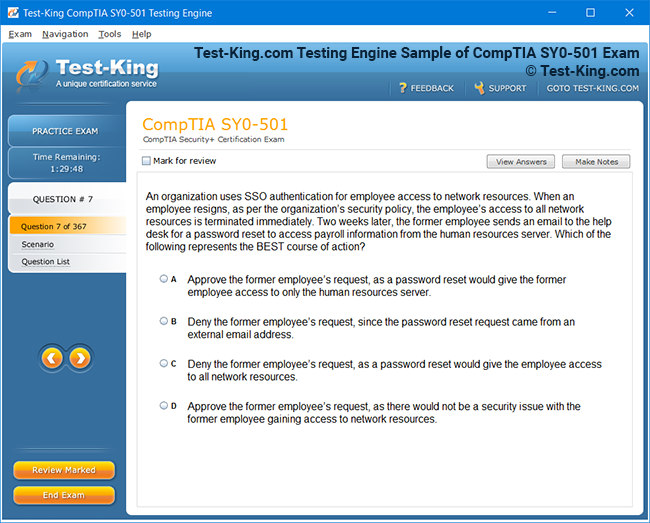
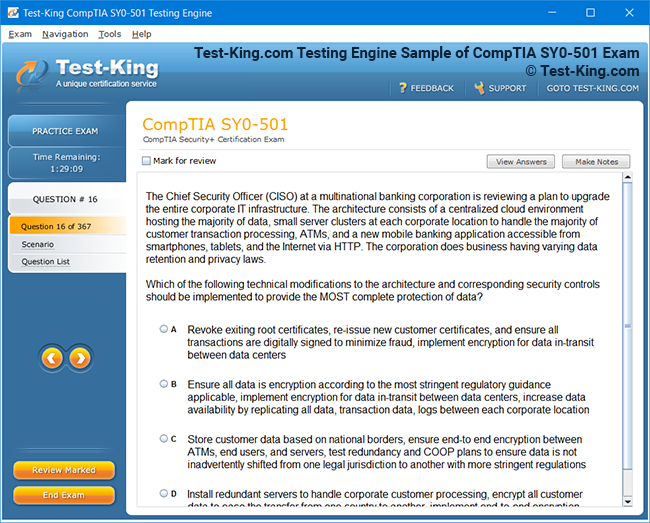
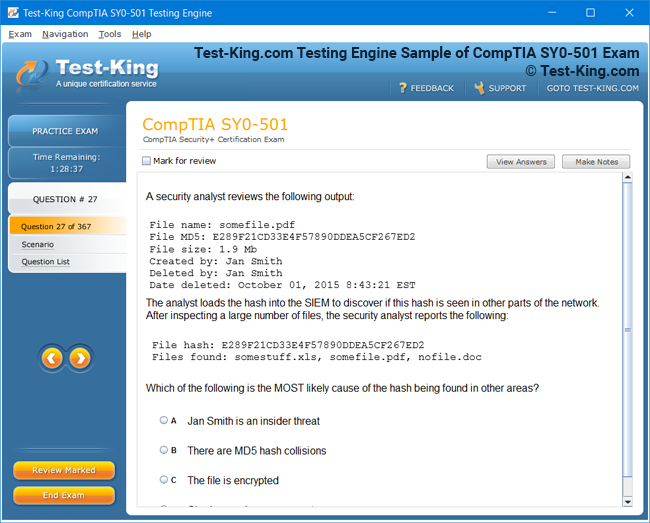
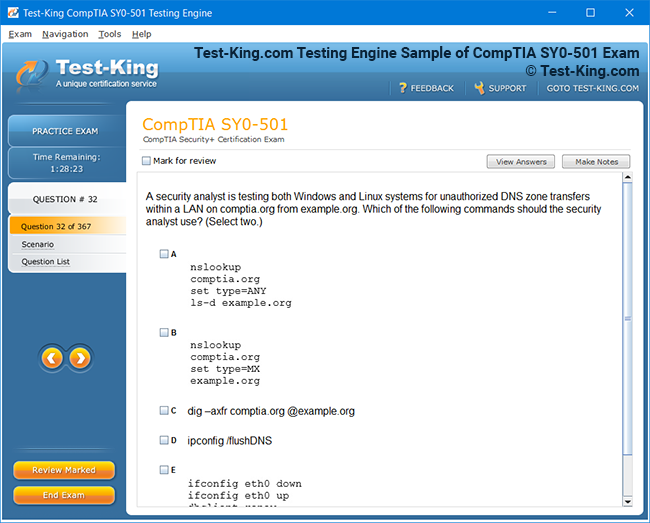
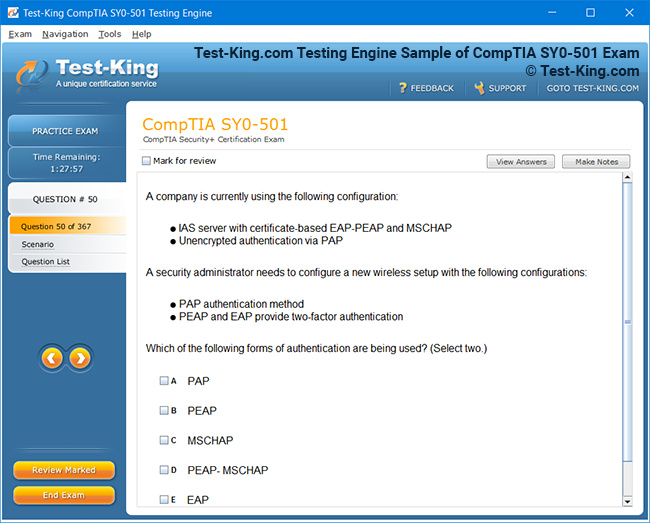
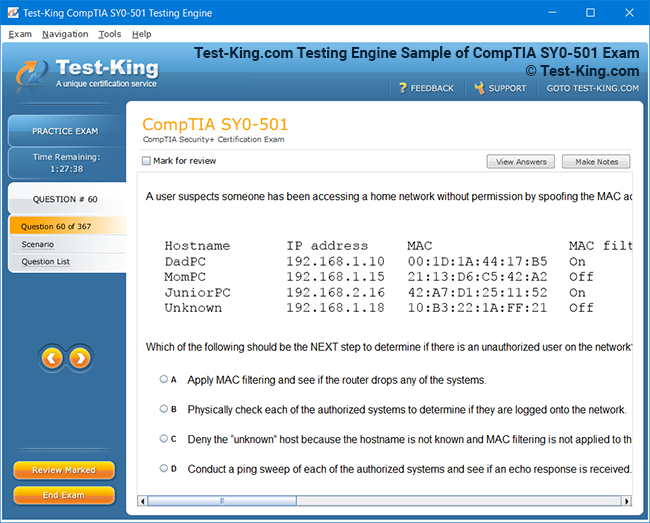
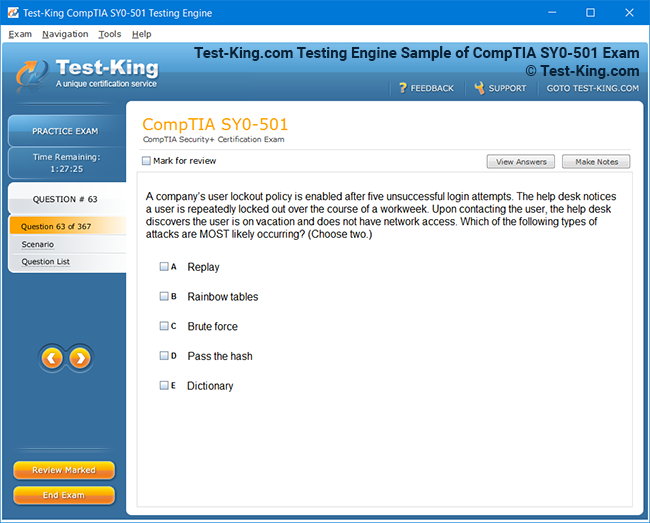
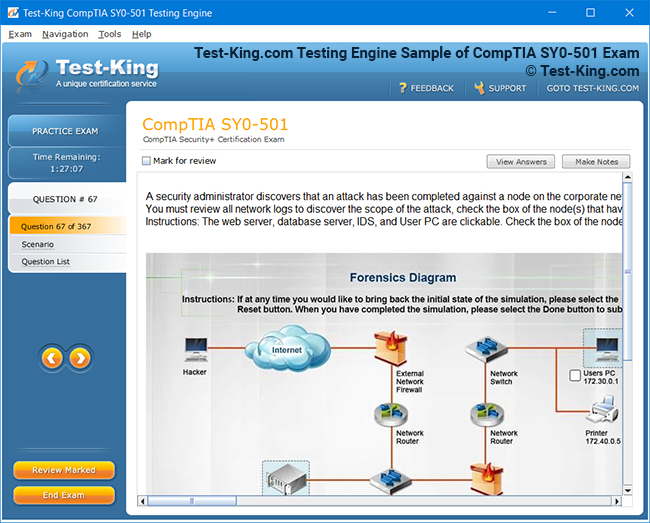
Product Screenshots
Frequently Asked Questions
How can I get the products after purchase?
All products are available for download immediately from your Member's Area. Once you have made the payment, you will be transferred to Member's Area where you can login and download the products you have purchased to your computer.
How long can I use my product? Will it be valid forever?
Test-King products have a validity of 90 days from the date of purchase. This means that any updates to the products, including but not limited to new questions, or updates and changes by our editing team, will be automatically downloaded on to computer to make sure that you get latest exam prep materials during those 90 days.
Can I renew my product if when it's expired?
Yes, when the 90 days of your product validity are over, you have the option of renewing your expired products with a 30% discount. This can be done in your Member's Area.
Please note that you will not be able to use the product after it has expired if you don't renew it.
How often are the questions updated?
We always try to provide the latest pool of questions, Updates in the questions depend on the changes in actual pool of questions by different vendors. As soon as we know about the change in the exam question pool we try our best to update the products as fast as possible.
How many computers I can download Test-King software on?
You can download the Test-King products on the maximum number of 2 (two) computers or devices. If you need to use the software on more than two machines, you can purchase this option separately. Please email support@test-king.com if you need to use more than 5 (five) computers.
What is a PDF Version?
PDF Version is a pdf document of Questions & Answers product. The document file has standart .pdf format, which can be easily read by any pdf reader application like Adobe Acrobat Reader, Foxit Reader, OpenOffice, Google Docs and many others.
Can I purchase PDF Version without the Testing Engine?
PDF Version cannot be purchased separately. It is only available as an add-on to main Question & Answer Testing Engine product.
What operating systems are supported by your Testing Engine software?
Our testing engine is supported by Windows. Andriod and IOS software is currently under development.
OMSB_OEN : Step-by-Step Preparation Tips for the Omani Examination for Nurses
The Omani Examination for Nurses, commonly referred to by its examination code OMSB_OEN, represents a crucial benchmark for aspiring nurses seeking professional validation in Oman. This examination is not merely a formality; it serves as a gateway for competent practitioners to demonstrate mastery over both theoretical knowledge and practical skills essential in healthcare settings. Nurses who obtain OMSB certification are recognized for their capability to adhere to Omani healthcare standards, ensuring patient safety and clinical efficiency. Preparing for the Omani Examination for Nurses requires a nuanced approach that combines rigorous study, reflective practice, and familiarity with local clinical protocols.
Understanding the OMSB_OEN and Its Significance
A profound understanding of the examination framework is pivotal. The OMSB_OEN assesses candidates across multiple dimensions, including fundamental nursing principles, pharmacology, patient care techniques, ethical guidelines, and situational judgment in real-life clinical contexts. It is imperative to internalize not only textbook knowledge but also the subtleties of nursing ethics, cultural competency, and nuanced patient communication. By appreciating the gravity and scope of this examination, candidates can approach preparation with intentionality, focusing on areas that demand heightened attention.
Crafting an Effective Study Schedule
Time management is a quintessential element in preparing for the Omani Examination for Nurses. A meticulously crafted study schedule ensures consistent progress while preventing burnout. Begin by evaluating personal strengths and weaknesses in core nursing subjects. This can involve self-assessment through past examination papers, practice quizzes, or reflective journaling on clinical experiences. By identifying areas that require intensive reinforcement, candidates can allocate their study hours judiciously.
Incorporating spaced repetition into the study routine enhances memory retention and cognitive consolidation. This technique involves revisiting information at gradually increasing intervals, a method proven to anchor knowledge in long-term memory. For instance, revisiting pharmacological mechanisms after one day, then three days, followed by a week, allows the learner to retain complex information more effectively than continuous massed study sessions.
Balancing study sessions with adequate rest periods is equally critical. The human brain assimilates information most efficiently during periods of alertness, and cognitive fatigue can significantly impair comprehension. Integrating brief restorative activities such as meditation, light exercise, or mindfulness breathing exercises between study blocks can enhance concentration and promote neuroplasticity. Nurses preparing for the OMSB_OEN must remember that intellectual stamina is as important as the depth of knowledge.
Utilizing Diverse Learning Resources
Success in the Omani Examination for Nurses hinges on utilizing a spectrum of learning resources that complement one another. Traditional textbooks provide comprehensive coverage of foundational nursing concepts, including anatomy, physiology, pharmacology, and evidence-based practice. However, exclusive reliance on textbooks may limit exposure to practical scenarios encountered in clinical settings. Supplementing textual knowledge with multimedia resources such as instructional videos, interactive simulations, and case-based discussions can bridge this gap.
Engaging with scholarly journals and recent research articles introduces candidates to contemporary practices, emergent healthcare protocols, and innovative interventions. This not only enriches understanding but also demonstrates familiarity with current trends, a factor that may be reflected in the nuanced questions posed during the OMSB_OEN. Peer discussion forums and professional networking platforms offer additional insights, allowing candidates to exchange strategies, clarify misconceptions, and simulate clinical decision-making scenarios collaboratively.
Furthermore, past examination papers are invaluable in familiarizing candidates with the examination structure and question patterns. Analyzing these papers helps identify recurring themes, common pitfalls, and the cognitive complexity of questions. For instance, scenario-based questions often require the application of theoretical knowledge to practical dilemmas, testing both analytical reasoning and ethical judgment. By practicing with authentic materials, candidates can cultivate confidence and precision under exam conditions.
Mastering Time and Stress Management Techniques
Examination anxiety can undermine performance even among well-prepared candidates. Therefore, cultivating effective time and stress management strategies is essential. One approach is practicing under timed conditions to simulate the pressure of the actual OMSB_OEN. This exercise encourages rapid information retrieval, decision-making under constraints, and prioritization of complex tasks.
Stress management techniques can include deep breathing exercises, progressive muscle relaxation, and mindfulness meditation. Such practices regulate physiological responses to stress, reducing cortisol levels and improving cognitive function. Additionally, maintaining a balanced diet and ensuring sufficient sleep supports neurological health, memory consolidation, and emotional resilience, all of which are critical during intensive preparation periods.
Integrating brief physical activity into the daily routine can further enhance alertness and reduce mental fatigue. Even a short walk or stretching session can improve circulation, boost oxygen supply to the brain, and enhance neurocognitive function. Preparing for the Omani Examination for Nurses is not solely an intellectual endeavor; it requires holistic self-care that optimizes mental, physical, and emotional well-being.
Applying Clinical Knowledge in Practical Contexts
The OMSB_OEN does not merely evaluate memorization; it rigorously tests the application of knowledge in real-world nursing scenarios. Candidates must be adept at translating theoretical understanding into actionable interventions. For example, understanding pharmacological mechanisms is insufficient unless one can accurately calculate dosages, identify potential adverse reactions, and monitor patient responses in a clinical setting.
Developing clinical reasoning involves engaging in scenario-based exercises that replicate common challenges in patient care. This could include interpreting patient histories, recognizing early signs of complications, or determining priority interventions in emergency situations. Reflection on previous clinical rotations, discussion with mentors, and shadowing experienced practitioners can provide invaluable context for abstract concepts learned in textbooks.
Ethical judgment and patient communication are integral components of practical application. Nurses are frequently confronted with situations requiring sensitive decision-making, cultural awareness, and empathetic interaction. Practicing these soft skills, alongside technical proficiency, equips candidates to navigate complex scenarios with competence and professionalism, attributes that the Omani Examination for Nurses aims to assess.
Integrating Feedback and Continuous Improvement
Feedback is a cornerstone of effective preparation. Engaging in self-assessment exercises, seeking mentorship, and participating in mock examinations allows candidates to identify knowledge gaps and refine strategies. Constructive critique fosters metacognitive awareness, enabling learners to adjust their approach, reinforce weak areas, and consolidate strengths.
Continuous improvement involves iterative cycles of study, practice, reflection, and adjustment. After each mock examination or practice exercise, candidates should meticulously analyze errors, understand underlying misconceptions, and revisit corresponding topics. Over time, this deliberate practice cultivates mastery, resilience, and adaptive problem-solving skills—qualities essential for navigating both the Omani Examination for Nurses and real-world clinical environments.
Cultivating a growth mindset enhances perseverance and motivation. Viewing challenges as opportunities for learning rather than obstacles encourages sustained engagement with complex material. For example, encountering a difficult pharmacology concept or a challenging clinical scenario should prompt inquiry, resource exploration, and iterative practice, rather than discouragement. Such an approach ensures preparation is thorough, intentional, and resilient.
Maintaining Motivation and Focus
Sustained motivation is often overlooked but is crucial for successful preparation. Candidates may encounter periods of fatigue, distraction, or self-doubt. Establishing clear, attainable goals provides a roadmap for progress, while celebrating small achievements fosters positive reinforcement. Incorporating varied study methods, alternating between theoretical review, practice questions, and practical exercises, maintains engagement and prevents monotony.
Visualization techniques can enhance motivation and performance. Imagining oneself successfully completing the OMSB_OEN, demonstrating competence in clinical scenarios, and attaining OMSB certification can reinforce commitment and instill confidence. Such cognitive rehearsal primes the mind for success and reduces performance anxiety during the actual examination.
Peer support and professional networks offer additional motivation. Engaging with fellow aspirants, sharing experiences, discussing difficult concepts, and celebrating milestones collectively fosters a sense of camaraderie and accountability. Nurses preparing for the Omani Examination for Nurses benefit not only from individual diligence but also from the insights, encouragement, and shared wisdom of a supportive community.
Deepening Clinical Knowledge and Mastery
Achieving success in the Omani Examination for Nurses requires more than superficial comprehension; it necessitates profound mastery of both fundamental and advanced nursing concepts. Candidates must internalize principles ranging from human anatomy and physiology to pathophysiology, pharmacology, and patient-centered care. Understanding the underlying mechanisms of disease, as well as the pharmacodynamics and pharmacokinetics of medications commonly used in clinical practice, enables nurses to make informed, evidence-based decisions. The OMSB_OEN examines not only recall of facts but also the ability to apply these principles in complex scenarios, reflecting the real-world demands of healthcare settings in Oman.
An effective strategy involves creating mental frameworks that connect theoretical knowledge with clinical application. For example, when studying cardiovascular disorders, a candidate can link anatomical structures, pathological changes, clinical manifestations, and treatment protocols into a cohesive narrative. This integrative approach facilitates deeper understanding and rapid retrieval during examination scenarios, particularly when faced with situational judgment questions that require nuanced reasoning.
Clinical simulation exercises serve as invaluable tools for consolidating knowledge. These exercises replicate realistic patient scenarios, challenging candidates to interpret data, prioritize interventions, and communicate effectively with patients and healthcare teams. Immersive engagement with simulated cases strengthens critical thinking, enhances practical competence, and instills confidence in handling the unpredictability of real clinical encounters. Incorporating these exercises into a daily study regimen ensures preparation is grounded in practical relevance.
Effective Techniques for Memorization and Retention
Retention of vast amounts of information is a significant hurdle for many candidates preparing for the OMSB_OEN. Employing advanced memorization strategies can drastically improve efficiency and recall. One technique is the use of mnemonic devices, which create associations between complex information and simple, memorable cues. For instance, recalling the sequence of cranial nerves or steps of sterile procedure can be facilitated through inventive acronyms or rhythmical patterns that the mind retains more easily than raw data.
Visualization is another powerful method, particularly for anatomy, pathology, and pharmacology. By creating vivid mental images of organs, cellular processes, or drug mechanisms, candidates can encode information in a manner that enhances retrieval under exam pressure. Linking visual imagery to clinical scenarios, such as imagining the cascade of physiological responses in a patient experiencing anaphylaxis, fosters the application of memorized knowledge in practical contexts.
Active learning techniques, such as teaching or explaining concepts to peers, reinforce comprehension and retention. When candidates articulate complex topics aloud, they identify gaps in understanding and consolidate memory. Discussion groups and study partnerships further promote retention by exposing learners to alternative perspectives, nuanced interpretations, and different clinical experiences, all of which enrich the preparation for the Omani Examination for Nurses.
Navigating Pharmacology and Medication Management
Pharmacology remains one of the most challenging yet pivotal components of the OMSB_OEN. Nurses must not only memorize drug classifications but also understand indications, contraindications, interactions, adverse effects, and patient-specific considerations. Knowledge of pharmacological principles ensures safe administration and monitoring, a core expectation for OMSB-certified practitioners.
A strategic approach begins with categorization of medications according to therapeutic class and mechanism of action. Understanding the rationale behind drug therapy fosters deeper comprehension than rote memorization alone. Candidates should integrate clinical examples, such as correlating antihypertensive therapy with patient lifestyle factors and comorbidities, to simulate real-life decision-making. Attention to rare or high-risk adverse effects enhances preparedness for scenario-based questions that test both analytical and ethical judgment.
Dosing calculations represent another critical aspect. Mastery requires repeated practice with varying patient demographics, drug concentrations, and routes of administration. Regular problem-solving exercises improve speed, accuracy, and confidence, essential when answering numerical or applied pharmacology questions under time constraints. Combining theoretical knowledge with calculation practice creates a comprehensive preparation strategy that aligns with the multidimensional demands of the Omani Examination for Nurses.
Understanding Ethical Principles and Legal Considerations
Ethical and legal literacy forms an integral component of the OMSB_OEN. Nurses in Oman must navigate cultural sensitivities, patient rights, and regulatory frameworks while delivering care. The examination evaluates awareness of principles such as beneficence, non-maleficence, autonomy, and justice, as well as the capacity to apply them in ethically complex scenarios. Knowledge of confidentiality, informed consent, and professional accountability is crucial in demonstrating competency.
Studying real-world case studies enhances comprehension of ethical dilemmas and decision-making processes. Reflecting on experiences during clinical rotations, or discussing challenging cases with mentors, allows candidates to understand the interplay between ethical reasoning and clinical judgment. For instance, deciding the most appropriate intervention when faced with conflicting patient and family preferences tests both ethical reasoning and communication skills.
Legal understanding extends to adherence to local healthcare regulations, licensing requirements, and safety protocols. Familiarity with nursing statutes in Oman ensures that candidates can practice safely and within the legal framework. Integrating legal scenarios into practice questions prepares nurses to respond effectively under examination conditions and in their professional careers, reinforcing the holistic competency expected by the OMSB_OEN.
Strengthening Communication and Interpersonal Skills
Effective communication is a cornerstone of nursing practice and a significant component of the Omani Examination for Nurses. Candidates must demonstrate the ability to convey information clearly, empathize with patients, and collaborate seamlessly with multidisciplinary teams. Proficiency in both verbal and non-verbal communication enhances patient rapport, reduces misunderstandings, and facilitates safer, higher-quality care.
Developing these skills requires deliberate practice. Role-playing exercises, patient simulations, and feedback from mentors or peers allow candidates to refine listening skills, tone, clarity, and body language. Understanding cultural nuances within Omani healthcare environments, including language preferences, social customs, and familial involvement, ensures respectful and effective interaction. Communication scenarios in the examination often test these abilities, requiring nuanced responses that combine technical accuracy with empathy.
Interpersonal skills also encompass conflict resolution, team collaboration, and professional demeanor. Nurses must balance assertiveness with sensitivity, negotiate differences in clinical judgment, and support colleagues while maintaining patient-centered priorities. Practicing these competencies in simulated or real clinical settings equips candidates with the adaptive skills necessary to excel in the OMSB_OEN and in professional practice.
Engaging in Reflective Practice and Self-Assessment
Reflective practice is an advanced strategy that promotes deep learning and sustained improvement. Candidates preparing for the Omani Examination for Nurses benefit from regularly reviewing their clinical experiences, identifying strengths and weaknesses, and contemplating alternative approaches to patient care. This introspective process fosters critical thinking, self-awareness, and adaptive problem-solving.
Self-assessment exercises, including practice tests, scenario evaluations, and peer feedback, provide objective metrics of progress. Candidates can chart their improvement over time, pinpoint persistent challenges, and modify study strategies accordingly. For instance, repeated errors in medication calculations or prioritization exercises highlight areas requiring intensified focus. By iteratively refining knowledge and skills, candidates enhance both exam performance and real-world competence.
Integrating reflective practice with structured study ensures that preparation is dynamic and responsive. Rather than passively absorbing information, candidates actively engage with content, contextualize learning within clinical frameworks, and continuously evolve their understanding. This approach aligns seamlessly with the objectives of the OMSB_OEN, which emphasizes practical application, analytical reasoning, and professional judgment.
Harnessing Technology and Digital Resources
Digital resources have revolutionized the preparation landscape for nurses undertaking the Omani Examination. Online platforms offer interactive tutorials, virtual patient simulations, and comprehensive question banks that emulate examination conditions. Mobile applications facilitate microlearning, enabling candidates to review high-yield concepts, practice calculations, and simulate scenarios during brief periods of downtime.
Incorporating technology allows for personalized learning pathways. Adaptive platforms identify areas of weakness, provide targeted exercises, and track progress over time. Multimedia content, including instructional videos, animated diagrams, and interactive quizzes, caters to diverse learning styles, reinforcing comprehension and retention. Digital resources also offer access to up-to-date clinical guidelines, evidence-based research, and case studies, ensuring that candidates remain aligned with contemporary nursing practices in Oman.
While technology enhances preparation, it should complement, not replace, traditional study methods and clinical exposure. Optimal strategies integrate digital tools with textbooks, scholarly articles, mentorship, and hands-on practice. This blended approach ensures holistic preparation, equipping candidates to navigate the multifaceted demands of the OMSB_OEN with confidence and competence.
Enhancing Critical Thinking and Clinical Reasoning
Achieving proficiency in the Omani Examination for Nurses requires more than memorization; it demands the ability to synthesize information, anticipate outcomes, and apply clinical reasoning in complex scenarios. Critical thinking enables candidates to evaluate patient data, recognize subtle changes in condition, and make informed decisions quickly. The OMSB_OEN evaluates not only technical knowledge but also the capacity to interpret multifaceted clinical situations and prioritize interventions with precision.
Developing clinical reasoning begins with structured analysis of patient scenarios. When presented with a case involving multiple comorbidities, for instance, a nurse must discern which symptoms require immediate attention, which interventions are most appropriate, and how to communicate effectively with the patient and healthcare team. Regular practice with hypothetical situations strengthens pattern recognition and decision-making speed, preparing candidates for the situational questions often encountered in the examination.
Reflection on past clinical experiences is also invaluable. Nurses can consider instances where judgment calls were required, evaluating the outcomes and contemplating alternative approaches. This reflective practice not only deepens understanding but also reinforces adaptive reasoning skills, a core expectation of OMSB-certified practitioners. By cultivating a mindset of continuous inquiry and analysis, candidates enhance their ability to navigate the unpredictable nature of patient care.
Advanced Strategies for Mastering Nursing Procedures
The Omani Examination for Nurses assesses proficiency in a broad array of nursing procedures, ranging from basic care techniques to complex interventions. Candidates must demonstrate accuracy, efficiency, and adherence to safety protocols. Mastery of procedures such as sterile technique, intravenous therapy, wound management, and vital sign assessment is essential for both examination success and professional practice.
Repetition and deliberate practice are crucial. Simulating procedures in a controlled environment, whether through clinical labs, mannequins, or guided mentorship, allows candidates to internalize the steps and anticipate potential complications. Understanding the rationale behind each action enhances retention and ensures that performance is grounded in knowledge rather than rote imitation. For example, understanding the physiological effects of intravenous fluids informs not only the method of administration but also monitoring parameters and potential adjustments.
Integration of procedural knowledge with patient communication is also necessary. Effective nursing interventions are performed alongside empathetic interaction, clear explanation, and patient reassurance. Candidates should practice articulating steps to patients, addressing concerns, and observing responses, cultivating the combined skills of technical proficiency and compassionate care expected in the OMSB_OEN.
Navigating Emergency and Critical Care Scenarios
Emergency situations pose unique challenges in both examination and clinical practice. Candidates must be adept at rapid assessment, prioritization, and intervention. The Omani Examination for Nurses evaluates the ability to respond to acute situations with precision, maintaining composure while executing evidence-based interventions.
Developing competency in emergency care involves repeated exposure to simulated crises, including cardiac arrest, respiratory distress, and severe trauma. Practicing advanced life support protocols, triage prioritization, and rapid decision-making reinforces both knowledge and confidence. Integrating theoretical understanding of pathophysiology with practical application ensures that responses are informed, efficient, and safe.
Time-sensitive scenarios also test the ability to multitask and delegate appropriately. Nurses must balance immediate patient needs with communication to team members, documentation, and preparation for subsequent interventions. Practicing these integrated skills under timed conditions mirrors the pressures of both examination scenarios and real-world clinical environments, cultivating the composure and analytical agility required by the OMSB_OEN.
Strengthening Knowledge in Specialized Nursing Domains
While foundational knowledge forms the bedrock of preparation, candidates must also be conversant with specialized nursing domains. Areas such as maternal and child health, psychiatric care, community health, and geriatrics may appear in the examination, requiring familiarity with specific protocols, patient populations, and nuanced interventions.
In maternal and child health, understanding prenatal care, labor and delivery management, and pediatric assessment equips nurses to address common complications and advocate for patient safety. Psychiatric care emphasizes therapeutic communication, recognition of mental health conditions, and ethical considerations in managing vulnerable populations. Community health involves epidemiological awareness, preventive strategies, and cultural sensitivity, while geriatric care requires adaptation of interventions to age-related physiological changes and comorbidities.
Candidates can enhance proficiency in specialized areas by integrating case studies, scenario-based practice, and current clinical guidelines. This approach ensures readiness for the diverse questions of the OMSB_OEN, fostering both breadth and depth of knowledge. Exposure to varied clinical experiences also cultivates adaptability, a skill valued in both examination and professional practice.
Implementing Effective Revision Techniques
Revision is a critical stage of preparation for the Omani Examination for Nurses. A structured approach ensures that previously studied material is consolidated, gaps are addressed, and confidence is reinforced. Spaced repetition, where concepts are revisited at intervals of increasing length, strengthens memory retention and enhances retrieval speed. This method is particularly effective for complex content such as pharmacology, anatomy, and pathophysiology.
Active revision techniques, such as summarizing key concepts in one’s own words, creating mind maps, and verbalizing explanations to peers, promote deeper understanding. Candidates should prioritize areas of difficulty while periodically reviewing mastered topics to maintain retention. Additionally, integrating self-testing through practice questions, scenario analysis, and mock examinations enables assessment of readiness and identification of lingering weaknesses.
Reflective revision, which involves evaluating mistakes and misunderstandings in practice exercises, is equally important. By dissecting errors, considering alternative strategies, and reinforcing correct approaches, candidates cultivate resilience and adaptability. This method aligns closely with the holistic evaluation of competence in the OMSB_OEN, which values analytical reasoning alongside factual knowledge.
Integrating Patient Safety and Risk Management Principles
Patient safety is a fundamental principle in nursing and a focal point of the Omani Examination for Nurses. Candidates must demonstrate awareness of potential hazards, infection control protocols, and risk mitigation strategies. Understanding systemic factors, human error potential, and procedural safeguards ensures that care is both effective and secure.
Preparation should include detailed study of safety standards, such as hand hygiene, medication verification, fall prevention, and monitoring of invasive devices. Scenario-based exercises can help candidates anticipate complications and implement preventive measures, reinforcing both knowledge and application. For example, analyzing a case involving post-operative care allows the nurse to identify risks related to wound infection, thrombosis, or medication errors, and to implement appropriate interventions proactively.
Awareness of regulatory frameworks governing healthcare in Oman further supports patient safety. Knowledge of reporting mechanisms, ethical obligations, and institutional protocols ensures that nurses act within professional and legal boundaries, a competency assessed by the OMSB_OEN. Combining procedural knowledge, situational awareness, and regulatory literacy fosters comprehensive readiness for examination and practice.
Leveraging Peer Collaboration and Mentorship
Collaboration with peers and mentorship from experienced practitioners significantly enhances preparation. Discussing challenging concepts, sharing study strategies, and engaging in clinical reasoning exercises collectively broadens understanding and encourages critical evaluation. Mentors provide insights into examination expectations, practical tips for skill enhancement, and guidance on areas requiring intensified focus.
Peer learning also exposes candidates to diverse perspectives and clinical experiences. Engaging in group discussions, scenario simulations, and role-playing exercises fosters adaptive thinking and problem-solving under pressure. By articulating reasoning and receiving feedback, candidates reinforce comprehension, clarify misconceptions, and develop communication skills essential for the Omani Examination for Nurses.
Mentorship and collaboration extend beyond content mastery, supporting motivation, accountability, and resilience. A supportive network encourages persistence through challenges, reinforces structured study habits, and provides guidance in navigating complex topics. These interactions contribute to a holistic approach to preparation, aligning with the expectations of the OMSB_OEN for well-rounded and competent practitioners.
Elevating Analytical Skills and Clinical Judgment
Excellence in the Omani Examination for Nurses demands an advanced level of analytical reasoning and clinical judgment. Candidates are expected to synthesize multifaceted patient information, discern subtle clinical cues, and prioritize interventions in dynamic situations. The OMSB_OEN evaluates not only knowledge retention but also the capacity to anticipate complications, make evidence-based decisions, and act with precision under time constraints.
Developing analytical skills begins with thorough case analysis. Nurses can practice by examining hypothetical scenarios involving complex presentations, such as patients with multiple comorbidities or atypical manifestations of disease. In these exercises, candidates learn to interpret laboratory results, vital signs, and patient histories while distinguishing critical priorities from less urgent concerns. Reflecting on alternative courses of action fosters adaptability and enhances problem-solving abilities, equipping candidates to respond effectively in both examination and clinical settings.
Clinical judgment is further refined through reflective practice. Analyzing previous experiences, evaluating outcomes, and considering different approaches cultivates a deeper understanding of patient-centered care. By consistently questioning assumptions and exploring nuanced decision-making pathways, candidates strengthen the cognitive agility required to navigate the intricate demands of the OMSB_OEN.
Advanced Techniques for Mastering Patient Assessment
Comprehensive patient assessment is a cornerstone of competent nursing practice and a pivotal element of the Omani Examination for Nurses. Candidates must excel in collecting accurate patient histories, performing detailed physical examinations, and interpreting findings to guide clinical decisions. Mastery of assessment techniques not only ensures effective interventions but also contributes to patient safety and quality care.
Effective assessment begins with systematic observation and data collection. Nurses should practice structured approaches to physical examination, incorporating inspection, palpation, percussion, and auscultation as appropriate. Detailed attention to patient symptoms, behavioral cues, and subtle physiological changes allows for early identification of complications. Integrating knowledge of pathophysiology with assessment findings enhances the ability to recognize deviations from normal and initiate timely interventions.
In addition to physical assessment, nurses must hone skills in psychosocial evaluation. Understanding patient emotions, cultural contexts, and communication needs informs holistic care and strengthens rapport. Role-playing and scenario-based exercises can simulate challenging interactions, such as assessing anxiety in pediatric patients or evaluating decision-making capacity in elderly individuals. These experiences prepare candidates to demonstrate both technical competence and empathetic engagement during the examination.
Developing Expertise in Infection Control and Hygiene
Infection control remains a critical area of focus for the Omani Examination for Nurses, reflecting its importance in safeguarding patient health and maintaining clinical standards. Candidates must demonstrate familiarity with aseptic techniques, sterilization procedures, and strategies to prevent nosocomial infections. Understanding modes of transmission, risk factors, and intervention protocols equips nurses to implement effective preventive measures.
Preparation should involve meticulous study of guidelines for hand hygiene, personal protective equipment, and environmental decontamination. Practical exercises, such as simulating sterile dressing changes or safe handling of sharps, reinforce procedural accuracy and reduce the likelihood of error. Additionally, integrating knowledge of pathogen behavior, antimicrobial stewardship, and outbreak management enhances readiness for examination scenarios that assess both theoretical understanding and practical application.
Awareness of cultural practices and patient preferences is also important. Candidates must balance adherence to infection control protocols with sensitivity to patient comfort and dignity, reflecting the holistic approach emphasized by OMSB-certified practice. Scenario-based practice that combines technical skills with patient-centered interaction ensures comprehensive preparation for both examination and professional nursing duties.
Strengthening Knowledge of Pharmacotherapeutics and Medication Safety
Medication management is a fundamental aspect of the Omani Examination for Nurses. Candidates must demonstrate thorough understanding of pharmacotherapeutics, including drug classifications, mechanisms of action, side effects, and contraindications. Safe administration, monitoring for adverse reactions, and accurate documentation are critical components of competent practice.
Effective preparation involves categorizing medications by therapeutic class and exploring clinical applications through real-life case examples. Understanding the rationale behind dosing schedules, drug interactions, and patient-specific considerations deepens comprehension beyond rote memorization. Repeated practice with dosage calculations, infusion rates, and medication titration strengthens both accuracy and confidence under examination conditions.
Scenario-based exercises further reinforce pharmacological knowledge. Candidates may encounter questions requiring prioritization of interventions for patients on multiple medications or assessment of adverse events in complex cases. Integrating theoretical knowledge with applied reasoning ensures readiness for the multifaceted challenges presented by the OMSB_OEN, while also cultivating skills essential for safe and effective nursing practice.
Enhancing Competence in Emergency Response and Critical Situations
Proficiency in emergency response is essential for success in the Omani Examination for Nurses. Candidates must be capable of rapid assessment, prioritization, and execution of interventions in acute or life-threatening scenarios. Mastery of emergency protocols, resuscitation techniques, and crisis management strategies is critical for both examination performance and clinical efficacy.
Practice with simulated emergencies strengthens cognitive and psychomotor skills. Repetition of scenarios such as cardiac arrest, respiratory compromise, and severe trauma develops familiarity with procedural sequences and instills confidence. Candidates should focus on recognizing early warning signs, initiating appropriate interventions, and coordinating with multidisciplinary teams to ensure effective outcomes. Timed simulations also foster efficiency and decision-making under pressure, replicating the conditions encountered during the OMSB_OEN.
Integrating reflective analysis after simulated emergencies enhances learning. Evaluating responses, identifying areas for improvement, and exploring alternative strategies cultivate adaptive expertise. By combining technical knowledge with critical thinking, candidates prepare to demonstrate comprehensive competency in high-stakes situations, aligning with the expectations of OMSB-certified practice.
Integrating Patient Education and Advocacy into Practice
Patient education and advocacy represent essential components of nursing practice and feature prominently in the Omani Examination for Nurses. Candidates must be adept at conveying health information, promoting preventive care, and empowering patients to participate actively in their treatment. Effective education requires clarity, empathy, and cultural sensitivity, ensuring that guidance is both understandable and actionable.
Preparation strategies include practicing the explanation of complex medical concepts in simple terms, tailoring communication to diverse patient populations, and employing visual aids or demonstrations as appropriate. Scenario exercises, such as counseling patients on medication adherence or lifestyle modifications, reinforce both verbal communication and interpersonal skills. Advocacy extends this competence, requiring nurses to identify patient needs, support decision-making, and liaise with healthcare teams to optimize outcomes.
Integrating patient-centered communication into preparation not only strengthens examination readiness but also reinforces professional values emphasized by OMSB certification. Candidates who can seamlessly combine technical knowledge with effective education and advocacy demonstrate holistic competence, embodying the standard of care expected within Omani healthcare settings.
Leveraging Technology and Evidence-Based Resources
In modern nursing practice, technology and evidence-based resources are indispensable tools for preparation and professional growth. The Omani Examination for Nurses assesses candidates’ familiarity with contemporary healthcare practices, including the application of digital tools, electronic health records, and evidence-based guidelines. Utilizing these resources enhances learning efficiency, knowledge retention, and clinical decision-making.
Digital platforms provide access to interactive tutorials, practice scenarios, and up-to-date clinical literature, enabling candidates to engage in dynamic, self-directed learning. Evidence-based guidelines offer structured approaches to patient care, ensuring that interventions align with current standards and best practices. Integrating research findings into scenario analysis reinforces analytical skills and demonstrates readiness to apply contemporary knowledge in practical contexts.
While technology facilitates preparation, it is most effective when combined with hands-on experience, mentorship, and reflective practice. Candidates who integrate theoretical knowledge, digital resources, and practical exercises cultivate a comprehensive skill set, equipping them to excel in both the Omani Examination for Nurses and real-world clinical environments.
Optimizing Study Strategies and Cognitive Retention
Success in the Omani Examination for Nurses requires more than rote memorization; it demands strategic study habits that reinforce cognitive retention and promote deep understanding. Candidates must approach preparation holistically, combining theoretical learning, practical exercises, and reflective practice to cultivate mastery. A structured yet flexible study plan allows for focused attention on challenging areas while maintaining consistent progress across the comprehensive syllabus.
Spaced repetition serves as a cornerstone of effective study strategy. By revisiting core concepts at calculated intervals, candidates strengthen neural connections, improving long-term retention and recall. Integrating mnemonic devices and visual imagery further enhances memory, particularly for complex topics such as pharmacology, anatomical pathways, or disease mechanisms. For instance, visualizing the pharmacokinetics of a drug within organ systems can create an intuitive understanding that facilitates application during scenario-based examination questions.
Active learning techniques complement memorization strategies. Explaining concepts aloud, engaging in group discussions, and teaching peers reinforces comprehension while revealing gaps in understanding. Candidates who articulate their reasoning develop metacognitive awareness, enabling them to evaluate the efficacy of their study methods and adjust strategies accordingly. This approach aligns closely with the analytical and applied nature of the OMSB_OEN, where conceptual understanding is as crucial as factual knowledge.
Mastering Clinical Skills Through Repetition and Simulation
Proficiency in clinical skills forms a significant component of the Omani Examination for Nurses. Candidates are expected to demonstrate precision, efficiency, and adherence to safety protocols in diverse patient care scenarios. Skills such as intravenous therapy, wound management, vital sign assessment, and sterile technique must be executed accurately, reflecting both knowledge and practical competence.
Repetition is essential for skill mastery. Practicing procedures in simulated environments, whether through mannequins, clinical labs, or supervised rotations, allows candidates to internalize techniques and anticipate potential complications. Understanding the rationale behind each step enhances retention and ensures actions are grounded in clinical knowledge. For example, when performing intravenous therapy, awareness of fluid dynamics, patient positioning, and monitoring parameters strengthens both technical and critical reasoning abilities.
Simulation exercises further enhance preparedness by replicating realistic patient scenarios. These exercises challenge candidates to prioritize interventions, manage unexpected complications, and communicate effectively with patients and healthcare teams. By integrating technical skills with clinical judgment, nurses cultivate the adaptability and competence expected in the OMSB_OEN, bridging the gap between theoretical understanding and applied practice.
Developing Competence in Patient Assessment and Monitoring
A thorough understanding of patient assessment and monitoring is crucial for examination success and clinical proficiency. Candidates must be adept at gathering accurate patient histories, performing systematic physical examinations, and interpreting findings to inform care plans. Mastery of these skills ensures timely identification of deviations from normal and facilitates appropriate interventions.
Effective patient assessment combines observation, inspection, palpation, percussion, and auscultation. Nurses should practice structured approaches, integrating knowledge of pathophysiology with clinical findings to identify potential complications. Monitoring extends beyond vital signs, encompassing neurological, cardiovascular, respiratory, and renal assessments, as well as behavioral and psychosocial evaluations. Scenario-based exercises, reflective practice, and mentorship reinforce comprehensive assessment skills, ensuring readiness for the diverse challenges presented in the Omani Examination for Nurses.
Holistic assessment also requires cultural sensitivity and empathetic communication. Understanding patient beliefs, values, and preferences informs care decisions and strengthens rapport. Candidates who cultivate these skills are better prepared to navigate complex examination scenarios while demonstrating the professionalism and patient-centered approach emphasized by OMSB-certified practice.
Strengthening Knowledge of Pharmacology and Therapeutics
Pharmacology remains a critical and challenging component of the Omani Examination for Nurses. Candidates must exhibit proficiency in drug classifications, mechanisms of action, indications, contraindications, interactions, and potential adverse effects. Safe administration, monitoring, and documentation of medications are essential to both examination performance and clinical practice.
Effective preparation involves categorizing drugs by therapeutic class and exploring their clinical applications through practical examples. Understanding the rationale behind drug therapy, including dosage calculations, monitoring parameters, and patient-specific considerations, enhances the ability to apply knowledge in realistic scenarios. Regular practice with numerical problems, infusion rates, and titration exercises fosters accuracy, confidence, and efficiency under time constraints.
Scenario-based practice further reinforces pharmacological expertise. Candidates may encounter situations requiring prioritization of medications, identification of adverse reactions, or adjustment of therapy based on patient comorbidities. Integrating theoretical knowledge with applied reasoning ensures readiness for the multifaceted demands of the OMSB_OEN, cultivating both analytical and practical competence.
Navigating Ethical, Legal, and Professional Standards
Ethical and legal literacy is a fundamental expectation for nurses in Oman and a key element of the Omani Examination for Nurses. Candidates must understand principles such as autonomy, beneficence, non-maleficence, and justice, and be able to apply these concepts in complex clinical scenarios. Professional accountability, patient confidentiality, and adherence to local regulatory frameworks are equally important.
Preparation should involve analysis of case studies that illustrate ethical dilemmas, conflicts of interest, and legal considerations. Reflecting on clinical experiences allows candidates to evaluate alternative courses of action and anticipate the consequences of decisions. Understanding regulatory obligations, reporting requirements, and institutional protocols ensures that nursing practice aligns with legal and professional standards. This integrated approach prepares candidates to respond confidently and responsibly in both examination and real-world contexts.
Professionalism extends beyond ethical and legal knowledge to include interpersonal skills, teamwork, and communication. Candidates must demonstrate the ability to collaborate with colleagues, advocate for patients, and maintain composure under pressure. Scenario-based exercises that incorporate communication challenges, ethical conflicts, and multidisciplinary coordination enhance readiness for the Omani Examination for Nurses.
Enhancing Critical Thinking in Complex Clinical Scenarios
Critical thinking is essential for success in the OMSB_OEN, where candidates are assessed on their ability to analyze, synthesize, and apply knowledge in dynamic clinical contexts. Nurses must evaluate patient information, anticipate potential complications, and determine appropriate interventions. Developing these skills requires deliberate practice with multifaceted scenarios, reflective analysis, and integration of theoretical understanding with practical application.
Engaging with complex case studies allows candidates to examine interrelationships among symptoms, diagnostic findings, and treatment options. For example, managing a patient with both cardiac and renal complications requires prioritization of interventions, careful monitoring of fluid balance, and assessment of pharmacological interactions. Reflecting on decision-making processes and outcomes reinforces adaptive reasoning and prepares candidates to respond effectively under examination conditions.
Scenario-based practice, including simulations and peer discussions, fosters problem-solving, adaptability, and clinical judgment. By combining analytical thinking with applied knowledge, nurses develop the cognitive flexibility and competence expected in both the Omani Examination for Nurses and professional practice.
Leveraging Technology and Digital Learning Tools
The integration of technology into preparation offers significant advantages for candidates undertaking the Omani Examination for Nurses. Digital platforms provide access to interactive tutorials, virtual patient simulations, evidence-based guidelines, and question banks designed to emulate examination conditions. These resources enhance engagement, facilitate targeted practice, and support self-directed learning.
Adaptive learning technologies personalize study by identifying areas of weakness, providing focused exercises, and tracking progress over time. Multimedia content, including instructional videos, animations, and interactive quizzes, caters to diverse learning styles, reinforcing comprehension and retention. Access to current clinical research and guidelines ensures that candidates remain aligned with contemporary nursing practices in Oman.
While technology enhances preparation, it is most effective when combined with practical experience, reflective practice, and mentorship. Integrating digital tools with hands-on learning and theoretical study fosters comprehensive readiness for the Omani Examination for Nurses, ensuring candidates are well-equipped to apply knowledge in both examination and clinical contexts.
Consolidating Knowledge and Refining Clinical Competence
Success in the Omani Examination for Nurses requires a holistic consolidation of knowledge, practical skills, and analytical reasoning. Candidates must integrate theoretical understanding with clinical application, ensuring readiness for complex scenarios that assess both cognitive and psychomotor competence. The OMSB_OEN evaluates proficiency across a spectrum of domains, including patient assessment, pharmacology, emergency response, ethical judgment, and professional communication, demanding a comprehensive and methodical approach to preparation.
Refining clinical competence begins with systematic review of fundamental nursing concepts, encompassing anatomy, physiology, pathophysiology, and disease management. Candidates should revisit challenging topics, reinforce weaker areas, and employ active learning techniques such as summarization, mind mapping, and scenario analysis. Engaging in reflective practice allows nurses to assess past clinical experiences, identify mistakes, and explore alternative approaches, cultivating adaptive reasoning and critical thinking essential for examination success.
Practical exercises remain pivotal for skill enhancement. Repetition of procedures in controlled environments, such as intravenous therapy, sterile dressing, catheterization, and vital sign monitoring, ensures proficiency and accuracy. Integrating these exercises with patient communication and ethical considerations simulates real-world interactions, fostering confidence and competence in both examination scenarios and professional practice.
Advanced Strategies for Critical Thinking and Problem Solving
Critical thinking is the fulcrum of effective nursing practice and a key determinant in the Omani Examination for Nurses. Candidates must be able to interpret patient data, recognize subtle clinical changes, anticipate complications, and implement evidence-based interventions promptly. Developing this skill requires exposure to multifaceted scenarios, reflective analysis, and iterative practice.
Engaging with complex case studies, particularly those involving patients with comorbidities, polypharmacy, or atypical presentations, challenges nurses to prioritize interventions and assess outcomes effectively. Scenario-based practice encourages candidates to consider the interplay of physiological, psychological, and social factors, enhancing problem-solving acuity. Reflection on the decision-making process deepens understanding and strengthens the capacity to adapt strategies in dynamic clinical environments.
Simulated emergencies further bolster critical thinking. Timed exercises involving acute respiratory distress, cardiac events, or trauma management cultivate rapid assessment skills, decision-making under pressure, and effective team coordination. Candidates who consistently practice these scenarios develop the analytical agility and resilience expected by OMSB-certified practitioners, preparing them to excel in both examination and clinical practice.
Mastering Patient-Centered Care and Communication
Effective patient-centered care is central to the Omani Examination for Nurses and the broader practice of nursing. Candidates must demonstrate proficiency in communicating with diverse populations, respecting cultural norms, and fostering collaborative relationships with patients and families. Empathy, clarity, and active listening are as vital as technical competence in ensuring high-quality care.
Developing communication skills involves deliberate practice with varied patient scenarios, including those with language barriers, cognitive impairments, or emotional distress. Candidates should practice explaining complex medical information in simple terms, providing reassurance, and addressing concerns while maintaining professional composure. Role-playing exercises, peer feedback, and mentorship enhance both verbal and non-verbal communication skills, reinforcing holistic patient-centered approaches.
Advocacy forms an integral component of patient-centered care. Nurses must support patients’ rights, facilitate informed decision-making, and collaborate with healthcare teams to optimize outcomes. Scenario-based preparation that integrates education, counseling, and ethical considerations ensures candidates are equipped to handle the nuanced responsibilities assessed in the OMSB_OEN.
Strengthening Knowledge in Pharmacology and Medication Safety
Pharmacological proficiency is indispensable for the Omani Examination for Nurses. Candidates must understand drug mechanisms, therapeutic indications, adverse effects, interactions, and patient-specific considerations. Safe administration, accurate calculation, and monitoring of medications are essential for examination performance and professional practice.
Preparation strategies include systematic categorization of medications by class, integrating case-based scenarios, and repeated practice with calculations. Candidates should simulate real-life clinical situations, such as adjusting dosages based on renal or hepatic impairment or managing polypharmacy in complex patients. Understanding the rationale behind pharmacological decisions fosters both retention and application, ensuring readiness for scenario-based questions that test clinical reasoning and analytical skills.
Integrating pharmacology with patient assessment enhances safety and efficacy. Candidates must anticipate potential adverse reactions, monitor responses, and educate patients regarding medication compliance and side effects. Scenario simulations that combine knowledge, calculations, and applied decision-making develop the comprehensive skill set evaluated by the OMSB_OEN.
Navigating Ethical and Legal Dimensions in Nursing Practice
Ethical and legal literacy is a core expectation for candidates of the Omani Examination for Nurses. Nurses must comprehend principles of autonomy, beneficence, non-maleficence, and justice, and demonstrate the ability to apply them in practical situations. Awareness of patient rights, confidentiality, and regulatory requirements ensures professional accountability and safe care delivery.
Engaging with ethical case studies and real-life dilemmas enhances judgment and decision-making. Candidates should reflect on potential conflicts between patient preferences, family expectations, and clinical priorities, exploring balanced solutions. Knowledge of Omani healthcare regulations, reporting obligations, and institutional protocols reinforces safe, lawful, and ethical practice. Scenario-based exercises that integrate ethical considerations, clinical reasoning, and communication prepare candidates to respond confidently and responsibly in examination and professional contexts.
Leveraging Technology and Evidence-Based Learning
Technology and digital learning platforms offer significant advantages in preparation for the Omani Examination for Nurses. Candidates can access interactive tutorials, virtual patient simulations, and updated clinical guidelines, facilitating comprehensive and efficient study. Evidence-based resources provide structured approaches to patient care, ensuring that interventions reflect contemporary best practices.
Integrating digital tools with hands-on clinical practice, reflective exercises, and peer collaboration enhances learning outcomes. Adaptive learning platforms track progress, identify areas for improvement, and provide targeted exercises, enabling candidates to optimize preparation. Multimedia content, including videos, simulations, and interactive case studies, reinforces comprehension and retention, equipping nurses to apply knowledge effectively under examination conditions.
Maintaining Resilience and Motivation
Sustained motivation and resilience are essential for candidates preparing for the Omani Examination for Nurses. The breadth and depth of material, coupled with the demands of clinical practice, can lead to fatigue or stress. Strategies to maintain focus include structured study schedules, goal setting, self-reflection, and incorporation of restorative practices such as mindfulness, meditation, or physical activity.
Peer support and mentorship enhance perseverance. Engaging with colleagues, discussing challenging topics, and sharing experiences fosters accountability and mutual encouragement. Celebrating milestones, reflecting on progress, and visualizing examination success reinforce commitment and confidence. Resilience enables candidates to navigate setbacks, absorb complex material, and approach the OMSB_OEN with poise and determination.
Integrating Comprehensive Revision and Final Preparation
In the final stages of preparation, candidates should consolidate all knowledge, practice scenarios, and refine skills. Holistic revision encompasses theoretical review, practical exercises, case study analysis, and reflective practice. Emphasis on high-yield topics, repeated practice with complex scenarios, and assessment of weak areas ensures readiness for both theoretical and practical components of the examination.
Mock examinations under timed conditions simulate the pressures of the OMSB_OEN, enabling candidates to hone time management, prioritization, and decision-making skills. Review of errors and reflection on alternative approaches reinforce learning and enhance performance. Integrating knowledge from all domains—clinical skills, pharmacology, ethics, communication, and critical thinking—ensures a balanced and thorough final preparation.
Conclusion
Preparing for the Omani Examination for Nurses is a multifaceted endeavor requiring dedication, strategy, and holistic engagement. Success depends not only on theoretical knowledge but also on practical competence, critical thinking, ethical judgment, and effective communication. By combining structured study, reflective practice, scenario-based exercises, and digital learning resources, candidates can cultivate the skills and confidence necessary to excel. Integrating clinical reasoning, patient-centered care, pharmacological proficiency, and professional accountability ensures comprehensive readiness for the OMSB_OEN and fosters a foundation for lifelong excellence in nursing practice within Oman.