

Certification: CPIM-BSP
Certification Full Name: CPIM - Basics of Supply Chain Management
Certification Provider: APICS
Exam Code: CPIM-BSP
Exam Name: CPIM - Basics of Supply Chain Management
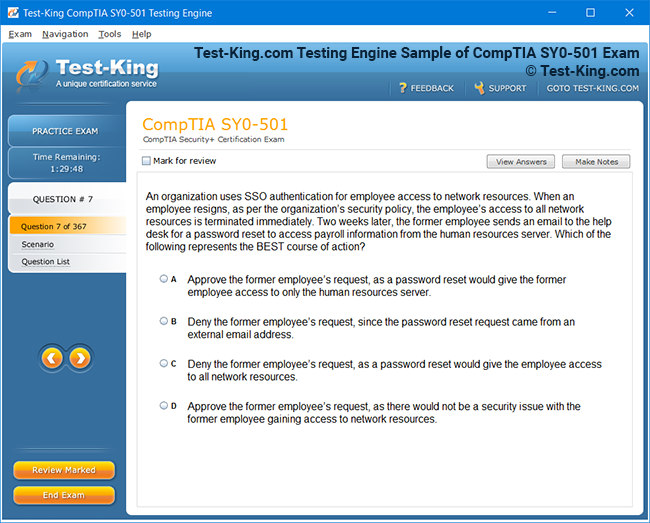
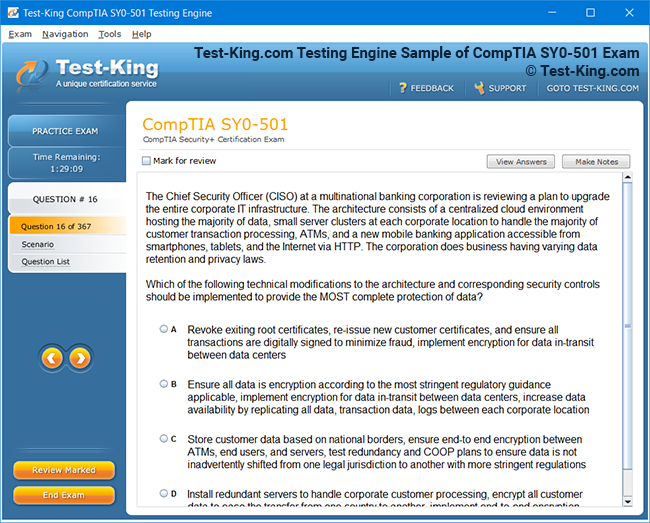
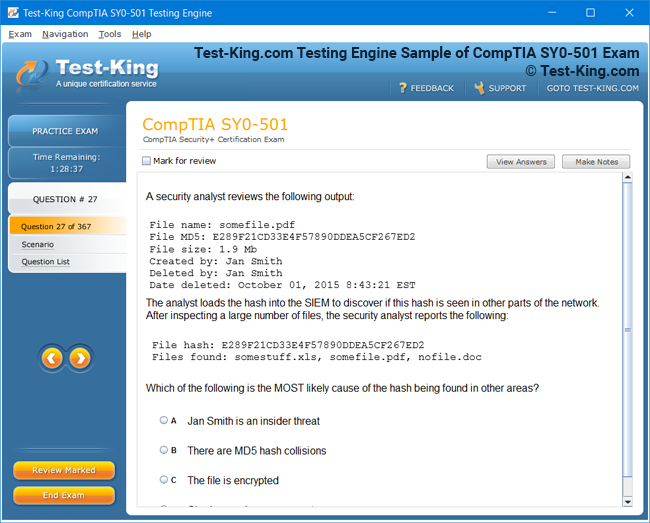
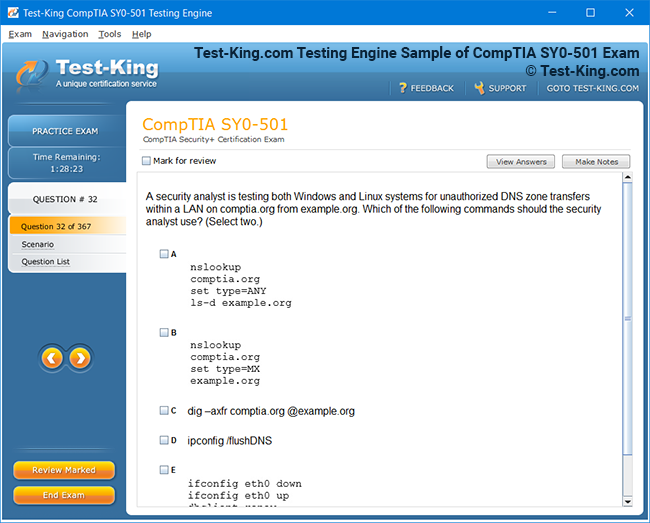
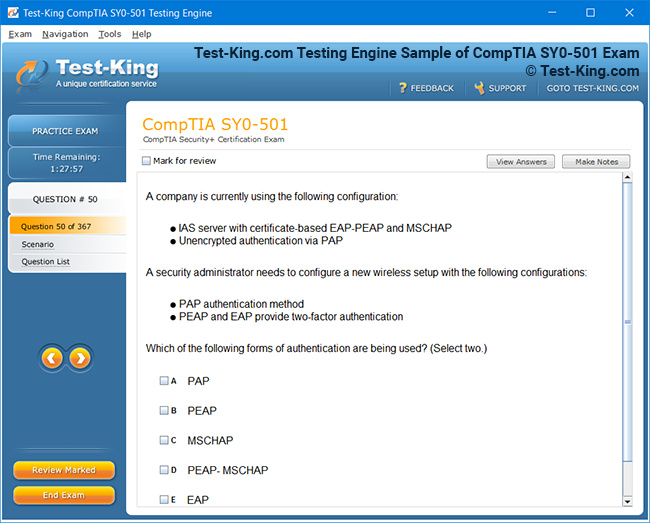
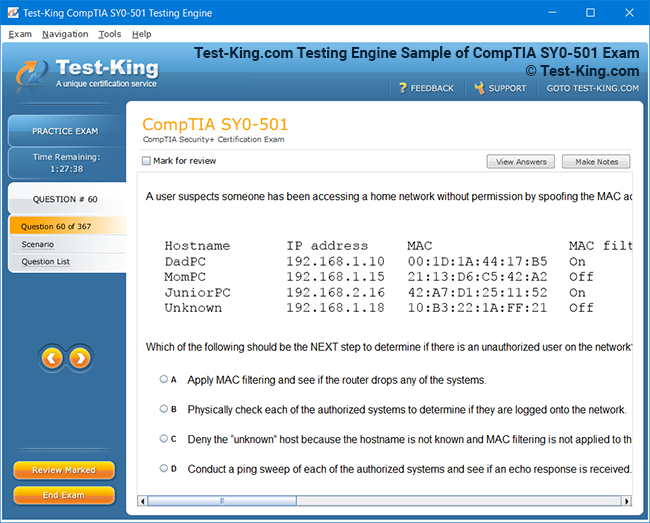
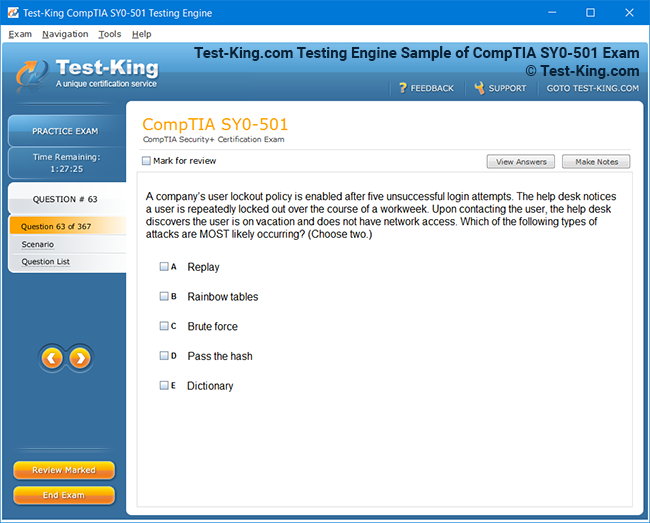
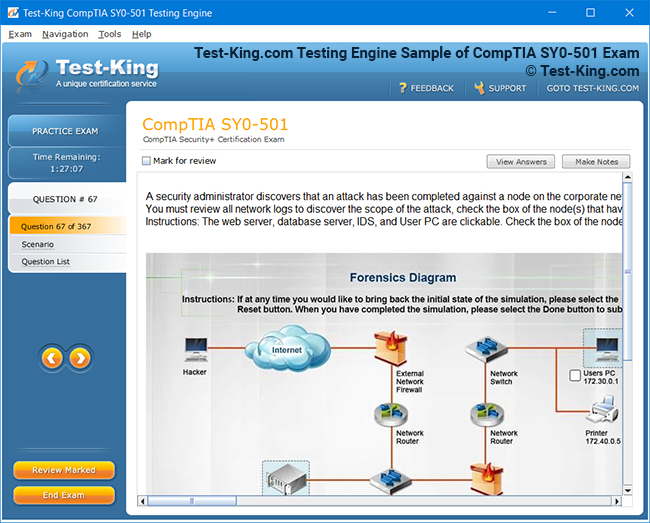
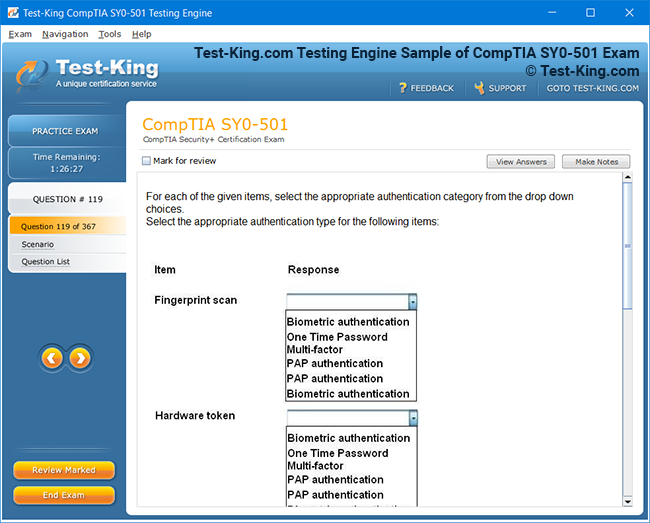
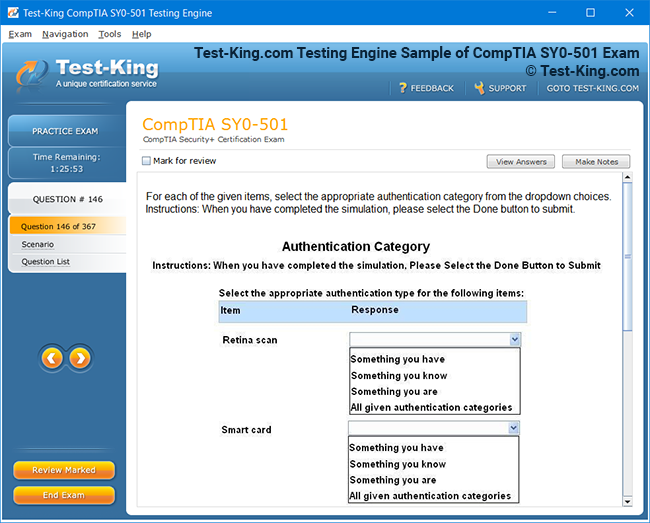
Product Screenshots
Unlocking Supply Chain Fundamentals: Why CPIM-BSP Certification is a Game Changer
Supply chain management has metamorphosed over the decades from a simple logistics function into a sophisticated orchestration of materials, information, and financial flows. At its core, supply chain management encompasses the planning and management of all activities involved in sourcing, procurement, conversion, and logistics. It also integrates coordination and collaboration with channel partners, which may include suppliers, intermediaries, third-party service providers, and customers. The global marketplace, driven by volatile consumer demand and intricate production networks, has necessitated a deeper understanding of these foundational principles. It is in this intricate web that the CPIM-BSP certification demonstrates its transformative value. By instilling an organized framework and standardized methodologies, CPIM-BSP equips professionals with the vocabulary, techniques, and analytical skills required to navigate contemporary supply chain complexities.
Understanding the Foundations of Supply Chain Management
The CPIM-BSP program, provided by APICS, focuses on the basics of supply chain management, making it particularly suitable for individuals at the inception of their careers or those seeking a formalized understanding of supply chain processes. Unlike other certifications that may focus solely on advanced or tactical aspects, CPIM-BSP presents a comprehensive introduction to essential concepts such as demand planning, inventory management, production scheduling, and supply chain performance metrics. This grounding is crucial because supply chain operations are not only about moving goods from one location to another; they are about synchronizing the multifarious elements that ensure timely delivery, cost efficiency, and optimal resource utilization.
One of the remarkable attributes of CPIM-BSP is its emphasis on conceptual clarity. The curriculum transcends rote memorization and encourages learners to appreciate how various supply chain functions interlink. For instance, understanding inventory management involves more than knowing reorder points and safety stock calculations; it requires comprehension of how these practices influence customer satisfaction, cash flow, and production flexibility. Similarly, grasping demand planning is not limited to predicting sales volumes but extends to anticipating market fluctuations, seasonal trends, and supply disruptions. CPIM-BSP fosters this nuanced understanding, equipping professionals to make informed, strategic decisions.
The Evolution of Supply Chains and the Relevance of Certification
Historically, supply chains were linear and largely domestic, with limited technological integration. Operations were often reactive, responding to immediate demand rather than proactively planning. However, globalization, digitalization, and the advent of just-in-time philosophies have rendered supply chains more intricate and interdependent. Modern enterprises operate in ecosystems where delays, misalignments, or inefficiencies in one node can cascade across the entire network, affecting profitability, customer satisfaction, and brand reputation. This complexity necessitates formal training and certification to ensure that professionals can manage these interdependencies with acumen and foresight.
CPIM-BSP certification gains its significance precisely because it bridges theory and practical execution. APICS has structured the curriculum to align with contemporary industry needs, embedding critical insights from operational excellence, lean principles, and integrated business planning. Beyond imparting technical knowledge, CPIM-BSP cultivates analytical acumen, problem-solving skills, and a strategic mindset that allows professionals to anticipate bottlenecks, evaluate trade-offs, and optimize processes. By pursuing this certification, individuals not only validate their knowledge but also signal to employers their commitment to professional growth and operational proficiency.
An intrinsic value of CPIM-BSP lies in its universality. Organizations across manufacturing, retail, logistics, and service sectors encounter similar operational challenges. Inventory must be balanced, production schedules optimized, supplier relationships nurtured, and customer demand met with precision. The knowledge gained from CPIM-BSP is therefore transferable, enabling professionals to adapt across industries and contribute effectively from the outset. Moreover, certification opens doors to international opportunities, as APICS credentials are globally recognized, reflecting standards that resonate across cultural, regulatory, and operational boundaries.
Core Concepts Emphasized in CPIM-BSP
The CPIM-BSP program concentrates on several pivotal areas, each designed to build a robust foundation in supply chain management. Understanding these concepts individually and collectively is crucial for professionals aiming to leverage their certification in practical scenarios.
Demand Planning and Forecasting
Demand planning is the cornerstone of supply chain management, and CPIM-BSP provides a structured framework to understand its intricacies. Accurate forecasting involves evaluating historical data, market trends, and external variables to predict future demand. Professionals trained in CPIM-BSP learn to use statistical models, moving averages, and trend analysis to generate forecasts that minimize stockouts and excess inventory. By comprehending both qualitative and quantitative forecasting methods, certified individuals gain a balanced approach, allowing them to reconcile human insights with empirical data.
Inventory Management and Optimization
Inventory represents both opportunity and risk. Maintaining too much inventory ties up capital and increases storage costs, whereas insufficient inventory risks production delays and lost sales. CPIM-BSP introduces learners to principles such as economic order quantity, safety stock calculations, and replenishment strategies. The program emphasizes how inventory decisions interlink with production schedules, supplier lead times, and customer expectations. By mastering these concepts, professionals are empowered to make judicious decisions that enhance operational efficiency and financial performance.
Production Planning and Scheduling
Production planning transforms raw materials into finished goods efficiently and on schedule. CPIM-BSP teaches fundamental planning methodologies, including master production scheduling, capacity planning, and material requirements planning. These tools help ensure that production aligns with demand forecasts while optimizing resource utilization. Understanding the interplay between production capabilities and market requirements allows professionals to prevent bottlenecks, reduce lead times, and maintain consistent product quality.
Supplier Relationship and Procurement
Modern supply chains are increasingly collaborative, and supplier relationships are integral to operational success. CPIM-BSP equips learners with strategies to evaluate suppliers, negotiate terms, and manage procurement cycles effectively. It also emphasizes the importance of ethical sourcing, risk mitigation, and sustainable practices. By fostering strong supplier partnerships, professionals can secure consistent material availability, reduce costs, and enhance the overall resilience of the supply chain network.
Performance Measurement and Continuous Improvement
A vital yet often underappreciated aspect of supply chain management is performance evaluation. CPIM-BSP emphasizes key performance indicators, including inventory turnover, order fulfillment rates, and supply chain cycle times. Professionals learn not only to measure performance but also to interpret data to identify inefficiencies and implement corrective actions. Concepts from lean and six sigma principles are woven into the curriculum, ensuring that learners understand how continuous improvement drives long-term operational excellence.
Practical Applications of CPIM-BSP Knowledge
The true potency of CPIM-BSP certification manifests when theoretical knowledge is applied to real-world scenarios. Professionals often encounter challenges that span multiple supply chain functions simultaneously. For instance, a sudden spike in customer demand can strain production schedules, deplete inventory, and disrupt supplier commitments. A certified individual can approach this situation holistically, analyzing each component, anticipating repercussions, and implementing solutions that maintain balance across the network.
Moreover, CPIM-BSP fosters a mindset that values systemic thinking. Rather than treating supply chain elements in isolation, professionals are trained to recognize interdependencies and anticipate cascading effects. This skill is invaluable in modern supply chains, where agility and resilience are paramount. Companies increasingly prioritize employees who can not only execute operational tasks but also strategically optimize processes to enhance overall performance.
Career Implications of CPIM-BSP Certification
Beyond operational knowledge, CPIM-BSP has significant implications for career development. For entry-level professionals, the certification offers a structured pathway into the supply chain domain, bridging academic knowledge and practical requirements. For mid-career professionals, it provides formal recognition of skills that may have been acquired through experience, enhancing credibility and employability.
Employers also value the certification because it standardizes the knowledge base of personnel, ensuring that teams operate using best practices recognized worldwide. The certification signals commitment, discipline, and a proactive approach to professional development. Consequently, individuals with CPIM-BSP certification often experience accelerated career progression, increased responsibilities, and opportunities for international assignments.
Preparing for the Certification Journey
Embarking on the CPIM-BSP certification journey requires dedication, strategic planning, and disciplined study. APICS provides structured materials, practice exams, and learning modules to facilitate comprehensive preparation. Successful candidates typically develop a study schedule that balances conceptual learning with practical application. Engaging with peer groups, participating in discussions, and applying knowledge to real-life scenarios further consolidates understanding. The preparatory process is not merely about passing an exam; it is about internalizing principles that will influence professional decisions and operational effectiveness for years to come.
Core Concepts of Supply Chain Management Explored Through CPIM-BSP
Supply chain management is an intricate tapestry woven from multiple interdependent threads, encompassing procurement, production, distribution, and customer satisfaction. The CPIM-BSP certification offers a profound understanding of these threads, providing professionals with a holistic grasp of operations that extends beyond mere transactional knowledge. At its heart, CPIM-BSP cultivates an appreciation for the underlying principles that govern supply chain dynamics, blending quantitative analysis with strategic foresight. Individuals pursuing this certification are exposed to a rich corpus of concepts ranging from demand forecasting to inventory optimization, production scheduling, and performance measurement. Each of these concepts is explored not in isolation but as part of an integrated system that shapes organizational efficiency, resilience, and competitiveness.
The curriculum emphasizes the interconnectivity of supply chain functions. For instance, inventory management is not simply about maintaining stock levels; it is intrinsically linked to demand patterns, production capacity, and supplier reliability. A deficiency in one area reverberates across the network, potentially causing delayed deliveries, increased costs, and dissatisfied customers. CPIM-BSP instills an understanding of these interdependencies, equipping learners with the analytical skills necessary to identify root causes of disruptions and implement corrective strategies. This systemic perspective distinguishes certified professionals, enabling them to navigate complex operational environments with confidence and precision.
Demand Planning and Forecasting
A cornerstone of supply chain mastery lies in effective demand planning and forecasting. CPIM-BSP equips professionals with the ability to anticipate market needs, balancing historical data with emerging trends and external variables such as economic fluctuations, seasonal influences, and competitive dynamics. Forecasting is both an art and a science; while statistical models provide a framework for prediction, judgment and industry insight are essential for interpreting anomalies and unexpected patterns. The program introduces techniques such as moving averages, exponential smoothing, and causal modeling, enabling practitioners to generate forecasts that minimize both stockouts and overstock situations. By mastering these approaches, professionals can proactively align production schedules, inventory levels, and procurement activities with anticipated demand, ensuring operational continuity and cost efficiency.
Beyond numerical accuracy, CPIM-BSP emphasizes the strategic role of demand planning. It teaches learners to view forecasts not merely as internal planning tools but as mechanisms that inform cross-functional collaboration. Sales, marketing, procurement, and production teams all rely on reliable forecasts to synchronize their activities. Certification underscores the importance of communication, scenario planning, and continuous monitoring to adapt to evolving conditions, transforming demand planning into a dynamic and integral component of supply chain strategy.
Inventory Management and Resource Optimization
Inventory represents a dual-edged concept in supply chain operations: it ensures product availability yet imposes financial and logistical burdens. CPIM-BSP delves into the nuances of inventory management, highlighting techniques for optimizing stock while safeguarding operational agility. Learners explore concepts such as economic order quantity, safety stock calculations, reorder points, and service level targets. By integrating these methodologies, professionals can strike a delicate balance between resource allocation, cost control, and responsiveness to market fluctuations.
The certification emphasizes that inventory decisions cannot be made in isolation. Safety stock levels, for instance, must consider supplier reliability, lead times, production variability, and customer expectations. A misalignment in any of these dimensions can amplify inefficiencies or precipitate shortages. CPIM-BSP prepares professionals to approach inventory management holistically, evaluating trade-offs and employing analytical tools to enhance decision-making. Additionally, it introduces learners to inventory performance metrics, enabling continuous monitoring, benchmarking, and improvement of stock management practices.
Production Planning and Scheduling Methodologies
Production planning transforms raw materials into finished goods, and its efficacy directly influences organizational performance. CPIM-BSP introduces learners to fundamental planning concepts, including master production scheduling, material requirements planning, and capacity planning. These tools enable professionals to synchronize production with demand forecasts, optimizing the utilization of labor, equipment, and materials. The certification emphasizes that effective production planning is not merely a scheduling exercise; it requires strategic foresight, resource balancing, and anticipation of potential disruptions.
Scheduling is explored in depth, with attention to prioritization, sequencing, and lead time management. CPIM-BSP teaches how to evaluate production constraints, assess the impact of bottlenecks, and implement corrective measures to maintain workflow continuity. By mastering these methodologies, certified professionals can enhance throughput, reduce cycle times, and minimize operational variability. The curriculum also highlights the importance of aligning production plans with broader organizational objectives, ensuring that operational efficiency complements strategic goals.
Supplier Relationships and Procurement Strategies
Suppliers form the backbone of any supply chain, and CPIM-BSP equips learners with the knowledge to manage these relationships effectively. Procurement is examined as a strategic function, encompassing supplier evaluation, negotiation, contract management, and risk mitigation. Certified professionals learn to cultivate collaborative relationships with suppliers, ensuring consistent material availability while optimizing costs and quality. The certification also emphasizes the ethical and sustainable dimensions of procurement, encouraging adherence to industry standards, corporate social responsibility, and environmental stewardship.
Risk management is integral to supplier relationship strategies. Professionals are trained to anticipate potential disruptions, assess supplier reliability, and implement contingency plans. CPIM-BSP provides frameworks for evaluating supplier performance, monitoring compliance, and fostering continuous improvement. By developing these competencies, certified individuals enhance supply chain resilience, minimize vulnerabilities, and contribute to the seamless execution of operational plans.
Performance Measurement and Continuous Improvement
A hallmark of effective supply chain management is the ability to measure performance and implement continuous improvement initiatives. CPIM-BSP introduces professionals to key performance indicators, such as inventory turnover, order fulfillment rates, lead times, and supply chain cycle efficiency. By analyzing these metrics, practitioners can identify inefficiencies, detect trends, and make informed decisions to optimize operations. The certification also integrates lean principles and process improvement methodologies, encouraging a culture of ongoing refinement and innovation.
Continuous improvement is not merely a reactive process; it involves proactive analysis, cross-functional collaboration, and strategic experimentation. CPIM-BSP fosters critical thinking, enabling professionals to challenge assumptions, explore alternative approaches, and implement solutions that enhance productivity and quality. By combining analytical rigor with practical application, certified individuals contribute to organizational excellence and operational sustainability.
Integration of CPIM-BSP Knowledge in Organizational Strategy
The value of CPIM-BSP extends beyond operational proficiency; it equips professionals to contribute to strategic decision-making. Certified individuals understand the interplay between supply chain functions and broader business objectives, enabling them to align operational plans with financial goals, market positioning, and competitive advantage. This strategic integration is particularly critical in complex, globalized supply chains, where delays, inefficiencies, or misalignments can have far-reaching consequences.
CPIM-BSP also emphasizes the role of technology in modern supply chains. Professionals gain familiarity with enterprise resource planning systems, inventory management software, and analytical tools that enhance visibility, coordination, and decision-making. By integrating technological capabilities with foundational supply chain principles, certified individuals can drive efficiency, responsiveness, and innovation across the organization.
Application of Concepts in Real-World Scenarios
The ultimate measure of CPIM-BSP knowledge lies in practical application. Certified professionals are equipped to tackle real-world challenges, such as demand variability, production disruptions, and supplier inconsistencies, using structured methodologies. For example, when faced with an unexpected surge in demand, a professional can evaluate available inventory, adjust production schedules, and coordinate with suppliers to maintain service levels. Similarly, by monitoring performance metrics and analyzing trends, they can identify inefficiencies, implement corrective measures, and optimize processes.
CPIM-BSP fosters a mindset that values analytical reasoning, proactive problem-solving, and collaborative engagement. Professionals learn to anticipate risks, evaluate trade-offs, and develop strategies that balance cost, quality, and customer satisfaction. This application-oriented approach ensures that certification knowledge translates into tangible operational and strategic benefits for organizations.
Career Enhancement Through CPIM-BSP Certification
Beyond operational excellence, CPIM-BSP certification has profound implications for professional growth. Entry-level professionals gain a structured foundation, enabling them to contribute effectively from the outset. Mid-career individuals can formalize experiential knowledge, enhancing credibility and employability. Certified professionals often experience accelerated career progression, access to international opportunities, and eligibility for roles that require strategic oversight of supply chain operations.
Employers recognize the value of CPIM-BSP certification as it standardizes competencies, ensures alignment with best practices, and fosters a culture of continuous improvement. Certified employees demonstrate analytical rigor, problem-solving acumen, and a systemic understanding of supply chain dynamics, making them valuable assets in achieving organizational objectives.
Preparing for CPIM-BSP: Learning Approach and Study Techniques
Embarking on the CPIM-BSP journey requires disciplined study, structured learning, and practical engagement. APICS provides comprehensive learning materials, practice exercises, and mock examinations to facilitate preparation. Successful candidates typically adopt a systematic approach, balancing theoretical study with real-world application, engaging with peers, and reflecting on operational experiences. The process encourages deep understanding rather than superficial memorization, ensuring that learners internalize principles and develop the capacity to apply them effectively.
Engagement with case studies, scenario analyses, and simulations further enriches learning. CPIM-BSP emphasizes the importance of continuous evaluation, iterative learning, and the integration of feedback. This approach not only prepares professionals for the certification assessment but also cultivates skills that enhance day-to-day operational performance and strategic decision-making.
Practical Applications of CPIM-BSP Knowledge in Real-World Supply Chains
Supply chains today are intricate labyrinths of interconnected operations, spanning suppliers, manufacturers, distributors, and customers across global networks. Managing these networks requires not only technical knowledge but also analytical acumen, strategic insight, and adaptability. The CPIM-BSP certification provides professionals with the essential knowledge and frameworks to navigate these complexities effectively. By learning the fundamentals of supply chain management, certified individuals gain the ability to integrate operations, anticipate disruptions, optimize resources, and improve organizational performance.
One of the most critical applications of CPIM-BSP knowledge lies in aligning production plans with fluctuating demand. Supply and demand rarely move in perfect synchrony, and even minor deviations can cause cascading inefficiencies. Certified professionals are equipped to implement systematic forecasting methods that anticipate market trends, seasonal variations, and consumer behavior shifts. By combining statistical models with practical judgment, they can develop accurate demand plans that reduce stockouts and prevent surplus inventory. This proactive approach not only ensures operational continuity but also enhances customer satisfaction and financial stability.
Inventory optimization is another domain where CPIM-BSP knowledge proves invaluable. Inventory represents both an asset and a liability, and mismanagement can lead to lost revenue, increased storage costs, or wasted materials. Professionals trained in CPIM-BSP can calculate optimal reorder points, determine safety stock levels, and implement replenishment strategies that align with production capacity and supplier reliability. Understanding the interdependence between inventory and other supply chain elements allows certified individuals to make informed decisions that minimize cost while maintaining service levels. This capability is particularly vital in industries where demand volatility and production lead times are unpredictable.
Production scheduling and capacity planning are further areas where CPIM-BSP training provides practical utility. Manufacturing operations involve coordinating labor, equipment, and materials to meet production targets efficiently. Certification emphasizes methodologies such as master production scheduling, material requirements planning, and finite capacity scheduling. Professionals can analyze resource availability, anticipate bottlenecks, and adjust production sequences to meet changing requirements. This ability to translate demand forecasts into executable production plans ensures that organizations can deliver products on time without overburdening resources or incurring unnecessary expenses.
Supplier relationship management is a pivotal application of CPIM-BSP knowledge. In modern supply chains, suppliers are not merely vendors; they are strategic partners whose performance directly affects operational outcomes. The certification equips professionals with frameworks to evaluate supplier capabilities, negotiate contracts, and monitor performance metrics. They learn to develop collaborative relationships, mitigate risks associated with supply disruptions, and ensure consistent quality and timely delivery. By integrating supplier insights with internal planning processes, certified individuals can enhance supply chain resilience and foster long-term partnerships that benefit all stakeholders.
Logistics and distribution management also benefit from CPIM-BSP knowledge. Efficient transportation, warehousing, and order fulfillment are essential to meeting customer expectations and controlling costs. Certified professionals can design distribution networks that minimize lead times, optimize routing, and balance inventory across multiple locations. They understand the importance of synchronizing production output with transportation schedules and storage capacity, reducing delays and inefficiencies. Additionally, they can apply performance metrics to monitor distribution operations, identify areas for improvement, and implement corrective measures that enhance service quality.
The ability to analyze performance and drive continuous improvement is a hallmark of CPIM-BSP certification. Professionals are trained to measure key indicators such as order fulfillment rates, inventory turnover, supply chain cycle times, and production efficiency. By interpreting these metrics, they can identify bottlenecks, uncover inefficiencies, and implement strategies for process optimization. The certification emphasizes not only operational improvement but also strategic insight, enabling professionals to link performance outcomes with broader organizational objectives. This capacity to translate data into actionable improvements ensures that supply chains remain agile, resilient, and responsive to market demands.
Risk management is another critical application area where CPIM-BSP knowledge proves essential. Supply chains face a multitude of potential disruptions, including supplier failures, transportation delays, demand fluctuations, and unforeseen global events. Certified professionals are equipped to anticipate these risks, assess their potential impact, and develop mitigation strategies. By creating contingency plans, diversifying supplier bases, and maintaining flexible inventory strategies, they ensure that organizations can withstand disruptions while maintaining service levels. This proactive approach to risk management enhances operational resilience and contributes to long-term organizational stability.
Integration of technology within supply chain operations is increasingly vital, and CPIM-BSP certification addresses this need. Professionals gain familiarity with enterprise resource planning systems, inventory management software, and analytical tools that provide visibility into operations. They learn to leverage technology to coordinate production, monitor supplier performance, optimize inventory, and analyze data for decision-making. By combining technological tools with foundational supply chain knowledge, certified individuals can enhance efficiency, reduce errors, and make informed strategic choices. This synergy between knowledge and technology is particularly valuable in an era of digital transformation and complex global networks.
Cross-functional collaboration is another practical application emphasized in CPIM-BSP. Supply chain operations do not exist in isolation; they intersect with finance, marketing, sales, and customer service functions. Certified professionals understand how decisions in one area impact other domains and are trained to communicate effectively across departments. This holistic perspective fosters alignment, reduces silos, and ensures that supply chain initiatives support broader business goals. By integrating insights from multiple functions, professionals can develop strategies that optimize organizational performance and enhance competitive advantage.
Sustainability and ethical considerations are also integral to the modern supply chain landscape. CPIM-BSP equips professionals with the understanding necessary to implement environmentally responsible practices, ethical sourcing policies, and socially conscious procurement strategies. They learn to evaluate supplier practices, assess environmental impact, and implement processes that align with corporate responsibility objectives. By integrating sustainability into operational decisions, certified individuals help organizations meet regulatory requirements, enhance brand reputation, and contribute to long-term societal benefits.
CPIM-BSP knowledge is particularly valuable in complex, global supply chains. International operations introduce challenges such as customs regulations, geopolitical risks, and currency fluctuations. Certified professionals are trained to navigate these complexities by understanding global logistics, supplier dynamics, and regulatory requirements. They can develop strategies that optimize cross-border operations, manage compliance risks, and maintain consistent performance despite geographic and cultural differences. This global perspective enhances the adaptability and strategic capacity of supply chain professionals in multinational organizations.
The certification also equips professionals to address disruptions caused by unforeseen events such as natural disasters, pandemics, or sudden market changes. By applying CPIM-BSP principles, individuals can rapidly assess the situation, reallocate resources, adjust production schedules, and coordinate with suppliers and distributors to maintain operational continuity. This ability to respond decisively to crises enhances organizational resilience and mitigates the negative impact of disruptions on customers, revenue, and brand reputation.
Decision-making under uncertainty is a core competency developed through CPIM-BSP. Supply chain professionals often face incomplete information, conflicting priorities, and volatile market conditions. Certification trains them to evaluate alternatives systematically, weigh risks and benefits, and make informed choices that balance efficiency, cost, and customer satisfaction. This disciplined approach to decision-making improves operational reliability and fosters confidence among stakeholders, including management teams, suppliers, and customers.
In addition to operational applications, CPIM-BSP knowledge enhances strategic planning capabilities. Professionals can align supply chain initiatives with corporate objectives, ensuring that production, procurement, and distribution activities support long-term growth, profitability, and competitive positioning. They are able to analyze market trends, anticipate customer needs, and implement processes that drive innovation and continuous improvement. This strategic integration ensures that supply chains not only operate efficiently but also contribute to sustainable business success.
The certification also emphasizes the importance of knowledge transfer and mentoring within organizations. Certified professionals are often called upon to train team members, share best practices, and promote a culture of continuous learning. By disseminating insights gained through CPIM-BSP, they elevate the capabilities of their colleagues, strengthen organizational processes, and foster a culture of operational excellence. This multiplier effect enhances the overall competence and adaptability of the supply chain function within the organization.
Finally, CPIM-BSP knowledge supports effective communication and reporting. Professionals learn to translate complex supply chain data into clear insights for management, suppliers, and other stakeholders. By presenting information in an understandable and actionable manner, they facilitate informed decision-making, improve collaboration, and strengthen accountability. This ability to communicate effectively enhances organizational alignment and ensures that supply chain initiatives are executed efficiently and transparently.
How CPIM-BSP Certification Accelerates Career Growth and Opportunities
In the contemporary corporate landscape, knowledge and credentials have become paramount in shaping career trajectories. The CPIM-BSP certification, offered by APICS, represents a formal acknowledgment of proficiency in the fundamentals of supply chain management. This credential is not merely symbolic; it encapsulates the analytical rigor, operational understanding, and strategic insight required to excel in complex supply chain environments. For professionals at the onset of their careers, it provides a structured foundation, equipping them with the competencies necessary to navigate operational challenges, contribute meaningfully to organizational goals, and position themselves for advancement.
Certification serves as a differentiator in competitive job markets. Employers increasingly seek candidates who demonstrate not only experiential knowledge but also formalized understanding of industry best practices. CPIM-BSP validates that an individual possesses a comprehensive grasp of key supply chain concepts such as demand planning, inventory optimization, production scheduling, supplier management, and performance analysis. This validation provides confidence to hiring managers that certified candidates can integrate seamlessly into operational roles while contributing to process efficiency and organizational effectiveness.
One of the profound career benefits of CPIM-BSP certification is the expansion of professional versatility. Supply chains are inherently interdisciplinary, intersecting with finance, marketing, procurement, logistics, and customer service. Certified professionals are adept at understanding these intersections, which allows them to adapt to varied roles within an organization. For instance, an individual may begin in inventory management but transition into production planning, procurement strategy, or supply chain analytics. The certification equips professionals with a broad conceptual framework, facilitating mobility across functions and enhancing employability in diverse industry contexts.
Career acceleration is also influenced by the credibility conferred through CPIM-BSP. The credential signals commitment, discipline, and a proactive approach to professional development. In many organizations, certified employees are considered for leadership or project management roles earlier than their non-certified counterparts. This recognition is not solely a function of knowledge but also reflects the ability to apply learned principles systematically, analyze complex scenarios, and make informed decisions that drive operational performance. Employers perceive certified individuals as assets who can contribute immediately and evolve into strategic decision-makers.
Global recognition of CPIM-BSP enhances international career prospects. Supply chains are increasingly globalized, with operations spanning multiple geographies, regulatory regimes, and cultural contexts. APICS certification standards are recognized worldwide, providing a benchmark of competence that transcends national boundaries. Professionals holding this credential can pursue opportunities in multinational corporations, participate in cross-border projects, and engage with international supply chain networks. This global applicability amplifies career options, positioning certified individuals as competitive candidates in a borderless employment landscape.
Networking and professional visibility constitute another significant advantage of CPIM-BSP certification. Certification often provides access to professional communities, industry forums, and APICS-sponsored events where practitioners share insights, innovations, and challenges. Engaging with these networks allows certified professionals to exchange best practices, learn from peers, and gain exposure to evolving trends and technological advancements. This engagement not only enriches knowledge but also enhances professional reputation, creating pathways for mentorship, collaboration, and career advancement.
The certification process itself cultivates habits and skills that benefit career development. Preparing for CPIM-BSP demands disciplined study, critical thinking, and the application of theoretical concepts to practical scenarios. These competencies translate directly into workplace effectiveness. Certified professionals demonstrate an analytical mindset, methodical problem-solving abilities, and a structured approach to project execution. These attributes are highly valued in roles that require operational oversight, strategic planning, or process improvement, providing an intrinsic career advantage beyond the credential itself.
CPIM-BSP also fosters leadership potential. Understanding supply chain fundamentals allows professionals to anticipate operational challenges, optimize processes, and coordinate cross-functional activities effectively. This capability is particularly relevant in environments that demand collaboration between procurement, production, logistics, and sales teams. Certified individuals can lead initiatives that enhance efficiency, mitigate risk, and improve customer satisfaction, establishing themselves as dependable leaders capable of steering organizational objectives.
In addition to operational roles, CPIM-BSP opens avenues in supply chain analytics and strategic planning. Modern organizations rely heavily on data-driven insights to guide decision-making. Professionals trained in CPIM-BSP are equipped to interpret performance metrics, evaluate inventory trends, analyze supplier reliability, and assess production efficiency. This analytical competence allows them to contribute to strategic planning, forecast market trends, and recommend process improvements. Consequently, certification enhances career opportunities in both operational management and strategic functions.
Entrepreneurial aspirations can also be supported by CPIM-BSP. Understanding the mechanics of supply chains equips professionals with the knowledge required to establish, scale, or optimize business operations. Entrepreneurs can apply principles such as demand forecasting, inventory management, production planning, and supplier collaboration to ensure efficient resource utilization and responsive service delivery. The certification provides a structured understanding of operational fundamentals that are critical to building sustainable business models.
CPIM-BSP enhances compensation potential as well. Certified professionals are often recognized for their validated knowledge and skillset, which can translate into higher remuneration, performance-based incentives, or eligibility for specialized roles. Employers view certification as an investment in human capital, acknowledging that certified employees can contribute to cost reduction, operational efficiency, and strategic initiatives. The credential thus has tangible economic benefits that extend beyond career growth to financial reward.
Mentoring and training responsibilities often fall to CPIM-BSP certified individuals. Organizations recognize that certified professionals can disseminate knowledge, standardize best practices, and elevate the competency of teams. By mentoring colleagues, certified professionals reinforce their expertise, gain visibility within the organization, and develop interpersonal and leadership skills that further enhance career trajectory. This multiplier effect extends the impact of the certification beyond individual capabilities, contributing to organizational capability and talent development.
The strategic mindset developed through CPIM-BSP prepares professionals to participate in complex projects and initiatives. Organizations increasingly undertake supply chain transformations, digital integration, lean optimization, and global expansion projects. Certified individuals possess the foundational understanding to contribute meaningfully to such initiatives, analyze risks, evaluate alternatives, and implement solutions. This capability positions them as key contributors in projects with high visibility and strategic significance, accelerating career progression and enhancing professional stature.
CPIM-BSP also supports adaptability in dynamic environments. Supply chains are subject to rapid changes due to technological innovation, market volatility, regulatory shifts, and global disruptions. Certified professionals are trained to apply fundamental principles to new contexts, evaluate emerging challenges, and implement practical solutions. This adaptability enhances career resilience, ensuring that professionals remain relevant and effective even as operational landscapes evolve.
The certification encourages a mindset of lifelong learning. Professionals who pursue CPIM-BSP are accustomed to structured study, reflective analysis, and continuous skill enhancement. This orientation toward ongoing professional development is critical for sustaining career growth, as it fosters responsiveness to evolving industry trends, technological advancements, and operational innovations. Organizations value employees who embrace continuous learning, as they contribute to both individual excellence and collective organizational capability.
CPIM-BSP certification also enhances credibility with stakeholders beyond the immediate organization. Whether interacting with suppliers, clients, regulatory bodies, or cross-functional teams, certified professionals are recognized for their validated knowledge and methodological rigor. This credibility strengthens professional relationships, facilitates negotiation, and enhances influence in decision-making processes. It positions individuals as trusted advisors capable of guiding operational strategies, optimizing processes, and contributing to organizational success.
Finally, CPIM-BSP serves as a gateway to advanced certifications and specialized roles. Professionals who complete this foundational program can pursue advanced APICS certifications, supply chain leadership credentials, or niche specialties such as inventory optimization, procurement strategy, or demand management. This sequential learning pathway ensures that career progression is structured, cumulative, and strategically aligned with long-term professional objectives. By establishing a solid foundation, CPIM-BSP enables professionals to build expertise, expand their influence, and achieve career milestones with clarity and purpose.
Preparing for the CPIM-BSP Exam: Strategies, Study Techniques, and Resources
Embarking on the journey toward CPIM-BSP certification requires a deliberate approach, combining structured study, practical application, and strategic planning. The exam assesses foundational knowledge of supply chain management, including demand planning, inventory optimization, production scheduling, supplier management, and performance measurement. Preparation involves not only understanding theoretical concepts but also developing the ability to apply these principles in operational and analytical scenarios. Certified professionals are expected to demonstrate comprehension, analytical reasoning, and problem-solving capability, all of which are critical to achieving success in the examination.
A fundamental strategy for preparation is the development of a disciplined study plan. Learners should allocate dedicated time to review each topic thoroughly, ensuring that concepts are understood in depth rather than superficially memorized. The CPIM-BSP curriculum emphasizes both conceptual clarity and practical applicability. Therefore, study sessions should integrate real-world examples, case studies, and scenario-based exercises that illustrate how supply chain principles operate in actual business environments. By contextualizing theoretical knowledge, learners enhance retention and cultivate the analytical acumen required for the exam.
Understanding the structure of the CPIM-BSP exam is equally crucial. The assessment typically encompasses multiple-choice questions designed to evaluate comprehension, application, and analysis. Questions may present operational scenarios, requiring learners to interpret data, evaluate alternatives, and select optimal solutions. Familiarity with the types of questions and their format reduces cognitive load during the examination and enables more efficient time management. Candidates are advised to undertake practice exams that simulate the real testing environment, allowing them to gauge readiness, identify areas for improvement, and refine problem-solving strategies.
Utilization of authoritative study materials is another essential element of preparation. APICS provides official resources, including textbooks, online modules, and practice questions, which are aligned with the certification objectives. These materials offer a comprehensive overview of supply chain fundamentals, structured guidance on key topics, and illustrative examples that bridge theory and practice. By engaging with these resources systematically, learners can ensure coverage of all relevant content, reinforce understanding, and build confidence in applying concepts to practical situations.
Active engagement with study groups and peer networks enhances preparation. Collaborative learning enables candidates to discuss complex topics, clarify doubts, and explore multiple perspectives on operational scenarios. Peer discussions often reveal insights that may not emerge during solitary study, such as alternative approaches to problem-solving, practical examples from diverse industries, and strategies for interpreting nuanced questions. Participation in professional forums, online communities, and APICS-sponsored discussion groups provides opportunities to interact with experienced practitioners and gain guidance on effective study methods.
Integrating practical application into preparation strengthens comprehension and analytical skills. Learners are encouraged to apply concepts such as demand forecasting, inventory optimization, and production scheduling to real or simulated business scenarios. For instance, examining historical sales data to generate a demand forecast or designing an inventory replenishment strategy for a hypothetical manufacturing operation reinforces theoretical knowledge and enhances problem-solving capability. This hands-on approach mirrors the application-oriented focus of the CPIM-BSP exam and prepares candidates for operational challenges in professional contexts.
Time management is a critical factor in effective preparation. The breadth of CPIM-BSP content requires disciplined allocation of study hours to ensure thorough coverage of all topics. Candidates should prioritize areas where knowledge is weaker, while maintaining consistent review of stronger topics to reinforce retention. Scheduling study sessions with clear objectives, setting milestones, and periodically assessing progress ensures that preparation remains structured, balanced, and effective. This methodical approach reduces the risk of last-minute cramming and builds a stable foundation of knowledge and confidence.
Leveraging analytical and visualization techniques enhances understanding of complex supply chain concepts. Tools such as flowcharts, diagrams, and process maps can help learners conceptualize relationships among demand planning, inventory management, production scheduling, and supplier coordination. Visualization aids in comprehending interdependencies, identifying bottlenecks, and appreciating the systemic nature of supply chains. Certified individuals are expected to demonstrate this level of conceptual clarity, which facilitates problem-solving during both the examination and professional application.
Continuous assessment of understanding is essential throughout the preparation process. Regular self-testing, quizzes, and scenario analyses provide feedback on knowledge retention, highlight gaps, and enable targeted review. Candidates should critically evaluate incorrect responses to understand underlying misconceptions and adjust study strategies accordingly. This iterative approach ensures that preparation is dynamic, responsive, and tailored to individual learning needs, thereby maximizing the likelihood of exam success.
Familiarity with key supply chain metrics and terminology is a cornerstone of CPIM-BSP readiness. Professionals are expected to interpret data related to inventory turnover, order fulfillment rates, supply chain cycle times, and production efficiency. Understanding the implications of these metrics for operational performance allows learners to answer scenario-based questions with precision. Memorization alone is insufficient; candidates must comprehend how metrics interact, influence decision-making, and reflect broader organizational objectives. CPIM-BSP preparation therefore emphasizes both quantitative literacy and conceptual insight.
Time allocation during the examination itself is a vital skill developed during preparation. Candidates must read questions carefully, identify relevant information, and apply principles systematically to select the correct response. Practice exams and timed exercises cultivate the ability to manage pacing, maintain focus under pressure, and approach each question analytically. By simulating test conditions, learners can build endurance, reduce anxiety, and develop strategies for efficiently navigating complex questions.
Integration of supply chain concepts across functional areas is another focus of CPIM-BSP preparation. Professionals must understand how decisions in inventory management, production planning, and supplier coordination interact with financial, marketing, and operational considerations. Scenarios may require evaluating trade-offs, balancing cost and service levels, or optimizing resource allocation. Preparation exercises that simulate cross-functional challenges reinforce systemic thinking, enhance analytical capability, and align with the application-oriented nature of the certification exam.
Preparation also involves cultivating problem-solving skills under uncertainty. Supply chain operations are inherently dynamic, subject to fluctuations in demand, supplier performance, and production capacity. The CPIM-BSP exam assesses the ability to apply principles to situations where information is incomplete, conflicting, or evolving. Candidates are trained to evaluate alternatives, anticipate consequences, and implement practical solutions. This analytical mindset not only supports exam success but also prepares professionals to address real-world operational challenges effectively.
Developing effective note-taking and summarization techniques contributes to efficient learning. Condensing complex topics into concise frameworks, flow diagrams, or conceptual maps facilitates review, reinforces comprehension, and aids memory retention. Organized notes also allow candidates to quickly revisit key principles, reconcile interrelated concepts, and clarify misunderstandings. This systematic approach to knowledge consolidation is particularly useful for integrating multiple topics into a cohesive understanding, which is central to CPIM-BSP mastery.
Leveraging technology enhances preparation efficiency. Digital learning platforms, mobile applications, and online resources enable access to study materials, practice exercises, and peer discussions at any time. Interactive modules, quizzes, and simulations provide opportunities to apply knowledge in varied contexts, reinforcing understanding and building analytical skills. Technology also supports tracking progress, identifying weak areas, and adjusting study strategies dynamically, creating a personalized and adaptive preparation experience.
Mentorship from experienced professionals can significantly accelerate preparation. Guidance from individuals who have successfully completed the CPIM-BSP exam provides insight into effective study strategies, common pitfalls, and practical approaches to complex questions. Mentors can also share examples from operational practice that illustrate the application of supply chain principles, bridging the gap between theoretical learning and real-world scenarios. This mentorship enhances confidence, deepens understanding, and provides a supportive framework for exam readiness.
The importance of maintaining motivation and focus throughout preparation cannot be overstated. CPIM-BSP study requires sustained effort, attention to detail, and perseverance. Establishing clear goals, celebrating milestones, and visualizing professional benefits derived from certification help sustain engagement. Balancing intensive study with periods of rest, reflection, and practical application ensures mental acuity, prevents burnout, and fosters retention of knowledge.
Finally, preparation for CPIM-BSP involves cultivating a reflective mindset. Learners are encouraged to evaluate their understanding continuously, connect new knowledge with prior experiences, and consider the practical implications of concepts. This reflective practice enhances critical thinking, reinforces learning, and develops the ability to apply principles strategically. By internalizing these habits, candidates not only succeed in the certification exam but also acquire enduring skills that strengthen professional competence and operational effectiveness.
The Future of Supply Chain Management and the Enduring Relevance of CPIM-BSP
Supply chain management is undergoing a profound metamorphosis in response to technological innovations, evolving consumer expectations, and global economic dynamics. The modern supply chain is no longer a simple conduit of materials from suppliers to customers; it has evolved into a complex, interconnected ecosystem that demands agility, precision, and foresight. Professionals equipped with foundational knowledge of supply chain management are increasingly valuable, as organizations seek to optimize operations, mitigate risks, and harness opportunities in an unpredictable environment. The CPIM-BSP certification provides this essential foundation, preparing individuals to navigate the future landscape of supply chain management with competence, confidence, and strategic insight.
The digitalization of supply chains has introduced unprecedented levels of visibility, control, and analytical capability. Advanced technologies such as artificial intelligence, machine learning, the Internet of Things, and blockchain are reshaping how supply chains operate, enabling predictive analytics, automated decision-making, and real-time monitoring of operational performance. CPIM-BSP certification equips professionals with the fundamental principles that underpin these technologies, allowing them to integrate innovative tools into operational strategies effectively. By understanding demand planning, inventory management, and production scheduling at a conceptual level, certified individuals can leverage digital systems to enhance accuracy, responsiveness, and efficiency across the supply chain.
Globalization has also expanded the complexity of supply chains, introducing diverse regulatory environments, cultural considerations, and geopolitical risks. Supply chain professionals must now coordinate operations across multiple countries, navigate varying trade policies, and respond to fluctuating economic conditions. CPIM-BSP provides the foundational knowledge required to manage these complexities, emphasizing supplier relationships, procurement strategies, and risk mitigation. Certified professionals understand how to maintain operational continuity despite disruptions, aligning global operations with organizational objectives while maintaining service levels and cost efficiency.
Sustainability is increasingly central to supply chain strategy. Consumers, investors, and regulators demand environmentally responsible and ethically managed operations. CPIM-BSP training equips professionals with the conceptual tools to integrate sustainability into operational decision-making. By applying principles of inventory optimization, supplier evaluation, and resource management, certified individuals can design supply chain processes that minimize environmental impact while maintaining operational efficiency. This balance between responsibility and performance is becoming a defining characteristic of successful, future-oriented supply chains.
The rise of e-commerce and omnichannel distribution has further transformed supply chain dynamics. Organizations are challenged to deliver products quickly, reliably, and flexibly across multiple channels. CPIM-BSP knowledge is invaluable in addressing these challenges, providing professionals with a framework for coordinating inventory, optimizing production schedules, and ensuring efficient logistics. Certified individuals can analyze demand variability, anticipate bottlenecks, and implement strategies that maintain service levels despite the pressures of rapid fulfillment and diverse distribution channels.
Risk management and resilience are critical competencies in modern supply chains. Natural disasters, pandemics, cyber threats, and market volatility necessitate proactive planning and rapid response capabilities. CPIM-BSP certification emphasizes the analytical and systemic understanding needed to identify potential vulnerabilities, assess their impact, and implement mitigation strategies. Professionals trained in these principles can develop contingency plans, diversify supplier networks, and adjust operational processes to maintain continuity. The ability to anticipate and respond effectively to disruptions ensures organizational stability and reinforces the strategic relevance of certified supply chain professionals.
Integration of cross-functional knowledge is another area where CPIM-BSP remains highly relevant. Modern supply chains intersect with finance, marketing, sales, production, and customer service. Certified professionals understand how decisions in one domain influence others, fostering collaboration and alignment across departments. This interdisciplinary perspective is vital in designing strategies that optimize resources, balance costs with service levels, and deliver sustainable value. By cultivating this systemic mindset, CPIM-BSP prepares individuals to contribute meaningfully to organizational strategy, rather than merely executing operational tasks.
Data-driven decision-making is central to future supply chain operations. CPIM-BSP prepares professionals to interpret key performance indicators such as inventory turnover, order fulfillment rates, supply chain cycle times, and production efficiency. Understanding these metrics allows certified individuals to identify inefficiencies, evaluate alternatives, and implement solutions that enhance overall performance. In an era where data is abundant, the ability to contextualize and apply insights is a defining characteristic of supply chain excellence. CPIM-BSP certification ensures that professionals possess both the conceptual understanding and analytical skill to make informed, effective decisions.
The emphasis on continuous improvement is another enduring principle reinforced by CPIM-BSP. Supply chains are dynamic, and operational strategies must evolve to meet changing demands and emerging challenges. Certified professionals are trained to identify areas for improvement, implement process enhancements, and monitor results systematically. By fostering a culture of continuous learning and iterative refinement, CPIM-BSP equips individuals to drive long-term operational excellence, ensuring that supply chains remain agile, efficient, and competitive in the evolving global landscape.
The certification also enhances career adaptability and resilience. As supply chains become more complex and technology-driven, professionals who possess a solid foundation in fundamental principles are better positioned to learn new tools, adopt innovative processes, and adapt to changing industry requirements. CPIM-BSP provides this enduring base of knowledge, ensuring that certified individuals can transition seamlessly into emerging roles, contribute to strategic initiatives, and sustain professional growth despite evolving operational demands.
Collaboration and communication remain essential in future supply chain management. Certified professionals are equipped to convey complex information clearly, coordinate across diverse teams, and facilitate alignment between operational objectives and strategic goals. The ability to translate analytical insights into actionable plans enhances organizational coherence and ensures that initiatives are executed effectively. CPIM-BSP training emphasizes these competencies, preparing individuals to act as both operational specialists and strategic communicators within their organizations.
Ethical considerations and corporate responsibility are increasingly integral to supply chain strategy. Certified professionals understand the importance of ethical sourcing, supplier compliance, and sustainable operational practices. CPIM-BSP provides the conceptual tools to implement policies that reflect organizational values, regulatory requirements, and societal expectations. Professionals trained in these principles contribute not only to operational efficiency but also to the ethical credibility and long-term sustainability of their organizations.
The application of CPIM-BSP knowledge extends to technological integration, including the use of predictive analytics, automation, and enterprise resource planning systems. Certified individuals understand how foundational principles interact with technological solutions, allowing them to optimize production, coordinate inventory, manage suppliers, and analyze performance effectively. This synthesis of conceptual knowledge and practical application is essential for navigating the increasingly digital and data-driven environment of modern supply chains.
Preparing for global challenges requires strategic foresight. CPIM-BSP equips professionals to anticipate disruptions, evaluate trade-offs, and design supply chain strategies that are both resilient and efficient. Whether facing volatile demand, logistical constraints, or unforeseen crises, certified individuals can apply learned principles to maintain operational continuity, optimize resources, and sustain customer satisfaction. This strategic capability ensures that organizations can thrive in an environment characterized by uncertainty and complexity.
Professional credibility and recognition are significant benefits of CPIM-BSP certification in the evolving supply chain landscape. The credential signifies a validated understanding of core principles, analytical rigor, and operational competence. This recognition enhances career opportunities, strengthens professional influence, and positions individuals as trusted contributors to organizational strategy. Certified professionals are often called upon to mentor colleagues, lead initiatives, and participate in high-visibility projects, reinforcing the strategic importance of foundational knowledge.
In addition, the certification supports lifelong learning and continuous professional development. Professionals who pursue CPIM-BSP cultivate habits of structured study, critical thinking, and reflective practice. These habits foster ongoing skill enhancement, adaptation to technological advances, and responsiveness to emerging industry trends. By embedding continuous learning into professional practice, CPIM-BSP ensures that individuals remain effective and relevant as supply chains evolve.
The versatility of CPIM-BSP knowledge is another enduring advantage. Foundational principles such as demand forecasting, inventory management, production planning, and supplier coordination are applicable across industries, organizational sizes, and operational models. Certified professionals can transfer these competencies to manufacturing, retail, logistics, healthcare, or service sectors, enabling cross-functional mobility and broadening career prospects. This adaptability reinforces the long-term relevance and strategic value of the certification.
Conclusion
The future of supply chain management is dynamic, interconnected, and increasingly dependent on technology, strategic foresight, and operational excellence. CPIM-BSP certification equips professionals with the foundational knowledge necessary to navigate this evolving landscape, bridging theoretical understanding and practical application. Certified individuals are able to anticipate challenges, optimize operations, integrate technology, and contribute to organizational strategy while maintaining ethical and sustainable practices. The credential enhances career prospects, professional credibility, and adaptability, ensuring that certified professionals remain valuable assets in a complex global environment. As supply chains continue to transform, the principles, analytical skills, and strategic insight gained through CPIM-BSP remain enduringly relevant, empowering professionals to drive efficiency, resilience, and innovation in the organizations they serve.
Frequently Asked Questions
How can I get the products after purchase?
All products are available for download immediately from your Member's Area. Once you have made the payment, you will be transferred to Member's Area where you can login and download the products you have purchased to your computer.
How long can I use my product? Will it be valid forever?
Test-King products have a validity of 90 days from the date of purchase. This means that any updates to the products, including but not limited to new questions, or updates and changes by our editing team, will be automatically downloaded on to computer to make sure that you get latest exam prep materials during those 90 days.
Can I renew my product if when it's expired?
Yes, when the 90 days of your product validity are over, you have the option of renewing your expired products with a 30% discount. This can be done in your Member's Area.
Please note that you will not be able to use the product after it has expired if you don't renew it.
How often are the questions updated?
We always try to provide the latest pool of questions, Updates in the questions depend on the changes in actual pool of questions by different vendors. As soon as we know about the change in the exam question pool we try our best to update the products as fast as possible.
How many computers I can download Test-King software on?
You can download the Test-King products on the maximum number of 2 (two) computers or devices. If you need to use the software on more than two machines, you can purchase this option separately. Please email support@test-king.com if you need to use more than 5 (five) computers.
What is a PDF Version?
PDF Version is a pdf document of Questions & Answers product. The document file has standart .pdf format, which can be easily read by any pdf reader application like Adobe Acrobat Reader, Foxit Reader, OpenOffice, Google Docs and many others.
Can I purchase PDF Version without the Testing Engine?
PDF Version cannot be purchased separately. It is only available as an add-on to main Question & Answer Testing Engine product.
What operating systems are supported by your Testing Engine software?
Our testing engine is supported by Windows. Andriod and IOS software is currently under development.