

Certification: Certified Data Center Technical Sales Professional
Certification Full Name: Certified Data Center Technical Sales Professional
Certification Provider: Lenovo
Exam Code: DCP-315C
Exam Name: Certified Data Center Technical Sales Professional
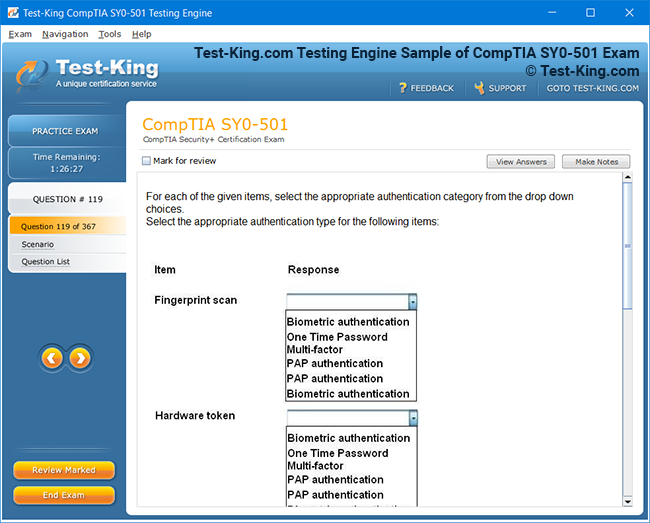
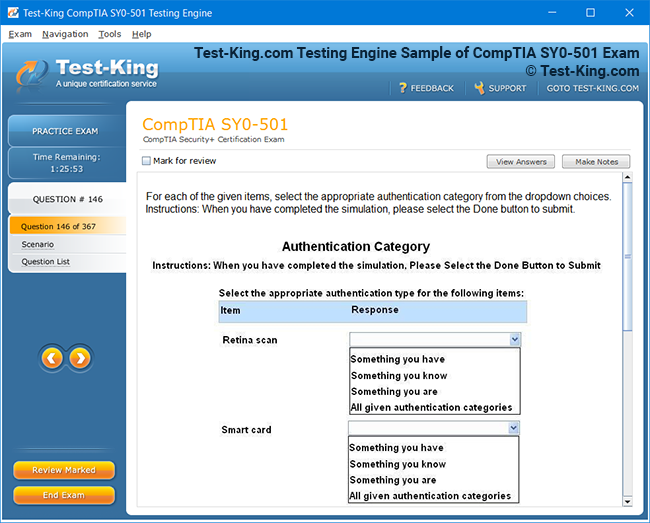
Product Screenshots
Overview of the Certified Data Center Technical Sales Professional Certification: Key Benefits for IT Professionals
The technological ecosystem of the twenty-first century thrives on the seamless orchestration of data, connectivity, and infrastructure. Within this ever-expanding digital frontier, data centers have evolved from simple repositories of storage and computation into the very nerve centers of modern enterprise functionality. As organizations worldwide intensify their migration toward cloud-integrated, hybrid, and edge computing models, the demand for individuals who can translate intricate data center technologies into client-centric business solutions has become indispensable. This growing necessity has led to the emergence of specialized credentials such as the Certified Data Center Technical Sales Professional certification, a prestigious qualification developed by Lenovo to fortify the bridge between technology and commerce.
Understanding the Certified Data Center Technical Sales Professional Certification and Its Relevance
The Certified Data Center Technical Sales Professional certification stands as an emblem of technical credibility and sales acumen. It is designed to empower professionals with an advanced understanding of Lenovo’s data center portfolio, including servers, storage systems, networking frameworks, and software-defined solutions. The essence of this credential lies in its dual focus: it cultivates deep technical comprehension while simultaneously refining the persuasive and consultative skills necessary to convey the tangible business value of complex data center architectures. For professionals in the IT and sales domains, this certification is not merely an additional line on a résumé—it is an affirmation of expertise and strategic insight within one of the most competitive sectors of the digital economy.
The data center landscape has undergone a radical transformation. Traditional monolithic architectures are being supplanted by modular, scalable, and energy-efficient designs. Organizations now prioritize agility, performance optimization, and sustainability. Lenovo’s approach to data center innovation harmonizes these priorities through its ThinkSystem and ThinkAgile solutions, offering infrastructure that can be meticulously tailored to an enterprise’s evolving needs. A Certified Data Center Technical Sales Professional gains a sophisticated understanding of how these systems function holistically—how compute, storage, and networking elements interact within a unified ecosystem that supports virtualization, artificial intelligence workloads, and hyperconverged infrastructures.
Possessing this credential signifies much more than technical fluency. It symbolizes the ability to engage clients with an analytical mindset, dissect their operational inefficiencies, and propose configurations that resonate with both technological precision and fiscal prudence. The certification prepares professionals to function as advisors rather than mere vendors, transforming transactional engagements into long-term strategic partnerships. By mastering the art of aligning Lenovo’s technological arsenal with client objectives, certified professionals contribute directly to business acceleration, cost reduction, and digital transformation.
Another dimension of this certification’s value lies in its alignment with the global standards of data center excellence. It is structured to ensure that professionals comprehend key principles of infrastructure resiliency, workload balancing, power management, and data protection. Such comprehension is critical in an age when data sovereignty, latency optimization, and carbon-conscious operations define the competitive edge. The curriculum’s rigor ensures that participants can articulate not only the specifications of Lenovo’s hardware but also the architectural philosophies that underpin data center modernization.
In the contemporary IT ecosystem, the boundary between technical implementation and strategic consultation is dissolving. Enterprises expect their sales professionals to possess technical literacy robust enough to anticipate the implications of their purchasing decisions. Lenovo’s Certified Data Center Technical Sales Professional certification answers this demand by producing individuals who can converse fluently in both technical and business dialects. These professionals interpret technological trends, predict client requirements, and construct proposals that merge innovation with practicality. This multidimensional capacity becomes particularly valuable in large-scale deployments where decision-making involves complex matrices of performance metrics, scalability expectations, and compliance requirements.
Earning the certification also exposes candidates to Lenovo’s vision of intelligent transformation. This vision emphasizes the convergence of artificial intelligence, cloud computing, and edge technologies as the bedrock of future-ready enterprises. Certified professionals learn to position Lenovo’s solutions within this narrative, elucidating how adaptive infrastructure contributes to data-driven decision-making, operational continuity, and sustainability. They gain insights into how modular designs and predictive analytics fortify system uptime, reduce operational costs, and enable seamless scalability across diverse workloads.
Beyond its technical focus, the certification embodies the ethos of customer empathy. In the realm of technical sales, understanding the psychological and operational pain points of clients is paramount. A Certified Data Center Technical Sales Professional is trained to diagnose these pain points through discovery sessions, analytical questioning, and needs-based assessment. The individual learns to interpret non-verbal cues, organizational priorities, and competitive pressures, translating them into tangible technical recommendations. This rare blend of emotional intelligence and technical intellect distinguishes certified professionals from their peers, positioning them as trusted advisors within the enterprise technology landscape.
The credential also enhances credibility in cross-functional collaboration. Within enterprise environments, data center sales professionals often liaise with system architects, network engineers, financial officers, and procurement specialists. Each stakeholder perceives value through a different lens—technical feasibility, financial viability, or operational impact. The Certified Data Center Technical Sales Professional certification equips individuals to navigate these multifaceted interactions with poise, articulating Lenovo’s technological advantages in terms that resonate across disciplines. This communicative dexterity not only expedites deal closures but also nurtures enduring client relationships built on trust and transparency.
In addition to its professional recognition, this certification functions as a gateway to career diversification. The spectrum of roles accessible to certified individuals extends beyond technical sales. Many leverage their expertise to transition into solution architecture, data center consultancy, or product management. The holistic curriculum cultivates analytical thinking and solution design capabilities that remain transferable across industries. Whether one aspires to work within multinational corporations, government agencies, or technology integrators, the certification validates a blend of knowledge and strategic orientation that aligns with the exigencies of contemporary digital infrastructure management.
The journey toward certification also instills a sense of disciplined learning. Preparing for the evaluation requires immersion into Lenovo’s architectural frameworks, understanding client engagement methodologies, and mastering competitive differentiation. This process enhances cognitive elasticity, allowing professionals to adapt swiftly to new technologies and market dynamics. Continuous learning becomes a natural extension of the certification experience, reinforcing a growth-oriented mindset indispensable for success in the fast-evolving IT sector.
From an organizational perspective, employing Certified Data Center Technical Sales Professionals contributes to elevated business outcomes. Teams composed of certified members exhibit improved alignment between sales objectives and technical feasibility. They deliver proposals that are both visionary and executable, reducing implementation risks and enhancing customer satisfaction. Lenovo’s training methodology emphasizes collaborative solution-building, ensuring that certified individuals can integrate seamlessly within global teams to deliver cohesive, high-impact outcomes.
Another essential facet of this credential is its emphasis on ethical engagement and sustainable innovation. In an age where data center energy consumption and e-waste management are under scrutiny, professionals must be equipped to advocate for environmentally responsible solutions. The certification trains individuals to promote Lenovo’s eco-conscious technologies and explain how efficient system design contributes to carbon footprint reduction without compromising performance. Such competence not only appeals to environmentally aware clients but also aligns with global sustainability mandates increasingly shaping procurement policies.
The Certified Data Center Technical Sales Professional certification serves as an enabler of professional ascendancy. It confers a competitive advantage in a market saturated with generalists by transforming the individual into a domain specialist capable of addressing intricate challenges with confidence and nuance. Professionals who possess this credential command respect within technical forums, client discussions, and strategic planning sessions. Their recommendations carry authority derived from structured learning and empirical understanding of Lenovo’s end-to-end solutions.
For newcomers entering the IT sales ecosystem, the certification provides a solid foundation for understanding how technology interlaces with business imperatives. For veterans, it acts as a refinement mechanism, deepening their comprehension of advanced infrastructure concepts and sharpening their communication skills. In both cases, the learning journey elevates cognitive sophistication, instilling a structured approach to analyzing customer environments, identifying optimization opportunities, and crafting tailored proposals that drive measurable business outcomes.
Furthermore, the global recognition of Lenovo’s brand amplifies the value of this certification. Employers and clients alike perceive it as an endorsement of technical reliability and consultative excellence. This recognition translates into expanded career mobility and access to prestigious projects. In regions where digital transformation initiatives are accelerating, certified professionals often assume leadership roles in designing and deploying large-scale infrastructure frameworks that underpin governmental modernization, financial digitalization, and industrial automation.
The economic implications of holding this certification extend beyond personal career growth. Professionals equipped with a nuanced understanding of Lenovo’s data center ecosystem help enterprises achieve greater operational efficiency and return on investment. They contribute to optimized resource utilization, reduced downtime, and enhanced performance predictability. These tangible benefits reinforce the professional’s value proposition and create a positive feedback loop of trust and opportunity within the client relationship.
The learning trajectory embedded in the certification also fosters technological curiosity. Participants delve into concepts like virtualization layering, workload orchestration, and storage optimization, learning how these elements coalesce to form resilient infrastructures. Such depth of comprehension empowers them to anticipate future technological shifts and advise clients accordingly. The ability to forecast industry evolution based on current trends transforms them into strategic assets within their organizations.
In essence, the Certified Data Center Technical Sales Professional certification encapsulates Lenovo’s commitment to cultivating a cadre of professionals who can harmonize technical mastery with consultative sophistication. It represents the confluence of engineering intelligence and human engagement—a synthesis critical for sustaining the digital metamorphosis of enterprises worldwide. Through this credential, professionals acquire not only knowledge but also perspective, learning to interpret technology not as isolated hardware but as an enabler of business continuity, agility, and innovation.
Exploring the Professional Value and Strategic Competence of the Certified Data Center Technical Sales Professional Certification
In the rapidly evolving domain of information technology, where digital transformation shapes every facet of organizational progress, the ability to merge technical depth with strategic sales expertise defines the competitive edge. The Certified Data Center Technical Sales Professional certification, offered by Lenovo, epitomizes this convergence by cultivating professionals who can interpret the complexities of data center infrastructures and translate them into business-centric solutions. This certification embodies more than a professional qualification—it represents a comprehensive intellectual journey into the world of modern data center architectures, consultative selling, and technology-driven value creation.
The modern data center operates as the cornerstone of enterprise resilience and scalability. Its orchestration of storage, compute, and networking resources determines how efficiently organizations process, analyze, and secure data. Yet, the value of a data center does not reside merely in its hardware or software components but in the way its architecture is conceptualized and presented to clients seeking performance, sustainability, and cost efficiency. The Certified Data Center Technical Sales Professional certification empowers individuals to navigate this multifaceted landscape, enabling them to communicate Lenovo’s data center solutions with both technical accuracy and strategic vision. It prepares professionals to articulate the tangible outcomes of technology—speed, reliability, and adaptability—through narratives that resonate with diverse business stakeholders.
A profound understanding of Lenovo’s data center ecosystem is at the heart of this certification. Candidates delve into the intricate configurations of ThinkSystem and ThinkAgile solutions, exploring how modular architectures enhance flexibility and support evolving workloads. They learn how compute nodes, network fabrics, and storage arrays integrate within an intelligent management environment to optimize performance and operational efficiency. This comprehension transforms them into architects of innovation who can design data center proposals not merely based on specifications but on business aspirations. The certification trains them to recognize how each technological component contributes to holistic enterprise functionality and to convey this insight convincingly in client dialogues.
One of the defining aspects of the Certified Data Center Technical Sales Professional credential is its focus on solution-based thinking. In a marketplace saturated with vendors promoting isolated technologies, the ability to present comprehensive solutions is indispensable. Lenovo’s certification fosters this ability by encouraging professionals to adopt a consultative mindset—one that prioritizes understanding the client’s environment, identifying operational inefficiencies, and prescribing solutions that harmonize performance with scalability. Through this approach, certified professionals evolve into strategic partners who accompany clients on their digital transformation journeys rather than merely selling products.
Another vital dimension of the certification is its emphasis on understanding emerging technological paradigms shaping the data center industry. Participants engage with subjects such as virtualization, cloud convergence, edge computing, and artificial intelligence integration. They learn to position Lenovo’s data center portfolio within the context of these disruptive trends, offering clients solutions that prepare them for the future rather than anchoring them to legacy architectures. By aligning their recommendations with technological foresight, certified professionals gain the trust of organizations seeking to modernize their IT landscapes without compromising stability or compliance.
The significance of this certification also extends to its cultivation of interpersonal intelligence. Selling sophisticated data center solutions demands more than technical prowess—it requires the ability to interpret business objectives, mediate stakeholder expectations, and build rapport based on integrity and understanding. The Certified Data Center Technical Sales Professional program integrates these principles into its framework, encouraging candidates to develop listening acumen, empathy, and negotiation finesse. Professionals who complete the certification learn to perceive client interactions as opportunities for discovery rather than persuasion, identifying unspoken challenges that can be resolved through precise technological application.
From a strategic standpoint, this certification enriches one’s ability to contribute to organizational growth and client retention. In highly competitive sales environments, differentiation is achieved not through pricing strategies alone but through the intellectual quality of engagement. Certified professionals stand out by offering consultative dialogues anchored in technical insight and contextual relevance. They are capable of constructing narratives that transcend the transactional, positioning Lenovo’s technologies as enablers of business transformation. Their proposals are grounded in data and foresight, ensuring that each recommendation aligns with the client’s operational model and future growth trajectory.
The program also deepens awareness of data center economics—a critical domain often overlooked by purely technical professionals. Certified individuals acquire proficiency in evaluating total cost of ownership, return on investment, and energy efficiency metrics. This financial literacy enables them to quantify the value of Lenovo’s offerings and present them in terms that resonate with executives and decision-makers. By bridging the gap between technology and finance, they demonstrate that infrastructure optimization is not merely an engineering pursuit but a strategic investment that amplifies enterprise competitiveness.
Equally important is the certification’s emphasis on global standards and compliance. As data centers increasingly operate under stringent governance frameworks and data protection laws, professionals must be versed in industry regulations and best practices. Lenovo’s certification ensures that participants understand the implications of security standards, redundancy models, and sustainability protocols. This knowledge allows them to design and recommend architectures that meet not only performance expectations but also legal and ethical mandates. Clients gain confidence knowing that certified professionals approach every solution with diligence, foresight, and regulatory awareness.
The pedagogical structure of the certification reflects Lenovo’s commitment to immersive learning. Candidates are exposed to a blend of theoretical comprehension and scenario-based problem solving. They explore case studies that replicate real-world complexities, from optimizing data storage for high-frequency trading environments to architecting resilient infrastructures for healthcare institutions. These exercises reinforce the adaptability of the professional, sharpening their analytical capabilities and decision-making under constraint. The emphasis on practical application ensures that upon completion, individuals are not merely knowledgeable but functionally adept in addressing diverse client requirements.
A distinguishing element of the certification’s value is its alignment with Lenovo’s broader philosophy of intelligent transformation. This philosophy centers on leveraging innovation to drive progress in industries ranging from finance to manufacturing. Certified professionals become ambassadors of this vision, advocating for infrastructures that enable agility, sustainability, and insight-driven performance. They learn to contextualize Lenovo’s technologies within the narrative of enterprise evolution, illustrating how solutions like hybrid cloud environments and hyperconverged systems empower organizations to operate more intelligently. Through this alignment, they embody not only technical proficiency but also brand ambassadorship, reinforcing Lenovo’s reputation for reliability and foresight.
The professional advantages conferred by the certification are multifaceted. In terms of employability, it enhances visibility within a competitive talent market where employers prioritize individuals who can bridge technical and commercial disciplines. Certified professionals often ascend to roles such as data center consultants, technical account managers, or enterprise solution specialists. These positions demand the same hybrid expertise cultivated through Lenovo’s program—strategic thinking complemented by technological discernment. In entrepreneurial contexts, the certification equips individuals to engage clients with authority, enabling them to lead business development initiatives anchored in technical credibility.
The credential also influences organizational performance by fostering cohesive collaboration between sales and engineering divisions. Within enterprises, miscommunication between these teams can lead to misaligned expectations and inefficiencies. Certified professionals act as intermediaries who translate engineering jargon into business rationale, ensuring that sales strategies are grounded in technical feasibility. This synthesis streamlines proposal development, accelerates deployment timelines, and elevates customer satisfaction. As a result, organizations that invest in certifying their workforce often experience enhanced internal cohesion and improved operational outcomes.
From a broader perspective, the certification reflects the ongoing professionalization of the technical sales discipline. Historically, technical sales was perceived as an auxiliary function within IT ecosystems. Today, it stands as a pivotal discipline that demands structured education, strategic awareness, and adaptive intelligence. Lenovo’s certification reinforces this paradigm shift by recognizing that selling advanced infrastructure requires the same analytical rigor as designing it. Certified individuals represent this new archetype of sales professionals who think architecturally, communicate strategically, and act with informed precision.
The journey toward certification also enriches personal intellectual maturity. The rigorous curriculum demands curiosity, perseverance, and adaptability. Candidates often encounter unfamiliar technologies or conceptual frameworks, compelling them to broaden their cognitive horizons. This intellectual expansion fosters confidence not only in professional contexts but also in personal growth. The ability to navigate complex systems, articulate nuanced arguments, and align diverse interests cultivates a versatile mindset applicable far beyond data center sales.
Another crucial advantage lies in the certification’s contribution to lifelong learning. Technology evolves with relentless velocity, and professionals who stagnate risk obsolescence. The Certified Data Center Technical Sales Professional certification establishes a foundation of learning agility, encouraging individuals to remain engaged with Lenovo’s continuous innovation cycles. Graduates of the program often pursue further specialization in cloud architectures, network automation, or sustainability management, reflecting the certification’s role as a catalyst for ongoing development.
The impact of this certification resonates not only with individual professionals but also with the broader technology ecosystem. Certified experts contribute to the proliferation of best practices in infrastructure design and customer engagement. Their ability to disseminate knowledge and mentor colleagues enhances organizational learning cultures, propagating technical literacy across teams. In doing so, they participate in shaping the collective competency of the industry, driving forward the standards of excellence that define the data center domain.
Equipped with this certification, professionals become conduits of innovation. They are empowered to guide clients through the labyrinth of technological choices with composure and clarity. Whether addressing latency optimization, workload balancing, or power efficiency, they approach each challenge with analytical rigor and solution-oriented creativity. This professional disposition inspires confidence and establishes a foundation for enduring business relationships. In a market where trust is paramount, such credibility becomes an invaluable asset.
In essence, the Certified Data Center Technical Sales Professional certification represents an intellectual and professional evolution. It synthesizes technical literacy, commercial acumen, and strategic empathy into a singular professional identity. Through Lenovo’s guidance, certified individuals gain the rare capability to harmonize the intricate mechanics of technology with the nuanced psychology of sales. They emerge not merely as intermediaries between product and client but as architects of business transformation—professionals who embody the future of consultative engagement in the digital infrastructure realm.
Understanding the Strategic and Technical Mastery Behind the Certified Data Center Technical Sales Professional Credential
The intricate world of enterprise infrastructure is evolving at a pace where technology, business intelligence, and consultative acumen must coalesce seamlessly. As organizations transition into an era defined by hybrid computing, edge intelligence, and automation-driven efficiency, the demand for professionals capable of uniting technical understanding with sales mastery continues to surge. The Certified Data Center Technical Sales Professional certification by Lenovo emerges as a transformative qualification designed to bridge this very intersection. It represents a comprehensive pathway that molds individuals into versatile specialists who can interpret technological complexity and distill it into coherent, value-driven propositions for modern enterprises.
This certification operates at the confluence of engineering and strategy, cultivating an ability to perceive the data center not merely as a collection of machines, but as a dynamic ecosystem that fuels organizational agility, scalability, and innovation. A professional who attains this credential understands that a data center’s efficacy is not determined by raw specifications alone, but by its symbiosis with business imperatives such as performance optimization, cost rationalization, and digital continuity. Lenovo’s training framework ensures that the Certified Data Center Technical Sales Professional develops both a granular technical comprehension and an elevated strategic vision—qualities indispensable in the evolving technology marketplace.
At its core, the certification delves into the architectural anatomy of Lenovo’s data center solutions. Professionals gain immersive exposure to the design principles underlying ThinkSystem and ThinkAgile infrastructures—frameworks that redefine efficiency, modularity, and scalability. They acquire a deep appreciation of how computing resources, storage hierarchies, and networking backbones integrate within a unified operational continuum. This knowledge extends beyond product familiarity; it equips professionals to dissect an enterprise’s existing infrastructure and identify avenues for improvement aligned with Lenovo’s innovation philosophy. Through the lens of this certification, a sales engagement becomes an analytical endeavor, where technical insight forms the foundation of persuasive, consultative dialogue.
One of the most significant attributes of the Certified Data Center Technical Sales Professional credential is its reinforcement of consultative engagement as a core competency. In traditional sales models, technology was often presented through a static narrative focused on features and specifications. Lenovo’s certification redefines this paradigm by emphasizing dynamic conversation—listening intently to client challenges, diagnosing infrastructure inefficiencies, and designing bespoke configurations that align with operational aspirations. Certified professionals learn to conduct discovery sessions that reveal the subtle pain points influencing purchasing behavior, enabling them to propose solutions grounded in both technological precision and strategic empathy.
Such an approach transforms the sales process into an act of problem-solving rather than persuasion. When engaging a client, the Certified Data Center Technical Sales Professional draws upon analytical reasoning to correlate Lenovo’s offerings with tangible outcomes—enhanced application responsiveness, optimized power consumption, or improved system resilience. They demonstrate how software-defined infrastructures and high-density computing platforms can elevate productivity while curtailing operational expenditures. This transformation from transactional selling to consultative partnership encapsulates the ethos of the certification and reflects Lenovo’s commitment to advancing ethical, intelligent commerce.
Another pivotal dimension of this credential is its focus on technological adaptability. The data center industry is in perpetual flux, shaped by emerging paradigms such as edge computing, artificial intelligence-driven automation, and zero-trust security frameworks. Certified professionals are trained to anticipate these evolutions and incorporate forward-thinking perspectives into their sales engagements. They learn to contextualize Lenovo’s technologies within a broader narrative of enterprise modernization, demonstrating how adaptive infrastructures can future-proof operations against volatility. This foresight transforms them into advisors who not only respond to current needs but also guide clients toward sustainable digital maturity.
The certification also instills a profound understanding of infrastructure economics. Data center investments are evaluated not only through technical performance metrics but also through financial indicators like total cost of ownership, return on investment, and lifecycle efficiency. Lenovo’s training curriculum empowers professionals to translate technical specifications into economic justification. By articulating the cost-benefit matrix of a proposed solution—be it through reduced energy consumption, simplified management, or enhanced workload optimization—they build credibility with executive stakeholders who prioritize fiscal prudence. This ability to bridge technological and financial reasoning distinguishes the Certified Data Center Technical Sales Professional as a rare hybrid of engineer and strategist.
A further strength of this certification lies in its global perspective. Lenovo operates across diverse markets, and the certification reflects this international dimension. Professionals gain awareness of regional regulatory frameworks, compliance standards, and environmental mandates influencing data center deployments. They understand the nuances of data localization, redundancy design, and sustainability metrics. This global literacy enables them to craft proposals that align with both local governance and international best practices. In a world where organizations navigate multifaceted compliance landscapes, such knowledge positions certified professionals as trusted advisors capable of steering clients through intricate decision-making processes.
The credential also emphasizes mastery over communication artistry. Selling data center infrastructure to technically sophisticated clients requires precision, clarity, and resonance. Lenovo’s program trains candidates to translate complex technical concepts into accessible narratives that retain authenticity while appealing to a non-technical audience. The Certified Data Center Technical Sales Professional learns to modulate discourse depending on the listener—employing analytical detail when addressing IT engineers and strategic brevity when speaking to business executives. This ability to adapt communication styles across stakeholder hierarchies amplifies influence, ensuring that technical truths are conveyed persuasively without distortion.
Interpersonal intelligence is equally integral to the certification’s framework. Professionals are encouraged to refine their emotional awareness, cultivate patience, and practice active listening. Data center sales often involve prolonged engagement cycles and negotiations that test perseverance and integrity. Lenovo’s certification embeds these values into its pedagogy, ensuring that its graduates represent the brand with both intellectual authority and human warmth. This equilibrium between technical expertise and relational acumen forms the foundation of enduring client trust—a cornerstone of success in enterprise technology ecosystems.
The Certified Data Center Technical Sales Professional certification also reinforces the concept of continuous innovation. Technology lifecycles are compressing rapidly, and solutions deemed advanced today may become obsolete within years. Certified professionals are trained to embrace perpetual learning, staying attuned to Lenovo’s evolving product suite, market trends, and client expectations. This culture of adaptability fortifies professional longevity, as individuals remain agile in responding to shifts in hardware design, software orchestration, and deployment models. The ability to assimilate emerging technologies like liquid cooling, automation frameworks, and machine learning analytics into client conversations ensures that certified professionals remain at the vanguard of data center modernization.
From an organizational perspective, employing certified professionals yields measurable strategic advantages. Teams comprising such individuals exhibit heightened cohesion between sales and engineering functions. Certified professionals act as the connective tissue linking conceptual design with practical execution. Their capacity to articulate engineering logic within a business context reduces friction between departments, enabling smoother project transitions from proposal to implementation. This interdisciplinary harmony accelerates delivery timelines, minimizes rework, and enhances customer satisfaction—outcomes that directly contribute to organizational profitability.
Another essential pillar of the certification’s value proposition is its alignment with sustainability. The global technology sector faces mounting scrutiny regarding energy efficiency, carbon emissions, and resource utilization. Lenovo’s data center philosophy integrates ecological mindfulness, emphasizing design approaches that minimize environmental impact while maximizing performance. Certified professionals learn to advocate for these principles, demonstrating how energy-efficient architectures and intelligent power management systems support corporate sustainability goals. By integrating environmental consciousness into sales dialogues, they elevate the moral and strategic stature of their proposals, appealing to clients increasingly guided by environmental, social, and governance considerations.
The credential also nurtures leadership potential. As professionals deepen their mastery over data center technologies and consultative methodologies, they naturally evolve into mentors and thought leaders within their organizations. Their analytical insights and communicative fluency position them to guide junior team members, influence sales strategies, and contribute to product development discussions. The Certified Data Center Technical Sales Professional thus transcends traditional sales boundaries, embodying the attributes of a strategist, educator, and innovator. This leadership capacity enhances both individual and collective performance, fostering an ecosystem of knowledge exchange and continuous improvement.
In practical application, the expertise gained through this certification manifests across diverse industries. Whether addressing the high-availability demands of financial institutions, the data compliance imperatives of healthcare providers, or the latency sensitivities of media enterprises, certified professionals tailor Lenovo’s solutions to sector-specific needs. They possess the cognitive dexterity to adapt architectures for varying workloads—virtualized environments, AI processing clusters, or storage-intensive analytics frameworks. This versatility underscores their ability to orchestrate infrastructures that are not only technically sound but contextually relevant, reinforcing Lenovo’s reputation for adaptability and precision engineering.
A hallmark of the certification’s effectiveness is its integration of customer-centric philosophy. Modern enterprises seek partners who comprehend their aspirations, constraints, and competitive landscapes. Certified professionals embody this empathy, adopting a client-first mindset that prioritizes long-term value over immediate transaction. They engage with stakeholders as collaborators in problem resolution, cultivating alliances that extend beyond the sale. This relational continuity generates repeat business, referrals, and mutual respect—intangible yet powerful dividends of consultative excellence.
From a macroeconomic standpoint, the proliferation of Certified Data Center Technical Sales Professionals contributes to the advancement of digital infrastructure worldwide. These professionals act as catalysts for innovation adoption, accelerating the deployment of high-performance, scalable, and secure systems. Their ability to articulate the economic and operational advantages of modernization encourages organizations to invest in technologies that drive productivity and sustainability. In doing so, they indirectly stimulate technological ecosystems, fostering progress across sectors reliant on efficient data management.
The intellectual rigor of the certification also instills analytical discipline. Through case-based exploration and scenario analysis, candidates learn to deconstruct complex client challenges into manageable components. They acquire diagnostic techniques for evaluating workloads, identifying performance bottlenecks, and recommending configurations that maximize throughput and resilience. This methodological precision transforms problem-solving into a science grounded in empirical reasoning. It enables certified professionals to engage with technical teams on equal footing, thereby ensuring that solutions are not only persuasive but structurally robust.
Moreover, the certification enriches one’s personal ethos of professionalism. The process of preparing for and achieving this credential demands persistence, humility, and intellectual curiosity. These traits, once ingrained, extend beyond professional pursuits into broader life contexts. Certified individuals become advocates of lifelong learning, precision in communication, and ethical engagement—values that resonate across disciplines. The transformation they undergo is as much character-driven as it is skill-oriented, shaping them into ambassadors of responsible technological advancement.
In a business world where differentiation increasingly depends on credibility and intellect, the Certified Data Center Technical Sales Professional certification stands as a mark of rare distinction. It signals to employers and clients alike that the holder possesses not just technical knowledge, but the discernment to apply it meaningfully. Such professionals navigate the delicate interplay between hardware performance, financial viability, and human collaboration with grace and authority. They represent a new archetype in the data-driven economy: individuals who see technology not as an end in itself, but as an instrument for progress, continuity, and empowerment.
Examining the Advanced Competencies and Global Impact of the Certified Data Center Technical Sales Professional Credential
The expanding universe of enterprise technology has created a need for professionals who not only comprehend the intricate workings of digital infrastructure but can also align that understanding with strategic business aspirations. The Certified Data Center Technical Sales Professional certification, developed by Lenovo, epitomizes this dual mastery. It represents a fusion of engineering intellect, commercial awareness, and interpersonal dexterity. This credential does not merely signify the possession of technical knowledge; it reflects a transformation in perspective—a shift from perceiving technology as static machinery to recognizing it as an organic force that fuels innovation, connectivity, and progress across the global digital economy.
The Certified Data Center Technical Sales Professional stands at the crossroads of technical sophistication and strategic foresight. In a data-driven world where organizations increasingly rely on hybrid and multi-cloud ecosystems, data centers serve as the foundational architecture that sustains operational integrity. This certification equips professionals with the aptitude to design, communicate, and sell solutions that integrate efficiency, reliability, and scalability. It instills the capacity to perceive technology through the lens of business evolution, enabling individuals to craft narratives where technical advancement directly translates into measurable enterprise outcomes such as reduced downtime, optimized resource allocation, and accelerated digital transformation.
At its essence, the certification fosters a profound command over Lenovo’s data center technologies. Candidates explore the architectural intelligence behind the ThinkSystem and ThinkAgile solutions, examining how their modular frameworks facilitate high-performance computing and dynamic scalability. This comprehension extends beyond the mechanical configuration of servers or storage arrays—it delves into understanding how these elements coalesce within a holistic data ecosystem that supports emerging workloads in artificial intelligence, analytics, and virtualization. The Certified Data Center Technical Sales Professional is trained to decipher how such technologies can be woven seamlessly into a client’s existing infrastructure, ensuring both continuity and innovation.
One of the defining qualities of this credential lies in its cultivation of consultative fluency. Modern enterprises seek advisors who can guide them through the labyrinthine complexity of digital modernization. The certification teaches professionals to become adept listeners and analytical thinkers, capable of identifying client pain points and articulating targeted solutions. They are trained to discern the subtleties in customer needs—whether it involves latency concerns, energy efficiency challenges, or cost containment—and to design proposals that integrate Lenovo’s technology within the context of these realities. This consultative expertise elevates professionals from transactional sellers to strategic collaborators who shape long-term partnerships anchored in trust and technical integrity.
The evolution of the data center landscape has introduced novel paradigms that redefine how enterprises process and distribute data. Concepts such as edge computing, hyperconverged infrastructure, and hybrid cloud integration have become critical to operational resilience. The Certified Data Center Technical Sales Professional certification embeds these emerging disciplines within its curriculum, ensuring that professionals remain conversant with the future trajectory of digital infrastructure. By understanding these paradigms, certified individuals can articulate how Lenovo’s data center solutions empower organizations to harness distributed computing, streamline workloads, and achieve agility across geographically dispersed operations. This foresight enables them to anticipate the next frontier of client requirements and to position Lenovo as a partner in their technological evolution.
A crucial aspect of the certification experience is its emphasis on aligning technical insight with financial reasoning. In enterprise decision-making, technology investments are inseparable from fiscal prudence. Certified professionals are trained to interpret performance metrics in terms of total cost of ownership and return on investment, presenting data center modernization not merely as an expense but as a strategic enabler of profitability. They learn to calculate the economic impact of energy-efficient architectures, reduced downtime, and automation-driven management. This capacity to weave financial logic into technical dialogue strengthens their influence in negotiations, as clients perceive them not only as technologists but as advisors capable of safeguarding business interests.
Lenovo’s commitment to sustainability also finds expression through this certification. The modern data center faces growing scrutiny regarding environmental impact, energy consumption, and waste management. Certified professionals acquire expertise in promoting Lenovo’s sustainable technologies—solutions that emphasize energy-efficient cooling systems, recyclable materials, and carbon-conscious design philosophies. They learn to position green technology as both an ethical imperative and a competitive differentiator, helping organizations align with environmental regulations while achieving operational efficiency. This dual emphasis on sustainability and performance ensures that certified professionals represent not only the technological excellence of Lenovo but also its corporate conscience.
Another cornerstone of this certification is its focus on the psychological and communicative dimensions of technical sales. Selling data center solutions is as much about understanding human behavior as it is about explaining hardware configurations. The Certified Data Center Technical Sales Professional develops refined interpersonal sensitivity, learning to navigate diverse client personas—from technical engineers seeking granular details to executives pursuing strategic clarity. This ability to tailor communication ensures that every engagement is precise, persuasive, and resonant. Professionals learn how to balance logic and empathy, transforming complex technical propositions into stories that inspire confidence and excitement in clients.
The learning journey embedded in the certification also reinforces intellectual agility. Professionals are trained to approach every sales opportunity as an analytical exercise, assessing variables such as workload demands, scalability potential, and risk mitigation. They acquire diagnostic methodologies to evaluate existing infrastructure bottlenecks and forecast the implications of modernization initiatives. This analytical precision is complemented by an ethical framework that prioritizes transparency and client success over short-term gain. Lenovo’s pedagogical philosophy instills the belief that sustainable business growth emerges from credibility and long-term value creation rather than transactional closure.
In addition to enhancing individual capabilities, the certification exerts transformative effects at the organizational level. Enterprises that employ Certified Data Center Technical Sales Professionals often experience improved synergy between technical and commercial teams. The certified individual acts as a conduit between engineering expertise and business strategy, ensuring that solutions proposed to clients are both visionary and feasible. This synthesis mitigates misalignment, fosters efficiency, and enhances the coherence of client-facing communications. In essence, these professionals function as architects of organizational harmony, unifying diverse departments under a shared commitment to excellence.
Beyond the immediate business impact, the certification’s influence extends into the broader technology ecosystem. Professionals who hold this credential contribute to the standardization of high-quality engagement within the data center sales industry. Their adherence to Lenovo’s ethical and technical frameworks sets benchmarks for client interaction and solution delivery. As they engage in projects across industries—from telecommunications to healthcare to finance—they disseminate a culture of precision and reliability. This ripple effect elevates the overall quality of technological consultancy and reinforces Lenovo’s status as a leader in data center innovation.
An often-overlooked advantage of the certification lies in its ability to cultivate resilience. The world of enterprise technology is characterized by volatility—rapid product evolutions, fluctuating market demands, and shifting regulatory environments. The Certified Data Center Technical Sales Professional learns to navigate this uncertainty with composure, employing adaptability as a strategic tool. Whether responding to the emergence of a new computing paradigm or addressing disruptions in the supply chain, certified professionals maintain equilibrium through informed decision-making and strategic anticipation. This resilience not only fortifies their individual careers but also safeguards the interests of clients who depend on their steadiness and insight.
The intellectual scope of this certification also extends to an appreciation of data center security. In an era where cyber threats escalate in sophistication and frequency, clients expect sales professionals to possess a foundational understanding of security frameworks. The certification ensures that professionals can discuss topics such as encryption, access control, and network segmentation with authority. They learn to present Lenovo’s security-centric solutions as integral to business continuity, helping organizations mitigate risks and preserve data integrity. This security consciousness enhances their credibility and demonstrates that technological advocacy is inseparable from operational safety.
Equally significant is the certification’s emphasis on cultural intelligence. Lenovo’s global presence necessitates that professionals operate within diverse cultural and linguistic contexts. The certification encourages sensitivity to cultural nuances in negotiation, communication, and collaboration. Certified individuals learn to adapt their engagement style according to regional business etiquette while maintaining Lenovo’s universal standards of professionalism. This cultural agility enables them to build rapport across geographies, making them effective ambassadors in Lenovo’s international client network.
The Certified Data Center Technical Sales Professional credential also represents a gateway to leadership and thought influence within the technology industry. Professionals who achieve this certification often evolve into mentors, guiding peers and junior colleagues toward technical excellence. Their insights into market dynamics and customer behavior make them valuable contributors to organizational strategy. Many certified individuals participate in knowledge-sharing forums, webinars, and professional associations, shaping conversations about the future of data center innovation. Their authority stems from a combination of technical authenticity and communicative clarity—attributes that define effective leaders in the digital age.
On a broader scale, the certification reflects Lenovo’s vision of intelligent transformation, a philosophy that underscores the integration of data, computing power, and human creativity. Certified professionals internalize this vision, learning to present technology as an enabler of societal advancement rather than mere industrial utility. They become advocates for digital equity, efficiency, and sustainability, helping organizations deploy infrastructure that enhances both productivity and human well-being. This alignment with Lenovo’s transformative ethos enriches their professional purpose, turning every client interaction into an opportunity to advance a larger mission.
The educational methodology of the certification reinforces practical competence through experiential learning. Candidates are exposed to scenario-based exercises that replicate real-world complexities such as designing infrastructure for mission-critical applications or optimizing hybrid workloads across multiple environments. Through these simulations, professionals develop the confidence to handle diverse client scenarios with analytical precision. The certification transforms theoretical knowledge into operational capability, ensuring that graduates can immediately apply their learning to tangible business challenges.
Moreover, the certification encourages introspection about one’s professional identity. It challenges individuals to reassess how they define success in the technology domain—not merely in terms of revenue generation, but through the enduring impact of the solutions they advocate. Certified professionals begin to view themselves as stewards of digital progress, entrusted with guiding enterprises toward resilience and innovation. This sense of responsibility fosters ethical decision-making and long-term commitment to excellence.
From a market perspective, holding the Certified Data Center Technical Sales Professional credential enhances one’s reputation in an increasingly competitive field. Employers and clients perceive the certification as a hallmark of reliability and intellectual rigor. It validates the professional’s ability to navigate both the technological and interpersonal dimensions of enterprise engagement. Certified individuals often find themselves at the forefront of strategic initiatives, participating in major infrastructure deployments and advising senior leadership on technology investments. Their insights become instrumental in shaping organizational trajectories, affirming the certification’s role as a career accelerant.
Finally, the holistic nature of this certification ensures that professionals emerge not only as technical experts but as architects of transformative change. They possess the intellectual depth to analyze complex infrastructures, the empathy to understand client aspirations, and the foresight to anticipate future technological trends. Their mastery extends beyond product knowledge to encompass the art of influence, negotiation, and leadership. In a business environment increasingly defined by convergence and complexity, such multidimensional expertise is indispensable.
The Certified Data Center Technical Sales Professional certification thus stands as an emblem of professional evolution and global relevance. It synthesizes technology, commerce, and human engagement into a single discipline, empowering professionals to navigate the digital frontier with confidence and vision. Those who earn this credential embody a rare synthesis of technical intellect and consultative grace—a combination that continues to redefine the future of enterprise technology and the very essence of intelligent salesmanship.
Exploring Strategic Proficiency and Transformational Impact of the Certified Data Center Technical Sales Professional Credential
In the rapidly transforming domain of information technology, the Certified Data Center Technical Sales Professional certification from Lenovo symbolizes a synthesis of technical depth, consultative precision, and commercial sagacity. This credential empowers professionals to bridge the complex intersection of advanced data center technologies and strategic business imperatives. It equips individuals with the cognitive dexterity to comprehend the granular architecture of data centers while cultivating the persuasive aptitude to communicate their business value to diverse stakeholders. In the evolving landscape of digital modernization, this certification functions as a conduit between innovation and enterprise prosperity, producing professionals who can translate intricate infrastructure concepts into tangible, outcome-driven narratives.
The central premise of the certification revolves around a holistic comprehension of the data center ecosystem. It encompasses an in-depth study of server architectures, storage arrays, networking constructs, and virtualization frameworks that together constitute the foundation of enterprise computing. However, the Certified Data Center Technical Sales Professional is trained to transcend the mechanical details of hardware configuration and delve into the strategic rationale behind technological integration. This analytical orientation enables them to understand not merely how systems operate, but why specific solutions best serve a client’s operational goals. In doing so, they transform from technical intermediaries into trusted advisors whose expertise influences critical decision-making at the executive level.
Lenovo’s certification program is distinguished by its rigorous emphasis on experiential learning and real-world applicability. Candidates engage in scenario-based exercises designed to mirror the complexities of enterprise infrastructure design and client engagement. Through these simulated experiences, professionals refine their ability to diagnose challenges, design tailored solutions, and present comprehensive business cases. This applied methodology ensures that the certification transcends theoretical abstraction and culminates in actionable proficiency. Participants learn how to align Lenovo’s ThinkSystem and ThinkAgile platforms with client requirements such as scalability, performance optimization, and sustainability. The result is a professional who not only comprehends the technology but also understands how to leverage it as a catalyst for organizational transformation.
The certification also underscores the growing significance of hybrid and multi-cloud environments. Modern enterprises rarely operate within a singular infrastructure paradigm; instead, they integrate on-premises systems with public and private clouds to achieve agility and resilience. Certified professionals acquire an advanced understanding of these architectures, exploring how Lenovo’s data center solutions enable seamless interoperability across hybrid ecosystems. They learn to articulate the advantages of workload mobility, data sovereignty, and distributed intelligence—concepts that define the contemporary digital infrastructure landscape. This fluency allows them to engage in strategic discussions with clients who are navigating the intricacies of cloud migration, workload orchestration, and cost governance.
An equally vital dimension of this credential is its emphasis on sustainability and environmental stewardship. Data centers, as energy-intensive entities, have become focal points in global sustainability dialogues. The certification instills an awareness of green data center principles, including energy-efficient cooling mechanisms, recyclable component design, and carbon footprint reduction strategies. Professionals are taught how to integrate Lenovo’s sustainability initiatives into client engagements, positioning eco-conscious solutions as both responsible and economically advantageous. By aligning technology recommendations with corporate environmental goals, certified individuals enable organizations to balance innovation with ecological accountability. This convergence of ethics and efficiency exemplifies the forward-thinking philosophy embedded within Lenovo’s educational approach.
Furthermore, the certification cultivates mastery in the psychological art of consultative selling. Success in technical sales is not determined solely by one’s ability to describe specifications, but by the capacity to listen, interpret, and empathize. The Certified Data Center Technical Sales Professional develops an acute sensitivity to client psychology, learning to discern implicit needs and align solutions with unspoken concerns. This empathetic intelligence transforms interactions into partnerships, where clients perceive the professional as an extension of their strategic team. Such relationships are founded upon trust, which becomes the cornerstone of enduring commercial alliances.
Communication, as an indispensable pillar of influence, also receives substantial emphasis. The certification teaches professionals to communicate with clarity, brevity, and resonance across varying audience levels. Whether presenting to a chief technology officer, a procurement officer, or a system administrator, the certified professional adjusts their linguistic tone and technical density accordingly. They learn to transform abstract data into meaningful insights, leveraging narrative techniques that transform technical exposition into engaging storytelling. This skill proves invaluable in negotiations, proposals, and presentations where persuasion must coexist with precision.
From a technical vantage point, the Certified Data Center Technical Sales Professional develops fluency in data center architecture, encompassing compute density, virtualization strategies, and storage optimization. Candidates gain insight into the intricacies of Lenovo’s ThinkSystem portfolio, exploring how modular design enables scalable deployment and how advanced processors, memory configurations, and management tools enhance operational performance. Equally, they study ThinkAgile solutions, which represent the zenith of hyperconverged infrastructure innovation, merging compute, storage, and networking into unified platforms. This comprehension allows professionals to design proposals that not only meet technical requirements but anticipate future scalability and resilience needs.
Security, a foundational aspect of modern data center design, occupies a central role within the certification curriculum. As organizations confront escalating cyber threats, professionals must understand the architectural principles that safeguard digital assets. The certification educates candidates on Lenovo’s security-first design philosophy, including hardware-level protections, encryption methodologies, and access control mechanisms. Certified individuals can engage clients in discussions about risk mitigation, compliance alignment, and business continuity, demonstrating that security considerations are integral rather than supplementary to infrastructure planning. This awareness strengthens client confidence and enhances the professional’s credibility as a guardian of both technological and operational integrity.
In addition to its technical and communicative dimensions, the certification also fosters strategic literacy. Certified professionals are trained to interpret business objectives, financial metrics, and market dynamics. They learn how to position Lenovo’s data center offerings not as mere technological acquisitions but as strategic investments that yield quantifiable returns. The curriculum emphasizes total cost of ownership analysis, lifecycle management, and productivity optimization, ensuring that every proposal is underpinned by financial rationale. This capacity to link technology with business outcomes elevates professionals into strategic consultants whose recommendations influence executive decision-making.
The certification’s pedagogical framework is designed to nurture continuous learning and adaptability. The technology landscape evolves at an unprecedented velocity, rendering static knowledge obsolete. Lenovo’s educational model encourages curiosity, encouraging professionals to remain intellectually agile and receptive to emerging trends. Certified individuals are trained to engage in lifelong learning, exploring advancements in artificial intelligence, automation, and quantum computing—disciplines that will shape the next generation of data center evolution. This commitment to perpetual growth ensures that their expertise remains relevant and their perspectives remain visionary.
Another essential aspect of the Certified Data Center Technical Sales Professional certification lies in its cultivation of collaborative intelligence. Data center projects often require cross-functional coordination between sales engineers, architects, and service delivery teams. The certification teaches professionals to function effectively within such ecosystems, emphasizing teamwork, transparent communication, and unified goal orientation. They learn to mediate between departments, translating technical jargon into business language and ensuring alignment across project stages. This capacity for integrative thinking enables them to serve as the connective tissue of organizational coherence, harmonizing diverse talents toward shared success.
Moreover, the certification reinforces the value of ethical professionalism. In an era where technological advancement often outpaces regulatory frameworks, integrity becomes a differentiating attribute. Certified professionals are guided by ethical standards that prioritize honesty, transparency, and fairness in every client engagement. They are taught to provide recommendations that serve client interests rather than short-term gain, fostering credibility that endures beyond individual transactions. This ethical discipline aligns with Lenovo’s corporate philosophy of responsible innovation—an ethos that emphasizes humanity’s role within technological progress.
The global applicability of this certification further enhances its prestige. Lenovo’s presence across continents means that Certified Data Center Technical Sales Professionals operate within a multicultural and multilingual environment. They acquire cultural sensitivity and learn how to navigate international business etiquette, ensuring effective collaboration across borders. This global perspective broadens their professional horizon and enriches their capacity to engage with clients operating in diverse regulatory and market landscapes. The ability to contextualize technology within cultural and regional frameworks distinguishes them as globally attuned professionals capable of shaping transnational technological dialogues.
From an employment perspective, the credential serves as a formidable differentiator in an increasingly competitive marketplace. Organizations seeking to strengthen their technical sales teams prioritize candidates who possess both technical mastery and business acumen. The Certified Data Center Technical Sales Professional credential signals precisely this dual proficiency. Employers recognize certified individuals as assets capable of driving revenue growth, nurturing client satisfaction, and advancing organizational objectives. This recognition often translates into enhanced career mobility, higher compensation, and greater visibility within the professional community.
The certification also functions as a platform for leadership development. Professionals who achieve this designation often evolve into mentors, guiding peers and nurturing collective excellence. Their ability to articulate vision, foster innovation, and inspire confidence positions them as leaders both within their organizations and within the broader technological ecosystem. Many certified individuals contribute to industry discussions, share insights at conferences, and publish thought leadership that influences how enterprises perceive and adopt emerging data center technologies. This intellectual influence amplifies the prestige of the certification, transforming it into a symbol of thought authority and professional distinction.
Another dimension of this credential is its contribution to the evolution of customer-centric business models. Lenovo’s educational framework encourages professionals to view every engagement through the lens of client success. Certified individuals learn to measure their performance not solely through revenue metrics but through the tangible benefits experienced by their clients—reduced latency, improved scalability, lower operational costs, and enhanced business continuity. This outcome-oriented philosophy cultivates empathy-driven professionals who prioritize sustainable partnerships over transactional outcomes.
Additionally, the certification deepens one’s understanding of emerging technological frontiers. The curriculum explores the integration of artificial intelligence, machine learning, and automation within modern data center frameworks. Professionals learn how to position these advancements as strategic enablers that enhance performance and intelligence across enterprise infrastructures. By understanding the interplay between these technologies, certified individuals can guide organizations toward adopting architectures that are not only efficient but anticipatory—systems that learn, adapt, and evolve alongside business demands.
The intellectual transformation engendered by the certification culminates in a refined professional identity—one defined by mastery, adaptability, and vision. Certified Data Center Technical Sales Professionals emerge as polymaths who combine the analytical precision of engineers with the empathetic insight of consultants and the strategic foresight of executives. Their expertise transcends disciplinary boundaries, allowing them to function as catalysts of digital evolution within the global enterprise ecosystem.
Ultimately, the Certified Data Center Technical Sales Professional certification reflects Lenovo’s enduring commitment to excellence, innovation, and human advancement. It embodies a philosophy that celebrates not only technological ingenuity but also the human intellect that animates it. Through this credential, Lenovo cultivates a new generation of professionals who perceive technology as an instrument of empowerment—tools that extend human potential and drive societal progress. Their influence reverberates across industries, shaping infrastructures that sustain commerce, communication, and creativity in an increasingly interconnected world.
The Comprehensive Professional and Strategic Evolution Through the Certified Data Center Technical Sales Professional Certification
The Certified Data Center Technical Sales Professional certification from Lenovo stands as an emblem of technological acumen fused with commercial insight, representing a pathway toward mastery in both the technical and human dimensions of enterprise technology. In an era where the digital economy defines the rhythm of global progress, professionals who navigate the intricate labyrinth of data center infrastructure, cloud ecosystems, and enterprise integration hold an indispensable role in shaping how organizations evolve. This certification, meticulously structured by Lenovo, cultivates the intellectual agility, technical literacy, and strategic awareness necessary to succeed in this competitive environment. It transforms technologists into trusted advisors, capable of translating innovation into tangible business value while maintaining a profound awareness of the broader implications of technological advancement.
At its foundation, the certification is designed to equip professionals with an exhaustive understanding of Lenovo’s cutting-edge data center solutions, encompassing the ThinkSystem and ThinkAgile portfolios. Candidates explore the technological underpinnings that make these systems adaptable to the demands of contemporary digital infrastructure. This includes mastering server architecture, storage scalability, virtualization frameworks, and networking configurations that define modern data center performance. Yet, the certification extends far beyond technical knowledge—it fosters a holistic comprehension of how infrastructure decisions affect an enterprise’s economic vitality, operational agility, and environmental sustainability. The Certified Data Center Technical Sales Professional becomes a conduit through which complex engineering principles are transmuted into strategic opportunities.
The pedagogical approach underpinning Lenovo’s certification is distinguished by its experiential rigor. Participants engage in scenario-driven training that mirrors the intricate challenges of real-world enterprise environments. They learn to identify inefficiencies, conceptualize transformative solutions, and articulate proposals that integrate both technological precision and fiscal prudence. This synthesis of technical evaluation and business logic is what distinguishes certified professionals from traditional sales practitioners. Instead of merely promoting products, they advocate holistic architectures that align with each client’s aspirations for performance, scalability, and security. This alignment transforms every sales engagement into a consultative dialogue, where solutions are crafted collaboratively and rooted in empirical analysis.
In this dynamic interplay between technology and commerce, the Certified Data Center Technical Sales Professional embodies the ethos of adaptability. The data center landscape is in perpetual flux, influenced by the acceleration of artificial intelligence, edge computing, automation, and hybrid cloud integration. The certification ensures that professionals remain intellectually agile, capable of interpreting and anticipating technological shifts. By understanding the trajectory of innovation, they position Lenovo’s data center solutions as not only relevant but visionary—technologies that anticipate future workloads, energy demands, and enterprise architectures. This forward-looking perspective distinguishes certified professionals as architects of digital transformation rather than participants in reactive modernization.
An integral component of this credential is its cultivation of analytical literacy. Certified professionals are trained to interpret data, assess performance metrics, and evaluate the financial and operational implications of infrastructure choices. They gain the capability to calculate total cost of ownership, forecast return on investment, and assess lifecycle efficiency. These analytical competencies allow them to communicate persuasively with decision-makers, illustrating how Lenovo’s solutions deliver measurable business outcomes. In essence, the certification produces professionals who think in systems—connecting the dots between technology investment and long-term value creation.
Equally profound is the certification’s emphasis on communication and psychological acuity. Technical expertise, while indispensable, achieves its fullest potential when accompanied by clarity of expression and emotional intelligence. Professionals learn how to craft narratives that resonate with diverse audiences—from engineers seeking technical granularity to executives demanding strategic justification. The curriculum encourages professionals to refine their articulation, transforming complex data into comprehensible insight and persuasive dialogue. This rhetorical finesse, coupled with empathetic listening, enhances their ability to negotiate, influence, and inspire trust. Through this balanced amalgam of intellect and emotion, certified individuals become not only communicators but interpreters of innovation.
The data center environment is a domain where reliability, scalability, and security converge. Within this triad, the Certified Data Center Technical Sales Professional develops mastery over the structural and operational intricacies that sustain digital ecosystems. Professionals examine the interplay between compute density, storage optimization, and network throughput, understanding how these variables influence application performance and business continuity. The certification also places substantial focus on virtualization and software-defined infrastructure, teaching candidates how Lenovo’s adaptive solutions enable enterprises to achieve elasticity and efficiency across heterogeneous environments. These insights allow professionals to design architectures that accommodate evolving workloads and future-proof organizational operations.
Sustainability is another cornerstone of this certification’s philosophy. As enterprises worldwide grapple with the environmental ramifications of large-scale computing, the role of sustainable data center design has gained prominence. Lenovo integrates ecological consciousness into every facet of its technology, and certified professionals become ambassadors of this green vision. They learn to discuss energy efficiency, carbon reduction, and resource optimization not as peripheral considerations but as strategic imperatives. This approach enables them to position Lenovo’s data center innovations as harmonizing technological advancement with environmental stewardship. In doing so, they empower organizations to achieve their operational goals while fulfilling global sustainability commitments—a fusion of progress and responsibility that defines the future of enterprise technology.
Beyond sustainability, the certification delves into the strategic significance of automation and artificial intelligence within data centers. As automation increasingly governs routine tasks, professionals must understand its impact on efficiency, reliability, and human resource optimization. The Certified Data Center Technical Sales Professional learns to articulate how Lenovo’s automation frameworks simplify management, reduce downtime, and enhance predictive maintenance. Furthermore, the integration of AI into infrastructure management introduces intelligent decision-making processes, enabling enterprises to optimize resource allocation dynamically. Certified professionals possess the intellectual dexterity to contextualize these advancements, framing them as enablers of both technical evolution and organizational agility.
Security remains an omnipresent concern within data center operations. The certification equips professionals with a foundational comprehension of cybersecurity frameworks, encryption technologies, and compliance protocols. They explore Lenovo’s built-in security mechanisms, understanding how these safeguards protect data integrity and ensure regulatory adherence. When engaging clients, certified professionals can articulate the importance of embedding security at the architectural level rather than as an afterthought. This understanding enhances the credibility of their recommendations, presenting Lenovo’s solutions as resilient foundations for digital trust. In a world where breaches and vulnerabilities can dismantle reputations overnight, such knowledge is invaluable.
The certification also recognizes the indispensable role of cultural and global intelligence in professional success. Lenovo’s global reach necessitates that certified individuals operate across geographical, linguistic, and cultural boundaries. Professionals are trained to interpret nuances in client communication, negotiation styles, and decision-making behaviors across regions. This cross-cultural fluency transforms them into global ambassadors capable of fostering meaningful collaborations. They adapt their strategies with cultural sensitivity while maintaining Lenovo’s universal principles of integrity and innovation. This intercultural awareness not only enhances their effectiveness but also reinforces Lenovo’s image as a globally inclusive organization that values diversity as a driver of creativity.
The broader implications of the Certified Data Center Technical Sales Professional credential extend to organizational transformation. Certified individuals serve as bridges between technical and commercial units, facilitating coherence and alignment across departments. Their ability to interpret engineering concepts in business language enhances coordination between design, sales, and service delivery teams. This integrative role mitigates miscommunication, accelerates project timelines, and amplifies customer satisfaction. As internal connectors, certified professionals foster environments where innovation is not fragmented but orchestrated—a symphony of shared purpose and technical precision.
From a career perspective, the certification represents both a credential of distinction and a catalyst for progression. In an increasingly competitive marketplace, professionals who possess this certification enjoy heightened recognition and career mobility. Organizations view them as indispensable assets who combine technological literacy with persuasive competence. The credential signals to employers that the holder can lead strategic initiatives, drive enterprise modernization, and navigate client relationships with sophistication. As a result, certified professionals often ascend to leadership roles, contributing not only as individual performers but as architects of organizational growth.
Moreover, the certification empowers professionals to participate actively in shaping the discourse of technology. Many certified individuals engage in thought leadership activities—publishing insights, conducting webinars, and mentoring peers. Their informed perspectives influence how industries interpret emerging technologies and approach infrastructure innovation. Through such contributions, the Certified Data Center Technical Sales Professional becomes more than a title; it evolves into a platform for intellectual influence and community advancement.
The certification also encourages introspection and ethical clarity. Professionals are guided to recognize their responsibility within the technological continuum—to view their role not merely as sales intermediaries but as custodians of progress. They are trained to uphold transparency, fairness, and authenticity in every engagement, ensuring that technology serves humanity rather than exploiting it. This ethical grounding fosters trust and positions certified individuals as exemplars of responsible innovation. The Lenovo philosophy of integrity, embedded throughout the certification, transforms ethics from abstract doctrine into daily professional conduct.
The most transformative outcome of the certification, however, lies in its cultivation of resilience. The technology sector is characterized by volatility—products evolve, markets fluctuate, and expectations shift. The Certified Data Center Technical Sales Professional develops the mental agility to adapt without losing direction. They perceive change not as disruption but as opportunity, using their expertise to guide clients and organizations through uncertainty. This resilience ensures continuity in value creation, regardless of technological upheaval. In embodying adaptability, certified professionals mirror the very qualities that define Lenovo’s innovations: flexibility, endurance, and perpetual reinvention.
As the digital world continues to evolve, the Certified Data Center Technical Sales Professional certification stands as an enduring testament to Lenovo’s vision of intelligent transformation. It affirms that mastery in technology must coexist with wisdom in human understanding. The credential nurtures individuals who comprehend both the science of systems and the art of relationships, equipping them to navigate the symbiotic relationship between data, design, and decision-making. Through their expertise, organizations transcend the constraints of hardware and software to achieve intelligent ecosystems that drive sustainable success.
Conclusion
The Certified Data Center Technical Sales Professional certification by Lenovo transcends the conventional parameters of technical qualification. It represents a journey of intellectual expansion, emotional intelligence, and ethical refinement. Certified professionals emerge not only as experts in infrastructure but as interpreters of innovation, guiding organizations toward digital maturity with foresight and integrity. They embody Lenovo’s philosophy of intelligent transformation—where technology, humanity, and sustainability converge to create a smarter, more resilient world.
By blending technical rigor with strategic articulation, sustainability with profitability, and precision with empathy, this certification molds individuals into architects of progress. It equips them to thrive amid complexity, influence change, and lead with vision. As enterprises worldwide continue to rely on data-driven architectures, the professionals shaped by this certification will remain at the forefront—translating technological capability into enduring value, ensuring that the data center remains not merely a space of computation but the beating heart of the digital era.
Frequently Asked Questions
How can I get the products after purchase?
All products are available for download immediately from your Member's Area. Once you have made the payment, you will be transferred to Member's Area where you can login and download the products you have purchased to your computer.
How long can I use my product? Will it be valid forever?
Test-King products have a validity of 90 days from the date of purchase. This means that any updates to the products, including but not limited to new questions, or updates and changes by our editing team, will be automatically downloaded on to computer to make sure that you get latest exam prep materials during those 90 days.
Can I renew my product if when it's expired?
Yes, when the 90 days of your product validity are over, you have the option of renewing your expired products with a 30% discount. This can be done in your Member's Area.
Please note that you will not be able to use the product after it has expired if you don't renew it.
How often are the questions updated?
We always try to provide the latest pool of questions, Updates in the questions depend on the changes in actual pool of questions by different vendors. As soon as we know about the change in the exam question pool we try our best to update the products as fast as possible.
How many computers I can download Test-King software on?
You can download the Test-King products on the maximum number of 2 (two) computers or devices. If you need to use the software on more than two machines, you can purchase this option separately. Please email support@test-king.com if you need to use more than 5 (five) computers.
What is a PDF Version?
PDF Version is a pdf document of Questions & Answers product. The document file has standart .pdf format, which can be easily read by any pdf reader application like Adobe Acrobat Reader, Foxit Reader, OpenOffice, Google Docs and many others.
Can I purchase PDF Version without the Testing Engine?
PDF Version cannot be purchased separately. It is only available as an add-on to main Question & Answer Testing Engine product.
What operating systems are supported by your Testing Engine software?
Our testing engine is supported by Windows. Andriod and IOS software is currently under development.