

Certification: Investment Company and Variable Contracts Products Representative
Certification Full Name: Investment Company and Variable Contracts Products Representative
Certification Provider: FINRA
Exam Code: Series 6
Exam Name: Investment Company and Variable Contracts Products Representative Qualification Examination (IR)
Product Screenshots
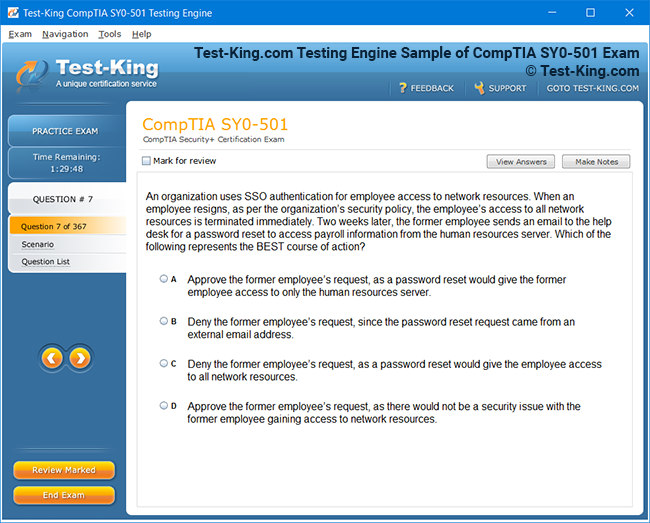
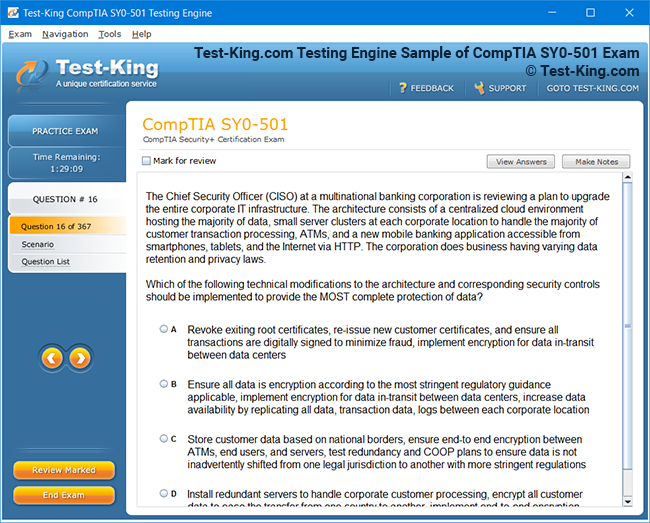
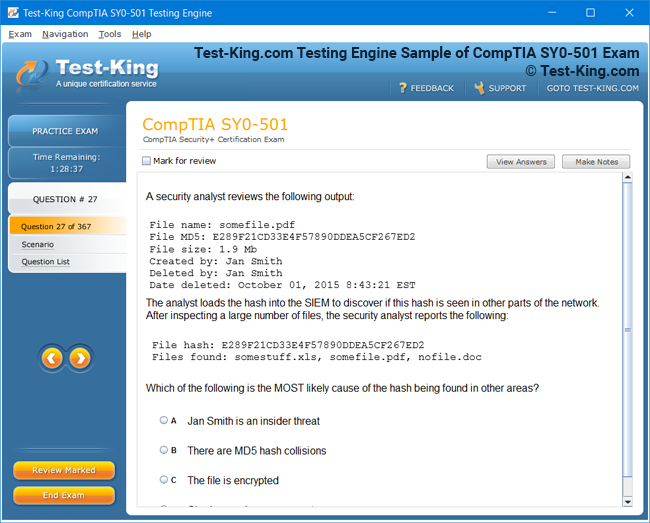
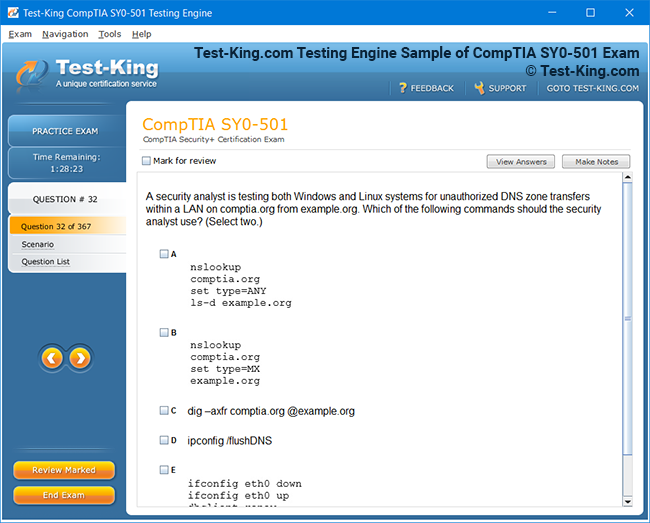
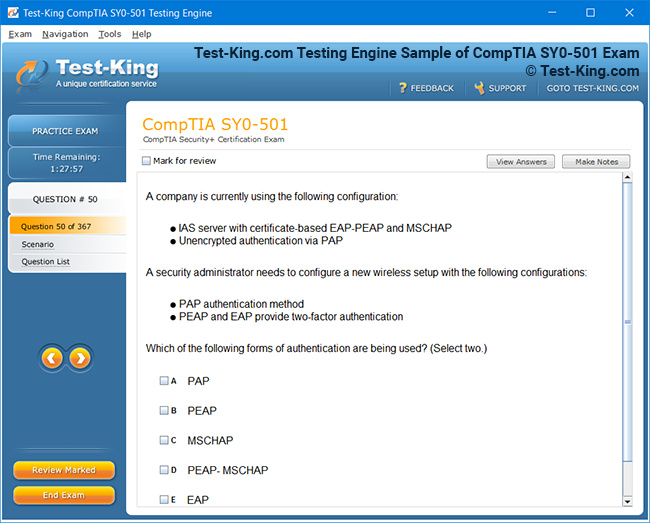
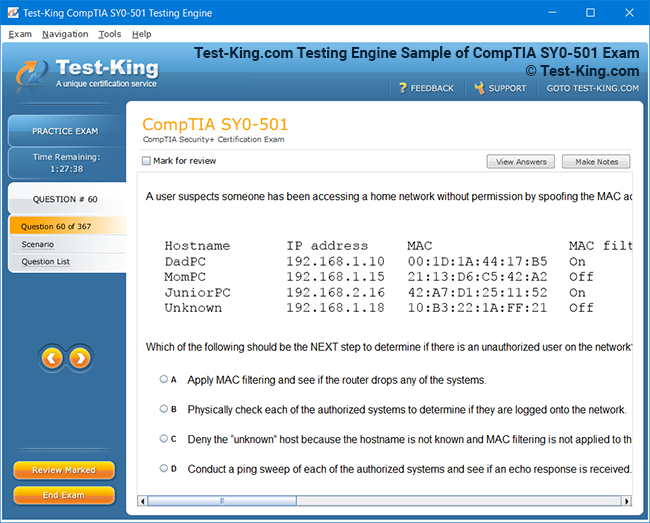
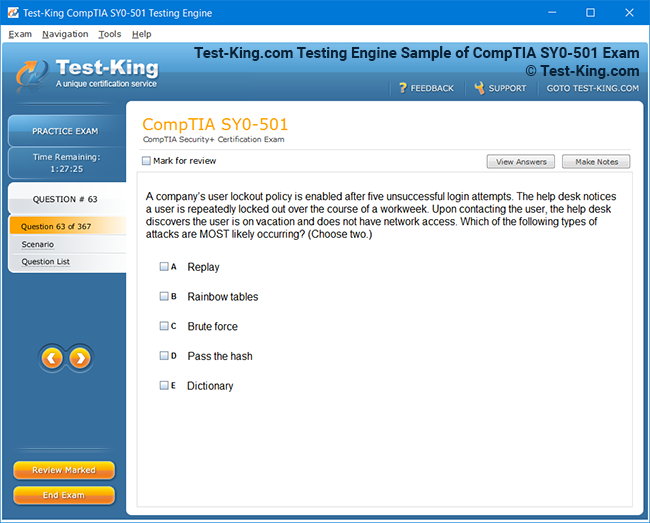
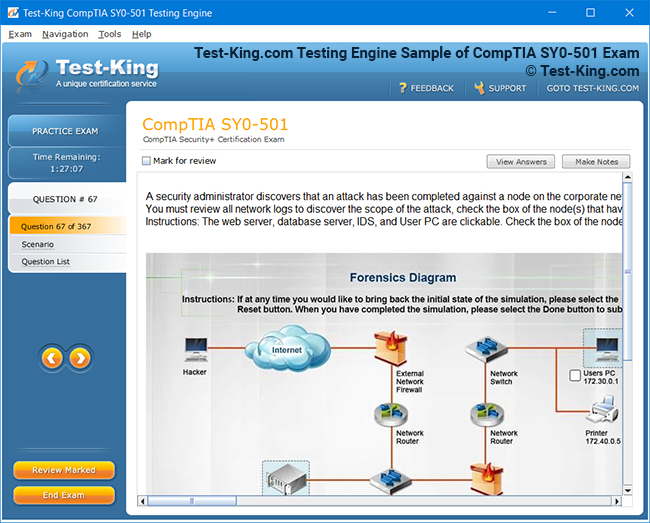
A Complete Guide to the FINRA Investment Company and Variable Contracts Products Representative Certification – Everything You Need to Know
The Investment Company and Variable Contracts Products Representative certification, administered by FINRA, is a distinguished credential for financial professionals who wish to demonstrate their expertise in mutual funds, variable annuities, and related investment products. This certification is a pivotal milestone for those aiming to establish credibility in the financial services industry, as it validates an individual’s proficiency in offering and managing complex investment vehicles to clients with diverse financial goals. In an era of increasing financial intricacy, where investors demand nuanced guidance, the certification equips professionals with the knowledge and regulatory understanding necessary to navigate sophisticated investment landscapes with finesse and prudence.
Understanding the Investment Company and Variable Contracts Products Representative Certification
FINRA, the Financial Industry Regulatory Authority, serves as a self-regulatory organization tasked with maintaining the integrity of financial markets in the United States. Its purview encompasses the registration and oversight of securities professionals, the enforcement of compliance standards, and the protection of investors from malfeasance. By earning the Investment Company and Variable Contracts Products Representative credential, candidates affirm not only their mastery of product knowledge but also their commitment to upholding regulatory and ethical standards in client interactions. This dual focus on expertise and compliance underscores the certification’s value in a professional milieu where trust and competence are paramount.
The certification primarily targets individuals engaged in the sale of mutual funds, variable annuities, and variable life insurance products. These products are multifaceted, often blending elements of insurance and investment management. Professionals who have successfully earned this credential are expected to understand fund structures, portfolio diversification, risk assessment, tax implications, and the behavioral tendencies of clients when navigating investment decisions. The ability to communicate these complexities in clear, client-friendly terms distinguishes a certified representative from those without specialized training. In practice, this certification is a benchmark for employers seeking assurance that their representatives can provide accurate, reliable guidance while remaining compliant with FINRA regulations.
The role of an Investment Company and Variable Contracts Products Representative extends beyond mere transactional duties. Certified professionals frequently advise clients on asset allocation strategies that align with their long-term financial goals, including retirement planning, wealth preservation, and intergenerational wealth transfer. They must remain conversant with market dynamics, regulatory changes, and evolving investment products. The certification equips representatives with the cognitive dexterity to analyze financial instruments critically, discern suitable recommendations, and anticipate potential pitfalls that might arise from market volatility or structural intricacies of variable contracts.
Financial products associated with this credential encompass mutual funds, which aggregate capital from multiple investors to purchase diversified portfolios of stocks, bonds, or other securities. Understanding mutual funds requires a thorough grasp of net asset value calculations, expense ratios, fund types, and performance metrics. Variable contracts, including variable annuities and variable life insurance, introduce an additional layer of complexity due to their dual nature as insurance and investment products. Knowledge of subaccount allocations, mortality and expense risk charges, surrender periods, and income benefit riders is essential for representatives to provide prudent advice and comply with regulatory disclosure requirements.
In addition to technical product knowledge, the certification emphasizes regulatory awareness. Representatives must be well-versed in securities laws, FINRA rules, and ethical considerations governing the sale and management of investment products. This ensures that recommendations are suitable for clients’ financial profiles, risk tolerances, and long-term objectives. By internalizing these standards, certified representatives enhance investor confidence, mitigate compliance risk for their firms, and maintain professional reputations in an increasingly scrutinized financial ecosystem.
Candidates pursuing this credential benefit from a structured framework that delineates both conceptual and practical competencies. They are expected to master not only the mechanics of investment vehicles but also the behavioral and psychological dimensions of client interaction. For instance, understanding the impact of market sentiment on investment decisions, recognizing cognitive biases in client expectations, and tailoring communication strategies to diverse investor personas are vital skills cultivated through preparation for the certification. This holistic approach ensures that representatives operate with intellectual rigor and interpersonal sophistication.
The certification is particularly valuable in today’s financial environment, which is characterized by heightened regulatory oversight, evolving product offerings, and sophisticated client demands. Investment Company and Variable Contracts Products Representatives occupy a crucial nexus between firms, clients, and regulators. Their ability to synthesize technical knowledge, legal compliance, and interpersonal acumen allows them to guide investors toward well-informed decisions while maintaining fiduciary responsibility. As investors increasingly seek comprehensive planning services, the demand for professionals holding this credential has grown, making it a strategic asset for career advancement and market differentiation.
Holding this certification signals to employers, clients, and peers that the representative possesses specialized expertise. Employers gain assurance that staff are capable of executing complex transactions accurately and adhering to regulatory protocols, thereby reducing operational risk. Clients benefit from advisors who can interpret intricate investment options and communicate their implications in a clear, actionable manner. Additionally, the certification provides a foundation for pursuing further professional development, such as advanced credentials in wealth management, retirement planning, or portfolio analysis, allowing individuals to deepen their specialization over time.
The educational preparation required for the Investment Company and Variable Contracts Products Representative credential often encompasses self-study programs, classroom instruction, and practice examinations. Candidates must familiarize themselves with the intricacies of mutual fund operations, portfolio theory, investment risk evaluation, and the regulatory landscape governing securities sales. Effective study emphasizes comprehension of complex concepts rather than rote memorization, fostering the analytical skills necessary for real-world application. In particular, scenarios involving variable contracts require representatives to navigate the interaction between investment performance, insurance features, and client-specific objectives, highlighting the importance of applied understanding.
Understanding variable contracts in particular demands attention to nuanced details. These contracts often provide the option to invest in subaccounts, which are akin to mutual funds but may carry distinct fees, risk profiles, and regulatory considerations. A representative must be capable of explaining the potential benefits and drawbacks of different investment allocations, demonstrating how these choices align with client goals, and clarifying the implications of surrender charges, death benefits, and income riders. This level of detail ensures that clients make informed decisions while maintaining compliance with disclosure requirements and suitability standards.
Mutual funds, while less complex than variable contracts, also require careful explanation. Representatives must describe the distinctions between open-end and closed-end funds, actively managed versus index-tracking funds, and the significance of expense ratios, turnover rates, and distribution policies. They must also convey the implications of market cycles, interest rate fluctuations, and economic conditions on fund performance. By combining technical knowledge with practical advisory skills, certified representatives can help clients construct diversified, resilient portfolios that reflect both risk tolerance and investment horizon.
Ethical considerations are a cornerstone of the certification process. Representatives are trained to identify potential conflicts of interest, avoid misrepresentation, and uphold fiduciary responsibility. They must understand the legal ramifications of unsuitable recommendations, ensure accurate disclosure of fees and risks, and maintain transparent communication with clients. This ethical grounding complements technical expertise, reinforcing the trust-based relationships necessary for long-term client engagement and career longevity.
The credential also serves as a stepping stone for those aiming to broaden their financial services qualifications. Professionals often leverage it to pursue advanced certifications in areas such as retirement plan consulting, investment advisory, or insurance planning. By demonstrating proficiency in investment company products and variable contracts, representatives establish a robust foundation for lifelong learning and career growth in an industry where knowledge, adaptability, and regulatory compliance are paramount.
Preparation for the certification exam requires a disciplined, methodical approach. Candidates are encouraged to engage with practice questions, study comprehensive materials, and review regulatory guidelines thoroughly. Familiarity with the structure and content of the exam—encompassing product knowledge, regulatory principles, and client suitability—is essential for success. Beyond memorization, candidates benefit from applying concepts in simulated client scenarios, reinforcing practical understanding and enhancing confidence in real-world advisory situations.
In addition to the technical and regulatory components, the certification emphasizes analytical and problem-solving skills. Representatives are expected to interpret financial data, assess investment performance, and provide recommendations grounded in evidence-based reasoning. They must also consider tax implications, market trends, and individual client circumstances, integrating multiple dimensions of financial planning into their advice. This analytical rigor ensures that certified professionals can navigate the multifaceted challenges of modern investment advisory work with precision and discernment.
As financial markets evolve, representatives must remain abreast of new investment products, emerging regulatory requirements, and innovative strategies for portfolio optimization. Continuing education and professional development are critical for sustaining the relevance and efficacy of certified professionals. FINRA mandates ongoing compliance and educational standards, reinforcing a culture of lifelong learning and professional excellence. By adhering to these principles, Investment Company and Variable Contracts Products Representatives maintain their proficiency and credibility, enhancing both client satisfaction and industry reputation.
The role of a certified representative is not limited to individual client interactions. Many professionals contribute to broader organizational objectives, such as developing training programs, ensuring compliance across advisory teams, and assisting in the design of investment products tailored to client needs. Their expertise informs product development, risk management, and strategic planning, underscoring the multifaceted value of this credential within financial institutions. Employers recognize that representatives with this certification enhance organizational capability, reduce regulatory exposure, and strengthen client relationships through knowledgeable, ethical advisory practices.
In the context of career advancement, the Investment Company and Variable Contracts Products Representative certification can significantly influence professional trajectory. Certified individuals are often considered for positions of greater responsibility, including senior advisory roles, portfolio management, or supervisory positions within financial firms. The credential signals commitment to professional development, mastery of complex financial instruments, and adherence to regulatory standards—qualities highly valued by employers seeking to cultivate both competence and integrity in their teams.
Furthermore, the certification has implications for client trust and retention. In an industry where informed decision-making is critical, clients are more likely to engage with representatives who can demonstrate deep product knowledge, articulate investment strategies clearly, and maintain ethical conduct. This trust translates into stronger client relationships, higher retention rates, and enhanced professional reputation. By combining technical proficiency with interpersonal skills, certified representatives can offer value-added services that extend beyond transactional interactions to encompass holistic financial guidance.
Investment Company and Variable Contracts Products Representatives also play a critical role in demystifying financial products for clients. Many investors lack the technical knowledge to fully comprehend the intricacies of mutual funds, variable annuities, or variable life insurance. Certified professionals act as interpreters, translating complex concepts into understandable terms, providing context for risk and reward, and helping clients align investment decisions with broader financial goals. This educational function is essential for fostering informed, confident decision-making, which benefits both clients and the integrity of financial markets.
In conclusion, the Investment Company and Variable Contracts Products Representative certification offered by FINRA represents a rigorous, highly respected benchmark in the financial services industry. It validates technical knowledge, regulatory comprehension, and ethical competence, while equipping professionals with the analytical and interpersonal skills necessary for effective client advisory. By mastering investment company products, variable contracts, and associated regulatory requirements, certified representatives enhance career opportunities, contribute to organizational excellence, and foster trust-based client relationships in an increasingly complex financial landscape.
Navigating the Path to the Investment Company and Variable Contracts Products Representative Credential
Pursuing the Investment Company and Variable Contracts Products Representative certification requires a clear understanding of eligibility, registration, and the prerequisites necessary to embark on this professional journey. The credential, administered by FINRA, is designed to validate the proficiency of individuals engaged in the sale and management of mutual funds, variable annuities, and other variable contract products. These financial instruments demand a sophisticated grasp of investment mechanics, regulatory oversight, and client suitability considerations. Therefore, ensuring that candidates meet the required standards before undertaking the examination is essential for both professional competence and adherence to industry regulations.
The first consideration for eligibility is employment with a FINRA-member firm or a broker-dealer that sponsors the candidate. Sponsorship ensures that the representative is affiliated with an organization capable of providing oversight, guidance, and access to relevant study resources. It also reflects a commitment to professional integrity, as FINRA mandates that individuals seeking registration demonstrate accountability to a regulated entity. This affiliation underscores the intertwined nature of professional certification and organizational compliance, positioning the candidate within a framework that emphasizes both skill acquisition and ethical responsibility.
Candidates must possess a foundational understanding of investment company products and variable contracts. This prerequisite is not merely academic; it reflects practical experience in navigating investment instruments, explaining their characteristics to clients, and understanding the interplay of fees, performance metrics, and risk management strategies. Many aspirants enter preparation with prior experience in securities sales, financial advisory, or insurance services, although individuals from related financial fields can also pursue the credential provided they secure appropriate sponsorship. The knowledge requirement ensures that representatives have a baseline familiarity with mutual fund structures, subaccount allocations, annuity riders, and regulatory disclosures before undertaking the examination process.
Registration for the Investment Company and Variable Contracts Products Representative examination is coordinated through the sponsoring firm, which submits requisite documentation to FINRA. This process includes verifying employment status, ensuring adherence to eligibility criteria, and confirming that candidates are prepared to comply with examination regulations. FINRA’s registration system serves as both a logistical and regulatory mechanism, guaranteeing that candidates meet professional standards and that the examination process operates within a controlled, transparent framework.
Financial professionals must also be mindful of regulatory prerequisites associated with the certification. FINRA requires candidates to adhere to applicable securities laws, anti-fraud provisions, and suitability standards. These regulatory expectations form a critical foundation for preparation, as understanding compliance requirements is integral to both the examination and real-world application of knowledge. Certified representatives are expected to demonstrate not only technical expertise but also an ability to apply regulatory principles when recommending mutual funds or variable contracts to clients, thereby safeguarding investor interests.
Certain jurisdictions may impose additional prerequisites for individuals seeking registration as representatives of investment company products or variable contracts. Candidates should be aware of state-level requirements, including licensing or educational mandates, which may supplement FINRA’s eligibility standards. Staying informed about regional variations ensures seamless registration and reduces the risk of administrative delays, reinforcing the importance of diligence and proactive preparation in the certification journey.
Candidates are advised to approach eligibility and registration with strategic foresight. Aligning employment experience with the credential’s requirements enhances readiness and ensures that study efforts are grounded in practical context. Many successful representatives leverage prior exposure to financial products, sales experience, or client advisory roles to build a strong foundation for examination preparation. This practical familiarity allows candidates to internalize complex concepts, apply analytical reasoning, and contextualize regulatory principles within the daily responsibilities of investment advisory work.
Beyond employment and regulatory prerequisites, candidates benefit from cultivating a disciplined approach to professional preparation. FINRA emphasizes that representatives should possess analytical acumen, comprehension of financial instruments, and the ability to interpret investor needs. Preparing for the certification involves synthesizing knowledge of mutual fund operations, variable annuity mechanics, portfolio management strategies, and suitability considerations into a cohesive understanding that can be applied in both testing and professional practice. The prerequisites thus extend beyond formal eligibility to encompass intellectual readiness and the capacity to navigate nuanced financial scenarios.
The registration process itself is designed to facilitate a smooth progression from eligibility verification to examination scheduling. Sponsoring firms submit an application confirming the candidate’s affiliation, regulatory standing, and readiness to undertake the examination. FINRA then issues authorization for the candidate to schedule the test, providing access to resources that support preparation and examination logistics. This structured approach ensures that the credentialing system maintains both rigor and accessibility, balancing regulatory oversight with professional development.
Candidates should also recognize the importance of continuing compliance during the eligibility and registration phase. FINRA maintains a strict code of conduct for representatives, requiring adherence to ethical standards, prompt reporting of relevant disclosures, and proactive management of conflicts of interest. Engaging with these compliance obligations early in the registration process fosters a mindset of accountability and cultivates the professional habits necessary for long-term success. The integration of regulatory awareness with eligibility preparation reflects the certification’s dual emphasis on knowledge and ethical practice.
Understanding the prerequisites also entails a grasp of the types of products candidates will encounter both in preparation and professional application. Investment company products, such as mutual funds, necessitate comprehension of net asset value calculation, portfolio diversification, distribution policies, and fee structures. Variable contracts, including variable annuities and variable life insurance, introduce complexities related to subaccount management, mortality and expense risk charges, surrender periods, and income or death benefit riders. A representative must be proficient in these areas prior to examination, as they form the foundation for scenario-based questions, suitability assessments, and regulatory compliance applications.
Preparation for registration often involves the collation of educational resources, study plans, and practice examinations. Candidates are encouraged to engage in structured study, focusing on both conceptual understanding and practical application. Reviewing regulatory frameworks, fee structures, investment strategies, and risk assessment tools enhances readiness and builds confidence. Sponsoring firms frequently provide access to preparatory programs, mentorship, and examination guidance, reinforcing the importance of institutional support in the pathway to certification.
Professional experience is a complementary element of eligibility. Many candidates enter the certification process with roles in financial advisory, insurance sales, or securities operations. This experience allows individuals to contextualize technical knowledge within practical scenarios, enhancing comprehension and recall during the examination. Understanding client behavior, portfolio objectives, and investment decision-making processes bridges the gap between theoretical learning and real-world application, positioning candidates for both examination success and effective post-certification practice.
The prerequisites also include maintaining a record of compliance with FINRA regulations. Individuals seeking registration must have a history free of disqualifying regulatory actions, fraud, or unethical conduct. This requirement reinforces the certification’s emphasis on integrity and professionalism. By ensuring that candidates meet high ethical standards prior to examination, FINRA safeguards the credibility of the credential and fosters trust in representatives’ interactions with clients and institutions alike.
Candidates are encouraged to develop a holistic understanding of investment company and variable contract products during preparation. This involves analyzing fund prospectuses, evaluating performance data, understanding expense ratios, and reviewing subaccount structures. For variable annuities, candidates must become familiar with riders, allocation strategies, surrender periods, and the interaction between insurance features and investment components. By integrating these elements into study routines, candidates cultivate the depth of knowledge required for effective advisory practice and successful completion of the examination.
Registration also involves awareness of examination logistics, including scheduling, fees, and testing protocols. Candidates must plan for sufficient preparation time, ensuring that they have mastered the requisite material and are comfortable with the format of the test. This proactive approach reduces test anxiety, enhances retention, and increases the likelihood of achieving a passing score. FINRA’s structured examination process provides transparency, allowing candidates to focus on knowledge acquisition and application rather than procedural uncertainties.
Beyond preparation and logistics, candidates benefit from cultivating an analytical mindset during the eligibility phase. Evaluating investment options, assessing client needs, and interpreting regulatory requirements are skills reinforced through study and practical experience. The ability to synthesize diverse information sources, anticipate client concerns, and provide suitable recommendations is central to the role of a certified representative. Early engagement with these cognitive processes during the registration and eligibility stage lays the groundwork for professional competence and long-term career advancement.
Sponsoring firms play an instrumental role in guiding candidates through eligibility and registration. Firms provide mentorship, structured study programs, and access to regulatory resources. They ensure that candidates understand both the technical content and ethical obligations associated with the certification. By integrating professional guidance with personal study efforts, candidates can navigate the registration process efficiently and cultivate the expertise necessary for success in the examination and in subsequent advisory roles.
Candidates are also advised to monitor updates to FINRA regulations, product innovations, and industry trends during the eligibility phase. Staying informed ensures that their preparation is current, relevant, and aligned with practical applications. Understanding emerging variable contract features, mutual fund structures, and compliance changes enhances both examination readiness and professional adaptability. This continuous engagement with evolving financial landscapes is essential for representatives who aspire to provide informed, forward-looking advice to clients.
A deliberate and methodical approach to eligibility, registration, and prerequisites ensures that candidates are not only prepared for the examination but are also positioned for sustained professional growth. The integration of employment experience, regulatory compliance, product knowledge, and analytical skills forms a comprehensive foundation for success. By meeting these prerequisites with diligence, candidates affirm their commitment to the standards of excellence required of Investment Company and Variable Contracts Products Representatives, ensuring that their credential is both meaningful and impactful within the financial services industry.
Understanding the Examination and Its Core Elements
The examination for the Investment Company and Variable Contracts Products Representative certification is designed to evaluate a candidate’s mastery of mutual funds, variable annuities, and other variable contract products, along with their understanding of regulatory compliance and client suitability considerations. This test serves as both a measure of technical competence and an affirmation of ethical awareness, ensuring that certified professionals possess the analytical skills and practical knowledge necessary for advising clients effectively. Candidates preparing for the examination must appreciate its comprehensive scope, the interplay of theoretical concepts with real-world scenarios, and the regulatory expectations that inform professional conduct.
The exam encompasses multiple domains of knowledge. Candidates are expected to demonstrate familiarity with the mechanics of investment company products, including open-end and closed-end funds, exchange-traded funds, and the operational nuances that differentiate these instruments. Variable contracts, such as variable annuities and variable life insurance, introduce layers of complexity, combining investment growth potential with insurance features. Mastery of subaccount allocations, expense structures, mortality and expense risk charges, surrender periods, and optional income or death benefit riders is essential. Understanding these elements allows representatives to evaluate investment options critically and provide clients with tailored recommendations aligned with their objectives and risk tolerance.
The structure of the examination is methodically designed to assess both knowledge and application. Candidates encounter multiple-choice questions that range from straightforward factual recall to scenario-based problem-solving. The latter requires the application of regulatory standards, ethical reasoning, and analytical evaluation of investment options in hypothetical client contexts. For example, questions may present a client profile including age, financial goals, risk appetite, and existing investments, prompting candidates to determine suitable mutual fund allocations or variable annuity strategies. This approach ensures that candidates are not merely memorizing information but are capable of applying knowledge in a manner consistent with professional advisory practices.
Regulatory knowledge forms a substantial component of the examination. Candidates must demonstrate a nuanced understanding of FINRA rules, Securities and Exchange Commission regulations, and applicable federal and state laws governing the sale of investment products. Compliance expectations include suitability assessments, disclosure requirements, and anti-fraud provisions, all of which are integral to protecting investor interests. The examination tests a candidate’s ability to interpret and apply these rules in practical scenarios, emphasizing that ethical and regulatory competence is as critical as technical mastery of products.
A deeper understanding of mutual funds is essential for success on the examination. Candidates are expected to comprehend portfolio diversification principles, net asset value calculations, fund performance metrics, fee structures, and the distinctions between actively managed and passively managed funds. Additionally, understanding share classes, load structures, and distribution policies enables representatives to advise clients effectively on cost implications and potential returns. The ability to synthesize these details into coherent recommendations reflects the practical application skills the exam is designed to measure.
Variable contracts, with their intricate combination of investment and insurance features, require careful study. Candidates must understand the allocation of premium payments to subaccounts, the impact of market fluctuations on contract value, and the various guarantees embedded in these products. Optional riders, such as guaranteed minimum income benefits or death benefits, introduce additional analytical requirements. A representative must evaluate the cost-benefit trade-offs of these features, ensuring that recommendations align with client goals and financial circumstances. The examination tests the candidate’s capacity to navigate these complexities while maintaining regulatory compliance and ethical clarity.
Investment strategies and portfolio considerations also form a key focus area. Candidates are expected to understand asset allocation principles, diversification strategies, risk assessment methodologies, and long-term planning considerations. They must evaluate how different investment vehicles interact, the implications of market cycles, and the suitability of various products for distinct investor profiles. This analytical dimension ensures that certified representatives are prepared to guide clients through multifaceted financial landscapes, balancing growth objectives with risk management imperatives.
Tax implications are another critical component of the examination. Representatives must demonstrate knowledge of how investment products, including mutual funds and variable contracts, are taxed, including capital gains, dividends, and deferred growth. Understanding tax-advantaged investment strategies, such as retirement account options, enables representatives to provide comprehensive guidance that considers both investment performance and tax efficiency. Scenario-based questions frequently incorporate tax considerations, requiring candidates to integrate regulatory knowledge, product understanding, and client-specific information to determine optimal recommendations.
Suitability and ethical considerations permeate the examination. Candidates must apply FINRA’s suitability rules to hypothetical client scenarios, ensuring that investment recommendations are appropriate given the client’s objectives, financial position, and risk tolerance. Ethical reasoning questions challenge candidates to identify potential conflicts of interest, disclose fees transparently, and adhere to fiduciary principles. This emphasis on ethics and suitability reflects the profession’s commitment to safeguarding investor interests while cultivating trust and credibility in client relationships.
Exam preparation often emphasizes strategic study methods that integrate both theoretical and applied knowledge. Candidates benefit from reviewing sample questions, practicing scenario analysis, and engaging with study materials that simulate real-world client interactions. Understanding the types of questions commonly asked, including both direct knowledge assessments and applied situational problems, enhances readiness and builds confidence. Sponsors often provide structured study programs, practice exams, and mentorship to facilitate comprehensive preparation, enabling candidates to approach the test with analytical clarity and practical insight.
Candidates must also appreciate the examination’s time structure and pacing. The test is designed to measure both depth of understanding and the ability to apply knowledge efficiently. Time management is crucial, as candidates navigate a range of questions that require analytical evaluation, regulatory interpretation, and practical application. Developing strategies to allocate time effectively across multiple domains enhances performance and ensures that candidates can demonstrate their full range of expertise under timed conditions.
Another vital aspect of the examination is comprehension of client profiles and their implications for investment suitability. Candidates are presented with diverse client scenarios, encompassing varying ages, risk appetites, investment goals, and financial circumstances. They must determine appropriate investment strategies that balance growth potential with risk mitigation. For instance, a younger client seeking long-term growth may benefit from an aggressive mutual fund allocation, whereas a client approaching retirement may require a conservative approach incorporating stable income options. The ability to interpret client needs and translate them into actionable recommendations is a hallmark of proficiency measured by the certification exam.
The examination also emphasizes understanding the interplay between market conditions and investment performance. Candidates must analyze the impact of interest rate fluctuations, economic cycles, and global events on both mutual funds and variable contracts. This macroeconomic awareness enables representatives to anticipate potential challenges, adjust strategies accordingly, and advise clients with foresight and prudence. Scenario-based questions often integrate market dynamics, requiring candidates to apply analytical reasoning to complex, multifactorial situations.
Understanding costs and fees associated with investment products is another essential focus area. Candidates are expected to differentiate between front-end and back-end loads, expense ratios, management fees, and other charges that affect investment performance. For variable contracts, additional considerations include mortality and expense risk charges, administrative fees, and optional rider costs. Accurately evaluating these elements and incorporating them into client recommendations ensures that representatives provide transparent, suitable advice that aligns with financial goals and regulatory standards.
Risk assessment is deeply integrated into the examination content. Candidates must evaluate market risk, credit risk, liquidity risk, and product-specific risks inherent in mutual funds and variable contracts. They are tested on their ability to recommend products that balance potential returns with appropriate risk exposure, considering both client objectives and market volatility. This evaluative skill is critical for professional practice, as it underpins the capacity to construct resilient, tailored investment portfolios for diverse client needs.
Candidates are also assessed on their ability to interpret product documentation, including prospectuses, statements of additional information, and contract terms. Understanding these documents is fundamental to regulatory compliance and effective client advisory. The examination challenges candidates to extract relevant information, interpret complex provisions, and communicate implications clearly. Mastery of documentation ensures that representatives can guide clients accurately and uphold fiduciary responsibilities, fostering trust and confidence in advisory relationships.
Knowledge of investment performance evaluation is another key focus area. Candidates must understand how to measure fund performance using benchmarks, risk-adjusted returns, and historical trends. For variable contracts, evaluating subaccount performance and the impact of rider options is critical. Scenario questions often integrate performance assessment, requiring candidates to make informed decisions based on quantitative analysis, client objectives, and regulatory considerations. This analytical rigor ensures that certified representatives can navigate complex financial landscapes with precision and judgment.
Regulatory updates and industry trends are woven into the examination as well. Candidates are expected to demonstrate awareness of recent FINRA rule changes, SEC updates, and evolving product features. Staying current ensures that representatives provide advice consistent with prevailing standards, safeguarding investor interests and maintaining professional credibility. The examination measures both static knowledge of product mechanics and dynamic understanding of regulatory and industry developments.
Communication skills and client advisory techniques are implicit in scenario-based questions. Candidates must interpret client information, evaluate options, and recommend strategies in a manner that is both comprehensible and actionable. The ability to synthesize technical knowledge, regulatory awareness, and client considerations into clear guidance reflects the practical competency the examination seeks to measure. Representatives who excel in these domains demonstrate proficiency that extends beyond theoretical knowledge into real-world advisory effectiveness.
Exam preparation strategies include focused study on high-yield topics, application of scenario-based learning, and review of practice questions that mirror the examination’s complexity. Candidates benefit from iterative study methods, combining repetition with analytical application to reinforce understanding. Understanding how regulatory principles, product knowledge, and client suitability converge in practical scenarios allows candidates to navigate the examination with both confidence and competence.
The examination ultimately evaluates candidates on their capacity to integrate diverse elements into coherent professional judgment. Mastery of mutual funds, variable contracts, regulatory compliance, risk assessment, tax considerations, and client suitability is essential. Certified representatives emerge from this process with validated expertise, capable of providing informed, ethical, and strategic investment guidance. The rigor of the examination ensures that those who achieve the credential are well-prepared to navigate the complexities of financial advisory work, balancing technical knowledge with ethical practice and client-centric decision-making.
Mastering Preparation for the Investment Company and Variable Contracts Products Representative Examination
Preparing for the Investment Company and Variable Contracts Products Representative certification requires a deliberate, structured approach that combines comprehensive study with practical application. Candidates must cultivate not only theoretical knowledge of mutual funds, variable annuities, and other variable contract products, but also the ability to apply regulatory guidelines and ethical principles in client advisory contexts. Effective preparation hinges on understanding the breadth of content, developing analytical skills, and adopting study techniques that reinforce retention while enhancing the capacity for scenario-based problem solving. The journey to proficiency is multidimensional, involving the integration of technical mastery, regulatory awareness, and practical reasoning.
A primary strategy for successful preparation involves establishing a coherent study plan. Candidates benefit from allocating time judiciously across core topics, beginning with foundational concepts before advancing to complex scenario applications. Mutual fund mechanics, variable contract structures, subaccount allocations, expense ratios, mortality and expense risk charges, surrender periods, and optional riders constitute the technical foundation that must be thoroughly understood. Integrating these technical details into a study schedule ensures systematic coverage of essential content and reinforces cognitive retention, allowing candidates to progress from comprehension to application with confidence.
In addition to technical knowledge, a deep understanding of regulatory standards is indispensable. Candidates must familiarize themselves with FINRA rules, Securities and Exchange Commission regulations, state-level requirements, and ethical principles governing client interactions. Ethical considerations include transparency in fee disclosure, avoidance of conflicts of interest, suitability assessments, and adherence to fiduciary responsibilities. Incorporating regulatory study into the preparation plan ensures that candidates can apply these principles in hypothetical client scenarios, a skill critical both for examination success and for professional practice.
Scenario-based learning represents a particularly effective approach for mastering the complex intersections of product knowledge, regulatory compliance, and client suitability. By engaging with simulated client profiles, candidates learn to evaluate investment options, assess risk tolerance, consider tax implications, and recommend appropriate strategies. These exercises replicate real-world decision-making, reinforcing analytical reasoning and enhancing the ability to navigate multifaceted financial situations. For instance, a scenario may require evaluating a variable annuity with multiple riders for a client approaching retirement, necessitating consideration of income guarantees, subaccount allocations, and cost structures. Practicing such scenarios builds proficiency and confidence, translating directly to examination performance.
Practice questions and mock examinations are invaluable resources for reinforcing knowledge and measuring readiness. These exercises familiarize candidates with the style, complexity, and pacing of the actual test, allowing them to identify areas of strength and topics requiring additional attention. Mock exams simulate the pressure of timed conditions, enhancing time management skills and fostering the ability to apply knowledge efficiently. By reviewing incorrect responses and analyzing reasoning errors, candidates develop a more nuanced understanding of both technical and regulatory concepts, refining their ability to synthesize information under evaluative conditions.
Active reading of investment product documentation is another critical element of preparation. Candidates are encouraged to review mutual fund prospectuses, statements of additional information, and variable contract documents to understand product features, fee structures, and regulatory disclosures. Comprehension of these documents equips candidates to answer scenario-based questions accurately and to interpret real-world client materials effectively. Familiarity with documentation also reinforces analytical skills, allowing representatives to translate complex financial information into actionable guidance for clients.
Time management during preparation is a central consideration. Candidates benefit from segmenting study sessions into focused intervals dedicated to specific topics, followed by periods of review and practice assessment. Integrating repetition with application-based exercises reinforces memory retention and ensures that knowledge is not only retained but can be deployed under examination conditions. Balancing technical study, regulatory review, and scenario practice over an extended period enhances both comprehension and performance, reducing anxiety and improving overall readiness.
Incorporating diverse learning modalities can further enhance preparation. Audio-visual materials, interactive tutorials, webinars, and study groups provide alternative methods for absorbing complex concepts. These modalities cater to different learning styles, reinforcing comprehension and retention. Study groups, in particular, allow for collaborative problem-solving, discussion of nuanced scenarios, and peer review, promoting a deeper understanding of the interplay between product knowledge, regulatory compliance, and client suitability.
Mnemonic devices, conceptual maps, and analogies are additional tools that facilitate the retention of intricate financial details. Candidates may employ mnemonic strategies to remember expense ratio calculations, subaccount features, or regulatory rules. Conceptual mapping allows for visualization of relationships between mutual fund types, investment strategies, and risk factors, aiding comprehension. Analogies bridge complex financial concepts with familiar experiences, enhancing understanding and recall. These cognitive techniques complement traditional study methods, providing creative pathways to mastery.
A focus on key concepts and high-yield topics enhances efficiency in preparation. While comprehensive study is essential, prioritizing areas frequently emphasized in examination content can improve performance. These include mutual fund classifications, variable annuity structures, subaccount management, tax implications, regulatory rules, and ethical considerations. By concentrating on these critical domains, candidates ensure that their efforts are aligned with examination expectations while maintaining a balanced understanding of the broader content spectrum.
Continuous self-assessment is an integral component of an effective study strategy. Candidates are encouraged to track progress, identify knowledge gaps, and adjust study approaches accordingly. Reflective practice, including reviewing incorrect responses and analyzing reasoning, allows candidates to refine their understanding and develop a more resilient cognitive framework. This iterative approach ensures that preparation is adaptive, responsive, and aligned with both technical mastery and regulatory comprehension.
Resource selection plays a pivotal role in preparation. Reputable study guides, regulatory manuals, practice question banks, and sponsored training programs provide authoritative content aligned with examination requirements. Candidates should critically evaluate materials for accuracy, relevance, and comprehensiveness, ensuring that study resources reinforce both theoretical knowledge and practical application. Utilizing high-quality resources enhances efficiency, reduces confusion, and cultivates confidence in tackling examination questions with precision.
Understanding client behavior and investment decision-making further enriches preparation. Candidates must consider how investor profiles, risk tolerance, time horizon, and financial goals influence product suitability. Scenario-based exercises that integrate these considerations reinforce the application of knowledge in realistic contexts, allowing candidates to practice ethical and strategic advisory decision-making. Developing this skill ensures that representatives can interpret client needs accurately, recommend appropriate products, and justify decisions in alignment with regulatory and ethical standards.
Analytical proficiency is reinforced through quantitative exercises. Candidates may practice calculating net asset values, assessing subaccount performance, determining load impacts, and evaluating cost structures. Applying numerical reasoning in conjunction with regulatory and suitability analysis prepares candidates for the multifaceted demands of the examination. This integration of technical, analytical, and regulatory understanding fosters comprehensive readiness, enabling candidates to approach questions with both confidence and competence.
Stress management and cognitive resilience are often overlooked but essential components of preparation. The examination environment can induce anxiety, affecting performance. Candidates benefit from strategies such as mindfulness, timed practice exams, and structured study routines to enhance focus, maintain composure, and optimize cognitive performance under pressure. These techniques complement content mastery, ensuring that candidates can demonstrate knowledge and application effectively in a timed, evaluative context.
The integration of practical experience with study efforts amplifies comprehension. Candidates who have engaged in client advisory roles, investment analysis, or insurance product management bring context to technical and regulatory knowledge. Real-world experience allows for the internalization of concepts, bridging the gap between theoretical understanding and applied decision-making. Scenario-based practice becomes more meaningful when reinforced by tangible professional exposure, enhancing both readiness for the examination and subsequent advisory efficacy.
Regular review and reinforcement are critical to long-term retention. Candidates should revisit core concepts, regulatory rules, and scenario exercises periodically to consolidate knowledge. This cyclical approach prevents erosion of understanding, strengthens cognitive connections, and fosters the ability to apply knowledge in diverse contexts. Spaced repetition, combined with practical application, ensures that mastery is both deep and durable, supporting performance under examination conditions and in professional practice.
The use of analytical frameworks supports systematic problem-solving. Candidates can approach scenario-based questions methodically, evaluating client objectives, product characteristics, cost implications, regulatory considerations, and risk factors in sequence. This structured approach enhances clarity, reduces errors, and ensures that recommendations or responses align with both examination expectations and professional standards. Analytical frameworks reinforce critical thinking, enabling candidates to navigate complex questions with precision and consistency.
Candidates are encouraged to cultivate curiosity and inquisitiveness during preparation. Exploring the underlying principles of investment vehicles, regulatory frameworks, and client behavior fosters a deeper understanding that transcends rote memorization. Engaging critically with content, questioning assumptions, and exploring alternative scenarios cultivates intellectual agility, preparing candidates to adapt to unforeseen challenges both in the examination and in professional practice.
In addition to individual study, mentorship and guidance from experienced representatives provide valuable insight. Mentors can offer practical examples, clarify complex regulatory interpretations, and provide feedback on analytical approaches. Exposure to seasoned professionals enriches preparation, offering perspectives that bridge theoretical knowledge with experiential understanding. Mentorship fosters confidence, reinforces ethical principles, and cultivates professional judgment, all of which are essential for examination success and effective practice as a certified representative.
Preparation for the Investment Company and Variable Contracts Products Representative examination is thus a multidimensional endeavor. Candidates integrate technical mastery of mutual funds and variable contracts, regulatory comprehension, scenario-based reasoning, analytical proficiency, and ethical awareness. Employing diverse study strategies, leveraging authoritative resources, engaging in reflective practice, and incorporating practical experience ensures that candidates are fully equipped to navigate the examination successfully. By adopting structured, adaptive, and holistic study approaches, aspirants cultivate the depth of knowledge, judgment, and confidence necessary to achieve certification and excel in professional advisory roles.
Advancing Professional Opportunities and Expertise in Financial Advisory
Earning the Investment Company and Variable Contracts Products Representative certification has profound implications for career development in the financial services industry. The credential, administered by FINRA, signals technical mastery, regulatory awareness, and ethical competence, positioning certified professionals for a range of elevated roles within advisory, portfolio management, and client-facing capacities. Candidates who attain this certification demonstrate proficiency in mutual funds, variable annuities, and other variable contract products, as well as the ability to navigate complex client profiles and regulatory landscapes, making them highly valued within their organizations and across the industry.
Professionals holding this certification often experience accelerated career trajectories due to the credibility and recognition it confers. Employers view certification as a benchmark of competence, indicating that the representative has the analytical skills, regulatory knowledge, and practical understanding necessary to deliver informed investment guidance. This recognition translates into opportunities for expanded responsibilities, including senior advisory positions, management of larger client portfolios, and involvement in strategic planning initiatives within financial institutions. The credential thus serves as a catalyst for professional mobility and expanded influence within an organization.
Certified representatives frequently engage in roles that demand both technical expertise and interpersonal acumen. These positions may involve advising high-net-worth clients, developing investment strategies, conducting suitability assessments, and providing detailed explanations of mutual fund and variable contract structures. The ability to communicate complex financial concepts in a clear and actionable manner is integral to success. Professionals who excel in these roles combine product knowledge with client-centered advisory skills, reinforcing the value of certification as a differentiator in a competitive marketplace.
The certification also enhances opportunities for specialization within the financial sector. Professionals may leverage their expertise in mutual funds and variable contracts to focus on retirement planning, wealth accumulation, estate planning, or risk management advisory. By building specialized knowledge, representatives can address complex client needs with precision, offering tailored strategies that reflect both market dynamics and individual financial goals. This specialization not only strengthens client trust but also positions the representative as a subject matter expert, creating a competitive advantage for both personal career growth and organizational impact.
Career growth is further facilitated by the intersection of technical knowledge and regulatory competence. Certified representatives possess a thorough understanding of FINRA rules, Securities and Exchange Commission regulations, state-level licensing requirements, and ethical obligations governing client advisory. This dual proficiency in product mechanics and compliance ensures that professionals operate with integrity, reduce organizational risk, and maintain client confidence. Employers value this combination of skills, as it enables representatives to contribute to both revenue generation and regulatory adherence, enhancing professional reputation and long-term employability.
The credential can also expand opportunities for advisory roles in diverse settings, including banks, broker-dealers, investment advisory firms, and insurance companies. Certified professionals are often considered for positions requiring nuanced understanding of mutual funds and variable contracts, including product structuring, risk analysis, and portfolio design. Their expertise allows them to advise clients across multiple financial scenarios, from retirement planning to wealth transfer strategies, demonstrating the breadth of impact facilitated by certification. This versatility enhances professional resilience, as certified representatives are equipped to adapt to evolving market conditions and organizational demands.
Professional growth is closely linked to client trust and retention. Representatives who hold this certification are recognized for their ability to provide clear, informed guidance, assess client risk tolerance, and recommend suitable investment strategies. This credibility fosters long-term relationships, as clients value the expertise and ethical integrity demonstrated by certified professionals. Strong client relationships often translate into increased business opportunities, higher retention rates, and expanded advisory influence, reinforcing the career advantages associated with certification.
The certification also supports advancement into leadership and supervisory roles. Experienced representatives may assume responsibilities such as mentoring junior staff, overseeing compliance within advisory teams, and contributing to the development of investment product offerings. Their expertise allows them to guide organizational strategies, evaluate risk management procedures, and ensure adherence to regulatory standards. By demonstrating both technical and leadership competencies, certified representatives can shape organizational practices, influencing both client outcomes and firm performance.
Continued professional development is an inherent benefit of certification. The process of preparing for and maintaining the credential fosters disciplined study habits, regulatory literacy, and analytical thinking. Certified representatives are well-positioned to pursue advanced designations in financial planning, portfolio management, or wealth advisory. These credentials build upon the foundation established through the Investment Company and Variable Contracts Products Representative certification, creating pathways for lifelong learning and continued expertise within an increasingly complex financial landscape.
Salary potential and compensation prospects are also positively impacted by certification. Employers often recognize the credential through higher starting salaries, performance bonuses, or eligibility for commission-based incentives tied to investment product management. By demonstrating expertise and regulatory compliance, certified representatives increase their market value, creating opportunities for financial advancement that correspond with both skill level and professional contribution. The certification thus serves as a tangible investment in career trajectory and economic growth.
Networking and industry recognition are additional advantages conferred by the credential. Professionals who earn the certification gain access to a community of certified peers, mentors, and industry leaders. Engaging with this network provides opportunities for knowledge exchange, collaboration on complex client scenarios, and awareness of emerging trends in mutual funds and variable contracts. This professional visibility enhances credibility, facilitates career advancement, and supports ongoing learning, reinforcing the certification’s role as a strategic career asset.
The certification also enables representatives to contribute to the broader advisory ecosystem. Certified professionals may participate in the development of training programs, provide guidance on compliance best practices, and assist in designing investment solutions tailored to client needs. Their expertise informs organizational decision-making, product development, and risk management strategies, highlighting the broader impact of the credential beyond individual client interactions. By combining technical mastery with organizational contribution, certified representatives strengthen both personal and institutional performance.
Analytical proficiency gained through certification preparation directly translates into professional growth. Representatives are trained to evaluate investment options, assess risk exposure, interpret market trends, and recommend solutions aligned with client objectives. These skills are highly transferable across advisory, portfolio management, and consulting roles, enhancing career versatility. The capacity to integrate technical, regulatory, and ethical considerations into actionable recommendations underscores the holistic value of the certification in cultivating well-rounded financial professionals.
The certification also prepares representatives for advisory responsibilities that require specialized knowledge of taxation, retirement planning, and portfolio optimization. Understanding how mutual fund distributions, variable contract growth, and tax implications interact allows representatives to provide comprehensive guidance that considers both short-term objectives and long-term financial planning. This capacity to integrate multiple dimensions of financial decision-making enhances professional competence and positions certified representatives as trusted advisors capable of managing complex client relationships.
Career development is further reinforced through exposure to evolving financial products and regulatory changes. Certified representatives are accustomed to monitoring market trends, regulatory updates, and product innovations, cultivating adaptability and foresight. This vigilance enhances professional resilience, enabling representatives to respond effectively to client needs and market dynamics. By maintaining up-to-date knowledge, certified professionals remain relevant in a rapidly changing financial environment, ensuring sustained career growth and continued professional recognition.
Mentorship and leadership opportunities are natural extensions of certification. Experienced representatives often guide junior advisors, providing training on mutual fund structures, variable contract intricacies, and regulatory compliance. Mentoring fosters the development of new talent, reinforces organizational standards, and cultivates a culture of excellence. Certified representatives who embrace mentorship not only enhance the skills of colleagues but also strengthen their own leadership abilities, expanding career opportunities into management and strategic advisory roles.
The credential also enhances the ability to engage with clients across diverse financial circumstances. Certified professionals can tailor recommendations for clients ranging from young investors seeking long-term growth to retirees requiring income stability. Their expertise enables them to assess risk tolerance, evaluate product suitability, and construct portfolios that align with individual objectives. This versatility in client advisory fosters professional distinction, as representatives demonstrate the capacity to address a wide spectrum of financial needs effectively.
Professional recognition is amplified by the credibility associated with certification. Clients, employers, and peers recognize the Investment Company and Variable Contracts Products Representative credential as an indicator of rigorous training, regulatory understanding, and ethical proficiency. This recognition not only facilitates trust in client relationships but also enhances opportunities for career advancement, invitations to participate in industry initiatives, and consideration for leadership roles within organizations.
Skill development cultivated through certification preparation extends beyond technical expertise. Certified representatives refine critical thinking, problem-solving, and decision-making skills, all of which are essential for navigating complex investment scenarios. Analytical reasoning, combined with regulatory and ethical awareness, ensures that representatives can evaluate multiple variables, anticipate challenges, and deliver recommendations that are both prudent and compliant. These competencies enhance professional effectiveness, opening pathways for specialized advisory, portfolio management, and executive responsibilities.
Client retention and relationship management are significantly enhanced by certification. Representatives who demonstrate knowledge, competence, and ethical conduct cultivate trust, encourage long-term engagement, and strengthen professional reputations. This relational capital often translates into client referrals, business growth, and increased organizational influence, reinforcing the tangible benefits of certification for both individual and institutional success.
The certification also positions professionals to pursue complementary credentials, including advanced designations in financial planning, retirement consulting, and portfolio management. By building on the foundation of mutual fund and variable contract expertise, representatives can expand their knowledge base, acquire specialized competencies, and enhance their strategic advisory capabilities. This continuous professional development ensures sustained relevance in the industry and supports long-term career progression.
In essence, the Investment Company and Variable Contracts Products Representative certification facilitates multidimensional career growth. By validating technical expertise, regulatory understanding, and ethical proficiency, it opens doors to advisory, portfolio management, leadership, and mentorship opportunities. Certified representatives gain professional credibility, expanded responsibilities, enhanced compensation prospects, and the ability to contribute meaningfully to organizational strategy and client success. The credential thus serves as both a foundation and a catalyst for enduring career advancement in the financial services industry.
Navigating Challenges, Learning from Experiences, and Embracing Future Opportunities
Pursuing the Investment Company and Variable Contracts Products Representative certification administered by FINRA presents both formidable challenges and significant opportunities for professional growth. The credential is designed to validate technical knowledge of mutual funds, variable annuities, and other variable contract products, while ensuring proficiency in regulatory compliance and ethical advisory practices. Candidates often encounter complex content, demanding scenario-based questions, and intricate regulatory frameworks, which require deliberate study strategies, disciplined preparation, and cognitive resilience. Recognizing potential challenges and understanding how to navigate them is essential for success, while the experiences of previous candidates provide insight into effective preparation and application of knowledge in professional practice.
One of the primary challenges faced by candidates is mastering the technical intricacies of mutual funds and variable contracts. Mutual funds, while conceptually straightforward, require understanding of portfolio diversification, net asset value calculations, performance evaluation, expense ratios, load structures, and distribution policies. Candidates must also differentiate between actively managed funds, index-tracking funds, and closed-end structures. Variable contracts introduce additional layers of complexity due to their dual nature as insurance and investment products. Representatives must comprehend subaccount allocation strategies, mortality and expense risk charges, surrender periods, optional riders, and the impact of market fluctuations on contract values. The need to integrate these multifaceted details into actionable client recommendations demands analytical skill, attention to detail, and persistent study.
Regulatory comprehension presents another significant challenge. Candidates must navigate FINRA rules, Securities and Exchange Commission regulations, state-specific licensing requirements, and suitability standards. Ethical considerations, including disclosure obligations, avoidance of conflicts of interest, and fiduciary responsibilities, are embedded throughout examination content. The integration of technical knowledge with regulatory compliance often tests a candidate’s ability to apply abstract principles to concrete client scenarios. Scenario-based questions require evaluating investment products in the context of client objectives, risk tolerance, financial circumstances, and regulatory guidelines, underscoring the necessity for a holistic understanding that combines multiple dimensions of professional expertise.
Time management during preparation and examination is frequently cited as a hurdle. The breadth of content, combined with scenario-based evaluation, demands that candidates allocate sufficient time to both foundational concepts and applied problem-solving exercises. Developing a structured study schedule that balances technical knowledge, regulatory review, scenario practice, and self-assessment is critical. Additionally, managing exam timing effectively ensures that candidates can navigate complex questions without undue pressure, demonstrating both accuracy and analytical efficiency under evaluative conditions.
Stress and cognitive fatigue are natural byproducts of intensive preparation. Candidates often experience anxiety due to the high stakes associated with certification, compounded by the complexity of technical and regulatory content. Strategies to mitigate stress, including mindfulness techniques, timed practice examinations, iterative review cycles, and breaks interspersed with active learning exercises, enhance cognitive resilience and optimize information retention. By incorporating stress management into preparation routines, candidates improve both performance and comprehension, reinforcing their capacity to succeed in the examination.
Success stories of professionals who have attained the certification illuminate strategies for overcoming challenges and achieving excellence. Many candidates emphasize the value of systematic study plans, scenario-based practice, and mentorship from experienced representatives. Engaging with practice questions and mock examinations allows for identification of knowledge gaps, reinforcement of critical concepts, and development of analytical frameworks for approaching complex client scenarios. Professionals often report that consistent practice and iterative review cultivated both confidence and mastery, enabling them to navigate the examination with clarity and composure.
Mentorship emerges as a recurrent theme in success narratives. Experienced representatives provide insight into complex regulatory interpretations, share practical approaches for evaluating client suitability, and offer guidance on effective communication of investment strategies. Mentorship also supports ethical development, reinforcing the importance of transparency, fiduciary responsibility, and compliance adherence. Candidates who actively engage with mentors benefit from real-world contextualization of study content, enhancing both examination readiness and professional application post-certification.
Anecdotal evidence from successful candidates underscores the importance of scenario-based learning. Many report that working through simulated client profiles, evaluating investment products against suitability criteria, and considering tax and risk implications prepared them effectively for examination content. Scenario exercises reinforce the integration of technical knowledge, regulatory awareness, and client-focused analysis, providing a practical bridge between theoretical study and applied professional skill. This approach cultivates adaptive thinking, enabling representatives to handle novel or complex situations in both examination and workplace environments.
Emerging trends in the financial services industry also shape preparation and professional practice for certified representatives. The proliferation of innovative investment products, including structured mutual funds, enhanced variable annuities, and hybrid contracts, requires representatives to maintain ongoing learning and adaptability. Continuous monitoring of regulatory updates, product innovations, and market dynamics is essential for ensuring that advisory practices remain relevant, effective, and compliant. Certified professionals who embrace lifelong learning cultivate both expertise and versatility, positioning themselves for sustained success in an evolving landscape.
Technology adoption is increasingly integral to the profession. Certified representatives leverage advanced analytical tools, portfolio management software, and digital client platforms to evaluate investment options, model scenarios, and communicate recommendations. Familiarity with these tools enhances efficiency, supports data-driven decision-making, and facilitates transparent reporting to clients. The convergence of technological competence with product knowledge and regulatory acumen exemplifies the multidimensional skill set cultivated through certification.
Client-centric advisory approaches are becoming increasingly prominent. Certified representatives are expected to integrate behavioral finance insights, risk assessment analytics, and personalized investment strategies to address diverse client needs. Understanding investor psychology, preferences, and goals enables representatives to craft solutions that are both technically sound and aligned with client expectations. Scenario-based study and practical experience reinforce these capabilities, ensuring that representatives provide advisory services that are both compliant and impactful.
Ethical vigilance remains a cornerstone of professional practice. Success stories frequently highlight candidates who internalized ethical principles early in their preparation, ensuring that decisions regarding product suitability, fee disclosure, and client communication adhered to regulatory and fiduciary standards. By integrating ethical reasoning into both study and professional application, representatives cultivate credibility, trust, and long-term client relationships, enhancing career advancement and organizational contribution.
Networking and professional community engagement also contribute to success and growth. Certified representatives benefit from interaction with peers, participation in industry forums, and involvement in educational programs. Exposure to diverse perspectives, case studies, and regulatory discussions enriches understanding and fosters a culture of continuous improvement. Candidates who actively engage with professional networks report greater confidence, enhanced problem-solving skills, and readiness for both examination challenges and evolving workplace demands.
The global and macroeconomic environment increasingly influences investment products and advisory strategies. Certified representatives must understand how interest rates, inflationary pressures, geopolitical events, and market volatility impact mutual fund performance and variable contract valuations. Scenario-based study that incorporates these variables prepares candidates to interpret market conditions, assess risk, and advise clients strategically. Analytical agility, combined with technical knowledge and regulatory awareness, ensures that representatives can navigate complex financial landscapes effectively.
Continuous professional development is another critical trend reinforced by certification. FINRA encourages ongoing education and periodic updates to maintain regulatory compliance and technical competence. Representatives are expected to monitor emerging product features, regulatory changes, and industry innovations, integrating this knowledge into client advisory practices. Lifelong learning reinforces the durability of expertise, supporting both examination success and sustained professional advancement.
Success stories also highlight the psychological dimension of preparation. Candidates who approach study with curiosity, resilience, and intellectual engagement tend to perform more effectively. Viewing challenges as opportunities for growth, approaching scenario analysis with strategic thinking, and reflecting on errors as learning experiences cultivate cognitive agility and professional judgment. This mindset enhances the ability to integrate technical, regulatory, and ethical considerations in both examination and workplace contexts.
Future trends in the industry suggest increasing specialization for certified representatives. Professionals may focus on retirement solutions, tax-optimized investment strategies, portfolio diversification techniques, or advanced variable contract structures. Specialization enhances the representative’s value proposition, allows for tailored client advisory services, and creates pathways for career differentiation. Combining specialized knowledge with foundational certification competencies ensures that representatives remain competitive and effective in a dynamic financial environment.
Technology, regulatory evolution, and client-centric advisory practices collectively shape the trajectory of future growth. Certified representatives who embrace analytical tools, maintain up-to-date knowledge of regulatory requirements, and prioritize client-specific strategies are likely to thrive. Scenario-based preparation, continuous professional development, mentorship, and engagement with professional networks further equip candidates to adapt and excel in an increasingly sophisticated industry landscape.
Conclusion
In pursuing the Investment Company and Variable Contracts Products Representative certification involves navigating technical, regulatory, and ethical challenges, yet offers substantial opportunities for professional growth, credibility, and specialization. Candidates benefit from structured study, scenario-based practice, mentorship, and ongoing engagement with industry trends. Success stories demonstrate the efficacy of disciplined preparation, analytical reasoning, and ethical vigilance. Emerging trends, including technology adoption, specialized advisory services, and continuous learning, underscore the evolving nature of professional practice. By integrating these strategies and insights, candidates and certified representatives can achieve both examination success and sustained career advancement, contributing meaningfully to client outcomes and the broader financial services ecosystem.
Frequently Asked Questions
How can I get the products after purchase?
All products are available for download immediately from your Member's Area. Once you have made the payment, you will be transferred to Member's Area where you can login and download the products you have purchased to your computer.
How long can I use my product? Will it be valid forever?
Test-King products have a validity of 90 days from the date of purchase. This means that any updates to the products, including but not limited to new questions, or updates and changes by our editing team, will be automatically downloaded on to computer to make sure that you get latest exam prep materials during those 90 days.
Can I renew my product if when it's expired?
Yes, when the 90 days of your product validity are over, you have the option of renewing your expired products with a 30% discount. This can be done in your Member's Area.
Please note that you will not be able to use the product after it has expired if you don't renew it.
How often are the questions updated?
We always try to provide the latest pool of questions, Updates in the questions depend on the changes in actual pool of questions by different vendors. As soon as we know about the change in the exam question pool we try our best to update the products as fast as possible.
How many computers I can download Test-King software on?
You can download the Test-King products on the maximum number of 2 (two) computers or devices. If you need to use the software on more than two machines, you can purchase this option separately. Please email support@test-king.com if you need to use more than 5 (five) computers.
What is a PDF Version?
PDF Version is a pdf document of Questions & Answers product. The document file has standart .pdf format, which can be easily read by any pdf reader application like Adobe Acrobat Reader, Foxit Reader, OpenOffice, Google Docs and many others.
Can I purchase PDF Version without the Testing Engine?
PDF Version cannot be purchased separately. It is only available as an add-on to main Question & Answer Testing Engine product.
What operating systems are supported by your Testing Engine software?
Our testing engine is supported by Windows. Andriod and IOS software is currently under development.