
Exam Code: 040-444
Exam Name: ACSM Registered Clinical Exercise Physiologist
Certification Provider: ACSM
Corresponding Certification: ACSM Registered Clinical Exercise Physiologist
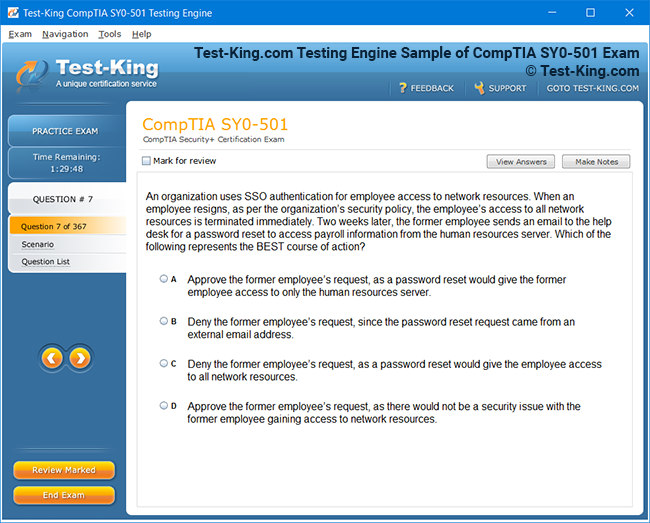
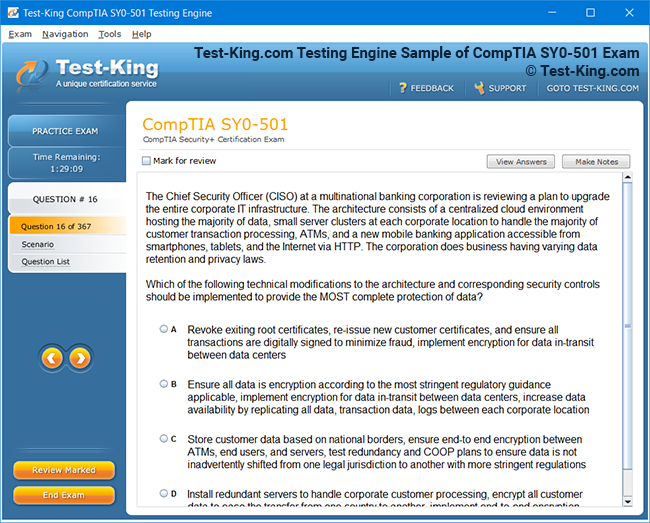
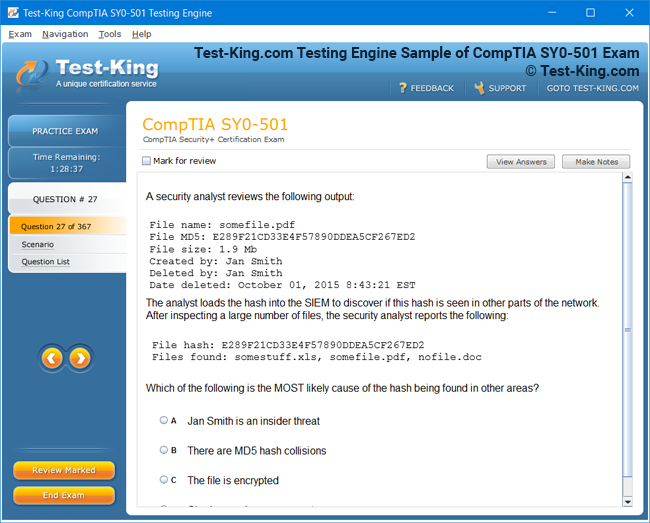
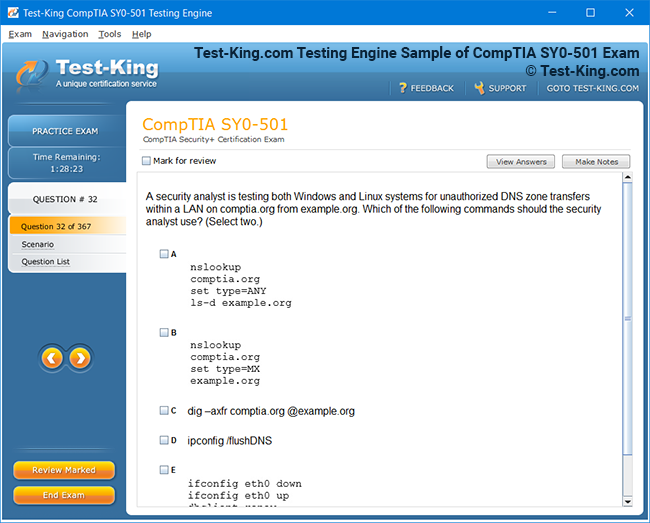
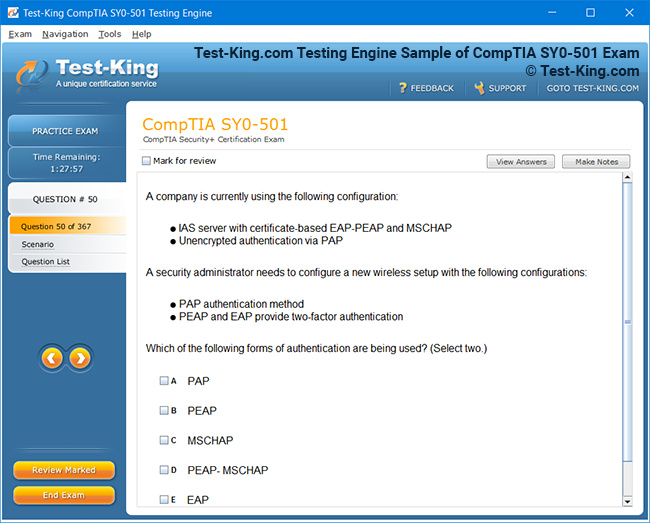
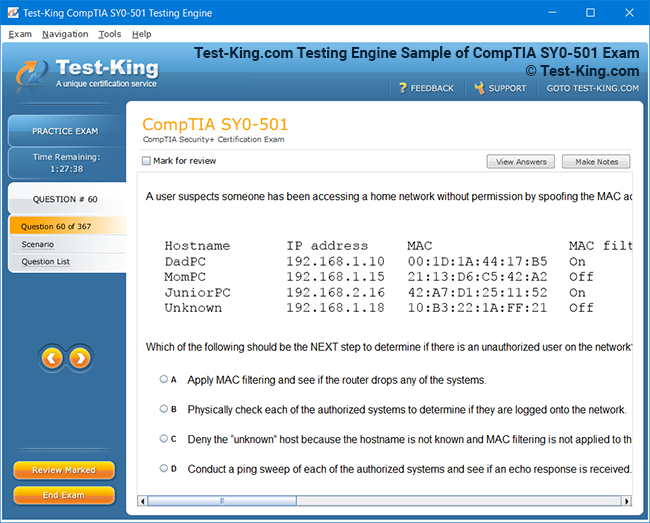
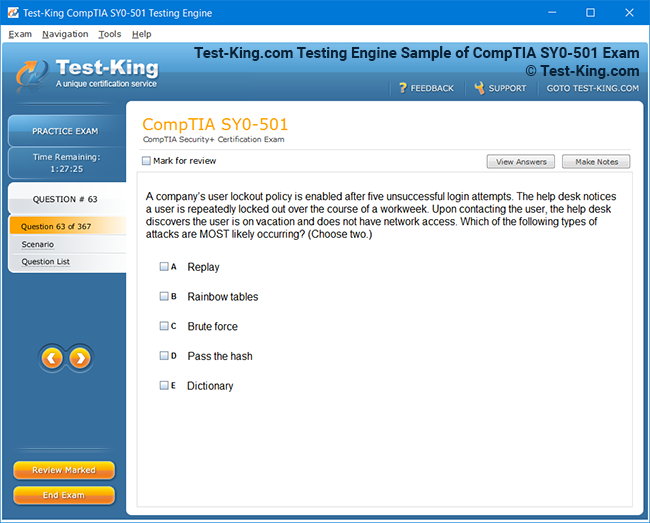
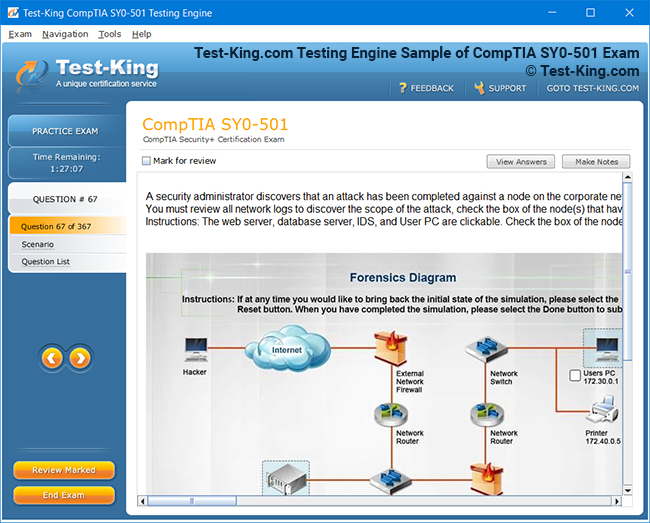
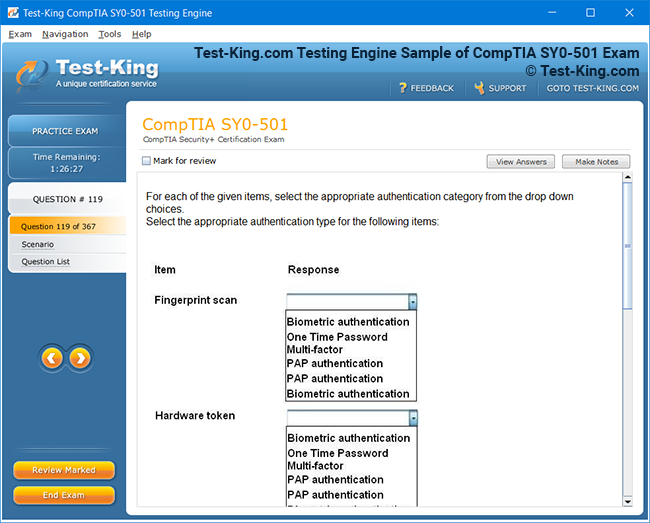
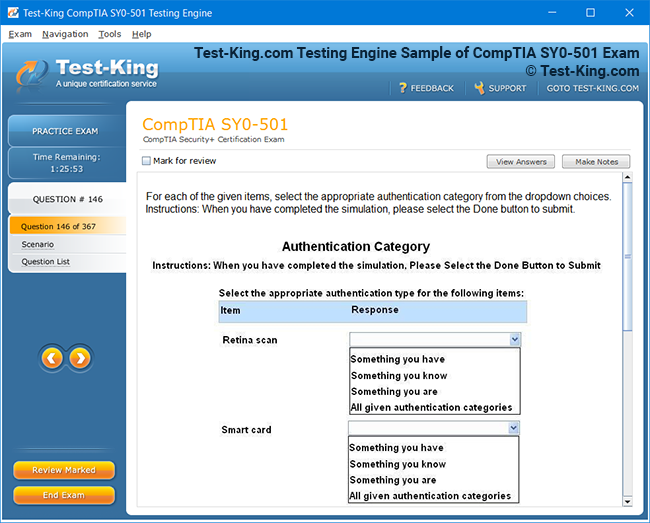
Product Screenshots
Frequently Asked Questions
How can I get the products after purchase?
All products are available for download immediately from your Member's Area. Once you have made the payment, you will be transferred to Member's Area where you can login and download the products you have purchased to your computer.
How long can I use my product? Will it be valid forever?
Test-King products have a validity of 90 days from the date of purchase. This means that any updates to the products, including but not limited to new questions, or updates and changes by our editing team, will be automatically downloaded on to computer to make sure that you get latest exam prep materials during those 90 days.
Can I renew my product if when it's expired?
Yes, when the 90 days of your product validity are over, you have the option of renewing your expired products with a 30% discount. This can be done in your Member's Area.
Please note that you will not be able to use the product after it has expired if you don't renew it.
How often are the questions updated?
We always try to provide the latest pool of questions, Updates in the questions depend on the changes in actual pool of questions by different vendors. As soon as we know about the change in the exam question pool we try our best to update the products as fast as possible.
How many computers I can download Test-King software on?
You can download the Test-King products on the maximum number of 2 (two) computers or devices. If you need to use the software on more than two machines, you can purchase this option separately. Please email support@test-king.com if you need to use more than 5 (five) computers.
What is a PDF Version?
PDF Version is a pdf document of Questions & Answers product. The document file has standart .pdf format, which can be easily read by any pdf reader application like Adobe Acrobat Reader, Foxit Reader, OpenOffice, Google Docs and many others.
Can I purchase PDF Version without the Testing Engine?
PDF Version cannot be purchased separately. It is only available as an add-on to main Question & Answer Testing Engine product.
What operating systems are supported by your Testing Engine software?
Our testing engine is supported by Windows. Andriod and IOS software is currently under development.
Understanding the ACSM 040-444 Exam and Its Significance
The ACSM 040-444 examination represents a pivotal gateway for individuals aspiring to establish themselves as registered clinical exercise physiologists. It is not merely a credential but a testament to the mastery of scientific principles, clinical judgment, and applied exercise physiology in populations with chronic diseases or conditions. For candidates, understanding the essence of this examination is the cornerstone for devising an effective study strategy, as the breadth and depth of the content demand both meticulous preparation and a nuanced grasp of patient-centered care.
The Essence of the ACSM Registered Clinical Exercise Physiologist Certification
This certification evaluates competence across multiple domains, including physiological assessment, exercise prescription, risk stratification, therapeutic intervention planning, and outcome evaluation. Unlike generalist certifications, the ACSM 040-444 exam necessitates a synthesis of theoretical knowledge with clinical application. Candidates must demonstrate the ability to integrate cardiovascular, metabolic, and musculoskeletal concepts into individualized exercise interventions, while also considering pharmacological implications and comorbidities. The examination’s design ensures that successful candidates are capable of translating academic knowledge into practical decision-making within real-world clinical environments.
Structure and Domains Tested in the ACSM 040-444 Exam
The ACSM Registered Clinical Exercise Physiologist exam encompasses a variety of question formats designed to assess both comprehension and analytical capability. The exam predominantly consists of multiple-choice questions interwoven with clinical scenarios that simulate real-life patient encounters. These scenarios challenge candidates to not only recall factual information but also exercise clinical judgment in interpreting data, selecting appropriate interventions, and mitigating potential risks.
The primary domains assessed include comprehensive patient assessment, which requires understanding physiological measurements, interpreting laboratory results, and evaluating exercise capacity using graded testing protocols. Candidates must be adept in applying knowledge from cardiopulmonary physiology, endocrinology, and biomechanics to determine safe and effective exercise prescriptions. Additionally, the exam tests expertise in exercise programming for populations with chronic conditions such as cardiovascular disease, pulmonary disorders, diabetes, obesity, and musculoskeletal limitations. A nuanced understanding of contraindications, medication interactions, and adaptive strategies is essential to ensuring both safety and efficacy in clinical exercise interventions.
Another significant aspect evaluated is risk management and safety. Candidates must demonstrate the capacity to identify potential hazards, implement emergency protocols, and maintain adherence to professional and ethical standards. Interdisciplinary collaboration is also a critical component, as registered clinical exercise physiologists often operate within teams that include physicians, nurses, dietitians, and physical therapists. The ability to communicate effectively, advocate for patient needs, and integrate input from diverse professionals is a skill that the examination measures rigorously.
Importance of Critical Thinking and Clinical Judgment
While memorization of physiological concepts and exercise guidelines is necessary, the ACSM 040-444 exam places substantial emphasis on critical thinking and clinical reasoning. Questions are often framed in ways that require candidates to interpret ambiguous data, prioritize interventions, and consider long-term patient outcomes. For instance, a scenario may present a patient with multiple chronic conditions, fluctuating vital signs, and a history of exercise intolerance. The candidate is expected to evaluate the risk-benefit profile of various exercise modalities, anticipate potential complications, and formulate a progressive, individualized program.
Developing these cognitive skills is paramount. Candidates must cultivate the ability to synthesize information from diverse sources, discern patterns in patient responses, and make decisions that reflect both safety and efficacy. Reflective practice—analyzing prior experiences, case studies, and mock assessments—becomes an invaluable tool for enhancing clinical judgment and reducing errors in reasoning. The examination rewards those who can navigate complexity with precision and adaptability.
Real-World Applications and Professional Impact
Success in the ACSM 040-444 exam translates to tangible benefits in professional practice. Registered clinical exercise physiologists are entrusted with designing and implementing exercise interventions for patients with chronic diseases, rehabilitation needs, and specialized functional limitations. The certification signals to employers, colleagues, and patients that the professional possesses not only comprehensive scientific knowledge but also the ability to apply it safely and effectively. This credential can open doors to advanced clinical roles, leadership positions, and opportunities for interdisciplinary research or teaching.
In practical terms, a certified professional may oversee cardiac rehabilitation programs, collaborate with oncology teams to manage exercise during treatment, or develop long-term exercise strategies for patients with metabolic disorders. The credibility conferred by the ACSM 040-444 certification can enhance patient trust, improve adherence to prescribed interventions, and ultimately contribute to measurable health outcomes. Understanding the exam’s relevance in shaping professional identity and practice philosophy is therefore essential for motivating candidates throughout the preparation process.
Preparing for the ACSM 040-444 Exam
Preparation begins with an appreciation for the exam’s complexity and a realistic assessment of personal strengths and limitations. The scope of content requires not only memorization but also integration of interdisciplinary concepts and application in hypothetical yet clinically realistic scenarios. Aspiring candidates are encouraged to immerse themselves in primary literature, clinical guidelines, and case studies to develop both breadth and depth of knowledge. Familiarity with assessment tools, exercise prescription techniques, and risk mitigation strategies is critical for navigating the nuanced questions presented in the examination.
Effective preparation also demands the cultivation of problem-solving skills, including scenario analysis, prioritization of interventions, and adaptive thinking. Candidates benefit from engaging in practice questions that mimic the format and cognitive demands of the exam. Reviewing explanations, analyzing errors, and refining strategies based on feedback enhances retention and builds confidence. Additionally, developing metacognitive awareness—understanding how one learns, recalls, and applies information—can significantly improve performance under exam conditions.
Integrating Evidence-Based Practice and Clinical Acumen
A distinctive feature of the ACSM 040-444 examination is its emphasis on evidence-based practice. Candidates are expected to ground their decisions in current scientific literature and established clinical guidelines. This includes understanding the physiological mechanisms underlying chronic diseases, recognizing the impact of medications on exercise response, and adapting interventions based on empirical evidence. The capacity to critically appraise research, differentiate between high-quality and low-quality studies, and translate findings into patient-specific recommendations is central to both exam success and professional competence.
Furthermore, clinical acumen extends beyond knowledge acquisition. Candidates must demonstrate the ability to anticipate complications, evaluate patient progress, and modify programs dynamically. For example, interpreting cardiopulmonary exercise testing results requires more than numerical understanding; it demands the integration of physiological principles, patient history, and clinical intuition. The ACSM 040-444 examination, therefore, serves as both a test of knowledge and a validation of applied expertise, ensuring that certified professionals can navigate the intricacies of clinical exercise safely and effectively.
The Role of Time Management and Exam Strategy
Navigating the ACSM 040-444 examination successfully requires not only mastery of content but also strategic management of time and cognitive resources. Questions often present complex scenarios with multiple variables, necessitating careful reading, prioritization, and decision-making under time constraints. Candidates benefit from practicing pacing, identifying high-yield content, and developing approaches to tackle unfamiliar or ambiguous questions systematically. The ability to balance speed with accuracy is essential, as the examination rewards thoughtful, evidence-informed reasoning rather than rapid guessing.
Strategic preparation may also involve sequencing study topics according to difficulty and familiarity, integrating active recall and spaced repetition techniques, and simulating exam conditions to build endurance and resilience. Emphasizing quality over quantity in study sessions enhances retention, reduces fatigue, and fosters confidence. In combination with a comprehensive understanding of the domains tested, these strategies position candidates for optimal performance and professional growth.
Building a Foundation for Lifelong Clinical Competence
Ultimately, the ACSM 040-444 exam is not an isolated academic hurdle but a gateway to lifelong clinical competence. Mastery of the examination content equips candidates with the tools, knowledge, and judgment necessary to provide safe, effective, and individualized exercise interventions. Beyond passing the test, candidates who internalize the principles of evidence-based practice, patient-centered care, and interdisciplinary collaboration are prepared to excel in diverse clinical environments. Success reflects both intellectual rigor and the capacity to translate scientific knowledge into meaningful patient outcomes, establishing a foundation for sustained professional excellence.
Evaluating Your Knowledge Base and Identifying Gaps
Preparation for the ACSM 040-444 examination begins with a meticulous assessment of your existing knowledge base. Understanding the depth and breadth of what you already know is crucial to avoid redundant effort and to focus on areas that require the most attention. A comprehensive evaluation encompasses both theoretical understanding of exercise physiology, pathophysiology, and clinical assessment, as well as applied skills in exercise prescription, risk stratification, and patient monitoring. This process often involves reflective analysis of prior academic coursework, practical experiences, and familiarity with clinical protocols. By identifying strengths and weaknesses, candidates can craft a study plan that prioritizes high-impact topics and ensures balanced preparation across all domains assessed in the examination.
Self-assessment tools can be highly effective in gauging readiness. These include practice questions, mock examinations, and quizzes designed to simulate the cognitive demands of the ACSM 040-444 exam. Engaging with these instruments allows candidates to recognize patterns in their responses, highlight recurring errors, and ascertain areas where understanding is superficial or inconsistent. Additionally, reviewing past clinical experiences or case study exercises can reveal gaps in applied knowledge, particularly when interpreting complex patient scenarios or integrating interdisciplinary interventions. The process of self-evaluation not only clarifies what needs attention but also instills an awareness of the analytical and critical thinking skills required for successful performance.
The Importance of Setting Specific and Achievable Goals
Once knowledge gaps are identified, establishing clear and realistic goals becomes the cornerstone of effective preparation. Goal-setting provides direction, motivation, and a framework to measure progress over time. The most effective objectives are specific, measurable, achievable, relevant, and time-bound, ensuring that each milestone contributes meaningfully to overall readiness. For example, a candidate may set the goal of mastering cardiovascular and pulmonary exercise assessment protocols within a four-week period, while simultaneously dedicating focused time to mastering risk management strategies for patients with chronic comorbidities.
Breaking larger objectives into smaller, manageable tasks enhances both efficiency and retention. Candidates can allocate discrete blocks of study to individual domains, such as exercise prescription for metabolic disorders, musculoskeletal assessment techniques, or interpreting graded exercise test results. This approach prevents cognitive overload and allows for incremental mastery, reinforcing confidence as each milestone is achieved. Moreover, realistic goal-setting encourages consistent engagement with study materials, reducing procrastination and fostering disciplined, purposeful learning habits.
Utilizing Diagnostic Tools to Inform Study Priorities
Diagnostic assessments play a pivotal role in determining the most effective allocation of study time for the ACSM 040-444 exam. These tools may include standardized quizzes, topic-specific evaluations, or reflective exercises that challenge candidates to apply knowledge to hypothetical clinical situations. By examining performance across these instruments, candidates can discern which topics require intensified focus and which areas demonstrate sufficient proficiency. For instance, a high error rate in interpreting exercise tolerance test results may signal a need for deeper study of cardiopulmonary physiology, while consistent accuracy in musculoskeletal assessment questions may indicate readiness in that domain.
Beyond quantifying knowledge gaps, diagnostic exercises can illuminate patterns in problem-solving and critical thinking. Understanding whether mistakes stem from conceptual misunderstanding, misapplication of clinical guidelines, or simple oversight allows candidates to tailor their preparation strategies accordingly. This nuanced approach transforms study from a generic review into a targeted, efficient process that enhances both comprehension and applied proficiency, ultimately translating to greater confidence and accuracy during the examination.
Crafting a Personalized Study Timeline
With a clear understanding of knowledge gaps and defined objectives, the next step is to create a personalized timeline for preparation. A well-structured timeline delineates study priorities, sequences topics logically, and ensures comprehensive coverage of all examination domains. Candidates often benefit from beginning with foundational principles of exercise physiology and clinical assessment, progressively advancing toward more complex applications such as individualized exercise prescription for patients with multiple comorbidities or interpreting ambiguous clinical data. Sequencing study in this manner reinforces conceptual understanding while simultaneously developing applied skills necessary for success on the ACSM 040-444 exam.
Incorporating both short-term and long-term milestones within the timeline enhances accountability and progress tracking. Weekly or biweekly targets can include mastering specific assessment tools, completing case-based practice exercises, or reviewing recent research in clinical exercise physiology. Long-term goals encompass comprehensive mastery of all tested domains and readiness for full-length mock examinations. Flexibility is essential, as performance evaluations and unforeseen circumstances may necessitate adjustments to the schedule. A dynamic, responsive timeline ensures sustained engagement while accommodating the iterative nature of learning and refinement.
Integrating Active Review and Reinforcement Techniques
Effective preparation transcends passive reading and involves active engagement with content. Candidates can employ techniques such as self-quizzing, summarization of complex concepts in their own words, and simulating patient case scenarios to reinforce learning. These strategies encourage deep processing, enhance retention, and improve the ability to apply knowledge under examination conditions. Reflective practice—reviewing errors, analyzing reasoning pathways, and revisiting challenging concepts—further solidifies understanding and strengthens clinical judgment.
Spaced repetition is a particularly potent strategy, involving periodic review of previously studied material at increasing intervals. This technique counteracts the natural decay of memory, ensuring that critical information remains accessible when needed. Additionally, integrating interdisciplinary connections, such as linking pharmacological effects to exercise tolerance or understanding physiological adaptations across different organ systems, fosters a holistic understanding essential for the ACSM 040-444 exam. Combining active review with methodical reinforcement transforms preparation from rote memorization into a dynamic, adaptive process.
Balancing Intensity and Cognitive Load
While rigorous study is indispensable, it is equally important to manage cognitive load to prevent burnout and maintain peak performance. Preparing for the ACSM 040-444 exam requires sustained attention, critical thinking, and analytical reasoning, all of which are susceptible to fatigue if study is unstructured or overly intense. Candidates benefit from alternating periods of focused study with brief restorative breaks, incorporating physical activity, meditation, or leisure to optimize mental clarity and retention. Thoughtful pacing ensures that learning remains productive and that complex concepts are assimilated effectively.
In addition to scheduling restorative intervals, candidates should prioritize high-yield content without neglecting less familiar topics. Recognizing the interplay between mastery and exposure allows for efficient allocation of cognitive resources, maximizing both retention and practical readiness. Strategic management of intensity and mental energy supports long-term engagement, enhances resilience in the face of challenging material, and cultivates a sustainable approach to comprehensive preparation.
Monitoring Progress and Adjusting Strategies
An ongoing evaluation of progress is essential to maintain alignment with established goals and timelines. Candidates can monitor performance through periodic practice assessments, review of case-based exercises, and reflective self-analysis. This continuous feedback loop allows for identification of persisting weaknesses, refinement of study techniques, and recalibration of priorities. Flexibility in strategy is key, as rigid adherence to a predetermined plan may overlook emerging gaps or inefficiencies in learning.
Adjusting strategies may involve increasing focus on difficult domains, incorporating novel study resources, or modifying the sequencing of topics to address newly identified challenges. Candidates may also experiment with alternative learning modalities, such as interactive case simulations, peer discussions, or targeted review of recent research, to enhance comprehension and retention. By remaining adaptive and responsive, candidates ensure that preparation is both efficient and effective, aligning with the demands of the ACSM 040-444 examination.
Developing Self-Efficacy and Motivation
Assessing knowledge and setting realistic goals is not solely a cognitive exercise; it also involves cultivating self-efficacy and intrinsic motivation. Belief in one’s ability to succeed influences engagement, persistence, and the capacity to navigate challenging material. Candidates can reinforce self-efficacy by celebrating incremental achievements, reflecting on progress, and visualizing successful application of knowledge in clinical scenarios. Motivation is further strengthened by connecting study activities to professional aspirations, recognizing that mastery of the ACSM 040-444 content translates to tangible competence and career advancement.
Incorporating deliberate strategies to maintain motivation, such as goal visualization, structured rewards for milestone completion, and periodic reflection on professional purpose, enhances persistence and focus. This alignment between effort and personal meaning fosters sustained engagement, reduces anxiety, and promotes a positive, resilient mindset that supports long-term success in both preparation and professional practice.
Bridging Knowledge Assessment and Applied Practice
Ultimately, the evaluation of current knowledge and establishment of realistic goals serves as a bridge between theoretical understanding and applied practice. Candidates who approach preparation with a structured, reflective mindset are better positioned to translate content mastery into effective clinical interventions. Integrating assessment outcomes with goal-directed study cultivates both competence and confidence, ensuring that knowledge is not static but dynamic, adaptable, and relevant to the nuanced demands of the ACSM 040-444 examination.
Through this methodical process, candidates develop a comprehensive awareness of their own learning trajectories, recognize the interplay between domains, and cultivate the analytical skills necessary for clinical decision-making. The alignment of self-assessment, goal-setting, and active, adaptive study transforms preparation from a passive accumulation of information into a deliberate, strategic journey toward professional mastery and exam readiness.
Selecting High-Quality Learning Resources
Preparation for the ACSM 040-444 examination necessitates careful selection of learning resources that encompass both the theoretical and practical dimensions of clinical exercise physiology. The breadth of content covered in the exam demands materials that are not only comprehensive but also current, evidence-based, and clinically relevant. Textbooks authored by recognized experts in exercise science, physiology, and clinical rehabilitation form the foundational knowledge base, providing detailed explanations of cardiovascular, pulmonary, metabolic, and musculoskeletal principles. These texts often include sections on pathophysiology, exercise prescription guidelines, and safety protocols, which are indispensable for candidates seeking to navigate complex patient scenarios on the exam.
Peer-reviewed journals and contemporary research articles serve as invaluable resources for understanding evolving clinical practices and emerging evidence. Engaging with recent studies allows candidates to contextualize theoretical concepts, appreciate nuanced interpretations of physiological data, and apply findings to individualized exercise interventions. Furthermore, reviewing case studies published in clinical journals enables examination of real-world scenarios, cultivating the analytical skills required to respond to multifactorial patient conditions. Candidates benefit from synthesizing information from both foundational texts and current research, creating a layered understanding that strengthens critical thinking and applied competence.
Integrating Online Learning Platforms and Interactive Content
Modern preparation for the ACSM 040-444 examination extends beyond traditional textbooks and journals. Online learning platforms offer interactive modules, video tutorials, and virtual case simulations that replicate clinical scenarios. These resources allow candidates to practice decision-making in dynamic, patient-centered contexts, reinforcing their ability to translate theoretical knowledge into applied strategies. Simulation-based learning enhances cognitive flexibility, as candidates navigate complex exercise prescription choices, interpret laboratory results, and anticipate potential risks in a controlled environment.
Podcasts and webinars conducted by experienced clinical exercise physiologists can provide rare insights into practical challenges and professional nuances not readily captured in printed materials. These resources often include discussions on interdisciplinary collaboration, patient adherence strategies, and real-life case reflections, offering candidates a more holistic view of clinical practice. Integrating these modalities into a study regimen ensures a multidimensional approach that strengthens both knowledge retention and application skills.
Evaluating Credibility and Relevance of Study Materials
A critical aspect of curating study materials is discerning the credibility and relevance of sources. Candidates must prioritize resources authored by recognized experts or published in reputable journals and avoid outdated or anecdotal content that may not reflect current clinical guidelines. Evaluating the methodological rigor of research articles, the clarity of instructional materials, and the applicability of case studies to diverse patient populations is essential to constructing a reliable knowledge base. This careful selection process ensures that study efforts are directed toward materials that enhance both comprehension and clinical judgment, rather than perpetuating misconceptions or superficial understanding.
Additionally, candidates should consider the alignment of resources with the specific competencies assessed in the ACSM 040-444 examination. Learning materials should encompass domains such as patient assessment, exercise testing, risk stratification, exercise prescription for chronic conditions, and interdisciplinary collaboration. Resources that integrate applied examples, clinical reasoning exercises, and decision-making frameworks are particularly valuable, as they mirror the cognitive demands of the exam and reinforce the practical application of knowledge.
Synthesizing Diverse Learning Resources
Effectively preparing for the ACSM 040-444 exam involves synthesizing information from diverse sources into a coherent, structured framework. Candidates may create study notes that condense key concepts, highlight interconnections between physiological principles and clinical interventions, and emphasize frequently tested domains. Mind maps, flowcharts, and conceptual diagrams—though not included as tables—can serve as internalized frameworks for organizing complex content and visualizing relationships between systems, conditions, and exercise strategies. These tools facilitate active engagement with material, enhancing both understanding and recall.
Cross-referencing foundational texts with case studies, research findings, and interactive modules fosters integrative learning, allowing candidates to apply theoretical knowledge in varied clinical contexts. For example, understanding the cardiovascular adaptations to exercise in heart failure patients may be reinforced by reviewing graded exercise testing protocols, evaluating recent research on exercise tolerance, and engaging in simulation exercises that require adjustment of exercise intensity based on physiological response. This integrative approach cultivates depth of knowledge and reinforces the applied reasoning skills essential for exam success.
Incorporating Rare and Specialized Resources
Candidates seeking to distinguish themselves in their preparation may benefit from exploring rare or specialized resources that provide unique perspectives on clinical exercise physiology. These may include advanced research compendiums, monographs on niche patient populations, or specialized journals focused on exercise interventions for specific chronic conditions. Engaging with these resources can enhance understanding of less commonly encountered scenarios, develop nuanced reasoning skills, and expand familiarity with cutting-edge therapeutic approaches.
Mentorship and professional networks offer additional avenues for rare insights. Experienced clinical exercise physiologists can provide guidance on practical strategies, highlight common pitfalls in patient assessment or exercise prescription, and share unpublished observations from clinical practice. Integrating mentorship into the study plan allows candidates to contextualize academic knowledge within real-world practice, bridging the gap between theoretical understanding and applied competence.
Strategies for Effective Note-Taking and Information Retention
Effective study involves not only selecting high-quality resources but also actively processing and retaining information. Candidates are encouraged to summarize complex concepts in their own words, distill essential points from research articles, and create personalized reference materials that facilitate rapid review. Techniques such as spaced repetition, retrieval practice, and active recall support long-term retention and enhance the ability to retrieve critical information during the examination.
Organizing notes thematically according to examination domains—such as cardiovascular assessment, metabolic disease interventions, or pulmonary rehabilitation—allows candidates to systematically address each area while recognizing interconnections between systems. Annotating notes with applied examples, clinical reasoning steps, and scenario-based reflections reinforces the practical application of knowledge and strengthens decision-making capabilities. This disciplined approach transforms study from passive reading into a dynamic process of knowledge construction and consolidation.
Balancing Breadth and Depth in Study Materials
The ACSM 040-444 examination requires a delicate balance between breadth of knowledge and depth of understanding. Candidates must ensure coverage of all major domains while achieving sufficient mastery in areas most heavily tested or prone to clinical complexity. Broad exposure to foundational principles across multiple physiological systems is essential, but depth is equally important for interpreting nuanced patient scenarios and applying evidence-based interventions. Prioritizing resources that provide both comprehensive overviews and detailed case analyses allows candidates to achieve this balance effectively.
Additionally, integrating materials that emphasize both generalist and specialist knowledge ensures readiness for diverse question types, from multiple-choice items evaluating factual recall to case-based scenarios demanding applied reasoning. Candidates who cultivate both wide-ranging understanding and focused expertise position themselves to navigate the varied cognitive demands of the ACSM 040-444 exam with confidence and precision.
Developing a Cohesive Resource Plan
Creating a cohesive plan for utilizing study resources optimizes preparation and prevents fragmentation of effort. Candidates should sequence the use of materials strategically, beginning with foundational texts to establish conceptual understanding, followed by targeted exploration of case studies, research articles, and interactive modules to reinforce application. Periodic review of previously studied content, integration of practice questions, and consultation with mentors or peers ensure that knowledge is continually consolidated and contextualized.
A cohesive resource plan also accounts for efficiency, ensuring that time is devoted to high-yield materials while minimizing distractions from low-quality or tangential content. By aligning study activities with the competencies assessed on the ACSM 040-444 examination, candidates create a structured yet flexible framework that supports comprehensive learning, applied reasoning, and sustained engagement throughout the preparation process.
Leveraging Multimodal Learning Approaches
Incorporating multiple learning modalities enhances retention, comprehension, and adaptability. Visual learners benefit from diagrams, flowcharts, and conceptual schematics that illustrate physiological processes and exercise interventions. Auditory learners gain from lectures, podcasts, and discussions with mentors, while kinesthetic learners strengthen understanding through simulation exercises, case-based problem-solving, and application of exercise prescription principles in practical contexts. Combining these modalities encourages deeper processing, reinforces interconnections between concepts, and accommodates varied cognitive styles, ultimately fostering more robust preparation for the ACSM 040-444 exam.
Maintaining Currency and Adapting to Updates
Clinical exercise physiology is a dynamic field, and candidates must remain vigilant in tracking emerging evidence, updated guidelines, and evolving best practices. Resources that reflect current recommendations, recent research findings, and contemporary clinical protocols ensure that preparation is relevant and aligned with the standards assessed in the ACSM 040-444 examination. Regularly reviewing updates, integrating new case studies, and adjusting study approaches to incorporate the latest information enhances both knowledge accuracy and applied readiness, positioning candidates for success in a rapidly advancing field.
Establishing a Framework for Consistent Study
Developing a structured study schedule is essential for comprehensive preparation for the ACSM 040-444 examination. A deliberate framework allows candidates to balance coverage of all domains with focused mastery of high-priority areas. It begins with evaluating the total available preparation time and distributing it strategically across core topics, including patient assessment, exercise prescription, risk management, and interdisciplinary collaboration. Establishing a consistent routine ensures that study becomes habitual, enhancing retention and creating a rhythm that reinforces both understanding and application.
A structured schedule incorporates daily and weekly objectives, assigning specific topics to defined time blocks. Candidates are encouraged to start with foundational concepts, such as cardiovascular, pulmonary, and musculoskeletal physiology, before progressing to complex clinical scenarios. This logical sequencing ensures that essential knowledge underpins applied skills, facilitating the ability to interpret patient data, design individualized exercise interventions, and respond to multifaceted clinical challenges. Allocating time in this manner also allows for integration of practice exercises and reflection, reinforcing critical thinking and decision-making.
Balancing Intensive Study with Cognitive Recovery
Effective scheduling recognizes the need to balance rigorous study with periods of cognitive recovery. Intensive preparation for the ACSM 040-444 exam can lead to mental fatigue if sustained without interruption, reducing comprehension and retention. Candidates benefit from incorporating short restorative breaks, physical activity, or mindfulness practices into their daily routine. These intervals enhance focus, consolidate memory, and maintain motivation over prolonged periods of preparation. The interplay between focused effort and recovery optimizes the efficiency of study sessions, allowing for sustained engagement and deep learning.
Furthermore, candidates should consider cognitive load when designing their schedule. Alternating between domains of varying complexity, such as combining applied case studies with theoretical review, prevents overload and maintains mental acuity. Integrating active recall and practice exercises throughout the schedule reinforces content mastery while promoting adaptability in thinking, which is crucial for navigating the complex scenarios presented in the ACSM 040-444 examination.
Sequencing Study Topics for Maximum Retention
Sequencing topics strategically within the study schedule enhances both understanding and memory consolidation. Candidates are advised to begin with fundamental principles, establishing a solid foundation in exercise physiology, pathophysiology, and clinical assessment techniques. Once the basics are mastered, attention can shift to applied domains, including individualized exercise prescription for patients with chronic conditions, graded exercise testing, and safety protocols. This progressive approach enables candidates to build confidence in simpler concepts while preparing for the nuanced analytical demands of the examination.
Interweaving review of previously studied topics throughout the schedule further reinforces retention. Spaced repetition—revisiting material at increasing intervals—strengthens long-term memory and facilitates retrieval under exam conditions. For instance, a candidate may dedicate the first week to cardiovascular assessment, followed by pulmonary evaluation, while revisiting musculoskeletal principles and earlier case studies to maintain continuity. This cyclic approach ensures that all content areas remain accessible and integrated, fostering holistic comprehension and applied proficiency.
Incorporating Practice Exercises and Simulations
A critical component of an adaptive study schedule involves the inclusion of practice exercises and clinical simulations. These activities allow candidates to apply theoretical knowledge to realistic patient scenarios, reinforcing problem-solving, clinical reasoning, and decision-making skills. Case-based exercises may present complex combinations of chronic conditions, medications, and functional limitations, challenging candidates to synthesize information and develop individualized exercise interventions. Engaging in repeated practice hones analytical abilities, improves accuracy, and fosters familiarity with the types of scenarios encountered on the ACSM 040-444 exam.
Simulations can be conducted through online platforms, peer discussions, or self-directed role-play, creating immersive environments for experiential learning. Reviewing the outcomes of these exercises, analyzing errors, and reflecting on alternative approaches enhances adaptability and critical thinking. Integrating these activities into the study schedule ensures that preparation transcends rote memorization, cultivating applied competence that aligns with the cognitive demands of the examination.
Adapting the Schedule Based on Progress and Feedback
An effective study schedule is dynamic, evolving in response to ongoing assessment of progress and performance. Candidates should regularly evaluate their mastery of each domain through self-testing, mock exams, or reflective review of practice exercises. This continuous feedback loop enables identification of persistent weaknesses, adjustment of focus areas, and optimization of study strategies. For example, if repeated practice exercises reveal difficulty in interpreting exercise tolerance tests or prescribing interventions for patients with metabolic disorders, the schedule can be adapted to allocate additional time and resources to these domains.
Flexibility is essential in maintaining alignment between the schedule and individual learning needs. Life events, fluctuating motivation, or unexpected challenges may necessitate modifications, and a rigid approach can undermine effectiveness. Candidates who maintain an adaptive mindset, revising objectives, time allocation, and sequencing as needed, are better equipped to sustain momentum and achieve comprehensive mastery of the ACSM 040-444 examination content.
Integrating Multimodal Learning Approaches
A robust study schedule leverages multiple learning modalities to enhance comprehension and retention. Visual aids, such as diagrams and flowcharts, facilitate understanding of physiological processes and exercise interventions. Auditory learners benefit from lectures, podcasts, and discussions with mentors, while kinesthetic learners gain from simulation exercises, hands-on practice, and scenario-based problem-solving. Combining these approaches within the schedule reinforces content mastery, accommodates diverse cognitive styles, and fosters flexible thinking. This multimodal integration is particularly valuable for the ACSM 040-444 exam, which assesses both knowledge and applied clinical reasoning.
Incorporating varied modalities also allows for reinforcement of critical concepts through multiple perspectives. For instance, understanding cardiovascular adaptations to exercise can be approached through textbook study, video demonstrations of exercise testing, and analysis of patient case studies. This triangulation enhances depth of knowledge, promotes retention, and improves the ability to apply principles in novel contexts, aligning preparation with the multifaceted nature of the examination.
Allocating Time for Review and Consolidation
An essential element of a structured schedule is the deliberate allocation of time for review and consolidation. Candidates should periodically revisit previously studied content to strengthen memory retention and integrate new insights gained from ongoing practice. This may involve summarizing key concepts, analyzing case study outcomes, or synthesizing information from multiple resources. Consolidation ensures that knowledge remains accessible, organized, and readily applicable under examination conditions.
Review periods also provide opportunities for reflection on learning strategies, identification of gaps, and adjustment of study techniques. Candidates can evaluate the effectiveness of different approaches, refine time allocation, and prioritize high-yield content. By embedding regular review and consolidation within the schedule, preparation becomes iterative, reinforcing comprehension, enhancing applied reasoning, and fostering confidence in the candidate’s ability to navigate the demands of the ACSM 040-444 examination.
Balancing High-Yield Content with Comprehensive Coverage
Designing a study schedule requires balancing focus on high-yield content with comprehensive coverage of all examination domains. While prioritizing topics most frequently tested or inherently complex is important, neglecting less familiar or peripheral areas can leave candidates vulnerable to unexpected questions. Effective schedules allocate time proportionally, ensuring that foundational principles, applied scenarios, and specialized topics receive adequate attention. This balanced approach fosters readiness across the full spectrum of content, equipping candidates to respond confidently to diverse question types.
Integrating high-yield review sessions with comprehensive study activities also promotes the development of adaptive expertise. Candidates learn to recognize patterns, apply principles across contexts, and synthesize information from multiple sources. This holistic approach mirrors the cognitive demands of the ACSM 040-444 exam, emphasizing both knowledge acquisition and the ability to translate understanding into precise, evidence-based clinical decisions.
Monitoring Time Allocation and Preventing Burnout
Sustaining a rigorous study schedule requires careful monitoring of time allocation and attention to personal well-being. Candidates must avoid overextension, as excessive intensity can lead to mental fatigue, decreased retention, and diminished motivation. Implementing strategies such as time tracking, periodic self-assessment, and intentional rest periods ensures that study remains productive and sustainable. Balancing academic rigor with restorative activities supports cognitive resilience, allowing candidates to maintain focus, energy, and engagement throughout the preparation period.
Prioritizing both efficiency and sustainability enables candidates to navigate the demands of the ACSM 040-444 examination without compromising health or performance. By integrating structured planning, adaptive adjustments, multimodal learning, and restorative intervals, candidates develop a comprehensive, resilient, and dynamic approach to preparation that maximizes retention, application, and confidence.
Embracing Active Recall for Deep Retention
Effective preparation for the ACSM 040-444 examination requires more than passive reading; it demands active engagement with the material to ensure deep comprehension and long-term retention. Active recall, the practice of retrieving information from memory without prompts, is a powerful method to solidify knowledge. Candidates can apply this technique by summarizing key concepts in their own words, explaining physiological mechanisms, or outlining exercise prescription strategies for various chronic conditions. Engaging in repeated retrieval strengthens neural pathways, enhances cognitive flexibility, and improves the ability to apply concepts in clinical scenarios, which mirrors the practical demands of the exam.
Active recall can be seamlessly integrated into study routines through frequent self-questioning, flashcards, or verbal rehearsals of complex topics. For instance, a candidate may practice recalling the physiological adaptations to aerobic training in patients with cardiovascular disease or the contraindications for resistance training in musculoskeletal disorders. By transforming passive exposure into dynamic retrieval, candidates reinforce both factual knowledge and applied reasoning, establishing a foundation for confident performance during the ACSM 040-444 examination.
Utilizing Practice Questions and Case-Based Scenarios
Incorporating practice questions into study strategies is essential for developing analytical skills and test familiarity. Candidates benefit from engaging with multiple-choice items that mirror the cognitive complexity of the ACSM 040-444 examination, as well as case-based scenarios that simulate real-world clinical decision-making. These exercises challenge learners to synthesize information, prioritize interventions, and navigate nuanced patient presentations. Through repeated exposure, candidates develop pattern recognition skills, enhance critical thinking, and build confidence in applying theoretical knowledge to practical situations.
Case-based practice emphasizes the integration of interdisciplinary considerations, risk management, and individualized exercise prescription. For example, a scenario may present a patient with comorbid diabetes, hypertension, and limited mobility, requiring the candidate to design a tailored exercise regimen, anticipate potential complications, and adjust intensity accordingly. Engaging with such scenarios fosters adaptive expertise, equipping candidates to handle unexpected or complex situations with precision and confidence.
Simulating Exam Conditions to Enhance Preparedness
Simulating the conditions of the ACSM 040-444 examination is a crucial strategy for reducing anxiety, improving time management, and enhancing performance. Candidates can replicate exam conditions by timing practice sessions, adhering to question sequences, and creating a distraction-free environment. This approach familiarizes learners with the pace, structure, and cognitive demands of the test, reducing uncertainty and increasing mental resilience. Simulations also allow candidates to identify areas requiring additional review, refine problem-solving strategies, and practice decision-making under pressure.
Additionally, simulating real-world clinical scenarios within practice exercises reinforces applied reasoning and prepares candidates for the case-based nature of many questions. By actively engaging with these simulations, candidates cultivate the ability to analyze patient data, interpret laboratory results, and prioritize interventions efficiently. Over time, repeated practice under exam-like conditions fosters both competence and confidence, ensuring that knowledge is accessible and actionable during the ACSM 040-444 examination.
Reflective Practice to Identify Strengths and Weaknesses
Reflective practice is a vital component of active learning strategies, allowing candidates to assess their strengths, identify weaknesses, and refine study approaches. After completing practice exercises or simulations, candidates should review responses critically, analyze errors, and consider alternative approaches. This process promotes metacognitive awareness—understanding one’s own learning and reasoning patterns—and facilitates continuous improvement. By reflecting on both successful and unsuccessful problem-solving strategies, candidates can adjust study priorities, reinforce conceptual understanding, and enhance applied decision-making skills.
For example, a candidate who consistently struggles with prescribing exercise intensity for patients with chronic heart failure may identify gaps in understanding cardiovascular adaptations or pharmacological interactions. Targeted review of these areas, combined with additional case-based practice, reinforces knowledge and builds confidence. Reflective practice transforms mistakes into learning opportunities, fostering resilience, adaptability, and strategic preparation for the ACSM 040-444 examination.
Leveraging Peer Learning and Mentorship
Collaborating with peers or seeking guidance from experienced mentors enhances active learning by providing alternative perspectives, clarifying complex concepts, and promoting accountability. Study groups allow candidates to discuss challenging topics, exchange insights, and simulate patient scenarios collectively, fostering deeper understanding and reinforcing retention. Mentorship offers access to expert feedback, practical tips, and real-world clinical experiences that may not be fully captured in textbooks or practice questions. Engaging with knowledgeable mentors also exposes candidates to rare clinical nuances and emerging evidence, enriching preparation beyond conventional study materials.
Peer learning and mentorship encourage active dialogue, critical questioning, and problem-solving in a collaborative environment. Candidates can test their reasoning, explain complex processes to others, and receive immediate feedback, enhancing comprehension and cognitive flexibility. This interactive approach promotes engagement, supports motivation, and cultivates applied skills essential for both exam success and professional practice as a registered clinical exercise physiologist.
Integrating Simulation-Based and Experiential Learning
Simulation-based learning offers a practical method for translating theoretical knowledge into applied skills. Candidates can engage in role-playing exercises, virtual patient simulations, or mock clinical assessments to practice decision-making, exercise prescription, and risk management in realistic scenarios. Experiential learning reinforces understanding of physiological principles, patient responses, and interdisciplinary collaboration, fostering adaptive thinking and problem-solving. By repeatedly engaging with simulations, candidates develop confidence in applying knowledge to diverse clinical situations, preparing them for the case-based demands of the ACSM 040-444 examination.
Experiential learning also enhances retention by linking concepts to tangible experiences, creating meaningful cognitive associations. For instance, simulating exercise testing for patients with pulmonary limitations reinforces understanding of ventilatory thresholds, oxygen saturation monitoring, and intensity progression. Integrating these experiences into study routines promotes holistic learning, connecting theory, analysis, and practical application in a cohesive and effective manner.
Active Review and Spaced Repetition
Incorporating active review and spaced repetition into study strategies optimizes retention and prepares candidates for long-term recall. Revisiting previously studied material at strategically spaced intervals strengthens memory consolidation, reduces forgetting, and enhances the ability to retrieve information under exam conditions. Candidates can structure active review sessions by cycling through different domains, revisiting challenging topics, and integrating newly acquired knowledge with prior understanding. This iterative approach promotes cumulative mastery, ensuring that content remains accessible and actionable throughout the preparation period.
Spaced repetition is particularly effective when combined with applied practice. For example, reviewing exercise prescription principles while simultaneously analyzing case scenarios reinforces conceptual understanding and enhances clinical reasoning. By interleaving review with active application, candidates cultivate flexible knowledge structures, improving their ability to adapt insights to novel patient presentations and complex examination questions.
Tracking Progress and Adjusting Study Strategies
Regularly tracking progress is critical for maintaining effective preparation and ensuring alignment with examination goals. Candidates should monitor performance on practice questions, case-based exercises, and simulations to identify persistent weaknesses, evaluate comprehension, and refine study strategies. Adjustments may include increasing focus on underdeveloped areas, experimenting with alternative learning methods, or modifying study intensity to optimize retention and application. This continuous cycle of assessment and adjustment fosters adaptive learning, resilience, and strategic preparedness for the ACSM 040-444 examination.
By systematically evaluating performance, candidates can prioritize high-yield topics, allocate study time efficiently, and maintain motivation. Tracking progress also provides a tangible sense of accomplishment, reinforcing confidence and sustaining engagement during the demanding preparation process. Integrating monitoring with active learning strategies ensures that preparation remains targeted, dynamic, and aligned with the cognitive and applied demands of the exam.
Cultivating Cognitive Flexibility and Problem-Solving Skills
The ACSM 040-444 examination evaluates not only factual knowledge but also the ability to apply concepts in diverse clinical scenarios. Cultivating cognitive flexibility—the capacity to adapt thinking, integrate new information, and respond to novel challenges—is therefore essential. Candidates can enhance problem-solving skills by engaging in varied case studies, analyzing ambiguous patient data, and considering multiple intervention strategies. This approach encourages adaptive reasoning, reinforces decision-making under uncertainty, and strengthens the capacity to synthesize information from multiple sources effectively.
Developing cognitive flexibility also involves practicing scenario variation, such as altering patient characteristics, comorbidities, or medication profiles. By navigating these variations, candidates cultivate a versatile mindset, capable of responding to unexpected challenges during the examination. Integrating this practice into study routines ensures that preparation is not solely content-focused but also hones the analytical and practical reasoning skills central to success on the ACSM 040-444 examination.
Enhancing Motivation Through Active Engagement
Active learning strategies inherently support motivation by transforming passive study into interactive, goal-oriented activity. Engaging with practice questions, simulations, reflective exercises, and collaborative discussions fosters a sense of progress, accomplishment, and competence. Candidates who actively participate in their learning process experience increased engagement, persistence, and resilience, which are crucial for sustaining effort throughout extended preparation periods.
Connecting study activities to professional aspirations further enhances motivation. Recognizing that mastery of clinical exercise physiology concepts directly translates to improved patient outcomes, career advancement, and interdisciplinary collaboration reinforces the value of diligent preparation. Active engagement not only consolidates knowledge but also cultivates intrinsic motivation, supporting both examination success and lifelong professional development.
Sustaining Motivation During Preparation
Maintaining consistent motivation throughout preparation for the ACSM 040-444 examination is essential to achieve comprehensive mastery of both theoretical and applied concepts. Motivation is sustained when candidates connect study activities to meaningful professional goals, such as providing optimal exercise interventions for patients with chronic conditions or advancing within clinical practice. Setting incremental objectives, celebrating small achievements, and recognizing progress enhances persistence and reinforces the value of sustained effort. Utilizing intrinsic motivators, including intellectual curiosity, commitment to evidence-based practice, and personal growth, provides a strong foundation for engagement, particularly during extended or challenging study periods.
Creating a structured routine further supports motivation. By assigning specific time blocks to focused study, practice exercises, and case simulations, candidates establish predictable patterns that foster accountability and reduce procrastination. Integrating variety within the routine—alternating between reading, active recall, case analysis, and interactive learning—prevents monotony and sustains engagement. A balanced approach that combines structure with flexibility ensures continuous momentum while accommodating the dynamic nature of preparation for the ACSM 040-444 exam.
Managing Stress Through Cognitive and Physical Strategies
Preparation for a rigorous examination can induce stress, which may impair focus, memory consolidation, and decision-making. Candidates benefit from incorporating cognitive and physical strategies to mitigate stress, maintain clarity, and optimize performance. Mindfulness exercises, deep breathing techniques, and meditation enhance awareness of thought patterns and physiological responses, allowing candidates to remain centered during intense study sessions. Visualization strategies, such as imagining successful application of knowledge in clinical scenarios or navigating complex patient cases, reinforce confidence and reduce anxiety.
Physical activity serves as both a stress-relieving and cognitive-enhancing tool. Regular exercise supports cardiovascular and metabolic health, improves sleep quality, and enhances mood, which collectively contribute to optimal mental performance. Activities such as brisk walking, yoga, or resistance training provide restorative intervals between study sessions, preventing cognitive overload and maintaining energy levels. Combining mental and physical strategies fosters resilience, ensuring that candidates approach both preparation and the ACSM 040-444 examination with clarity and composure.
Optimizing Lifestyle Factors for Cognitive Performance
Maintaining peak cognitive performance requires attention to lifestyle factors, including nutrition, sleep, and daily routines. A diet rich in micronutrients, omega-3 fatty acids, and complex carbohydrates supports neural function, enhances concentration, and sustains energy throughout long study sessions. Hydration is equally important, as even mild dehydration can impair cognitive processing and memory retention. Candidates benefit from planning meals and snacks that provide sustained energy and prevent fluctuations in alertness.
Sleep hygiene is a critical determinant of learning and retention. Adequate, high-quality sleep facilitates memory consolidation, problem-solving, and analytical thinking, all of which are essential for success on the ACSM 040-444 exam. Establishing consistent sleep patterns, minimizing electronic stimulation before bedtime, and creating a restful sleep environment optimize restorative processes. Integrating these lifestyle strategies within a structured study plan enhances both cognitive function and emotional resilience, supporting sustained engagement and exam readiness.
Developing Exam-Day Strategies and Mental Preparedness
Exam-day readiness involves both logistical preparation and mental conditioning. Candidates benefit from familiarizing themselves with the exam format, question types, and timing requirements of the ACSM 040-444 examination. Simulated practice under timed conditions reinforces pacing strategies, enhances confidence, and reduces uncertainty. Reviewing high-yield content, case-based scenarios, and previously identified areas of weakness shortly before the exam helps consolidate knowledge and reinforce applied reasoning skills.
Mental preparedness also involves cultivating a focused and calm mindset. Techniques such as progressive muscle relaxation, visualization of efficient problem-solving, and affirmations of competence strengthen confidence and reduce performance anxiety. Approaching the exam with a positive, composed perspective allows candidates to access knowledge fluidly, apply critical thinking effectively, and navigate complex scenarios with precision. Preparing mentally as well as academically ensures that candidates are poised to perform optimally under the pressures of the ACSM 040-444 examination.
Managing Time During the Examination
Effective time management during the ACSM 040-444 exam is critical for ensuring completion and accuracy. Candidates benefit from allocating time proportionally to question complexity, addressing familiar items efficiently while reserving adequate deliberation for challenging scenarios. Prioritizing questions based on difficulty and familiarity allows for steady progression through the examination and reduces the risk of omission. Regular pacing checks, combined with strategies for quick analysis of clinical scenarios, ensure that candidates maintain momentum without sacrificing thoroughness.
Integrating strategies for effective reading, comprehension, and decision-making within the allotted time enhances performance. Candidates can mentally outline responses to case-based questions, identify key patient information, and systematically evaluate potential interventions. By managing time strategically, candidates optimize accuracy, reinforce confidence, and reduce the stress associated with last-minute problem-solving.
Leveraging Reflection and Confidence-Building Practices
Reflection serves as a powerful tool for building confidence and reinforcing preparation. Candidates who periodically assess their progress, identify areas of strength, and acknowledge successful mastery of complex domains cultivate a positive mindset that supports exam performance. Visualization exercises, mental rehearsals of clinical decision-making, and affirmations of competence reinforce self-efficacy, reducing anxiety and enhancing focus. Recognizing incremental progress and integrating these reflections into study routines fosters resilience and maintains motivation during the final stages of preparation.
Confidence-building is further reinforced through repeated exposure to simulated scenarios, practice questions, and interdisciplinary exercises. Candidates who engage with a variety of clinical presentations develop adaptability and trust in their analytical abilities. This iterative process strengthens both knowledge application and mental preparedness, ensuring that performance on the ACSM 040-444 examination reflects competence, composure, and strategic acumen.
Integrating Adaptive Strategies for Unforeseen Challenges
Despite meticulous preparation, unforeseen challenges may arise on exam day, such as ambiguous questions, time constraints, or unexpected stressors. Candidates benefit from adaptive strategies that enhance problem-solving under uncertainty. Approaches such as breaking down complex scenarios into discrete components, evaluating risk-benefit considerations, and systematically eliminating implausible options enable rational decision-making even under pressure. Flexibility and resilience in adapting to unexpected circumstances are crucial for navigating the case-based, analytical demands of the ACSM 040-444 exam successfully.
Adaptive strategies also encompass the management of emotional responses. Candidates who maintain composure, regulate physiological arousal, and apply previously practiced cognitive techniques can respond effectively to challenges without compromising accuracy or efficiency. Integrating adaptability into preparation and mental conditioning ensures that candidates are equipped to perform at their highest capacity, regardless of situational stressors.
Balancing Review and Rest in the Final Preparation Days
The final days before the ACSM 040-444 examination require a careful balance between review and rest. Candidates benefit from targeted review of high-yield content, recent case studies, and challenging topics, while avoiding excessive cramming that can induce fatigue or cognitive overload. Incorporating restorative practices, light physical activity, and relaxation techniques ensures that mental acuity remains high and that stress levels are managed effectively. This balance promotes clarity, retention, and confidence as candidates enter the examination environment.
Structured review during this period focuses on reinforcing connections between foundational knowledge, applied reasoning, and clinical scenarios. Revisiting challenging case studies, mentally rehearsing exercise prescription strategies, and summarizing critical physiological principles consolidates learning without overwhelming the candidate. By balancing review with restorative practices, candidates optimize readiness while maintaining resilience and composure for the ACSM 040-444 examination.
Cultivating a Professional Mindset for Exam Success
Approaching the ACSM 040-444 exam with a professional mindset enhances both performance and post-examination application of knowledge. Candidates who view preparation as a reflection of clinical competence, ethical responsibility, and commitment to patient-centered care integrate motivation, diligence, and strategic thinking into their approach. This mindset fosters discipline in study, resilience in the face of challenges, and precision in analytical reasoning, aligning examination performance with professional standards in clinical exercise physiology.
A professional mindset also encourages reflection on the broader purpose of certification: enhancing patient outcomes, contributing to interdisciplinary healthcare, and advancing evidence-based practice. By internalizing these principles, candidates maintain focus, motivation, and clarity throughout preparation and examination, ensuring that performance reflects both academic mastery and applied clinical judgment.
Conclusion
Mastering preparation for the ACSM 040-444 examination requires a holistic approach that integrates sustained motivation, effective stress management, lifestyle optimization, strategic exam-day readiness, and adaptive problem-solving. Candidates who cultivate intrinsic motivation, employ cognitive and physical strategies to manage stress, and maintain balance in lifestyle factors enhance both retention and applied competence. Practicing under simulated exam conditions, developing confidence through reflection, and integrating adaptive strategies ensures preparedness for unforeseen challenges, while careful time management and targeted review optimize performance. Approaching preparation and the examination with a professional mindset unites knowledge, skill, and composure, equipping candidates to excel in the ACSM 040-444 examination and apply their expertise effectively in clinical exercise physiology practice.