

Exam Code: CTFA
Exam Name: Certified Trust and Financial Advisor
Certification Provider: ABA
Corresponding Certification: CTFA
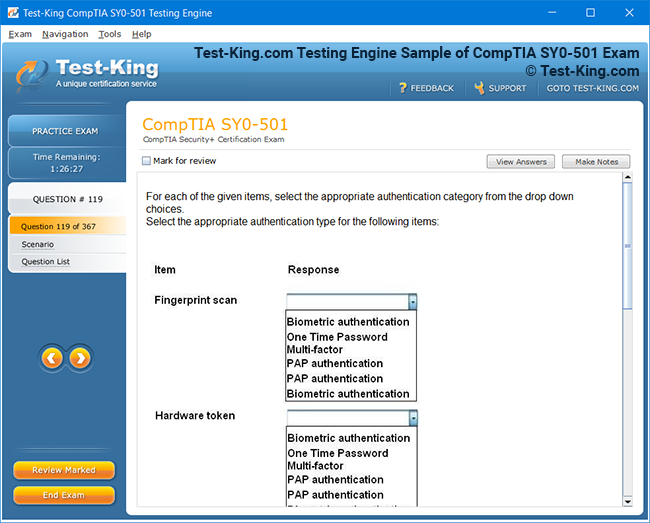
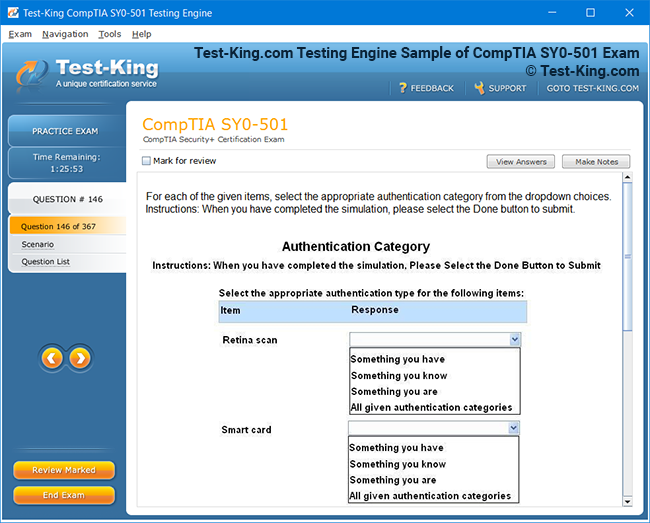
Product Screenshots
Frequently Asked Questions
How can I get the products after purchase?
All products are available for download immediately from your Member's Area. Once you have made the payment, you will be transferred to Member's Area where you can login and download the products you have purchased to your computer.
How long can I use my product? Will it be valid forever?
Test-King products have a validity of 90 days from the date of purchase. This means that any updates to the products, including but not limited to new questions, or updates and changes by our editing team, will be automatically downloaded on to computer to make sure that you get latest exam prep materials during those 90 days.
Can I renew my product if when it's expired?
Yes, when the 90 days of your product validity are over, you have the option of renewing your expired products with a 30% discount. This can be done in your Member's Area.
Please note that you will not be able to use the product after it has expired if you don't renew it.
How often are the questions updated?
We always try to provide the latest pool of questions, Updates in the questions depend on the changes in actual pool of questions by different vendors. As soon as we know about the change in the exam question pool we try our best to update the products as fast as possible.
How many computers I can download Test-King software on?
You can download the Test-King products on the maximum number of 2 (two) computers or devices. If you need to use the software on more than two machines, you can purchase this option separately. Please email support@test-king.com if you need to use more than 5 (five) computers.
What is a PDF Version?
PDF Version is a pdf document of Questions & Answers product. The document file has standart .pdf format, which can be easily read by any pdf reader application like Adobe Acrobat Reader, Foxit Reader, OpenOffice, Google Docs and many others.
Can I purchase PDF Version without the Testing Engine?
PDF Version cannot be purchased separately. It is only available as an add-on to main Question & Answer Testing Engine product.
What operating systems are supported by your Testing Engine software?
Our testing engine is supported by Windows. Andriod and IOS software is currently under development.
Top ABA Exams
CTFA: Navigating the Complexity of the Certified Trust and Financial Advisor Exam
The Certified Trust and Financial Advisor exam stands as a benchmark for professionals seeking to demonstrate proficiency in trust administration, estate planning, and financial advisory practices. The exam, administered by the American Bankers Association, is designed to assess a candidate’s ability to apply theoretical knowledge to real-world fiduciary responsibilities. Individuals preparing for the CTFA exam are required to possess not only an understanding of financial instruments and trust laws but also the capability to exercise discretion and prudence in managing client assets. This breadth of knowledge can be overwhelming, particularly for those who have not yet encountered complex estate structures or advanced investment vehicles. Many aspirants underestimate the level of analytical rigor the examination demands, which can lead to early frustration in the preparation process.
The Purpose and Scope of the CTFA Certification
Candidates often encounter challenges in grasping the nuanced interplay between legal statutes, tax regulations, and ethical fiduciary duties. The exam content spans multiple domains, including trust administration, tax implications, investment strategies, risk management, and fiduciary ethics. Each domain requires a deep understanding of underlying principles as well as practical problem-solving skills. For example, a question involving discretionary trusts may require knowledge of state-specific statutes, an understanding of income tax treatment, and an ability to make prudent asset allocation decisions simultaneously. This multifaceted requirement underscores the necessity of structured and deliberate study strategies.
Common Misconceptions About the Exam
A frequent challenge candidates face is the prevalence of misconceptions regarding the CTFA exam. Many professionals assume that prior experience in financial services or wealth management automatically translates into exam readiness. While practical experience provides valuable context, the exam evaluates precise knowledge of trust law, fiduciary duties, and regulatory compliance. Relying solely on practical exposure without focused study often results in gaps that become apparent only during practice examinations.
Another misconception is that rote memorization is sufficient for success. The CTFA exam tests analytical application rather than simple recall. Candidates are often confronted with scenario-based questions that require synthesizing multiple concepts to reach a decision aligned with fiduciary prudence. This necessitates an understanding of tax ramifications, investment principles, and trust administration nuances concurrently. Those who attempt to memorize facts in isolation may find themselves unprepared for questions demanding critical reasoning and integrative thinking.
Recognizing Knowledge Gaps Early in Preparation
Identifying knowledge gaps early is crucial to avoid cumulative deficiencies in comprehension. Candidates may initially feel confident in areas such as investment management while struggling with estate planning or fiduciary ethics. Early diagnostic assessments, including practice questions and self-administered quizzes, can illuminate these weaknesses. A strategic approach involves cataloging weaker areas and allocating additional study time to address them. This methodical process prevents knowledge disparities from becoming overwhelming as the exam date approaches.
The scope of trust administration alone encompasses intricate topics such as beneficiary rights, trustee obligations, and distribution protocols. Failing to recognize gaps in these areas may result in a superficial understanding, insufficient for the nuanced questions presented on the exam. Likewise, taxation rules, particularly those pertaining to grantor trusts, irrevocable trusts, and estate tax calculations, often present obstacles to candidates who have primarily handled day-to-day financial operations without formal study of regulatory frameworks. Deliberate focus on these challenging areas through review materials and case-based exercises is essential.
Strategies to Build a Strong Foundation in Trust and Financial Advisory Concepts
Constructing a robust foundation in CTFA concepts begins with a comprehensive review of primary reference materials. Candidates are encouraged to engage with textbooks, professional guidance manuals, and legal summaries that explicate fiduciary responsibilities, trust law, and estate planning intricacies. Reading alone, however, is insufficient; active engagement through note-taking, summarizing, and self-quizzing reinforces retention and facilitates deeper understanding.
Scenario-based learning provides a valuable avenue for applying theoretical knowledge. By analyzing case studies of trust administration, candidates develop the ability to integrate tax considerations, investment strategies, and ethical decision-making in practice. Such exercises also cultivate critical thinking and prepare candidates for the multidimensional questions characteristic of the CTFA exam. Incorporating unique terminologies such as fiduciary esoterica, testamentary intricacies, and asset stewardship into study discussions enhances familiarity with the language used in examination scenarios.
Additionally, leveraging professional networks and mentorship opportunities can accelerate comprehension. Experienced Certified Trust and Financial Advisors offer insights into common pitfalls and practical strategies for resolving complex fiduciary dilemmas. Interacting with mentors allows candidates to contextualize theoretical knowledge in the lens of real-world applications. Participating in study groups or discussion forums fosters peer learning and exposes aspirants to diverse problem-solving approaches, further solidifying understanding.
Overcoming Initial Intimidation and Building Confidence
The initial perception of the CTFA exam as formidable often acts as a psychological barrier. Many candidates report feeling overwhelmed by the breadth and depth of content, leading to procrastination or inefficient study methods. Overcoming this intimidation requires a combination of structured planning, incremental learning, and positive reinforcement. Establishing a study schedule that gradually increases in intensity allows candidates to acclimate to the complexity of the material without becoming mentally fatigued.
Practice examinations serve a dual purpose: assessing knowledge and building familiarity with exam format. Regular exposure to question types, scenario prompts, and time constraints reduces anxiety and enhances decision-making efficiency. It is important to treat practice questions not merely as a test of retention but as an opportunity to refine analytical skills and adaptive reasoning. This iterative approach cultivates cognitive resilience and develops the capacity to navigate unfamiliar questions with confidence.
Integrating Continuous Review and Knowledge Reinforcement
Continuous review is essential to prevent the erosion of knowledge acquired over weeks or months of preparation. Revisiting difficult topics, analyzing incorrect answers, and reinforcing key concepts strengthens long-term retention. Techniques such as spaced repetition, concept mapping, and reflective journaling can be employed to embed complex information more firmly in memory. For example, mapping the relationships between fiduciary duties, trustee responsibilities, and tax implications in a visual diagram can facilitate holistic understanding and rapid recall during the exam.
Candidates often benefit from combining multiple learning modalities. Reading, auditory review through lectures or discussions, and active problem-solving collectively enhance comprehension and adaptability. Incorporating diverse methods prevents monotony and stimulates deeper cognitive engagement, thereby improving the ability to synthesize information under examination conditions. Unique approaches, such as scenario simulation or mock advisory consultations, can replicate the mental processes required to resolve multifaceted fiduciary dilemmas, providing an experiential dimension to study efforts.
Leveraging Time-Efficient Study Techniques
Efficient allocation of study time is a recurring challenge, particularly for professionals balancing demanding workloads. Prioritization of high-impact topics, segmented study intervals, and focused review sessions optimize productivity. Candidates may employ chronometric planning, whereby study tasks are timed and sequenced to maximize retention while minimizing cognitive overload. Short, intensive study bursts interspersed with reflective breaks maintain mental acuity and reduce fatigue, enabling sustained engagement over prolonged preparation periods.
Effective note organization also contributes to time efficiency. Creating categorized summaries, mnemonic devices, and cross-referenced concept charts facilitates rapid review and reinforces associative memory. Integrating practical examples with theoretical content ensures that learning is contextualized and readily applicable to exam scenarios. The judicious combination of active and passive learning techniques supports both comprehension and memorization, addressing the dual demands of analytical reasoning and factual knowledge inherent to the CTFA exam.
Adapting Study Approaches to Individual Learning Styles
Acknowledging individual learning preferences is instrumental in overcoming preparation challenges. Some candidates excel through visual representation of complex concepts, while others benefit from auditory reinforcement or kinesthetic engagement. Tailoring study strategies to align with personal cognitive strengths enhances efficiency and reduces frustration. Incorporating unique terminology, case analysis, and scenario-based exercises accommodates diverse learning modalities and encourages deeper internalization of intricate fiduciary principles.
Flexibility in study methods also allows adaptation to evolving comprehension needs. As candidates encounter increasingly complex topics, iterative modification of strategies ensures continued progress. This adaptive approach prevents stagnation and supports the cultivation of critical thinking, analytical reasoning, and integrative problem-solving skills essential for success in the CTFA examination.
Establishing a Long-Term Perspective on Learning
Finally, approaching CTFA preparation with a long-term perspective mitigates the pressure associated with high-stakes certification. Viewing the study process as an opportunity to build enduring expertise in trust administration, estate planning, and financial advisory cultivates intrinsic motivation. Candidates who adopt a growth mindset are more likely to persevere through difficult topics, embrace challenges, and achieve mastery beyond the immediate goal of passing the exam. Integrating continuous learning into professional practice ensures that knowledge gained during preparation remains relevant and actionable throughout a career in fiduciary and financial advisory services.
The Pitfalls of Inadequate Study Planning
Preparing for the Certified Trust and Financial Advisor exam demands a delicate balance between acquiring extensive knowledge and managing time effectively. One of the most common challenges candidates face is the absence of a structured study plan. Without deliberate organization, it becomes easy to either overemphasize familiar topics or neglect more challenging areas, resulting in uneven preparation. Many aspirants underestimate the cognitive load required to internalize trust administration procedures, fiduciary responsibilities, and tax regulations, which can lead to fatigue and reduced retention over time.
The wide-ranging content of the exam amplifies this challenge. Candidates are expected to synthesize principles from investment management, estate planning, legal statutes, and fiduciary ethics simultaneously. Attempting to address this breadth without a clear roadmap often results in inefficiency and a sense of being overwhelmed. This lack of strategy can also induce procrastination, as candidates may feel paralyzed by the perceived enormity of the material rather than approaching it methodically.
Effective Scheduling Techniques for Busy Professionals
To overcome the obstacles associated with inadequate study planning, a structured schedule is indispensable. Candidates benefit from dividing preparation into manageable units, each targeting specific knowledge domains. Chronometric scheduling, where study time is allocated according to priority and difficulty, allows for more intensive focus on complex subjects such as discretionary trusts, fiduciary obligations, and tax implications. Incorporating brief, focused intervals of study with periodic review promotes cognitive retention and minimizes fatigue.
Using adaptive planning techniques can further enhance efficiency. For instance, early in preparation, candidates may devote more time to unfamiliar topics while periodically revisiting areas of strength to reinforce understanding. Integrating review sessions at strategic intervals ensures continuous engagement with all content areas and prevents last-minute cramming. Candidates are encouraged to track progress through checklists or study logs, which provide both a sense of accomplishment and a clear visualization of remaining tasks. This approach transforms preparation into a structured process rather than an overwhelming endeavor.
Balancing Work, Life, and Exam Preparation
Many aspirants for the CTFA exam are established professionals balancing demanding careers and personal responsibilities. Striking a harmonious balance between study obligations and everyday commitments presents a significant challenge. Without careful planning, candidates may sacrifice essential rest, social engagement, or professional duties, leading to burnout and reduced efficiency. Developing a realistic timetable that accommodates professional and personal life ensures sustainable study practices over the extended preparation period.
Techniques such as micro-study sessions, early morning focus hours, or evening review blocks can maximize learning within existing schedules. Even brief, concentrated periods of study, when consistently applied, accumulate into substantial progress. Flexibility is essential, as candidates may encounter unforeseen professional demands or personal events. Adaptable planning, which allows for temporary adjustments without compromising overall study objectives, is key to maintaining both performance and well-being during the preparation process.
Overcoming Procrastination and Maintaining Consistency
Procrastination is a pervasive challenge during CTFA exam preparation. The combination of complex content and demanding professional life can induce avoidance behaviors or inconsistent study patterns. Candidates often delay tackling difficult subjects or postpone structured practice, creating last-minute pressure and undermining retention. Addressing procrastination requires both cognitive and behavioral strategies.
Breaking tasks into smaller, manageable objectives enhances a sense of achievement and reduces intimidation. For instance, rather than attempting to master all taxation rules in one session, candidates might focus on grantor trusts or estate tax calculations in isolation. Setting clear, measurable goals for each study period fosters motivation and provides concrete markers of progress. Additionally, pairing study efforts with reinforcement mechanisms such as peer accountability, self-rewards, or reflective journaling can encourage consistency and maintain engagement throughout the preparation journey.
Techniques for Efficient Knowledge Acquisition
Time management is inextricably linked to the efficiency of knowledge acquisition. Candidates must employ methods that maximize comprehension while minimizing unnecessary repetition. Active learning strategies, including practice questions, scenario analyses, and case study evaluations, are particularly effective for retaining complex fiduciary concepts. Passive reading alone rarely results in sufficient internalization for exam success. By applying learned principles to hypothetical situations, candidates reinforce their understanding and develop problem-solving skills applicable to multifaceted exam questions.
Spaced repetition enhances long-term retention, ensuring that critical concepts are revisited at strategically timed intervals. Concept mapping, where relationships between fiduciary responsibilities, investment strategies, and tax implications are visually represented, provides a holistic view of interrelated subjects and facilitates rapid recall under exam conditions. Candidates are encouraged to combine multiple modalities—reading, writing, discussion, and simulation—to engage diverse cognitive pathways and strengthen memory consolidation.
Prioritization of High-Impact Topics
Efficient use of study time requires prioritization of high-impact topics. Analysis of past exam content, guidance from experienced advisors, and professional insights can reveal areas with a higher likelihood of examination focus. Candidates benefit from concentrating efforts on subjects where knowledge gaps could be most detrimental, such as discretionary trust administration, regulatory compliance, and complex estate planning scenarios. Prioritizing high-yield topics ensures that preparation time is allocated where it produces the greatest advantage.
While focusing on critical domains, candidates must also maintain exposure to peripheral subjects to preserve a balanced knowledge base. Integrative study approaches, which interlink core and secondary topics, prevent isolated understanding and promote comprehensive analytical capacity. Such strategies reinforce adaptive thinking, enabling candidates to navigate unexpected combinations of concepts during the exam confidently.
Leveraging Technology for Study Efficiency
Modern technology provides tools to enhance time management and study effectiveness. Digital flashcards, mobile applications, and interactive question banks enable candidates to engage with material flexibly, particularly during short intervals of free time. Adaptive learning platforms can identify weaknesses and adjust content delivery accordingly, ensuring focused reinforcement where needed. Candidates who incorporate technology thoughtfully often achieve greater efficiency, as it allows for consistent engagement without the constraints of traditional study methods.
Online study groups and professional forums serve dual functions: knowledge exchange and accountability. Sharing strategies, discussing complex scenarios, and receiving peer feedback reinforces understanding and mitigates isolation during preparation. Candidates gain exposure to diverse perspectives, enhancing analytical skills and offering alternative approaches to problem-solving, which are critical for scenario-based exam questions.
Developing a Personal Study Rhythm
A personal study rhythm, aligned with natural cognitive peaks and troughs, enhances both retention and concentration. Some candidates perform optimally during early morning hours, while others benefit from evening study sessions. Recognizing these patterns allows aspirants to schedule demanding tasks when focus is at its highest, reserving lighter review or passive learning activities for periods of lower alertness. Establishing a consistent rhythm reduces mental fatigue, improves efficiency, and fosters a sustainable preparation routine over extended periods.
Incremental learning, whereby knowledge is accumulated progressively and reinforced through repeated exposure, minimizes cognitive overload. Integrating short reflective intervals between intensive study periods allows consolidation of complex concepts, particularly in areas involving fiduciary ethics, trust taxation, and estate planning strategies. Candidates develop both depth and breadth in understanding while maintaining mental clarity and stamina.
Monitoring Progress and Adapting Strategies
Continuous monitoring of progress is essential for effective time management. Self-assessment through practice questions, timed simulations, and review of incorrect responses provides insight into evolving strengths and weaknesses. Candidates are encouraged to adjust study plans dynamically based on performance data, allocating additional effort to persistent challenges while maintaining coverage of mastered topics. This iterative process transforms preparation into an adaptive journey rather than a static schedule, ensuring that time invested yields maximum benefit.
Reflection on study habits, cognitive engagement, and retention efficiency allows candidates to refine approaches continually. By evaluating which methods yield the best outcomes, aspirants can optimize future study periods, enhancing both comprehension and confidence. This cyclical refinement supports mastery of complex fiduciary principles and positions candidates for successful performance under the pressures of the Certified Trust and Financial Advisor exam.
Cultivating Motivation and Discipline
Sustained motivation and self-discipline are integral to managing time effectively. Candidates must recognize that consistent, deliberate effort outweighs sporadic, intensive sessions. Integrating both intrinsic and extrinsic motivators, such as professional advancement goals, personal satisfaction, or recognition by peers, reinforces commitment to the study process. Habitual adherence to the study schedule, even when enthusiasm fluctuates, builds momentum and resilience, essential qualities for navigating the breadth and complexity of the CTFA examination.
Developing discipline involves creating structured environments, minimizing distractions, and establishing routines that reinforce productive study behavior. Candidates benefit from clear delineation between work, personal obligations, and focused study time. By embedding disciplined practices into daily routines, aspirants cultivate both efficiency and confidence, ensuring that study hours are maximally effective and aligned with desired outcomes.
Identifying Challenging Topics in the CTFA Exam
The Certified Trust and Financial Advisor exam demands a profound understanding of multifaceted financial, legal, and fiduciary concepts. Candidates often encounter difficulty in assimilating the interconnections between trust administration, estate planning, taxation, and investment management. Complex areas such as discretionary trusts, grantor and non-grantor trusts, estate tax computations, and fiduciary responsibilities frequently present obstacles for aspirants who have limited formal exposure to legal codifications or advanced financial instruments. Identifying these challenging domains early in preparation is critical, as it allows candidates to allocate sufficient time and cognitive energy to mastering them.
Discretionary trusts, for instance, require a nuanced understanding of trustee powers, beneficiary rights, and tax implications. A candidate must analyze hypothetical scenarios where distributions are not predetermined, ensuring adherence to fiduciary duty while optimizing tax efficiency. Similarly, fiduciary responsibilities involve both legal compliance and ethical discernment, encompassing duties of loyalty, prudence, and impartiality. Failure to fully comprehend these concepts may result in errors during scenario-based examination questions, which are designed to test both knowledge and application. Recognizing the potential complexity of these topics allows candidates to approach study methodically rather than haphazardly.
Techniques for Simplifying Complex Concepts
Mastering intricate fiduciary and financial principles necessitates strategic simplification. Breaking down multi-layered topics into constituent parts aids comprehension and promotes retention. For example, a discretionary trust can be dissected into trustee authority, income allocation, principal distribution, and taxation considerations. Isolating each element facilitates focused study while allowing eventual synthesis of the overall concept. Visual tools such as flowcharts and decision trees can help candidates visualize relationships between variables, particularly in scenarios involving multiple beneficiaries or layered tax consequences.
Analogical reasoning can also assist in simplifying complex constructs. By relating unfamiliar fiduciary duties or investment principles to familiar experiences or prior knowledge, candidates create cognitive anchors that enhance recall. Additionally, scenario-based exercises serve as practical tools to reinforce understanding. Analyzing hypothetical estates, simulating trustee decisions, or resolving taxation questions under controlled study conditions allows aspirants to apply theoretical knowledge, bridging the gap between memorization and practical application. Incorporating rare and precise terminology, such as fiduciary esoterica, testamentary intricacies, and asset stewardship, enriches understanding and aligns candidate cognition with the language of the exam.
Using Real-World Case Studies for Deeper Understanding
Real-world case studies provide invaluable context for mastering complex financial and legal concepts. They illuminate the application of abstract principles in tangible scenarios, fostering integrative thinking and adaptive problem-solving skills. Candidates studying case studies may examine situations such as the administration of multi-generational trusts, investment allocation under volatile market conditions, or tax-efficient distributions in accordance with evolving regulations. Engaging with authentic or simulated cases cultivates a practical perspective, ensuring that candidates are prepared for scenario-driven questions that demand both analytical rigor and ethical discernment.
The process of dissecting case studies reinforces critical skills, including identifying relevant issues, evaluating potential strategies, and assessing risk. Candidates learn to navigate conflicting priorities, such as balancing fiduciary duty against tax minimization or reconciling beneficiary expectations with legal mandates. Such exercises promote cognitive flexibility, enabling candidates to approach unexpected or layered questions on the exam with confidence. Mentorship or guided discussion of cases further amplifies understanding by offering professional insights into nuanced decision-making and procedural conventions.
Leveraging Expert Guidance and Mentorship
Engaging with experienced Certified Trust and Financial Advisors or legal professionals is a strategic method for overcoming conceptual hurdles. Mentors provide insights into practical applications of theoretical knowledge, clarify ambiguous areas, and offer strategies for tackling challenging questions. Their guidance often highlights recurring examination themes, areas where candidates commonly err, and approaches to scenario analysis that may not be immediately apparent from textbooks alone. This interaction cultivates a deeper comprehension of fiduciary intricacies, trust administration, and taxation principles.
Mentorship facilitates experiential learning, enabling candidates to contextualize abstract concepts in real-world practices. Candidates can simulate trustee decisions, evaluate hypothetical client scenarios, and receive feedback on analytical approaches. This active engagement bridges the divide between theoretical knowledge and applied understanding. Moreover, mentors often introduce subtle insights, including regulatory nuances, ethical considerations, and jurisdictional variations, which are pivotal for accurate and confident responses on the CTFA exam.
Navigating Tax Implications and Regulatory Complexities
Taxation remains one of the most challenging areas for CTFA candidates. Estate taxes, gift taxes, income taxation of trusts, and the distinctions between grantor and non-grantor trusts require meticulous attention to detail and a strong grasp of legal frameworks. Candidates must understand statutory thresholds, deduction rules, tax credit applications, and reporting obligations. Mastery of these topics is essential, as even minor miscalculations can lead to incorrect solutions on scenario-based questions.
To manage complexity, candidates should adopt a stepwise approach to taxation analysis. Breaking each problem into sequential considerations—identifying trust type, evaluating income and principal, applying relevant statutory provisions, and calculating tax liabilities—reduces cognitive burden and ensures precision. Supplementing theoretical study with practical exercises, such as sample computations or scenario simulations, reinforces understanding. Integrating taxation with broader trust administration principles ensures candidates can navigate questions requiring simultaneous consideration of legal, financial, and ethical dimensions.
Understanding Fiduciary Duties in Depth
Fiduciary duties form the foundation of trust administration and are integral to the CTFA examination. Candidates must internalize the duties of loyalty, prudence, impartiality, and disclosure, as each underpins decision-making in real-world trust management. Loyalty mandates that the trustee acts solely in the interest of beneficiaries, avoiding conflicts of interest. Prudence requires careful investment selection, risk management, and adherence to regulatory standards. Impartiality ensures equitable treatment of all beneficiaries, while disclosure involves transparent communication of trust operations, assets, and distributions.
Complex scenarios often combine multiple fiduciary obligations, requiring nuanced judgment. For instance, allocating limited trust income among beneficiaries with differing needs or evaluating investment opportunities under volatile market conditions demands simultaneous application of loyalty, prudence, and impartiality. Developing mental frameworks for evaluating such scenarios, coupled with case study analysis and mentor feedback, equips candidates to respond effectively under examination conditions. Regular review and reinforcement of these principles through exercises and scenario simulations enhance retention and analytical capacity.
Integrating Investment Management Concepts
The CTFA exam evaluates candidates’ capacity to integrate investment management with fiduciary responsibilities. This includes understanding risk tolerance, asset allocation, diversification strategies, and performance monitoring in alignment with trust objectives. Candidates must also consider liquidity requirements, regulatory constraints, and ethical implications of investment decisions. Complexity arises from the need to balance competing priorities, such as maximizing returns while preserving capital, ensuring compliance, and meeting beneficiary expectations.
Practical approaches to mastering investment concepts include constructing hypothetical portfolios, analyzing historical market scenarios, and evaluating risk-adjusted returns. Applying investment theory in tandem with fiduciary principles reinforces comprehension and prepares candidates for questions demanding integrated reasoning. Emphasis on adaptive strategies, scenario simulation, and reflective evaluation of outcomes develops both technical acumen and ethical discernment, essential qualities for successful CTFA candidates.
Managing Estate Planning Scenarios
Estate planning represents a critical yet challenging area for CTFA candidates. Concepts such as wills, charitable bequests, life insurance planning, and generation-skipping transfers require mastery of legal, financial, and ethical considerations. Candidates often struggle with scenario-based questions where multiple tools must be applied in concert to achieve client objectives while remaining compliant with tax and regulatory frameworks.
Effective study strategies include stepwise decomposition of planning scenarios, application of relevant statutes, and evaluation of potential risks and benefits. Candidates should practice integrating estate planning strategies with trust administration, investment management, and tax optimization to ensure holistic understanding. Mentorship and peer discussion can illuminate practical challenges and alternative approaches, enhancing both comprehension and adaptive problem-solving skills.
Applying Scenario-Based Problem Solving
Scenario-based questions constitute a significant portion of the CTFA exam and are designed to assess integrative thinking. Candidates must synthesize knowledge of trust law, taxation, fiduciary duties, investment principles, and estate planning in real-world simulations. Developing proficiency in this area requires repeated practice with case studies, hypothetical client situations, and simulated examination questions. Each scenario should be approached systematically, identifying key issues, analyzing options, and justifying decisions based on ethical, legal, and financial considerations.
Reflective analysis of past exercises enhances learning by revealing recurring patterns, cognitive biases, and decision-making tendencies. Candidates can refine problem-solving strategies, improve analytical precision, and enhance confidence. Incorporating unique terminology and complex scenarios into practice reinforces familiarity with examination language and prepares candidates to navigate multifaceted questions with composure and clarity.
Leveraging Peer Learning for Complex Concepts
Collaborative learning provides additional support in mastering intricate financial and legal topics. Study groups and professional forums enable candidates to exchange perspectives, discuss challenging scenarios, and receive feedback on reasoning approaches. Exposure to diverse problem-solving strategies fosters cognitive flexibility and enriches understanding. Peer learning also reinforces knowledge retention by requiring participants to articulate concepts clearly, defend analytical choices, and critique alternatives, all of which mirror the cognitive demands of the CTFA exam.
Engaging with peers simulates advisory environments where collaborative decision-making and consensus building are often required. Candidates develop the capacity to evaluate multiple perspectives, integrate complementary strategies, and reconcile conflicting priorities. This experience not only enhances examination readiness but also builds practical skills essential for professional success in trust and financial advisory roles.
Recognizing Stress, Anxiety, and Exam Fatigue
Preparing for the Certified Trust and Financial Advisor exam can impose considerable psychological strain. Candidates often experience stress stemming from the breadth and complexity of the exam material, combined with the demands of professional and personal obligations. Anxiety may manifest as apprehension regarding difficult topics, fear of failure, or perceived inadequacy in mastering fiduciary responsibilities, trust administration, and estate planning concepts. Persistent stress can impair concentration, diminish memory retention, and reduce overall efficiency in study sessions. Recognizing these emotional and cognitive barriers is the first step toward developing effective coping strategies.
Exam fatigue is another common challenge. Extended periods of focused study without adequate rest can lead to mental exhaustion, decreased motivation, and diminished cognitive agility. Candidates may find that their ability to analyze complex fiduciary scenarios, synthesize tax implications, or apply investment principles deteriorates after prolonged, uninterrupted study sessions. Awareness of these limitations allows candidates to structure preparation schedules that incorporate strategic breaks, restorative activities, and mental rejuvenation techniques.
Building Confidence Through Practice and Repetition
Confidence is integral to overcoming psychological obstacles in exam preparation. Many candidates underestimate the impact of repeated practice on reinforcing knowledge and building self-assurance. Systematic engagement with practice questions, case studies, and scenario-based exercises allows candidates to confront challenging topics repeatedly in a controlled environment. This exposure reduces uncertainty, enhances problem-solving skills, and fosters cognitive familiarity with the language and format of examination questions.
Repetition reinforces the interconnections between trust administration, fiduciary duties, investment management, and taxation principles. Candidates gradually develop an intuitive understanding of complex relationships and procedural sequences, enabling them to respond to unfamiliar scenarios with composure. Additionally, repeated practice highlights areas requiring further attention, guiding focused review and preventing superficial comprehension from persisting unnoticed. Through continuous engagement, candidates cultivate both mastery of material and the psychological resilience necessary to approach the exam with confidence.
Mindfulness and Cognitive Techniques for Focus
Mindfulness techniques are increasingly recognized as effective tools for mitigating stress and enhancing concentration. Candidates can benefit from practices such as focused breathing, meditation, and mental visualization, which help regulate attention, reduce intrusive thoughts, and maintain cognitive clarity. Mindfulness encourages the cultivation of present-moment awareness, allowing candidates to engage fully with study material and minimize distractions caused by stress or anxiety.
Cognitive strategies such as visualization of exam scenarios, structured mental rehearsal of problem-solving processes, and deliberate reflection on decision-making enhance focus and analytical precision. These techniques promote neurocognitive resilience, enabling candidates to maintain clarity of thought under pressure. By integrating mindfulness and cognitive exercises into daily study routines, candidates reinforce both mental agility and emotional stability, preparing themselves to tackle the exam with measured confidence and strategic acumen.
Maintaining Motivation Over Long Study Periods
Sustaining motivation throughout the preparation journey is a recurrent challenge. The extensive scope of the CTFA exam, encompassing fiduciary obligations, trust administration, taxation, and investment principles, can appear daunting, potentially leading to discouragement or disengagement. Candidates benefit from establishing intrinsic and extrinsic motivators that reinforce perseverance. Intrinsic motivation may derive from professional growth, personal achievement, or the satisfaction of mastering complex financial and legal concepts. Extrinsic motivators could include recognition by peers, career advancement, or alignment with organizational expectations.
Breaking the preparation journey into achievable milestones, even without labeling them formally as phases, fosters a sense of progress and accomplishment. Each completed practice session, mastered topic, or successfully resolved scenario contributes to cumulative confidence. Recognizing incremental achievements reinforces persistence and cultivates a mindset oriented toward long-term success rather than immediate gratification, which is essential in preparing for a high-stakes certification such as the Certified Trust and Financial Advisor exam.
Addressing Cognitive Overload
Cognitive overload arises when candidates attempt to assimilate excessive information simultaneously, resulting in diminished retention, impaired reasoning, and heightened stress. The multidimensional content of the CTFA exam amplifies this risk, particularly when studying taxation rules, fiduciary duties, trust administration protocols, and investment principles concurrently. To mitigate overload, candidates benefit from structured segmentation of study tasks, focused attention on discrete topics, and integration of cumulative review periods. This approach ensures that material is internalized systematically while preserving cognitive stamina.
Active learning methods, including problem-solving exercises, scenario simulations, and peer discussion, further alleviate overload by promoting engagement and application. Cognitive reinforcement occurs when candidates analyze, interpret, and implement concepts, rather than passively reviewing information. Techniques such as mnemonic devices, concept mapping, and sequential rehearsal enhance memory consolidation, enabling candidates to navigate complex examination questions without succumbing to cognitive fatigue.
Developing Resilience Against Exam Pressure
Exam pressure often manifests as performance anxiety, which can impair decision-making, slow analytical reasoning, and reduce confidence. Candidates who internalize high-stakes expectations or self-imposed perfectionism may experience heightened tension, leading to errors in judgment. Developing resilience involves cultivating a mindset that emphasizes adaptive problem-solving, iterative learning, and strategic prioritization rather than rigid adherence to perceived standards of perfection.
Simulation of exam conditions, including timed practice tests and scenario-based exercises, acclimates candidates to performance pressure. Familiarity with exam format, pacing, and question complexity reduces novelty-induced stress, allowing candidates to maintain composure. Additionally, reflective practices that emphasize learning from mistakes and reinforcing adaptive strategies enhance psychological resilience, enabling candidates to approach the CTFA exam with clarity, confidence, and strategic insight.
Cognitive Techniques to Enhance Retention
Retention of complex fiduciary and financial knowledge requires deliberate cognitive reinforcement. Techniques such as spaced repetition, interleaved practice, and active recall enhance memory consolidation and promote long-term retention. Spaced repetition, in particular, involves revisiting material at gradually increasing intervals, reinforcing neural pathways and reducing forgetting. Interleaved practice, where diverse topics are studied alternately, promotes integrative thinking and strengthens the ability to apply concepts in multidimensional scenarios.
Active recall exercises, including practice questions, scenario analysis, and problem-solving simulations, further solidify knowledge. By challenging the brain to retrieve information without reliance on notes, candidates strengthen cognitive retrieval mechanisms and enhance analytical fluency. These techniques are particularly valuable for retaining fiduciary duties, taxation rules, trust administration protocols, and investment principles, all of which form the core of the CTFA examination content.
Managing Emotional Responses to Challenging Material
Encountering complex or unfamiliar topics can provoke frustration, self-doubt, or discouragement. Emotional management is essential to maintaining focus and ensuring sustained study progress. Candidates benefit from acknowledging emotional responses without judgment, reframing difficulties as opportunities for growth, and implementing structured strategies to mitigate negative affect. Techniques such as reflective journaling, discussion with peers or mentors, and incremental task completion provide outlets for processing emotions constructively.
By developing emotional awareness, candidates can identify triggers of stress and implement coping mechanisms proactively. This emotional intelligence supports sustained engagement, reinforces confidence, and fosters a mindset conducive to analytical reasoning. Over time, candidates develop both the cognitive and emotional resilience necessary to navigate the challenges of the CTFA exam effectively.
Integrating Restorative Practices
Restorative practices, including adequate sleep, physical exercise, and brief mental breaks, are crucial for sustaining cognitive performance. Neurocognitive research indicates that memory consolidation, problem-solving efficiency, and stress regulation are significantly enhanced by sufficient rest and balanced physical activity. Candidates who neglect restorative practices may experience diminished retention, slower analytical processing, and increased susceptibility to stress-related errors.
Short breaks during study sessions, strategic exercise, and mindfulness interludes rejuvenate cognitive and emotional capacities. These practices not only enhance focus during study periods but also prepare the mind for high-performance functioning during the exam itself. Incorporating restorative elements into preparation routines fosters both endurance and clarity, enabling candidates to approach complex fiduciary, financial, and legal material with optimal cognitive resources.
Utilizing Peer Support for Psychological Stability
Peer support provides valuable reinforcement for managing psychological and emotional challenges. Study groups, professional forums, or mentorship arrangements offer opportunities to share experiences, discuss difficult topics, and receive encouragement. Candidates gain perspective on common obstacles, develop problem-solving strategies collaboratively, and cultivate motivation through social reinforcement. Peer interaction also helps normalize stress responses, reducing feelings of isolation and reinforcing resilience.
Engaging with peers encourages reflective discussion, critical evaluation of analytical approaches, and rehearsal of scenario-based reasoning. This collaborative environment enhances both cognitive and emotional preparedness, ensuring candidates are equipped to navigate complex questions, apply fiduciary principles, and manage taxation, investment, and trust administration challenges with confidence.
Maintaining Focus Amid Distractions
Distractions, both external and internal, pose a significant barrier to effective preparation. Candidates must develop strategies to minimize interruptions, manage competing priorities, and maintain sustained concentration. Structured study environments, time-blocking, and disciplined routines reduce susceptibility to distractions. Internal distractions, such as intrusive thoughts or anxiety, can be addressed through mindfulness, cognitive rehearsal, and reflective practices.
Focused engagement with study material, combined with intentional management of environmental and cognitive interruptions, enhances comprehension and retention. Candidates who successfully cultivate concentration benefit from more efficient study sessions, deeper understanding of fiduciary, taxation, and investment principles, and heightened readiness for scenario-based problem solving under examination conditions.
Understanding Question Patterns and Key Terminology
The Certified Trust and Financial Advisor exam evaluates both depth of knowledge and the capacity to apply concepts under complex scenarios. One of the foremost challenges candidates encounter is familiarizing themselves with the language, structure, and intent of exam questions. Each query is designed to assess analytical reasoning, fiduciary judgment, and integrative thinking rather than mere recall of facts. Candidates must interpret questions carefully, identify underlying principles, and synthesize information across fiduciary responsibilities, trust administration, estate planning, taxation, and investment management.
Terminology employed in the exam often reflects professional practice, regulatory language, and technical specificity. For example, understanding the distinctions between discretionary, revocable, and irrevocable trusts is critical to analyzing distribution options or tax consequences accurately. Terms such as asset stewardship, fiduciary esoterica, testamentary intricacies, and risk-adjusted allocation frequently appear in scenario-based questions. Developing fluency in such terminology enhances comprehension, allowing candidates to recognize the focus of each question and to respond with precision and confidence.
Time Management During the Exam
Effective allocation of time is crucial for navigating the breadth and complexity of the CTFA exam. Candidates must balance careful analysis of scenario-based questions with the need to complete all items within the allotted period. Many candidates err by spending disproportionate time on particularly challenging questions, which may compromise their ability to address other sections adequately. Developing a pacing strategy, including allocating time per question, prioritizing high-weight items, and reserving time for review, is essential for optimizing performance.
Simulated practice exams under timed conditions serve as an effective tool for refining pacing strategies. Candidates can identify tendencies to overanalyze or under-examine scenarios and adjust accordingly. Time management strategies should also incorporate mental checkpoints for ensuring comprehension, allowing for brief pauses to reassess reasoning, verify calculations, or consider ethical implications. The combination of disciplined pacing and reflective analysis supports both accuracy and efficiency under examination conditions.
Avoiding Common Traps and Misinterpretations
Scenario-based questions often include subtle complexities designed to assess integrative reasoning. Candidates may encounter traps such as ambiguously worded prompts, misleading numerical data, or scenarios that require simultaneous consideration of fiduciary duties, investment constraints, and tax ramifications. Misinterpretation of these elements can result in incorrect responses even when the underlying knowledge is sound. Developing awareness of potential pitfalls is therefore essential for effective exam strategy.
One approach involves methodically identifying all relevant variables in a scenario before attempting a solution. For example, evaluating trust distribution options requires consideration of beneficiary status, discretionary powers, investment allocation, and tax impact concurrently. Candidates who compartmentalize these elements while maintaining a holistic perspective are less likely to overlook critical factors. Additionally, reflective review of practice questions can highlight recurring traps, reinforcing vigilance and adaptive analytical habits.
Post-Practice Analysis and Continuous Improvement
Practice questions provide immediate opportunities for refinement and learning. Post-practice analysis enables candidates to identify errors, understand the rationale behind correct solutions, and recognize gaps in reasoning. This iterative process encourages continuous improvement and reinforces retention of complex fiduciary and financial principles. Analyzing mistakes with a structured approach—categorizing errors by conceptual misunderstanding, procedural oversight, or misinterpretation—facilitates targeted remediation and reinforces cognitive pathways.
Candidates benefit from documenting insights gained during review sessions, including mnemonic aids, conceptual relationships, and scenario-specific strategies. Over time, these reflective practices create a repository of personal knowledge and analytical heuristics, enhancing both confidence and efficiency. The combination of practice, review, and iterative refinement cultivates both technical proficiency and strategic acumen, essential for successful performance on the CTFA exam.
Scenario Integration Across Disciplines
The CTFA exam frequently integrates multiple domains within a single question, requiring candidates to synthesize knowledge from fiduciary duties, trust administration, estate planning, investment management, and taxation. Effective strategy involves recognizing interdependencies between disciplines and applying principles coherently. For instance, determining an optimal distribution from a discretionary trust may necessitate assessment of beneficiary tax status, asset liquidity, regulatory compliance, and investment risk simultaneously. Candidates must navigate these multidimensional considerations with analytical rigor and ethical discernment.
Integrative exercises during preparation, such as multi-topic case simulations or cumulative practice questions, develop the cognitive flexibility required for such scenarios. Candidates learn to transition seamlessly between domains, identify interrelated variables, and apply structured reasoning to arrive at judicious decisions. This approach not only enhances examination performance but also reinforces practical skills applicable to real-world fiduciary and financial advisory tasks.
Ethical and Fiduciary Considerations in Exam Strategy
Ethical judgment and fiduciary responsibility underpin every aspect of the CTFA exam. Scenario-based questions frequently test candidates’ ability to prioritize client interests, balance conflicting objectives, and ensure compliance with legal and regulatory standards. Developing a framework for ethical decision-making is crucial. Candidates should internalize principles of loyalty, prudence, impartiality, and transparency, and apply these consistently when evaluating complex scenarios.
Structured ethical frameworks enable candidates to approach dilemmas systematically. For example, when faced with a choice between maximizing investment returns and maintaining equitable treatment of beneficiaries, a candidate must assess legal obligations, ethical priorities, and long-term fiduciary prudence. Repeated exposure to scenario-based exercises, combined with reflective analysis and mentorship feedback, reinforces ethical decision-making and cultivates confidence in applying these principles under exam conditions.
Managing Complex Investment Scenarios
Investment management is a core component of the CTFA exam, often intertwined with fiduciary and taxation considerations. Candidates must assess portfolio allocation, diversification, risk tolerance, and performance monitoring in accordance with trust objectives. Scenario-based questions may present conflicting priorities, such as balancing income generation against capital preservation, navigating market volatility, or accommodating beneficiary needs. Analytical strategies that incorporate both quantitative and qualitative reasoning are essential for effective problem-solving.
Practical exercises, including hypothetical portfolio construction, risk assessment simulations, and performance evaluation scenarios, enhance comprehension of investment principles. Candidates benefit from integrating investment decisions with fiduciary obligations and regulatory constraints, ensuring that responses reflect holistic understanding. Developing a systematic approach to analyzing investment scenarios, including stepwise evaluation of risk, return, and compliance factors, strengthens both efficiency and accuracy during the examination.
Handling Complex Taxation Questions
Tax implications are central to many CTFA exam scenarios. Candidates must navigate income taxation, estate taxes, gift taxation, and distinctions between grantor and non-grantor trusts with precision. Failure to consider tax ramifications accurately can compromise both the integrity of fiduciary decisions and examination performance. Effective strategy involves structured analysis, identifying applicable statutes, calculating liabilities systematically, and integrating tax outcomes with trust administration objectives.
Incorporating practice calculations and scenario simulations reinforces comprehension and minimizes error under exam conditions. Candidates should develop mental frameworks for categorizing trust types, applying statutory provisions, and evaluating tax consequences in conjunction with investment and distribution decisions. This approach ensures both accuracy and efficiency while reinforcing integrative analytical skills.
Developing Adaptive Problem-Solving Skills
Adaptive problem-solving is critical for navigating the unpredictable complexity of CTFA examination questions. Candidates must balance structured reasoning with flexibility, adjusting analytical approaches based on evolving scenario variables. Exercises that challenge candidates to evaluate alternative strategies, consider multiple contingencies, and integrate diverse principles enhance cognitive adaptability and decision-making precision. This capacity for adaptive reasoning is particularly valuable when confronted with atypical or multifactorial scenarios.
Reflective review of past exercises supports adaptive skill development. Candidates analyze the rationale behind alternative solutions, evaluate potential outcomes, and refine heuristics for future application. Over time, this iterative process strengthens both analytical agility and examination confidence, enabling candidates to respond efficiently and judiciously to diverse question types.
Reinforcing Knowledge Through Simulation
Simulation of examination conditions is an effective strategy for consolidating preparation. Timed practice tests, scenario-based exercises, and integrative case studies replicate the cognitive demands of the actual exam. Candidates develop familiarity with pacing, question complexity, and scenario interpretation while reinforcing retention of fiduciary, investment, taxation, and estate planning principles. Simulation also provides opportunities to practice decision-making under pressure, enhancing both accuracy and efficiency.
Repeated engagement with simulated exercises fosters cognitive resilience, strengthens memory retrieval mechanisms, and builds confidence in handling multifaceted questions. Incorporating reflective analysis of performance in simulations ensures continuous improvement, reinforcing knowledge while enhancing strategic exam skills. Over time, candidates cultivate both technical proficiency and strategic insight, essential attributes for achieving success in the Certified Trust and Financial Advisor examination.
Utilizing Peer and Mentor Feedback
Feedback from peers and mentors offers additional reinforcement for exam strategy development. Reviewing scenarios collaboratively, discussing alternative approaches, and receiving constructive critique enhance understanding and refine analytical techniques. Candidates benefit from exposure to diverse problem-solving methods, gaining insight into subtleties of fiduciary reasoning, investment judgment, and taxation application. Peer and mentor engagement also reinforces motivation and confidence, providing social and cognitive support during rigorous preparation.
Engaging in structured discussion of practice questions and scenarios mirrors professional advisory environments, where collaborative decision-making and peer consultation are often required. Candidates develop the ability to articulate reasoning clearly, evaluate multiple perspectives, and integrate feedback constructively. These experiences enhance both exam preparedness and practical competence, ensuring that candidates are equipped to navigate complex fiduciary and financial challenges with confidence and precision.
Ensuring Long-Term Retention of Complex Concepts
Preparing for the Certified Trust and Financial Advisor exam requires more than short-term memorization; candidates must cultivate strategies for long-term retention of intricate fiduciary, financial, and legal concepts. The volume and complexity of content, spanning trust administration, estate planning, taxation, and investment management, necessitate deliberate reinforcement techniques. Spaced repetition, active recall, and scenario-based practice are particularly effective for consolidating knowledge. Revisiting topics at strategically spaced intervals strengthens neural pathways and enhances cognitive durability, allowing candidates to retain critical information for both examination performance and future professional application.
Candidates benefit from integrating varied study modalities, including reading, writing, discussion, and simulation. Engaging multiple cognitive pathways reinforces memory consolidation and deepens understanding. For example, analyzing case studies while simultaneously preparing written summaries encourages synthesis of complex information and promotes retention. This multi-modal approach supports comprehension of fiduciary responsibilities, discretionary trust management, and taxation principles, providing a robust foundation for both the exam and ongoing professional practice.
Translating Examination Knowledge into Practical Application
Beyond passing the exam, candidates must translate acquired knowledge into actionable skills in real-world contexts. Understanding theoretical principles is insufficient without the ability to apply them to dynamic fiduciary and financial scenarios. Effective application requires integrating trust administration procedures with ethical judgment, regulatory compliance, investment strategies, and tax planning. Candidates who approach preparation with practical implementation in mind cultivate adaptive problem-solving skills, enabling them to navigate multifaceted client needs post-certification.
Real-world application can be practiced through scenario simulations, client case analyses, or mentorship engagement. These exercises foster analytical agility, encourage ethical decision-making, and reinforce the interconnectedness of trust, taxation, and investment principles. By simulating practical challenges encountered by certified professionals, candidates bridge the gap between academic mastery and professional competency, ensuring that preparation translates directly into proficient advisory practice.
Leveraging Continuous Professional Development
Long-term retention and skill application are enhanced through continuous professional development. Engagement with emerging regulations, evolving fiduciary standards, and contemporary investment strategies ensures that knowledge remains current and actionable. Candidates should cultivate habits of ongoing learning, including participation in workshops, professional forums, and advanced seminars. Continuous exposure to evolving practices strengthens both conceptual understanding and practical insight, facilitating sustained professional excellence beyond the confines of the examination.
Networking with experienced advisors and participating in collaborative learning environments provide additional reinforcement. Candidates gain exposure to nuanced challenges, diverse perspectives, and innovative solutions, reinforcing knowledge while expanding professional acumen. This iterative engagement cultivates adaptive thinking, ensuring that fiduciary, legal, and financial expertise remains robust and relevant in a dynamic professional landscape.
Integrating Ethical and Fiduciary Principles in Practice
Ethical decision-making and adherence to fiduciary obligations are foundational to both exam success and professional practice. Mastery of duties such as loyalty, prudence, impartiality, and transparency requires not only cognitive understanding but also habitual application in daily advisory activities. Candidates must internalize ethical frameworks and consistently apply them in scenarios involving trust administration, investment allocation, and tax planning. Developing habitual ethical reasoning reinforces decision-making quality, ensures regulatory compliance, and cultivates professional credibility.
Simulation exercises, reflective analysis, and mentorship guidance reinforce ethical and fiduciary proficiency. Candidates learn to navigate complex situations where multiple priorities intersect, such as balancing beneficiary interests with regulatory compliance or reconciling conflicting objectives in investment management. Internalizing these principles ensures that professional actions are both legally sound and morally judicious, creating a foundation for sustained career success.
Maintaining Cognitive Agility and Analytical Precision
Retention of knowledge requires ongoing practice in analytical reasoning and cognitive agility. Candidates should engage with scenario-based exercises, problem-solving simulations, and integrative case studies regularly. These practices sharpen the ability to analyze, synthesize, and evaluate complex information efficiently. For example, assessing a discretionary trust scenario may involve simultaneous evaluation of beneficiary needs, asset allocation, tax impact, and regulatory compliance. Repeated exposure to such multidimensional challenges cultivates mental flexibility and decision-making accuracy.
Cognitive agility is further enhanced by reflective practices, including analysis of errors, review of alternative solutions, and adaptation of problem-solving strategies. Candidates who integrate reflective learning into preparation develop deeper comprehension and more resilient memory structures, enabling both examination readiness and enduring professional proficiency. Analytical precision, cultivated through structured exercises, ensures that responses to complex fiduciary, taxation, and investment challenges are consistently accurate and informed.
Building a Professional Knowledge Repository
Creating a structured repository of acquired knowledge enhances both retention and practical application. Candidates can compile notes, case analyses, mnemonic aids, and strategic frameworks to serve as a reference for ongoing professional activities. Such repositories facilitate rapid review, reinforce conceptual connections, and provide a foundation for adaptive problem-solving. By organizing material systematically, candidates can access critical information efficiently, supporting both client advisory work and continuing professional development.
Integration of reflective insights, scenario-based analyses, and practical examples within the repository strengthens its utility. Candidates can annotate recurring challenges, ethical considerations, and regulatory nuances, creating a living knowledge base that evolves with experience. This approach not only reinforces retention but also fosters professional confidence and adaptive decision-making capabilities.
Managing Cognitive and Emotional Factors for Retention
Effective retention is influenced by both cognitive and emotional factors. Stress, fatigue, and distraction can impede memory consolidation and analytical reasoning. Candidates should employ strategies such as mindfulness, structured study routines, restorative breaks, and reflective journaling to optimize cognitive functioning. Emotional regulation supports sustained engagement, reduces performance anxiety, and reinforces disciplined study habits, ensuring that knowledge acquisition is both efficient and enduring.
Candidates may also benefit from integrating motivational reinforcement into study and professional practice. Recognizing incremental progress, celebrating mastery of complex fiduciary and financial principles, and aligning preparation with long-term career goals cultivates intrinsic motivation. Sustained motivation and emotional resilience contribute to durable retention and enhance the capacity to apply knowledge effectively in real-world advisory contexts.
Strategic Review and Reinforcement Techniques
Long-term retention benefits from strategic review methodologies. Spaced repetition, interleaved practice, and cumulative scenario exercises are particularly effective. Revisiting concepts at gradually increasing intervals reinforces memory, while interleaved practice promotes integrative thinking by alternating between different domains such as trust law, taxation, and investment management. Scenario exercises encourage application of theoretical principles in practical contexts, reinforcing both retention and analytical skills.
Reflective review of performance during practice exercises further enhances learning. Candidates can identify areas of persistent difficulty, develop targeted remediation strategies, and adapt cognitive techniques to reinforce understanding. Over time, these iterative practices build a durable knowledge base, equipping candidates for both examination challenges and professional decision-making.
Translating Retention into Professional Excellence
The ultimate goal of retaining knowledge from CTFA preparation is to achieve professional excellence. Candidates must leverage retained expertise to provide accurate, ethical, and strategic advisory services. Integrating fiduciary duties, estate planning principles, taxation considerations, and investment strategies into coherent professional practices ensures that advice is comprehensive, compliant, and client-centered. Mastery of these interconnected domains positions advisors to handle complex client needs, anticipate challenges, and implement solutions with confidence.
Engagement in ongoing reflection, professional discourse, and practical application strengthens retention and fosters a cycle of continuous improvement. Candidates who translate cognitive mastery into deliberate professional action reinforce their expertise while expanding capabilities. Over time, this iterative process cultivates both mastery and adaptability, allowing Certified Trust and Financial Advisors to sustain high standards of performance and maintain relevance in evolving financial and legal environments.
Conclusion
Sustaining knowledge beyond the Certified Trust and Financial Advisor exam requires deliberate reinforcement, practical application, and continuous professional development. Candidates who integrate structured cognitive techniques, scenario-based exercises, ethical frameworks, and reflective practices cultivate both durable retention and adaptive problem-solving skills. Maintaining emotional resilience, cognitive clarity, and strategic focus further enhances long-term proficiency, ensuring that acquired expertise translates into effective professional performance. By systematically applying retained knowledge to complex fiduciary, financial, and legal challenges, Certified Trust and Financial Advisors achieve both examination success and enduring professional excellence.