

Exam Code: Cybersecurity Fundamentals Specialist
Exam Name: Cybersecurity Fundamentals Specialist
Certification Provider: ISA
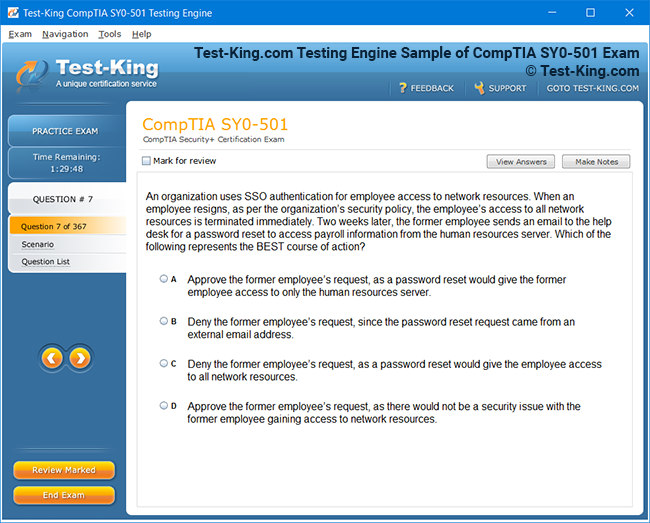
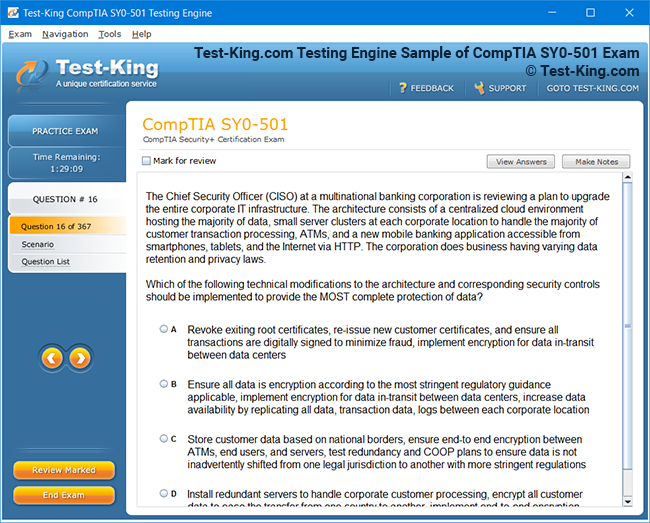
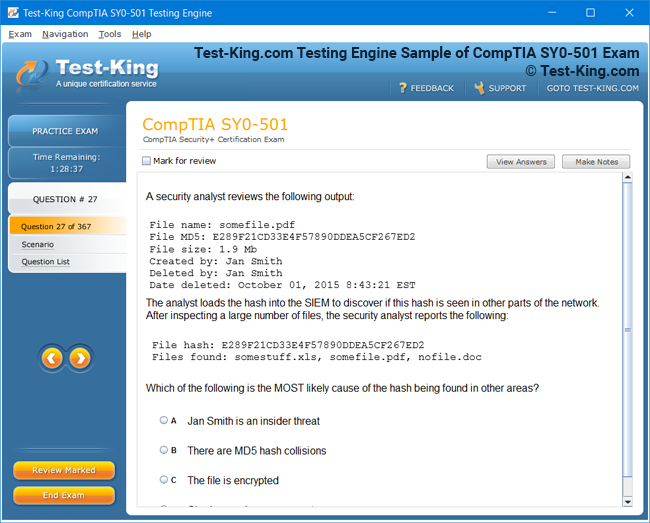
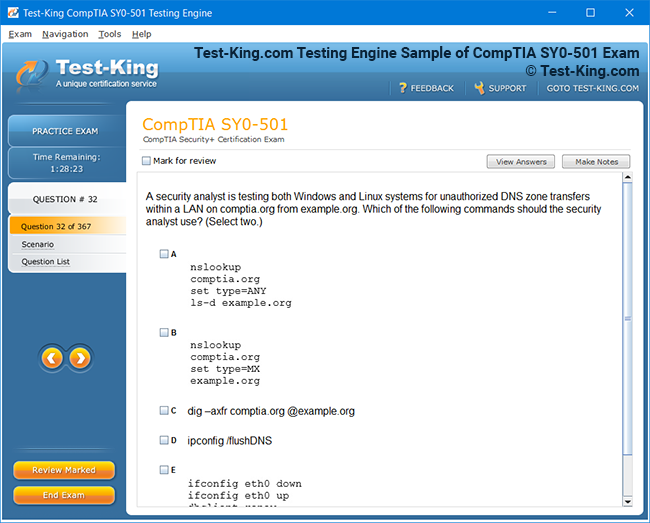
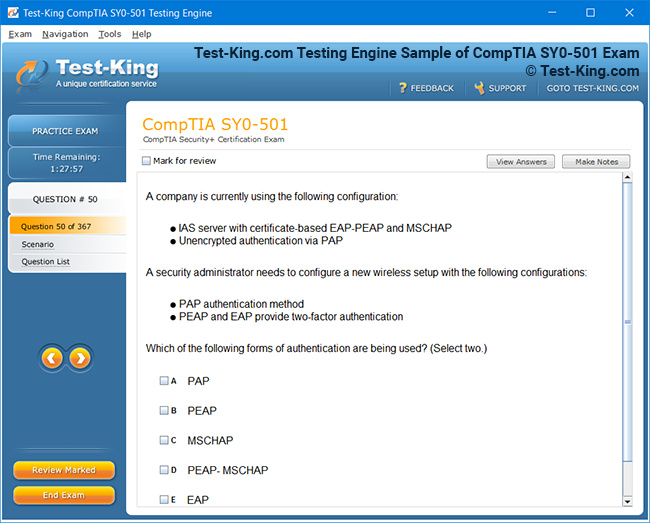
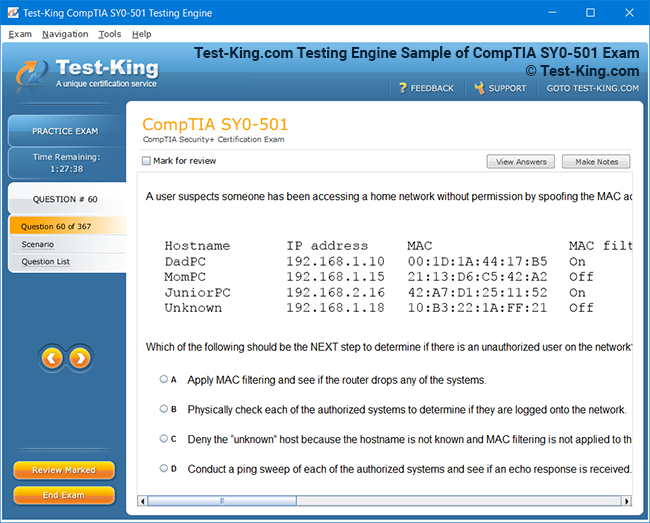
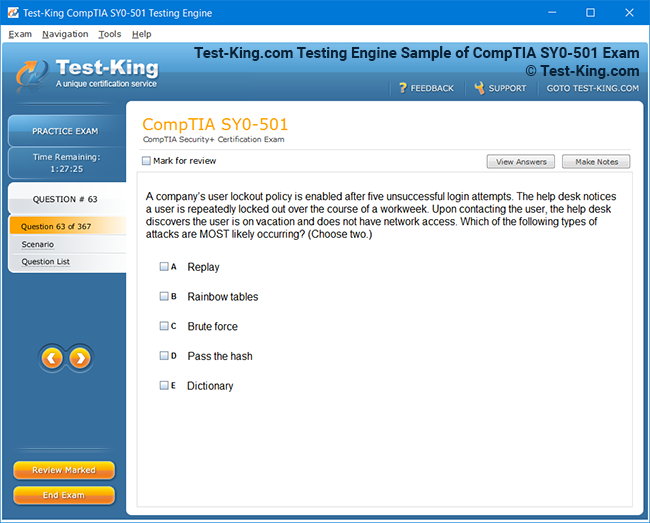
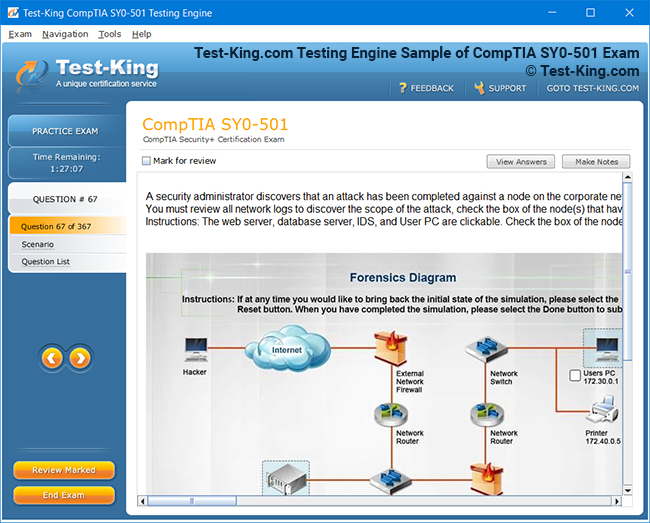
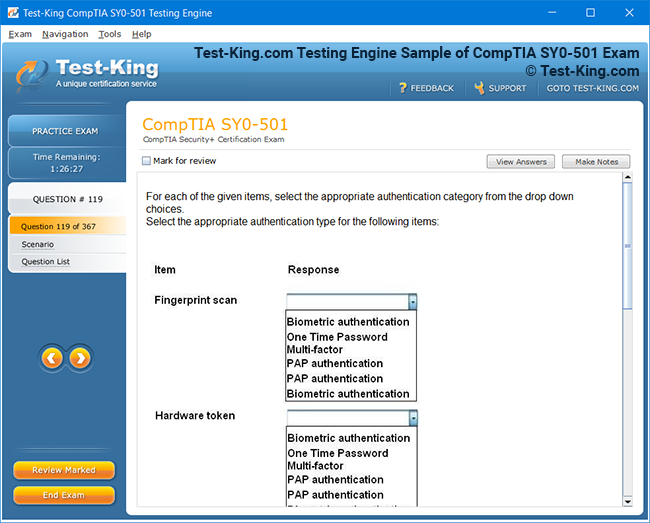
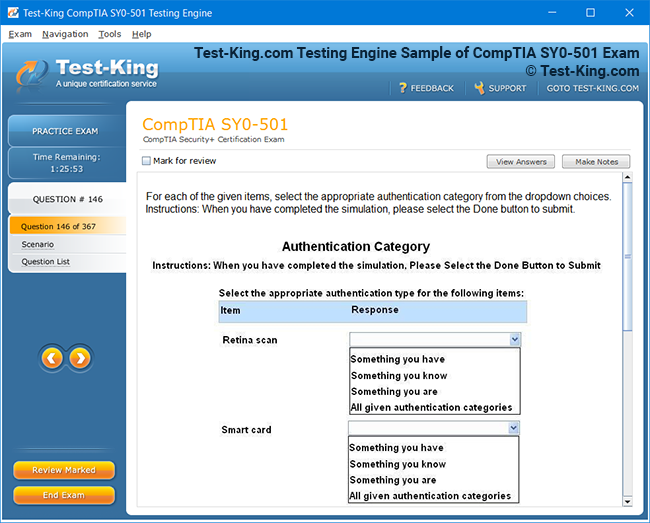
Product Screenshots
Frequently Asked Questions
How can I get the products after purchase?
All products are available for download immediately from your Member's Area. Once you have made the payment, you will be transferred to Member's Area where you can login and download the products you have purchased to your computer.
How long can I use my product? Will it be valid forever?
Test-King products have a validity of 90 days from the date of purchase. This means that any updates to the products, including but not limited to new questions, or updates and changes by our editing team, will be automatically downloaded on to computer to make sure that you get latest exam prep materials during those 90 days.
Can I renew my product if when it's expired?
Yes, when the 90 days of your product validity are over, you have the option of renewing your expired products with a 30% discount. This can be done in your Member's Area.
Please note that you will not be able to use the product after it has expired if you don't renew it.
How often are the questions updated?
We always try to provide the latest pool of questions, Updates in the questions depend on the changes in actual pool of questions by different vendors. As soon as we know about the change in the exam question pool we try our best to update the products as fast as possible.
How many computers I can download Test-King software on?
You can download the Test-King products on the maximum number of 2 (two) computers or devices. If you need to use the software on more than two machines, you can purchase this option separately. Please email support@test-king.com if you need to use more than 5 (five) computers.
What is a PDF Version?
PDF Version is a pdf document of Questions & Answers product. The document file has standart .pdf format, which can be easily read by any pdf reader application like Adobe Acrobat Reader, Foxit Reader, OpenOffice, Google Docs and many others.
Can I purchase PDF Version without the Testing Engine?
PDF Version cannot be purchased separately. It is only available as an add-on to main Question & Answer Testing Engine product.
What operating systems are supported by your Testing Engine software?
Our testing engine is supported by Windows. Andriod and IOS software is currently under development.
Top ISA Exams
Exam Code: Cybersecurity Fundamentals Specialist
The Cybersecurity Fundamentals Specialist exam is a comprehensive evaluation designed to assess the foundational knowledge and practical acumen of aspiring professionals in the realm of digital security. Its primary objective is to ensure candidates possess a robust understanding of core cybersecurity concepts, encompassing the architecture of secure systems, recognition of potential threats, and the implementation of countermeasures to safeguard digital assets. This exam, administered under the auspices of a globally recognized certification authority, emphasizes not only theoretical understanding but also the pragmatic application of cybersecurity principles in real-world contexts.
Understanding the Cybersecurity Fundamentals Specialist Exam
The structure of the exam is meticulously curated to test both the breadth and depth of a candidate's proficiency. Questions are crafted to gauge awareness of information security frameworks, network security protocols, and the intricacies of threat landscapes. Candidates are expected to demonstrate comprehension of risk assessment methodologies, cryptographic principles, and incident response procedures. The exam is a blend of multiple-choice queries, scenario-based problem-solving, and situational judgment assessments, requiring examinees to synthesize knowledge and apply it analytically.
Understanding the significance of this examination necessitates appreciating the evolving threat environment in which modern organizations operate. Cybersecurity is no longer a peripheral function but a strategic imperative. From multinational corporations to critical infrastructure operators, the demand for personnel adept in identifying, mitigating, and managing cyber risks is surging. Achieving certification as a Cybersecurity Fundamentals Specialist signals to employers and peers that the individual has attained a standardized level of expertise, enhancing employability, professional credibility, and capacity to influence organizational security strategies.
Candidates preparing for the exam must engage with a wide spectrum of topics, ranging from basic computer network operations to more intricate issues such as malware analysis, vulnerability assessment, and access control mechanisms. For instance, understanding network protocols like TCP/IP, DNS, and HTTP is not merely academic; it is essential for recognizing abnormal traffic patterns indicative of potential breaches. Similarly, familiarity with encryption algorithms, hashing techniques, and public key infrastructures equips candidates to protect sensitive data and ensure secure communications.
The examination also places emphasis on risk management. Professionals are evaluated on their ability to identify threats, assess potential impacts, and implement controls that balance security and operational efficiency. This involves understanding qualitative and quantitative risk assessments, business continuity planning, and disaster recovery principles. Candidates must also appreciate the regulatory and compliance frameworks that govern cybersecurity practices, such as international standards and national legislation, to ensure organizational adherence and avoid legal ramifications.
Cybersecurity threats are varied and ever-evolving. The exam assesses knowledge of malware typologies, including viruses, worms, trojans, and ransomware, along with social engineering tactics like phishing, pretexting, and baiting. Understanding these threats entails not only recognizing their technical signatures but also comprehending the human factors that exacerbate risk. Candidates are required to demonstrate insight into the behavioral patterns exploited by attackers and the preventive measures organizations can implement, including security awareness programs and user access controls.
Incident response is another critical area of evaluation. Examinees must be able to outline the stages of responding to a security breach, from initial detection to containment, eradication, and recovery. This involves familiarity with forensic tools, log analysis, and evidence preservation techniques to facilitate post-incident investigations. The exam also tests the ability to design incident response plans tailored to organizational structure, resource availability, and potential threat vectors.
Beyond the technical aspects, the examination underscores the importance of ethical and professional responsibilities in cybersecurity. Candidates are expected to demonstrate adherence to ethical principles, including the protection of privacy, the maintenance of integrity, and the promotion of transparency. This includes understanding the implications of unauthorized access, data breaches, and intellectual property theft, as well as the professional and legal consequences of negligence or misconduct.
Preparation for the Cybersecurity Fundamentals Specialist exam demands a strategic approach. Candidates benefit from structured study plans that integrate theoretical learning with hands-on practice. Engaging with simulation labs, virtual network environments, and threat analysis exercises provides experiential knowledge that enhances comprehension. Additionally, reviewing case studies of real-world cybersecurity incidents allows candidates to contextualize theoretical concepts and appreciate their application in dynamic scenarios.
Time management is a crucial skill for examination success. The breadth of topics covered requires examinees to allocate study hours efficiently, prioritizing areas of personal weakness while reinforcing fundamental concepts. Practice assessments, mock exams, and self-evaluation tools are instrumental in building confidence, refining problem-solving skills, and familiarizing candidates with the format and pacing of the actual examination.
The significance of earning the Cybersecurity Fundamentals Specialist credential extends beyond immediate employment prospects. Certified professionals often enjoy accelerated career advancement, access to specialized roles, and increased influence within organizational cybersecurity governance. They are equipped to contribute to strategic decision-making, advise on risk mitigation strategies, and participate in the development of security policies that align with organizational goals and regulatory mandates.
Moreover, the certification fosters a mindset of continual learning and vigilance. Cybersecurity is inherently dynamic; new vulnerabilities, attack methodologies, and technological innovations emerge continuously. Achieving certification instills a framework for lifelong professional development, encouraging specialists to remain abreast of industry trends, evolving threats, and emerging defensive techniques. This proactive approach is essential for sustaining organizational resilience in an increasingly interconnected digital ecosystem.
In addition to technical knowledge, successful candidates demonstrate analytical thinking, attention to detail, and problem-solving acumen. The ability to discern patterns in complex data sets, anticipate potential vulnerabilities, and design effective countermeasures is indispensable. These cognitive skills, coupled with ethical responsibility and practical expertise, position the Cybersecurity Fundamentals Specialist as a key contributor to organizational security posture.
The examination also emphasizes communication skills. Candidates must articulate findings, recommendations, and incident reports clearly to diverse stakeholders, including technical teams, management, and regulatory authorities. Effective communication ensures that security policies are implemented accurately, vulnerabilities are addressed promptly, and organizational awareness of cyber risks is heightened.
Preparing for this exam is not a solitary endeavor. Collaboration with peers, participation in study groups, and engagement with professional forums provide opportunities for knowledge exchange and exposure to diverse perspectives. Such interactions foster a deeper understanding of complex concepts, stimulate critical thinking, and cultivate a professional network that supports ongoing career development.
Candidates often face common challenges, such as information overload, difficulty applying theoretical concepts, or underestimating the significance of risk management principles. Addressing these challenges requires disciplined study habits, iterative learning, and the incorporation of practical exercises that reinforce conceptual understanding. Leveraging official study guides, accredited training courses, and reputable online resources can significantly enhance preparation efficiency.
The examination’s rigor is reflective of the cybersecurity landscape’s demands. Professionals are expected to anticipate and mitigate threats that could compromise confidentiality, integrity, and availability of information assets. The ability to evaluate security architecture, configure defensive mechanisms, and respond to incidents decisively distinguishes certified specialists from their peers.
Ultimately, the Cybersecurity Fundamentals Specialist exam is more than an academic assessment; it is a benchmark of professional competence, ethical adherence, and practical readiness. Achieving certification signals mastery of essential cybersecurity principles, readiness to confront evolving threats, and the capacity to contribute meaningfully to organizational resilience. It serves as a gateway to advanced certifications, specialized roles, and a deeper engagement with the complex, critical field of cybersecurity.
Candidates who approach the exam with structured preparation, strategic study, and a commitment to ongoing professional development are best positioned to succeed. Mastery of foundational concepts, hands-on experience, and awareness of regulatory frameworks collectively ensure readiness for the challenges presented by both the examination and the broader cybersecurity landscape.
Understanding the exam, its objectives, and its significance provides a solid foundation for embarking on a journey toward professional growth. By internalizing core concepts, engaging with practical scenarios, and fostering analytical and ethical competencies, candidates develop the expertise and confidence necessary to navigate the intricate and dynamic domain of cybersecurity effectively.
Core Skills and Knowledge Areas for Cybersecurity Fundamentals Specialist
The Cybersecurity Fundamentals Specialist exam is designed to evaluate a candidate’s proficiency across a broad spectrum of competencies essential for safeguarding digital infrastructures and mitigating cyber threats. The core skills assessed are not merely technical; they encompass analytical reasoning, problem-solving aptitude, ethical discernment, and a deep understanding of security frameworks that govern modern computing environments. The examination emphasizes the ability to apply theoretical knowledge pragmatically, ensuring candidates can respond effectively to dynamic security challenges encountered in professional settings.
At the heart of the exam is the understanding of computer networks and their security imperatives. Candidates must demonstrate fluency in networking principles, including the configuration of routers, switches, and firewalls, as well as the management of IP addressing and subnetting. Recognition of abnormal traffic patterns, susceptibility to attacks, and methods to reinforce network resilience are fundamental. Comprehending protocols such as TCP/IP, UDP, HTTP, and DNS is critical, as each protocol presents unique vulnerabilities that could be exploited if overlooked. Professionals must anticipate potential weaknesses, implement secure configurations, and ensure continuous monitoring to prevent unauthorized access or data exfiltration.
Another crucial area of evaluation involves threat identification and mitigation strategies. The exam requires an understanding of malicious software, including viruses, worms, trojans, spyware, adware, and ransomware. Each type of malware possesses distinct characteristics and propagation methods, necessitating tailored defensive measures. Candidates must also recognize social engineering tactics designed to exploit human psychology, such as phishing, baiting, pretexting, and tailgating. Understanding the psychological and technical dimensions of these threats enables professionals to implement comprehensive defenses, combining technological safeguards with user education and behavioral awareness programs.
Risk assessment and management constitute a central pillar of the certification. Examinees are expected to articulate the methods of evaluating organizational exposure to threats and vulnerabilities. This includes identifying critical assets, assessing the likelihood and impact of potential incidents, and determining the appropriate controls to mitigate risk. Both qualitative and quantitative approaches are considered, emphasizing the necessity for methodical reasoning and the ability to present findings coherently to stakeholders. By mastering these concepts, candidates can contribute to the creation of resilient security architectures that balance operational efficiency with protective measures.
Incident response is a domain of considerable importance. The exam evaluates knowledge of protocols for detecting, analyzing, and responding to security breaches. Candidates must be able to outline the stages of incident management, including preparation, identification, containment, eradication, recovery, and lessons learned. Familiarity with digital forensics, log analysis, and evidence preservation is essential, as these skills allow for thorough investigation and support organizational accountability. The capacity to respond swiftly and decisively to breaches mitigates damage, preserves data integrity, and ensures regulatory compliance.
Understanding cryptography is another cornerstone of cybersecurity expertise. Examinees are assessed on their knowledge of encryption and decryption methods, symmetric and asymmetric algorithms, digital signatures, and hashing functions. Cryptographic solutions are crucial for protecting data confidentiality, ensuring message integrity, and authenticating users. The ability to evaluate encryption schemes, implement secure key management practices, and detect weaknesses in cryptographic systems is indispensable for safeguarding sensitive information against sophisticated adversaries.
Access control mechanisms and authentication protocols also form a significant part of the exam. Candidates must be familiar with models such as discretionary access control, mandatory access control, and role-based access control, each of which governs how permissions are assigned and enforced. Multi-factor authentication, biometric verification, and single sign-on solutions are integral to establishing a robust security posture. Understanding these mechanisms enables professionals to ensure that only authorized individuals can access critical systems while minimizing operational friction.
The Cybersecurity Fundamentals Specialist examination further evaluates knowledge of security policies and governance frameworks. Candidates are expected to understand the formulation, implementation, and enforcement of policies that align with organizational objectives and regulatory requirements. Awareness of international standards, such as ISO/IEC 27001, and national regulations related to data protection and privacy, ensures that certified specialists can navigate complex compliance landscapes effectively. By integrating policy knowledge with technical expertise, candidates enhance organizational resilience and foster a culture of security awareness.
Monitoring and auditing are additional competencies assessed by the exam. Professionals must be capable of implementing logging mechanisms, intrusion detection systems, and continuous monitoring practices. The ability to analyze security logs, detect anomalies, and correlate events to identify potential threats is essential for maintaining situational awareness. Routine audits and compliance checks not only help identify weaknesses but also reinforce accountability and continuous improvement within security operations.
Emerging technologies and evolving threats form a dynamic backdrop against which the Cybersecurity Fundamentals Specialist operates. Candidates must remain cognizant of trends such as cloud computing, Internet of Things networks, artificial intelligence applications in security, and advanced persistent threats. Understanding the implications of these innovations enables professionals to anticipate vulnerabilities, adapt defensive strategies, and ensure that security architectures remain relevant and resilient in a rapidly changing environment.
Ethical considerations are embedded throughout the examination. Candidates are expected to demonstrate integrity, confidentiality, and professional responsibility in all cybersecurity endeavors. Knowledge of ethical hacking principles, responsible disclosure, and adherence to organizational codes of conduct ensures that professionals act in alignment with both legal and moral standards. By internalizing ethical frameworks, specialists safeguard organizational trust and contribute to the legitimacy and credibility of the cybersecurity profession.
Candidates are often queried on practical scenarios involving network compromise, malware outbreaks, or unauthorized access attempts. These questions require examinees to assess the situation critically, identify vulnerabilities, and propose effective remediation strategies. Transforming such inquiries into coherent responses involves explaining the nature of the threat, evaluating the severity, and recommending immediate and long-term corrective actions. This approach demonstrates analytical reasoning and the ability to synthesize multiple layers of information into actionable solutions.
Preparation for the exam involves combining theoretical study with experiential learning. Engaging in simulated environments, conducting vulnerability assessments, configuring firewalls, and experimenting with encryption and authentication protocols reinforces understanding. Additionally, studying past security incidents and dissecting attack methodologies provides context for technical principles, ensuring candidates can translate knowledge into practice.
Time management and strategic planning are vital during the examination itself. Candidates encounter a variety of question formats, including multiple-choice, scenario analysis, and problem-solving prompts. Efficient allocation of time, prioritization of questions based on complexity, and methodical reasoning increase the likelihood of success. Practicing with mock exams and reviewing answers critically enables examinees to refine their approach, minimize errors, and build confidence in decision-making under timed conditions.
The integration of knowledge, skill, and ethical awareness underscores the professional value of the Cybersecurity Fundamentals Specialist credential. Certified individuals are not only technically proficient but also capable of guiding organizations through the complexities of risk assessment, threat mitigation, and regulatory compliance. They serve as advisors, implementers, and monitors, ensuring that security measures are both effective and sustainable over time.
Career trajectories following certification are diverse. Specialists may pursue roles such as security analysts, network security engineers, compliance auditors, or incident response coordinators. These positions demand a combination of technical mastery, strategic thinking, and continuous learning. The credential enhances professional credibility, opens doors to advanced certifications, and positions individuals to contribute meaningfully to organizational security initiatives.
Collaboration and communication are integral to the role of a Cybersecurity Fundamentals Specialist. Professionals must convey complex technical concepts to non-technical stakeholders, including management teams and regulatory bodies. Clear articulation of risks, vulnerabilities, and mitigation strategies ensures that informed decisions can be made promptly. Additionally, collaboration with cross-functional teams fosters a holistic approach to security, integrating perspectives from IT operations, human resources, and executive leadership.
Challenges encountered during preparation or professional application often include rapidly evolving threats, information overload, or difficulty contextualizing theoretical principles. Addressing these challenges requires disciplined study, iterative problem-solving, and practical experimentation. Leveraging reputable resources, engaging in professional forums, and participating in hands-on exercises strengthens comprehension and hones critical thinking skills.
Ultimately, mastery of the core skills and knowledge areas assessed by the Cybersecurity Fundamentals Specialist exam equips candidates to navigate the intricate landscape of cybersecurity effectively. The examination emphasizes not only technical proficiency but also analytical reasoning, ethical responsibility, and practical application, creating professionals capable of addressing complex security challenges and contributing to organizational resilience.
By internalizing networking principles, threat identification strategies, risk management practices, cryptographic techniques, access control models, incident response protocols, and ethical considerations, candidates are positioned to perform at a high standard. They develop the confidence, expertise, and foresight necessary to anticipate vulnerabilities, implement protective measures, and maintain organizational security in an increasingly interconnected and perilous digital environment.
Advanced Threat Analysis and Security Measures
The Cybersecurity Fundamentals Specialist exam assesses not only foundational knowledge but also the candidate’s ability to evaluate advanced threats and implement sophisticated security measures to protect organizational assets. Modern digital environments are inundated with multifarious threats, ranging from rudimentary phishing attempts to complex, multi-vector attacks orchestrated by sophisticated adversaries. Candidates are expected to demonstrate a deep understanding of these evolving risks and the methodologies required to mitigate them effectively.
Central to this examination is the analysis of malware and its diverse forms. Candidates must distinguish between viruses, worms, trojans, ransomware, spyware, and polymorphic threats, understanding their propagation methods and potential impacts on system integrity. The exam evaluates the ability to trace the origin of infections, recognize unusual system behavior indicative of compromise, and implement appropriate countermeasures. Beyond technical signatures, understanding the sociotechnical elements exploited by attackers, such as human psychology and organizational weaknesses, is equally vital for developing holistic defense strategies.
Network security forms a cornerstone of threat mitigation. Candidates are required to demonstrate proficiency in configuring and managing firewalls, intrusion detection systems, and intrusion prevention systems. Knowledge of secure network design principles, segmentation, and the application of demilitarized zones is critical. Professionals must also anticipate potential vulnerabilities in network architectures and employ defensive strategies such as honeypots, network traffic analysis, and anomaly detection to safeguard against unauthorized access and data exfiltration.
Cryptography is another focal area. Examinees are expected to understand symmetric and asymmetric encryption, hashing algorithms, digital signatures, and key management practices. These concepts are essential for ensuring confidentiality, integrity, and authentication within an organization’s digital infrastructure. The ability to evaluate cryptographic implementations, identify weaknesses, and recommend enhancements contributes to a resilient security posture capable of withstanding increasingly sophisticated attacks.
Access control and authentication protocols are evaluated for their role in maintaining system integrity. Knowledge of role-based access control, discretionary access control, and mandatory access control models is crucial. Candidates must also comprehend multi-factor authentication, biometrics, and federated identity solutions, applying these measures to limit unauthorized access while maintaining operational efficiency. Understanding the nuances of privilege escalation, lateral movement, and insider threats ensures that security policies are both comprehensive and practical.
Risk management is woven throughout the exam, emphasizing the identification, analysis, and mitigation of potential threats. Candidates must demonstrate the ability to perform quantitative and qualitative risk assessments, prioritize assets based on criticality, and implement controls that align with organizational objectives. Understanding regulatory frameworks, compliance mandates, and industry standards is integral to establishing effective governance structures that minimize exposure to legal and operational consequences.
Incident response is a critical competency assessed in the examination. Candidates must be able to outline the lifecycle of an incident, including preparation, detection, containment, eradication, recovery, and post-incident review. Familiarity with digital forensics, log analysis, and evidence preservation is essential for conducting thorough investigations. Professionals must be prepared to respond to breaches swiftly, mitigating damage and restoring normal operations while ensuring that lessons learned inform future defensive strategies.
Emerging threats present unique challenges that require vigilance and adaptability. Candidates are expected to recognize advanced persistent threats, zero-day vulnerabilities, and attacks targeting cloud infrastructures and Internet of Things devices. Understanding these phenomena enables professionals to anticipate risks and develop proactive security measures, ensuring that organizational defenses remain robust against evolving attack vectors.
Security policies and governance frameworks are integral to the Cybersecurity Fundamentals Specialist’s responsibilities. Candidates must understand the creation, implementation, and enforcement of policies that address organizational risk, data privacy, and regulatory compliance. Knowledge of international standards and best practices allows professionals to establish consistent, effective security procedures that align with both technical and operational requirements. This includes awareness of how policy deviations, misconfigurations, and human error can undermine security efforts and the strategies to remediate these vulnerabilities.
Monitoring and auditing practices are evaluated to ensure continuous oversight of security systems. Candidates must demonstrate the ability to implement logging mechanisms, monitor network traffic, and analyze events for anomalies. Regular audits and assessments provide insights into the effectiveness of security controls, highlighting areas for improvement and enabling organizations to remain proactive rather than reactive. The ability to correlate multiple data streams, identify subtle indicators of compromise, and respond decisively is indicative of a proficient cybersecurity professional.
Ethical considerations permeate the examination content. Candidates are assessed on their understanding of professional responsibility, ethical hacking, and adherence to legal standards. The ability to balance organizational objectives with ethical imperatives, maintain confidentiality, and ensure transparency in security operations underscores the importance of integrity in professional practice. These principles guide specialists in implementing security measures that are both effective and morally sound.
Practical application of knowledge is emphasized through scenario-based questions. Candidates might be presented with simulated attacks on network infrastructure, breaches of confidential data, or attempts at unauthorized access. In these scenarios, examinees are expected to evaluate the situation, identify vulnerabilities, and recommend actionable solutions. The ability to transform complex technical problems into clear, methodical responses demonstrates not only knowledge but also analytical and decision-making capabilities essential for real-world cybersecurity operations.
Preparation for the examination involves a strategic combination of study and practice. Candidates benefit from hands-on exercises in virtual labs, experimenting with network configurations, security protocols, and malware analysis. Reviewing historical incidents and dissecting attack methodologies provides contextual understanding, allowing theoretical concepts to be internalized and applied effectively. This approach ensures that knowledge is both retained and adaptable to novel challenges.
Time management is critical during the examination. Candidates encounter multiple types of questions, including theoretical, scenario-based, and analytical prompts. Effective allocation of time, prioritization based on complexity, and methodical reasoning are essential for success. Practicing under timed conditions and reviewing answers for accuracy reinforces readiness and builds confidence, ensuring that candidates can navigate the examination efficiently.
Communication and collaboration are essential skills for a Cybersecurity Fundamentals Specialist. Professionals must convey complex technical findings to diverse stakeholders, including management teams, technical staff, and regulatory authorities. Clear articulation of vulnerabilities, risks, and mitigation strategies ensures informed decision-making and facilitates coordinated responses. Collaborative efforts with cross-functional teams enhance organizational security by integrating multiple perspectives and expertise.
Challenges in mastering advanced threat analysis often include the rapid evolution of attack techniques, the volume of security data, and the complexity of integrating multiple defensive technologies. Addressing these challenges requires disciplined learning, iterative practice, and engagement with professional networks and forums. Exposure to diverse perspectives and emerging strategies strengthens analytical skills and fosters adaptability, preparing candidates for real-world cybersecurity demands.
The examination also evaluates understanding of business continuity and disaster recovery principles. Candidates must demonstrate the ability to design, implement, and test plans that ensure critical operations can continue during disruptions. This includes evaluating potential impacts of security incidents, prioritizing essential functions, and integrating redundant systems and backup solutions. Mastery of these concepts enhances organizational resilience and minimizes operational downtime in the event of cyber disruptions.
Candidates are expected to apply a holistic approach to security, integrating technical, procedural, and human factors into a comprehensive strategy. Understanding how social engineering exploits human behavior, how misconfigurations create vulnerabilities, and how sophisticated malware circumvents defenses allows professionals to design layered, multi-faceted protection schemes. This proactive mindset is essential for anticipating threats and reducing organizational exposure.
The Cybersecurity Fundamentals Specialist credential represents a synthesis of technical expertise, analytical acumen, ethical responsibility, and practical readiness. Professionals who achieve this certification demonstrate the ability to navigate complex security environments, implement robust defenses, and respond effectively to incidents. They are equipped to influence organizational policy, guide security strategy, and maintain the integrity of critical digital assets in the face of evolving threats.
By mastering advanced threat analysis, cryptographic techniques, access control models, incident response strategies, risk management principles, and ethical guidelines, candidates cultivate the proficiency necessary to excel. The examination challenges them to integrate knowledge, apply judgment, and anticipate vulnerabilities, producing specialists capable of sustaining organizational security in an ever-changing digital landscape.
Security Architecture and Risk Mitigation
The Cybersecurity Fundamentals Specialist exam is structured to evaluate an individual’s ability to design, analyze, and implement robust security architectures that safeguard organizational digital assets from a plethora of threats. Candidates must demonstrate proficiency in constructing systems that integrate technological, procedural, and human elements into a cohesive framework capable of withstanding sophisticated attacks. The examination emphasizes the balance between security rigor and operational efficiency, highlighting the importance of layered defenses, proactive risk mitigation, and strategic planning.
A central focus of the exam is security architecture design. Candidates are required to understand the principles of secure system development, network segmentation, and the implementation of defense-in-depth strategies. These principles ensure that critical assets are protected by multiple layers of security controls, reducing the likelihood of successful attacks. Professionals must be adept at evaluating system vulnerabilities, designing redundant pathways, and implementing fail-safes that maintain continuity in the event of component compromise. This approach not only fortifies individual systems but also enhances the resilience of the overall organizational infrastructure.
Network security remains a critical pillar of examination content. Candidates must demonstrate expertise in the configuration and management of firewalls, intrusion detection systems, intrusion prevention systems, and secure routing mechanisms. Understanding the intricacies of network protocols, including TCP/IP, HTTP, DNS, and secure tunneling methods, is essential for anticipating potential attack vectors and implementing appropriate safeguards. Professionals are expected to identify abnormal traffic patterns, respond to potential intrusions, and optimize network design to reduce exposure while maintaining performance.
Threat intelligence and vulnerability assessment are integral components of risk mitigation. Examinees are required to recognize and evaluate various attack methodologies, including advanced persistent threats, zero-day exploits, ransomware campaigns, and social engineering tactics. The ability to discern subtle indicators of compromise, correlate events across systems, and predict potential attack pathways is essential for preemptive defense. Risk assessments involve evaluating the likelihood and impact of identified threats, determining the efficacy of existing controls, and recommending enhancements to strengthen the organization’s security posture.
Cryptography plays a pivotal role in protecting data integrity and confidentiality. Candidates must demonstrate knowledge of symmetric and asymmetric encryption, digital signatures, hashing algorithms, and secure key management practices. These mechanisms are essential for safeguarding sensitive information, verifying the authenticity of communications, and ensuring data integrity during storage and transmission. Professionals must be capable of evaluating cryptographic solutions for vulnerabilities, selecting appropriate algorithms, and implementing strategies that balance security requirements with operational constraints.
Access control and authentication protocols are examined extensively. Candidates are expected to understand role-based, discretionary, and mandatory access control models, applying these frameworks to regulate user privileges effectively. Multi-factor authentication, biometric verification, and single sign-on solutions are evaluated for their role in preventing unauthorized access while supporting operational efficiency. Professionals must also be vigilant about insider threats and privilege escalation, ensuring that access controls are not only implemented but continuously monitored for anomalies.
Risk management principles are woven throughout the examination content. Candidates must demonstrate the ability to identify critical assets, assess potential threats, and prioritize risk mitigation efforts based on impact and likelihood. Understanding both qualitative and quantitative assessment methodologies enables professionals to make informed decisions that align with organizational objectives. Integration of business continuity planning, disaster recovery strategies, and compliance with regulatory mandates ensures that risk management is comprehensive and effective.
Incident response proficiency is a key area of evaluation. Examinees must articulate the lifecycle of an incident, including preparation, detection, containment, eradication, recovery, and post-incident review. Familiarity with digital forensics, log analysis, and evidence preservation allows professionals to conduct thorough investigations and support organizational accountability. Swift and decisive response to breaches mitigates damage, preserves data integrity, and fosters organizational confidence in security processes.
Monitoring and auditing practices are essential for sustaining a secure environment. Candidates must demonstrate the ability to implement continuous oversight mechanisms, including logging, intrusion detection, and anomaly detection systems. Regular audits provide insight into the effectiveness of controls, identify areas for improvement, and ensure alignment with organizational policies and regulatory requirements. The ability to synthesize information from multiple sources, detect subtle irregularities, and respond appropriately is indicative of a proficient cybersecurity specialist.
Emerging technologies and evolving threat landscapes add layers of complexity to security architecture design. Candidates are expected to understand the implications of cloud computing, Internet of Things networks, artificial intelligence applications, and the proliferation of mobile devices. These technologies introduce new vulnerabilities and attack vectors, requiring adaptive strategies that integrate preventive, detective, and corrective controls. Professionals must anticipate potential weaknesses, implement mitigations, and continuously evaluate the effectiveness of security measures to maintain organizational resilience.
Ethical considerations are interwoven into all aspects of security design and risk mitigation. Candidates are evaluated on their understanding of professional responsibility, adherence to legal standards, and ethical conduct in cybersecurity practices. Maintaining confidentiality, integrity, and transparency while implementing defensive measures ensures that specialists act in the best interests of the organization and its stakeholders. Ethical behavior reinforces trust, supports regulatory compliance, and upholds the legitimacy of the cybersecurity profession.
Scenario-based evaluation is a critical component of the examination. Candidates may be presented with complex situations such as network intrusions, data breaches, or ransomware attacks. In these scenarios, examinees are expected to assess the threat, identify vulnerabilities, and recommend practical solutions. Articulating a methodical response that addresses immediate threats while establishing long-term preventive measures demonstrates analytical reasoning, technical acumen, and strategic foresight.
Preparation for the examination requires a combination of theoretical study and experiential practice. Candidates benefit from hands-on exercises in virtual environments, configuring networks, implementing encryption, testing access controls, and conducting simulated incident response drills. Reviewing case studies of historical security breaches provides contextual understanding and enhances the ability to apply theoretical concepts to practical challenges. This blended approach ensures both retention of knowledge and adaptability to dynamic security scenarios.
Time management and strategic planning are essential for examination success. Candidates encounter a variety of question formats, including multiple-choice, scenario analysis, and problem-solving prompts. Efficient allocation of time, prioritization based on complexity, and methodical reasoning increase the likelihood of achieving optimal results. Practicing with mock assessments and reviewing responses critically reinforces preparedness, builds confidence, and ensures familiarity with the examination format.
Communication and collaboration are vital skills for professionals implementing security architecture and risk mitigation strategies. Specialists must effectively convey technical findings to diverse audiences, including management teams, technical staff, and regulatory authorities. Clear articulation of risks, vulnerabilities, and remediation measures facilitates informed decision-making and promotes coordinated efforts across organizational units. Collaborative engagement ensures that security measures are integrated comprehensively and that diverse perspectives inform strategic planning.
Challenges encountered in mastering security architecture often include complexity of system interdependencies, rapid evolution of threats, and integration of emerging technologies. Addressing these challenges requires disciplined study, continuous learning, and participation in professional forums to exchange knowledge and best practices. Exposure to evolving methodologies and diverse perspectives strengthens analytical skills, fosters adaptability, and prepares candidates for real-world cybersecurity responsibilities.
Business continuity and disaster recovery are essential elements of effective risk mitigation. Candidates must demonstrate the ability to design and implement plans that ensure the continuity of critical operations during disruptions. Evaluating potential impacts, prioritizing essential functions, and integrating redundancies and backup solutions are fundamental competencies. Mastery of these principles ensures organizational resilience, minimizes operational downtime, and supports recovery from cyber incidents with minimal disruption.
Candidates are expected to adopt a holistic approach to security, integrating technical controls, procedural safeguards, and human factors into comprehensive strategies. Understanding how attackers exploit misconfigurations, social engineering vulnerabilities, and weaknesses in cryptographic implementations enables professionals to anticipate threats and reduce organizational exposure. Proactive measures, continuous monitoring, and adaptive defenses are indicative of a proficient Cybersecurity Fundamentals Specialist capable of maintaining security in complex digital ecosystems.
The Cybersecurity Fundamentals Specialist credential signifies mastery of security architecture, risk assessment, and mitigation strategies. Certified professionals demonstrate the ability to design resilient systems, respond effectively to threats, and implement layered defenses that align with organizational objectives. They contribute to policy development, strategic planning, and operational oversight, ensuring that security measures are both effective and sustainable over time.
By mastering the principles of secure system design, network security, cryptography, access control, incident response, risk management, ethical conduct, and business continuity, candidates develop the expertise necessary to excel in the field. The examination challenges individuals to integrate knowledge, apply analytical reasoning, and anticipate vulnerabilities, producing specialists capable of safeguarding critical digital assets and supporting organizational resilience in an ever-evolving threat landscape.
Practical Applications and Career Implications
The Cybersecurity Fundamentals Specialist exam evaluates an individual’s capacity to apply foundational knowledge to practical scenarios, ensuring organizational resilience and effective defense against evolving threats. Candidates are expected to demonstrate proficiency in translating theoretical concepts into operational strategies, designing secure infrastructures, and responding decisively to incidents. The examination emphasizes a holistic understanding of cybersecurity, integrating technical, procedural, and human elements to maintain integrity, confidentiality, and availability of information assets.
A key aspect of the exam is understanding the practical application of network security measures. Candidates must be capable of configuring firewalls, managing intrusion detection and prevention systems, and segmenting networks to reduce vulnerability. The ability to monitor network traffic, identify anomalous behavior, and implement layered defensive measures is essential for safeguarding sensitive data. Professionals must also anticipate potential attack vectors and proactively apply mitigations to minimize exposure while maintaining operational efficiency.
Malware analysis and threat intelligence are evaluated to ensure candidates can recognize and mitigate diverse forms of malicious activity. Understanding the characteristics of viruses, trojans, worms, ransomware, and spyware enables professionals to implement targeted defensive strategies. Examining the methods by which attackers exploit both technical and human vulnerabilities is essential for designing comprehensive security solutions. Incorporating behavioral analysis and social engineering awareness into organizational defenses strengthens overall resilience and reduces the likelihood of successful compromise.
Cryptography remains central to practical cybersecurity applications. Candidates are expected to understand symmetric and asymmetric encryption, digital signatures, hashing algorithms, and secure key management practices. The ability to implement these mechanisms effectively ensures that sensitive data remains confidential, communications are authenticated, and information integrity is preserved. Evaluating cryptographic solutions for potential weaknesses and adapting protocols to emerging threats demonstrates a sophisticated understanding of both theoretical and applied security measures.
Access control and authentication are vital for practical security management. Candidates must be familiar with role-based, discretionary, and mandatory access control models and understand their application in diverse operational environments. Multi-factor authentication, biometric verification, and federated identity solutions are crucial for preventing unauthorized access while supporting workflow efficiency. Monitoring access patterns and addressing potential privilege escalation or insider threats ensures that organizational systems remain secure and compliant with policy standards.
Risk assessment and management constitute a major focus of practical application. Candidates must demonstrate the ability to identify critical assets, evaluate potential threats, and prioritize mitigation strategies based on severity and likelihood. Implementing controls that balance security and business objectives requires an understanding of qualitative and quantitative methodologies. Additionally, awareness of regulatory requirements, industry standards, and organizational policies ensures that risk management strategies are both effective and compliant, supporting sustainable security practices.
Incident response is a critical competency evaluated in the exam. Candidates must be able to outline the lifecycle of an incident, including preparation, detection, containment, eradication, recovery, and post-incident review. Familiarity with digital forensics, evidence preservation, and log analysis allows professionals to investigate breaches comprehensively and provide actionable insights. The ability to respond swiftly and effectively minimizes damage, restores operations, and strengthens organizational confidence in cybersecurity processes.
Monitoring, auditing, and continuous improvement are integral to practical applications. Candidates must demonstrate proficiency in implementing logging mechanisms, analyzing event data, and identifying subtle anomalies that may indicate potential compromise. Routine audits assess the effectiveness of existing controls, highlight areas for improvement, and ensure alignment with organizational policy and regulatory mandates. Synthesizing information from multiple sources enables professionals to maintain situational awareness, anticipate threats, and implement proactive measures that enhance organizational security.
Emerging technologies and evolving threat landscapes present additional considerations for practical application. Candidates are expected to understand the security implications of cloud computing, mobile devices, Internet of Things networks, and artificial intelligence applications. These innovations introduce new attack vectors and require adaptive strategies that integrate preventative, detective, and corrective controls. Professionals must anticipate vulnerabilities, assess potential impacts, and implement solutions that are both robust and flexible, ensuring continuous protection in dynamic environments.
Ethical considerations underpin all practical applications of cybersecurity knowledge. Candidates are evaluated on their ability to maintain integrity, confidentiality, and professionalism while implementing security measures. Understanding ethical hacking principles, responsible disclosure, and adherence to legal frameworks ensures that professionals act in the best interest of both the organization and the broader community. Ethical conduct fosters trust, supports regulatory compliance, and reinforces the legitimacy of the cybersecurity profession.
Practical scenarios presented in the exam may include simulated network intrusions, data breaches, ransomware infections, and attempts at unauthorized access. Candidates are expected to analyze the situation, identify vulnerabilities, and propose actionable solutions. Crafting a methodical response that addresses immediate threats while establishing long-term preventive strategies demonstrates analytical reasoning, technical proficiency, and strategic foresight.
Preparation for the exam requires a balanced approach that combines theoretical study with hands-on experience. Candidates benefit from engaging in virtual labs, configuring networks, testing firewalls, and simulating incident response exercises. Studying historical security breaches, analyzing attacker methodologies, and evaluating defense mechanisms enhances the ability to apply knowledge effectively. This experiential approach ensures that candidates can integrate theory and practice, preparing them for the challenges of real-world cybersecurity operations.
Time management is an essential skill for success in the exam and in professional application. Candidates encounter a variety of question formats, including multiple-choice, scenario-based, and analytical problems. Prioritizing complex questions, allocating sufficient time for scenario analysis, and reviewing responses critically ensures effective performance. Practicing under timed conditions reinforces decision-making skills, builds confidence, and enhances familiarity with examination dynamics.
Communication and collaboration are key aspects of practical application. Cybersecurity specialists must convey technical findings clearly to diverse stakeholders, including technical teams, management, and regulatory authorities. Explaining risks, vulnerabilities, and remediation strategies ensures informed decision-making and facilitates coordinated efforts across organizational units. Collaborating with cross-functional teams enhances security measures by integrating diverse perspectives, expertise, and operational knowledge.
Career implications of the Cybersecurity Fundamentals Specialist certification are significant. Professionals gain recognition for their expertise in securing digital assets, responding to threats, and implementing robust security measures. Certified individuals are well-positioned for roles such as security analyst, network security engineer, compliance auditor, and incident response coordinator. The credential opens doors to advanced certifications, specialized roles, and leadership opportunities, enhancing both professional credibility and career trajectory.
Challenges in applying cybersecurity knowledge often include the rapid evolution of attack methods, complex organizational environments, and the integration of emerging technologies. Addressing these challenges requires ongoing learning, practical experimentation, and engagement with professional communities. Exposure to diverse approaches, emerging best practices, and evolving methodologies strengthens problem-solving skills, analytical reasoning, and adaptability, equipping professionals to navigate complex cybersecurity landscapes effectively.
The integration of business continuity and disaster recovery strategies into practical application is also critical. Candidates must demonstrate the ability to design, implement, and test plans that ensure continuity of operations during disruptions. Prioritizing essential functions, integrating redundant systems, and establishing backup solutions enhances organizational resilience. Mastery of these principles minimizes operational downtime, supports recovery from cyber incidents, and maintains confidence in the organization’s security posture.
Adopting a holistic approach to cybersecurity is essential for both examination success and professional application. Candidates must integrate technical, procedural, and human factors into comprehensive strategies. Understanding how attackers exploit system misconfigurations, social engineering vulnerabilities, and weaknesses in cryptographic mechanisms allows professionals to anticipate threats and reduce organizational exposure. Proactive defenses, continuous monitoring, and adaptive security measures are indicative of a competent Cybersecurity Fundamentals Specialist capable of protecting critical digital assets effectively.
The examination evaluates the candidate’s ability to synthesize knowledge from multiple domains into coherent, actionable strategies. By mastering network security, threat analysis, cryptography, access control, incident response, risk management, ethical conduct, and business continuity, candidates demonstrate the capability to design secure environments, respond to incidents efficiently, and guide organizational security strategy. Practical application skills ensure that knowledge is not merely theoretical but directly applicable to real-world challenges.
The Cybersecurity Fundamentals Specialist credential embodies proficiency in both foundational and applied cybersecurity. Certified professionals are equipped to anticipate threats, implement layered defenses, respond to incidents, and maintain compliance with regulatory and organizational standards. The credential signals expertise, ethical responsibility, and readiness to contribute meaningfully to organizational resilience and digital security.
Conclusion
In achieving the Cybersecurity Fundamentals Specialist certification signifies mastery of essential cybersecurity principles and their practical applications. Candidates develop the technical skills, analytical reasoning, and ethical awareness necessary to design secure systems, mitigate risks, and respond effectively to evolving threats. The certification enhances professional credibility, opens pathways for career advancement, and fosters a mindset of continuous learning and vigilance. By integrating theoretical knowledge with practical experience, certified specialists are prepared to navigate the complexities of modern cybersecurity environments, ensuring organizational resilience and the protection of critical digital assets.