

Exam Code: JN0-252
Exam Name: Mist AI, Associate (JNCIA-MistAI)
Certification Provider: Juniper
Corresponding Certification: JNCIA-MistAI
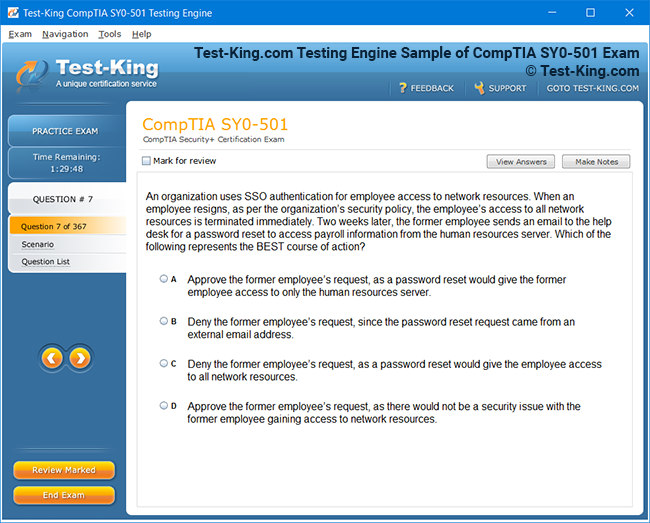
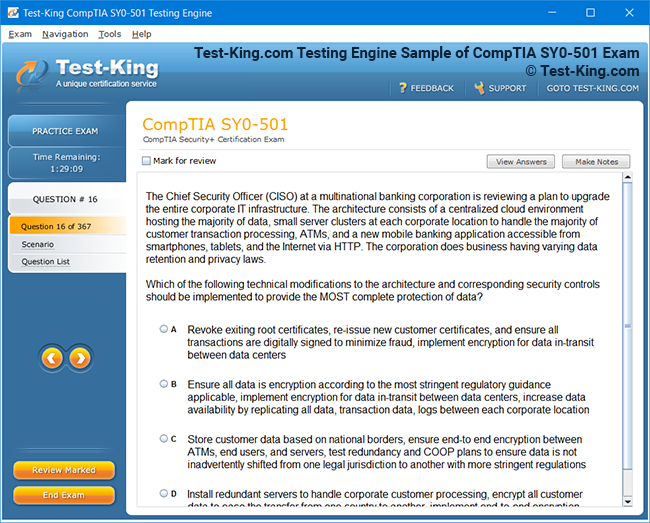
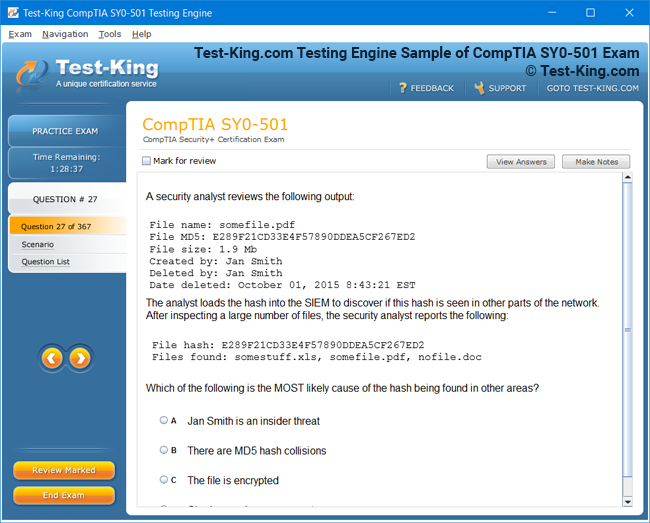
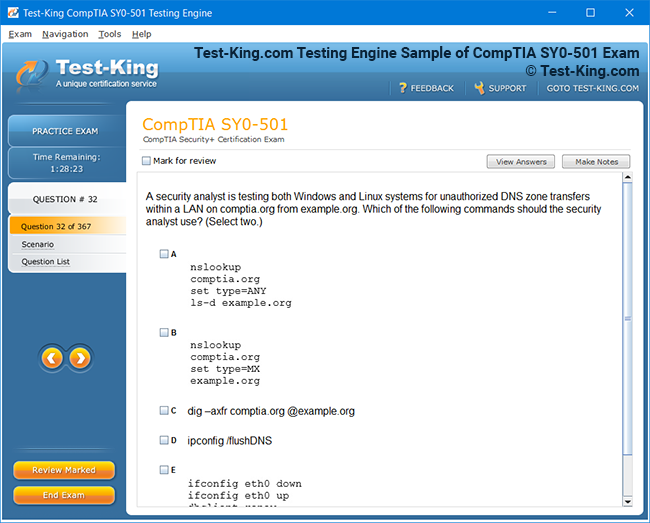
Product Screenshots
Frequently Asked Questions
How can I get the products after purchase?
All products are available for download immediately from your Member's Area. Once you have made the payment, you will be transferred to Member's Area where you can login and download the products you have purchased to your computer.
How long can I use my product? Will it be valid forever?
Test-King products have a validity of 90 days from the date of purchase. This means that any updates to the products, including but not limited to new questions, or updates and changes by our editing team, will be automatically downloaded on to computer to make sure that you get latest exam prep materials during those 90 days.
Can I renew my product if when it's expired?
Yes, when the 90 days of your product validity are over, you have the option of renewing your expired products with a 30% discount. This can be done in your Member's Area.
Please note that you will not be able to use the product after it has expired if you don't renew it.
How often are the questions updated?
We always try to provide the latest pool of questions, Updates in the questions depend on the changes in actual pool of questions by different vendors. As soon as we know about the change in the exam question pool we try our best to update the products as fast as possible.
How many computers I can download Test-King software on?
You can download the Test-King products on the maximum number of 2 (two) computers or devices. If you need to use the software on more than two machines, you can purchase this option separately. Please email support@test-king.com if you need to use more than 5 (five) computers.
What is a PDF Version?
PDF Version is a pdf document of Questions & Answers product. The document file has standart .pdf format, which can be easily read by any pdf reader application like Adobe Acrobat Reader, Foxit Reader, OpenOffice, Google Docs and many others.
Can I purchase PDF Version without the Testing Engine?
PDF Version cannot be purchased separately. It is only available as an add-on to main Question & Answer Testing Engine product.
What operating systems are supported by your Testing Engine software?
Our testing engine is supported by Windows. Andriod and IOS software is currently under development.
Top Juniper Exams
- JN0-106 - Junos, Associate (JNCIA-Junos)
- JN0-650 - Enterprise Routing and Switching, Professional (JNCIP-ENT)
- JN0-452 - Mist AI Wireless, Specialist (JNCIS-MistAI-Wireless)
- JN0-253 - Mist AI, Associate (JNCIA-MistAI)
- JN0-664 - Service Provider Routing and Switching, Professional (JNCIP-SP)
- JN0-364 - Service Provider Routing and Switching, Specialist (JNCIS-SP)
- JN0-281 - Data Center, Associate (JNCIA-DC)
- JN0-683 - Data Center, Professional (JNCIP-DC)
- JN0-232 - Security, Associate (JNCIA-SEC)
- JN0-336 - Security, Specialist (JNCIS-SEC)
- JN0-481 - Data Center, Specialist (JNCIS-DC)
- JN0-460 - Mist AI Wired, Specialist (JNCIS-MistAI-Wired)
- JN0-637 - Security, Professional (JNCIP-SEC)
- JN0-352 - Enterprise Routing and Switching, Specialist (JNCIS-ENT)
- JN0-351 - Enterprise Routing and Switching, Specialist (JNCIS-ENT)
- JN0-1103 - Design, Associate (JNCIA-Design)
- JN0-663 - Service Provider Routing and Switching, Professional (JNCIP-SP)
- JN0-451 - Mist AI, Specialist (JNCIS-MistAI)
- JN0-682 - Data Center, Professional (JNCIP-DC)
- JN0-224 - Automation and DevOps, Associate (JNCIA-DevOps)
- JN0-214 - Cloud, Associate (JNCIA-Cloud)
- JN0-363 - Service Provider Routing and Switching, Specialist (JNCIS-SP)
- JN0-103 - Junos, Associate (JNCIA-Junos)
JN0-252: Time Management Techniques for the JNCIA-MistAI Exam
The JN0-252 exam, officially known as Mist AI, Associate, is a pivotal certification offered by Juniper that validates a candidate’s foundational understanding of Mist AI technology. The examination evaluates proficiency in cloud-managed networking, artificial intelligence-driven operations, and the application of automation in wireless environments. To navigate this exam efficiently, one must not only master technical concepts but also cultivate a disciplined approach to time management, which can be the difference between passing and faltering under pressure. The exam encompasses domains such as understanding AI-driven networking, configuration of wireless environments, troubleshooting strategies, and leveraging Mist cloud tools. Candidates often underestimate the cognitive load associated with these topics, which makes time allocation for each area crucial. A meticulous study plan that prioritizes high-yield concepts while allowing for iterative review can significantly enhance comprehension and retention.
Strategic Allocation of Study Time
Effective time management for the JN0-252 examination begins with the creation of a comprehensive study blueprint. This involves segmenting the syllabus into digestible portions and determining the amount of time dedicated to each domain based on personal strengths and weaknesses. For instance, if one finds automation features more challenging than wireless configuration, it is prudent to allocate additional hours to hands-on practice with Mist AI tools. Additionally, adopting a cyclic review methodology, where concepts are revisited at increasing intervals, can improve memory consolidation. The judicious use of study aids, including official Juniper resources, lab simulations, and documentation, ensures that the preparation time is spent efficiently rather than being diffused across redundant materials.
Understanding one’s own circadian rhythms can also augment study efficiency. Research has demonstrated that cognitive alertness fluctuates throughout the day, often peaking in mid-morning or late afternoon. Scheduling intensive study sessions for the most demanding topics during periods of high alertness can result in better absorption and retention. Conversely, periods of lower energy can be dedicated to lighter review tasks or practicing lab exercises, which, although essential, do not require peak cognitive performance. This approach prevents mental fatigue and optimizes overall productivity.
Incorporating Focused Study Techniques
The ability to concentrate fully during study sessions is integral to mastering the JNCIA-MistAI content. Techniques such as the Pomodoro method, which entails focused intervals of study interspersed with brief breaks, can mitigate mental exhaustion while maintaining high levels of engagement. For topics like AI-driven network operations or anomaly detection, it is crucial to simulate real-world scenarios that replicate the decision-making processes required during the exam. This approach not only reinforces theoretical knowledge but also instills practical problem-solving skills, which can be invaluable during timed assessments.
Active recall is another powerful technique to enhance learning efficiency. Instead of passively reading materials, candidates benefit from periodically testing their understanding by explaining concepts in their own words or teaching them to a peer. For instance, articulating how Mist AI leverages machine learning for predictive network insights requires not only comprehension of the underlying algorithms but also the ability to succinctly convey their application. By integrating this method into daily study routines, candidates are able to gauge knowledge retention and identify areas requiring further attention.
Leveraging Mist AI Labs for Practical Mastery
Hands-on experience with the Mist AI platform is indispensable for exam readiness. The JN0-252 examination evaluates not only theoretical understanding but also the capacity to apply knowledge in practical scenarios. By dedicating scheduled blocks of time for lab practice, candidates can simulate deployment, configuration, and troubleshooting of Mist-managed networks. This experiential learning fosters a deeper comprehension of cloud-controlled wireless environments and reinforces the retention of complex concepts. For example, practicing device onboarding, role-based access configuration, and policy application within Mist’s cloud interface can familiarize candidates with operational workflows and reduce cognitive load during the examination.
It is also beneficial to maintain a journal of lab exercises, noting both successes and challenges. This reflective practice allows one to identify recurring errors and track improvement over time. Furthermore, integrating timed practice sessions simulates exam conditions and helps candidates develop a rhythm for managing questions efficiently under time constraints. By repeatedly engaging with realistic scenarios, candidates can cultivate the dexterity required to navigate the exam’s practical questions confidently.
Prioritizing High-Yield Topics
Not all areas of the JN0-252 exam carry equal weight, and discerning which topics are most likely to appear can optimize study time. Juniper’s exam blueprint outlines several core competencies, including AI-driven operations, client troubleshooting, network automation, and configuration of wireless devices. Candidates should identify these high-yield domains and allocate proportionally more time to mastering them. Simultaneously, less frequently tested topics should not be neglected but studied with an emphasis on breadth rather than depth. This balanced approach ensures comprehensive coverage without excessive time investment in low-impact areas.
Integrating spaced repetition into this strategy further enhances learning outcomes. By revisiting high-priority topics at increasing intervals, candidates reinforce memory pathways and reduce the likelihood of forgetting critical information. Tools such as flashcards or digital applications can facilitate this process, allowing candidates to review content during brief intervals throughout the day. This technique is particularly effective for retaining configuration commands, troubleshooting steps, and cloud interface procedures that are frequently tested in the exam.
Transforming Questions into Conceptual Understanding
Many candidates approach the JN0-252 exam with a question-and-answer mindset, memorizing responses rather than understanding underlying concepts. While this may provide short-term gains, it often falters under nuanced exam scenarios that require analytical thinking. A superior strategy involves converting each question into a narrative explanation of the concept. For example, when presented with a query about client roaming issues, rather than simply recalling a solution, candidates should articulate the mechanisms by which Mist AI detects and resolves connectivity anomalies, the significance of access point configuration, and the impact on network performance. This method ensures that the knowledge is flexible and applicable across multiple contexts, enhancing both confidence and efficiency during the exam.
Another effective technique is the synthesis of questions into visual mental maps. By creating interconnected frameworks of concepts, candidates can quickly traverse the relationships between AI-driven analytics, network policies, and client management strategies. Even in a timed environment, these cognitive maps can accelerate problem-solving by providing a structured recall pathway. The fusion of narrative explanations and conceptual mapping ensures that candidates internalize knowledge rather than merely memorizing isolated facts.
Managing Exam-Day Time Constraints
On the day of the JN0-252 examination, effective time management extends beyond preparation into the actual test-taking process. Candidates often face the dual challenge of complex technical questions and strict time limits, necessitating a strategic approach to pacing. One method involves an initial survey of the entire exam to identify questions that can be answered quickly, ensuring that no low-hanging points are missed. Subsequently, more intricate questions can be approached with a measured analysis, balancing speed with accuracy. This triage technique minimizes the risk of spending excessive time on a single question and allows for a more even distribution of effort throughout the exam.
Maintaining composure under time pressure is equally critical. Cognitive performance can deteriorate when candidates succumb to anxiety or hurried decision-making. Techniques such as controlled breathing, brief mental resets, and micro-pauses between questions can mitigate stress and preserve clarity of thought. Additionally, a prepared mental checklist that outlines steps for problem-solving, verification of answers, and prioritization can provide structure and confidence during the exam.
Incorporating Retrospective Analysis for Improvement
Even during preparation, adopting a mindset of retrospective analysis can enhance the efficiency of time management strategies. After completing practice exams or timed lab exercises, candidates should review not only incorrect answers but also the distribution of time spent per question. This analysis can reveal patterns, such as spending disproportionate time on configuration questions or underestimating troubleshooting scenarios. By adjusting study plans and practice strategies based on these insights, candidates continuously optimize their approach and maximize the utility of each study hour.
Regular self-assessment is another critical component of this reflective practice. Structured quizzes, timed simulations, and interactive exercises allow candidates to benchmark their progress and adjust study priorities dynamically. Over time, this iterative refinement of study habits cultivates resilience, adaptability, and confidence—qualities that are indispensable for success in the JNCIA-MistAI examination.
Enhancing Cognitive Efficiency During Preparation
Preparing for the JN0-252 exam requires not only technical acumen but also an acute understanding of how cognitive energy can be optimized over prolonged study periods. Mist AI, as a cloud-managed networking solution powered by artificial intelligence, encompasses diverse topics including automation, analytics, client troubleshooting, and wireless configurations. Candidates often encounter cognitive fatigue when attempting to master multiple domains simultaneously. To mitigate this, integrating structured microlearning sessions can be extraordinarily effective. These sessions, designed to focus on single concepts in concentrated bursts, allow for deeper encoding of knowledge without overwhelming mental faculties. For example, dedicating thirty minutes to the nuances of AI-driven anomaly detection, followed by a short restorative interval, enhances both comprehension and retention, ensuring that critical principles are firmly internalized.
Crafting a Dynamic Study Schedule
A dynamic and adaptable study schedule is indispensable when preparing for JNCIA-MistAI certification. Unlike rigid plans that fail to account for unforeseen interruptions or fluctuating energy levels, a flexible framework allows candidates to allocate more time to domains that prove challenging while condensing focus on areas of strength. Within this context, employing a priority matrix can facilitate optimal distribution of effort. High-impact topics, such as Mist cloud orchestration, network automation workflows, and configuration best practices, should occupy the most substantial blocks of time, while less complex subjects can be addressed through iterative review. By systematically analyzing personal performance metrics and adjusting the schedule accordingly, candidates cultivate both efficiency and resilience in their preparation approach.
Integrating Experiential Learning with Analytical Reflection
Experiential learning through hands-on engagement with Mist AI labs is crucial for bridging theoretical knowledge and practical application. Practicing device onboarding, configuring role-based access, and simulating troubleshooting scenarios within the cloud interface allows candidates to internalize procedural steps and develop muscle memory for operational tasks. However, the efficacy of such practice is significantly amplified when paired with analytical reflection. After completing each lab exercise, reviewing both successful outcomes and errors fosters metacognitive awareness, enabling learners to identify patterns, anticipate potential pitfalls, and refine problem-solving strategies. For instance, observing recurring configuration errors during multiple wireless deployments may highlight a misunderstanding of policy hierarchies, prompting focused review and correction.
Utilizing Cognitive Mapping and Mental Frameworks
Time management in the context of exam preparation is not merely about allocating hours but also about structuring knowledge in a way that enhances recall under timed conditions. Cognitive mapping, which involves visually or mentally linking related concepts, serves as a powerful tool for organizing Mist AI principles. Candidates can construct mental frameworks connecting client troubleshooting methods to specific analytics dashboards, or associating automation tasks with corresponding configuration protocols. These mental constructs enable rapid navigation through complex problem sets during the examination, reducing cognitive load and enhancing decision-making speed. Furthermore, embedding this approach within study routines ensures that each review session reinforces interrelated concepts rather than isolated fragments of information.
Optimizing Retention Through Spaced and Interleaved Practice
Spaced repetition remains one of the most effective strategies for long-term retention of technical material, particularly for the diverse content encompassed by the JN0-252 exam. By revisiting high-priority topics at increasing intervals, candidates strengthen neural pathways and mitigate forgetting. Interleaved practice, which involves alternating between related domains within a single study session, further enhances cognitive flexibility. For example, transitioning between automation configuration, troubleshooting client connectivity, and interpreting analytics reports encourages adaptive thinking and mirrors the multitasking demands of the exam itself. This method prevents mental stagnation and fosters a holistic understanding of Mist AI’s integrated ecosystem.
Transforming Inquiry into Deep Understanding
Many aspirants approach practice questions as discrete problems requiring isolated solutions, which often results in superficial comprehension. A more profound strategy involves converting each question into a narrative exploration of underlying concepts. When encountering a scenario involving Wi-Fi roaming inefficiencies, candidates should articulate the interplay between access point placement, client signal metrics, and AI-driven analytics that influence connectivity. This method promotes conceptual clarity and allows for flexible application of knowledge across diverse scenarios, ensuring preparedness for the varied problem types presented in the examination. By embedding questions within broader explanatory frameworks, candidates cultivate a depth of understanding that facilitates both speed and accuracy under exam conditions.
Balancing High-Impact and Peripheral Domains
Strategic allocation of time necessitates distinguishing between high-impact topics and peripheral subjects within the JN0-252 syllabus. Core areas such as cloud-based AI operations, automated network adjustments, and troubleshooting wireless devices merit concentrated attention, while supporting topics may require cursory review. Nevertheless, peripheral knowledge should not be neglected entirely, as exam questions may interweave secondary concepts with primary scenarios. By maintaining an equilibrium between focused mastery and breadth of coverage, candidates ensure comprehensive preparedness without disproportionate time expenditure. For instance, understanding fundamental analytics concepts enables rapid interpretation of network performance data, which complements deeper knowledge of automation protocols.
Leveraging Timed Practice to Cultivate Exam Rhythm
Simulation of real examination conditions is an essential component of effective time management. Timed practice not only familiarizes candidates with the pace required to complete the JN0-252 exam but also illuminates areas where speed may be sacrificed for accuracy. During these practice sessions, candidates should monitor time allocation per question, ensuring that simpler queries do not consume excessive attention while complex problem-solving receives adequate focus. This metered approach cultivates an intrinsic rhythm, enhancing confidence and minimizing anxiety on the day of the exam. Furthermore, integrating reflective review of timed sessions provides insight into recurring time bottlenecks, enabling recalibration of strategies for improved efficiency.
Mitigating Cognitive Fatigue and Sustaining Focus
Sustained study sessions, if improperly managed, can result in cognitive fatigue that undermines both comprehension and retention. To counteract this, candidates should incorporate periodic restorative techniques, including micro-breaks, mindfulness exercises, and light physical activity. These interventions rejuvenate mental acuity and facilitate continuous engagement with demanding material. Additionally, alternating between intensive cognitive tasks and practical lab exercises ensures a balanced cognitive workload, leveraging kinesthetic learning to reinforce theoretical knowledge. The deliberate modulation of study intensity preserves focus and enhances overall productivity, thereby maximizing the utility of each hour dedicated to preparation.
Developing Contingency Strategies for Exam Day
Effective time management extends beyond preparation into the actual testing environment. Candidates must anticipate potential disruptions or unanticipated question complexity and devise contingency strategies. Approaches such as initial survey of questions, triaging by difficulty, and systematic progression through problem sets ensure optimal utilization of allotted time. Moreover, maintaining composure during challenging scenarios preserves cognitive efficiency, preventing minor setbacks from cascading into broader time mismanagement. Candidates who internalize structured approaches to exam pacing demonstrate both resilience and adaptability, traits that are indispensable when navigating the multifaceted nature of Mist AI assessment questions.
Iterative Review and Performance Tracking
Continuous improvement in time management is contingent upon iterative review and systematic performance tracking. By meticulously recording results from practice exams, lab exercises, and simulated scenarios, candidates gain insights into both mastery and inefficiency. Analysis of these patterns enables recalibration of study schedules, highlighting areas where additional focus or time reduction is warranted. This reflective process not only enhances preparation but also fosters metacognitive skills, enabling learners to self-regulate and adapt strategies dynamically. Over time, such disciplined monitoring cultivates proficiency, confidence, and the ability to navigate complex questions under time constraints with poise.
Enhancing Decision-Making Speed Through Pattern Recognition
A critical component of managing time during the JN0-252 examination involves rapid yet accurate decision-making. Developing the ability to recognize recurring patterns within Mist AI network configurations, troubleshooting scenarios, and analytics outputs enables candidates to resolve questions efficiently. This skill is cultivated through repeated exposure to diverse problems, deliberate analysis of outcomes, and reflective synthesis of solutions. As pattern recognition strengthens, the cognitive load required to process each new question diminishes, resulting in faster resolution without compromising accuracy. By integrating this skill into preparation routines, candidates create a compounding advantage that enhances both speed and confidence during the exam.
Synchronizing Study with Personal Energy Cycles
Understanding and leveraging one’s own energy rhythms is a nuanced but highly effective strategy for optimizing time management. Candidates often achieve maximal cognitive efficiency by aligning intensive study sessions with peak alertness periods, while allocating lower-energy intervals to review, note-taking, or lab simulations. This synchronization not only reduces mental fatigue but also maximizes the absorption of complex material. Additionally, deliberate modulation of task difficulty in accordance with energy levels ensures sustained engagement and prevents burnout, allowing candidates to maintain consistent progress throughout the preparation period.
Integrating Multimodal Learning for Reinforced Retention
Finally, integrating multimodal learning approaches reinforces both comprehension and retention. Combining auditory resources, visual diagrams, hands-on lab exercises, and textual review enables candidates to encode information across multiple cognitive channels. For example, listening to explanations of AI-driven wireless analytics while simultaneously interacting with the Mist cloud interface solidifies both theoretical and practical understanding. This convergence of modalities reduces the likelihood of forgetting and enhances the speed at which knowledge can be retrieved during the examination. Multimodal learning, when structured within a time-conscious framework, amplifies both the efficiency and effectiveness of preparation for the JNCIA-MistAI exam.
Maximizing Study Productivity through Structured Techniques
The JN0-252 exam demands a balance of technical proficiency and efficient study management, particularly because Mist AI integrates multiple networking concepts, cloud-based operations, and automated troubleshooting protocols. One of the most effective strategies for enhancing study productivity is the deliberate structuring of study sessions around core competencies. By segmenting preparation time according to the relative complexity of each domain, candidates can allocate the most intense cognitive effort to high-yield areas such as AI-driven analytics, client connectivity troubleshooting, and wireless device configuration. This approach mitigates the risk of cognitive fatigue while ensuring that essential concepts are thoroughly internalized. Employing microlearning sessions in which focused attention is dedicated to discrete concepts allows for incremental mastery without overloading mental capacity.
Equally important is the adoption of an adaptive study rhythm that accommodates both peak mental alertness and periods of lower energy. Research on circadian cognitive cycles indicates that complex problem-solving tasks are optimally performed during mid-morning and early evening, whereas review activities, note consolidation, or lab simulations can be scheduled during lower-energy periods. This synchronization between study tasks and energy levels amplifies both comprehension and retention while minimizing the deleterious effects of fatigue. By consistently adhering to a rhythm that matches cognitive performance cycles, candidates can sustain longer and more effective preparation sessions for the JNCIA-MistAI certification.
Integrating Hands-On Practice with Conceptual Mastery
The technical nature of the JN0-252 exam necessitates extensive engagement with Mist AI labs to bridge theory and practice. Candidates benefit from conducting device onboarding exercises, configuring network policies, and simulating real-time troubleshooting scenarios. Each practical exercise should be coupled with analytical reflection, examining both successes and errors to identify recurring patterns or misconceptions. For example, repeated issues with client roaming or signal degradation may reveal a need to review access point placement strategies or policy prioritization within the Mist cloud platform. Reflective analysis transforms hands-on practice from rote repetition into meaningful skill acquisition, enhancing both speed and accuracy during timed examinations.
Additionally, lab exercises provide an opportunity to practice automation workflows within the Mist AI environment, reinforcing the conceptual understanding of how AI-driven operations optimize network performance. By deliberately simulating complex scenarios under timed conditions, candidates cultivate the ability to quickly diagnose issues and implement corrective measures—a critical competency for the examination. Integrating such experiential learning with reflective synthesis ensures that practical skills are transferable to varied and unpredictable question types, enabling confident navigation of the exam’s diverse challenges.
Prioritizing High-Yield Topics for Efficient Coverage
Strategic time allocation necessitates differentiating between high-impact and peripheral topics. Within the JN0-252 syllabus, areas such as AI-based network analytics, automation protocols, and client troubleshooting frequently carry more weight and warrant concentrated attention. Candidates should identify these priority domains and integrate iterative review cycles to reinforce knowledge retention. Peripheral subjects, including minor configuration nuances or supplemental features of Mist cloud operations, should be addressed in a manner that maintains awareness without consuming excessive preparation time. This method ensures that essential competencies are mastered while avoiding inefficiency caused by overemphasis on lower-yield material.
To further optimize retention, spaced repetition techniques can be incorporated into study routines. Revisiting key concepts at increasing intervals strengthens neural pathways, reducing the probability of forgetting crucial information. Combining spaced repetition with interleaved practice—where related topics are alternated within a single study session—enhances cognitive flexibility and mirrors the integrative nature of the examination. This methodology allows candidates to approach questions with adaptive reasoning, linking theoretical knowledge to practical applications seamlessly.
Transforming Questions into Comprehensive Understanding
Approaching practice questions merely as problems to be answered may result in superficial comprehension. A more effective strategy is to use each question as a catalyst for deep conceptual exploration. For instance, when confronted with a query about client connectivity issues, candidates should mentally reconstruct the problem scenario, considering the interplay of access point configuration, AI analytics, policy prioritization, and network performance. By translating questions into broader explanatory narratives, candidates cultivate an understanding that is adaptable and applicable across multiple contexts, rather than confined to memorized solutions. This approach enhances both speed and accuracy under timed conditions, reducing the likelihood of hesitation or uncertainty.
Another dimension of this strategy involves constructing mental frameworks that connect related concepts. For example, correlating troubleshooting techniques with automation workflows or linking client analytics insights to policy adjustments creates a web of interrelated knowledge. During the examination, such cognitive maps allow for rapid navigation through complex problem sets, reducing the time required to recall relevant information and reinforcing integrated understanding.
Leveraging Timed Simulations to Build Exam Rhythm
Timed practice sessions are indispensable for developing a rhythm aligned with the demands of the JN0-252 examination. Candidates should simulate the full duration of the exam under realistic conditions, tracking time spent per question and monitoring pacing strategies. This exercise reveals tendencies to allocate disproportionate time to challenging questions while neglecting simpler ones, allowing for recalibration of strategy. Over successive simulations, candidates internalize a sense of temporal awareness that enhances confidence and minimizes the risk of running short on time during the actual test. Coupled with reflective review of each session, this practice fosters incremental improvement and heightened efficiency.
It is also beneficial to alternate between theoretical questions and lab-based exercises within timed sessions. This combination mirrors the integrative nature of the JNCIA-MistAI exam, which blends conceptual understanding with practical problem-solving. By simulating real exam conditions in a controlled environment, candidates develop resilience and adaptability, ensuring that time management skills are robust under both predictable and unpredictable scenarios.
Mitigating Mental Fatigue and Sustaining Cognitive Endurance
Extended preparation for the JN0-252 exam can lead to cognitive fatigue, which impairs concentration, memory, and analytical reasoning. To counteract this, candidates should incorporate structured breaks, light physical activity, and mindfulness exercises to rejuvenate mental acuity. Alternating between intense cognitive tasks and hands-on lab practice reduces monotony and distributes cognitive load, allowing sustained engagement over prolonged study periods. Additionally, attention to nutrition, hydration, and sleep cycles further supports cognitive endurance, enabling candidates to maintain high levels of focus and efficiency throughout preparation and during the examination itself.
Adapting Strategies to Individual Learning Profiles
Effective time management for the JNCIA-MistAI certification is not uniform; it must be tailored to individual learning profiles. Some candidates excel in analytical reasoning and retain complex theoretical constructs with ease, while others benefit from kinesthetic or visual learning approaches. Identifying personal strengths and weaknesses allows candidates to allocate preparation time more effectively, emphasizing areas that require reinforcement while leveraging natural aptitudes. For example, visual learners may prioritize diagrammatic representations of Mist AI workflows and network topologies, whereas kinesthetic learners may devote additional time to hands-on simulations and interactive labs. This personalized strategy maximizes both efficiency and knowledge retention.
Enhancing Decision-Making Speed Through Pattern Recognition
Rapid and accurate decision-making is essential for navigating the JN0-252 exam within allotted time constraints. Developing pattern recognition skills enables candidates to quickly identify common issues, procedural steps, and analytics interpretations inherent to Mist AI operations. This skill emerges through repeated engagement with varied problem scenarios, reflective analysis of outcomes, and iterative practice. As pattern recognition improves, candidates require less cognitive effort to process familiar question types, resulting in faster resolution without compromising accuracy. Integrating pattern recognition exercises into preparation routines cultivates a compounding advantage that directly enhances time management and exam performance.
Incorporating Multimodal Learning for Robust Knowledge Encoding
Diversifying learning modalities enhances comprehension and retention of complex material. Combining auditory resources, visual diagrams, practical lab simulations, and textual review facilitates encoding across multiple cognitive channels. For example, listening to explanations of AI-driven network analytics while simultaneously practicing policy configurations reinforces both conceptual understanding and operational skills. This multimodal approach reduces cognitive fatigue by engaging varied sensory inputs and strengthens recall pathways for high-pressure scenarios. Within a structured time management framework, multimodal learning optimizes efficiency and ensures that knowledge is both accessible and applicable during the examination.
Reflective Analysis and Continuous Adjustment
A hallmark of effective preparation is the continuous reflection on progress and strategic adjustment. After completing practice exams, lab exercises, or timed simulations, candidates should review both content mastery and time allocation. Identifying areas where time was disproportionately spent or concepts were misunderstood allows for recalibration of study routines. This iterative process fosters metacognitive awareness, enabling learners to self-regulate and adapt strategies dynamically. Over time, such disciplined monitoring cultivates proficiency, resilience, and confidence—qualities essential for the successful completion of the JNCIA-MistAI exam.
Synchronizing Study Intensity with Energy Fluctuations
Optimizing time management also involves aligning study intensity with natural fluctuations in cognitive energy. Scheduling the most demanding tasks, such as advanced troubleshooting simulations or complex analytics exercises, during peak mental alertness maximizes learning outcomes. Conversely, lighter tasks such as reviewing notes or revisiting previously mastered concepts can be assigned to lower-energy periods. This synchronization preserves cognitive resources, reduces fatigue, and ensures consistent engagement. By respecting personal energy cycles, candidates enhance both the quality and quantity of preparation, ultimately supporting efficient mastery of the JN0-252 syllabus.
Utilizing Mental Visualization for Accelerated Recall
Mental visualization techniques can significantly expedite the recall of complex concepts during both preparation and examination. Candidates may mentally simulate workflows, network topologies, and automation sequences, embedding procedural steps within vivid cognitive imagery. This method enhances both the speed and accuracy of decision-making under timed conditions. For example, visualizing the progression of a client roaming event through access points and corresponding analytics dashboards allows candidates to anticipate potential issues and solution pathways, facilitating faster responses during the exam.
Elevating Preparation Through Cognitive Prioritization
Success in the JN0-252 exam requires more than rote memorization; it demands judicious prioritization of cognitive resources to navigate the breadth and depth of Mist AI topics efficiently. Candidates often encounter an overwhelming spectrum of concepts, including AI-driven analytics, wireless configuration, automation workflows, and client troubleshooting. To optimize study efficacy, one must apply cognitive triage, assigning greater attention to areas that are both challenging and high-yield. By identifying topics that historically have higher representation in the examination and pairing them with personal weak points, candidates can ensure that their preparation hours yield maximal returns. This approach fosters focused engagement, preventing dispersion of effort across low-impact areas.
Microlearning, structured into short but concentrated intervals, enhances retention and prevents cognitive overload. A thirty-minute deep dive into understanding predictive analytics in Mist AI, followed by a brief restorative break, allows complex concepts to consolidate in long-term memory. Similarly, targeted sessions on wireless orchestration or troubleshooting anomalies can be cycled throughout the day to ensure continuous reinforcement without exhaustion. When repeated consistently, these concentrated bursts not only increase knowledge retention but also cultivate mental agility, a crucial asset when navigating the exam’s diverse question formats.
Optimizing Hands-On Labs for Time Efficiency
Practical engagement with the Mist AI platform is indispensable for exam readiness. Lab exercises provide the opportunity to simulate network configuration, client onboarding, policy enforcement, and troubleshooting scenarios. However, the utility of these exercises is maximized when approached with strategic intent. Candidates should plan lab sessions with a focus on specific objectives, such as mastering role-based access configuration or understanding the propagation of AI-driven alerts. Each lab should conclude with reflective analysis, identifying both errors and successful strategies. For instance, repeated difficulties in interpreting analytics dashboards may indicate a need for deeper understanding of the underlying data structures and predictive algorithms, prompting focused review.
Timed lab sessions can further enhance efficiency, simulating the pressure and constraints of the actual examination. By replicating exam conditions, candidates develop an intrinsic sense of pacing, balancing the need for accuracy with speed. Additionally, integrating scenario-based exercises that interweave multiple competencies—such as automating a wireless deployment while monitoring client performance—mirrors the integrative nature of the JN0-252 exam, reinforcing adaptive problem-solving and time-conscious decision-making.
Structuring Study Around High-Impact Domains
Effective preparation necessitates discernment between high-impact and peripheral topics. Within the JN0-252 syllabus, concepts such as AI-driven client analytics, automation orchestration, and troubleshooting wireless connectivity are heavily weighted and should occupy the majority of focused study time. Peripheral elements, including supplementary configuration options or less frequently tested features, should be addressed with concise reviews to maintain awareness without monopolizing time. By concentrating on areas with the greatest return on investment, candidates optimize preparation hours while ensuring comprehensive coverage of essential knowledge.
Spaced repetition techniques enhance retention of critical topics. Revisiting high-priority content at systematically increasing intervals consolidates neural pathways, reducing the likelihood of forgetting key information. Coupled with interleaved practice—alternating between related domains within a single session—this approach fosters cognitive flexibility. For example, integrating review of automation workflows with client troubleshooting and AI analytics allows learners to perceive interdependencies, reflecting the interconnectedness of Mist AI concepts as they appear in the examination.
Converting Questions into Narrative Understanding
Many candidates approach practice questions as discrete items requiring isolated answers, often leading to superficial comprehension. Transforming questions into narrative explanations encourages deeper understanding. When faced with a query regarding client connectivity anomalies, candidates should mentally reconstruct the scenario, analyzing access point placement, AI-driven alerts, policy prioritization, and network performance factors. This narrative method ensures that understanding is not limited to memorized solutions but encompasses flexible application across diverse scenarios, enhancing efficiency and confidence during the timed examination.
Additionally, creating conceptual links between related topics through mental mapping facilitates rapid recall. Connecting troubleshooting methodologies with automation workflows or linking analytics insights to configuration adjustments allows candidates to traverse complex question sets swiftly. These cognitive frameworks serve as internal guides, minimizing the time spent retrieving knowledge and improving decision-making speed under pressure.
Integrating Time-Conscious Practice Strategies
Timed practice is essential for cultivating an effective examination rhythm. Simulating the JN0-252 exam environment allows candidates to monitor pacing, identify tendencies to over-invest time in difficult questions, and calibrate strategies for optimal performance. By alternating between high-priority theoretical questions and practical lab exercises within timed sessions, candidates emulate the integrative challenges of the examination, fostering adaptive skills and reducing time-related anxiety.
Analysis of timed practice outcomes provides insight into efficiency gaps and content mastery. Candidates can adjust their preparation schedules based on observed patterns, such as disproportionate time spent on automation workflows or slower-than-expected analysis of analytics dashboards. This reflective approach ensures continuous improvement in both knowledge acquisition and time management, enabling candidates to navigate the examination with poise.
Sustaining Cognitive Endurance During Preparation
Extended study periods, if mismanaged, can lead to mental fatigue, diminishing concentration and retention. To sustain cognitive endurance, candidates should intersperse intensive study with restorative activities, including brief physical exercises, mindfulness techniques, and adequate nutrition and hydration. Alternating between demanding cognitive tasks and hands-on lab work distributes mental load, maintaining engagement and preventing burnout. Furthermore, attention to sleep quality reinforces memory consolidation and prepares the mind for subsequent study sessions. This holistic approach to preparation supports consistent productivity and fortifies the mental stamina necessary for the JN0-252 examination.
Personalizing Study Techniques for Individual Learning Profiles
Time management strategies are most effective when adapted to individual learning preferences. Visual learners benefit from diagrams, workflow charts, and network topologies, while kinesthetic learners thrive through hands-on exercises and simulation-based problem-solving. Analytical learners excel when engaging with complex troubleshooting scenarios or data-driven analytics tasks. Recognizing and leveraging these innate strengths allows candidates to allocate preparation time efficiently, emphasizing methods that maximize retention and comprehension. Personalized study plans ensure that effort is concentrated where it yields the greatest cognitive dividends, enhancing both preparedness and confidence.
Accelerating Decision-Making Through Pattern Recognition
Efficient navigation of the JN0-252 exam requires the ability to rapidly interpret complex scenarios. Pattern recognition plays a crucial role in expediting decision-making. Repeated exposure to diverse problem sets, coupled with reflective analysis, enables candidates to quickly identify recurring structures within network configurations, troubleshooting protocols, and analytics outputs. As recognition of these patterns strengthens, cognitive load decreases, allowing faster resolution of questions without sacrificing accuracy. Incorporating targeted pattern recognition exercises into study routines amplifies efficiency and reinforces adaptive thinking under time constraints.
Enhancing Retention Through Multimodal Learning
Multimodal learning enhances retention by engaging multiple cognitive channels simultaneously. Candidates may integrate auditory explanations of AI-driven analytics, visual diagrams of network workflows, textual review of troubleshooting methodologies, and hands-on lab practice. This convergence of modalities strengthens encoding pathways, improving recall and comprehension. For example, visualizing the propagation of client connectivity events while simultaneously practicing corresponding automation workflows reinforces both theoretical and operational understanding. Within a structured preparation schedule, multimodal learning maximizes efficiency and ensures that knowledge is accessible in diverse exam contexts.
Monitoring Progress and Iterative Adjustment
Continuous reflection and adjustment are central to effective time management. After practice exams, lab exercises, or timed simulations, candidates should analyze both content mastery and time allocation. Identifying areas of inefficiency, such as excessive time spent on configuration questions or delayed response to analytics scenarios, allows recalibration of study strategies. This iterative process cultivates metacognitive awareness, enabling candidates to self-regulate and optimize preparation dynamically. Over time, disciplined tracking of progress fosters proficiency, confidence, and resilience, essential qualities for success in the JNCIA-MistAI examination.
Synchronizing Study Intensity with Circadian Rhythms
Aligning study intensity with natural energy fluctuations enhances both productivity and retention. Intensive tasks, such as troubleshooting simulations or complex analytics exercises, should be scheduled during peak alertness periods. Conversely, lighter review activities or note consolidation can occupy lower-energy intervals. This synchronization preserves cognitive resources, mitigates fatigue, and sustains engagement over extended preparation periods. By respecting personal circadian rhythms, candidates maximize the effectiveness of each study session, ensuring that preparation is both efficient and enduring.
Mental Visualization for Accelerated Problem-Solving
Mental visualization techniques facilitate rapid recall and problem-solving under timed conditions. Candidates can simulate workflows, network topologies, and automation sequences within their mind’s eye, embedding procedural steps and decision pathways. For instance, visualizing the progression of a client connectivity event through access points and corresponding AI alerts enables anticipation of issues and identification of solutions efficiently. Repeated practice of mental visualization enhances both speed and accuracy, reducing reliance on slower cognitive retrieval and strengthening confidence during the examination.
Elevating Study Techniques Through Focused Intensity
The JN0-252 exam demands a disciplined blend of technical knowledge, analytical reasoning, and practical application of Mist AI concepts. Candidates often face challenges in maintaining attention across diverse topics, ranging from AI-driven network analytics to automation workflows and wireless troubleshooting. To maximize preparation efficiency, it is essential to structure study sessions with focused intensity, dedicating concentrated periods to high-priority concepts while interspersing brief restorative intervals. Such microlearning techniques foster deep cognitive engagement, allowing complex concepts to consolidate into long-term memory without overwhelming mental faculties. For instance, an intensive session devoted to understanding client roaming behavior through predictive analytics, followed by a reflective pause, enhances both comprehension and retention.
The sequencing of study activities should be deliberately aligned with cognitive load, progressing from foundational topics to more intricate problem-solving scenarios. Early focus on basic configuration principles and core AI analytics establishes a solid framework upon which advanced troubleshooting and automation strategies can be layered. This hierarchical approach reduces the likelihood of cognitive overload and ensures that each new concept integrates seamlessly with existing knowledge, preparing candidates to tackle the multidimensional challenges presented in the examination.
Harnessing Hands-On Lab Exercises for Accelerated Mastery
Practical experience with the Mist AI platform is indispensable for achieving proficiency. Hands-on labs allow candidates to simulate network deployment, device onboarding, policy configuration, and troubleshooting scenarios, translating theoretical understanding into actionable skills. To optimize time management, lab exercises should be goal-oriented, with each session targeting specific objectives such as monitoring client connectivity, configuring access point hierarchies, or interpreting AI-driven performance metrics. Following each exercise, reflective analysis of both successes and errors reinforces learning, highlighting areas requiring further attention.
Timed lab simulations can emulate the pressures of the JN0-252 exam, instilling a sense of pacing and enhancing decision-making speed. For example, candidates may simulate troubleshooting a network outage while simultaneously managing automation workflows and monitoring client analytics, mirroring the integrative nature of the examination. By repeatedly engaging with such multifaceted scenarios, learners cultivate adaptability and resilience, essential for managing time effectively under examination conditions.
Prioritizing Critical Domains for Strategic Focus
Efficient preparation necessitates discerning between high-impact and peripheral topics. In the context of JN0-252, core domains such as AI-based client analytics, wireless configuration, automation orchestration, and troubleshooting carry substantial weight and merit extended study time. Peripheral concepts, while not insignificant, can be approached through brief review sessions to maintain awareness without overcommitting time. Prioritizing study in this manner ensures that candidates acquire mastery of essential competencies while minimizing time spent on less consequential content.
Spaced repetition amplifies retention of critical material. Revisiting high-priority topics at increasing intervals strengthens memory consolidation, while interleaving related domains fosters cognitive flexibility. For instance, alternating between client troubleshooting, automation workflows, and analytics interpretation allows learners to appreciate interconnections, reflecting the integrated nature of Mist AI systems as encountered in the examination. This approach ensures preparedness across multiple domains without unnecessary time expenditure.
Converting Question Practice into Conceptual Clarity
Approaching practice questions solely as discrete problems may limit understanding. A more effective strategy involves transforming each query into a narrative exploration of underlying principles. When faced with a scenario involving client connectivity anomalies, candidates should mentally trace the sequence of events, considering access point configurations, AI-driven alerts, policy hierarchies, and performance metrics. This method nurtures a deep conceptual grasp, enabling candidates to apply knowledge flexibly across diverse questions rather than relying on rote memorization.
Constructing cognitive linkages between related topics enhances recall and accelerates problem-solving. Connecting troubleshooting techniques with automation protocols or linking analytics outputs to configuration decisions allows for rapid navigation through complex scenarios. These mental frameworks reduce cognitive load, enabling swift and accurate responses under the constraints of a timed examination.
Incorporating Timed Simulations to Develop Exam Rhythm
Timed practice sessions are vital for cultivating a sustainable examination rhythm. Candidates should simulate the JN0-252 environment, tracking the duration spent on each question to identify patterns of time misallocation. These simulations allow learners to calibrate their pacing, ensuring that simpler questions are addressed efficiently while complex problems receive adequate attention. Alternating between theoretical questions and lab-based exercises during timed practice mirrors the integrative nature of the exam, enhancing adaptive thinking and decision-making under pressure.
Reflective analysis of timed sessions is equally important. Reviewing both accuracy and time allocation reveals inefficiencies, such as overinvestment in challenging questions or underestimation of simple queries. By adjusting strategies based on these insights, candidates can optimize both study efficiency and performance during the actual examination, fostering confidence and reducing anxiety.
Sustaining Cognitive Endurance Through Strategic Breaks
Extended preparation periods necessitate measures to maintain cognitive endurance. Structured breaks, light physical activity, and mindfulness practices rejuvenate mental faculties, preventing fatigue and sustaining focus. Alternating between demanding tasks and less intensive activities distributes cognitive load effectively. Additionally, attention to nutrition, hydration, and adequate sleep supports memory consolidation and overall mental acuity, ensuring that study sessions remain productive over time. Such practices are essential for preserving energy and concentration, particularly during prolonged periods of high-intensity preparation.
Personalizing Study Approaches for Individual Strengths
Effective time management is enhanced by tailoring strategies to individual learning profiles. Visual learners may benefit from diagrams, network topologies, and workflow schematics, while kinesthetic learners excel through hands-on lab exercises and simulation-based problem-solving. Analytical learners thrive when engaging with troubleshooting scenarios and data interpretation tasks. Recognizing personal strengths and allocating study time accordingly maximizes both efficiency and retention. By focusing effort where it is most effective, candidates can achieve comprehensive mastery of Mist AI concepts without expending unnecessary energy on less impactful approaches.
Enhancing Decision-Making Speed Through Pattern Recognition
Pattern recognition is a critical skill for efficiently navigating the JN0-252 exam. Repeated exposure to diverse scenarios, coupled with reflective analysis, enables candidates to identify recurring structures in network configurations, automation workflows, and analytics outputs. As familiarity with these patterns grows, cognitive load decreases, allowing faster resolution of questions without compromising accuracy. Integrating targeted pattern recognition exercises into preparation routines cultivates both speed and confidence, providing a compounding advantage that directly enhances time management under exam conditions.
Multimodal Learning for Comprehensive Retention
Engaging multiple learning modalities reinforces retention and comprehension. Candidates may combine auditory resources, visual schematics, textual review, and practical lab simulations to encode knowledge across several cognitive channels. For example, visualizing the propagation of a client connectivity issue while simultaneously performing relevant automation workflows strengthens both conceptual understanding and operational proficiency. Within a structured preparation plan, multimodal learning enhances recall, facilitates faster problem-solving, and ensures knowledge accessibility in diverse examination contexts.
Iterative Review and Performance Optimization
Continuous reflection and adjustment are vital for effective preparation. Following practice exams, lab exercises, or timed simulations, candidates should review both mastery of content and efficiency in time allocation. Identifying patterns of inefficiency, such as slow responses to troubleshooting scenarios or mismanaged lab exercises, enables recalibration of study strategies. This iterative approach fosters metacognitive awareness, allowing learners to self-regulate, optimize preparation time, and enhance performance progressively. Over time, disciplined reflection cultivates proficiency, resilience, and confidence, key attributes for success in the JNCIA-MistAI exam.
Synchronizing Study Intensity with Energy Cycles
Aligning preparation activities with natural energy fluctuations maximizes productivity and cognitive efficiency. High-intensity tasks, such as complex troubleshooting simulations or advanced analytics exercises, should coincide with peak alertness periods. Lower-energy intervals can be allocated to lighter review tasks, note consolidation, or reflective analysis. This synchronization preserves cognitive resources, mitigates fatigue, and sustains engagement throughout preparation, ensuring that each study hour is utilized optimally.
Mental Visualization for Accelerated Problem Solving
Visualization techniques enhance rapid recall and effective problem-solving under time constraints. Candidates can mentally simulate workflows, automation sequences, and network topologies, embedding procedural steps and decision-making pathways. For instance, visualizing the progression of client roaming events across access points while considering AI-driven analytics enables anticipation of issues and identification of solutions efficiently. Regular practice of mental visualization reduces reliance on slow cognitive retrieval, strengthens confidence, and accelerates decision-making during the examination.
Comprehensive Framework for Effective Preparation
Mastering the art of time management for the JN0-252 Mist AI, Associate (JNCIA-MistAI) examination is an endeavor that requires not just diligence but also strategic cognition. The intricacies of the Mist AI ecosystem, encompassing artificial intelligence-driven insights, cloud-based orchestration, and wireless automation, necessitate a preparation approach that balances depth with speed. Candidates pursuing this Juniper certification often confront the dual challenge of covering extensive technical domains while preserving mental acuity for practical application. Success thus hinges upon crafting an adaptive study plan rooted in structured prioritization, cognitive economy, and dynamic self-assessment.
The initial foundation of any efficient study routine involves delineating the exam blueprint. Understanding the distribution of topics—ranging from AI-driven network analytics to client connectivity, device provisioning, and troubleshooting—allows aspirants to allocate time proportionally to topic importance and difficulty. A common misstep among examinees is investing equal energy in all subjects, leading to fragmented focus. By discerning which areas have greater frequency or complexity, such as automation workflows and AI analytics dashboards, candidates can direct attention where it yields the highest impact. The objective is to cultivate mastery through intentional focus rather than sheer volume of study hours.
Equally vital is the creation of a temporal architecture that reflects both intensity and sustainability. Instead of marathon sessions that induce fatigue, candidates benefit from structured learning blocks—succinct yet potent intervals that exploit the mind’s peak attention span. Each block may target a specific topic, such as Mist AI policy configuration, predictive analytics interpretation, or troubleshooting wireless anomalies. Following each session, a deliberate pause for reflection or brief physical movement enhances cognitive assimilation. Over days and weeks, this cyclical pattern of effort and recuperation establishes enduring retention while warding off exhaustion.
Integrating Practical Mastery with Theoretical Knowledge
The JNCIA-MistAI examination assesses a candidate’s aptitude to integrate theory with operational understanding. Hence, practice must transcend rote memorization, evolving instead into experiential comprehension through hands-on exercises. Engaging with Mist AI’s real or simulated environments cultivates an instinctive familiarity with workflows, from access point onboarding to automation orchestration and alert analysis. The tactile process of configuration, observation, and rectification forms neural imprints that accelerate recall during the exam.
Time optimization within lab practice depends on goal-oriented exercises. Rather than spending unstructured hours experimenting with features, each session should commence with a precise objective—whether it is mastering client segmentation policies, configuring AI-driven alerts, or analyzing network throughput anomalies. After execution, a retrospective evaluation of the process highlights gaps in understanding, which can then be reinforced during subsequent study intervals. By embedding iterative refinement into lab practice, candidates evolve from mechanical repetition to purposeful learning, maximizing efficiency and depth concurrently.
Moreover, balancing theoretical review with hands-on practice enriches comprehension. The candidate who alternates between reading conceptual explanations and applying them in practical simulations develops dual-layered understanding—cognitive and experiential. For instance, grasping the theoretical underpinnings of Mist AI’s automation framework gains tangible clarity when implemented through workflow orchestration in a simulated environment. This harmony between theory and application ensures the candidate not only remembers information but also commands it with agility.
Refining Exam Simulation and Time Awareness
Simulation is a pivotal component of effective preparation, providing the bridge between knowledge acquisition and examination execution. Timed practice sessions should emulate the authentic testing environment as closely as possible, both in format and pressure. By answering questions within strict time limits, candidates cultivate the discipline of pacing—allocating sufficient attention to each problem while avoiding the trap of overanalyzing complex queries. Early simulations often reveal tendencies toward time imbalance, which can then be recalibrated through reflection and adjustment.
Candidates should strive to categorize questions into tiers based on perceived complexity. Simple recall-based questions warrant swift responses, while analytical or scenario-based queries demand deeper reflection. Recognizing these categories during simulations allows examinees to allocate mental effort intelligently. Equally important is developing the skill of deferred resolution—temporarily skipping a challenging question and returning later with renewed perspective. This prevents stagnation and ensures continual momentum throughout the exam duration.
Additionally, cultivating environmental familiarity during simulations mitigates anxiety. Studying within a quiet, distraction-free setting, mirroring real examination conditions, accustoms the mind to the situational context. Over time, this familiarity diminishes cognitive tension, allowing candidates to direct full attention toward analytical reasoning. Every simulation thus becomes a rehearsal not merely of knowledge, but of composure, timing, and strategic execution.
Cognitive Structuring and Memory Consolidation
Human cognition thrives on organization. Information acquired in isolation dissipates swiftly, while structured content endures. Therefore, candidates preparing for the JN0-252 exam benefit immensely from constructing mental frameworks that organize related topics into cohesive clusters. For instance, AI-driven analytics, client behavior insights, and wireless event correlation can form one thematic cluster centered on data intelligence. Similarly, configuration, automation workflows, and policy management can compose a second cluster focusing on operational orchestration.
By structuring knowledge into these thematic frameworks, the mind retrieves information more efficiently under time pressure. When faced with a question about AI-based troubleshooting, the candidate can instantly recall interconnected concepts from the data intelligence cluster rather than search through fragmented memories. This associative recall drastically reduces response latency during the timed exam. Complementing this mental organization with written summaries or conceptual maps further strengthens neural pathways, enhancing both memory stability and recall velocity.
Sleep, nutrition, and rest play indispensable roles in memory consolidation. Neural encoding of newly learned material primarily occurs during rest cycles, particularly during deep sleep phases. Adequate rest between study sessions enables the transformation of short-term information into enduring knowledge structures. Nutritional choices—such as hydration and glucose stability—also influence synaptic efficiency, directly impacting attention span and recall precision. Thus, biological and cognitive management intertwine as integral components of successful time utilization.
Managing Complexity Through Incremental Learning
The intricate scope of Mist AI concepts can easily overwhelm even the most diligent learner if approached without methodological restraint. Incremental learning, however, fragments complexity into digestible units, making mastery attainable within finite timeframes. Rather than tackling entire domains in one attempt, candidates should deconstruct topics into progressively advanced layers. For example, instead of studying the entire automation framework in a single sitting, one might begin with basic triggers, proceed to conditional actions, and ultimately explore advanced orchestration involving predictive intelligence.
Each incremental stage should conclude with practical reinforcement, where theoretical insights are applied to simulated or real-world tasks. This cyclical ascent from understanding to application reinforces both conceptual clarity and procedural fluency. Furthermore, reviewing previous layers periodically prevents erosion of earlier knowledge, maintaining continuity as new material is absorbed. Over time, this tiered progression yields comprehensive mastery that withstands the multifaceted nature of the JN0-252 examination.
A related dimension of incremental learning involves the principle of distributed effort. Attempting to compress vast content into last-minute cramming leads to diminished retention and cognitive fatigue. Spreading study sessions across several weeks or months, with alternating focus among domains, maintains sustained engagement and prevents burnout. Incremental learning, when harmonized with distributed effort, ensures that every hour invested contributes measurably to long-term competence.
Integrating Analytical Thinking With Technical Precision
Beyond memorization, the JNCIA-MistAI examination evaluates analytical acuity—the ability to interpret, deduce, and synthesize information under time constraints. Candidates must therefore cultivate an analytical mindset that balances precision with adaptability. Each scenario-based question should be approached not as an isolated puzzle but as an ecosystem of interrelated variables: AI insights, network configurations, device behaviors, and user contexts. An analytical thinker dissects these variables sequentially, eliminating improbabilities before converging on the most rational solution.
Developing this analytical agility requires deliberate practice in reasoning exercises. Candidates can engage with hypothetical troubleshooting cases or review past network configurations to infer root causes of anomalies. As analytical patterns emerge, recognition becomes instinctive, drastically reducing the time required for deduction during the exam. The symbiosis of analytical reasoning and technical precision not only enhances accuracy but also refines pacing, ensuring that time spent per question aligns with complexity and value.
Visualization techniques further accelerate analytical performance. Mentally simulating network topologies, AI data flows, or policy hierarchies converts abstract text into tangible constructs, enhancing both comprehension and recall. Over repeated visualization cycles, the brain’s capacity for pattern recognition expands, enabling instantaneous identification of familiar structures within exam questions. Visualization thus functions as both a mnemonic aid and a temporal efficiency mechanism.
Adaptive Strategy and Continuous Reflection
Time management is not static; it evolves through feedback and adaptation. Periodic evaluation of study outcomes—such as accuracy rates, pacing consistency, and retention strength—provides insight into emerging inefficiencies. Candidates should embrace a reflective posture, regularly assessing whether current methods align with evolving comprehension levels. For example, if timed simulations reveal persistent delays in addressing automation-related questions, this signals the need for concentrated review in that domain. Reflection, followed by corrective adjustment, ensures that preparation remains dynamically optimized.
Equally important is acknowledging cognitive variability across days. Some sessions may yield high productivity, while others suffer from distraction or fatigue. Rather than resisting these fluctuations, effective learners adjust intensity accordingly—capitalizing on high-energy intervals for complex material and reserving lighter reviews for slower periods. This flexibility not only conserves energy but also sustains motivation over extended preparation cycles.
The adaptive mindset extends to the examination itself. During the test, unforeseen challenges—such as an unfamiliar question format or ambiguous scenario—can momentarily unsettle candidates. Maintaining composure and reorienting focus swiftly preserves time integrity. The ability to adapt under uncertainty distinguishes proficient examinees from those who falter under pressure, transforming potential disruption into an opportunity for strategic recalibration.
Conclusion
Time, though finite, becomes elastic in the hands of the strategic learner. Mastery of time management for the JNCIA-MistAI (JN0-252) exam transcends mere scheduling—it is the deliberate orchestration of cognition, physiology, and self-awareness toward a singular goal: precision under pressure. Through focused study blocks, goal-oriented lab exercises, and disciplined simulations, candidates construct a rhythm that harmonizes comprehension with agility. By structuring knowledge into interconnected frameworks, embracing incremental learning, and cultivating analytical reasoning, they reduce cognitive friction and enhance adaptability.
Ultimately, success in the Mist AI, Associate examination reflects not only mastery of Juniper technologies but also mastery of one’s own intellectual tempo. The candidate who commands time commands clarity; and clarity, in turn, transforms preparation into performance. Through deliberate practice, reflection, and balance, aspirants evolve from learners into tacticians—individuals capable of navigating complexity with composure, accuracy, and unwavering temporal discipline.