

Exam Code: PEGACPBA74V1
Exam Name: Certified Pega Business Architect (CPBA) 74V1
Certification Provider: Pegasystems
Corresponding Certification: Pega CPBA
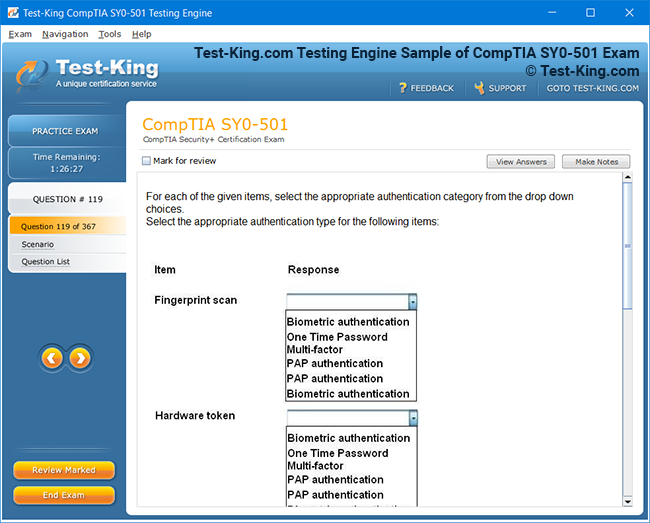
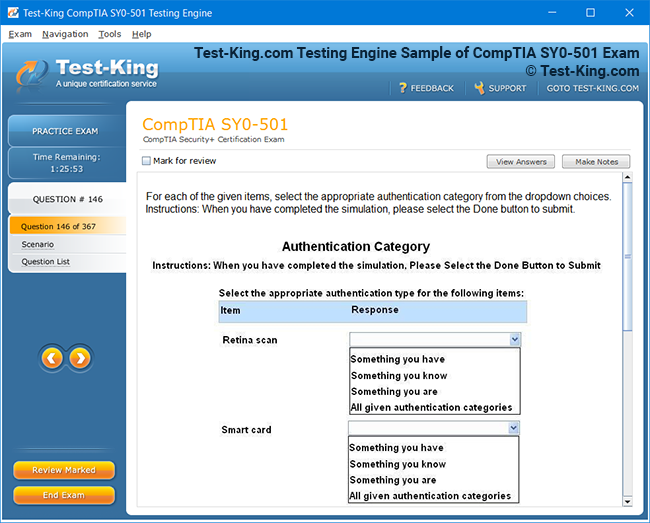
Product Screenshots
Frequently Asked Questions
How can I get the products after purchase?
All products are available for download immediately from your Member's Area. Once you have made the payment, you will be transferred to Member's Area where you can login and download the products you have purchased to your computer.
How long can I use my product? Will it be valid forever?
Test-King products have a validity of 90 days from the date of purchase. This means that any updates to the products, including but not limited to new questions, or updates and changes by our editing team, will be automatically downloaded on to computer to make sure that you get latest exam prep materials during those 90 days.
Can I renew my product if when it's expired?
Yes, when the 90 days of your product validity are over, you have the option of renewing your expired products with a 30% discount. This can be done in your Member's Area.
Please note that you will not be able to use the product after it has expired if you don't renew it.
How often are the questions updated?
We always try to provide the latest pool of questions, Updates in the questions depend on the changes in actual pool of questions by different vendors. As soon as we know about the change in the exam question pool we try our best to update the products as fast as possible.
How many computers I can download Test-King software on?
You can download the Test-King products on the maximum number of 2 (two) computers or devices. If you need to use the software on more than two machines, you can purchase this option separately. Please email support@test-king.com if you need to use more than 5 (five) computers.
What is a PDF Version?
PDF Version is a pdf document of Questions & Answers product. The document file has standart .pdf format, which can be easily read by any pdf reader application like Adobe Acrobat Reader, Foxit Reader, OpenOffice, Google Docs and many others.
Can I purchase PDF Version without the Testing Engine?
PDF Version cannot be purchased separately. It is only available as an add-on to main Question & Answer Testing Engine product.
What operating systems are supported by your Testing Engine software?
Our testing engine is supported by Windows. Andriod and IOS software is currently under development.
Top Pegasystems Exams
PEGACPBA74V1: Understanding the Exam Landscape
The Certified Pega Business Architect (CPBA) 74V1 exam is a rigorous assessment designed to evaluate a candidate’s proficiency in business architecture within the Pegasystems ecosystem. The examination assesses a wide spectrum of skills, including understanding customer engagement strategies, process modeling, application lifecycle management, and the ability to align business requirements with Pega solutions. It is not merely a test of rote memorization; rather, it emphasizes practical comprehension and the application of theoretical knowledge to real-world scenarios. Many candidates often underestimate the intricacies of the exam, assuming that familiarity with Pega terminology alone will suffice. However, the exam requires an in-depth grasp of principles, as well as the capacity to analyze complex scenarios where multiple processes intersect, each with unique constraints and expected outcomes.
Overview of the Exam
Candidates frequently encounter challenges in appreciating the interconnected nature of Pega solutions. For example, decision strategies are not isolated elements but are deeply entwined with process flows and customer experience designs. Misunderstanding this interrelation can lead to erroneous assumptions, resulting in flawed approaches during scenario-based questions. The CPBA 74V1 exam tests the ability to synthesize such interdependencies and produce solutions that are both practical and aligned with Pegasystems best practices. Furthermore, the assessment gauges the candidate’s aptitude in prioritizing tasks and decisions within a business context, highlighting the need for strategic thinking alongside technical knowledge.
Exam Structure and Question Types
The examination encompasses multiple-choice questions, scenario-based questions, and situational judgment exercises. Multiple-choice questions often require candidates to select the most appropriate approach from several seemingly correct options, thereby evaluating their discernment and depth of understanding. Scenario-based questions present complex business cases where candidates must navigate competing priorities, identify implicit requirements, and recommend solutions that adhere to Pega principles. These scenarios are designed to mirror the complexities of real-world business processes, testing not only knowledge but also decision-making and analytical reasoning.
Many aspirants stumble when interpreting scenario-based questions due to cognitive traps such as anchoring or oversimplification. Anchoring occurs when a candidate fixates on an initial piece of information without considering the broader context, leading to suboptimal choices. Oversimplification happens when a candidate reduces a multi-layered business problem to a single variable, neglecting critical nuances. To overcome these challenges, candidates must cultivate a habit of meticulously dissecting the scenario, identifying explicit and implicit requirements, and evaluating the potential consequences of each decision.
Common Misconceptions About the Exam
One prevalent misconception is that memorizing Pega terminology and process steps guarantees success. While familiarity with terminology is essential, the exam emphasizes practical application. Candidates often fail to realize that Pega solutions must be contextualized to specific business objectives, customer needs, and organizational constraints. Another common error is underestimating the importance of understanding customer journeys and engagement strategies. The exam frequently incorporates scenarios where a business process might satisfy functional requirements but fail to deliver a seamless customer experience. This subtle distinction can make the difference between a correct and incorrect response.
Some candidates also struggle with the notion of business architecture as a bridge between strategic goals and application design. The CPBA 74V1 exam evaluates the ability to translate high-level business requirements into actionable Pega configurations. Misalignment between strategic intent and solution design is a recurring source of mistakes. For instance, a candidate might propose an efficient workflow without considering how it supports the overarching customer engagement objective, resulting in a flawed response despite technical correctness.
The Importance of Time Management
Time management is a critical aspect of the examination. The CPBA 74V1 requires candidates to navigate a substantial number of questions within a fixed duration, demanding not only accuracy but also efficiency. Many candidates lose valuable time dwelling excessively on difficult questions, while others rush through simpler ones, leading to preventable errors. Practicing with timed mock exams can help candidates develop an internal pacing mechanism, allowing them to allocate appropriate attention to complex scenarios while ensuring all questions receive due consideration.
Cognitive fatigue is another significant challenge during the exam. Sustaining mental acuity over multiple hours requires not only preparation but also strategic energy management. Candidates often benefit from micro-strategies such as momentary pauses to recalibrate thought processes, breathing exercises to reduce stress, and mental segmentation of question sets to prevent overwhelm. The ability to maintain focus and analytical sharpness throughout the exam is as crucial as mastering Pega content itself.
Key Areas of Focus
Candidates frequently encounter difficulties in certain knowledge domains. Decision strategies, case lifecycle management, process modeling, and user interface design are areas where mistakes are most prevalent. For example, decision strategies require understanding how to configure rules that influence outcomes across different stages of a case. Misinterpretation of when and how to apply decision tables or trees can lead to incorrect responses. Similarly, process modeling questions demand the ability to visualize and articulate workflows that satisfy both business requirements and customer expectations, a task that requires both analytical rigor and creative foresight.
Another area of challenge is the integration of Pega components into cohesive solutions. Many aspirants approach integration in a fragmented manner, treating each component as independent. The CPBA 74V1 exam emphasizes holistic thinking, requiring candidates to consider interdependencies, potential bottlenecks, and the impact of changes on end-to-end processes. Neglecting these subtleties often results in solutions that, while technically plausible, are misaligned with practical business requirements.
Preparing for Scenario-Based Questions
Scenario-based questions are particularly formidable because they replicate real-world business problems. Candidates must carefully read and interpret the scenario, identify critical pain points, and devise solutions that balance multiple objectives. A common mistake is jumping prematurely to a solution without fully understanding the constraints and priorities outlined in the scenario. Another error is focusing exclusively on efficiency while neglecting compliance or customer experience considerations. Successful candidates adopt a systematic approach, analyzing each scenario through multiple lenses, including operational feasibility, alignment with business objectives, and adherence to Pega best practices.
Scenario comprehension can be enhanced through deliberate practice. Candidates benefit from creating mental frameworks that categorize common types of scenarios, identifying the decision-making principles applicable to each, and rehearsing responses to increasingly complex case studies. This iterative approach cultivates both confidence and competence, reducing the likelihood of misinterpretation or oversight during the actual examination.
Avoiding Cognitive Traps
Cognitive traps can subtly undermine performance in the CPBA 74V1 exam. Anchoring bias, overconfidence, and mental rigidity are frequent pitfalls. Anchoring bias occurs when initial impressions disproportionately influence subsequent reasoning, while overconfidence may lead candidates to overlook critical scenario details. Mental rigidity, or the inability to adapt reasoning to novel situations, often results in solutions that are technically correct but misaligned with scenario requirements. Awareness of these traps and conscious efforts to counteract them can significantly enhance exam performance.
Developing metacognitive awareness is a potent strategy for avoiding cognitive traps. Candidates should periodically pause to reflect on their thought process, question assumptions, and consider alternative interpretations. This self-reflective practice, although subtle, cultivates adaptability and precision, essential traits for navigating the nuanced demands of the CPBA 74V1 exam.
Common Mistakes in Exam Preparation
The Certified Pega Business Architect 74V1 exam demands more than superficial familiarity with Pega frameworks and business concepts. A frequent mistake among candidates is the overreliance on theoretical knowledge without translating it into practical scenarios. While textbooks, study guides, and official documentation provide an essential foundation, candidates often fail to apply these concepts in simulations of real-world business challenges. This dissonance can lead to a false sense of readiness, where confidence masks gaps in comprehension, particularly in areas like case lifecycle management and decision strategies. Many aspirants overlook the interconnectedness of Pega solutions, which is crucial for integrating rules, processes, and interfaces into cohesive applications.
Another common error is the underestimation of the scenario-based questions’ complexity. Candidates frequently encounter case studies that require balancing operational efficiency, regulatory compliance, and customer engagement, yet preparation often centers on memorizing steps rather than developing analytical reasoning. The oversight of these practical elements can result in misaligned or incomplete responses during the exam. Misinterpretation of subtle cues within the scenario is another pitfall. Phrases indicating priority or constraints may seem trivial at first glance, but neglecting them can fundamentally alter the appropriateness of a proposed solution.
Mismanagement of Study Resources
A recurring challenge lies in the mismanagement of study materials and practice exercises. Many aspirants accumulate extensive resources but fail to curate them effectively, resulting in cognitive overload. This abundance of information can paradoxically hinder learning, as the mind becomes ensnared in irrelevant minutiae while overlooking essential principles. Overemphasis on specific guides or video tutorials without cross-referencing Pega documentation may create gaps in knowledge, particularly in nuanced areas such as user interface design, data modeling, and decision tables. Candidates must adopt a disciplined approach to resource utilization, focusing on quality rather than quantity, and iteratively reinforcing concepts through active application exercises.
Another mistake in preparation is an overreliance on memorization. While certain terminologies and frameworks require familiarity, rote learning cannot substitute for conceptual understanding. Candidates often memorize rule names or process flows without comprehending the rationale behind them, which becomes apparent during scenario-based questions. Without this comprehension, responses tend to be mechanical, failing to reflect the strategic judgment the exam seeks to evaluate. A holistic approach that blends theoretical study with applied exercises allows candidates to internalize the logic behind decisions, fostering both accuracy and confidence.
Procrastination and Ineffective Scheduling
Procrastination and disorganized study schedules frequently undermine performance. Candidates may delay starting comprehensive preparation or adopt irregular study patterns, believing that sporadic effort will suffice. This approach leads to last-minute cramming, which is ineffective for absorbing complex concepts such as process orchestration, integration patterns, or customer engagement design. Furthermore, erratic schedules hinder retention and reinforce superficial learning. Establishing a structured timetable that allocates dedicated periods for different knowledge domains, practical exercises, and scenario analysis promotes cumulative mastery. Incremental, consistent practice is more effective than condensed sessions under pressure, especially for internalizing decision-making frameworks and business architecture principles.
In addition, many candidates fail to implement review cycles within their schedules. Without revisiting previous topics periodically, knowledge decay occurs, particularly in domains requiring nuanced understanding. Reflection and self-assessment during preparation are essential for identifying persistent weak areas, clarifying misconceptions, and consolidating learning. Effective preparation should incorporate cycles of study, review, and applied exercises, thereby transforming knowledge from passive memorization into actionable expertise.
Overemphasis on Mock Exams Without Analysis
Mock exams are invaluable, yet a frequent pitfall is approaching them as mere practice runs rather than diagnostic tools. Candidates often complete multiple full-length simulations without critically evaluating errors, reasoning processes, or patterns of misunderstanding. This superficial engagement limits the utility of mock exams, as repetitive mistakes remain unaddressed. Analysis should involve examining each incorrect response to discern whether it stemmed from misinterpretation of the scenario, gaps in knowledge, or time management issues. For example, misapplying a decision table due to misunderstanding the conditions highlights a conceptual gap, whereas leaving a question unanswered under time pressure points to a pacing issue.
Another error is neglecting partial correctness. Some responses may be partially accurate but fail to fully address the scenario’s requirements. Candidates should review these cases, identify missing elements, and understand how minor adjustments could yield correct solutions. This meticulous post-exam reflection cultivates precision, deepens comprehension, and reduces recurrence of similar mistakes during the actual examination.
Cognitive Inertia and Rigid Thinking
Cognitive inertia, or the tendency to rely on familiar approaches even when inappropriate, is another obstacle during preparation. Candidates often default to previously learned methods without adapting to new or unconventional scenarios presented in the CPBA 74V1 exam. Such rigidity can result in selecting technically plausible but contextually inappropriate solutions. Overcoming cognitive inertia requires exposure to diverse problem types, deliberate questioning of assumptions, and engagement with scenarios that challenge habitual reasoning patterns. For example, understanding when to prioritize compliance over efficiency or customer satisfaction over process standardization demands flexibility in thought.
Pedantic fixation is a related issue, where candidates focus excessively on minor details at the expense of broader understanding. While attention to detail is valuable, disproportionate emphasis on trivialities can obscure the larger strategic objective of a scenario. Successful candidates develop the ability to balance meticulousness with contextual awareness, ensuring that every element of a solution serves the overarching business goal. Training the mind to oscillate between granular detail and holistic vision is critical for navigating the complex, layered challenges of the CPBA 74V1 exam.
Inadequate Understanding of Customer Engagement Strategies
The CPBA 74V1 exam places significant emphasis on customer engagement and experience design, yet many candidates fail to fully grasp these dimensions. Understanding customer journeys, touchpoints, and pain points is not ancillary but central to effective solution design. Candidates who concentrate solely on technical implementation may propose workflows that satisfy functional requirements but neglect the subtleties of user experience. For instance, optimizing a process for speed while ignoring decision accuracy or personalization could compromise customer satisfaction, a subtle but consequential error in the exam context. Preparation should involve analyzing case studies from a customer-centric perspective, identifying how process choices impact experience and business outcomes.
Moreover, candidates often misinterpret the alignment between business objectives and technical solutions. A proposed automation may seem efficient but fail to support strategic goals such as increasing engagement, improving retention, or ensuring regulatory compliance. Recognizing these interdependencies requires both analytical acumen and an appreciation for Pega’s design philosophy, emphasizing adaptability, efficiency, and customer focus.
Misjudging Complexity of Decision Strategies
Decision strategies represent another domain where preparation pitfalls occur. Candidates may underestimate the complexity of decision tables, decision trees, and predictive models, leading to oversimplified responses. Misalignment between rules and business objectives often results from insufficient understanding of conditions, outcomes, and cascading effects across cases. For example, a decision table may have multiple overlapping conditions, and selecting a superficially correct outcome without considering context can result in a flawed solution. Developing proficiency in decision strategies requires iterative practice, scenario exploration, and careful attention to dependencies and exceptions.
Additionally, some aspirants fail to anticipate dynamic interactions between rules, user input, and system data. Scenarios frequently incorporate evolving conditions where decisions must adapt to changing parameters. Training for these situations enhances the ability to anticipate variability, evaluate multiple pathways, and select optimal strategies that maintain alignment with business goals. Awareness of these subtleties distinguishes competent candidates from those who merely memorize theoretical frameworks.
Overlooking Process Modeling and Case Lifecycle Integration
Process modeling and case lifecycle management are areas where missteps are common. Candidates often approach workflows in isolation, neglecting their integration into end-to-end cases. This tunnel vision can lead to proposals that are technically sound in a localized context but fail when applied within a broader business scenario. Understanding the interrelation between stages, subcases, approvals, and escalation paths is essential. Preparing for these challenges involves simulating complete case lifecycles, identifying dependencies, and evaluating the impact of each process element on outcomes.
Another frequent mistake is assuming uniformity across case types. In reality, each case may have unique conditions, rules, and exceptions, and preparation should reflect this diversity. Candidates must cultivate the ability to generalize principles while adapting to case-specific requirements, thereby achieving solutions that are both scalable and precise.
Neglecting User Interface Design Considerations
User interface design, often perceived as secondary to business logic, can be a hidden trap in the CPBA 74V1 exam. Candidates may focus on workflows, rules, and processes while overlooking how end-users interact with the system. This neglect can result in scenarios where technically correct solutions fail to facilitate intuitive or efficient user experiences. Successful candidates understand that interface choices—such as form design, navigation, and feedback mechanisms—must align with both operational requirements and user expectations. Training for these elements involves evaluating examples of interface design within Pega applications and considering how layout, clarity, and accessibility affect overall performance.
Psychological Factors Affecting Preparation
Preparation is also influenced by psychological variables such as stress, overconfidence, and mental fatigue. Candidates who experience anxiety may rush through questions, misinterpret scenarios, or second-guess correct decisions. Conversely, overconfidence can breed complacency, resulting in neglected study areas and unexamined assumptions. Mental fatigue during extended practice sessions can impair focus, particularly in complex scenario analysis. Incorporating strategies to manage these psychological factors—such as regular breaks, reflective exercises, and mindfulness techniques—enhances retention, decision-making, and resilience.
Nature and Importance of Scenario-Based Questions
Scenario-based questions form the cornerstone of the Certified Pega Business Architect 74V1 exam, serving as a lens through which candidates’ practical and analytical capabilities are evaluated. Unlike straightforward multiple-choice questions that often assess recognition of facts, scenario-based items require synthesizing knowledge, interpreting nuanced business requirements, and making decisions under constraints. Many aspirants falter because they approach these questions mechanically, focusing solely on procedural correctness rather than examining the broader implications of their decisions. In essence, scenario-based questions are designed to mirror the intricacies of real-world business challenges, compelling candidates to balance technical feasibility, strategic objectives, and customer-centric considerations simultaneously.
A common challenge arises from the multifaceted nature of these scenarios. Each case may incorporate overlapping requirements, contradictory priorities, or implicit assumptions. Candidates must decipher explicit directives while uncovering subtler cues embedded within the narrative. Misreading a seemingly minor phrase can lead to misalignment between the proposed solution and the intended business outcome. Furthermore, scenario-based questions often test candidates’ ability to foresee the cascading effects of decisions, requiring a holistic perspective that integrates process modeling, decision strategies, and case lifecycle management. Those who fail to adopt this integrative approach frequently make choices that are partially correct but ultimately insufficient.
Analytical Approaches to Scenario Interpretation
Successful navigation of scenario-based questions begins with methodical interpretation. Candidates should first identify the core objective of the scenario, distinguishing between primary and secondary goals. Secondary details, though seemingly peripheral, often influence the feasibility or appropriateness of a solution. For instance, a scenario might describe a customer engagement initiative that emphasizes efficiency while implicitly demanding compliance with regulatory guidelines. Candidates who focus solely on operational speed may inadvertently contravene critical business constraints. Analytical approaches, therefore, involve both isolating key requirements and mapping interdependencies among rules, processes, and user interactions.
Another frequent error is assuming uniformity across scenarios. Each scenario in the CPBA 74V1 exam presents unique variables, and relying on prior patterns without scrutiny can result in misapplication of concepts. This cognitive shortcut, known as pattern entrenchment, often leads candidates to impose familiar solutions onto novel contexts, producing responses that are technically coherent but misaligned with scenario-specific demands. Overcoming this tendency requires deliberate engagement with the scenario, a questioning mindset, and careful consideration of context-specific nuances.
Common Misinterpretations in Scenario Questions
Candidates often misinterpret scenario questions due to several recurrent pitfalls. One is overemphasis on process efficiency at the expense of user experience or strategic alignment. For example, a workflow may appear optimized in isolation, but when evaluated against business objectives, compliance requirements, or customer satisfaction metrics, it may fail. Another misinterpretation arises from neglecting implicit dependencies among case types. A proposed solution may succeed for a single case stage but falter when interactions with subcases, approvals, or escalation paths are considered. Recognizing these interconnections is crucial to crafting solutions that withstand the exam’s evaluative rigor.
Misreading instructions or assumptions embedded within the scenario is another subtle trap. Candidates sometimes overlook qualifiers such as “if applicable,” “within regulatory limits,” or “prioritize customer engagement,” which significantly influence the appropriate course of action. Similarly, ambiguous terminology can mislead those who rely solely on superficial comprehension. Developing the habit of parsing language carefully, identifying conditional statements, and mentally simulating process flow enhances scenario interpretation, allowing candidates to anticipate downstream effects of decisions.
Cognitive Strategies for Scenario Analysis
Cognitive strategies play a pivotal role in managing the complexity of scenario-based questions. One effective approach is layered analysis, wherein candidates first establish the high-level objective, then sequentially assess constraints, dependencies, and stakeholder impacts. This scaffolding technique mitigates the risk of cognitive overload, allowing candidates to maintain clarity while integrating multiple factors. Another strategy is hypothesis testing, where potential solutions are mentally projected across the scenario to evaluate their consequences. By envisioning outcomes before committing to an answer, candidates can identify conflicts, omissions, or misalignments.
Heuristic reasoning is also valuable in scenario interpretation. Heuristics, or mental shortcuts based on prior knowledge and experience, can expedite decision-making while preserving accuracy. For instance, understanding Pega’s recommended practices for case lifecycle management provides a heuristic framework for evaluating workflow options. However, candidates must exercise caution to avoid over-reliance on heuristics, which may lead to anchoring bias—fixation on a familiar solution regardless of context-specific requirements.
Illustrative Scenario Interpretation
Consider a scenario where an enterprise seeks to improve customer engagement while maintaining compliance and operational efficiency. The narrative describes multiple departments interacting with different case types, each with unique rules, approval hierarchies, and decision strategies. Candidates might initially focus on optimizing a single process stage, neglecting interactions between stages. A robust approach would involve mapping the end-to-end workflow, identifying decision points where rules intersect, and ensuring alignment with both compliance standards and customer expectations. Evaluating potential bottlenecks, exception handling, and escalation triggers further enhances the precision of the solution.
Another illustrative scenario involves introducing predictive analytics to streamline approvals in a multi-case environment. The candidate must balance speed, accuracy, and user experience while accounting for variable data inputs, potential conflicts among rules, and evolving business conditions. Candidates who fail to anticipate cascading effects, such as how changes in one case type affect downstream stages, often propose solutions that appear technically sound but falter under scenario evaluation. This highlights the importance of holistic thinking and iterative mental modeling in scenario analysis.
Decision-Making Challenges in Scenarios
Decision-making within scenario-based questions presents another layer of complexity. Candidates are frequently required to choose among multiple technically feasible options, each with distinct advantages and trade-offs. The challenge lies in identifying which option best satisfies the scenario’s priorities. Common errors include selecting the most convenient or familiar solution rather than the one that balances strategic objectives, regulatory constraints, and user-centric considerations. Effective decision-making necessitates weighing consequences, assessing risks, and integrating cross-functional knowledge.
Dynamic scenarios exacerbate decision-making challenges. Conditions may evolve within the scenario, requiring candidates to adapt previously selected solutions. For instance, a scenario might indicate that a customer issue escalates unexpectedly or that a process exception arises midway through a workflow. Candidates must anticipate variability, prepare contingency strategies, and adjust decisions without losing alignment with overarching objectives. Developing flexibility and adaptability in reasoning is therefore as critical as mastering technical content.
Integration of Case Lifecycle and Process Modeling
Scenario-based questions often intertwine case lifecycle management with process modeling. Candidates must demonstrate proficiency in orchestrating workflows, subcases, approvals, and escalations while maintaining cohesion and efficiency. A frequent pitfall is treating each process in isolation, which can result in solutions that fail to account for interdependencies. Understanding the sequencing, triggers, and conditional branching of cases enhances the ability to propose comprehensive solutions. Candidates benefit from mentally simulating workflows across multiple stages, evaluating interactions among rules, decision tables, and user inputs, and anticipating outcomes under varying conditions.
Moreover, candidates often misjudge the complexity of integrating Pega components. While individual elements such as decision tables, user interfaces, or automation rules may be straightforward, combining them into a unified, scenario-appropriate solution requires analytical dexterity. Preparing through exercises that replicate multi-stage cases enhances comprehension and builds the cognitive agility required to navigate these integrative challenges.
Avoiding Cognitive Biases in Scenario Responses
Cognitive biases can subtly undermine performance in scenario-based questions. Anchoring bias, overconfidence, and confirmation bias are prevalent among candidates. Anchoring bias arises when initial impressions dominate reasoning, potentially leading to the selection of a suboptimal solution. Overconfidence can cause candidates to overlook critical details, while confirmation bias may result in selectively interpreting information to support preconceived choices. Awareness of these tendencies, coupled with deliberate reflection and questioning, enhances objectivity and decision accuracy.
Metacognitive techniques are particularly effective in mitigating biases. Candidates should regularly pause to evaluate their thought process, consider alternative interpretations, and test assumptions against scenario requirements. This reflective practice cultivates adaptability, precision, and strategic reasoning, all essential attributes for excelling in scenario-based components of the CPBA 74V1 exam.
Role of Time Management in Scenario-Based Questions
Time management is crucial when addressing scenario-based questions. Candidates often struggle to balance thorough analysis with the limited time allocated per question. Spending excessive time on a single complex scenario can compromise the ability to complete the remaining questions, while rushing may result in overlooked details or misinterpretation of constraints. Practicing with timed scenarios helps candidates develop an internal rhythm, allowing sufficient attention for analysis while maintaining pacing. Breaking down scenarios into sequential components, prioritizing critical elements, and mentally mapping workflows expedite decision-making without sacrificing accuracy.
Enhancing Competence Through Practice
Mastery of scenario-based questions emerges through deliberate practice. Candidates benefit from engaging with diverse scenarios that challenge different aspects of business architecture, such as customer engagement, compliance, decision strategies, and process orchestration. Reflective review of each practice scenario, identification of mistakes, and iterative refinement of solutions solidify understanding. Over time, repeated exposure to varied situations cultivates analytical agility, enabling candidates to discern subtle requirements, anticipate dependencies, and select optimal solutions efficiently.
Practical exercises should emphasize both breadth and depth. Exposure to a wide range of scenarios builds versatility, while in-depth analysis of complex cases develops precision. Incorporating rare or unconventional situations further enhances adaptability, preparing candidates to tackle the unpredictable challenges inherent in the CPBA 74V1 exam. This dual approach ensures that knowledge is not merely theoretical but operationally applicable.
Common Challenges and Errors in Application
Several recurring challenges impede candidate performance in scenario-based questions. Misalignment between solutions and business objectives, failure to consider cascading effects, overlooking implicit scenario cues, and inadequate integration of process components are among the most frequent. Additionally, insufficient attention to user experience, neglecting regulatory or compliance constraints, and cognitive rigidity further exacerbate errors. Addressing these challenges requires a multifaceted approach, combining analytical rigor, reflective practice, and repeated engagement with realistic scenarios.
For example, a candidate may design a technically valid workflow without recognizing that certain approvals require conditional routing based on client data. Another may optimize a process for speed while inadvertently diminishing the quality of decision-making. Such errors underscore the necessity of holistic evaluation, contextual reasoning, and meticulous scenario analysis, emphasizing that success depends on both knowledge mastery and strategic thinking.
Understanding the Temporal Demands of the Exam
The Certified Pega Business Architect 74V1 exam is not merely a test of knowledge but also a rigorous evaluation of a candidate’s ability to manage time efficiently while navigating complex scenarios. Many aspirants underestimate the temporal dimension of the examination, assuming that familiarity with Pega processes and decision strategies is sufficient for success. In reality, candidates must allocate attention judiciously, balancing thorough analysis of each question with the overarching necessity to complete the entire exam within the prescribed duration. Mismanagement of time often leads to preventable errors, ranging from incomplete answers to superficial responses that fail to address critical scenario requirements.
A notable challenge arises from the cognitive load imposed by scenario-based questions. These questions require simultaneous evaluation of multiple constraints, interdependencies, and business objectives. Candidates often experience mental congestion when attempting to process intricate workflows, decision tables, and customer engagement strategies, particularly under the pressure of a ticking clock. Effective time management, therefore, involves not only pacing but also structuring mental engagement to maximize clarity and efficiency. Developing an internal rhythm and methodically prioritizing tasks are essential skills that distinguish successful candidates from those who falter despite strong content knowledge.
Common Timing Pitfalls
One of the most pervasive errors is spending excessive time on particularly challenging questions at the expense of others. Candidates may become fixated on a scenario with multiple variables, attempting to reconcile every possible contingency, while neglecting simpler questions that could be answered efficiently. This misallocation of attention often results in incomplete examination attempts, leaving valuable marks unclaimed. Conversely, some candidates rush through ostensibly straightforward questions, assuming their familiarity with content guarantees correctness, only to overlook subtle nuances embedded in the scenario. Both extremes—over-analysis and hasty completion—demonstrate the critical need for balanced time allocation.
Another pitfall involves misjudging the complexity of scenario-based questions. Candidates frequently underestimate the time required to dissect interdependencies among case types, decision strategies, and user interactions. Misestimation can lead to rushed decision-making, cognitive fatigue, and oversight of critical details. Accurate forecasting of time requirements demands familiarity with scenario structures, repeated timed practice, and reflective assessment of previous performance patterns. By calibrating expectations and developing temporal intuition, candidates can more effectively navigate complex items without compromising accuracy or depth of analysis.
Strategies for Efficient Time Allocation
A structured approach to time allocation can mitigate the risks associated with temporal mismanagement. One effective method involves segmenting the exam mentally into blocks based on perceived difficulty. Candidates may first address questions that align closely with their strengths, ensuring secure marks while conserving cognitive energy for more challenging scenarios. Subsequently, attention can shift to intermediate questions requiring moderate analysis, followed by the most intricate scenarios, which may demand extended evaluation. This triage approach balances efficiency with thoroughness, allowing candidates to maximize both accuracy and completion rates.
Additionally, candidates benefit from preemptive prioritization of scenario components within individual questions. Identifying core objectives, constraints, and dependencies at the outset reduces time lost to rereading or reconsidering critical elements mid-analysis. Mental mapping techniques, such as visualizing workflows or decision pathways, facilitate rapid comprehension and structured reasoning. By internalizing these strategies through deliberate practice, candidates can streamline cognitive processes, reducing redundancy and enhancing both speed and accuracy.
Managing Cognitive Fatigue
Cognitive fatigue is a frequent and underappreciated impediment to effective time management. The prolonged mental exertion required for analyzing complex scenarios can impair attention, diminish accuracy, and amplify stress responses. Candidates may begin with high efficiency but gradually succumb to lapses in judgment or oversight. Strategies to mitigate fatigue include pacing mental effort, interspersing rapid but low-stakes questions with more demanding analyses, and employing brief micro-pauses to recalibrate focus. Maintaining hydration, practicing controlled breathing, and cultivating mindfulness techniques further enhance resilience, enabling sustained cognitive performance throughout the exam’s duration.
Psychological Factors Impacting Time Perception
Time management during the CPBA 74V1 exam is intricately linked to psychological variables such as anxiety, stress, and overconfidence. Anxiety can distort temporal perception, leading candidates to either rush prematurely or procrastinate excessively on individual questions. Stress responses may trigger tunnel vision, reducing awareness of interdependencies or alternative solutions. Overconfidence, conversely, can engender complacency, resulting in underestimation of required time or neglect of scenario subtleties. Candidates must cultivate self-awareness, monitor mental state, and implement corrective strategies, such as periodically reassessing pacing and reframing challenging questions to maintain a balanced temporal approach.
Practical Techniques for Time Management
Several practical techniques can enhance temporal efficiency. Candidates can adopt a “triage and allocate” approach, first skimming all questions to identify relative difficulty and prioritizing effort accordingly. Within each scenario, isolating key decision points and constraints early reduces iterative backtracking. Mental rehearsal of workflows, decision tables, and process dependencies fosters familiarity, allowing rapid pattern recognition and accelerated evaluation. Additionally, candidates should consider approximating time limits for each question, adjusting dynamically based on ongoing performance and scenario complexity. These practices cultivate situational awareness and adaptive pacing, which are vital in navigating the multifaceted demands of the CPBA 74V1 exam.
Impact of Question Complexity on Time Usage
Scenario-based questions vary significantly in complexity, influencing the amount of time required for adequate analysis. Simple scenarios may involve a straightforward workflow adjustment or minor decision table configuration, whereas complex cases encompass multiple interconnected processes, diverse stakeholder requirements, and dynamic exceptions. Candidates often misjudge this complexity, allocating disproportionate time to either trivial or intricate items. Developing the ability to accurately gauge question complexity is an acquired skill, nurtured through repeated practice, reflection on past mistakes, and refinement of analytical speed. Recognizing the cognitive weight of each scenario allows candidates to allocate effort efficiently, ensuring completion without sacrificing quality.
Strategies for Scenario Decomposition
Decomposing scenarios into smaller, manageable components is an effective strategy for enhancing both accuracy and speed. Candidates can mentally partition scenarios into discrete workflows, decision points, and user interactions. By addressing each element sequentially, the cognitive burden is reduced, and the risk of overlooking dependencies or constraints diminishes. Decomposition also facilitates parallel evaluation, where multiple candidate solutions or contingencies are considered without confusion. This structured approach enhances clarity, allows for rapid recalibration if errors are detected, and ensures that critical scenario elements are incorporated into the final solution.
Balancing Thoroughness with Efficiency
A delicate balance between thoroughness and efficiency is required for success in the CPBA 74V1 exam. Excessive focus on minor details can consume disproportionate time, while superficial analysis may result in incomplete or incorrect responses. Candidates must cultivate discernment, identifying which elements of a scenario warrant in-depth examination and which can be addressed with streamlined reasoning. Prioritization should be guided by the scenario’s core objectives, dependencies, and potential impact on downstream processes. Developing this evaluative judgment through deliberate practice and reflective review is crucial for harmonizing speed and precision.
Managing Time Across Multiple Scenarios
The CPBA 74V1 exam typically presents a sequence of scenarios, each with unique requirements and complexity. Effective management of cumulative cognitive load is essential to maintain consistent performance. Candidates may experience diminishing mental acuity as successive scenarios increase in complexity or length. To counteract this, pacing strategies such as alternating between high- and moderate-complexity scenarios, taking micro-breaks to reset focus, and mentally summarizing key insights from completed questions are valuable. These techniques sustain attention, reduce error likelihood, and optimize overall performance across the full spectrum of the exam.
Incorporating Practice Simulations
Practice simulations under timed conditions are indispensable for refining time management skills. Candidates who replicate exam-like conditions develop an intuitive sense of pacing, understand realistic time allocation per question, and experience cognitive demands comparable to the actual examination. Reflective evaluation of performance during these simulations is equally important. Candidates should identify bottlenecks, assess scenarios that consistently consume excessive time, and refine strategies for future attempts. Iterative simulation and reflection enhance temporal awareness, improve decision speed, and increase confidence under time pressure.
Anticipating Scenario Variability
Scenario variability further complicates time management. Each scenario may introduce unique data sets, decision pathways, or exceptions that require adaptive reasoning. Candidates who approach scenarios with rigid templates or excessive reliance on memorized patterns often falter. Anticipating variability entails flexible mental modeling, rapid identification of deviations from familiar patterns, and dynamic adjustment of reasoning strategies. Preparation should include exposure to diverse scenario types, emphasizing both expected and unconventional conditions to cultivate adaptive temporal efficiency.
Integration of Decision Strategies and Time Planning
Decision strategies and time management are intricately linked in scenario analysis. Efficient evaluation of decision tables, predictive models, and workflow rules reduces cognitive load and accelerates response generation. Candidates must learn to recognize key decision criteria, anticipate consequences, and streamline evaluation without sacrificing accuracy. Mental frameworks that integrate decision strategy assessment with time allocation improve overall efficiency, enabling candidates to address complex scenarios systematically while maintaining adherence to scenario constraints and business objectives.
Psychological Conditioning for Sustained Focus
Maintaining sustained focus throughout the CPBA 74V1 exam is critical for effective time management. Candidates often underestimate the mental stamina required to analyze extended sequences of intricate scenarios. Psychological conditioning techniques, such as mindfulness exercises, visualization of workflows, and deliberate pacing practice, enhance endurance and resilience. Developing habitual routines for attention recalibration, stress mitigation, and cognitive reset ensures that candidates remain alert, attentive, and precise throughout the examination duration.
Evaluating Trade-Offs Under Time Constraints
Time pressure frequently necessitates evaluation of trade-offs between thorough analysis and timely completion. Candidates must decide which elements of a scenario warrant deeper scrutiny and which can be addressed with expedited reasoning. Misjudging these trade-offs can lead to incomplete answers, overlooked constraints, or superficial solutions. Developing the capacity to weigh trade-offs effectively requires reflective practice, familiarity with common scenario structures, and deliberate rehearsal of rapid decision-making exercises. Mastery of this skill is essential for achieving both accuracy and completion within the exam’s temporal limits.
Identifying Frequent Knowledge Gaps
The Certified Pega Business Architect 74V1 exam challenges candidates not only on procedural knowledge but also on their ability to synthesize complex concepts into actionable business solutions. Many aspirants display recurring gaps in understanding, particularly in areas such as case lifecycle management, process orchestration, decision strategies, and user interface design. One common deficiency is a superficial grasp of case lifecycle stages. Candidates may know the sequence of stages conceptually but fail to appreciate the nuanced interactions between parent and subcases, escalation rules, and exception handling. This gap often manifests during scenario-based questions, where incomplete understanding of lifecycle integration leads to solutions that are logically coherent yet operationally flawed.
Another frequent knowledge gap lies in decision strategies. While many candidates understand the theory behind decision tables and decision trees, they struggle to predict cascading outcomes or anticipate exceptions. Misinterpretation of conditions, order of evaluation, or interactions among rules can produce solutions that appear correct at first glance but fail under complex, multi-stage scenarios. Aspirants who neglect to practice scenario-driven applications of decision strategies are particularly vulnerable to these errors. Developing competence requires not only studying rules and configurations but also mentally simulating outcomes across variable conditions, refining both accuracy and foresight.
Misconceptions in Process Modeling
Process modeling represents another area where conceptual misunderstandings abound. Candidates often treat processes as linear sequences of steps, overlooking conditional branching, parallel workflows, and exception paths that are integral to robust design. This tunnel vision can result in solutions that are overly simplistic, fail to anticipate bottlenecks, or neglect the user experience dimension. The CPBA 74V1 exam evaluates the ability to create flexible, scalable, and user-centric processes, making conceptual clarity essential. Misunderstanding the relationship between high-level business requirements and granular process design is a common pitfall. Aspirants may propose technically valid workflows that, upon scrutiny, fail to support strategic objectives or comply with operational constraints.
Another misconception is assuming uniformity across case types. Each case type may have unique attributes, rules, and escalation pathways, yet candidates frequently default to a generic approach. This oversimplification not only reduces effectiveness in scenario-based questions but also obscures the subtleties required for nuanced solution design. Understanding diversity among case types, and tailoring process models accordingly, is essential for demonstrating mastery in both conceptual and practical aspects of Pega architecture.
Gaps in Understanding Customer Engagement
Candidates often underestimate the centrality of customer engagement and experience design within the CPBA 74V1 exam. While technical correctness is necessary, solutions must also optimize user interactions, streamline touchpoints, and enhance satisfaction. Misalignment between operational workflows and user experience represents a subtle yet significant knowledge gap. For example, a process may efficiently route approvals, but if the interface is unintuitive or the user journey convoluted, the solution fails to meet the exam’s evaluative standards. Many aspirants focus narrowly on technical efficiency, overlooking the strategic implications of their choices on customer engagement metrics. Bridging this gap requires a holistic perspective that integrates business objectives, process flows, decision strategies, and end-user experience.
Misunderstandings in Integration and Automation
Integration of Pega components and automation is another domain where candidates frequently display misconceptions. While individual components such as data pages, connectors, and automated rules may be well understood in isolation, many aspirants struggle to synthesize these elements into a cohesive, end-to-end solution. Misalignment among components often arises when candidates fail to anticipate interdependencies, cascading failures, or exceptions. Automation, while designed to enhance efficiency, can introduce unintended consequences if its interplay with human approvals, escalation rules, and data validation is not fully appreciated. Understanding how each component interacts within a broader business context is critical for both scenario-based questions and real-world application.
Common Errors in User Interface Design
User interface design is often underestimated in preparation, yet it can be a subtle source of misunderstanding. Candidates may focus entirely on process efficiency and decision accuracy, neglecting how end-users interact with applications. Suboptimal interface design can compromise usability, reduce efficiency, and undermine the perceived quality of solutions. Misunderstandings may include failure to consider accessibility, inadequate guidance for user actions, or poorly structured layouts that impede workflow clarity. The exam expects candidates to balance technical process design with user-centric considerations, emphasizing that functional correctness alone is insufficient.
Misinterpretation of Rules and Conditions
A recurring conceptual misunderstanding involves the interpretation of rules and conditional logic. Candidates frequently misread or misapply conditions in decision tables, flows, or validations, resulting in solutions that are partially correct but operationally inconsistent. Overlooking exceptions, misordering rule evaluation, or assuming deterministic behavior in dynamic scenarios are common errors. For example, a candidate may configure a decision table correctly for standard conditions but fail to account for exceptional customer scenarios or concurrent case activities. Mastery requires both theoretical knowledge and iterative practice in applying rules across varied and complex scenarios, ensuring accuracy under dynamic conditions.
Challenges in Scenario-Based Applications
Scenario-based questions often expose knowledge gaps and conceptual misunderstandings more acutely than straightforward queries. Candidates may correctly recall principles but fail to integrate them effectively in applied contexts. This is particularly evident when scenarios involve overlapping processes, multiple decision strategies, and interconnected case types. A candidate might propose an accurate decision rule yet fail to consider how it interacts with parallel workflows or escalation mechanisms. Another common mistake is focusing exclusively on isolated elements of the scenario without understanding the holistic business objective, leading to solutions that are fragmented or partially aligned. Effective preparation requires deliberate simulation of complex scenarios, fostering integrative thinking and predictive reasoning.
Misjudging Complexity of Escalation and Exception Handling
Escalation and exception handling are frequently misunderstood aspects of Pega business architecture. Candidates often assume that cases will follow predictable, linear paths, underestimating the prevalence and impact of exceptions. Misjudging how exceptions propagate across case lifecycles can result in incomplete or flawed solutions. Understanding escalation logic, conditional routing, and the triggers for automated or manual interventions is essential. Many aspirants also fail to recognize the strategic significance of exception handling, which ensures continuity, compliance, and customer satisfaction. Developing this awareness involves studying both theoretical frameworks and applied scenarios that challenge assumptions about linear process behavior.
Misalignment Between Strategic Goals and Technical Design
A subtle yet critical knowledge gap is the misalignment between strategic business goals and technical solution design. Candidates may implement technically valid workflows or decision rules without verifying alignment with overarching objectives such as customer engagement, regulatory compliance, or operational efficiency. This disjunction often results in answers that are correct in isolation but fail to satisfy the intended business outcomes. Bridging this gap requires integrating strategic intent into every level of solution design, from process modeling to decision strategies and interface configuration. Candidates must cultivate the ability to evaluate each component not only for correctness but also for strategic relevance.
Cognitive Traps and Misunderstandings
Cognitive traps exacerbate knowledge gaps and conceptual misunderstandings. Anchoring bias, overconfidence, and tunnel vision frequently cause candidates to misinterpret scenarios or over-rely on familiar patterns. Anchoring bias occurs when initial impressions dominate reasoning, leading to premature conclusions. Overconfidence may cause neglect of subtle constraints, while tunnel vision can result in an overly narrow focus on specific elements, ignoring interdependencies. Recognizing these cognitive pitfalls and adopting reflective, questioning approaches can mitigate their impact. Candidates benefit from systematically challenging assumptions, exploring alternative interpretations, and validating solutions against both scenario requirements and strategic objectives.
Advanced Areas of Misunderstanding
Certain advanced areas consistently reveal conceptual gaps. These include predictive analytics integration, real-time decision strategies, multi-channel customer engagement orchestration, and adaptive process modeling. Candidates may struggle to understand how predictive models influence workflow decisions or how multi-channel interactions affect case routing. Misapplication of these concepts can compromise both accuracy and strategic alignment. Preparation for advanced topics requires immersive exercises that simulate dynamic, multi-faceted scenarios, fostering a deep, applied understanding that transcends rote knowledge.
Developing Conceptual Clarity
Addressing knowledge gaps and misunderstandings requires deliberate strategies. Active learning techniques, such as scenario deconstruction, peer discussions, and reflective practice, reinforce comprehension and highlight overlooked subtleties. Mental rehearsal of workflows, decision trees, and user interactions enhances retention and predictive reasoning. Iterative engagement with increasingly complex scenarios cultivates both confidence and precision, allowing candidates to internalize principles while adapting them to novel contexts. Emphasis on conceptual clarity ensures that solutions are not merely technically correct but operationally sound, strategically aligned, and user-centric.
Integrating Process, Decision, and Experience Design
Successful candidates demonstrate the ability to integrate process modeling, decision strategies, and user experience considerations seamlessly. Knowledge gaps often arise when these dimensions are treated in isolation, resulting in fragmented or suboptimal solutions. For instance, a process may be operationally efficient but neglect decision contingencies or fail to optimize user interactions. Mastery involves evaluating each solution element holistically, anticipating interactions, and adjusting designs to harmonize efficiency, compliance, and customer satisfaction. This integrative thinking differentiates proficient candidates from those who rely solely on theoretical knowledge or memorized patterns.
Continuous Practice and Reflection
Continuous practice and reflective learning are essential for bridging knowledge gaps. Repeated exposure to varied scenarios, careful analysis of errors, and iterative refinement of solutions cultivate both conceptual understanding and applied expertise. Reflection enables candidates to recognize persistent misunderstandings, internalize lessons, and adapt reasoning strategies for novel challenges. Developing a feedback-oriented mindset ensures that preparation is not merely accumulative but transformative, enhancing both cognitive agility and exam readiness.
Importance of Post-Exam Reflection
The Certified Pega Business Architect 74V1 exam evaluates more than rote knowledge; it challenges candidates to demonstrate applied understanding, strategic reasoning, and practical judgment across complex business scenarios. After completing the exam, reflection becomes an essential tool for transforming the experience into enduring competence. Many candidates overlook this critical step, assuming that performance is solely a function of preparation and examination conditions. In reality, systematic post-exam analysis helps identify persistent knowledge gaps, cognitive biases, and strategic oversights, laying the groundwork for continuous professional growth. Reflection encourages self-awareness, revealing subtle patterns of misunderstanding, misinterpretation, or overconfidence that may recur in future scenarios, whether in certification attempts or professional applications.
Post-exam reflection also reinforces learning by converting ephemeral experiences into structured insights. For example, candidates can review how scenario-based questions were approached, noting whether attention to dependencies, decision rules, and customer engagement objectives was adequate. This retrospective evaluation highlights areas where analytic strategies were either successful or deficient, providing a roadmap for targeted improvement. Reflection fosters metacognitive skills, enabling candidates to monitor and adjust thinking processes, anticipate potential traps, and enhance strategic reasoning in future challenges.
Analyzing Performance in Scenario-Based Questions
Scenario-based questions often serve as the most revealing component of the CPBA 74V1 exam, exposing both strengths and weaknesses. Candidates should examine their responses carefully, evaluating alignment with business objectives, correctness of decision strategies, and effectiveness in managing complex workflows. For instance, a candidate might have correctly identified a rule for case escalation but failed to consider the implications of concurrent subcases or customer interaction priorities. Analyzing such discrepancies allows candidates to recognize cognitive oversights and recalibrate their approach. Effective reflection entails reconstructing the thought process behind each response, identifying assumptions, and understanding how alternative strategies could yield better outcomes.
Another critical aspect of post-exam reflection involves assessing time management during scenario analysis. Candidates may discover patterns in pacing that affected performance, such as excessive time spent on a single complex scenario or rushed evaluation of simpler questions. Recognizing these patterns facilitates development of adaptive pacing strategies for future examinations and professional situations, balancing thoroughness with efficiency. Time reflection not only enhances future exam performance but also cultivates operational discipline applicable to real-world business architecture tasks.
Identifying Recurring Knowledge Gaps
Systematic review of exam performance often uncovers recurring knowledge gaps. These may include incomplete understanding of case lifecycle management, misinterpretation of decision tables, or insufficient attention to user interface and experience design. Candidates should categorize errors into conceptual gaps, procedural mistakes, and scenario misinterpretations. Conceptual gaps reflect deficiencies in understanding underlying principles, such as the interrelationship between workflows, decision strategies, and customer engagement objectives. Procedural mistakes involve missteps in applying rules, sequencing tasks, or configuring components, while scenario misinterpretations highlight failures to recognize implicit requirements or dependencies.
By identifying recurring gaps, candidates can prioritize areas for targeted improvement. For example, repeated errors in handling exceptions across case types may indicate a need for deeper engagement with conditional workflows and escalation logic. Misalignment between proposed solutions and strategic objectives may signal insufficient integration of business goals with technical design principles. Addressing these gaps systematically enhances both exam readiness and professional capability, ensuring that future performance is grounded in both knowledge and applied judgment.
Cognitive Biases and Reflection
Cognitive biases often influence exam performance subtly, yet their impact can be significant. Anchoring bias, confirmation bias, and overconfidence may have affected decision-making during complex scenarios. Anchoring bias occurs when initial impressions dominate reasoning, potentially leading to prematurely chosen solutions. Confirmation bias may have caused selective interpretation of scenario elements, reinforcing preconceived notions while neglecting contradictory information. Overconfidence can result in underestimation of complexity, overlooked dependencies, or failure to allocate adequate time for analysis.
Reflection provides an opportunity to recognize and mitigate these biases. Candidates should examine instances where reasoning may have been influenced by mental shortcuts or habitual patterns. Understanding the role of bias enables conscious adjustment of analytic strategies, fostering more objective and flexible problem-solving in future examinations and professional practice.
Developing a Feedback Loop for Continuous Improvement
Establishing a feedback loop is central to post-exam improvement. Candidates can create structured routines for capturing insights from each examination experience, including errors, misjudgments, and lessons learned. Reflective journaling or structured review templates can facilitate systematic analysis, documenting not only what went wrong but also why it occurred and how it could be addressed. This iterative process transforms episodic learning into cumulative knowledge, enhancing both conceptual clarity and applied skill.
Feedback loops should also incorporate peer or mentor input when available. Discussing challenging scenarios, alternative solutions, and reasoning strategies with knowledgeable colleagues deepens understanding and introduces new perspectives. Collaborative reflection helps uncover blind spots and reinforces conceptual mastery, particularly in areas where candidates may have misapplied principles or misunderstood scenario nuances.
Reinforcing Practical Application
Reflection alone is insufficient without practical reinforcement. Candidates should revisit challenging scenarios from the exam, reconstructing decision pathways, and experimenting with alternative approaches. Simulated exercises that mirror exam conditions—such as timed scenario analyses or integrated workflow simulations—strengthen both technical proficiency and cognitive agility. Practical reinforcement ensures that insights gained from post-exam reflection are translated into enduring skills, reducing the likelihood of repeating mistakes in future examinations or professional contexts.
Practical exercises should emphasize integration of multiple knowledge domains, including case lifecycle management, decision strategies, process modeling, and user experience design. Candidates often benefit from iterative problem-solving, where each attempt builds upon previous errors, fostering adaptive reasoning and predictive capability. By systematically addressing identified gaps, aspirants consolidate both theoretical understanding and applied competence.
Enhancing Strategic Thinking
Post-exam reflection also cultivates strategic thinking. Candidates can analyze scenarios to evaluate the broader implications of decisions, considering factors such as customer satisfaction, operational efficiency, regulatory compliance, and long-term business objectives. Strategic reflection encourages anticipation of downstream effects, assessment of risk, and identification of optimal solutions within complex, interconnected processes. Developing this mindset transforms examination experiences into professional skill-building opportunities, reinforcing the candidate’s role as a business architect capable of aligning technical solutions with organizational strategy.
Strategic thinking can be reinforced through scenario extrapolation exercises. Candidates may take a completed scenario and explore alternative outcomes based on varied decisions, analyzing the impact on case progression, customer interactions, and organizational goals. This practice strengthens both foresight and adaptive problem-solving, enhancing readiness for future challenges in both certification and professional practice.
Psychological Resilience and Reflection
Examinations often induce stress, which can obscure insights and impede reflection if not managed effectively. Post-exam reflection offers an opportunity to cultivate psychological resilience by framing experiences constructively. Candidates can analyze performance dispassionately, focusing on learning opportunities rather than self-criticism. Reflective practice reinforces confidence, highlights areas of mastery, and provides a structured path for improvement, reducing anxiety and enhancing future performance.
Mindfulness techniques, deliberate pacing during reflection, and systematic evaluation of performance contribute to psychological resilience. Candidates who integrate these approaches develop a measured, analytical mindset capable of maintaining clarity under pressure. This resilience is not only beneficial for examination success but also for professional practice in complex business architecture environments.
Leveraging Insights for Continuous Learning
Continuous learning is the ultimate objective of post-exam reflection. Candidates should translate insights into actionable development plans, focusing on both conceptual understanding and applied proficiency. This may involve targeted study of decision strategies, deep dives into case lifecycle nuances, simulation of scenario-based exercises, or practice in integrating user experience considerations. Reflection-driven learning transforms isolated examination experiences into a coherent progression of skill acquisition, reinforcing mastery of Pega principles and strengthening practical problem-solving capability.
Leveraging insights also involves establishing long-term professional routines for knowledge consolidation. Candidates may periodically revisit past scenarios, engage with new use cases, or explore emerging Pega functionalities to remain current. Integrating these practices into ongoing professional development ensures that the reflective process is both sustainable and progressive, yielding continuous improvement beyond the confines of the examination.
Framework for Structured Reflection
A structured framework enhances the effectiveness of post-exam reflection. Candidates may categorize insights by knowledge domain, cognitive strategy, scenario type, and temporal management. Within each category, specific observations, errors, and corrective actions can be documented. For example, under decision strategies, a candidate may note recurring misinterpretation of conditional rules, propose targeted practice exercises, and establish benchmarks for improvement. Such a framework transforms reflection from a passive review into an active, strategic exercise, fostering systematic growth and cumulative learning.
Conclusion
Post-exam reflection is an indispensable component of success in the CPBA 74V1 exam. By systematically analyzing performance, identifying knowledge gaps, addressing cognitive biases, and reinforcing practical application, candidates transform examination experiences into enduring competence. Reflection fosters strategic thinking, psychological resilience, and adaptive problem-solving, ensuring that both immediate exam objectives and long-term professional capabilities are enhanced. Establishing structured routines, leveraging feedback loops, and integrating continuous learning practices solidify mastery of Pega principles, decision strategies, and case lifecycle management. Ultimately, post-exam reflection not only prepares candidates for future examination success but also cultivates the analytical, integrative, and strategic skills essential for excellence as a Pega Business Architect.