

Exam Code: PEGAPCBA87V1
Exam Name: Pega Certified Business Architect (PCBA) 87V1
Certification Provider: Pegasystems
Corresponding Certification: Pega CPBA
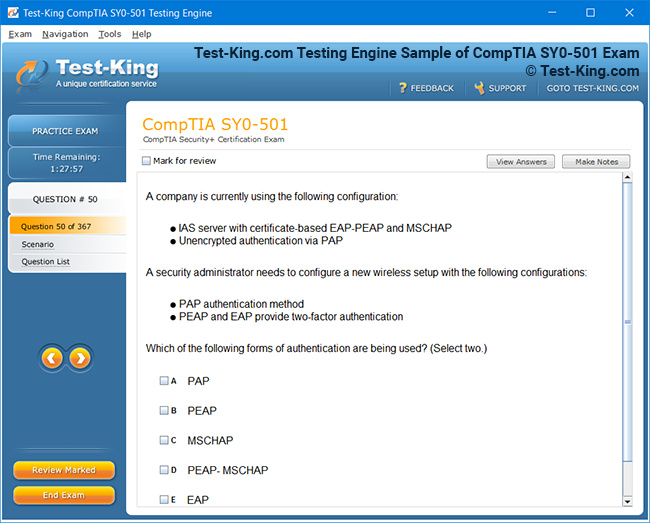
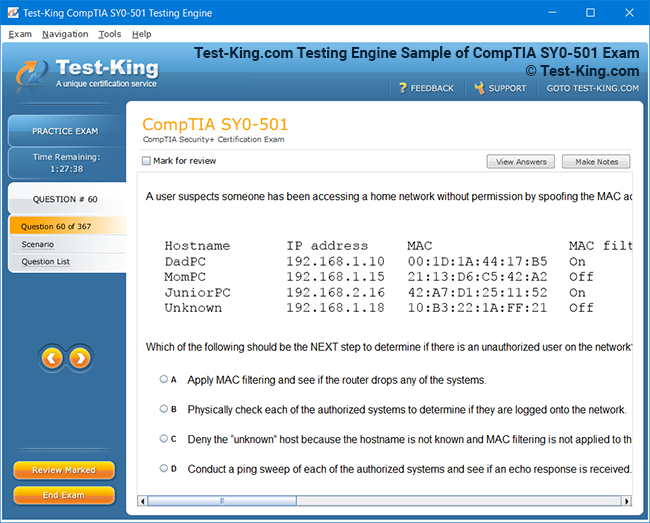
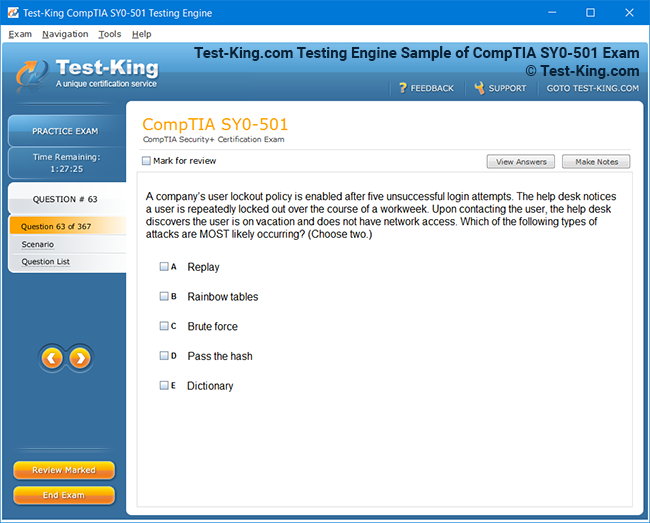
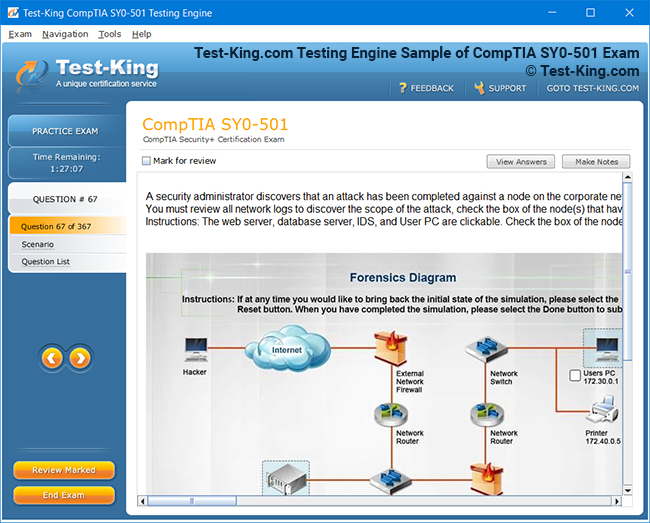
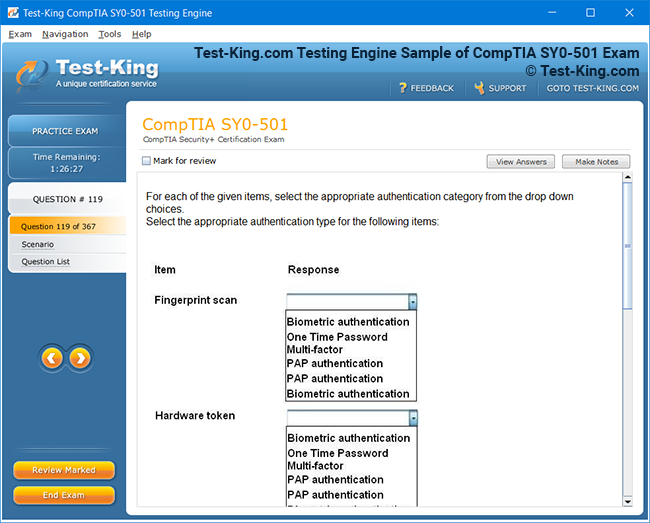
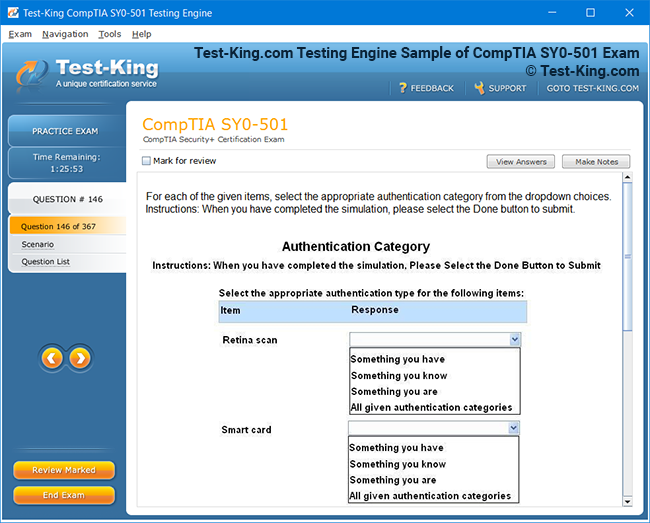
Product Screenshots
Frequently Asked Questions
How can I get the products after purchase?
All products are available for download immediately from your Member's Area. Once you have made the payment, you will be transferred to Member's Area where you can login and download the products you have purchased to your computer.
How long can I use my product? Will it be valid forever?
Test-King products have a validity of 90 days from the date of purchase. This means that any updates to the products, including but not limited to new questions, or updates and changes by our editing team, will be automatically downloaded on to computer to make sure that you get latest exam prep materials during those 90 days.
Can I renew my product if when it's expired?
Yes, when the 90 days of your product validity are over, you have the option of renewing your expired products with a 30% discount. This can be done in your Member's Area.
Please note that you will not be able to use the product after it has expired if you don't renew it.
How often are the questions updated?
We always try to provide the latest pool of questions, Updates in the questions depend on the changes in actual pool of questions by different vendors. As soon as we know about the change in the exam question pool we try our best to update the products as fast as possible.
How many computers I can download Test-King software on?
You can download the Test-King products on the maximum number of 2 (two) computers or devices. If you need to use the software on more than two machines, you can purchase this option separately. Please email support@test-king.com if you need to use more than 5 (five) computers.
What is a PDF Version?
PDF Version is a pdf document of Questions & Answers product. The document file has standart .pdf format, which can be easily read by any pdf reader application like Adobe Acrobat Reader, Foxit Reader, OpenOffice, Google Docs and many others.
Can I purchase PDF Version without the Testing Engine?
PDF Version cannot be purchased separately. It is only available as an add-on to main Question & Answer Testing Engine product.
What operating systems are supported by your Testing Engine software?
Our testing engine is supported by Windows. Andriod and IOS software is currently under development.
Top Pegasystems Exams
Common Challenges and How to Overcome Them in PEGAPCBA87V1 Exam
The Pega Certified Business Architect 87V1 exam is renowned for its rigorous evaluation of both theoretical knowledge and practical application. Many aspirants face a myriad of challenges, primarily stemming from the breadth of concepts and scenarios embedded within the curriculum. A prevalent obstacle is grasping the intricate balance between business architecture principles and the application of Pegasystems’ frameworks. Candidates often underestimate the subtlety of scenario-based questions, which demand not only recall but also nuanced analytical reasoning. To surmount this, a disciplined approach to understanding each domain’s objectives and aligning them with real-world business challenges is indispensable. Familiarity with case studies and experiential learning can significantly enhance comprehension, allowing aspirants to contextualize abstract principles in tangible environments.
Navigating Complex Scenario-Based Questions
One of the most formidable hurdles in the PEGAPCBA87V1 examination is the prevalence of scenario-based questions that mirror real business dilemmas. These questions require candidates to apply theoretical knowledge with precision, often under time constraints that intensify cognitive pressure. Misinterpretation of key variables within a scenario can lead to flawed conclusions. To mitigate this, it is beneficial to adopt a methodical strategy: carefully deconstruct each scenario, identify the critical elements, and mentally map possible solutions before selecting an answer. Regular practice with sample questions and mock simulations fosters pattern recognition, enabling candidates to swiftly discern the optimal approach when confronted with analogous problems during the exam. Additionally, developing the habit of annotating subtle cues in question stems can prevent oversight of pivotal details that often distinguish a correct response from an incorrect one.
Time Management and Psychological Preparedness
Time management is a ubiquitous challenge for PEGAPCBA87V1 aspirants, particularly given the exam’s extensive question bank and multifaceted scenarios. Many candidates spend excessive time on complex questions, inadvertently compromising the opportunity to address simpler items that could accrue significant marks. Implementing a structured time allocation strategy, where each question is approached with a predefined temporal limit, enhances efficiency without sacrificing accuracy. Equally critical is cultivating psychological resilience. Exam anxiety often manifests as mental fatigue or cognitive freeze, impairing decision-making under pressure. Techniques such as controlled breathing, mental rehearsal of question-solving, and intermittent breaks during study sessions can reinforce focus and reduce stress. Visualization exercises, wherein candidates imagine navigating the exam environment calmly, can also fortify confidence and diminish apprehension.
Mastery of Core Business Architecture Principles
A frequent source of difficulty arises from inadequate mastery of core business architecture principles. Candidates sometimes possess superficial awareness of concepts without a deep understanding of their interrelations or practical implications. This gap becomes pronounced when questions demand integrative thinking, where knowledge from multiple domains must converge to inform a decision. To overcome this, it is advantageous to engage with resources that emphasize conceptual frameworks alongside their operationalization within Pegasystems applications. Immersive study techniques, such as teaching concepts to a peer or constructing mind maps that visually represent interdependencies, facilitate retention and comprehension. Through repeated reinforcement of foundational principles and their application, aspirants can navigate complex exam questions with agility and confidence.
Addressing Knowledge Gaps Through Targeted Study
Another challenge frequently encountered is the presence of unnoticed knowledge gaps. Given the expansive syllabus, certain domains may inadvertently receive less attention, resulting in weak points that emerge during the exam. Conducting a self-assessment through diagnostic tests or practice questions can illuminate these deficiencies, allowing for targeted remediation. Adopting an iterative learning approach—wherein weaker areas are revisited multiple times with progressively advanced exercises—reinforces understanding and reduces the likelihood of surprise during examination. Supplementing traditional study materials with forums, discussion groups, or mentorship can provide diverse perspectives, uncovering nuances that may be overlooked in solitary study, thereby enriching the aspirant’s grasp of complex topics.
Enhancing Analytical Thinking and Decision-Making Skills
The PEGAPCBA87V1 exam evaluates not merely memory but analytical thinking and decision-making capabilities. Candidates often struggle to translate abstract knowledge into decisive action within the constraints of multiple-choice or scenario-based questions. Strengthening these skills requires deliberate practice in problem decomposition, identification of relevant variables, and logical inference. Exercises that simulate business decision-making, such as analyzing case studies or conducting workflow modeling, sharpen the ability to assess outcomes and anticipate repercussions. Furthermore, reflecting on past practice questions to understand the rationale behind correct answers fosters critical thinking and reduces reliance on guesswork. Developing this cognitive agility ensures that candidates can approach each question with clarity, systematically evaluating alternatives and selecting the most appropriate solution.
Coping with Cognitive Overload and Retention Challenges
A significant hurdle in preparation involves managing cognitive overload, particularly when assimilating vast volumes of information in a limited timeframe. Overexposure to material without adequate consolidation can lead to fragmented memory and difficulty in retrieving knowledge during the exam. Techniques such as spaced repetition, where content is reviewed at increasing intervals, and interleaved practice, mixing questions from multiple domains, enhance long-term retention. Creating concise summaries or mnemonics for key concepts further aids in recall under pressure. Additionally, engaging in active rather than passive learning—where candidates question, explain, and apply concepts—promotes deeper understanding and ensures knowledge is not merely transient but accessible when confronted with challenging exam scenarios.
Leveraging Practical Experience and Case Studies
A distinct advantage in overcoming exam challenges is leveraging practical experience or simulated case studies. Candidates with hands-on exposure to Pegasystems’ tools and business architecture projects often find scenario-based questions more intuitive. Immersive exercises, such as designing workflows, mapping decision strategies, or evaluating business rules in practice environments, bridge the gap between theory and application. This experiential approach enhances cognitive linkage between concepts and their operational context, enabling faster problem-solving during the exam. Even aspirants with limited direct experience can benefit from meticulously analyzing documented case studies, extracting lessons, and simulating decision-making processes. Such preparation cultivates an adaptive mindset capable of interpreting complex scenarios with precision.
Strategies for Continuous Improvement During Preparation
Consistent refinement of preparation techniques is critical for surmounting obstacles in the PEGAPCBA87V1 exam. Monitoring performance in mock exams provides actionable insights, highlighting persistent weaknesses and tracking progress over time. Maintaining a reflective journal of recurring mistakes and their corrective measures helps internalize lessons and prevents repetition. Integrating periodic review sessions ensures that previously studied material remains fresh, reducing the risk of attrition. Collaboration with peers through study groups can expose candidates to alternative problem-solving approaches and clarify ambiguous concepts. This iterative, reflective, and collaborative approach transforms challenges into opportunities for growth, systematically enhancing readiness for the examination environment.
Deepening Comprehension and Analytical Application
Achieving success in the Pega Certified Business Architect 87V1 examination requires more than superficial knowledge; it demands a profound understanding of business architecture principles and their contextual application. Many aspirants stumble when attempting to bridge the gap between conceptual frameworks and the practical scenarios presented in the exam. The challenge often lies in interpreting complex requirements and mapping them accurately to Pegasystems’ solutions. Candidates frequently encounter situations where multiple plausible answers appear correct, yet only one aligns fully with both business objectives and Pega best practices. To navigate this complexity, it is crucial to adopt a methodical approach that emphasizes critical evaluation, pattern recognition, and the synthesis of disparate information into coherent decision-making.
Overcoming Scenario Ambiguities
A common source of difficulty in the exam stems from ambiguities embedded in scenario-based questions. These items are designed to test not only knowledge but the ability to discern subtle differences in business context, priorities, and outcomes. Candidates often misread the nuanced distinctions between similar options, leading to incorrect conclusions despite sound foundational knowledge. Addressing this challenge involves a deliberate strategy of close reading, identifying key terms, and mentally mapping the logical flow of the scenario. Regular exposure to case studies and real-world examples enhances the capacity to anticipate the examiner’s intent, transforming uncertainty into a calculated assessment process rather than guesswork.
Enhancing Memory Retention Through Cognitive Techniques
Retention of vast amounts of information is another obstacle that many aspirants confront. The extensive syllabus encompasses a range of topics, including decision management, process modeling, and rule configuration, which require consistent reinforcement for long-term memorization. Cognitive techniques such as spaced repetition, mind mapping, and associative learning can significantly bolster memory retention. By revisiting material at strategically timed intervals and connecting new concepts to previously mastered knowledge, candidates create a robust mental framework that facilitates rapid recall under exam conditions. Additionally, summarizing complex principles in one's own words, rather than rote memorization, enhances comprehension and the ability to apply knowledge flexibly in dynamic scenarios.
Developing Strategic Time Allocation
Time management continues to challenge candidates, especially when confronted with questions of varying difficulty and length. It is common for aspirants to invest disproportionate attention in particularly complex items, thereby compromising the completion of simpler questions that collectively contribute substantial marks. Implementing a strategic time allocation approach, where each question is assessed quickly for difficulty and priority, ensures a balanced progression through the exam. Candidates may benefit from techniques such as marking challenging questions for review, maintaining awareness of elapsed time, and pacing themselves to maintain consistent performance throughout the duration of the examination. Such disciplined management reduces stress while maximizing the number of questions addressed accurately.
Building Confidence Through Simulated Practice
A pivotal challenge in PEGAPCBA87V1 preparation is the psychological hurdle of exam anxiety. Even well-prepared candidates may falter under pressure, resulting in impaired judgment and slowed cognitive processing. Simulated practice, through mock exams and timed exercises, provides a controlled environment for acclimating to the exam’s demands. This rehearsal cultivates familiarity with question formats, reinforces knowledge application, and enhances confidence. Furthermore, reflecting on performance after each simulation allows candidates to identify recurring weaknesses, refine their approach, and develop coping mechanisms for anxiety. Over time, repeated exposure diminishes apprehension and fosters a mindset of calm, deliberate evaluation during the actual examination.
Refining Decision-Making Under Complexity
The exam places a premium on nuanced decision-making, often requiring candidates to weigh competing considerations, anticipate downstream effects, and prioritize outcomes in alignment with business objectives. A common pitfall is relying solely on procedural knowledge without integrating analytical insight, which can lead to decisions that appear technically correct but lack strategic alignment. Developing this competency involves deliberate engagement with multifaceted scenarios, analyzing potential consequences, and practicing prioritization techniques. Candidates who cultivate an iterative reasoning approach—questioning assumptions, exploring alternative solutions, and validating choices against business goals—demonstrate a marked improvement in handling intricate questions with accuracy and confidence.
Addressing Knowledge Gaps and Misconceptions
Knowledge gaps and misconceptions frequently impede aspirants’ performance, particularly in areas that receive less focused attention during preparation. These gaps may remain unnoticed until confronted with challenging questions that test the integration of multiple concepts. Systematic identification of weak areas, through targeted self-assessment and review of past practice questions, is essential. Candidates benefit from iterative learning, where previously misunderstood topics are revisited, explored in depth, and reinforced through varied exercises. Engaging with community forums, mentors, or collaborative study groups can provide additional perspectives and clarification, helping to correct misconceptions and fortify understanding in complex domains.
Leveraging Real-World Contexts and Practical Examples
Integration of real-world contexts into preparation greatly aids comprehension and retention. Candidates who relate exam concepts to practical experiences, either through professional exposure or detailed case studies, often find it easier to navigate scenario-based questions. For instance, understanding how business rules influence decisioning strategies, or how process modeling impacts organizational outcomes, transforms abstract knowledge into actionable insights. Simulated exercises that mimic project workflows or decisioning environments enable aspirants to internalize concepts more effectively, translating theoretical understanding into practical proficiency that resonates during the examination.
Enhancing Analytical Reasoning and Pattern Recognition
Analytical reasoning and pattern recognition are essential for success in PEGAPCBA87V1, particularly when multiple concepts intersect within a single scenario. Many candidates struggle to identify the underlying patterns or principles that inform the optimal choice. Practice in dissecting complex questions, mapping causal relationships, and evaluating alternative solutions sharpens cognitive agility. Additionally, reflecting on past mistakes and analyzing the rationale behind correct answers develops a more intuitive grasp of recurring patterns, enabling candidates to approach novel scenarios with structured, strategic thinking. This analytical lens ensures a measured, confident response to the exam’s multifaceted challenges.
Continuous Improvement and Adaptive Learning
Finally, continuous improvement through adaptive learning is a decisive factor in overcoming exam challenges. Candidates who monitor performance metrics, adjust study techniques, and iteratively refine their approach demonstrate resilience and adaptability. Integrating feedback loops, revisiting challenging concepts, and varying study modalities maintain engagement and deepen comprehension. By embracing a reflective and responsive preparation strategy, aspirants transform obstacles into opportunities for growth, steadily enhancing their readiness for the multifaceted demands of the Pega Certified Business Architect 87V1 examination.
Mastering Complex Business Architecture Concepts
The Pega Certified Business Architect 87V1 exam tests candidates on both foundational and intricate business architecture concepts, making depth of understanding crucial. Many aspirants encounter difficulty when attempting to internalize interrelated concepts such as decisioning strategies, process orchestration, and rule governance. These elements, while distinct in theory, converge in practical application, requiring a sophisticated grasp of how one decision or workflow affects another. Candidates often face the challenge of distinguishing superficial familiarity from true comprehension, which is essential for accurately responding to scenario-based questions. Cultivating a habit of exploring concepts through multiple lenses, including visual diagrams, case illustrations, and real-world analogies, enhances cognitive assimilation and fosters the ability to navigate multifaceted questions with assurance.
Navigating Ambiguous Scenarios
Scenario ambiguity is a recurring obstacle in the PEGAPCBA87V1 examination. Questions are frequently designed with multiple plausible approaches, demanding careful evaluation of subtle contextual cues. Candidates may misinterpret key distinctions between options, particularly when scenarios introduce overlapping processes or decisions. Overcoming this challenge requires a meticulous reading strategy, identifying the primary objective of each scenario and cross-referencing it against business goals and Pega best practices. Repeated exposure to simulated case studies and practice exercises strengthens analytical discernment, allowing candidates to quickly differentiate between viable solutions and the optimal choice dictated by strategic alignment.
Strengthening Analytical and Critical Thinking
Analytical reasoning is paramount in addressing questions that combine multiple business architecture domains. Many aspirants struggle when confronted with problems that require integration of decisioning rules, process models, and customer-centric considerations. Developing strong analytical skills entails systematic problem decomposition, identifying cause-and-effect relationships, and applying structured decision frameworks. Engaging with exercises that simulate real-world business challenges, such as workflow optimization or scenario mapping, trains the mind to anticipate implications and evaluate outcomes rigorously. Reflective review of past practice questions, with attention to the rationale behind correct answers, enhances the ability to recognize patterns, a critical competency for effective performance on the exam.
Overcoming Knowledge Retention Challenges
Given the breadth of the PEGAPCBA87V1 syllabus, memory retention is often a significant challenge. Candidates may excel in one area while struggling to recall crucial details in another. Cognitive overload can occur when attempting to memorize extensive content without sufficient reinforcement. Strategies such as spaced repetition, where key concepts are revisited at intervals, and interleaved practice, which mixes questions from different domains, significantly improve retention. Creating personalized summaries or mental frameworks further aids in consolidating complex ideas. By translating theoretical knowledge into practical examples, aspirants develop durable comprehension that supports rapid recall under exam conditions.
Time Management and Exam Strategy
Time allocation presents a persistent challenge for many candidates, as questions vary in complexity and length. It is common for aspirants to devote excessive time to challenging items, reducing the opportunity to address straightforward questions that collectively contribute significantly to the overall score. A disciplined approach involves assessing each question quickly, categorizing its difficulty, and pacing accordingly. Marking particularly intricate items for later review ensures no question is left unanswered while maintaining efficiency. Integrating timed practice exams into preparation cultivates an instinctive sense of pacing, reducing stress and enhancing performance during the actual examination.
Reducing Exam Anxiety Through Preparedness
Psychological readiness is as crucial as technical knowledge. Exam anxiety can manifest as cognitive paralysis, rushing, or second-guessing answers, diminishing performance despite thorough preparation. Candidates can benefit from visualization techniques, mentally simulating the exam environment to cultivate calmness and confidence. Incorporating stress-reduction strategies such as controlled breathing and short focus exercises during preparation strengthens resilience. Regular engagement with practice tests also familiarizes candidates with the structure and style of questions, minimizing surprises and instilling a sense of command over the material. Over time, this methodical approach converts anxiety into composure and deliberate evaluation during the exam.
Identifying and Addressing Weak Areas
A frequent obstacle is the presence of subtle knowledge gaps that emerge during testing. Candidates may inadvertently neglect less familiar topics, leaving areas vulnerable to error. Systematic self-assessment is key, through diagnostic questions or mock exercises that reveal weak points. Iterative study of these areas, combined with active learning techniques such as explaining concepts aloud or applying them in practical exercises, reinforces understanding. Seeking guidance from peers, mentors, or discussion forums can provide alternative perspectives, clarify ambiguities, and deepen comprehension. This continuous refinement ensures that previously weak domains are transformed into strengths.
Leveraging Practical and Experiential Learning
Connecting exam content to practical application enhances understanding and performance. Candidates who relate concepts to real-world processes, business rules, or workflow decisions often find scenario-based questions more intuitive. Engaging in hands-on exercises, even through simulated environments, facilitates internalization of complex ideas. Such experiential learning develops a cognitive framework that bridges theoretical principles with practical execution, allowing candidates to apply knowledge effectively during the examination. Even detailed review of documented case studies can provide insight into decision-making strategies, allowing aspirants to anticipate potential complexities and select solutions that align with overarching objectives.
Enhancing Cognitive Agility and Pattern Recognition
Cognitive agility is indispensable when encountering integrated questions that require simultaneous consideration of multiple concepts. Many candidates struggle to recognize underlying patterns or predict consequences when options are presented in varied contexts. Practicing systematic analysis, mapping interconnections, and reflecting on reasoning processes sharpens this skill. Reviewing past mistakes, understanding the thought process behind correct responses, and simulating similar scenarios reinforces pattern recognition. This mental dexterity allows candidates to approach new challenges with structured methodology and confidence, increasing accuracy and speed during the exam.
Adopting Adaptive and Iterative Learning
Continual adaptation in study methodology is critical to overcoming persistent challenges. Candidates benefit from monitoring progress, adjusting techniques, and engaging in iterative learning cycles. Incorporating feedback from mock tests, reviewing errors, and varying approaches maintains engagement while deepening understanding. Combining individual study with collaborative exploration, such as discussion groups or peer analysis, introduces diverse perspectives that may uncover overlooked insights. By embracing adaptive learning strategies, aspirants progressively strengthen both comprehension and application skills, equipping them to navigate the multifaceted demands of the Pega Certified Business Architect 87V1 exam with confidence and precision.
Navigating Complex Decisioning Scenarios
The Pega Certified Business Architect 87V1 examination is particularly challenging due to its reliance on complex decisioning scenarios. Candidates often find difficulty in translating theoretical knowledge into practical application when faced with layered business cases. Many aspirants struggle to identify the critical components within a scenario that directly impact decision outcomes. This challenge can be addressed by systematically deconstructing each question, highlighting the primary objectives, and mentally simulating potential consequences of different choices. Familiarity with a wide range of real-world examples, coupled with repeated practice using case studies, allows candidates to develop an intuitive understanding of how best practices intersect with business requirements, enhancing accuracy and confidence during the exam.
Overcoming Misinterpretation of Key Concepts
A frequent pitfall arises when candidates misinterpret essential business architecture concepts, particularly when questions incorporate nuanced terminology or subtle distinctions. These misinterpretations often lead to selecting answers that appear superficially correct but fail to align with strategic goals or operational guidelines. To overcome this challenge, aspirants benefit from cultivating a meticulous approach to reading and analyzing questions. Techniques such as annotating critical elements, mentally mapping relationships, and cross-referencing with established frameworks strengthen comprehension. Repeated exposure to a diversity of scenarios helps candidates recognize patterns and anticipate potential traps, reducing the likelihood of misjudgment during the examination.
Enhancing Cognitive Flexibility
Cognitive flexibility is indispensable for navigating the dynamic nature of scenario-based questions. Many candidates encounter difficulties when multiple interdependent factors must be considered simultaneously, such as workflow dependencies, decision rules, and customer outcomes. Developing this flexibility involves engaging with exercises that require simultaneous evaluation of multiple variables, fostering the ability to shift perspectives quickly without losing sight of primary objectives. Practicing problem decomposition, where complex scenarios are broken into manageable components, allows candidates to address each element methodically while maintaining holistic awareness. This approach enhances both accuracy and speed, ensuring that candidates can adaptively respond to unforeseen complexities within the exam.
Strengthening Memory Retention and Recall
Memory retention remains a significant hurdle due to the breadth of topics covered in PEGAPCBA87V1. Candidates often face difficulty recalling specific details under the pressure of time constraints. Techniques such as spaced repetition, mnemonic devices, and summarization improve retention by reinforcing neural pathways. Additionally, active engagement with material—such as explaining concepts aloud, teaching peers, or mapping interrelated topics—deepens understanding and ensures information is accessible when required. Creating mental schemas that link abstract principles to tangible examples further strengthens recall, allowing candidates to approach even intricate scenarios with clarity and confidence.
Strategic Time Management
Time management continues to challenge aspirants, particularly when scenarios vary in length and complexity. A common error is allocating disproportionate time to intricate questions, which diminishes the opportunity to answer simpler items efficiently. Implementing a structured pacing strategy, where each question is assessed quickly for difficulty and priority, ensures balanced coverage. Candidates can benefit from marking challenging questions for later review while maintaining progress through the remaining items. Timed practice tests are invaluable in cultivating instinctive pacing, enabling candidates to maintain composure, reduce stress, and optimize performance across the full spectrum of questions presented in the exam.
Mitigating Exam Anxiety
Exam anxiety can significantly impede performance, even for well-prepared candidates. Symptoms such as mental fatigue, second-guessing, or cognitive freeze may arise under pressure. Strategies to mitigate anxiety include visualization exercises, controlled breathing, and deliberate mental rehearsal of problem-solving techniques. Regular engagement with mock exams familiarizes candidates with question formats, reducing uncertainty and enhancing confidence. The development of a calm, methodical mindset allows aspirants to evaluate scenarios objectively, making informed decisions rather than succumbing to stress-induced errors. Over time, these techniques cultivate resilience, transforming nervous anticipation into focused execution during the examination.
Identifying Knowledge Gaps
Hidden knowledge gaps frequently emerge when candidates encounter unfamiliar or integrated scenarios. Areas that receive less emphasis during preparation may become liabilities in the examination setting. To address this, candidates should employ diagnostic self-assessment techniques, identifying weaker domains and revisiting them through targeted practice. Iterative learning, where difficult concepts are revisited in increasingly complex contexts, reinforces understanding. Engaging in collaborative discussions or seeking guidance from experienced mentors exposes candidates to alternative interpretations and enhances comprehension. Systematic remediation ensures that previously vulnerable areas are solidified, reducing the likelihood of unexpected difficulty during the exam.
Leveraging Practical Experience
Practical exposure to business architecture practices is a critical asset in mastering the PEGAPCBA87V1 exam. Candidates who relate exam content to actual workflows, decision strategies, or organizational processes often find scenario questions more intuitive. Simulated exercises, whether through software tools or case analyses, allow aspirants to internalize theoretical principles and translate them into actionable insights. This experiential learning fosters an ability to anticipate potential complexities and evaluate solutions with precision. Even when direct experience is limited, detailed study of case studies and documented business scenarios provides a comparable foundation for informed decision-making, bridging the gap between conceptual understanding and operational application.
Developing Analytical Acumen
Analytical acumen is crucial for accurately interpreting multifaceted scenarios. Candidates must assess competing priorities, evaluate cause-and-effect relationships, and anticipate downstream outcomes to arrive at optimal solutions. Many aspirants struggle when multiple principles intersect within a single question. Strengthening analytical skills involves systematic practice in problem decomposition, scenario mapping, and iterative evaluation of alternatives. Reviewing past practice questions to understand the reasoning behind correct answers enhances the ability to recognize recurring patterns, allowing candidates to approach novel scenarios with structured reasoning and confidence. This methodical thinking reduces reliance on intuition alone and fosters precise, informed responses.
Continuous Refinement of Preparation Strategies
Continuous refinement of study strategies is essential for overcoming recurring challenges. Candidates benefit from monitoring progress through mock exams, reflecting on performance, and adapting techniques as needed. Iterative cycles of review, targeted practice, and cognitive reinforcement strengthen retention and problem-solving capabilities. Combining individual study with collaborative discussion introduces fresh perspectives, deepening comprehension and uncovering insights that may have been overlooked. Embracing adaptive learning strategies enables aspirants to systematically convert obstacles into opportunities for mastery, equipping them with the skills, confidence, and mental agility required to excel in the Pega Certified Business Architect 87V1 examination.
Strengthening Comprehension of Business Architecture Principles
The Pega Certified Business Architect 87V1 examination demands more than rote memorization; it requires a profound comprehension of business architecture principles and their integration into decisioning strategies and process models. Many candidates struggle with conceptualizing how discrete elements—such as case management, business rules, and customer journeys—interrelate within a cohesive framework. Misalignment between theoretical knowledge and practical application often leads to incorrect interpretations of scenario-based questions. To overcome this challenge, aspirants benefit from actively constructing mental models of workflows, decision logic, and operational sequences. Visual mapping and reflective exercises allow for a deeper understanding of interdependencies, enabling candidates to navigate complex scenarios with strategic clarity and precision.
Interpreting Ambiguous Exam Scenarios
Ambiguity in scenario-based questions represents a frequent hurdle for aspirants. Examiners often design scenarios with multiple plausible options, testing the candidate’s ability to discern subtle contextual distinctions and identify the solution that best aligns with business objectives and Pega practices. Misreading cues or overlooking minor details can result in choosing superficially correct answers that are strategically flawed. Developing a disciplined reading approach, focusing on keywords, and mentally simulating the consequences of each option enhances analytical accuracy. Continuous engagement with varied scenarios, including historical case studies, strengthens pattern recognition, allowing candidates to anticipate complexities and select optimal solutions with confidence.
Enhancing Analytical Thinking and Problem Decomposition
A hallmark challenge of the exam is the requirement to synthesize multiple concepts and evaluate their interactions. Many candidates find difficulty in simultaneously considering decision rules, process flows, and organizational objectives. Developing analytical acumen involves systematic problem decomposition, isolating key factors, and exploring the relationships between variables. Practice exercises that simulate integrated business scenarios, such as designing workflows or optimizing decision strategies, sharpen critical thinking and improve the ability to anticipate downstream effects. Reflective review of practice questions, focusing on the rationale behind correct responses, fosters cognitive agility and the capacity to approach new, complex questions methodically.
Retaining Extensive Knowledge Efficiently
The breadth of content covered in PEGAPCBA87V1 presents a retention challenge for many candidates. Topics range from business rule management to process orchestration, requiring consistent reinforcement to ensure long-term recall. Cognitive techniques such as spaced repetition, associative learning, and active summarization enhance memory retention. Creating personalized study frameworks, where interrelated concepts are linked and visualized, strengthens recall under exam conditions. Active engagement—explaining concepts aloud, applying them in mock scenarios, or teaching peers—further solidifies understanding. By transforming abstract principles into tangible mental constructs, candidates can navigate intricate questions with clarity and precision.
Strategic Time Management During the Exam
Time allocation is a persistent obstacle, as question complexity varies widely throughout the exam. Candidates often spend excessive time on challenging scenarios, inadvertently limiting their ability to address simpler questions that cumulatively impact the final score. A methodical approach involves quickly assessing each question for difficulty, prioritizing responses, and marking complex items for later review. Incorporating timed practice tests into preparation fosters instinctive pacing, enhancing efficiency without sacrificing accuracy. This disciplined strategy ensures balanced coverage across the full spectrum of questions, reducing stress and maximizing performance.
Building Resilience Against Exam Anxiety
Exam anxiety is a significant factor that can undermine performance even among well-prepared candidates. Symptoms such as cognitive freeze, rushed decision-making, and overthinking are common under pressure. Aspirants can mitigate anxiety by integrating visualization techniques, controlled breathing exercises, and mental rehearsal into their preparation. Familiarity with question formats and scenario types, achieved through repeated practice tests, reduces uncertainty and instills confidence. Cultivating a calm, methodical mindset allows candidates to approach questions rationally, evaluating options based on strategic alignment rather than succumbing to stress-induced errors.
Addressing Knowledge Gaps Methodically
Unnoticed gaps in knowledge often manifest during integrated scenario questions, where minor deficiencies can significantly affect performance. Systematic identification of these gaps, through diagnostic exercises and self-assessment, is crucial. Once identified, iterative remediation—where weak areas are revisited through progressively complex exercises—reinforces understanding. Engaging with peer discussions or mentorship provides additional perspectives, clarifying ambiguities and deepening insight. This deliberate, methodical approach ensures that weak domains are strengthened, transforming potential vulnerabilities into areas of confidence and competence.
Leveraging Practical Application
Practical exposure enhances understanding and performance in scenario-based questions. Candidates who can relate theoretical concepts to real-world business processes, decisioning strategies, and organizational workflows find the exam more intuitive. Simulated exercises and case analyses enable aspirants to internalize principles, anticipate complexities, and evaluate solutions with precision. Even without direct experience, detailed examination of case studies and operational examples allows candidates to bridge the gap between theory and application, fostering an informed approach that aligns with both exam expectations and business best practices.
Developing Cognitive Agility and Pattern Recognition
Cognitive agility is essential when handling integrated questions that demand simultaneous consideration of multiple variables. Many candidates struggle to detect underlying patterns or predict the consequences of their choices. Practicing problem decomposition, scenario mapping, and iterative reasoning sharpens analytical capability and improves decision-making. Reflecting on past practice questions and understanding the rationale behind correct responses reinforces pattern recognition, enabling candidates to approach new scenarios with structured methodology and confidence. This skill is vital for accurate, efficient responses in high-pressure exam conditions.
Continuous Improvement and Adaptive Study Techniques
Ongoing refinement of preparation strategies is crucial for overcoming persistent challenges. Monitoring performance through mock exams, reflecting on errors, and adapting study techniques ensures continuous improvement. Iterative learning, combining review, targeted practice, and cognitive reinforcement, strengthens both comprehension and application skills. Collaboration with peers or mentors introduces diverse perspectives, uncovering insights that may otherwise remain hidden. Adaptive study strategies enable aspirants to convert challenges into opportunities for mastery, systematically enhancing readiness for the demanding landscape of the Pega Certified Business Architect 87V1 examination.
Navigating Advanced Business Architecture Scenarios
The Pega Certified Business Architect 87V1 examination challenges candidates to apply theoretical knowledge to intricate, real-world business scenarios. Many aspirants find difficulty when confronted with questions that integrate multiple decisioning rules, case management processes, and customer engagement pathways simultaneously. The complexity arises not only from the volume of information but from the subtle interdependencies that exist within each scenario. Misinterpretation of these interconnections often leads to selecting responses that are technically correct yet misaligned with strategic objectives. To overcome this challenge, candidates must cultivate the ability to dissect scenarios methodically, identify critical components, and anticipate the ripple effects of each decision. Continuous practice with simulated business cases enhances analytical insight and sharpens decision-making skills under pressure.
Interpreting Subtle Distinctions in Questions
A pervasive obstacle in the examination is recognizing nuanced distinctions between seemingly similar options. Many candidates encounter scenarios where two or more answers appear valid on the surface, yet only one fulfills all requirements within the context of business architecture best practices. Overcoming this requires deliberate attention to detail, including careful analysis of keywords, contextual clues, and the underlying purpose of each scenario. Engaging in iterative practice with sample questions and reflective review enables candidates to develop pattern recognition skills and intuitive discernment, increasing accuracy when confronted with subtle complexities in the actual exam.
Strengthening Analytical Thinking and Integration
The exam emphasizes integrated thinking, requiring candidates to synthesize concepts from multiple domains, including decisioning strategies, workflow optimization, and process governance. Candidates often struggle to manage these interdependencies, particularly under timed conditions. Analytical proficiency can be enhanced through structured problem decomposition, where each element of a scenario is considered individually and then evaluated within the broader system. This methodical approach improves clarity, reduces cognitive overload, and supports informed decision-making. Regular engagement with case studies and simulated workflows allows aspirants to practice integrating multiple principles, thereby enhancing their agility in tackling complex, scenario-based questions.
Improving Memory Retention and Recall
Retaining the extensive syllabus of PEGAPCBA87V1 presents a challenge, particularly when exam pressure necessitates rapid recall. Cognitive strategies such as spaced repetition, associative learning, and visualization techniques significantly enhance memory retention. Creating mental models that link decision rules, case processes, and customer outcomes enables aspirants to retrieve information efficiently. Active learning methods—such as summarizing key concepts in one’s own words, teaching peers, or applying knowledge to simulated scenarios—further reinforce understanding. By transforming theoretical knowledge into practical, interconnected frameworks, candidates are better equipped to navigate intricate questions with speed and precision.
Time Management and Exam Strategy
Effective time management remains a critical challenge. Questions vary in complexity and length, and many candidates devote disproportionate time to difficult items, jeopardizing the completion of simpler ones. Implementing a systematic pacing strategy, where questions are quickly assessed for difficulty and marked for later review if necessary, ensures balanced coverage. Timed practice tests are instrumental in developing instinctive pacing, helping candidates maintain composure, optimize efficiency, and reduce stress during the actual exam. Structured time management allows aspirants to allocate cognitive resources effectively, ensuring consistent performance across all types of questions.
Mitigating Exam Anxiety and Building Confidence
Psychological preparedness is as important as technical knowledge. Anxiety can manifest as rushed decisions, overthinking, or cognitive paralysis, all of which reduce exam performance. Strategies to mitigate anxiety include mental rehearsal of problem-solving, controlled breathing, and visualization of successful navigation through complex scenarios. Familiarity with exam formats and repeated exposure to practice questions foster confidence and reduce uncertainty. Cultivating a calm, methodical mindset enables candidates to approach each question analytically, focusing on logical reasoning rather than succumbing to stress-induced mistakes. Over time, this preparedness transforms apprehension into confidence, supporting accurate and deliberate decision-making.
Identifying and Addressing Weaknesses
Undetected knowledge gaps often surface during integrated scenario questions. Minor deficiencies in understanding can have a disproportionate effect on performance. Systematic identification of weaknesses through self-assessment, practice exams, and targeted review is essential. Iterative remediation, revisiting challenging topics with progressively complex exercises, reinforces comprehension. Engaging with peers or mentors provides additional insights and alternative perspectives, helping to clarify ambiguous concepts. Addressing gaps methodically ensures candidates enter the examination with a robust, comprehensive understanding of all domains, reducing vulnerability to unexpected challenges.
Leveraging Practical Experience and Case Studies
Applying practical experience significantly enhances comprehension and performance. Candidates who can relate theoretical concepts to real-world decisioning workflows, case management strategies, and operational procedures find scenario questions more intuitive. Hands-on exercises, whether through simulated platforms or detailed case analyses, internalize principles and build actionable insight. Even in the absence of direct professional experience, carefully examining documented business scenarios allows aspirants to anticipate complexities and evaluate responses with precision. This bridging of theory and practice equips candidates with the confidence and acumen required to excel under examination conditions.
Enhancing Cognitive Agility and Pattern Recognition
The ability to recognize patterns and adapt cognitive strategies is essential in navigating integrated questions. Candidates often struggle to assess multiple variables simultaneously and predict cascading outcomes. Practicing systematic analysis, scenario mapping, and reflective reasoning enhances this cognitive agility. Reviewing past errors and understanding the rationale for correct answers develops pattern recognition skills, enabling rapid and accurate responses to novel scenarios. Cultivating this mental dexterity ensures candidates can approach complex questions efficiently, making informed decisions even under time constraints.
Continuous Improvement and Adaptive Learning
Ongoing refinement of preparation strategies is crucial for overcoming recurring obstacles. Monitoring performance through practice exams, analyzing mistakes, and adapting study methods fosters continuous improvement. Combining iterative review with targeted exercises strengthens retention, comprehension, and application skills. Collaboration with peers or mentors introduces diverse perspectives, highlighting overlooked insights and deepening understanding. Adaptive learning strategies transform challenges into opportunities for growth, equipping candidates with the confidence, agility, and mastery necessary to navigate the multifaceted demands of the Pega Certified Business Architect 87V1 examination.
Conclusion
Success in the PEGAPCBA87V1 exam requires a comprehensive approach that balances technical knowledge, analytical reasoning, practical application, and psychological preparedness. Candidates face challenges ranging from scenario ambiguity and complex decision-making to retention of extensive content and effective time management. By adopting methodical study strategies, leveraging practical experience, enhancing cognitive agility, and continuously refining preparation techniques, aspirants can systematically overcome these obstacles. The cultivation of confidence, resilience, and adaptive problem-solving not only ensures exam success but also equips candidates with valuable skills applicable to real-world business architecture, decisioning, and workflow optimization.