

Exam Code: PEGAPCSA86V1
Exam Name: Pega Certified System Architect (PCSA) 86V1
Certification Provider: Pegasystems
Corresponding Certification: Pega PCSA
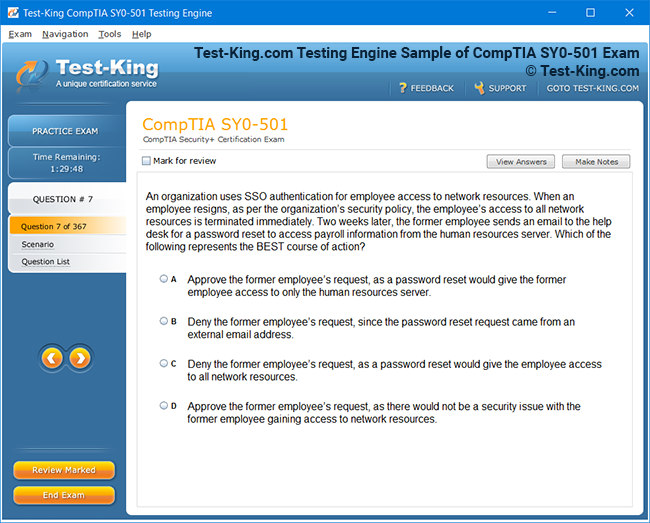
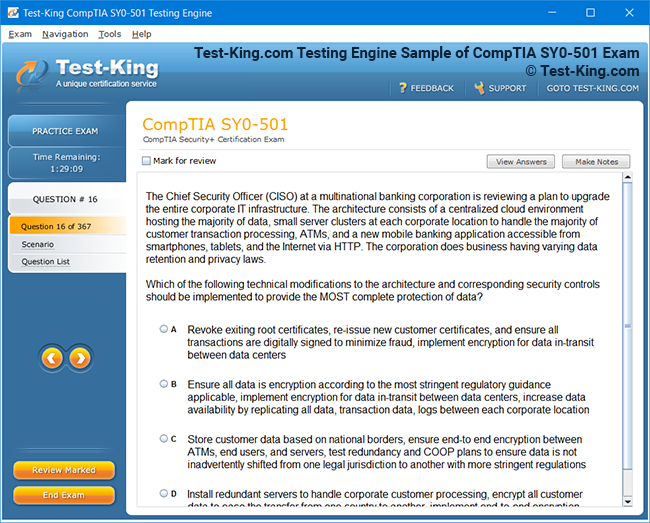
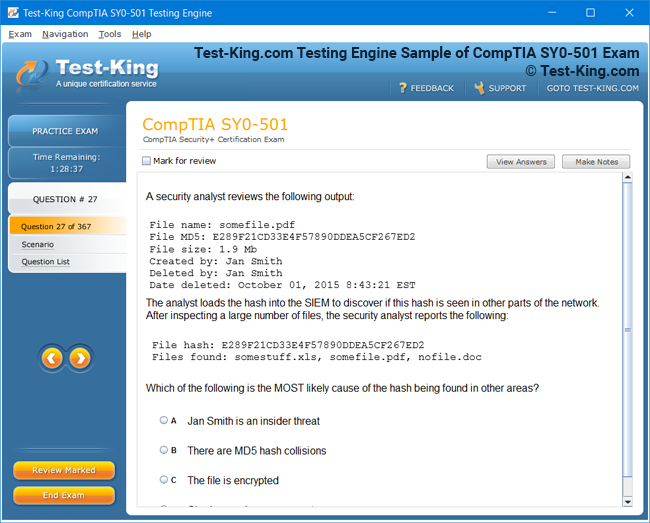
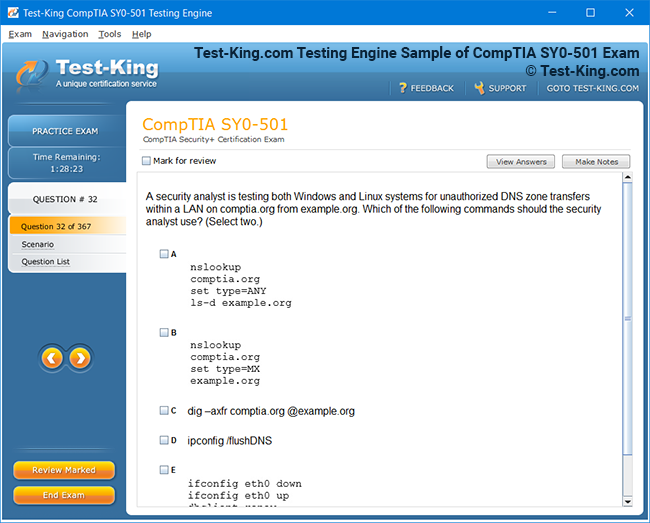
Product Screenshots
Frequently Asked Questions
How can I get the products after purchase?
All products are available for download immediately from your Member's Area. Once you have made the payment, you will be transferred to Member's Area where you can login and download the products you have purchased to your computer.
How long can I use my product? Will it be valid forever?
Test-King products have a validity of 90 days from the date of purchase. This means that any updates to the products, including but not limited to new questions, or updates and changes by our editing team, will be automatically downloaded on to computer to make sure that you get latest exam prep materials during those 90 days.
Can I renew my product if when it's expired?
Yes, when the 90 days of your product validity are over, you have the option of renewing your expired products with a 30% discount. This can be done in your Member's Area.
Please note that you will not be able to use the product after it has expired if you don't renew it.
How often are the questions updated?
We always try to provide the latest pool of questions, Updates in the questions depend on the changes in actual pool of questions by different vendors. As soon as we know about the change in the exam question pool we try our best to update the products as fast as possible.
How many computers I can download Test-King software on?
You can download the Test-King products on the maximum number of 2 (two) computers or devices. If you need to use the software on more than two machines, you can purchase this option separately. Please email support@test-king.com if you need to use more than 5 (five) computers.
What is a PDF Version?
PDF Version is a pdf document of Questions & Answers product. The document file has standart .pdf format, which can be easily read by any pdf reader application like Adobe Acrobat Reader, Foxit Reader, OpenOffice, Google Docs and many others.
Can I purchase PDF Version without the Testing Engine?
PDF Version cannot be purchased separately. It is only available as an add-on to main Question & Answer Testing Engine product.
What operating systems are supported by your Testing Engine software?
Our testing engine is supported by Windows. Andriod and IOS software is currently under development.
Top Pegasystems Exams
PEGAPCSA86V1 : Understanding the Pega Exam Requirements and Benefits
The digital transformation of contemporary enterprises has necessitated a profound evolution in how business processes are conceptualized, automated, and optimized. Pegasystems has emerged as a quintessential leader in this arena, providing a versatile platform that amalgamates case management, decisioning, and process automation. The Pega environment, celebrated for its intuitive design and configurability, enables organizations to craft applications that are not only robust but also agile enough to adapt to volatile market dynamics. Within this ecosystem, the Pega Certified System Architect 86V1 credential serves as a validation of an individual’s proficiency in navigating the platform, designing solutions, and implementing processes that resonate with organizational objectives.
Introduction to Pega Systems and Its Certification Landscape
The Pega PCSA 86V1 certification is designed to assess a professional’s comprehension of fundamental system architect principles, encompassing the entire spectrum from case lifecycle management to user interface configuration. Unlike certifications that merely test rote knowledge, this credential emphasizes the ability to pragmatically apply concepts in real-world scenarios. Candidates who earn this certification are recognized as capable architects who can translate business requirements into functional solutions, orchestrate case processing efficiently, and implement decision rules that optimize workflow outcomes. The certification not only enhances technical acumen but also augments strategic understanding, allowing professionals to become pivotal contributors in projects that leverage the Pega platform.
The Significance of the Certification for Career Advancement
The merit of obtaining a Pega PCSA 86V1 credential extends beyond mere acknowledgment; it functions as a catalyst for career growth and professional visibility. Organizations increasingly seek professionals who possess validated expertise in system architecture, capable of bridging the gap between business demands and technological capabilities. The certification signals to employers that the individual has invested time and effort into mastering the Pega platform, possesses a methodical approach to problem-solving, and is competent in handling intricate case management and automation tasks.
Professionals with this certification often experience enhanced employability and a competitive edge in recruitment. The acknowledgment from Pegasystems assures prospective employers that certified individuals have undergone rigorous evaluation and demonstrated practical understanding. For IT specialists, business analysts, and aspiring system architects, the credential provides a structured pathway to roles that require precision, innovation, and analytical foresight. Moreover, in a market saturated with candidates who may only have cursory knowledge of process automation platforms, the Pega PCSA 86V1 certification serves as a distinguishing mark, conferring credibility and signaling mastery of a sophisticated ecosystem.
Exam Objectives and Core Competencies
The Pega PCSA 86V1 exam is meticulously structured to evaluate a candidate’s grasp of the platform’s essential constructs. At its core, the exam measures proficiency in areas such as case life cycle management, process orchestration, user interface design, decision logic, and reporting. Understanding these components is vital, as they collectively determine the efficacy and resilience of applications built on the Pega platform.
Case life cycle management forms a cornerstone of the system architect role, encompassing the ability to design cases that progress through stages efficiently, incorporating assignment routing, sub-case management, and stage transitions. Mastery in this domain ensures that work objects flow logically, reducing bottlenecks and increasing operational efficiency. Similarly, decision logic competence involves configuring decision tables, decision trees, and when rules that guide system behavior, thereby automating complex workflows without sacrificing accuracy. Professionals adept in these areas can implement processes that not only meet organizational requirements but also anticipate and adapt to evolving business contexts.
User interface configuration is another pivotal area examined. Candidates are expected to understand how to design forms, harness harness reusable sections, and implement dynamic layouts that enhance user interaction and minimize errors. In addition, reporting and analytics are integral, requiring the candidate to comprehend how to extract meaningful insights from operational data, configure reports, and utilize dashboards to inform decision-making. Collectively, these competencies ensure that certified architects possess the holistic skill set necessary to deliver end-to-end solutions that are both functional and sustainable.
Recommended Preparation and Practical Experience
Preparation for the Pega PCSA 86V1 exam necessitates a blend of theoretical understanding and practical application. While training courses offer structured knowledge on platform features, real-world experience solidifies comprehension and fosters intuitive problem-solving. Engaging in hands-on projects, constructing sample case types, and simulating business scenarios within the Pega environment cultivates the dexterity required to navigate nuanced challenges during the exam.
A systematic study approach is advisable, beginning with the platform’s foundational elements such as rules, properties, and case design, followed by advanced constructs like data integration, automation logic, and reporting. Complementary study materials, including Pega Academy modules, practice exercises, and discussion forums, provide a repository of knowledge and allow candidates to internalize complex topics. Regular assessment through mock exams further enhances readiness, enabling individuals to identify gaps in understanding and refine their approach to problem-solving.
Equally important is cultivating an analytical mindset that goes beyond memorization. Candidates benefit from dissecting case scenarios, understanding the rationale behind process flows, and envisioning how changes in one component can affect overall system performance. This depth of comprehension is invaluable, as the exam frequently presents situations requiring the application of knowledge rather than simple recognition of concepts. By developing a robust grasp of underlying principles, candidates position themselves not only for exam success but also for practical effectiveness in professional settings.
Exam Experience and Question Format
The Pega PCSA 86V1 exam is structured to test both knowledge and application, presenting scenarios that mirror challenges faced by architects in real-world projects. Questions often require candidates to analyze case designs, identify optimal approaches, and troubleshoot potential issues in workflow or logic. This format ensures that certified professionals have demonstrable capabilities rather than superficial understanding.
Candidates encounter multiple-choice and situational questions that simulate practical scenarios, prompting them to apply concepts such as stage progression, decision rule configuration, and user interface adaptation. Each question is carefully crafted to gauge comprehension, attention to detail, and the ability to reason through complex workflows. For instance, a scenario may describe a multi-stage case involving several subcases and decision points, requiring the candidate to determine the most efficient configuration to meet business objectives. Such questions necessitate not only knowledge but also an aptitude for strategic thinking, ensuring that certified professionals are capable of contributing meaningfully to organizational projects.
Time management and methodical problem-solving are critical during the examination. Candidates must balance speed with accuracy, carefully reading scenarios, and evaluating each option based on its operational impact. Developing familiarity with the Pega environment through practice exercises and sample applications reduces cognitive load during the exam, allowing candidates to focus on analytical evaluation rather than navigating unfamiliar interfaces.
Subtle Benefits Beyond Certification
While the immediate advantage of Pega PCSA 86V1 certification lies in professional validation, there exist nuanced benefits that extend into long-term career enrichment. Certified individuals often experience heightened confidence in their technical decision-making, enabling them to tackle complex projects with assurance. The knowledge gained during preparation fosters a mindset of continuous improvement, encouraging professionals to explore innovative approaches to process automation and case management.
In addition, certification facilitates engagement with a broader community of Pega professionals, opening avenues for knowledge sharing, mentorship, and collaboration on diverse projects. This exposure not only enriches professional networks but also cultivates an awareness of best practices and emerging trends in business process management. Organizations benefit indirectly from certified staff, as these individuals introduce methodological rigor, enhance operational efficiency, and contribute to scalable, maintainable application designs.
The credential also encourages an appreciation for the strategic role of technology in achieving business objectives. By mastering Pega platform intricacies, certified professionals gain insight into how automation, decisioning, and case orchestration can be leveraged to create measurable value. This perspective enables them to advocate for optimized processes, guide project teams effectively, and support organizational objectives with technical expertise aligned to strategic priorities.
Preparing the Mindset for Success
Success in the Pega PCSA 86V1 examination is contingent not only on technical preparation but also on cultivating a disciplined and resilient mindset. Candidates benefit from adopting a structured approach to learning, setting realistic goals, and maintaining consistency in study practices. Patience, persistence, and adaptability are essential, particularly when navigating intricate scenarios or unfamiliar constructs.
Furthermore, embracing reflective learning techniques enhances comprehension. Reviewing mistakes in practice exercises, analyzing decision-making processes, and synthesizing insights into actionable understanding reinforces knowledge retention. Visualization of workflows, simulating business scenarios, and conceptualizing cause-effect relationships within case designs strengthens the ability to tackle examination questions that require analytical reasoning.
A holistic preparation approach also considers cognitive wellbeing. Ensuring sufficient rest, maintaining focus, and managing stress contributes to mental acuity during both preparation and examination. Cultivating confidence through repeated exposure to practice scenarios mitigates exam anxiety, enabling candidates to perform at their best when confronted with challenging questions.
Integrating Knowledge into Professional Practice
The Pega PCSA 86V1 certification is not merely a credential but a conduit for applying knowledge to real-world practice. Professionals who internalize concepts during preparation can transition seamlessly from theoretical understanding to practical implementation, designing applications that embody best practices and operational excellence.
Knowledge integration extends to effective collaboration with stakeholders, translating business requirements into functional specifications, and contributing to team efforts with clarity and precision. Certified professionals become adept at identifying inefficiencies, proposing optimized workflows, and implementing solutions that balance operational demands with technological feasibility.
The process of preparing for and attaining certification fosters a mindset of continuous learning, encouraging exploration of advanced Pega capabilities, staying informed about platform updates, and seeking opportunities to refine skills. This commitment to ongoing development ensures that certified individuals remain at the forefront of business process management expertise, capable of adapting to evolving organizational needs and technological advancements.
Eligibility and Experience Needed for the Exam
The Pega Certified System Architect 86V1 credential requires a foundation of experience and familiarity with business process management concepts to ensure candidates can navigate the platform with confidence. While there are no rigid prerequisites mandating years of employment, familiarity with workflow design, case management, and system configuration is strongly advantageous. Candidates who have engaged in projects that involve data modeling, user interface customization, and decision logic configuration often find the examination more intuitive and approachable. This practical exposure cultivates an understanding of how rules, stages, and assignments interact to create efficient automated processes.
Individuals aiming for the credential benefit from a combination of formal training and hands-on experience within the Pega environment. Observing real-time business scenarios and mapping them into the platform reinforces theoretical knowledge, enabling candidates to anticipate challenges and apply solutions pragmatically. Understanding how case types evolve, how decisions are executed within complex workflows, and how user interactions influence process outcomes is fundamental to performing well on the examination. Those who immerse themselves in the platform’s intricacies tend to approach the exam with analytical acuity, capable of reasoning through scenarios that test both comprehension and application.
Understanding the Core Competencies Tested in the Exam
The examination evaluates a spectrum of competencies that reflect the multifaceted responsibilities of a system architect. At the heart of the assessment lies case life cycle management, a critical domain that demands proficiency in designing cases that progress logically through stages, incorporate subcases, and employ assignments to optimize work distribution. Mastery in this area ensures that tasks are routed appropriately, workflows remain efficient, and process transparency is maintained, which is essential for delivering value within organizations.
Decisioning represents another central pillar of the exam. Candidates are expected to demonstrate skill in configuring decision rules, such as when rules, decision tables, and decision trees, to automate complex business logic effectively. Understanding the implications of decision strategies and their impact on case outcomes is critical, as errors in this domain can propagate inefficiencies or disrupt workflow continuity. Professionals who internalize these principles can implement robust automation that aligns with organizational objectives, reducing manual intervention and minimizing potential errors.
User interface configuration forms a complementary competency that is evaluated to determine a candidate’s ability to design applications that are intuitive, accessible, and error-resistant. This includes configuring reusable sections, implementing dynamic layouts, and ensuring that forms capture essential information without overwhelming the user. A system architect who is adept in UI configuration enhances operational efficiency by reducing cognitive load for end users and ensuring that workflows are executed accurately and consistently.
Reporting and analytics, though often understated, constitute an essential competency within the examination. Candidates are tested on their capacity to extract actionable insights from operational data, configure meaningful reports, and leverage dashboards to monitor process performance. This analytical dimension ensures that certified professionals are capable of not only building applications but also evaluating their effectiveness, making adjustments to enhance outcomes, and providing strategic insights to stakeholders.
Exam Preparation and Recommended Study Approaches
Effective preparation for the Pega PCSA 86V1 examination requires a combination of conceptual understanding and applied practice. Familiarity with platform architecture, rules, and case management principles provides the scaffolding for tackling more intricate scenarios that the exam may present. Candidates benefit from structured study plans that begin with foundational concepts, progress through advanced configuration techniques, and culminate in simulated practical exercises that mimic real-world challenges.
Engaging with Pega Academy courses, practice exercises, and discussion forums provides valuable exposure to various application scenarios. Candidates can test their understanding of concepts such as stage progression, subcase integration, and decision logic by constructing sample applications and iterating through design adjustments. Regular assessment through mock examinations reinforces comprehension, helping identify areas requiring additional focus and fine-tuning problem-solving approaches.
An essential strategy involves conceptual mapping of business requirements to platform functionality. Candidates who visualize workflows, understand cause-effect relationships within cases, and anticipate potential bottlenecks develop the analytical skills necessary to navigate situational questions efficiently. This reflective learning approach ensures that knowledge is not merely memorized but internalized, allowing professionals to adapt to novel scenarios with agility and insight.
Practical Skills and Hands-On Experience
The Pega PCSA 86V1 credential emphasizes practical competence as much as theoretical understanding. Candidates are expected to demonstrate familiarity with the platform’s functionality through hands-on tasks, which include designing case types, configuring stages, implementing assignments, and defining decision rules. This practical proficiency ensures that certified individuals can translate business requirements into operational solutions, contributing meaningfully to organizational initiatives.
Working on sample projects allows candidates to explore complex scenarios in a controlled environment, refining skills such as integrating subcases, configuring service-level agreements, and aligning UI components with workflow logic. Understanding the nuances of stage transitions, decision outcomes, and data propagation within cases equips candidates with the cognitive flexibility to approach exam questions analytically rather than relying solely on memorization. This practical engagement also cultivates the intuition necessary to recognize efficient solutions and troubleshoot potential configuration issues effectively.
Additionally, exposure to reporting and analytics tools within the platform enhances a candidate’s capacity to monitor workflow performance, identify anomalies, and propose improvements. Professionals who integrate these insights into their daily practice develop a holistic perspective on process optimization, preparing them for the evaluative aspects of the examination.
Time Management and Exam-Taking Strategies
Navigating the Pega PCSA 86V1 examination effectively requires more than technical knowledge; strategic time management and a methodical approach to questions are crucial. Candidates must balance speed and accuracy, carefully parsing each scenario and evaluating options based on operational feasibility. Situational questions often present multiple viable solutions, demanding analytical reasoning to select the most optimal approach that aligns with both platform capabilities and business objectives.
Developing familiarity with the exam’s format through repeated practice allows candidates to allocate time efficiently, reducing cognitive load during the actual assessment. This preparation enhances confidence, minimizes the risk of oversight, and ensures that responses reflect both understanding and application. Adopting a structured approach to reading scenarios, identifying critical elements, and mentally simulating workflow outcomes fosters precision in decision-making and mitigates the impact of stress or unfamiliar question framing.
Mindset also plays a critical role in exam performance. Candidates who cultivate resilience, adaptability, and reflective thinking navigate complex questions more effectively, leveraging their practical experience to inform analytical reasoning. By approaching the exam as an opportunity to demonstrate applied knowledge rather than mere recall, candidates can maximize performance while reinforcing skills that will be relevant in professional practice.
Advanced Understanding of Case Design and Decisioning
Case design represents the foundational element of a system architect’s responsibilities and a key focus of the examination. Candidates must comprehend the principles of organizing work objects, delineating stages, configuring assignments, and integrating subcases to form coherent, efficient workflows. Mastery of this area enables the creation of cases that are both scalable and maintainable, allowing organizations to adapt to evolving business requirements without compromising operational continuity.
Decisioning, which encompasses rules configuration, strategy implementation, and automated workflow logic, is equally critical. Professionals must understand how to design decisions that dynamically respond to varying conditions, ensuring accurate outcomes while minimizing manual intervention. By internalizing the logic behind decision tables, decision trees, and when rules, candidates develop the ability to implement solutions that maintain consistency and optimize operational efficiency. This skill set ensures that certified individuals can address complex business scenarios with analytical rigor and operational foresight.
Integration of case design and decisioning knowledge requires attention to detail and anticipatory reasoning. Candidates benefit from exercises that simulate real-world applications, allowing them to observe the cascading effects of stage transitions, rule execution, and assignment routing. This experiential learning fosters intuition and enables professionals to navigate situational questions on the exam with strategic insight, demonstrating both comprehension and applied capability.
Analytical and Reporting Competencies
Beyond configuration and design, the examination evaluates a candidate’s ability to analyze system performance and extract actionable insights from operational data. Reporting competencies involve generating meaningful summaries, configuring dashboards, and interpreting metrics to monitor workflow efficiency. Professionals who can synthesize information from multiple sources, detect patterns, and propose corrective measures contribute significantly to continuous process improvement.
Candidates are encouraged to engage with sample reporting tasks during preparation, exploring how data visualization, KPI tracking, and case analytics inform operational decisions. This experience not only aids in exam readiness but also reinforces a holistic understanding of the Pega platform’s capabilities. Analytical thinking, when integrated with configuration skills, ensures that certified professionals can deliver solutions that are both technically sound and strategically valuable.
Cognitive Preparation and Reflective Learning
Attaining the Pega PCSA 86V1 credential requires more than technical acumen; it necessitates cognitive preparation and reflective learning. Candidates benefit from analyzing past experiences, identifying patterns in workflows, and understanding the rationale behind platform behaviors. Reflective learning encourages deeper comprehension, enabling individuals to apply knowledge to novel situations and anticipate potential challenges during the examination.
Visualization techniques, such as mentally mapping case flows or simulating rule execution, enhance cognitive readiness. These strategies reinforce problem-solving skills, improve retention of complex concepts, and cultivate an intuitive understanding of platform mechanics. By internalizing principles rather than merely memorizing procedures, candidates achieve a level of mastery that supports both exam success and professional efficacy.
Understanding the Platform Architecture
The Pega platform is a multifaceted ecosystem designed to orchestrate complex business processes with agility and precision. Its architecture is layered to provide both flexibility and scalability, enabling system architects to create applications that evolve alongside organizational needs. At its foundation, the platform integrates a rules engine, declarative processing, and robust data management capabilities, which collectively facilitate the seamless execution of workflows and decision logic. Candidates pursuing the Pega PCSA 86V1 certification are expected to grasp these structural intricacies, as the exam evaluates not only theoretical understanding but also the ability to translate architectural knowledge into functional application designs.
Grasping the platform’s architecture involves appreciating how rules are instantiated, processed, and leveraged to influence case behavior. Declarative rules, for instance, operate automatically to ensure data consistency and dynamic responsiveness within workflows, reducing the need for manual intervention. Understanding the interplay between these rules, application layers, and database integrations allows certified individuals to anticipate system behavior and design applications that are both resilient and adaptable. Professionals who internalize these architectural nuances can configure cases and decisions that optimize performance while maintaining operational coherence.
Case Management Fundamentals
Case management is the cornerstone of Pega system architecture, representing the methodology by which work is structured, tracked, and executed. Mastery of this domain is essential for candidates seeking certification, as it constitutes a significant portion of both exam evaluation and practical application. Cases are designed as discrete units of work that traverse defined stages, each with specific assignments, subcases, and milestones. Efficient design ensures that work progresses logically, assignments are appropriately routed, and stakeholders remain informed throughout the process.
Understanding how stages and steps interact within a case is crucial. Stages represent major phases of work, while steps define granular actions within those stages. Assignments, which may be automated or manually handled, ensure that tasks are executed by the right personnel at the right time. Integrating subcases allows complex workflows to be decomposed into manageable components, facilitating both oversight and scalability. Candidates are encouraged to engage with practical exercises that simulate business scenarios, as this hands-on experience fosters intuition about stage transitions, assignment allocation, and the cascading effects of case modifications.
Decisioning and Rules Configuration
Decisioning is a pivotal aspect of the Pega platform, enabling automated, rule-driven determination of outcomes across cases. For the Pega PCSA 86V1 credential, candidates must demonstrate proficiency in configuring decision tables, decision trees, and when rules, understanding how these elements interact to produce accurate and efficient results. Decision rules are fundamental to reducing manual intervention, ensuring consistency, and enabling predictive outcomes within workflows.
Effective configuration of decision logic requires comprehension of both the functional and strategic implications of each rule. Decision tables provide a structured approach to mapping conditions and outcomes, while decision trees allow for hierarchical evaluation of complex scenarios. When rules introduce conditional logic that can dynamically adjust behavior in response to changing parameters. System architects who internalize these principles can implement solutions that maintain accuracy, optimize performance, and align with organizational objectives.
Analytical skills are crucial for decisioning, as candidates must evaluate scenarios, predict outcomes, and determine the optimal configuration to meet business needs. This evaluative process not only prepares candidates for the exam but also equips them with the practical expertise required to design workflows that are both adaptive and efficient. Understanding the interdependencies between rules, case stages, and user actions enhances the ability to anticipate workflow behavior and troubleshoot potential anomalies.
User Interface Design and Configuration
User interface configuration constitutes a vital competency for the Pega PCSA 86V1 examination, emphasizing the creation of intuitive, accessible, and responsive application forms. Candidates are expected to demonstrate an understanding of reusable sections, dynamic layouts, and form components that facilitate accurate data entry while minimizing cognitive load on end users. Effective interface design enhances workflow efficiency, reduces errors, and improves overall user satisfaction.
Dynamic layouts allow the interface to adapt to varying contexts, presenting relevant information and hiding extraneous elements. Reusable sections promote consistency and reduce redundancy, enabling architects to maintain application uniformity while streamlining development. Proper configuration ensures that user interactions align with workflow logic, assignments are visible and actionable, and essential information is captured accurately. By engaging with practical exercises that simulate end-user interactions, candidates cultivate the skill of translating business requirements into functional, user-centric designs.
Additionally, understanding accessibility considerations and usability best practices further enhances the value of designed applications. Certified individuals who can balance aesthetic presentation with functional efficiency contribute to applications that are both operationally effective and positively received by stakeholders. This competence reflects the platform’s emphasis on aligning technical architecture with user experience, a critical aspect of professional practice and examination evaluation.
Integration Methods and Data Management
Integration represents another essential dimension of the Pega platform, requiring system architects to connect applications with external systems and data sources. The platform supports a variety of integration methodologies, including connectors, services, and data pages, enabling seamless data exchange while maintaining consistency and integrity across workflows. Candidates preparing for the Pega PCSA 86V1 exam must understand how these integrations function conceptually, allowing them to configure connections that facilitate accurate and timely data flow without introducing system inefficiencies.
Data management encompasses the structuring, storage, and retrieval of information within the platform. Professionals must understand the principles of properties, data types, and object relationships to ensure that applications operate correctly and support decisioning and reporting requirements. Effective data design underpins case management, allowing workflows to respond dynamically to inputs, historical data, and external variables. By conceptualizing data relationships and mapping them into the platform, candidates develop the ability to construct solutions that are both maintainable and scalable.
Integration and data management are intertwined, as accurate and timely data flow is critical to operational effectiveness. System architects must anticipate how data modifications in one system impact dependent workflows, subcases, and decision rules. Engaging in hands-on exercises to configure sample integrations, simulate data propagation, and analyze outcomes provides practical insight into these dependencies and prepares candidates to navigate complex exam scenarios with confidence.
Performance Optimization and Best Practices
Performance optimization is an often-overlooked but critical aspect of platform proficiency. Candidates pursuing the Pega PCSA 86V1 credential are expected to understand how design decisions influence system responsiveness, scalability, and maintainability. Optimizing case structures, decision logic, and data management practices ensures that applications operate efficiently under varied workloads and remain adaptable to evolving business requirements.
Best practices encompass principles such as minimizing rule duplication, leveraging reusable components, and ensuring modular design. Efficient stage and assignment configuration reduces bottlenecks, while declarative rules and optimized decisioning enhance automated responsiveness. System architects who adhere to these principles not only perform better on the examination but also contribute to sustainable, high-performing applications in professional settings.
Analytical review and iterative refinement of application designs reinforce the habit of performance-conscious architecture. By evaluating workflows, identifying potential inefficiencies, and implementing corrective measures, candidates cultivate an anticipatory mindset that aligns technical execution with organizational objectives. This combination of conceptual understanding and practical vigilance distinguishes proficient system architects from those who merely configure applications without regard for long-term sustainability.
Reporting, Analytics, and Monitoring
Reporting and analytics capabilities within the Pega platform allow system architects to monitor performance, identify trends, and inform decision-making. Candidates are expected to understand how to configure reports, dashboards, and performance metrics to provide visibility into workflow efficiency, case progress, and decision outcomes. This analytical competence ensures that applications are not only operationally effective but also provide actionable insights for stakeholders.
Monitoring involves establishing key performance indicators, tracking service-level agreements, and interpreting metrics to detect potential bottlenecks or inefficiencies. Certified individuals who can integrate reporting into their application designs enhance organizational responsiveness, providing data-driven feedback that informs continuous improvement. Engaging in exercises that simulate monitoring scenarios and report generation reinforces both conceptual understanding and practical skill, preparing candidates for examination questions and real-world application.
Developing a Holistic Understanding of the Platform
A nuanced understanding of the Pega platform requires synthesizing knowledge across architecture, case management, decisioning, user interface design, integration, and reporting. Candidates who cultivate this holistic perspective can anticipate interactions between components, optimize workflows, and troubleshoot potential issues with foresight. This interconnected understanding is central to both examination success and professional competence.
Practical exercises that integrate multiple platform capabilities provide experiential reinforcement of this holistic approach. Designing cases that incorporate decision logic, integrating external data sources, configuring user interfaces, and generating reports in tandem encourages systems thinking and strategic application of knowledge. Certified professionals who develop this integrated perspective can create solutions that are robust, adaptable, and aligned with organizational objectives, embodying the comprehensive expertise evaluated in the Pega PCSA 86V1 exam.
Mindset and Cognitive Preparation for Mastery
Beyond technical skill, cognitive preparation plays a pivotal role in mastering platform essentials. Candidates benefit from cultivating analytical reasoning, reflective learning, and strategic problem-solving abilities. Visualizing workflows, simulating decision outcomes, and mentally mapping case interactions reinforces comprehension and prepares candidates to navigate situational exam questions that require applied knowledge rather than rote memorization.
Developing resilience and adaptability further enhances readiness. By engaging with diverse scenarios, confronting unexpected configurations, and evaluating alternative approaches, candidates build confidence in their ability to address complex challenges. This cognitive preparation ensures that examination performance reflects true understanding, while also equipping professionals to contribute effectively to real-world projects, navigating the intricacies of the Pega platform with both precision and creativity.
Structured Study Approach and Learning Methodology
Preparing for the Pega PCSA 86V1 examination requires a deliberate and methodical approach that balances conceptual understanding with practical application. A structured study methodology begins by familiarizing oneself with the platform’s core constructs, including case lifecycle management, decision logic, user interface design, and integration mechanisms. Candidates benefit from segmenting their preparation into manageable units, dedicating time to each topic while reinforcing previously studied concepts through practice exercises. This approach fosters deep comprehension and prevents superficial familiarity, which is inadequate for the nuanced demands of the examination.
The process of learning is most effective when it incorporates active engagement with the platform. Designing sample cases, configuring assignments, and implementing decision rules within a controlled environment develops practical insight that enhances retention. Additionally, simulating end-to-end workflows allows candidates to observe cause-and-effect relationships, comprehend interdependencies among stages, and anticipate potential bottlenecks. This hands-on engagement not only prepares candidates for situational exam questions but also equips them with skills applicable in real-world professional scenarios.
Reflection and iterative review further reinforce learning. Candidates who periodically revisit complex topics, analyze their performance in practice exercises, and adjust their study strategies cultivate adaptive learning capabilities. This continuous refinement ensures that knowledge is internalized and readily accessible during the examination, while also developing a mindset of analytical vigilance essential for professional application.
Utilizing Training Courses and Online Resources
Engagement with structured training courses remains one of the most effective strategies for mastering the Pega platform. Pega Academy offers comprehensive modules that cover the breadth of system architect competencies, including case design, decisioning, integration, reporting, and performance optimization. Candidates can leverage these courses to gain foundational knowledge, clarify conceptual ambiguities, and obtain practical exposure through guided exercises.
In addition to formal training, online forums and communities provide valuable opportunities for collaborative learning. Engaging with peer discussions, sharing problem-solving strategies, and reviewing diverse implementation approaches exposes candidates to varied perspectives and uncommon use cases. These interactions cultivate a deeper understanding of platform intricacies, while also highlighting subtleties that may not be emphasized in traditional learning materials. Accessing updated resources, such as webinars, blogs, and instructional videos, ensures that candidates remain current with platform enhancements and best practices.
Study aids, such as practice questions and mock tests, are indispensable for reinforcing comprehension. Repeated exposure to examination-style scenarios allows candidates to gauge their readiness, identify knowledge gaps, and refine problem-solving strategies. By simulating exam conditions, learners develop familiarity with time constraints, question framing, and analytical evaluation, thereby enhancing both confidence and performance. Integrating these resources into a disciplined study schedule ensures a comprehensive preparation strategy that balances theoretical knowledge with practical application.
Practical Exercises and Hands-On Projects
Hands-on practice is paramount in achieving mastery of the Pega PCSA 86V1 exam content. Candidates benefit from designing end-to-end cases, configuring dynamic user interfaces, implementing complex decision rules, and integrating external data sources within sample projects. This experiential learning consolidates theoretical knowledge, transforming abstract concepts into tangible skills.
Practical exercises also facilitate cognitive mapping of workflow logic. Candidates learn to anticipate the progression of work objects, predict the impact of decision rules, and analyze how subcases influence primary processes. This mental rehearsal enhances analytical acumen, enabling professionals to approach situational questions on the examination with confidence and precision. Constructing mock scenarios that simulate business requirements encourages problem-solving, creativity, and strategic thinking, all of which are evaluated during the certification process.
Engaging in collaborative projects further amplifies learning. Candidates who work in pairs or groups can exchange ideas, troubleshoot errors collectively, and gain exposure to alternative design perspectives. This interaction fosters critical thinking and adaptability, equipping professionals with the cognitive flexibility necessary to address complex, multi-faceted challenges both in examination settings and real-world applications.
Time Management and Study Planning
Effective preparation requires disciplined time management and deliberate study planning. Candidates are encouraged to allocate dedicated blocks of time to each topic, balancing conceptual study, practical exercises, and review sessions. Establishing a timetable that integrates periods of intensive focus with intervals for reflection and consolidation enhances knowledge retention and reduces cognitive fatigue.
A phased approach to preparation involves setting achievable milestones, periodically assessing progress, and adjusting strategies in response to performance evaluation. Regular self-assessment through practice exercises and mock tests ensures that study efforts remain targeted and productive. Time management extends beyond study schedules to exam execution, as candidates must allocate sufficient attention to each question while maintaining overall pacing. Familiarity with the examination format and practice under simulated conditions equips candidates to navigate time constraints without sacrificing analytical rigor.
Mindfulness techniques and cognitive strategies complement structured study. Maintaining focus, minimizing distractions, and engaging in reflective thinking cultivate mental clarity, enhancing both retention and problem-solving capabilities. By integrating disciplined time management with strategic cognitive practices, candidates optimize preparation outcomes and position themselves for both examination success and professional proficiency.
Common Challenges and Strategies to Overcome Them
Candidates often encounter challenges while preparing for the Pega PCSA 86V1 certification, including difficulty in conceptualizing abstract workflows, understanding decisioning intricacies, and managing complex data structures. Overcoming these challenges requires a combination of practical application, iterative learning, and analytical reflection.
Breaking down complex workflows into constituent stages and steps allows candidates to comprehend interactions between assignments, subcases, and rules. Visualizing these processes through mental mapping or diagrammatic representation enhances clarity and aids in retention. Decisioning challenges can be mitigated by iterative configuration exercises that expose candidates to diverse scenarios, encouraging analytical reasoning and pattern recognition.
Complex data management issues are best addressed through repeated hands-on practice, exploring how properties, data types, and integrations interact within cases. Candidates who actively engage with these challenges develop intuition for troubleshooting, anticipating system responses, and optimizing workflow logic. Supplementing practical experience with peer discussions and mentor guidance further enriches understanding, providing insights that facilitate comprehension of subtler platform nuances.
Psychological Readiness and Mindset
Beyond technical preparation, cultivating psychological readiness is essential for exam performance. Candidates benefit from developing resilience, focus, and adaptability, which enable them to navigate complex questions and unexpected scenarios with confidence. Maintaining a calm and methodical approach enhances analytical thinking, reduces error likelihood, and ensures that responses reflect comprehensive understanding rather than impulsive judgment.
Visualization and reflective practices reinforce readiness. Mentally simulating workflows, anticipating the impact of decision rules, and rehearsing case transitions cultivates familiarity with exam scenarios. This cognitive rehearsal enhances confidence, reinforces retention, and improves the ability to analyze questions critically under time constraints. Candidates who integrate psychological preparedness with technical mastery are better equipped to demonstrate applied knowledge, analytical reasoning, and professional competence.
Leveraging Community and Peer Learning
Engagement with a community of learners and practitioners provides a valuable dimension to preparation. Peer learning offers exposure to diverse problem-solving approaches, insights into uncommon scenarios, and shared strategies for effective configuration and case management. Participation in discussion forums, study groups, and online communities allows candidates to exchange ideas, ask questions, and validate understanding through collaborative interaction.
Mentorship and guided practice further enhance learning outcomes. Experienced practitioners can provide nuanced perspectives on platform functionality, offer practical tips for optimizing workflows, and share insights into situational question patterns. By integrating community learning into a structured preparation plan, candidates benefit from both theoretical guidance and experiential knowledge, enriching their understanding and fostering a broader, more adaptive perspective.
Integrating Learning into Professional Practice
Preparation for the Pega PCSA 86V1 certification extends beyond examination readiness; it equips candidates with capabilities that enhance professional performance. By translating theoretical knowledge into practical workflows, configuring decision logic, and designing efficient user interfaces, candidates internalize principles that can be directly applied to workplace projects.
Integrating learned skills into professional practice fosters both competence and confidence. Professionals who engage in real-world application of platform concepts develop a nuanced understanding of workflow dynamics, decisioning interdependencies, and case optimization strategies. This integration not only reinforces examination preparation but also ensures that certified individuals contribute tangible value to organizational initiatives, demonstrating mastery of platform essentials and the strategic application of system architect competencies.
Enhancing Career Prospects and Professional Recognition
Obtaining the Pega PCSA 86V1 certification provides a tangible elevation in career prospects, offering recognition that distinguishes professionals in the competitive landscape of business process management. Employers increasingly value candidates who possess validated expertise in system architecture, as it demonstrates both proficiency in platform functionality and the ability to translate complex business requirements into operational solutions. Certified individuals are often entrusted with roles that require analytical acuity, strategic implementation, and technical precision, positioning them for opportunities as system architects, business process consultants, and application developers.
The credential signifies a commitment to professional growth, illustrating that the individual has invested effort in mastering an intricate platform and developing applied skills. This recognition often leads to accelerated career advancement, enhanced responsibilities, and inclusion in high-impact projects. Organizations perceive certified professionals as capable of delivering optimized workflows, designing scalable applications, and contributing to digital transformation initiatives. The certification thus functions as both a marker of technical competence and a catalyst for professional visibility and career mobility.
Skill Enhancement and Technical Mastery
One of the most profound benefits of Pega PCSA 86V1 certification lies in the enhancement of technical skill and mastery of platform essentials. Candidates who achieve certification develop deep understanding of case lifecycle management, decisioning, user interface configuration, and reporting capabilities. This expertise enables them to design and implement workflows that are both efficient and adaptable, optimizing operational performance while minimizing potential errors.
Decisioning skills, in particular, are elevated through the certification process, as candidates learn to configure rules, decision tables, and trees that automate complex logic within cases. Understanding these mechanisms allows certified professionals to anticipate workflow outcomes, implement predictive strategies, and ensure consistency across operational processes. Mastery of platform architecture and data integration further strengthens capability, providing a holistic understanding of how components interact to produce efficient, reliable, and scalable applications.
Practical application of learned skills reinforces retention and cultivates intuitive problem-solving. Professionals internalize best practices, recognize patterns in workflow design, and develop strategies for optimizing both user experience and system performance. This combination of theoretical knowledge and applied competence enhances overall effectiveness, empowering individuals to contribute meaningfully to projects and organizational objectives.
Organizational Impact and Value Contribution
Beyond individual career benefits, the Pega PCSA 86V1 certification has a pronounced impact on organizational outcomes. Certified professionals bring methodological rigor, technical precision, and strategic insight to workflow design and process automation initiatives. By optimizing case lifecycles, implementing robust decisioning logic, and configuring efficient user interfaces, these individuals enhance operational efficiency, reduce errors, and improve overall process transparency.
The influence of certified system architects extends to project outcomes, as their expertise enables organizations to streamline operations, ensure compliance, and achieve service-level objectives. By integrating reporting and analytics into application designs, professionals provide visibility into performance metrics, facilitating informed decision-making and continuous improvement. This combination of technical skill and strategic insight amplifies organizational capability, fostering a culture of excellence in process automation and digital transformation.
Certified individuals also contribute to scalability and sustainability. By applying best practices, minimizing redundant configurations, and leveraging reusable components, they create applications that are maintainable, adaptable, and resilient to evolving business requirements. Organizations benefit from these qualities through enhanced ROI, reduced operational risk, and the ability to respond swiftly to changing market conditions.
Competitive Advantage and Marketability
Pega PCSA 86V1 certification enhances marketability and provides a competitive advantage in the professional arena. In a landscape characterized by rapid technological evolution and increasing demand for process automation expertise, credentials that validate practical capability are highly valued. Certified professionals distinguish themselves from peers by demonstrating both theoretical knowledge and applied skill, making them attractive candidates for organizations seeking to implement or optimize Pega solutions.
The credential also opens avenues for specialized roles, including decisioning specialists, case management experts, and integration consultants. By showcasing mastery of platform essentials, professionals signal readiness to tackle complex projects, drive innovation, and contribute to high-stakes initiatives. This competitive differentiation not only improves employability but also positions individuals for higher remuneration, leadership opportunities, and participation in transformative projects that leverage Pega technology.
Additionally, the recognition associated with certification extends globally, providing professional mobility across regions and industries. Organizations operating in multiple geographies often prioritize certified individuals who can navigate platform intricacies efficiently, implement standardized processes, and deliver consistent results across diverse operational environments.
Long-Term Professional Growth and Learning Trajectory
Achieving Pega PCSA 86V1 certification establishes a foundation for long-term professional growth, encouraging ongoing learning and skill refinement. The certification process familiarizes candidates with platform constructs, analytical thinking, and problem-solving approaches, laying the groundwork for advanced roles such as Lead System Architect, Pega Business Architect, or specialized consultants in decisioning and integration.
The process of preparing for the certification cultivates habits of disciplined learning, reflective practice, and strategic application of knowledge. These habits translate into long-term professional behaviors that enhance performance, adaptability, and effectiveness in project execution. Certified individuals often pursue further credentials, exploring advanced modules and specialized tracks that deepen expertise and broaden professional scope.
The certification journey also encourages engagement with the Pega professional community, providing opportunities to collaborate with peers, exchange best practices, and remain updated on platform enhancements. This ongoing learning ecosystem ensures that skills remain current, relevant, and aligned with emerging trends in business process management and digital transformation, reinforcing the enduring value of the credential.
Confidence and Problem-Solving Acumen
Another significant benefit of certification is the development of confidence and problem-solving acumen. Candidates who achieve the credential acquire not only knowledge but also the capacity to analyze complex workflows, anticipate operational challenges, and implement effective solutions. This cognitive empowerment enhances decision-making capabilities, enabling professionals to approach projects with assurance and strategic insight.
Confidence gained through certification is particularly valuable in collaborative environments where professionals must communicate technical solutions to stakeholders, justify workflow optimizations, and guide teams in implementing platform solutions. The ability to reason through complex scenarios, evaluate alternative approaches, and predict system outcomes reinforces professional credibility, strengthens leadership potential, and facilitates effective knowledge transfer within teams.
Problem-solving capabilities are further enriched by hands-on experience accumulated during preparation and practical application. Certified individuals develop intuition for workflow optimization, decision logic implementation, and integration management, allowing them to identify potential inefficiencies, propose corrective strategies, and execute solutions with precision. This skill set is invaluable in both examination contexts and professional practice, reflecting the applied nature of the credential.
Strategic Perspective and Organizational Alignment
Pega PCSA 86V1 certification also cultivates a strategic perspective, enabling professionals to align technical execution with organizational objectives. Understanding how case design, decisioning, and user interface configuration impact operational efficiency allows certified individuals to contribute beyond technical implementation, influencing process improvement, resource optimization, and project prioritization.
By integrating analytical insight with platform knowledge, certified professionals can evaluate existing workflows, identify areas for enhancement, and recommend configurations that support strategic goals. This capacity to align technical execution with organizational priorities elevates the role of certified individuals from mere implementers to strategic contributors, enhancing value creation and fostering a culture of continuous improvement within enterprises.
Strategic perspective also encompasses risk mitigation and quality assurance. Professionals adept in platform essentials can anticipate potential operational risks, design workflows that maintain compliance, and implement safeguards to ensure consistent outcomes. This proactive approach enhances organizational resilience, reduces operational disruption, and ensures that automated processes deliver predictable and reliable results.
Networking and Professional Visibility
Certification provides access to a broader professional network and increased visibility within the Pega ecosystem. Engaging with peer communities, participating in knowledge-sharing forums, and attending professional events allows certified individuals to exchange insights, learn innovative practices, and remain informed about platform developments.
This networking facilitates collaboration, mentorship, and exposure to diverse project scenarios, further enriching professional growth. Organizations value certified employees who are connected to the wider Pega community, as this engagement enhances organizational awareness of best practices, emerging methodologies, and innovative solutions that can be applied to internal workflows. Professional visibility also contributes to reputation building, establishing certified individuals as credible experts and thought leaders in process automation and system architecture.
Professional Pathways and Career Progression
Earning the Pega PCSA 86V1 credential opens an array of professional pathways that extend well beyond initial system architect responsibilities. Certified individuals gain recognition as capable practitioners with an understanding of case management, decisioning, and platform integration, positioning them for roles of increasing complexity and influence. Opportunities abound in areas such as Pega developer positions, business process management consultancy, case management strategy, and specialized decisioning implementation. Organizations value certified professionals for their ability to translate business requirements into efficient, automated workflows, and this practical proficiency often accelerates career progression.
Post-certification, professionals frequently advance to lead architect roles, where they oversee the design and implementation of complex applications across multiple teams or projects. These positions require strategic oversight, the ability to integrate multiple case types and decision logic, and the capacity to mentor junior architects or developers. For those inclined toward specialized technical mastery, advanced certifications, such as Pega Business Architect or Lead System Architect credentials, provide avenues to deepen expertise in decision strategies, integration frameworks, and sophisticated case lifecycle orchestration.
Specialized Roles and Industry Applications
The Pega PCSA 86V1 credential also unlocks specialized career opportunities that align with industry-specific applications of the platform. Financial institutions, healthcare organizations, insurance companies, and government entities often deploy Pega applications to streamline complex operational workflows. Professionals with certification can assume roles such as decisioning specialists, process optimization consultants, integration architects, and workflow analysts, applying their knowledge to enhance efficiency, compliance, and customer experience.
Certified professionals may be tasked with designing case types tailored to regulatory compliance, implementing decision rules that adapt dynamically to changing business conditions, or integrating external data sources into enterprise systems. Their expertise ensures that applications are both resilient and scalable, capable of supporting operational demands while maintaining alignment with organizational goals. By leveraging their skills in these specialized roles, individuals contribute directly to the optimization of business processes and the realization of measurable organizational value.
Continuous Learning and Advanced Certification
Achieving the Pega PCSA 86V1 credential is a foundational step in a journey of continuous learning. Professionals are encouraged to pursue advanced certifications that build upon core system architect competencies, exploring specialized topics such as advanced decisioning, case management optimization, robotic automation, and AI integration within the Pega ecosystem. Continuous engagement with these advanced topics ensures that skills remain current, relevant, and aligned with evolving industry standards.
Participation in ongoing training and practical exercises strengthens both technical aptitude and strategic thinking. Professionals who embrace continuous learning develop the capacity to anticipate platform updates, adopt emerging best practices, and implement innovative solutions that enhance operational performance. This commitment to growth not only improves professional competence but also ensures sustained career relevance in an environment where technological evolution is rapid and continuous.
Networking and Community Engagement
Post-certification, engagement with the Pega professional community provides invaluable opportunities for networking, collaboration, and professional visibility. Participation in forums, workshops, and knowledge-sharing platforms allows certified individuals to exchange insights, explore novel implementation strategies, and gain exposure to complex use cases. These interactions cultivate a broader understanding of platform capabilities and operational best practices, enhancing both professional expertise and credibility.
Networking also supports mentorship opportunities, enabling experienced professionals to guide peers or newcomers in applying platform knowledge effectively. Collaboration with industry practitioners fosters an environment of shared learning and continuous improvement, allowing certified individuals to remain abreast of emerging trends and strategic applications. This professional visibility can lead to recognition as a subject-matter expert, invitations to contribute to high-impact projects, and opportunities to influence organizational adoption of advanced Pega solutions.
Strategic Contribution and Organizational Influence
Certified individuals often assume roles that extend beyond technical implementation, contributing strategically to organizational objectives. Their understanding of workflow optimization, decisioning, and user interface configuration positions them to recommend improvements, identify inefficiencies, and design solutions that enhance operational performance. By aligning technical execution with strategic priorities, professionals increase organizational agility, optimize resource utilization, and support decision-making processes with data-driven insights.
Strategic contributions may include designing scalable application frameworks, standardizing case types across departments, or implementing automated decision logic that reduces error rates and accelerates processing times. Certified architects frequently collaborate with business analysts, project managers, and operational leaders to ensure that technological solutions align with enterprise goals, demonstrating a blend of technical expertise and strategic foresight that is highly valued by organizations.
Global Recognition and Mobility
The Pega PCSA 86V1 certification is recognized internationally, providing professionals with mobility across geographies, industries, and organizational contexts. Organizations operating globally often prioritize certified individuals who can implement standardized workflows, integrate disparate systems, and maintain consistent operational performance across regions. This international recognition enhances career flexibility, allowing certified professionals to explore opportunities with multinational corporations, consultancy firms, and technology service providers.
Global recognition also enhances professional reputation, as certification is widely acknowledged as a validation of practical competence and applied skill. Professionals who hold this credential demonstrate their ability to navigate complex platform functionality, implement best practices, and deliver operational excellence, attributes that are valued in both domestic and international professional contexts. This recognition can accelerate career advancement, expand professional networks, and provide access to high-impact projects that leverage Pega capabilities across diverse environments.
Mentorship and Knowledge Transfer
Post-certification, professionals are often called upon to mentor peers or junior colleagues, facilitating knowledge transfer and skill development within their organizations. Certified individuals can guide teams in best practices for case management, decisioning, integration, and workflow optimization, ensuring that projects benefit from consistent methodology and efficient execution. Mentorship enhances organizational capability, reduces the learning curve for new team members, and fosters a culture of continuous improvement.
Knowledge transfer also involves documenting workflows, creating training materials, and sharing insights gained from practical application of platform principles. Certified professionals who actively engage in mentoring contribute to building internal expertise, enhancing the organization’s ability to implement Pega solutions effectively, and ensuring sustainability of high-quality operational processes. This responsibility reinforces both technical mastery and leadership capability, further augmenting career development.
Long-Term Career Sustainability
Achieving the Pega PCSA 86V1 credential establishes a foundation for long-term career sustainability. Professionals develop a versatile skill set that is adaptable to changing business environments, technology updates, and evolving organizational needs. This adaptability ensures that certified individuals remain relevant in the face of technological advancement and market evolution, maintaining employability and professional growth potential over time.
Long-term sustainability is further enhanced by the ability to integrate platform knowledge with strategic business insight. Certified professionals are not only capable of implementing technical solutions but also of understanding their impact on operational efficiency, resource allocation, and organizational objectives. This dual capability positions them for roles that require both execution and strategic contribution, ensuring continued professional relevance and career resilience.
Conclusion
The Pega PCSA 86V1 certification serves as both a milestone and a gateway to expanded professional opportunities. It provides recognition of technical proficiency, cultivates advanced skills in case management, decisioning, integration, and reporting, and establishes a foundation for career progression in system architecture and business process management. Certified individuals gain access to specialized roles, advanced certifications, and international opportunities, while enhancing professional visibility, strategic contribution, and organizational impact.
Beyond immediate benefits, the credential fosters continuous learning, mentorship, and long-term career sustainability. Professionals who achieve certification are equipped to navigate complex workflows, implement best practices, optimize operational performance, and contribute strategically to enterprise objectives. The Pega PCSA 86V1 certification thus represents a comprehensive investment in professional development, combining applied skill, analytical acumen, and strategic insight to empower individuals in achieving enduring success within the Pega ecosystem and the broader landscape of digital transformation.