

Exam Code: T1-GR1
Exam Name: Total Rewards Management Exam
Certification Provider: WorldatWork
Corresponding Certification: CCP
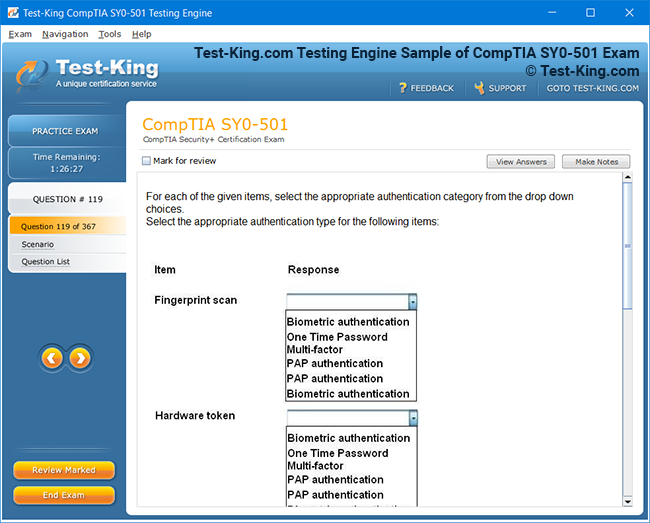
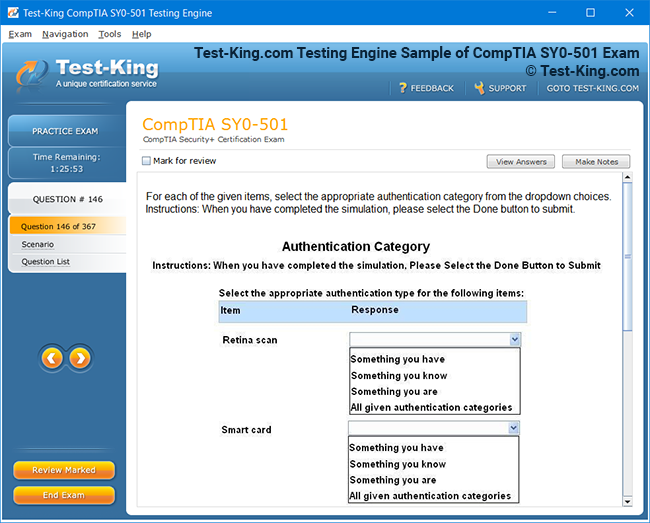
Product Screenshots
Frequently Asked Questions
How can I get the products after purchase?
All products are available for download immediately from your Member's Area. Once you have made the payment, you will be transferred to Member's Area where you can login and download the products you have purchased to your computer.
How long can I use my product? Will it be valid forever?
Test-King products have a validity of 90 days from the date of purchase. This means that any updates to the products, including but not limited to new questions, or updates and changes by our editing team, will be automatically downloaded on to computer to make sure that you get latest exam prep materials during those 90 days.
Can I renew my product if when it's expired?
Yes, when the 90 days of your product validity are over, you have the option of renewing your expired products with a 30% discount. This can be done in your Member's Area.
Please note that you will not be able to use the product after it has expired if you don't renew it.
How often are the questions updated?
We always try to provide the latest pool of questions, Updates in the questions depend on the changes in actual pool of questions by different vendors. As soon as we know about the change in the exam question pool we try our best to update the products as fast as possible.
How many computers I can download Test-King software on?
You can download the Test-King products on the maximum number of 2 (two) computers or devices. If you need to use the software on more than two machines, you can purchase this option separately. Please email support@test-king.com if you need to use more than 5 (five) computers.
What is a PDF Version?
PDF Version is a pdf document of Questions & Answers product. The document file has standart .pdf format, which can be easily read by any pdf reader application like Adobe Acrobat Reader, Foxit Reader, OpenOffice, Google Docs and many others.
Can I purchase PDF Version without the Testing Engine?
PDF Version cannot be purchased separately. It is only available as an add-on to main Question & Answer Testing Engine product.
What operating systems are supported by your Testing Engine software?
Our testing engine is supported by Windows. Andriod and IOS software is currently under development.
From Pay to Perks: Understanding Total Rewards Through the T1-GR1 Exam Lens
Total rewards management encompasses a broad and intricate spectrum of practices designed to optimize organizational performance while simultaneously cultivating employee satisfaction, commitment, and engagement. At its essence, the T1-GR1 exam offered by WorldatWork seeks to evaluate a candidate's acumen in integrating compensation, benefits, work-life balance, performance recognition, and career development into a cohesive framework that drives strategic organizational objectives. Unlike traditional compensation programs that merely focus on salaries or hourly wages, total rewards management considers the holistic experience of the employee, ensuring that each touchpoint in the employment relationship adds demonstrable value both to the individual and the organization.
The Foundation of Total Rewards Management
In modern human resources management, organizations are increasingly confronted with a rapidly evolving employment landscape. Economic volatility, technological advancement, shifting generational expectations, and globalized labor markets all necessitate a sophisticated approach to reward systems. This complexity underlines why the T1-GR1 exam is both rigorous and highly valued; it tests not only a theoretical understanding of reward mechanisms but also the practical ability to design, implement, and analyze programs that align with broader business strategies. Candidates are expected to exhibit a nuanced understanding of compensation structures, incentive models, and the psychological drivers that influence employee behavior.
The bedrock of total rewards management lies in understanding compensation strategy. Compensation extends beyond base salary to include elements such as variable pay, equity incentives, profit-sharing arrangements, and long-term incentive plans. Within the T1-GR1 curriculum, emphasis is placed on ensuring that these instruments are not viewed in isolation but as part of a holistic ecosystem where each component reinforces organizational objectives and fosters employee retention. Compensation strategy must be meticulously aligned with business strategy; for example, companies seeking rapid market expansion may leverage performance-based incentives to stimulate high achievement, whereas organizations prioritizing stability may emphasize guaranteed salary progression and comprehensive benefits.
Benefits management represents another pivotal dimension of total rewards. It encompasses health insurance, retirement plans, wellness programs, paid time off, parental leave, and other ancillary benefits that collectively create a sense of security and well-being for employees. The T1-GR1 exam examines a candidate’s ability to craft benefits programs that are both cost-efficient and psychologically compelling. For instance, offering flexible work arrangements or wellness subsidies can not only reduce absenteeism but also enhance organizational loyalty. Understanding the interplay between benefits and overall employee engagement is critical, as research consistently demonstrates that employees who perceive their benefits package as valuable are more likely to exhibit discretionary effort and remain committed over the long term.
Equally critical to total rewards is the strategic integration of recognition and performance management. Recognition programs, when thoughtfully structured, extend beyond superficial acknowledgment and become intrinsic motivators that reinforce desired behaviors. The T1-GR1 curriculum emphasizes how recognition strategies should be tailored to organizational culture, demographic diversity, and business objectives. Linking recognition to tangible outcomes, such as career advancement opportunities or skill development, amplifies its efficacy. Performance management systems must therefore be designed not as mere evaluative tools but as instruments that support continuous improvement, goal alignment, and professional growth.
Work-life balance initiatives form a complementary axis within total rewards strategy. Modern employees increasingly seek flexibility, autonomy, and meaningful engagement, making the integration of work-life programs indispensable. The T1-GR1 exam assesses familiarity with various flexible work arrangements, such as compressed workweeks, telecommuting, sabbaticals, and leave policies. Understanding the nuanced impact of these initiatives on productivity, morale, and employer branding is essential. Organizations that successfully integrate work-life balance measures with compensation and benefits demonstrate heightened employee satisfaction, lower turnover rates, and stronger reputational capital in competitive labor markets.
The analytics dimension of total rewards has emerged as an indispensable tool for informed decision-making. Data-driven insights enable organizations to measure the effectiveness of compensation programs, benefits utilization, and employee engagement. Through HR analytics, companies can detect patterns such as compensation inequities, low participation in benefit programs, or areas where recognition is underutilized. The T1-GR1 exam requires proficiency in interpreting metrics such as total compensation ratios, benefit cost as a percentage of payroll, pay equity analysis, and turnover trends. An adept practitioner leverages these analytics not only for operational efficiency but also to support strategic narratives that justify investment in targeted reward initiatives.
The interplay between total rewards components is a critical consideration. For example, a robust base salary paired with inadequate benefits may fail to attract top talent, whereas generous benefits combined with poorly designed incentives may result in underperformance. Candidates preparing for the T1-GR1 exam are expected to appreciate these interdependencies and to apply a systemic lens in designing total rewards programs. Case studies in the curriculum often illustrate scenarios where companies balance market competitiveness with internal equity, optimize variable pay to drive strategic priorities, and harmonize recognition with performance management to reinforce cultural values.
Global considerations add another layer of complexity to total rewards management. Multinational organizations must navigate disparate legal frameworks, cultural expectations, and economic conditions when designing reward systems. The T1-GR1 exam tests the ability to tailor programs for global applicability while maintaining cohesion and fairness. For instance, health insurance provisions in one country may differ significantly from another, requiring localized adaptation without compromising the overarching compensation philosophy. Currency fluctuations, taxation differences, and cultural perceptions of incentives must be accounted for to ensure program effectiveness and equity.
Strategic communication of total rewards is equally vital. An organization may possess sophisticated programs, but without effective communication, employees may fail to appreciate or utilize the offerings. The T1-GR1 exam underscores the necessity of clear, transparent, and targeted communication strategies. Messaging should highlight the value proposition, explain the rationale behind program design, and provide guidance on accessing benefits. Well-communicated total rewards programs enhance perceived value, reinforce employer brand, and empower employees to make informed choices aligned with their individual needs and professional objectives.
A crucial, often overlooked aspect of total rewards management is compliance and ethical stewardship. Organizations must navigate a labyrinth of legal regulations, tax implications, and reporting requirements while ensuring fairness and equity across employee populations. The T1-GR1 exam emphasizes adherence to regulatory standards and ethical principles in program design. Issues such as pay equity, non-discrimination, and transparent incentive structures are central to ethical total rewards management. A robust compliance framework not only mitigates legal risks but also fosters trust, loyalty, and organizational integrity.
Innovation in total rewards continues to reshape the landscape. Contemporary programs increasingly integrate nontraditional elements such as student loan repayment assistance, sabbaticals, mental health support, personalized learning opportunities, and experiential perks like travel or wellness retreats. These offerings reflect a nuanced understanding of the diverse motivational drivers across generational cohorts and skill levels. The T1-GR1 exam challenges candidates to anticipate emerging trends, evaluate their strategic impact, and design reward structures that remain relevant in a rapidly evolving workforce.
The strategic importance of total rewards extends to talent acquisition and retention. Organizations with thoughtfully designed programs are better positioned to attract high-caliber candidates in competitive labor markets. Retention is similarly enhanced when employees perceive their total rewards package as fair, comprehensive, and reflective of their contributions. The T1-GR1 curriculum examines practical methods for benchmarking rewards against industry standards, assessing employee satisfaction, and adapting programs in response to workforce feedback. By aligning rewards with employee expectations and business goals, organizations can cultivate a sustainable competitive advantage.
Integration of technology into total rewards systems is another critical consideration. Human capital management platforms, benefits administration software, and performance tracking tools facilitate streamlined program management, data collection, and employee engagement. Candidates preparing for the T1-GR1 exam must demonstrate familiarity with leveraging technology to enhance efficiency, accuracy, and user experience. Technological integration also enables predictive analytics, scenario modeling, and continuous program optimization, ensuring that total rewards strategies remain dynamic and evidence-based.
Cultural intelligence and diversity, equity, and inclusion (DEI) intersect with total rewards in profound ways. Reward programs that are culturally attuned, equitable, and inclusive enhance employee engagement and organizational reputation. The T1-GR1 exam emphasizes designing programs that recognize and accommodate diverse needs, including flexible benefit options for varying family structures, culturally relevant recognition practices, and equitable compensation practices that account for historical and systemic disparities. Fostering inclusivity within total rewards is not merely a moral imperative but also a strategic lever for organizational excellence.
In conclusion, mastery of total rewards management, as assessed through the T1-GR1 exam, demands an intricate understanding of multiple interrelated domains: compensation strategy, benefits management, recognition and performance systems, work-life balance, HR analytics, compliance, communication, technological integration, and cultural intelligence. Each facet must be approached holistically, ensuring alignment with organizational strategy, responsiveness to employee expectations, and adaptability to an evolving employment landscape. Those who achieve WorldatWork certification gain not only a credential but also a profound comprehension of the art and science of designing reward systems that truly engage, motivate, and retain talent across a spectrum of industries and geographies.
Designing Strategic Compensation Systems and Incentives
Strategic compensation systems lie at the heart of total rewards management, and mastering their design is an essential component of the T1-GR1 exam. A compensation system is far more than a framework for paying employees; it is a sophisticated mechanism for aligning organizational objectives with workforce behavior, fostering performance, and sustaining engagement. WorldatWork emphasizes that candidates must demonstrate the ability to integrate base salary, variable pay, long-term incentives, and recognition programs into cohesive systems that drive desired outcomes while remaining equitable, competitive, and legally compliant.
At the foundation of compensation strategy is the determination of total direct and indirect remuneration. Total direct compensation encompasses base pay and variable incentives, while indirect compensation includes benefits, non-monetary rewards, and recognition programs. In practice, an organization may allocate base salaries according to market benchmarks, but variable incentives are structured to promote specific behaviors, such as exceeding sales targets, achieving operational efficiency, or innovating new processes. Candidates preparing for the T1-GR1 exam must understand the intricacies of structuring these incentives to maintain balance between cost containment and motivational impact.
Variable pay encompasses a wide array of mechanisms, including performance bonuses, spot awards, profit-sharing arrangements, and commission structures. Performance bonuses are often tied to quantifiable outcomes at the individual, team, or organizational level, and require clear metrics, consistent evaluation, and transparent communication to be effective. Spot awards provide immediate recognition for exceptional contributions, reinforcing organizational values and demonstrating responsiveness. Profit-sharing programs align employee interests with organizational financial success, cultivating a sense of ownership and accountability that extends beyond routine tasks. Commission structures, common in sales and business development roles, directly link individual effort to reward, creating an explicit incentive for high performance.
Long-term incentive programs offer a complementary strategy to variable pay, encouraging retention and sustained achievement over extended periods. These programs often include stock options, restricted stock units, or other forms of equity compensation, particularly in organizations seeking to align employee interests with shareholder value. WorldatWork emphasizes that designing long-term incentives requires careful consideration of vesting schedules, performance conditions, market competitiveness, and potential dilution effects. Candidates are expected to demonstrate an understanding of how long-term incentives integrate with other components of total rewards, fostering both loyalty and strategic alignment.
Benchmarking plays a crucial role in the design of strategic compensation systems. Organizations must analyze industry standards, geographic differentials, and job-specific market rates to ensure competitiveness. Compensation surveys, internal audits, and external databases provide the empirical foundation for determining appropriate pay ranges. The T1-GR1 exam assesses proficiency in interpreting this data to establish salary bands, identify gaps, and develop recommendations for adjustment. Benchmarking also facilitates pay equity by ensuring that roles of comparable responsibility and skill are remunerated fairly, mitigating potential legal and ethical risks.
Internal equity and external competitiveness are complementary considerations in compensation design. Internal equity ensures that employees perceive fairness in pay relative to peers within the organization, while external competitiveness ensures that pay remains attractive in the labor market. Achieving equilibrium between these factors is a delicate exercise. Overemphasis on external competitiveness may inflate payroll costs and disrupt internal balance, whereas focusing solely on internal equity may compromise talent acquisition and retention. Candidates preparing for the T1-GR1 exam must navigate this equilibrium by leveraging data, strategic foresight, and contextual awareness of organizational priorities.
Job evaluation methodologies provide a structured approach to determining relative value across roles. Techniques such as point-factor analysis, ranking, and classification systems assign numerical or qualitative values to roles based on knowledge, responsibility, complexity, and impact. The T1-GR1 exam tests familiarity with these approaches, emphasizing the importance of consistency, transparency, and defensibility in job evaluation processes. A well-implemented job evaluation framework underpins pay structures, supports equitable compensation, and provides a rationale for salary progression, promotion, and reward differentiation.
Incentive plans must also account for behavioral psychology and motivational theory. Effective reward systems leverage intrinsic and extrinsic motivators to influence employee actions. Intrinsic motivators include personal growth, mastery, and purpose, while extrinsic motivators involve financial gain, recognition, or tangible perks. Total rewards management integrates both dimensions, ensuring that employees are not only financially incentivized but also psychologically engaged. Candidates preparing for the T1-GR1 exam must appreciate these subtleties, recognizing that poorly aligned incentives can engender unintended behaviors, reduce engagement, or compromise organizational culture.
Equity compensation is an increasingly prominent element in strategic compensation, particularly for technology companies, startups, and organizations seeking to retain top talent in competitive markets. Equity awards offer employees a share in organizational success, aligning interests across hierarchical levels and fostering long-term commitment. Structuring equity programs requires careful attention to vesting schedules, eligibility criteria, valuation methodologies, and regulatory compliance. The T1-GR1 curriculum emphasizes the interplay between equity compensation and other reward components, ensuring that equity serves as both a motivational tool and a strategic lever for retention.
Pay-for-performance systems exemplify the integration of compensation strategy with performance management. Linking pay to measurable outcomes incentivizes employees to exceed expectations and aligns individual contributions with strategic goals. Designing pay-for-performance frameworks requires clarity in goal setting, objective evaluation metrics, and consistent feedback mechanisms. The T1-GR1 exam evaluates candidates’ ability to construct these systems in a manner that promotes fairness, transparency, and operational effectiveness. Additionally, organizations must ensure that pay-for-performance programs are adaptable to varying business conditions, employee demographics, and market volatility.
Non-monetary incentives complement financial compensation by providing recognition, developmental opportunities, and experiential rewards. These incentives include professional training, mentorship programs, flexible work arrangements, public acknowledgment, and access to exclusive organizational experiences. Such rewards enhance employee engagement by fulfilling psychological needs for growth, autonomy, and belonging. WorldatWork emphasizes the importance of integrating non-monetary incentives into a comprehensive total rewards strategy, as their impact often rivals or surpasses that of purely financial programs, particularly in knowledge-intensive and creative industries.
Retention-focused incentives are another essential consideration. Organizations often utilize retention bonuses, career progression opportunities, or milestone rewards to mitigate turnover risk. These programs are particularly relevant during periods of organizational transformation, mergers, or rapid growth, when the loss of critical talent can have outsized operational impact. Candidates preparing for the T1-GR1 exam are expected to evaluate retention risks, design proactive incentive mechanisms, and balance short-term financial cost against long-term organizational benefit.
Compliance with legal frameworks is indispensable in compensation design. Regulatory considerations include wage and hour laws, tax implications, labor agreements, anti-discrimination statutes, and reporting requirements. Candidates preparing for the T1-GR1 exam must demonstrate an understanding of these compliance parameters to avoid potential litigation, reputational damage, and financial penalties. Ethical stewardship is intertwined with compliance, ensuring that compensation systems are not only legally sound but also perceived as fair, transparent, and just by the workforce.
Communication strategies are vital to the success of compensation programs. Employees must understand not only the mechanics of their remuneration but also the underlying philosophy, rationale, and strategic intent. Clear, transparent communication enhances perceived value, drives participation in incentive programs, and reinforces alignment with organizational objectives. WorldatWork emphasizes that strategic communication should be continuous, accessible, and tailored to diverse audiences, using multiple channels to ensure comprehensive engagement.
Incentive design must also consider workforce demographics and preferences. Multigenerational teams, varying cultural expectations, and diverse work styles require nuanced approaches to reward structuring. Younger employees may value flexible scheduling, professional development, or experiential rewards, while more senior staff may prioritize retirement planning, long-term incentives, and legacy recognition. Candidates preparing for the T1-GR1 exam are expected to integrate these demographic insights into compensation design, ensuring programs are both equitable and appealing across employee populations.
Market trends and economic factors further influence compensation strategy. Inflation, labor market tightness, technological disruption, and industry-specific challenges necessitate ongoing evaluation and adaptation of pay structures. The T1-GR1 curriculum emphasizes the ability to interpret market intelligence, anticipate trends, and implement adjustments proactively. This dynamic approach ensures that total rewards programs remain competitive, sustainable, and aligned with strategic priorities, even in volatile or rapidly evolving environments.
Performance metrics must be aligned with organizational goals to drive meaningful outcomes. Compensation linked to individual, team, or organizational performance requires precision in defining key performance indicators, establishing measurement processes, and ensuring consistent evaluation. Misalignment can result in unintended behaviors, reduced engagement, or distorted priorities. The T1-GR1 exam examines the integration of performance metrics with incentive systems, requiring candidates to demonstrate proficiency in designing evaluative frameworks that support both organizational strategy and employee motivation.
The role of technology in modern compensation systems is transformative. Human capital management platforms, data analytics tools, and automated payroll systems enable accurate, timely, and transparent administration of compensation programs. Candidates preparing for the T1-GR1 exam must understand how technological tools facilitate market benchmarking, scenario modeling, equity administration, and communication of rewards programs. Efficient use of technology enhances program efficacy, reduces administrative burden, and provides actionable insights for continuous improvement.
Global considerations introduce additional complexity to strategic compensation design. Multinational organizations must reconcile local labor laws, tax structures, cultural norms, and economic conditions with global compensation philosophy. Designing globally consistent yet locally adaptive programs ensures equity, compliance, and organizational coherence. Candidates preparing for the T1-GR1 exam are expected to navigate these challenges, balancing global standardization with sensitivity to regional and cultural differences.
Innovation in compensation design continues to expand the boundaries of total rewards. Contemporary practices increasingly incorporate gamification, wellness stipends, lifestyle benefits, and experiential rewards to engage employees holistically. Understanding the efficacy and strategic impact of these innovations is crucial for candidates preparing for the T1-GR1 exam, as the field of total rewards evolves rapidly in response to workforce expectations, market conditions, and organizational priorities.
Strategic compensation design ultimately serves as a cornerstone of talent management. By integrating base pay, variable incentives, equity programs, non-monetary rewards, retention mechanisms, and communication strategies, organizations can attract, motivate, and retain high-performing talent. Mastery of these principles, as assessed by the T1-GR1 exam, ensures that total rewards practitioners are equipped to create sustainable competitive advantage, foster employee engagement, and align workforce behavior with long-term organizational success.
Optimizing Benefits, Wellness Programs, and Work-Life Balance
The modern landscape of total rewards management transcends mere compensation, placing benefits, wellness programs, and work-life balance initiatives at the forefront of employee engagement strategies. The T1-GR1 exam emphasizes the critical role these components play in cultivating a motivated, productive, and loyal workforce. Organizations increasingly recognize that a robust benefits framework is not merely a tool for attraction but a strategic lever that drives retention, reduces absenteeism, and enhances overall organizational effectiveness. Understanding the multidimensional nature of benefits and the sophisticated methodologies for their design and implementation is essential for candidates seeking WorldatWork certification.
Benefits encompass a wide array of offerings, ranging from health insurance and retirement plans to employee assistance programs and educational stipends. Comprehensive health coverage addresses not only the medical needs of employees but also fosters psychological reassurance, which contributes to workplace engagement and sustained performance. Candidates preparing for the T1-GR1 exam must evaluate the effectiveness, cost, and appeal of health benefits programs, considering factors such as eligibility, premium structures, plan types, and the balance between employer and employee contributions. Health benefits that are perceived as equitable and valuable significantly influence employee loyalty and organizational reputation, particularly in competitive labor markets.
Retirement and savings programs represent another fundamental aspect of benefits management. Defined benefit plans, defined contribution schemes, and supplemental savings accounts provide financial security for employees while demonstrating long-term organizational commitment. Structuring these programs requires careful attention to tax implications, vesting schedules, and regulatory compliance, ensuring that participants perceive the offerings as both advantageous and attainable. WorldatWork emphasizes that candidates must assess the alignment of retirement benefits with organizational objectives and workforce demographics, ensuring sustainability while maintaining competitiveness in compensation packages.
Wellness programs have emerged as a pivotal element of total rewards, reflecting a sophisticated understanding of the interconnection between employee health, productivity, and engagement. These initiatives encompass physical fitness programs, mental health support, nutrition counseling, stress management workshops, and holistic well-being services. The T1-GR1 exam tests proficiency in designing wellness initiatives that are measurable, accessible, and culturally attuned, recognizing that effective programs address both prevention and intervention. Organizations that invest strategically in wellness programs observe tangible benefits, including reduced healthcare costs, enhanced employee morale, and improved organizational resilience.
A critical consideration in benefits management is the principle of flexibility and customization. Employees increasingly expect benefits that accommodate their individual needs, life stages, and personal circumstances. Flexible benefits programs allow participants to select options that align with their priorities, whether focusing on family coverage, personal wellness, educational opportunities, or lifestyle enrichment. Candidates preparing for the T1-GR1 exam are expected to design and evaluate benefits frameworks that balance organizational cost considerations with personalized employee choice, fostering engagement and perceived value.
Work-life balance initiatives complement traditional benefits and wellness programs, providing employees with opportunities to manage professional responsibilities alongside personal commitments. Flexible work arrangements, including telecommuting, compressed workweeks, job sharing, and flexible start and end times, exemplify contemporary strategies for supporting employee autonomy and well-being. The T1-GR1 exam evaluates understanding of the strategic implementation, operational feasibility, and cultural integration of these initiatives, recognizing that successful work-life programs require alignment with organizational policies, manager buy-in, and equitable access across employee groups.
Paid time off, including vacation, personal days, parental leave, and sabbaticals, forms an integral component of work-life balance. Designing time-off policies necessitates careful consideration of legal requirements, organizational capacity, and employee expectations. Effective programs ensure that employees have sufficient opportunities to recharge, pursue personal development, and attend to family obligations, while maintaining continuity of operations and productivity. Candidates preparing for the T1-GR1 exam must demonstrate the ability to balance these competing priorities, ensuring both organizational effectiveness and employee satisfaction.
Employee assistance programs provide confidential support for personal, financial, or psychological challenges, reflecting a proactive approach to workforce well-being. Such programs may include counseling services, crisis intervention, financial planning assistance, and access to community resources. The strategic integration of employee assistance programs within total rewards demonstrates organizational commitment to holistic support, enhancing engagement, reducing absenteeism, and mitigating the risk of performance disruption. Candidates preparing for the T1-GR1 exam are expected to understand how these programs interact with broader benefits and wellness initiatives to create a cohesive employee experience.
The measurement and evaluation of benefits and wellness programs are critical for ensuring effectiveness and continuous improvement. Metrics such as utilization rates, employee satisfaction surveys, healthcare cost analysis, absenteeism, and turnover data provide actionable insights into program performance. The T1-GR1 curriculum emphasizes the importance of leveraging HR analytics to assess program outcomes, identify gaps, and refine offerings. A data-informed approach enables organizations to optimize investment in benefits and wellness while reinforcing strategic alignment with workforce needs and organizational objectives.
Financial wellness programs have emerged as an increasingly prevalent component of total rewards. These programs provide employees with tools, resources, and education to manage personal finances, plan for retirement, and reduce financial stress. Integrating financial wellness into total rewards demonstrates a holistic understanding of employee needs, recognizing the profound impact of financial security on productivity, engagement, and retention. Candidates preparing for the T1-GR1 exam must evaluate the efficacy, accessibility, and cultural appropriateness of financial wellness initiatives, ensuring they complement other benefits and incentives.
The integration of technology into benefits administration enhances accessibility, efficiency, and engagement. Human capital management platforms, self-service portals, mobile applications, and digital communication tools allow employees to navigate complex benefits offerings with ease, select personalized options, and track utilization. Candidates preparing for the T1-GR1 exam are expected to understand how technological solutions facilitate strategic communication, data collection, and program management, ensuring that benefits programs remain responsive, transparent, and effective.
Global considerations add complexity to benefits and work-life programs, particularly in multinational organizations. Legal requirements, cultural norms, economic conditions, and labor market expectations vary widely across geographies, necessitating localized adaptations while maintaining coherence with organizational philosophy. The T1-GR1 exam evaluates candidates’ ability to design programs that balance global standardization with local customization, ensuring equitable, compliant, and culturally sensitive offerings. For example, parental leave policies, health coverage structures, and wellness initiatives may differ significantly by country, requiring nuanced program design and administration.
Strategic communication of benefits and work-life initiatives is indispensable for maximizing perceived value and engagement. Employees must understand not only the mechanics of programs but also their purpose, benefits, and relevance to individual needs. Effective communication strategies leverage multiple channels, including digital platforms, printed materials, informational sessions, and one-on-one counseling. Candidates preparing for the T1-GR1 exam must demonstrate an ability to craft communication plans that resonate across diverse employee populations, reinforcing awareness, participation, and satisfaction.
Total rewards management increasingly emphasizes personalization and employee choice. By offering modular benefits packages, flexible wellness programs, and varied work-life arrangements, organizations empower employees to construct their ideal reward experience. This approach acknowledges the diversity of modern workforces, accommodating varying career stages, family structures, health needs, and lifestyle preferences. Candidates preparing for the T1-GR1 exam must evaluate the strategic implications, operational feasibility, and cost-effectiveness of customizable total rewards programs.
The intersection of benefits, wellness, and work-life balance with organizational culture is profound. Programs that align with corporate values, foster inclusivity, and support employee well-being reinforce engagement and loyalty. Candidates preparing for the T1-GR1 exam are expected to understand how organizational culture influences program design, adoption, and effectiveness. For example, a culture that emphasizes innovation may integrate flexible work arrangements and skill development incentives, while a service-oriented culture may focus on wellness programs and community engagement opportunities.
Retention strategies are closely linked to benefits and wellness offerings. Employees who perceive their benefits package as valuable, relevant, and supportive of personal needs are more likely to remain with the organization, reducing turnover and associated costs. Candidates preparing for the T1-GR1 exam must evaluate retention risk, identify gaps in benefits programs, and design initiatives that enhance loyalty. Innovative retention strategies may include milestone recognition, wellness stipends, sabbaticals, and personalized professional development opportunities, creating a holistic value proposition that extends beyond financial compensation.
Ethical considerations and regulatory compliance underpin all aspects of benefits and work-life management. Organizations must navigate labor laws, tax regulations, non-discrimination requirements, and reporting obligations while designing programs that are perceived as fair and equitable. Candidates preparing for the T1-GR1 exam must demonstrate awareness of these obligations, ensuring that programs adhere to legal frameworks and ethical principles while supporting organizational goals and workforce satisfaction.
The integration of total rewards components is essential for creating a seamless employee experience. Benefits, wellness programs, and work-life initiatives should not operate in isolation but complement compensation, recognition, and professional development strategies. The T1-GR1 exam emphasizes the ability to design cohesive, synergistic programs that reinforce organizational objectives, address employee needs, and adapt to evolving workforce expectations.
Innovation in benefits and wellness continues to expand the scope of total rewards. Contemporary programs may include mental health subscriptions, ergonomic support, mindfulness training, volunteer time off, pet insurance, or experiential rewards such as travel stipends. Candidates preparing for the T1-GR1 exam must assess the strategic relevance, cost-effectiveness, and cultural resonance of these innovations, ensuring that programs remain relevant and competitive in dynamic labor markets.
Ultimately, benefits, wellness programs, and work-life balance initiatives are not ancillary elements but central pillars of total rewards management. Through strategic design, personalized delivery, technological integration, and data-informed evaluation, organizations create a compelling employment experience that attracts, motivates, and retains top talent. Mastery of these concepts, as evaluated by the T1-GR1 exam, equips HR professionals to align employee needs with organizational strategy, foster engagement, and sustain a resilient, high-performing workforce.
Enhancing Recognition, Performance Management, and Employee Engagement
Recognition, performance management, and employee engagement constitute a critical axis of total rewards management, and mastery of these concepts is a pivotal component of the T1-GR1 exam. Recognition programs are far more than perfunctory acknowledgments of achievement; they are strategic instruments that reinforce desired behaviors, cultivate organizational culture, and drive discretionary effort. When integrated with performance management and engagement strategies, recognition becomes a compelling motivator that aligns individual contributions with organizational objectives, fostering sustained high performance.
Recognition programs can manifest in numerous forms, including peer-to-peer acknowledgment, milestone awards, public commendation, and performance-linked bonuses. Candidates preparing for the T1-GR1 exam must understand how to design recognition initiatives that resonate across diverse employee populations and support broader organizational goals. Effective recognition strategies incorporate timeliness, specificity, and relevance, ensuring that acknowledgment is meaningful and reinforces targeted behaviors. Organizations that excel in recognition often observe heightened morale, stronger collaboration, and increased retention, as employees perceive their contributions as valued and visible.
The psychology underlying recognition is a vital consideration. Human motivation is influenced by intrinsic drivers such as mastery, purpose, and autonomy, as well as extrinsic incentives including financial reward, privileges, and public acknowledgment. Total rewards management integrates these dimensions, creating a holistic system in which recognition reinforces engagement while complementing other reward components. Candidates preparing for the T1-GR1 exam must be adept at balancing intrinsic and extrinsic motivators, recognizing that misaligned recognition programs can undermine engagement, breed cynicism, or distort performance priorities.
Performance management encompasses the continuous process of setting expectations, monitoring outcomes, providing feedback, and facilitating professional growth. Traditional annual appraisals are increasingly supplanted by dynamic, continuous performance frameworks that emphasize agility, clarity, and alignment with strategic objectives. The T1-GR1 exam evaluates a candidate’s ability to design performance management systems that integrate goal setting, competency assessment, feedback mechanisms, and developmental pathways. A well-designed system encourages accountability, reinforces organizational values, and provides employees with actionable insights into their performance trajectory.
Goal alignment is a cornerstone of effective performance management. Objectives should cascade from organizational strategy to departmental priorities and individual responsibilities, ensuring that each employee’s efforts contribute meaningfully to broader goals. Candidates preparing for the T1-GR1 exam must demonstrate proficiency in establishing clear, measurable, and achievable objectives that balance challenge with attainability. Performance metrics should be transparent, fair, and consistent, providing a foundation for evaluation, feedback, and reward.
Feedback mechanisms are instrumental in sustaining engagement and driving performance improvement. Constructive, timely, and actionable feedback fosters continuous learning and enhances motivation, while periodic performance reviews provide opportunities for reflection, recognition, and goal recalibration. The T1-GR1 curriculum emphasizes the importance of embedding feedback into organizational culture, ensuring that employees receive guidance that is both informative and empowering. Organizations that cultivate a feedback-rich environment often experience accelerated development, higher engagement, and enhanced retention.
Employee engagement extends beyond the mechanics of recognition and performance management, encompassing the emotional, cognitive, and behavioral investment employees exhibit toward their work and organization. Engaged employees demonstrate discretionary effort, advocate for the organization, and exhibit resilience in the face of challenges. The T1-GR1 exam evaluates understanding of engagement drivers, including recognition, career development, total compensation, work-life balance, and organizational culture. Candidates must be able to design interventions that strengthen engagement while measuring outcomes through surveys, retention metrics, productivity data, and other key indicators.
Linking recognition to performance management amplifies the motivational impact of total rewards. By acknowledging exemplary achievement, demonstrating alignment with organizational priorities, and providing tangible rewards or advancement opportunities, organizations reinforce desirable behaviors and foster sustained engagement. The T1-GR1 exam tests the ability to create coherent systems in which recognition, feedback, and incentives operate synergistically, rather than in isolation. For example, a high-performing employee recognized through a milestone award, positive feedback, and developmental opportunity is more likely to sustain motivation and remain committed to organizational objectives.
In designing recognition programs, consideration of cultural and demographic diversity is paramount. Employees’ perceptions of recognition are shaped by generational, cultural, and individual differences, requiring nuanced approaches to ensure inclusivity and effectiveness. Candidates preparing for the T1-GR1 exam must understand how to tailor recognition methods to resonate with diverse populations, from millennial employees who may value social acknowledgment and professional development to more experienced staff who may prioritize formal awards, legacy recognition, or equity-based incentives.
Incorporating technology enhances recognition and performance management systems by facilitating real-time acknowledgment, tracking achievements, and providing data for continuous improvement. Digital platforms enable organizations to administer recognition programs at scale, provide visibility into employee accomplishments, and integrate performance analytics with reward systems. Candidates preparing for the T1-GR1 exam must evaluate the strategic use of technology to optimize program efficiency, ensure accessibility, and generate actionable insights into engagement patterns.
Behavioral economics and motivation theory underpin many contemporary approaches to employee engagement. Understanding the cognitive and emotional drivers of behavior allows organizations to design recognition and performance systems that encourage sustained effort and alignment with strategic priorities. Candidates preparing for the T1-GR1 exam are expected to apply these principles, ensuring that total rewards strategies are psychologically astute, culturally sensitive, and operationally effective.
Career development is a critical complement to recognition and performance management. Opportunities for skill enhancement, mentorship, lateral mobility, and promotion provide intrinsic motivation and reinforce engagement. Recognition that is coupled with career advancement signals organizational investment in the employee’s long-term success, strengthening loyalty and commitment. The T1-GR1 curriculum emphasizes the integration of developmental pathways with recognition and performance systems, creating a cohesive total rewards ecosystem.
Retention strategies are closely linked to recognition, performance, and engagement. High-performing, engaged employees are more likely to remain with organizations that visibly value their contributions, provide meaningful feedback, and offer avenues for professional growth. Candidates preparing for the T1-GR1 exam must evaluate retention risks, design targeted interventions, and leverage recognition and performance programs to mitigate turnover, particularly for critical or high-demand talent. Programs may include milestone awards, project-based recognition, and performance-driven advancement opportunities that reinforce long-term commitment.
Global considerations introduce additional complexity to engagement and recognition initiatives. Multinational organizations must navigate cultural norms, legal frameworks, and local expectations when designing performance systems and recognition programs. Candidates preparing for the T1-GR1 exam are expected to balance global consistency with local adaptation, ensuring fairness, inclusivity, and operational feasibility. Recognition that is meaningful in one cultural context may not resonate in another, necessitating culturally attuned strategies that reinforce organizational values while respecting regional norms.
Communication is a linchpin of effective engagement strategies. Employees must understand the purpose, criteria, and mechanisms of recognition and performance programs to perceive their value and act accordingly. Strategic communication leverages multiple channels, including digital platforms, team meetings, performance reviews, and individualized coaching, to ensure clarity and resonance. Candidates preparing for the T1-GR1 exam must evaluate communication effectiveness, identify gaps, and implement strategies that reinforce understanding, transparency, and engagement.
Innovation in recognition and engagement strategies continues to expand the scope of total rewards. Contemporary approaches incorporate gamification, social recognition platforms, experiential rewards, and wellness-linked acknowledgments, creating dynamic and multifaceted systems that capture attention and sustain motivation. Candidates preparing for the T1-GR1 exam must assess the strategic value, operational feasibility, and cultural resonance of these innovations, ensuring that programs remain relevant and impactful in an evolving workforce.
Metrics and analytics provide the empirical foundation for assessing engagement, recognition, and performance management effectiveness. Indicators such as employee satisfaction surveys, participation rates in recognition programs, performance outcomes, retention data, and productivity measures enable organizations to evaluate program impact and identify opportunities for enhancement. The T1-GR1 curriculum emphasizes the importance of leveraging data-driven insights to refine strategies, optimize investment, and demonstrate the value of recognition and performance initiatives to organizational leadership.
The integration of recognition, performance management, and engagement into a cohesive total rewards framework creates a synergistic effect. When recognition reinforces performance, performance systems guide behavior, and engagement initiatives foster commitment, organizations achieve higher productivity, stronger culture, and enhanced retention. Candidates preparing for the T1-GR1 exam must demonstrate the ability to design and implement integrated systems that align human capital with strategic objectives, operational priorities, and workforce expectations.
Ethical considerations are fundamental in recognition and performance management. Programs must be perceived as fair, transparent, and non-discriminatory, ensuring that all employees have equitable access to recognition and advancement opportunities. Candidates preparing for the T1-GR1 exam are expected to incorporate ethical principles into program design, monitoring, and evaluation, mitigating potential bias and fostering trust, engagement, and long-term organizational commitment.
Technological solutions increasingly facilitate recognition and engagement, enabling real-time acknowledgment, tracking, and reporting. Platforms allow employees to recognize peers, managers to monitor performance, and leaders to access data that informs strategic decision-making. Candidates preparing for the T1-GR1 exam must evaluate the appropriate use of technology to enhance efficiency, visibility, and impact, ensuring that systems are user-friendly, inclusive, and aligned with organizational culture.
Organizational culture profoundly influences recognition, performance, and engagement strategies. Programs that reflect and reinforce core values, foster inclusivity, and support employee well-being strengthen alignment between individual behavior and organizational objectives. Candidates preparing for the T1-GR1 exam must assess cultural dynamics, designing programs that resonate authentically with employees while supporting strategic imperatives.
Ultimately, mastery of recognition, performance management, and employee engagement as components of total rewards enables organizations to cultivate high-performing, committed, and satisfied workforces. By integrating these elements into a cohesive system, leveraging technology, incorporating behavioral insights, and aligning with organizational strategy, total rewards practitioners achieve both operational efficiency and sustained human capital impact, as evaluated by the T1-GR1 exam.
Leveraging HR Analytics and Data-Driven Total Rewards Decision-Making
In contemporary total rewards management, the integration of HR analytics has become indispensable for designing, implementing, and refining compensation, benefits, recognition, and engagement programs. The T1-GR1 exam emphasizes the necessity of leveraging data to drive strategic decision-making, enabling organizations to optimize their investment in human capital, ensure equity, and enhance workforce performance. HR analytics transcends traditional reporting by providing actionable insights, predictive modeling, and a framework for evaluating the efficacy of total rewards initiatives across the employee lifecycle.
HR analytics begins with data collection and management, encompassing a broad spectrum of workforce information such as salary levels, benefit utilization, performance outcomes, engagement survey results, turnover rates, demographic characteristics, and career progression metrics. Candidates preparing for the T1-GR1 exam must demonstrate proficiency in capturing, cleaning, and organizing this data to support meaningful analysis. The accuracy and integrity of data are paramount, as flawed or incomplete datasets can lead to misinformed decisions, inequitable outcomes, and diminished trust among employees and leadership.
Workforce segmentation is a crucial analytic approach, enabling organizations to identify patterns, trends, and disparities among different employee groups. Segmentation may be based on job function, tenure, performance level, geographic location, or demographic factors. By analyzing segmented data, organizations can tailor total rewards strategies to address specific needs, optimize resource allocation, and improve engagement. For example, data may reveal that younger employees underutilize retirement benefits or wellness programs, prompting targeted communication or program adjustments to increase participation.
Predictive analytics allows HR professionals to anticipate trends and outcomes, supporting proactive management of compensation and benefits programs. By modeling the potential impact of pay adjustments, incentive structures, or benefit changes, organizations can evaluate scenarios before implementation. Candidates preparing for the T1-GR1 exam must understand predictive methodologies, including regression analysis, scenario modeling, and risk assessment, to make informed, strategic decisions that align with organizational objectives and workforce expectations.
Pay equity analysis is an essential application of HR analytics in total rewards management. Organizations must ensure that employees performing similar work receive fair and comparable compensation, irrespective of gender, ethnicity, age, or other protected characteristics. The T1-GR1 exam evaluates proficiency in analyzing pay equity, identifying disparities, and recommending corrective actions while maintaining compliance with legal and ethical standards. Pay equity not only mitigates legal risk but also fosters trust, morale, and organizational commitment.
Benefits utilization analysis provides insight into the effectiveness, accessibility, and perceived value of health, retirement, wellness, and work-life programs. By examining participation rates, cost trends, and employee feedback, organizations can identify underutilized offerings, redundant programs, or opportunities for enhancement. Candidates preparing for the T1-GR1 exam must assess benefits utilization data to optimize program design, balance costs, and maximize employee satisfaction. For instance, low participation in a wellness initiative may indicate a need for enhanced communication, scheduling flexibility, or program redesign to meet employee needs.
Employee engagement metrics form a critical dimension of data-driven total rewards. Surveys measuring job satisfaction, organizational commitment, discretionary effort, and alignment with company values provide insights into the effectiveness of recognition, performance management, and benefits programs. Candidates preparing for the T1-GR1 exam must integrate engagement data with other total rewards metrics to identify correlations, evaluate program impact, and design interventions that strengthen workforce motivation and alignment with strategic objectives.
Turnover and retention analytics are integral to managing talent and optimizing total rewards investment. By examining patterns of voluntary and involuntary turnover, organizations can identify risk factors, assess the effectiveness of retention strategies, and tailor compensation, recognition, and development programs to retain critical talent. Candidates preparing for the T1-GR1 exam must leverage turnover data to recommend evidence-based interventions, such as retention bonuses, career progression opportunities, or targeted recognition programs. Understanding the drivers of retention enables organizations to deploy total rewards resources efficiently and sustain a high-performing workforce.
Cost analysis is another pivotal application of HR analytics in total rewards management. Organizations must assess the financial implications of compensation, benefits, wellness, recognition, and work-life programs to ensure sustainability, competitiveness, and alignment with budgetary constraints. The T1-GR1 exam emphasizes the ability to calculate total rewards expenditures as a percentage of payroll, evaluate return on investment for specific initiatives, and recommend cost-effective strategies that maintain employee value perception. Cost analysis also supports executive decision-making by providing transparent, data-backed justification for program adjustments or investments.
Performance data integration enhances the strategic alignment of total rewards systems. By linking performance metrics with compensation, recognition, and developmental opportunities, organizations create a coherent framework that incentivizes desired behaviors. Candidates preparing for the T1-GR1 exam must understand how to combine performance analytics with reward structures to drive high-impact outcomes, ensuring that top performers are appropriately recognized, compensated, and developed while underperformers receive targeted support and guidance.
Benchmarking analytics enables organizations to compare their total rewards programs against industry standards, regional norms, and competitive markets. This data informs compensation strategy, benefit design, and recognition initiatives, ensuring that offerings are attractive to current and prospective employees while maintaining internal equity. The T1-GR1 exam evaluates candidates’ ability to interpret benchmarking data, identify gaps or overages, and recommend adjustments that enhance competitiveness, retain talent, and support strategic goals. Benchmarking also provides evidence-based rationale for executive decision-making and budget allocation.
Integration of predictive and prescriptive analytics supports proactive total rewards management. Predictive models identify potential outcomes based on historical data, while prescriptive analytics recommends optimal strategies to achieve desired results. Candidates preparing for the T1-GR1 exam must be able to leverage these tools to forecast the impact of incentive programs, benefits enhancements, and recognition initiatives, allowing organizations to make informed, data-driven decisions that maximize engagement, retention, and performance.
Employee segmentation, combined with predictive analytics, facilitates personalized total rewards strategies. By understanding the preferences, behaviors, and needs of distinct employee groups, organizations can tailor communication, benefits, and recognition programs to enhance perceived value and engagement. For instance, a high-performing technical team may value professional development and skill certification, whereas a customer-facing sales team may respond more strongly to performance-based incentives and milestone recognition. Candidates preparing for the T1-GR1 exam must demonstrate proficiency in designing data-informed programs that address diverse workforce priorities.
Workforce planning analytics informs strategic decisions related to staffing, succession, and talent development. By analyzing trends in turnover, performance, and skills gaps, organizations can anticipate workforce needs and adjust total rewards strategies to support recruitment, retention, and engagement. Candidates preparing for the T1-GR1 exam must understand how to leverage workforce planning insights to optimize compensation, benefits, and recognition programs in alignment with organizational objectives. Effective workforce planning ensures that total rewards investments support both immediate operational requirements and long-term strategic goals.
Diversity, equity, and inclusion analytics intersect with total rewards management by highlighting disparities in pay, promotion, recognition, and benefits utilization. Candidates preparing for the T1-GR1 exam must assess DEI data to ensure equitable program design, identify systemic gaps, and implement corrective strategies. Analytics-driven DEI initiatives reinforce fairness, enhance engagement, and strengthen organizational culture, demonstrating commitment to ethical and socially responsible human capital management.
Predictive modeling of turnover risk enhances retention-focused total rewards initiatives. By analyzing patterns in employee behavior, performance, engagement, and demographics, organizations can identify employees at risk of leaving and implement targeted interventions. Candidates preparing for the T1-GR1 exam must understand how to link predictive insights with recognition, compensation, career development, and work-life strategies to proactively reduce attrition and retain critical talent.
Total rewards dashboards integrate multiple data streams to provide executives, HR leaders, and managers with a real-time view of program performance, workforce trends, and engagement levels. Candidates preparing for the T1-GR1 exam must evaluate dashboard design, ensuring that metrics are actionable, visually intuitive, and aligned with strategic priorities. Dashboards facilitate continuous monitoring, early identification of issues, and evidence-based adjustments to total rewards strategies.
Communication of analytics insights is vital for effective total rewards management. Employees, managers, and leadership must understand the rationale behind program design, adjustments, and outcomes. Candidates preparing for the T1-GR1 exam must develop communication strategies that translate complex data into accessible insights, fostering transparency, trust, and engagement. Data-driven storytelling reinforces the value of total rewards programs and ensures alignment between organizational strategy and employee perception.
The integration of analytics into total rewards extends to global workforce management. Multinational organizations must consider regional variations in labor markets, compensation standards, benefits expectations, and regulatory requirements. HR analytics enables organizations to harmonize global programs while tailoring initiatives to local contexts, ensuring equity, compliance, and cultural relevance. Candidates preparing for the T1-GR1 exam must assess global data, identify patterns, and implement analytics-driven strategies that balance standardization with localized customization.
Innovation in analytics continues to transform total rewards, enabling more sophisticated modeling, real-time insights, and predictive interventions. Emerging technologies, such as artificial intelligence and machine learning, enhance analytical capabilities by identifying hidden patterns, optimizing reward structures, and forecasting workforce outcomes. Candidates preparing for the T1-GR1 exam must evaluate the strategic value of these innovations, ensuring that analytics applications are ethically responsible, data-driven, and aligned with organizational goals.
Ethical considerations underpin all applications of HR analytics in total rewards. Data privacy, security, bias mitigation, and transparency are critical to maintaining trust and compliance. Candidates preparing for the T1-GR1 exam must understand the ethical implications of data collection, analysis, and application, ensuring that insights inform decision-making without compromising employee rights, equity, or organizational integrity. Ethical analytics reinforces credibility, fosters engagement, and supports sustainable total rewards management.
Ultimately, HR analytics and data-driven decision-making empower organizations to optimize total rewards programs by providing actionable insights, predictive modeling, and evaluative frameworks. Candidates preparing for the T1-GR1 exam must master these concepts to design, implement, and refine compensation, benefits, recognition, and engagement initiatives that enhance employee experience, align with organizational strategy, and sustain competitive advantage in complex and dynamic labor markets.
Global Total Rewards and Strategic Integration Across Geographies
Global total rewards management represents the pinnacle of strategic human capital administration, requiring organizations to design, implement, and harmonize compensation, benefits, recognition, and engagement programs across multiple geographies. The T1-GR1 exam emphasizes the multifaceted nature of total rewards in a global context, highlighting the need for cultural awareness, regulatory compliance, equity, and strategic alignment. Practitioners must navigate diverse legal frameworks, economic conditions, labor markets, and employee expectations while maintaining coherence with overarching organizational objectives.
At the core of global total rewards is compensation strategy. Base salaries, variable pay, long-term incentives, and equity awards must be calibrated to local market conditions, cost of living, currency fluctuations, and competitive benchmarks while preserving internal equity and organizational philosophy. Candidates preparing for the T1-GR1 exam are expected to demonstrate proficiency in market benchmarking, pay structure design, and incentive integration across regions. For instance, a technology company may offer stock options in countries where equity is culturally valued and legally feasible, while emphasizing cash incentives or retention bonuses in markets where equity adoption is less common or administratively complex.
Benefits design in a global context introduces additional layers of complexity. Health insurance, retirement programs, wellness initiatives, parental leave, and ancillary perks differ widely by geography due to legal mandates, cultural norms, and economic realities. Candidates preparing for the T1-GR1 exam must assess these variances and design benefits programs that are both locally relevant and aligned with global strategy. Flexibility is critical; a global organization may provide a standard core package supplemented by region-specific options that address unique workforce needs. For example, in one country, comprehensive family coverage may be essential, while in another, mental health support or commuter assistance may resonate more strongly with employees.
Cultural intelligence is indispensable in global total rewards. Recognition, performance management, and engagement programs must be adapted to local customs, communication styles, and motivational drivers. Candidates preparing for the T1-GR1 exam are expected to understand cross-cultural nuances, such as collectivist cultures responding more positively to team recognition, whereas individualistic cultures may value personal achievement and direct acknowledgment. Designing culturally attuned programs ensures that rewards are meaningful, respected, and effective, reinforcing employee engagement and organizational loyalty.
Global work-life balance initiatives require nuanced consideration. Flexible work arrangements, leave policies, and wellness programs must accommodate local labor laws, cultural expectations, and operational requirements. For example, statutory vacation entitlements may vary significantly across countries, necessitating tailored time-off policies. Candidates preparing for the T1-GR1 exam must evaluate how work-life programs interact with benefits and compensation in diverse regions, ensuring both compliance and perceived value. Flexible arrangements may include remote work, compressed workweeks, sabbaticals, or family leave policies adapted to regional norms and organizational capacity.
Equity and fairness remain foundational principles in global total rewards. Pay equity analysis, internal benchmarking, and transparent communication are essential to maintain trust across diverse workforces. Candidates preparing for the T1-GR1 exam must assess disparities in compensation, benefits, and recognition across regions and recommend adjustments to preserve fairness, enhance engagement, and mitigate legal or reputational risk. Organizations that achieve global equity balance often observe stronger employee morale, reduced turnover, and enhanced employer branding in competitive labor markets.
Global performance management systems must align with organizational strategy while respecting local contexts. Goal setting, feedback mechanisms, and recognition programs require customization to address regional differences in work style, hierarchy, and cultural expectations. Candidates preparing for the T1-GR1 exam are expected to design performance frameworks that integrate global standards with localized adaptation, ensuring consistency in measurement and recognition while fostering engagement and accountability. For instance, while a global competency framework may define core behaviors, evaluation metrics and recognition practices may be tailored to local operational realities.
HR analytics plays a pivotal role in global total rewards. Data collection, segmentation, and analysis enable organizations to evaluate program effectiveness, identify trends, and guide strategic decisions across geographies. Candidates preparing for the T1-GR1 exam must demonstrate proficiency in interpreting metrics such as compensation ratios, benefits utilization, engagement scores, turnover trends, and performance outcomes on a global scale. Analytics facilitate evidence-based adjustments to compensation, benefits, recognition, and work-life programs, enhancing organizational agility and workforce satisfaction.
Communication strategy is critical in the global total rewards landscape. Employees must understand the purpose, mechanics, and value of compensation and benefits programs, irrespective of location or cultural context. Candidates preparing for the T1-GR1 exam are expected to craft communication approaches that are multilingual, culturally sensitive, and accessible through diverse channels, including digital platforms, localized training sessions, and interactive informational resources. Clear communication reinforces perceived value, enhances participation, and strengthens alignment with organizational objectives.
Global compliance encompasses legal, regulatory, and tax considerations in multiple jurisdictions. Wage and hour regulations, non-discrimination statutes, tax reporting obligations, and benefits mandates differ by country and require meticulous attention. Candidates preparing for the T1-GR1 exam must navigate these complexities to ensure that global total rewards programs are legally compliant, ethically defensible, and operationally feasible. For example, equity-based incentive programs may require intricate tax planning, reporting, and local adaptation to remain compliant and appealing.
Innovation in global total rewards enables organizations to maintain relevance and competitiveness. Emerging trends include personalized benefits, lifestyle stipends, experiential rewards, wellness subscriptions, and digital recognition platforms. Candidates preparing for the T1-GR1 exam must assess the strategic impact, cost-effectiveness, and cultural resonance of innovative programs, ensuring that global offerings remain attractive, equitable, and aligned with organizational objectives. Innovation also allows organizations to differentiate themselves as employers of choice, attracting high-caliber talent in diverse markets.
Global total rewards must be strategically integrated with talent management. Compensation, benefits, recognition, performance, engagement, and development programs collectively influence recruitment, retention, and succession planning. Candidates preparing for the T1-GR1 exam are expected to understand the interplay between these elements and design cohesive, synergistic systems that reinforce strategic objectives while supporting employee growth. Integrated total rewards enhance organizational resilience, operational efficiency, and workforce alignment.
Diversity, equity, and inclusion intersect with global total rewards by highlighting disparities and ensuring that programs are accessible, fair, and culturally responsive. Candidates preparing for the T1-GR1 exam must evaluate DEI metrics, assess program effectiveness across regions, and implement strategies that promote equity. Inclusive total rewards foster engagement, improve retention, and strengthen organizational reputation, reflecting both ethical stewardship and strategic foresight.
Technology facilitates the administration, tracking, and communication of global total rewards programs. Platforms enable organizations to manage compensation, benefits, performance, and recognition across geographies while ensuring consistency, accessibility, and scalability. Candidates preparing for the T1-GR1 exam must understand the strategic value of technology in enhancing program efficiency, generating insights, and supporting data-driven decision-making. Technological integration also allows for real-time monitoring, reporting, and scenario modeling, enabling agile responses to emerging workforce trends.
Predictive analytics enhances the strategic management of global total rewards by forecasting outcomes, identifying trends, and recommending interventions. Candidates preparing for the T1-GR1 exam must leverage predictive models to anticipate retention risks, optimize incentive structures, and align rewards with organizational objectives. For example, predictive modeling may indicate that high-performing employees in a particular region are at risk of attrition, prompting targeted recognition, career development, or retention bonuses.
Workforce planning in a global context relies on total rewards data to align staffing, compensation, and development strategies with strategic objectives. Candidates preparing for the T1-GR1 exam must integrate workforce analytics with reward program design, ensuring that talent pipelines are supported by equitable, competitive, and culturally relevant incentives. Effective workforce planning ensures that global total rewards investments are optimized for both current and future organizational needs.
Global total rewards programs also reinforce employer branding. By demonstrating a commitment to fairness, innovation, and employee well-being across geographies, organizations position themselves as employers of choice in diverse labor markets. Candidates preparing for the T1-GR1 exam must understand how total rewards strategies contribute to brand perception, influence talent attraction, and enhance organizational reputation. Programs that resonate globally with localized customization convey a compelling value proposition that strengthens competitive advantage.
Ethical stewardship underpins all aspects of global total rewards. Organizations must ensure transparency, fairness, and compliance while balancing strategic objectives with employee needs. Candidates preparing for the T1-GR1 exam must assess ethical implications in program design, communication, and administration, fostering trust, engagement, and long-term organizational integrity. Ethical practices mitigate legal and reputational risks while reinforcing workforce confidence in total rewards systems.
Organizations that successfully implement global total rewards systems create a cohesive, culturally attuned, and strategically aligned framework that enhances employee engagement, performance, retention, and satisfaction. By harmonizing compensation, benefits, recognition, performance management, and work-life initiatives across geographies, organizations can sustain competitive advantage and foster organizational resilience in an increasingly interconnected world.
Global total rewards require continuous evaluation, innovation, and adaptation to remain effective. Changes in labor markets, economic conditions, cultural expectations, and regulatory requirements necessitate ongoing assessment of program design and delivery. Candidates preparing for the T1-GR1 exam must demonstrate proficiency in monitoring global total rewards, leveraging analytics, and implementing evidence-based improvements that maintain relevance, equity, and strategic alignment.
Conclusion
In global total rewards and strategic integration across geographies represent the apex of human capital management, combining sophisticated compensation structures, culturally attuned benefits, recognition and performance systems, work-life initiatives, and advanced analytics. Mastery of these concepts, as evaluated by the T1-GR1 exam, equips HR professionals to design programs that are equitable, innovative, and strategically aligned, fostering engagement, retention, and organizational success across diverse markets. Organizations that excel in global total rewards cultivate high-performing, motivated, and loyal workforces while sustaining competitive advantage in complex, dynamic, and interconnected labor environments.