

Certification: Arista Linux Essentials
Certification Full Name: Arista Linux Essentials
Certification Provider: Arista
Exam Code: ACE-P-ALE1.04
Exam Name: Arista Linux Essentials Exam
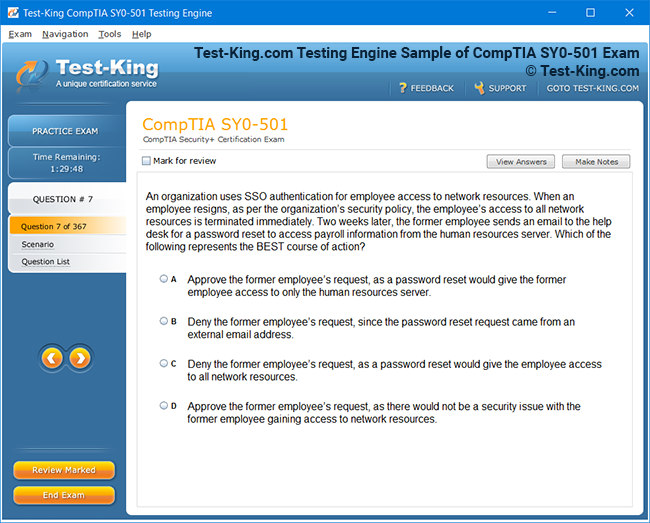
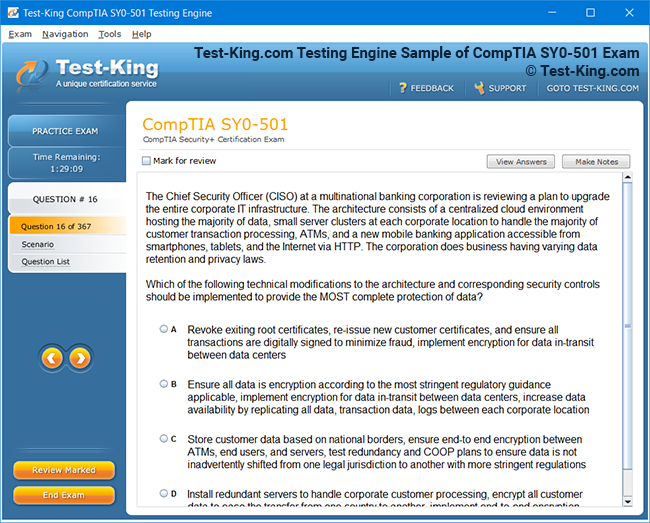
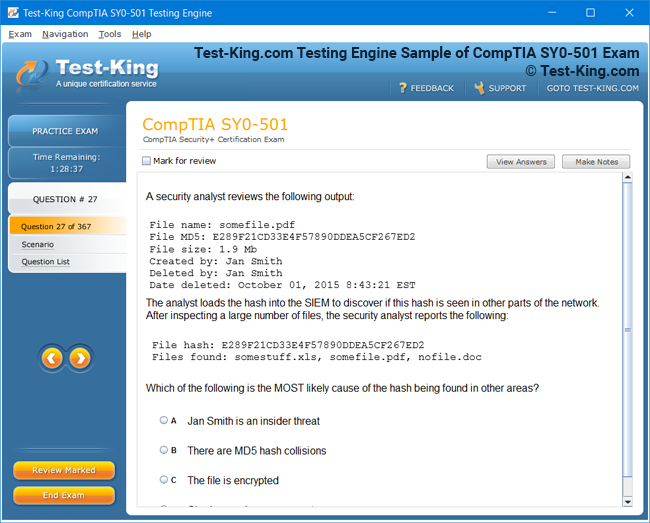
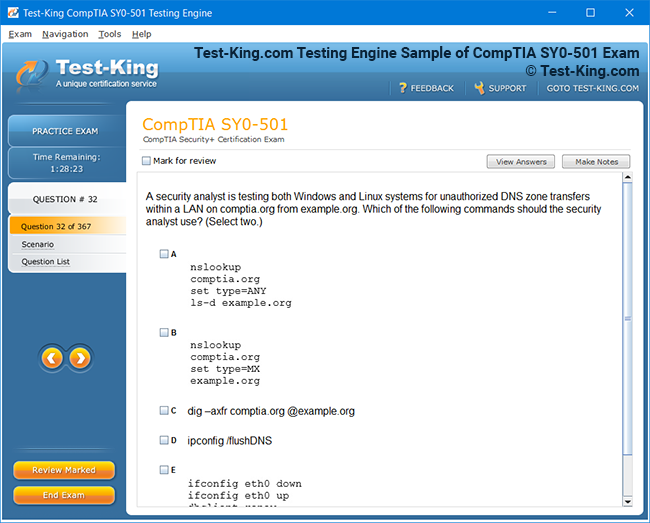
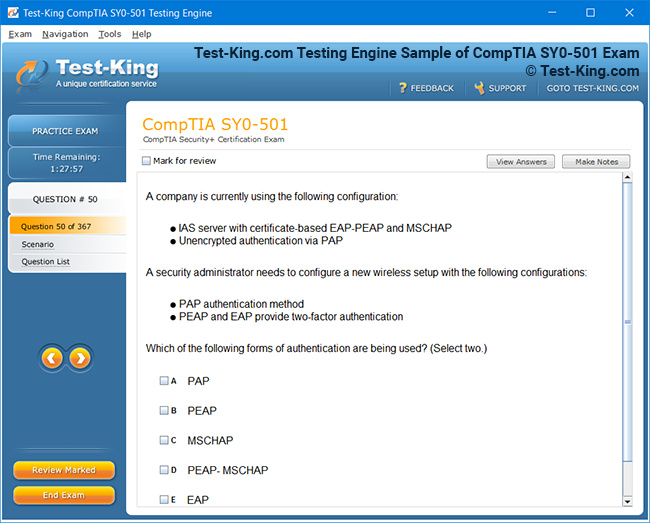
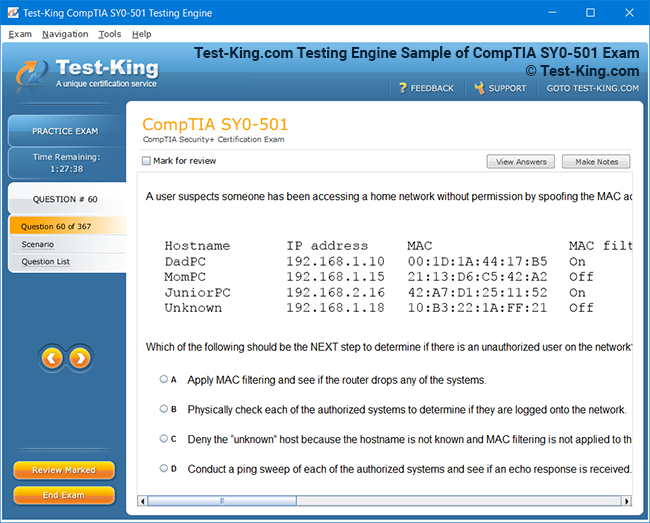
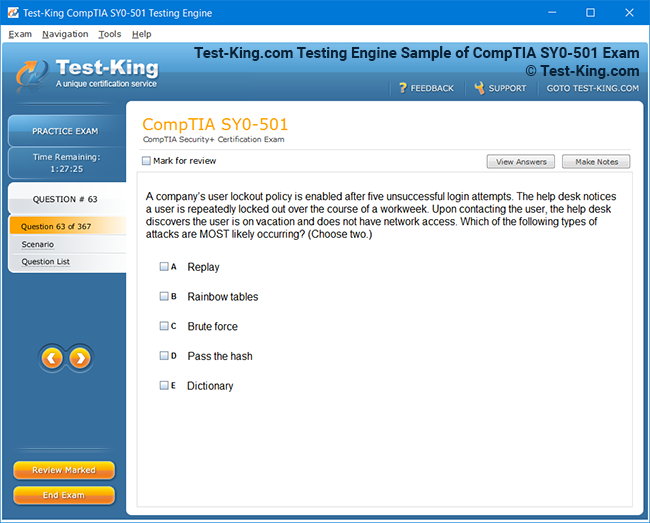
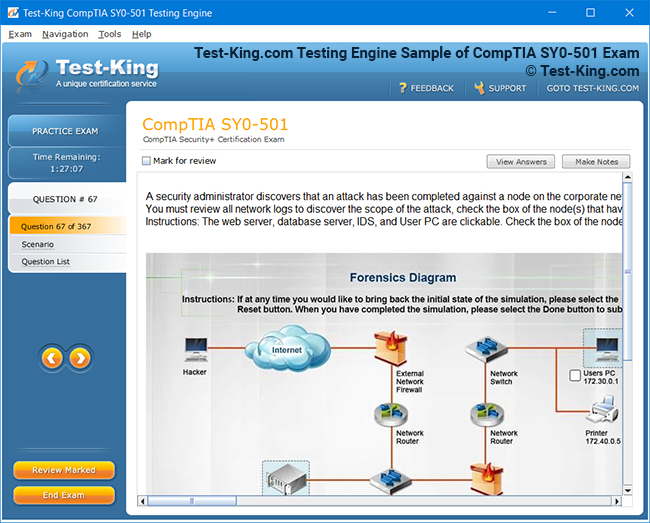
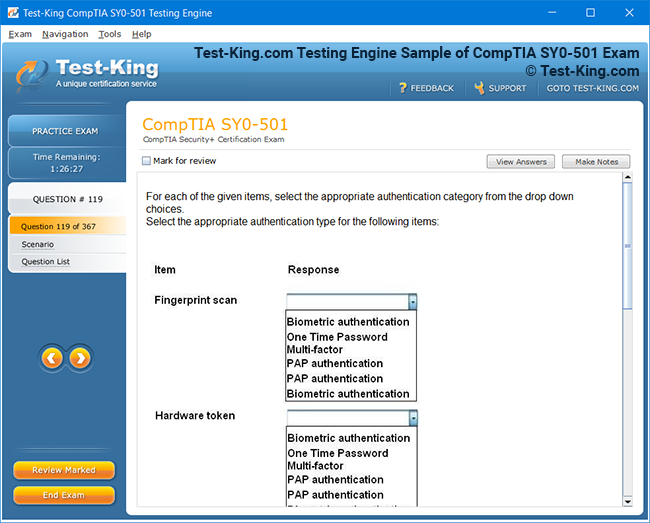
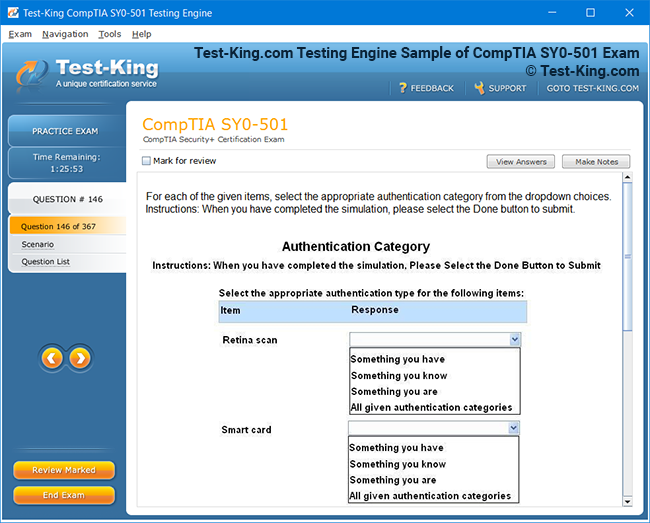
Product Screenshots
Why the Arista Linux Essentials Certification is a Must-Have for Aspiring Network Engineers
In today’s rapidly evolving networking landscape, the ability to navigate and manipulate Linux systems has become almost indispensable for engineers seeking to distinguish themselves. Linux forms the backbone of countless networking devices, including switches, routers, and cloud-based infrastructure. For aspiring professionals, familiarity with Linux is not merely an advantage; it has transformed into a critical skill set that underpins modern network management and automation. The Arista Linux Essentials certification offers an exceptional pathway to acquiring this knowledge, providing learners with both foundational understanding and practical application in environments that mirror real-world networking operations.
Understanding the Foundations of Linux in Networking
The certification begins by immersing candidates in the architecture of Linux systems, emphasizing core components such as the kernel, shell, and essential command-line utilities. These building blocks are pivotal for comprehending how network devices communicate, manage processes, and allocate resources. Unlike cursory overviews offered in many courses, the curriculum emphasizes experiential learning, encouraging candidates to explore directories, manipulate files, and execute scripts that optimize system performance. By engaging with these activities, learners cultivate a dexterous familiarity with Linux that extends far beyond rote memorization, instilling confidence to troubleshoot complex scenarios in production environments.
Practical Skills for Network Administration
One of the most compelling aspects of this certification is its focus on tangible skills. Aspiring network engineers often encounter a gap between theoretical knowledge and operational expertise. Through meticulously designed exercises, the Arista Linux Essentials certification bridges this divide. Candidates gain proficiency in configuring users and groups, setting permissions, and managing file systems, all of which are crucial for maintaining secure and efficient networks. These competencies are further enhanced by exercises involving process management and system monitoring, enabling learners to detect performance bottlenecks and optimize resource allocation in live systems.
Moreover, the certification introduces essential networking tools within the Linux environment, including utilities for network diagnostics, packet analysis, and interface configuration. By mastering these tools, candidates can analyze traffic patterns, identify anomalies, and implement solutions that maintain network integrity. The program emphasizes hands-on repetition, fostering not just familiarity but true mastery. This immersive approach ensures that professionals are not simply able to follow instructions but can anticipate potential issues and respond effectively under pressure.
Integration with Network Automation
Modern network engineering increasingly relies on automation to maintain scalability and efficiency. The Arista Linux Essentials certification addresses this evolution by exposing learners to scripting and automation principles that streamline repetitive tasks. Participants explore command-line scripts that manage configurations, deploy updates, and monitor system health. These exercises cultivate a mindset oriented toward efficiency and precision, crucial traits for engineers operating in environments where downtime can be costly and rapid responses are essential.
Beyond scripts, the certification explores the interplay between Linux systems and network orchestration tools. This knowledge is invaluable for engineers tasked with managing large-scale infrastructure, where manual intervention is impractical. By understanding the underlying mechanisms of automation within Linux, candidates gain the ability to design workflows that are both robust and adaptable, ensuring that networks operate smoothly even under dynamic conditions.
Enhancing Troubleshooting and Analytical Skills
Effective troubleshooting is the hallmark of a skilled network engineer. The Arista Linux Essentials certification emphasizes analytical thinking and systematic problem-solving, providing learners with structured approaches to diagnose and resolve issues. The curriculum presents realistic scenarios that challenge candidates to identify root causes of system failures, misconfigurations, and performance anomalies. Through these exercises, engineers cultivate the ability to assess problems holistically, consider multiple contributing factors, and implement corrective measures with precision.
The certification also nurtures proficiency in monitoring tools and logs, empowering learners to interpret complex system data and translate it into actionable insights. This capacity for critical analysis not only enhances operational effectiveness but also fosters a proactive mindset, enabling engineers to anticipate potential disruptions before they escalate into significant outages. The integration of theory, practical exercises, and analytical reasoning ensures that certified professionals are well-prepared to maintain reliable, high-performing networks.
Building Career Resilience and Marketability
For aspiring network engineers, earning the Arista Linux Essentials credential serves as a powerful differentiator in a competitive job market. Employers increasingly seek professionals who possess not only theoretical knowledge but demonstrable hands-on skills that translate to real-world impact. By validating expertise in Linux fundamentals, system management, and automation principles, this certification enhances credibility and signals commitment to continuous professional development.
Furthermore, the credential opens doors to diverse career paths within networking and IT infrastructure. Professionals can leverage their proficiency in Linux to specialize in areas such as network operations, cloud integration, security administration, and automation engineering. The broad applicability of these skills ensures that certified engineers remain versatile and resilient in the face of technological shifts. By investing in this certification, individuals are equipping themselves with a toolkit that supports both immediate career advancement and long-term professional growth.
Cultivating a Culture of Lifelong Learning
Beyond technical skills, the Arista Linux Essentials certification fosters a mindset of curiosity and continuous learning. The field of networking is perpetually evolving, with emerging protocols, devices, and automation frameworks demanding ongoing adaptation. Through structured yet exploratory learning methods, candidates develop habits that encourage experimentation, critical thinking, and self-directed skill acquisition. This intellectual agility is indispensable for engineers seeking to remain relevant and effective in a landscape characterized by rapid innovation.
The certification’s emphasis on exploration, practical engagement, and iterative improvement ensures that learners not only absorb knowledge but internalize it, applying concepts in increasingly sophisticated ways over time. By cultivating these qualities, professionals are better prepared to embrace new technologies, anticipate industry trends, and contribute meaningfully to the organizations they serve.
Deepening Technical Expertise in Linux Systems
As network infrastructures become increasingly intricate, the ability to navigate the intricacies of Linux systems has emerged as a defining skill for engineers striving to excel in their careers. The Arista Linux Essentials certification serves as a gateway for professionals to refine their technical acumen, fostering both precision and confidence in managing system operations. Candidates are guided through nuanced aspects of Linux architecture, including kernel management, process hierarchies, and file system structures, each of which forms the substratum of effective network administration. Understanding these layers allows engineers to orchestrate networks that are both resilient and scalable, anticipating potential disruptions before they manifest.
Within the certification framework, learners are encouraged to explore advanced command-line utilities that optimize system performance. Mastery of these tools not only enhances efficiency but also cultivates an intuitive understanding of system behavior. For example, comprehending the intricacies of file permissions, symbolic links, and directory structures enables engineers to implement security policies that safeguard sensitive data while ensuring seamless access for authorized users. By engaging in methodical exercises, candidates develop a dexterity that transcends basic familiarity, equipping them to troubleshoot anomalies in complex production environments with aplomb.
Enhancing Networking and System Administration Skills
A pivotal component of the curriculum lies in bridging Linux proficiency with practical network administration. Aspiring engineers often encounter challenges when translating theoretical knowledge into operational competency, particularly in environments where system misconfigurations can compromise connectivity or security. The Arista Linux Essentials certification emphasizes hands-on engagement with networking tasks, such as interface configuration, IP addressing, and traffic analysis, ensuring that learners acquire applied skills that are immediately relevant to professional practice.
The program also delves into process and resource management, instructing candidates on monitoring CPU utilization, memory consumption, and storage allocation. These competencies enable engineers to maintain system stability under high-demand conditions, optimize performance, and prevent network degradation. By combining foundational Linux knowledge with applied network administration, the certification creates a synergy between operating system proficiency and real-world operational expertise. This holistic approach ensures that professionals are not only technically capable but strategically positioned to manage complex network ecosystems.
Integrating Automation and Scripting into Workflows
Modern networking increasingly relies on automation to streamline repetitive tasks, minimize human error, and optimize efficiency. The Arista Linux Essentials certification introduces learners to the principles of automation within the Linux environment, equipping them to design scripts and workflows that enhance operational productivity. By engaging with practical exercises in scripting, candidates learn to automate routine tasks such as system updates, configuration changes, and performance monitoring. This emphasis on automation fosters analytical thinking and encourages engineers to anticipate operational challenges, designing solutions that are both elegant and effective.
In addition to automation, the curriculum explores the integration of Linux with orchestration tools, demonstrating how systems can be programmed to respond dynamically to changing network conditions. This knowledge is invaluable in large-scale environments, where manual intervention is impractical and operational efficiency is paramount. Engineers trained through this program develop the capability to architect automated solutions that maintain continuity, reduce downtime, and optimize resource allocation across interconnected systems.
Strengthening Analytical Thinking and Troubleshooting Capabilities
Troubleshooting is a defining skill for network engineers, requiring both analytical rigor and practical insight. The certification emphasizes a structured approach to problem-solving, guiding learners through the identification of root causes for system failures, connectivity issues, and performance bottlenecks. By engaging with realistic scenarios, candidates cultivate a methodical mindset that enables them to assess multiple factors simultaneously, predict potential complications, and implement corrective measures with confidence.
Proficiency in system monitoring and log analysis forms a cornerstone of this competency. Engineers are trained to interpret system outputs, understand error messages, and translate complex technical information into actionable solutions. This capability extends beyond reactive problem-solving; it promotes a proactive mindset, allowing professionals to anticipate vulnerabilities and implement preventive measures before minor disruptions escalate into significant failures. The combination of hands-on practice, analytical reasoning, and exposure to authentic system behavior equips certified engineers with a level of operational sophistication that is highly valued in contemporary networking environments.
Expanding Professional Opportunities and Marketability
The Arista Linux Essentials certification has become a compelling credential for aspiring network engineers seeking to differentiate themselves in a competitive landscape. Employers increasingly prioritize candidates who demonstrate both theoretical understanding and practical mastery, particularly in Linux-based systems that underpin modern network infrastructure. By validating competencies in Linux fundamentals, system management, and automation, this certification positions professionals as capable and versatile contributors within their organizations.
Acquiring this credential opens avenues to a spectrum of roles, including network operations, cloud integration, infrastructure management, and security administration. The knowledge and skills gained extend beyond a single specialization, ensuring adaptability and resilience amid technological evolution. Engineers equipped with this expertise can engage with complex network architectures, collaborate on cross-functional projects, and contribute meaningfully to strategic initiatives, thereby enhancing their career trajectory and professional credibility.
Fostering Intellectual Curiosity and Lifelong Learning
Beyond technical skill development, the certification encourages a culture of continuous intellectual growth. Networking technologies evolve at a rapid pace, and professionals must cultivate the ability to assimilate new concepts, explore emerging tools, and adapt to novel environments. The Arista Linux Essentials curriculum promotes experiential learning, critical thinking, and experimentation, fostering a mindset that values curiosity and self-directed advancement.
Candidates are encouraged to engage with challenges iteratively, refining their approaches based on observation and analysis. This iterative learning model strengthens cognitive flexibility, enabling engineers to navigate unfamiliar systems and troubleshoot complex problems efficiently. By instilling habits of reflection and exploration, the certification ensures that learners do not merely acquire static knowledge but develop the capacity to evolve alongside technological advancements, maintaining relevance and effectiveness throughout their careers.
Leveraging Real-World Applications
Practical application is central to the learning experience offered by the Arista Linux Essentials certification. Candidates interact with scenarios that mirror professional environments, managing network configurations, optimizing system performance, and responding to operational anomalies. This experiential focus bridges the gap between theory and practice, allowing engineers to apply their skills directly to tasks encountered in the workplace.
For instance, understanding how to manipulate system processes or manage file permissions translates directly into operational efficacy when overseeing server performance or securing sensitive information. Similarly, proficiency in automation scripts and monitoring tools equips engineers to maintain operational continuity and improve overall network reliability. By embedding real-world context within the learning journey, the certification prepares professionals to transition seamlessly from academic study to impactful practice, ensuring that their skills are both relevant and actionable.
Cultivating Strategic Problem-Solving Abilities
In addition to technical expertise, the certification emphasizes strategic problem-solving, encouraging learners to consider broader system implications when addressing challenges. Engineers develop the ability to evaluate network designs, anticipate potential failures, and implement solutions that balance efficiency, security, and scalability. This strategic orientation is particularly valuable in environments where network performance directly impacts organizational productivity, enabling certified professionals to contribute beyond routine operational tasks.
Through exposure to multifaceted scenarios, candidates cultivate foresight, judgment, and analytical acuity, essential traits for engineers aspiring to leadership or specialized technical roles. The combination of hands-on technical proficiency and strategic insight fosters a comprehensive skill set that positions learners to excel in complex and evolving networking contexts, enhancing both their immediate contributions and long-term professional growth.
Mastering Advanced Linux Concepts for Networking
As modern network infrastructures continue to expand in complexity and scale, proficiency in advanced Linux concepts has become a distinguishing factor for engineers seeking to excel in their careers. The Arista Linux Essentials certification offers a robust framework for acquiring this expertise, providing learners with deep insights into system internals, resource management, and operational best practices. By navigating through kernel modules, process scheduling, and memory allocation, candidates develop a nuanced understanding of how Linux systems underpin the performance and reliability of contemporary network environments.
Engagement with advanced commands and utilities forms a critical component of the curriculum. Professionals explore techniques for optimizing disk usage, monitoring system performance, and managing critical services, all of which are instrumental for maintaining high-availability networks. The certification emphasizes iterative practice, encouraging learners to troubleshoot real-world scenarios that involve performance degradation, unexpected system behavior, and complex dependency conflicts. Through this immersive approach, candidates cultivate both technical dexterity and analytical intuition, ensuring they can anticipate and resolve challenges before they escalate into operational disruptions.
Applying Linux Knowledge to Network Operations
Technical knowledge alone is insufficient if it cannot be applied to the demands of network operations. The Arista Linux Essentials certification bridges this gap by emphasizing applied skills that directly enhance network administration. Candidates gain hands-on experience with interface configuration, IP address management, routing verification, and packet inspection, equipping them to maintain connectivity and optimize data flow across diverse environments.
Process management and system monitoring are explored in depth, teaching engineers to identify resource constraints, prioritize critical processes, and implement solutions that preserve system integrity. The curriculum also addresses security considerations, including user permissions, access control, and secure file handling, ensuring that professionals can safeguard sensitive network data while maintaining operational efficiency. By embedding practical applications within the learning journey, the certification cultivates professionals who can translate Linux proficiency into tangible benefits for network performance and reliability.
Integrating Automation and Efficiency in Workflows
Automation has become an indispensable aspect of modern network management, enabling engineers to streamline repetitive tasks and reduce the potential for human error. The certification introduces scripting methodologies within the Linux environment, allowing candidates to design workflows that automate configuration, monitoring, and maintenance activities. These exercises emphasize both functional efficiency and the strategic application of automation to enhance system resilience.
Learners explore command-line scripts for routine administrative tasks, such as scheduling updates, managing log files, and orchestrating service deployments. In addition, they gain insights into the interplay between automation tools and network orchestration, discovering how Linux systems can be programmed to respond dynamically to changes in network traffic, device status, or operational demand. By fostering this skill set, the certification prepares engineers to implement scalable, adaptive, and efficient solutions that maintain network continuity while minimizing operational overhead.
Developing Analytical and Diagnostic Competence
The ability to analyze complex systems and diagnose issues is a defining trait of highly effective network engineers. The Arista Linux Essentials certification cultivates this competence by exposing learners to realistic troubleshooting scenarios. Candidates examine system logs, monitor resource utilization, and interpret error messages to identify root causes of performance issues or connectivity disruptions.
This analytical framework encourages a methodical approach, prompting engineers to evaluate multiple contributing factors and anticipate potential consequences of interventions. By emphasizing both proactive and reactive strategies, the certification ensures that professionals can maintain operational stability, optimize system performance, and reduce the likelihood of recurring issues. The iterative practice embedded within the curriculum reinforces critical thinking and reinforces the habit of approaching problems with both rigor and creativity, essential traits for long-term professional success.
Advancing Career Prospects and Professional Recognition
Achieving the Arista Linux Essentials certification provides a tangible credential that enhances employability and professional recognition. In an era where organizations increasingly rely on Linux-driven networks, demonstrating mastery of both foundational and advanced Linux concepts positions engineers as highly competent and adaptable candidates.
The knowledge and skills acquired through the certification extend beyond routine network management, enabling professionals to specialize in areas such as cloud infrastructure, security administration, network automation, and systems optimization. This versatility fosters career mobility, allowing engineers to pursue diverse roles that align with both immediate objectives and long-term aspirations. By validating technical competence and practical expertise, the credential communicates professional credibility and a commitment to continuous growth, attributes that are highly valued in competitive technology environments.
Fostering Intellectual Growth and Adaptability
Beyond technical knowledge, the certification encourages the cultivation of intellectual curiosity and adaptability. Networking environments are in constant flux, with evolving protocols, emerging technologies, and shifting operational demands. The Arista Linux Essentials curriculum promotes an exploratory approach to learning, encouraging candidates to engage critically with new concepts, experiment with system configurations, and refine strategies through iterative practice.
This culture of exploration equips engineers to navigate unfamiliar scenarios with confidence, develop innovative solutions to complex problems, and remain resilient amid technological change. By integrating analytical reasoning with practical experience, the certification ensures that learners not only acquire skills but internalize principles of adaptability, problem-solving, and continuous improvement, which are essential for sustained success in dynamic network ecosystems.
Applying Real-World Scenarios to Learning
The certification emphasizes real-world applicability, presenting exercises that simulate operational environments faced by network engineers. Candidates engage with tasks that involve configuring interfaces, managing system resources, automating workflows, and analyzing performance metrics. These activities mirror the complexities of professional settings, allowing learners to translate theoretical knowledge into actionable expertise.
Understanding how to manipulate system processes, manage permissions, and secure sensitive data has immediate implications for maintaining network reliability and integrity. Similarly, proficiency in automation and monitoring tools equips engineers to sustain operational continuity while optimizing performance. The realistic context of learning ensures that professionals are prepared to navigate actual network challenges with confidence, enhancing both their effectiveness and professional credibility.
Strategic Problem-Solving and Decision-Making
An essential dimension of professional competence lies in the ability to make informed, strategic decisions when addressing network and system challenges. The Arista Linux Essentials certification emphasizes this capacity, encouraging candidates to consider the broader implications of their actions, anticipate potential failures, and implement solutions that balance efficiency, security, and scalability.
By engaging with multi-layered scenarios, learners develop foresight, judgment, and analytical sophistication. These qualities enable engineers to contribute meaningfully to both operational and strategic objectives, extending their impact beyond routine technical tasks. The combination of advanced technical knowledge, applied practice, and strategic thinking fosters a comprehensive skill set that empowers professionals to excel in complex, dynamic, and highly demanding network environments.
Elevating System Administration Skills with Linux
The complexity of modern networking infrastructures has made mastery of Linux an essential competency for professionals seeking to distinguish themselves. The Arista Linux Essentials certification provides a comprehensive pathway to refine system administration skills, focusing on practical, hands-on application within environments that mirror real operational networks. Candidates develop a thorough understanding of the Linux kernel, file systems, process management, and command-line utilities, each serving as a fundamental pillar for effective network oversight.
Through immersive exercises, learners gain proficiency in managing users and groups, setting file permissions, and navigating hierarchical directory structures. These activities cultivate a deep operational fluency that extends beyond superficial familiarity, empowering engineers to implement secure and efficient configurations in real-world settings. By internalizing these principles, candidates acquire the confidence to maintain complex systems, troubleshoot anomalies, and optimize performance, which are indispensable capabilities in modern network administration.
Integrating Linux Knowledge into Network Operations
Proficiency in Linux is not merely an academic pursuit; it is directly linked to the efficacy of network operations. The certification bridges this connection by offering applied learning experiences that focus on interface configuration, IP address management, and network diagnostics. Candidates are exposed to real-world scenarios where connectivity issues, misconfigured interfaces, or unexpected traffic patterns must be analyzed and resolved efficiently.
Monitoring system performance is emphasized as a critical aspect of network administration. Learners explore resource allocation, process prioritization, and service management, developing the ability to sustain operational stability even under heavy workloads. Security practices, including user access control, permission management, and secure handling of critical files, are integrated throughout the curriculum to reinforce the importance of safeguarding network data while maintaining operational fluidity.
Harnessing Automation for Operational Efficiency
Automation has become a cornerstone of contemporary network management, allowing engineers to streamline repetitive tasks, reduce human error, and increase overall efficiency. The Arista Linux Essentials certification introduces candidates to scripting techniques and workflow automation, illustrating how Linux systems can be orchestrated to perform routine administrative tasks seamlessly.
Practical exercises cover scheduling updates, maintaining log files, and automating service deployments. Learners also explore the interaction between Linux systems and orchestration tools, understanding how automation can respond dynamically to variations in network demand or device performance. By embedding automation within operational practices, candidates develop a mindset that prioritizes efficiency, foresight, and adaptability, essential qualities for navigating the demands of modern infrastructure management.
Cultivating Analytical Thinking and Troubleshooting Expertise
The capacity to analyze complex systems and troubleshoot issues is a hallmark of skilled network engineers. The certification emphasizes structured problem-solving, presenting learners with scenarios that require identifying root causes of performance bottlenecks, connectivity interruptions, and misconfigurations.
Candidates are trained to interpret system logs, monitor resource utilization, and examine service outputs to determine the underlying causes of issues. This process cultivates a methodical approach, encouraging engineers to consider multiple factors, anticipate the consequences of interventions, and implement corrective measures with precision. Repeated exposure to realistic challenges enhances analytical reasoning and nurtures a proactive mindset, equipping professionals to maintain network integrity and optimize system performance under diverse conditions.
Advancing Career Opportunities and Professional Recognition
Earning the Arista Linux Essentials certification is a strategic step for engineers aiming to advance their careers. The credential validates both theoretical knowledge and practical expertise, signaling to employers that candidates possess the skills required to manage Linux-based network systems competently.
The skill set acquired opens opportunities across various domains, including network operations, cloud integration, infrastructure management, and cybersecurity administration. The versatility of these competencies ensures that certified professionals remain adaptable, capable of transitioning between roles and contributing to multiple facets of organizational technology strategy. By demonstrating technical mastery and a commitment to continuous development, engineers enhance their marketability and professional credibility, positioning themselves for sustained success in a competitive field.
Encouraging Lifelong Learning and Adaptability
The certification extends beyond technical proficiency, fostering intellectual curiosity and a culture of ongoing learning. The dynamic nature of networking technologies necessitates continuous adaptation, and candidates are encouraged to engage critically with emerging tools, protocols, and methodologies.
Experiential learning and iterative problem-solving form the foundation for developing cognitive agility, enabling engineers to navigate unfamiliar systems and devise innovative solutions. By cultivating habits of reflection and exploration, learners internalize principles of adaptability and resilience, preparing them to respond effectively to technological evolution and maintain relevance throughout their careers.
Practical Application in Professional Environments
Real-world applicability is central to the learning experience offered by the certification. Candidates encounter exercises that simulate operational environments, including tasks related to configuring interfaces, monitoring system resources, and automating administrative workflows.
Proficiency in managing processes, securing data, and interpreting system performance directly translates to improved operational efficiency and reliability. Automation capabilities allow engineers to optimize network continuity and reduce manual intervention, while analytical skills enable them to anticipate and mitigate potential disruptions. By embedding these experiences within realistic contexts, the certification ensures that learners are equipped to perform competently in professional settings, applying knowledge immediately to enhance organizational outcomes.
Strategic Decision-Making and Systems Thinking
The ability to approach challenges strategically is cultivated throughout the certification. Candidates are guided to evaluate system designs holistically, anticipate potential vulnerabilities, and implement solutions that balance operational efficiency, security, and scalability.
This emphasis on systems thinking encourages engineers to consider the broader implications of their actions, developing foresight and judgment that extend beyond routine operational tasks. Exposure to multifaceted scenarios reinforces analytical sophistication, enabling learners to contribute meaningfully to both technical and strategic initiatives within their organizations. By integrating advanced technical knowledge, applied practice, and strategic insight, the certification fosters a well-rounded skill set capable of addressing complex, evolving networking challenges.
Expanding Mastery of Linux for Network Professionals
In the contemporary landscape of network engineering, proficiency in Linux has evolved from a complementary skill to a foundational necessity. The Arista Linux Essentials certification provides a structured pathway for professionals to expand their mastery of Linux, combining theoretical understanding with practical, hands-on experience. By delving into core system components, including the kernel, process management, and file system hierarchies, candidates develop the ability to manage and optimize complex infrastructures with precision.
The curriculum encourages exploration beyond routine commands, emphasizing the application of advanced utilities for monitoring system health, allocating resources efficiently, and maintaining operational stability. Through continuous interaction with realistic scenarios, learners gain insight into the subtle interplay between system processes and network performance, cultivating an intuitive grasp of how changes in one area can ripple across the network. This immersion fosters not only technical competence but also strategic foresight, enabling engineers to anticipate potential disruptions and respond proactively.
Bridging Linux Expertise with Network Operations
Technical knowledge in isolation is insufficient if it cannot be applied effectively to operational contexts. The certification bridges this gap by providing practical exercises that integrate Linux proficiency with network administration tasks. Candidates engage with interface configuration, IP address management, and diagnostic procedures, developing the ability to maintain connectivity and optimize performance in live environments.
System monitoring is emphasized as a critical skill, with learners trained to assess CPU and memory utilization, monitor disk I/O, and manage service dependencies. These competencies equip engineers to sustain high availability and performance under variable network loads. The certification also highlights security considerations, such as access control, permissions management, and secure handling of sensitive data, reinforcing the importance of safeguarding information while ensuring seamless operational continuity.
Implementing Automation and Workflow Optimization
Automation has become indispensable in modern network management, enabling engineers to reduce repetitive tasks and minimize the potential for error. The certification introduces learners to scripting and automation within Linux, emphasizing the development of workflows that enhance efficiency and reliability.
Candidates practice automating routine activities such as system updates, log maintenance, and service orchestration, while also exploring how Linux systems interface with orchestration frameworks to respond dynamically to operational changes. By integrating automation into daily workflows, engineers cultivate a mindset focused on efficiency, adaptability, and forward planning, which is essential for managing large-scale, complex network infrastructures.
Strengthening Analytical Reasoning and Troubleshooting
Effective troubleshooting requires a combination of analytical reasoning, system knowledge, and practical experience. The Arista Linux Essentials certification develops these abilities through exercises that challenge learners to diagnose and resolve performance issues, connectivity failures, and misconfigurations.
Candidates are guided to interpret system logs, monitor resource utilization, and identify anomalies that could impact network reliability. This training instills a methodical approach, encouraging engineers to evaluate contributing factors holistically, anticipate downstream effects, and implement precise corrective actions. Iterative exposure to realistic operational challenges enhances problem-solving capabilities and nurtures a proactive, rather than reactive, approach to network management.
Enhancing Career Prospects and Professional Credibility
Earning the Arista Linux Essentials certification provides a tangible credential that signals both technical proficiency and applied expertise. In a competitive job market, this credential distinguishes professionals who possess the ability to manage Linux-driven networks effectively, adapt to evolving technologies, and contribute meaningfully to organizational objectives.
The skills and knowledge acquired are applicable across a wide array of roles, including network operations, cloud integration, systems administration, and security management. This versatility ensures that certified engineers remain adaptable, capable of transitioning between different responsibilities while maintaining high levels of performance. By validating both theoretical understanding and practical competence, the certification enhances professional credibility and opens pathways to career advancement in an increasingly technology-driven environment.
Cultivating Lifelong Learning and Cognitive Agility
Beyond technical skill development, the certification fosters intellectual curiosity and cognitive flexibility. The rapid evolution of networking technologies requires engineers to assimilate new concepts, adapt to novel environments, and embrace continuous learning as a professional habit.
Through problem-solving exercises, exploratory learning, and iterative practice, candidates develop habits that support sustained growth and adaptability. This focus on intellectual agility enables professionals to navigate unfamiliar systems, implement innovative solutions, and maintain relevance despite ongoing technological shifts. By cultivating these qualities, the certification ensures that learners are equipped not only with knowledge but with the capacity to evolve alongside their field.
Real-World Application and Operational Readiness
Practical application is a cornerstone of the certification experience. Candidates encounter exercises that mirror the complexities of professional environments, including tasks such as configuring interfaces, managing system resources, automating workflows, and interpreting performance metrics.
Mastery of these activities translates directly into operational readiness, enabling engineers to maintain network stability, optimize performance, and ensure data security. Proficiency in automation allows for the reduction of manual intervention, while analytical skills facilitate proactive problem identification and resolution. The emphasis on realistic scenarios ensures that learners emerge capable of applying their expertise immediately, enhancing both individual and organizational outcomes.
Strategic Thinking and Systems Perspective
An essential element of professional development is the cultivation of strategic thinking. The certification encourages candidates to evaluate network designs holistically, anticipate potential system vulnerabilities, and implement solutions that balance efficiency, security, and scalability.
Exposure to multifaceted scenarios fosters analytical sophistication and the ability to consider the broader implications of operational decisions. Engineers trained through this framework develop foresight, judgment, and systems perspective, enabling them to contribute not only to immediate technical tasks but also to strategic planning and long-term infrastructure optimization. The integration of advanced technical knowledge with applied practice and strategic insight equips professionals with a comprehensive toolkit for navigating complex, dynamic network environments.
Expanding Expertise in Linux for Advanced Networking
In the evolving domain of network engineering, the ability to command Linux systems with precision has become a defining skill. The Arista Linux Essentials certification offers a structured pathway to expand expertise, bridging foundational knowledge with advanced operational skills. Candidates engage with the architecture of Linux systems, exploring kernel functionality, process scheduling, memory management, and file system hierarchies, which collectively underpin network performance and reliability.
Through intensive practice, learners gain proficiency in using command-line utilities, monitoring system health, and optimizing resources to maintain high-performance infrastructures. The certification encourages exploration beyond standard procedures, cultivating an intuitive understanding of how Linux operations impact network connectivity, security, and efficiency. This deep engagement fosters a level of technical dexterity that prepares engineers to anticipate and resolve challenges in dynamic and complex network environments.
Integrating Linux Skills into Network Administration
Technical mastery of Linux must translate into actionable skills for managing networks. The certification emphasizes applied learning, guiding candidates through tasks such as configuring network interfaces, managing IP assignments, and analyzing traffic patterns. These exercises mirror the challenges encountered in professional environments, ensuring that learners can maintain connectivity, optimize data flow, and troubleshoot operational issues efficiently.
System monitoring remains a focal point, with instruction on evaluating CPU and memory usage, disk performance, and process prioritization. Learners acquire the skills to sustain operational stability under fluctuating demands while implementing security measures such as access control, permission management, and secure handling of critical files. By integrating Linux knowledge with practical network operations, the certification equips professionals to maintain robust, resilient infrastructures that meet organizational requirements.
Leveraging Automation for Efficiency and Reliability
Automation has emerged as an indispensable element of contemporary network management. Through the certification, learners explore scripting and workflow automation to reduce manual interventions, streamline repetitive tasks, and enhance operational consistency. Exercises include automating system updates, managing logs, orchestrating services, and designing workflows that respond dynamically to changing network conditions.
The curriculum emphasizes efficiency and strategic foresight, enabling engineers to optimize operations while minimizing the risk of errors. By understanding how automation interacts with Linux-based networks, candidates develop the ability to implement scalable solutions that improve reliability, reduce operational overhead, and allow teams to focus on higher-value initiatives. This proficiency not only enhances day-to-day management but also strengthens the capacity for long-term infrastructure optimization.
Developing Analytical and Diagnostic Proficiency
A critical component of network engineering is the ability to analyze complex systems and diagnose multifaceted problems. The Arista Linux Essentials certification cultivates this proficiency by presenting realistic scenarios in which candidates must identify root causes of connectivity issues, performance bottlenecks, and misconfigurations.
Learners are trained to interpret system logs, monitor resource consumption, and evaluate process behavior to make informed decisions. This structured approach encourages critical thinking, methodical problem-solving, and proactive management of systems. Through repeated exposure to practical challenges, engineers gain the analytical acumen necessary to maintain high levels of network performance and ensure continuity in mission-critical environments.
Enhancing Career Trajectory and Professional Distinction
Obtaining the certification provides a tangible marker of both technical mastery and applied capability, enhancing career prospects for aspiring network engineers. Employers value candidates who can demonstrate practical proficiency in Linux, understand operational intricacies, and contribute effectively to network reliability and performance.
The credential opens doors to diverse roles including network operations, cloud infrastructure management, security administration, and systems optimization. Engineers equipped with this expertise can adapt to a variety of responsibilities, providing value across multiple dimensions of IT and networking functions. By validating both technical knowledge and operational competency, the certification establishes professional credibility and distinguishes candidates in a competitive technology marketplace.
Encouraging Lifelong Learning and Adaptability
The certification fosters a mindset oriented toward continuous learning and adaptability. Networking technologies evolve rapidly, demanding that professionals remain agile and responsive to change. Candidates are encouraged to engage in iterative learning, exploring new tools, testing novel configurations, and refining approaches through practical experience.
This focus on intellectual curiosity ensures that learners cultivate habits of exploration, critical analysis, and self-directed skill development. Such cognitive flexibility enables engineers to navigate unfamiliar systems, respond to emergent challenges, and maintain relevance as technology and operational landscapes evolve. By instilling these qualities, the certification supports sustained professional growth and the capacity to innovate in increasingly complex networking environments.
Applying Knowledge to Real-World Networking Scenarios
Practical application underpins the value of the certification. Candidates are exposed to exercises that replicate operational challenges, including network configuration, system performance monitoring, workflow automation, and troubleshooting. These realistic simulations reinforce the practical skills necessary for maintaining reliable infrastructures, optimizing performance, and safeguarding sensitive information.
The integration of theoretical knowledge with applied practice ensures that engineers can implement efficient solutions, anticipate operational challenges, and respond effectively to disruptions. Proficiency in automation and monitoring allows for operational continuity, while analytical capabilities enhance problem-solving effectiveness. This combination prepares learners to transition seamlessly from structured learning environments to professional practice, delivering tangible impact within their organizations.
Strategic Thinking and Systems Perspective
An advanced dimension of professional competence is the development of strategic thinking and a holistic perspective on systems. The certification encourages candidates to assess network architecture comprehensively, anticipate potential vulnerabilities, and implement solutions that balance performance, security, and scalability.
Exposure to multifaceted operational scenarios fosters analytical sophistication, enabling engineers to make informed decisions that extend beyond immediate technical tasks. By integrating strategic insight with practical expertise, learners develop the capacity to contribute to both operational efficiency and long-term network planning. This combination of skills ensures that certified professionals are prepared to manage complex, dynamic infrastructures effectively, providing value across technical and strategic domains.
Conclusion
The Arista Linux Essentials certification represents a transformative opportunity for aspiring network engineers. By providing a structured framework for mastering Linux fundamentals, integrating applied network operations, implementing automation, and cultivating analytical proficiency, it equips professionals with the tools required for success in complex environments. The certification not only enhances technical capability but also fosters strategic thinking, adaptability, and intellectual curiosity, ensuring that learners remain agile in a rapidly evolving technological landscape.
Earning this credential signifies both competence and commitment, opening pathways to diverse roles, enhancing professional credibility, and positioning engineers to make meaningful contributions to network reliability, performance, and innovation. For those seeking to establish themselves as capable, versatile, and forward-thinking professionals in the field of networking, the Arista Linux Essentials certification is an indispensable asset that supports both immediate operational effectiveness and long-term career growth.
Frequently Asked Questions
How can I get the products after purchase?
All products are available for download immediately from your Member's Area. Once you have made the payment, you will be transferred to Member's Area where you can login and download the products you have purchased to your computer.
How long can I use my product? Will it be valid forever?
Test-King products have a validity of 90 days from the date of purchase. This means that any updates to the products, including but not limited to new questions, or updates and changes by our editing team, will be automatically downloaded on to computer to make sure that you get latest exam prep materials during those 90 days.
Can I renew my product if when it's expired?
Yes, when the 90 days of your product validity are over, you have the option of renewing your expired products with a 30% discount. This can be done in your Member's Area.
Please note that you will not be able to use the product after it has expired if you don't renew it.
How often are the questions updated?
We always try to provide the latest pool of questions, Updates in the questions depend on the changes in actual pool of questions by different vendors. As soon as we know about the change in the exam question pool we try our best to update the products as fast as possible.
How many computers I can download Test-King software on?
You can download the Test-King products on the maximum number of 2 (two) computers or devices. If you need to use the software on more than two machines, you can purchase this option separately. Please email support@test-king.com if you need to use more than 5 (five) computers.
What is a PDF Version?
PDF Version is a pdf document of Questions & Answers product. The document file has standart .pdf format, which can be easily read by any pdf reader application like Adobe Acrobat Reader, Foxit Reader, OpenOffice, Google Docs and many others.
Can I purchase PDF Version without the Testing Engine?
PDF Version cannot be purchased separately. It is only available as an add-on to main Question & Answer Testing Engine product.
What operating systems are supported by your Testing Engine software?
Our testing engine is supported by Windows. Andriod and IOS software is currently under development.