

Certification: DCPLA
Certification Full Name: DSCI Certified Privacy Lead Assessor
Certification Provider: DSCI
Exam Code: DCPLA
Exam Name: DSCI Certified Privacy Lead Assessor
Product Screenshots
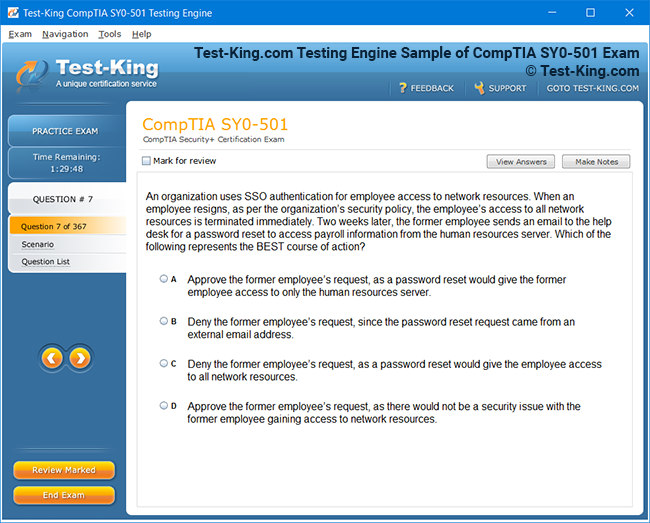
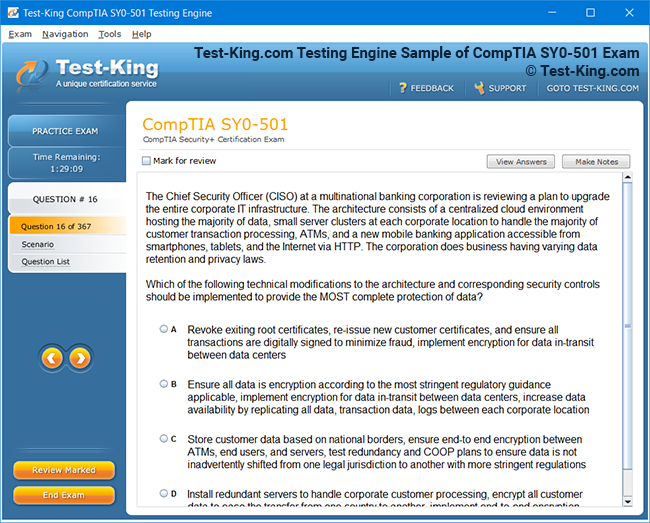
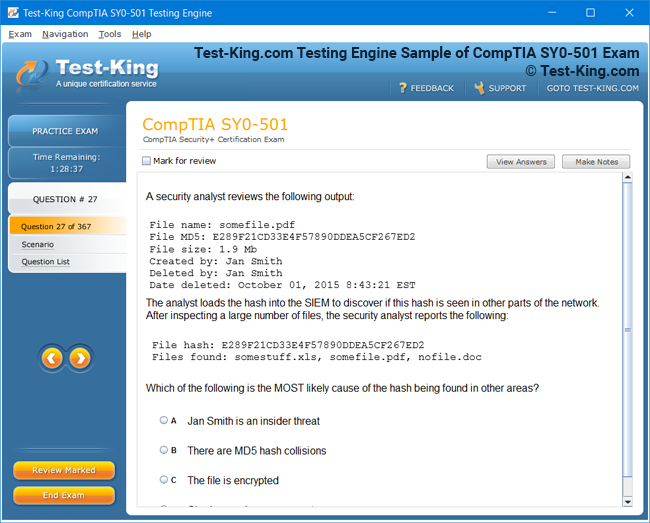
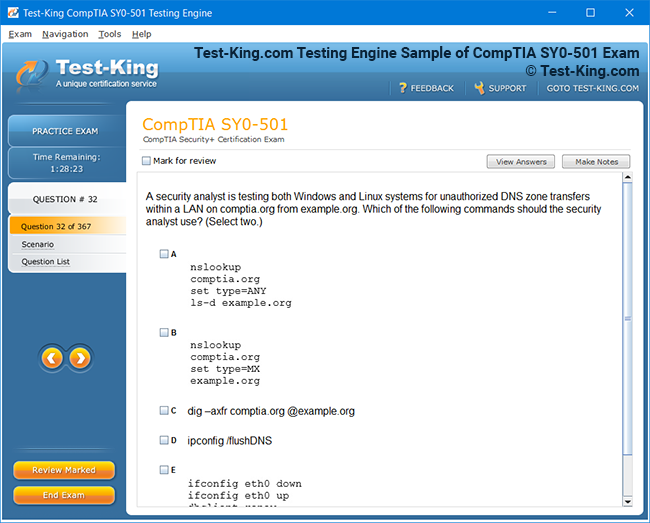
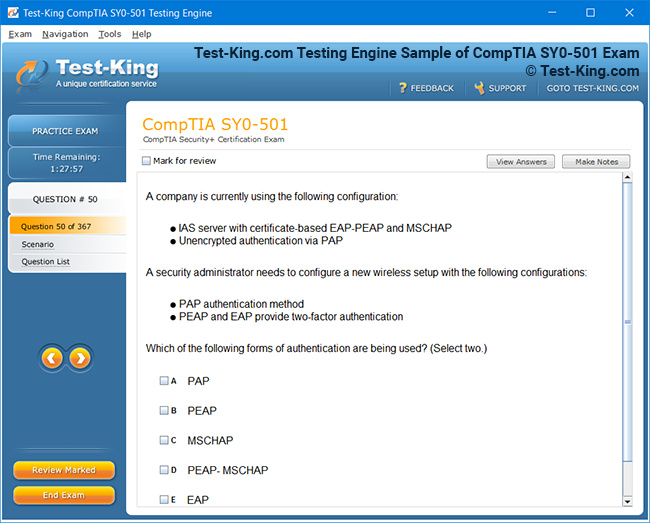
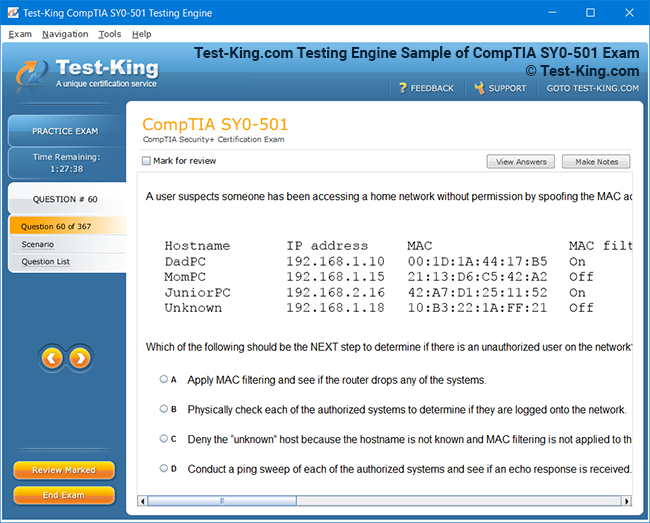
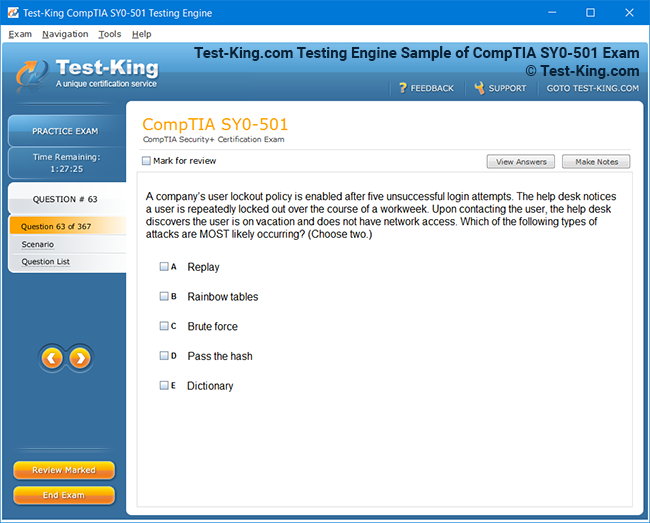
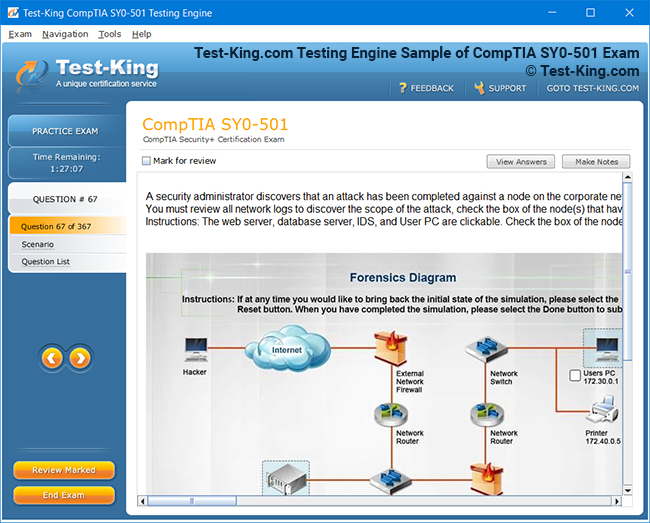
DCPLA DSCI Certified Privacy Lead Assessor – Mastering Privacy in a Data-Driven Era
The DSCI Certified Privacy Lead Assessor, commonly referred to as DCPLA, has emerged as a prestigious benchmark for privacy professionals seeking to navigate the complex labyrinth of modern data protection and privacy management. In an era where digital information flows incessantly across borders and organizational boundaries, possessing an authoritative understanding of privacy frameworks and regulatory mandates has transitioned from a supplementary skill to an indispensable competency. The DCPLA credential, conferred by the Data Security Council of India, equips professionals with both the theoretical foundation and practical acumen necessary to conduct comprehensive privacy assessments, mitigate risks, and implement data protection strategies with unwavering precision.
Understanding the DCPLA Credential and Its Significance
In contemporary organizational environments, privacy is not merely a legal or technical obligation; it has become a strategic imperative. Companies are grappling with an ever-expanding array of regulations such as the General Data Protection Regulation in Europe, India’s Data Protection and Privacy legislation, and sector-specific mandates like HIPAA in the healthcare domain. Compliance with these regulations is often non-negotiable, yet achieving it requires a sophisticated blend of knowledge, analytical insight, and operational dexterity. The DCPLA certification addresses this very need, offering a holistic framework that encompasses governance policies, risk management, privacy by design, and the ethical stewardship of sensitive data.
The credential is particularly designed for professionals who are entrusted with assessing privacy frameworks and leading initiatives to ensure that organizational practices align with both domestic and international standards. It confers a unique blend of recognition and authority, enabling certified individuals to spearhead privacy programs, evaluate third-party data handling practices, and ensure that data subject rights are respected and enforced. Unlike conventional privacy training programs that focus narrowly on compliance checklists, the DCPLA curriculum integrates strategic foresight, risk-based thinking, and a practical orientation that prepares individuals to address real-world challenges in dynamic environments.
Relevance of Privacy and Data Protection in Modern Organizations
The contemporary digital ecosystem is characterized by incessant data generation, collection, and analysis. Every interaction, transaction, and digital footprint contributes to an ever-growing reservoir of information that organizations must manage judiciously. This phenomenon has elevated privacy to a critical organizational priority, as lapses or inadequacies in data protection can result in reputational damage, regulatory penalties, and erosion of stakeholder trust. Professionals with a nuanced understanding of privacy principles are therefore indispensable, as they ensure that enterprises operate within legal boundaries while cultivating an ethical culture around data stewardship.
One of the central pillars of privacy governance is regulatory compliance. Regulations such as GDPR mandate stringent protocols for data processing, consent management, and accountability. The Indian regulatory landscape, evolving through initiatives like the Data Protection and Privacy legislation, places similar emphasis on safeguarding personal information while fostering innovation. For multinational corporations operating across jurisdictions, the challenge lies in harmonizing compliance across diverse frameworks, making the role of a proficient privacy assessor crucial. The DCPLA credential empowers professionals to navigate these intricacies, translating abstract regulatory mandates into actionable strategies and policies that are both effective and sustainable.
In addition to regulatory compliance, organizations must address operational privacy concerns. These include identifying vulnerabilities in data flows, assessing third-party vendor risks, implementing privacy-enhancing technologies, and ensuring that organizational culture prioritizes data protection. The DCPLA framework is structured to provide professionals with methodologies to conduct privacy impact assessments, evaluate risk exposure, and develop robust privacy programs that are resilient to both internal and external threats. By mastering these competencies, professionals not only safeguard organizational interests but also contribute to broader societal goals of ethical data use and protection.
Strategic Advantages of DCPLA Certification
Attaining the DCPLA credential provides a multitude of strategic advantages, both for the individual and the organization. For professionals, it signals a high level of expertise and credibility, opening pathways to leadership roles in compliance, governance, risk management, and data protection. It also enhances employability and remuneration potential, as organizations increasingly prioritize candidates with demonstrable knowledge of privacy frameworks and regulatory mandates. On a broader scale, certified professionals contribute to the maturation of organizational privacy programs, ensuring that data protection practices are proactive rather than reactive.
From an organizational perspective, employing DCPLA-certified professionals ensures that privacy initiatives are aligned with contemporary best practices and global standards. The certification emphasizes a risk-based approach to privacy, equipping assessors to identify, quantify, and mitigate potential vulnerabilities. This not only fortifies compliance efforts but also reinforces trust with stakeholders, clients, and regulatory bodies. In industries where data is a critical asset—such as healthcare, finance, technology, and e-commerce—the presence of certified privacy experts can become a distinguishing factor, enhancing competitive advantage and organizational resilience.
The curriculum of DCPLA is meticulously structured to balance theoretical knowledge with practical application. Professionals are trained to evaluate complex privacy scenarios, formulate governance strategies, and implement mechanisms for continuous monitoring and improvement. Emphasis is placed on conducting privacy impact assessments, managing third-party vendor risks, and ensuring data subject rights are respected across organizational processes. By integrating these competencies, professionals can approach privacy challenges with both analytical rigor and operational effectiveness, making their contributions indispensable in high-stakes environments.
Eligibility and Preparation for the DCPLA Credential
Aspiring candidates seeking the DCPLA certification must satisfy a set of criteria that ensure readiness for the program’s rigor. Typically, individuals with a bachelor’s degree or higher and 2–3 years of experience in IT governance, risk management, or privacy operations are well-positioned to benefit from the training. Familiarity with frameworks such as ISO 27001, GDPR, or local data protection legislation is advantageous, as it allows candidates to contextualize the curriculum effectively. Professionals who hold certifications like CIPP, CIPT, or ISO Lead Auditor often find that DCPLA concepts build naturally upon their existing knowledge base, enabling them to absorb advanced concepts with greater ease.
Preparation for DCPLA requires a combination of academic study, practical exposure, and analytical practice. Candidates are encouraged to engage deeply with case studies, scenario-based exercises, and privacy assessment methodologies to develop a holistic understanding of risk-based decision-making. Unlike conventional certifications, DCPLA emphasizes critical thinking, contextual judgment, and the ability to translate regulatory requirements into actionable organizational policies. Consequently, successful candidates not only demonstrate proficiency in compliance checklists but also exhibit the strategic foresight necessary to anticipate emerging privacy challenges.
Mastery of Privacy Competencies
A cornerstone of DCPLA training is the development of specialized competencies that enable professionals to conduct comprehensive privacy assessments. This includes the ability to perform privacy impact assessments, evaluate risk exposure, implement privacy programs, and manage third-party data risks. Professionals are also trained in managing data subject rights, ensuring consent mechanisms are robust, and aligning organizational practices with internationally recognized frameworks such as NIST Privacy Framework and OECD privacy principles. The holistic nature of this skill set allows certified assessors to operate effectively across multiple organizational domains, from operational execution to strategic governance.
By cultivating these competencies, DCPLA-certified professionals acquire not only technical knowledge but also the analytical acumen to make informed decisions under conditions of uncertainty. This combination of expertise and judgment is particularly valuable in fast-evolving industries, where regulatory requirements may shift rapidly and technological innovations can create novel privacy challenges. The DCPLA credential thus functions as both a professional milestone and a practical toolkit, equipping individuals with the resources and confidence to navigate complex privacy landscapes.
Career Implications and Professional Growth
The career trajectory of a DCPLA-certified professional is marked by accelerated opportunities in domains such as compliance management, privacy consultancy, and data protection leadership. Organizations increasingly seek professionals capable of bridging the gap between regulatory mandates and operational execution, making DCPLA-certified assessors highly sought after. In addition to enhanced employability, the credential often correlates with higher remuneration, with privacy professionals earning significantly more on average compared to their non-certified counterparts.
Global organizations also recognize the strategic value of DCPLA certification. For multinational corporations, having personnel trained in both domestic and international privacy standards ensures consistent compliance across jurisdictions, reduces risk exposure, and strengthens stakeholder confidence. The credential thus enables professionals to pursue consulting opportunities, lead cross-border privacy initiatives, and contribute to the development of organizational frameworks that are resilient, ethical, and forward-looking.
Understanding the Strategic Value of DCPLA Certification
The DSCI Certified Privacy Lead Assessor credential has attained a distinguished status among privacy professionals due to its robust integration of theoretical knowledge and practical expertise. In an era where data is not only a corporate asset but also a societal responsibility, organizations increasingly seek individuals who can navigate the intricacies of privacy regulations, risk management, and ethical data handling. The DCPLA credential provides a unique combination of recognition, authority, and operational skill that enables professionals to influence organizational strategies, mitigate risks, and foster a culture of responsible data stewardship.
Privacy management is no longer a peripheral function; it has become a critical organizational imperative that underpins trust, compliance, and operational excellence. The credential is particularly prized by enterprises seeking assurance that their data handling processes are aligned with global standards such as the General Data Protection Regulation, the evolving Indian Data Protection and Privacy legislation, and sector-specific mandates like HIPAA. Attaining the DCPLA designation signals to employers and stakeholders that an individual possesses both the analytical acumen and the practical competence to oversee privacy programs, conduct assessments, and implement strategic interventions with precision.
Industry Recognition and Organizational Acceptance
Organizations across the Indian subcontinent and multinational corporations recognize DCPLA-certified professionals as experts capable of navigating complex regulatory landscapes. This recognition is rooted in the credential’s rigorous methodology, which combines theoretical knowledge of privacy frameworks with experiential learning and practical exercises. Companies appreciate the assurance that certified professionals bring to compliance audits, privacy risk assessments, and program implementation, as these individuals are trained to anticipate potential vulnerabilities and provide actionable recommendations to mitigate them.
The credential’s value is amplified by its alignment with international best practices. By integrating the principles of globally accepted privacy frameworks and risk management paradigms, DCPLA-certified professionals are equipped to function effectively in cross-border contexts. Organizations operating in multiple jurisdictions derive substantial benefit from employing assessors who can harmonize compliance requirements, standardize processes, and implement consistent governance mechanisms, thereby reducing the likelihood of regulatory penalties and enhancing corporate reputation.
In addition to regulatory and operational advantages, DCPLA certification serves as a differentiator in talent acquisition. Professionals with the credential are often preferred candidates for leadership roles in compliance, governance, risk management, and data protection. The recognition extends beyond technical expertise; it embodies a strategic mindset, critical thinking ability, and an aptitude for translating complex legal mandates into practical organizational procedures. Consequently, employers view the credential as a marker of professional credibility and an indicator of an individual’s capacity to contribute meaningfully to organizational objectives.
Comprehensive Training and Curriculum Insights
The training underpinning DCPLA is meticulously designed to balance breadth and depth. It encompasses privacy governance, risk-based assessments, program implementation, and management of third-party interactions, creating a cohesive understanding of organizational privacy obligations. Candidates are exposed to scenario-based exercises, case studies, and practical assessments that encourage the development of analytical, interpretative, and decision-making skills. By engaging with real-world situations, professionals learn to identify privacy risks, formulate mitigation strategies, and implement comprehensive programs that uphold regulatory compliance and ethical principles.
The curriculum also emphasizes the significance of operational integration. Privacy initiatives must align with an organization’s strategic vision, technological infrastructure, and corporate culture. DCPLA-certified professionals are trained to design policies and procedures that are both legally compliant and operationally feasible. This dual focus ensures that privacy management is not relegated to a bureaucratic formality but instead becomes an embedded element of organizational strategy and daily practices. By cultivating such expertise, the certification enables professionals to influence both tactical operations and high-level decision-making, creating a substantial impact on organizational resilience.
Regulatory Alignment and Risk-Based Approach
One of the defining strengths of DCPLA lies in its alignment with evolving regulatory frameworks. The curriculum addresses the nuances of Indian privacy laws while drawing upon international standards, allowing professionals to operate seamlessly in global contexts. This comprehensive understanding equips certified assessors to evaluate organizational practices, identify gaps in compliance, and implement solutions that balance regulatory obligations with operational practicality.
The credential also instills a risk-based perspective, emphasizing the prioritization of privacy interventions according to potential impact and likelihood. By analyzing the flow of personal data, identifying vulnerabilities, and assessing exposure, DCPLA-certified professionals can guide organizations in deploying resources effectively and mitigating high-risk areas. This analytical approach transforms privacy management from a reactive compliance exercise into a proactive, strategic discipline that supports long-term organizational sustainability.
Practical Advantages in Organizational Environments
Employing DCPLA-certified professionals yields tangible advantages for organizations. These individuals are adept at conducting Privacy Impact Assessments, managing third-party vendor risks, and ensuring that data subject rights are respected. Their expertise facilitates seamless compliance audits, strengthens internal controls, and enhances operational transparency. Moreover, certified professionals contribute to risk reduction by identifying potential breaches, recommending safeguards, and fostering a culture of accountability across departments.
In sectors such as finance, healthcare, and technology, where data sensitivity is paramount, these capabilities become even more critical. Organizations are increasingly judged not only by financial performance but also by their ability to protect and responsibly manage information. Professionals holding DCPLA certification provide a measurable assurance that data protection practices meet both regulatory requirements and ethical expectations, reinforcing trust among clients, regulators, and stakeholders.
Career Impact and Professional Advantages
For individuals, the DCPLA credential opens pathways to senior roles in compliance management, data protection leadership, and privacy consultancy. The recognition associated with the certification enhances employability, accelerates career progression, and often correlates with higher compensation. Employers value the combination of strategic insight and operational capability that certified assessors bring, making them essential contributors to organizational success.
Beyond domestic opportunities, the credential holds significant international relevance. Organizations with cross-border operations benefit from professionals who can interpret and implement privacy standards across jurisdictions. This global applicability expands career prospects, allowing certified individuals to participate in multinational initiatives, lead consulting engagements, and contribute to the establishment of standardized privacy programs in diverse organizational contexts.
Enhancing Organizational Trust and Reputation
A critical advantage of DCPLA certification lies in its capacity to enhance organizational trust and credibility. Certified professionals help ensure that data handling practices are transparent, accountable, and ethically grounded. This, in turn, fosters confidence among customers, partners, regulators, and the broader public. In industries where privacy breaches can result in significant financial, legal, and reputational consequences, having skilled privacy assessors on staff can serve as a strategic differentiator.
The certification also underscores a commitment to continuous improvement and adherence to evolving best practices. Organizations that invest in DCPLA-certified professionals demonstrate a proactive approach to privacy, signaling that they prioritize data stewardship and regulatory alignment. This perception can translate into competitive advantage, enabling businesses to secure partnerships, attract discerning clients, and navigate complex regulatory landscapes with greater confidence.
Integration of Ethical and Strategic Perspectives
DCPLA emphasizes not only compliance but also the ethical stewardship of personal data. Professionals are trained to balance legal mandates with moral considerations, ensuring that privacy programs reflect both regulatory requirements and societal expectations. This holistic approach cultivates a mindset of responsible data management, empowering assessors to advocate for practices that protect individuals while supporting organizational goals.
By integrating ethical principles with strategic planning, DCPLA-certified professionals become agents of organizational resilience. Their guidance informs policy formulation, operational workflows, and risk management strategies, creating a coherent privacy ecosystem that is robust, adaptable, and forward-looking. This alignment of strategy, ethics, and operational execution distinguishes DCPLA-certified professionals in the competitive landscape of privacy and data protection.
Understanding the Requirements and Pathways to DCPLA
The DSCI Certified Privacy Lead Assessor credential is renowned for its rigor and strategic relevance, attracting professionals who aspire to master privacy governance and data protection. Achieving this certification necessitates a combination of formal education, professional experience, and foundational knowledge in information security and privacy frameworks. Aspiring candidates must possess a nuanced understanding of regulatory landscapes, risk management principles, and operational privacy practices to navigate the curriculum effectively.
Typically, individuals holding a bachelor’s degree or higher are well-positioned to pursue the credential, although the program accommodates professionals who demonstrate substantial practical experience in related domains. A background in information technology governance, compliance operations, or privacy management enhances the candidate’s ability to comprehend complex scenarios and apply analytical reasoning. Experience in auditing, risk assessment, or IT policy development further strengthens readiness for the program, enabling professionals to translate theoretical constructs into actionable strategies within their organizations.
Familiarity with widely recognized frameworks such as ISO 27001, GDPR, and national privacy regulations equips candidates with the contextual understanding necessary to grasp the more advanced concepts of the DCPLA curriculum. This foundational knowledge allows participants to engage deeply with modules on privacy impact assessments, risk-based evaluations, third-party data governance, and consent management, thereby maximizing the effectiveness of the training. Professionals with prior certifications in privacy, such as CIPP or CIPT, often find the program aligns naturally with their existing expertise, facilitating accelerated learning and greater confidence in practical applications.
Preparing for the DCPLA Credential
Preparation for DCPLA involves a multifaceted approach that combines study, practice, and exposure to real-world privacy challenges. Candidates are encouraged to immerse themselves in case studies that illustrate the application of regulatory principles, risk mitigation strategies, and ethical considerations in diverse organizational contexts. Analytical exercises that simulate privacy assessments, policy audits, and third-party evaluations develop critical thinking and decision-making skills, enabling candidates to approach complex scenarios with structured reasoning and precision.
In addition to theoretical study, practical engagement with organizational data processes enhances comprehension of privacy operations. Candidates who participate in risk evaluations, internal audits, and governance initiatives gain insights into the operational intricacies that underpin privacy frameworks. This hands-on experience complements classroom learning, allowing participants to internalize best practices, identify potential vulnerabilities, and understand the consequences of non-compliance in dynamic environments.
The curriculum emphasizes strategic thinking alongside operational competence. Candidates learn to evaluate the impact of privacy decisions on organizational objectives, balance legal mandates with ethical imperatives, and design programs that are both robust and adaptable. This dual focus ensures that professionals are equipped to lead privacy initiatives effectively, provide strategic guidance to management, and implement controls that safeguard sensitive data while supporting organizational growth.
Core Competencies and Knowledge Areas
Achieving DCPLA certification requires mastery of several key competencies that collectively define professional excellence in privacy assessment. Candidates develop expertise in conducting comprehensive privacy impact assessments, evaluating risk exposure, implementing privacy programs, and managing interactions with third-party vendors. They also gain proficiency in overseeing data subject rights, establishing consent mechanisms, and ensuring that organizational policies comply with both domestic and international regulations.
These competencies are underpinned by a methodological understanding of frameworks such as the NIST Privacy Framework and OECD privacy principles. Knowledge of these standards allows candidates to benchmark organizational practices against globally recognized criteria, enhancing both credibility and operational effectiveness. Professionals trained under DCPLA learn to identify vulnerabilities in data handling, quantify potential risks, and recommend corrective measures that align with organizational priorities and regulatory obligations.
Strategies for Effective Preparation
Successful preparation for DCPLA involves a deliberate and structured approach. Candidates are advised to allocate dedicated time for study, focusing on both conceptual understanding and applied exercises. Engaging with scenario-based problems fosters analytical thinking and the ability to apply knowledge in varied contexts, while reviewing regulatory texts and guidance documents enhances comprehension of legal and ethical requirements.
Collaborative learning, such as peer discussions and mentorship, can also be invaluable. Interacting with experienced professionals and exploring case studies of organizational privacy practices allows candidates to gain practical perspectives that augment theoretical knowledge. This experiential learning fosters adaptability, problem-solving skills, and a strategic mindset essential for navigating complex privacy challenges.
Familiarity with auditing processes, risk assessment methodologies, and governance frameworks contributes significantly to readiness. Candidates who have hands-on experience in evaluating organizational processes, documenting compliance activities, and implementing controls find it easier to assimilate DCPLA concepts. Integrating these experiences with structured study sessions ensures that learning is both comprehensive and contextually grounded, enabling candidates to approach assessments with confidence and precision.
Tools and Techniques for Privacy Assessment
DCPLA training equips candidates with a repertoire of tools and techniques essential for conducting effective privacy assessments. Professionals learn to map data flows, identify potential vulnerabilities, and evaluate third-party interactions through a structured framework. Risk-based prioritization techniques allow for the allocation of resources toward high-impact areas, ensuring that organizational efforts are focused and effective.
In addition to technical tools, candidates develop skills in policy formulation, program implementation, and stakeholder communication. Effective privacy management requires not only analytical and operational skills but also the ability to articulate findings, recommend interventions, and collaborate with diverse teams. DCPLA-certified professionals are trained to present complex assessments in a coherent manner, facilitating informed decision-making by management and reinforcing organizational commitment to privacy.
Enhancing Professional Credibility and Career Readiness
Successfully completing DCPLA certification significantly enhances professional credibility. Organizations value the combination of strategic insight, operational expertise, and regulatory knowledge that certified assessors bring. This recognition translates into accelerated career progression, opportunities in senior management, and potential for higher remuneration. Professionals are well-positioned for roles in compliance, governance, data protection, and consulting, where their skills can drive organizational transformation and risk mitigation.
The credential also fosters long-term career resilience. As privacy regulations continue to evolve and data-driven technologies proliferate, the demand for skilled privacy professionals is expected to increase. DCPLA-certified individuals possess the analytical, operational, and strategic competencies necessary to remain relevant, adapt to emerging challenges, and contribute meaningfully to organizational success. Their expertise extends beyond compliance, encompassing ethical stewardship, operational excellence, and strategic foresight.
Ethical and Strategic Considerations
A distinctive aspect of DCPLA training is its emphasis on ethical decision-making and strategic integration. Professionals learn to balance legal obligations with societal expectations, ensuring that organizational privacy practices reflect both compliance and responsibility. This approach cultivates a culture of accountability, transparency, and proactive risk management. By integrating ethical considerations into operational and strategic initiatives, DCPLA-certified assessors contribute to long-term organizational resilience and stakeholder trust.
The credential encourages professionals to view privacy not as an isolated function but as an integral component of organizational strategy. By embedding privacy considerations into governance frameworks, operational processes, and decision-making protocols, certified assessors ensure that data protection becomes a sustainable practice rather than a reactive compliance exercise. This strategic integration enhances organizational agility, fosters innovation, and strengthens competitive positioning in data-sensitive industries.
Mastering Privacy Competencies and Strategic Expertise
The DSCI Certified Privacy Lead Assessor credential is designed to cultivate an advanced suite of competencies essential for professionals responsible for privacy governance, regulatory compliance, and data protection strategies. In the contemporary digital ecosystem, where personal data flows continuously across organizational and geographical boundaries, possessing a profound understanding of privacy principles has become a prerequisite for operational and strategic excellence. The certification equips professionals with both analytical precision and practical aptitude, enabling them to conduct comprehensive privacy assessments, implement effective privacy programs, and mitigate organizational risks with remarkable dexterity.
One of the foundational skills developed through DCPLA is the ability to conduct Privacy Impact Assessments with meticulous attention to detail. Professionals are trained to evaluate the entire lifecycle of data within an organization, identify potential risks, and quantify their implications for operational and regulatory outcomes. This process involves examining data collection methods, storage practices, processing activities, and disclosure procedures. Through hands-on exercises, candidates learn to prioritize risks based on severity, likelihood, and impact on data subjects, enabling organizations to allocate resources judiciously and preempt potential privacy breaches.
Risk-based privacy evaluations constitute another critical competency cultivated under the DCPLA framework. Professionals gain the capacity to analyze organizational processes, identify vulnerabilities, and implement mitigation strategies tailored to specific operational contexts. This approach extends beyond compliance checklists, emphasizing proactive risk management and strategic foresight. By integrating regulatory requirements, ethical considerations, and organizational objectives, certified assessors can recommend interventions that are both practical and sustainable, ensuring long-term resilience in a rapidly evolving regulatory landscape.
Implementation of privacy programs is a core competency that distinguishes DCPLA-certified professionals. Candidates are trained to design and deploy comprehensive programs that encompass governance policies, operational controls, monitoring mechanisms, and continuous improvement practices. These programs are structured to align with organizational objectives while adhering to domestic and international privacy standards. Professionals learn to bridge the gap between policy formulation and operational execution, translating strategic directives into actionable workflows that are embedded within organizational culture.
Management of third-party risks is another area of focus. In an era of extensive outsourcing, cloud computing, and vendor collaborations, the ability to assess, monitor, and mitigate risks associated with external entities is indispensable. DCPLA-certified professionals are adept at evaluating vendor practices, ensuring contractual compliance, and implementing oversight mechanisms that safeguard data integrity and confidentiality. By establishing robust third-party risk frameworks, they contribute to organizational resilience, prevent potential breaches, and uphold the ethical stewardship of sensitive information.
The credential also emphasizes the mastery of data subject rights and consent management. Professionals are trained to ensure that organizations respect individual autonomy, maintain transparency in data collection and processing, and implement mechanisms for obtaining, documenting, and managing consent. This includes addressing requests for access, rectification, deletion, and objection in compliance with relevant privacy regulations. The ability to operationalize these rights is central to fostering trust with stakeholders, mitigating legal exposure, and reinforcing ethical data handling practices.
In addition to these technical competencies, DCPLA cultivates strategic thinking and governance acumen. Professionals learn to align privacy initiatives with broader organizational objectives, ensuring that programs support operational efficiency, corporate reputation, and stakeholder confidence. This involves integrating privacy considerations into decision-making processes, assessing the impact of regulatory changes, and advocating for ethical data practices at senior management levels. The credential thus fosters a holistic perspective, blending technical proficiency with strategic foresight and ethical judgment.
Candidates are also exposed to the principles of internationally recognized frameworks such as the NIST Privacy Framework and OECD privacy guidelines. Familiarity with these frameworks enhances global credibility and provides a benchmark for best practices, enabling professionals to evaluate organizational practices against rigorous international standards. This exposure ensures that DCPLA-certified assessors can operate effectively in cross-border contexts, harmonize compliance requirements, and recommend interventions that are aligned with both local legislation and global norms.
Analytical and communication skills are integral to the competencies developed through DCPLA. Professionals learn to articulate complex privacy assessments, risk evaluations, and program recommendations in a clear and actionable manner. This skill set is critical for facilitating informed decision-making by management, coordinating with operational teams, and reporting to regulatory authorities. By combining analytical rigor with effective communication, certified assessors enhance organizational transparency, accountability, and trust.
Ethical judgment is a recurring theme throughout the DCPLA curriculum. Professionals are trained to balance legal compliance with moral considerations, ensuring that privacy programs are not only legally sound but also socially responsible. This ethical orientation fosters a culture of accountability within organizations, reinforcing the principle that data protection is a core component of corporate governance and strategic integrity. By embedding ethical reasoning into operational and strategic practices, DCPLA-certified individuals contribute to sustainable, trust-based relationships with stakeholders.
The credential also equips professionals to adapt to evolving technological and regulatory landscapes. With rapid advancements in data analytics, artificial intelligence, and cloud computing, privacy challenges are increasingly complex. DCPLA training emphasizes continuous learning, scenario analysis, and proactive risk identification, enabling professionals to anticipate emerging threats, implement preemptive controls, and maintain compliance in dynamic environments. This adaptability ensures that certified assessors remain relevant and effective across diverse organizational contexts and industries.
By mastering these competencies, DCPLA-certified professionals become indispensable assets to their organizations. Their expertise extends across multiple domains, including operational privacy management, strategic governance, regulatory compliance, ethical oversight, and risk mitigation. The certification transforms candidates into leaders capable of shaping organizational privacy strategies, fostering a culture of responsibility, and ensuring that data protection is embedded in all aspects of business operations.
The impact of these skills extends beyond immediate organizational benefits. Professionals with advanced privacy competencies contribute to the broader ecosystem of data protection, influencing industry practices, advocating for responsible data stewardship, and supporting the development of resilient privacy infrastructures. This ripple effect underscores the strategic value of DCPLA certification, positioning certified individuals as thought leaders and enablers of ethical, effective, and sustainable privacy management.
Advancing Professional Trajectories Through DCPLA
The DSCI Certified Privacy Lead Assessor credential offers unparalleled opportunities for career advancement in the ever-evolving landscape of data privacy and protection. As organizations increasingly recognize the strategic importance of safeguarding personal and sensitive information, professionals equipped with advanced competencies in privacy governance are in high demand. Achieving this certification positions candidates at the confluence of regulatory compliance, operational excellence, and strategic leadership, enabling them to navigate complex challenges while delivering tangible organizational value.
Professionals who have earned the DCPLA designation often find themselves qualified for senior roles in compliance management, data protection, and privacy consultancy. These roles require a sophisticated blend of analytical capability, regulatory knowledge, and operational insight. DCPLA-certified individuals possess the ability to interpret multifaceted privacy regulations, assess risk exposure, and design programs that align with organizational objectives. This combination of skills is highly coveted by employers who aim to cultivate trust, ensure compliance, and maintain ethical standards in data management.
The certification is particularly relevant in industries where data integrity and privacy are critical, including finance, healthcare, technology, and e-commerce. In these domains, lapses in privacy management can lead to financial penalties, reputational harm, and operational disruption. DCPLA-certified professionals contribute to organizational resilience by implementing proactive privacy strategies, conducting comprehensive assessments, and ensuring that both internal processes and third-party collaborations adhere to regulatory and ethical standards.
Professional Roles and Responsibilities
The career pathways enabled by DCPLA encompass a diverse array of responsibilities that extend from operational oversight to strategic governance. Senior privacy consultants leverage their expertise to guide organizations in developing privacy programs, conducting audits, and mitigating risk exposure. Compliance managers are responsible for ensuring that organizational practices align with domestic and international regulations, while data protection officers oversee the ethical and operational handling of personal data. Each of these roles demands the ability to translate regulatory requirements into practical workflows, maintain continuous monitoring, and adapt strategies in response to evolving threats or legislative changes.
DCPLA-certified professionals are also adept at evaluating third-party interactions, which are often significant sources of privacy risk. By assessing vendor practices, establishing contractual safeguards, and monitoring compliance, certified assessors ensure that external partnerships do not compromise data integrity. Their proficiency in conducting Privacy Impact Assessments and risk-based evaluations allows organizations to prioritize interventions, allocate resources efficiently, and anticipate potential challenges before they escalate.
In addition to regulatory and operational competencies, the certification cultivates strategic foresight. Professionals learn to align privacy initiatives with broader business objectives, ensuring that programs support organizational growth, foster stakeholder confidence, and reinforce ethical practices. This strategic dimension distinguishes DCPLA-certified individuals, positioning them as trusted advisors to executive leadership and as influential contributors to corporate governance frameworks.
Salary Benefits and Market Competitiveness
One of the tangible advantages of DCPLA certification is its impact on professional remuneration. Privacy professionals equipped with advanced competencies in governance, risk management, and regulatory compliance often command higher salaries compared to their non-certified peers. Industry surveys indicate that certified individuals may earn between fifteen and twenty-five percent more on average, reflecting the premium organizations place on verified expertise in privacy management.
Beyond immediate financial benefits, DCPLA certification enhances employability in competitive markets. Employers increasingly prioritize candidates who can demonstrate both technical proficiency and strategic insight. The credential signals a commitment to continuous learning, ethical stewardship, and operational excellence, thereby differentiating candidates in recruitment processes and positioning them for accelerated career progression.
Global opportunities also expand as a result of DCPLA certification. Multinational organizations recognize the value of professionals capable of navigating diverse regulatory environments and implementing consistent privacy practices across jurisdictions. Certified assessors can lead cross-border initiatives, advise on international compliance requirements, and participate in consultancy engagements that demand both technical skill and strategic judgment. This global applicability further amplifies career prospects, providing access to roles that extend beyond domestic borders and offer exposure to complex, multifaceted privacy challenges.
Enhancing Organizational Reputation and Trust
DCPLA-certified professionals play a pivotal role in strengthening organizational reputation and stakeholder confidence. By ensuring that data handling practices are transparent, accountable, and ethically grounded, these individuals enhance trust among clients, regulators, and the public. This trust is particularly valuable in sectors where privacy breaches can result in significant financial and reputational consequences. Organizations benefit from employing certified assessors who can proactively address vulnerabilities, recommend corrective measures, and foster a culture of responsibility across teams.
The strategic influence of certified professionals extends to policy development, operational protocols, and governance structures. By embedding privacy considerations into organizational workflows and decision-making processes, DCPLA-certified assessors contribute to sustainable practices that are resilient to both internal and external pressures. Their guidance ensures that privacy initiatives are not merely reactive compliance exercises but integral components of corporate strategy and long-term operational integrity.
Global Relevance and Cross-Border Competence
In today’s interconnected economy, privacy regulations are increasingly harmonized across regions, yet variations in legal frameworks persist. DCPLA-certified professionals are trained to navigate these complexities, ensuring that organizational practices remain compliant across multiple jurisdictions. Familiarity with international standards, risk-based assessment methodologies, and ethical principles enables certified assessors to implement consistent frameworks that protect personal data while accommodating local regulatory nuances.
This global competence enhances career mobility, allowing professionals to engage in multinational projects, advisory roles, and consulting engagements that demand cross-border expertise. Organizations benefit from certified assessors who can harmonize compliance practices, reduce legal exposure, and implement programs that align with international best practices. The ability to operate effectively in diverse regulatory contexts is a defining characteristic of DCPLA certification, underscoring its strategic value in a globalized marketplace.
Ethical Leadership and Strategic Integration
A distinctive aspect of DCPLA certification is the integration of ethical reasoning with strategic execution. Professionals are trained to balance regulatory compliance with moral responsibility, ensuring that privacy programs reflect both legal mandates and societal expectations. This ethical orientation fosters a culture of accountability, transparency, and proactive risk management, reinforcing organizational integrity and stakeholder trust.
By embedding ethical considerations into operational and strategic frameworks, DCPLA-certified individuals contribute to long-term organizational resilience. They guide policy formulation, influence decision-making, and ensure that privacy initiatives are coherent, sustainable, and aligned with corporate objectives. This combination of ethical judgment, operational proficiency, and strategic insight positions certified professionals as invaluable contributors to organizational success.
Long-Term Career Sustainability
The trajectory of a DCPLA-certified professional extends beyond immediate roles and responsibilities. The credential provides a foundation for continuous growth, adaptability, and relevance in an evolving regulatory and technological environment. As data-driven technologies advance and privacy challenges become more complex, certified assessors possess the analytical, operational, and strategic competencies necessary to anticipate emerging risks, implement proactive solutions, and maintain compliance in dynamic settings.
By cultivating a blend of technical expertise, strategic foresight, and ethical responsibility, DCPLA-certified individuals ensure that their careers remain resilient and impactful. Their skills are not only valuable to individual organizations but also contribute to the broader ecosystem of privacy management, shaping industry practices, advocating for responsible data stewardship, and supporting the development of sustainable frameworks.
Conclusion
Earning the DCPLA certification significantly enhances professional trajectories, offering opportunities for senior roles, global mobility, and higher remuneration. Certified professionals acquire a comprehensive skill set that spans privacy governance, risk management, regulatory compliance, ethical oversight, and strategic integration. Their contributions fortify organizational resilience, elevate stakeholder trust, and ensure that privacy management is embedded as a core strategic function. In a world where data protection is paramount, the DCPLA credential serves as both a marker of professional excellence and a catalyst for sustained career growth, positioning individuals to thrive in complex, data-driven environments while shaping the future of privacy and ethical information management.
Frequently Asked Questions
How can I get the products after purchase?
All products are available for download immediately from your Member's Area. Once you have made the payment, you will be transferred to Member's Area where you can login and download the products you have purchased to your computer.
How long can I use my product? Will it be valid forever?
Test-King products have a validity of 90 days from the date of purchase. This means that any updates to the products, including but not limited to new questions, or updates and changes by our editing team, will be automatically downloaded on to computer to make sure that you get latest exam prep materials during those 90 days.
Can I renew my product if when it's expired?
Yes, when the 90 days of your product validity are over, you have the option of renewing your expired products with a 30% discount. This can be done in your Member's Area.
Please note that you will not be able to use the product after it has expired if you don't renew it.
How often are the questions updated?
We always try to provide the latest pool of questions, Updates in the questions depend on the changes in actual pool of questions by different vendors. As soon as we know about the change in the exam question pool we try our best to update the products as fast as possible.
How many computers I can download Test-King software on?
You can download the Test-King products on the maximum number of 2 (two) computers or devices. If you need to use the software on more than two machines, you can purchase this option separately. Please email support@test-king.com if you need to use more than 5 (five) computers.
What is a PDF Version?
PDF Version is a pdf document of Questions & Answers product. The document file has standart .pdf format, which can be easily read by any pdf reader application like Adobe Acrobat Reader, Foxit Reader, OpenOffice, Google Docs and many others.
Can I purchase PDF Version without the Testing Engine?
PDF Version cannot be purchased separately. It is only available as an add-on to main Question & Answer Testing Engine product.
What operating systems are supported by your Testing Engine software?
Our testing engine is supported by Windows. Andriod and IOS software is currently under development.