

Certification: Nokia Cloud Packet Core Expert
Certification Full Name: Nokia Cloud Packet Core Expert
Certification Provider: Nokia
Exam Code: 4A0-M10
Exam Name: Nokia 5G Packet Core Architecture
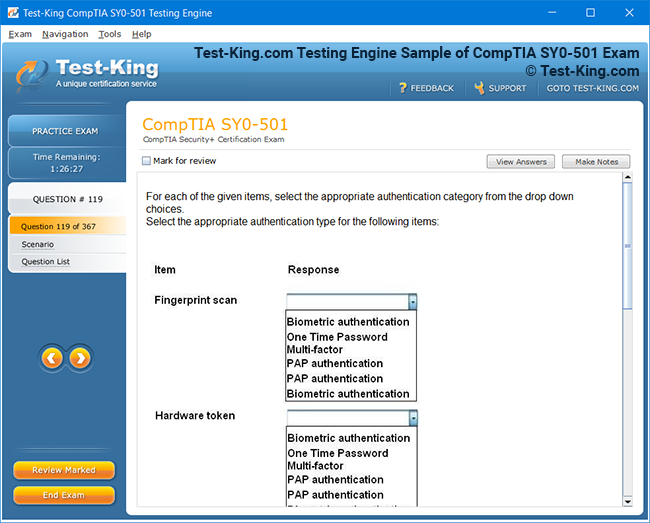
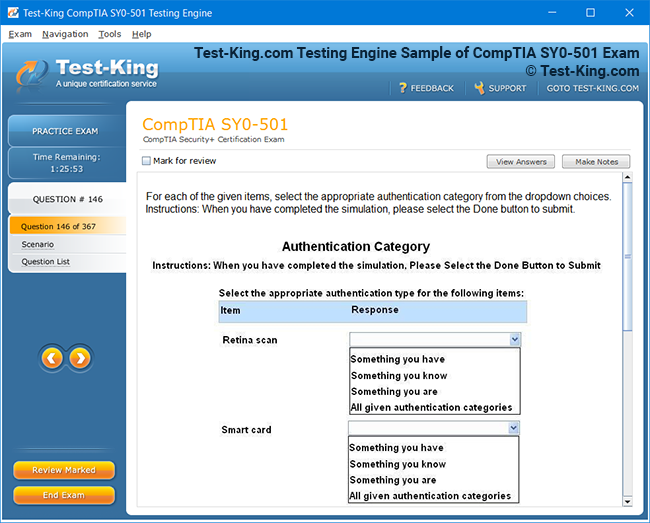
Product Screenshots
Understanding the Nokia Cloud Packet Core Expert Certification
The Nokia Cloud Packet Core Expert certification is an epitome of mastery in contemporary telecommunications, specifically in the domain of cloud networking. As mobile networks have evolved from 4G to 5G and beyond, there is a growing necessity for professionals who can seamlessly integrate cloud-native principles with mobile core networks. This certification not only validates a professional’s theoretical comprehension but also emphasizes practical prowess in orchestrating, deploying, and managing complex cloud-based packet core networks. For network engineers, architects, and operators, achieving this credential signifies a profound understanding of mobile core infrastructures, enabling them to navigate the rapidly shifting landscape of digital communications with finesse.
Introduction to Nokia Cloud Packet Core Expert Certification
At its core, the certification focuses on cloud packet core architecture, a foundational component in modern mobile networks. This architecture embodies the principles of control and user plane separation, virtual network functions, and network function orchestration. By mastering these elements, professionals become adept at handling the exponential growth of data traffic while ensuring optimal network performance. Beyond the technical intricacies, the certification equips candidates with a holistic understanding of policy management, subscriber handling, and signaling protocols, which are indispensable for sustaining resilient, high-capacity mobile networks.
The Nokia Cloud Packet Core Expert certification is targeted at individuals with foundational networking knowledge who aspire to elevate their careers. Professionals with experience in LTE or 5G core architectures gain an invaluable advantage, but the program is structured to enhance learning for all network professionals seeking specialization. By engaging with this certification, candidates are exposed to cutting-edge methodologies for virtualized network deployment, gaining insight into cloud orchestration, automation, and optimization practices that are crucial in contemporary telecom operations.
Curriculum and Skills Developed Through Certification
The curriculum designed for this certification is meticulously structured to balance theoretical knowledge with practical application. Professionals are immersed in the study of cloud-native packet core components, which include the control plane, responsible for signaling, session management, and mobility; the user plane, dedicated to high-speed data transmission; and the service-based architecture, enabling modular and scalable network function deployment. Understanding these components allows certified experts to design networks that are not only resilient but also adaptive to the dynamic requirements of modern mobile users.
A pivotal aspect of the training involves policy and subscriber management, a domain that is often overlooked yet critical for network efficiency. Professionals learn to implement complex policy rules that govern traffic prioritization, quality-of-service parameters, and network resource allocation. This ensures that networks can accommodate a diverse array of applications, from bandwidth-intensive video streaming to latency-sensitive industrial automation processes. The ability to manage subscribers dynamically, while adhering to regulatory compliance and service agreements, enhances both operational reliability and end-user experience.
Orchestration and automation constitute another vital skill set imparted by the certification. Candidates are trained to deploy virtualized network functions, configure cloud environments, and automate repetitive network tasks using sophisticated orchestration tools. This not only reduces operational overhead but also minimizes human error, ensuring that networks can scale efficiently without compromising performance. Through simulation exercises and hands-on labs, professionals gain confidence in troubleshooting network anomalies, optimizing data flows, and implementing proactive maintenance strategies that are indispensable in high-demand environments.
The certification also sharpens analytical and problem-solving skills, which are essential in diagnosing complex network issues. Professionals learn to interpret performance metrics, identify potential bottlenecks, and implement corrective measures that enhance network throughput and reliability. This analytical acumen, combined with technical expertise, positions certified individuals as invaluable assets within their organizations, capable of driving innovation and ensuring operational excellence.
Industry Significance and Demand
The telecommunications industry is experiencing unprecedented transformation, driven by the proliferation of 5G, the expansion of the Internet of Things, and the emergence of edge computing. These technological shifts necessitate a workforce that is not only technically proficient but also adaptable to rapidly evolving network paradigms. Professionals who attain the Nokia Cloud Packet Core Expert certification are uniquely positioned to fulfill this need. Their expertise in cloud-based packet core networks allows organizations to maintain high-performance infrastructure while adopting new services and applications with agility.
Certified experts play a crucial role in enabling service providers to deliver reliable, high-speed connectivity to an increasingly mobile and data-driven user base. Their proficiency in managing virtualized core networks ensures that operators can accommodate surges in data traffic, deploy network slices for specialized applications, and maintain consistent quality of service. As the demand for immersive digital experiences and mission-critical applications grows, the presence of skilled cloud packet core professionals becomes a strategic imperative for network operators worldwide.
The global demand for individuals with this certification is substantial. Telecom operators across Asia, Europe, and North America are actively seeking experts capable of designing, deploying, and maintaining cloud-native packet core networks. The scarcity of such specialized skills has elevated the market value of certified professionals, often translating into higher remuneration and accelerated career growth. Additionally, organizations benefit from reduced operational risk, enhanced network efficiency, and the ability to implement innovative services, positioning them competitively in a saturated market.
Real-World Applications and Career Advancement
Holding the Nokia Cloud Packet Core Expert certification opens doors to a multitude of career opportunities. Professionals often transition into roles such as cloud core network engineers, 5G solution architects, network optimization specialists, and operations managers. These positions demand not only technical knowledge but also strategic thinking and the ability to coordinate across multiple functional teams. By leveraging the expertise gained through certification, professionals contribute directly to the design, orchestration, and optimization of networks that underpin modern communication infrastructures.
The certification also empowers professionals to participate in transformative projects, including the integration of edge computing platforms, implementation of network slicing for enterprise solutions, and deployment of latency-sensitive services. This involvement in cutting-edge initiatives not only enhances practical experience but also reinforces a professional’s reputation as a thought leader within the telecom domain. Employers recognize the value of certified experts, often entrusting them with leadership responsibilities in planning and executing complex network deployments.
Furthermore, the certification fosters continuous professional development. As mobile networks evolve, certified individuals are better equipped to adopt emerging technologies, such as AI-driven network management, machine learning-based traffic optimization, and advanced security mechanisms for cloud-native environments. This ongoing learning ensures that professionals remain at the forefront of the industry, capable of adapting to technological shifts and driving innovation within their organizations.
Strategic Importance for Organizations
Organizations employing Nokia Cloud Packet Core Experts derive strategic advantages that extend beyond technical capabilities. Certified professionals contribute to operational efficiency by optimizing network performance, reducing downtime, and streamlining processes through automation and orchestration. Their insights into network architecture and performance metrics enable proactive decision-making, ensuring that infrastructure investments yield maximum returns.
In addition, certified experts facilitate the deployment of scalable and resilient networks that can accommodate the increasing demand for mobile data and new services. Their knowledge of cloud packet core architectures allows organizations to implement flexible network designs, enabling rapid adaptation to market trends and customer requirements. This adaptability is especially valuable in the context of 5G networks, where service differentiation, low latency, and high reliability are essential competitive factors.
Organizations also gain credibility and market confidence by employing professionals with this certification. It signals a commitment to technical excellence and innovation, enhancing the organization’s reputation among clients, partners, and regulatory bodies. In an industry where service quality and network reliability are paramount, having certified experts ensures that the organization is well-positioned to meet the expectations of an increasingly demanding market.
The Transformative Impact on Network Professionals
The Nokia Cloud Packet Core Expert certification represents more than a credential; it is a transformative milestone in a network professional’s career. It signifies mastery over complex cloud-based mobile core technologies and equips individuals with the tools to tackle the challenges of contemporary telecommunications. By integrating deep technical knowledge with practical application, the certification cultivates a breed of professionals capable of leading network innovation and operational excellence.
The impact of this certification extends to professional recognition and career mobility. Certified experts are often sought after by leading telecom operators, cloud service providers, and technology consultancies. Their specialized skills make them indispensable in projects involving network virtualization, cloud integration, and next-generation mobile services. As a result, professionals enjoy enhanced career prospects, opportunities for international assignments, and the potential to influence strategic decisions within their organizations.
Moreover, the certification fosters a mindset of continuous improvement and learning. Professionals are encouraged to explore emerging technologies, experiment with innovative network configurations, and develop solutions that anticipate future demands. This proactive approach not only enhances technical competence but also cultivates leadership qualities, positioning certified experts as key contributors to the evolution of mobile networks worldwide.
Mastery of Cloud Packet Core Architecture
The Nokia Cloud Packet Core Expert certification equips network professionals with a formidable arsenal of technical skills that transcend conventional networking knowledge. At the heart of the curriculum lies mastery over cloud packet core architecture, a vital element in contemporary mobile networks. Professionals gain an intricate understanding of the control plane, which manages signaling, session establishment, mobility, and policy enforcement. Equally, they acquire expertise in the user plane, which is responsible for high-speed data transfer and optimized traffic routing. This dual comprehension allows certified experts to construct resilient and scalable networks capable of handling ever-increasing volumes of mobile data with efficiency and precision.
A critical dimension of the training involves the service-based architecture, which enables modular deployment of network functions. By understanding the interdependencies and orchestration of these virtualized components, professionals can implement flexible network designs that cater to diverse applications and fluctuating traffic patterns. The certification also emphasizes high availability strategies, ensuring that networks remain robust even under peak demand or during unforeseen outages. This level of technical proficiency is crucial for telecom operators striving to meet stringent performance metrics and customer expectations in an increasingly competitive environment.
In addition to architectural comprehension, the certification instills the capability to design and implement end-to-end solutions that integrate multiple network elements. Professionals are trained to align control and user planes seamlessly, orchestrate virtual network functions, and manage traffic flows to minimize latency. They develop the ability to foresee potential bottlenecks, apply intelligent routing policies, and optimize network throughput while maintaining compliance with regulatory standards. This holistic expertise positions certified individuals as indispensable contributors to network planning and operations.
Proficiency in Policy and Subscriber Management
A distinguishing feature of the Nokia Cloud Packet Core Expert certification is the emphasis on policy and subscriber management, a domain that is increasingly critical in mobile networks. Professionals learn to implement sophisticated policy control mechanisms that dictate how network resources are allocated to different user groups and applications. By managing quality-of-service parameters, bandwidth prioritization, and traffic shaping, certified experts ensure that users receive consistent, high-quality experiences, regardless of network load or geographic location.
Subscriber management is another pivotal component, encompassing authentication, authorization, mobility handling, and session management. Professionals gain expertise in orchestrating subscriber databases, enforcing access policies, and monitoring usage patterns to optimize network performance. These capabilities are indispensable in environments with millions of concurrent users, where efficient subscriber handling directly impacts service reliability and operational efficiency. The training also covers integration with billing systems, network analytics platforms, and regulatory compliance protocols, equipping professionals to manage end-to-end subscriber interactions seamlessly.
The certification further explores dynamic policy enforcement, allowing networks to adapt in real-time to changing conditions. For instance, during peak traffic periods, automated policy adjustments can ensure that critical applications maintain performance while non-essential services are deprioritized. This adaptability is essential for modern operators who must balance customer satisfaction with operational efficiency and network sustainability.
Hands-On Orchestration and Automation Skills
Automation and orchestration are cornerstones of modern cloud-native networking, and the certification emphasizes hands-on mastery of these capabilities. Professionals learn to deploy virtualized network functions, configure orchestration platforms, and automate repetitive processes, reducing the reliance on manual intervention. This proficiency not only enhances operational efficiency but also minimizes human error, ensuring that networks remain reliable and responsive under varying conditions.
Through practical exercises and simulations, candidates gain experience in orchestrating end-to-end network services, including service chaining, fault management, and resource allocation. They learn to integrate monitoring systems that provide real-time visibility into network performance, enabling proactive interventions before issues escalate. Automation also encompasses scaling resources dynamically based on traffic patterns, ensuring that networks maintain optimal performance without unnecessary expenditure on excess capacity.
The certification curriculum further explores advanced orchestration concepts, such as intent-based networking, where policies are translated into automated configurations that align with strategic objectives. Professionals develop the ability to design workflows that anticipate network demands, optimize resource usage, and maintain stringent quality-of-service standards. This level of automation and orchestration expertise is critical for operators implementing 5G networks, IoT deployments, and edge computing infrastructures.
Analytical Thinking and Problem-Solving Capabilities
The rigorous training associated with the Nokia Cloud Packet Core Expert certification cultivates exceptional analytical thinking and problem-solving abilities. Professionals are trained to examine network metrics, identify anomalies, and determine the root causes of performance degradation. By applying a combination of statistical analysis, traffic modeling, and scenario simulation, certified experts can predict potential issues and implement preventative measures to maintain uninterrupted service.
Problem-solving skills extend to complex network optimization challenges, such as balancing load across multiple nodes, minimizing latency in high-traffic environments, and ensuring seamless mobility across regions. Professionals learn to employ diagnostic tools, interpret signaling traces, and leverage automation platforms to implement corrective actions efficiently. This analytical sophistication ensures that certified experts can address operational challenges proactively, rather than reactively, enhancing overall network resilience.
The certification also encourages innovative thinking, prompting professionals to explore unconventional solutions and optimization strategies. By fostering a mindset of continuous improvement, candidates learn to adapt to evolving network architectures, emerging protocols, and shifting user demands. This intellectual agility is especially valuable in the context of next-generation mobile networks, where rapid technological evolution requires a combination of deep expertise and inventive problem-solving.
Integration of Emerging Technologies
The Nokia Cloud Packet Core Expert certification prepares professionals to integrate emerging technologies into mobile networks, ensuring future-readiness. This includes the adoption of cloud-native principles, containerized network functions, and software-defined networking, which collectively enable highly flexible, scalable, and resilient infrastructures. Professionals also gain exposure to artificial intelligence and machine learning applications in network management, such as predictive maintenance, automated fault detection, and intelligent traffic routing.
By mastering these technologies, certified experts are capable of implementing innovative network solutions that enhance operational efficiency, reduce costs, and improve user experiences. They are equipped to design environments where virtualized and physical components coexist harmoniously, ensuring seamless service delivery across heterogeneous network landscapes. Furthermore, their proficiency in leveraging analytics and automation enables operators to extract actionable insights, optimize resource utilization, and make informed decisions in real time.
The training also emphasizes the strategic deployment of network slices, allowing operators to allocate dedicated virtual resources to specific services or customers. This capability is critical in supporting enterprise applications, critical communications, and high-bandwidth consumer services. Professionals develop the skills to configure, monitor, and maintain these slices, ensuring that performance requirements are consistently met without compromising overall network efficiency.
Application in Real-World Scenarios
Certified experts are prepared to apply their knowledge in real-world network environments, addressing challenges encountered in large-scale deployments. They contribute to the planning, implementation, and optimization of mobile networks, including LTE, 5G, and converged architectures. Their expertise ensures that networks can handle increasing traffic demands, maintain low latency, and provide uninterrupted connectivity for critical applications.
The certification equips professionals to troubleshoot complex network issues, manage high-density subscriber populations, and optimize network performance across diverse geographic regions. They are adept at coordinating multi-vendor environments, integrating legacy systems with next-generation technologies, and implementing automated solutions that enhance operational efficiency. This practical competence is essential for organizations seeking to maintain competitive advantage in an industry where service quality and reliability are paramount.
Beyond technical proficiency, the certification enhances strategic thinking and decision-making capabilities. Professionals gain the ability to assess network performance, identify areas for improvement, and implement initiatives that align with organizational objectives. Their contributions extend to capacity planning, cost optimization, and innovation, positioning certified experts as vital drivers of both operational excellence and strategic growth within telecom organizations.
Impact on Career Trajectory
The technical skills acquired through the Nokia Cloud Packet Core Expert certification significantly elevate a professional’s career trajectory. Individuals gain recognition for their specialized knowledge, positioning them for advanced roles such as cloud network architects, 5G deployment specialists, and network optimization managers. The certification also enhances credibility with employers, clients, and peers, opening doors to international opportunities and high-responsibility projects.
Professionals benefit from a combination of technical mastery and strategic insight, enabling them to contribute meaningfully to network design, deployment, and management. Their expertise in cloud packet core technologies becomes a differentiating factor in competitive job markets, ensuring that certified individuals are highly sought after by leading telecom operators, technology vendors, and service providers. The skills acquired through this certification not only enhance immediate employability but also establish a foundation for lifelong professional growth in a dynamic and rapidly evolving industry.
Expanding Horizons for Network Professionals
The Nokia Cloud Packet Core Expert certification has become a cornerstone for professionals aspiring to excel in the dynamic and complex domain of telecommunications. As mobile networks evolve and embrace cloud-native architectures, the demand for highly skilled experts capable of orchestrating and managing these infrastructures has surged. This certification equips professionals with the technical acumen and strategic insight necessary to navigate modern network environments, enabling them to assume roles that were previously inaccessible to those without specialized knowledge.
Professionals who obtain this certification develop an in-depth understanding of cloud-based packet core networks, including control plane management, user plane optimization, policy control, and orchestration of virtualized functions. These competencies position them to contribute significantly to organizations implementing 4G and 5G networks, IoT platforms, and edge computing solutions. Beyond technical proficiency, certified experts cultivate analytical thinking, problem-solving capabilities, and the ability to anticipate network demands, skills that are highly sought after in an increasingly competitive telecom landscape.
The certification also amplifies a professional’s credibility, signaling to employers and industry peers that the individual possesses not only theoretical knowledge but also practical expertise in deploying, optimizing, and managing complex network systems. This recognition translates into enhanced career mobility, higher earning potential, and access to prestigious projects that shape the future of telecommunications.
Roles and Responsibilities of Certified Experts
Certified Nokia Cloud Packet Core Experts often occupy pivotal positions within organizations, where their technical prowess directly impacts network performance, service quality, and operational efficiency. These roles encompass cloud core network engineers, who are responsible for the implementation and maintenance of virtualized network functions, ensuring seamless data flow and connectivity across multiple domains. Professionals in this capacity monitor network performance, troubleshoot anomalies, and optimize user experiences by applying sophisticated routing, traffic management, and policy enforcement techniques.
Another critical role involves 5G solution architects, who design, implement, and optimize end-to-end mobile networks. These experts leverage their knowledge of cloud-native architectures, orchestration platforms, and network slicing capabilities to create scalable solutions that cater to diverse user needs. Their responsibilities extend beyond design, encompassing deployment strategies, performance monitoring, and continuous optimization to meet stringent service-level agreements and performance benchmarks.
Network optimization specialists constitute another prominent category of professionals certified in cloud packet core technologies. Their focus lies in enhancing network efficiency, reducing latency, and maximizing throughput across multiple nodes and regions. By analyzing traffic patterns, identifying potential bottlenecks, and implementing proactive strategies, these experts ensure that networks remain resilient and responsive, even under the pressure of escalating data demands. Their role is particularly crucial in high-density urban areas and regions experiencing rapid digital transformation, where reliable connectivity is paramount for both consumers and enterprises.
Operations managers with this certification oversee the broader operational landscape of mobile networks, coordinating teams, managing resources, and ensuring compliance with industry standards. These professionals integrate insights from network analytics, subscriber management systems, and automation tools to make strategic decisions that enhance service quality and reduce operational risks. Their unique blend of technical expertise and managerial acumen enables organizations to maintain competitive advantage while scaling services efficiently.
Global Industry Demand and Market Trends
The telecommunications industry is witnessing an unprecedented surge in demand for professionals adept at managing cloud-native packet core networks. With the widespread rollout of 5G networks, the proliferation of IoT devices, and the increasing reliance on high-speed data services, organizations worldwide are seeking certified experts who can implement and maintain scalable, resilient, and high-performance infrastructures. This demand spans diverse geographies, from emerging markets in Asia to established telecom hubs in Europe and North America.
Market trends indicate that operators are prioritizing investments in cloud-based mobile core solutions to support evolving service requirements. As networks transition from traditional hardware-dependent architectures to virtualized, software-driven environments, the need for skilled professionals capable of orchestrating, automating, and optimizing these systems has become critical. Certified experts are positioned to fill this gap, bringing specialized knowledge that ensures network reliability, efficiency, and adaptability in the face of rapid technological change.
The scarcity of professionals with expertise in cloud packet core technologies further amplifies their market value. Organizations recognize that employing certified experts not only mitigates operational risks but also accelerates the deployment of new services, enhances customer satisfaction, and supports long-term growth strategies. As a result, individuals holding this certification often experience heightened job security, competitive salaries, and opportunities for international mobility, reflecting the global demand for their skills.
Career Advancement and Earning Potential
The Nokia Cloud Packet Core Expert certification significantly enhances a professional’s career trajectory by providing access to advanced roles and responsibilities. Certified individuals are frequently considered for senior positions, such as lead network engineers, network architects, and strategic technology advisors. These roles require a combination of technical expertise, problem-solving capabilities, and strategic foresight, all of which are cultivated through the certification program.
Salary prospects for certified experts are correspondingly elevated, reflecting the premium placed on their specialized skills. Organizations are willing to invest substantially in professionals who can design, deploy, and optimize cloud-based packet core networks, particularly in environments where network performance directly impacts revenue, customer retention, and brand reputation. The combination of high technical competence and the ability to drive operational excellence positions certified experts as highly valuable assets within their organizations.
Beyond financial rewards, the certification facilitates access to high-impact projects that shape the evolution of mobile networks. Professionals may participate in large-scale 5G rollouts, IoT integration initiatives, edge computing deployments, and multi-vendor network implementations. This exposure not only deepens technical expertise but also broadens strategic insight, enabling certified individuals to influence decision-making processes, guide innovation, and contribute to the long-term vision of their organizations.
Strategic Importance for Telecom Organizations
Organizations benefit extensively from employing Nokia Cloud Packet Core Experts, as their specialized knowledge translates into tangible operational and strategic advantages. Certified professionals are instrumental in designing networks that are scalable, resilient, and optimized for performance, ensuring that operators can meet the growing demands of data-intensive applications, emerging services, and increasingly sophisticated user expectations. Their ability to manage virtualized functions, orchestrate network elements, and automate processes enhances operational efficiency, reduces downtime, and mitigates risks associated with network failures.
The strategic impact of certified experts extends to service innovation. By leveraging their expertise, organizations can deploy network slices, implement advanced policy controls, and support high-value enterprise applications. This capability enables operators to differentiate services, create tailored offerings for diverse customer segments, and generate additional revenue streams. Furthermore, their insights into emerging technologies, performance optimization, and operational best practices provide a foundation for sustainable growth, ensuring that organizations remain competitive in a rapidly evolving telecom landscape.
The presence of certified professionals also fosters organizational resilience. By anticipating network challenges, implementing proactive maintenance strategies, and optimizing resource allocation, these experts help operators maintain uninterrupted service delivery. This reliability is critical in an era where mobile connectivity underpins business operations, critical communications, and daily life. Organizations that invest in certified experts are better positioned to navigate technological disruptions, meet regulatory requirements, and sustain customer trust in highly competitive markets.
Preparing for a Future-Focused Career
The Nokia Cloud Packet Core Expert certification serves as a catalyst for professionals seeking a future-focused career in telecommunications. The technical expertise acquired through the program equips individuals to navigate the complexities of next-generation networks, including cloud-native deployments, 5G infrastructure, and IoT integration. By mastering control and user plane functions, orchestration, policy management, and subscriber handling, certified experts are prepared to meet the challenges of increasingly virtualized and software-driven network environments.
Moreover, the certification encourages a mindset of continuous learning and adaptation. Professionals are exposed to emerging technologies, industry best practices, and innovative deployment strategies, fostering intellectual agility and resilience. This orientation enables certified experts to anticipate market trends, adopt new tools and methodologies, and implement solutions that align with both organizational objectives and evolving user expectations.
The holistic preparation provided by the certification ensures that professionals are not only technically competent but also strategically aware. They are equipped to assess network performance, identify opportunities for optimization, and contribute to decision-making processes that influence network design, deployment, and management. This combination of skills positions certified experts as indispensable contributors to the telecommunications industry, capable of driving both operational excellence and innovation on a global scale.
Transformative Impact on Professional Recognition
Achieving the Nokia Cloud Packet Core Expert certification enhances a professional’s standing within the industry. Certified individuals are recognized as authorities in cloud-based packet core networks, capable of bridging the gap between theoretical knowledge and practical application. This recognition extends to employers, clients, and industry peers, reinforcing the value of their expertise and positioning them as trusted advisors in the design and management of complex network infrastructures.
The certification also facilitates professional networking opportunities, connecting individuals with a community of experts who share insights, best practices, and experiences. This interaction fosters collaboration, knowledge exchange, and the development of innovative solutions to contemporary network challenges. As certified experts engage in high-impact projects and assume leadership roles, their influence extends beyond technical execution to strategic guidance, thought leadership, and the shaping of industry standards.
Furthermore, the certification instills confidence in professionals to undertake ambitious initiatives, explore novel solutions, and lead cross-functional teams. The recognition of their expertise enables them to advocate for advanced network strategies, implement transformative projects, and contribute meaningfully to organizational growth. In a rapidly evolving industry where technical mastery and strategic vision are both paramount, the Nokia Cloud Packet Core Expert certification represents a powerful instrument for career elevation and professional distinction.
Enabling Next-Generation Connectivity
The telecommunications landscape is undergoing a profound metamorphosis with the advent of 5G and the anticipation of future network paradigms. The Nokia Cloud Packet Core Expert certification positions professionals to play an indispensable role in this transformation, equipping them with the knowledge and skills required to implement, optimize, and manage cloud-native mobile networks. Certified experts are entrusted with orchestrating complex infrastructures that support ultra-low latency applications, high-throughput services, and a burgeoning ecosystem of connected devices, all while ensuring operational resilience and scalability.
At the heart of their expertise lies an intricate understanding of cloud-native packet core architecture, which integrates control and user planes, virtualized network functions, and service-based orchestration. This knowledge allows certified professionals to design networks capable of meeting the rigorous demands of 5G applications, including autonomous vehicles, augmented and virtual reality, industrial automation, and mission-critical communications. By mastering these technical intricacies, they ensure that networks remain adaptive, efficient, and capable of delivering consistent performance across heterogeneous environments.
Certified experts are also adept at managing network slices, a fundamental feature of 5G architecture that allows operators to allocate dedicated virtual resources for specific services or customer segments. This capability enables tailored service delivery, supporting enterprise applications, critical communications, and high-bandwidth consumer services. Professionals leverage their understanding of policy control, subscriber management, and orchestration to configure, monitor, and maintain these slices, ensuring that performance, reliability, and security requirements are consistently met.
Achieving Ultra-Low Latency and High Throughput
One of the most compelling contributions of Nokia Cloud Packet Core Experts is their ability to optimize networks for ultra-low latency and high throughput. As 5G networks support latency-sensitive applications such as telemedicine, remote control systems, and immersive multimedia experiences, certified professionals ensure that data flows efficiently and without interruption. They employ advanced routing algorithms, traffic prioritization techniques, and intelligent resource allocation to minimize delays and maximize data transfer rates, maintaining seamless connectivity even under heavy network load.
The certification provides hands-on expertise in orchestrating virtualized network functions, configuring control and user planes, and integrating automation platforms that dynamically adjust network performance based on real-time demands. Professionals are trained to analyze traffic patterns, identify potential bottlenecks, and implement proactive strategies that maintain high throughput and service continuity. This technical sophistication is critical for operators aiming to provide differentiated services and maintain competitive advantage in a rapidly evolving telecommunications landscape.
Certified experts also develop capabilities in managing multi-access edge computing environments, where computation and data storage are positioned closer to end users. By optimizing traffic routing, processing resources, and latency management, they ensure that edge deployments enhance performance, reduce network congestion, and support latency-critical applications. Their proficiency in edge orchestration and user plane optimization is instrumental in realizing the full potential of 5G networks.
Network Slicing and Multi-Tenant Deployments
Network slicing is a transformative feature of modern mobile networks, allowing operators to create multiple logical networks on a single physical infrastructure. Nokia Cloud Packet Core Experts are trained to design, configure, and manage these slices, ensuring that each virtual network meets the specific requirements of its intended service or customer segment. This capability is crucial for supporting enterprise solutions, critical communications, and emerging technologies that demand guaranteed performance and reliability.
Professionals develop expertise in orchestrating slice resources, monitoring performance, and enforcing policies that maintain service level agreements. They understand the interdependencies between slices, control and user plane functions, and orchestration platforms, enabling them to optimize network utilization without compromising service quality. By leveraging automation and analytics tools, certified experts can dynamically adjust slice configurations in response to changing traffic patterns, ensuring that network resources are allocated efficiently and effectively.
Multi-tenant deployments, which involve supporting multiple customers or services on a shared infrastructure, also benefit from the expertise of certified professionals. They implement isolation mechanisms, performance monitoring, and security protocols that ensure tenants receive consistent and reliable service. This capability is increasingly vital as operators expand their offerings to enterprise clients, IoT platforms, and other specialized applications that require dedicated network performance.
Supporting Edge Computing and IoT Integration
The proliferation of IoT devices and the expansion of edge computing platforms have introduced new complexities in network design and management. Certified experts are equipped to address these challenges by integrating IoT devices and edge nodes into the cloud packet core network, ensuring seamless communication, data processing, and resource allocation. Their skills enable networks to support massive device densities, diverse traffic profiles, and latency-sensitive applications, which are essential for smart cities, industrial automation, and connected consumer experiences.
In edge computing scenarios, professionals configure user plane functions, orchestrate virtualized resources, and optimize data flows to minimize latency and reduce backhaul congestion. They also implement analytics and monitoring frameworks that provide real-time insights into network performance, enabling operators to make informed decisions and proactively address potential issues. The ability to integrate IoT devices and edge nodes seamlessly into the core network enhances operational efficiency, reduces latency, and ensures reliable service delivery across geographically dispersed deployments.
Moreover, certified experts understand the security and policy implications of IoT integration, implementing access controls, encryption mechanisms, and traffic segmentation to protect sensitive data and prevent unauthorized access. Their expertise ensures that networks remain resilient and secure, even as the number of connected devices continues to grow exponentially.
Facilitating 5G Deployment and Optimization
The Nokia Cloud Packet Core Expert certification equips professionals to support the deployment and optimization of 5G networks at scale. Certified experts contribute to network planning, capacity management, and performance optimization, ensuring that new deployments meet stringent technical and operational requirements. They leverage their understanding of cloud-native architectures, virtualization, and orchestration to design networks that are scalable, resilient, and capable of supporting diverse services.
Optimization tasks include balancing load across multiple nodes, managing mobility and handover procedures, and ensuring consistent quality of service across varying traffic conditions. Professionals utilize monitoring and analytics tools to assess network performance, identify inefficiencies, and implement corrective actions. This continuous optimization is critical for maintaining service reliability, minimizing latency, and supporting emerging 5G applications that demand ultra-high performance and responsiveness.
Certified experts also play a crucial role in integrating legacy networks with 5G infrastructures, ensuring backward compatibility, and facilitating smooth migration. Their ability to orchestrate hybrid environments, manage multi-vendor components, and align network functions across generations of technology enables operators to maximize the value of existing investments while deploying next-generation capabilities.
Preparing for Future Network Evolutions
Beyond 5G, the telecommunications industry is exploring future network paradigms, including 6G research, pervasive AI integration, and advanced virtualization frameworks. Nokia Cloud Packet Core Experts are trained to anticipate these evolutions, developing the skills to implement adaptive, intelligent, and highly automated networks. Their proficiency in cloud-native principles, orchestration, policy control, and subscriber management positions them to lead innovation and maintain network performance in increasingly complex environments.
Certified professionals are also prepared to contribute to research and development initiatives, evaluating emerging technologies, testing novel configurations, and implementing pilot deployments. Their analytical skills, combined with practical expertise, enable them to assess feasibility, optimize performance, and propose solutions that align with organizational objectives and industry trends. This forward-looking capability ensures that certified experts remain relevant and influential as networks continue to evolve.
By combining technical mastery with strategic insight, professionals holding the Nokia Cloud Packet Core Expert certification can drive transformative projects, enhance operational efficiency, and support the deployment of cutting-edge services. Their expertise is instrumental in ensuring that networks remain adaptable, resilient, and capable of meeting the growing demands of connected societies, enterprise applications, and next-generation technologies.
Enhancing Operational Efficiency and Network Reliability
Organizations across the telecommunications landscape derive profound strategic advantages by employing professionals certified in Nokia Cloud Packet Core technologies. These experts possess the technical acumen to orchestrate, optimize, and maintain cloud-native packet core networks, which translates directly into enhanced operational efficiency and network reliability. By integrating virtualized functions, automating processes, and managing complex traffic flows, certified professionals ensure that network resources are utilized optimally, downtime is minimized, and performance remains consistently high across diverse operational scenarios.
The rigorous training associated with the certification equips professionals to address both anticipated and unforeseen network challenges. They are capable of designing scalable architectures that can handle increasing traffic loads, deploying advanced monitoring systems that detect anomalies in real time, and implementing proactive maintenance strategies that prevent service degradation. Their expertise in control and user plane management, policy enforcement, and subscriber handling ensures that organizations can deliver uninterrupted, high-quality services to end users, even during peak demand periods.
Certified experts also excel in optimizing data throughput and latency, a critical requirement for modern mobile networks supporting video streaming, cloud gaming, IoT devices, and enterprise applications. By analyzing traffic patterns, adjusting resource allocation dynamically, and orchestrating virtualized network functions, they maintain efficient operation while reducing operational costs. This ability to balance performance and efficiency is a distinctive advantage for organizations seeking to maximize the return on infrastructure investments while maintaining exceptional service quality.
Driving Digital Transformation
The presence of Nokia Cloud Packet Core Experts within an organization accelerates digital transformation initiatives. Their knowledge of cloud-native architectures, virtualization, and orchestration enables enterprises to transition from traditional hardware-centric networks to flexible, software-driven environments. This transformation is vital in an era where rapid deployment of new services, scalability, and adaptability are essential for maintaining competitiveness in the telecommunications market.
Certified professionals contribute to the deployment of innovative network solutions, such as network slicing, multi-access edge computing, and IoT integration. These capabilities allow operators to offer differentiated services tailored to specific customer segments, enhancing user experiences and opening new revenue streams. Professionals also implement automation and analytics frameworks that streamline operations, reduce manual intervention, and enable real-time decision-making, further reinforcing the organization’s ability to innovate rapidly and efficiently.
The strategic influence of certified experts extends beyond operational improvements. They guide organizational decision-making by providing insights into network performance, infrastructure requirements, and emerging technologies. Their expertise enables organizations to adopt a proactive approach to technology investments, prioritize initiatives with the highest impact, and ensure that digital transformation efforts align with long-term business objectives.
Competitive Advantage in Telecom Markets
Employing Nokia Cloud Packet Core Experts provides organizations with a distinct competitive edge in the telecommunications sector. These professionals bring a combination of technical mastery, analytical insight, and strategic foresight, enabling operators to deliver superior service quality, optimize network performance, and implement innovative solutions. Their expertise is particularly valuable in markets where customer expectations for high-speed connectivity, low latency, and reliable service are rapidly evolving.
Certified experts facilitate the deployment of advanced network features such as ultra-low latency services, high-throughput applications, and reliable connectivity for enterprise clients. By implementing efficient orchestration, dynamic policy management, and automated monitoring, they ensure that networks can adapt to changing demand patterns while maintaining performance and resilience. This adaptability positions organizations to respond swiftly to market opportunities, differentiate their offerings, and maintain customer satisfaction in competitive environments.
Moreover, organizations benefit from enhanced reputation and credibility by employing certified professionals. Stakeholders, partners, and clients recognize the value of expertise in cloud packet core technologies, associating it with operational excellence, innovation, and reliability. This perception strengthens the organization’s brand, fosters trust, and attracts new business opportunities, reinforcing the strategic advantage gained through a skilled workforce.
Enabling Scalable and Resilient Network Architectures
One of the most tangible benefits of employing Nokia Cloud Packet Core Experts is their ability to design and manage scalable, resilient network architectures. Certified professionals are adept at orchestrating virtualized network functions, configuring control and user planes, and implementing automation strategies that allow networks to grow in capacity without compromising performance. This capability is essential for operators supporting increasing numbers of connected devices, data-intensive applications, and geographically dispersed user bases.
Resilient network design involves anticipating potential points of failure, implementing redundancy measures, and ensuring rapid recovery in the event of outages. Certified experts are trained to develop these architectures, leveraging monitoring tools, automated failover mechanisms, and traffic optimization techniques to maintain uninterrupted service. Their ability to balance performance, cost, and reliability ensures that organizations can meet stringent service-level agreements while minimizing operational risk.
In addition to scalability and resilience, certified professionals enhance network security and compliance. They implement policy controls, access management protocols, and monitoring systems that protect sensitive data and maintain regulatory compliance. This expertise is particularly crucial in environments where enterprise clients, government agencies, and critical infrastructure rely on reliable, secure connectivity.
Facilitating Innovation and New Service Deployment
Certified experts play a central role in enabling organizations to innovate and deploy new services efficiently. Their deep understanding of cloud packet core technologies allows operators to implement advanced features such as network slicing, edge computing integration, and IoT connectivity. By orchestrating virtualized network functions and automating routine processes, they reduce the time required to launch new services, accelerate time-to-market, and maintain service quality.
Innovation is further supported through the integration of analytics and automation tools that provide actionable insights into network performance, subscriber behavior, and traffic patterns. Certified professionals leverage these insights to optimize resource allocation, identify opportunities for new offerings, and ensure that emerging services meet performance and reliability requirements. Their ability to translate technical knowledge into strategic initiatives empowers organizations to maintain relevance in a rapidly evolving market.
Additionally, certified experts contribute to multi-vendor network environments, coordinating integration and interoperability across diverse systems. This capability enables organizations to adopt best-of-breed solutions, maximize infrastructure investments, and maintain flexibility in network design. By combining technical expertise with strategic foresight, these professionals ensure that organizations remain agile and innovative, capable of responding to market shifts and customer expectations effectively.
Strengthening Decision-Making and Strategic Planning
The presence of Nokia Cloud Packet Core Experts enhances organizational decision-making and strategic planning. Certified professionals provide insights into network performance, capacity planning, and emerging technology trends, enabling leadership teams to make informed choices regarding infrastructure investments, service expansion, and operational improvements. Their analytical acumen ensures that decisions are grounded in data, risk assessment, and performance optimization, reducing uncertainty and supporting sustainable growth.
Strategic planning benefits from the ability of certified experts to anticipate technological evolution, assess network readiness, and recommend deployment strategies that align with long-term objectives. They can model traffic growth, evaluate network resilience, and identify areas where innovation can drive operational efficiency and competitive advantage. By integrating these insights into planning processes, organizations position themselves to remain ahead of industry trends, capitalize on emerging opportunities, and maintain market leadership.
Furthermore, certified professionals support cross-functional collaboration, bridging the gap between technical teams, management, and business units. Their expertise allows them to communicate complex technical concepts in actionable terms, ensuring that strategic initiatives are technically feasible, operationally efficient, and aligned with organizational goals. This ability to influence decision-making and guide execution enhances both operational effectiveness and long-term competitiveness.
Maximizing Return on Infrastructure Investments
Organizations employing Nokia Cloud Packet Core Experts are better equipped to maximize the return on their infrastructure investments. Certified professionals optimize resource allocation, automate routine tasks, and implement scalable architectures that reduce operational overhead while maintaining high performance. Their expertise ensures that networks operate efficiently, supporting increased capacity, enhanced service quality, and minimized downtime without excessive expenditure.
By implementing cloud-native architectures, virtualized network functions, and automated orchestration, certified experts allow organizations to scale infrastructure dynamically in response to demand fluctuations. This flexibility reduces the need for overprovisioning, lowers capital expenditures, and enhances cost efficiency. Additionally, their ability to monitor performance, analyze traffic patterns, and optimize network configuration ensures that infrastructure investments yield maximum operational benefit.
The combination of technical expertise, operational efficiency, and strategic insight positions organizations to achieve superior financial performance while maintaining exceptional service quality. Certified professionals act as catalysts for innovation, operational excellence, and strategic growth, ensuring that investments in network infrastructure deliver both immediate and long-term value.
Preparing for the Certification and Staying Ahead
The Nokia Cloud Packet Core Expert certification serves as a transformative credential for network professionals seeking to navigate the complexities of modern cloud-based mobile networks. Achieving this certification requires rigorous preparation, combining theoretical knowledge with practical application, and a forward-looking understanding of emerging technologies. Candidates are expected to master the intricacies of cloud-native packet core architecture, including control and user plane functions, orchestration, policy enforcement, and subscriber management, all of which are critical for the design, deployment, and optimization of contemporary mobile networks.
Preparation begins with a thorough exploration of the curriculum, which encompasses network architecture, virtualization principles, orchestration platforms, and automation frameworks. Professionals are encouraged to engage with hands-on labs, simulations, and scenario-based exercises that replicate real-world network conditions. This practical immersion allows candidates to gain confidence in configuring virtualized network functions, managing dynamic traffic flows, and implementing intelligent policy controls. By integrating these skills with analytical reasoning and problem-solving capabilities, professionals develop the expertise required to excel in operational environments that demand precision, resilience, and adaptability.
Understanding the nuances of subscriber management and policy control is also pivotal for certification success. Candidates learn to manage authentication, session establishment, mobility, and access control, ensuring that networks can handle millions of users efficiently. Advanced training emphasizes dynamic policy enforcement, enabling networks to adapt in real-time to changing traffic conditions, application requirements, and quality-of-service mandates. This adaptability is particularly critical in modern mobile environments, where latency-sensitive applications, high-density traffic, and IoT integration impose stringent performance requirements.
Automation and orchestration represent another essential component of preparation. Candidates gain proficiency in deploying virtualized network functions, configuring orchestration platforms, and automating routine processes, which enhances operational efficiency and reduces human error. Hands-on exercises focus on service chaining, resource allocation, fault detection, and recovery procedures, providing professionals with the capability to manage complex, cloud-native networks with agility and precision. By mastering automation, candidates are prepared to optimize network performance continuously, respond proactively to anomalies, and support rapid deployment of new services.
Developing Analytical and Strategic Insight
The certification also cultivates analytical thinking and strategic insight, essential for professionals operating in rapidly evolving telecommunications environments. Candidates learn to interpret network performance metrics, identify potential bottlenecks, and implement corrective measures that maintain service continuity. Scenario-based training fosters predictive reasoning, enabling professionals to anticipate network behavior under varying traffic loads and design resilient solutions accordingly. This analytical acumen not only enhances operational decision-making but also informs strategic planning for network expansion, optimization, and innovation.
Furthermore, the certification encourages professionals to consider the broader implications of network design and deployment. Beyond technical execution, candidates explore how cloud packet core architectures impact organizational objectives, operational efficiency, and customer experience. This holistic perspective equips professionals to make informed recommendations regarding resource allocation, infrastructure investment, and technology adoption, ensuring that network initiatives align with both short-term operational requirements and long-term strategic goals.
The combination of technical mastery and strategic insight also prepares professionals for leadership roles within their organizations. Certified experts are capable of guiding cross-functional teams, advocating for innovative solutions, and contributing to high-level decision-making processes. Their ability to bridge technical expertise with strategic vision positions them as key contributors to organizational growth, network modernization, and competitive differentiation in an industry characterized by rapid technological evolution.
Embracing Emerging Technologies and Future Trends
Beyond immediate preparation for the certification exam, candidates are encouraged to stay abreast of emerging technologies and future network trends. The telecommunications landscape is continuously evolving, with advancements such as 6G research, pervasive AI integration, enhanced network slicing, and next-generation edge computing redefining the operational paradigm. Certified professionals develop the skills necessary to incorporate these innovations into existing networks, ensuring that their expertise remains relevant and forward-looking.
Exposure to artificial intelligence and machine learning applications is a key aspect of preparing for the certification and future-proofing a career. Candidates learn how predictive analytics, automated fault detection, and intelligent traffic management can enhance network efficiency and reliability. By leveraging these technologies, professionals are capable of designing adaptive networks that respond dynamically to changing conditions, optimize resource utilization, and maintain high-quality service delivery in increasingly complex environments.
Integration of IoT devices, multi-access edge computing nodes, and enterprise-specific network requirements also forms a critical component of preparation. Certified experts acquire the ability to orchestrate these elements within the cloud packet core framework, ensuring seamless communication, low latency, and operational efficiency. Their skills enable organizations to support diverse applications ranging from industrial automation and smart city infrastructure to high-bandwidth multimedia services and remote collaboration platforms.
Career Pathways and Professional Growth
Achieving the Nokia Cloud Packet Core Expert certification opens a multitude of career pathways for network professionals. Certified individuals are qualified for roles such as cloud core network engineers, 5G solution architects, network optimization specialists, and operations managers. These positions leverage the technical and strategic capabilities developed through certification, offering opportunities to influence network design, deployment, and optimization at scale.
In addition to immediate career advancement, the certification provides long-term professional growth. Individuals gain recognition as experts in cloud-native packet core technologies, enhancing their reputation and credibility within the industry. This recognition can lead to involvement in high-impact projects, leadership roles, international assignments, and opportunities to contribute to research and development initiatives. By combining technical expertise, analytical insight, and strategic understanding, certified professionals are well-positioned to shape the evolution of mobile networks and drive innovation within their organizations.
The certification also enhances earning potential, as organizations value the specialized skills, problem-solving capabilities, and strategic acumen that certified experts bring. Professionals often command competitive salaries and benefit from career stability, reflecting the increasing global demand for expertise in cloud packet core technologies. Additionally, the certification facilitates networking with a community of peers and industry leaders, providing avenues for collaboration, knowledge exchange, and continuous learning.
Maximizing Organizational Value
Organizations employing Nokia Cloud Packet Core Experts gain significant strategic advantages. Certified professionals contribute to operational efficiency, network reliability, and service innovation, enabling organizations to meet customer expectations and maintain competitive positioning. Their ability to orchestrate virtualized network functions, implement automation, and optimize resource allocation ensures that networks operate at peak performance while minimizing operational overhead.
Certified experts also support the deployment of innovative services, including network slicing, edge computing, and IoT integration, which enable operators to differentiate their offerings and tap into new revenue streams. Their strategic insight informs infrastructure investment decisions, capacity planning, and service expansion initiatives, ensuring that organizational resources are allocated effectively and aligned with long-term objectives. By combining technical proficiency with strategic vision, these professionals enhance both operational performance and organizational resilience.
The presence of certified experts also strengthens decision-making, as they provide actionable insights into network performance, emerging technologies, and optimization opportunities. Their contributions facilitate informed choices regarding network design, deployment, and expansion, reducing risk and improving service reliability. This capacity to integrate technical knowledge with organizational strategy underscores the transformative value that certified professionals bring to their employers.
Future Outlook and Evolving Roles
The future of telecommunications is poised for rapid evolution, with increasing adoption of cloud-native architectures, AI-driven network management, and next-generation wireless technologies. Professionals certified in Nokia Cloud Packet Core technologies are uniquely equipped to navigate these changes, ensuring that networks remain resilient, scalable, and capable of supporting emerging applications and services. Their expertise allows organizations to anticipate market trends, implement innovative solutions, and maintain a competitive edge in a rapidly changing landscape.
Roles for certified professionals are likely to expand as networks become more virtualized, automated, and data-driven. Emerging responsibilities may include leading multi-domain orchestration projects, integrating AI-driven network management systems, deploying advanced edge computing solutions, and supporting enterprise-specific service requirements. The ability to adapt to these evolving roles will be a defining characteristic of successful professionals, highlighting the enduring value of the certification in supporting both career growth and organizational innovation.
The certification also fosters a culture of continuous learning, encouraging professionals to stay current with technological advancements, industry standards, and emerging best practices. This commitment to lifelong learning ensures that certified experts remain agile, resilient, and capable of leading transformative initiatives in telecommunications, positioning them as indispensable contributors to the evolution of modern networks.
Conclusion
The Nokia Cloud Packet Core Expert certification represents a culmination of technical mastery, strategic insight, and practical expertise in cloud-native mobile networks. Preparing for this certification equips professionals with the skills required to design, deploy, optimize, and manage complex infrastructures, while fostering analytical thinking, problem-solving capabilities, and a forward-looking perspective. Certified experts are instrumental in supporting organizational goals, driving operational efficiency, enabling innovation, and ensuring network reliability in an increasingly competitive and data-driven telecommunications landscape.
As networks continue to evolve with 5G, edge computing, IoT integration, and emerging technologies, the demand for skilled professionals will continue to grow. Those who achieve this certification are not only recognized for their technical proficiency but also positioned as leaders capable of shaping the future of telecommunications. By combining rigorous preparation, practical experience, and continuous learning, certified individuals enhance their career trajectories, maximize organizational value, and contribute to the advancement of next-generation network infrastructures worldwide.
Frequently Asked Questions
How can I get the products after purchase?
All products are available for download immediately from your Member's Area. Once you have made the payment, you will be transferred to Member's Area where you can login and download the products you have purchased to your computer.
How long can I use my product? Will it be valid forever?
Test-King products have a validity of 90 days from the date of purchase. This means that any updates to the products, including but not limited to new questions, or updates and changes by our editing team, will be automatically downloaded on to computer to make sure that you get latest exam prep materials during those 90 days.
Can I renew my product if when it's expired?
Yes, when the 90 days of your product validity are over, you have the option of renewing your expired products with a 30% discount. This can be done in your Member's Area.
Please note that you will not be able to use the product after it has expired if you don't renew it.
How often are the questions updated?
We always try to provide the latest pool of questions, Updates in the questions depend on the changes in actual pool of questions by different vendors. As soon as we know about the change in the exam question pool we try our best to update the products as fast as possible.
How many computers I can download Test-King software on?
You can download the Test-King products on the maximum number of 2 (two) computers or devices. If you need to use the software on more than two machines, you can purchase this option separately. Please email support@test-king.com if you need to use more than 5 (five) computers.
What is a PDF Version?
PDF Version is a pdf document of Questions & Answers product. The document file has standart .pdf format, which can be easily read by any pdf reader application like Adobe Acrobat Reader, Foxit Reader, OpenOffice, Google Docs and many others.
Can I purchase PDF Version without the Testing Engine?
PDF Version cannot be purchased separately. It is only available as an add-on to main Question & Answer Testing Engine product.
What operating systems are supported by your Testing Engine software?
Our testing engine is supported by Windows. Andriod and IOS software is currently under development.
Top Nokia Exams
- 4A0-D01 - Nokia Data Center Fabric Fundamentals
- 4A0-100 - Nokia IP Networks and Services Fundamentals
- 4A0-C03 - Nokia NRS II Composite: IS-IS version
- 4A0-112 - Nokia IS-IS Routing Protocol
- 4A0-104 - Nokia Services Architecture
- 4A0-116 - Nokia Segment Routing
- 4A0-115 - Nokia Ethernet Virtual Private Network Services
- 4A0-D03 - Nokia SR Linux EVPN and Data Center Interconnect
- 4A0-103 - Nokia Multiprotocol Label Switching
- 4A0-107 - Nokia Quality of Service
- 4A0-114 - Nokia Border Gateway Protocol Fundamentals for Services
- 4A0-AI1 - Nokia NSP IP Network Automation Professional Composite Exam
- 4A0-205 - Nokia Optical Networking Fundamentals