

Exam Code: 4A0-AI1
Exam Name: Nokia NSP IP Network Automation Professional Composite Exam
Certification Provider: Nokia
Corresponding Certification: Nokia Certified NSP IP Network Automation Professional
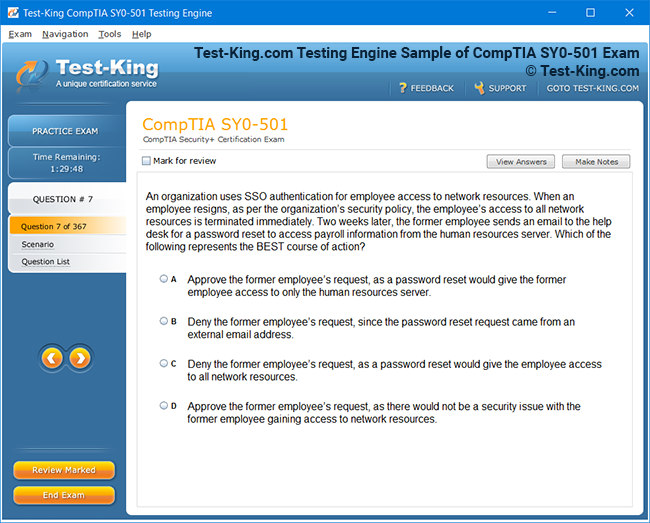
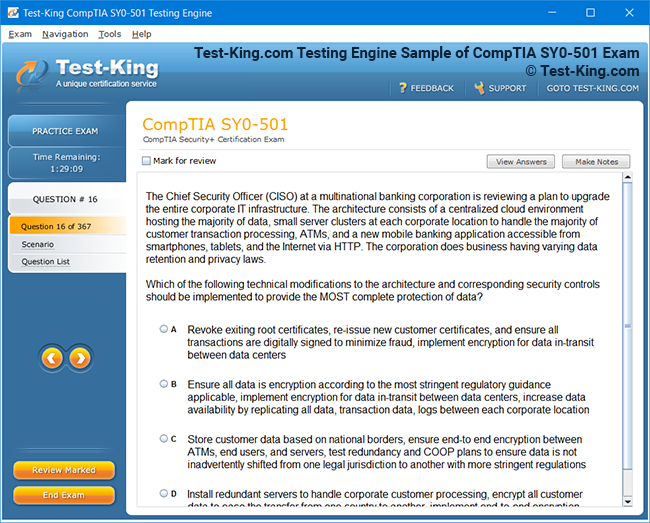
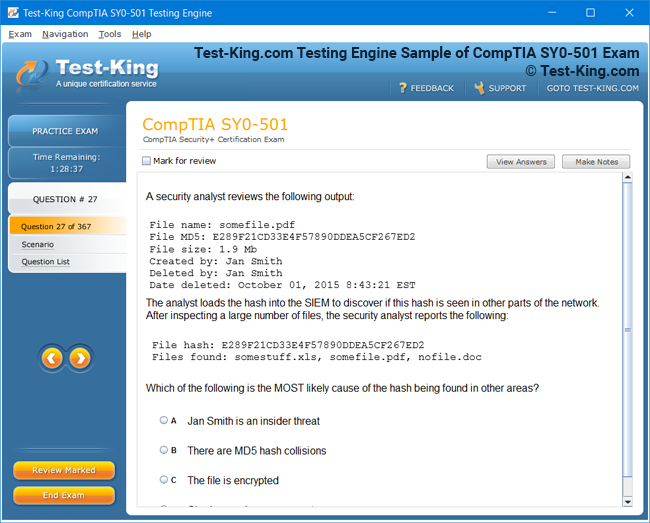
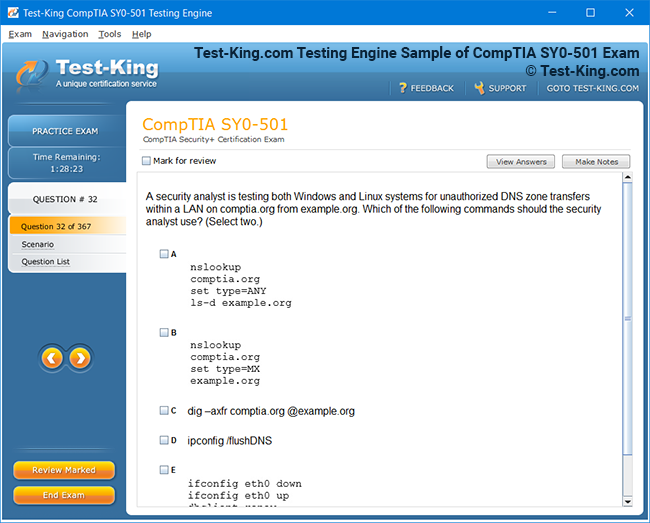
Product Screenshots
Frequently Asked Questions
How can I get the products after purchase?
All products are available for download immediately from your Member's Area. Once you have made the payment, you will be transferred to Member's Area where you can login and download the products you have purchased to your computer.
How long can I use my product? Will it be valid forever?
Test-King products have a validity of 90 days from the date of purchase. This means that any updates to the products, including but not limited to new questions, or updates and changes by our editing team, will be automatically downloaded on to computer to make sure that you get latest exam prep materials during those 90 days.
Can I renew my product if when it's expired?
Yes, when the 90 days of your product validity are over, you have the option of renewing your expired products with a 30% discount. This can be done in your Member's Area.
Please note that you will not be able to use the product after it has expired if you don't renew it.
How often are the questions updated?
We always try to provide the latest pool of questions, Updates in the questions depend on the changes in actual pool of questions by different vendors. As soon as we know about the change in the exam question pool we try our best to update the products as fast as possible.
How many computers I can download Test-King software on?
You can download the Test-King products on the maximum number of 2 (two) computers or devices. If you need to use the software on more than two machines, you can purchase this option separately. Please email support@test-king.com if you need to use more than 5 (five) computers.
What is a PDF Version?
PDF Version is a pdf document of Questions & Answers product. The document file has standart .pdf format, which can be easily read by any pdf reader application like Adobe Acrobat Reader, Foxit Reader, OpenOffice, Google Docs and many others.
Can I purchase PDF Version without the Testing Engine?
PDF Version cannot be purchased separately. It is only available as an add-on to main Question & Answer Testing Engine product.
What operating systems are supported by your Testing Engine software?
Our testing engine is supported by Windows. Andriod and IOS software is currently under development.
Top Nokia Exams
- 4A0-D01 - Nokia Data Center Fabric Fundamentals
- 4A0-C03 - Nokia NRS II Composite: IS-IS version
- 4A0-100 - Nokia IP Networks and Services Fundamentals
- 4A0-112 - Nokia IS-IS Routing Protocol
- 4A0-104 - Nokia Services Architecture
- 4A0-116 - Nokia Segment Routing
- 4A0-107 - Nokia Quality of Service
- 4A0-114 - Nokia Border Gateway Protocol Fundamentals for Services
- 4A0-AI1 - Nokia NSP IP Network Automation Professional Composite Exam
- 4A0-205 - Nokia Optical Networking Fundamentals
- 4A0-115 - Nokia Ethernet Virtual Private Network Services
- 4A0-D03 - Nokia SR Linux EVPN and Data Center Interconnect
- 4A0-103 - Nokia Multiprotocol Label Switching
4A0-AI1 : How to Prepare Effectively for the Nokia NSP IP Network Automation Professional Exam
Preparing for the Nokia NSP IP Network Automation Professional exam requires a meticulous approach that intertwines theoretical comprehension with hands-on experience. This certification is designed to validate the proficiency of network engineers in automating IP networks using Nokia's NSP solutions. It is imperative to recognize the intricate structure of the exam, which is a composite of multiple domains encompassing network fundamentals, automation frameworks, scripting methodologies, and troubleshooting protocols. The exam evaluates not only rote memorization but also the practical application of concepts in realistic scenarios, demanding a harmonious blend of analytical thinking and technical acumen.
Understanding the Exam Structure and Objectives
Candidates must familiarize themselves with the objectives outlined by Nokia, which include a deep understanding of network architecture, the implementation of automation workflows, and the optimization of IP routing processes. The assessment also emphasizes the capacity to integrate disparate systems, ensuring seamless interoperability within complex network environments. Aspiring professionals should note that the exam does not merely test theoretical knowledge but gauges the aptitude for designing, executing, and maintaining automated solutions that enhance operational efficiency.
Understanding the nuances of each domain is essential. Network fundamentals, for instance, encompass knowledge of IP addressing schemes, subnetting strategies, routing protocols, and redundancy mechanisms. Automation frameworks require insight into how Nokia's NSP orchestrates network operations through programmable interfaces and workflow engines. Candidates should be conversant with script-based automation, as proficiency in languages commonly utilized in network automation, such as Python, is a significant component of the examination. Additionally, familiarity with configuration management, event-driven orchestration, and monitoring tools is vital for demonstrating comprehensive mastery.
The examination also evaluates problem-solving under constrained conditions. Questions often simulate real-world network anomalies or misconfigurations, requiring the candidate to analyze logs, interpret protocol behavior, and apply corrective measures. Hence, it is advisable to cultivate a methodical approach to troubleshooting, wherein each step is carefully examined, hypotheses are formulated based on empirical evidence, and solutions are tested iteratively. This logical methodology will enhance performance on scenario-based questions and reinforce conceptual understanding.
Beyond the technical content, candidates are encouraged to develop a mental schema for the exam format. The assessment is predominantly multiple-choice, scenario-driven, and sometimes incorporates drag-and-drop simulations to evaluate workflow comprehension. Time management is critical; allocating adequate attention to complex scenarios without neglecting simpler questions can significantly influence overall performance. Practicing with mock exams that mirror the official environment allows candidates to acclimatize to the pacing and question complexity, mitigating anxiety and fostering confidence.
Familiarity with the scoring methodology also provides strategic advantage. The Nokia NSP IP Network Automation Professional exam employs weighted scoring, where certain domains carry more significance than others. Understanding which topics are emphasized allows candidates to prioritize study efforts effectively. For instance, automation workflow creation, network optimization, and troubleshooting typically receive heavier weighting, making proficiency in these areas crucial for achieving certification.
Building a Strategic Study Plan
A coherent and structured study plan is the cornerstone of successful preparation. The plan should incorporate a balanced mixture of theory, practical exercises, and assessment simulations. Initially, it is advisable to conduct a self-assessment to identify strengths and weaknesses in each domain. This diagnostic evaluation facilitates a focused allocation of time and resources, ensuring that areas requiring intensive study are not neglected while reinforcing existing knowledge.
Once the self-assessment is complete, a sequential roadmap can be designed. Begin with foundational topics such as IP networking principles, understanding routing protocols, and network topologies. Progressively integrate advanced subjects including automation frameworks, programmable interfaces, and orchestration strategies. The inclusion of practical labs at each stage enhances cognitive retention by linking abstract concepts to tangible applications. Utilizing emulation environments or network simulators replicates real-world scenarios, providing invaluable hands-on experience without the constraints of a production network.
Integrating diverse learning modalities into the study plan enhances efficacy. Reading official Nokia documentation, white papers, and design guides lays the theoretical groundwork, while interactive labs, tutorials, and workshops reinforce experiential learning. Peer discussions and study groups offer additional perspectives, often uncovering nuanced insights or alternative approaches to problem-solving. It is also prudent to document learning outcomes in a personal knowledge repository, enabling periodic review and the identification of recurring patterns across topics.
Time allocation should be realistic yet ambitious. Establishing dedicated study hours, interspersed with short breaks, prevents cognitive fatigue and maintains sustained focus. For complex topics such as event-driven automation or multi-layer network orchestration, extended study sessions may be required to internalize the procedural logic. Conversely, routine topics like IP addressing or routing basics can be reviewed in shorter intervals. Maintaining flexibility within the schedule accommodates unforeseen challenges while ensuring consistent progress toward mastery.
An effective study plan also incorporates iterative testing. Self-assessment quizzes, scenario-based exercises, and previous exam questions are essential for reinforcing knowledge and identifying gaps. Analyzing incorrect responses provides insight into conceptual misunderstandings or misinterpretations of exam phrasing. This iterative cycle of study, practice, and evaluation cultivates a resilient understanding that extends beyond memorization to practical application, which is the essence of the Nokia NSP IP Network Automation Professional certification.
Hands-On Practice and Simulation
Practical experience forms the fulcrum of preparation for the Nokia NSP IP Network Automation Professional exam. Laboratory exercises, simulation environments, and virtual network deployments allow candidates to interact with the tools and interfaces that they will encounter on the job. This hands-on exposure is indispensable for internalizing procedural sequences, understanding workflow dependencies, and anticipating potential configuration pitfalls.
Simulation exercises should encompass a wide range of scenarios, from routine network provisioning tasks to complex multi-node orchestrations. Engaging with automation scripts, creating template configurations, and testing rollback procedures builds proficiency in executing repeatable, error-resistant processes. Through repeated experimentation, candidates gain the confidence to manipulate network parameters safely and observe the immediate consequences of their actions, a skill that is directly transferable to exam scenarios.
Practical exercises also highlight the interplay between different networking layers. Observing the behavior of IP routes, analyzing protocol convergence, and monitoring automation logs cultivate an integrative understanding of network dynamics. Candidates are encouraged to document observations, anomalies, and resolutions, as this reflective practice deepens comprehension and improves retention. Additionally, mastering diagnostic tools and monitoring utilities within the NSP environment enables swift identification of issues and supports effective troubleshooting, which is frequently assessed in the examination.
Simulation exercises can be augmented by constructing hypothetical network topologies that challenge conventional thinking. Experimenting with varied configurations, intentionally introducing faults, and observing automated corrective measures enhances adaptability and reinforces procedural logic. This proactive approach mirrors real-world operational environments, where unforeseen events demand quick, accurate responses, and forms a critical part of the cognitive foundation tested in the exam.
Integrating Scripting and Automation Skills
A defining aspect of the Nokia NSP IP Network Automation Professional exam is the emphasis on scripting and programmable automation. Candidates are expected to not only comprehend automation concepts but also to apply scripting skills to streamline network operations. Familiarity with scripting languages, predominantly Python, empowers candidates to design dynamic workflows, execute repetitive tasks efficiently, and interface with network devices programmatically.
Understanding the structure of automation scripts, including control flow, conditional logic, and error handling, is vital. Candidates should practice writing scripts that interact with network devices, retrieve configuration data, and implement policy changes. Beyond basic automation, proficiency in crafting modular, reusable scripts demonstrates advanced capability and aligns with industry best practices. These exercises also improve familiarity with common libraries, APIs, and software development principles that underpin network automation in professional settings.
The integration of scripting with orchestration frameworks enhances operational efficiency. Candidates should explore how scripts interface with Nokia’s NSP workflow engine to execute complex tasks, trigger event-driven actions, and maintain compliance with operational standards. Testing scripts in simulated environments, validating output, and refining logic fosters confidence and ensures readiness for exam scenarios that present workflow challenges. Additionally, understanding logging mechanisms, debugging processes, and exception handling is crucial for diagnosing and resolving automation anomalies.
Mastering Troubleshooting and Analytical Thinking
Troubleshooting constitutes a significant component of the Nokia NSP IP Network Automation Professional certification. Candidates are assessed on their ability to diagnose network issues methodically and apply appropriate corrective actions. Developing analytical thinking skills is therefore indispensable. Exam questions may present ambiguous symptoms, requiring candidates to deduce root causes using reasoning, data interpretation, and knowledge of network behavior.
Effective troubleshooting begins with systematic observation. Candidates should learn to analyze network traffic, interpret protocol states, and correlate system logs with expected performance metrics. Recognizing patterns, distinguishing between symptomatic and root issues, and evaluating the impact of configuration changes forms the foundation of successful problem-solving. Realistic practice in simulated environments cultivates this skill, allowing candidates to experiment, observe outcomes, and refine their methodology iteratively.
A holistic approach to troubleshooting also encompasses preventive strategies. Understanding common misconfigurations, potential automation pitfalls, and workflow dependencies enables candidates to anticipate issues before they manifest. By integrating proactive monitoring, validation routines, and contingency procedures, network engineers not only resolve existing problems efficiently but also enhance the resilience and reliability of the automated network ecosystem, which is a key objective of the certification.
Advanced Study Techniques and Knowledge Consolidation
Preparing for the Nokia NSP IP Network Automation Professional exam demands more than casual review; it requires a rigorous approach that integrates theoretical knowledge with persistent practice. Candidates often encounter a wide array of topics spanning IP network architectures, automation workflows, scripting methodologies, and troubleshooting paradigms. A strategic methodology for consolidating this knowledge involves active learning techniques, where engagement with the material extends beyond reading to encompass synthesis, application, and critical evaluation.
One effective approach is the creation of interconnected conceptual maps. By visualizing the relationships between routing protocols, network layers, and automation mechanisms, candidates can comprehend how modifications in one area propagate through the broader network ecosystem. This cognitive scaffolding enables more rapid recall and situational adaptability during exam scenarios. Conceptual mapping should be complemented by iterative summarization, where complex processes, such as multi-device orchestration or automated IP provisioning, are distilled into concise narratives that reinforce both understanding and retention.
Regular interaction with official Nokia documentation is indispensable. Design guides, technical manuals, and solution briefs elucidate the intended operational philosophy of the NSP platform. Reading these materials with an analytical mindset allows candidates to extract nuanced insights about automation logic, workflow dependencies, and configuration hierarchies. Coupled with hands-on experimentation, this dual approach solidifies comprehension, bridging the gap between theory and practice. It is equally valuable to maintain a curated repository of observations, caveats, and procedural notes, which can serve as a personalized reference during intensive review sessions.
Integrating mnemonic devices into study routines can expedite memorization of intricate information, such as protocol hierarchies, command sequences, and error codes. Associating patterns with imaginative or unusual visual cues transforms rote data into memorable constructs, facilitating rapid recall during examination pressure. For more sophisticated topics, narrative-based learning—where workflows and processes are conceptualized as stories with cause-and-effect sequences—enhances cognitive retention by contextualizing abstract concepts in a meaningful framework.
Time management remains a pivotal element of preparation. Structured schedules should allocate blocks of focused study to complex domains, interspersed with practical exercises that translate knowledge into operational competence. For instance, one may dedicate several hours to mastering automation workflows before immediately applying those principles in a simulated environment. This oscillation between theory and practice fosters the internalization of procedural knowledge and reinforces understanding through experiential reinforcement.
Immersive Hands-On Practice
A thorough command of the practical aspects of the Nokia NSP IP Network Automation Professional exam is acquired through immersive hands-on practice. Candidates should replicate real-world network scenarios in controlled lab environments, where experimentation can occur without operational risk. Simulations of multi-node networks, IP address allocation strategies, and routing protocol implementation are crucial exercises that mirror the complexities assessed in the exam. By repeatedly executing automation scripts, configuring network devices, and observing the resultant network behavior, candidates develop procedural fluency and technical intuition.
Within these environments, it is beneficial to introduce deliberate anomalies and misconfigurations. Observing the system’s response, analyzing log outputs, and systematically restoring functionality cultivates an analytical mindset. This method enhances diagnostic skills, preparing candidates to interpret ambiguous scenarios, recognize subtle malfunctions, and apply corrective actions efficiently. Documentation of these exercises, including the nature of the fault, the investigative process, and the solution implemented, reinforces memory retention and provides a personal knowledge base for continuous review.
Experimentation with orchestration workflows is a particularly valuable practice. Candidates should simulate automation sequences, incorporating conditional logic, event-driven triggers, and rollback procedures. Understanding how each element interacts within the workflow ecosystem fosters an appreciation of network dependencies and inter-device communication, which is essential for success in the examination. Additionally, monitoring system metrics, network performance data, and protocol convergence timelines during these exercises develops an ability to correlate configuration changes with operational outcomes, a skill frequently assessed in the certification test.
Scripting for Network Automation
Scripting is an indispensable element of proficiency in network automation. The Nokia NSP platform relies heavily on script-based orchestration, which necessitates familiarity with programming constructs and their application to network tasks. Candidates should focus on the creation of scripts that automate repetitive configurations, validate device states, and manage IP network resources dynamically. Beyond mere syntax familiarity, understanding the logic underpinning the scripts—control flows, conditional statements, exception handling, and modular design—is crucial for developing adaptable and resilient automation solutions.
Practical scripting exercises should involve iterative testing, debugging, and refinement. Writing scripts that interface with network devices, execute configuration changes, and retrieve status information not only solidifies programming competence but also illustrates the interplay between automation and operational efficacy. Candidates should cultivate the habit of embedding logging and error-handling mechanisms within scripts to facilitate troubleshooting and enhance workflow reliability. Mastery of these practices reflects the operational expectations inherent in the exam and industry standards.
Integrating scripting exercises with workflow orchestration enables candidates to witness the tangible effects of automation on network behavior. Automating tasks such as IP address assignment, VLAN provisioning, or routing protocol updates allows for an appreciation of procedural efficiencies and potential pitfalls. Through this practical lens, candidates can evaluate workflow dependencies, anticipate potential conflicts, and optimize script logic, reinforcing their ability to perform under examination conditions that present complex, scenario-driven challenges.
Troubleshooting Methodologies
The ability to diagnose and resolve network anomalies forms a cornerstone of the Nokia NSP IP Network Automation Professional exam. Troubleshooting proficiency requires the development of a systematic methodology. Candidates should approach issues by initially observing the system, gathering pertinent data, and hypothesizing potential causes. This deductive reasoning process, when coupled with iterative validation, allows for accurate identification of root causes and effective remediation.
A practical approach involves segmenting the network into discrete domains and analyzing each in isolation before integrating insights to assess systemic interactions. Observing protocol behavior, inspecting configuration parameters, and correlating log events provide a multi-dimensional perspective on network performance. By employing a disciplined investigative framework, candidates reduce the likelihood of oversight and enhance their capacity to address nuanced operational anomalies.
Candidates should also familiarize themselves with preventive strategies to mitigate common network disruptions. Recognizing the potential for misconfigurations, scripting errors, and workflow conflicts allows engineers to anticipate failures and implement safeguards proactively. The use of diagnostic tools, monitoring dashboards, and validation routines ensures that network operations remain resilient even in the presence of automation-induced complexities. This proactive mindset is invaluable for navigating scenario-based exam questions that test analytical reasoning and problem-solving acumen.
Enhancing Retention Through Repetition and Reflection
Knowledge consolidation is reinforced through repeated practice and reflective evaluation. Revisiting previously studied concepts, performing exercises multiple times, and analyzing past mistakes strengthen cognitive retention. Candidates should periodically review their personal notes, lab observations, and script outcomes to identify recurring themes, common pitfalls, and opportunities for procedural refinement. Reflection encourages the integration of disparate concepts into cohesive mental models, which are critical for addressing composite exam questions that span multiple domains.
Another effective technique is scenario-based rehearsal. Candidates can simulate exam-like situations, applying both theoretical knowledge and practical skills to resolve complex network challenges. These rehearsals enhance not only technical proficiency but also time management, prioritization, and the ability to navigate uncertainty—skills essential for high-stakes assessment environments. Incorporating diverse scenarios, such as multi-device orchestration failures or IP routing inconsistencies, ensures comprehensive preparation and builds resilience in problem-solving approaches.
Collaboration with peers or mentors further enriches the learning experience. Discussing strategies, sharing insights, and debating alternative approaches fosters deeper understanding and exposes candidates to diverse perspectives. Peer interaction also encourages critical evaluation, as candidates must articulate reasoning, defend decisions, and assimilate feedback constructively. This dialectic process cultivates intellectual agility and reinforces mastery across both foundational and advanced topics within the exam syllabus.
Exam Simulation and Confidence Building
Simulated examinations are invaluable for bridging preparation and actual test performance. These exercises replicate the pacing, question structure, and cognitive demands of the Nokia NSP IP Network Automation Professional certification. Candidates benefit from experiencing time constraints, complex multi-step scenarios, and scenario-based problem-solving under controlled conditions. Frequent simulation not only highlights areas requiring further study but also reduces performance anxiety by acclimating candidates to the examination environment.
Analysis of simulation results provides actionable insights. Identifying recurring errors, misinterpretations, or timing difficulties allows candidates to refine study strategies, reinforce weak areas, and adjust preparation techniques. Additionally, documenting thought processes during simulations encourages metacognition, where candidates become aware of their decision-making patterns, biases, and heuristics. This heightened self-awareness enhances adaptability and facilitates more efficient, confident performance during the actual exam.
Confidence in practical skills is equally critical. Candidates should aim to cultivate a level of familiarity with automation workflows, scripting exercises, and troubleshooting routines that approaches instinctive execution. This fluency ensures that under exam conditions, responses are swift, accurate, and grounded in procedural competence rather than hesitation or uncertainty. The combination of repeated practice, simulation, and reflective evaluation fosters both technical mastery and the psychological readiness required for optimal performance.
Leveraging Learning Resources and Communities
An extensive array of resources is available to candidates pursuing the Nokia NSP IP Network Automation Professional certification. Official guides, white papers, technical forums, and instructional videos provide comprehensive coverage of exam topics and practical insights. Candidates should evaluate resources critically, prioritizing materials that align with the exam blueprint, emphasize real-world applicability, and encourage active engagement.
Participation in professional communities enhances preparation by providing access to collective experience. Discussion forums, online study groups, and professional networks offer exposure to diverse perspectives, shared troubleshooting strategies, and nuanced explanations of complex concepts. Engaging with these communities encourages dialogue, fosters knowledge exchange, and supplements individual study with collaborative learning. Additionally, mentorship from certified professionals provides invaluable guidance on prioritization, practical exercises, and examination strategies that streamline preparation.
Deepening Conceptual Knowledge and Practical Expertise
Achieving proficiency for the Nokia NSP IP Network Automation Professional exam necessitates a fusion of conceptual depth and hands-on capability. Candidates must not only comprehend the theoretical underpinnings of IP networking but also cultivate the ability to implement, monitor, and troubleshoot automated workflows with precision. The exam assesses aptitude in navigating complex network architectures, orchestrating programmable processes, and resolving multifaceted anomalies under time constraints.
At the core of preparation lies a nuanced understanding of network topologies and routing paradigms. Familiarity with hierarchical designs, mesh configurations, and redundancy mechanisms equips candidates with the capacity to predict behavior under varying operational conditions. Mastery of routing protocols, including OSPF, BGP, and MPLS, is fundamental, as these protocols form the backbone of automated IP networks. Candidates should explore how routing updates propagate, convergence times vary, and protocol interactions influence overall performance, integrating these insights into practical exercises.
Automation workflows constitute a central domain of expertise. Candidates are expected to navigate the orchestration of provisioning, configuration management, and policy enforcement through the Nokia NSP framework. Comprehension of workflow sequences, task dependencies, and conditional execution ensures that automation initiatives maintain operational integrity while optimizing efficiency. Practical experimentation, such as developing scripts to automate IP allocation, VLAN assignments, or route distribution, solidifies theoretical knowledge and fosters familiarity with real-world scenarios.
Scripting proficiency enhances both operational agility and exam readiness. Candidates should engage with structured exercises that involve the creation, testing, and refinement of automation scripts. Emphasis should be placed on logical structuring, error handling, modularization, and reuse, ensuring that scripts are adaptable and resilient. By simulating routine network operations in a controlled environment, candidates gain insight into the practical implications of their scripts, observing how automation impacts system performance, fault tolerance, and scalability.
Effective troubleshooting is an indispensable skill. The examination evaluates the ability to diagnose, isolate, and resolve network irregularities. Candidates should develop systematic approaches, beginning with observation and data collection, followed by hypothesis formulation, iterative testing, and solution implementation. Practical exposure to network anomalies, such as misconfigured interfaces, routing loops, or automated workflow failures, enhances analytical reasoning. Detailed documentation of investigative processes reinforces retention and provides a resource for ongoing review.
Knowledge consolidation can be achieved through reflective practice and iterative repetition. Revisiting workflow orchestration, protocol behavior, and scripting exercises allows candidates to identify recurring patterns, anticipate potential errors, and refine procedural approaches. Creating narrative accounts of network operations, wherein each task and its dependencies are described sequentially, transforms abstract concepts into coherent mental models. This approach aids retention and enables efficient problem-solving during exam scenarios that combine multiple domains.
Scenario-Based Learning and Realistic Simulations
Scenario-based learning is pivotal in preparing for the Nokia NSP IP Network Automation Professional exam. Candidates benefit from exposure to complex, realistic situations that simulate operational challenges. These scenarios often combine multiple elements, such as network misconfigurations, automation sequence errors, and protocol anomalies, requiring holistic analysis and strategic intervention. Practicing under such conditions cultivates adaptive thinking, enhances procedural fluency, and prepares candidates for the multi-dimensional nature of examination questions.
Simulations should encompass a spectrum of network configurations, including hierarchical, full-mesh, and hybrid topologies. Candidates can introduce controlled perturbations, such as link failures, device reboots, or script execution errors, to observe network behavior and evaluate response strategies. Documenting outcomes and refining corrective measures builds an empirical understanding of cause-and-effect relationships within the network, enhancing both troubleshooting acumen and confidence under test conditions.
Automated orchestration within simulations provides insight into workflow dependencies and execution logic. Candidates should practice designing sequences that account for error handling, conditional branching, and multi-device coordination. By observing the impact of each automated task, they gain familiarity with the nuances of NSP’s orchestration engine, learning how to anticipate conflicts, optimize execution order, and validate outcomes effectively. This practice strengthens procedural understanding and ensures readiness for scenario-based questions that demand both technical knowledge and strategic foresight.
Integration of scripting exercises into simulated environments further reinforces learning. Candidates can develop scripts that perform network health checks, automate routine configurations, and trigger remediation actions. Testing these scripts within a controlled network allows observation of real-time interactions between automation and network behavior, highlighting dependencies, potential pitfalls, and optimization opportunities. Iterative refinement of these scripts cultivates proficiency in error handling, logging, and adaptive response, aligning preparation with the practical expectations of the exam.
Advanced Scripting Techniques and Workflow Optimization
Beyond foundational scripting, advanced techniques are crucial for achieving mastery in network automation. Candidates should explore modular script design, allowing reusable components to execute across multiple network scenarios. Incorporating conditional logic, exception handling, and parameterization ensures scripts can accommodate varying operational contexts. This approach not only enhances flexibility but also aligns with industry best practices, preparing candidates to manage complex, dynamic networks effectively.
Workflow optimization requires a holistic perspective. Candidates must understand the interdependencies between automated tasks, the implications of sequence variations, and the impact of concurrent operations. Simulation exercises that incorporate optimization challenges, such as reducing task execution time, minimizing configuration conflicts, or enhancing error recovery, cultivate strategic thinking. Observing the effects of optimized versus unoptimized workflows provides tangible insights into efficiency gains, operational resilience, and procedural refinement.
Integration of diagnostic routines within automation scripts enhances operational reliability. Candidates should practice embedding logging mechanisms, real-time monitoring, and self-correcting procedures. These measures enable rapid identification and resolution of anomalies, providing an additional layer of robustness to automated processes. By experimenting with these features in simulation environments, candidates develop an intuitive understanding of network behavior under varying conditions, preparing them for scenario-driven challenges in the examination.
Systematic Troubleshooting and Analytical Reasoning
Analytical reasoning is a cornerstone of success in the Nokia NSP IP Network Automation Professional exam. Candidates must develop the ability to dissect complex issues, differentiate symptomatic phenomena from root causes, and implement effective solutions. A systematic troubleshooting methodology begins with comprehensive observation, encompassing network state, protocol activity, and workflow execution. This initial assessment forms the foundation for hypothesis generation, guiding the subsequent investigative process.
Effective troubleshooting involves a combination of top-down and bottom-up analysis. Examining high-level network behavior alongside device-specific configurations allows candidates to identify inconsistencies, misalignments, or erroneous states. Cross-referencing observations with expected performance metrics, protocol standards, and automation logic further refines diagnostic precision. Practical exposure to recurring network anomalies, such as routing discrepancies, IP address conflicts, or workflow interruptions, reinforces both analytical and operational competency.
Documenting troubleshooting processes contributes significantly to knowledge consolidation. Candidates should record the nature of the anomaly, the investigative steps undertaken, the rationale behind decisions, and the resolution implemented. This practice not only aids retention but also provides a reference framework for future scenarios, enhancing adaptive problem-solving capabilities. Reflection on these experiences strengthens the ability to anticipate potential issues and formulate preemptive strategies, a skill highly relevant for scenario-based exam questions.
Cognitive Techniques for Retention and Recall
Cognitive reinforcement is essential for internalizing complex concepts in preparation for the exam. Techniques such as mental mapping, narrative reconstruction, and associative mnemonics facilitate long-term retention of network principles, automation workflows, and scripting logic. By creating vivid mental models that link abstract concepts to tangible operational outcomes, candidates improve recall efficiency and enhance comprehension under pressure.
Iterative rehearsal is particularly effective when combined with reflective analysis. Candidates can review previous exercises, identify patterns, and evaluate alternative approaches to problem-solving. This reflective cycle deepens understanding, encourages critical thinking, and strengthens the ability to apply theoretical knowledge to practical scenarios. Narrative reconstruction, wherein processes are described sequentially as coherent stories, further consolidates procedural knowledge, enabling candidates to navigate complex exam questions with confidence.
Scenario-based memory reinforcement complements cognitive techniques. Engaging with realistic network challenges under timed conditions encourages retrieval practice, a key factor in memory consolidation. Observing the interplay between automated tasks, routing behavior, and device interactions under these simulations ensures that knowledge is both contextually anchored and readily accessible during the examination. Combining cognitive strategies with immersive practice creates a robust foundation for both technical mastery and efficient recall.
Leveraging Collaborative Learning and Expert Guidance
Collaboration with peers and mentors enhances preparation by providing diverse perspectives and exposing candidates to nuanced problem-solving approaches. Study groups, discussion forums, and professional communities facilitate exchange of strategies, insights, and lessons learned from practical experiences. Engaging in dialogue, debating solutions, and reviewing alternative approaches cultivates critical thinking, reinforces understanding, and provides exposure to potential pitfalls not immediately apparent in individual study.
Mentorship offers additional advantages. Experienced professionals can provide guidance on prioritizing topics, designing effective practice routines, and navigating complex workflow scenarios. Mentors often share practical insights that bridge the gap between theoretical comprehension and operational expertise, enabling candidates to approach the examination with strategic awareness. Integrating mentorship with collaborative study further strengthens confidence, encourages accountability, and fosters a comprehensive understanding of both core and advanced domains.
Mock Examination and Performance Analysis
Simulation of examination conditions is invaluable in translating preparation into performance. Candidates should engage in timed mock exams that replicate the structure, question types, and cognitive demands of the Nokia NSP IP Network Automation Professional certification. These exercises highlight gaps in knowledge, identify recurring errors, and provide opportunities to refine time management strategies. Repetition of mock exams fosters familiarity with the pacing, enhances stress resilience, and reinforces procedural efficiency.
Analyzing performance in mock examinations informs targeted study adjustments. Candidates can categorize errors by domain, assess reasoning pathways, and identify patterns of misinterpretation. This reflective process supports iterative improvement, ensuring that preparation remains focused, adaptive, and aligned with examination demands. Integrating insights gained from performance analysis with practical exercises, scripting refinement, and workflow optimization solidifies a comprehensive preparation strategy.
Mastering Complex Network Automation and Orchestration
Achieving a high level of competence for the Nokia NSP IP Network Automation Professional exam requires not only understanding foundational concepts but also mastering the intricacies of complex network automation and orchestration. Candidates must cultivate the ability to design, implement, and troubleshoot multi-layered automated networks that reflect real-world operational demands. This includes proficiency in IP routing, dynamic workflow execution, and proactive network monitoring, all within the framework of Nokia’s NSP platform.
A critical component of preparation involves understanding the interdependencies inherent in multi-device networks. Candidates should analyze how automation tasks propagate across network elements, influence protocol behavior, and interact with existing configurations. Exam scenarios often test the ability to anticipate these interactions, requiring both conceptual insight and practical experimentation. By simulating multi-node environments, engineers gain firsthand experience in evaluating how changes in one segment affect overall network performance, ensuring they are prepared to address complex exam questions effectively.
Routing protocols form the foundation of automated IP networks, and mastery of these protocols is indispensable. Candidates must comprehend the mechanisms by which OSPF, BGP, and MPLS establish, maintain, and optimize routes. Beyond theoretical understanding, practical exercises should explore convergence times, route redistribution, failover behaviors, and protocol-specific nuances that influence automation workflows. Recognizing patterns in routing updates, loops, and conflicts equips candidates to devise preemptive measures and respond accurately during both simulation exercises and the examination itself.
Orchestration workflows demand meticulous attention to sequence, dependency, and error handling. Candidates should practice creating and refining sequences that encompass configuration deployment, verification, and remediation tasks. Conditional execution, rollback mechanisms, and error detection are critical elements of robust automation strategies. By testing these workflows in controlled environments, candidates can observe the real-time impact of each task, adjust execution order to prevent conflicts, and validate the resilience of the automation framework. This experiential understanding ensures preparedness for scenario-driven exam questions that challenge both analytical and operational capabilities.
Enhancing Scripting Proficiency for Real-World Applications
Scripting forms the linchpin of operational efficiency in automated networks. Candidates must develop scripts that not only execute routine configurations but also respond dynamically to changing network conditions. Advanced scripting techniques involve modular design, parameterization, and incorporation of logic to manage conditional execution. By structuring scripts to accommodate diverse scenarios, engineers enhance adaptability, minimize redundancy, and improve maintainability.
Practicing with real-world use cases enriches understanding. For instance, candidates may create scripts that automatically allocate IP addresses, configure VLANs, or update routing tables across multiple devices. Observing the effect of these scripts within simulated environments highlights interdependencies, potential conflicts, and areas for optimization. Iterative testing and refinement cultivate both technical competence and strategic insight, preparing candidates to handle complex orchestration scenarios effectively during the examination.
Error handling and logging are integral to resilient automation scripts. Candidates should embed mechanisms that detect anomalies, record execution outcomes, and trigger corrective actions. These practices not only improve operational reliability but also foster analytical skills, as engineers must interpret logs, identify root causes, and adjust workflows proactively. Familiarity with such techniques ensures candidates are equipped to address scenario-based challenges that emphasize both scripting proficiency and problem-solving aptitude.
Integration of scripting with orchestration frameworks reinforces the practical understanding of automated network behavior. Candidates should explore how scripts interface with Nokia NSP to execute workflows, manage device states, and enforce policies. By examining the outcomes of script-driven workflows, engineers develop insight into task dependencies, execution order, and error propagation. This hands-on experience is invaluable for both operational effectiveness and examination readiness, where complex, scenario-driven tasks often require a combination of scripting and analytical skill.
Systematic Troubleshooting and Predictive Analysis
Troubleshooting is a cornerstone of the Nokia NSP IP Network Automation Professional exam, emphasizing analytical reasoning and procedural precision. Candidates must develop the ability to identify, isolate, and resolve issues across multiple domains, including routing inconsistencies, automation failures, and misconfigurations. A systematic approach begins with observation, followed by data collection, hypothesis formulation, and iterative testing. This method ensures that solutions address root causes rather than superficial symptoms.
Predictive analysis enhances troubleshooting by allowing candidates to anticipate potential network anomalies before they manifest. By understanding common misconfigurations, automation pitfalls, and protocol interactions, engineers can implement preventive measures and optimize network performance. Simulated exercises that incorporate deliberate anomalies, such as link failures, script errors, or routing loops, cultivate the ability to respond efficiently and accurately. Documenting investigative processes reinforces learning, providing a reference framework for future scenarios and enhancing problem-solving agility.
Candidates should also develop familiarity with diagnostic tools and monitoring techniques within the NSP environment. Observing real-time performance metrics, evaluating protocol states, and analyzing workflow logs provide a multi-dimensional perspective on network health. By integrating these observations with troubleshooting methodology, engineers gain the capacity to respond to complex operational challenges, ensuring preparedness for both the exam and professional practice.
Cognitive Reinforcement and Conceptual Integration
Effective preparation requires the integration of cognitive reinforcement techniques to consolidate knowledge. Visualization of network topologies, narrative reconstruction of workflows, and associative mnemonics enhance memory retention and facilitate rapid recall under examination conditions. Candidates can transform abstract automation concepts into coherent mental models, enabling them to navigate complex scenario-based questions with confidence.
Iterative rehearsal is particularly effective when combined with reflective analysis. Revisiting previous exercises, evaluating alternative solutions, and analyzing patterns of errors strengthens understanding and encourages critical thinking. Scenario-based rehearsal further reinforces learning by simulating operational challenges, requiring the application of theoretical knowledge to practical problem-solving. This approach develops both technical proficiency and adaptive reasoning, essential for success in the Nokia NSP IP Network Automation Professional exam.
Knowledge consolidation is further enhanced through integrative exercises that link multiple domains. For example, candidates can design workflows that incorporate IP routing, VLAN configuration, automation scripting, and troubleshooting protocols within a single simulated environment. Observing the interactions between these elements deepens conceptual understanding, reinforces procedural knowledge, and prepares candidates to address composite exam questions that span multiple technical areas.
Collaborative Learning and Expert Guidance
Engaging with peers and mentors amplifies preparation effectiveness. Collaborative learning provides exposure to diverse perspectives, alternative approaches, and nuanced insights that may not emerge in solitary study. Study groups, online forums, and professional communities facilitate the exchange of strategies, the clarification of complex topics, and the identification of common pitfalls. Through dialogue, debate, and shared problem-solving, candidates enhance critical thinking and deepen conceptual understanding.
Mentorship offers targeted guidance that bridges theoretical knowledge and practical application. Experienced professionals can advise on prioritizing study topics, refining scripting exercises, and navigating complex workflow scenarios. Mentors also provide insights into examination strategies, time management, and stress mitigation, enhancing both technical competence and psychological readiness. Combining mentorship with collaborative learning ensures a holistic approach to preparation, fostering both confidence and operational mastery.
Mock Examination and Performance Assessment
Simulated examinations are essential for bridging preparation with performance. Candidates should engage in timed mock exams that replicate the structure, question types, and cognitive demands of the Nokia NSP IP Network Automation Professional certification. These simulations provide opportunities to apply theoretical knowledge, execute scripts, and troubleshoot workflows under realistic conditions. Frequent practice allows candidates to identify knowledge gaps, refine strategies, and enhance procedural fluency.
Analyzing mock exam results is critical for targeted improvement. Candidates can categorize errors by domain, assess reasoning approaches, and evaluate time management effectiveness. This reflective process informs adjustments to study routines, ensuring preparation remains focused and adaptive. Integrating insights from performance assessment with hands-on practice, workflow optimization, and scripting refinement strengthens both technical proficiency and examination readiness.
Scenario-based simulations further enhance exam preparedness. By recreating complex network challenges, candidates practice integrating multiple domains, anticipating interactions, and applying corrective measures efficiently. Observing outcomes, documenting lessons learned, and refining strategies reinforce procedural knowledge and enhance adaptive problem-solving capabilities. Over time, repeated exposure to varied scenarios cultivates confidence, operational intuition, and strategic agility, all essential for achieving success in the certification examination.
Advanced Workflow Design and Optimization
Designing advanced workflows is a critical skill for the Nokia NSP IP Network Automation Professional exam. Candidates must understand how to sequence tasks, manage dependencies, and incorporate error-handling mechanisms to maintain operational integrity. Practical exercises should explore multi-device orchestration, conditional execution, and automated verification processes, providing insight into both functional efficiency and potential pitfalls.
Optimization involves evaluating task execution order, resource utilization, and response times. Candidates should experiment with different workflow structures, observing the impact on system performance, error rates, and operational reliability. Integrating logging, monitoring, and automated corrective actions further enhances robustness, ensuring workflows remain resilient under diverse conditions. By refining workflows iteratively, candidates develop both technical competence and strategic insight, preparing them for complex scenario-based questions.
Embedding predictive mechanisms within workflows provides additional value. Candidates can incorporate conditional triggers, performance thresholds, and self-correcting routines to anticipate issues and maintain network stability. Observing the interaction between these mechanisms and automation tasks fosters a comprehensive understanding of network dynamics, enhancing both practical proficiency and exam preparedness.
Advanced Monitoring, Diagnostics, and Real-World Scenario Analysis
Preparing for the Nokia NSP IP Network Automation Professional exam requires a multifaceted approach that encompasses advanced monitoring, diagnostic acumen, and the ability to analyze complex, real-world scenarios. Candidates must develop an integrated understanding of how automated IP networks behave under various conditions, how to interpret system outputs, and how to apply corrective measures efficiently. This depth of comprehension ensures not only exam readiness but also operational proficiency in professional environments.
Effective monitoring is a cornerstone of automated network management. Candidates should become adept at configuring dashboards, alerts, and logging mechanisms within the NSP platform to maintain continuous visibility over network state and workflow execution. Understanding how metrics such as routing convergence, interface utilization, and automation task completion reflect operational health allows engineers to detect anomalies before they escalate. By routinely analyzing logs and performance indicators, candidates cultivate the ability to make informed, timely decisions that sustain network reliability.
Diagnostics involve a systematic examination of network conditions to identify inconsistencies, misconfigurations, or workflow failures. A methodical approach begins with data collection, encompassing logs, system messages, and protocol states. Candidates must then apply analytical reasoning to correlate symptoms with potential causes, formulating hypotheses and testing solutions iteratively. Simulated scenarios that mimic real-world network anomalies, such as routing conflicts, automated task failures, or interface flaps, provide a practical context for developing troubleshooting expertise. Documenting the investigative process enhances retention and creates a personal repository of operational insights.
Real-world scenario analysis is an invaluable preparatory strategy. Candidates should construct complex network topologies that integrate multiple devices, routing protocols, and automation workflows. Within these simulated environments, deliberate perturbations such as script errors, misconfigured VLANs, or IP addressing conflicts enable engineers to observe cause-and-effect relationships. Through repeated engagement with these scenarios, candidates develop cognitive agility, improving their ability to anticipate issues, adapt strategies, and apply procedural solutions under pressure.
Integration of Automation with Network Operations
The Nokia NSP IP Network Automation Professional exam places a significant emphasis on the integration of automation with overall network operations. Candidates must understand how automated tasks interact with routing protocols, device configurations, and policy enforcement mechanisms. Mastery of this integration requires both conceptual knowledge and practical experience, enabling candidates to design, deploy, and troubleshoot workflows that enhance efficiency while minimizing risk.
Automation workflows should be tested across diverse operational conditions. Candidates may simulate scenarios where multiple scripts execute simultaneously, each impacting different aspects of the network. Observing the interactions, dependencies, and potential conflicts between these workflows enhances understanding of orchestration logic. Practical exercises that include conditional triggers, rollback procedures, and error-handling routines provide engineers with the experience needed to maintain stability in dynamic network environments.
Dynamic IP routing and automated configuration management are essential components of integrated network operations. Candidates must become proficient in designing workflows that adapt to changing network conditions, ensuring consistency, reliability, and efficiency. For example, automating route redistribution, interface provisioning, or policy enforcement requires careful sequencing, verification, and monitoring. By observing the effects of these automated operations in simulated environments, engineers gain insight into best practices, potential pitfalls, and optimization strategies.
Advanced Troubleshooting and Root Cause Analysis
Root cause analysis is central to effective troubleshooting within the NSP environment. Candidates should develop a systematic approach that begins with symptom identification, progresses through data gathering and hypothesis testing, and concludes with implementation of corrective measures. Each step must be documented, allowing reflection and refinement of strategies. Familiarity with both high-level network behavior and device-specific configurations is critical for accurately diagnosing complex anomalies.
Advanced troubleshooting techniques involve integrating multiple data sources, including log files, protocol traces, and workflow execution histories. By correlating these datasets, candidates can identify patterns, predict potential issues, and validate solutions. Scenario-based exercises that include cascading failures, workflow conflicts, or simultaneous protocol disruptions foster analytical agility. Repetition of these exercises strengthens the ability to quickly and accurately determine root causes under examination conditions.
Predictive troubleshooting further enhances operational competence. Candidates should learn to anticipate failures by analyzing historical data, identifying recurring anomalies, and implementing proactive automation routines. This strategy reduces downtime, improves network resilience, and demonstrates a sophisticated understanding of both operational and exam-level challenges. Simulated environments allow engineers to experiment with predictive measures, observe outcomes, and refine procedures iteratively.
Scripting Excellence and Workflow Refinement
Scripting remains a core skill for candidates pursuing the Nokia NSP IP Network Automation Professional certification. Beyond basic automation, engineers must master scripting techniques that facilitate modularity, reusability, and conditional execution. Parameterized scripts allow for dynamic adaptation to diverse network conditions, enhancing both operational efficiency and reliability.
Practical exercises in scripting should encompass complex, multi-device tasks. Candidates may design scripts to automate IP address allocation, VLAN provisioning, or routing updates, observing the downstream impact on network stability. Iterative testing ensures that scripts execute reliably, handle exceptions gracefully, and integrate seamlessly with orchestration workflows. Logging mechanisms embedded within scripts provide critical insights into task performance and facilitate post-execution analysis, reinforcing understanding and supporting examination readiness.
Workflow refinement involves optimizing task sequences, minimizing dependencies, and implementing error-handling procedures. Candidates should evaluate how task order, concurrency, and conditional logic affect execution outcomes. Simulation of optimized versus non-optimized workflows demonstrates efficiency gains, potential risk mitigation, and the importance of structured orchestration. By mastering these concepts, candidates develop the analytical acumen required to tackle scenario-based examination questions that assess both technical proficiency and strategic insight.
Cognitive Strategies for Retention and Application
Retention of complex information is enhanced through cognitive strategies that integrate visualization, narrative structuring, and associative techniques. Candidates should create mental maps linking routing protocols, automation tasks, and workflow dependencies. Associating procedural steps with memorable cues or narratives facilitates rapid recall during high-pressure examination conditions.
Iterative rehearsal and reflective practice reinforce retention. Reviewing previously executed scripts, network configurations, and troubleshooting exercises allows candidates to identify patterns, consolidate knowledge, and refine problem-solving approaches. Scenario-based rehearsal, where multiple network anomalies are presented sequentially, challenges candidates to apply integrated knowledge, prioritize tasks, and adapt strategies dynamically. This cognitive practice not only improves memory retention but also enhances analytical agility and decision-making efficiency.
Knowledge integration across domains is essential. Candidates should design exercises that combine routing protocol behavior, IP addressing schemes, VLAN configuration, automation scripting, and workflow orchestration within a single simulated environment. By observing interactions and dependencies, engineers gain holistic insight into network operations, reinforcing their ability to synthesize information and respond effectively to composite examination scenarios.
Collaborative Learning and Peer Engagement
Collaboration amplifies preparation effectiveness by exposing candidates to diverse perspectives and approaches. Study groups, online forums, and professional communities offer opportunities to discuss complex scenarios, troubleshoot collaboratively, and share insights from practical experience. Engaging in dialogue, debating solutions, and reviewing alternative methodologies enhances critical thinking and deepens conceptual understanding.
Mentorship provides targeted guidance that bridges theory and practice. Experienced professionals can advise on study prioritization, workflow optimization, and scenario simulation, offering insights that streamline preparation and improve examination performance. Integrating mentorship with collaborative study fosters accountability, reinforces learning, and cultivates confidence, ensuring candidates are well-prepared for both technical challenges and procedural demands of the certification exam.
Simulation Exercises and Performance Evaluation
Simulated examinations are critical in translating preparation into actionable performance. Candidates should undertake timed simulations that replicate the structure, cognitive demands, and scenario-based challenges of the Nokia NSP IP Network Automation Professional exam. These exercises highlight knowledge gaps, time management issues, and procedural weaknesses, providing actionable insights for targeted improvement.
Performance analysis involves evaluating errors, identifying recurring misconceptions, and refining strategies. Candidates should document thought processes, problem-solving approaches, and workflow execution outcomes to enhance metacognitive awareness. Iterative engagement with mock simulations, combined with reflective analysis, reinforces knowledge, strengthens analytical reasoning, and improves operational confidence. Exposure to diverse, complex scenarios enhances adaptability, preparing candidates to address multifaceted examination questions with precision and efficiency.
Advanced simulation exercises can incorporate multi-layered anomalies, cascading workflow failures, or interdependent protocol disruptions. Engaging with these challenges fosters adaptive reasoning, procedural agility, and strategic foresight. By iterating through these simulations, documenting outcomes, and refining corrective approaches, candidates develop both technical mastery and examination readiness, ensuring they can navigate complex scenario-based tasks effectively.
Optimizing Study Resources and Learning Techniques
Effective preparation requires the judicious selection of study resources and learning methodologies. Candidates should engage with official documentation, technical manuals, white papers, and instructional content that aligns with the examination objectives. Evaluating resources critically ensures that study time is efficiently allocated and focused on high-impact topics.
Integrating diverse learning modalities enhances comprehension and retention. Reading and reviewing textual content, participating in practical exercises, discussing concepts with peers, and observing simulation outcomes provide a multi-dimensional learning experience. By combining theoretical review with hands-on practice, candidates cultivate a robust understanding of network automation, workflow orchestration, and troubleshooting methodologies. This integrated approach ensures that knowledge is not only retained but also readily applicable under examination conditions.
Mastering Examination Strategy and High-Level Workflow Orchestration
Effective preparation for the Nokia NSP IP Network Automation Professional exam requires not only mastery of technical skills but also a well-defined strategy to approach complex, scenario-driven questions. Candidates must develop an integrative understanding of network automation, routing protocols, and workflow orchestration, while simultaneously cultivating the cognitive agility to respond accurately under time constraints. This dual focus ensures that knowledge, practical expertise, and analytical reasoning coalesce during the examination.
High-level workflow orchestration is central to operational excellence in automated IP networks. Candidates should practice designing comprehensive sequences that encompass configuration deployment, policy enforcement, verification routines, and contingency measures. Understanding task dependencies, conditional branching, and the impact of sequential execution allows engineers to anticipate potential conflicts and optimize workflows for both efficiency and reliability. Simulated exercises provide an ideal environment to observe the effects of different orchestration strategies, facilitating iterative refinement and reinforcing practical understanding.
Dynamic scripting plays a pivotal role in orchestration and network management. Candidates must craft scripts that are modular, adaptable, and robust, capable of accommodating variable network conditions and mitigating operational risks. Practical exercises should include parameterized scripts that perform multi-device configuration updates, automated verification checks, and adaptive responses to anomalies. By observing the real-time consequences of script execution, candidates gain insight into interdependencies, error propagation, and optimization strategies, ensuring preparedness for complex examination scenarios.
Advanced Troubleshooting and Predictive Problem-Solving
Troubleshooting in the context of automated IP networks extends beyond reactive measures; it requires predictive problem-solving and the capacity to anticipate potential network disruptions. Candidates should cultivate a systematic methodology that begins with data collection from logs, protocol states, and workflow execution histories. Correlating these data points with observed anomalies allows for accurate identification of root causes and the formulation of effective corrective actions.
Predictive analysis further strengthens operational capability. By reviewing historical patterns, identifying recurring anomalies, and designing automated safeguards, candidates develop the ability to prevent issues before they manifest. Simulation exercises that introduce cascading failures, workflow conflicts, or inter-protocol discrepancies provide practical experience in applying predictive measures. Documenting the investigative and remedial process enhances retention and equips engineers with a repertoire of strategies applicable in both professional environments and the examination.
Advanced scenario-based troubleshooting demands cognitive flexibility. Candidates are required to synthesize information from multiple domains, including routing behavior, automated task execution, and configuration management. By practicing the integration of these domains in complex simulations, engineers refine their ability to respond effectively to unexpected challenges. This experiential learning fosters confidence, procedural fluency, and strategic thinking, all of which are critical for success in the Nokia NSP IP Network Automation Professional exam.
Cognitive Techniques for Examination Readiness
Cognitive reinforcement is essential for consolidating complex knowledge and enhancing recall under examination conditions. Candidates should employ visualization techniques to map network topologies, automation workflows, and routing interactions. Associative learning, where procedural steps or scripts are linked to memorable cues or narratives, improves retention and allows rapid retrieval of information during high-pressure scenarios.
Iterative rehearsal combined with reflective practice strengthens both technical competence and analytical reasoning. Reviewing previously executed scripts, troubleshooting exercises, and workflow designs enables candidates to identify recurring patterns, anticipate challenges, and refine strategies. Scenario-based rehearsal, in which multiple anomalies are presented in sequence, encourages integrated problem-solving, prioritization, and adaptive response. This mental conditioning ensures that candidates can efficiently navigate complex examination questions while maintaining accuracy and composure.
Integration across multiple domains is a key component of cognitive mastery. Exercises that combine IP routing, automated configuration, workflow orchestration, and monitoring processes within a single simulated environment provide holistic understanding. Candidates can observe interdependencies, predict potential conflicts, and refine corrective measures. This integrated perspective not only prepares engineers for the examination but also enhances operational readiness in real-world network management.
Collaborative and Mentorship-Driven Learning
Collaboration with peers and guidance from mentors amplify preparation outcomes. Study groups, online forums, and professional communities provide avenues for sharing insights, discussing complex workflows, and troubleshooting collaboratively. Engaging in dialogue encourages critical evaluation, exposes candidates to alternative methodologies, and reinforces understanding of nuanced technical concepts.
Mentorship offers targeted guidance that bridges theoretical comprehension and practical execution. Experienced professionals can provide strategies for prioritizing study topics, optimizing workflow design, and approaching scenario-based examination questions. Mentors also offer insight into time management, cognitive strategies, and stress mitigation techniques. Combining collaborative learning with mentorship ensures a comprehensive preparation framework that supports both technical mastery and examination confidence.
Simulation Exercises and Performance Analysis
Simulated examinations are indispensable in transitioning from preparation to performance. Candidates should engage in timed exercises that mirror the structure, complexity, and scenario-based challenges of the Nokia NSP IP Network Automation Professional exam. These simulations provide opportunities to apply theoretical knowledge, execute scripts, troubleshoot workflows, and assess decision-making under realistic constraints.
Performance analysis involves identifying errors, evaluating reasoning strategies, and refining time management techniques. Candidates should document thought processes, procedural decisions, and execution outcomes to enhance metacognitive awareness. Repeated simulation, coupled with reflective analysis, strengthens procedural fluency, enhances adaptability, and reinforces knowledge retention. Exposure to varied and complex scenarios cultivates operational intuition, ensuring readiness for multi-domain examination challenges.
Scenario complexity should gradually increase in simulations. Candidates can incorporate multi-device automation failures, protocol inconsistencies, or cascading workflow errors. Engaging with these advanced simulations develops problem-solving agility, strategic prioritization, and a capacity to synthesize multiple sources of information. Iterative refinement of solutions based on observed outcomes ensures continuous improvement and builds confidence in both technical proficiency and examination readiness.
Stress Management and Cognitive Resilience
Effective examination preparation extends beyond technical mastery; it also involves cultivating psychological resilience and stress management strategies. Candidates should develop techniques for maintaining focus under time constraints, managing cognitive load, and mitigating performance anxiety. Mindfulness, structured breaks, and mental rehearsal can enhance concentration and ensure sustained performance throughout the examination.
Time management is particularly crucial for scenario-based examinations. Candidates should practice allocating attention appropriately across question types, balancing complex multi-step tasks with straightforward assessments. Simulation exercises under timed conditions help engineers develop pacing strategies, ensuring that all examination components receive adequate attention. This strategic approach reduces cognitive strain and increases accuracy, supporting both technical performance and psychological preparedness.
Cognitive resilience is strengthened through repeated exposure to challenging scenarios. By confronting complex network anomalies, cascading automation failures, and multi-domain troubleshooting exercises in a controlled environment, candidates learn to navigate uncertainty with composure. Reflective evaluation after each exercise consolidates lessons learned, reinforces successful strategies, and fosters adaptive thinking, all of which contribute to peak performance during the examination.
Final Integration and Holistic Preparation
Holistic preparation combines technical knowledge, hands-on practice, cognitive reinforcement, collaborative learning, and psychological readiness into an integrated framework. Candidates should review all domains, including IP routing, automation scripting, workflow orchestration, monitoring, and troubleshooting, ensuring that each area is understood conceptually and applied practically. Iterative practice, scenario-based rehearsal, and reflective analysis consolidate learning and enhance both operational and examination performance.
Integration across multiple domains is essential. Candidates should design exercises that replicate the interconnected nature of real-world network environments, observing how routing protocols, automation workflows, and monitoring systems interact. This comprehensive approach fosters the ability to anticipate potential issues, implement corrective measures, and optimize network performance. By internalizing these principles, candidates cultivate a level of mastery that extends beyond examination requirements, preparing them for professional responsibilities as well.
Mock examinations, advanced simulations, and scenario-based exercises serve as the culmination of preparation. Candidates should engage with these exercises in a structured, iterative manner, gradually increasing complexity and integrating lessons learned from previous practice. By documenting performance, analyzing decision-making, and refining strategies, engineers develop the confidence, competence, and cognitive agility necessary for both examination success and real-world network management.
Conclusion
Success in the Nokia NSP IP Network Automation Professional exam is achieved through a comprehensive and disciplined approach that integrates conceptual understanding, practical expertise, and strategic examination preparation. Candidates who cultivate mastery of IP networking principles, workflow orchestration, scripting proficiency, monitoring techniques, and advanced troubleshooting develop both technical competence and analytical acuity. Coupled with cognitive reinforcement, collaborative learning, mentorship, simulation exercises, and stress management strategies, this holistic preparation framework ensures not only examination readiness but also professional operational excellence. Through iterative practice, reflective analysis, and systematic integration of knowledge across domains, candidates are equipped to navigate complex scenario-based challenges with confidence, precision, and efficiency, achieving certification success and advancing their careers in automated IP network management.