

Exam Code: ITIL 4 Practitioner Deployment Management
Exam Name: ITIL 4 Practitioner Deployment Management
Certification Provider: ITIL
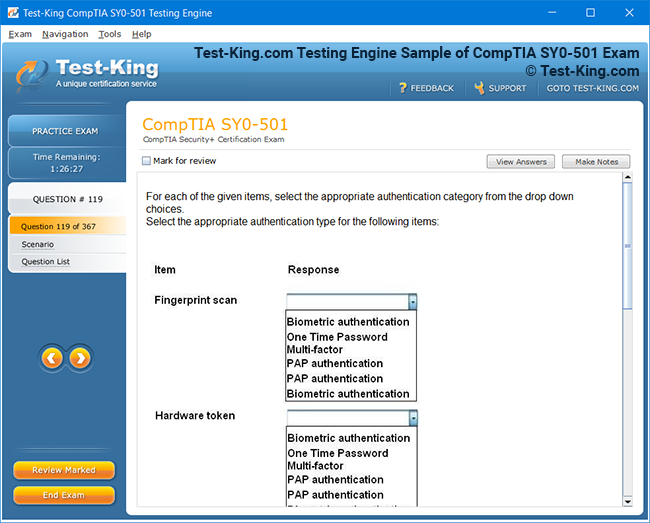
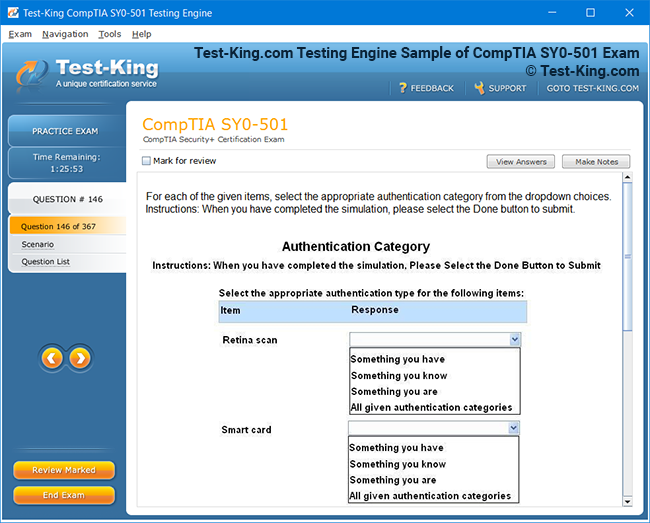
Product Screenshots
Frequently Asked Questions
How can I get the products after purchase?
All products are available for download immediately from your Member's Area. Once you have made the payment, you will be transferred to Member's Area where you can login and download the products you have purchased to your computer.
How long can I use my product? Will it be valid forever?
Test-King products have a validity of 90 days from the date of purchase. This means that any updates to the products, including but not limited to new questions, or updates and changes by our editing team, will be automatically downloaded on to computer to make sure that you get latest exam prep materials during those 90 days.
Can I renew my product if when it's expired?
Yes, when the 90 days of your product validity are over, you have the option of renewing your expired products with a 30% discount. This can be done in your Member's Area.
Please note that you will not be able to use the product after it has expired if you don't renew it.
How often are the questions updated?
We always try to provide the latest pool of questions, Updates in the questions depend on the changes in actual pool of questions by different vendors. As soon as we know about the change in the exam question pool we try our best to update the products as fast as possible.
How many computers I can download Test-King software on?
You can download the Test-King products on the maximum number of 2 (two) computers or devices. If you need to use the software on more than two machines, you can purchase this option separately. Please email support@test-king.com if you need to use more than 5 (five) computers.
What is a PDF Version?
PDF Version is a pdf document of Questions & Answers product. The document file has standart .pdf format, which can be easily read by any pdf reader application like Adobe Acrobat Reader, Foxit Reader, OpenOffice, Google Docs and many others.
Can I purchase PDF Version without the Testing Engine?
PDF Version cannot be purchased separately. It is only available as an add-on to main Question & Answer Testing Engine product.
What operating systems are supported by your Testing Engine software?
Our testing engine is supported by Windows. Andriod and IOS software is currently under development.
Top ITIL Exams
- ITILFND V4 - ITIL 4 Foundation
- ITILFND V5 - ITIL Foundation (Version 5)
- ITIL 4 Specialist Create Deliver and Support - ITIL 4 Specialist Create, Deliver and Support
- ITIL V5 Transformation - ITIL Transformation (Version 5)
- ITIL 4 Strategist Direct and Plan and Improve - ITIL 4 Strategist: Direct, Plan and Improve
- ITIL 4 Leader Digital and IT Strategy
- ITIL 4 Specialist Collaborate Assure and Improve - ITIL 4 Specialist: Collaborate, Assure and Improve
- ITIL 4 Specialist - IT Asset Management
- ITIL 4 Specialist Drive Stakeholder Value - ITIL 4 Specialist: Drive Stakeholder Value
- ITIL 4 BRM - ITIL 4 Specialist Business Relationship Management (BRM)
- ITIL4 Specialist - Monitor and Support and Fulfil - ITIL4 Specialist: Monitor, Support and Fulfil
- ITIL 4 Specialist High-Velocity IT
- ITIL 4 Specialist Plan Implement and Control - ITIL 4 Specialist Plan, Implement, and Control
Challenges in ITIL 4 Practitioner Deployment Management – Common Obstacles and Strategies to Overcome Them
In the contemporary landscape of information technology, the orchestration of deployment management is an intricate undertaking. Organizations that adopt ITIL 4 frameworks often encounter an array of nuanced challenges that extend beyond mere procedural hiccups. Deployment management, as articulated in ITIL 4, is pivotal to ensuring that software releases and service modifications are transitioned into live environments with minimal disruption. However, despite meticulous planning, organizations frequently grapple with unforeseen impediments that can hinder operational fluidity and compromise service quality. These challenges often manifest in diverse forms, including human factors, technological inconsistencies, and procedural misalignments.
Understanding Deployment Management Complexities
A recurring complexity within deployment management stems from the sheer scale of integration required across multiple IT environments. The heterogeneity of enterprise systems, each with unique configurations and dependencies, often leads to convoluted deployment pipelines. Even with automation frameworks in place, the orchestration of diverse systems requires exhaustive validation protocols to prevent cascading failures. Inadequate mapping of interdependencies can result in unforeseen system conflicts, thereby introducing operational fragility. Moreover, the proliferation of microservices and containerized architectures, while enhancing agility, adds layers of intricacy that necessitate heightened coordination across teams.
Equally significant is the challenge of aligning deployment activities with business objectives. ITIL 4 emphasizes a holistic view where IT services are inseparably linked to organizational goals. Yet, many enterprises struggle to synchronize the velocity of IT deployments with strategic imperatives. In scenarios where business units demand rapid feature rollouts, deployment teams may confront the tension between speed and stability. Striking a balance between expedited delivery and comprehensive validation remains a perennial obstacle, as accelerated schedules can precipitate latent defects or service interruptions.
Human factors constitute another formidable dimension of deployment management challenges. Despite advances in process automation and orchestration, the proficiency and engagement of personnel remain critical determinants of success. Deployment teams often operate under considerable pressure, navigating tight deadlines and multifaceted coordination demands. Miscommunication, inadequate documentation, or ambiguous role delineations can exacerbate the risk of errors. Additionally, the cognitive load associated with managing concurrent releases may induce oversight, particularly when teams are dispersed across geographies or operate under disparate time zones.
Organizational inertia further compounds deployment management difficulties. Enterprises entrenched in legacy practices may resist the adoption of ITIL 4 principles, thereby inhibiting seamless transition into optimized deployment workflows. This reluctance can manifest in fragmented processes, redundant approvals, or inconsistent application of standardized protocols. Such misalignments undermine the efficacy of deployment management, often resulting in prolonged cycles and diminished operational resilience. The presence of outdated change management policies may impede the integration of modern deployment strategies, necessitating deliberate organizational change interventions.
Technological inadequacies also pose significant hurdles. Although modern toolchains offer advanced capabilities for automation, monitoring, and rollback mechanisms, the implementation of these tools is not always straightforward. Incompatibilities between deployment tools and legacy infrastructure can create bottlenecks, while insufficient monitoring can delay the detection of anomalies. Furthermore, the proliferation of third-party dependencies introduces additional risk vectors. Ensuring that external components conform to organizational standards and do not disrupt live services requires rigorous scrutiny and contingency planning.
Another critical challenge is the management of risk and uncertainty. Deployments inherently carry the potential for service disruption, security vulnerabilities, and performance degradation. ITIL 4 advocates for proactive risk assessment and mitigation, yet the dynamic nature of IT environments often complicates these endeavors. Unanticipated interactions between new and existing components can trigger cascading failures that compromise user experience. Moreover, regulatory and compliance considerations introduce additional constraints, necessitating meticulous documentation and audit readiness. Balancing innovation with risk aversion requires both strategic foresight and tactical precision.
Communication and collaboration across multidisciplinary teams are paramount, yet often fraught with difficulty. Deployment management intersects with development, operations, quality assurance, and security teams, each possessing distinct priorities and perspectives. Misalignment between these stakeholders can result in incomplete handovers, redundant effort, or overlooked defects. Effective communication protocols, clear responsibility matrices, and collaborative planning sessions are essential to mitigating these coordination challenges. Without these mechanisms, deployments are susceptible to delays, rework, and resource inefficiencies.
Change fatigue among staff and end-users represents a subtler, but equally impactful, obstacle. Continuous deployment cycles and frequent service modifications can overwhelm personnel and disrupt user workflows. ITIL 4 emphasizes a measured approach to change enablement, but in high-velocity environments, sustaining engagement and adherence can be challenging. End-users may resist new functionalities, particularly if prior deployments introduced instability or required extensive adaptation. Cultivating a culture of resilience, continuous learning, and iterative feedback is therefore critical to sustaining deployment efficacy.
Finally, the measurement and evaluation of deployment effectiveness is a domain that often eludes thorough execution. While key performance indicators such as deployment frequency, change success rate, and mean time to restore service are commonly tracked, organizations frequently fail to contextualize these metrics within broader business outcomes. A narrow focus on operational metrics may obscure latent inefficiencies, systemic vulnerabilities, or strategic misalignments. ITIL 4 encourages a balanced assessment that integrates quantitative and qualitative insights, yet implementing such holistic evaluation frameworks can be resource-intensive and complex.
In light of these multifaceted challenges, organizations seeking mastery in ITIL 4 deployment management must embrace a comprehensive strategy that addresses technological, human, and procedural dimensions. Proactive planning, robust automation, meticulous documentation, and adaptive risk management collectively contribute to mitigating deployment impediments. Furthermore, cultivating an organizational culture attuned to collaboration, transparency, and continuous improvement enhances resilience and facilitates smoother transitions. Through iterative learning, knowledge sharing, and strategic alignment, enterprises can transform deployment management from a source of friction into a driver of operational excellence.
Navigating Organizational and Technical Complexities in Deployment Management
The intricacies of deployment management within the ITIL 4 framework extend far beyond procedural formalities, encompassing an intricate web of organizational, technical, and strategic challenges. Organizations endeavoring to achieve operational excellence often encounter formidable obstacles that emerge from the interdependence of systems, processes, and human factors. One of the primary difficulties lies in the harmonization of deployment schedules across multiple teams and environments. In many enterprises, development, operations, and quality assurance units operate with disparate timelines, tools, and communication norms, creating friction that can delay deployments or introduce unintended defects. This dissonance is amplified when the organization maintains heterogeneous environments with both legacy and modern systems, requiring precise coordination and meticulous planning to avoid cascading failures.
The evolution of IT landscapes has introduced further complexity, particularly with the adoption of cloud-native architectures and containerized deployments. While these innovations afford agility and scalability, they also necessitate sophisticated orchestration mechanisms that are often prone to configuration drift, version inconsistencies, and dependency conflicts. Automated pipelines and continuous integration tools mitigate some of these risks, yet their efficacy is contingent upon rigorous monitoring, robust validation, and continuous refinement. Organizations that neglect these aspects may confront recurring incidents of deployment rollback or unanticipated system downtime, highlighting the delicate balance between automation and vigilant oversight.
Human factors are equally pivotal in influencing deployment outcomes. Skilled personnel are indispensable for interpreting deployment data, troubleshooting anomalies, and ensuring compliance with organizational standards. Nevertheless, cognitive overload, ambiguous responsibilities, and insufficient training can compromise deployment quality. Even with established ITIL 4 guidelines, teams may falter if they lack clarity regarding change ownership, escalation protocols, or validation procedures. Miscommunication among stakeholders exacerbates these risks, particularly in global organizations where time zones, cultural differences, and organizational hierarchies complicate collaborative decision-making. Sustaining proficiency and morale under frequent deployment cycles requires strategic investment in knowledge management, mentorship, and team cohesion.
A less conspicuous yet impactful challenge is the alignment of deployment management with overarching business objectives. ITIL 4 underscores the symbiosis between IT services and organizational strategy, advocating that deployments should enable business agility while safeguarding service continuity. In practice, however, rapid innovation demands from business units may conflict with the necessity for thorough testing and risk mitigation. This tension can result in hasty releases that compromise system stability or undermine user confidence. Developing a deployment culture that balances speed, quality, and strategic alignment demands iterative planning, transparent communication, and proactive stakeholder engagement.
The management of risk and uncertainty represents a perpetual concern in deployment management. Every release carries potential for disruption, whether through software defects, infrastructure incompatibilities, or unforeseen security vulnerabilities. The unpredictability of complex environments necessitates the implementation of comprehensive risk assessment frameworks, contingency plans, and rollback strategies. Organizations often struggle to quantify the likelihood and impact of these risks accurately, leading to either overly conservative approaches that slow innovation or insufficiently cautious strategies that expose systems to avoidable incidents. Integrating risk awareness into every stage of deployment planning, from development to production, fosters resilience and reduces the probability of service degradation.
Compliance and regulatory obligations introduce an additional layer of challenge. Enterprises operating in highly regulated industries must ensure that every deployment adheres to stringent standards governing data privacy, security controls, and operational transparency. The meticulous documentation required for audit readiness can become burdensome, particularly in organizations with frequent release cycles. Failure to meet compliance standards may result in legal penalties, reputational damage, or operational restrictions, making governance an indispensable component of deployment management. ITIL 4’s emphasis on standardized processes provides a framework for embedding compliance considerations seamlessly into deployment workflows, yet practical implementation demands disciplined execution and vigilant oversight.
Interdependencies among applications and services further complicate deployment efforts. Modern IT environments often involve intricate networks of interconnected systems, where a modification in one component may ripple through several others. Overlooking these dependencies can result in service interruptions, data inconsistencies, or performance bottlenecks. Dependency mapping, automated impact analysis, and pre-deployment testing are crucial mechanisms to mitigate such risks. However, these approaches require not only technological capability but also organizational discipline and cross-functional collaboration to ensure that each interrelated component is adequately addressed.
Change fatigue is a subtle yet significant phenomenon affecting both staff and end-users. Repeated deployments, especially those perceived as disruptive or error-prone, can erode confidence and engagement. End-users may resist adopting new functionalities if prior updates were problematic, while IT personnel may experience diminished motivation or attentional lapses. Addressing change fatigue involves fostering a culture of iterative improvement, providing clear communication regarding deployment benefits, and establishing support mechanisms that reduce friction for both technical teams and users. By framing each deployment as an opportunity for value creation rather than mere operational necessity, organizations can cultivate resilience and receptivity.
Monitoring and measurement are often underemphasized in deployment management, yet they are critical for continuous improvement. Effective evaluation requires capturing both quantitative metrics, such as change success rates, mean time to restore service, and incident frequencies, and qualitative insights derived from user feedback and operational observations. A holistic approach to measurement allows organizations to detect latent inefficiencies, identify recurrent challenges, and prioritize interventions that enhance deployment efficacy. The challenge lies in ensuring that monitoring systems are comprehensive, timely, and integrated across all relevant environments, which demands both technical sophistication and organizational commitment.
Cultural factors exert an equally pervasive influence on deployment management outcomes. Organizations steeped in siloed operations, hierarchical communication, or rigid procedural adherence may struggle to adopt the flexible, iterative practices advocated by ITIL 4. Overcoming such cultural inertia requires deliberate efforts to nurture collaboration, transparency, and continuous learning. Leaders must model adaptive behaviors, encourage cross-functional knowledge sharing, and incentivize innovation in deployment practices. Without a supportive culture, even the most sophisticated technical frameworks may fail to achieve intended improvements in service delivery.
Strategic utilization of automation and orchestration tools is indispensable yet fraught with challenges. Automation reduces manual intervention, enhances repeatability, and accelerates deployment cycles, but its effectiveness hinges upon accurate configuration, comprehensive testing, and alignment with organizational policies. Misconfigured automation can propagate errors across multiple environments, while overreliance on automated processes may obscure critical insights that require human judgment. A balanced approach that integrates intelligent automation with expert oversight is essential to achieving both efficiency and reliability in deployment management.
Knowledge management is another vital aspect that can significantly affect deployment success. Comprehensive documentation of previous deployments, observed anomalies, and resolutions enhances organizational memory and informs future planning. However, knowledge is often dispersed, poorly structured, or inadequately maintained, reducing its practical utility. Implementing structured knowledge repositories, regular training, and mechanisms for continuous feedback ensures that lessons learned are retained, disseminated, and applied effectively across the enterprise. This practice mitigates repetition of avoidable errors and enhances confidence in successive deployment cycles.
Finally, the integration of stakeholder feedback into deployment planning and evaluation is a nuanced challenge. Effective deployment management requires awareness of user needs, operational constraints, and strategic objectives. Incorporating feedback loops enables organizations to adapt deployments to real-world conditions, prioritize enhancements, and mitigate emergent issues. Yet, coordinating these inputs, reconciling divergent priorities, and translating them into actionable plans demand sophisticated governance, clear communication channels, and iterative refinement processes. Mastery of this dynamic interplay underpins the resilience and efficacy of deployment management within the ITIL 4 paradigm.
Addressing Operational and Strategic Barriers in Deployment Management
In the contemporary sphere of IT service management, deployment management under ITIL 4 entails far more than the mere transfer of software or services into live environments. It is a multidimensional discipline that harmonizes technical precision, organizational alignment, and strategic foresight. One of the most pervasive obstacles arises from the interplay between legacy infrastructures and modern architectures. Many enterprises operate a hybrid ecosystem where older systems coexist with cloud-native services, containerized applications, and microservices frameworks. These heterogeneous environments present a labyrinth of dependencies, version disparities, and configuration intricacies, which, if inadequately addressed, can precipitate cascading disruptions or operational inconsistencies. The complexity inherent in these ecosystems necessitates meticulous orchestration, comprehensive validation procedures, and robust contingency planning.
Another critical challenge is the synchronization of deployment activities with business imperatives. ITIL 4 emphasizes that IT services must be intrinsically aligned with organizational goals, yet in practice, business units often exert pressure for accelerated feature rollouts, potentially compromising quality assurance and operational stability. Deployment managers must navigate this delicate tension between speed and reliability, balancing rapid innovation with careful verification. Failure to achieve this equilibrium can result in recurrent incidents, diminished end-user trust, and operational bottlenecks. Effective governance, stakeholder communication, and iterative planning become indispensable in reconciling these competing priorities.
Human factors introduce a layer of unpredictability that can significantly influence deployment outcomes. Even in highly automated environments, personnel play a pivotal role in interpreting system outputs, troubleshooting anomalies, and ensuring compliance with procedural and regulatory mandates. Cognitive fatigue, ambiguous responsibilities, and insufficient training often exacerbate risks during complex deployments. Miscommunication among dispersed teams, especially in global organizations spanning multiple time zones, can introduce gaps in execution, leading to errors or delays. Fostering a culture of collaboration, continuous learning, and accountability is vital to mitigate these human-centric challenges and ensure deployment reliability.
Change management fatigue is a subtler, yet equally impactful challenge. Continuous deployment cycles, particularly when they introduce frequent modifications or disruptions, can erode morale among technical teams and diminish receptivity among end-users. Persistent exposure to new releases may induce resistance, anxiety, or apathy, undermining the efficacy of ITIL 4 deployment practices. Addressing change fatigue requires deliberate strategies, such as transparent communication, iterative adoption processes, and targeted support mechanisms. Organizations that successfully cultivate resilience and engagement in both staff and users often experience smoother transitions and higher operational stability.
Automation, while a powerful enabler, presents its own set of challenges. Modern deployment pipelines leverage automated tools for orchestration, testing, monitoring, and rollback procedures. However, overreliance on automation without adequate oversight can propagate errors at scale. Misconfigured pipelines, incomplete validation scripts, or overlooked dependencies can introduce systemic vulnerabilities. Moreover, automation tools themselves require continuous maintenance, version updates, and integration checks to ensure alignment with evolving organizational standards. Achieving an optimal balance between human oversight and automated execution is critical to sustaining high-quality deployments.
Risk management is an omnipresent concern in deployment activities. Deployments inherently carry potential for service disruption, security vulnerabilities, and performance degradation. The dynamic nature of complex IT environments complicates risk assessment, as interactions between new and existing components may generate unforeseen consequences. Proactive identification of potential failure points, contingency planning, and scenario simulation are indispensable techniques for mitigating risk. Equally important is fostering a risk-aware organizational culture where both technical teams and business stakeholders understand the implications of each deployment and actively contribute to mitigation strategies.
Compliance and regulatory adherence remain integral considerations. Enterprises must ensure that every deployment meets internal governance standards and external legal obligations, which can vary depending on industry sector or geographic location. The documentation, traceability, and audit readiness required for compliance can be substantial, particularly in organizations with rapid release cycles. Effective deployment management integrates compliance considerations into every stage, from planning to validation and post-release monitoring. This proactive approach prevents inadvertent violations and ensures that operational efficiency is not achieved at the expense of legal or ethical obligations.
Inter-team collaboration is another critical factor influencing deployment efficacy. ITIL 4 deployment management intersects multiple domains, including development, operations, security, quality assurance, and business strategy. Misalignment between these teams can result in incomplete handovers, redundant effort, or overlooked defects. Establishing clear responsibility matrices, communication protocols, and collaborative planning sessions fosters cohesion and reduces the risk of deployment failures. In addition, cultivating an environment where cross-functional knowledge is shared systematically enhances resilience and accelerates problem-solving during critical deployment events.
Dependency management is a particularly intricate challenge in contemporary IT ecosystems. Modern applications often rely on a network of interrelated services, external APIs, and third-party components. Modifications in one element can have unanticipated effects across the entire ecosystem. To navigate this complexity, organizations must implement detailed dependency mapping, impact analysis, and pre-deployment testing. Such diligence ensures that each component interacts harmoniously with its counterparts, thereby minimizing the likelihood of cascading disruptions. Achieving this level of coordination necessitates both technological tools and disciplined operational practices.
Monitoring and evaluation are indispensable yet frequently underemphasized aspects of deployment management. Metrics such as deployment frequency, change success rate, incident recurrence, and mean time to restore service provide quantitative insights, but qualitative feedback from users and operational teams offers a deeper understanding of deployment efficacy. Integrating these perspectives facilitates continuous improvement, enabling teams to refine processes, anticipate challenges, and enhance service quality. Monitoring systems must be both comprehensive and timely, capturing relevant data across all environments to inform strategic decision-making.
Knowledge management is another cornerstone of effective deployment management. Maintaining a detailed record of previous deployments, encountered anomalies, resolutions, and lessons learned cultivates organizational memory and informs future planning. Without systematic knowledge capture and dissemination, organizations risk repeating avoidable errors, prolonging downtime, or undermining user confidence. Structured repositories, regular training programs, and continuous feedback mechanisms are essential to ensure that knowledge is accessible, relevant, and actionable across the enterprise.
Cultural dynamics exert a profound influence on deployment outcomes. Organizations characterized by rigid hierarchies, siloed operations, or reluctance to embrace iterative improvement often struggle to implement ITIL 4 deployment practices effectively. Overcoming these cultural impediments necessitates deliberate interventions, including leadership modeling, incentives for collaborative behaviors, and mechanisms for transparent communication. Encouraging experimentation, iterative learning, and shared accountability enhances resilience and fosters an environment conducive to high-quality deployments.
Communication and feedback loops are central to mitigating operational challenges. Deployments are most successful when stakeholders are aligned, informed, and actively engaged throughout the process. Structured communication strategies, clear escalation pathways, and transparent reporting of potential risks facilitate early identification of issues and timely intervention. Feedback mechanisms that incorporate insights from end-users, operational teams, and business units provide a holistic view of deployment outcomes, informing future adjustments and fostering continuous improvement.
Finally, the strategic integration of innovation into deployment management presents both opportunity and challenge. ITIL 4 emphasizes iterative improvement and the adoption of emerging technologies to enhance service delivery. Yet, introducing innovation into live environments carries inherent risks, particularly when legacy systems, regulatory obligations, or interdependent services are involved. A deliberate approach that balances experimentation with operational stability, rigorous testing, and phased rollouts ensures that innovation contributes to resilience rather than disruption.
Managing Complexity and Enhancing Resilience in Deployment Management
Deployment management under the ITIL 4 framework represents a sophisticated orchestration of technology, human resources, and strategic planning, yet it remains fraught with multifaceted challenges. Organizations striving to maintain operational excellence often encounter obstacles that arise from the intricate interdependencies between applications, infrastructure, and stakeholders. One of the foremost complexities lies in integrating legacy systems with contemporary architectures, including cloud-native platforms, containerized applications, and microservices frameworks. These hybrid environments are inherently susceptible to configuration drift, version mismatches, and unforeseen interconnections that can compromise deployment efficacy. Even with rigorous automation pipelines, meticulous validation protocols, and structured pre-release testing, the dynamic nature of modern IT landscapes often produces unpredictable anomalies that require both technical acumen and adaptive strategies to resolve.
Balancing the velocity of deployments with the imperative for stability is another prominent challenge. Business units frequently demand accelerated release schedules to seize competitive advantage or respond to market pressures, yet rapid deployment can inadvertently increase the probability of defects or operational disruptions. Deployment managers are tasked with harmonizing these competing priorities, ensuring that new services or updates are introduced without compromising system reliability. Achieving this equilibrium requires a comprehensive understanding of both technological limitations and organizational objectives, coupled with precise orchestration and cross-functional alignment.
Human factors play an equally critical role in determining the success of deployment management initiatives. The proficiency, engagement, and coordination of personnel directly influence the quality of deployment outcomes. Cognitive overload, unclear responsibilities, or insufficient training can exacerbate errors, while miscommunication among geographically dispersed teams introduces delays and operational gaps. ITIL 4 emphasizes collaborative workflows and clearly defined roles to mitigate such risks, yet cultivating these practices demands continuous investment in team development, knowledge sharing, and cultural alignment. High-pressure environments, particularly those with frequent release cycles, necessitate mechanisms for stress mitigation, sustained focus, and motivation to preserve both efficiency and accuracy.
Change management fatigue presents a subtler, yet pervasive, challenge in deployment activities. Continuous introduction of updates, features, or patches can overwhelm both technical teams and end-users. Staff may experience diminished engagement or attentional lapses, while end-users may exhibit resistance or frustration toward frequent changes, particularly when prior deployments introduced instability. Addressing change fatigue involves structured communication, phased rollouts, and targeted training initiatives that enhance user comprehension and readiness. By fostering resilience and a culture of adaptation, organizations can reduce the detrimental effects of frequent deployments and cultivate sustained confidence among personnel and stakeholders alike.
Automation, while indispensable in modern deployment management, introduces unique complexities. Automation pipelines are designed to expedite processes, minimize human error, and ensure repeatability, yet their effectiveness is contingent upon precise configuration and comprehensive oversight. Misconfigured automation scripts or inadequately tested workflows can propagate errors across multiple systems, amplifying operational risk. Furthermore, reliance on automated tools can obscure nuanced issues that require human discernment, underscoring the need for a balanced approach that integrates intelligent automation with expert supervision. Continuous monitoring, iterative refinement, and adherence to organizational standards are essential to maximize the benefits of automation while minimizing unintended consequences.
Risk management remains a persistent concern within deployment management. Each release carries inherent potential for service disruption, security vulnerabilities, or performance degradation. The dynamic interconnections within IT ecosystems amplify the unpredictability of deployments, requiring sophisticated risk assessment frameworks that encompass both technical and operational dimensions. Proactive identification of potential failure points, scenario modeling, and contingency planning are crucial to prevent cascading impacts on critical systems. Additionally, cultivating a risk-aware organizational culture ensures that all stakeholders, from developers to executives, are cognizant of potential consequences and actively contribute to mitigation strategies, enhancing the overall resilience of deployment processes.
Regulatory and compliance considerations further complicate deployment management. Enterprises operating in highly regulated industries must ensure that each deployment aligns with legal, security, and audit requirements. The meticulous documentation, traceability, and adherence to standards required for compliance can be resource-intensive, particularly when multiple releases occur in rapid succession. Effective deployment management integrates compliance measures seamlessly into workflows, embedding checks, validation steps, and reporting mechanisms that prevent violations while maintaining operational efficiency. Organizations that neglect these obligations risk not only regulatory penalties but also reputational damage and erosion of stakeholder trust.
Inter-team coordination is essential yet often challenging. Deployment management intersects development, operations, security, quality assurance, and business strategy teams, each with distinct objectives and priorities. Misalignment between these groups can result in incomplete handovers, duplication of effort, or overlooked defects, ultimately jeopardizing deployment success. Clear responsibility matrices, structured communication channels, and regular collaborative planning sessions enhance cohesion and reduce operational friction. By fostering cross-functional knowledge sharing and transparency, organizations strengthen the capacity to anticipate issues, respond effectively, and sustain continuous improvement in deployment practices.
Dependency mapping and impact analysis are particularly critical in complex IT environments. Modern applications often involve an intricate web of interrelated services, third-party components, and external APIs. A change in one element can ripple unpredictably through the ecosystem, causing service interruptions or performance degradation. Rigorous pre-deployment assessment, including dependency audits and simulated testing, mitigates these risks and ensures that each component functions harmoniously within the broader architecture. Successful deployment management requires both sophisticated tooling and disciplined operational oversight to maintain the integrity of interconnected systems.
Monitoring and evaluation are indispensable for enhancing deployment effectiveness. Metrics such as deployment frequency, incident recurrence, mean time to restore service, and change success rates provide quantitative insight, while qualitative feedback from operational teams and end-users offers a nuanced understanding of deployment impact. Integrating these perspectives enables organizations to identify latent inefficiencies, anticipate recurring challenges, and prioritize targeted improvements. Monitoring systems must capture real-time data across all relevant environments, ensuring visibility into performance, anomaly detection, and operational trends, which collectively support informed decision-making and continuous enhancement of deployment practices.
Knowledge management is a cornerstone of resilient deployment management. Documenting previous deployments, observed anomalies, resolutions, and lessons learned fosters organizational memory and informs future initiatives. When knowledge is fragmented, outdated, or poorly disseminated, organizations risk repeating errors, prolonging downtime, and diminishing user confidence. Structured knowledge repositories, continuous training, and feedback mechanisms are essential for ensuring that insights are retained, accessible, and applied effectively. A culture of knowledge sharing enhances problem-solving capabilities, reduces operational risk, and underpins iterative improvement in deployment methodologies.
Cultural dynamics exert a profound influence on deployment outcomes. Organizations entrenched in hierarchical structures, rigid procedures, or siloed operations often struggle to implement ITIL 4 deployment practices effectively. Addressing cultural barriers requires intentional interventions, including leadership modeling of adaptive behaviors, incentives for collaborative conduct, and mechanisms for transparent communication. Encouraging experimentation, learning from errors, and shared accountability fosters an environment conducive to resilient, high-quality deployments. Cultural alignment ensures that both technical and strategic objectives are pursued cohesively, enhancing the overall effectiveness of deployment management.
Communication and stakeholder engagement are vital to mitigating operational challenges. Deployments achieve higher success rates when all relevant parties are informed, aligned, and actively involved. Establishing structured communication strategies, transparent escalation pathways, and consistent reporting ensures early identification of potential issues and timely resolution. Feedback loops that incorporate input from end-users, operational teams, and business units provide a holistic view of deployment outcomes, supporting continuous refinement and adaptation. Organizations that prioritize open, iterative communication are better positioned to navigate complexity, minimize disruption, and optimize deployment efficacy.
Innovation management introduces both opportunities and challenges. ITIL 4 encourages iterative improvement and the adoption of new technologies to enhance service delivery. Yet integrating novel solutions into live environments, particularly when legacy systems or regulatory constraints exist, carries inherent risk. Phased rollouts, rigorous testing, and continuous monitoring are necessary to harness innovation while preserving operational stability. Strategic experimentation, informed by past deployments and guided by risk assessments, enables organizations to enhance service capabilities, streamline processes, and maintain resilience in a continuously evolving technological landscape.
Overcoming Operational, Technical, and Strategic Hurdles in Deployment Management
Deployment management within the ITIL 4 framework represents a complex orchestration of technological systems, organizational structures, and strategic initiatives. One of the foremost obstacles in achieving operational excellence is the integration of legacy systems with contemporary architectures. Enterprises often operate hybrid environments where older infrastructure coexists with cloud-native platforms, containerized applications, and microservices frameworks. These heterogeneous ecosystems are prone to configuration drift, version discrepancies, and unforeseen interdependencies that can compromise the reliability of deployments. Even with advanced automation pipelines and rigorous pre-release testing, the dynamic nature of modern IT landscapes produces challenges that require both technical expertise and strategic foresight to resolve effectively.
Synchronization of deployment schedules with business imperatives constitutes another critical challenge. Rapid innovation and market responsiveness necessitate frequent releases, yet accelerated deployment cycles can compromise operational stability and quality assurance. Deployment managers must navigate this delicate balance, ensuring that releases achieve both strategic goals and functional reliability. Implementing robust governance frameworks, stakeholder engagement practices, and iterative planning mechanisms is essential to harmonize speed with risk mitigation. Organizations that fail to achieve this balance often encounter service disruptions, increased incident rates, and reduced end-user confidence, highlighting the importance of strategic alignment in deployment management.
Human factors exert a profound influence on the success of deployment activities. Personnel are responsible for interpreting monitoring data, troubleshooting anomalies, and ensuring compliance with organizational and regulatory standards. Cognitive overload, unclear role definitions, and insufficient training exacerbate the risk of errors, particularly in complex or geographically dispersed teams. Effective deployment management requires fostering a culture of accountability, continuous learning, and collaboration, where each team member understands their responsibilities and engages proactively with colleagues. High-pressure environments with frequent release cycles necessitate mechanisms for stress management, knowledge sharing, and sustained focus to maintain both efficiency and accuracy.
Change management fatigue is a subtler but significant impediment in deployment activities. Frequent service modifications, updates, and feature rollouts can overwhelm both technical teams and end-users, leading to disengagement, resistance, or reduced attention to critical operational details. Addressing change fatigue demands structured communication, phased rollouts, and targeted training initiatives that enhance user comprehension and readiness. Cultivating resilience and adaptability in personnel and stakeholders is essential to mitigate the adverse effects of continuous change, ensuring smooth transitions and sustained service quality across successive deployments.
Automation is indispensable in modern deployment management but introduces unique complexities. Automated pipelines accelerate processes, reduce manual intervention, and increase repeatability; however, misconfigured automation or incomplete validation protocols can propagate errors at scale. Overreliance on automation may obscure nuanced issues that require human judgment, emphasizing the need for intelligent oversight alongside technical efficiency. Continuous monitoring, iterative refinement, and alignment with organizational standards ensure that automation enhances deployment quality without compromising reliability or service continuity.
Risk assessment and mitigation are pervasive challenges in deployment management. Each deployment carries inherent potential for service disruption, security vulnerabilities, or performance degradation. Complex interdependencies within IT ecosystems amplify the unpredictability of these risks, requiring comprehensive frameworks for identification, analysis, and contingency planning. Proactive scenario modeling, early detection of failure points, and the establishment of rollback strategies minimize operational impact. Embedding risk awareness into organizational culture ensures that both technical teams and business stakeholders actively participate in preventive measures, enhancing the resilience and robustness of deployment operations.
Compliance and regulatory adherence add another layer of complexity. Enterprises operating under stringent legal or industry-specific frameworks must ensure that deployments conform to security, data privacy, and operational standards. Documentation, traceability, and audit readiness are critical, especially in environments with frequent or large-scale releases. Integration of compliance checks into deployment pipelines and pre-release validation processes ensures that governance obligations are met without impeding operational efficiency. Neglecting compliance can lead to regulatory penalties, reputational harm, and diminished stakeholder confidence, underscoring the importance of proactive governance in ITIL 4 deployment practices.
Inter-team collaboration is central to deployment success but often presents significant challenges. Development, operations, security, quality assurance, and business strategy teams frequently operate with differing priorities and communication norms. Misalignment among these groups can result in incomplete handovers, duplicated effort, overlooked defects, and delayed releases. Structured communication protocols, clearly defined roles, and routine collaborative planning sessions enhance cohesion and reduce operational friction. Encouraging knowledge sharing and transparency strengthens cross-functional awareness, allowing teams to anticipate issues, resolve conflicts efficiently, and maintain continuous improvement in deployment processes.
Dependency management is another intricate aspect of modern IT ecosystems. Applications often interact with interrelated services, third-party APIs, and external components, making even minor changes potentially disruptive. Deployment managers must conduct meticulous dependency mapping, impact analysis, and pre-deployment testing to ensure that modifications propagate without unintended consequences. Maintaining updated inventories of system interconnections, simulating deployment scenarios, and establishing clear rollback procedures are essential for safeguarding stability. Effective management of dependencies requires both technical sophistication and organizational discipline to maintain service integrity across complex environments.
Monitoring and evaluation are crucial for sustaining deployment effectiveness. Quantitative metrics, such as deployment frequency, change success rate, incident recurrence, and mean time to restore service, provide insights into operational performance. Qualitative feedback from operational teams and end-users adds depth, revealing systemic inefficiencies, latent challenges, and user experience concerns. Integrating both perspectives allows organizations to refine deployment strategies, optimize resource allocation, and identify targeted improvements. Monitoring systems must capture timely, comprehensive data across all environments, facilitating proactive decision-making and continuous enhancement of deployment workflows.
Knowledge management underpins resilient deployment management. Detailed documentation of previous releases, anomalies, resolutions, and lessons learned fosters organizational memory and informs future strategies. Fragmented or poorly disseminated knowledge increases the risk of repeating errors, prolonging downtime, and diminishing user confidence. Structured knowledge repositories, ongoing training programs, and continuous feedback mechanisms ensure that information is accessible, relevant, and actionable across the enterprise. Encouraging a culture of knowledge sharing enhances problem-solving capabilities, strengthens operational resilience, and supports iterative improvement in deployment methodologies.
Cultural dynamics significantly influence deployment outcomes. Organizations with rigid hierarchies, siloed operations, or reluctance to embrace iterative improvement may struggle to implement ITIL 4 deployment practices effectively. Overcoming cultural inertia requires deliberate initiatives, including leadership modeling adaptive behaviors, incentivizing collaborative conduct, and establishing mechanisms for transparent communication. Promoting experimentation, shared accountability, and learning from errors fosters an environment conducive to high-quality, resilient deployments. Cultural alignment ensures that both technical execution and strategic objectives are pursued cohesively, enhancing overall operational efficacy.
Communication and stakeholder engagement are integral to mitigating deployment challenges. High success rates are achieved when stakeholders, including technical teams and business units, are informed, aligned, and actively involved throughout the process. Structured communication strategies, transparent escalation pathways, and consistent reporting mechanisms enable early detection of potential issues and timely interventions. Feedback loops that incorporate insights from end-users, operational teams, and business units provide a comprehensive view of deployment outcomes, supporting continuous refinement, iterative improvement, and adaptive responses to emerging challenges.
Innovation management presents both opportunities and risks. ITIL 4 encourages iterative enhancement and the adoption of emerging technologies to improve service delivery. However, the introduction of novel solutions into live environments, especially when legacy systems, regulatory requirements, or complex dependencies are present, carries inherent operational risk. Phased rollouts, extensive testing, and continuous monitoring mitigate the probability of disruptions, allowing organizations to capitalize on innovation while maintaining service stability. Strategic experimentation informed by historical deployments, risk analysis, and operational insights ensures that innovation enhances resilience and service quality rather than introducing instability.
Strengthening Deployment Processes Through Strategic, Technical, and Cultural Approaches
Deployment management within the ITIL 4 framework is a sophisticated amalgamation of technological precision, organizational coordination, and strategic foresight. One of the foremost challenges that organizations face is the integration of complex, heterogeneous IT environments. Many enterprises operate hybrid systems where legacy infrastructure coexists with cloud-native applications, containerized deployments, and microservices architectures. The interplay of these varied components often introduces configuration discrepancies, unforeseen interdependencies, and version conflicts that can compromise the stability and efficiency of deployment activities. Even with meticulously designed automated pipelines, rigorous pre-release validation, and structured release strategies, unforeseen anomalies often emerge, requiring swift technical intervention and adaptive planning.
The synchronization of deployment schedules with business objectives constitutes another critical challenge. Enterprises must balance rapid innovation and market responsiveness with the need for operational stability and high service quality. Accelerated deployment cycles may inadvertently increase the risk of service disruption, defects, or diminished user experience. Deployment managers are tasked with harmonizing these demands, ensuring that releases align with organizational priorities while safeguarding system reliability. Effective governance frameworks, proactive stakeholder engagement, and iterative planning mechanisms are indispensable in achieving this balance. Without strategic alignment, deployments may result in operational inefficiencies, increased incident frequency, and reduced confidence among stakeholders and end-users.
Human factors exert a profound influence on the success of deployment management initiatives. Skilled personnel are required to interpret monitoring data, troubleshoot anomalies, and ensure compliance with organizational and regulatory standards. However, cognitive fatigue, ambiguous responsibilities, and insufficient training often exacerbate the potential for errors. Miscommunication among geographically distributed teams further amplifies operational risk. To mitigate these challenges, organizations must cultivate a culture of accountability, continuous learning, and collaboration, ensuring that team members are empowered, knowledgeable, and aligned in their responsibilities. High-pressure environments, especially those with frequent deployment cycles, necessitate mechanisms for stress management, focus, and resilience to maintain operational effectiveness.
Change management fatigue is a subtler but significant impediment to successful deployment. Continuous introduction of updates, features, and patches can overwhelm technical teams and end-users alike. Repeated exposure to deployments may result in disengagement, resistance, or inattentiveness, potentially undermining operational outcomes. Addressing change fatigue requires structured communication strategies, phased rollouts, and targeted training initiatives that enhance understanding and readiness among stakeholders. Fostering resilience and adaptability ensures smoother transitions and sustained confidence in successive deployment cycles.
Automation, while a cornerstone of modern deployment practices, introduces unique complexities. Automated pipelines accelerate processes, enhance repeatability, and reduce manual error, yet their effectiveness is contingent upon precise configuration, comprehensive validation, and ongoing oversight. Misconfigured automation scripts, incomplete testing protocols, or overlooked dependencies can propagate errors at scale, potentially amplifying operational risk. Overreliance on automated tools may obscure subtle issues that require human discernment. A balanced approach that integrates intelligent automation with expert supervision, continuous monitoring, and iterative refinement maximizes efficiency while safeguarding reliability.
Risk management is central to the deployment management discipline. Every deployment carries inherent potential for service disruption, security vulnerabilities, and performance degradation. Complex interdependencies within IT environments amplify the unpredictability of outcomes, necessitating comprehensive frameworks for risk identification, evaluation, and mitigation. Proactive scenario modeling, early detection of failure points, and well-defined rollback procedures are essential to prevent cascading impacts on critical systems. Embedding risk awareness into organizational culture ensures that all stakeholders actively participate in mitigation strategies, enhancing the resilience and robustness of deployment processes.
Regulatory and compliance considerations add another layer of operational complexity. Organizations must ensure that each deployment adheres to legal, security, and audit standards, which can vary across industries and geographies. The meticulous documentation, traceability, and reporting required for compliance can be resource-intensive, particularly in environments with frequent or large-scale releases. Integrating compliance checks into automated pipelines and validation procedures ensures adherence to governance obligations without impeding operational efficiency. Neglecting regulatory requirements can lead to legal penalties, reputational damage, and erosion of stakeholder trust, highlighting the importance of proactive compliance management.
Inter-team collaboration is essential yet often challenging. Deployment management intersects development, operations, security, quality assurance, and business strategy teams, each with distinct objectives and priorities. Misalignment among these groups can result in incomplete handovers, duplicated effort, overlooked defects, and delayed releases. Implementing structured communication protocols, clear responsibility matrices, and routine collaborative planning sessions enhances cohesion and reduces operational friction. Encouraging cross-functional knowledge sharing and transparency strengthens problem-solving capabilities, accelerates issue resolution, and fosters continuous improvement in deployment practices.
Dependency management represents a particularly intricate challenge in contemporary IT ecosystems. Modern applications often rely on interrelated services, third-party APIs, and external components. Modifications in one element can ripple unpredictably through the system, resulting in service degradation or outages. Effective deployment management requires meticulous dependency mapping, impact analysis, and pre-release testing to ensure that all interconnections function harmoniously. Maintaining updated inventories, simulating deployment scenarios, and defining robust rollback procedures are crucial to safeguarding system integrity and operational continuity.
Monitoring and evaluation are indispensable for sustaining deployment effectiveness. Quantitative metrics such as deployment frequency, change success rate, incident recurrence, and mean time to restore service provide valuable insight into operational performance. Equally important are qualitative observations derived from end-users and operational teams, offering nuanced perspectives on deployment outcomes, latent inefficiencies, and user experience challenges. Integrating both quantitative and qualitative insights enables organizations to identify targeted improvements, refine deployment strategies, and optimize resource allocation. Comprehensive monitoring frameworks support proactive decision-making, early anomaly detection, and iterative enhancement of deployment processes.
Knowledge management is a cornerstone of resilient deployment practices. Maintaining detailed documentation of prior deployments, observed anomalies, resolutions, and lessons learned fosters organizational memory and informs future initiatives. Fragmented or poorly disseminated knowledge increases the risk of repeated errors, prolonged downtime, and diminished user confidence. Structured knowledge repositories, continuous training, and feedback mechanisms ensure that insights are retained, accessible, and applied effectively across the organization. Encouraging a culture of knowledge sharing enhances problem-solving capabilities, strengthens operational resilience, and underpins continuous improvement in deployment management.
Cultural dynamics significantly influence deployment outcomes. Organizations entrenched in hierarchical structures, rigid procedures, or siloed operations may struggle to implement ITIL 4 deployment practices effectively. Overcoming cultural inertia requires deliberate interventions, including leadership modeling adaptive behaviors, incentivizing collaboration, and establishing transparent communication channels. Encouraging experimentation, shared accountability, and learning from errors fosters an environment conducive to high-quality, resilient deployments. Cultural alignment ensures cohesion between technical execution and strategic objectives, enhancing the overall efficacy of deployment management initiatives.
Communication and stakeholder engagement are critical to overcoming deployment challenges. High success rates are achieved when stakeholders are informed, aligned, and actively involved throughout the deployment process. Structured communication strategies, transparent escalation pathways, and consistent reporting facilitate early detection of issues and timely resolution. Feedback loops that integrate insights from operational teams, end-users, and business units provide a holistic perspective on deployment outcomes, supporting continuous refinement, iterative improvement, and adaptive strategies to address emerging obstacles.
Innovation management presents both opportunities and operational risks. ITIL 4 encourages the adoption of emerging technologies and iterative enhancement of services. However, introducing novel solutions into live environments, particularly when legacy systems, regulatory constraints, or complex interdependencies exist, carries inherent risk. Phased rollouts, comprehensive testing, and continuous monitoring mitigate potential disruptions, enabling organizations to capitalize on innovation while maintaining operational stability. Strategic experimentation informed by historical deployments, risk assessments, and operational insights ensures that innovation strengthens resilience and service quality rather than introducing instability.
Deployment success is also contingent upon proactive risk anticipation, operational foresight, and adaptive learning. Organizations that invest in scenario planning, continuous monitoring, and cross-functional collaboration are better positioned to respond to anomalies, minimize downtime, and enhance end-user satisfaction. Integrating lessons learned from previous deployments into planning and execution cycles fosters iterative improvement, reduces repetitive failures, and reinforces organizational confidence in deployment outcomes. By combining technological sophistication with human expertise and strategic governance, enterprises can achieve deployment processes that are both agile and resilient.
The cumulative effect of addressing these challenges—ranging from human factors and change fatigue to automation intricacies, risk management, compliance, dependency mapping, and cultural alignment—is the creation of a deployment ecosystem that is robust, adaptive, and strategically aligned. Organizations that embrace this multifaceted approach are able to deliver services efficiently, maintain system integrity, and continuously refine their operations to accommodate evolving business demands and technological advancements.
Conclusion
Deployment management within ITIL 4 is therefore not merely a technical exercise but a comprehensive organizational capability that integrates strategy, technology, people, and culture. By confronting the myriad challenges with deliberate planning, rigorous process adherence, effective communication, and continuous learning, organizations can transform deployment from a potential source of disruption into a driver of operational excellence and business value. The integration of innovation, risk awareness, knowledge management, and cultural adaptation ensures that deployments are executed with precision, reliability, and strategic purpose, enabling enterprises to achieve sustained success in dynamic and complex IT environments.