

Exam Code: ITIL 4 Specialist Create Deliver and Support
Exam Name: ITIL 4 Specialist Create, Deliver and Support
Certification Provider: ITIL
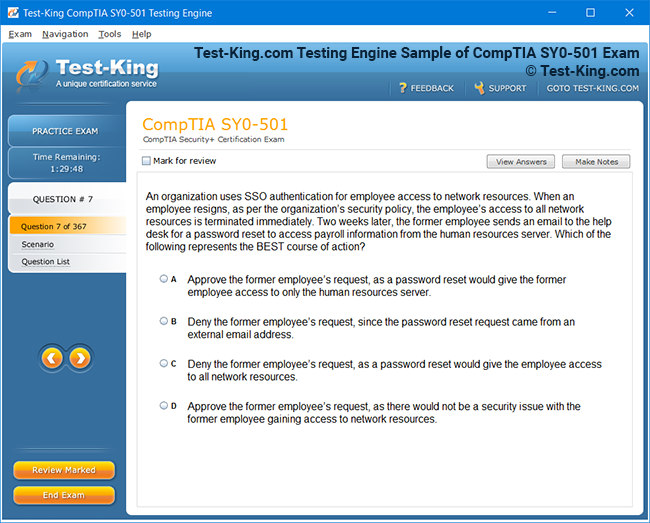
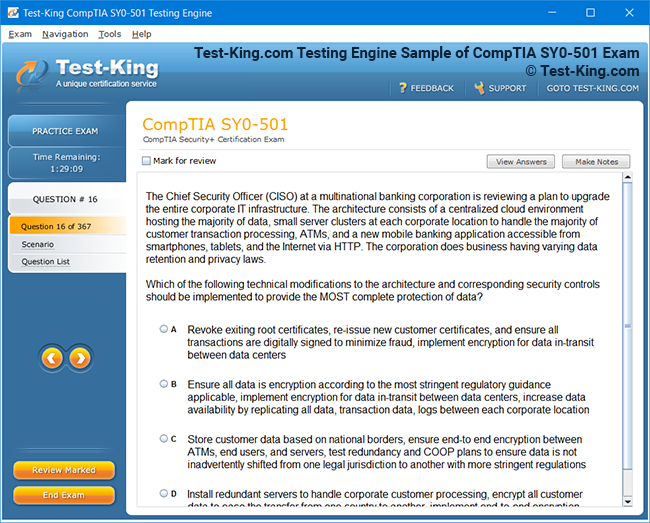
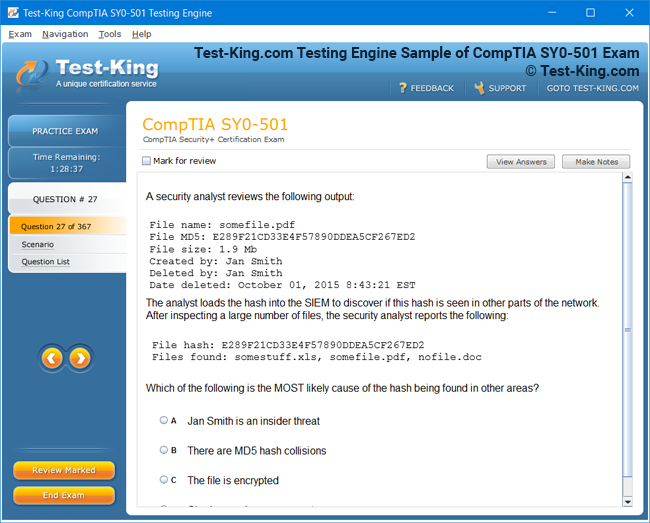
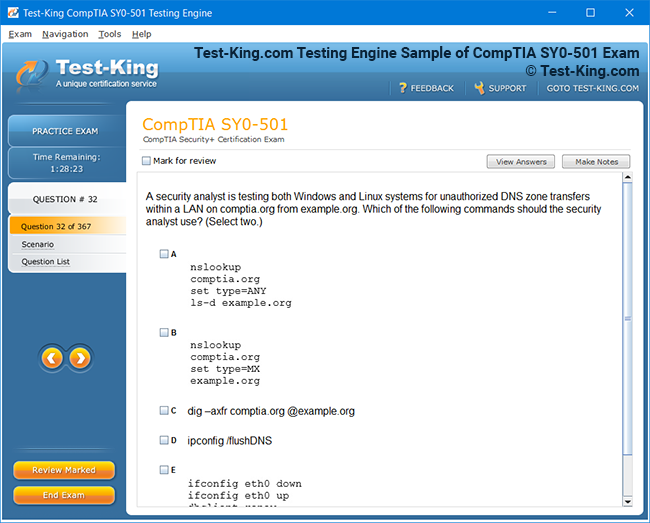
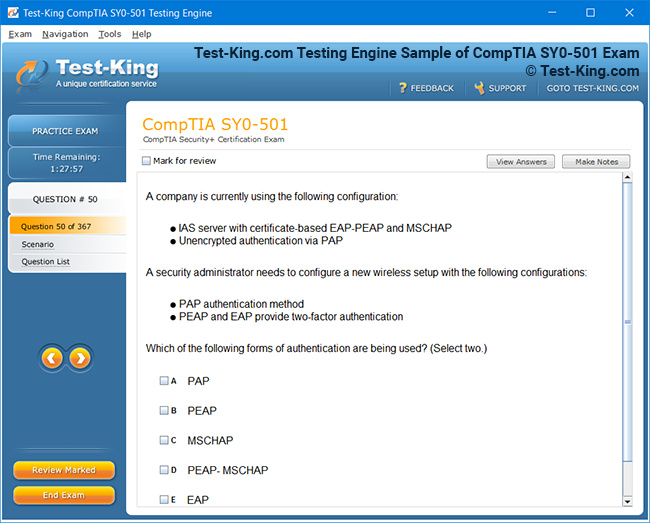
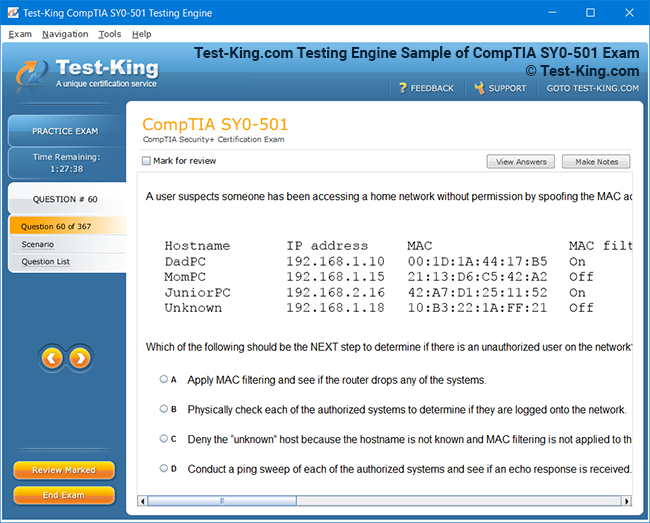
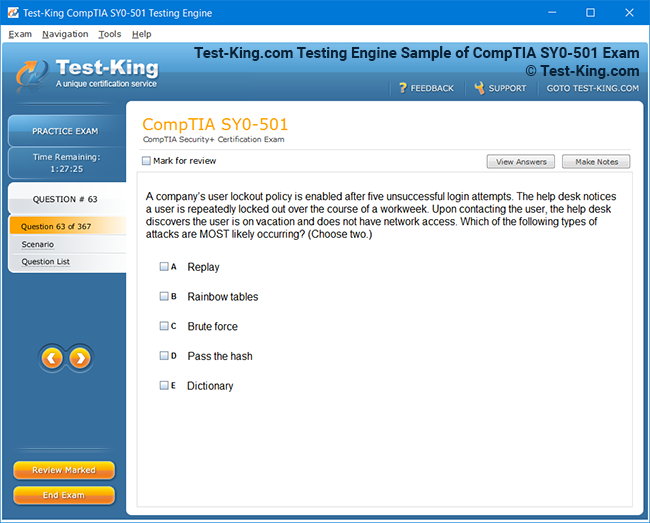
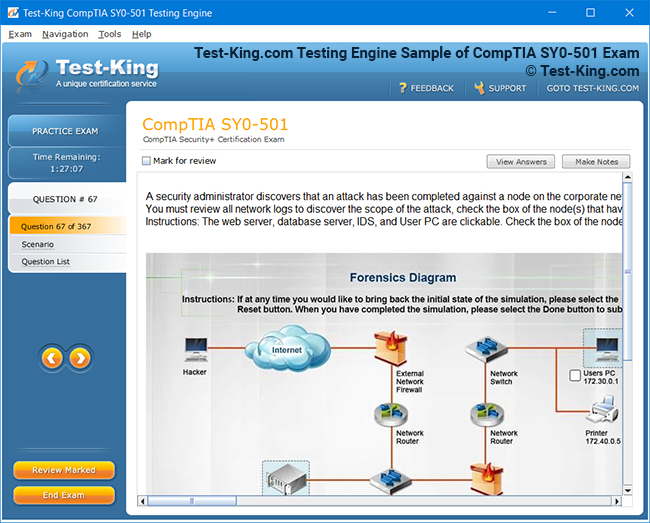
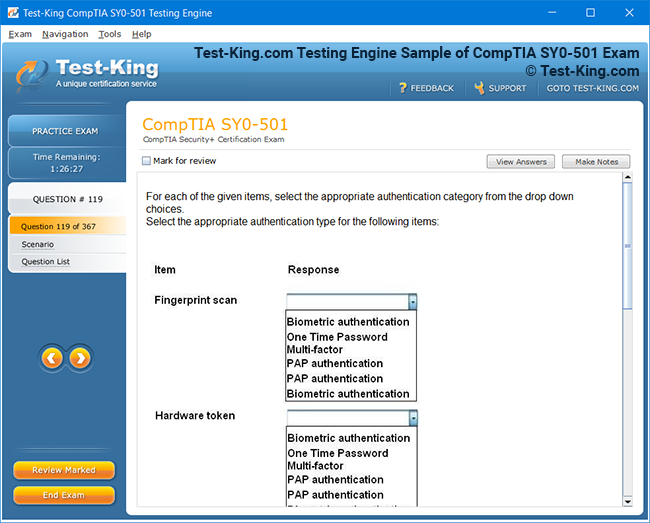
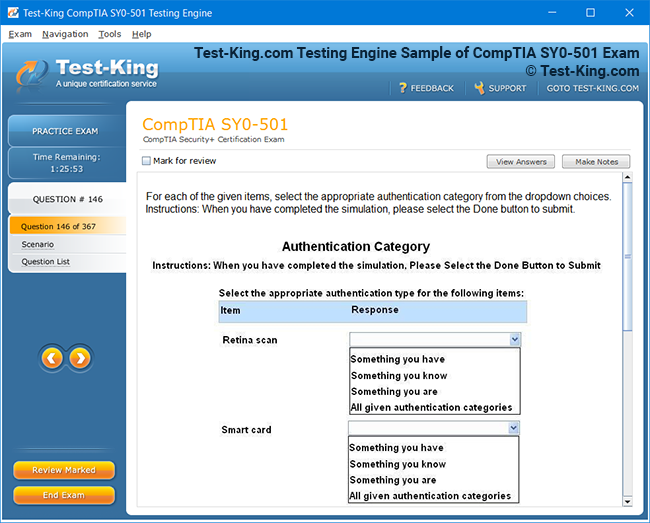
Product Screenshots
Frequently Asked Questions
How can I get the products after purchase?
All products are available for download immediately from your Member's Area. Once you have made the payment, you will be transferred to Member's Area where you can login and download the products you have purchased to your computer.
How long can I use my product? Will it be valid forever?
Test-King products have a validity of 90 days from the date of purchase. This means that any updates to the products, including but not limited to new questions, or updates and changes by our editing team, will be automatically downloaded on to computer to make sure that you get latest exam prep materials during those 90 days.
Can I renew my product if when it's expired?
Yes, when the 90 days of your product validity are over, you have the option of renewing your expired products with a 30% discount. This can be done in your Member's Area.
Please note that you will not be able to use the product after it has expired if you don't renew it.
How often are the questions updated?
We always try to provide the latest pool of questions, Updates in the questions depend on the changes in actual pool of questions by different vendors. As soon as we know about the change in the exam question pool we try our best to update the products as fast as possible.
How many computers I can download Test-King software on?
You can download the Test-King products on the maximum number of 2 (two) computers or devices. If you need to use the software on more than two machines, you can purchase this option separately. Please email support@test-king.com if you need to use more than 5 (five) computers.
What is a PDF Version?
PDF Version is a pdf document of Questions & Answers product. The document file has standart .pdf format, which can be easily read by any pdf reader application like Adobe Acrobat Reader, Foxit Reader, OpenOffice, Google Docs and many others.
Can I purchase PDF Version without the Testing Engine?
PDF Version cannot be purchased separately. It is only available as an add-on to main Question & Answer Testing Engine product.
What operating systems are supported by your Testing Engine software?
Our testing engine is supported by Windows. Andriod and IOS software is currently under development.
Top ITIL Exams
- ITILFND V5 - ITIL Foundation (Version 5)
- ITILFND V4 - ITIL 4 Foundation
- ITIL 4 Specialist Create Deliver and Support - ITIL 4 Specialist Create, Deliver and Support
- ITIL 4 Strategist Direct and Plan and Improve - ITIL 4 Strategist: Direct, Plan and Improve
- ITIL 4 Leader Digital and IT Strategy
- ITIL V5 Transformation - ITIL Transformation (Version 5)
- ITIL 4 Specialist High-Velocity IT
- ITIL 4 Specialist Collaborate Assure and Improve - ITIL 4 Specialist: Collaborate, Assure and Improve
- ITIL 4 Specialist Plan Implement and Control - ITIL 4 Specialist Plan, Implement, and Control
- ITIL 4 Specialist - IT Asset Management
- ITIL 4 Specialist Drive Stakeholder Value - ITIL 4 Specialist: Drive Stakeholder Value
Exam Structure and Preparation Tips for ITIL 4 Specialist Create Deliver and Support
The ITIL 4 Specialist Create, Deliver and Support certification assessment is meticulously designed to evaluate a candidate’s proficiency in service management principles, practices, and real-world applications. The exam comprises multiple-choice questions, which are structured to assess not only theoretical understanding but also practical acumen. Each question presents a scenario that mimics real-world service management challenges, prompting the candidate to choose the most appropriate course of action. This format ensures that candidates demonstrate an ability to apply knowledge rather than merely recall it.
Understanding the Exam Format and Structure
The examination is administered electronically and is time-constrained, typically allowing 90 minutes to complete 40 questions. Candidates must achieve a minimum score of 70 percent to attain certification, which reflects the rigorous standards set by the certifying body. It is crucial to understand that the questions vary in complexity; some examine foundational concepts, while others probe deeper into strategic application, integration of ITIL practices, and decision-making in complex environments.
The exam covers a comprehensive spectrum of topics related to creating, delivering, and supporting services. Key areas include the integration of service management with digital transformation initiatives, service value streams, continual improvement practices, incident and problem management, and organizational change management. The content requires candidates to assimilate knowledge across multiple domains, emphasizing not only the “how” but also the “why” behind each practice. Understanding the interrelation of these concepts is fundamental to navigating the examination successfully.
Types of Questions Encountered
Candidates will encounter multiple-choice questions designed in a scenario-based format. These questions often describe a situation where an organization faces specific challenges in service delivery or support. The candidate is then asked to determine the most effective solution, considering both efficiency and value creation. Scenario questions may include details about stakeholder expectations, resource constraints, or service performance metrics, demanding an analytical mindset and careful consideration of context.
Another type of question focuses on theoretical knowledge, asking candidates to identify correct definitions, processes, or practices associated with ITIL 4 principles. These questions ensure that foundational knowledge is solid and can be applied in practice. Sometimes, multiple-choice items may require selecting more than one correct answer, testing both comprehension and attention to detail. The nuanced nature of these questions makes careful reading and interpretation essential.
Understanding the patterns of questioning is vital for preparation. Many examinees report that scenario-based questions often contain subtle cues that guide the selection of the most appropriate response. Attention to language, comprehension of implied meanings, and recognition of organizational priorities play a pivotal role in choosing correct answers. Awareness of these intricacies can be a decisive factor in achieving a passing score.
Strategic Approaches for Preparation
Effective preparation for the ITIL 4 Specialist Create, Deliver and Support assessment involves a combination of structured study, practical application, and self-assessment. Candidates are encouraged to begin by thoroughly reviewing the official ITIL 4 syllabus, which outlines all areas covered in the examination. Developing a study plan that allocates sufficient time to each topic ensures comprehensive coverage while allowing for iterative revision.
One productive approach is to create concept maps that link processes, practices, and service management principles. Visual representation of relationships between service value streams, continual improvement practices, and support functions can enhance retention and understanding. Such a method also aids in identifying gaps in knowledge, allowing focused review of weak areas. Integrating these visual aids with notes written in one’s own words fosters deeper cognitive assimilation compared to passive reading.
Engaging in practice exams and sample questions is another critical element of preparation. Simulated tests help candidates acclimate to the timing constraints of the actual examination and familiarize themselves with the style of questioning. Review of answers, particularly incorrect ones, allows for reflection and reinforces understanding of nuanced principles. It is advisable to maintain a reflective journal to document patterns of errors, recurring difficulties, and areas requiring reinforcement.
Understanding the real-world application of ITIL 4 practices is essential. Candidates benefit greatly from examining case studies, either from professional experience or published examples, where service management principles were applied successfully. Analyzing scenarios involving service design, deployment, incident resolution, and continual improvement strengthens the ability to reason through exam scenarios. Drawing connections between theoretical knowledge and practical outcomes enhances both comprehension and confidence.
Time Management and Exam Techniques
Time management during the examination is a critical skill. Candidates should allocate approximately two minutes per question to ensure sufficient time for thoughtful consideration. Reading each scenario carefully is essential, as minor details often distinguish the correct response from plausible but incorrect options. Skipping difficult questions temporarily and returning to them later can prevent time pressure from compromising performance.
Another effective technique is the elimination method. By systematically excluding options that are clearly incorrect, candidates increase the likelihood of selecting the correct answer, even when initial uncertainty exists. Attention to qualifiers such as “most likely,” “best,” or “primary” is also essential, as these words guide decision-making within the context of service management priorities.
Maintaining composure is a subtle but significant factor in success. Stress and fatigue can impair judgment, leading to misinterpretation of questions or oversight of critical details. Developing exam endurance through timed practice tests, adequate rest before the examination, and cognitive strategies such as brief mental pauses between questions can improve accuracy and efficiency.
Leveraging Resources and Study Materials
A diverse range of study materials is available for candidates preparing for this certification. Official manuals and guides provide comprehensive explanations of ITIL 4 principles and the practices central to creating, delivering, and supporting services. Supplementary resources, including online tutorials, webinars, and interactive learning modules, can offer alternative perspectives and explanations, reinforcing understanding.
Study groups and professional forums provide opportunities for collaborative learning. Discussing complex scenarios, debating interpretations, and sharing insights from personal experience enrich comprehension and expose candidates to alternative approaches. Mentorship or guidance from professionals already certified in ITIL 4 can also illuminate nuances in practical application that are often underrepresented in textual study materials.
Utilizing a combination of study techniques, including reading, visual mapping, practice tests, and discussion, creates a robust preparation strategy. Integrating these approaches reduces reliance on rote memorization and promotes the development of analytical skills essential for the exam. Exposure to varied problem-solving strategies enhances adaptability and prepares candidates to respond effectively to a broad spectrum of questions.
Common Challenges and How to Overcome Them
Candidates frequently encounter challenges such as difficulty interpreting scenario-based questions, conflating similar practices, and managing time effectively. To address these issues, it is helpful to engage in deliberate practice focusing on scenario analysis. Reading each question multiple times, identifying key elements, and mentally mapping potential solutions before selecting an answer strengthens reasoning capabilities.
Distinguishing between similar practices requires in-depth understanding of each practice’s purpose, activities, and outcomes. Creating comparative charts or descriptive notes that articulate differences between processes such as incident management, problem management, and change enablement can clarify distinctions. Regular review of these notes consolidates knowledge and prevents confusion during the examination.
Finally, cultivating a mindset oriented toward continual learning and adaptability is invaluable. The ITIL framework emphasizes flexibility, value co-creation, and service improvement, principles that align with the dynamic nature of the examination. Candidates who embrace these philosophies in preparation and practice are better equipped to navigate complex questions, interpret scenarios, and select appropriate solutions.
Enhancing Retention Through Active Learning
Active learning strategies enhance knowledge retention and deepen comprehension. Techniques such as summarizing key points in one’s own words, teaching concepts to peers, and creating hypothetical scenarios to test understanding reinforce cognitive connections. By actively engaging with content rather than passively reading, candidates develop a more profound grasp of principles and practices.
Memory retention can also be augmented by mnemonic devices, storytelling, and associative techniques. Linking concepts to real-life experiences, metaphors, or unusual images can make abstract practices more tangible and memorable. Integrating these strategies into daily study routines fosters long-term retention and facilitates rapid recall during the examination.
Key Areas of Focus for Examination Success
The ITIL 4 Specialist Create, Deliver and Support examination assesses a candidate’s capacity to orchestrate, manage, and optimize the delivery of services in a complex organizational landscape. Central to preparation is a thorough comprehension of the various practices, their interconnections, and their alignment with the broader service value system. The exam scrutinizes knowledge in multiple domains, encompassing service design, deployment, operational support, continual improvement, and organizational change management. Candidates must cultivate an understanding that transcends rote memorization, developing an intuitive grasp of how principles translate into tangible service outcomes.
Service value streams form a pivotal aspect of the assessment. These streams represent sequences of activities designed to create value for stakeholders, integrating both technology and human resources in a coordinated manner. Understanding the flow of value from conception to delivery, and recognizing potential bottlenecks or inefficiencies, is crucial. Candidates may encounter scenarios that simulate service disruptions, resource constraints, or conflicting priorities, necessitating analytical reasoning and adaptive problem-solving to identify optimal solutions that preserve value and meet service expectations.
Continual improvement practices constitute another fundamental area of examination. Candidates are expected to understand frameworks for evaluating service performance, identifying opportunities for enhancement, and implementing systematic improvements. Questions may present real-world challenges, such as recurring incidents or underperforming service processes, prompting the candidate to recommend strategies that align with organizational objectives and deliver measurable improvements. Mastery of this domain requires an ability to connect data, stakeholder feedback, and strategic objectives to actionable interventions.
Understanding Scenario-Based Questions
A significant portion of the examination comprises scenario-based questions, which are designed to emulate real-life situations within service management environments. Each scenario typically outlines a complex challenge, such as service degradation, user dissatisfaction, or a process misalignment, and invites the candidate to select the most effective course of action. Success in these questions demands attention to detail, discernment of implicit priorities, and application of ITIL principles to resolve the situation in a manner that maximizes efficiency and stakeholder satisfaction.
For example, a scenario may describe an organization experiencing frequent disruptions in a critical service. Candidates are expected to identify the root cause, assess the impact on stakeholders, and recommend corrective measures that incorporate both immediate remediation and long-term process improvements. The ability to differentiate between temporary fixes and sustainable solutions is tested rigorously, highlighting the importance of strategic thinking and contextual awareness.
Other scenario-based questions may focus on collaboration, requiring candidates to integrate practices across multiple teams or departments. Understanding the dynamics of cross-functional collaboration, communication protocols, and escalation procedures is essential. The examination evaluates not only theoretical knowledge but also the ability to navigate complex organizational structures and implement solutions that align with both operational imperatives and strategic goals.
Strategies for Effective Preparation
A methodical approach to preparation significantly enhances the likelihood of examination success. Candidates benefit from creating a structured study plan that allocates dedicated time to each area of the syllabus. Focusing on one topic at a time, while periodically revisiting previously covered material, reinforces retention and fosters a holistic understanding of the interrelated concepts. This iterative approach encourages deep learning rather than superficial familiarity with key principles.
Active engagement with the content is vital. Candidates are encouraged to summarize practices in their own words, construct concept maps, and develop mental models that illustrate the interaction between processes, roles, and service outcomes. This form of active learning promotes cognitive assimilation and facilitates recall during scenario-based questions. Utilizing diverse resources, such as official guides, webinars, interactive modules, and case studies, enhances exposure to varied perspectives and enriches understanding.
Practice examinations play a central role in preparation. Simulating real examination conditions, including timing constraints and question formats, acclimates candidates to the testing environment. Reviewing incorrect responses allows identification of gaps in knowledge and fosters iterative refinement of understanding. Reflective journaling of recurring difficulties, ambiguous scenarios, and conceptual uncertainties reinforces learning and encourages adaptive strategies for approaching complex questions.
Time Management During the Examination
Effective time management is crucial for optimizing performance. Candidates typically have approximately ninety minutes to answer forty questions, equating to roughly two minutes per question. Maintaining awareness of the clock without succumbing to pressure is essential. It is often advantageous to initially address questions that are straightforward and return to more challenging scenarios later, ensuring that time is allocated strategically.
Techniques such as elimination of implausible options and careful analysis of qualifiers within questions enhance accuracy. Words such as “primary,” “most likely,” or “best” signal the expected focus of the response and require careful consideration. Misinterpretation of these nuances can lead to incorrect answers despite an otherwise strong grasp of the principles. Cultivating patience and deliberate analysis improves the probability of selecting the optimal response in each scenario.
Stress management also plays a subtle yet impactful role. Candidates who approach the examination with composure and confidence tend to navigate complex scenarios more effectively. Developing exam endurance through timed practice sessions, brief mental pauses between questions, and maintaining a calm focus contributes to both accuracy and efficiency. A balanced approach to preparation and self-care enhances overall performance.
Common Pitfalls and How to Address Them
Candidates often encounter challenges in interpreting scenario-based questions, distinguishing between similar practices, and maintaining consistent focus under time pressure. One prevalent issue is conflating processes such as incident management and problem management. Understanding the unique objectives, activities, and outcomes associated with each practice is essential. Creating descriptive notes, comparative explanations, or mnemonic aids can clarify distinctions and reduce confusion during the examination.
Scenario comprehension can also be hindered by overlooking subtle contextual details or implicit priorities. Candidates are encouraged to read each question multiple times, mentally map the situation, and identify key elements before selecting a response. Developing this habit enhances analytical reasoning and ensures that responses are grounded in both the scenario and ITIL principles.
Another challenge lies in balancing depth of knowledge with breadth. While detailed understanding of individual practices is necessary, candidates must also appreciate the interconnectivity between processes, roles, and service value streams. Failure to recognize these relationships may result in responses that are technically correct but misaligned with the broader organizational context. Integrative study methods, including case studies and scenario simulations, cultivate this holistic perspective.
Leveraging Resources for Comprehensive Preparation
A variety of resources can be utilized to strengthen preparation. Official manuals and guides provide foundational knowledge and structured explanations of practices. Supplementary materials, including online courses, interactive simulations, and professional forums, offer alternative perspectives and practical insights. Exposure to diverse learning modalities enhances understanding and accommodates different cognitive styles.
Engagement with professional networks and study groups can provide valuable experiential learning opportunities. Discussion of complex scenarios, sharing insights, and debating interpretations of practices fosters deeper comprehension and highlights nuances that may not be apparent in textual study materials. Mentorship from certified professionals can further illuminate practical applications and subtle distinctions within service management practices.
Utilizing multiple forms of study—reading, visual mapping, practice exams, and collaborative discussion—creates a multifaceted preparation strategy. This approach reduces reliance on rote memorization and promotes analytical thinking, enhancing the candidate’s ability to navigate intricate examination scenarios. Integrating these strategies ensures both confidence and competence in responding to varied question types.
Enhancing Retention Through Practical Application
Practical application of concepts accelerates retention and comprehension. Candidates benefit from constructing hypothetical scenarios, simulating decision-making, and evaluating outcomes against ITIL principles. This experiential approach bridges the gap between theoretical knowledge and practical understanding, enabling candidates to reason effectively through examination scenarios.
Additional methods such as mnemonic devices, storytelling, and association techniques improve memory retention. Linking abstract concepts to tangible experiences, unusual imagery, or personal professional encounters renders complex practices more accessible and memorable. Incorporating these techniques into daily study routines strengthens long-term retention and facilitates rapid recall during the examination.
Analytical Approaches for Complex Scenarios
Complex scenario-based questions require sophisticated analytical thinking. Candidates should identify all relevant factors within a scenario, assess their interdependencies, and consider potential consequences of different courses of action. This multidimensional approach ensures that responses are comprehensive and aligned with both operational imperatives and strategic objectives.
Scenario analysis may involve balancing competing priorities, such as service reliability, user satisfaction, and resource constraints. Evaluating trade-offs and determining the most effective solution requires both knowledge of ITIL practices and judgment honed through practical experience. Candidates who integrate analytical frameworks, reflective practice, and scenario-based simulations are better equipped to navigate these intricate challenges.
Continuous Review and Iterative Learning
Iterative review is essential to consolidate knowledge and maintain readiness. Candidates should revisit challenging topics, analyze recurring errors, and reinforce understanding through repeated engagement. Continuous reflection on practice exams, case studies, and applied exercises cultivates a deeper comprehension of principles and enhances the ability to apply them effectively.
Adaptive learning, where study strategies evolve in response to identified weaknesses, is particularly beneficial. Adjusting focus areas, employing varied learning modalities, and integrating real-world examples ensures that preparation remains targeted and effective. This adaptive approach mirrors the principles of continual improvement central to ITIL 4, reinforcing both knowledge acquisition and practical application.
Deep Dive into Core Practices and Exam Preparation
The ITIL 4 Specialist Create, Deliver and Support examination is meticulously constructed to evaluate not only a candidate’s grasp of service management principles but also their capacity to apply these concepts in practical, real-world contexts. The examination is particularly rigorous because it emphasizes integrated knowledge across multiple domains, including service design, deployment, operational support, continual improvement, and stakeholder engagement. Candidates are expected to navigate complex scenarios where multiple practices intersect, requiring analytical acuity and strategic insight.
Service design principles constitute a foundational element of the examination. Candidates must comprehend how organizational objectives, technological capabilities, and user expectations converge to create value streams. Questions may present scenarios in which a newly developed service is failing to meet user satisfaction benchmarks. Candidates are required to identify the root cause, which could range from inadequate user engagement during design, overlooked dependencies in operational processes, or gaps in risk management. The ability to discern these subtleties and propose a solution that harmonizes efficiency, effectiveness, and stakeholder value is crucial.
Deployment and release management practices are equally central to examination success. Candidates may encounter scenarios in which a service rollout leads to operational disruption or fails to achieve intended performance metrics. Understanding the steps necessary for a smooth deployment, including communication strategies, resource allocation, and verification protocols, allows candidates to respond adeptly. Scenario questions may challenge candidates to prioritize corrective actions while considering long-term sustainability and organizational alignment, reflecting the holistic nature of ITIL 4 principles.
Operational support practices are often tested through scenarios emphasizing incident management, problem resolution, and service request fulfillment. Candidates may be asked to evaluate an incident scenario where multiple teams are involved, conflicting priorities exist, and stakeholders are impacted. Questions may explore how to coordinate responses, ensure timely resolution, and implement preventive measures to reduce recurrence. This requires a nuanced understanding of workflow orchestration, escalation paths, and the interplay between reactive and proactive measures within the service lifecycle.
Continual improvement is a recurring theme throughout the examination. Candidates must understand methodologies for assessing performance, identifying inefficiencies, and implementing corrective actions. Scenario-based questions often involve recurring issues, stakeholder dissatisfaction, or misalignment with business objectives. Candidates are expected to propose interventions that are not only effective in the short term but also sustainable and aligned with organizational strategy. The examination challenges candidates to think critically about measurement, feedback loops, and iterative enhancement.
Navigating Scenario-Based Questions
Scenario-based questions are deliberately designed to simulate complex organizational challenges. Each scenario often provides detailed context, including service metrics, stakeholder expectations, team dynamics, and resource constraints. Candidates are required to parse these details, identify underlying issues, and select the most appropriate solution. Success in these questions hinges on attention to nuance, discernment of priorities, and application of ITIL practices to achieve optimal outcomes.
For instance, a scenario may describe a service experiencing sporadic outages affecting multiple departments. Candidates must evaluate the impact on user experience, assess the efficacy of existing processes, and recommend corrective actions that balance immediate remediation with longer-term improvements. Questions may test the candidate’s ability to integrate knowledge across multiple practices, such as incident management, problem management, change enablement, and knowledge management. Recognizing these intersections is essential for selecting the correct course of action.
Other scenarios may focus on the integration of service delivery with business strategy. Candidates might be presented with a situation where new service requirements conflict with existing operational capacities or resource availability. Responding effectively requires understanding both the technical implications and organizational priorities. Candidates must demonstrate analytical reasoning, strategic judgment, and the ability to make decisions that enhance value creation while maintaining service reliability.
Preparation Techniques for Comprehensive Understanding
Effective preparation necessitates a multifaceted approach, combining structured study, active learning, and applied practice. Candidates are encouraged to develop a study plan that addresses each core practice in depth while allowing for iterative review. Allocating focused time for service design, deployment, support, and continual improvement ensures that all domains are adequately understood and integrated into a cohesive mental framework.
Active learning strategies significantly enhance retention. Summarizing key concepts in one’s own words, constructing conceptual maps, and devising illustrative examples fosters deeper understanding. Candidates can simulate real-world scenarios, mentally evaluating decisions and consequences to reinforce application skills. This experiential approach bridges the gap between theoretical knowledge and practical aptitude, ensuring readiness for scenario-based examination questions.
Practice examinations are a cornerstone of preparation. Simulated exams allow candidates to experience timing pressures and familiarize themselves with question styles. Reviewing incorrect answers provides insight into knowledge gaps, conceptual misunderstandings, and reasoning pitfalls. Keeping a reflective journal to track recurring errors, ambiguities, and challenging scenarios encourages continuous improvement and adaptive learning.
Engaging with diverse resources enhances preparation. Official ITIL guides provide structured and authoritative content, while online tutorials, webinars, and discussion forums offer varied perspectives and practical insights. Collaborative learning through study groups or professional communities allows candidates to debate interpretations, analyze complex scenarios, and share experiences, thereby enriching comprehension and promoting critical thinking.
Time Management and Examination Techniques
Time management during the examination is critical to ensure each question receives adequate consideration. With approximately ninety minutes allocated for forty questions, candidates have roughly two minutes per question. Developing the discipline to balance thorough analysis with efficient pacing is essential. Addressing straightforward questions first and returning to complex scenarios later can prevent time pressure from compromising performance.
The elimination method is a practical technique for navigating multiple-choice questions. Candidates systematically discard implausible options to increase the likelihood of selecting the correct answer, even when initial uncertainty exists. Attention to language nuances, such as qualifiers indicating priority or emphasis, is vital. Words like “most effective,” “primary,” or “key” provide guidance on expected responses, and failure to consider these cues may lead to incorrect selections despite a solid understanding of the principles.
Stress management subtly influences performance. Candidates who maintain composure and focus are more likely to interpret scenarios accurately and respond effectively. Developing endurance through timed practice tests, incorporating brief mental pauses, and employing cognitive strategies to reduce anxiety enhances both precision and speed during the examination.
Addressing Common Challenges
Candidates often face difficulties in differentiating between similar practices, interpreting nuanced scenarios, and integrating knowledge across multiple domains. Confusing incident management with problem management, or misunderstanding the scope of change enablement, are common pitfalls. Developing descriptive notes, comparative analyses, and mnemonic aids can clarify these distinctions and prevent errors during the examination.
Scenario interpretation can be challenging when implicit priorities are not immediately apparent. Candidates benefit from reading each question carefully, identifying critical elements, and mentally outlining potential solutions before selecting an answer. This deliberate process ensures that responses are grounded in both scenario context and ITIL principles, reducing the likelihood of misinterpretation.
Balancing depth of knowledge with comprehension of interconnected practices is another common challenge. While mastery of individual practices is important, candidates must appreciate how these practices interact within the broader service value system. Integrating case studies, scenario simulations, and applied exercises into preparation helps develop this holistic perspective, enabling candidates to navigate complex questions effectively.
Practical Application for Knowledge Reinforcement
Applying ITIL practices to hypothetical or real-world scenarios reinforces comprehension and retention. Candidates benefit from simulating service management decisions, evaluating potential outcomes, and reflecting on the alignment of actions with organizational objectives. This hands-on approach strengthens analytical thinking, prepares candidates for scenario-based questions, and bridges the gap between theory and practice.
Techniques such as storytelling, visualization, and associative learning further enhance memory retention. Linking abstract concepts to tangible experiences, memorable metaphors, or professional encounters makes practices more accessible and recallable. Integrating these methods into routine study habits ensures long-term retention and facilitates rapid response under examination conditions.
Analytical Thinking and Decision Making
Scenario-based questions require advanced analytical thinking and structured decision-making. Candidates should identify all relevant factors, assess their interdependencies, and evaluate potential consequences of alternative actions. This approach ensures responses are comprehensive, practical, and aligned with organizational priorities.
Scenarios often present competing objectives, such as maintaining service reliability, satisfying stakeholder expectations, and optimizing resource utilization. Candidates must evaluate trade-offs and select solutions that maximize overall value. Incorporating reflective practice, scenario simulations, and structured analysis enhances decision-making skills, improving both examination performance and real-world service management capability.
Iterative Review and Continuous Learning
Continuous review and iterative learning are crucial for sustained preparedness. Candidates should revisit challenging topics, analyze recurring errors, and reinforce conceptual understanding. Reflecting on practice questions, real-world scenarios, and case studies strengthens knowledge integration and develops adaptability in applying principles across diverse contexts.
Adaptive study strategies, where focus shifts according to identified weaknesses, increase efficiency and effectiveness. Candidates can emphasize difficult topics, incorporate varied learning modalities, and apply real-world examples to reinforce understanding. This adaptive approach mirrors the continual improvement ethos central to ITIL 4, fostering both knowledge acquisition and practical application skills.
Mastering Core Concepts and Exam Readiness
The ITIL 4 Specialist Create, Deliver and Support examination is designed to rigorously evaluate a candidate’s comprehension and application of service management practices within dynamic organizational environments. The assessment emphasizes both theoretical understanding and practical acumen, requiring candidates to navigate intricate scenarios that mimic real-life operational challenges. Central to preparation is the cultivation of an integrated perspective, understanding how service design, deployment, support, continual improvement, and stakeholder engagement coalesce to create value streams.
Service design remains a pivotal area within the examination. Candidates must be adept at identifying organizational objectives, technical capabilities, and user requirements that collectively shape effective service solutions. Scenarios may present situations where a newly introduced service underperforms due to gaps in design, lack of stakeholder involvement, or misalignment with operational processes. Candidates are expected to discern root causes and recommend corrective measures that balance efficiency, user satisfaction, and organizational priorities. The ability to navigate subtle contextual nuances and propose practical interventions distinguishes successful candidates.
Deployment and release management are also crucial for exam success. Questions may illustrate service rollout complications, such as unanticipated disruptions, insufficient verification, or inadequate communication. Candidates must demonstrate understanding of deployment frameworks, including change enablement, resource allocation, verification procedures, and risk mitigation. Scenarios often require prioritizing remedial actions while considering long-term sustainability, reflecting the interconnected nature of ITIL practices and the importance of holistic decision-making.
Operational support practices are examined through scenarios emphasizing incident management, problem resolution, service request handling, and knowledge management. Candidates may encounter complex situations involving multiple teams, conflicting priorities, and stakeholder dissatisfaction. They are required to coordinate responses, ensure timely resolution, and implement preventive measures to avoid recurrence. A sophisticated understanding of workflow orchestration, escalation paths, and the balance between reactive and proactive strategies is essential for responding accurately and effectively.
Continual improvement is embedded throughout the examination, challenging candidates to identify performance gaps, evaluate operational effectiveness, and propose interventions that align with organizational objectives. Scenario-based questions may involve recurring incidents, process inefficiencies, or misalignment with strategic goals. Candidates must recommend sustainable solutions that enhance service delivery while considering metrics, stakeholder feedback, and iterative improvement cycles. The examination tests analytical thinking, strategic judgment, and the ability to translate data into actionable insights.
Navigating Scenario-Based Question Complexity
Scenario-based questions constitute a significant portion of the assessment, designed to replicate real-world service management challenges. Each scenario typically provides a rich context, including service performance indicators, stakeholder expectations, organizational constraints, and process interdependencies. Candidates must extract relevant information, assess the situation, and select the most effective course of action. Success relies on precision, discernment of priority, and the ability to synthesize knowledge across multiple practices.
For instance, a scenario may describe a critical service experiencing intermittent failures impacting several departments. Candidates are required to evaluate the impact on users, identify the root cause, and recommend immediate corrective actions alongside long-term preventative measures. Questions often assess the integration of multiple practices such as incident management, problem management, change enablement, and knowledge management, testing the candidate’s ability to view the service lifecycle holistically.
Other scenarios may involve strategic alignment, where new service requirements conflict with existing operational capacities or business objectives. Candidates must navigate trade-offs between performance, cost, and user expectations while ensuring service continuity. Analytical reasoning, contextual awareness, and familiarity with ITIL principles are crucial for determining optimal responses that maximize value creation and minimize organizational risk.
Structured Preparation Techniques
A systematic approach to preparation enhances readiness and increases the likelihood of success. Candidates benefit from developing a detailed study plan that allocates focused time to each core practice, allowing for in-depth exploration while maintaining iterative review cycles. This structured approach ensures comprehensive coverage of the syllabus and reinforces the interconnections between service design, deployment, operational support, and continual improvement.
Active learning strategies are highly effective in reinforcing comprehension. Summarizing complex practices in one’s own words, constructing concept maps, and developing illustrative examples enables candidates to internalize knowledge more deeply. Simulating real-world scenarios, analyzing decision-making processes, and reflecting on potential outcomes bridges the gap between theoretical understanding and practical application, improving readiness for scenario-based questions.
Practice examinations are indispensable for exam preparation. They expose candidates to realistic question formats, timing pressures, and scenario complexity. Reviewing incorrect responses provides insight into conceptual misunderstandings, knowledge gaps, and reasoning pitfalls. Maintaining a reflective journal to record recurring errors, ambiguous scenarios, and challenging topics promotes iterative learning and adaptive strategies for addressing future questions.
Engaging with diverse learning resources further strengthens preparation. Official ITIL guides offer structured explanations of practices, while online tutorials, interactive modules, and professional forums provide alternative perspectives and practical insights. Collaborative learning with study groups or mentors allows discussion of complex scenarios, exchange of experiences, and debate on interpretation of principles, fostering critical thinking and deeper comprehension.
Exam Time Management and Strategic Techniques
Time management is essential during the examination to ensure all questions are addressed thoroughly. With approximately ninety minutes for forty questions, candidates have an average of two minutes per question. Developing pacing skills that balance careful analysis with efficiency is critical. Addressing straightforward questions first and returning to more challenging scenarios later prevents time pressure from compromising performance.
Techniques such as the elimination method can improve accuracy when uncertainty arises. Systematically removing implausible options increases the probability of selecting the correct answer. Attention to language nuances, including qualifiers like “most effective,” “primary,” or “key,” guides decision-making within the context of service management priorities. Misinterpreting these subtle cues can lead to incorrect answers even when foundational knowledge is solid.
Stress management subtly impacts performance. Candidates who maintain composure and focus tend to interpret scenarios accurately and select optimal responses. Developing endurance through timed practice tests, cognitive strategies for reducing anxiety, and incorporating brief mental pauses can enhance precision and efficiency throughout the examination.
Addressing Common Examination Challenges
Distinguishing between similar practices, interpreting nuanced scenarios, and integrating knowledge across multiple domains are common challenges. Confusion between incident management and problem management, or misunderstanding the scope of change enablement, can result in errors. Creating comparative notes, descriptive explanations, and mnemonic aids helps clarify distinctions and reduce mistakes.
Scenario interpretation is often complicated by implicit priorities and contextual subtleties. Candidates are encouraged to read each scenario carefully, identify critical elements, and mentally map potential solutions before selecting an answer. This deliberate approach ensures responses are grounded in both scenario context and ITIL principles, minimizing misinterpretation.
Balancing depth of knowledge with understanding of interrelated practices is essential. Mastery of individual practices alone is insufficient; candidates must appreciate how processes, roles, and service value streams interact to deliver organizational value. Integrating case studies, scenario simulations, and applied exercises into preparation cultivates this holistic perspective, enabling candidates to navigate complex questions effectively.
Applying Knowledge Through Practical Exercises
Practical application reinforces comprehension and retention. Candidates benefit from simulating service management decisions, evaluating potential outcomes, and assessing alignment with organizational objectives. This hands-on approach strengthens analytical thinking, prepares candidates for scenario-based questions, and bridges the gap between theoretical knowledge and real-world application.
Memory retention is further enhanced through visualization, storytelling, and associative learning techniques. Linking abstract concepts to tangible experiences, memorable imagery, or personal professional encounters makes principles more accessible and easier to recall. Incorporating these strategies into daily study routines ensures long-term retention and facilitates rapid response under examination conditions.
Analytical Thinking and Decision-Making Skills
Scenario-based questions require sophisticated analytical thinking and structured decision-making. Candidates should identify all relevant factors, evaluate their interdependencies, and consider potential consequences of alternative actions. This multidimensional approach ensures responses are comprehensive, practical, and aligned with organizational objectives.
Complex scenarios often present competing priorities, such as maintaining service reliability, meeting stakeholder expectations, and optimizing resource utilization. Candidates must evaluate trade-offs and select solutions that maximize overall value. Reflective practice, scenario simulations, and structured analysis enhance decision-making skills, improving both examination performance and practical service management proficiency.
Continuous Review and Adaptive Learning
Continuous review is critical for maintaining readiness. Candidates should revisit challenging topics, analyze recurring errors, and reinforce understanding through iterative engagement. Reflecting on practice questions, real-world scenarios, and applied exercises strengthens integration of knowledge and develops adaptability in applying principles across diverse contexts.
Adaptive learning, where study strategies evolve according to identified weaknesses, increases effectiveness. Candidates can focus on difficult topics, employ multiple learning modalities, and incorporate real-world examples to consolidate understanding. This adaptive approach mirrors the ethos of continual improvement central to ITIL 4, fostering both cognitive mastery and practical application skills.
In-Depth Examination of Practices and Preparation Strategies
The ITIL 4 Specialist Create, Deliver and Support examination demands a comprehensive understanding of service management principles alongside the ability to apply them effectively within complex organizational contexts. Candidates are expected to navigate multifaceted scenarios that encompass service design, deployment, operational support, continual improvement, and stakeholder interaction. The examination is designed to test both theoretical knowledge and practical judgment, emphasizing decision-making, analytical thinking, and value-driven outcomes.
Service design principles are foundational in the evaluation process. Candidates must understand how organizational objectives, technological capabilities, and user expectations converge to form cohesive service solutions. Questions may present scenarios where services fail to meet performance benchmarks due to overlooked dependencies, insufficient stakeholder engagement, or misalignment with operational capabilities. Candidates are required to analyze the situation, identify root causes, and recommend solutions that optimize efficiency, maintain user satisfaction, and align with organizational priorities. The ability to perceive subtle contextual nuances distinguishes proficient candidates from those who focus solely on rote knowledge.
Deployment and release management are also critical. Scenario questions may describe complications in service rollout, such as unexpected downtime, resource shortages, or deficient verification procedures. Candidates must demonstrate knowledge of deployment strategies, change enablement, resource allocation, and risk mitigation. Scenarios often require balancing immediate corrective actions with long-term sustainability, reflecting the holistic nature of ITIL practices and the need for strategic decision-making in service delivery.
Operational support is frequently tested through scenarios involving incident management, problem resolution, service requests, and knowledge management. Candidates may face situations where multiple teams are involved, conflicting priorities emerge, and stakeholders are affected. Effective responses require coordination across teams, prioritization of critical incidents, and the implementation of preventive measures. Understanding the interplay between reactive and proactive strategies, workflow orchestration, and escalation procedures is essential for accurate and timely responses.
Continual improvement is an ongoing theme within the examination. Candidates must identify performance gaps, evaluate operational effectiveness, and propose interventions aligned with organizational goals. Scenarios often present recurring incidents, process inefficiencies, or misalignment with strategic objectives. Candidates are expected to recommend sustainable solutions that enhance service delivery, optimize performance, and incorporate feedback loops. Analytical thinking, evaluation of metrics, and strategic insight are tested rigorously through these scenarios.
Understanding Scenario-Based Question Complexity
Scenario-based questions simulate real-world challenges to assess a candidate’s ability to apply ITIL practices effectively. Each scenario typically includes detailed context, such as service metrics, stakeholder expectations, team dynamics, and organizational constraints. Candidates must extract key information, analyze the situation, and select the most appropriate response. Success requires attention to nuance, discernment of priority, and the integration of multiple practices to achieve optimal outcomes.
A typical scenario may describe a service experiencing intermittent failures affecting multiple business units. Candidates must assess the impact on users, identify the root cause, and propose immediate remediation alongside longer-term preventive measures. Questions often evaluate integration across practices such as incident management, problem management, change enablement, and knowledge management, requiring candidates to view the service lifecycle holistically and make decisions that maximize value creation.
Other scenarios may involve strategic alignment challenges, where new service requirements conflict with existing operational capacity or organizational objectives. Candidates must weigh trade-offs between performance, cost, and stakeholder satisfaction while ensuring service continuity. Analytical reasoning, situational awareness, and familiarity with ITIL principles are essential for selecting optimal responses that balance immediate needs with long-term sustainability.
Structured Study and Active Learning Techniques
A systematic approach to preparation enhances exam readiness. Candidates benefit from developing a study plan that allocates focused time to each core practice while maintaining iterative review cycles. This ensures comprehensive coverage of the syllabus and reinforces the interrelationships among service design, deployment, operational support, and continual improvement. Structured preparation allows candidates to internalize both individual practices and their integrated applications.
Active learning strategies strengthen retention and comprehension. Summarizing concepts in one’s own words, constructing concept maps, and creating illustrative examples fosters deeper understanding. Candidates can simulate real-world decision-making, evaluating the consequences of various actions to reinforce practical application. This experiential learning approach bridges the gap between theoretical knowledge and real-world implementation, preparing candidates for scenario-based questions.
Practice examinations are indispensable. They familiarize candidates with question formats, timing constraints, and scenario complexity. Reviewing incorrect answers provides insight into knowledge gaps, reasoning errors, and areas requiring reinforcement. Maintaining a reflective journal to track patterns of mistakes, recurring challenges, and ambiguous scenarios promotes continuous improvement and adaptive learning strategies.
Engaging with multiple resources enhances preparation. Official ITIL manuals provide structured, authoritative explanations, while online tutorials, interactive modules, and discussion forums offer diverse perspectives and practical insights. Collaborative learning with peers or mentors enables debate over complex scenarios, exchange of real-world experiences, and clarification of conceptual ambiguities, fostering critical thinking and deeper understanding.
Time Management and Examination Techniques
Effective time management is crucial. Candidates typically have ninety minutes to complete forty questions, averaging approximately two minutes per question. Balancing thorough analysis with efficient pacing is essential. Addressing easier questions first and returning to more complex scenarios later ensures consistent performance without succumbing to time pressure.
The elimination method is particularly useful for multiple-choice questions. Systematically discarding clearly incorrect options increases the probability of selecting the correct answer even when initial certainty is lacking. Attention to qualifiers such as “most effective,” “primary,” or “key” is critical, as they guide the prioritization of responses within service management contexts. Overlooking these nuances can result in incorrect answers despite strong theoretical understanding.
Stress management also impacts performance. Candidates who maintain composure and focus interpret scenarios more accurately and make better decisions. Building endurance through timed practice tests, incorporating mental pauses, and developing cognitive strategies to reduce anxiety enhances accuracy and efficiency throughout the examination.
Addressing Common Challenges
Candidates frequently struggle with distinguishing between similar practices, interpreting nuanced scenarios, and integrating knowledge across domains. Confusion between incident management and problem management or misunderstanding the scope of change enablement can lead to errors. Creating comparative notes, descriptive explanations, and mnemonic aids helps clarify distinctions and prevents mistakes during the examination.
Scenario interpretation can be challenging due to implicit priorities or contextual subtleties. Candidates should read each scenario carefully, identify critical elements, and mentally map potential solutions before selecting an answer. This deliberate process ensures responses are grounded in both the scenario context and ITIL principles, minimizing misinterpretation.
Balancing depth of knowledge with understanding of interrelated practices is essential. Mastery of individual practices alone is insufficient; candidates must comprehend how processes, roles, and value streams interact to deliver organizational objectives. Integrating case studies, scenario simulations, and applied exercises into preparation fosters this holistic perspective, enabling effective navigation of complex questions.
Applying Knowledge Through Practice
Practical application reinforces comprehension and retention. Candidates benefit from simulating service management decisions, evaluating outcomes, and reflecting on alignment with organizational goals. This hands-on approach strengthens analytical thinking, prepares candidates for scenario-based questions, and bridges the gap between theoretical understanding and operational implementation.
Memory retention is further enhanced through visualization, storytelling, and associative learning. Linking abstract concepts to concrete experiences, memorable metaphors, or professional encounters makes principles more accessible and easier to recall. Incorporating these strategies into routine study habits ensures long-term retention and facilitates rapid response under examination conditions.
Analytical Thinking and Decision-Making
Scenario-based questions demand advanced analytical thinking and structured decision-making. Candidates should identify all relevant factors, evaluate interdependencies, and consider potential consequences of different actions. This multidimensional approach ensures responses are comprehensive, practical, and aligned with organizational priorities.
Complex scenarios may involve competing objectives, such as maintaining service reliability, satisfying stakeholders, and optimizing resources. Candidates must evaluate trade-offs and select solutions that maximize overall value. Reflective practice, scenario simulations, and structured analysis enhance decision-making skills, improving both examination performance and real-world service management proficiency.
Continuous Review and Adaptive Study
Iterative review and adaptive learning are crucial for sustained readiness. Candidates should revisit challenging topics, analyze recurring errors, and reinforce comprehension through repeated engagement. Reflecting on practice questions, real-world scenarios, and applied exercises strengthens knowledge integration and cultivates flexibility in applying principles across various contexts.
Adaptive study strategies, where focus shifts according to identified weaknesses, enhance preparation effectiveness. Candidates can emphasize challenging topics, utilize diverse learning modalities, and incorporate real-world examples to consolidate understanding. This adaptive approach mirrors the continual improvement philosophy central to ITIL 4, fostering cognitive mastery and practical application skills.
Advanced Strategies for Mastery and Exam Readiness
The ITIL 4 Specialist Create, Deliver and Support examination is designed to evaluate a candidate’s ability to orchestrate, deliver, and enhance IT services in a dynamic organizational environment. This examination is not limited to theoretical comprehension; it emphasizes practical application, critical thinking, and the capacity to integrate multiple service management practices to deliver value. Candidates are tested on their knowledge of service design, deployment, operational support, continual improvement, and stakeholder management, requiring both analytical acuity and strategic insight.
Service design is central to the examination, demanding that candidates understand how organizational objectives, technological capabilities, and user expectations converge to shape cohesive service solutions. Scenarios may present services that fail to meet performance objectives due to design oversights, insufficient stakeholder engagement, or operational misalignment. Candidates are expected to diagnose underlying issues and propose actionable solutions that enhance efficiency, maintain user satisfaction, and align with strategic priorities. The ability to recognize subtle contextual factors distinguishes competent candidates from those who rely solely on memorization.
Deployment and release management practices are also a focal point. Scenario questions frequently depict challenges such as service interruptions, insufficient verification, or inadequate communication during rollout. Candidates must demonstrate a deep understanding of deployment strategies, change enablement, risk mitigation, and resource allocation. Scenarios often require candidates to weigh immediate corrective measures against long-term sustainability, reflecting the interconnected nature of ITIL practices and the importance of holistic thinking in service delivery.
Operational support questions assess competencies in incident management, problem resolution, service requests, and knowledge management. Candidates may encounter complex situations where multiple teams are involved, conflicting priorities arise, and stakeholder satisfaction is at risk. Effective responses require coordination, prioritization of critical incidents, and implementation of preventive measures to reduce recurrence. A nuanced understanding of workflow orchestration, escalation procedures, and the balance between reactive and proactive strategies is crucial for accurate and efficient decision-making.
Continual improvement is woven throughout the examination. Candidates must identify performance gaps, evaluate operational effectiveness, and recommend interventions aligned with organizational objectives. Scenario-based questions often present recurring issues, inefficiencies, or misalignment with strategic goals, requiring candidates to propose sustainable improvements. Analytical reasoning, metric evaluation, and strategic judgment are rigorously tested to ensure candidates can translate data into actionable insights.
Navigating Complex Scenario-Based Questions
Scenario-based questions simulate real-life organizational challenges, providing detailed contexts that include service metrics, stakeholder expectations, team dynamics, and operational constraints. Candidates must extract key information, evaluate the situation, and select the most effective solution. Success relies on precision, discernment of priorities, and the integration of multiple practices to deliver optimal outcomes.
For instance, a scenario may describe a critical service experiencing intermittent failures across several business units. Candidates are required to assess the impact on users, identify root causes, and propose both immediate remediation and long-term preventive measures. These questions often integrate practices such as incident management, problem management, change enablement, and knowledge management, testing the candidate’s ability to view the service lifecycle holistically and make decisions that maximize value.
Other scenarios may involve strategic alignment, where new service requirements conflict with existing operational capacities or organizational goals. Candidates must weigh trade-offs between performance, cost, and stakeholder expectations while ensuring service continuity. Analytical reasoning, situational awareness, and familiarity with ITIL principles are essential for selecting optimal responses that balance immediate needs with long-term organizational benefits.
Structured Preparation Techniques
A systematic approach to preparation enhances readiness and ensures comprehensive coverage of the examination syllabus. Candidates should develop a study plan that allocates focused time to each core practice while allowing iterative review. This approach reinforces the interrelationships between service design, deployment, operational support, and continual improvement, ensuring candidates understand not only individual practices but also how they integrate into a cohesive service management strategy.
Active learning is highly effective for retention and comprehension. Summarizing key concepts in one’s own words, constructing concept maps, and developing illustrative examples promotes deeper understanding. Candidates can simulate real-world decision-making, evaluating potential outcomes to reinforce practical application skills. This experiential approach bridges theoretical knowledge with real-world operational decision-making, preparing candidates for scenario-based questions.
Practice examinations are indispensable in preparation. They expose candidates to realistic question formats, timing constraints, and scenario complexities. Reviewing incorrect responses provides insight into knowledge gaps, reasoning errors, and areas requiring reinforcement. Maintaining a reflective journal to track recurring mistakes, ambiguous scenarios, and challenging topics promotes continuous improvement and adaptive learning strategies.
Engaging with diverse resources further strengthens preparation. Official ITIL manuals provide authoritative guidance, while online tutorials, interactive modules, and discussion forums offer alternative perspectives and practical insights. Collaborative learning with peers or mentors facilitates debate over complex scenarios, exchange of experiences, and clarification of conceptual ambiguities, fostering critical thinking and deeper understanding.
Time Management and Examination Techniques
Effective time management is crucial for optimizing performance. With approximately ninety minutes to answer forty questions, candidates have roughly two minutes per question. Developing pacing skills that balance thorough analysis with efficiency ensures that all questions are addressed appropriately. Tackling straightforward questions first and returning to complex scenarios later mitigates time pressure and enhances accuracy.
The elimination method is a practical strategy for multiple-choice questions. By discarding clearly incorrect options, candidates improve the likelihood of selecting the correct answer, even under uncertainty. Attention to qualifiers such as “most effective,” “primary,” or “key” is essential, as they guide decision-making in line with service management priorities. Misinterpreting these subtle indicators can result in incorrect answers despite sound theoretical understanding.
Stress management subtly influences performance. Candidates who maintain composure and focus interpret scenarios accurately and make informed decisions. Developing endurance through timed practice tests, brief mental pauses, and cognitive strategies to reduce anxiety enhances both precision and efficiency throughout the examination.
Addressing Common Challenges
Candidates often struggle with differentiating similar practices, interpreting nuanced scenarios, and integrating knowledge across multiple domains. Confusion between incident management and problem management or misunderstanding the scope of change enablement can lead to errors. Creating comparative notes, descriptive explanations, and mnemonic aids helps clarify distinctions and minimize mistakes.
Scenario interpretation can be hindered by implicit priorities or contextual subtleties. Candidates are advised to read each scenario carefully, identify key elements, and mentally map potential solutions before selecting an answer. This deliberate process ensures that responses are grounded in both scenario context and ITIL principles, reducing misinterpretation.
Balancing depth of knowledge with awareness of interconnected practices is essential. Mastery of individual practices alone is insufficient; candidates must comprehend how processes, roles, and value streams interact to deliver organizational objectives. Integrating case studies, scenario simulations, and applied exercises into preparation fosters this holistic perspective, enabling effective navigation of complex questions.
Practical Application for Knowledge Reinforcement
Applying ITIL practices to hypothetical or real-world scenarios enhances comprehension and retention. Candidates benefit from simulating decision-making processes, evaluating potential outcomes, and reflecting on alignment with organizational objectives. This experiential approach strengthens analytical thinking, prepares candidates for scenario-based questions, and bridges the gap between theoretical knowledge and practical application.
Memory retention is further enhanced through visualization, storytelling, and associative learning techniques. Linking abstract concepts to tangible experiences, memorable metaphors, or professional encounters makes principles more accessible and recallable. Incorporating these strategies into daily study routines ensures long-term retention and facilitates rapid response during the examination.
Analytical Thinking and Decision-Making
Scenario-based questions demand advanced analytical thinking and structured decision-making. Candidates should identify all relevant factors, evaluate interdependencies, and consider potential consequences of alternative actions. This multidimensional approach ensures responses are comprehensive, practical, and aligned with organizational priorities.
Complex scenarios often involve competing objectives, such as ensuring service reliability, satisfying stakeholders, and optimizing resources. Candidates must weigh trade-offs and select solutions that maximize overall value. Reflective practice, scenario simulations, and structured analysis enhance decision-making skills, improving both examination performance and real-world service management proficiency.
Continuous Review and Adaptive Learning
Iterative review and adaptive learning are crucial for maintaining readiness. Candidates should revisit challenging topics, analyze recurring errors, and reinforce understanding through repeated engagement. Reflecting on practice questions, real-world scenarios, and applied exercises strengthens knowledge integration and cultivates flexibility in applying principles across diverse contexts.
Adaptive study strategies, where focus shifts according to identified weaknesses, enhance preparation effectiveness. Candidates can emphasize difficult topics, utilize diverse learning modalities, and incorporate practical examples to consolidate understanding. This adaptive approach mirrors the continual improvement philosophy central to ITIL 4, fostering both cognitive mastery and practical application skills.
Conclusion
Mastering the ITIL 4 Specialist Create, Deliver and Support examination requires a comprehensive understanding of service management principles, practical application of knowledge, and the ability to navigate complex organizational scenarios. Effective preparation encompasses structured study, active learning, scenario simulation, and iterative review. Candidates must develop analytical thinking, decision-making skills, and an integrated perspective that links service design, deployment, operational support, and continual improvement. By applying these strategies and maintaining focus, perseverance, and adaptability, candidates are well-equipped to excel in the examination and translate their certification into tangible value within professional service management environments.