
Exam Code: PEGACPMC74V1
Exam Name: Certified Pega Marketing Consultant (CPMC) 74V1
Certification Provider: Pegasystems
Corresponding Certification: Pega CPMC
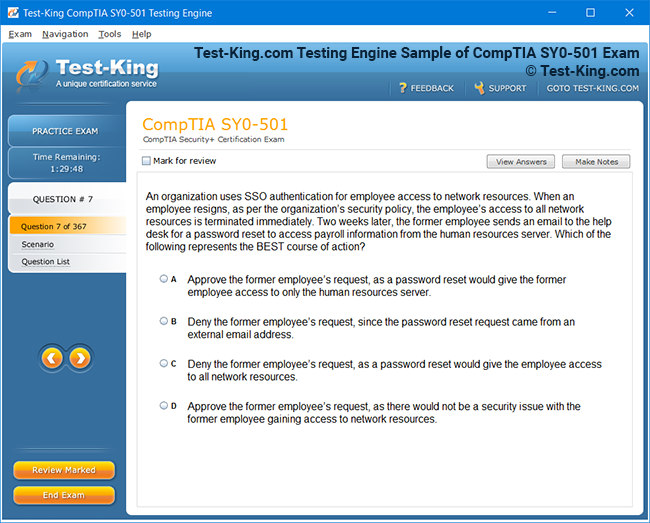
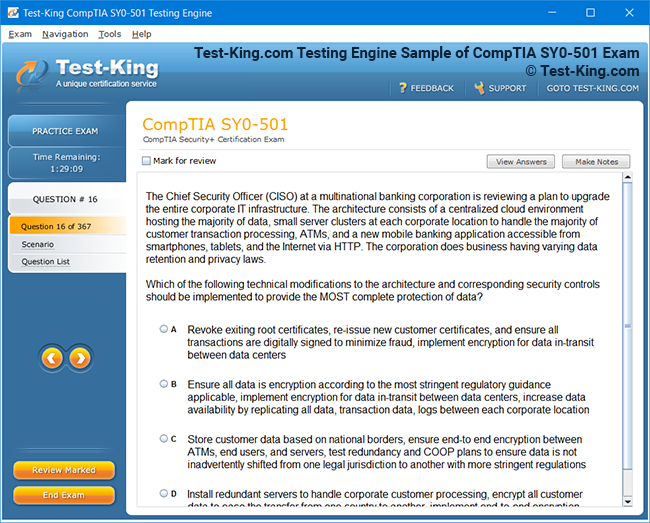
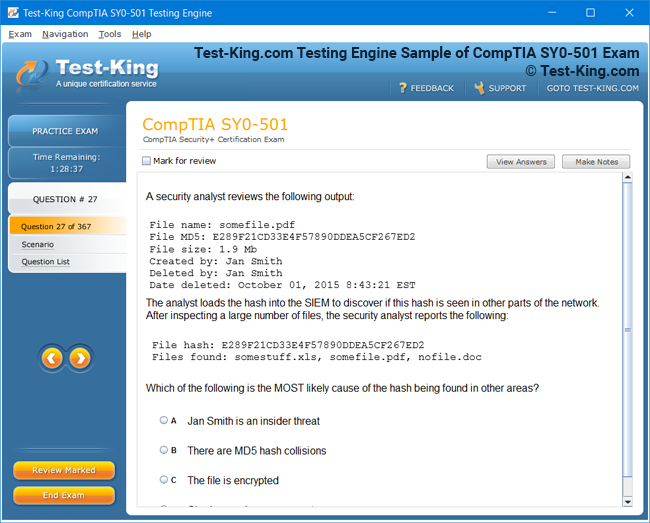
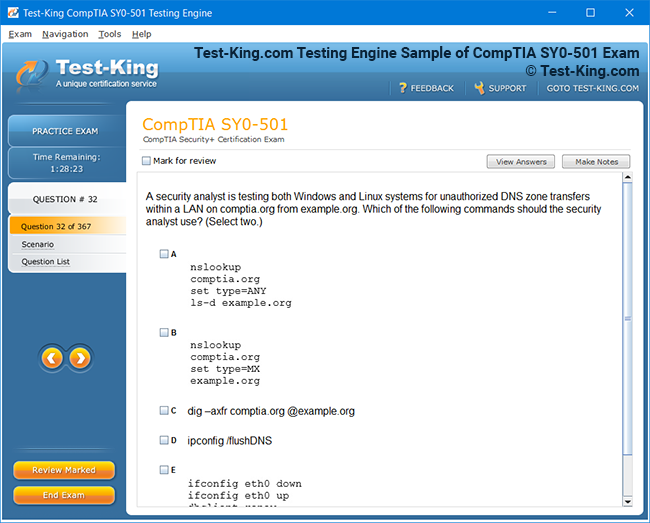
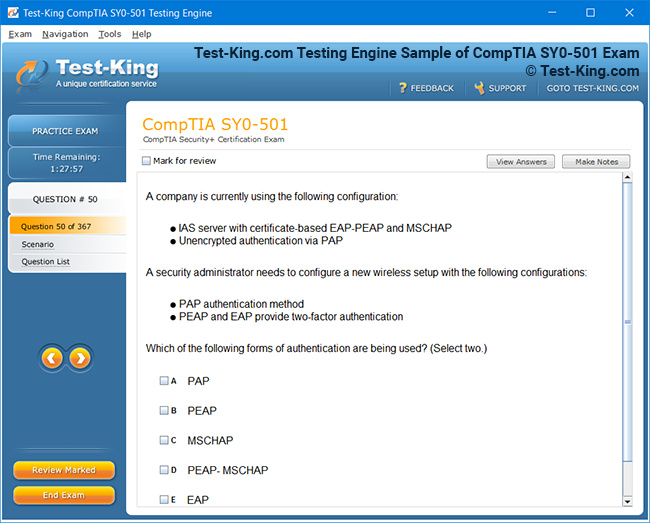
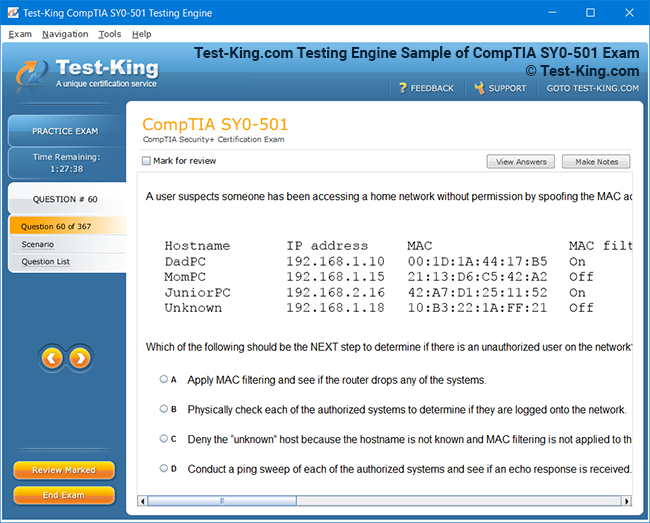
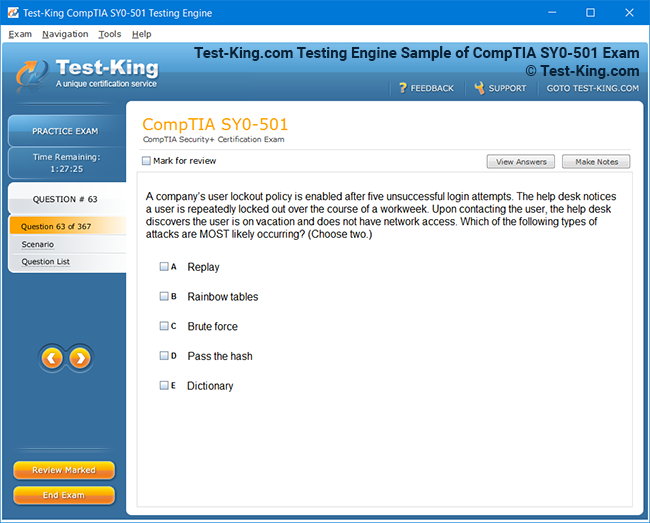
Product Screenshots
Frequently Asked Questions
How can I get the products after purchase?
All products are available for download immediately from your Member's Area. Once you have made the payment, you will be transferred to Member's Area where you can login and download the products you have purchased to your computer.
How long can I use my product? Will it be valid forever?
Test-King products have a validity of 90 days from the date of purchase. This means that any updates to the products, including but not limited to new questions, or updates and changes by our editing team, will be automatically downloaded on to computer to make sure that you get latest exam prep materials during those 90 days.
Can I renew my product if when it's expired?
Yes, when the 90 days of your product validity are over, you have the option of renewing your expired products with a 30% discount. This can be done in your Member's Area.
Please note that you will not be able to use the product after it has expired if you don't renew it.
How often are the questions updated?
We always try to provide the latest pool of questions, Updates in the questions depend on the changes in actual pool of questions by different vendors. As soon as we know about the change in the exam question pool we try our best to update the products as fast as possible.
How many computers I can download Test-King software on?
You can download the Test-King products on the maximum number of 2 (two) computers or devices. If you need to use the software on more than two machines, you can purchase this option separately. Please email support@test-king.com if you need to use more than 5 (five) computers.
What is a PDF Version?
PDF Version is a pdf document of Questions & Answers product. The document file has standart .pdf format, which can be easily read by any pdf reader application like Adobe Acrobat Reader, Foxit Reader, OpenOffice, Google Docs and many others.
Can I purchase PDF Version without the Testing Engine?
PDF Version cannot be purchased separately. It is only available as an add-on to main Question & Answer Testing Engine product.
What operating systems are supported by your Testing Engine software?
Our testing engine is supported by Windows. Andriod and IOS software is currently under development.
Top Pegasystems Exams
A Complete Guide to the PEGACPMC74V1 Exam: Becoming a Certified Pega Marketing Consultant
The PEGACPMC74V1 exam, designed by Pegasystems, serves as the gateway for professionals aspiring to establish themselves as adept Pega Marketing Consultants. This certification validates not only proficiency in Pega’s sophisticated marketing automation tools but also the strategic acumen required to design, execute, and optimize comprehensive marketing campaigns. In today’s digital landscape, where personalization and real-time engagement are paramount, earning this credential positions professionals as architects of customer-centric marketing strategies, blending technical expertise with business intelligence.
Understanding the PEGACPMC74V1 Certification and Its Significance
Pega Marketing is an integrated platform that empowers organizations to harness customer data, predict behavior, and orchestrate omnichannel interactions efficiently. Unlike conventional marketing systems, Pega’s solution utilizes adaptive analytics and decisioning capabilities to dynamically adjust campaigns, ensuring each customer encounter is meaningful and timely. The PEGACPMC74V1 certification confirms that the individual possesses a nuanced understanding of these capabilities, including the ability to map customer journeys, implement next-best-action strategies, and align marketing execution with organizational objectives.
Obtaining the PEGACPMC74V1 certification enhances a professional’s credibility in both technical and managerial circles. Organizations increasingly seek consultants who can translate marketing insights into actionable strategies, leveraging Pega’s decisioning engine to drive engagement, loyalty, and conversion. The credential reflects mastery over customer segmentation, campaign orchestration, and analytics-driven decision-making, enabling certified professionals to contribute to strategic discussions and influence marketing outcomes at a senior level.
A critical aspect of preparing for the PEGACPMC74V1 exam is understanding the synergy between marketing principles and Pega technology. Candidates must navigate an array of topics encompassing decisioning logic, predictive analytics, adaptive modeling, and integration with enterprise systems. Mastery of these elements requires a combination of theoretical knowledge and practical exposure to Pega’s marketing environment. Professionals who embrace hands-on experience in building campaigns, configuring decision strategies, and monitoring performance metrics develop an intuitive grasp of the platform’s nuances, which is crucial for success in the certification assessment.
The exam itself evaluates a candidate’s ability to apply knowledge in realistic marketing scenarios. Questions are framed to assess comprehension of how Pega Marketing facilitates customer engagement, manages lifecycle campaigns, and optimizes responses using predictive analytics. Understanding the logic behind decision strategies, the intricacies of real-time interactions, and the implications of segmentation models is imperative. This examination does not merely test memorization; it measures the capability to apply complex concepts to tangible business challenges, ensuring that certified consultants can perform effectively in professional settings.
Preparing for the PEGACPMC74V1 requires a strategic approach to study and skill acquisition. Professionals are encouraged to immerse themselves in Pega’s learning materials, simulation environments, and case studies that replicate real-world marketing operations. Familiarity with adaptive analytics, decision strategies, and the configuration of marketing campaigns is essential. In addition, understanding the ethical and regulatory considerations in data usage and personalization strengthens the consultant’s ability to design responsible marketing strategies that respect privacy while maximizing engagement.
The role of a Pega Marketing Consultant extends beyond technical implementation. It encompasses translating marketing objectives into executable strategies that leverage Pega’s platform. This includes designing decision flows, defining engagement rules, and configuring channels to deliver messages with precision. A consultant must interpret analytics outputs, assess campaign effectiveness, and continuously refine strategies to enhance outcomes. The PEGACPMC74V1 certification ensures that professionals possess this holistic capability, blending analytical reasoning, technical proficiency, and strategic insight.
Industry trends underscore the growing relevance of the PEGACPMC74V1 credential. Organizations are increasingly embracing digital transformation, and marketing functions are at the forefront of this evolution. The ability to integrate customer data, predict behaviors, and automate personalized interactions is a differentiator for businesses seeking competitive advantage. Certified Pega Marketing Consultants are equipped to lead initiatives that drive measurable impact, from increasing customer retention and lifetime value to optimizing marketing ROI. Their expertise bridges the gap between technology deployment and business value realization, making them indispensable in contemporary marketing operations.
Another crucial dimension of the PEGACPMC74V1 certification is the emphasis on real-time decisioning. Pega Marketing is distinguished by its capacity to process interactions instantaneously, allowing organizations to respond dynamically to customer actions. Candidates must understand the principles of event processing, decision execution, and next-best-action methodologies. This knowledge enables consultants to craft campaigns that are responsive, adaptive, and aligned with the evolving preferences of the customer base, reinforcing the strategic importance of the certification.
The certification also signifies proficiency in collaboration with cross-functional teams. Pega Marketing Consultants often liaise with IT, data science, and business units to ensure seamless integration of marketing initiatives within broader organizational processes. Understanding enterprise architecture, data flows, and system interoperability is essential. The PEGACPMC74V1 credential attests to the professional’s ability to operate effectively in such multifaceted environments, contributing not only technical solutions but also insights that inform strategic decision-making.
For aspirants, the journey toward the PEGACPMC74V1 certification involves cultivating a mindset of continuous learning. Pega’s platform is dynamic, with frequent updates introducing new capabilities and enhancing existing functionalities. Staying abreast of these developments, experimenting with new features, and evaluating their application in marketing scenarios are key behaviors that distinguish exceptional consultants. This proactive approach to knowledge acquisition ensures sustained competency, even beyond the initial certification achievement, and reinforces a commitment to excellence in Pega marketing practices.
In addition, professionals must cultivate analytical literacy, as data interpretation is central to the consultant role. The ability to discern patterns, identify trends, and extract actionable insights from complex datasets empowers consultants to design campaigns that resonate with target audiences. This analytical prowess, combined with technical mastery of Pega Marketing, enhances the consultant’s ability to optimize campaigns, measure effectiveness, and contribute to organizational growth. The PEGACPMC74V1 certification embodies this fusion of analytical and technical excellence, signaling a readiness to tackle sophisticated marketing challenges.
Finally, the credential carries significant implications for career advancement. Certified professionals are positioned to assume roles that require strategic oversight, campaign design, and leadership in marketing automation initiatives. They are often sought after for their ability to bridge marketing and technology, translating organizational goals into effective customer engagement strategies. The PEGACPMC74V1 certification not only validates technical skills but also signals the consultant’s capacity to drive meaningful business outcomes, making it a valuable asset in a competitive job market.
Core Concepts and Practical Skills for the PEGACPMC74V1 Exam
The PEGACPMC74V1 certification evaluates a professional’s ability to navigate the intricate landscape of Pega Marketing and apply its capabilities to real-world business scenarios. At the heart of the examination is the understanding of the platform’s foundational principles, including customer engagement, decisioning, predictive analytics, and campaign orchestration. A Pega Marketing Consultant is expected to translate business objectives into actionable strategies, leveraging the platform’s decisioning engine to deliver personalized, timely, and relevant interactions to each customer.
Pega Marketing is distinguished by its adaptive analytics and real-time decisioning abilities. Professionals preparing for the PEGACPMC74V1 exam must develop a thorough understanding of how adaptive models operate, learning to interpret predictive scores and behavioral signals to anticipate customer needs. Adaptive analytics allows the system to modify its predictions based on new data, enabling campaigns to become increasingly precise over time. Consultants must be proficient in configuring these models, aligning them with organizational goals, and continuously monitoring their performance to ensure they generate desired outcomes.
A critical skill for candidates is mastery over customer segmentation and targeting. Pega Marketing enables segmentation based on a variety of parameters, including demographic, behavioral, and transactional data. Consultants must understand how to define segment criteria, apply filters, and orchestrate messages tailored to each group’s unique characteristics. This segmentation ensures that campaigns are not only efficient but also resonate with the intended audience, optimizing engagement and conversion rates. The PEGACPMC74V1 exam tests the ability to implement these strategies effectively and accurately within the platform.
Decision strategies form the backbone of Pega Marketing operations. These strategies dictate how interactions are handled, which offers are presented, and which channels are engaged at each point in the customer journey. A consultant must understand the logic behind decision trees, next-best-action methodologies, and offer prioritization. The examination emphasizes the practical application of these strategies, requiring candidates to demonstrate proficiency in creating decision flows that respond dynamically to customer behaviors and preferences. Mastery in this area ensures that marketing initiatives are both responsive and aligned with business objectives.
Campaign management is another domain of significance for the PEGACPMC74V1 certification. Candidates must grasp how to design, configure, and monitor campaigns across multiple channels. This includes email, mobile, web, social media, and direct interactions. Consultants are expected to understand campaign lifecycles, from planning and execution to performance measurement and optimization. Knowledge of campaign cadence, content personalization, and interaction timing is essential for maximizing impact. The exam evaluates a professional’s ability to orchestrate these campaigns within Pega’s platform, ensuring they deliver meaningful engagement and measurable results.
Understanding event processing and real-time interaction management is pivotal. Pega Marketing allows businesses to respond instantaneously to customer actions, such as purchases, inquiries, or engagement with content. Candidates must learn to configure event triggers, define response rules, and manage interaction priorities. The examination assesses the ability to implement these functionalities in scenarios that mimic live business environments, emphasizing the need for precision and strategic foresight. Proficiency in this domain ensures that campaigns can adapt in real time, enhancing customer satisfaction and loyalty.
Analytical skills are central to the role of a Pega Marketing Consultant. Candidates preparing for the PEGACPMC74V1 exam must be capable of interpreting performance metrics, evaluating campaign effectiveness, and recommending data-driven improvements. Metrics such as response rates, conversion ratios, and customer lifetime value are integral to assessing the success of marketing initiatives. Consultants must understand how to extract insights from dashboards, reports, and predictive models to refine strategies, demonstrating the ability to merge analytical reasoning with platform proficiency for optimal results.
Integration with enterprise systems represents another critical facet of the PEGACPMC74V1 certification. Pega Marketing does not operate in isolation; it interacts with customer relationship management systems, databases, and external marketing platforms. Candidates must be familiar with data ingestion, system interoperability, and synchronization processes. The examination evaluates the ability to configure integrations that ensure seamless data flow, enabling campaigns to be informed by the most current and comprehensive customer information. This capability is essential for maintaining consistency and accuracy across marketing operations.
Ethical and regulatory considerations are increasingly significant in marketing practices. Professionals must understand the implications of data privacy laws, consent management, and responsible use of personal information. The PEGACPMC74V1 exam tests awareness of these principles, ensuring consultants can design campaigns that respect legal frameworks while still delivering personalized and impactful experiences. Knowledge of compliance mechanisms, opt-in/opt-out management, and data governance underscores the consultant’s capacity to operate responsibly within complex regulatory environments.
Practical hands-on skills are indispensable for success in the PEGACPMC74V1 exam. Candidates benefit from engaging with Pega’s simulation tools, building campaigns, configuring decision strategies, and analyzing system outputs. This experiential approach reinforces theoretical knowledge, providing an intuitive understanding of how the platform behaves under different conditions. By immersing themselves in these practical exercises, aspirants cultivate problem-solving abilities, gain confidence in applying concepts, and develop the agility required to handle complex marketing scenarios effectively.
The role of a Pega Marketing Consultant also encompasses strategic thinking and business alignment. Professionals are expected to interpret organizational goals, market trends, and customer behaviors to design campaigns that deliver tangible results. The PEGACPMC74V1 exam evaluates the ability to synthesize information from multiple sources, align strategies with business priorities, and adapt approaches based on dynamic conditions. Candidates must demonstrate the capacity to balance technical execution with strategic insight, ensuring that marketing initiatives contribute meaningfully to organizational success.
Communication and collaboration skills are integral to the consultant’s effectiveness. Pega Marketing Consultants often work with cross-functional teams, including IT, analytics, and business units. Preparing for the PEGACPMC74V1 exam involves understanding the dynamics of such collaboration, including requirements gathering, process documentation, and stakeholder engagement. Candidates must appreciate the importance of conveying complex technical concepts in an accessible manner, facilitating informed decision-making and fostering alignment between marketing technology and business strategy.
The examination also emphasizes the practical application of best practices in campaign optimization. Candidates must understand methods for A/B testing, multi-variate testing, and iterative refinement of campaigns. Pega Marketing provides tools to monitor engagement, evaluate results, and implement adjustments based on data insights. Mastery of these practices ensures that consultants can continuously improve campaign performance, achieving higher responsiveness and efficiency while reinforcing customer satisfaction and retention.
An understanding of the customer journey is central to Pega Marketing proficiency. Candidates must recognize how interactions across channels and touchpoints shape perceptions, influence behaviors, and affect long-term loyalty. The PEGACPMC74V1 exam assesses the ability to map these journeys, define interaction sequences, and leverage decision strategies to deliver seamless, relevant experiences. This holistic perspective enables consultants to orchestrate campaigns that resonate with customers, creating meaningful connections that translate into sustained engagement and value.
Finally, the examination evaluates problem-solving capabilities in complex marketing scenarios. Candidates may encounter challenges such as conflicting campaign priorities, resource constraints, or unexpected shifts in customer behavior. Professionals must demonstrate analytical reasoning, adaptability, and strategic foresight to navigate these situations effectively. The PEGACPMC74V1 certification validates the consultant’s ability to respond to such challenges, ensuring they can maintain operational excellence while achieving marketing objectives and maximizing organizational impact.
Exam Structure, Format, and Preparation Strategies for the PEGACPMC74V1 Certification
The PEGACPMC74V1 exam represents a rigorous assessment designed to validate the expertise of professionals in the domain of Pega Marketing. Understanding its structure and format is essential for candidates seeking certification, as it not only informs preparation strategies but also provides insight into how knowledge and practical skills are evaluated. The examination measures a professional’s capacity to apply Pega Marketing concepts in real-world scenarios, emphasizing decisioning, predictive analytics, campaign orchestration, and customer engagement.
The exam is composed of multiple-choice and scenario-based questions that assess both theoretical comprehension and practical application. Candidates are required to demonstrate mastery over various components of Pega Marketing, including adaptive analytics, next-best-action decisioning, segmentation, event processing, and omnichannel campaign management. Scenario-based questions simulate real-world marketing challenges, compelling candidates to apply analytical reasoning, technical proficiency, and strategic judgment to devise effective solutions. This format ensures that certification holders possess not only knowledge but also the ability to implement it in professional contexts.
Timing and pacing are important considerations when approaching the PEGACPMC74V1 exam. Candidates typically have a fixed duration to complete the assessment, requiring efficient time management and focused problem-solving skills. Practicing under timed conditions helps aspirants develop the agility to navigate complex questions, prioritize tasks, and make informed decisions within the allotted period. Familiarity with question types, combined with consistent practice, reduces anxiety and enhances confidence during the examination.
Preparation for the exam involves a multifaceted approach. Candidates should immerse themselves in Pega’s official learning resources, including documentation, tutorials, and hands-on exercises. Practical exposure to the platform is critical, as it allows candidates to internalize concepts related to campaign configuration, decision strategy creation, and real-time interaction management. Engaging with simulations and trial environments replicates business scenarios, providing an experiential understanding that reinforces theoretical knowledge. This experiential learning is invaluable, as the exam evaluates the application of skills in realistic contexts rather than rote memorization.
Focusing on the examination domains is crucial for targeted preparation. These domains encompass adaptive analytics, predictive modeling, customer segmentation, campaign orchestration, decision strategies, and system integration. Candidates should develop a comprehensive understanding of each domain, exploring how they interrelate and contribute to effective marketing campaigns. Adaptive analytics enables the platform to adjust predictions based on behavioral data, while predictive modeling anticipates future customer actions. Segmentation allows for tailored messaging, and campaign orchestration ensures coordinated execution across multiple channels. Understanding these interactions equips candidates to navigate scenario-based questions effectively.
Event processing and real-time interaction management are integral components of the exam. Professionals must demonstrate the ability to configure events, define triggers, and manage interaction priorities in a manner that enhances customer experience. Exam questions often require candidates to apply these principles to practical scenarios, such as responding to customer inquiries instantaneously or adjusting campaigns based on recent activity. Mastery in this domain underscores the consultant’s capability to deliver dynamic, contextually relevant marketing strategies that resonate with customers.
A key aspect of preparation involves developing analytical reasoning skills. Candidates must be capable of interpreting data from performance dashboards, reports, and predictive models to assess campaign effectiveness. Understanding metrics such as conversion rates, engagement scores, and customer lifetime value is essential for evaluating the impact of marketing initiatives. The PEGACPMC74V1 exam measures the ability to translate data insights into actionable strategies, ensuring consultants can optimize campaigns and align execution with organizational goals.
Strategic thinking and business alignment are also emphasized in the examination. Candidates should understand how to translate business objectives into actionable marketing strategies using Pega’s platform. This requires awareness of organizational priorities, customer behavior trends, and industry standards. Scenario questions often test the candidate’s capacity to design decision flows, prioritize offers, and orchestrate interactions that balance technical feasibility with strategic impact. Demonstrating this holistic understanding differentiates candidates and confirms their readiness to perform as certified Pega Marketing Consultants.
Time management strategies during preparation include structured study schedules, periodic self-assessment, and review of key concepts. Establishing milestones for learning domains, practicing scenario questions, and revisiting challenging topics ensures progressive mastery. Simulated exams provide a benchmark for readiness, highlighting areas requiring additional focus and reinforcing familiarity with exam format. Consistency in preparation, coupled with reflection on past performance, enhances confidence and improves accuracy under examination conditions.
Integration and interoperability within enterprise systems are also highlighted in the examination. Candidates must comprehend how Pega Marketing interacts with customer relationship management tools, data repositories, and external marketing platforms. Knowledge of data ingestion, synchronization, and system connectivity is critical for ensuring that campaigns operate efficiently and accurately. Exam questions may assess the ability to design solutions that maintain data integrity, support omnichannel execution, and enable real-time decisioning. Proficiency in integration strengthens the consultant’s ability to implement comprehensive marketing strategies that leverage all available organizational resources.
Ethical and regulatory compliance is another important consideration for candidates. Understanding data privacy laws, consent management, and responsible use of personal information is essential. The examination evaluates awareness of these principles, ensuring consultants can design campaigns that adhere to legal frameworks while delivering personalized experiences. Candidates must demonstrate knowledge of opt-in and opt-out management, data governance practices, and privacy-centric marketing techniques, reinforcing the importance of ethical conduct alongside technical competence.
The examination also tests communication and collaboration capabilities. Certified Pega Marketing Consultants are expected to work with cross-functional teams, requiring clear articulation of technical solutions, business rationale, and campaign strategies. Preparation should include the ability to document workflows, convey insights from analytics, and support informed decision-making. Effective communication ensures that marketing initiatives are implemented seamlessly and that stakeholders are aligned on objectives, expectations, and results.
Practical exercises and case studies are highly recommended for preparation. Engaging with real-world scenarios, such as designing a campaign for a new product launch or optimizing customer interactions during a seasonal promotion, allows candidates to apply theoretical knowledge in a controlled environment. These exercises cultivate problem-solving skills, reinforce understanding of platform functionalities, and build confidence in addressing complex challenges under time constraints. Such experiential learning is instrumental in mastering the exam content and developing readiness for professional application.
Candidates should also focus on mastering the platform’s tools for monitoring and optimization. Pega Marketing provides dashboards, reports, and analytics that allow consultants to track engagement, evaluate the performance of campaigns, and identify areas for improvement. Understanding how to interpret these outputs, adjust strategies accordingly, and implement iterative improvements is central to both exam success and practical proficiency. Preparation that emphasizes analytical interpretation and evidence-based decision-making ensures candidates are capable of executing campaigns that deliver measurable value.
Finally, adopting a mindset of continuous learning enhances preparation and long-term competency. Pega Marketing evolves with technological advancements and market dynamics, requiring consultants to stay current with updates, new features, and best practices. Preparing for the PEGACPMC74V1 exam with this perspective not only increases the likelihood of certification success but also cultivates a professional approach to ongoing skill development. Candidates who integrate study, hands-on experience, strategic insight, and reflective practice develop the versatility necessary to excel as Pega Marketing Consultants in diverse organizational contexts.
Essential Marketing and Pega Platform Skills for Success
The PEGACPMC74V1 certification demands a synthesis of technical mastery and marketing acumen, positioning professionals to design, implement, and optimize campaigns that resonate with diverse audiences. A Pega Marketing Consultant is expected to navigate the platform with dexterity while leveraging marketing principles to drive engagement, conversion, and long-term loyalty. Essential skills encompass an understanding of adaptive analytics, customer decisioning, campaign orchestration, data integration, and cross-functional collaboration, each of which plays a pivotal role in achieving organizational objectives.
Adaptive analytics forms the cornerstone of effective marketing strategies in Pega. Candidates must understand how predictive models interpret customer behavior, adjust over time, and generate actionable insights. The ability to configure adaptive models, analyze predictive scores, and refine strategies based on evolving customer interactions enables consultants to deliver personalized experiences. This proficiency ensures campaigns remain dynamic and relevant, aligning with the expectations of customers while maximizing organizational return on investment.
Decisioning strategies are a fundamental component of the Pega platform, requiring consultants to understand next-best-action methodologies, offer prioritization, and logic sequencing. Professionals must be able to define rules that govern interactions across channels, ensuring responses are timely, relevant, and aligned with business objectives. Mastery of decision strategies allows consultants to orchestrate interactions that optimize engagement while balancing the constraints of resources, compliance, and campaign goals. These skills are critical for achieving efficiency and effectiveness in marketing execution.
Customer segmentation is another vital skill for the PEGACPMC74V1 certification. Consultants must be adept at categorizing audiences based on demographic, behavioral, and transactional attributes, and using these segments to tailor communications and offers. Segmentation allows for precise targeting, ensuring that marketing messages are contextually relevant and resonate with individual preferences. Expertise in segmentation also facilitates measurement of campaign impact, enabling consultants to continuously refine strategies for improved engagement and conversion rates.
Campaign orchestration encompasses the end-to-end management of marketing initiatives across multiple channels, including email, mobile, social, web, and direct interactions. Candidates must understand how to sequence campaigns, define interaction triggers, and manage the timing and content of communications. This skill ensures that campaigns are coherent, synchronized, and optimized for maximum impact. Knowledge of orchestration within Pega enables consultants to coordinate complex workflows that deliver seamless experiences, maintaining consistency and alignment with strategic marketing objectives.
Event processing and real-time interaction management are crucial capabilities within the platform. Consultants must configure events, define triggers, and respond instantaneously to customer actions. This enables organizations to deliver relevant messages at the moment of engagement, enhancing customer experience and increasing responsiveness. Mastery of real-time interactions is essential for professionals preparing for the PEGACPMC74V1 exam, as it reflects the consultant’s ability to implement campaigns that are not only strategic but also agile and adaptive.
Data integration skills are indispensable for leveraging the full potential of Pega Marketing. Consultants must understand how to incorporate data from various enterprise systems, including customer relationship management platforms, data warehouses, and third-party sources. Ensuring the accuracy, consistency, and timeliness of data flows enables campaigns to be informed by the most comprehensive information available. Expertise in integration also supports analytical accuracy, decision strategy execution, and seamless omnichannel delivery, making it a critical aspect of professional competency.
Analytical literacy is a core requirement for success in Pega Marketing. Consultants must interpret dashboards, reports, and predictive analytics to assess campaign performance, measure engagement, and identify opportunities for improvement. Understanding metrics such as response rates, conversions, and customer lifetime value allows professionals to make data-driven decisions that optimize marketing outcomes. This analytical proficiency ensures campaigns are evaluated rigorously and adapted iteratively to maintain relevance and effectiveness in dynamic market conditions.
Ethical and regulatory awareness is a growing necessity in contemporary marketing practices. Professionals must navigate data privacy laws, consent management requirements, and responsible use of personal information while designing campaigns. The PEGACPMC74V1 exam emphasizes this dimension, ensuring consultants can implement strategies that respect customer privacy, maintain compliance, and uphold organizational integrity. Expertise in this area enhances trust, safeguards brand reputation, and ensures marketing initiatives are both lawful and ethical.
Collaboration and communication skills complement technical mastery in Pega Marketing. Consultants work closely with cross-functional teams, including IT, analytics, business units, and creative teams, to ensure alignment on objectives, processes, and outcomes. Professionals must articulate complex concepts clearly, facilitate informed decision-making, and support consensus-building in campaign execution. These interpersonal skills enhance operational efficiency and ensure that marketing initiatives are implemented seamlessly across organizational boundaries.
Practical experience with the Pega platform reinforces theoretical knowledge and ensures readiness for professional application. Candidates benefit from configuring campaigns, testing decision strategies, managing real-time interactions, and analyzing outcomes in simulation environments. Hands-on experience fosters intuitive understanding of platform functionalities, strengthens problem-solving abilities, and develops agility in handling complex scenarios. This experiential learning is invaluable for mastering both the PEGACPMC74V1 examination content and real-world marketing applications.
Strategic thinking and business acumen are essential complements to technical skills. Consultants must align marketing execution with organizational goals, interpret market trends, and anticipate customer needs. The ability to synthesize business intelligence, platform capabilities, and campaign insights allows professionals to design initiatives that deliver measurable impact. Mastery of strategic application differentiates certified consultants, positioning them to contribute to organizational growth and drive meaningful outcomes through marketing technology.
Campaign optimization skills further enhance the professional repertoire. Consultants must be proficient in evaluating performance, implementing iterative improvements, and conducting A/B or multivariate testing to refine messaging, timing, and channel strategies. This continuous improvement mindset ensures campaigns evolve in response to data, customer feedback, and market dynamics. Mastery of optimization techniques underlines the consultant’s capacity to maintain high engagement, maximize conversion, and enhance the overall efficiency of marketing operations.
Understanding the customer journey is pivotal for applying Pega Marketing effectively. Consultants must map touchpoints, interactions, and behavioral triggers to deliver cohesive experiences across all channels. Knowledge of journey mapping enables professionals to anticipate customer expectations, personalize communications, and guide engagement toward desired outcomes. Integrating journey insights with decisioning strategies ensures interactions are contextually relevant, creating meaningful connections that foster loyalty and brand advocacy.
Problem-solving proficiency is a defining characteristic of skilled Pega Marketing Consultants. Candidates must navigate challenges such as conflicting campaign priorities, resource constraints, or unexpected shifts in customer behavior. Effective problem-solving requires analytical reasoning, adaptive thinking, and strategic foresight, enabling consultants to design and execute solutions that maintain operational excellence. This skill ensures that campaigns achieve objectives despite variability in business conditions or customer behavior, reflecting the holistic capability certified by the PEGACPMC74V1 credential.
Continuous learning and adaptability are necessary traits for sustained success. The Pega platform evolves with technological innovations, new features, and changing marketing paradigms. Professionals must stay abreast of updates, experiment with emerging functionalities, and evaluate their practical applications in marketing initiatives. A commitment to ongoing skill development ensures that consultants remain proficient, agile, and competitive, translating certification knowledge into long-term professional competence and organizational impact.
Career Pathways and Opportunities After the PEGACPMC74V1 Certification
Achieving the PEGACPMC74V1 certification opens a multitude of avenues for professionals seeking to elevate their careers in marketing automation and customer engagement. This credential signifies mastery over Pega Marketing tools and methodologies, positioning consultants as strategic partners in the design, execution, and optimization of marketing initiatives. Organizations increasingly recognize the value of certified Pega Marketing Consultants who combine analytical prowess, technical acumen, and strategic insight to drive measurable business outcomes.
Certified consultants often assume pivotal roles within marketing departments, leading the orchestration of omnichannel campaigns and ensuring alignment between technological capabilities and business objectives. Responsibilities may include designing decision strategies, configuring adaptive analytics models, and mapping customer journeys to deliver personalized experiences. Professionals in these positions are tasked with translating complex data into actionable insights, shaping campaigns that maximize engagement, conversion, and customer lifetime value.
The demand for Pega Marketing expertise spans industries, including retail, finance, healthcare, telecommunications, and technology. Organizations in these sectors seek consultants capable of implementing automated, data-driven campaigns that respond to real-time customer behavior. The PEGACPMC74V1 certification validates the skills necessary to navigate complex enterprise environments, integrate data across systems, and execute campaigns with precision, making certified professionals highly sought after for strategic marketing roles.
Career advancement often involves taking on responsibilities that blend technical implementation with strategic leadership. Certified consultants may oversee teams responsible for campaign management, predictive modeling, and real-time decisioning. They provide guidance on best practices, ensure compliance with regulatory standards, and facilitate cross-functional collaboration to achieve organizational goals. Their expertise allows organizations to leverage Pega Marketing not merely as a tool but as a transformative platform that enhances customer engagement and drives business growth.
Consultants with this certification can also specialize in areas such as customer segmentation, behavioral analytics, or next-best-action decisioning. Specialization allows professionals to develop deep expertise in critical aspects of Pega Marketing, enhancing their value to organizations seeking targeted insights and precise campaign execution. This specialization is particularly relevant in large enterprises where complex customer data and multichannel interactions require nuanced understanding and meticulous execution.
Opportunities extend beyond organizational roles to consultancy and advisory positions. Certified Pega Marketing Consultants can provide strategic guidance to companies implementing or optimizing Pega Marketing platforms. Their ability to assess business requirements, design solutions, and configure campaigns equips them to advise clients on effective strategies for customer engagement, retention, and growth. This consultancy pathway offers exposure to diverse industries, broadening professional experience and expanding career horizons.
The certification also enhances prospects in project management within marketing technology initiatives. Professionals may lead projects involving platform deployment, system integration, and campaign automation. Understanding both the technical intricacies and marketing objectives allows certified consultants to manage projects efficiently, ensuring timely delivery, quality execution, and alignment with strategic goals. Their dual competency in marketing strategy and Pega platform functionality positions them to bridge the gap between business and technology teams.
Analytical and data-driven roles are another avenue for certified professionals. Pega Marketing provides robust tools for tracking campaign performance, measuring engagement, and evaluating predictive models. Consultants skilled in interpreting these analytics can contribute to strategic decision-making, optimizing marketing investments, and enhancing return on investment. Their ability to translate complex datasets into actionable insights is a differentiator, particularly in organizations seeking to leverage data for competitive advantage.
Leadership positions are increasingly accessible to those holding the PEGACPMC74V1 credential. As organizations recognize the strategic importance of marketing automation, certified consultants may progress to roles such as marketing operations manager, digital strategy lead, or customer engagement director. These positions demand not only technical expertise but also the ability to guide teams, influence stakeholders, and drive innovation in marketing approaches. The certification signals readiness for such responsibilities by validating both skill and strategic insight.
Global opportunities are also abundant, given the widespread adoption of Pega Marketing solutions. Certified professionals may work with multinational corporations, managing campaigns that span geographies, languages, and cultural contexts. This international exposure allows consultants to apply their knowledge in diverse environments, adapting strategies to regional market dynamics and customer preferences. The PEGACPMC74V1 certification assures employers of the professional’s ability to operate effectively in complex, globalized marketing ecosystems.
Continuous learning and professional development remain integral to career growth following certification. The Pega platform evolves rapidly, introducing new features, tools, and capabilities. Certified consultants who remain abreast of these advancements, experiment with new functionalities, and integrate them into marketing strategies maintain their competitive edge. This proactive approach not only enhances immediate career prospects but also positions professionals for long-term advancement, ensuring sustained relevance in an ever-evolving field.
Entrepreneurial opportunities may also emerge for certified professionals. With expertise in Pega Marketing and marketing automation, consultants can establish independent practices or advisory services, assisting organizations with campaign strategy, platform configuration, and optimization. Entrepreneurial endeavors allow professionals to leverage their certification for business development, offering services that combine technical proficiency with marketing insight to create value for clients across sectors.
Mentorship and knowledge-sharing represent another avenue for leveraging the certification. Experienced consultants can train junior professionals, lead workshops, or develop organizational best practices. By disseminating expertise, certified consultants contribute to building internal capabilities, strengthening organizational performance, and reinforcing their own professional reputation. Mentorship also enhances leadership skills, further supporting career advancement and recognition within the marketing technology community.
Specialized roles in data privacy, compliance, and ethical marketing may also appeal to certified professionals. The increasing emphasis on responsible data usage, consent management, and privacy regulations requires consultants who understand both platform functionality and regulatory frameworks. Certified Pega Marketing Consultants are well-positioned to advise organizations on implementing compliant and ethical marketing campaigns, ensuring legal adherence while optimizing customer engagement.
Cross-industry versatility is another advantage of PEGACPMC74V1 certification. The principles of marketing automation, customer decisioning, and campaign orchestration are applicable across multiple domains. Certified consultants can transfer skills to sectors such as financial services, telecommunications, healthcare, retail, and technology, adapting strategies to distinct market requirements and customer behaviors. This adaptability increases employability and broadens career pathways, making the credential a versatile asset for professionals pursuing diverse opportunities.
Finally, the certification enhances credibility and professional recognition. Employers value the demonstration of verified expertise, particularly in platforms as sophisticated as Pega Marketing. Certification signals a commitment to excellence, technical proficiency, and strategic insight, distinguishing professionals from peers and positioning them for advancement. This credibility supports both organizational impact and individual career growth, reinforcing the value of the PEGACPMC74V1 credential in achieving long-term professional success.
Expert Tips, Study Resources, and Real-World Applications for PEGACPMC74V1 Success
Preparing for the PEGACPMC74V1 exam requires a comprehensive strategy that combines theoretical knowledge, practical experience, and analytical insight. Candidates who achieve certification demonstrate mastery over Pega Marketing tools, decisioning logic, adaptive analytics, and omnichannel campaign orchestration, positioning themselves as invaluable contributors to organizational marketing initiatives. Success in this examination relies not only on familiarity with the platform but also on the ability to apply concepts in realistic business scenarios, ensuring that certified professionals can translate knowledge into tangible results.
One of the most effective strategies for preparation is hands-on engagement with Pega Marketing. Simulation exercises, trial campaigns, and interactive tutorials provide candidates with experiential learning opportunities, enabling them to internalize the nuances of decision strategies, next-best-action methodologies, and event processing. By constructing campaigns and observing the outcomes in a controlled environment, candidates develop an intuitive understanding of the platform’s behavior, which is critical for navigating scenario-based questions on the exam. This approach also reinforces the connection between theoretical knowledge and practical execution.
Structured study plans enhance preparation efficiency. Candidates benefit from organizing study materials according to the examination domains, dedicating focused time to adaptive analytics, segmentation, predictive modeling, campaign orchestration, and system integration. Reviewing each domain comprehensively, supplemented by practical exercises, ensures balanced mastery of both conceptual and applied skills. Timed practice sessions, mock assessments, and iterative review of challenging topics further solidify understanding and build confidence, preparing candidates for the timed conditions of the official examination.
Leveraging authoritative Pega resources is another key to success. Official documentation, platform tutorials, and e-learning modules offer detailed explanations of features, capabilities, and configuration techniques. Candidates should immerse themselves in these materials, exploring case studies, best practices, and practical examples that reflect real-world marketing scenarios. Complementing these resources with community forums, professional networks, and knowledge-sharing platforms allows aspirants to clarify doubts, gain insights from experienced consultants, and stay informed about evolving features and strategies within Pega Marketing.
Scenario-based problem solving is integral to mastering the PEGACPMC74V1 exam. Candidates should practice analyzing complex marketing situations, determining optimal decision strategies, configuring campaigns, and interpreting performance data. These exercises cultivate analytical reasoning, adaptive thinking, and strategic judgment, skills that are crucial not only for examination success but also for professional application. Exposure to varied scenarios ensures that consultants can respond effectively to dynamic challenges, aligning campaigns with business objectives and customer expectations.
Time management is critical both in preparation and during the examination. Candidates should develop the ability to allocate attention efficiently across questions, prioritize complex scenarios, and maintain accuracy under time constraints. Regular timed practice sessions reinforce pacing, reduce anxiety, and enhance the ability to make informed decisions quickly. Familiarity with question formats, the weighting of domains, and typical examination patterns further aids in navigating the assessment with confidence and precision.
Understanding the integration of Pega Marketing within enterprise systems is essential. Candidates should explore how data flows between customer relationship management platforms, analytics repositories, and external marketing channels. Mastery of integration principles ensures that campaigns are informed by accurate, up-to-date information and that decision strategies can leverage comprehensive datasets for real-time interaction. Practical exercises in connecting systems, managing data synchronization, and ensuring consistency reinforce the consultant’s capability to implement robust and reliable marketing solutions.
Ethical considerations and regulatory compliance form a critical aspect of preparation. Candidates must understand the frameworks governing data privacy, consent management, and responsible customer engagement. Knowledge of privacy regulations, opt-in and opt-out mechanisms, and governance practices ensures that consultants can design campaigns that are both compliant and effective. Integrating ethical awareness into preparation enhances readiness for the examination and demonstrates professional responsibility, which is increasingly valued in organizational decision-making.
Developing proficiency in campaign optimization techniques strengthens both examination performance and practical competence. Candidates should familiarize themselves with A/B testing, multivariate testing, and iterative campaign refinement. Understanding how to measure engagement, evaluate conversion metrics, and implement strategic adjustments ensures campaigns remain effective and responsive to customer behavior. Practice in monitoring dashboards, analyzing predictive scores, and adjusting strategies cultivates a methodical approach to performance improvement that is central to the consultant’s role.
Collaboration and communication skills complement technical expertise in Pega Marketing. Certified consultants often work with diverse teams, including IT, analytics, creative, and business units. Preparation should include scenarios that require articulating decisions, documenting processes, and facilitating informed collaboration. Ability to communicate complex strategies clearly enhances the effectiveness of campaign execution, ensures stakeholder alignment, and reinforces the consultant’s strategic value within the organization.
Real-world application of Pega Marketing concepts reinforces learning and demonstrates the relevance of certification. Candidates are encouraged to undertake projects, internships, or simulations that mirror organizational challenges, such as launching multichannel campaigns, implementing next-best-action decisioning, or refining predictive models. Engaging with practical projects allows aspirants to connect theoretical knowledge with operational realities, ensuring that the certification validates not only understanding but also actionable competence in marketing technology deployment.
Mindset and discipline are vital for sustained success. Candidates should approach preparation with curiosity, persistence, and adaptability, recognizing that mastery of Pega Marketing requires iterative learning and continuous refinement. Maintaining a schedule, reflecting on progress, and seeking feedback from peers or mentors fosters growth and ensures comprehensive coverage of the examination domains. A disciplined and inquisitive approach enhances retention, boosts confidence, and equips candidates with the resilience to excel both in the examination and in professional application.
Networking and knowledge exchange provide additional support for exam preparation and professional development. Engaging with Pega user communities, attending webinars, and participating in discussion groups allows candidates to gain insights, share experiences, and learn from industry experts. Exposure to diverse perspectives on platform utilization, campaign strategies, and problem-solving approaches enriches understanding, broadens practical competence, and fosters readiness for complex examination scenarios.
Incorporating analytical thinking and business alignment into preparation ensures candidates can bridge technical execution with strategic objectives. Understanding how campaigns influence customer behavior, measure performance, and contribute to organizational goals allows professionals to design initiatives that are both technically proficient and commercially effective. Exam scenarios frequently require this synthesis, testing the candidate’s ability to integrate marketing principles, platform capabilities, and business insight to produce optimal outcomes.
Maintaining familiarity with evolving Pega Marketing features is essential. Regular exploration of updates, new tools, and enhancements ensures candidates are current with platform capabilities. This proactive approach not only supports examination readiness but also strengthens long-term professional competence. Candidates who integrate continuous learning into their preparation cultivate adaptability, agility, and sustained relevance in the fast-evolving domain of marketing automation.
Conclusion
Achieving the PEGACPMC74V1 certification is a transformative milestone for marketing professionals, symbolizing expertise in Pega Marketing, strategic insight, and practical proficiency. Success requires a disciplined combination of theoretical study, hands-on practice, scenario-based problem solving, and continuous engagement with the evolving platform. Certified consultants gain access to expansive career opportunities, leadership roles, and consultancy possibilities, all of which leverage their ability to orchestrate campaigns, analyze performance, and drive customer engagement. By integrating structured preparation, ethical awareness, analytical thinking, and experiential learning, candidates not only excel in the examination but also emerge as influential architects of modern, data-driven marketing strategies, capable of delivering measurable impact across diverse organizational contexts.