

Exam Code: UiADPv1
Exam Name: UiPath Automation Developer Professional v1.0
Certification Provider: UiPath
Corresponding Certification: UiPath Certified Professional Automation Developer Professional
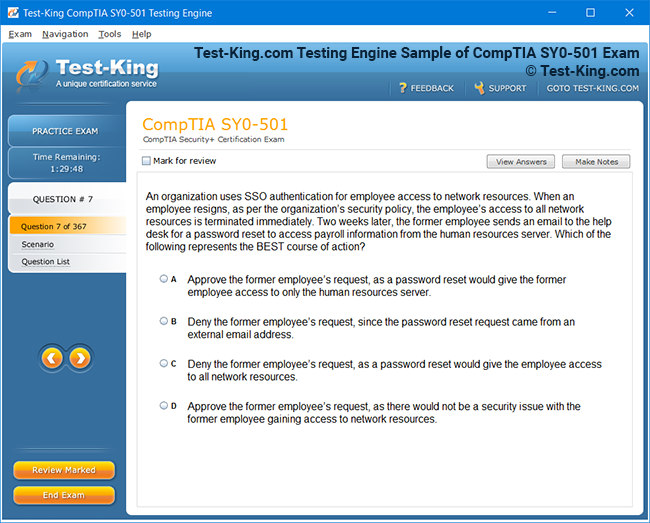
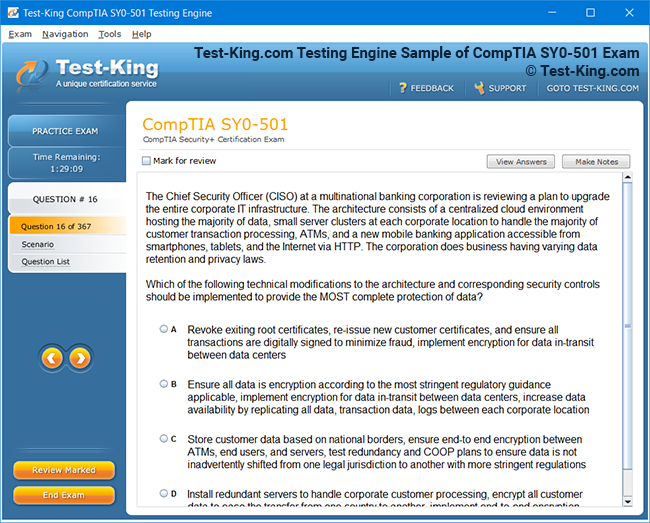
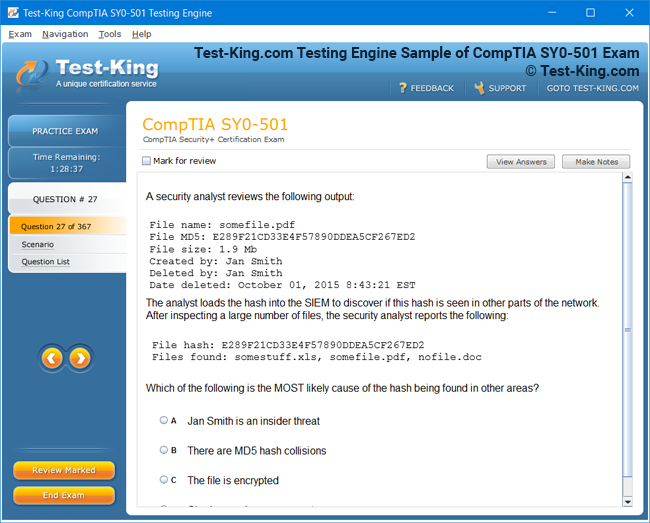
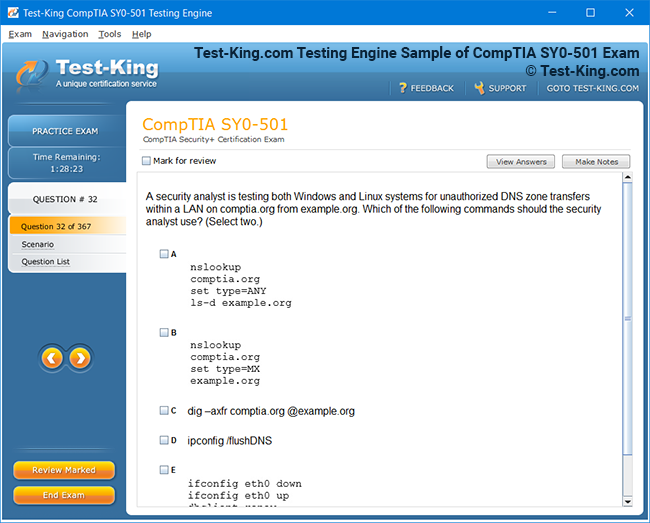
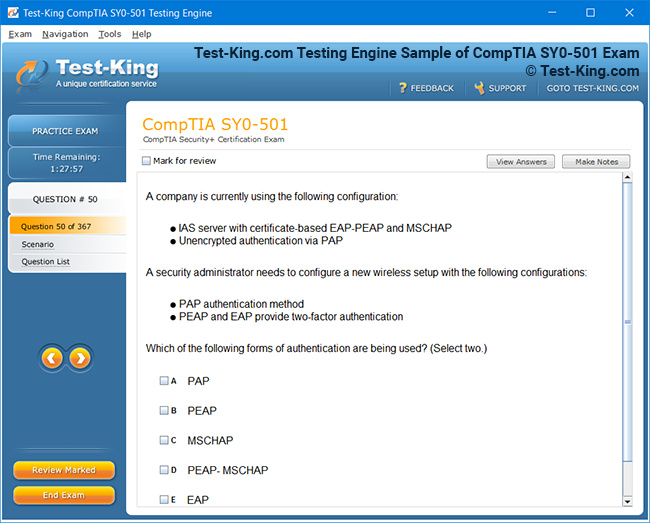
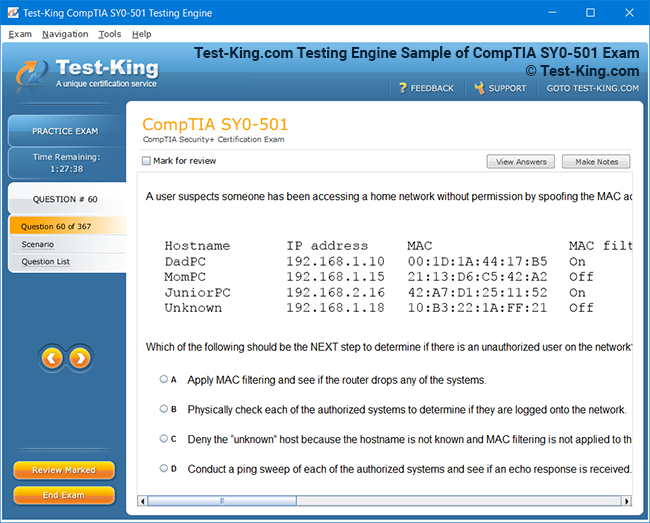
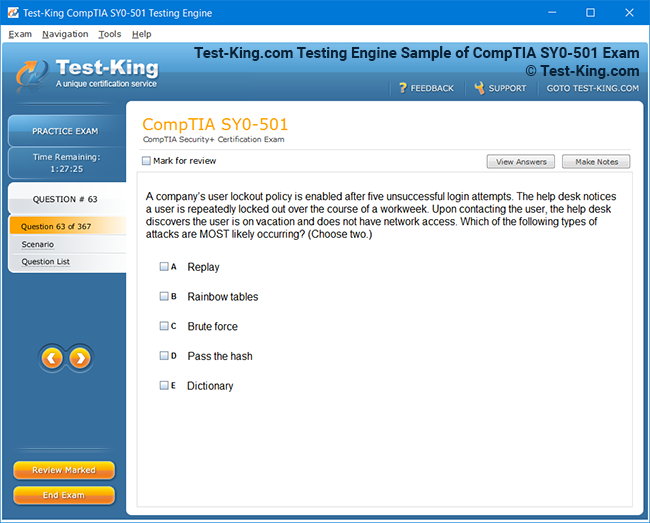
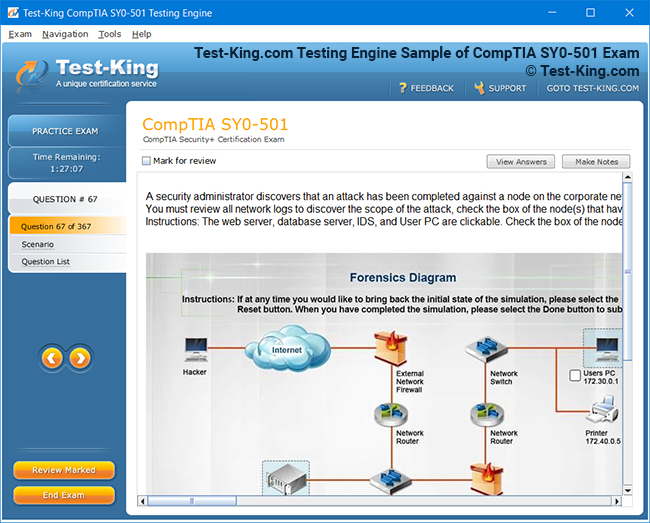
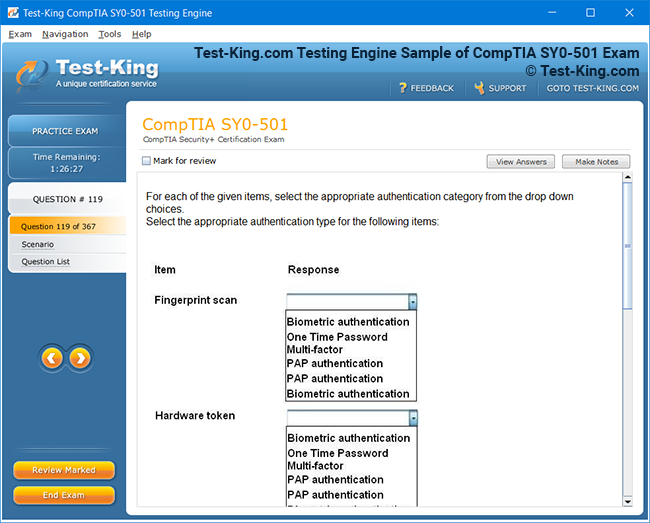
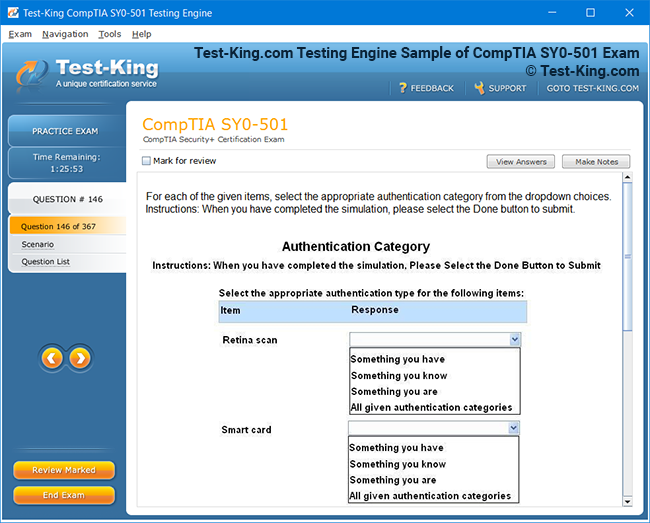
Product Screenshots
Frequently Asked Questions
How can I get the products after purchase?
All products are available for download immediately from your Member's Area. Once you have made the payment, you will be transferred to Member's Area where you can login and download the products you have purchased to your computer.
How long can I use my product? Will it be valid forever?
Test-King products have a validity of 90 days from the date of purchase. This means that any updates to the products, including but not limited to new questions, or updates and changes by our editing team, will be automatically downloaded on to computer to make sure that you get latest exam prep materials during those 90 days.
Can I renew my product if when it's expired?
Yes, when the 90 days of your product validity are over, you have the option of renewing your expired products with a 30% discount. This can be done in your Member's Area.
Please note that you will not be able to use the product after it has expired if you don't renew it.
How often are the questions updated?
We always try to provide the latest pool of questions, Updates in the questions depend on the changes in actual pool of questions by different vendors. As soon as we know about the change in the exam question pool we try our best to update the products as fast as possible.
How many computers I can download Test-King software on?
You can download the Test-King products on the maximum number of 2 (two) computers or devices. If you need to use the software on more than two machines, you can purchase this option separately. Please email support@test-king.com if you need to use more than 5 (five) computers.
What is a PDF Version?
PDF Version is a pdf document of Questions & Answers product. The document file has standart .pdf format, which can be easily read by any pdf reader application like Adobe Acrobat Reader, Foxit Reader, OpenOffice, Google Docs and many others.
Can I purchase PDF Version without the Testing Engine?
PDF Version cannot be purchased separately. It is only available as an add-on to main Question & Answer Testing Engine product.
What operating systems are supported by your Testing Engine software?
Our testing engine is supported by Windows. Andriod and IOS software is currently under development.
Top UiPath Exams
- UiADPv1 - UiPath Automation Developer Professional v1.0
- UiADAv1 - UiPath Automation Developer Associate v1.0
- UiASAPv1 - UiPath Automation Solution Architect Professional v1.0
- UiABAv1 - Automation Business Analyst Professional
- UiAAAv1 - UiPath Agentic Automation Associate
- UiSAIv1 - UiPath Specialized AI Professional v1.0
- UiSTEPv1 - UiPath Software Testing Engineer Professional
- UiSAIAv1 - UiPath Specialized AI Associate
- UiRPA - UiPath Certified RPA Associate v1.0
UiADPv1: Top Strategies to Prepare for the UiPath Automation Developer Professional v1.0 Exam
The UiPath Automation Developer Professional v1.0 exam is a distinguished certification that evaluates the competencies of individuals in building, managing, and optimizing automation workflows using the UiPath platform. For aspirants, it is not merely an evaluation of technical knowledge but a testament to their problem-solving acumen, analytical thinking, and ability to implement robotic process automation in real-world scenarios. Achieving this certification can significantly amplify career prospects, opening doors to roles that demand a high level of automation expertise. It also serves as a validation of one’s capability to navigate complex business processes, streamline operations, and contribute to organizational efficiency.
Understanding the Exam and Its Significance
Understanding the exam structure is pivotal for devising an effective preparation strategy. The test typically encompasses areas such as workflow design, handling exceptions, integrating applications, orchestrator usage, and advanced automation concepts. Candidates are expected to demonstrate practical skills alongside theoretical understanding, making hands-on practice as crucial as conceptual knowledge. Knowing the weightage of each domain helps in prioritizing study efforts, ensuring that focus is directed toward high-value areas while maintaining a holistic grasp of the entire syllabus.
Crafting a Robust Study Plan
A meticulously crafted study plan forms the backbone of any successful preparation journey. Establishing a timeline that aligns with personal schedules while allotting sufficient hours for practice, review, and revision is indispensable. Begin by mapping out the topics according to their complexity and relevance, ensuring that challenging areas receive ample attention. Incorporating incremental learning techniques can aid in retaining complex concepts, particularly when dealing with intricate UiPath activities and workflow orchestration.
Time management is integral to a study plan. Dividing sessions into focused blocks, interspersed with brief intervals, can enhance cognitive retention and prevent burnout. Prioritize consistent daily practice over sporadic, exhaustive sessions. For instance, dedicating mornings to understanding workflow design and afternoons to practical exercises fosters a rhythm that balances theory with application. Revisiting previously studied concepts periodically ensures reinforcement and mitigates the risk of forgetting nuanced details over time.
Immersing in Practical Exercises
Practical application is the cornerstone of mastering automation development. While theoretical knowledge provides a foundation, the ability to implement solutions in real scenarios distinguishes proficient candidates. Engaging in hands-on exercises cultivates familiarity with UiPath Studio, enabling aspirants to construct workflows efficiently, troubleshoot errors, and implement best practices seamlessly. Begin with basic automation tasks, progressively escalating to complex scenarios involving multiple applications and orchestrator integration.
Simulating real-world business processes during practice sessions enhances problem-solving abilities. For instance, automating invoice processing or data migration tasks provides exposure to common challenges such as exception handling, data validation, and system interoperability. Experimenting with diverse approaches to achieve the same outcome fosters analytical thinking and adaptability, both critical traits for the exam. Regular practice also sharpens time management skills, allowing candidates to complete workflows promptly and efficiently under exam conditions.
Leveraging UiPath Resources
UiPath provides a plethora of resources that can accelerate exam readiness. The official documentation, tutorials, and training modules are invaluable for grasping both fundamental and advanced concepts. These resources often include step-by-step guides, scenario-based exercises, and best practice recommendations that align closely with exam objectives. Exploring community forums, discussion boards, and knowledge-sharing platforms can further enrich understanding by exposing candidates to varied perspectives and problem-solving techniques.
Engaging with the UiPath community also offers insights into common pitfalls and nuanced aspects of the platform. Participating in discussion threads, attending webinars, and following expert blogs can reveal practical tips that are often absent from conventional study material. This engagement fosters a dynamic learning experience, allowing candidates to assimilate knowledge from peers and practitioners who have navigated similar challenges.
Enhancing Knowledge Through Scenario Analysis
Scenario analysis is an effective strategy to bridge the gap between theoretical concepts and practical execution. By evaluating diverse automation scenarios, candidates can identify potential obstacles, explore alternative approaches, and develop contingency strategies. For example, analyzing workflows that involve multiple system integrations highlights the importance of orchestrator configuration, transaction management, and error handling. Such analysis deepens comprehension of how individual activities coalesce to form a robust automation solution.
Applying scenario-based learning also cultivates critical thinking. When confronted with ambiguous or incomplete information, candidates learn to make informed decisions, prioritize tasks, and devise solutions that maintain workflow integrity. This method not only prepares aspirants for the exam but also equips them with skills applicable in real-world automation projects, where uncertainty and variability are commonplace.
Focusing on Advanced Automation Concepts
Advanced automation concepts form a significant portion of the UiPath Automation Developer Professional v1.0 exam. Mastery of these topics distinguishes proficient candidates from those with only foundational knowledge. Areas such as exception handling, data manipulation, orchestrator queues, and REFramework implementation require a nuanced understanding and the ability to apply concepts in practical workflows. Focusing on these advanced subjects ensures that aspirants are well-prepared to tackle complex exam questions and design solutions that are both efficient and resilient.
Candidates should allocate dedicated time to explore advanced activities within UiPath Studio, experiment with orchestrator features, and practice implementing robust frameworks for enterprise-level automation. Understanding the interplay between different components, such as assets, queues, and triggers, is crucial for developing workflows that are scalable and maintainable. This depth of knowledge significantly enhances confidence and performance during the examination.
Integrating Revision and Self-Assessment
Regular revision and self-assessment are critical for reinforcing learning and identifying knowledge gaps. Creating concise summaries of key concepts, workflow patterns, and best practices aids memory retention and serves as a quick reference during the final days of preparation. Self-assessment can take the form of timed practice exercises, mock tests, or reflective analysis of previous mistakes. This process allows candidates to measure progress, adapt strategies, and refine understanding systematically.
Incorporating iterative review cycles, where previously studied topics are revisited in the context of newly learned material, strengthens connections between concepts. This layered learning approach ensures that knowledge is internalized rather than superficially memorized. Self-assessment also builds exam readiness by simulating the pressures of timed problem-solving and reinforcing familiarity with workflow construction under constraints.
Developing Problem-Solving Acumen
Problem-solving acumen is perhaps the most crucial skill for candidates aspiring to achieve certification. The exam evaluates not only the ability to recall information but also the capability to apply knowledge in practical contexts. Cultivating analytical thinking, logical reasoning, and creativity in workflow design enables candidates to approach tasks with precision and adaptability. Regularly challenging oneself with complex automation scenarios fosters resilience and equips aspirants to handle unexpected challenges efficiently.
Engaging in peer discussions, collaborative exercises, and group study sessions can further enhance problem-solving abilities. Exposure to diverse perspectives encourages innovative thinking and alternative approaches to automation challenges. Such interactions cultivate a mindset that balances methodical planning with flexibility, a trait essential for both the examination and professional automation development roles.
Maintaining Consistency and Motivation
Consistency is a decisive factor in successful exam preparation. Maintaining a disciplined routine, tracking progress, and celebrating incremental achievements sustains motivation throughout the preparation journey. Integrating short-term milestones within the broader study plan provides tangible benchmarks that reinforce commitment and drive continuous improvement. Motivation can also be nurtured by visualizing career growth, professional recognition, and the satisfaction of mastering complex automation techniques.
Additionally, adopting a growth-oriented mindset fosters resilience in the face of challenges. Viewing mistakes as learning opportunities rather than setbacks encourages persistent effort and continuous refinement. Candidates who maintain enthusiasm, curiosity, and a proactive approach to learning are more likely to assimilate knowledge effectively and perform confidently during the exam.
Deepening Conceptual Understanding
Achieving success in the UiPath Automation Developer Professional v1.0 exam necessitates more than rote memorization; it requires a profound grasp of automation principles and the ability to apply them in multifaceted scenarios. Candidates must cultivate an understanding of workflow logic, data structures, exception handling, and orchestrator functionalities. Conceptual clarity ensures that when confronted with unfamiliar questions, aspirants can analyze problems methodically, choose appropriate activities, and construct robust solutions.
Engaging with theoretical resources is the foundation of this approach. Studying detailed documentation, training modules, and authoritative guides aids in internalizing principles such as transaction management, queue handling, and variable scoping. Conceptual mastery enables candidates to anticipate pitfalls in workflow design, understand dependencies between activities, and implement efficient solutions that minimize runtime errors. This depth of understanding differentiates proficient candidates from those who only possess superficial familiarity with the platform.
Emphasizing Hands-On Workflow Design
Practical experience is indispensable for mastering automation development. Working on real-life workflows allows candidates to translate theory into practice, reinforcing learning and revealing nuances that are not immediately apparent in text-based study. Starting with simple tasks such as automating data entry or email parsing, aspirants can progressively tackle complex scenarios involving multi-application integration, dynamic selectors, and orchestrator queues.
Regular experimentation with different approaches to workflow design hones problem-solving skills. For instance, constructing parallel workflows or implementing retry mechanisms encourages analytical thinking and fosters familiarity with best practices. Testing workflows under varying conditions, analyzing exceptions, and optimizing processes equips candidates with practical expertise that directly translates to exam performance. The iterative process of building, debugging, and refining workflows strengthens both confidence and technical dexterity.
Integrating Orchestrator Knowledge
The orchestrator component is central to enterprise-level automation, and mastery of its features is essential for the exam. Understanding orchestrator functionalities such as asset management, queue handling, scheduling, and robot deployment ensures that candidates can design workflows that are both scalable and maintainable. Practical exposure to orchestrator tasks, including transaction processing and logging, reinforces comprehension and prepares aspirants for scenario-based questions.
Simulating orchestrator scenarios during practice sessions cultivates critical thinking and adaptability. Managing multiple robots, configuring environments, and monitoring job execution provide insights into operational intricacies. Candidates learn to troubleshoot errors efficiently, analyze logs, and ensure seamless execution of workflows, which mirrors real-world automation challenges. Familiarity with orchestrator nuances strengthens the ability to implement enterprise-grade solutions while enhancing exam readiness.
Mastering Exception Handling Techniques
Exception handling is a cornerstone of resilient automation development. The exam evaluates candidates’ ability to anticipate errors, implement corrective measures, and maintain workflow continuity. Developing a systematic approach to exception handling involves understanding the types of exceptions that can occur, the activities used to capture and manage them, and strategies to log, report, and recover from errors effectively.
Practical exercises in exception handling enhance problem-solving acumen. Candidates should practice scenarios such as handling network interruptions, invalid input, or application crashes. Implementing try-catch blocks, using retry mechanisms, and defining fallback strategies builds confidence in managing unpredictable conditions. Mastery of these techniques not only ensures smoother workflow execution but also aligns with the exam’s emphasis on practical, resilient automation solutions.
Enhancing Data Manipulation Skills
Data manipulation is an integral aspect of the UiPath Automation Developer Professional exam. Candidates must be adept at extracting, transforming, and processing data from multiple sources, including spreadsheets, databases, web applications, and APIs. Proficiency in handling structured and unstructured data enables aspirants to develop workflows that automate complex processes efficiently.
Practical exercises should focus on diverse data operations, such as filtering records, performing calculations, and formatting outputs. Understanding how to manipulate collections, arrays, and datatables is vital for constructing efficient workflows. Experimenting with different methods to achieve the same data transformation fosters flexibility and analytical thinking, both of which are essential for the exam and real-world automation tasks.
Leveraging REFramework for Robust Workflows
The Robotic Enterprise Framework (REFramework) is a structured approach to developing enterprise-grade automation. Understanding its components, including initialization, transaction processing, exception handling, and closing operations, equips candidates with the ability to design workflows that are scalable, maintainable, and resilient. Familiarity with REFramework is often tested in scenario-based questions, making it a critical focus area for preparation.
Practical exposure to REFramework involves analyzing existing templates, creating sample projects, and experimenting with customizations. Candidates learn to integrate orchestrator queues, manage assets, handle exceptions, and log transaction outcomes effectively. This hands-on experience ensures that aspirants can implement robust solutions in the exam while developing skills directly applicable to enterprise automation projects.
Practicing Time Management Under Exam Conditions
Time management is crucial during the UiPath Automation Developer Professional v1.0 exam. Candidates often face tasks that require constructing workflows, troubleshooting errors, and interpreting scenarios within a limited timeframe. Practicing under simulated exam conditions helps aspirants gauge their pacing, identify areas of weakness, and develop strategies for efficient task completion.
Mock tests, timed exercises, and scenario-based challenges replicate the pressures of the actual exam. By practicing these simulations, candidates learn to prioritize tasks, allocate sufficient time for complex workflows, and avoid common pitfalls such as spending excessive time on minor errors. Regular practice under time constraints builds confidence and enhances the ability to perform accurately and efficiently during the examination.
Utilizing Community Insights and Expert Guidance
Engaging with the UiPath community and learning from experienced professionals provides additional depth to preparation. Forums, discussion boards, webinars, and expert blogs offer practical tips, alternative approaches, and insights into common challenges faced by candidates. Understanding diverse perspectives helps aspirants refine problem-solving strategies, anticipate tricky exam scenarios, and explore best practices that may not be explicitly covered in standard study materials.
Collaboration with peers, participation in group exercises, and sharing workflow solutions can further reinforce understanding. Candidates gain exposure to varied approaches to workflow design, error handling, and orchestrator management. Such engagement fosters analytical thinking, adaptability, and creativity, all of which are vital for success in both the exam and professional automation development roles.
Reviewing Previous Exam Patterns and Frequently Asked Scenarios
Although the exam evolves periodically, analyzing previous patterns and commonly tested scenarios provides valuable guidance. Identifying recurring themes, such as exception handling, orchestrator usage, or data manipulation, helps candidates focus efforts on high-priority topics. Familiarity with common scenario structures enables aspirants to approach questions methodically, anticipate requirements, and implement appropriate solutions with confidence.
Practical exercises should incorporate these frequently encountered scenarios. Constructing workflows that simulate these challenges allows candidates to develop systematic approaches, optimize execution, and refine troubleshooting techniques. This focused practice ensures that aspirants are well-prepared for the types of problems likely to appear in the exam, reducing uncertainty and enhancing overall performance.
Strengthening Analytical and Logical Thinking
The exam evaluates not only technical proficiency but also analytical and logical reasoning. Candidates must demonstrate the ability to break down complex processes, identify dependencies, and sequence activities effectively. Strengthening these cognitive skills involves practicing problem decomposition, workflow mapping, and scenario analysis.
Activities such as mapping business processes, visualizing workflow sequences, and predicting potential failure points cultivate analytical acumen. Candidates learn to anticipate challenges, implement preventive measures, and optimize solutions. Logical thinking enhances decision-making under exam conditions, allowing aspirants to construct workflows that are both efficient and resilient.
Optimizing Workflow Efficiency
Efficiency in workflow design is a critical determinant of success in the UiPath Automation Developer Professional v1.0 exam. Candidates are expected not only to create functional automation but also to develop workflows that are optimized for speed, maintainability, and scalability. Streamlining workflows involves reducing unnecessary activities, employing reusable components, and leveraging built-in activities to minimize complexity. Understanding how to organize sequences, flowcharts, and state machines effectively enhances both performance and clarity, making the automation more robust and easier to troubleshoot.
Practical exercises in optimization include identifying redundant steps, consolidating repetitive actions into reusable components, and utilizing variables and arguments judiciously. Candidates can simulate real-world scenarios, such as processing large datasets or automating multi-step business processes, to practice balancing speed and accuracy. Developing this skill ensures that workflows remain resilient under different operational conditions while demonstrating mastery during the exam.
Advanced Error Handling and Recovery
Resilient automation requires mastery of advanced error handling and recovery techniques. The exam evaluates the ability to anticipate possible failures, implement preventive measures, and maintain workflow continuity. Candidates must be proficient in handling unexpected system crashes, network interruptions, and data inconsistencies. Utilizing structured try-catch blocks, retry mechanisms, and transaction logging allows workflows to recover gracefully from errors without disrupting the overall process.
Practical exercises should focus on designing workflows that can handle multiple failure scenarios simultaneously. Simulating failures such as missing input files, invalid database connections, or incorrect web element selectors prepares candidates for real-world challenges and enhances their ability to solve complex problems. Developing strategies to log errors comprehensively and notify stakeholders of issues cultivates an understanding of enterprise-level automation requirements, which aligns closely with exam expectations.
Integrating Multiple Applications
The ability to integrate multiple applications is central to creating advanced automation solutions. Candidates must demonstrate proficiency in connecting UiPath with desktop applications, web platforms, databases, and APIs. Integration requires understanding application-specific selectors, data structures, and communication protocols. By practicing scenarios that involve extracting data from one source and processing it in another, candidates develop the capability to design seamless workflows that automate end-to-end processes.
Simulated projects can include automating invoice processing by extracting data from PDFs, updating records in a database, and sending notifications via email. Engaging with complex application ecosystems enhances problem-solving skills and reinforces the candidate's ability to design efficient workflows that interact with multiple systems. This experience is crucial for tackling exam questions that evaluate real-world automation scenarios.
Leveraging Orchestrator Queues and Assets
Understanding orchestrator queues and assets is vital for enterprise-level automation. Candidates must be adept at configuring queues for transaction management, monitoring job execution, and handling exceptions at the orchestrator level. Using assets effectively allows workflows to access critical configuration data without hardcoding values, thereby enhancing maintainability and flexibility.
Practical exercises should include creating transaction queues, processing items sequentially and in parallel, and handling failures with retry logic. Experimenting with assets for dynamic configuration, such as storing credentials or environment-specific settings, strengthens familiarity with best practices. This hands-on experience ensures that candidates can implement robust, enterprise-ready solutions while demonstrating proficiency during the exam.
Data Handling and Transformation
Data handling is a pivotal aspect of advanced automation development. Candidates must be skilled in manipulating data from diverse sources, transforming it to the required format, and using it in subsequent workflow steps. Mastery of datatables, collections, arrays, and string manipulations is essential for developing workflows that handle complex business logic efficiently.
Exercises should focus on extracting, filtering, and aggregating data from spreadsheets, databases, and web sources. Transforming data to match specific formats and performing calculations or validations are crucial skills for both the exam and professional practice. Practicing these tasks ensures that candidates can construct workflows that manage data reliably and efficiently.
Applying the Robotic Enterprise Framework
The Robotic Enterprise Framework (REFramework) remains a cornerstone of sophisticated automation. Candidates must understand its architecture, including initialization, transaction processing, exception handling, and closing operations. Familiarity with REFramework enables the design of workflows that are modular, reusable, and capable of handling high volumes of transactions with resilience.
Practical exercises in REFramework should include modifying templates, implementing custom logging, integrating orchestrator queues, and designing workflows that can recover from errors automatically. Engaging with real-world scenarios enhances the ability to apply structured approaches to complex processes, preparing candidates to demonstrate proficiency and confidence in the exam environment.
Scenario-Based Problem Solving
Scenario-based exercises are instrumental in reinforcing advanced skills. Candidates should practice analyzing business requirements, identifying the most efficient workflow strategies, and implementing solutions that meet objectives while handling potential exceptions. By simulating diverse scenarios, such as multi-application data processing, automated reporting, or complex transaction handling, aspirants cultivate the ability to think critically and adapt strategies dynamically.
Scenario-based problem solving also improves time management, allowing candidates to balance speed and accuracy under pressure. Regular practice ensures that candidates can approach unfamiliar questions methodically, select appropriate activities, and construct resilient workflows within constrained timelines. This skill set is central to performing effectively in the UiPath Automation Developer Professional v1.0 exam.
Enhancing Logging and Monitoring Skills
Robust automation demands comprehensive logging and monitoring. Candidates must be capable of capturing meaningful logs, monitoring workflow execution, and diagnosing issues efficiently. Logging practices include recording transaction states, exceptions, and critical data points to provide insight into workflow performance. Monitoring involves using orchestrator dashboards to track jobs, analyze bottlenecks, and ensure successful completion of transactions.
Practical exercises in logging and monitoring include creating detailed logs for complex workflows, analyzing execution patterns, and implementing alert mechanisms for failures. By simulating operational challenges, candidates develop an intuitive understanding of workflow behavior, which strengthens analytical skills and prepares them to demonstrate operational competence during the exam.
Strengthening Analytical Thinking
Analytical thinking is a critical attribute for successful candidates. The exam requires the ability to dissect complex problems, identify dependencies, and develop logical solutions. Developing analytical skills involves mapping workflows, understanding data flows, and anticipating potential failure points. Candidates should practice breaking down intricate processes into manageable components, evaluating alternative solutions, and optimizing sequences for efficiency.
Exercises such as process mapping, flowchart analysis, and evaluating multiple approaches to the same automation task cultivate critical reasoning. By engaging in reflective practice and iterative problem solving, candidates enhance their ability to make informed decisions, adapt to new challenges, and implement robust workflows that align with real-world requirements.
Maintaining Consistent Practice and Motivation
Sustained practice and intrinsic motivation are essential for exam readiness. Candidates should maintain a disciplined routine, integrating study, hands-on exercises, and scenario simulations into daily schedules. Consistency reinforces learning, builds confidence, and ensures that both theoretical knowledge and practical skills remain sharp.
Motivation can be nurtured by visualizing professional growth, embracing challenges as learning opportunities, and celebrating incremental progress. By combining disciplined practice with a growth-oriented mindset, candidates cultivate resilience, adaptability, and confidence, which are essential for performing effectively in the UiPath Automation Developer Professional v1.0 exam.
Streamlining Multi-Application Workflows
In the UiPath Automation Developer Professional v1.0 exam, the ability to create seamless workflows across multiple applications is a decisive skill. Candidates must demonstrate proficiency in integrating desktop software, web applications, databases, and APIs. Multi-application automation requires careful planning of data flows, understanding application-specific selectors, and managing exceptions that may arise when interacting with disparate systems.
Practical exercises include automating processes such as extracting information from a web portal, performing calculations in a spreadsheet, and updating a database, all within a single workflow. By experimenting with diverse integration scenarios, candidates develop a nuanced understanding of how to coordinate activities efficiently, optimize execution time, and handle errors gracefully, ensuring that workflows remain resilient under varying operational conditions.
Leveraging Orchestrator for Enterprise Automation
Orchestrator is the backbone of enterprise-level automation, and mastery of its features is essential for success in the exam. Candidates should be adept at scheduling workflows, managing robots, handling queues, and monitoring job execution. Proficiency in orchestrator ensures that automation is not only functional but also scalable, maintainable, and aligned with organizational objectives.
Hands-on practice includes configuring orchestrator environments, deploying robots to specific processes, and setting up transaction queues for high-volume tasks. Understanding how to monitor execution logs, analyze performance metrics, and implement notifications for failures equips candidates to maintain oversight of automated processes, reflecting real-world operational demands that are frequently tested in exam scenarios.
Designing Robust Error Handling Strategies
Complex workflows inevitably encounter exceptions, and the exam evaluates a candidate’s capacity to manage these efficiently. Developing robust error handling involves anticipating potential failures, applying structured try-catch mechanisms, and implementing retry logic. Candidates must ensure that workflows can recover from interruptions, preserve data integrity, and maintain process continuity.
Simulating diverse error conditions during practice enhances problem-solving skills. For instance, candidates can design workflows to handle scenarios such as missing data inputs, delayed responses from external applications, or system crashes. By implementing logging and notification strategies, candidates learn to diagnose issues quickly and refine their workflows for resilience, a crucial competency for exam readiness.
Optimizing Data Transformation Techniques
Data transformation is an integral part of advanced automation. Candidates must process information from multiple sources, reformat it, and ensure compatibility with downstream systems. This involves manipulating datatables, arrays, collections, and strings efficiently to meet business requirements. Mastery of these skills allows candidates to construct workflows that handle complex calculations, filtering, and aggregation with minimal errors.
Practical exercises include designing workflows that consolidate data from spreadsheets and databases, perform validation checks, and output results in a required format. Exploring alternative methods for achieving the same data transformation enhances analytical thinking and ensures that workflows remain both efficient and flexible, skills that are heavily assessed in the exam.
Implementing the Robotic Enterprise Framework
The Robotic Enterprise Framework (REFramework) provides a structured approach to building enterprise-grade automation. Candidates must understand its architecture, including initialization, transaction processing, exception handling, and closing operations. Using REFramework allows workflows to handle high volumes of transactions systematically while maintaining reliability and traceability.
Practical exercises include modifying REFramework templates, integrating orchestrator queues, and applying custom logging mechanisms. By engaging with complex workflows, candidates develop the capability to implement robust automation solutions that anticipate failures, maintain data integrity, and operate efficiently. This hands-on familiarity ensures readiness for scenario-based questions in the exam.
Enhancing Logging and Monitoring Practices
Effective logging and monitoring are essential for understanding workflow performance and troubleshooting issues. Candidates should learn to capture detailed logs, monitor transaction states, and analyze execution patterns. Proper logging provides insight into workflow behavior, helps identify bottlenecks, and allows for timely corrective actions.
Practice exercises involve creating comprehensive logs for multi-step workflows, analyzing execution reports, and setting up alerts for critical errors. Understanding how to interpret orchestrator dashboards, track robot activity, and optimize processes based on monitoring feedback equips candidates with the operational awareness required for exam scenarios and professional automation tasks.
Strengthening Analytical and Strategic Thinking
Advanced automation requires not only technical proficiency but also analytical and strategic thinking. Candidates must evaluate business processes, identify potential challenges, and develop optimized solutions. Strengthening these skills involves mapping processes, visualizing workflow sequences, and anticipating exceptions that could disrupt execution.
Exercises such as scenario simulations, process deconstruction, and alternative workflow evaluations cultivate critical reasoning and adaptability. Candidates learn to prioritize activities, balance efficiency with reliability, and make informed decisions that enhance workflow performance. Developing this mindset ensures that aspirants can approach complex exam scenarios with confidence and clarity.
Practicing Under Realistic Conditions
Simulating exam conditions during preparation is invaluable for building confidence and time management skills. Candidates should practice creating workflows within strict time constraints, troubleshooting errors efficiently, and implementing best practices under pressure. This approach ensures familiarity with the pace and complexity of the exam, reducing uncertainty and improving accuracy.
Practice exercises may include timed simulations of multi-application automation, orchestrator queue processing, and exception handling tasks. By regularly challenging themselves under realistic conditions, candidates refine their problem-solving abilities, enhance focus, and develop resilience, all of which are essential for performing optimally in the UiPath Automation Developer Professional v1.0 exam.
Engaging with Community Insights
Participating in the UiPath community offers opportunities to learn from experienced professionals and gain exposure to diverse automation scenarios. Community forums, webinars, blogs, and discussion groups provide insights into common challenges, alternative approaches, and emerging best practices. Engaging with these resources enhances understanding and exposes candidates to real-world applications of automation principles.
Collaborative problem-solving with peers, sharing workflow solutions, and discussing scenarios fosters creativity and adaptability. Exposure to a variety of perspectives encourages innovative thinking, equipping candidates to handle unexpected challenges during the exam. This interactive engagement complements hands-on practice and deepens conceptual knowledge, strengthening overall preparedness.
Tackling Complex Workflow Scenarios
Success in the UiPath Automation Developer Professional v1.0 exam demands proficiency in handling complex workflow scenarios that mirror real-world challenges. Candidates must be adept at designing automation processes that incorporate multiple applications, dynamic data sources, and conditional logic. Complexity often arises from interacting with different platforms, managing variable data structures, and implementing error handling for unpredictable outcomes.
Practical exercises include automating processes that involve extracting data from diverse sources, performing transformations, and populating multiple destinations such as spreadsheets, databases, and web forms. Candidates should practice creating decision-making sequences that adapt to various data conditions. By simulating these scenarios, aspirants develop the agility to troubleshoot, optimize, and execute workflows efficiently, preparing them for both exam tasks and professional automation demands.
Leveraging Orchestrator Queues for Transaction Management
Orchestrator queues are a critical component in managing high-volume automation workflows. Candidates must understand how to configure queues, assign transactions to robots, and handle exceptions systematically. This ensures that workflows can process multiple items reliably while providing visibility into transaction status and performance metrics.
Exercises include creating queues for batch processing, monitoring item progress, and implementing retry mechanisms for failed transactions. Candidates should practice managing transactions in parallel, analyzing orchestrator logs, and ensuring that error handling strategies maintain workflow integrity. Mastery of these concepts enables aspirants to design automation solutions that are robust, efficient, and aligned with enterprise requirements, which is a significant focus in the exam.
Implementing REFramework for Enterprise Automation
The Robotic Enterprise Framework (REFramework) remains an essential tool for constructing enterprise-grade automation. Candidates must be capable of applying its architecture to handle initialization, transaction processing, exception management, and closing operations effectively. REFramework provides a structured approach to automation, promoting scalability, reusability, and resilience in workflows.
Practical exercises involve customizing REFramework templates, integrating orchestrator queues, and implementing sophisticated logging mechanisms. Candidates should simulate scenarios with multiple transaction items, unexpected failures, and complex decision-making requirements. By practicing these exercises, aspirants develop confidence in applying REFramework principles to real-world situations, enhancing their ability to address scenario-based questions during the exam.
Enhancing Error Handling and Recovery Mechanisms
Advanced automation workflows require robust error handling and recovery strategies. Candidates must anticipate potential failures, design fallback procedures, and implement retry logic to ensure continuity. Effective error management minimizes downtime, preserves data integrity, and maintains workflow reliability.
Exercises include simulating system crashes, invalid data inputs, and network interruptions. Candidates should implement try-catch sequences, monitor exceptions, and define automated recovery actions. Logging error details and providing notifications for failures ensures transparency and operational control. This comprehensive approach to error handling equips candidates with the skills needed to develop resilient workflows, a crucial competency assessed in the exam.
Optimizing Data Processing and Transformation
Efficient data processing is central to advanced automation. Candidates must manipulate and transform data from multiple sources, ensuring compatibility with downstream systems. Mastery of datatables, arrays, collections, and strings allows workflows to execute complex operations accurately and efficiently.
Practical exercises include extracting, filtering, and aggregating data, performing validations, and formatting outputs for different destinations. Exploring multiple methods to achieve the same transformation fosters analytical thinking and problem-solving. By focusing on accuracy and efficiency, candidates enhance their ability to construct workflows capable of handling diverse and large datasets, which aligns with real-world automation challenges and exam expectations.
Designing Resilient Multi-Application Workflows
Creating automation that spans multiple applications requires strategic planning and meticulous design. Candidates must coordinate interactions between desktop applications, web interfaces, and databases while maintaining workflow integrity. Resilient multi-application workflows anticipate potential conflicts, manage exceptions, and ensure seamless execution across platforms.
Exercises include designing workflows that automate data entry, reporting, and validation across applications. Candidates should test these workflows under varied conditions, identify bottlenecks, and implement optimization strategies. Developing this skill strengthens analytical thinking and technical proficiency, preparing aspirants to address complex scenarios in the exam confidently.
Improving Logging, Monitoring, and Analytics
Comprehensive logging and monitoring are vital for maintaining workflow visibility and diagnosing operational issues. Candidates must capture detailed logs, track transaction progress, and analyze performance to ensure optimal execution. Effective monitoring allows for early detection of errors and supports proactive adjustments to workflows.
Practical exercises involve setting up detailed logging for multi-step workflows, interpreting execution patterns, and creating automated alerts for failures. Candidates should practice using orchestrator dashboards to monitor robot activity, analyze transaction trends, and optimize workflow performance. Mastery of these skills ensures candidates can manage automation processes efficiently, which is a key aspect of exam evaluation.
Strengthening Analytical and Decision-Making Skills
Analytical thinking and decision-making are critical for managing complex automation scenarios. Candidates must dissect workflows, evaluate multiple approaches, and determine the most effective strategy. This skill allows for optimized workflows, minimized errors, and efficient process execution.
Exercises include scenario simulations where candidates must choose the best sequence of activities, manage exceptions, and optimize data flows. Mapping business processes, predicting potential challenges, and evaluating alternative solutions cultivate strategic thinking. Developing these skills ensures that candidates can approach the exam with clarity, precision, and confidence, capable of solving advanced automation problems.
Practicing Under Timed Conditions
Simulating exam conditions is crucial for building efficiency, accuracy, and confidence. Candidates should practice constructing workflows, handling errors, and executing complex scenarios within limited timeframes. Timed exercises help manage pressure and develop effective pacing strategies.
Practical activities include completing multi-application workflows, orchestrator queue management, and exception handling within set durations. By repeating these exercises, candidates refine their problem-solving techniques, optimize workflow construction speed, and enhance focus. This consistent practice under realistic conditions ensures readiness for the UiPath Automation Developer Professional v1.0 exam.
Engaging with Professional Community Insights
The UiPath community provides invaluable insights, resources, and collaborative learning opportunities. Candidates can benefit from forums, blogs, webinars, and discussion groups that showcase innovative approaches, common pitfalls, and best practices. Interaction with peers and professionals strengthens conceptual understanding and exposes aspirants to real-world problem-solving techniques.
Exercises include participating in workflow challenges, analyzing community-shared solutions, and experimenting with alternative approaches. By integrating these insights into practice routines, candidates expand their technical repertoire, enhance creativity, and develop a flexible mindset, preparing them for the diverse and dynamic questions encountered in the exam.
Comprehensive Revision Strategies
Thorough revision is pivotal for excelling in the UiPath Automation Developer Professional v1.0 exam. Candidates must revisit core concepts, practical workflows, and advanced automation techniques systematically. Revising foundational topics such as workflow design, variable management, data manipulation, and orchestrator functionalities ensures retention of essential skills. Additionally, reviewing complex subjects including REFramework, exception handling, and multi-application integration solidifies understanding and enhances confidence.
An effective strategy involves creating concise notes of key concepts, step-by-step procedures, and frequently encountered scenarios. Summarizing workflows, documenting common errors and solutions, and revisiting previously completed exercises strengthens memory and reinforces practical expertise. Layered revision, where candidates cycle between basic and advanced topics, ensures a cohesive understanding of automation principles and prepares aspirants to handle diverse questions during the exam.
Advanced Troubleshooting Techniques
Troubleshooting is a cornerstone of exam success and professional automation. Candidates must develop the ability to diagnose workflow errors, identify root causes, and implement corrective actions efficiently. This includes handling exceptions, debugging activities, resolving selector issues, and managing orchestrator transactions effectively. Mastery of these skills ensures that workflows function reliably even in unpredictable or complex scenarios.
Practical exercises for troubleshooting involve simulating common errors, such as missing input data, failed transactions, or dynamic web selectors. Candidates should practice using logs, analyzing execution paths, and applying methodical problem-solving techniques to restore workflow integrity. Regular exposure to troubleshooting enhances adaptability and analytical thinking, enabling aspirants to approach exam scenarios with clarity and precision.
Optimizing Workflow Performance
Efficient workflow design is crucial for achieving both high performance and maintainability. Candidates should focus on reducing redundant activities, employing reusable components, and structuring sequences or flowcharts for maximum clarity. Optimizing workflows also includes managing variables and arguments effectively, implementing parallel processing when appropriate, and ensuring seamless data transformation across applications.
Practical exercises involve reviewing previously built workflows, identifying bottlenecks, and refining execution paths for efficiency. Candidates should test workflows under different conditions, measure performance, and implement adjustments to improve speed and reliability. This approach ensures preparedness for exam scenarios that assess the ability to design scalable, high-performing automation solutions.
Practicing Comprehensive Scenario-Based Exercises
Scenario-based practice reinforces learning by applying knowledge in realistic conditions. Candidates should engage in exercises that replicate multi-step business processes, incorporating orchestrator queues, exception handling, and multi-application interactions. These exercises cultivate analytical reasoning, problem-solving, and strategic planning, all essential for exam success.
Simulated scenarios include tasks such as automated invoice processing, cross-platform data validation, or transaction management with orchestrator queues. Candidates learn to anticipate errors, design resilient workflows, and apply best practices in a controlled setting. Repeated exposure to diverse scenarios develops the ability to approach unfamiliar challenges confidently during the exam.
Enhancing Orchestrator and Queue Management Skills
Orchestrator proficiency is central to advanced automation and exam readiness. Candidates must be able to configure environments, deploy robots, monitor job execution, and manage transaction queues effectively. Mastery of orchestrator tasks ensures seamless execution of workflows and enables the handling of high-volume automation with reliability.
Practical exercises include simulating batch processing, monitoring workflow performance, and implementing automated recovery for failed transactions. Candidates should explore orchestrator logs, asset management, and scheduling capabilities to gain a comprehensive understanding of enterprise-level automation practices. This experience reinforces the ability to construct workflows that meet both exam expectations and professional standards.
Strengthening Analytical and Decision-Making Abilities
Analytical thinking and strategic decision-making are critical competencies for the exam. Candidates must evaluate complex processes, identify dependencies, and determine the optimal sequence of activities. This ensures workflows are efficient, error-resistant, and aligned with business objectives.
Exercises to enhance analytical skills include mapping multi-step processes, analyzing alternative workflow solutions, and predicting potential points of failure. Candidates should practice balancing efficiency, maintainability, and reliability while making informed decisions. Developing these skills equips aspirants to tackle intricate exam scenarios with confidence and precision.
Timed Practice and Exam Simulation
Simulating exam conditions is invaluable for building efficiency and accuracy. Candidates should engage in timed exercises that mirror the pace and complexity of the UiPath Automation Developer Professional v1.0 exam. This includes constructing workflows, managing orchestrator queues, and troubleshooting errors under time constraints.
Practicing under realistic conditions helps candidates refine time management, prioritize tasks effectively, and develop strategies for rapid problem-solving. Repeated simulation builds familiarity with exam structure, reduces anxiety, and enhances the ability to perform consistently in high-pressure environments. This disciplined practice ensures readiness to approach the exam with composure and proficiency.
Leveraging Community Insights and Expert Guidance
The UiPath community provides a wealth of insights and collaborative learning opportunities. Candidates can benefit from forums, webinars, blogs, and discussion groups that showcase alternative solutions, best practices, and emerging trends in automation. Engaging with the community fosters exposure to real-world challenges and innovative approaches that enhance problem-solving skills.
Collaborating with peers, analyzing shared workflows, and discussing complex scenarios strengthens technical expertise and cultivates creative thinking. This engagement complements practical exercises and theoretical study, enriching the candidate’s understanding and increasing preparedness for advanced exam questions.
Maintaining Consistency and Motivation
Sustained motivation and consistent effort are fundamental to successful preparation. Candidates should adhere to a structured study routine, integrating revision, practical exercises, scenario simulations, and review sessions. Maintaining focus, tracking progress, and celebrating incremental achievements reinforces commitment and builds confidence.
A growth-oriented mindset encourages candidates to embrace challenges as opportunities for learning, enhancing resilience and adaptability. By combining disciplined practice with intrinsic motivation, aspirants develop the perseverance needed to navigate complex workflows and perform at their best during the UiPath Automation Developer Professional v1.0 exam.
Conclusion
Mastery of the UiPath Automation Developer Professional v1.0 exam requires a balanced combination of conceptual understanding, practical expertise, and strategic preparation. Candidates must engage in systematic revision, scenario-based practice, orchestrator management, and advanced troubleshooting exercises to ensure readiness. By integrating consistent practice, analytical thinking, and community insights, aspirants cultivate the skills necessary to excel in both the exam and professional automation environments. Ultimately, thorough preparation, disciplined study habits, and resilience enable candidates to approach the exam with confidence, demonstrating proficiency in designing, implementing, and optimizing automation workflows with precision and efficiency.