

Certification: HPE Master ASE - Hybrid IT Solutions Architect V1
Certification Full Name: HPE Master ASE - Hybrid IT Solutions Architect V1
Certification Provider: HP
Exam Code: HPE0-V13
Exam Name: Designing HPE Software-Defined Infrastructure Solutions
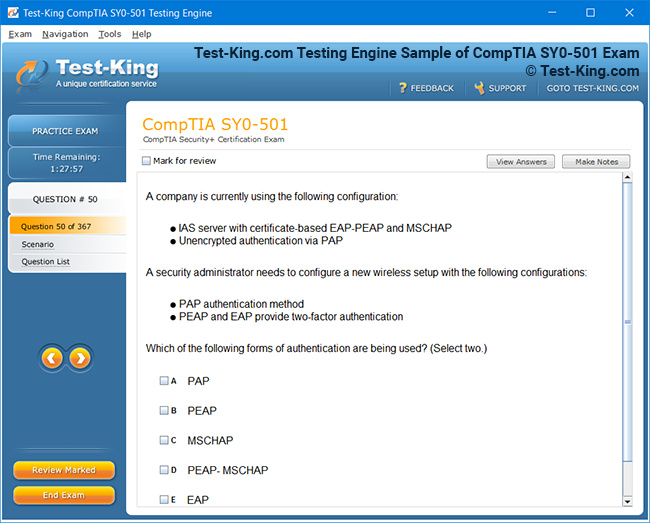
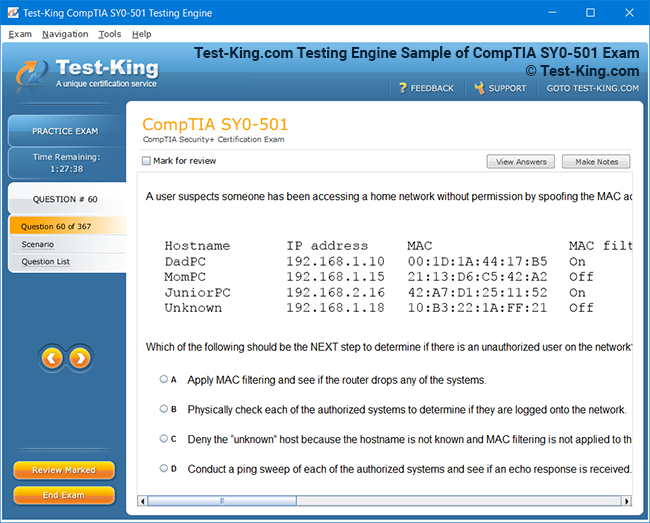
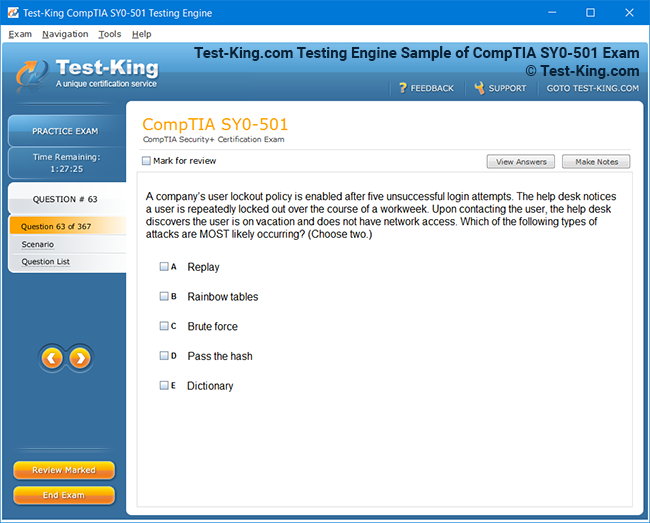
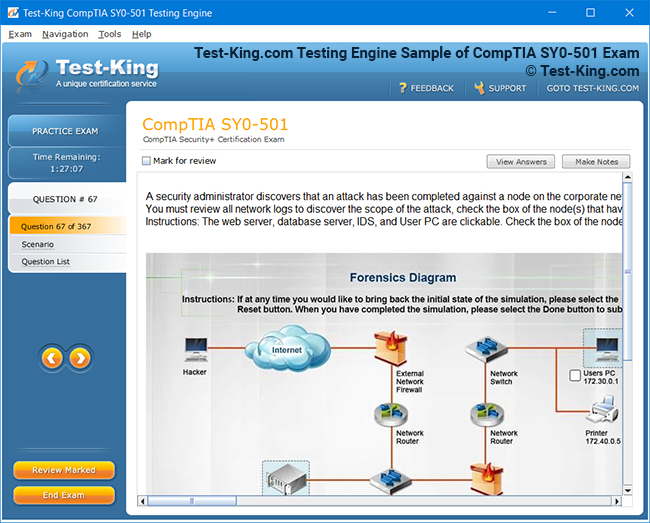
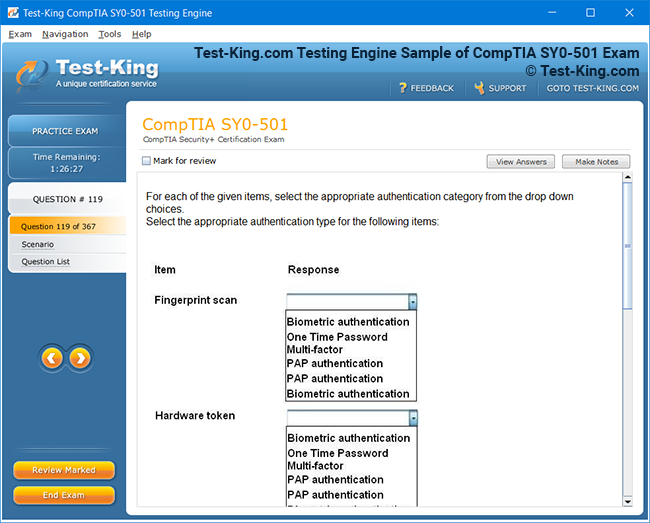
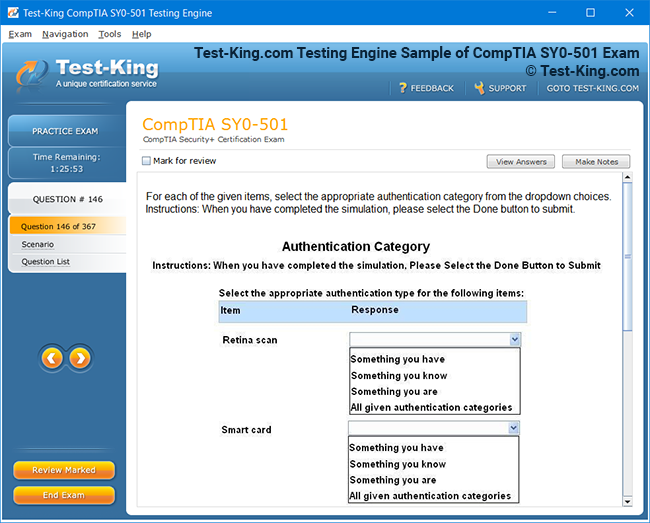
Product Screenshots
Ultimate Guide to HPE Master ASE - Hybrid IT Solutions Architect V1 Certification
In today’s rapidly evolving information technology landscape, professionals are constantly seeking avenues to demonstrate mastery in designing and implementing hybrid infrastructures. The HPE Master ASE - Hybrid IT Solutions Architect V1 certification represents a pinnacle credential for individuals aspiring to validate their expertise in architecting robust, scalable, and secure Hybrid IT solutions. This certification is highly regarded across diverse industries, including finance, healthcare, government, and enterprise-level organizations that rely heavily on complex IT ecosystems. Unlike entry-level certifications, this credential demands both comprehensive theoretical knowledge and hands-on experience with enterprise technologies.
Hybrid IT, as a concept, integrates traditional on-premises infrastructure with private and public cloud services, forming a cohesive and flexible environment. Professionals holding this credential are expected to navigate the intricate interplay between hardware, software, networking, and cloud platforms to design solutions that optimize efficiency, reduce operational costs, and improve service reliability. HPE’s certification emphasizes practical applications, ensuring that candidates can translate knowledge into actionable strategies for real-world business challenges.
Introduction to HPE Master ASE - Hybrid IT Solutions Architect V1 Certification
The certification is not merely a testament to technical proficiency; it also reflects a professional’s capability to solve complex problems, evaluate emerging technologies, and provide strategic guidance. Candidates are assessed on their ability to design infrastructures that seamlessly support workload mobility, data management, and automated processes while ensuring compliance with security policies and business objectives. Earning this certification positions an individual as a trusted advisor capable of bridging the gap between IT operations and executive decision-making.
A distinctive feature of this credential is its focus on hybrid environments. In many enterprises, workloads are distributed across multiple infrastructures due to legacy systems, cost considerations, and varying performance requirements. Therefore, architects must understand the nuances of integrating legacy systems with modern cloud platforms, orchestrating data flows, and ensuring high availability. The examination assesses proficiency in designing solutions that accommodate these multifaceted demands, including storage optimization, network reliability, security governance, and automation frameworks. Professionals are also expected to demonstrate insight into emerging trends such as AI-driven operations, containerized workloads, and microservices architecture.
The career trajectory associated with this credential is equally compelling. Certified professionals frequently assume roles such as Hybrid IT Solutions Architect, Enterprise Architect, Cloud Infrastructure Consultant, and IT Strategy Advisor. These positions require the ability to translate business requirements into technical designs while anticipating future technological shifts. Organizations value certified experts not only for their technical capabilities but also for their strategic vision and leadership potential. By completing this certification, individuals distinguish themselves in a competitive job market, signaling to employers that they possess both depth and breadth in hybrid IT solutions.
Preparation for the HPE Master ASE - Hybrid IT Solutions Architect V1 exam demands a structured approach. Candidates must cultivate a solid foundation in fundamental IT domains, including network architecture, storage technologies, server management, virtualization, and cloud computing paradigms. However, preparation extends beyond theoretical study; real-world experience in deploying, managing, and troubleshooting enterprise solutions is crucial. Hands-on practice helps candidates internalize complex concepts, from automated orchestration workflows to high-performance computing configurations. Study resources include HPE manuals, whitepapers, technical webinars, and community forums where professionals exchange insights on design best practices and innovative implementations.
Understanding the exam blueprint is critical for effective preparation. The examination typically evaluates knowledge across multiple domains, including enterprise hybrid IT design, cloud integration, storage and network architecture, security and compliance, operational optimization, and emerging technologies. Candidates must demonstrate not only technical competence but also the ability to contextualize solutions within organizational objectives, risk constraints, and cost considerations. Scenario-based questions often simulate real-world challenges, requiring professionals to apply analytical thinking, decision-making, and problem-solving skills in situations resembling actual IT projects.
The ability to design resilient solutions is a recurring theme in the certification. Hybrid IT architects must anticipate potential points of failure and implement redundancy mechanisms to ensure uninterrupted service. This includes designing fault-tolerant storage configurations, high-availability network topologies, and disaster recovery strategies. Additionally, candidates are expected to consider performance optimization by leveraging technologies such as automated workload balancing, predictive analytics, and virtualization techniques. Expertise in security measures, from encryption protocols to identity and access management, is also paramount, reflecting the increasing importance of safeguarding sensitive data in hybrid environments.
Another distinguishing aspect of this certification is its emphasis on innovative problem-solving. Professionals are encouraged to employ uncommon methodologies and rare but effective techniques to optimize infrastructure performance. This may involve integrating unconventional storage solutions, leveraging hybrid cloud orchestration tools in unique ways, or deploying cutting-edge automation frameworks to streamline operations. Such skills are particularly valuable for organizations facing complex or evolving IT requirements, as they enable architects to craft tailored solutions that surpass conventional design paradigms.
For those pursuing this credential, it is essential to develop both strategic insight and operational acuity. Strategic insight involves understanding the broader organizational context, including budgetary limitations, regulatory obligations, and long-term business goals. Operational acuity requires proficiency in implementing and maintaining intricate hybrid systems, monitoring performance metrics, troubleshooting anomalies, and ensuring continuous alignment with organizational objectives. The synthesis of these two skill sets equips professionals to provide leadership in planning, deploying, and managing hybrid IT infrastructures effectively.
The HPE Master ASE - Hybrid IT Solutions Architect V1 credential also underscores the importance of continuous learning. The IT landscape is dynamic, with emerging technologies, evolving security threats, and new compliance mandates continually reshaping best practices. Certified professionals are expected to remain current, adapting their skills to accommodate technological advances such as edge computing, serverless architecture, AI-driven IT operations, and quantum computing integration. By staying abreast of these developments, certified architects maintain relevance and can guide organizations toward sustainable and future-proof IT solutions.
Exam preparation frequently involves a combination of structured study, practical exercises, and mentorship. Candidates benefit from detailed analysis of case studies, simulation of deployment scenarios, and engagement with HPE communities or study groups. Regular exposure to complex problem-solving exercises helps reinforce understanding and promotes the retention of intricate concepts. Additionally, networking with certified professionals can provide invaluable insights into best practices, exam strategies, and lessons learned from previous implementations. Such experiential knowledge often proves as critical as formal study materials when navigating the examination’s nuanced requirements.
Earning the HPE Master ASE - Hybrid IT Solutions Architect V1 certification also enhances professional credibility. Organizations often seek certified professionals to lead hybrid IT initiatives, streamline operations, and ensure adherence to security and regulatory standards. The credential signals a high degree of proficiency in both the design and operational aspects of hybrid IT environments. It also reflects a commitment to excellence, continuous development, and the ability to manage sophisticated technology ecosystems, distinguishing certified architects from their peers.
One of the subtle yet significant advantages of achieving this certification is the versatility it affords. Certified professionals can adapt their skills to various industries and organizational scales, from small enterprises to multinational corporations. The knowledge acquired encompasses hardware and software integration, cloud orchestration, network optimization, data security, and strategic IT management. This multifaceted expertise enables professionals to devise innovative solutions tailored to specific business requirements, balancing cost-efficiency, performance, and resilience.
Understanding hybrid IT infrastructure requires an appreciation of interdependencies among system components. For instance, storage architecture choices influence network performance, which in turn affects application deployment and user experience. Security considerations permeate every layer, from physical hardware to cloud-hosted services, demanding holistic strategies that mitigate vulnerabilities. Automation and orchestration tools must be deployed judiciously to enhance operational efficiency without introducing unnecessary complexity or risk. The HPE Master ASE - Hybrid IT Solutions Architect V1 certification ensures that professionals develop a nuanced understanding of these interrelationships and can apply them effectively.
Candidates should also cultivate skills in performance monitoring and optimization. Hybrid IT systems generate extensive telemetry data, including server utilization, network throughput, storage I/O statistics, and application performance metrics. Professionals must interpret these data streams to identify bottlenecks, predict failures, and implement proactive measures. Effective monitoring strategies often leverage both conventional tools and advanced AI-driven analytics, enabling architects to maintain high availability and deliver consistent service quality across hybrid infrastructures.
The examination’s emphasis on practical scenarios encourages candidates to develop real-world problem-solving capabilities. For example, architects may be required to design a hybrid environment supporting mission-critical workloads with minimal downtime, implement seamless migration from legacy systems to cloud platforms, or configure automated failover mechanisms. Each scenario tests the ability to balance technical considerations with business objectives, highlighting the importance of strategic judgment alongside technical expertise. Such skills are directly transferable to workplace challenges, making the certification highly valuable for professional advancement.
Finally, the HPE Master ASE - Hybrid IT Solutions Architect V1 certification embodies a philosophy of holistic mastery. Candidates are expected to harmonize technical acumen, strategic insight, and operational excellence. The credential transcends rote knowledge, emphasizing practical wisdom, innovative thinking, and adaptability in dynamic IT landscapes. Professionals who achieve this certification emerge not only as technical authorities but also as visionary architects capable of guiding organizations toward resilient, scalable, and forward-looking hybrid IT infrastructures. The combination of technical depth, analytical thinking, and creative problem-solving distinguishes certified individuals as leaders in the field of hybrid IT architecture.
How to Approach Exam Preparation for HPE Master ASE - Hybrid IT Solutions Architect V1 Certification
Preparing for the HPE Master ASE - Hybrid IT Solutions Architect V1 certification requires a blend of structured study, practical experience, and strategic insight. The exam is designed to evaluate a professional’s ability to design, implement, and manage hybrid IT infrastructures while aligning technical solutions with organizational objectives. Candidates must cultivate an understanding of cloud orchestration, storage solutions, network architecture, security protocols, and automation frameworks, and apply this knowledge in realistic scenarios. A methodical approach to preparation ensures that aspirants can navigate the multifaceted demands of the examination without being overwhelmed by the breadth of topics.
Analyzing the exam blueprint is the first step in preparation. The blueprint outlines the domains tested, including enterprise hybrid IT design, cloud integration, storage optimization, networking principles, operational management, and emerging technologies. Understanding these domains enables candidates to prioritize study areas, identify knowledge gaps, and allocate time effectively. Additionally, the blueprint provides insight into the types of questions, which often blend conceptual understanding with scenario-based problem-solving. This dual approach ensures that candidates are not only familiar with theory but also capable of translating it into practical solutions.
Study materials form the foundation of preparation, and selecting the right resources is paramount. Official HPE manuals offer detailed explanations of products, solutions, and best practices, providing candidates with authoritative knowledge. Whitepapers and technical articles supplement manuals by offering insights into real-world implementations, innovative architectures, and emerging trends. Online forums and community discussions are valuable for exchanging ideas, resolving ambiguities, and learning from professionals who have navigated similar challenges. Webinars and virtual labs offer an interactive dimension to study, allowing candidates to experiment with configurations, simulate deployments, and explore advanced features in a controlled environment.
Hands-on practice is indispensable for mastering the intricacies of hybrid IT solutions. The certification emphasizes the ability to implement, configure, and troubleshoot complex environments, making practical experience crucial. Candidates should engage with lab environments that replicate enterprise-scale infrastructures, including multi-tier storage networks, virtualized servers, and cloud integration platforms. Simulating workload migrations, automated orchestration, and disaster recovery scenarios helps internalize concepts and develop the operational acumen necessary for the examination. This experiential learning also fosters intuition about how various components interact, enabling architects to make informed design decisions.
Time management during preparation is a critical skill. Candidates should create a comprehensive study plan that balances reading, hands-on exercises, scenario analysis, and review sessions. Breaking down complex topics into smaller, manageable segments helps prevent cognitive overload and reinforces retention. Setting milestones and self-assessment checkpoints allows aspirants to track progress, identify weaknesses, and adjust their strategy accordingly. Allocating dedicated time for practical exercises alongside theoretical study ensures that knowledge is not merely superficial but deeply ingrained through application.
Scenario-based practice questions are particularly valuable in preparing for the HPE Master ASE - Hybrid IT Solutions Architect V1 exam. These questions simulate real-world challenges, requiring candidates to design solutions that meet technical, operational, and business requirements simultaneously. Engaging with these scenarios enhances analytical thinking, problem-solving, and decision-making skills, all of which are essential for the certification. Candidates should focus on understanding the underlying principles behind each scenario rather than memorizing answers, as the exam often presents variations of concepts in new contexts to test adaptability and comprehension.
Avoiding common preparation pitfalls is equally important. Candidates may be tempted to focus solely on memorizing technical details without understanding their practical applications. While memorization can aid recall, true mastery requires the ability to apply concepts to diverse situations. Another frequent mistake is underestimating the importance of operational and strategic insight. The exam assesses not only technical expertise but also the ability to align infrastructure decisions with organizational objectives, cost constraints, and risk management considerations. Balancing technical proficiency with strategic thinking ensures comprehensive readiness for the examination.
In addition to technical knowledge, cultivating a mindset attuned to innovation and creativity enhances preparation. The hybrid IT landscape often presents unprecedented challenges, requiring architects to think beyond conventional solutions. Candidates should explore unique approaches to orchestration, automation, workload balancing, and storage optimization, developing the ability to propose innovative yet feasible solutions. Familiarity with emerging technologies such as AI-driven operations, containerization, and edge computing further strengthens the aspirant’s ability to address evolving requirements and anticipate future trends.
Structured study plans benefit from integrating multiple learning modalities. Reading manuals and whitepapers develops conceptual understanding, while hands-on labs reinforce practical skills. Scenario analysis sharpens analytical thinking, and participation in discussion forums or study groups fosters collaborative learning and exposure to diverse perspectives. Combining these approaches helps candidates internalize knowledge, retain complex information, and adapt their problem-solving strategies to the examination’s varied challenges.
Mentorship and networking play a pivotal role in preparation. Engaging with professionals who have earned the HPE Master ASE - Hybrid IT Solutions Architect V1 credential provides valuable insights into exam strategies, real-world application, and nuances that may not be evident in study materials alone. Mentors can guide candidates in identifying critical focus areas, avoiding common errors, and cultivating the confidence needed to tackle the examination’s demanding scenarios. Networking also introduces aspirants to diverse design philosophies and architectural approaches, enriching their understanding and broadening their problem-solving repertoire.
Understanding hybrid IT design principles is a recurring focus in exam preparation. Candidates must appreciate the interplay between on-premises infrastructure, private clouds, and public clouds, recognizing how each component contributes to overall system performance, resilience, and scalability. Effective hybrid solutions balance cost, security, and operational efficiency while accommodating dynamic workloads and business continuity requirements. Preparation should emphasize not only individual technologies but also the orchestration of these technologies into coherent, high-performing architectures.
Cloud integration is another essential area for study. Professionals must comprehend the nuances of migrating workloads, optimizing resource allocation, and ensuring seamless interoperability between cloud platforms and existing infrastructure. Exam preparation should include analysis of cloud deployment models, service models, and integration strategies. Candidates should also understand security implications, regulatory compliance, and cost management considerations associated with hybrid cloud solutions. Simulating cloud deployment scenarios in a lab environment enhances both conceptual understanding and practical skills.
Storage optimization requires careful attention during preparation. Candidates must grasp the principles of data management, storage tiering, replication, and backup strategies. Scenario-based exercises should include designing storage solutions that meet performance, redundancy, and compliance requirements while accommodating growing data volumes. Knowledge of emerging storage technologies, including software-defined storage and hyper-converged systems, further strengthens readiness for the examination. Emphasizing practical exercises ensures that candidates can apply theoretical knowledge to realistic deployment situations.
Networking principles underpin the reliable operation of hybrid IT infrastructures. Preparation should cover network topologies, segmentation, routing, switching, and security measures. Scenario-based practice can involve designing networks that support high availability, low latency, and secure communication between diverse workloads. Candidates should also understand monitoring tools, traffic optimization techniques, and approaches for integrating legacy networks with modern cloud environments. A robust grasp of networking fundamentals is indispensable for both the exam and practical architectural responsibilities.
Operational management and automation frameworks form a core element of preparation. Candidates must be adept at implementing monitoring solutions, performance analytics, automated workflows, and orchestration tools. Understanding how to configure alerts, manage capacity, and optimize resource utilization is critical. Exam scenarios often test the ability to design systems that can operate efficiently with minimal manual intervention, highlighting the importance of automation in maintaining service quality and operational resilience. Preparation should include hands-on exercises with relevant tools to develop fluency in applying automation and orchestration strategies.
Security and compliance are integral to hybrid IT solutions. Candidates must understand identity management, encryption protocols, access control, audit trails, and regulatory frameworks. Exam preparation should involve analyzing scenarios where security considerations intersect with performance and operational objectives. Professionals must learn to design architectures that protect sensitive data while maintaining system efficiency and usability. Scenario-based exercises emphasizing security decisions foster critical thinking and practical application skills essential for the certification.
Emerging technologies enrich exam preparation and expand the professional’s capabilities. Candidates should explore AI-assisted operations, containerization, serverless architectures, and edge computing, understanding how these innovations can optimize hybrid IT environments. Engaging with case studies that demonstrate the application of emerging technologies in real-world solutions enhances both conceptual understanding and strategic insight. Awareness of future trends equips candidates with the adaptability required to address evolving challenges and anticipate the demands of next-generation IT infrastructures.
Regular review and reinforcement are crucial components of study strategy. Candidates should revisit key concepts, evaluate performance in practice exercises, and adjust study plans to address weaknesses. This iterative approach ensures that knowledge is deeply internalized and can be applied flexibly in exam scenarios. Periodic self-assessment using simulated questions and mock scenarios enhances confidence, improves time management, and strengthens problem-solving skills.
In summary, effective preparation for the HPE Master ASE - Hybrid IT Solutions Architect V1 certification is multifaceted, combining theoretical knowledge, practical experience, scenario analysis, strategic thinking, and continuous self-assessment. Candidates benefit from studying authoritative resources, engaging with community networks, practicing hands-on labs, and exploring innovative solutions to complex architectural challenges. This holistic approach cultivates the expertise, intuition, and adaptability necessary to excel in the examination and succeed as a professional capable of designing and implementing resilient, efficient, and forward-looking hybrid IT infrastructures.
Essential Knowledge and Technical Foundations for Hybrid IT Architecture
Achieving mastery in hybrid IT architecture requires a profound understanding of both fundamental and advanced concepts that form the backbone of modern enterprise infrastructures. The HPE Master ASE - Hybrid IT Solutions Architect V1 certification evaluates candidates on their ability to design, implement, and optimize hybrid environments that integrate on-premises systems with private and public cloud services. Professionals pursuing this credential must develop technical proficiency across multiple domains, including network infrastructure, storage systems, virtualization, cloud orchestration, security, and automation. A deep comprehension of these elements enables architects to craft resilient and scalable solutions that meet complex business requirements while ensuring operational efficiency.
Hybrid IT architectures rely on the seamless integration of diverse computing environments. Candidates must understand how to balance workloads between traditional on-premises systems and cloud platforms, ensuring that applications perform optimally regardless of location. This involves evaluating resource utilization, network latency, data transfer mechanisms, and workload dependencies. Professionals must also account for redundancy and failover strategies to mitigate potential disruptions, ensuring business continuity. The ability to orchestrate these interconnected components effectively distinguishes an expert in hybrid IT solutions.
Cloud integration is a core focus for technical preparation. Candidates are expected to comprehend cloud service models, deployment types, and orchestration tools. Understanding Infrastructure as a Service, Platform as a Service, and Software as a Service allows architects to select the most suitable approach for various organizational requirements. In addition, familiarity with public, private, and hybrid cloud deployments helps professionals evaluate trade-offs in cost, performance, scalability, and security. Hands-on experience with cloud platforms, APIs, and deployment automation is critical for internalizing these concepts and applying them to realistic scenarios.
Virtualization is another foundational component of hybrid IT solutions. Candidates must understand how virtual machines, containers, and hypervisors function within enterprise infrastructures. Mastery of virtualization technologies enables architects to optimize resource allocation, improve workload mobility, and streamline deployment processes. Practical experience in configuring and managing virtual environments enhances understanding of dependencies, performance considerations, and integration strategies. The ability to orchestrate virtualized workloads alongside physical systems ensures efficient utilization of infrastructure and seamless service delivery.
Storage and data management are pivotal to designing effective hybrid IT solutions. Professionals must grasp storage types, data redundancy mechanisms, tiering strategies, and replication techniques. Knowledge of block, file, and object storage, as well as software-defined storage solutions, allows architects to tailor systems to meet specific performance, cost, and compliance objectives. Scenario-based exercises often require designing storage architectures capable of handling large volumes of data with minimal latency while ensuring disaster recovery and high availability. Mastery of these concepts ensures data integrity, accessibility, and operational reliability in hybrid environments.
Networking principles underpin all hybrid IT designs. Candidates should understand routing, switching, segmentation, and load balancing, as well as emerging network paradigms such as software-defined networking and network function virtualization. Architects must ensure that communication between on-premises systems and cloud resources is secure, reliable, and efficient. Designing network topologies that accommodate high availability, low latency, and scalability is crucial. Additionally, monitoring and troubleshooting skills are essential to identify and mitigate performance bottlenecks, ensuring that hybrid infrastructures operate seamlessly under diverse workloads.
Security and compliance are integral to hybrid IT architecture. Professionals must be adept at identity and access management, encryption techniques, firewall configurations, intrusion detection, and regulatory compliance frameworks. Designing secure environments requires balancing accessibility with protection, ensuring that sensitive data is safeguarded while enabling authorized users to perform essential operations. Scenario-based exercises in preparation often include evaluating trade-offs between security measures and operational efficiency, highlighting the necessity of informed decision-making in complex environments.
Automation and orchestration are vital skills for architects of hybrid IT solutions. Candidates must understand workflow automation, infrastructure as code, and policy-driven orchestration to reduce manual intervention, enhance consistency, and improve scalability. These capabilities enable organizations to deploy, configure, and manage resources efficiently, minimizing human error and optimizing operational costs. Proficiency in tools that facilitate automated provisioning, monitoring, and resource optimization is critical, as the examination evaluates the ability to design solutions that leverage automation to achieve operational excellence.
High availability and disaster recovery design are recurring themes in hybrid IT architectures. Candidates must be able to implement strategies that ensure continuity of service in the event of hardware failures, software errors, or environmental disruptions. This includes designing redundant systems, clustering critical components, and configuring failover mechanisms that maintain uninterrupted service. Scenario-based questions often simulate failures, requiring architects to identify vulnerabilities, implement contingency plans, and evaluate the effectiveness of recovery strategies. Mastery of these concepts ensures robust and resilient infrastructures capable of supporting mission-critical workloads.
Emerging technologies enrich the skillset required for the HPE Master ASE - Hybrid IT Solutions Architect V1 certification. Professionals should familiarize themselves with container orchestration platforms, serverless computing, edge deployments, and artificial intelligence in IT operations. Understanding how these innovations interact with traditional systems allows architects to design hybrid environments that are both contemporary and adaptable to evolving business needs. Exposure to case studies demonstrating the application of emerging technologies in real-world hybrid IT implementations provides valuable context for applying theoretical knowledge in practical scenarios.
Performance monitoring and optimization are essential technical skills. Candidates must be able to interpret system telemetry, analyze trends, and identify potential bottlenecks. Effective monitoring encompasses server performance, network throughput, storage utilization, and application responsiveness. Architects must design systems capable of adaptive scaling, predictive maintenance, and proactive remediation to ensure optimal performance. Scenario-based exercises often challenge candidates to optimize complex environments, balancing resource consumption with service quality and cost considerations. Proficiency in these practices ensures that hybrid IT solutions operate efficiently under fluctuating demands.
Operational efficiency in hybrid IT environments requires careful orchestration of interdependent components. Candidates must understand how compute, storage, network, and security elements interact, and how changes in one layer affect overall system behavior. Architects must be capable of designing integrated solutions that maintain stability, maximize performance, and minimize risk. Hands-on practice with configuration management, monitoring tools, and orchestration frameworks reinforces these capabilities, allowing candidates to develop the intuition necessary for designing cohesive and efficient architectures.
Problem-solving and analytical thinking are central to success in both the examination and professional practice. Candidates should develop the ability to evaluate requirements, assess constraints, and propose solutions that balance technical feasibility with business objectives. Scenario-based exercises often present complex challenges that require synthesizing knowledge across multiple domains, identifying critical dependencies, and prioritizing interventions. Mastery of these analytical skills ensures that architects can navigate the intricacies of hybrid IT systems, making informed decisions that enhance reliability, performance, and strategic value.
Understanding integration strategies between legacy systems and modern cloud platforms is critical. Many enterprises operate hybrid environments where older hardware and software coexist with contemporary solutions. Architects must evaluate compatibility, performance trade-offs, and migration pathways to design systems that maximize operational efficiency without disrupting existing services. Preparation should include exercises that simulate integration challenges, requiring candidates to develop solutions that maintain service continuity while enabling modernization and innovation.
Capacity planning and scalability are integral to hybrid IT design. Candidates must be able to estimate resource requirements, anticipate growth, and design systems capable of adapting to changing workloads. Effective capacity planning involves analyzing historical data, forecasting demand, and implementing flexible architectures that can scale horizontally or vertically as needed. Scenario-based exercises often involve projecting system performance under high-demand conditions, challenging candidates to design solutions that maintain performance and availability while managing costs.
Change management and governance also play a role in hybrid IT architecture. Professionals must understand how to implement policies, track configuration changes, and maintain compliance with organizational and regulatory standards. Effective governance ensures consistency, reduces operational risk, and supports accountability across complex environments. Preparation for the certification should include evaluating scenarios that involve governance decisions, understanding the implications of configuration changes, and designing systems that support auditable and controlled operations.
Interoperability and standardization are important considerations for architects. Candidates must understand industry standards, protocols, and best practices to ensure that hybrid IT solutions can integrate seamlessly with diverse systems and platforms. Adhering to standards enhances maintainability, reduces complexity, and supports future expansion. Scenario-based exercises often challenge candidates to design interoperable architectures that accommodate heterogeneous environments while maintaining performance, security, and manageability.
Collaboration and communication skills complement technical expertise. Architects often work with cross-functional teams, translating complex technical concepts into actionable strategies for stakeholders. Candidates should be prepared to articulate design decisions, justify architectural trade-offs, and explain operational implications in clear, accessible language. This combination of technical mastery and effective communication ensures that hybrid IT solutions are both robust and aligned with organizational objectives.
Continuous learning is essential for sustaining expertise. The field of hybrid IT evolves rapidly, with new technologies, methodologies, and best practices emerging regularly. Professionals must cultivate a mindset of lifelong learning, staying informed about advancements in virtualization, cloud platforms, storage solutions, networking technologies, and automation frameworks. Engaging with professional communities, attending technical webinars, and reviewing emerging case studies fosters ongoing development and positions architects to anticipate future trends and challenges.
Simulation exercises and practical labs are invaluable for reinforcing knowledge and skill. Candidates should engage in end-to-end deployment scenarios, testing design decisions, troubleshooting operational issues, and optimizing system performance. These exercises bridge the gap between theory and practice, enabling architects to internalize complex concepts and develop the confidence to apply their expertise in real-world environments. Repetition, analysis, and refinement of solutions during practice sessions cultivate proficiency and adaptability, critical for both the examination and professional practice.
Strategic thinking complements technical skill. Architects must not only solve immediate technical challenges but also anticipate long-term implications of design decisions. This involves evaluating cost structures, operational sustainability, risk exposure, and alignment with business goals. Scenario-based exercises that require strategic judgment help candidates refine their ability to balance competing priorities, ensuring that hybrid IT solutions are both technically sound and strategically advantageous.
Designing and Implementing Hybrid IT Solutions in Real Environments
Success in the HPE Master ASE - Hybrid IT Solutions Architect V1 certification requires not only theoretical understanding but also the ability to apply concepts in realistic enterprise scenarios. Professionals are expected to demonstrate proficiency in translating business requirements into technically robust solutions, optimizing performance, ensuring security, and maintaining operational efficiency. Real-world application emphasizes critical thinking, strategic insight, and the capacity to integrate diverse systems into cohesive infrastructures that support organizational objectives. Architects must balance innovation with reliability, ensuring that hybrid IT environments are adaptable, resilient, and aligned with long-term goals.
Understanding client requirements forms the foundation of practical implementation. Architects must assess existing infrastructure, analyze workload distribution, and identify key performance indicators. Engaging with stakeholders allows professionals to uncover specific needs, such as compliance mandates, security requirements, budget constraints, and anticipated growth. These insights guide the design process, ensuring that proposed solutions are not only technically feasible but also strategically aligned. Scenario exercises in preparation often involve complex requirement assessments, challenging candidates to synthesize multiple constraints into viable architectures.
Designing scalable and efficient hybrid IT architectures requires a detailed understanding of infrastructure interdependencies. Architects must integrate on-premises systems with private and public cloud services, orchestrating compute, storage, network, and security components into a unified framework. Scenario-based exercises often simulate high-demand workloads, requiring architects to design systems capable of dynamic scaling while maintaining high availability. This entails careful selection of virtualization strategies, storage tiering, network topology, and orchestration tools. Mastery of these elements ensures optimal performance and resilience across hybrid environments.
Migration and workload mobility are central challenges in hybrid IT environments. Architects must plan and execute migrations from legacy systems to modern platforms without disrupting ongoing operations. This includes assessing compatibility, evaluating data transfer methods, and implementing failover strategies to minimize downtime. Scenario-based exercises often present complex migration challenges, requiring architects to sequence tasks, mitigate risks, and validate outcomes. Proficiency in planning and executing migrations demonstrates a practical understanding of hybrid IT dynamics and operational continuity.
Operational resilience and disaster recovery planning are critical in real-world applications. Architects must design systems that anticipate potential failures and incorporate redundancy, clustering, and automated failover mechanisms. Scenario exercises frequently involve designing environments capable of maintaining service continuity under hardware failures, network outages, or software errors. Professionals must evaluate risk exposure, implement recovery strategies, and ensure that operational objectives are met. Mastery of resilience principles ensures that hybrid IT solutions remain reliable under adverse conditions.
Security integration permeates every aspect of hybrid IT solution design. Architects must implement robust access controls, encryption protocols, identity management systems, and compliance frameworks to protect sensitive data. Scenario-based exercises challenge candidates to reconcile security requirements with operational efficiency and performance expectations. Understanding trade-offs between accessibility, protection, and cost is essential. Professionals must anticipate potential vulnerabilities, incorporate preventative measures, and develop monitoring strategies to detect anomalies in real-time, ensuring comprehensive protection across all layers of infrastructure.
Automation and orchestration are vital for operational efficiency in complex hybrid environments. Architects must design workflows that automate provisioning, configuration, monitoring, and scaling. Scenario exercises often involve implementing automated solutions that reduce manual intervention while maintaining reliability and compliance. Proficiency in automation frameworks allows architects to streamline operations, enhance consistency, and optimize resource utilization. Integrating automation strategically ensures that hybrid IT infrastructures are agile, cost-effective, and adaptable to evolving workloads.
Network design and optimization are fundamental in scenario-based problem solving. Architects must ensure secure, low-latency, and highly available communication between on-premises systems and cloud platforms. Scenario exercises often simulate high-traffic environments, requiring architects to implement routing, load balancing, segmentation, and failover strategies. Understanding interdependencies between network performance, storage access, and application responsiveness allows architects to design topologies that maintain service quality under diverse conditions. Effective network planning ensures that hybrid IT solutions operate seamlessly across geographically dispersed components.
Storage strategies and data management are integral to real-world hybrid IT solutions. Architects must evaluate storage types, implement tiering strategies, and configure replication and backup mechanisms to ensure data availability, integrity, and compliance. Scenario exercises often require designing storage architectures that balance performance, cost, and resilience. Professionals must anticipate data growth, optimize I/O performance, and ensure seamless integration with virtualized environments and cloud services. Mastery of storage principles ensures that critical business data remains accessible, secure, and efficiently managed.
Performance monitoring and optimization underpin successful hybrid IT deployments. Architects must interpret system telemetry, identify potential bottlenecks, and implement corrective actions to maintain service quality. Scenario-based exercises frequently present performance anomalies or resource constraints, challenging architects to design adaptive solutions. Professionals must balance resource utilization, application performance, and cost efficiency, leveraging predictive analytics, automated scaling, and orchestration tools to optimize operations. Effective performance management ensures that hybrid IT infrastructures deliver consistent and reliable outcomes.
Emerging technologies enhance scenario-based problem solving by offering innovative solutions to complex challenges. Architects should explore containerization, serverless computing, AI-assisted operations, and edge deployments. Scenario exercises often integrate these technologies to simulate modern enterprise requirements. Professionals must evaluate benefits, limitations, and integration strategies, designing solutions that are both forward-looking and operationally sound. Familiarity with cutting-edge innovations equips architects to address evolving demands and anticipate technological shifts in hybrid IT environments.
Capacity planning and scalability considerations are central to hybrid IT architectures. Architects must forecast resource requirements, analyze workload trends, and design systems capable of accommodating growth. Scenario-based exercises often challenge candidates to propose solutions that maintain performance during peak demand while optimizing cost and resource utilization. Strategies include horizontal and vertical scaling, dynamic resource allocation, and load balancing. Mastery of capacity planning ensures that hybrid IT environments remain flexible and resilient in the face of fluctuating workloads.
Integration of legacy systems with modern cloud platforms presents a common challenge in real-world applications. Architects must assess compatibility, determine migration pathways, and design solutions that allow legacy applications to coexist with contemporary infrastructure. Scenario exercises often require innovative approaches to maintain service continuity, ensure security, and optimize performance. Understanding integration techniques, middleware solutions, and interoperability standards allows architects to bridge technological gaps while minimizing disruption.
Problem-solving skills are essential for addressing complex hybrid IT scenarios. Architects must analyze requirements, identify constraints, and develop solutions that balance technical feasibility, operational efficiency, and strategic alignment. Scenario exercises often present ambiguous or conflicting requirements, requiring critical thinking and decision-making under pressure. Professionals must weigh trade-offs, anticipate risks, and implement adaptive strategies that maintain service quality and achieve organizational objectives.
Strategic alignment enhances the effectiveness of hybrid IT solutions. Architects must ensure that infrastructure designs support broader business goals, regulatory compliance, and financial constraints. Scenario exercises often simulate executive-level decision-making, requiring architects to justify design choices and demonstrate how solutions contribute to organizational objectives. Professionals must communicate effectively with stakeholders, translating complex technical concepts into actionable strategies that resonate with business priorities.
Monitoring, auditing, and governance are essential for maintaining hybrid IT operations. Architects must design systems that provide visibility into performance, security, and compliance. Scenario-based exercises often involve implementing policies, audit trails, and reporting mechanisms to ensure accountability and operational integrity. Professionals must balance automation with oversight, ensuring that processes are efficient yet controlled, supporting both operational excellence and regulatory compliance.
Innovation and creative problem solving distinguish expert architects. Scenario exercises encourage unconventional approaches to optimize hybrid IT environments, whether through novel storage configurations, automated orchestration workflows, or integration of emerging technologies. Professionals must evaluate innovative solutions for feasibility, risk, and alignment with organizational objectives. Cultivating creativity alongside technical proficiency ensures architects can address unprecedented challenges and deliver sustainable, forward-looking infrastructures.
Collaboration and communication skills are critical in real-world hybrid IT deployments. Architects often coordinate with cross-functional teams, vendors, and stakeholders to implement solutions. Scenario exercises may simulate collaborative environments, requiring professionals to negotiate design choices, resolve conflicts, and ensure consensus on implementation strategies. Effective communication ensures that complex solutions are understood, adopted, and maintained efficiently, bridging the gap between technical execution and strategic oversight.
Continuous improvement and iterative refinement are central to successful hybrid IT solutions. Architects must evaluate system performance, incorporate feedback, and implement enhancements to optimize operations. Scenario exercises often involve troubleshooting, identifying root causes, and adjusting designs to improve reliability, efficiency, and scalability. Professionals who embrace a mindset of continuous refinement ensure that hybrid IT environments remain adaptable, resilient, and aligned with evolving business needs.
Operational efficiency in scenario-based problem solving requires careful orchestration of resources. Architects must balance compute, storage, network, and security components to deliver high-performing solutions. Scenario exercises often present resource constraints or competing priorities, challenging professionals to optimize allocations without compromising service quality. Mastery of operational orchestration ensures that hybrid IT infrastructures function cohesively, maintain resilience, and achieve organizational objectives effectively.
Real-world applications also emphasize strategic foresight. Architects must anticipate future growth, emerging technologies, and potential disruptions. Scenario exercises often involve projecting infrastructure performance over time, evaluating scalability options, and planning for long-term sustainability. Professionals who incorporate foresight into design decisions create hybrid IT solutions that are not only operationally robust but also future-proof, capable of accommodating technological evolution and business expansion.
Preparing Mentally and Strategically for the Examination
Success in the HPE Master ASE - Hybrid IT Solutions Architect V1 certification relies not only on technical knowledge but also on meticulous preparation and strategic mindset on the day of the examination. Candidates must cultivate a blend of focus, endurance, and analytical thinking to navigate the rigorous demands of scenario-based questions and complex problem-solving exercises. Exam readiness extends beyond memorization; it encompasses a deep understanding of hybrid IT principles, hands-on experience with enterprise infrastructures, and the ability to apply theoretical knowledge to practical challenges. Professionals must adopt a holistic approach, integrating mental preparation, time management, and tactical strategies to maximize performance.
Mental preparation begins with establishing confidence and reducing anxiety. Visualization techniques, positive reinforcement, and focused breathing exercises can help candidates enter the examination environment with clarity and composure. Familiarity with the testing format alleviates uncertainty, allowing aspirants to anticipate question types, time constraints, and assessment criteria. Maintaining a calm and analytical mindset is critical, particularly when encountering complex scenario-based questions that require synthesis of multiple technical domains. Confidence in one’s preparation fosters decisive thinking and efficient problem-solving during the examination.
Time management is an essential element of exam strategy. The HPE Master ASE - Hybrid IT Solutions Architect V1 examination presents a combination of multiple-choice, scenario-based, and operational problem questions. Candidates should allocate time proportionately, ensuring sufficient attention to high-value scenarios while maintaining a steady pace across all questions. Practicing with timed mock exams helps develop a sense of rhythm, allowing professionals to gauge the depth of analysis required for each question and to avoid spending excessive time on any single problem. Effective time management ensures comprehensive coverage and reduces the risk of leaving questions incomplete.
Scenario-based questions demand both analytical thinking and practical insight. Candidates must interpret complex requirements, evaluate constraints, and propose solutions that balance technical feasibility, operational efficiency, and business objectives. Effective preparation involves studying diverse hybrid IT scenarios, analyzing case studies, and practicing the translation of abstract requirements into actionable designs. Candidates should develop the ability to recognize patterns, identify critical dependencies, and prioritize interventions. Scenario fluency enables professionals to approach questions methodically, reducing cognitive load and enhancing accuracy under exam conditions.
Strategic review of key concepts prior to the examination reinforces retention and boosts confidence. Candidates should revisit essential areas such as hybrid IT architecture, cloud integration, virtualization, storage optimization, network design, automation, and security protocols. Reviewing practical examples and previous deployment scenarios consolidates understanding, ensuring that theoretical knowledge can be applied effectively. Emphasizing areas of personal weakness or uncertainty allows aspirants to target review efforts efficiently, reinforcing critical competencies without expending energy on already mastered topics.
Understanding question intent is a subtle but crucial strategy. Scenario-based questions often present multiple plausible solutions, requiring candidates to select the option that best aligns with hybrid IT best practices, organizational objectives, and operational feasibility. Careful reading, attention to constraints, and awareness of underlying priorities are essential to discern the most appropriate response. Professionals should practice interpreting nuanced scenarios, identifying implicit requirements, and anticipating potential pitfalls. Developing this interpretive skill enhances accuracy and ensures alignment with the exam’s evaluative criteria.
Managing complex problem-solving under time pressure requires a structured approach. Candidates should segment problems into smaller components, address dependencies sequentially, and validate assumptions at each step. For instance, when designing a hybrid IT solution, professionals may first analyze compute requirements, followed by storage configuration, network topology, security measures, and operational considerations. This methodical approach reduces the likelihood of oversight and ensures that solutions are coherent, comprehensive, and consistent with enterprise requirements. Scenario exercises during preparation reinforce this systematic methodology.
Leveraging practical experience is pivotal on exam day. Hands-on familiarity with hybrid IT environments allows candidates to approach scenarios with intuition derived from real-world deployments. Practical knowledge of orchestrating workloads, configuring storage, optimizing networks, and implementing automation accelerates problem-solving and reduces uncertainty. Exam preparation should include intensive lab exercises, simulations, and deployment practice to internalize operational processes. The ability to draw on experiential insight distinguishes proficient candidates from those who rely solely on theoretical understanding.
Monitoring and adjusting pace throughout the examination is essential. Candidates should periodically assess progress, remaining mindful of time remaining and the complexity of unanswered questions. Strategic pacing allows professionals to allocate additional time to intricate scenarios without compromising completion of simpler questions. This adaptive strategy enhances efficiency and mitigates stress, allowing candidates to maintain focus and accuracy across the examination’s diverse demands.
Stress management is particularly important during high-pressure examination environments. Techniques such as brief mental breaks, controlled breathing, and compartmentalization of complex problems help maintain cognitive clarity. Candidates should avoid fixation on particularly challenging questions and instead return to them with a fresh perspective after addressing other problems. Maintaining emotional equilibrium ensures sustained analytical capability, reduces errors stemming from stress, and promotes consistent performance throughout the examination.
Familiarity with HPE best practices enhances both confidence and accuracy. Candidates who have internalized vendor-recommended strategies for hybrid IT design, orchestration, storage optimization, and security integration are better equipped to identify optimal solutions in scenario-based questions. Review of case studies, whitepapers, and official documentation reinforces awareness of these practices, providing a reliable framework for decision-making under exam conditions. Professionals should focus on understanding the rationale behind best practices rather than rote memorization, ensuring adaptability to novel scenarios.
Critical thinking and judgment are essential for navigating ambiguous or complex questions. Candidates may encounter scenarios where constraints conflict or multiple technically correct solutions exist. In such cases, evaluating the broader organizational impact, operational sustainability, and alignment with business objectives guides decision-making. Scenario exercises during preparation cultivate the ability to weigh alternatives, anticipate consequences, and select solutions that are strategically sound, technically robust, and operationally feasible. Developing this evaluative skill enhances performance on challenging exam items.
Adaptive problem-solving is also crucial. Hybrid IT scenarios often involve evolving requirements, unforeseen dependencies, or incomplete information. Candidates must develop the capacity to adjust strategies, reassess assumptions, and incorporate new insights while maintaining consistency and coherence. Practicing adaptive thinking through complex simulations and hypothetical deployment challenges reinforces flexibility, ensuring that candidates can respond effectively to dynamic examination scenarios.
Effective use of reference materials and notes, where allowed, contributes to exam efficiency. Candidates should familiarize themselves with available resources, understanding how to navigate and extract relevant information quickly. Practicing this skill under timed conditions ensures that reference materials serve as aids rather than distractions. Efficient utilization of resources enhances confidence, reduces time spent searching for information, and supports accurate and informed decision-making.
Reviewing and validating answers before submission is an often overlooked yet critical strategy. Candidates should allocate time at the end of the examination to revisit responses, confirm alignment with requirements, and correct errors or inconsistencies. This final review mitigates careless mistakes, reinforces confidence, and ensures that solutions are complete, coherent, and in accordance with hybrid IT best practices. Systematic validation is particularly valuable in scenario-based questions where intricate interdependencies must be considered.
Understanding common pitfalls and how to avoid them strengthens exam performance. Candidates often falter by overcomplicating solutions, overlooking implicit constraints, or misinterpreting scenario objectives. Awareness of these tendencies allows professionals to remain vigilant, simplify decision-making where appropriate, and focus on essential requirements. Scenario exercises during preparation help identify personal weaknesses, enabling targeted practice and reinforcing strategies to overcome these pitfalls.
Visualization and mental simulation of deployment scenarios aids problem-solving under pressure. Candidates should mentally rehearse hybrid IT configurations, workflow orchestration, storage and network arrangements, and disaster recovery plans. This cognitive rehearsal strengthens recall, reinforces understanding of dependencies, and accelerates solution development during the examination. Mental simulation complements hands-on practice, creating a robust internal framework for tackling complex scenarios efficiently.
Strategic prioritization ensures that high-impact elements of hybrid IT solutions receive appropriate attention. Candidates should focus first on core architectural decisions, operational constraints, and security considerations before addressing supplementary optimizations. Scenario exercises during preparation cultivate the ability to distinguish between critical and peripheral requirements, enabling effective allocation of cognitive resources and efficient problem resolution. Prioritization ensures that solutions meet essential objectives even under time constraints.
Continuous practice with timed simulations reinforces endurance and analytical agility. The HPE Master ASE - Hybrid IT Solutions Architect V1 examination is demanding, requiring sustained focus and precision. Engaging in repetitive scenario analysis, mock exams, and problem-solving exercises develops stamina, enhances accuracy, and builds familiarity with question structures. This practice conditions candidates to maintain high-level cognitive performance across the examination duration, reducing fatigue-induced errors.
Collaborative study and peer review offer additional benefits. Discussing complex hybrid IT scenarios with colleagues or mentors exposes candidates to alternative perspectives, unconventional solutions, and nuanced interpretations. Peer feedback helps identify gaps in reasoning, refine problem-solving approaches, and internalize best practices. Collaborative preparation complements individual study, enriching understanding and reinforcing confidence in scenario-based decision-making.
Focusing on high-yield topics ensures efficient preparation and exam performance. While breadth of knowledge is important, concentrating on recurring themes such as hybrid cloud integration, storage optimization, network design, automation, security, and disaster recovery maximizes relevance to the examination. Scenario exercises that combine these high-yield areas develop the ability to integrate multiple domains into cohesive solutions, reflecting the holistic expertise evaluated by the HPE Master ASE certification.
Leveraging lessons learned from previous practice attempts enhances readiness. Candidates should analyze errors, evaluate decision-making processes, and implement corrective strategies. Reflecting on prior performance fosters insight into personal strengths and weaknesses, guiding targeted study and reinforcing strategic behaviors. Iterative refinement through self-assessment ensures continuous improvement and builds confidence for the examination environment.
Leveraging Certification for Career Advancement
Achieving the HPE Master ASE - Hybrid IT Solutions Architect V1 certification opens numerous avenues for career growth and professional development. Professionals who attain this credential are recognized for their expertise in designing, implementing, and managing complex hybrid IT infrastructures, blending on-premises systems with private and public cloud solutions. This recognition enhances credibility in the marketplace, signaling to employers that the certified individual possesses both technical mastery and strategic insight. The certification not only validates proficiency but also positions professionals as valuable advisors capable of leading transformative IT initiatives across organizations of varying sizes and industries.
Job roles accessible to certified individuals are diverse and rewarding. Positions such as Hybrid IT Solutions Architect, Enterprise Architect, Cloud Infrastructure Consultant, IT Strategy Advisor, and Infrastructure Optimization Specialist are common pathways. Each role demands the ability to translate complex technical requirements into actionable, scalable solutions while ensuring alignment with business objectives. Organizations value certified professionals for their capability to integrate emerging technologies, optimize performance, enhance security, and orchestrate efficient workflows across hybrid environments. The versatility of this certification allows professionals to adapt to different industries, including finance, healthcare, manufacturing, and government, where sophisticated IT solutions are paramount.
Career growth post-certification is influenced not only by technical skill but also by strategic vision. Professionals are expected to guide decision-making processes, evaluate long-term infrastructure planning, and anticipate technological evolution. Mastery of hybrid IT principles equips architects to propose innovative solutions, implement best practices, and drive operational efficiency. Employers recognize the strategic advantage of certified experts who can reduce downtime, optimize costs, and streamline workflows while maintaining compliance and security standards. This combination of technical proficiency and foresight distinguishes certified professionals from peers without specialized credentials.
Networking opportunities expand significantly after certification. Engaging with HPE communities, forums, and professional groups allows certified individuals to exchange insights, share best practices, and stay updated with emerging technologies. Collaborative engagement fosters continuous learning and enhances professional reputation, offering visibility to industry leaders and potential employers. These connections often translate into mentorship opportunities, project collaborations, and invitations to participate in advanced technology initiatives. Networking not only reinforces knowledge but also facilitates career progression through exposure to high-impact projects and strategic roles.
Post-certification development includes exploring advanced HPE credentials and specialization pathways. Professionals may pursue certifications focusing on cloud orchestration, advanced storage management, security governance, or automation frameworks. Specialization enhances depth of expertise, allowing architects to position themselves as authorities in niche areas while maintaining a broad understanding of hybrid IT infrastructure. This combination of depth and breadth strengthens professional profiles, making certified individuals highly competitive candidates for senior roles and consulting opportunities.
Continuous learning is integral to sustaining relevance in hybrid IT. The rapid evolution of technologies such as containerization, serverless computing, AI-assisted operations, edge deployments, and quantum computing requires architects to adapt proactively. Certified professionals are expected to engage with technical publications, attend webinars, participate in workshops, and experiment with emerging tools and frameworks. Staying abreast of technological advances ensures that solutions remain contemporary, resilient, and efficient, and enhances the professional’s ability to advise organizations on future-proof strategies.
Consulting opportunities expand for certified individuals, as organizations increasingly seek external expertise to optimize hybrid IT environments. Certified professionals may be engaged to conduct infrastructure assessments, recommend optimization strategies, implement automation, and design scalable architectures. Consulting roles demand both technical and communication skills, as professionals must translate complex solutions into actionable insights for decision-makers. The certification equips individuals with the credibility and skill set to influence organizational strategy, deliver measurable improvements, and foster innovation in hybrid IT deployment.
Salary potential and financial benefits often increase significantly after certification. Organizations recognize the value of certified experts in improving operational efficiency, reducing downtime, and implementing cost-effective solutions. Certified architects typically command higher compensation, bonuses, and opportunities for performance-based incentives. This financial recognition reflects the enhanced capabilities, strategic insight, and reliability associated with the HPE Master ASE - Hybrid IT Solutions Architect V1 credential. Compensation growth further reinforces the long-term value of investing in certification and professional development.
Leadership opportunities emerge naturally following certification. Professionals are often tasked with leading project teams, managing cross-functional initiatives, and mentoring junior staff. Effective leadership in hybrid IT requires a combination of technical expertise, strategic thinking, and interpersonal skills. Certified individuals are expected to guide architectural decisions, prioritize operational objectives, and ensure alignment with organizational goals. By demonstrating competence in both design and implementation, architects gain credibility and authority, enhancing their capacity to influence IT strategy at executive levels.
Strategic project management complements technical expertise in post-certification roles. Architects must coordinate multi-disciplinary teams, manage resources, adhere to timelines, and maintain quality standards while navigating complex hybrid IT deployments. Scenario-based experience gained during certification preparation equips professionals with the skills to anticipate challenges, implement mitigation strategies, and optimize outcomes. Effective project management ensures that hybrid IT initiatives are delivered on time, within budget, and with measurable benefits, reinforcing the professional’s reputation for reliability and competence.
Career diversification is a notable advantage of this certification. Professionals may explore roles in infrastructure optimization, cloud migration strategy, security compliance, automation design, and enterprise architecture. Each role leverages the core expertise validated by the certification while allowing architects to specialize according to personal interests, industry demand, or organizational needs. This flexibility supports long-term career satisfaction, broadens employment prospects, and positions certified individuals to seize emerging opportunities in evolving IT landscapes.
Global opportunities expand as hybrid IT solutions become universally critical across industries. Professionals with the HPE Master ASE - Hybrid IT Solutions Architect V1 credential may find opportunities with multinational corporations, international consultancies, and global technology partners. Understanding hybrid IT design, deployment, and optimization is universally valued, enabling architects to work across regions, adapt to diverse regulatory environments, and contribute to large-scale initiatives. The international applicability of this certification enhances mobility and expands professional horizons.
Mentorship and knowledge sharing amplify career growth. Certified architects are often called upon to mentor junior engineers, lead training sessions, and contribute to organizational knowledge bases. Sharing expertise fosters leadership development, enhances professional reputation, and strengthens organizational capability. Mentorship also reinforces the architect’s understanding of core concepts, as teaching others requires clarity, precision, and depth of comprehension. This reciprocal process enriches professional growth while cultivating a culture of continuous learning.
Innovation is a distinguishing factor for post-certification career advancement. Architects are expected to explore unconventional solutions, integrate emerging technologies, and optimize hybrid IT infrastructures for performance, security, and cost-effectiveness. Scenario-based experience gained during certification preparation fosters creative problem-solving skills, enabling professionals to identify novel approaches to complex challenges. Organizations value certified architects for their ability to implement transformative solutions that drive efficiency, resilience, and competitive advantage.
Long-term career planning is enhanced by this certification. Professionals can strategically align skills, specializations, and experiences to progress into executive roles, consultancy, or technical advisory positions. The certification serves as a foundation for continuous development, enabling individuals to pursue advanced credentials, develop niche expertise, and adapt to evolving technological landscapes. Long-term planning ensures sustained professional relevance, maximizes earning potential, and positions architects as thought leaders in hybrid IT.
Strategic thought leadership is cultivated through engagement with industry trends, publications, and forums. Certified professionals are encouraged to contribute insights, participate in workshops, and develop frameworks that influence hybrid IT practices. Thought leadership enhances visibility, credibility, and professional influence, positioning architects as advisors who can shape organizational strategy and guide innovation. Engaging with the broader technology community reinforces expertise, fosters professional recognition, and opens doors to collaborative initiatives and high-impact projects.
Professional recognition is another significant outcome of certification. Attaining the HPE Master ASE - Hybrid IT Solutions Architect V1 credential signals to employers, peers, and clients that the individual possesses advanced technical skills, practical experience, and strategic acumen. Recognition manifests through promotions, leadership opportunities, consulting engagements, and invitations to participate in influential technology initiatives. The credential serves as a distinguishing factor in competitive markets, enhancing both career trajectory and professional reputation.
Adaptability and resilience are critical traits developed through certification and applied in post-certification roles. Architects must navigate evolving technologies, shifting business priorities, and emerging challenges in hybrid IT environments. Scenario-based experience, hands-on practice, and continuous learning equip professionals to anticipate changes, implement proactive strategies, and maintain operational excellence. Adaptable architects ensure that hybrid IT solutions remain resilient, scalable, and aligned with organizational goals, reinforcing their value and impact.
The long-term benefits of continuous professional development extend beyond technical skill. Certified architects gain confidence, strategic perspective, and the ability to mentor others, creating a multiplier effect within organizations. Investment in advanced certifications fosters career longevity, enhances employability, and cultivates a mindset of lifelong learning. These advantages translate into both tangible outcomes, such as higher compensation and leadership opportunities, and intangible benefits, such as professional fulfillment and influence in shaping IT strategy.
Conclusion
Earning the HPE Master ASE - Hybrid IT Solutions Architect V1 certification represents a transformative milestone in a professional’s career. Beyond validating technical expertise in hybrid IT infrastructure, cloud integration, storage optimization, network design, automation, and security, it opens doors to diverse career paths, leadership roles, and consulting opportunities. Certified professionals are equipped to navigate complex enterprise environments, design resilient and scalable solutions, and influence organizational strategy. The credential enhances credibility, expands professional networks, and fosters continuous learning, positioning individuals as thought leaders in hybrid IT. With strategic vision, practical experience, and adaptability, architects leverage this certification to achieve long-term career growth, financial rewards, and professional distinction in an increasingly dynamic technology landscape.
Frequently Asked Questions
How can I get the products after purchase?
All products are available for download immediately from your Member's Area. Once you have made the payment, you will be transferred to Member's Area where you can login and download the products you have purchased to your computer.
How long can I use my product? Will it be valid forever?
Test-King products have a validity of 90 days from the date of purchase. This means that any updates to the products, including but not limited to new questions, or updates and changes by our editing team, will be automatically downloaded on to computer to make sure that you get latest exam prep materials during those 90 days.
Can I renew my product if when it's expired?
Yes, when the 90 days of your product validity are over, you have the option of renewing your expired products with a 30% discount. This can be done in your Member's Area.
Please note that you will not be able to use the product after it has expired if you don't renew it.
How often are the questions updated?
We always try to provide the latest pool of questions, Updates in the questions depend on the changes in actual pool of questions by different vendors. As soon as we know about the change in the exam question pool we try our best to update the products as fast as possible.
How many computers I can download Test-King software on?
You can download the Test-King products on the maximum number of 2 (two) computers or devices. If you need to use the software on more than two machines, you can purchase this option separately. Please email support@test-king.com if you need to use more than 5 (five) computers.
What is a PDF Version?
PDF Version is a pdf document of Questions & Answers product. The document file has standart .pdf format, which can be easily read by any pdf reader application like Adobe Acrobat Reader, Foxit Reader, OpenOffice, Google Docs and many others.
Can I purchase PDF Version without the Testing Engine?
PDF Version cannot be purchased separately. It is only available as an add-on to main Question & Answer Testing Engine product.
What operating systems are supported by your Testing Engine software?
Our testing engine is supported by Windows. Andriod and IOS software is currently under development.
Top HP Exams
- HPE7-A01 - HPE Network Campus Access Professional
- HPE7-A08 - HPE Network Switching Professional
- HPE6-A86 - HPE Network Switching Associate
- HPE6-A85 - HPE Network Campus Access Associate
- HPE7-A11 - HPE Network Campus Access Professional Architect
- HPE6-A90 - HPE Networking Central
- HPE0-J83 - HPE Storage Integrator Solutions
- HPE0-V27 - HPE Edge-to-Cloud Solutions
- HPE0-S59 - HPE Compute Solutions
- HPE7-A02 - Aruba Certified Network Security Professional
- HPE7-J02 - Advanced HPE Storage Integrator Solutions
- HPE0-J82 - HPE Storage Architect
- HPE7-V01 - Advanced HPE Edge-to-Cloud Solutions
- HPE6-A88 - HPE Networking ClearPass
- HPE7-S01 - Advanced HPE Compute Architect
- HPE7-A12 - HPE Network Data Center Professional Architect
- HPE7-A06 - HPE Aruba Networking Certified Expert - Campus Access Switching
- HPE7-A10 - HPE Network Security Expert
- HPE2-T37 - Using HPE OneView
- HPE0-V25 - HPE Hybrid Cloud Solutions
- HPE6-A68 - Aruba Certified ClearPass Professional (ACCP) V6.7
- HPE7-S02 - Advanced HPE Compute Integrator Solutions
- HPE7-A07 - HPE Campus Access Mobility Expert
- HPE6-A78 - HPE Network Security Associate
HP Certifications
- ACCA - Aruba Certified ClearPass Associate
- ACCP V6.7 - Aruba Certified ClearPass Professional V6.7
- ACMP - Aruba Certified Mobility Professional
- ACX - Network Security - Aruba Certified Expert - Network Security
- Aruba Certified Switching Associate
- Aruba Certified Switching Professional
- HPE Aruba Networking Certified Associate - Switching
- HPE Aruba Networking Certified Professional - Campus Access
- HPE Aruba Networking Certified Professional - Switching
- HPE ASE - Composable Infrastructure Integrator V1
- HPE ASE - Compute Solutions
- HPE ASE - Hybrid IT Solutions Architect V1
- HPE ASE - Server Solutions Architect V4
- HPE ATP Hybrid Cloud
- HPE Master ASE - Advanced Server Solutions Architect V3
- HPE Master ASE - Hybrid IT Solutions Architect V1
- HPE Master ASE - Storage Solutions Architect V3
- HPE Product Certified - Nimble Solutions [2018]
- HPE Product Certified - OneView [2020]
- HPE Product Certified - OneView [2022]