

Exam Code: HPE0-V25
Exam Name: HPE Hybrid Cloud Solutions
Certification Provider: HP
Corresponding Certification: HPE ATP Hybrid Cloud
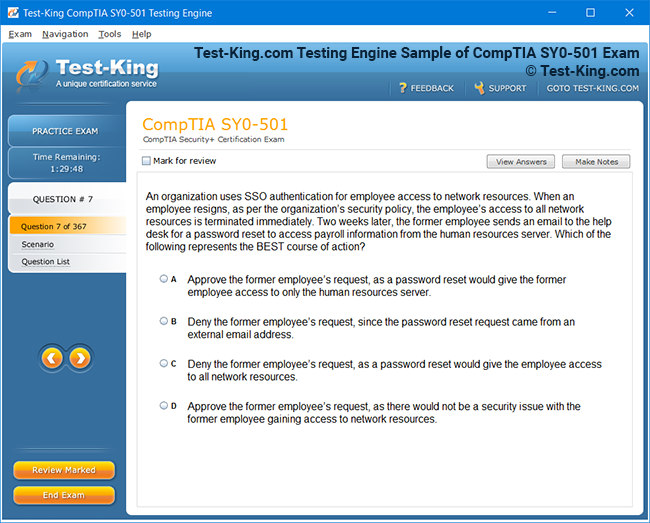
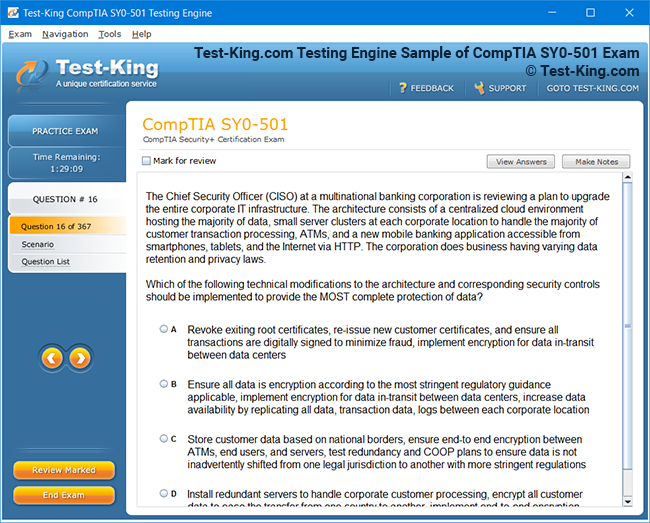
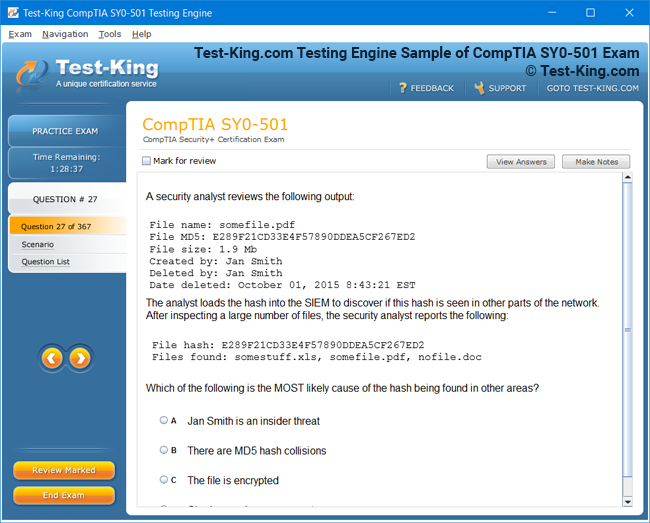
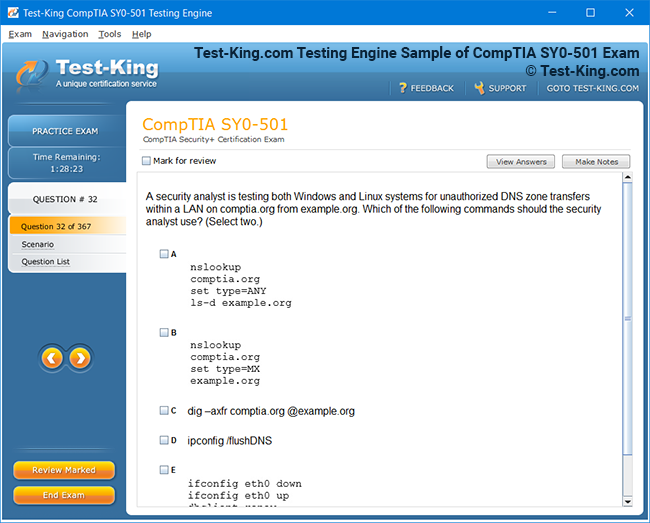
Product Screenshots
Frequently Asked Questions
How can I get the products after purchase?
All products are available for download immediately from your Member's Area. Once you have made the payment, you will be transferred to Member's Area where you can login and download the products you have purchased to your computer.
How long can I use my product? Will it be valid forever?
Test-King products have a validity of 90 days from the date of purchase. This means that any updates to the products, including but not limited to new questions, or updates and changes by our editing team, will be automatically downloaded on to computer to make sure that you get latest exam prep materials during those 90 days.
Can I renew my product if when it's expired?
Yes, when the 90 days of your product validity are over, you have the option of renewing your expired products with a 30% discount. This can be done in your Member's Area.
Please note that you will not be able to use the product after it has expired if you don't renew it.
How often are the questions updated?
We always try to provide the latest pool of questions, Updates in the questions depend on the changes in actual pool of questions by different vendors. As soon as we know about the change in the exam question pool we try our best to update the products as fast as possible.
How many computers I can download Test-King software on?
You can download the Test-King products on the maximum number of 2 (two) computers or devices. If you need to use the software on more than two machines, you can purchase this option separately. Please email support@test-king.com if you need to use more than 5 (five) computers.
What is a PDF Version?
PDF Version is a pdf document of Questions & Answers product. The document file has standart .pdf format, which can be easily read by any pdf reader application like Adobe Acrobat Reader, Foxit Reader, OpenOffice, Google Docs and many others.
Can I purchase PDF Version without the Testing Engine?
PDF Version cannot be purchased separately. It is only available as an add-on to main Question & Answer Testing Engine product.
What operating systems are supported by your Testing Engine software?
Our testing engine is supported by Windows. Andriod and IOS software is currently under development.
Top HP Exams
- HPE7-A01 - HPE Network Campus Access Professional
- HPE7-A08 - HPE Network Switching Professional
- HPE6-A86 - HPE Network Switching Associate
- HPE6-A85 - HPE Network Campus Access Associate
- HPE7-A11 - HPE Network Campus Access Professional Architect
- HPE0-J83 - HPE Storage Integrator Solutions
- HPE6-A90 - HPE Networking Central
- HPE0-V27 - HPE Edge-to-Cloud Solutions
- HPE0-S59 - HPE Compute Solutions
- HPE7-J02 - Advanced HPE Storage Integrator Solutions
- HPE7-A02 - Aruba Certified Network Security Professional
- HPE0-J82 - HPE Storage Architect
- HPE6-A88 - HPE Networking ClearPass
- HPE7-V01 - Advanced HPE Edge-to-Cloud Solutions
- HPE7-S01 - Advanced HPE Compute Architect
- HPE7-A12 - HPE Network Data Center Professional Architect
- HPE7-A06 - HPE Aruba Networking Certified Expert - Campus Access Switching
- HPE7-A10 - HPE Network Security Expert
- HPE2-T37 - Using HPE OneView
- HPE0-V25 - HPE Hybrid Cloud Solutions
- HPE7-S02 - Advanced HPE Compute Integrator Solutions
- HPE6-A68 - Aruba Certified ClearPass Professional (ACCP) V6.7
- HPE7-A07 - HPE Campus Access Mobility Expert
- HPE6-A78 - HPE Network Security Associate
How to Pass the HPE0-V25 Exam on Your First Attempt: Tips, Study Plan, and Resources
The HPE0-V25 exam, focusing on HPE Hybrid Cloud Solutions, represents a pivotal credential for IT professionals seeking to validate their knowledge in hybrid cloud architecture, design, and implementation. For many, preparing for this exam can appear daunting due to the breadth of topics and the practical understanding required. Yet, with a strategic approach and meticulous planning, passing the HPE0-V25 on the first attempt is entirely achievable. The first step is to comprehend the structure and core objectives of the exam. Candidates should familiarize themselves with the scope of hybrid cloud technologies as defined by HP certification guidelines, understanding how cloud services, private and public cloud integration, and hybrid cloud deployment models converge in enterprise environments.
Understanding the HPE0-V25 Exam and Effective Preparation Strategies
Hybrid cloud solutions combine private infrastructure with public cloud capabilities, allowing businesses to optimize workloads, maintain security, and achieve operational flexibility. The exam evaluates the candidate's ability to design hybrid cloud solutions that meet enterprise requirements while navigating the complexities of cloud orchestration, service automation, and resource allocation. Understanding these foundational concepts is crucial for constructing a mental framework that aligns study efforts with real-world application.
A practical approach begins with gathering authoritative study materials. HP provides official documentation detailing the technologies and methodologies relevant to HPE Hybrid Cloud Solutions. These documents encompass white papers, architecture guides, deployment manuals, and reference materials that explain not only theoretical concepts but also practical scenarios. Supplementing these resources with expert blogs, industry case studies, and updated publications on hybrid cloud trends can provide a nuanced perspective that bridges theoretical knowledge with hands-on application. For instance, comprehending how enterprise workloads transition between private and public cloud environments, how orchestration tools manage these transitions, and the security implications of multi-cloud strategies is essential for both the exam and real-world problem solving.
Time management forms the cornerstone of an effective study plan. Candidates should allocate dedicated hours for comprehension, practice, and review. A staggered schedule that balances reading, self-assessment, and practical exercises ensures retention of complex concepts such as cloud storage integration, network design in hybrid environments, and disaster recovery planning. Emphasizing practical exercises, including lab simulations and virtualized environments, fosters familiarity with the tools and platforms that are indirectly assessed through scenario-based questions on the exam. Virtual labs enable candidates to explore resource provisioning, automation scripts, and deployment orchestration without the risk associated with live enterprise systems.
An essential component of preparation involves self-evaluation. Practice exams, mock scenarios, and objective quizzes allow candidates to gauge comprehension, identify weaknesses, and adapt their study focus. Regularly testing knowledge reinforces learning and builds confidence, particularly when addressing topics such as hybrid cloud networking, storage optimization, and integration with existing IT infrastructure. Moreover, simulating time-constrained exam conditions familiarizes candidates with the pressure of the actual test, reducing the likelihood of missteps caused by time mismanagement.
Exam strategies extend beyond content mastery. Understanding the types of questions presented in the HPE0-V25 exam—ranging from multiple-choice to scenario-based problem solving—enables candidates to develop techniques for efficiently navigating complex items. Reading questions carefully, identifying key elements, and eliminating distractors are fundamental tactics. Scenario-based questions often require integration of multiple concepts, such as combining security protocols with network orchestration or applying automation workflows to hybrid deployments. Cultivating the ability to synthesize knowledge and apply it in a structured manner is indispensable for success.
Leveraging community resources can also enhance preparation. Online forums, professional networks, and discussion groups often provide insights into exam trends, frequently tested topics, and clarifications of challenging concepts. Engaging with peers allows candidates to share strategies, discuss complex scenarios, and gain perspectives that may not be apparent in formal study materials. Participation in such communities fosters a sense of accountability and motivation, which can significantly improve consistency and focus throughout the preparation period.
Developing a holistic understanding of hybrid cloud environments is imperative. Candidates should explore how hybrid cloud models address business continuity, scalability, and resource optimization. Learning about orchestration tools, cloud management platforms, and service automation helps in comprehending how hybrid infrastructures operate efficiently in real enterprises. This knowledge becomes crucial when answering questions related to design decisions, deployment methodologies, and integration practices. Emphasis on real-world applications bridges the gap between memorization and analytical thinking, a skill highly valued in the context of HP certification exams.
In addition to conceptual knowledge, familiarity with HP-specific solutions, such as HPE GreenLake and related cloud orchestration platforms, enhances readiness. Understanding product-specific functionalities, deployment scenarios, and management practices enables candidates to confidently navigate questions that reference HP hybrid cloud solutions. This involves studying resource provisioning, workload balancing, cost optimization, and security compliance as they pertain to HP's hybrid cloud offerings.
A systematic review of key concepts ensures retention and readiness. Revisiting core topics such as private cloud architecture, public cloud interoperability, network design considerations, and cloud security practices strengthens comprehension. Creating concise summaries, visual diagrams, and mnemonic devices can aid memory retention for complex workflows and integration strategies. Furthermore, connecting theoretical principles with practical exercises enhances cognitive associations, enabling candidates to recall relevant information under exam conditions.
Candidates should also cultivate adaptability in problem-solving. The HPE0-V25 exam tests not only knowledge recall but also the ability to evaluate scenarios, make decisions, and justify design choices. Practicing scenario analysis, workflow optimization, and risk assessment exercises develops critical thinking. By reflecting on how design decisions affect performance, cost, and security, candidates internalize a decision-making framework that can be applied to multiple question types.
Continuous monitoring of progress and adjustment of study strategies is vital. Candidates should periodically review their performance in practice exercises, identify areas requiring reinforcement, and refine their study focus accordingly. A dynamic approach, rather than rigid adherence to a predetermined schedule, accommodates differences in topic complexity and personal learning speed. Flexibility in planning ensures that candidates can dedicate more time to challenging topics while maintaining overall preparation balance.
Finally, attention to mental and physical well-being contributes to effective exam preparation. Regular breaks, healthy routines, and stress management techniques improve focus, retention, and overall performance. Cognitive stamina is particularly important for an exam such as HPE0-V25, which requires sustained analytical engagement over an extended period. Integrating mindfulness practices, exercise, and adequate rest into the preparation schedule fosters resilience and mental clarity.
In summary, passing the HPE0-V25 exam on the first attempt requires a synthesis of strategic planning, resource utilization, practical experience, and cognitive readiness. By understanding the exam structure, utilizing authoritative materials, implementing a disciplined study schedule, engaging with practical exercises, leveraging community knowledge, and maintaining mental acuity, candidates position themselves for success. Mastery of hybrid cloud principles, HP solutions, and scenario-based problem solving ensures not only readiness for the exam but also preparedness for professional application in hybrid cloud environments.
Structured Study Approaches and Resource Utilization for HPE0-V25
Preparing for the HPE0-V25 exam, which focuses on HPE Hybrid Cloud Solutions, demands an orchestrated approach that balances theoretical understanding, practical application, and consistent review. A carefully designed study plan is indispensable for candidates seeking to pass this credential on the first attempt, as it ensures comprehensive coverage of cloud architecture, hybrid deployment models, orchestration methodologies, and security practices. The first element in constructing an effective study plan involves identifying reliable and authoritative resources that illuminate both fundamental principles and advanced hybrid cloud strategies. HP provides an array of official documentation encompassing architecture guides, deployment manuals, best practice references, and white papers that clarify the nuances of private and public cloud integration. Engaging with these materials offers a foundation for understanding how hybrid environments operate and how enterprise requirements influence design decisions.
Beyond official documentation, supplementary resources play a vital role in broadening comprehension and deepening analytical skills. Industry publications, case studies, and expert commentary on hybrid cloud trends provide context for real-world applications of HPE solutions. Such materials highlight practical considerations like workload distribution, network orchestration, storage optimization, and cost management. Engaging with these diverse sources cultivates the ability to interpret complex scenarios and apply hybrid cloud concepts in an exam context, particularly for scenario-based questions that require integrating multiple areas of knowledge. Candidates who immerse themselves in both official and supplementary content gain a multidimensional perspective, enhancing the ability to anticipate and respond to nuanced exam items.
Creating a structured timetable is central to effective preparation. Candidates should segment their study hours into distinct activities, including reading, reviewing, and applying knowledge through practical exercises. While rote memorization may aid in retaining definitions and conceptual frameworks, it is insufficient for mastering scenario-based questions that test problem-solving skills. Allocating time to hands-on exercises, such as virtual lab simulations and environment provisioning, allows candidates to explore the orchestration of workloads, resource allocation, and automated processes without affecting live systems. These exercises foster experiential understanding and reinforce memory by linking theoretical constructs with tangible implementation steps.
Incorporating self-assessment into the study plan ensures ongoing evaluation of readiness. Practice questions, quizzes, and simulated exams provide feedback on comprehension and highlight areas requiring additional focus. Regular assessment strengthens retention of topics such as hybrid network architecture, cloud security, integration with existing enterprise systems, and service orchestration. Candidates should approach these exercises with scrutiny, analyzing not only incorrect responses but also their reasoning process, thereby refining analytical skills and enhancing the ability to discern subtle distinctions between similar options.
A critical aspect of exam preparation is mastering the types of questions commonly encountered in the HPE0-V25 exam. Candidates should familiarize themselves with multiple-choice questions, scenario-driven problems, and workflow analysis scenarios. Each question type requires a tailored approach: multiple-choice questions demand careful reading and elimination of distractors, while scenario-driven questions necessitate synthesizing various hybrid cloud concepts and evaluating implications for performance, cost, and security. Practicing with these diverse formats builds adaptability and ensures candidates are prepared to address both straightforward and complex queries with confidence.
Time management during study sessions mirrors the discipline required during the exam itself. Implementing timed practice exercises cultivates the ability to process information efficiently while maintaining accuracy. By simulating exam conditions, candidates develop stamina and familiarity with pacing, reducing the likelihood of errors caused by haste or fatigue. A balanced approach that combines intensive review periods with restorative breaks enhances focus and cognitive retention, ensuring that knowledge is accessible under the pressure of timed assessment.
Leveraging community resources and collaborative learning further enriches preparation. Online forums, professional networks, and peer discussion groups offer insights into frequently tested topics, exam trends, and real-world applications of hybrid cloud solutions. Engaging in dialogue with other candidates or professionals provides exposure to alternative strategies, clarifies ambiguous concepts, and fosters a sense of accountability. This collaborative element can transform preparation from a solitary endeavor into an interactive and dynamic learning experience, enhancing both understanding and motivation.
Practical familiarity with HPE-specific tools and solutions is another cornerstone of readiness. Candidates should explore platforms such as HPE GreenLake, understanding their functionalities, deployment considerations, and integration capabilities. Knowledge of how to provision resources, automate workloads, monitor performance, and maintain security compliance within these tools is crucial for scenario-based questions. By simulating workflows in virtual environments, candidates cultivate an intuitive understanding of hybrid cloud management, reinforcing the ability to make informed design decisions during the exam.
To strengthen retention, candidates should adopt review techniques that include summaries, visual mapping, and mnemonic devices. Capturing the relationships between concepts such as private and public cloud interoperability, orchestration tools, automation scripts, and workload optimization fosters cognitive connections that facilitate recall. Visual diagrams of network layouts, workflow sequences, and hybrid integration patterns allow candidates to internalize complex systems, making it easier to apply knowledge when analyzing scenarios. Mnemonic strategies help encode sequences of procedures, key principles, or architectural components, enhancing memory retrieval in high-pressure exam environments.
Critical thinking and problem-solving skills are paramount for success in HPE0-V25. The exam evaluates the ability to synthesize knowledge and make design decisions rather than simply recalling facts. Candidates should practice scenario analysis, considering performance, scalability, cost, and security implications for each design choice. By simulating decision-making processes and evaluating outcomes, candidates internalize frameworks for evaluating hybrid cloud scenarios. This reflective approach equips candidates to approach complex questions with clarity and confidence, transforming abstract knowledge into practical competence.
Integrating theoretical understanding with hands-on practice ensures candidates can bridge the gap between learning and application. Exercises such as configuring virtual networks, deploying workloads, and testing orchestration scripts provide experiential reinforcement of key concepts. These activities cultivate an operational mindset, enabling candidates to internalize workflows, anticipate potential challenges, and develop solutions efficiently. By connecting practical execution with theoretical understanding, candidates enhance their ability to navigate hybrid cloud scenarios, a skill directly assessed in the HPE0-V25 exam.
Continuous evaluation of progress and adaptation of the study plan is essential for maximizing effectiveness. Candidates should regularly review performance metrics from practice exercises, identify persistent weaknesses, and adjust focus areas accordingly. Flexibility in planning accommodates variable complexity across topics, allowing candidates to dedicate more time to challenging concepts without neglecting foundational knowledge. This iterative refinement process ensures a comprehensive and balanced preparation, optimizing readiness across all exam objectives.
Maintaining mental acuity and resilience is equally important. Candidates should incorporate strategies that support cognitive health, including proper rest, nutrition, physical activity, and stress management techniques. These practices enhance focus, memory retention, and problem-solving ability, reducing the risk of mental fatigue during prolonged study sessions or the exam itself. Mindfulness techniques, brief exercise breaks, and consistent sleep patterns contribute to sustained engagement and mental clarity, both crucial for navigating complex hybrid cloud scenarios with precision.
The synthesis of structured study, resource optimization, practical experience, self-assessment, and mental preparedness constitutes a robust framework for passing the HPE0-V25 exam on the first attempt. Mastery of hybrid cloud architecture, orchestration tools, HPE solutions, and scenario-based decision-making equips candidates not only to succeed in the exam but also to apply these skills effectively in professional environments. By internalizing both theoretical and practical knowledge, maintaining disciplined study practices, and fostering critical thinking, candidates position themselves for success in the dynamic domain of hybrid cloud solutions.
Mastering Hybrid Cloud Concepts and Exam Readiness for HPE0-V25
Successfully preparing for the HPE0-V25 exam, which validates expertise in HPE Hybrid Cloud Solutions, demands more than rote memorization or casual review. Candidates must cultivate a deep understanding of hybrid cloud architecture, orchestration, deployment strategies, and HPE-specific solutions while developing the analytical and practical skills necessary to navigate scenario-based questions. Advanced strategies revolve around immersive engagement with both theoretical constructs and hands-on simulations, ensuring readiness to tackle complex design and integration challenges presented in the exam environment.
A foundational step in advanced preparation involves immersing oneself in hybrid cloud principles and HPE's unique approach to solution delivery. Hybrid cloud environments combine private and public infrastructures, allowing enterprises to optimize performance, enhance scalability, and maintain rigorous security standards. Understanding the interplay between on-premises resources and public cloud capabilities enables candidates to appreciate how orchestration tools manage workloads, facilitate automation, and streamline resource allocation. Delving into these concepts not only strengthens theoretical knowledge but also cultivates the ability to apply critical reasoning to real-world scenarios.
Scenario simulations are a pivotal tool for reinforcing comprehension and developing operational intuition. Candidates should engage with virtual labs, creating environments that mimic enterprise hybrid cloud deployments. By provisioning virtual machines, configuring storage solutions, implementing network orchestration, and simulating workload distribution, candidates gain experiential insight into how HPE solutions operate. These exercises cultivate a familiarity with common workflows, error mitigation strategies, and optimization techniques. Repeated exposure to such simulations fosters confidence and reduces uncertainty when responding to scenario-based exam questions that integrate multiple concepts.
Exam questions frequently challenge candidates to synthesize knowledge across domains, such as integrating network security protocols with automated workload orchestration or balancing cost and performance across hybrid deployments. Preparing for these questions requires analytical agility. Candidates should practice evaluating trade-offs in hybrid cloud design, understanding how decisions related to resource allocation, load balancing, or disaster recovery impact overall system efficiency. Developing a structured approach to problem-solving—assessing requirements, considering alternatives, and applying best practices—ensures that candidates can navigate complex scenarios with clarity and precision.
A key element in mastering HPE0-V25 content involves studying HPE-specific tools and services. Platforms such as HPE GreenLake provide a comprehensive framework for hybrid cloud management, encompassing resource provisioning, automation, monitoring, and security compliance. Familiarity with these platforms enables candidates to contextualize questions within practical deployment realities. Exploring deployment scenarios, understanding orchestration workflows, and simulating troubleshooting exercises helps internalize procedural knowledge and operational decision-making. The integration of hands-on practice with theoretical understanding fosters a robust cognitive map that candidates can draw upon during the exam.
Effective preparation also hinges upon the ability to self-assess knowledge and identify gaps. Practice questions and mock exams serve as diagnostic tools, revealing areas where conceptual understanding or procedural fluency may be lacking. Candidates should analyze incorrect responses to uncover patterns of misunderstanding, whether related to cloud security, hybrid network configuration, or storage optimization. Reflective review encourages adaptive learning, allowing candidates to refine study priorities and focus on high-impact areas that are more likely to appear in the exam.
Advanced strategies extend to managing the psychological demands of the exam. The HPE0-V25 requires sustained analytical focus, decision-making under time constraints, and the integration of multifaceted concepts. Candidates benefit from simulating timed conditions, practicing stress management techniques, and maintaining a disciplined routine that balances study, rest, and mental rejuvenation. Techniques such as brief meditation, controlled breathing, or short physical activity breaks during study sessions can enhance concentration, retention, and cognitive endurance, enabling candidates to perform optimally during examination conditions.
A thorough understanding of security considerations within hybrid cloud environments is another essential component. Candidates must comprehend how to implement access controls, encryption standards, and compliance policies while ensuring operational efficiency. Security questions often intersect with network architecture, data management, and orchestration workflows, requiring integrated problem-solving. Practicing these scenarios in virtual simulations provides an experiential understanding of security trade-offs and helps internalize strategies for risk mitigation and resource protection.
Integration of monitoring, analytics, and performance evaluation is also critical. Effective hybrid cloud solutions rely on continuous assessment of system health, resource utilization, and service performance. Candidates should explore tools and techniques for monitoring workloads, analyzing metrics, and identifying bottlenecks or inefficiencies. Practical exercises that simulate these evaluation processes reinforce the ability to make data-driven decisions and respond to operational challenges, which directly correlates with the scenario-based evaluation in the HPE0-V25 exam.
Candidates should also develop proficiency in understanding business-driven considerations for hybrid cloud deployment. Exam questions may involve evaluating cost efficiency, scalability, and business continuity implications of design decisions. By linking technical solutions to enterprise objectives, candidates can approach questions holistically, balancing performance, security, and financial impact. Exercises that simulate these decision-making processes, including workload allocation, resource scaling, and disaster recovery planning, enhance the ability to navigate complex hybrid cloud scenarios during the exam.
Practical troubleshooting exercises further enhance readiness. Candidates should engage with scenarios involving network latency, storage bottlenecks, orchestration errors, or service downtime, exploring methods to diagnose and remediate these issues. By practicing structured problem-solving approaches and iterative testing, candidates internalize strategies that are directly applicable to scenario-based exam questions. This experiential knowledge fosters confidence in handling unexpected complications, whether during practical labs or theoretical assessments.
Continuous synthesis of theoretical concepts with hands-on experiences ensures a robust preparation framework. Candidates should construct mental models that link private cloud infrastructure, public cloud interoperability, automation scripts, orchestration workflows, security protocols, and resource management. By repeatedly testing these models through scenario simulations and practice exercises, candidates strengthen cognitive connections and develop the ability to apply integrated knowledge efficiently during the exam.
Community engagement enhances advanced preparation. Online forums, professional discussion groups, and knowledge-sharing networks provide insights into frequently tested topics, clarify ambiguous concepts, and expose candidates to alternative problem-solving approaches. Collaboration fosters a dynamic learning environment, enriching comprehension and enabling candidates to anticipate the nature of complex exam questions. Peer discussion often illuminates subtle distinctions between similar scenarios, reinforcing the analytical agility required for HPE0-V25.
To maintain long-term retention, candidates should implement iterative review techniques. Summarizing workflows, creating visual diagrams of hybrid cloud processes, and rehearsing scenario responses reinforces understanding of orchestration, resource allocation, and network management. This approach bridges the gap between memorization and application, ensuring that knowledge is retrievable and adaptable under exam conditions. Visual aids, mnemonic devices, and reflective practice enhance the ability to recall complex sequences, integrate multiple concepts, and apply judgment effectively.
Candidates must also remain current with emerging trends in hybrid cloud technology, as HPE solutions evolve alongside industry developments. Awareness of new orchestration tools, security protocols, and cloud management practices ensures that preparation remains aligned with practical realities and the types of questions that may appear in the HPE0-V25 exam. Engaging with recent case studies, HP updates, and expert analyses enhances comprehension of contemporary best practices and operational strategies.
Incorporating these advanced strategies, scenario simulations, and practical exercises fosters a holistic understanding of hybrid cloud principles while reinforcing exam-specific competencies. By integrating theoretical knowledge, hands-on practice, analytical problem-solving, and adaptive review, candidates position themselves to tackle the HPE0-V25 exam with confidence. The cumulative effect of disciplined study, experiential learning, and cognitive resilience equips candidates not only for success on the exam but also for effective application of hybrid cloud solutions in professional environments.
Enhancing Hybrid Cloud Expertise and Exam Readiness for HPE0-V25
Mastering the HPE0-V25 exam, which certifies proficiency in HPE Hybrid Cloud Solutions, requires a sophisticated blend of theoretical understanding, hands-on experience, and strategic practice. Candidates must engage with hybrid cloud concepts, including resource allocation, orchestration techniques, deployment optimization, and HPE-specific solutions. Achieving success on the first attempt depends on developing an integrated approach that aligns technical expertise with scenario-based problem-solving, reinforcing both knowledge retention and operational intuition.
A central component of preparation involves optimizing the utilization of hybrid cloud resources. Candidates should understand how private and public cloud environments interact, ensuring workloads are allocated efficiently and infrastructure is leveraged to its full potential. This includes comprehension of automated provisioning, virtualized resource management, and orchestration workflows that coordinate compute, storage, and network elements. By simulating these processes in virtual environments, candidates gain experiential insight into managing resource constraints, scaling workloads, and optimizing system performance, all of which directly enhance readiness for scenario-based questions in the exam.
Familiarity with orchestration tools and automation is essential. Hybrid cloud management requires the ability to orchestrate complex workflows across multiple environments, integrating on-premises systems with public cloud services. Candidates should explore scripting methodologies, automated deployment strategies, and workflow optimization techniques to understand how hybrid infrastructures achieve operational efficiency. Practical exercises, such as configuring automated resource scaling, deploying applications across diverse environments, and troubleshooting orchestration errors, reinforce cognitive connections between theoretical constructs and real-world application.
Understanding the implications of design decisions is critical for scenario-based question navigation. Candidates must consider factors such as cost efficiency, performance optimization, security compliance, and scalability when analyzing hybrid cloud solutions. Practice exercises should emphasize evaluating alternative strategies, understanding the trade-offs of various deployment models, and applying best practices in hybrid cloud design. By repeatedly engaging with complex scenarios, candidates develop analytical agility, enabling them to synthesize information and make informed decisions under the constraints presented in the exam environment.
HPE-specific platforms, including HPE GreenLake, form a pivotal focus of preparation. Candidates should explore the capabilities, deployment procedures, and management features of these solutions, understanding how they facilitate hybrid cloud orchestration, resource monitoring, and security compliance. Hands-on practice in simulating resource provisioning, workload balancing, and service automation cultivates familiarity with platform functionalities and reinforces knowledge that is often indirectly assessed through scenario-based exam questions. Understanding platform-specific nuances enhances confidence in addressing both conceptual and applied questions.
Regular self-assessment fortifies exam readiness. Practice quizzes, mock exams, and scenario analyses provide diagnostic feedback, revealing areas that require reinforcement. Candidates should reflect on incorrect answers, evaluating both content gaps and reasoning processes to refine analytical strategies. This iterative approach ensures a focused allocation of study effort and strengthens the ability to anticipate and respond to challenging questions related to orchestration, resource optimization, and hybrid cloud management.
Security management within hybrid cloud environments is a core competency. Candidates must comprehend access control mechanisms, encryption protocols, compliance requirements, and risk mitigation strategies. Exam questions frequently integrate security considerations with network architecture, workload orchestration, and resource allocation. Practicing security-focused scenarios, including role-based access configuration, data protection strategies, and vulnerability assessment simulations, enhances both conceptual understanding and practical problem-solving skills, ensuring readiness for integrated exam questions.
Performance monitoring and analytical evaluation are equally vital. Candidates should explore metrics related to workload efficiency, network throughput, storage utilization, and service availability. Simulating monitoring procedures, analyzing performance data, and identifying potential bottlenecks cultivates operational intuition, enabling candidates to make data-driven decisions in real-time scenarios. These skills translate directly into the scenario-based assessments encountered in the HPE0-V25 exam, where evaluating the effectiveness of hybrid cloud solutions is essential.
Incorporating real-world business considerations strengthens conceptual application. Candidates should practice evaluating how design decisions impact cost, scalability, and continuity of operations. Exercises involving workload distribution, disaster recovery planning, and budget-conscious resource allocation encourage holistic thinking and reinforce the integration of technical knowledge with enterprise objectives. Understanding the interplay between operational efficiency and business outcomes is critical for responding effectively to scenario-based questions.
Troubleshooting remains a cornerstone of practical proficiency. Candidates should simulate issues such as orchestration failures, network latency, storage constraints, or deployment errors. Engaging with structured problem-solving processes, analyzing root causes, and implementing corrective actions in virtual environments builds both confidence and skill. These exercises enhance the ability to navigate complex scenarios efficiently, a competency that is essential for achieving success on the HPE0-V25 exam.
Effective time management underpins the entire preparation strategy. Candidates should simulate exam conditions by practicing with timed exercises, which cultivates the ability to process questions accurately and efficiently. Developing a disciplined approach to pacing ensures that scenario-based questions, which often require integrating multiple concepts, are addressed thoughtfully without succumbing to time pressure. Balancing intensive study intervals with restorative breaks further improves retention, focus, and overall cognitive performance.
Engaging with professional communities adds another layer of preparation. Online forums, discussion groups, and peer networks provide insights into frequently tested topics, real-world application of hybrid cloud solutions, and effective study strategies. Collaborative learning exposes candidates to alternative approaches, clarifies ambiguous concepts, and reinforces understanding through dialogue. Such engagement encourages adaptive thinking and enhances readiness for multifaceted scenario questions that require synthesis of diverse concepts.
Visualization and iterative review techniques strengthen memory retention and practical application. Candidates should create diagrams mapping hybrid cloud workflows, orchestration processes, and security architectures, linking conceptual knowledge to operational steps. Mnemonic devices, flow charts, and scenario summaries aid recall and facilitate the rapid retrieval of complex information under exam conditions. By rehearsing responses to potential scenarios, candidates cultivate a flexible and adaptive mindset capable of addressing a range of hybrid cloud challenges.
Remaining attuned to emerging trends in hybrid cloud technology ensures that preparation aligns with contemporary best practices. Candidates should study evolving orchestration tools, automation strategies, and security protocols to maintain currency with industry standards. Awareness of advancements in hybrid cloud management enhances comprehension, strengthens practical intuition, and prepares candidates for questions reflecting current operational realities. Integrating this forward-looking perspective into study routines reinforces readiness for both technical and applied aspects of the exam.
Combining resource optimization, advanced orchestration practice, scenario simulations, and continuous review cultivates a comprehensive skill set for the HPE0-V25 exam. Candidates develop an integrated understanding of hybrid cloud principles, platform-specific functionalities, security frameworks, and performance analytics. By applying knowledge in practical exercises, analyzing trade-offs, and synthesizing insights from diverse resources, candidates achieve the competence and confidence necessary to succeed on the first attempt, while simultaneously enhancing professional capability in managing hybrid cloud environments.
Optimizing Performance and Practical Readiness for HPE0-V25
Passing the HPE0-V25 exam, which certifies proficiency in HPE Hybrid Cloud Solutions, requires not only mastery of technical knowledge but also the ability to apply this knowledge under the constraints of time and complex scenarios. Candidates must integrate an understanding of hybrid cloud architecture, orchestration, security, and HPE-specific solutions with strategic exam techniques. Developing effective time management skills, mastering scenario-based problem solving, and reinforcing practical familiarity with hybrid cloud operations are essential for achieving success on the first attempt.
Time management begins with a disciplined study schedule. Candidates should allocate dedicated periods for reading, practical exercises, review, and self-assessment, ensuring comprehensive coverage of all exam objectives. Breaking study sessions into focused intervals allows for deep engagement with hybrid cloud concepts while minimizing cognitive fatigue. Incorporating periodic breaks, reflective review, and short simulations helps maintain focus and enhances retention, ensuring that knowledge is both accessible and applicable under exam conditions.
Scenario mastery is a cornerstone of preparation. The HPE0-V25 exam often presents complex situations that require candidates to integrate multiple hybrid cloud concepts, including workload orchestration, network design, security considerations, and resource allocation. Practicing scenario analysis enables candidates to develop systematic approaches for evaluating requirements, weighing trade-offs, and determining optimal solutions. Engaging in virtual labs and simulated environments reinforces experiential learning, allowing candidates to apply theoretical knowledge in practical contexts that mirror real-world enterprise deployments.
A nuanced understanding of hybrid cloud orchestration is critical. Candidates should explore automation strategies, workload provisioning, resource monitoring, and performance optimization. Practicing these processes in controlled environments cultivates operational intuition and familiarity with orchestration workflows. This experience helps candidates anticipate potential challenges, troubleshoot errors, and implement solutions efficiently, which is essential for answering scenario-driven questions effectively. By internalizing these workflows, candidates gain the ability to make informed decisions swiftly during the exam.
Exam techniques extend beyond content knowledge. Candidates should familiarize themselves with the structure and format of HPE0-V25 questions, including multiple-choice items and scenario-based problem solving. Reading questions attentively, identifying key elements, and eliminating distractors are fundamental strategies. Scenario-based questions often require synthesizing concepts from network design, cloud deployment, security, and resource management. Practicing these exercises under timed conditions develops both analytical agility and the ability to apply knowledge efficiently, ensuring preparedness for the exam’s complex question types.
Security considerations are frequently integrated into hybrid cloud scenarios. Candidates should understand access control mechanisms, encryption protocols, compliance mandates, and risk mitigation strategies. Scenario exercises that involve implementing security measures across private and public cloud environments enhance comprehension and practical skills. By simulating potential vulnerabilities, evaluating the implications of design decisions, and testing remediation strategies, candidates reinforce their ability to address security-related questions accurately and confidently during the exam.
Performance monitoring and resource optimization form another critical dimension of preparation. Candidates should practice analyzing workload efficiency, network throughput, storage utilization, and service availability. Simulated exercises in monitoring and tuning hybrid cloud environments reinforce understanding of how resources interact and how optimization affects overall system performance. By repeatedly applying these principles in practical scenarios, candidates strengthen both theoretical and operational competence, which is crucial for scenario-based assessment in HPE0-V25.
Reflective review is an essential element of readiness. After completing practice questions or simulations, candidates should examine their responses to identify knowledge gaps, procedural misunderstandings, or lapses in judgment. Reflecting on these experiences allows for targeted improvement, refining both content mastery and problem-solving strategies. Iterative review reinforces cognitive connections between hybrid cloud concepts, HPE solutions, and practical scenarios, enhancing the ability to recall and apply information accurately under exam conditions.
Collaborative engagement with peers and professionals adds depth to preparation. Online forums, discussion networks, and study groups provide opportunities to exchange strategies, clarify difficult topics, and explore alternative approaches to hybrid cloud design. Exposure to different perspectives encourages adaptive thinking, reinforces understanding, and builds confidence in navigating multifaceted scenarios. Peer discussions often highlight subtle distinctions in hybrid cloud implementations, strengthening the analytical skills required to answer scenario-based questions effectively.
Practical troubleshooting exercises cultivate resilience and operational intuition. Candidates should simulate potential failures, such as orchestration errors, network latency, or resource bottlenecks, and practice systematic problem resolution. Structured troubleshooting reinforces logical thinking, enhances familiarity with hybrid cloud workflows, and prepares candidates to respond confidently to unexpected challenges presented in exam scenarios. By linking problem-solving exercises to theoretical knowledge, candidates develop a versatile skill set that supports both exam success and professional competence.
Visualization and knowledge mapping further enhance preparation. Creating diagrams of hybrid cloud workflows, orchestration processes, and resource interactions helps internalize complex systems. Candidates can use flow charts, conceptual maps, or scenario narratives to reinforce memory and facilitate quick recall during the exam. Linking visual representations with practical exercises ensures that theoretical understanding is grounded in operational awareness, a crucial factor for excelling in scenario-based questions.
Adapting to time constraints during the exam is vital. Candidates should practice pacing strategies, ensuring that each question is addressed thoughtfully without exceeding allotted time. Simulated timed exercises develop efficiency in processing information, evaluating scenarios, and selecting optimal solutions. Balancing speed with accuracy is particularly important for complex hybrid cloud scenarios that require synthesis of multiple concepts. By cultivating this balance, candidates enhance both confidence and performance under exam conditions.
Remaining current with emerging trends in hybrid cloud technology supports both preparation and professional relevance. Candidates should explore new orchestration tools, cloud management platforms, and security protocols, as well as industry best practices for workload deployment and resource optimization. Awareness of contemporary developments enriches understanding, provides context for scenario questions, and ensures that applied knowledge aligns with real-world practices. Integrating these insights into study routines strengthens readiness for HPE0-V25 and equips candidates for professional application.
Effective integration of study strategies, scenario practice, resource optimization, and time management creates a comprehensive framework for success. Candidates develop the capacity to synthesize knowledge, evaluate trade-offs, troubleshoot effectively, and make informed decisions across a variety of hybrid cloud scenarios. By repeatedly applying these strategies in practice environments, reflecting on performance, and refining techniques, candidates cultivate both the cognitive and operational skills necessary to excel in the HPE0-V25 exam while enhancing professional competence in hybrid cloud management.
Last-Minute Preparation, Review Techniques, and Exam Readiness for HPE0-V25
Approaching the HPE0-V25 exam, which certifies expertise in HPE Hybrid Cloud Solutions, requires a culmination of all prior preparation strategies, including comprehensive review, practical reinforcement, and strategic planning for exam day. Candidates who have diligently studied hybrid cloud architecture, orchestration, security, and HPE-specific tools must now focus on consolidating knowledge, refining analytical skills, and practicing efficient decision-making under timed conditions. The final stages of preparation are critical for ensuring confidence, retention, and practical application during the exam.
A primary focus during final preparation involves reviewing core hybrid cloud concepts. Candidates should revisit private and public cloud integration, workload management, network orchestration, storage optimization, and service automation. Emphasizing the relationships between these components helps reinforce the mental model required to analyze complex scenarios. By systematically reviewing key workflows, orchestration processes, and HPE solution features, candidates strengthen both conceptual understanding and operational intuition. Revisiting these topics also allows identification of areas where knowledge may be incomplete, enabling targeted review to fill gaps before the exam.
Practical reinforcement is equally essential. Candidates should engage with virtual labs and simulated environments to rehearse deployment scenarios, resource allocation, and troubleshooting exercises. These exercises consolidate understanding of how hybrid cloud solutions function in enterprise contexts and reinforce procedural knowledge. By repeatedly performing these tasks, candidates develop familiarity with potential challenges, anticipate common pitfalls, and strengthen the ability to make efficient and accurate decisions under exam conditions. Practical rehearsal ensures that knowledge is not merely theoretical but readily applicable to scenario-based questions.
Time management strategies are a central component of final preparation. Candidates should simulate timed exam conditions while practicing both multiple-choice and scenario-based questions. Developing a sense of pacing ensures that each question is approached with sufficient attention without risking time pressure on more complex items. Practicing under time constraints enhances cognitive agility, reduces anxiety, and reinforces familiarity with the structure and format of the HPE0-V25 exam. Efficient time allocation also ensures that candidates can balance careful analysis of scenarios with confident response selection.
Scenario analysis is particularly important for final review. Candidates should engage with complex situations that integrate multiple hybrid cloud concepts, such as combining workload orchestration, security implementation, and resource optimization within a single enterprise context. Practicing these scenarios hones analytical skills, reinforces understanding of interdependent components, and improves the ability to make informed decisions that consider performance, cost, security, and scalability. Developing systematic approaches to scenario evaluation allows candidates to respond to questions methodically and accurately during the exam.
Security and compliance considerations remain a critical area of focus. Candidates should review access controls, encryption protocols, regulatory requirements, and risk mitigation strategies as they pertain to hybrid cloud environments. Scenario exercises that require the implementation of security measures alongside orchestration and resource management help integrate theoretical knowledge with practical application. Reinforcing understanding in these areas ensures that candidates are prepared to respond to questions involving multi-faceted security challenges within hybrid cloud deployments.
Performance monitoring and optimization should also be revisited. Candidates need to understand how to analyze workload efficiency, storage utilization, network throughput, and service availability. Simulating monitoring processes, interpreting metrics, and evaluating optimization strategies solidify operational understanding. Integrating these skills with scenario-based exercises enables candidates to approach questions with the ability to assess the impact of design decisions, anticipate potential issues, and implement effective solutions.
Reflective review techniques enhance retention and cognitive readiness. Candidates should summarize key concepts, create mental or visual maps of workflows, and rehearse responses to potential exam scenarios. These practices reinforce memory, encourage holistic thinking, and improve the ability to recall and apply information under timed conditions. Linking theoretical constructs to practical exercises strengthens both comprehension and confidence, ensuring that knowledge can be utilized effectively during the HPE0-V25 exam.
Engagement with professional communities and collaborative learning can also enrich final preparation. Online discussion forums, peer networks, and professional groups provide insights into frequently tested topics, clarifications of complex concepts, and practical tips for approaching scenario questions. Interaction with peers encourages adaptive thinking, exposes candidates to alternative strategies, and reinforces understanding through dialogue. By participating in collaborative learning, candidates gain a more nuanced perspective and develop confidence in addressing multi-dimensional questions.
Troubleshooting exercises are a key element in last-minute preparation. Candidates should simulate real-world issues such as orchestration failures, network bottlenecks, and storage inefficiencies, practicing structured approaches to identify root causes and implement corrective measures. These exercises reinforce logical problem-solving, enhance familiarity with hybrid cloud workflows, and prepare candidates for scenario-based questions that require rapid analytical reasoning and solution formulation. Repeated practice builds operational intuition and ensures readiness for unexpected challenges during the exam.
Visualization techniques support both comprehension and recall. Candidates can create diagrams illustrating hybrid cloud workflows, orchestration processes, and resource interactions to consolidate knowledge visually. Mapping these processes allows candidates to internalize complex relationships between private and public cloud components, automation scripts, security protocols, and monitoring systems. Visualization reinforces memory, aids rapid recall during the exam, and supports the synthesis of integrated solutions for scenario-based questions.
Awareness of emerging trends and best practices in hybrid cloud management enhances final readiness. Candidates should review contemporary developments in orchestration tools, security protocols, automation strategies, and cloud management platforms. Integrating this knowledge ensures that responses reflect current industry standards and operational realities, adding both confidence and accuracy to scenario-based problem solving. Understanding evolving hybrid cloud technologies also equips candidates to apply theoretical knowledge in practical, real-world contexts.
During the final days before the exam, mental and physical preparation is equally important. Maintaining consistent sleep patterns, practicing stress management techniques, and incorporating brief physical activity can improve focus, cognitive endurance, and problem-solving efficiency. Candidates should avoid cramming new material and instead focus on consolidation, review, and rehearsal of previously studied concepts. This approach ensures clarity of thought, enhances confidence, and reduces anxiety on exam day.
Developing a structured approach for responding to questions enhances exam performance. Candidates should read each item carefully, identify key requirements, and systematically analyze scenarios before selecting the most appropriate solution. Eliminating unlikely options and cross-referencing knowledge with practical experience improves accuracy. By applying methodical reasoning and leveraging rehearsed strategies, candidates can respond to questions efficiently while minimizing errors.
Engaging in final simulations of the exam environment consolidates preparation. Candidates should replicate exam conditions, complete timed practice exercises, and work through scenario questions as they would in the actual test. This practice reinforces time management, cognitive stamina, and the ability to apply integrated knowledge under pressure. Repeated rehearsal in simulated conditions ensures that candidates approach the HPE0-V25 exam with confidence, familiarity, and readiness to navigate complex scenarios effectively.
The integration of review, practical exercises, scenario mastery, and cognitive rehearsal culminates in a state of preparedness that enhances both performance and confidence. Candidates who consolidate knowledge, refine analytical skills, and rehearse strategic responses are well-positioned to succeed on the HPE0-V25 exam. By applying disciplined preparation techniques, leveraging experiential learning, and maintaining focus on critical hybrid cloud concepts, candidates ensure they are equipped to address all aspects of the exam with competence and assurance.
Conclusion
Successfully passing the HPE0-V25 exam on the first attempt requires a synthesis of knowledge, practical skills, and strategic exam preparation. Candidates must consolidate understanding of hybrid cloud architecture, orchestration, security, and HPE-specific solutions, while refining scenario-based analytical abilities and time management techniques. Practical rehearsal, reflective review, visualization, and engagement with professional communities enhance comprehension, retention, and operational intuition. By approaching preparation holistically and maintaining focus on integrated application of concepts, candidates not only achieve exam success but also strengthen professional capability in managing hybrid cloud solutions effectively and efficiently.