

Exam Code: NCS-Core 6.8
Exam Name: Nutanix Certified Services - Core (NCS-Core) 6.8
Certification Provider: Nutanix
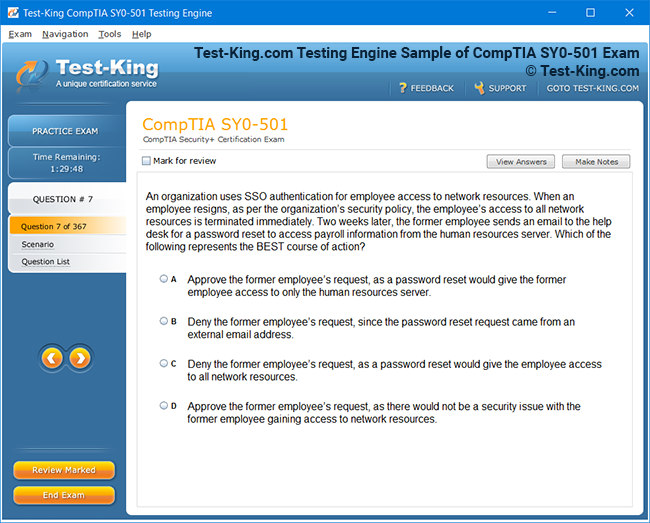
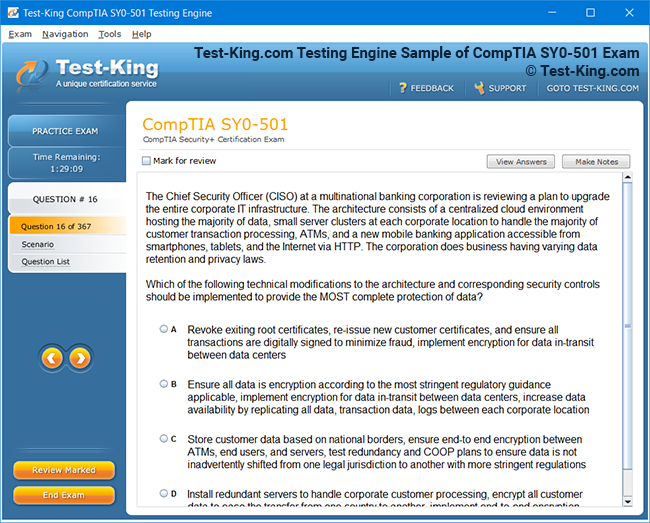
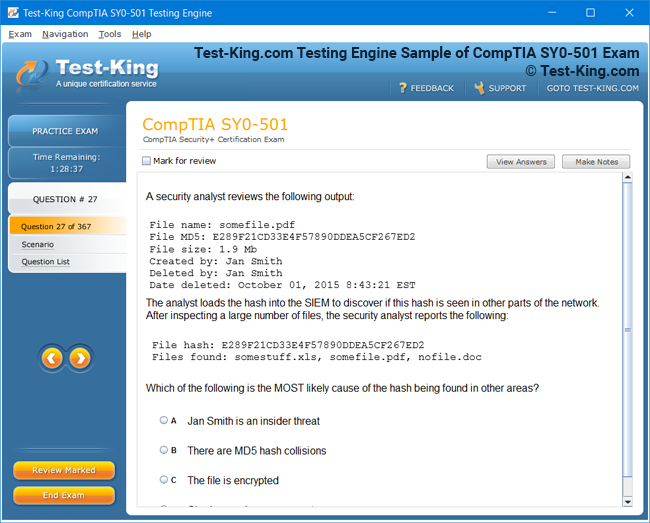
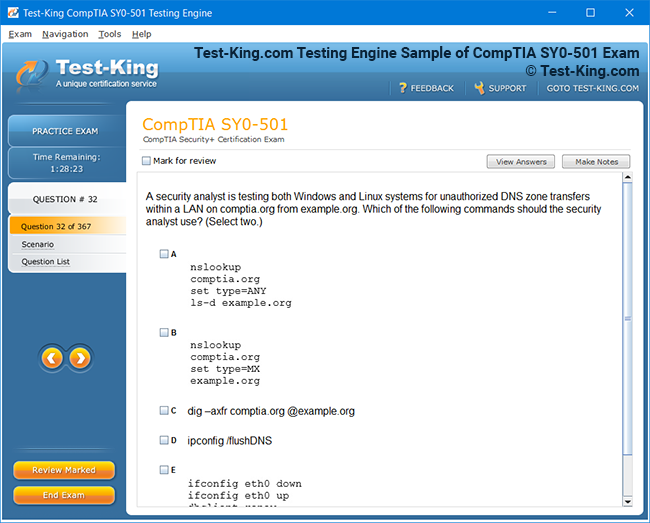
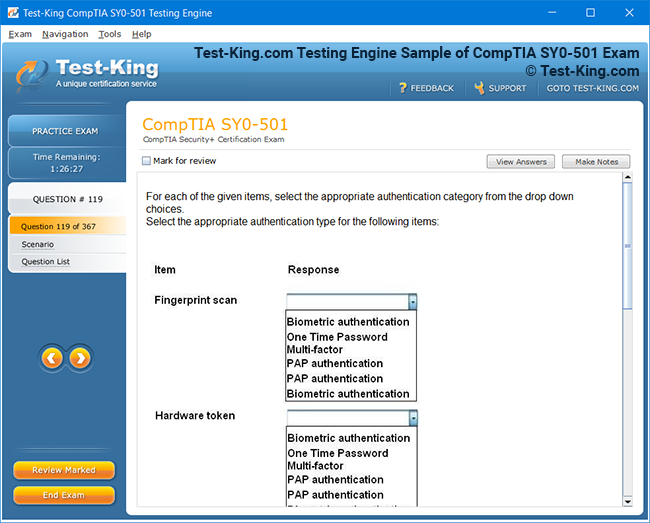
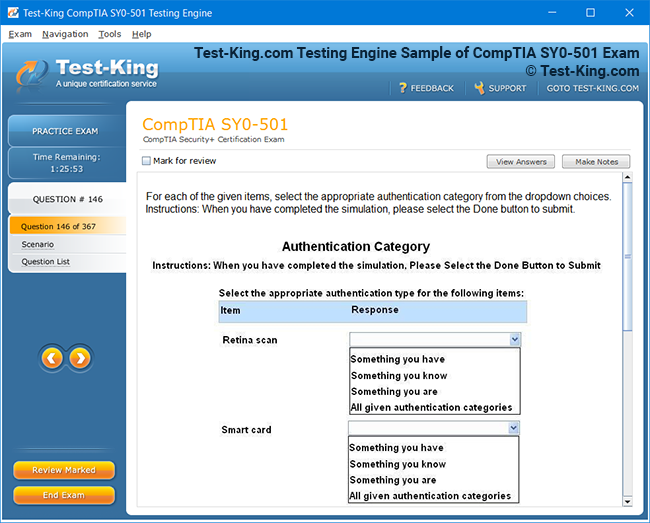
Product Screenshots
Frequently Asked Questions
How can I get the products after purchase?
All products are available for download immediately from your Member's Area. Once you have made the payment, you will be transferred to Member's Area where you can login and download the products you have purchased to your computer.
How long can I use my product? Will it be valid forever?
Test-King products have a validity of 90 days from the date of purchase. This means that any updates to the products, including but not limited to new questions, or updates and changes by our editing team, will be automatically downloaded on to computer to make sure that you get latest exam prep materials during those 90 days.
Can I renew my product if when it's expired?
Yes, when the 90 days of your product validity are over, you have the option of renewing your expired products with a 30% discount. This can be done in your Member's Area.
Please note that you will not be able to use the product after it has expired if you don't renew it.
How often are the questions updated?
We always try to provide the latest pool of questions, Updates in the questions depend on the changes in actual pool of questions by different vendors. As soon as we know about the change in the exam question pool we try our best to update the products as fast as possible.
How many computers I can download Test-King software on?
You can download the Test-King products on the maximum number of 2 (two) computers or devices. If you need to use the software on more than two machines, you can purchase this option separately. Please email support@test-king.com if you need to use more than 5 (five) computers.
What is a PDF Version?
PDF Version is a pdf document of Questions & Answers product. The document file has standart .pdf format, which can be easily read by any pdf reader application like Adobe Acrobat Reader, Foxit Reader, OpenOffice, Google Docs and many others.
Can I purchase PDF Version without the Testing Engine?
PDF Version cannot be purchased separately. It is only available as an add-on to main Question & Answer Testing Engine product.
What operating systems are supported by your Testing Engine software?
Our testing engine is supported by Windows. Andriod and IOS software is currently under development.
Top Nutanix Exams
- NCP-MCI v7.5 - Nutanix Certified Professional - Multicloud Infrastructure v7.5
- NCP-MCI v6.10 - Nutanix Certified Professional - Multicloud Infrastructure v6.10
- NCA v6.10 - Nutanix Certified Associate v6.10
- NCP-MCA v6.10 - Nutanix Certified Professional - Multicloud Automation v6.10
- NCS-Core 6.8 - Nutanix Certified Services - Core (NCS-Core) 6.8
- NCP-CN v6.10 - Nutanix Certified Professional - Cloud Native v6.10
- NCP-CI-AWS v6.7 - Nutanix Certified Professional - Cloud Integration - AWS v6.7
- NCP-US v6.10 - Nutanix Certified Professional - Unified Storage v6.10
- NCA - Nutanix Certified Associate
Understanding the NCS-Core 6.8 Exam and Its Objectives
The Nutanix Certified Services - Core 6.8 exam is a pivotal credential for IT professionals seeking to demonstrate their expertise in hyperconverged infrastructure and Nutanix technologies. This certification is designed to validate the practical skills and theoretical knowledge required to deploy, manage, and troubleshoot Nutanix clusters efficiently. Unlike conventional certifications that primarily assess memorization, this exam evaluates the ability to apply concepts in real-world scenarios. The NCS-Core 6.8 exam is therefore not only a benchmark of proficiency but also a reflection of an individual's capacity to adapt to the intricacies of enterprise-grade environments.
Introduction to Nutanix and the NCS-Core 6.8 Exam
The exam encompasses a broad spectrum of topics, from virtualization and networking to storage solutions and cluster administration. Candidates are expected to possess a thorough understanding of Nutanix architecture, including its components, workflows, and operational procedures. The NCS-Core 6.8 designation also reflects a commitment to staying current with evolving technologies, as Nutanix continuously enhances its platform to meet modern data center demands.
Exam Structure and Key Domains
The NCS-Core 6.8 examination is structured to measure both depth and breadth of knowledge. It includes multiple-choice questions, scenario-based problem-solving, and practical application scenarios that reflect common operational challenges encountered in Nutanix environments. Candidates are evaluated on their ability to analyze, configure, and troubleshoot clusters, virtual machines, and storage infrastructure. The exam is meticulously designed to simulate conditions and decisions professionals face while managing hyperconverged systems.
Key domains covered in the exam include core Nutanix components, storage and data protection, networking, virtualization, and cluster management. Understanding these domains is crucial for building a successful preparation strategy. For instance, grasping the intricacies of storage services such as replication, snapshots, and data resiliency enables candidates to design robust solutions and respond effectively to operational anomalies. Similarly, a strong foundation in networking concepts, including VLAN configuration, IP management, and network segmentation, ensures seamless communication between nodes and improves overall system reliability.
Core Nutanix Concepts
A fundamental understanding of Nutanix architecture is indispensable. Nutanix operates on the principle of hyperconvergence, combining compute, storage, and networking into a unified solution that simplifies management while optimizing performance. Candidates should be familiar with cluster components, including nodes, controllers, and the Acropolis Operating System. This knowledge facilitates efficient troubleshooting and enables professionals to maximize the utility of Nutanix deployments.
Virtualization is another cornerstone of the NCS-Core 6.8 exam. Nutanix supports Acropolis Hypervisor (AHV) and provides tools for managing virtual machines, snapshots, and migration operations. Understanding the differences between hypervisors, as well as the benefits and limitations of AHV, equips candidates to implement virtualization strategies that align with organizational needs. Furthermore, proficiency in the Prism management interface is essential, as it serves as the central hub for monitoring and administrating cluster operations, visualizing performance metrics, and configuring alerts for proactive maintenance.
Storage Management and Data Protection
Storage management within a Nutanix cluster is multifaceted, encompassing performance optimization, data availability, and protection strategies. Candidates must be well-versed in the storage architecture, including distributed storage fabric and container management. Understanding how data is distributed across nodes, how replication works, and how to recover from failures is critical for ensuring business continuity.
Snapshots and replication are particularly important areas. Snapshots provide point-in-time copies of data, enabling quick recovery in case of corruption or accidental deletion. Replication ensures that data is duplicated across clusters or locations, offering resilience against hardware failures or site-level disasters. A detailed understanding of these mechanisms, including configuration and troubleshooting, can significantly influence operational efficiency and response time.
Cluster expansion and lifecycle management also form an essential component of storage administration. Candidates should be capable of adding new nodes, balancing workloads, and maintaining optimal performance as the cluster grows. The NCS-Core 6.8 exam assesses the ability to perform these tasks accurately and efficiently, reflecting real-world responsibilities that professionals encounter in enterprise environments.
Networking and Communication
Networking is a critical aspect of Nutanix cluster operations. Candidates need to understand how nodes communicate internally and externally, how VLANs are configured, and how IP addresses are assigned and managed. Proper network configuration ensures high availability, fault tolerance, and minimal latency, which are crucial for maintaining the performance of virtualized workloads.
The exam may present scenarios requiring candidates to troubleshoot network segmentation issues or optimize traffic flows. Mastery of concepts such as link aggregation, virtual switches, and subnetting allows professionals to resolve problems that could otherwise degrade system performance. Moreover, integrating networking best practices with storage and compute considerations ensures a harmonious and resilient infrastructure.
Virtual Machine Operations
Managing virtual machines is a core responsibility for any Nutanix administrator. The exam evaluates knowledge in creating, configuring, and migrating virtual machines while ensuring optimal resource allocation. Candidates must also understand VM snapshots, backups, and cloning operations, as well as how to address performance bottlenecks.
Understanding the interactions between VMs, storage containers, and network segments is essential for effective troubleshooting. Scenario-based questions often present issues such as resource contention or network misconfigurations, testing the candidate's ability to apply conceptual knowledge to practical problems. Familiarity with migration tools and disaster recovery procedures enhances the candidate's ability to maintain seamless operations in dynamic environments.
Exam Preparation Strategies
Effective preparation for the NCS-Core 6.8 exam requires a blend of theoretical understanding and practical experience. Candidates should begin by reviewing the official exam objectives and mapping their current knowledge against these requirements. Identifying areas of strength and weakness allows for focused study and efficient use of preparation time.
Hands-on experience is invaluable. Setting up lab environments, performing cluster installations, and experimenting with real-world scenarios reinforces theoretical concepts. Additionally, using simulation tools and practice exams familiarizes candidates with the format and style of questions, reducing anxiety during the actual examination.
Incorporating active recall and spaced repetition techniques helps solidify knowledge and improves retention. Regularly revisiting complex topics ensures they remain accessible under exam conditions. Networking with peers or participating in community forums can provide rare insights and practical tips that are often overlooked in conventional study materials.
Evaluating Strengths and Weaknesses
A crucial element of preparation is self-assessment. Candidates should periodically evaluate their performance using practice tests, lab exercises, and scenario-based problem-solving. This assessment highlights areas that require additional attention, allowing for adaptive learning strategies that cater to individual needs.
Attention to detail is essential, particularly in domains that involve configuration and troubleshooting. Candidates must develop the ability to identify subtle differences between correct and incorrect approaches. This analytical skill not only aids in exam performance but also translates to higher efficiency and accuracy in professional roles.
Aligning Practical Skills with Theoretical Knowledge
Success in the NCS-Core 6.8 exam is achieved through the seamless integration of theoretical concepts with hands-on practice. Understanding how architectural principles manifest in practical deployments enables candidates to tackle complex questions and scenarios with confidence. The ability to apply knowledge in a pragmatic context is what differentiates proficient candidates from those who rely solely on memorization.
Scenario-based questions require candidates to synthesize multiple domains, from storage and networking to virtualization and cluster management. Preparing for such questions demands exposure to real-world challenges and solutions. This holistic approach ensures that candidates are not only exam-ready but also equipped to manage Nutanix environments effectively in professional settings.
Crafting an Effective Preparation Schedule
Creating a disciplined and organized study schedule is a fundamental step toward successfully navigating the NCS-Core 6.8 examination. The complexity of hyperconverged infrastructure concepts requires a methodical approach, balancing both theoretical understanding and practical expertise. Allocating time for each domain based on weightage and personal proficiency ensures that preparation remains focused and productive. Many aspirants underestimate the significance of incremental learning, where small, consistent study sessions foster deeper retention compared to prolonged, unstructured periods of study.
Integrating breaks and periodic revision sessions into the study schedule prevents cognitive fatigue and reinforces comprehension. Candidates benefit from establishing a hierarchy of topics, beginning with foundational concepts such as cluster architecture and virtualization, then advancing to intricate subjects like storage optimization, replication strategies, and disaster recovery procedures. This structured approach cultivates a sense of progression, transforming the daunting task of preparation into manageable milestones.
Identifying High-Priority Domains
Understanding which areas demand heightened attention is critical. The NCS-Core 6.8 examination emphasizes core Nutanix components, storage management, networking, and virtual machine operations. Candidates should analyze exam objectives to determine which domains carry greater weight and which may present more nuanced challenges. Emphasizing high-priority domains allows for concentrated effort where it is most impactful, while still maintaining coverage of less prominent topics.
For instance, storage and data protection topics, including snapshots, replication, and container management, frequently appear in scenario-based questions that test practical problem-solving skills. Networking concepts, such as VLAN configuration, IP assignment, and link aggregation, require both conceptual understanding and hands-on familiarity. Recognizing these high-yield topics enables aspirants to allocate sufficient time for in-depth study and repeated practice, ensuring readiness for intricate problem-solving scenarios.
Leveraging Study Resources Efficiently
Utilizing diverse study resources enhances comprehension and promotes nuanced understanding. Official Nutanix documentation provides authoritative guidance on cluster operations, virtualization, storage, and networking. Supplementing this with video tutorials, practice exams, and interactive labs offers varied perspectives, helping candidates internalize concepts more effectively. Relying exclusively on one type of resource may limit exposure to the range of scenarios encountered in the examination.
Active learning strategies, such as note-taking, concept mapping, and self-questioning, reinforce retention. Candidates can benefit from summarizing complex topics in their own words, which enhances cognitive processing and aids in recalling information under exam conditions. Additionally, engaging with community forums and discussion groups exposes aspirants to uncommon insights, real-world troubleshooting scenarios, and nuanced solutions that are often absent from standard preparation materials.
Integrating Hands-On Practice
Practical experience is indispensable for mastering the NCS-Core 6.8 examination. Hands-on practice with Nutanix clusters allows candidates to translate theoretical knowledge into operational competence. Tasks such as deploying clusters, configuring storage containers, managing virtual machines, and implementing replication strategies provide a tactile understanding that enhances cognitive recall. Lab exercises also cultivate problem-solving skills, enabling candidates to navigate unforeseen challenges that may arise in real-world environments.
Scenario-based practice strengthens the ability to synthesize multiple domains simultaneously. For example, addressing a storage performance bottleneck may require simultaneous consideration of cluster health, network configuration, and virtual machine resource allocation. Regular engagement with these scenarios builds intuition, accelerates decision-making, and reduces uncertainty when encountering similar questions in the examination.
Balancing Depth and Breadth of Knowledge
Achieving equilibrium between comprehensive coverage of all topics and deep mastery of high-priority domains is essential. While it is crucial to understand every aspect of Nutanix architecture, certain areas demand more concentrated attention due to their frequency and complexity in the examination. Striking this balance ensures candidates are well-prepared to answer both foundational questions and complex scenario-based challenges.
Depth can be cultivated through focused study on intricate topics such as replication topologies, disaster recovery orchestration, and advanced networking configurations. Breadth is maintained by reviewing all exam objectives and ensuring familiarity with less emphasized subjects like cluster expansion procedures, troubleshooting virtual machine anomalies, and monitoring cluster performance metrics. This dual approach prevents gaps in knowledge and cultivates a holistic understanding of Nutanix systems.
Implementing Revision Techniques
Effective revision strategies amplify retention and improve performance under timed conditions. Techniques such as spaced repetition, active recall, and self-testing reinforce neural pathways, ensuring that concepts are readily accessible during the examination. Revisiting challenging topics periodically consolidates understanding, while practice exams simulate real-world pressure, helping candidates gauge readiness and adjust preparation accordingly.
Creating concise summaries, mind maps, or mnemonic devices aids in recalling complex sequences of operations, such as configuring cluster replication or performing virtual machine migrations. Candidates can also benefit from reflecting on lab exercises, noting challenges faced, solutions implemented, and lessons learned. This reflective practice embeds knowledge more profoundly than passive reading or rote memorization.
Tracking Progress and Adapting the Plan
Monitoring study progress is vital to ensure that preparation remains on track. Candidates should periodically evaluate their mastery of each domain using quizzes, lab assessments, or practice scenarios. Tracking performance over time identifies persistent weaknesses, allowing for targeted intervention and resource allocation. Adaptive learning—modifying the study plan based on strengths, weaknesses, and evolving comfort with topics—maximizes efficiency and minimizes wasted effort.
For example, if repeated practice exams reveal difficulty in troubleshooting network segmentation issues, candidates should allocate additional sessions to simulate similar configurations and understand underlying principles. Conversely, areas of strength may require less frequent review, freeing time for weaker domains without compromising comprehensive coverage.
Managing Time Effectively
Time management is not limited to examination conditions; it is equally critical during preparation. Allocating sufficient time to high-priority topics, practical labs, and revision exercises requires foresight and discipline. Breaking study hours into focused intervals, interspersed with brief breaks, maintains cognitive acuity and prevents burnout. Candidates may also employ timeboxing techniques for complex lab exercises or scenario-based practice to simulate real-world constraints and decision-making under pressure.
Developing a routine that integrates study sessions with professional obligations ensures sustainable progress. Candidates who balance preparation with work responsibilities, personal life, and rest are better equipped to maintain concentration, internalize information, and retain motivation throughout the preparation journey.
Engaging with Community Insights
Interacting with peers, mentors, and online communities provides access to rare insights that enhance understanding. Candidates can encounter unconventional problem-solving approaches, uncommon troubleshooting scenarios, and nuanced interpretations of exam objectives. These interactions not only broaden knowledge but also foster confidence, as aspirants realize that challenges encountered in practice labs and mock exams are shared by others.
Discussion forums often provide detailed explanations of past scenario-based questions, tips for optimizing cluster performance, and insights into emerging Nutanix features. Candidates who actively participate in these communities can uncover subtle details overlooked in official documentation, which may prove pivotal in achieving mastery.
Combining Theoretical and Practical Knowledge
The integration of conceptual understanding with hands-on experience distinguishes proficient candidates. Exam questions frequently present multifaceted problems that require simultaneous application of storage, networking, virtualization, and cluster management knowledge. Candidates who have actively practiced deploying clusters, configuring containers, and troubleshooting VMs are better equipped to navigate these challenges efficiently.
The ability to visualize complex workflows, anticipate potential issues, and implement corrective actions based on practical experience enhances both speed and accuracy. Through iterative practice and reflection, candidates develop an intuitive grasp of system behaviors, enabling confident application of knowledge during the examination.
Maintaining Motivation and Discipline
Sustaining focus and enthusiasm throughout the preparation period is critical. The breadth of content and technical complexity can be overwhelming without a disciplined approach. Setting tangible milestones, celebrating incremental achievements, and maintaining a structured routine helps candidates remain motivated. Regular engagement with practical labs and interactive exercises reinforces a sense of progress, mitigating the monotony of prolonged study sessions.
Cultivating curiosity and intellectual engagement also enhances retention. Viewing each domain as an opportunity to explore real-world applications of Nutanix technology transforms preparation from rote memorization into a dynamic, immersive experience. Candidates who embrace this mindset are more likely to internalize knowledge, develop problem-solving acumen, and approach the NCS-Core 6.8 examination with confidence.
Utilizing Mock Exams and Scenario-Based Practice
Mock exams serve as both a diagnostic tool and a rehearsal for actual examination conditions. They allow candidates to assess comprehension, timing, and problem-solving efficiency. Scenario-based practice replicates real operational challenges, such as troubleshooting network failures, managing storage replication, or optimizing virtual machine performance. These exercises cultivate adaptive thinking, a skill critical for responding effectively to complex, multi-faceted questions.
Analyzing performance in mock exams provides actionable insights. Repeated exposure to challenging scenarios enhances familiarity, reduces anxiety, and strengthens the ability to identify correct solutions swiftly. Candidates who incorporate this iterative process of practice, evaluation, and refinement maximize their preparedness for the NCS-Core 6.8 examination.
Emphasizing Long-Term Retention
Preparation for the NCS-Core 6.8 exam extends beyond immediate memorization. Candidates benefit from embedding knowledge in long-term memory through spaced repetition, reflective practice, and consistent hands-on engagement. Retaining concepts beyond the examination ensures practical competence, allowing certified professionals to apply their skills effectively in operational environments.
Regularly revisiting complex configurations, troubleshooting techniques, and cluster management procedures reinforces mastery. Integrating theoretical knowledge with repetitive practical exercises creates a durable mental framework, enabling candidates to respond confidently to novel challenges, both during the examination and in real-world deployments.
Understanding Nutanix Architecture and Core Components
A profound understanding of Nutanix architecture is essential for the NCS-Core 6.8 examination. Nutanix is built on the principle of hyperconvergence, integrating compute, storage, and networking into a cohesive, easily manageable platform. Candidates should be familiar with the fundamental components, including nodes, controllers, virtual machines, and the Acropolis Operating System. These elements form the backbone of the Nutanix ecosystem, and mastery over their functions and interactions is critical for both the exam and real-world deployment scenarios.
Cluster architecture forms the cornerstone of Nutanix operations. Each node contributes to distributed storage and compute capabilities, enhancing scalability and redundancy. Understanding how data is distributed across nodes, how services communicate, and how cluster health is monitored allows candidates to approach configuration, optimization, and troubleshooting tasks with confidence. The ability to visualize the cluster holistically is invaluable for addressing complex operational challenges presented during the examination.
Virtualization and Acropolis Hypervisor
Virtualization is central to Nutanix environments, and the Acropolis Hypervisor (AHV) provides a streamlined, enterprise-ready platform for managing virtual machines. Candidates are expected to comprehend virtual machine creation, resource allocation, and operational lifecycle management, including cloning, snapshots, and migration. The NCS-Core 6.8 examination frequently presents scenarios involving virtual machine troubleshooting, performance optimization, or migration strategies, making hands-on familiarity with AHV indispensable.
The management interface, Prism, is another critical component, serving as the central hub for monitoring, configuring, and administering clusters. Candidates should understand how to navigate Prism to perform tasks such as workload balancing, performance monitoring, and alert configuration. Familiarity with Prism enhances the ability to make informed operational decisions and supports the application of theoretical knowledge in practical scenarios.
Storage Management and Data Protection
Storage management within Nutanix clusters is multifaceted, encompassing data distribution, performance optimization, and protection strategies. Candidates should comprehend the concept of storage containers, their relationship with virtual machines, and the mechanisms of data replication and resiliency. Snapshots and clones provide essential tools for data backup and recovery, while replication ensures business continuity across multiple clusters or sites.
Advanced storage topics include understanding data locality, storage tiering, and compression mechanisms. These features optimize performance and storage utilization, which are critical considerations in scenario-based questions that test practical problem-solving skills. Candidates should also be adept at managing storage capacity, expanding clusters, and ensuring balanced resource distribution, as these are common operational tasks reflected in examination scenarios.
Networking Concepts and Configuration
Networking plays an integral role in Nutanix operations. Candidates must grasp how nodes communicate internally and externally, the configuration of VLANs, IP management, and network segmentation. Proper network setup ensures high availability, minimal latency, and efficient traffic management, all of which are vital for cluster performance. Examination scenarios often test the ability to identify and resolve networking issues, including misconfigured IPs, segment conflicts, and connectivity failures.
Link aggregation, virtual switches, and subnetting are additional areas that candidates should understand. Mastery of these concepts allows professionals to optimize traffic flow and troubleshoot complex network challenges effectively. Integrating networking knowledge with storage and compute considerations ensures holistic cluster performance and resilience.
Disaster Recovery and High Availability
Nutanix emphasizes high availability and disaster recovery to safeguard critical workloads. Candidates should be conversant with mechanisms for ensuring continuous operation, including replication, failover, and backup strategies. The ability to configure and manage disaster recovery operations is frequently tested in scenario-based questions, requiring both conceptual understanding and hands-on proficiency.
Understanding replication topologies, failover procedures, and recovery point objectives allows candidates to design resilient systems capable of withstanding node failures, site outages, or operational disruptions. Practical exercises in simulating failures and executing recovery strategies enhance preparedness and reinforce the integration of theoretical and practical knowledge.
Monitoring, Troubleshooting, and Performance Optimization
Effective cluster management requires continuous monitoring and proactive troubleshooting. Candidates should be able to interpret performance metrics, analyze alerts, and identify anomalies that could affect cluster stability. Tasks may include adjusting resource allocation for virtual machines, optimizing storage performance, or diagnosing network bottlenecks. Familiarity with Prism dashboards, logging mechanisms, and health monitoring tools supports informed decision-making and timely corrective actions.
Performance optimization often requires correlating insights from multiple domains, such as storage utilization, VM resource allocation, and network throughput. Scenario-based exercises in mock labs provide opportunities to practice these integrative skills, ensuring candidates are adept at responding to complex operational issues efficiently.
Scenario-Based Problem Solving
The NCS-Core 6.8 examination frequently incorporates scenario-based questions that simulate real-world challenges. Candidates may be asked to troubleshoot a cluster experiencing performance degradation, resolve a networking misconfiguration affecting multiple virtual machines, or implement a replication strategy to meet specific recovery objectives. Success in these scenarios requires synthesizing knowledge from multiple domains, including storage, networking, virtualization, and cluster management.
Candidates benefit from practicing diverse scenarios to develop analytical thinking and adaptive problem-solving skills. Repeated exposure to hypothetical challenges builds intuition and reinforces procedural knowledge, enabling quick and accurate responses during the actual examination. Scenario-based preparation also cultivates the ability to anticipate potential issues and proactively implement solutions in operational environments.
Integrating Practical Labs with Conceptual Learning
Practical lab exercises are indispensable for mastering Nutanix technologies. Candidates should actively engage in deploying clusters, configuring storage containers, setting up virtual machines, and implementing replication strategies. These hands-on experiences complement theoretical study, providing context and reinforcing conceptual understanding. The iterative process of performing tasks, encountering challenges, and resolving them develops both confidence and competence.
Lab exercises should encompass a variety of scenarios, including performance tuning, troubleshooting virtual machine anomalies, network misconfigurations, and storage optimization. Exposure to uncommon or complex configurations ensures candidates are prepared for unexpected questions and challenges in the examination. Combining practical and conceptual learning creates a robust framework for addressing both routine and intricate tasks efficiently.
Emphasizing Rare and Advanced Concepts
Beyond foundational knowledge, mastery of less emphasized topics can provide a competitive advantage. Concepts such as hypervisor-independent operations, advanced network topologies, storage tiering nuances, and container management intricacies are often overlooked but can appear in scenario-based questions. Candidates who invest time in understanding these advanced subjects develop a nuanced comprehension that enhances both examination performance and operational expertise.
Exploring rare concepts also cultivates intellectual flexibility. Candidates learn to approach problems from multiple perspectives, anticipate edge-case scenarios, and apply unconventional solutions where appropriate. This depth of understanding is particularly valuable for real-world deployments, where atypical challenges often arise.
Combining Knowledge Across Domains
Success in the NCS-Core 6.8 examination relies on the ability to integrate knowledge across multiple domains. Tasks frequently involve simultaneously considering storage configuration, virtual machine resource allocation, networking constraints, and cluster health metrics. Candidates who have practiced integrating these aspects in lab environments develop an intuitive understanding of system behavior, enabling them to respond accurately and efficiently to complex questions.
Synthesizing knowledge requires both analytical and creative thinking. Candidates should practice reasoning through multifaceted problems, identifying dependencies, evaluating trade-offs, and implementing solutions that balance performance, resilience, and operational efficiency. This holistic approach ensures comprehensive preparation and translates directly to real-world competence.
Leveraging Documentation and Community Resources
Official documentation provides authoritative guidance on core concepts, configurations, and operational procedures. Candidates should systematically study these materials while supplementing them with community forums, video tutorials, and practical insights shared by experienced professionals. Exposure to multiple perspectives enhances understanding and introduces uncommon techniques that can be valuable for complex scenarios.
Community engagement also provides insight into evolving features, real-world troubleshooting strategies, and nuanced interpretations of operational best practices. Candidates who actively participate in knowledge sharing cultivate a richer understanding and remain attuned to the dynamic nature of Nutanix technologies, ensuring readiness for both the examination and professional deployment.
Preparing for Real-World Application
Mastery of key Nutanix technologies is not solely an academic exercise; it directly translates to operational proficiency. Candidates should view each study topic and lab exercise as an opportunity to develop skills applicable in enterprise environments. Understanding how architectural principles manifest in practical deployments allows aspirants to anticipate challenges, implement effective solutions, and optimize cluster performance in real scenarios.
Integrating real-world applications into preparation reinforces knowledge retention and cultivates a problem-solving mindset. Candidates who approach learning with this perspective are better equipped to handle the demands of the NCS-Core 6.8 examination and excel in professional roles requiring expertise in hyperconverged infrastructure.
Utilizing Official Learning Materials
Preparation for the NCS-Core 6.8 examination begins with a thorough engagement with official Nutanix learning materials. These resources provide structured guidance on hyperconverged infrastructure, cluster operations, storage management, virtualization, and networking principles. Candidates benefit from systematically studying documentation that outlines cluster configuration, best practices, and operational workflows. By internalizing these materials, aspirants establish a solid conceptual foundation, which is essential for both practical application and examination performance.
Official guides and manuals also describe intricate processes such as replication configuration, disaster recovery orchestration, and virtual machine lifecycle management. Understanding these processes through authoritative documentation allows candidates to navigate scenario-based questions effectively. Practical exercises recommended in official learning paths reinforce theoretical knowledge, bridging the gap between comprehension and application.
Leveraging Video Tutorials and Interactive Learning
Video tutorials complement written documentation by providing dynamic visual explanations of complex concepts. Candidates can observe step-by-step configurations, cluster deployment procedures, and troubleshooting demonstrations, which enhance cognitive retention. Interactive learning modules, often featuring simulated lab environments, enable aspirants to experiment with cluster setups, storage configurations, and network adjustments without the risk of affecting live systems.
Engaging with video content and interactive exercises also allows candidates to pause, replay, and revisit challenging topics at their own pace. This flexibility supports deep comprehension, particularly for abstract concepts such as data locality, container management, and hypervisor operations. The combination of visual and practical learning modalities ensures that knowledge is internalized more robustly than through reading alone.
Practice Exams and Simulation Tools
Practice exams and simulation tools are indispensable for gauging readiness and familiarizing candidates with the NCS-Core 6.8 exam format. These resources replicate the structure, difficulty, and timing of the actual examination, allowing aspirants to assess both knowledge and exam-taking skills. Scenario-based simulations test the ability to analyze complex problems, apply theoretical knowledge, and select optimal solutions under timed conditions.
Candidates benefit from reviewing performance metrics from practice tests to identify areas of strength and weakness. Repeated exposure to practice scenarios enhances confidence, reduces anxiety, and fosters the ability to think critically under pressure. Integrating simulation tools into preparation routines also cultivates familiarity with cluster operations, virtual machine management, and storage optimization techniques, reinforcing hands-on proficiency.
Engaging with Community Forums and Peer Networks
Community forums and peer networks provide invaluable access to experiential knowledge. Candidates can explore uncommon troubleshooting strategies, nuanced interpretations of operational best practices, and insights into rare or complex scenarios. Engaging in discussions with fellow aspirants or certified professionals often reveals practical techniques that may not be emphasized in official materials, thereby enriching understanding and preparation.
Active participation in communities allows candidates to pose questions, receive clarifications, and validate their approaches to hypothetical or real-world problems. Exposure to a diversity of experiences broadens perspectives and cultivates adaptive thinking, which is crucial for handling multifaceted questions in the NCS-Core 6.8 examination.
Integrating Practical Labs
Practical lab exercises remain the cornerstone of effective preparation. Candidates should establish hands-on environments to deploy clusters, configure storage containers, manage virtual machines, and implement replication strategies. Repeated engagement with lab exercises allows for experimentation with complex configurations, scenario-based troubleshooting, and performance optimization.
Labs also provide opportunities to simulate failures, test recovery mechanisms, and explore advanced functionalities such as network segmentation, data tiering, and hypervisor-independent operations. By systematically practicing these tasks, candidates develop both procedural fluency and intuitive understanding of system behavior. Integrating lab exercises with conceptual study reinforces retention and builds confidence for the examination.
Balancing Multiple Resource Types
Successful preparation requires harmonizing various resource types, ensuring neither breadth nor depth is compromised. Official documentation establishes foundational knowledge, video tutorials provide visual reinforcement, practice exams offer evaluative insights, community engagement introduces rare perspectives, and lab exercises cultivate operational competence. Candidates who strategically combine these resources maximize learning efficiency and ensure comprehensive coverage of all examination objectives.
The careful orchestration of these materials also prevents overreliance on a single source. For instance, while documentation offers precision and accuracy, community forums may present alternative approaches or highlight uncommon pitfalls. Similarly, lab exercises translate theoretical concepts into practical skills, ensuring that preparation is both thorough and adaptable.
Utilizing Revision Tools and Memory Techniques
Retention of complex Nutanix concepts is enhanced by systematic revision and memory reinforcement techniques. Candidates benefit from employing methods such as spaced repetition, active recall, and summarization to consolidate knowledge. Revisiting high-priority topics periodically ensures that intricate processes, configurations, and operational procedures remain accessible under examination conditions.
Memory aids such as conceptual mappings, flow diagrams, and mnemonic devices help retain sequences of operations, troubleshooting steps, and interrelated system functions. These techniques facilitate rapid recall during scenario-based questions, where multiple domains intersect and practical problem-solving skills are tested.
Exploring Advanced and Rare Resources
Beyond standard materials, candidates can explore advanced resources to deepen understanding. Whitepapers, technical blogs, and research articles provide insights into emerging trends, novel configurations, and uncommon troubleshooting scenarios. Exposure to these resources cultivates intellectual curiosity and equips aspirants to approach unconventional or complex questions with confidence.
Studying rare or less emphasized topics such as storage container optimization, advanced replication topologies, or hypervisor-independent VM operations creates a competitive advantage. These concepts, though infrequently discussed in standard materials, often appear in scenario-based questions, requiring nuanced comprehension and problem-solving acumen.
Structured Scheduling of Resource Utilization
Effectively using diverse resources necessitates structured scheduling. Candidates should allocate time for reading official documentation, watching tutorials, performing lab exercises, participating in community discussions, and taking practice exams. Structured scheduling ensures that each resource contributes meaningfully to preparation and prevents imbalance or neglect of critical domains.
The schedule should incorporate iterative cycles of learning, practice, evaluation, and reflection. Revisiting challenging topics, reassessing lab results, and analyzing practice exam performance enables candidates to refine strategies, reinforce understanding, and address weaknesses proactively.
Tracking Progress and Adaptation
Monitoring preparation progress is crucial for optimizing resource use. Candidates should document mastery of each domain, track performance in practice exams, and note recurring difficulties encountered in labs. This tracking facilitates adaptive strategies, allowing aspirants to allocate additional focus to weaker areas and maintain balanced coverage of all examination objectives.
Regular self-assessment ensures that preparation remains dynamic and responsive to evolving needs. Candidates who continuously evaluate and adapt their approach are better positioned to internalize knowledge, enhance operational proficiency, and achieve confidence in tackling the diverse questions presented in the NCS-Core 6.8 examination.
Incorporating Scenario-Based Exercises
Scenario-based exercises bridge theoretical study and practical application. Candidates should engage in exercises that replicate real-world challenges, such as troubleshooting storage performance degradation, configuring replication for disaster recovery, or optimizing virtual machine allocation within a cluster. These exercises cultivate critical thinking, problem-solving agility, and the ability to synthesize knowledge across multiple domains simultaneously.
Repeated exposure to varied scenarios strengthens adaptive reasoning, reduces uncertainty during the examination, and ensures readiness for unexpected or complex problem statements. Candidates who integrate scenario-based practice into their preparation build a resilient, flexible understanding of Nutanix systems.
Maintaining Motivation Through Resource Diversity
Engaging with diverse resources not only enhances comprehension but also sustains motivation. Alternating between reading, watching, practicing, and discussing prevents monotony and keeps the preparation experience dynamic. Candidates are more likely to maintain focus, retain knowledge, and achieve a state of active engagement when multiple learning modalities are employed.
Motivation is further reinforced by recognizing incremental progress. Completing lab exercises, successfully tackling challenging scenarios, or improving practice exam scores provides tangible evidence of development, fostering a sense of accomplishment and encouraging continued investment in preparation efforts.
Reinforcing Knowledge Through Reflection
Reflection is a powerful tool for embedding knowledge. After completing lab exercises, practice exams, or tutorials, candidates should analyze performance, identify errors, and understand underlying principles. This reflective practice consolidates learning, illuminates recurring patterns, and highlights areas requiring additional attention.
Documenting reflections, including successful strategies, mistakes, and lessons learned, creates a personalized knowledge repository. Candidates can revisit these notes periodically, reinforcing retention and ensuring that previously acquired insights remain accessible under examination conditions.
Integrating Preparation into Daily Routine
Consistent, structured preparation integrated into daily routines enhances retention and proficiency. Candidates benefit from allocating regular, focused intervals for study, labs, practice exams, and community engagement. Incorporating preparation into daily habits ensures continuity, reduces procrastination, and allows concepts to mature progressively in memory.
This integration also fosters cognitive reinforcement, as repeated exposure to concepts through varied resources consolidates understanding and builds confidence. Candidates who maintain disciplined, daily engagement with study materials are more likely to navigate the NCS-Core 6.8 examination successfully.
Structuring Exam Approach
Effective navigation of the NCS-Core 6.8 examination requires a carefully devised strategy that balances comprehension, analytical thinking, and time management. The exam typically involves multiple-choice questions, scenario-based problem-solving, and applied knowledge evaluations. Candidates should approach the examination systematically, beginning with an initial survey of all questions to identify areas of familiarity and complexity. Prioritizing questions according to comfort level allows for early confidence-building and efficient allocation of time.
Scenario-based questions often require integrating multiple domains such as storage management, virtualization, networking, and cluster operations. Candidates should approach these questions by breaking down the scenario into manageable components, identifying the problem, evaluating the potential solutions, and selecting the most appropriate course of action. This methodical approach reduces errors caused by haste or misinterpretation and ensures logical reasoning throughout the examination.
Time Allocation Techniques
Time management is a critical determinant of performance in the NCS-Core 6.8 exam. Candidates should allocate time proportionally to the complexity and weight of each question. Simple factual questions may require less time, whereas scenario-based questions necessitate careful analysis and consideration of multiple variables. Dividing the total examination duration into segments allows for structured progress and provides buffer time for reviewing challenging questions.
Employing timeboxing techniques for complex scenarios ensures that candidates remain focused and avoid spending disproportionate time on individual problems. Candidates can monitor progress through incremental checkpoints, ensuring that they maintain steady pace and have sufficient time to revisit difficult questions before submission.
Handling Multiple-Choice Questions
Multiple-choice questions in the NCS-Core 6.8 examination often contain subtle distractors designed to test depth of knowledge. Candidates should carefully analyze each option, evaluating its technical correctness and relevance to the context of the question. Eliminating clearly incorrect answers narrows the field, increasing the probability of selecting the correct solution. Attention to detail is critical, as minor wording differences can significantly alter the intended meaning.
Understanding the conceptual underpinnings of each topic allows candidates to discern between plausible yet incorrect options and the optimal solution. Candidates should avoid relying solely on memorization, as scenario-driven questions require application of knowledge rather than rote recall. Practicing these strategies through mock exams reinforces critical thinking and sharpens decision-making skills under timed conditions.
Approaching Scenario-Based Questions
Scenario-based questions are designed to simulate real-world operational challenges. Candidates should read the scenario carefully, noting all relevant parameters such as cluster configuration, virtual machine distribution, storage utilization, and network topology. Identifying the core problem within the scenario is the first step, followed by evaluating alternative approaches, considering dependencies, and selecting a solution that optimally balances performance, resilience, and compliance with best practices.
Practicing scenario-based exercises during preparation enhances the ability to synthesize information across multiple domains. Candidates develop an intuitive sense of cause-and-effect relationships within Nutanix clusters, allowing them to quickly identify the root cause of issues and propose appropriate resolutions. This adaptive thinking is essential for successfully navigating the complex scenarios presented in the examination.
Stress Management and Mental Focus
Maintaining composure under examination conditions is vital. Anxiety or cognitive overload can impair analytical abilities and lead to errors. Candidates should employ techniques such as deep breathing, positive visualization, and brief mental breaks to sustain concentration and reduce stress. Familiarity with the exam format through practice tests further diminishes apprehension and fosters confidence.
Mental focus is reinforced by approaching the examination sequentially, maintaining awareness of elapsed time, and avoiding distractions. Candidates benefit from adopting a calm, deliberate pace, ensuring accuracy without compromising efficiency. Developing resilience to unexpected challenges or difficult questions enhances performance and supports sustained problem-solving throughout the examination.
Reviewing and Revising Answers
Allocating time to review answers is a critical component of an effective examination strategy. Candidates should revisit questions that were initially challenging, ensuring that responses are logically sound and technically accurate. Scenario-based questions may require verification of calculations, confirmation of configuration steps, or re-evaluation of proposed solutions to ensure completeness and coherence.
During review, candidates should also check for inconsistencies, overlooked dependencies, or misinterpretations of the question context. This iterative process allows for correction of errors that may have occurred during initial response and enhances overall examination accuracy. Reviewing answers systematically ensures that the highest level of precision is achieved before submission.
Enhancing Problem-Solving Speed
Speed and accuracy are equally important in the NCS-Core 6.8 examination. Candidates should practice techniques to enhance cognitive efficiency, including pattern recognition, heuristic reasoning, and prioritization of tasks. Exposure to varied scenario-based problems during preparation accelerates the ability to identify optimal solutions quickly while maintaining analytical rigor.
Lab exercises and practice exams provide opportunities to simulate timed conditions, cultivating the ability to process information swiftly and respond effectively. Candidates can refine their approach through repeated exposure to diverse challenges, improving both speed and confidence. Developing this balance ensures that examination time is utilized optimally without compromising correctness.
Integrating Knowledge Across Domains
Scenario-based questions frequently demand the integration of knowledge across storage, networking, virtualization, and cluster operations. Candidates must analyze interdependencies, evaluate potential impacts, and implement solutions that consider holistic system behavior. Mastery of cross-domain integration enhances both problem-solving efficiency and accuracy, allowing candidates to navigate complex questions with confidence.
Practical experience and hands-on lab exercises support this integration by reinforcing connections between concepts. Candidates learn to anticipate cascading effects of configuration changes, assess system performance comprehensively, and apply best practices in dynamic environments. This integrative approach is essential for effectively addressing multi-faceted questions within the examination.
Utilizing Mock Exams for Strategy Refinement
Mock exams serve as invaluable tools for refining examination strategy and time management. By simulating the actual exam environment, candidates gain insight into question patterns, timing constraints, and scenario complexity. Analyzing performance in mock exams highlights strengths and identifies areas requiring additional focus, enabling adaptive refinement of strategies prior to the actual examination.
Repeated engagement with mock exams also builds endurance and cognitive resilience. Candidates become accustomed to sustained focus, managing multiple domains simultaneously, and handling unforeseen challenges efficiently. This iterative process ensures preparedness for the full range of question types encountered in the NCS-Core 6.8 examination.
Maintaining Consistency Under Pressure
Consistency in approach, analytical reasoning, and decision-making is critical under timed conditions. Candidates should develop a structured methodology for interpreting questions, evaluating solutions, and implementing responses. Maintaining this consistency ensures that errors are minimized, particularly in high-stakes scenario-based problems where minor oversights can significantly affect outcomes.
Candidates benefit from rehearsing consistent methodologies during practice exercises, reinforcing procedural memory and operational confidence. This approach reduces the likelihood of impulsive or inconsistent responses and fosters a methodical mindset conducive to high-level examination performance.
Managing Cognitive Load
The NCS-Core 6.8 examination often presents complex scenarios requiring simultaneous consideration of multiple variables. Candidates should practice techniques to manage cognitive load, such as decomposing problems into smaller components, prioritizing critical elements, and maintaining clear mental models of system behavior. Effective cognitive management enhances decision-making accuracy and reduces the risk of oversight.
Lab simulations, practice exams, and scenario exercises provide practical avenues for managing cognitive load. Candidates develop the ability to maintain situational awareness, analyze interrelated system components, and implement solutions efficiently, ensuring readiness for multi-dimensional challenges within the examination.
Leveraging Incremental Confidence Building
Approaching the examination incrementally, beginning with familiar questions and progressively addressing more complex scenarios, fosters confidence. Candidates who experience early success in simpler problems build a psychological foundation that enhances performance in challenging sections. Confidence cultivated in this manner supports clear thinking, reduces stress, and improves overall examination outcomes.
Incremental confidence is reinforced through preparation routines involving repeated practice, mastery of foundational concepts, and engagement with diverse problem types. Candidates who systematically cultivate this confidence are better equipped to handle unforeseen challenges and maintain composure under examination pressure.
Incorporating Reflection During Preparation
Reflective practice enhances the effectiveness of examination strategies. Candidates should analyze past performance, identify recurring challenges, and develop corrective strategies. Reflection reinforces learning, highlights areas requiring additional focus, and informs adjustments in time management and problem-solving approaches.
Documenting reflections on scenario-based exercises, practice exams, and lab experiences creates a personalized repository of insights. Candidates can revisit this repository periodically, reinforcing lessons learned and ensuring that strategic improvements are internalized, optimizing performance in the NCS-Core 6.8 examination.
Balancing Accuracy and Efficiency
A delicate equilibrium between accuracy and efficiency defines successful examination performance. Candidates must ensure that responses are technically correct while maintaining momentum to complete all questions within the allotted time. Practicing timed exercises and scenario simulations develops the ability to navigate this balance, fostering both precision and speed.
Understanding when to move forward and when to invest additional time in analysis is a critical skill. Candidates benefit from cultivating judgment that prioritizes high-impact questions without compromising the correctness of responses. Mastering this balance maximizes overall examination performance and reflects operational competence in real-world environments.
Applying NCS-Core 6.8 Knowledge in Professional Environments
Achieving the NCS-Core 6.8 certification marks a significant milestone, yet its true value emerges when knowledge is applied within professional environments. Certified professionals are equipped to deploy and manage hyperconverged infrastructure effectively, ensuring operational stability, optimized performance, and resilience across enterprise systems. Understanding cluster architecture, virtualization operations, storage management, and networking intricacies allows individuals to contribute meaningfully to critical projects, addressing challenges that require both technical acumen and practical experience.
The application of these skills extends beyond routine administration. Professionals can leverage their certification to architect solutions that enhance system efficiency, reduce downtime, and enable scalable operations. The ability to interpret metrics, diagnose anomalies, and implement proactive strategies positions certified individuals as pivotal contributors to organizational success, translating examination knowledge into tangible operational impact.
Maintaining Certification Relevance Through Continuous Learning
The NCS-Core 6.8 certification reflects proficiency at a particular point in time, but maintaining relevance requires ongoing engagement with emerging technologies and evolving best practices. Continuous learning through official updates, technical publications, and community interactions ensures that certified professionals remain abreast of innovations in hyperconverged infrastructure. This proactive approach reinforces expertise, facilitates the adoption of advanced strategies, and sustains the practical utility of the certification over time.
Hands-on practice remains crucial for sustaining operational competence. Regularly deploying clusters, experimenting with advanced storage features, and simulating disaster recovery scenarios allow professionals to retain procedural fluency. This iterative engagement not only consolidates prior learning but also cultivates adaptive thinking necessary to address novel operational challenges.
Leveraging Certification for Career Advancement
The professional leverage offered by the NCS-Core 6.8 certification extends to diverse career trajectories. Certified individuals gain recognition for their technical proficiency, positioning themselves for roles such as systems administrator, infrastructure engineer, and solutions architect. The credential provides evidence of practical competence and commitment to industry standards, distinguishing candidates in competitive job markets.
Certification also facilitates access to advanced projects and responsibilities, including cluster optimization, enterprise-wide deployment strategies, and performance benchmarking initiatives. By demonstrating expertise in hyperconverged infrastructure, professionals can influence operational decisions, contribute to strategic planning, and lead initiatives that align technology deployment with organizational goals.
Enhancing Problem-Solving and Operational Agility
Knowledge acquired through NCS-Core 6.8 preparation fosters enhanced problem-solving skills and operational agility. Professionals develop the capacity to analyze complex system behaviors, anticipate cascading effects of configuration changes, and implement corrective actions with minimal disruption. Scenario-based preparation ensures that certified individuals can respond effectively to real-world challenges, from storage bottlenecks to network misconfigurations, integrating multiple domains seamlessly.
Operational agility also involves prioritization, risk assessment, and resource allocation. By applying these principles in conjunction with certification knowledge, professionals optimize system performance, reduce downtime, and ensure business continuity. This adaptive proficiency becomes a hallmark of excellence in environments where rapid decision-making and effective resolution are essential.
Exploring Advanced Nutanix Certifications
The NCS-Core 6.8 certification serves as a foundational stepping stone toward advanced Nutanix credentials. Professionals who pursue higher-level certifications gain deeper insights into automation, orchestration, and multi-cluster management, expanding both technical depth and professional value. Advanced certifications enable mastery of complex operational strategies, architectural design, and troubleshooting methodologies, providing opportunities for leadership in infrastructure projects.
Continued progression along the certification pathway reinforces expertise while signaling dedication to continuous professional development. Organizations value individuals who pursue higher-level competencies, as they bring strategic insight, innovative approaches, and advanced problem-solving capabilities that enhance operational effectiveness.
Building a Personal Knowledge Repository
Sustaining certification value is aided by the creation of a personal knowledge repository. Documenting lessons learned, troubleshooting techniques, configurations, and operational insights allows professionals to consolidate expertise and reference past experiences efficiently. This repository serves as a living archive, evolving alongside emerging challenges, new features, and advanced deployment strategies.
Reflection on prior experiences, supplemented with experimental exercises, reinforces understanding and promotes cognitive retention. Professionals can revisit the repository to refresh skills, validate approaches, and prepare for evolving responsibilities, ensuring that certification knowledge translates into practical, enduring proficiency.
Engaging with Professional Communities
Participation in professional communities and forums enhances the long-term value of certification. Engaging with peers, mentors, and industry experts provides access to rare insights, innovative strategies, and lessons derived from complex real-world scenarios. This interaction fosters intellectual curiosity, promotes knowledge sharing, and keeps professionals attuned to advancements in hyperconverged infrastructure technologies.
Professional engagement also enables networking, collaboration, and mentorship opportunities. Certified individuals who actively participate in communities can exchange best practices, discuss emerging trends, and cultivate a support system that enhances both technical skills and career growth.
Applying Certification Knowledge to Projects
The practical application of NCS-Core 6.8 knowledge to real-world projects amplifies its value. Professionals can lead initiatives such as cluster expansion, virtualization strategy implementation, storage optimization, and disaster recovery planning. Applying examination knowledge in operational settings allows for experimentation with advanced configurations, troubleshooting complex scenarios, and refining procedural expertise.
Project involvement also cultivates leadership skills, strategic thinking, and decision-making capabilities. By demonstrating the ability to translate theoretical understanding into operational excellence, certified individuals position themselves as integral contributors to organizational objectives and technology-driven innovation.
Preparing for Organizational Challenges
Organizations often encounter multifaceted challenges in managing hyperconverged infrastructure, including performance degradation, data protection complexities, and network congestion. Certified professionals are equipped to analyze these challenges, implement mitigation strategies, and optimize overall system performance. The practical competence gained through preparation ensures that responses are grounded in both theory and operational insight.
Scenario-based understanding enables professionals to anticipate potential pitfalls, design resilient architectures, and implement proactive monitoring mechanisms. This preparedness ensures minimal disruption, efficient problem resolution, and alignment with organizational objectives.
Sustaining Motivation and Professional Growth
Long-term professional growth is supported by the continuous application and refinement of certification knowledge. Setting goals for advanced learning, challenging projects, and knowledge dissemination maintains motivation and fosters intellectual engagement. Certified professionals who pursue ongoing development cultivate adaptive skills, innovative problem-solving abilities, and strategic insights that enhance both career trajectories and organizational value.
Motivation is further reinforced by acknowledging achievements, reflecting on successful projects, and recognizing the impact of expertise on operational outcomes. This holistic approach ensures that the NCS-Core 6.8 certification remains a living asset, driving both personal advancement and technological excellence.
Integrating Knowledge Across Domains
Sustaining the utility of certification requires the integration of knowledge across multiple domains, including storage management, virtualization, networking, and cluster operations. Professionals must maintain a holistic understanding, ensuring that decisions in one domain consider implications in others. This cross-domain integration promotes operational coherence, efficiency, and resilience, essential traits for enterprise-level infrastructure management.
Practical exercises, ongoing project involvement, and reflective study consolidate this integrated knowledge. Professionals develop an intuitive sense of system interdependencies, enabling effective troubleshooting, optimization, and strategic planning across diverse operational scenarios.
Reflecting on Certification Achievements
The NCS-Core 6.8 certification represents both mastery of technical content and a commitment to professional development. Reflecting on this achievement reinforces confidence, validates expertise, and motivates continued engagement with emerging technologies. Recognition of this milestone encourages aspirants to leverage certification for career growth, advanced learning, and contribution to organizational objectives.
Reflective practice also promotes awareness of strengths and areas for continued development. Certified professionals who assess their skills critically can identify opportunities for further training, project involvement, and leadership, ensuring that certification remains relevant and impactful.
Conclusion
Sustaining the value of NCS-Core 6.8 certification extends beyond earning the credential; it involves continuous application, learning, and reflection. By integrating knowledge into professional practice, engaging with advanced concepts, participating in communities, and leading operational initiatives, certified individuals translate examination mastery into practical, enduring expertise. The certification enhances career opportunities, fosters adaptive problem-solving, and establishes a foundation for advanced Nutanix credentials, ensuring that professionals remain at the forefront of hyperconverged infrastructure innovation.
Through deliberate practice, ongoing learning, and strategic application, the NCS-Core 6.8 certification becomes a catalyst for professional growth, operational excellence, and long-term impact within the technology landscape.