

Exam Code: PEGACRSA80V1
Exam Name: Certified Robotics System Architect (CRSA) 80V1
Certification Provider: Pegasystems
Corresponding Certification: Pega CRSA
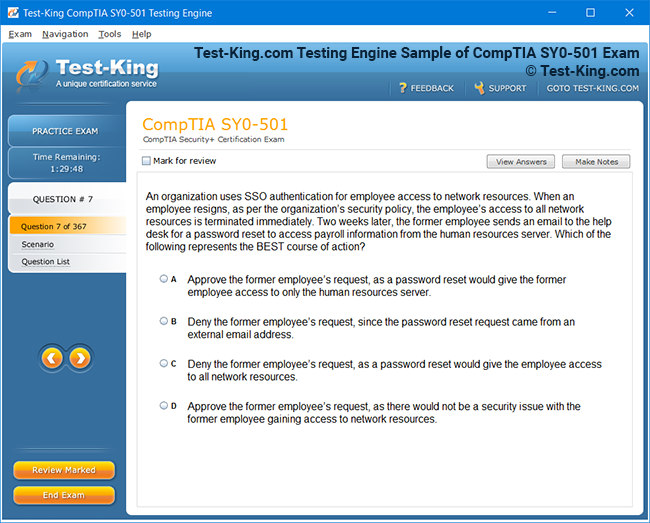
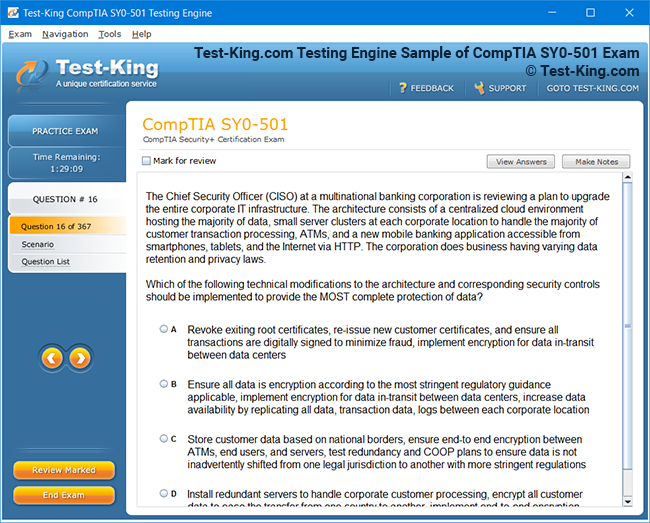
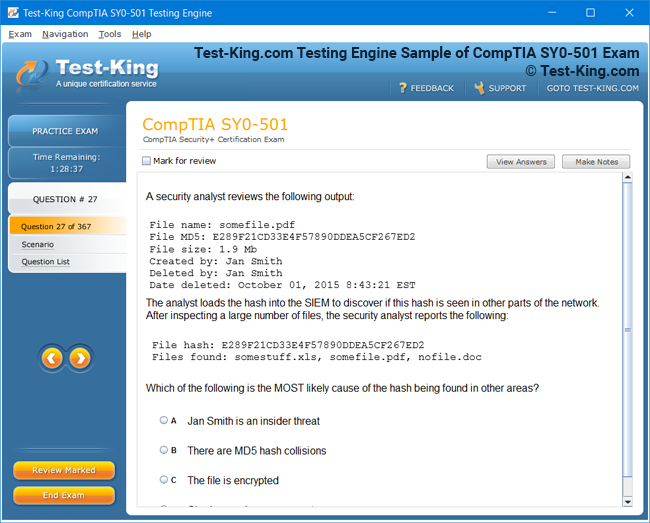
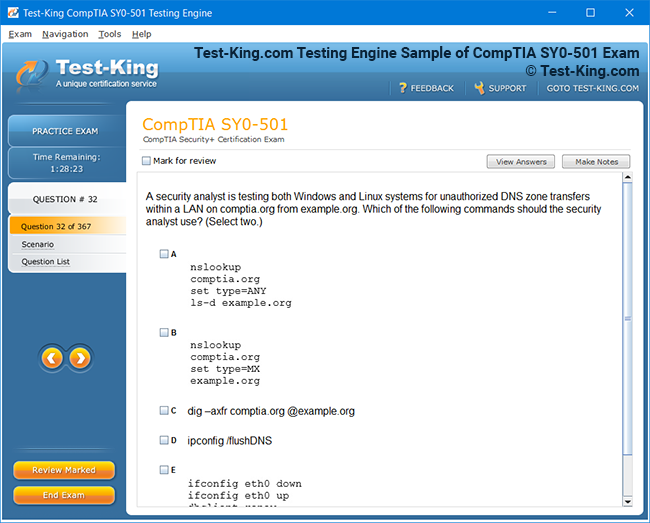
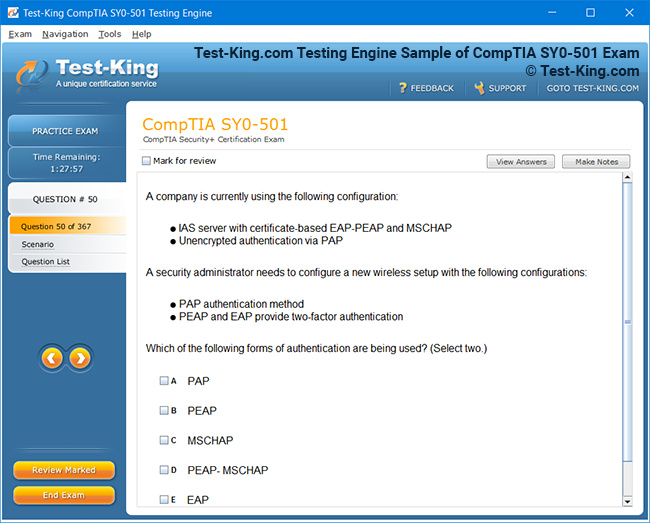
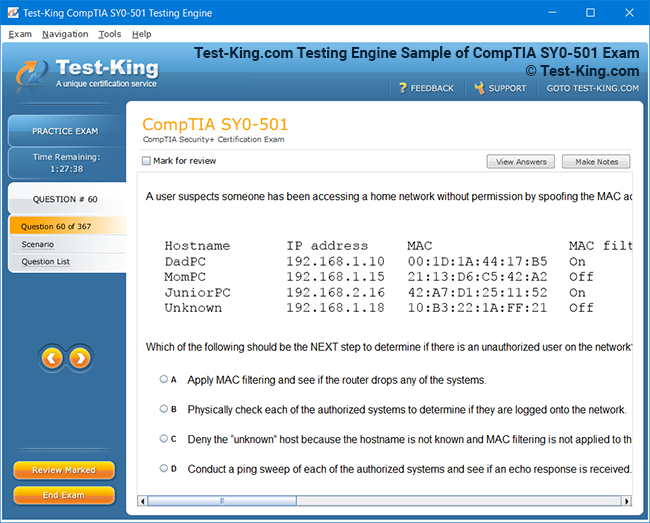
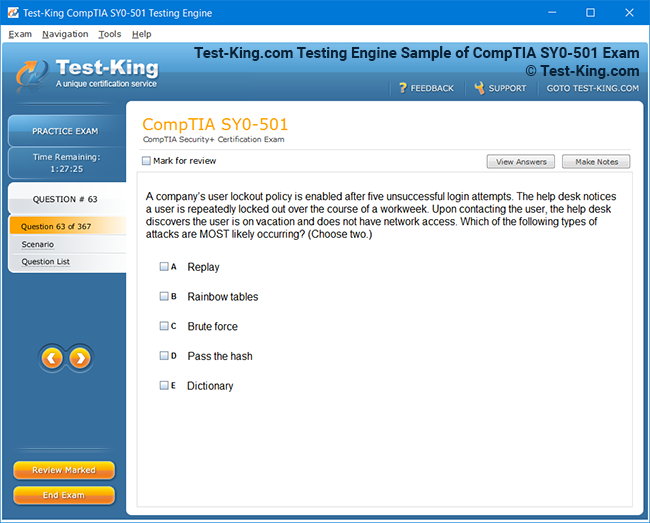
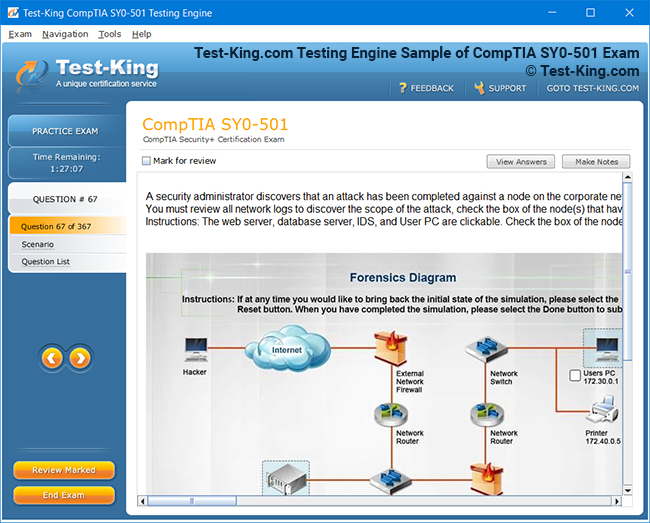
Product Screenshots
Frequently Asked Questions
How can I get the products after purchase?
All products are available for download immediately from your Member's Area. Once you have made the payment, you will be transferred to Member's Area where you can login and download the products you have purchased to your computer.
How long can I use my product? Will it be valid forever?
Test-King products have a validity of 90 days from the date of purchase. This means that any updates to the products, including but not limited to new questions, or updates and changes by our editing team, will be automatically downloaded on to computer to make sure that you get latest exam prep materials during those 90 days.
Can I renew my product if when it's expired?
Yes, when the 90 days of your product validity are over, you have the option of renewing your expired products with a 30% discount. This can be done in your Member's Area.
Please note that you will not be able to use the product after it has expired if you don't renew it.
How often are the questions updated?
We always try to provide the latest pool of questions, Updates in the questions depend on the changes in actual pool of questions by different vendors. As soon as we know about the change in the exam question pool we try our best to update the products as fast as possible.
How many computers I can download Test-King software on?
You can download the Test-King products on the maximum number of 2 (two) computers or devices. If you need to use the software on more than two machines, you can purchase this option separately. Please email support@test-king.com if you need to use more than 5 (five) computers.
What is a PDF Version?
PDF Version is a pdf document of Questions & Answers product. The document file has standart .pdf format, which can be easily read by any pdf reader application like Adobe Acrobat Reader, Foxit Reader, OpenOffice, Google Docs and many others.
Can I purchase PDF Version without the Testing Engine?
PDF Version cannot be purchased separately. It is only available as an add-on to main Question & Answer Testing Engine product.
What operating systems are supported by your Testing Engine software?
Our testing engine is supported by Windows. Andriod and IOS software is currently under development.
Top Pegasystems Exams
Common Mistakes to Avoid During the PEGACRSA80V1 Exam Preparation and Testing Process
Embarking on the journey to become a Certified Robotics System Architect is a challenge that demands meticulous preparation and a clear understanding of both theoretical concepts and practical applications within Pegasystems' intelligent automation ecosystem. Many aspirants underestimate the importance of a solid foundation, leading to avoidable errors in preparation and performance. One common misstep is approaching the PEGACRSA80V1 exam with superficial knowledge, often focusing solely on rote memorization rather than comprehending the underlying principles of robotic process automation and system architecture. This approach can be perilous because the exam emphasizes not only the recall of information but the application of architecture concepts in realistic scenarios.
Understanding the Foundation and Preparing Intelligently
Candidates frequently fail to allocate sufficient time for mastering the nuances of Pegasystems' robotics tools. The intricacies of workflow automation, integration with existing enterprise systems, and the orchestration of automated processes are areas where superficial familiarity is insufficient. Instead, aspirants should engage with the tools directly, experimenting with creating, testing, and refining robotic solutions in a controlled environment. This experiential learning fosters a deeper appreciation for the subtleties of system design, enhancing one's ability to answer scenario-based questions with confidence.
Another pervasive mistake is ignoring the value of a structured study plan. A haphazard approach, characterized by sporadic learning sessions and inconsistent focus, often results in fragmented knowledge and an inflated sense of preparedness. Constructing a detailed schedule that covers all major domains of the CRSA 80V1 syllabus, including robotic design patterns, exception handling, and system optimization, is crucial. Equally important is the inclusion of review sessions to reinforce previously studied material, thereby converting ephemeral understanding into long-term cognitive retention.
Misjudging the Complexity of Exam Questions
The PEGACRSA80V1 assessment is designed to evaluate not only theoretical proficiency but also practical judgment in system architecture and robotics implementation. One error frequently observed among candidates is the assumption that the exam questions are simplistic or purely definitional. In reality, the assessment often presents scenarios requiring nuanced decision-making, where multiple approaches may appear correct at first glance. Novices may be inclined to select the most obvious option, overlooking subtleties that differentiate an efficient, scalable solution from a functionally adequate but suboptimal one.
To circumvent this pitfall, it is essential to cultivate a mindset of analytical reasoning. Aspirants should approach each question as a mini case study, carefully considering the implications of each choice on system performance, maintainability, and user experience. Familiarity with Pegasystems’ best practices, such as reusability of components, error handling strategies, and workflow optimization, equips candidates to discern the most robust solutions. Ignoring these principles is a common source of lost marks and diminished confidence during the test.
Time mismanagement is another dimension of this mistake. Underestimating the cognitive load required to analyze complex questions leads to rushed answers and avoidable errors. Practicing with sample tests under timed conditions allows candidates to develop pacing strategies, ensuring sufficient time for thoughtful analysis rather than impulsive selections.
Overlooking Practical Application and Hands-On Experience
Many aspirants focus exclusively on study materials, neglecting the indispensable hands-on experience that the PEGACRSA80V1 exam demands. Robotics system architecture is inherently applied, and theoretical knowledge alone cannot substitute for familiarity with actual system behavior and design intricacies. A frequent error is assuming that reviewing diagrams, definitions, and conceptual explanations is equivalent to practical expertise. Without direct engagement in building, debugging, and optimizing robotic processes, candidates may find themselves ill-equipped to address scenario-driven questions that require operational insight.
It is particularly advantageous to replicate real-world problems within a practice environment, simulating challenges such as exception management, workflow integration, and cross-system communication. Engaging with these practical exercises cultivates an intuitive understanding of system interdependencies and reveals common pitfalls that are often tested. Many candidates overlook this step, perceiving it as secondary to textual study, yet it is a differentiator that separates competent aspirants from those merely familiar with theoretical concepts.
Ignoring the Nuances of System Architecture and Optimization
A further common mistake is underestimating the complexity and significance of architecture principles in robotic systems. Aspirants may become overly focused on the mechanics of process automation, neglecting the broader design considerations that govern system efficiency, scalability, and resilience. The PEGACRSA80V1 exam evaluates the ability to design systems that are not only functional but optimized for performance and maintainability. Failing to appreciate this can lead to choices that, while correct in isolation, would prove inefficient or problematic in a real-world environment.
Candidates often overlook the need to understand component interactions, data flow orchestration, and the implications of various design patterns on system behavior. Neglecting performance optimization, resource management, and error-handling strategies is another recurrent issue. In practical exercises, aspiring architects must consider trade-offs between simplicity and robustness, ensuring that designs can handle unexpected scenarios without compromising system integrity.
Reliance on Outdated or Incomplete Study Materials
The rapidly evolving landscape of Pegasystems technology introduces another source of errors: reliance on outdated or incomplete learning resources. Robotics system architecture is a dynamic field, with frequent updates to tools, best practices, and exam content. Candidates who consult materials not aligned with the current CRSA 80V1 curriculum may encounter unexpected topics or question formats during the exam. This misalignment can create unnecessary anxiety and increase the likelihood of errors.
To mitigate this risk, it is prudent to rely exclusively on official Pegasystems resources, up-to-date documentation, and verified study guides that reflect the latest exam blueprint. Additionally, engaging in community forums or peer groups provides insights into recent changes, commonly tested scenarios, and practical tips from individuals who have recently attempted the exam. Ignoring this resource network is a mistake that can leave candidates unprepared for the nuanced challenges of the test.
Neglecting Self-Assessment and Adaptive Learning
Many aspirants make the error of progressing through study materials without periodically evaluating their comprehension and skills. Self-assessment is not merely a gauge of knowledge but a mechanism to identify weaknesses and reinforce strengths. Candidates often neglect timed practice exams, mock scenarios, and reflective exercises, which can reveal gaps in understanding that are otherwise invisible during passive study. Without this iterative evaluation, individuals may enter the exam with overconfidence in areas that are inadequately mastered.
Adaptive learning techniques, including revisiting difficult concepts, analyzing mistakes, and progressively increasing the complexity of practice scenarios, are instrumental in consolidating knowledge. Skipping this process leads to superficial familiarity rather than deep mastery, increasing the likelihood of missteps under the pressure of a high-stakes exam.
Psychological Preparedness and Exam Mindset
A frequently underestimated source of errors is psychological readiness. Candidates may possess substantial technical knowledge but falter due to stress, overconfidence, or mismanagement of exam anxiety. The PEGACRSA80V1 exam not only tests cognitive ability but also the capacity to think clearly and make decisions under pressure. Neglecting mental preparation, including strategies for maintaining focus, managing stress, and pacing responses, is a mistake that can compromise even the most thoroughly prepared aspirant.
Visualization techniques, meditation, and regular practice under exam-like conditions contribute to mental resilience. Cultivating a mindset that embraces challenge rather than perceives it as threatening enhances performance and reduces the probability of errors stemming from panic or hesitation. Recognizing the importance of psychological preparation is as critical as mastering technical content.
Overemphasis on Memorization Rather Than Conceptual Understanding
An error commonly observed is overemphasis on memorizing processes, commands, or steps without grasping their conceptual foundations. Robotics system architecture involves reasoning about system behavior, error handling, and process optimization, where rote memorization is insufficient. Aspirants who adopt a purely memorization-based approach often struggle to apply knowledge to novel scenarios, which is a significant component of the PEGACRSA80V1 exam.
Conceptual understanding enables candidates to adapt familiar principles to unfamiliar problems, evaluate alternatives, and select solutions that align with best practices. Neglecting this approach can result in mistakes that reflect superficial preparation rather than true proficiency.
Mismanagement of Time During Study and Exam
Time mismanagement extends beyond exam day and into preparation itself. Candidates who allocate excessive focus to areas of minor importance while neglecting high-weight domains risk inadequate coverage of critical topics. Balanced time management, informed by the exam syllabus and weightage of domains, ensures comprehensive preparation and reduces last-minute cramming, which often leads to confusion and error.
Similarly, during the exam, candidates must practice judicious allocation of time to each question, avoiding the trap of lingering too long on a single scenario. Strategic pacing, combined with prior familiarization with question types, mitigates the risks associated with time pressure.
Neglecting Continuous Learning and Feedback
Finally, aspirants often fail to embrace the principle of continuous learning and feedback. Relying solely on a one-time study effort ignores the benefits of iterative learning, review cycles, and peer or mentor feedback. Engaging with knowledgeable practitioners, analyzing past errors, and refining understanding through discussion strengthens retention and enhances the ability to anticipate and navigate exam challenges.
Ignoring these mechanisms fosters a static understanding, prone to gaps and misconceptions, which can manifest as errors in both preparation and testing scenarios.
Enhancing Conceptual Clarity and Strategic Preparation
Achieving success in the PEGACRSA80V1 exam requires more than just familiarity with robotics automation tools; it demands a profound understanding of system architecture principles, workflow orchestration, and intelligent automation strategies. A frequent error among candidates is assuming that cursory study or surface-level comprehension suffices for the assessment. Many learners focus narrowly on memorizing steps or commands, underestimating the necessity of internalizing underlying concepts. The Certified Robotics System Architect credential evaluates both theoretical knowledge and the ability to apply principles effectively, which means superficial study strategies are inherently precarious.
A critical misjudgment occurs when aspirants disregard the interconnectedness of robotic components. Robotic process automation in Pegasystems is not a series of isolated procedures; it is a meticulously coordinated ecosystem where decisions in one module influence overall performance and scalability. Ignoring these interdependencies often results in flawed designs during practice exercises and errors in scenario-based exam questions. Cultivating a mindset that perceives each element of a robotic system as part of an intricate network enhances the ability to craft solutions that are both efficient and resilient.
Candidates also often fail to engage in structured iterative learning. Sporadic study habits and uncoordinated review cycles hinder knowledge consolidation. A methodical approach that integrates regular practice, revision, and self-assessment ensures that aspirants not only memorize information but also develop the capacity to apply it under varied circumstances. Neglecting to revisit difficult topics or ignoring feedback from mock exercises is a mistake that can leave gaps in comprehension, which frequently manifest as mistakes during the actual exam.
Underestimating Scenario-Based Questions and Real-World Applications
The PEGACRSA80V1 examination is not a test of memorization alone; it extensively assesses an aspirant’s ability to analyze, synthesize, and resolve complex problems in robotic system design. A prevalent error is assuming that exam questions are formulaic and easily predictable. Scenario-based questions often simulate real-world challenges, requiring nuanced decision-making and a deep understanding of process interdependencies. Candidates who rely solely on memorized patterns without grasping their rationale often select solutions that appear correct superficially but fail when evaluated against optimization, scalability, or maintainability criteria.
Time misallocation compounds this issue. Candidates may dedicate excessive focus to memorizing definitions or minor commands, leaving insufficient time for exercises that cultivate analytical reasoning. Practicing scenario-based problems under timed conditions enables aspirants to develop critical thinking and pacing strategies, minimizing the likelihood of hasty or incorrect choices. Ignoring this preparatory step is a recurrent source of underperformance.
Another common mistake is neglecting the integration of robotic systems with broader enterprise architecture. The exam often tests understanding of workflow orchestration, data dependencies, and communication protocols between robotic components and legacy systems. Candidates who fail to appreciate these interactions may propose technically functional but contextually inadequate solutions, which could compromise system reliability and efficiency in practical scenarios.
Insufficient Hands-On Engagement with Pegasystems Tools
Many learners overemphasize theoretical study while underestimating the importance of practical application. Pegasystems’ robotics tools offer robust environments for testing, debugging, and refining automated workflows. Ignoring hands-on practice is a recurring misstep that undermines confidence and skill during the exam. Familiarity with real-time troubleshooting, exception handling, and process optimization enhances the ability to respond accurately to complex, scenario-driven questions.
Creating experimental workflows, simulating operational challenges, and iteratively refining solutions cultivates experiential knowledge that cannot be obtained from textbooks alone. This type of immersion provides insight into the practical limitations and advantages of different design approaches. Candidates who neglect these exercises may struggle with questions requiring nuanced judgment or innovative problem-solving strategies.
Misalignment with Updated Exam Content
Robotic automation and system architecture are rapidly evolving fields, and the PEGACRSA80V1 exam reflects the most current advancements in Pegasystems technology. A widespread mistake is reliance on outdated or unofficial study materials, which may omit new functionalities, revised workflows, or recently emphasized topics. This misalignment can result in unexpected exam questions that challenge unprepared candidates.
Ensuring that all study resources are current and verified against the latest exam blueprint is essential. This includes official documentation, authorized guides, and contemporary training modules. Engaging in community discussions and reviewing recent exam experiences provides additional clarity and insight, allowing candidates to anticipate practical scenarios and architectural considerations that are likely to appear in the assessment.
Neglecting Error Handling and System Optimization
A frequent oversight is underestimating the significance of error handling, exception management, and process optimization within robotic systems. Candidates often concentrate on the mechanics of task automation without considering how systems respond under stress or unexpected conditions. The PEGACRSA80V1 exam evaluates not only functional knowledge but also the capacity to design resilient and efficient solutions. Failure to account for potential system failures, resource constraints, or scalability issues is a common source of errors.
Effective preparation includes extensive practice with scenarios involving complex decision-making, handling anomalies, and optimizing workflows for performance and maintainability. Understanding these concepts conceptually and applying them in simulated environments builds the analytical and practical skills required to navigate high-stakes exam questions successfully.
Overlooking the Value of Peer Interaction and Mentorship
Candidates frequently attempt preparation in isolation, disregarding the benefits of collaboration and mentorship. Engaging with peers, participating in discussion groups, and consulting experienced professionals provides alternative perspectives and insights that can illuminate overlooked concepts or problem-solving approaches. This interaction aids in refining thought processes, clarifying ambiguities, and developing confidence in addressing unfamiliar challenges. Ignoring this social dimension of learning often results in a narrow viewpoint and a higher likelihood of errors when encountering complex or atypical scenarios in the examination.
Poor Time Management During Preparation and Assessment
Time mismanagement is not limited to study habits but extends into the actual examination. Candidates frequently allocate disproportionate attention to easier questions while leaving insufficient time for challenging scenarios that carry higher weightage. Developing a pacing strategy during practice tests, prioritizing tasks based on complexity, and building familiarity with the exam format are essential strategies to prevent time-related errors. Similarly, imbalanced preparation focusing excessively on minor topics while neglecting critical domains results in an incomplete mastery of the skills required for successful performance.
Overconfidence and Underestimating Complexity
An additional mistake is overconfidence. Some aspirants enter the exam believing that minimal preparation suffices, often relying on prior experience with robotic systems or superficial familiarity with Pegasystems tools. This mindset can result in complacency, overlooked study gaps, and unexpected difficulties during scenario-based assessments. Recognizing the exam as a comprehensive evaluation that tests depth of knowledge, adaptability, and practical judgment mitigates the risk of errors born from overestimation of one’s preparedness.
Inadequate Focus on Documentation and Process Review
Effective robotics system architects not only implement solutions but also maintain thorough documentation and review processes. Candidates often undervalue this aspect during preparation, leading to insufficient awareness of how system designs, workflows, and decisions must be traceable, consistent, and maintainable. The PEGACRSA80V1 exam assesses understanding of these documentation principles, which ensure that solutions can be reliably analyzed and enhanced in operational environments. Neglecting this facet of preparation is a subtle yet consequential mistake.
Ignoring Reflection and Iterative Learning
Finally, many candidates fail to adopt reflective practices and iterative learning during their preparation. Completing exercises without reviewing errors, analyzing reasoning behind each solution, and adjusting strategies based on feedback impedes knowledge consolidation. Iterative learning, which incorporates reflection, correction, and reinforcement, transforms superficial familiarity into genuine expertise. Aspirants who bypass this iterative process are more prone to mistakes during the exam, particularly when confronted with complex or novel scenarios that challenge rote knowledge.
Deepening Analytical Skills and Practical Mastery
Preparing for the PEGACRSA80V1 examination demands not only an understanding of robotic process automation but also a sophisticated grasp of system architecture and its practical applications within the Pegasystems ecosystem. A frequent misstep is focusing predominantly on theoretical knowledge without cultivating analytical skills. Many candidates memorize workflows, commands, or best practices but fail to internalize how these components interact within complex systems. The exam evaluates the ability to apply architecture principles to real-world scenarios, making rote memorization insufficient for achieving optimal results.
A recurrent error occurs when aspirants disregard the broader implications of design decisions. Robotic systems are interconnected frameworks where choices regarding process flow, exception handling, and integration with enterprise systems influence overall performance and maintainability. Candidates who do not appreciate these interdependencies often produce solutions that may function in isolation but fail under operational stress. Developing a holistic perspective enables aspirants to craft solutions that are both efficient and resilient, aligning with the expectations of the Certified Robotics System Architect credential.
Another common mistake is neglecting the importance of iterative learning. Sporadic study habits, fragmented review sessions, and lack of systematic practice often result in superficial understanding. Implementing structured review cycles that include practical exercises, scenario analysis, and self-assessment promotes retention and reinforces conceptual clarity. Ignoring the iterative process increases the likelihood of gaps in understanding, which manifest as errors during the examination.
Misjudging Complexity of Workflow Scenarios
Many candidates assume that the PEGACRSA80V1 assessment consists of straightforward questions that can be addressed with simple recall. In reality, scenario-based questions often present intricate situations requiring nuanced judgment, evaluation of alternatives, and consideration of system-wide implications. A common mistake is selecting the most apparent solution without evaluating its long-term impact on workflow efficiency, error handling, or maintainability. This superficial approach leads to incorrect responses and diminished confidence during the exam.
Effective preparation necessitates an analytical mindset. Each scenario should be treated as a miniature case study, where multiple potential solutions must be weighed against their practical consequences. Familiarity with Pegasystems best practices, such as component reusability, exception handling strategies, and process optimization techniques, enables candidates to select robust solutions. Neglecting these principles often results in avoidable mistakes.
Time mismanagement further exacerbates the problem. Candidates frequently underestimate the cognitive effort required to analyze complex scenarios, leading to rushed decisions. Practicing scenario-based exercises under timed conditions cultivates the ability to balance thorough analysis with strategic pacing, reducing the risk of errors during the actual assessment.
Insufficient Hands-On Practice and Experimentation
A persistent issue among aspirants is overreliance on textual study and underemphasis on practical engagement with Pegasystems robotic tools. Hands-on experience is essential for understanding system behavior, debugging processes, and optimizing workflows. Candidates who fail to engage in practical exercises often struggle with scenario-based questions that require operational insight.
Simulating real-world problems, iteratively refining automated workflows, and experimenting with exception handling provides experiential knowledge that cannot be acquired solely through theoretical study. This practical exposure allows aspirants to anticipate challenges, recognize common pitfalls, and develop solutions that align with best practices. Neglecting these exercises results in an incomplete skill set and increases the likelihood of mistakes during the exam.
Underestimating Error Handling and System Resilience
Candidates frequently focus on implementing automated processes without fully considering error handling, fault tolerance, and system resilience. The PEGACRSA80V1 exam evaluates the ability to design robust, efficient, and maintainable systems. Overlooking these aspects can result in technically correct but operationally fragile solutions.
Preparation should include extensive practice with scenarios that simulate system failures, unexpected conditions, and resource limitations. Understanding the implications of each design choice on workflow stability, performance, and maintainability is crucial. Ignoring these considerations leads to avoidable mistakes and demonstrates incomplete mastery of robotics system architecture principles.
Overreliance on Outdated or Unverified Study Materials
The rapid evolution of Pegasystems technology introduces a notable risk for aspirants relying on outdated resources. Exam content and tools frequently receive updates, and failure to align preparation materials with the current PEGACRSA80V1 syllabus can lead to unanticipated challenges. Many candidates consult unofficial guides or older documentation, which may omit recent functionalities, revised workflows, or emerging best practices.
To mitigate this risk, aspirants should prioritize official Pegasystems documentation, authorized guides, and contemporary training modules. Peer discussions, online forums, and recent candidate experiences provide valuable insights into current exam patterns and common challenges. Neglecting to verify study resources leaves candidates vulnerable to gaps in knowledge, which can manifest as errors in high-stakes assessments.
Inadequate Focus on Optimization and Performance Considerations
A recurring error among candidates is underestimating the significance of performance optimization and resource management within robotic systems. Automated processes that function correctly in theory may fail to perform efficiently under operational constraints. The PEGACRSA80V1 exam assesses the ability to design scalable, optimized, and maintainable solutions. Candidates who ignore performance considerations risk selecting approaches that are functional but impractical in real-world scenarios.
Preparation should include exercises emphasizing workflow efficiency, resource allocation, and process scalability. Familiarity with performance monitoring tools, bottleneck analysis, and optimization strategies enhances the ability to propose solutions that satisfy both functional and operational criteria. Neglecting these elements results in gaps that are frequently penalized during the examination.
Neglecting Reflection and Iterative Self-Evaluation
Many aspirants overlook the importance of reflective learning and iterative self-evaluation. Completing exercises or reviewing concepts without analyzing mistakes, understanding reasoning, and refining approaches limits knowledge consolidation. Iterative reflection transforms superficial familiarity into deep mastery, enabling candidates to adapt principles to novel scenarios encountered during the PEGACRSA80V1 exam.
Self-assessment through mock tests, practice exercises, and scenario simulations is indispensable. It identifies areas of weakness, reinforces strengths, and cultivates an adaptive mindset. Ignoring this step often leads to recurring errors, diminished confidence, and incomplete readiness for practical problem-solving under exam conditions.
Psychological Readiness and Exam Mindset
Success in the PEGACRSA80V1 examination extends beyond technical proficiency; it encompasses mental preparedness and effective exam strategy. Candidates frequently underestimate the impact of stress, anxiety, and overconfidence on performance. Even those with robust technical knowledge may falter if they fail to manage pressure effectively.
Developing psychological resilience through practice exams, mindfulness techniques, and strategic pacing fosters confidence and clarity of thought. A calm, composed mindset allows candidates to navigate complex scenarios and make informed decisions, reducing the likelihood of mistakes attributable to stress or distraction. Neglecting mental preparation is a subtle but significant error that can undermine otherwise thorough technical readiness.
Ignoring the Interconnectedness of Robotic Workflows
A common mistake among aspirants is treating robotic workflows as discrete, independent processes. In practice, automation solutions operate within an interconnected ecosystem where changes in one module can impact others. The PEGACRSA80V1 exam frequently evaluates understanding of workflow dependencies, system integration, and the ripple effects of design choices. Candidates who overlook these interactions may produce solutions that fail to account for dependencies or exhibit unintended consequences in larger systems.
Developing an awareness of interconnectivity, including data flows, process triggers, and exception propagation, enhances the ability to design cohesive, efficient systems. Practical exercises simulating interdependent workflows build intuition and reduce errors stemming from isolated thinking.
Misjudging the Weight of Documentation and Traceability
Effective documentation and traceability are essential components of robotics system architecture. Candidates often undervalue these aspects, focusing solely on functional implementation while neglecting the importance of clear records for workflows, design decisions, and process logic. The PEGACRSA80V1 exam evaluates understanding of documentation practices that ensure solutions are maintainable, auditable, and scalable. Ignoring these principles may result in errors that reflect incomplete mastery of professional standards.
Developing habits of thorough documentation during practice exercises reinforces comprehension and facilitates traceability in complex systems. Recording design rationale, workflow dependencies, and exception handling strategies promotes clarity and enhances the ability to articulate solutions during scenario-based assessments.
Advanced Strategies for Mastery and Error Mitigation
Preparing for the PEGACRSA80V1 examination requires an intricate blend of conceptual clarity, hands-on expertise, and strategic foresight. A frequent misjudgment is assuming that familiarity with individual robotic operations is sufficient. The Certified Robotics System Architect assessment evaluates a candidate’s ability to orchestrate complex workflows, optimize system performance, and anticipate challenges that arise in dynamic automation environments. Candidates who focus narrowly on memorization often underestimate the depth and breadth of analysis required, leading to errors that compromise performance.
A recurring mistake is underestimating the significance of integration within enterprise systems. Robotic solutions do not exist in isolation; they interact with multiple applications, databases, and legacy processes. Neglecting to understand these interconnections can result in designs that function superficially but fail under realistic operational conditions. Candidates benefit from constructing mock environments that replicate end-to-end processes, exploring data flows, dependencies, and potential bottlenecks. This approach cultivates an intuitive comprehension of systemic interplay and prepares aspirants for scenario-based challenges that the exam frequently presents.
Misconception of Exam Simplicity
A common trap is the assumption that the exam questions are predictable or simple. Scenario-based problems often require aspirants to weigh multiple factors simultaneously, balancing efficiency, maintainability, and system resilience. Candidates who select answers based on surface-level observation or personal preference without evaluating the broader implications frequently make mistakes. Developing the ability to critically analyze each scenario, consider potential repercussions, and align solutions with best practices is crucial for accurate decision-making.
Time management compounds this issue. Underestimating the time needed to thoughtfully analyze complex questions results in hurried decisions, which often translate into avoidable errors. Practicing with timed exercises fosters discipline, encourages thorough evaluation, and helps candidates prioritize critical aspects of workflows rather than being distracted by peripheral details.
Insufficient Practical Engagement
Hands-on experience with Pegasystems robotic tools is often overlooked, yet it is indispensable. Many candidates overemphasize theoretical study, leaving gaps in operational competence. Real-world proficiency involves not only building workflows but also debugging, optimizing, and handling exceptions efficiently. Candidates who fail to actively engage with the tools may struggle to navigate scenario-driven questions that require operational insight or nuanced judgment.
Practical exercises should simulate realistic challenges such as integrating multiple systems, managing data dependencies, and resolving unexpected workflow interruptions. Iteratively refining these solutions builds confidence, improves problem-solving agility, and reduces errors in scenarios that cannot be addressed through theoretical knowledge alone. Neglecting practical engagement is a frequent and costly misstep.
Neglecting Optimization and Scalability Considerations
Another recurring error is overlooking performance optimization, resource allocation, and scalability in system design. The PEGACRSA80V1 exam emphasizes the creation of solutions that are not only functional but also efficient and robust. Candidates who disregard optimization may propose workflows that operate correctly in small-scale exercises but falter under realistic operational loads. Understanding resource constraints, bottleneck management, and workflow efficiency is essential for constructing resilient systems that meet enterprise requirements.
Preparation should include exercises aimed at performance evaluation, identifying potential inefficiencies, and refining workflows for both speed and reliability. Candidates who ignore these principles risk selecting solutions that fail under scrutiny, reflecting a lack of holistic understanding of robotic system architecture.
Overreliance on Outdated Learning Resources
The rapid evolution of Pegasystems tools presents a risk for candidates relying on outdated study materials. Exam content is continuously updated to reflect new functionalities, workflow methodologies, and best practices. Using obsolete guides or unverified resources can result in unanticipated challenges during the assessment. Aspirants should prioritize current official documentation, authorized training modules, and peer-reviewed study materials to ensure alignment with the latest exam expectations.
Engaging with contemporary forums and reviewing experiences of recent candidates provides additional insights into practical challenges and scenario-based question types. Ignoring this resource network can leave knowledge gaps that manifest as mistakes during the examination.
Failure to Develop Analytical and Critical Thinking Skills
A frequent oversight is focusing excessively on memorization while neglecting analytical reasoning. The exam evaluates the ability to interpret complex workflows, anticipate potential issues, and select solutions that optimize system performance and maintainability. Candidates who memorize workflows without understanding the rationale behind each design choice often struggle to adapt to novel scenarios. Cultivating critical thinking through case studies, practice exercises, and reflective review enhances adaptability and reduces the likelihood of errors when confronted with unfamiliar challenges.
Inadequate Error Handling and Exception Management
Many aspirants fail to fully appreciate the importance of robust error handling and exception management. Designing automated processes without anticipating potential failures or anomalies compromises system resilience and operational efficiency. The PEGACRSA80V1 exam tests the ability to design systems that handle disruptions gracefully while maintaining workflow continuity. Candidates who neglect this aspect may propose solutions that are functionally correct but operationally fragile.
Practical exercises should incorporate fault simulations, workflow interruptions, and anomaly detection to develop an intuitive understanding of how systems respond under stress. Ignoring these practices is a recurrent cause of mistakes and demonstrates incomplete mastery of essential robotics system architecture concepts.
Overlooking Documentation and Traceability
Proper documentation and traceability are vital for maintaining complex automated systems. Candidates frequently underestimate the importance of clear, precise records detailing workflows, design decisions, and exception handling strategies. The exam evaluates understanding of documentation practices that ensure maintainability, auditability, and scalability. Neglecting this facet can result in errors that reflect inadequate preparation and lack of professional diligence.
Developing habits of consistent documentation during practice exercises reinforces conceptual understanding and provides a reference framework for scenario-based questions. Candidates who disregard documentation principles often struggle to articulate workflow rationale or justify design decisions, leading to avoidable mistakes.
Mismanagement of Study Time and Focus
Effective preparation requires strategic allocation of time across various domains of the exam syllabus. Candidates often make the error of spending excessive effort on minor topics while neglecting areas that carry higher weightage or demand deeper understanding. This imbalance leads to partial mastery and increases the likelihood of errors during the assessment.
Similarly, during the exam, poor time management can result in rushed answers or incomplete evaluation of complex scenarios. Practicing time allocation, prioritizing critical questions, and maintaining a disciplined pace are essential strategies to minimize mistakes and ensure comprehensive coverage of the examination material.
Neglecting Reflection and Feedback
Many candidates fail to incorporate reflective learning and feedback into their preparation. Completing exercises or reviewing concepts without analyzing errors, understanding reasoning, and refining approaches limits retention and adaptability. Iterative reflection transforms superficial familiarity into mastery, enabling candidates to apply concepts accurately in novel scenarios presented during the PEGACRSA80V1 exam.
Self-assessment through mock tests, peer review, and scenario simulations helps identify gaps, reinforce strengths, and cultivate an adaptive mindset. Neglecting this iterative feedback loop leaves aspirants vulnerable to repeated mistakes and diminishes overall exam readiness.
Psychological Preparedness and Exam Resilience
The importance of mental preparation is often underestimated. Candidates may possess substantial technical knowledge yet falter under the stress and pressure of the examination. Managing anxiety, maintaining focus, and adopting a problem-solving mindset are critical for accurate and efficient decision-making.
Incorporating mindfulness, practice exams under timed conditions, and visualization techniques can enhance psychological resilience. A calm, composed mindset allows candidates to navigate complex scenarios, mitigate stress-induced errors, and maximize the application of technical knowledge during the exam.
Overconfidence and Complacency
Overconfidence is a subtle but pervasive error among aspirants. Relying on prior experience with robotic systems or perceived familiarity with Pegasystems tools can lead to complacency, underpreparation, and overlooked study gaps. Recognizing the examination as a comprehensive evaluation of both theoretical and applied knowledge encourages diligent preparation and reduces mistakes stemming from overestimation of one’s capabilities.
Refining Preparation Techniques and Avoiding Common Pitfalls
Aspiring to attain the Certified Robotics System Architect credential through the PEGACRSA80V1 examination necessitates an intricate blend of theoretical understanding, practical dexterity, and strategic foresight. A prevalent error among candidates is focusing narrowly on memorizing commands, workflows, and automation steps while overlooking the systemic principles that govern robotic process architecture. The exam evaluates the ability to conceptualize, design, and implement solutions that are both functional and scalable, making superficial preparation insufficient.
A recurrent mistake is underestimating the interdependencies inherent in robotic systems. Automation workflows in Pegasystems operate as an integrated ecosystem where decisions in one module influence downstream processes, exception handling, and overall performance. Candidates who fail to appreciate these connections risk developing solutions that may appear correct in isolation but falter in complex, realistic scenarios. Building experimental environments to simulate end-to-end workflows and observing how components interact enhances comprehension and prepares aspirants for scenario-based questions that test systemic insight.
Another frequent misjudgment is neglecting iterative learning and structured review. Sporadic or haphazard study routines create fragmented knowledge, leaving aspirants vulnerable to errors during the examination. A disciplined approach that integrates repeated practice, reflective exercises, and timed assessments consolidates understanding and ensures retention of critical concepts. Ignoring iterative review processes often results in superficial familiarity rather than profound mastery, a distinction that frequently manifests in mistakes under exam pressure.
Misunderstanding Scenario-Based Evaluation
Many candidates presume that PEGACRSA80V1 exam questions are simplistic or predictable. In reality, the assessment heavily emphasizes scenario-based challenges requiring candidates to evaluate multiple factors simultaneously, including performance, maintainability, and error mitigation. A common mistake is selecting answers based on apparent simplicity or personal preference without considering systemic implications, which often leads to errors. Developing analytical skills and a methodical approach to problem-solving is essential to navigate these scenarios successfully.
Time mismanagement compounds this challenge. Candidates frequently underestimate the duration required to thoughtfully evaluate complex scenarios, resulting in rushed decisions and avoidable mistakes. Practicing under timed conditions cultivates discipline and enhances the ability to prioritize critical elements of each workflow while maintaining accuracy in decision-making.
Insufficient Practical Engagement with Tools
A frequent oversight is neglecting hands-on interaction with Pegasystems robotic tools. While theoretical knowledge provides a foundation, the exam demands operational proficiency. Candidates who do not actively practice workflow creation, debugging, optimization, and exception handling are often unprepared for scenario-based questions that assess practical judgment.
Engaging in realistic simulations of system integration, data dependency resolution, and workflow orchestration develops intuitive understanding of system behavior. Iterative experimentation allows candidates to anticipate challenges, recognize subtle pitfalls, and refine solutions in a controlled environment, reducing the likelihood of errors in examination scenarios.
Underestimating Error Handling and Robustness
A common mistake is focusing solely on functional correctness without considering error handling and resilience. The PEGACRSA80V1 exam evaluates candidates’ capacity to design workflows that maintain operational integrity under stress, unexpected conditions, or system failures. Neglecting these aspects can result in technically correct solutions that are fragile and impractical in real-world applications.
Candidates should incorporate practice scenarios that simulate anomalies, system interruptions, and workflow failures to develop a deeper understanding of exception management. Ignoring these exercises limits problem-solving capability and increases susceptibility to mistakes during complex scenario assessments.
Overreliance on Outdated or Unverified Study Materials
The dynamic nature of Pegasystems technology introduces risks for candidates relying on obsolete or unverified learning resources. Exam content evolves with updates to tools, workflow methodologies, and best practices, and consulting outdated material can result in unanticipated challenges. Candidates may overlook new functionalities or revised system integration practices, leading to errors under exam conditions.
To mitigate this, aspirants should prioritize official documentation, contemporary training modules, and validated study guides. Engaging in peer discussions, forums, and reviewing recent candidate experiences provides additional insights into evolving exam patterns, common pitfalls, and emergent best practices.
Neglecting Optimization, Scalability, and Performance
Candidates frequently overlook workflow optimization, scalability, and resource management during preparation. While workflows may function correctly in small-scale exercises, solutions that do not account for efficiency, resource constraints, or scaling challenges are vulnerable under realistic operational conditions. The PEGACRSA80V1 exam evaluates the ability to design solutions that are both robust and optimized, making awareness of these aspects critical.
Preparation should include exercises aimed at evaluating workflow efficiency, identifying bottlenecks, and refining processes to enhance performance. Candidates who ignore these principles risk errors that reflect incomplete understanding of system design and operational practicality.
Ignoring Documentation and Traceability
Proper documentation and traceability are essential elements of professional robotics system architecture. Candidates often fail to appreciate the importance of maintaining detailed records of workflows, design rationales, and exception handling strategies. The exam assesses knowledge of documentation practices that ensure solutions are maintainable, auditable, and scalable. Ignoring documentation can result in mistakes during scenario-based questions that require articulation of design logic or justification of architectural choices.
Developing consistent documentation practices during preparation reinforces conceptual understanding, enhances problem-solving capability, and fosters clarity in evaluating system interactions. Candidates who overlook this facet may struggle to communicate their reasoning effectively, increasing the likelihood of errors.
Inadequate Analytical Thinking and Critical Reasoning
Overemphasis on memorization at the expense of analytical reasoning is a recurring error. The PEGACRSA80V1 exam tests the ability to interpret complex workflows, anticipate challenges, and select solutions that optimize system performance. Candidates who memorize steps without understanding underlying principles often encounter difficulties adapting to novel scenarios. Cultivating critical thinking through case studies, scenario exercises, and reflective evaluation strengthens problem-solving agility and minimizes errors under complex conditions.
Poor Time Management During Study and Assessment
Effective preparation requires strategic allocation of study time across the exam domains. Candidates commonly dedicate excessive attention to minor topics while neglecting higher-weight areas, leading to gaps in mastery. Similarly, during the exam, inadequate pacing or disproportionate time spent on simpler questions can result in incomplete evaluation of complex scenarios, increasing the probability of mistakes. Practicing time management strategies and simulating exam conditions enhances focus, accuracy, and overall performance.
Overconfidence and Complacency
Overconfidence is a subtle yet significant source of error. Candidates with prior experience in robotic systems or familiarity with Pegasystems tools may assume minimal preparation suffices. This mindset fosters complacency, overlooked study gaps, and underestimation of scenario complexity. Recognizing the exam as a comprehensive assessment of both theoretical knowledge and applied skills encourages diligence and reduces mistakes stemming from unwarranted self-assurance.
Neglecting Feedback and Iterative Learning
Many aspirants fail to incorporate reflective learning and feedback into their preparation routines. Completing exercises without analyzing errors, understanding decision rationale, and refining approaches restricts knowledge consolidation. Iterative learning, which integrates review, correction, and reinforcement, transforms superficial understanding into durable expertise. Candidates who bypass this process are more prone to repeated mistakes, particularly in adaptive scenarios where rigid memorization is insufficient.
Psychological Readiness and Exam Resilience
The importance of mental preparedness is frequently underestimated. Stress, anxiety, and distraction can significantly impair performance even in technically proficient candidates. Developing strategies to manage cognitive load, maintain focus, and approach complex problems with composure is crucial. Techniques such as simulation under timed conditions, mindfulness, and visualization enhance psychological resilience, allowing candidates to navigate challenging questions with clarity and reduce errors attributable to stress or fatigue.
Mastering Advanced Preparation Techniques and Exam Strategies
Achieving the Certified Robotics System Architect credential through the PEGACRSA80V1 examination requires a meticulous blend of conceptual clarity, practical experience, and strategic foresight. A recurring misjudgment among candidates is the reliance on memorization of workflow steps, commands, and standard procedures while neglecting the underlying principles of robotic system architecture. This approach often leads to superficial understanding, leaving aspirants unprepared for complex scenario-based questions that evaluate decision-making, optimization, and system resilience. A robust preparation strategy integrates conceptual comprehension with hands-on experimentation, allowing candidates to adapt their knowledge to novel problems effectively.
Many aspirants underestimate the importance of understanding the interdependencies within robotic systems. Each module, data flow, and automation process interacts with others in a delicate ecosystem. Candidates who overlook these interconnections often design solutions that function in isolation but fail under realistic operational conditions. Creating mock environments to simulate end-to-end workflows helps candidates observe the interactions between components, identify potential bottlenecks, and develop solutions that are both functional and sustainable.
Another common oversight is the neglect of iterative learning and structured practice. Sporadic study habits, fragmented review sessions, and an absence of systematic feedback impede the consolidation of knowledge. Adopting a disciplined approach that combines repeated practice, reflection, and self-assessment ensures mastery of both theoretical concepts and practical skills. Candidates who bypass iterative review are more likely to make errors during the examination, particularly when faced with unfamiliar or complex scenarios.
Navigating Scenario-Based Evaluation
The PEGACRSA80V1 exam emphasizes the application of knowledge to practical, scenario-based challenges. Many candidates mistakenly assume the questions are simple or predictable, which leads to superficial answers. In reality, scenarios often require analysis of multiple factors, including workflow efficiency, error handling, maintainability, and system integration. Candidates who fail to evaluate the broader implications of their decisions risk selecting solutions that appear correct superficially but are flawed in a practical context.
Time management plays a critical role in scenario-based assessments. Candidates who underestimate the time required for thorough analysis may rush through questions, resulting in mistakes. Practicing timed exercises and simulating realistic exam conditions fosters both accuracy and strategic pacing. This approach allows candidates to allocate sufficient attention to complex scenarios while maintaining confidence in simpler tasks.
Importance of Hands-On Engagement
A frequent mistake is underestimating the value of hands-on experience with Pegasystems robotic tools. Theoretical knowledge provides a foundation, but operational competence is developed through practice. Candidates who neglect workflow creation, debugging, exception handling, and optimization exercises often struggle to respond effectively to scenario-based questions that require applied knowledge.
Engaging in practical exercises that simulate real-world challenges, such as integrating multiple systems, resolving data dependencies, and troubleshooting workflow failures, cultivates experiential understanding. Iteratively refining workflows and testing solutions under varied conditions enhances problem-solving agility and reduces the likelihood of errors during the examination.
Addressing Error Handling and System Resilience
Error handling and system resilience are critical components of robotic process architecture that candidates frequently overlook. The PEGACRSA80V1 exam evaluates the ability to design workflows that maintain operational continuity under stress or unexpected conditions. Candidates who fail to account for potential disruptions risk proposing solutions that are fragile, inefficient, or unsustainable.
Preparation should include exercises that simulate workflow interruptions, resource constraints, and anomaly detection. Understanding how to implement robust exception handling strategies, contingency workflows, and system recovery mechanisms ensures that solutions remain effective under diverse conditions, reducing errors during scenario-based assessments.
Staying Current with Learning Resources
Technology in the Pegasystems ecosystem evolves rapidly, and candidates relying on outdated or unofficial study materials risk encountering unexpected exam challenges. Exam content reflects current functionalities, workflow methodologies, and emerging best practices. Failure to align preparation with these updates can result in mistakes when faced with new or revised scenarios.
Prioritizing official documentation, contemporary training materials, and peer-reviewed guides is essential. Engaging with forums, online communities, and recent candidate experiences provides additional context and insight into exam patterns, scenario types, and common pitfalls, helping aspirants prepare comprehensively and accurately.
Optimizing Workflows and Scalability
Candidates often neglect workflow optimization, resource allocation, and scalability considerations, focusing solely on achieving functional correctness. While workflows may operate correctly in controlled exercises, real-world scenarios require solutions that are efficient, robust, and capable of handling variable loads. The PEGACRSA80V1 exam assesses both operational performance and architectural soundness.
Preparation should include practice in identifying bottlenecks, enhancing performance, and refining workflows for scalability. Developing familiarity with resource management and efficiency metrics ensures that candidates can propose solutions that satisfy both theoretical and practical requirements.
The Role of Documentation and Traceability
Documentation and traceability are integral to professional robotics system architecture, yet many candidates undervalue these practices. The PEGACRSA80V1 exam evaluates understanding of how proper records of workflows, design decisions, and exception handling contribute to maintainability, auditability, and long-term system performance.
Cultivating consistent documentation habits during preparation reinforces conceptual clarity, enables structured problem-solving, and supports the articulation of design rationale during scenario-based questions. Candidates who overlook documentation often face difficulties in explaining or defending their workflow decisions, which can lead to errors.
Developing Analytical Thinking and Critical Reasoning
A predominant error is overreliance on memorization at the expense of analytical thinking. Scenario-based questions require interpretation of complex workflows, anticipation of potential issues, and selection of solutions that optimize performance and maintainability. Candidates who memorize steps without understanding the principles behind them often struggle to adapt to novel scenarios.
Engaging in case studies, reflective exercises, and critical analysis enhances adaptability, strengthens decision-making skills, and reduces the likelihood of mistakes when confronted with challenging or unfamiliar problems.
Managing Study Time and Exam Strategy
Effective preparation necessitates strategic allocation of study time across all domains of the exam. Many candidates invest disproportionate effort in minor topics while neglecting areas with higher complexity or weight. Similarly, poor pacing during the exam, including overemphasis on easier questions, can result in incomplete assessment of critical scenarios.
Practicing strategic time management and simulating full-length examinations under realistic conditions cultivates efficiency, focus, and confidence, minimizing mistakes due to time constraints or misprioritization.
Psychological Resilience and Confidence
Exam performance is influenced not only by technical knowledge but also by psychological readiness. Stress, anxiety, and distraction can impair decision-making, even in highly prepared candidates. Developing mental resilience, maintaining composure under pressure, and approaching complex scenarios methodically are essential for minimizing errors.
Techniques such as mindfulness, timed practice, and visualization enhance focus and reduce stress-induced mistakes. Confidence built through iterative practice and reflection enables candidates to navigate demanding scenarios calmly and effectively.
Avoiding Overconfidence and Complacency
Overconfidence and complacency are subtle yet pervasive sources of error. Candidates with prior experience in robotic systems may assume minimal preparation is sufficient, leading to overlooked knowledge gaps and underestimation of scenario complexity. Recognizing the examination as a rigorous evaluation of both theoretical and practical skills fosters diligence, careful study, and error mitigation.
Reflective Learning and Iterative Feedback
Many aspirants neglect reflective learning and feedback mechanisms. Completing exercises without analyzing mistakes, understanding the rationale behind decisions, and adjusting strategies limits knowledge consolidation. Iterative review and feedback transform superficial understanding into mastery, enabling candidates to adapt to novel or complex scenarios effectively.
Incorporating reflective exercises, peer review, and practice simulations ensures that weaknesses are addressed and strengths reinforced, reducing the likelihood of repeated mistakes during the exam.
Conclusion
The PEGACRSA80V1 examination represents a comprehensive evaluation of both theoretical understanding and practical competence in robotic system architecture. Candidates frequently make mistakes due to overreliance on memorization, neglect of scenario-based preparation, insufficient hands-on practice, and inadequate attention to error handling, optimization, and documentation. Additional errors arise from poor time management, outdated resources, overconfidence, and lack of reflective learning.
Avoiding these pitfalls requires a holistic approach that combines structured study, practical experimentation, scenario analysis, iterative reflection, and psychological readiness. Candidates who integrate these strategies into their preparation develop a profound understanding of system architecture principles, enhance operational agility, and are well-equipped to navigate complex, real-world scenarios presented during the examination. Mastery of these elements not only reduces errors but also fosters confidence, resilience, and the ability to deliver robust, optimized, and maintainable robotic solutions.