

Certification: Pega CRSA
Certification Full Name: Certified Robotics System Architect
Certification Provider: Pegasystems
Exam Code: PEGACRSA80V1
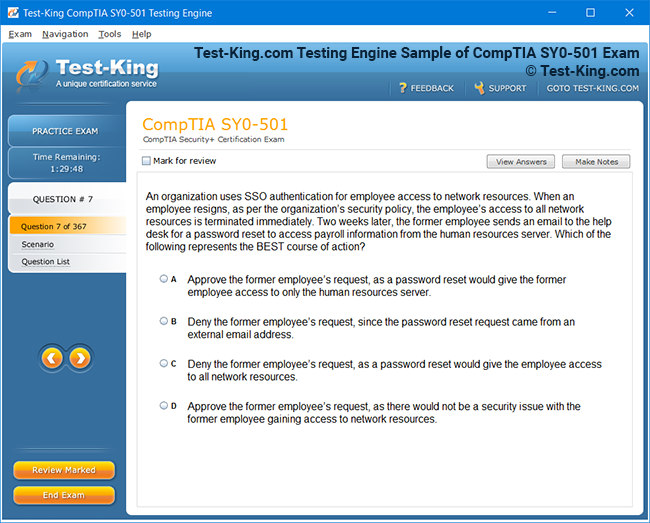
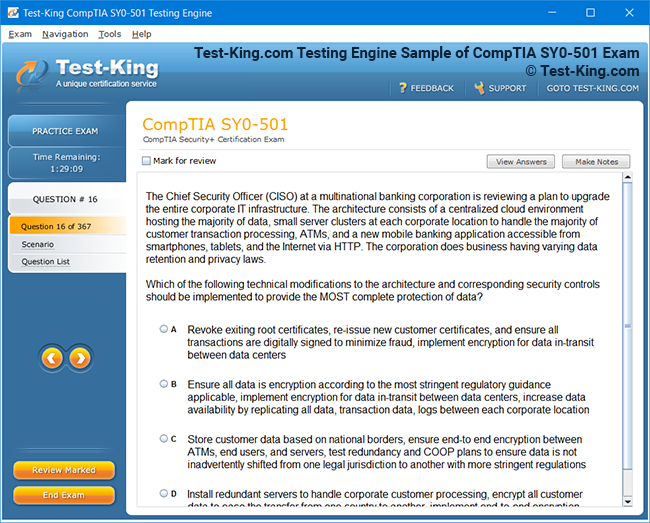
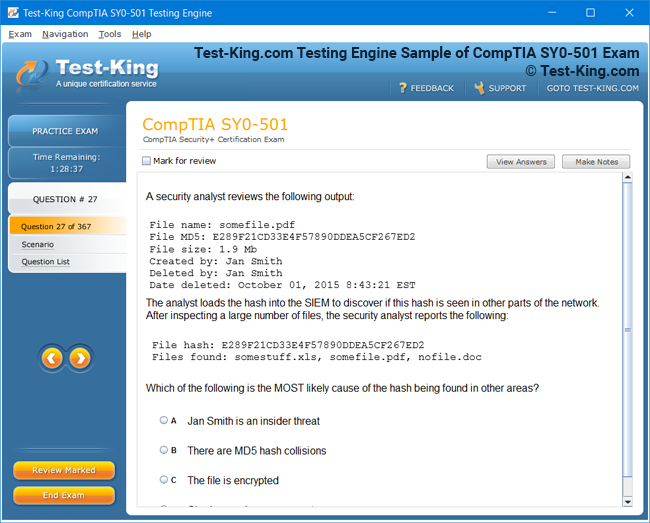
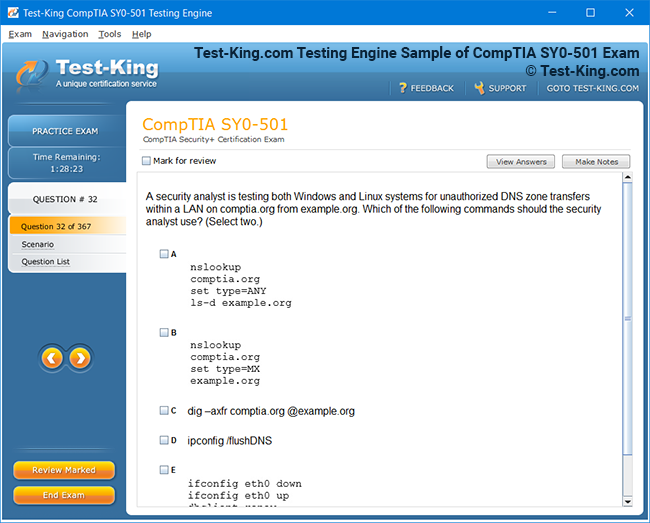
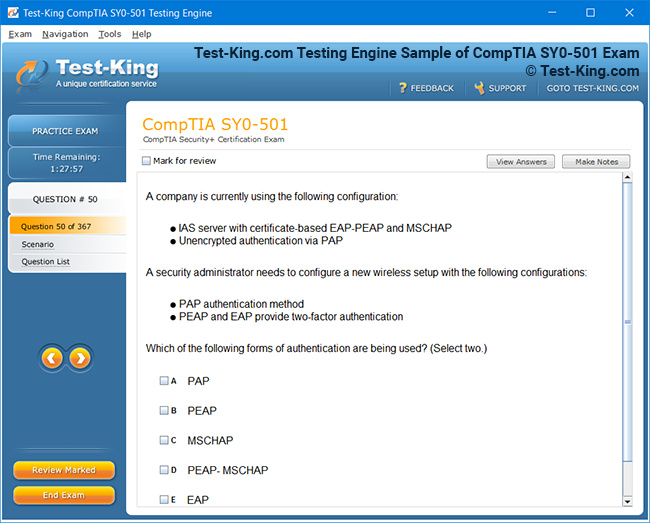
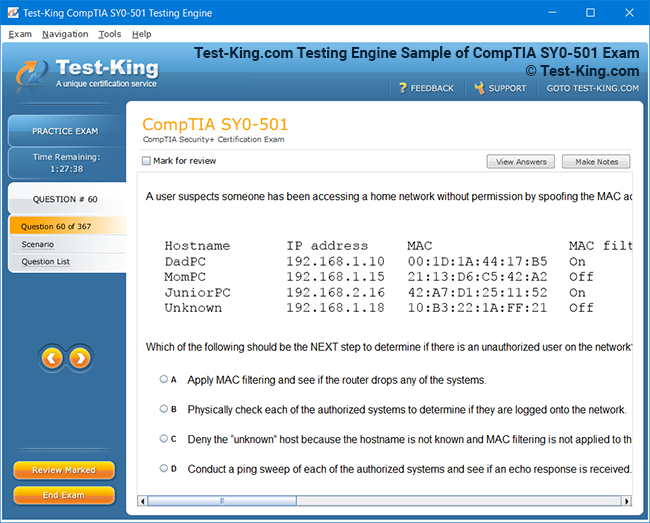
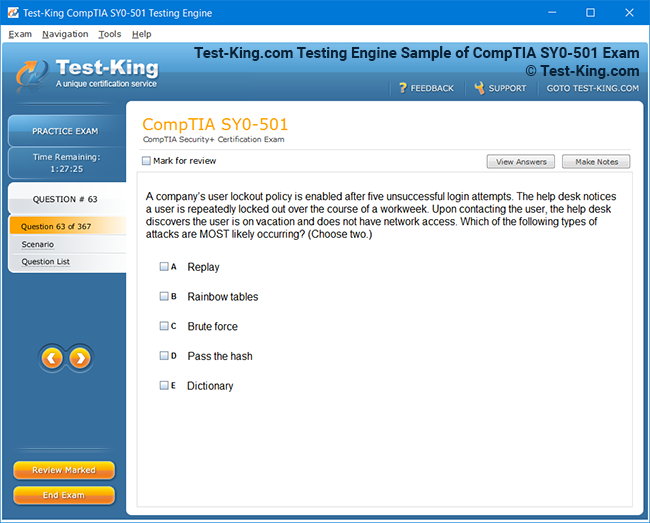
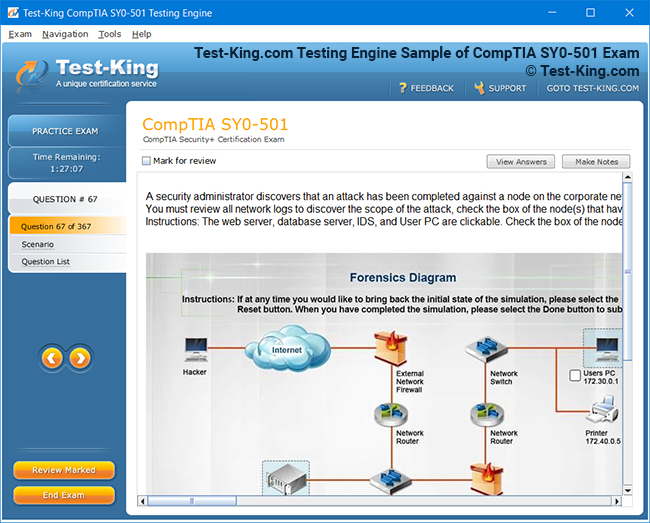
Product Screenshots
A Complete Guide to Becoming a Pega Certified Robotics System Architect (CRSA)
The Pega Certified Robotics System Architect credential represents a pinnacle of expertise in the domain of robotic process automation. This certification signifies that a professional has attained comprehensive knowledge and practical proficiency in designing, implementing, and optimizing robotic solutions within the Pega ecosystem. Individuals who pursue this certification often aspire to transform business processes through automation, seeking to reduce operational inefficiencies and foster a culture of innovation. Unlike other credentials that focus solely on theoretical knowledge, the Pega CRSA emphasizes hands-on experience and problem-solving acumen, making it a highly sought-after distinction for technology professionals and automation enthusiasts alike.
Understanding the Pega CRSA Certification and Its Significance
Attaining this certification requires an understanding of complex concepts such as task orchestration, robotic design patterns, and seamless integration of bots with enterprise applications. Professionals are expected to demonstrate not only technical mastery but also the ability to adapt solutions to diverse organizational contexts. The certification acts as a catalyst for career advancement, opening avenues in roles such as process automation specialist, enterprise architect, and senior systems analyst. Additionally, it empowers individuals to contribute strategically to digital transformation initiatives, aligning robotic solutions with organizational objectives and operational imperatives.
Eligibility Criteria and Prerequisites
Before attempting the certification, it is crucial to comprehend the eligibility prerequisites, which are structured to ensure candidates possess a foundational understanding of Pega’s platform and basic robotic process concepts. Typically, aspirants should have prior experience with Pega applications or other automation platforms, along with a solid grasp of workflow design, decision rules, and application development principles. While there is no rigid requirement regarding years of experience, a practical exposure to real-world robotic implementations enhances the likelihood of success.
Understanding the nuances of eligibility also involves recognizing the significance of prior certifications within the Pega ecosystem. Candidates who have earned foundational credentials such as the Pega Certified System Architect or Pega Certified Senior System Architect often find it easier to navigate the CRSA curriculum. These preliminary certifications provide essential insight into application development, case management, and data integration, laying a robust groundwork for the more specialized robotic concepts explored in the CRSA program. For individuals transitioning from other automation tools, acquiring hands-on experience in Pega Robotics Studio and understanding bot lifecycle management becomes indispensable.
Core Skills Required for Success
A professional aiming to secure the Pega CRSA designation must cultivate a blend of technical, analytical, and cognitive skills. Technical skills encompass proficiency in robotic workflow design, exception handling, and integration of automated solutions with legacy enterprise systems. Analytical capabilities involve the capacity to dissect business processes, identify repetitive tasks, and envision how automation can optimize efficiency. Equally vital is cognitive flexibility, which allows the practitioner to adapt robotic solutions to the idiosyncrasies of different business environments while anticipating potential operational bottlenecks.
An essential aspect of preparation is familiarization with Pega Robotics Studio, the primary tool for designing and deploying bots. Candidates must be adept at configuring automation solutions, creating reusable components, and ensuring robust error handling within complex process flows. Additionally, knowledge of user interface automation, API integration, and data manipulation is indispensable. Beyond these technical proficiencies, aspirants should also develop strong communication and documentation skills, as articulating automation designs and collaborating with cross-functional teams is a recurrent requirement in professional practice.
Exam Structure and Preparation Strategies
The Pega CRSA assessment evaluates both theoretical knowledge and practical competence. The exam typically comprises multiple-choice questions, scenario-based exercises, and problem-solving tasks that simulate real-world automation challenges. Understanding the structure of the exam enables candidates to devise a strategic preparation plan, balancing conceptual study with hands-on practice.
A recommended approach to preparation begins with an exhaustive review of the official Pega Robotics curriculum, supplemented by training modules and online resources that cover both foundational and advanced topics. Practicing with sample workflows, simulating exception scenarios, and exploring integration possibilities enhances familiarity with the examination patterns. Additionally, engaging in peer discussions and knowledge-sharing forums provides insight into nuanced challenges and effective strategies employed by certified professionals.
Time management during preparation is critical, as the breadth of topics demands disciplined study schedules. Candidates are encouraged to segment study hours into distinct focus areas, alternating between technical configuration exercises and conceptual comprehension. While some aspirants prefer self-paced learning, structured workshops and instructor-led sessions offer the advantage of immediate feedback, enabling quicker identification of knowledge gaps. Maintaining a log of complex problem-solving exercises and documenting lessons learned also reinforces retention and practical application.
Practical Insights into Pega Robotics Implementation
Beyond theoretical understanding, the certification demands practical experience in orchestrating robotic solutions that are both efficient and resilient. Professionals are expected to design automation that integrates seamlessly with existing business processes, minimizes manual intervention, and adheres to organizational compliance standards. This requires a keen sense of operational context, as automation solutions must align with process objectives without introducing unintended disruptions.
Implementing robotic solutions often begins with meticulous process mapping, identifying repetitive tasks that are candidates for automation. Following this, designing bot workflows that encapsulate these tasks with appropriate exception handling, logging, and error recovery mechanisms ensures operational reliability. Integration with third-party applications, databases, and user interfaces often necessitates sophisticated problem-solving, as disparate systems may exhibit varying response behaviors or data structures. Continuous testing, refinement, and monitoring of robotic processes are indispensable practices for sustaining long-term efficiency.
Effective implementation also emphasizes scalability and maintainability. Solutions should be modular, allowing future enhancements without extensive redesign. This includes creating reusable components, standardizing naming conventions, and documenting workflows comprehensively. Professionals often employ performance monitoring dashboards to track bot efficiency, identify anomalies, and iteratively optimize processes. By embracing such practices, CRSA-certified professionals demonstrate not only technical proficiency but also strategic foresight in designing sustainable automation solutions.
Career Trajectory and Industry Relevance
Attaining the Pega CRSA credential significantly enhances professional credibility, signaling mastery of robotic process automation and Pega-specific methodologies. Career trajectories often include positions such as automation consultant, solution architect, and enterprise process analyst. Organizations increasingly rely on certified professionals to lead automation initiatives, improve operational agility, and drive digital transformation objectives.
Industry demand for Pega CRSA professionals spans sectors such as banking, insurance, healthcare, and telecommunications, where process automation can yield substantial cost reductions and efficiency gains. Certified individuals often command competitive compensation, as their skills directly contribute to organizational productivity and innovation. Additionally, ongoing professional development, including staying abreast of emerging automation technologies and best practices, ensures sustained relevance in a rapidly evolving landscape.
In essence, the Pega CRSA certification is more than a credential; it is a demonstration of one’s ability to engineer intelligent robotic solutions, streamline operations, and contribute strategically to enterprise objectives. Mastery of both technical and cognitive skills, combined with practical experience, positions professionals to influence automation strategies and lead transformative initiatives across industries.
Strategic Approaches to Exam Preparation
Embarking on the journey to become a Pega Certified Robotics System Architect requires a meticulous and strategic approach to preparation. Unlike conventional exams, this credential assesses both conceptual comprehension and applied expertise in robotic process automation. Aspirants must not only understand the architecture of Pega robotics but also develop the aptitude to deploy solutions that align with complex business processes. The initial step in preparation involves cultivating a thorough understanding of the Pega Robotics Studio environment, including the tools and interfaces used for bot development. Immersing oneself in the software through repeated practice enhances muscle memory and cognitive familiarity, which proves invaluable during real-world implementation and in the examination setting.
A systematic approach begins with creating a comprehensive study plan that allocates adequate time for theoretical understanding, hands-on exercises, and scenario-based problem solving. Candidates are encouraged to dissect the curriculum into thematic modules, covering workflow automation, exception handling, task orchestration, and integration with external systems. For each module, aspirants should focus on core principles while simultaneously applying these concepts in controlled practice environments. The juxtaposition of theory and practice cultivates a deeper comprehension and reinforces knowledge retention.
Immersive Learning Techniques and Resource Utilization
Effective preparation extends beyond mere reading of study guides or viewing instructional videos. Immersive learning involves engaging with the material in multiple dimensions, combining observation, practice, and critical reflection. Candidates should explore advanced tutorials that demonstrate real-world robotic scenarios, observing how bots interact with multiple applications and respond to dynamic data inputs. This form of learning cultivates an intuitive understanding of how automation behaves in operational settings, which is crucial for mastering complex problem-solving tasks during the assessment.
Resources for study are abundant yet must be carefully curated to ensure relevance and depth. Official Pega documentation provides authoritative insights into platform-specific nuances, while online forums and professional communities offer practical tips, elucidating common pitfalls and unconventional techniques. Participating in discussions with peers or mentors allows aspirants to exchange knowledge and challenge assumptions, fostering a more sophisticated grasp of the material. Additionally, simulation exercises that mirror enterprise environments provide invaluable experiential learning, enabling candidates to apply concepts under conditions analogous to professional deployment.
Time Management and Cognitive Conditioning
One of the most underestimated aspects of preparing for the Pega Certified Robotics System Architect credential is effective time management and cognitive conditioning. The exam encompasses a broad array of topics, from task orchestration to advanced integration strategies, demanding both retention and application of knowledge. Candidates are advised to cultivate a disciplined routine, segmenting study hours into intervals that balance concentration and rest. Techniques such as spaced repetition and active recall can enhance memory retention, ensuring that critical concepts are readily accessible under exam conditions.
Cognitive conditioning also involves developing problem-solving heuristics that can be applied flexibly across varying scenarios. Aspirants should practice recognizing patterns in workflow anomalies, predicting potential failure points, and designing contingency solutions. By internalizing these heuristics, candidates gain the ability to navigate complex questions efficiently, reducing cognitive load and improving accuracy. Regular self-assessment through mock exercises helps in identifying strengths and weaknesses, enabling targeted refinement of both knowledge and approach.
Mastering Workflow Design and Exception Handling
A cornerstone of proficiency in Pega robotics lies in the ability to design workflows that are robust, efficient, and adaptable. Candidates must acquire a comprehensive understanding of task sequences, decision rules, and conditional branching, ensuring that automated processes execute reliably across diverse operational contexts. This mastery involves both conceptual comprehension and practical application, as the theoretical knowledge of workflow design must be translated into functioning robotic solutions.
Equally critical is expertise in exception handling, a domain that demands anticipation of anomalies and the formulation of resilient responses. Professionals must understand the full spectrum of potential errors, from system-level failures to user input inconsistencies, and implement strategies that minimize disruption while maintaining data integrity. Techniques such as error logging, automated notifications, and contingency workflows enhance operational reliability, demonstrating both technical competence and strategic foresight. Aspiring CRSA candidates benefit from creating a repository of reusable exception handling patterns, which can be adapted to varied scenarios, thereby optimizing efficiency and reducing development time.
Integration Strategies and Advanced Automation Concepts
Integration forms the backbone of sophisticated robotic solutions, requiring the orchestration of multiple applications, data sources, and user interfaces. Candidates must develop proficiency in linking Pega bots with enterprise systems, ensuring seamless data flow, synchronized task execution, and consistent performance. This includes understanding application programming interfaces, data transformation methodologies, and middleware interactions. Professionals adept at integration can design automation that not only executes tasks efficiently but also harmonizes with broader organizational workflows, enhancing overall productivity.
Advanced automation concepts extend beyond basic task execution to encompass process intelligence, adaptive learning, and predictive decision-making. Aspirants should explore methodologies for creating bots that can respond dynamically to changing conditions, optimizing their performance based on historical data and operational context. Familiarity with such advanced paradigms distinguishes CRSA-certified professionals, equipping them to implement innovative solutions that transcend routine automation and deliver strategic business value. The capacity to integrate cognitive elements and adaptive behaviors into bots reflects both technical mastery and visionary application of robotic technology.
Practice Methodologies and Real-World Scenario Simulation
Practical experience is indispensable in preparing for the Pega Certified Robotics System Architect credential. Candidates should engage in repeated simulation exercises that replicate real-world operational scenarios. These exercises include automating complex sequences, managing exception events, and integrating multiple systems, thereby bridging the gap between theoretical knowledge and applied competence. Practicing within a controlled environment allows aspirants to experiment with alternative approaches, refine workflows, and gain confidence in their decision-making processes.
Scenario simulation should also involve testing bots under variable conditions, such as fluctuating data inputs, unexpected user actions, or system latency. Such exposure cultivates resilience and adaptability, enabling professionals to anticipate challenges and respond efficiently in dynamic contexts. Furthermore, documenting these experiences provides a reflective learning tool, capturing lessons learned and strategies for improvement. This iterative process reinforces knowledge, enhances problem-solving skills, and prepares candidates for the multifaceted nature of the assessment.
Psychological Preparedness and Exam Readiness
Success in obtaining the Pega CRSA credential is not solely determined by technical proficiency; psychological preparedness plays a pivotal role. Candidates should cultivate a mindset of focused resilience, balancing ambition with patience and adaptability. Techniques such as mindfulness, cognitive rehearsal, and stress management contribute to sustained concentration and clarity during examination conditions. Developing a routine that integrates periods of intense focus with relaxation helps in maintaining cognitive stamina and reducing the risk of fatigue-induced errors.
Exam readiness also entails familiarization with the format and timing of the assessment. Candidates benefit from undertaking mock examinations under simulated conditions, practicing the pacing required to complete questions efficiently while maintaining accuracy. Reviewing incorrect responses and analyzing reasoning errors reinforces understanding and prevents repetition of mistakes. Additionally, aspirants should cultivate confidence in navigating unfamiliar scenarios by relying on foundational principles and problem-solving heuristics, ensuring a composed and methodical approach during the actual exam.
Continuous Improvement and Knowledge Reinforcement
The path to becoming a Pega Certified Robotics System Architect is characterized by iterative learning and continuous improvement. Even as candidates acquire proficiency in workflow design, exception handling, and system integration, ongoing practice and reflection are essential for consolidating skills. Professionals should seek opportunities to implement automation solutions in practical settings, observe outcomes, and refine techniques based on performance feedback. This approach not only reinforces technical knowledge but also cultivates strategic thinking and innovation.
Engagement with the professional community provides additional avenues for growth. Interaction with peers and mentors exposes candidates to diverse perspectives, novel techniques, and evolving best practices. Attending workshops, webinars, and conferences further enriches understanding and ensures familiarity with emerging trends in robotic process automation. By embracing a culture of lifelong learning, aspirants develop the adaptability, foresight, and expertise required to excel as a certified robotics system architect within the dynamic landscape of automation technology.
Optimizing Knowledge Retention and Application
Preparing for the Pega Certified Robotics System Architect credential requires more than rote memorization; it demands the assimilation of complex concepts and their application in dynamic scenarios. Knowledge retention is optimized through deliberate engagement with material, connecting theoretical principles to practical exercises. Candidates are encouraged to approach each topic as a living system, understanding not only the mechanics of robotic workflows but also the rationale behind decision rules, error handling, and integration strategies. By framing learning within real-world contexts, aspirants develop a cognitive scaffolding that facilitates recall and application during assessment situations.
Active engagement techniques such as summarization, visualization, and elaboration can enhance understanding. Summarization involves distilling complex topics into concise explanations, ensuring mastery of foundational principles. Visualization allows candidates to conceptualize workflow architectures, exception pathways, and bot interactions, transforming abstract knowledge into tangible mental representations. Elaboration encourages the exploration of interconnections between different automation components, fostering a nuanced understanding of how individual elements contribute to systemic efficiency. Through such methods, aspirants cultivate a depth of comprehension that transcends superficial familiarity.
Scenario-Based Problem Solving and Analytical Skills
A distinctive aspect of the Pega Certified Robotics System Architect examination is the emphasis on scenario-based problem solving. Candidates are frequently presented with intricate situations requiring the orchestration of multiple bots, management of exceptions, and seamless integration with enterprise applications. Analytical skills are paramount in deconstructing these scenarios, identifying critical variables, and devising optimal solutions. Aspirants must anticipate potential bottlenecks, evaluate alternative strategies, and justify decisions based on both efficiency and robustness.
Practicing scenario-based exercises under controlled conditions enhances cognitive agility and decision-making confidence. Candidates should simulate workflows with varying complexity, incorporating conditional branches, system delays, and unforeseen user interactions. By iteratively testing these scenarios, aspirants gain insight into common failure points, effective exception handling, and performance optimization. This experiential learning cultivates the ability to approach unfamiliar challenges methodically, ensuring that solutions are both technically sound and operationally feasible.
Advanced Techniques for Workflow Optimization
Expertise in workflow optimization distinguishes accomplished CRSA professionals from those with only foundational knowledge. Optimization involves streamlining processes to maximize efficiency while maintaining reliability and adaptability. Candidates must understand the interplay between task sequencing, resource allocation, and exception handling, identifying redundancies and opportunities for enhancement. Techniques such as modular workflow design, reusable components, and parallel processing are employed to reduce complexity and improve execution speed.
In addition to efficiency, optimization encompasses resilience and maintainability. Candidates are encouraged to design workflows with contingency pathways, comprehensive logging, and dynamic error recovery mechanisms. Such designs ensure that automated processes remain robust under diverse operational conditions and can be scaled or modified with minimal disruption. By mastering these advanced techniques, aspirants demonstrate both technical acumen and strategic foresight, essential qualities for professionals tasked with implementing enterprise-level robotic solutions.
Integration of Bots with Enterprise Systems
Seamless integration with enterprise systems is a core requirement for the Pega Certified Robotics System Architect credential. Candidates must develop proficiency in linking robotic workflows with databases, third-party applications, and user interfaces. Understanding the nuances of data formats, API communication, and system response behaviors is critical for designing automation that functions reliably within heterogeneous environments.
Integration extends beyond technical connectivity to encompass alignment with organizational processes and compliance requirements. CRSA-certified professionals must ensure that bots operate in harmony with business objectives, maintaining data integrity, security standards, and operational continuity. Mastery of integration strategies enables candidates to design solutions that are not only technically effective but also strategically aligned, reflecting an understanding of both the technological and operational landscape.
Error Handling and Exception Management
Exception management is a fundamental competency for any professional seeking the Pega Certified Robotics System Architect credential. Candidates must anticipate a wide array of potential disruptions, including system failures, invalid user inputs, and data inconsistencies. Effective error handling involves designing workflows with preemptive checkpoints, automated logging, and recovery mechanisms that minimize operational impact.
Aspirants are encouraged to develop a repertoire of reusable exception handling patterns, adaptable to diverse scenarios. By practicing these techniques in simulated environments, candidates gain the ability to respond swiftly and effectively to unforeseen challenges. Comprehensive exception management not only ensures the reliability of robotic solutions but also demonstrates foresight and operational prudence, qualities that distinguish a proficient CRSA professional.
Strategic Use of Practice Exams and Mock Simulations
Practice exams and mock simulations are indispensable tools for consolidating knowledge and developing exam readiness. Engaging with these exercises under timed conditions familiarizes candidates with the pacing, structure, and types of questions they are likely to encounter. Beyond mere familiarity, these simulations provide an opportunity to refine problem-solving approaches, identify gaps in understanding, and reinforce concepts through iterative practice.
A recommended strategy involves analyzing each simulation critically, reflecting on errors and exploring alternative solutions. This process transforms mistakes into learning opportunities, reinforcing knowledge and enhancing adaptive thinking. Additionally, aspirants can simulate end-to-end workflow automation, integrating multiple bots, managing exceptions, and interacting with virtual enterprise environments. Such immersive exercises cultivate the practical skills, cognitive flexibility, and confidence required for successful examination performance.
Cognitive and Psychological Preparation
The cognitive and psychological dimensions of preparation are often overlooked but are critical determinants of success. Candidates must cultivate sustained focus, resilience, and composure, particularly under the time constraints and complexity of the assessment. Techniques such as mindfulness, visualization, and mental rehearsal enhance concentration and reduce stress, enabling aspirants to perform optimally during the examination.
Developing a systematic approach to questions, including prioritization, time allocation, and verification of answers, further enhances performance. Candidates are encouraged to internalize problem-solving heuristics that can be applied flexibly across scenarios, reducing cognitive load and improving efficiency. Psychological preparation also involves confidence-building through repeated exposure to complex exercises, reinforcing the belief in one’s capability to navigate intricate robotic workflows and integration challenges successfully.
Practical Insights and Real-World Application
Preparation for the Pega Certified Robotics System Architect credential extends beyond the theoretical and simulated environment into practical, real-world application. Candidates benefit from engaging in projects that require the orchestration of multiple bots, interaction with diverse enterprise systems, and management of complex exceptions. Exposure to operational challenges, such as fluctuating data inputs, unanticipated system behavior, and integration complexities, develops resilience and adaptability.
Documenting these experiences provides a reflective tool for continuous improvement. Candidates can analyze workflows, identify inefficiencies, and refine designs iteratively. This practice cultivates an instinctive understanding of automation dynamics, reinforcing knowledge gained through study and simulation. By bridging the gap between theoretical preparation and practical application, aspirants develop the competencies necessary to excel as CRSA-certified professionals, capable of implementing sophisticated robotic solutions that deliver tangible business value.
Leveraging Peer Collaboration and Expert Mentorship
Collaboration with peers and mentorship from experienced professionals provides additional layers of preparation. Candidates benefit from discussing complex scenarios, sharing problem-solving strategies, and reviewing workflows collectively. Such engagement exposes aspirants to alternative perspectives, innovative approaches, and nuanced insights that may not be readily apparent through individual study.
Mentorship further accelerates learning by offering targeted guidance, feedback on simulated workflows, and advice on optimizing exam strategies. Experienced professionals can highlight common pitfalls, demonstrate advanced techniques, and provide insight into the strategic application of robotic solutions within enterprise environments. By leveraging peer collaboration and mentorship, candidates enhance both technical proficiency and strategic understanding, strengthening their readiness for the credential assessment.
Continuous Learning and Knowledge Reinforcement
The journey to mastering robotic process automation and achieving the Pega Certified Robotics System Architect credential is marked by continuous learning. Candidates should adopt a mindset of iterative improvement, regularly revisiting concepts, refining techniques, and expanding practical experience. Engagement with emerging tools, updates to Pega platforms, and evolving best practices ensures that aspirants maintain relevance and adaptability in a rapidly advancing technological landscape.
Practical exercises, scenario simulations, and reflective analysis constitute an ongoing cycle of reinforcement, consolidating knowledge and enhancing problem-solving agility. By embracing continuous learning, candidates cultivate the cognitive resilience, technical acumen, and strategic foresight necessary to succeed as certified professionals capable of designing, implementing, and optimizing sophisticated automation solutions.
Designing Effective Robotic Workflows
Mastering the Pega Certified Robotics System Architect credential requires more than theoretical knowledge; it necessitates the ability to design and implement real-world robotic workflows that are both efficient and resilient. Designing effective workflows begins with a meticulous analysis of business processes, identifying repetitive or labor-intensive tasks that can be automated without compromising accuracy or compliance. Understanding the intricacies of data flow, user interactions, and system dependencies enables the creation of workflows that are both robust and scalable.
A well-designed workflow incorporates conditional logic, parallel processing, and reusable components, minimizing redundancy while maximizing efficiency. Candidates are encouraged to map processes in detail, identifying potential bottlenecks, exception points, and areas where integration with external systems may introduce complexity. By visualizing and simulating the workflow before implementation, professionals can anticipate challenges and refine the design to ensure seamless operation in real-world environments.
Integration of Automation with Enterprise Systems
Integration is a cornerstone of advanced robotic implementation. CRSA professionals must develop the skill to harmonize robotic workflows with diverse enterprise systems, including databases, legacy applications, and cloud-based platforms. This requires a sophisticated understanding of data formats, API interactions, and the behavior of interconnected systems. The ability to synchronize bot activities with system responses is crucial for ensuring consistency and reliability across processes.
Integration extends beyond technical connectivity to encompass operational and organizational alignment. Automation solutions must respect business rules, compliance requirements, and operational priorities. Designing bots that operate harmoniously with other system components while adhering to established standards demonstrates both technical expertise and strategic awareness. CRSA-certified professionals often leverage integration patterns, modular components, and dynamic data mapping techniques to achieve seamless connectivity and high operational efficiency.
Advanced Exception Handling Strategies
Exception handling represents a critical competency for professionals in robotic process automation. In real-world environments, deviations from expected process flows are inevitable. A CRSA-certified professional must anticipate potential disruptions, from system latency and data inconsistencies to unexpected user behavior. Effective exception handling involves constructing workflows that detect anomalies promptly, respond intelligently, and maintain data integrity while minimizing operational downtime.
Advanced strategies include the implementation of automated logging, alert mechanisms, and fallback workflows. Candidates are encouraged to develop reusable exception handling templates adaptable to varying scenarios. By practicing these strategies in simulated and live environments, aspirants gain the ability to respond decisively to unforeseen events. Mastery of exception handling not only ensures the robustness of automation solutions but also reflects foresight and operational prudence, qualities that distinguish expert professionals.
Performance Optimization and Scalability
Efficiency and scalability are essential attributes of advanced robotic workflows. CRSA-certified professionals must optimize task execution, reduce latency, and ensure that bots can handle varying workloads without degradation in performance. Optimization techniques involve analyzing process flows, identifying redundant steps, and employing parallelism or asynchronous execution where feasible. Performance metrics such as execution time, error rates, and resource utilization provide tangible measures for refinement.
Scalability considerations extend to both system design and workflow architecture. Solutions should be modular, allowing for the addition of new tasks, applications, or processes without extensive redesign. Professionals must also consider future-proofing workflows by anticipating changes in business requirements, regulatory standards, and technological environments. By integrating optimization and scalability considerations from the outset, CRSA-certified architects create automation solutions that are efficient, resilient, and adaptable.
User Interface Automation and Interaction
Automating interactions with user interfaces remains a fundamental skill for the Pega Certified Robotics System Architect. Many enterprise applications lack API endpoints or direct integration capabilities, necessitating the automation of GUI interactions. This requires precision, adaptability, and the ability to account for dynamic changes in interface layouts or response times. Professionals must design workflows that simulate human actions accurately, including data entry, navigation, and response handling, while ensuring error detection and recovery mechanisms are in place.
Advanced interface automation involves creating reusable components that can adapt to variations in screen layouts or application behavior. CRSA-certified professionals often employ image recognition, control mapping, and dynamic selectors to increase the robustness of GUI automation. Mastery of user interface interactions allows robotic workflows to integrate seamlessly with applications that would otherwise be resistant to automation, extending the reach and effectiveness of the overall solution.
Data Management and Transformation
Effective automation relies on precise data handling, including acquisition, transformation, and validation. CRSA-certified professionals must design workflows capable of managing diverse data sources, including structured databases, unstructured documents, and streaming inputs. Transforming and standardizing data ensures consistency and compatibility across integrated systems.
Validation mechanisms play a crucial role in maintaining data integrity. Workflows should include checks for missing or erroneous data, automated correction routines, and logging mechanisms to track anomalies. Professionals are encouraged to create modular data transformation components that can be reused across workflows, enhancing efficiency and reducing maintenance overhead. By mastering data management techniques, candidates ensure that robotic processes operate reliably, delivering accurate and actionable outcomes.
Monitoring and Continuous Improvement
Real-world robotic implementations require continuous monitoring to maintain performance, identify anomalies, and facilitate improvement. CRSA-certified professionals must establish monitoring protocols that provide visibility into bot activities, execution times, error occurrences, and resource utilization. Dashboards and reporting tools offer insights into workflow efficiency, enabling timely interventions and refinements.
Continuous improvement involves analyzing performance data, identifying recurring issues, and optimizing workflows iteratively. Professionals should adopt a mindset of proactive enhancement, leveraging insights gained from monitoring to enhance reliability, reduce execution time, and increase scalability. This iterative approach ensures that automation solutions evolve in line with business needs, technological advancements, and operational priorities.
Security and Compliance Considerations
Automation in enterprise environments demands adherence to stringent security and compliance standards. CRSA-certified professionals must design workflows that protect sensitive data, enforce access controls, and comply with regulatory requirements. Security considerations encompass authentication, encryption, data masking, and audit trails, ensuring that robotic processes operate safely within organizational frameworks.
Compliance involves ensuring that automated workflows conform to legal, regulatory, and organizational guidelines. Professionals must incorporate mechanisms to verify data handling procedures, maintain documentation for auditing purposes, and design processes that prevent unauthorized actions. By integrating security and compliance into the design and implementation of robotic workflows, CRSA-certified professionals mitigate risk and enhance organizational trust in automation initiatives.
Collaboration and Knowledge Sharing
Implementing advanced automation solutions often involves collaboration with cross-functional teams, including business analysts, IT administrators, and operations personnel. CRSA-certified professionals must communicate design decisions, workflow structures, and exception handling strategies clearly, facilitating understanding and adoption across the organization.
Knowledge sharing extends beyond immediate teams to encompass professional communities and peer networks. Engaging with others provides opportunities to learn innovative techniques, discover emerging trends, and exchange solutions to complex problems. Professionals who actively participate in collaborative learning environments refine both technical skills and strategic thinking, enhancing the overall quality and impact of robotic process automation initiatives.
Leveraging Emerging Technologies
The landscape of robotic process automation is rapidly evolving, and CRSA-certified professionals benefit from exploring emerging technologies that augment traditional automation capabilities. Artificial intelligence, machine learning, and cognitive services can enhance bot decision-making, enable predictive analytics, and facilitate adaptive workflows. Professionals should remain informed about innovations such as intelligent document processing, computer vision, and natural language understanding, evaluating their applicability to enterprise automation scenarios.
Integrating emerging technologies requires careful consideration of system compatibility, performance impact, and organizational objectives. CRSA-certified architects must balance innovation with reliability, ensuring that new capabilities enhance workflow efficiency without introducing instability. Mastery of contemporary tools and techniques positions professionals to design automation solutions that are not only effective today but resilient and adaptable for future business requirements.
Realizing Strategic Value through Automation
Ultimately, the role of a Pega Certified Robotics System Architect extends beyond task automation to delivering strategic value. By designing workflows that optimize efficiency, ensure reliability, and integrate seamlessly with enterprise systems, professionals contribute to organizational agility, operational excellence, and innovation. CRSA-certified professionals are positioned to influence digital transformation initiatives, guiding the adoption of robotic solutions that align with strategic objectives and enhance competitive advantage.
Through meticulous workflow design, sophisticated exception handling, seamless integration, and continuous optimization, candidates develop the expertise to implement automation at scale. By coupling technical mastery with strategic insight, CRSA-certified professionals elevate the impact of automation from operational improvement to transformative business capability, demonstrating the full potential of robotic process automation within enterprise environments.
Diagnosing and Resolving Workflow Anomalies
Mastering the Pega Certified Robotics System Architect credential involves not only designing and implementing robust automation solutions but also cultivating the ability to diagnose and resolve complex workflow anomalies. In practical environments, robotic processes may encounter unexpected conditions arising from data inconsistencies, system delays, or integration conflicts. A professional with CRSA expertise must be capable of identifying root causes efficiently, differentiating between transient errors and systemic issues, and implementing corrective measures without compromising ongoing operations.
Effective troubleshooting begins with a systematic analysis of workflow behavior. This involves reviewing execution logs, monitoring bot activities, and cross-referencing system interactions to pinpoint discrepancies. Candidates are encouraged to develop a structured methodology that prioritizes critical processes, evaluates error frequency, and identifies recurring patterns. By correlating anomalies with operational contexts and system dependencies, professionals can not only resolve immediate issues but also anticipate potential failures, enhancing the resilience of robotic workflows.
Leveraging Diagnostic Tools and Techniques
Advanced diagnostic techniques play a pivotal role in troubleshooting complex robotic systems. CRSA-certified professionals utilize a variety of tools to monitor execution metrics, detect exceptions, and analyze process efficiency. These tools provide visibility into bot performance, system response times, and data integrity, enabling rapid identification of bottlenecks or malfunctioning components. By combining automated monitoring with manual inspection, candidates develop a holistic understanding of workflow dynamics, facilitating precise and timely interventions.
Techniques such as simulation replay, step-through debugging, and conditional logging allow for granular analysis of workflow behavior. Professionals can reproduce error scenarios in controlled environments, testing hypotheses and validating corrective actions before deployment. This iterative approach ensures that fixes are effective, reduces the risk of recurrence, and strengthens the overall stability of robotic solutions. Advanced diagnostic practices also cultivate a proactive mindset, encouraging continuous monitoring and preemptive mitigation strategies to maintain optimal performance.
Optimizing Workflow Performance
Performance optimization constitutes a critical responsibility for a Pega Certified Robotics System Architect. Efficient workflows minimize execution time, reduce resource consumption, and maintain high reliability under varying workloads. Candidates must analyze process structures, identify redundant or suboptimal steps, and implement enhancements that increase operational throughput without compromising accuracy or compliance.
Techniques for performance optimization include parallel execution of independent tasks, prioritization of critical processes, and modularization of complex workflows. Professionals are encouraged to evaluate execution metrics, such as completion time, error frequency, and system resource utilization, to guide optimization efforts. Iterative refinement, based on empirical data and real-world testing, ensures that workflows remain efficient and adaptable as business requirements evolve. By mastering performance optimization, CRSA-certified professionals deliver solutions that balance speed, reliability, and maintainability.
Advanced Exception Handling and Recovery Strategies
While fundamental exception handling is essential, advanced recovery strategies distinguish expert CRSA professionals. In complex workflows, exceptions may cascade, creating multiple points of failure. Effective architects design recovery mechanisms that detect errors at the earliest stage, isolate impacted processes, and resume operations with minimal disruption. Techniques such as checkpointing, rollback procedures, and dynamic rerouting enhance operational resilience, ensuring that workflows continue functioning even under adverse conditions.
Candidates are encouraged to develop adaptable exception templates that can be applied across various workflows. These templates should incorporate automated notifications, error logging, and decision-based branching to address diverse failure scenarios. By implementing robust recovery strategies, CRSA-certified professionals demonstrate foresight, operational prudence, and a commitment to maintaining process continuity in enterprise environments.
Integration Troubleshooting in Heterogeneous Environments
Integration with multiple enterprise systems introduces unique challenges for robotic workflows. CRSA-certified professionals must ensure seamless connectivity, reliable data exchange, and synchronized execution across heterogeneous applications. Troubleshooting integration issues involves identifying communication failures, data mismatches, or timing discrepancies between systems. Candidates must possess a thorough understanding of system architectures, data protocols, and API behaviors to resolve these challenges effectively.
Practical techniques include monitoring data transactions, validating API responses, and simulating integration scenarios to detect anomalies. Professionals are encouraged to implement automated verification routines within workflows, ensuring that data consistency and operational integrity are maintained throughout execution. Mastery of integration troubleshooting not only resolves immediate issues but also strengthens the robustness and reliability of enterprise automation initiatives.
Monitoring and Continuous Improvement Practices
Continuous monitoring is essential for maintaining optimal performance in real-world robotic implementations. CRSA-certified professionals establish monitoring protocols that provide real-time insights into bot activities, error occurrences, and workflow efficiency. Dashboards and analytical tools enable visualization of performance metrics, facilitating informed decisions and timely interventions. By consistently monitoring workflows, candidates can detect deviations, optimize resource allocation, and prevent minor issues from escalating into critical failures.
Continuous improvement involves analyzing historical performance data, identifying recurring anomalies, and implementing refinements to enhance efficiency and reliability. Iterative enhancement includes adjusting task sequences, optimizing data handling, and refining exception management strategies. Professionals who adopt a culture of continuous improvement ensure that automation solutions evolve in alignment with organizational objectives, technological advancements, and operational realities, delivering sustained value over time.
Cognitive Techniques for Problem Solving
Advanced troubleshooting requires not only technical skill but also cognitive agility. CRSA-certified professionals cultivate heuristic approaches to problem-solving, enabling rapid diagnosis and resolution of complex issues. By recognizing patterns, drawing parallels to previous experiences, and applying structured reasoning, candidates can navigate unfamiliar scenarios with confidence.
Cognitive techniques include decomposing complex workflows into smaller, manageable components, evaluating potential impact of errors, and prioritizing corrective actions based on operational criticality. Mental simulation of process behavior allows professionals to anticipate outcomes, test alternative strategies, and identify optimal solutions. By integrating cognitive approaches with technical expertise, CRSA-certified architects achieve a higher level of problem-solving efficacy, ensuring robust and reliable automation solutions.
Security and Compliance Troubleshooting
Automation solutions operate within regulatory and security frameworks that must be consistently enforced. CRSA-certified professionals are responsible for troubleshooting issues related to compliance breaches, data protection failures, or unauthorized access within workflows. Identifying vulnerabilities, implementing corrective measures, and verifying adherence to organizational policies are critical components of responsible automation management.
Techniques for security troubleshooting include auditing access controls, validating encryption mechanisms, and testing workflow adherence to compliance rules. Professionals ensure that workflows operate securely and that sensitive data is protected throughout the automation lifecycle. By integrating security considerations into troubleshooting practices, CRSA-certified architects safeguard organizational assets while maintaining operational efficiency.
Advanced Testing Methodologies
Robust testing is central to optimizing and troubleshooting robotic workflows. CRSA-certified professionals employ comprehensive testing methodologies that encompass unit testing, integration testing, stress testing, and scenario simulations. Each methodology provides insight into different aspects of workflow performance, revealing vulnerabilities and opportunities for improvement.
Unit testing isolates individual workflow components, validating functionality and exception handling. Integration testing ensures that bots interact seamlessly with multiple applications and systems. Stress testing evaluates performance under high-volume conditions, identifying potential bottlenecks or resource constraints. Scenario simulations recreate real-world conditions, allowing professionals to assess reliability, adaptability, and error recovery. By leveraging these testing methodologies, candidates ensure that automation solutions are both resilient and efficient.
Knowledge Sharing and Collaborative Troubleshooting
Collaboration enhances troubleshooting capabilities by incorporating diverse perspectives and shared expertise. CRSA-certified professionals benefit from peer interactions, mentorship, and participation in professional communities. Collaborative troubleshooting fosters innovation, reveals unconventional solutions, and strengthens understanding of complex scenarios.
Engaging in knowledge sharing encourages the dissemination of best practices, lessons learned, and emerging techniques. Professionals who actively participate in collaborative problem-solving cultivate both technical proficiency and strategic insight, enhancing their ability to resolve intricate workflow challenges. This collaborative mindset contributes to organizational learning, improving overall automation quality and reliability.
Optimization for Enterprise-Scale Deployment
Deploying robotic workflows at an enterprise scale introduces additional complexities that require advanced optimization techniques. CRSA-certified professionals must ensure that automation solutions maintain efficiency, reliability, and scalability across multiple departments, applications, and data sources. Optimization strategies include load balancing, resource allocation, and workflow modularization to accommodate variable workloads.
Monitoring performance metrics such as execution time, error rates, and system utilization guides iterative improvements. By implementing scalable architectures, modular components, and robust exception management, CRSA-certified professionals enable enterprise-wide deployment of automation solutions that deliver measurable operational benefits. Optimization at this level reflects both technical mastery and strategic vision, ensuring sustainable and impactful automation initiatives.
Leveraging CRSA Skills Across Industries
The Pega Certified Robotics System Architect credential equips professionals with capabilities that transcend industry boundaries, enabling the design, implementation, and optimization of robotic solutions in a multitude of operational contexts. In the banking and financial sector, certified architects streamline transaction processing, automate compliance checks, and enhance fraud detection mechanisms. By orchestrating bots that handle repetitive tasks with precision, professionals contribute to increased operational efficiency and reduced error rates, ensuring that institutions maintain regulatory adherence while optimizing performance.
Within healthcare, CRSA-certified professionals facilitate the automation of patient data management, appointment scheduling, and insurance claims processing. The ability to integrate robotic workflows with electronic health record systems, laboratory information systems, and insurance portals enhances accuracy, reduces administrative burden, and allows human practitioners to focus on patient-centered care. In such environments, the precision, reliability, and scalability of automated processes are paramount, and certified architects are instrumental in achieving these objectives.
The insurance industry benefits from the skills of CRSA-certified professionals through the automation of claims adjudication, policy renewals, and document verification. By reducing the reliance on manual intervention, organizations can accelerate processing times, enhance customer satisfaction, and ensure that regulatory compliance is consistently maintained. Telecommunications and manufacturing sectors similarly leverage automation to monitor network performance, manage supply chains, and optimize production workflows, demonstrating the versatility and strategic value of the CRSA credential across diverse operational landscapes.
Emerging Trends in Robotic Process Automation
Robotic process automation is undergoing a transformation, with emerging technologies expanding the potential of CRSA-certified professionals to deliver innovative solutions. Artificial intelligence and machine learning are increasingly integrated into robotic workflows, enabling predictive analytics, intelligent decision-making, and adaptive behavior. Professionals with CRSA expertise are positioned to design bots that not only execute repetitive tasks but also interpret data, recognize patterns, and make contextually informed decisions.
The rise of cognitive automation and natural language processing allows robots to interact more seamlessly with unstructured data, including documents, emails, and voice inputs. This capability enhances automation across industries where textual or verbal information constitutes a significant portion of operational processes. CRSA-certified professionals are at the forefront of implementing these advanced techniques, ensuring that automation solutions remain effective, adaptive, and aligned with organizational objectives.
Additionally, the proliferation of cloud-based platforms and hybrid IT environments introduces opportunities and challenges for robotic workflows. Professionals must design solutions that maintain performance, security, and scalability across distributed systems. The convergence of robotics with Internet of Things technologies further extends automation capabilities, enabling real-time monitoring, predictive maintenance, and dynamic process optimization. By staying attuned to these emerging trends, CRSA-certified architects can ensure that automation initiatives remain innovative and competitive.
Strategic Deployment in Large-Scale Enterprises
Large-scale enterprises require automation solutions that are robust, scalable, and capable of supporting complex operational structures. CRSA-certified professionals play a critical role in designing workflows that accommodate high-volume processing, integrate with multiple applications, and maintain consistency across distributed teams. Strategic deployment involves understanding organizational priorities, aligning automation objectives with business goals, and ensuring that robotic processes deliver measurable efficiency gains.
Professionals must also consider cross-functional collaboration, integrating automation initiatives with human workflows and other technological platforms. By establishing governance frameworks, monitoring protocols, and performance metrics, CRSA-certified architects ensure that large-scale deployments operate reliably, remain secure, and adapt to evolving business requirements. This strategic approach enables organizations to derive maximum value from automation, transforming operational capabilities and enhancing competitive advantage.
Optimizing Human-Robot Collaboration
The evolution of robotic process automation emphasizes not only task automation but also the enhancement of human-robot collaboration. CRSA-certified professionals design workflows that complement human capabilities, automating repetitive or error-prone tasks while enabling professionals to focus on decision-making, problem-solving, and innovation. This synergy enhances productivity, reduces cognitive load, and improves job satisfaction across operational teams.
Advanced collaboration strategies include designing adaptive bots that respond to human input, providing decision support, and facilitating seamless interaction between automated and manual processes. CRSA-certified professionals ensure that workflows are intuitive, reliable, and transparent, allowing teams to understand bot behavior, monitor performance, and intervene when necessary. By fostering effective human-robot collaboration, certified architects enable organizations to leverage the strengths of both human intellect and robotic efficiency.
Enhancing Operational Resilience
Operational resilience is increasingly vital in dynamic business environments, and CRSA-certified professionals contribute by designing workflows that maintain continuity under variable conditions. Automation solutions must accommodate unexpected disruptions, system failures, and fluctuations in workload without compromising performance or data integrity. Professionals achieve this through robust exception handling, dynamic error recovery, and continuous monitoring mechanisms.
By implementing workflows that anticipate potential failures and adapt to changing conditions, CRSA-certified architects enhance organizational resilience. The ability to maintain consistent performance, safeguard critical data, and ensure process continuity underpins the strategic value of robotic automation. This proactive approach enables enterprises to respond to challenges swiftly, minimize downtime, and sustain operational effectiveness even in volatile contexts.
Knowledge Management and Continuous Learning
In addition to technical implementation, CRSA-certified professionals contribute to organizational knowledge management. Documenting workflows, exception handling protocols, and optimization strategies creates repositories of best practices that can be leveraged across teams and future projects. Continuous learning ensures that professionals remain conversant with emerging technologies, regulatory changes, and industry-specific automation trends.
Active engagement in professional communities, attending conferences, and participating in workshops enable certified architects to share insights, gain exposure to innovative approaches, and refine their expertise. By fostering a culture of continuous improvement, CRSA-certified professionals enhance the sustainability and efficacy of automation initiatives, ensuring that organizations remain adaptive, competitive, and technologically proficient.
Ethical Considerations in Automation
Automation carries ethical implications that CRSA-certified professionals must address. Ensuring transparency, fairness, and accountability in robotic processes is critical, particularly in industries where decisions impact individuals or communities. Professionals must design workflows that comply with ethical standards, avoid biases in data processing, and maintain accountability through traceable logs and audit mechanisms.
Ethical considerations also extend to workforce impact. CRSA-certified architects balance the deployment of automation with the preservation of meaningful human roles, enabling employees to focus on tasks requiring creativity, judgment, and interpersonal skills. By integrating ethical considerations into workflow design and strategic deployment, professionals ensure that automation contributes positively to both organizational performance and societal outcomes.
Leveraging Analytics for Continuous Optimization
Data-driven insights are central to sustaining and enhancing the value of robotic workflows. CRSA-certified professionals leverage analytics to monitor performance, identify inefficiencies, and optimize processes iteratively. Real-time dashboards, execution metrics, and exception reports provide actionable intelligence, guiding decision-making and refinement of workflows.
Predictive analytics allows for the anticipation of potential bottlenecks, resource constraints, or system failures. By integrating analytical insights with adaptive automation strategies, CRSA-certified architects ensure that workflows evolve in response to operational realities, maintaining efficiency, reliability, and scalability. This approach transforms automation from a static solution to a dynamic, continuously improving system that aligns with strategic objectives.
Preparing for the Future of Automation
The future of robotic process automation is characterized by convergence with artificial intelligence, cognitive computing, and advanced analytics. CRSA-certified professionals are uniquely positioned to navigate this evolving landscape, designing workflows that incorporate intelligent decision-making, adaptive learning, and predictive capabilities. By embracing emerging technologies, continuous improvement, and strategic foresight, certified architects ensure that automation initiatives remain innovative, resilient, and aligned with organizational goals.
Professionals must also anticipate evolving regulatory landscapes, security requirements, and ethical standards, integrating these considerations into workflow design. Staying ahead of technological and operational trends enables CRSA-certified architects to implement automation that is not only effective today but sustainable and adaptable for future challenges.
Conclusion
The Pega Certified Robotics System Architect credential empowers professionals to transform organizational operations through advanced robotic process automation. By leveraging expertise in workflow design, integration, exception management, performance optimization, and human-robot collaboration, certified architects deliver tangible business value across diverse industries. Emerging technologies, ethical considerations, and continuous learning further enhance the strategic impact of CRSA-certified professionals, positioning them as pivotal contributors to digital transformation initiatives. As enterprises increasingly embrace automation to drive efficiency, innovation, and resilience, the role of CRSA-certified architects remains central, ensuring that robotic solutions are robust, adaptable, and strategically aligned with long-term organizational objectives.
Frequently Asked Questions
How can I get the products after purchase?
All products are available for download immediately from your Member's Area. Once you have made the payment, you will be transferred to Member's Area where you can login and download the products you have purchased to your computer.
How long can I use my product? Will it be valid forever?
Test-King products have a validity of 90 days from the date of purchase. This means that any updates to the products, including but not limited to new questions, or updates and changes by our editing team, will be automatically downloaded on to computer to make sure that you get latest exam prep materials during those 90 days.
Can I renew my product if when it's expired?
Yes, when the 90 days of your product validity are over, you have the option of renewing your expired products with a 30% discount. This can be done in your Member's Area.
Please note that you will not be able to use the product after it has expired if you don't renew it.
How often are the questions updated?
We always try to provide the latest pool of questions, Updates in the questions depend on the changes in actual pool of questions by different vendors. As soon as we know about the change in the exam question pool we try our best to update the products as fast as possible.
How many computers I can download Test-King software on?
You can download the Test-King products on the maximum number of 2 (two) computers or devices. If you need to use the software on more than two machines, you can purchase this option separately. Please email support@test-king.com if you need to use more than 5 (five) computers.
What is a PDF Version?
PDF Version is a pdf document of Questions & Answers product. The document file has standart .pdf format, which can be easily read by any pdf reader application like Adobe Acrobat Reader, Foxit Reader, OpenOffice, Google Docs and many others.
Can I purchase PDF Version without the Testing Engine?
PDF Version cannot be purchased separately. It is only available as an add-on to main Question & Answer Testing Engine product.
What operating systems are supported by your Testing Engine software?
Our testing engine is supported by Windows. Andriod and IOS software is currently under development.
Top Pegasystems Exams
Pegasystems Certifications
- Pega CPBA - Certified Pega Business Architect
- Pega CPDC - Certified Pega Decisioning Consultant
- Pega CPMC - Certified Marketing Consultant
- Pega CRSA - Certified Robotics System Architect
- Pega CSA - Certified System Architect
- Pega CSSA - Certified Senior System Architect
- Pega PCDC - Pega Certified Decisioning Consultant
- Pega PCRSA - Pega Certified Robotics System Architect
- Pega PCSA - Pega Certified System Architect