

Certification: HCPA-IP Network
Certification Full Name: Huawei Certified Pre-sales Associate-IP Network
Certification Provider: Huawei
Exam Code: H19-301
Exam Name: Huawei Certified Pre-sales Associate-IP Network(Datacom)-ENU
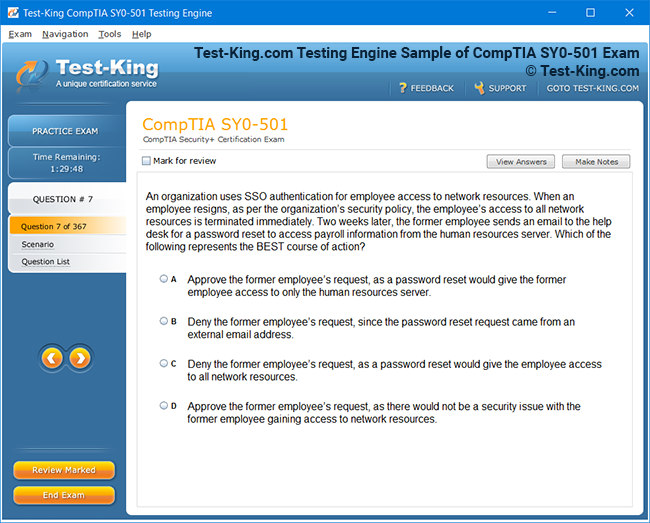
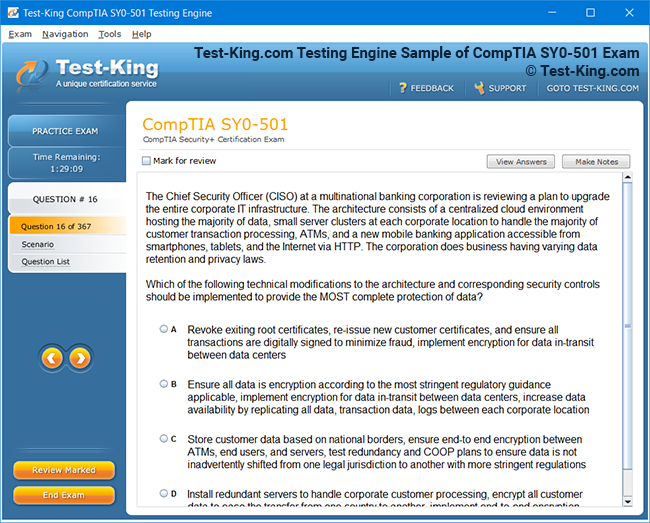
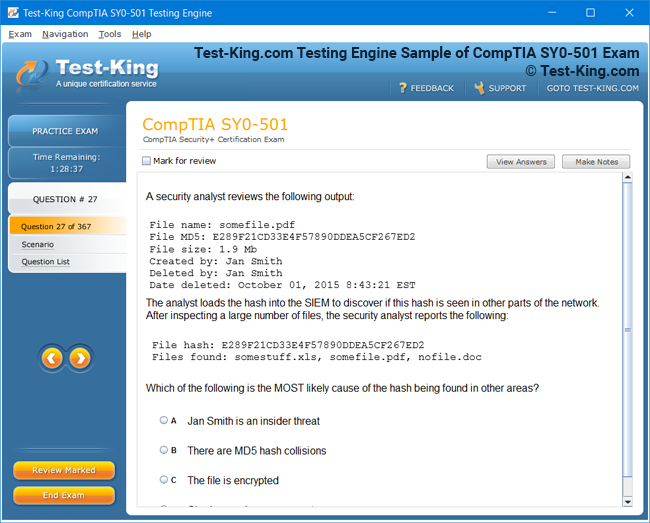
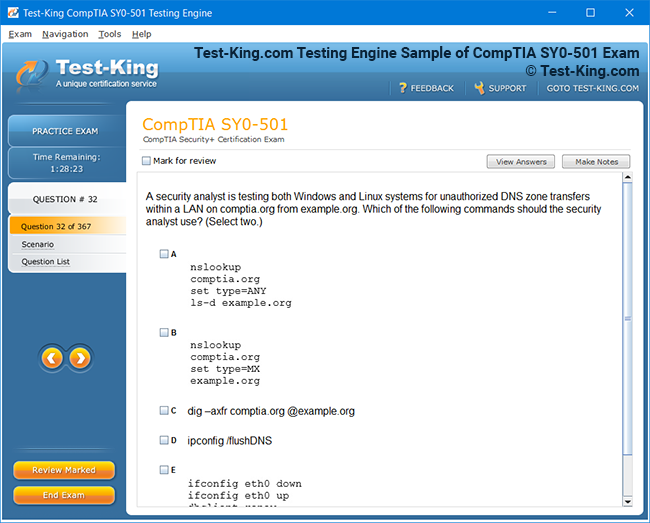
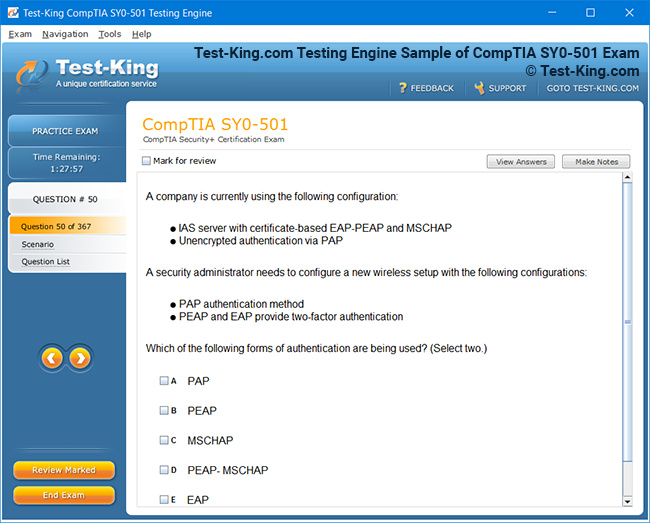
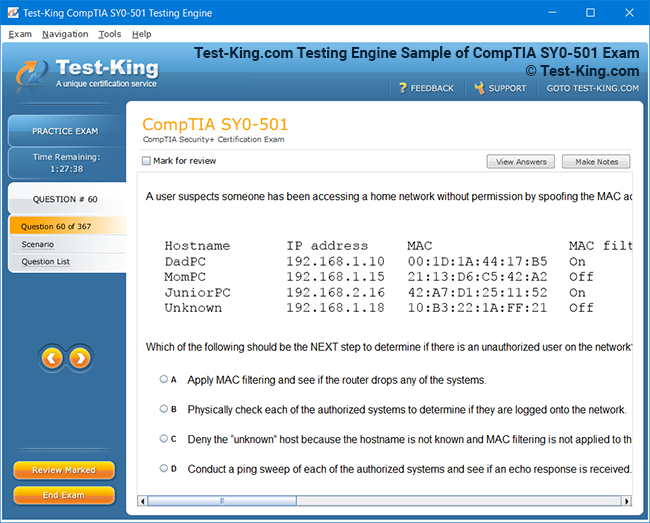
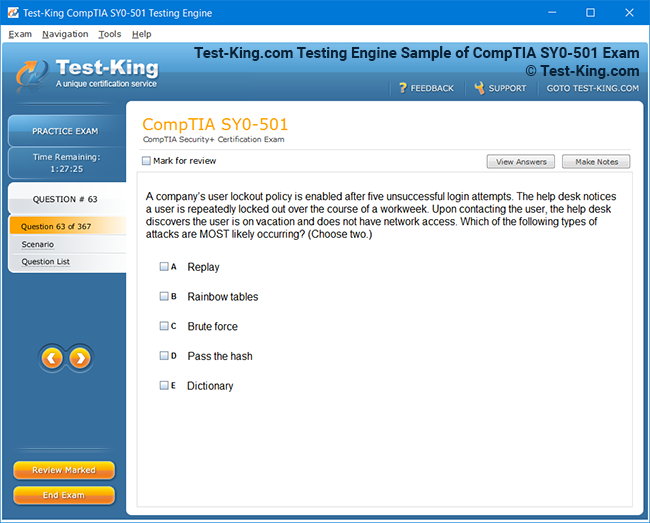
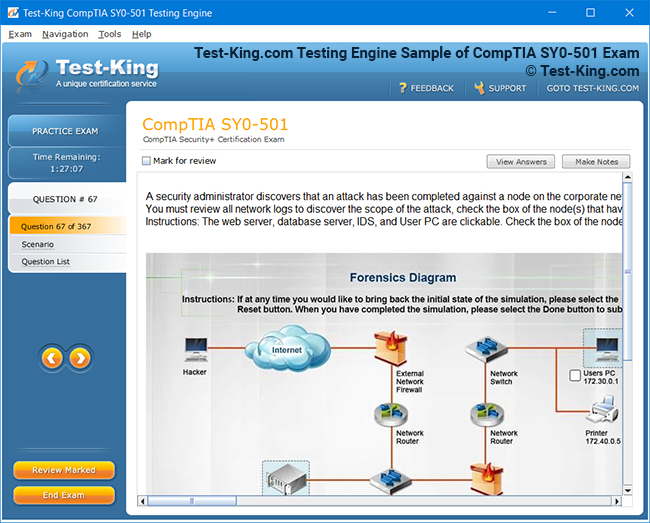
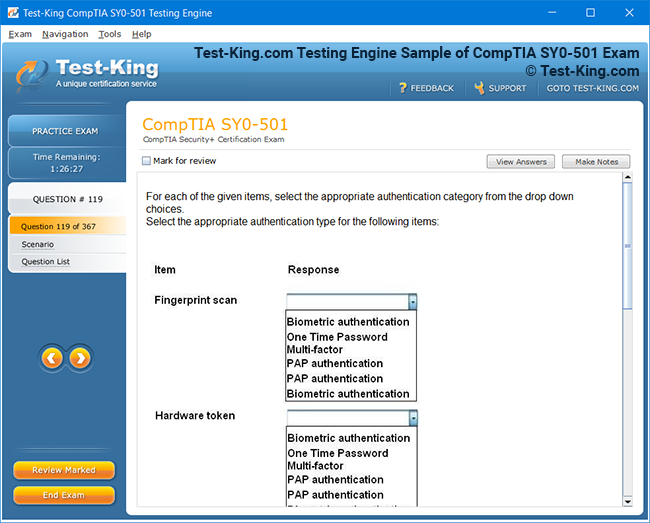
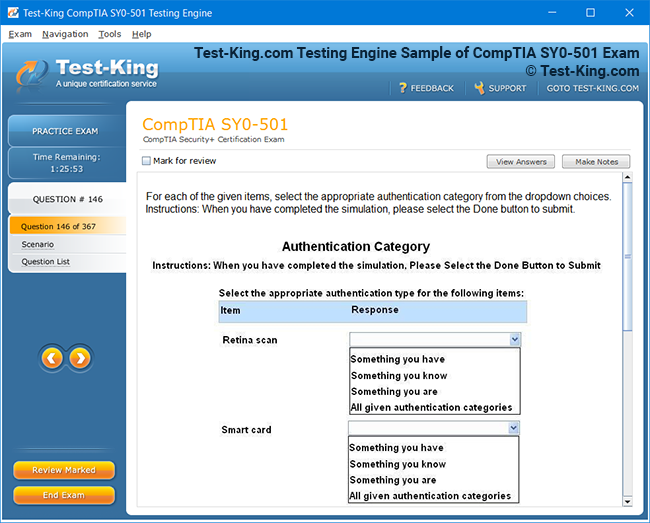
Product Screenshots
HCPA-IP Network : Why Huawei’s Pre-sales Certifications Are Essential for Networking Professionals
Huawei’s pre-sales certifications, including the HCPA-IP Network credential, have emerged as a distinguished benchmark for networking professionals seeking to establish their expertise in IP networking solutions. These certifications are designed to cultivate a comprehensive understanding of Huawei’s networking portfolio while simultaneously enhancing practical skills relevant to real-world enterprise environments. Unlike traditional theoretical exams, these certifications emphasize the combination of conceptual understanding and applied knowledge, enabling candidates to bridge the gap between technical capability and business solution delivery. Networking professionals who pursue these credentials gain a nuanced comprehension of Huawei’s products, architectures, and deployment strategies, which are indispensable for pre-sales consultancy roles.
The pre-sales certifications are meticulously structured to cover a broad spectrum of topics, ranging from foundational networking concepts to advanced IP solution design. Candidates are introduced to essential principles such as routing protocols, IP address planning, network topologies, and the intricacies of Layer 2 and Layer 3 switching. Beyond the basic architecture, the curriculum delves into configuration strategies, troubleshooting methodologies, and the optimization of network performance. This holistic approach equips professionals with the competence to address complex networking scenarios, ensuring that enterprise solutions are not only technically sound but also aligned with client requirements.
Career Advantages of Huawei Pre-sales Credentials
Obtaining Huawei’s pre-sales certifications offers an unparalleled advantage in the professional realm. The recognition associated with the credential signifies a commitment to technical mastery and an ability to translate network theory into actionable business solutions. Organizations increasingly seek professionals capable of evaluating client requirements, proposing suitable network designs, and guiding the deployment of solutions that enhance operational efficiency. Professionals with these certifications are often positioned for roles that blend technical acumen with strategic insight, including network consultant, solution architect, and enterprise networking advisor.
These credentials also open pathways to leadership roles in technology-driven organizations. Individuals who have demonstrated proficiency in Huawei’s IP network solutions often find themselves leading pre-sales teams, conducting solution workshops, and mentoring junior engineers. The knowledge acquired extends beyond mere configuration skills; it encompasses an understanding of market trends, competitive product analysis, and customer engagement techniques. By mastering these elements, certified professionals can influence organizational decision-making, ensuring that networking projects are both technically robust and commercially viable.
Practical Knowledge and Real-World Applications
One of the most compelling aspects of Huawei’s pre-sales certifications is the emphasis on applied knowledge. Candidates are trained not just to memorize protocols or device configurations but to interpret client requirements and architect solutions that meet specific business objectives. For instance, understanding the nuances of network traffic patterns allows a professional to propose IP designs that optimize latency, enhance throughput, and support emerging technologies such as cloud computing and IoT integration. Similarly, familiarity with Huawei’s proprietary technologies enables seamless integration of routing, switching, and security solutions, providing clients with a cohesive and resilient network infrastructure.
The certifications also introduce scenarios that simulate real enterprise challenges. Professionals learn to design networks capable of handling high availability requirements, disaster recovery strategies, and scalable growth. They are equipped with the skills to perform site surveys, assess bandwidth demands, and configure devices in a manner that ensures redundancy and fault tolerance. This experience is invaluable in pre-sales contexts, where clients rely on consultants not only for technical recommendations but also for strategic guidance on long-term network sustainability.
Enhancing Communication and Client Interaction Skills
Beyond technical proficiency, Huawei pre-sales certifications foster essential soft skills that distinguish top-tier networking professionals. The curriculum emphasizes effective communication strategies, enabling candidates to articulate complex network concepts to non-technical stakeholders. In pre-sales engagements, the ability to convey technical information clearly and persuasively is as important as the underlying solution itself. Certified professionals are trained to prepare presentations, conduct workshops, and produce documentation that simplifies intricate networking concepts for clients, thereby facilitating informed decision-making.
The certifications also encourage a consultative approach, guiding professionals to listen actively to client needs and tailor solutions accordingly. This combination of technical expertise and interpersonal skill ensures that certified individuals can foster trust, establish credibility, and cultivate long-term client relationships. The integration of these competencies positions networking professionals as indispensable assets in enterprise environments, where the convergence of technology and business strategy is critical.
Strategic Knowledge for Solution Design
Huawei’s pre-sales certifications are uniquely designed to equip professionals with strategic knowledge essential for solution design. Candidates explore advanced topics such as multi-protocol label switching, virtualized network environments, and software-defined networking principles. This knowledge enables them to design IP networks that are flexible, scalable, and capable of supporting complex organizational demands. By understanding these technologies, certified professionals can propose solutions that not only meet current requirements but also anticipate future network evolution.
Additionally, the certification emphasizes performance optimization and network reliability. Professionals learn to analyze network bottlenecks, implement redundancy mechanisms, and enhance the resilience of critical infrastructure. This proactive approach reduces downtime and ensures seamless connectivity, which is vital for enterprises dependent on continuous network availability. The strategic insight gained through these certifications transforms candidates into solution-oriented professionals capable of addressing both immediate challenges and long-term organizational goals.
Recognition and Industry Credibility
In the competitive landscape of networking careers, professional recognition is invaluable. Huawei pre-sales certifications provide a mark of credibility recognized by employers, peers, and clients worldwide. The certification validates a professional’s ability to engage with complex networking scenarios, implement effective solutions, and contribute meaningfully to enterprise success. This credibility often translates into enhanced career prospects, higher compensation, and opportunities to participate in high-impact projects.
Industry recognition also extends to collaborative environments where multiple vendors and technologies converge. Certified professionals are equipped to navigate multi-vendor ecosystems, integrating Huawei solutions with other network infrastructures while ensuring optimal performance and interoperability. This versatility is increasingly sought after in global enterprises, where networks are heterogeneous, and operational efficiency is paramount.
Lifelong Learning and Continuous Skill Development
Obtaining a Huawei pre-sales certification is not merely a one-time achievement; it represents the beginning of a lifelong journey in professional development. The rapidly evolving landscape of IP networking necessitates continuous learning and adaptation. Certified professionals are encouraged to stay abreast of technological advancements, emerging standards, and innovative network solutions. This commitment to ongoing education ensures that their expertise remains relevant and that they can continue to deliver high-value solutions to clients.
Huawei supports this ongoing development through advanced certifications, technical resources, and community engagement. Professionals are invited to participate in forums, knowledge-sharing events, and workshops that deepen their understanding of network technologies. By engaging with these resources, certified individuals maintain a competitive edge, continually refining their skills and expanding their professional horizons.
Broad Impact on Organizational Success
The influence of certified pre-sales professionals extends beyond individual career growth; it directly impacts organizational success. Enterprises benefit from having experts who can design and implement resilient, scalable, and cost-effective networks. These professionals reduce the likelihood of network failures, optimize resource allocation, and enhance overall operational efficiency. Furthermore, they contribute to strategic initiatives by ensuring that network infrastructure aligns with business objectives, supports innovation, and facilitates seamless digital transformation.
In many organizations, pre-sales certified professionals also play a pivotal role in client acquisition and retention. Their ability to demonstrate technical expertise, communicate effectively, and propose tailored solutions instills confidence in prospective clients. This contributes to stronger partnerships, long-term contracts, and a positive reputation in the market, illustrating the broader value of investing in certification programs.
Integration of Emerging Technologies
The HCPA-IP Network and related Huawei certifications incorporate training on emerging technologies, ensuring that certified professionals are prepared for the future of networking. Topics such as network automation, artificial intelligence-assisted operations, and cloud-native infrastructure are increasingly relevant in modern enterprise environments. By mastering these technologies, professionals can design networks that are not only robust and efficient but also capable of supporting next-generation applications.
Understanding these emerging trends enables professionals to anticipate client needs and propose innovative solutions. It positions them as thought leaders who can guide organizations through technological transitions, ensuring that network investments are both strategic and future-proof. This foresight reinforces the indispensability of certified pre-sales professionals in dynamic and competitive markets.
Deepening Technical Mastery Through Huawei Certifications
Huawei pre-sales certifications provide networking professionals with a profound understanding of IP networks, transcending conventional learning paradigms. These credentials offer structured guidance in mastering complex network architectures, including routing, switching, and advanced Layer 3 protocols. Candidates gain insights into dynamic routing mechanisms, such as OSPF and BGP, while exploring how these protocols interact within large-scale enterprise networks. The emphasis is not solely on rote memorization but on cultivating an analytical mindset capable of troubleshooting intricate network environments.
These certifications encourage professionals to approach networking problems with a strategic lens. For instance, when faced with scenarios involving high availability and redundancy, certified candidates are trained to evaluate potential failure points and design resilient solutions. They become adept at assessing latency, throughput, and packet loss metrics, allowing them to optimize network performance. By internalizing these principles, professionals develop the acumen to anticipate issues before they manifest, ensuring that enterprise networks operate smoothly and efficiently.
Bridging Technical Knowledge and Business Solutions
One of the distinguishing characteristics of Huawei pre-sales certifications is the integration of technical expertise with business-oriented problem solving. Candidates are trained to translate network theory into actionable solutions that align with organizational goals. This involves understanding client requirements, evaluating existing infrastructures, and proposing IP network designs that are both efficient and scalable. The certification curriculum incorporates real-world scenarios, encouraging candidates to simulate network deployment strategies, budget considerations, and project timelines.
Certified professionals acquire a rare blend of technical depth and consultative skill. They can analyze business processes, identify networking needs, and propose solutions that enhance operational productivity. By bridging the gap between technology and business, these professionals become indispensable contributors to enterprise success. Organizations increasingly value candidates who can demonstrate not only the ability to configure and manage networks but also the foresight to align technical decisions with strategic objectives.
Enhancing Network Design and Implementation Skills
The practical component of Huawei pre-sales certifications ensures that candidates are not limited to theoretical concepts. Hands-on exercises and simulation-based learning experiences teach professionals to implement network designs effectively. They explore methods for IP address allocation, VLAN segmentation, and routing optimization. This practical exposure fosters confidence in configuring network devices, integrating new technologies, and troubleshooting performance bottlenecks.
Candidates also learn to design networks capable of supporting emerging enterprise demands, including cloud services, virtualization, and IoT ecosystems. By understanding the interplay of various network components, professionals can ensure seamless connectivity across distributed sites. This holistic understanding extends to optimizing traffic flow, maintaining service quality, and implementing failover mechanisms to minimize downtime. In essence, the certification equips professionals with the capability to transform theoretical knowledge into tangible, operational networks.
Strengthening Problem-Solving and Analytical Capabilities
Huawei pre-sales certifications cultivate critical thinking and analytical reasoning. Professionals learn to dissect complex networking challenges, identify root causes, and devise effective solutions. They are encouraged to approach problems systematically, considering multiple variables such as network topology, bandwidth limitations, and device interoperability. This methodology empowers candidates to tackle intricate scenarios that would overwhelm those with only superficial knowledge of network operations.
For instance, when diagnosing routing discrepancies or latency issues, certified professionals can trace packet flows, interpret routing tables, and adjust configurations to optimize performance. They also develop the ability to anticipate potential network vulnerabilities, proactively implementing security measures to protect sensitive data. This analytical proficiency distinguishes certified individuals in highly competitive environments, making them assets for organizations seeking sustainable, high-performing network infrastructures.
Elevating Professional Reputation and Marketability
Earning Huawei pre-sales certifications significantly enhances a professional’s credibility within the networking industry. Employers recognize these credentials as proof of advanced technical competency and strategic insight. Certified individuals often experience accelerated career growth, access to higher-level positions, and increased earning potential. The certification signals to peers, supervisors, and clients that the individual possesses not only technical mastery but also the ability to design and deliver solutions that meet enterprise requirements.
Moreover, industry recognition extends beyond the confines of a single organization. Networking professionals with Huawei pre-sales certifications are equipped to work in diverse environments, integrating multi-vendor solutions and addressing complex networking challenges. Their versatility and proficiency enable them to navigate heterogeneous systems, ensuring interoperability and performance optimization across varied platforms. This adaptability further enhances their professional value and strengthens their market position.
Integrating Advanced Technologies
Huawei certifications introduce candidates to advanced and emerging technologies that shape the future of networking. Topics such as software-defined networking, network automation, and cloud-based IP solutions are embedded in the curriculum. Professionals gain knowledge of automation scripts, orchestration techniques, and AI-assisted network management, allowing them to streamline operations and reduce manual configuration errors.
Understanding these technologies equips candidates to design networks that are not only robust and scalable but also agile enough to adapt to evolving enterprise demands. They learn to implement virtualization strategies, optimize cloud connectivity, and leverage analytical tools for network performance monitoring. This foresight ensures that certified professionals remain at the forefront of technological innovation, ready to implement forward-looking solutions that drive organizational growth.
Client Engagement and Consultative Expertise
A critical yet often overlooked component of pre-sales certification is the development of client engagement skills. Professionals are trained to communicate complex technical concepts effectively, translating network jargon into clear, actionable recommendations for non-technical stakeholders. This ability to convey ideas convincingly is invaluable during client consultations, presentations, and workshops.
Certified professionals are also guided in adopting a consultative approach. They learn to actively listen, identify client pain points, and tailor solutions to meet specific operational needs. By combining technical mastery with interpersonal aptitude, these individuals foster trust and credibility with clients, ultimately contributing to successful project outcomes and long-lasting business relationships.
Preparing for Enterprise Network Challenges
The dynamic landscape of enterprise networking presents challenges such as rapidly increasing data traffic, evolving security threats, and expanding connectivity requirements. Huawei pre-sales certifications prepare professionals to address these complexities with precision. Candidates explore scenarios involving large-scale network deployments, multi-site connectivity, and disaster recovery planning. They gain the skills to design resilient networks capable of maintaining uninterrupted service under diverse conditions.
By emphasizing practical, scenario-based learning, the certification ensures that professionals can navigate high-stakes environments with confidence. They acquire the ability to evaluate risk, implement redundancy protocols, and monitor performance metrics effectively. These competencies are essential for organizations seeking to maintain competitive advantage in a landscape where network reliability and performance are critical determinants of operational success.
Long-Term Professional Growth
Huawei pre-sales certifications are a foundation for continuous learning and career advancement. Professionals are encouraged to pursue higher-level credentials, explore specialized domains, and engage with industry communities to remain current with evolving standards and technologies. This commitment to lifelong learning ensures that certified individuals maintain their relevance in a field characterized by rapid innovation.
Engagement with ongoing training, webinars, and forums facilitates knowledge exchange and skill refinement. Professionals can explore emerging trends such as next-generation IP routing, edge computing, and AI-driven network optimization. By participating in these initiatives, they cultivate a comprehensive understanding of both foundational principles and advanced innovations, reinforcing their position as thought leaders in the networking industry.
Contribution to Organizational Efficiency
The expertise of certified professionals extends beyond individual accomplishments, directly impacting organizational performance. Enterprises benefit from the presence of individuals capable of designing efficient, resilient, and scalable networks. Certified candidates reduce operational risk, optimize resource utilization, and implement solutions that enhance productivity.
In pre-sales contexts, these professionals contribute to strategic project planning, providing insights into network scalability, cost optimization, and long-term infrastructure sustainability. Their involvement ensures that network initiatives align with business objectives, facilitating smooth deployment and minimizing disruptions. Organizations gain measurable benefits from employing professionals who combine technical mastery with strategic foresight.
Fostering Innovation and Technological Leadership
Huawei pre-sales certifications cultivate a mindset geared toward innovation and leadership. Professionals are exposed to best practices in network architecture, emerging standards, and pioneering technologies. This exposure fosters creativity, enabling candidates to propose novel solutions to complex networking problems.
By understanding cutting-edge tools and methodologies, certified individuals can anticipate industry shifts and implement forward-thinking strategies. Their ability to blend technical acumen with visionary thinking positions them as key contributors to organizational innovation. Companies that leverage these professionals benefit not only from optimized networks but also from enhanced adaptability and competitive advantage in rapidly evolving markets.
Expanding Expertise in Enterprise Networking
Huawei pre-sales certifications provide networking professionals with a profound understanding of enterprise IP networks, fostering expertise that extends beyond standard technical knowledge. The credential equips candidates with the ability to architect, implement, and optimize complex network infrastructures while considering the multifaceted needs of large-scale organizations. Professionals trained through this certification develop a holistic perspective, appreciating the intricate interplay between routing protocols, switching mechanisms, and network security frameworks. The emphasis is on cultivating an analytical approach that enables rapid problem-solving and strategic deployment.
Candidates gain exposure to dynamic routing strategies, including OSPF, BGP, and IS-IS, learning how these protocols operate in tandem to ensure seamless connectivity across distributed enterprise environments. In addition to theoretical understanding, the certification emphasizes practical application, teaching professionals to configure devices, optimize traffic flows, and implement redundancy mechanisms that safeguard network reliability. This dual focus on theory and practice allows certified individuals to navigate both predictable and unforeseen challenges in network management, elevating their value to organizations.
The Role of Huawei Certifications in Career Advancement
Achieving a Huawei pre-sales certification significantly enhances a professional’s career trajectory. Employers recognize these credentials as evidence of advanced technical competence, strategic thinking, and the ability to design and deliver tailored networking solutions. Certified individuals are often considered for roles such as network consultant, enterprise solution architect, and pre-sales technical advisor, positions that require a combination of technical mastery and business acumen.
Beyond immediate job opportunities, these certifications establish credibility in the broader professional community. Networking professionals are increasingly required to work within multi-vendor environments, integrating Huawei solutions alongside other industry technologies. The credential demonstrates proficiency in managing heterogeneous systems, ensuring interoperability and operational efficiency. As businesses seek individuals capable of addressing complex enterprise challenges, certified professionals emerge as trusted advisors who can guide strategic decision-making and contribute to organizational success.
Mastering Advanced Network Architectures
Huawei pre-sales certifications delve into sophisticated network architectures, equipping candidates with the skills necessary to design and manage resilient, scalable, and high-performance networks. Training encompasses both foundational principles and advanced topics, including multi-protocol label switching, software-defined networking, and network virtualization. Professionals learn to optimize routing, segment networks efficiently, and implement Layer 2 and Layer 3 solutions that maintain service quality across diverse operational conditions.
The certification encourages professionals to analyze network topologies critically, identifying potential bottlenecks, and implementing strategies to enhance performance. Candidates are trained to design networks that accommodate high data traffic volumes, ensure low latency, and support emerging technologies such as cloud computing and Internet of Things integration. This depth of understanding enables certified individuals to provide solutions that are not only technically sound but also aligned with long-term organizational objectives.
Practical Application in Real-World Scenarios
Huawei pre-sales certifications emphasize applied learning, ensuring that professionals can translate knowledge into tangible solutions. Hands-on exercises simulate real-world challenges, allowing candidates to practice configuration, troubleshooting, and network optimization in controlled environments. This practical focus strengthens problem-solving skills, instills confidence, and prepares professionals for high-stakes operational contexts.
Candidates learn to evaluate client requirements, assess existing infrastructure, and propose IP designs that meet specific business needs. The curriculum emphasizes performance monitoring, redundancy planning, and fault tolerance, teaching professionals to anticipate and mitigate potential network disruptions. By integrating these skills, certified individuals become capable of delivering robust, efficient, and scalable network solutions that drive organizational productivity and support business growth.
Strengthening Analytical and Troubleshooting Skills
The analytical rigor instilled by Huawei pre-sales certifications equips professionals to diagnose complex networking issues systematically. Candidates learn to interpret traffic patterns, evaluate routing discrepancies, and implement corrective measures to optimize performance. This structured approach to problem-solving ensures that professionals can address both immediate technical challenges and long-term operational inefficiencies.
Certified individuals also develop the ability to conduct comprehensive network audits, identify vulnerabilities, and implement proactive security measures. By combining analytical thinking with practical experience, these professionals can design networks that are resilient, secure, and aligned with organizational requirements. This capability is particularly valuable in pre-sales contexts, where clients rely on consultants to provide reliable guidance and effective solutions.
Integrating Emerging Networking Technologies
Huawei pre-sales certifications prepare candidates to engage with the latest advancements in networking technology. Topics such as cloud integration, network automation, and artificial intelligence-assisted operations are incorporated into the curriculum, providing professionals with the skills necessary to implement modern network solutions. Understanding these innovations enables certified individuals to design networks that are agile, scalable, and capable of supporting next-generation applications.
The certification also emphasizes the strategic use of network analytics and monitoring tools. Professionals learn to track performance metrics, identify anomalies, and make data-driven decisions that optimize operational efficiency. By leveraging these technologies, certified individuals can ensure that enterprise networks remain responsive, resilient, and aligned with evolving business demands.
Enhancing Communication and Client Interaction
Effective communication is a core competency cultivated through Huawei pre-sales certifications. Professionals are trained to convey complex technical concepts in a clear and accessible manner, facilitating productive dialogue with clients, stakeholders, and colleagues. This skill is critical in pre-sales environments, where the ability to articulate solution benefits and operational considerations influences decision-making and client confidence.
Candidates also learn to adopt a consultative approach, actively listening to client needs, identifying pain points, and tailoring network designs accordingly. By combining technical expertise with interpersonal skills, certified professionals can establish credibility, build trust, and foster long-term client relationships. This dual capability enhances both individual career prospects and organizational success, demonstrating the broader value of the certification.
Preparing for Large-Scale Network Deployments
Huawei pre-sales certifications equip professionals to manage the complexities of enterprise-scale network deployments. Candidates explore challenges associated with multi-site connectivity, high data throughput, and redundancy planning. They learn to implement strategies that ensure seamless operation, minimize downtime, and optimize resource utilization.
The curriculum emphasizes resilience and scalability, teaching professionals to design networks capable of accommodating future growth. This forward-looking perspective ensures that network infrastructures remain adaptable, cost-effective, and aligned with evolving organizational requirements. Certified individuals are thus prepared to deliver solutions that maintain operational continuity while supporting strategic objectives.
Professional Recognition and Industry Credibility
Possession of Huawei pre-sales certifications establishes recognition within the networking industry. Employers, peers, and clients view these credentials as a testament to advanced technical proficiency, strategic insight, and the ability to deliver effective network solutions. Certified professionals often experience accelerated career advancement, access to higher-level responsibilities, and increased professional influence.
The industry credibility associated with certification extends to multi-vendor environments, where professionals are required to integrate Huawei technologies with other network systems. This versatility enhances employability, enabling certified individuals to navigate complex technical ecosystems with confidence. Organizations benefit from the presence of professionals who can manage heterogeneous networks, optimize performance, and contribute to business success.
Continuous Learning and Skill Advancement
Huawei pre-sales certifications instill a culture of ongoing professional development. Networking technologies evolve rapidly, and certified professionals are encouraged to engage in continuous learning to maintain expertise. Access to advanced training, workshops, and industry forums allows individuals to deepen their understanding, explore emerging standards, and refine practical skills.
This commitment to lifelong learning ensures that certified professionals remain competitive and capable of implementing innovative network solutions. By staying abreast of technological advancements, they can anticipate industry trends, optimize infrastructure performance, and maintain operational excellence. Continuous skill enhancement reinforces the value of certification and solidifies the professional’s role as a thought leader in networking.
Contribution to Organizational Efficiency and Innovation
Certified Huawei professionals contribute significantly to organizational efficiency. Their ability to design and implement robust, scalable, and secure networks reduces operational risk, enhances productivity, and supports strategic initiatives. Professionals apply advanced methodologies to optimize resource allocation, streamline operations, and improve service quality.
In addition to operational impact, certified individuals drive innovation within organizations. Exposure to emerging technologies, best practices, and strategic problem-solving equips them to propose forward-thinking network solutions. Enterprises benefit from professionals who not only maintain high-performing networks but also identify opportunities for technological advancement, ensuring long-term competitiveness and resilience.
Navigating Security and Compliance Challenges
Huawei pre-sales certifications prepare professionals to address critical security and compliance considerations. Candidates learn to implement robust protection measures, secure sensitive data, and ensure adherence to industry standards and regulatory requirements. This knowledge is essential for enterprises operating in sectors with stringent security protocols, such as finance, healthcare, and government.
By integrating security best practices into network design and operations, certified professionals reduce vulnerabilities and mitigate risks. They develop the capability to anticipate threats, monitor network activity, and respond effectively to incidents. This comprehensive understanding of security reinforces the strategic value of certified professionals and positions them as reliable advisors in both technical and organizational contexts.
Facilitating Collaboration and Knowledge Sharing
Huawei pre-sales certifications encourage collaboration and knowledge sharing among professionals. Candidates are often engaged in peer discussions, workshops, and collaborative exercises that simulate real-world networking challenges. This interaction fosters the exchange of ideas, exposes professionals to diverse perspectives, and enhances problem-solving capabilities.
Collaboration extends to client interactions, where certified individuals work closely with stakeholders to develop tailored network solutions. Their ability to communicate effectively, understand diverse requirements, and integrate feedback ensures that solutions are both technically robust and operationally aligned. This collaborative approach enhances project outcomes and reinforces the importance of certification in professional practice.
Elevating Network Design Competence
Huawei pre-sales certifications provide networking professionals with the capability to master the design and deployment of complex IP network infrastructures. These credentials cultivate an in-depth understanding of advanced networking concepts, enabling professionals to plan, configure, and optimize enterprise networks efficiently. Candidates acquire insights into routing protocols, switching architectures, and network segmentation strategies, developing the proficiency required to manage large-scale deployments and multifaceted infrastructures. The emphasis on analytical thinking and hands-on application allows professionals to identify potential bottlenecks, streamline data flow, and maintain high levels of network performance.
The certification curriculum includes training on dynamic routing protocols such as OSPF, BGP, and IS-IS, as well as Layer 2 and Layer 3 design considerations. Candidates learn to implement strategies that ensure redundancy, optimize bandwidth usage, and maintain consistent service quality. By internalizing these practices, professionals gain the competence to create networks that are resilient, scalable, and capable of adapting to evolving organizational requirements.
Strategic Advantages for Career Development
Attaining Huawei pre-sales certifications significantly strengthens a professional’s career prospects. The credential demonstrates a combination of technical mastery, strategic insight, and the ability to deliver client-focused solutions. Employers recognize certified individuals as capable of translating complex networking concepts into actionable strategies that support enterprise objectives. Professionals holding these credentials are often considered for roles that blend technical proficiency with consultative responsibilities, including solution architect, network consultant, and pre-sales technical advisor.
The recognition gained through certification also extends to professional credibility within the broader industry. Networking environments today are increasingly heterogeneous, with multi-vendor solutions requiring seamless integration. Certified professionals are uniquely equipped to navigate these environments, ensuring interoperability and consistent performance. Their expertise provides organizations with the confidence that network solutions are both technically robust and aligned with strategic business goals, resulting in enhanced operational efficiency and competitive advantage.
Practical Proficiency and Applied Knowledge
Huawei pre-sales certifications emphasize practical skills and applied learning, ensuring that professionals can implement and troubleshoot complex network solutions. Candidates are exposed to real-world scenarios that simulate enterprise challenges, including high-availability deployments, multi-site connectivity, and fault-tolerant designs. This experiential learning enables professionals to translate theoretical knowledge into effective, actionable solutions.
By engaging with hands-on exercises, candidates develop proficiency in configuring network devices, segmenting IP addresses, implementing VLANs, and optimizing routing paths. They gain expertise in monitoring network performance, identifying potential issues, and deploying corrective measures. This applied knowledge fosters confidence, making professionals capable of handling high-pressure operational situations with precision and efficiency.
Analytical Thinking and Problem Solving
Huawei pre-sales certifications cultivate advanced analytical and problem-solving skills essential for managing enterprise networks. Professionals learn to evaluate network traffic, identify latency issues, and diagnose routing discrepancies. This systematic approach ensures that potential disruptions are mitigated proactively, maintaining the integrity and reliability of the network.
Certified individuals also gain the ability to conduct comprehensive network audits, assess system vulnerabilities, and implement preventative security measures. By combining critical thinking with practical application, these professionals can design networks that are resilient, efficient, and aligned with organizational objectives. Their expertise allows them to address both immediate technical challenges and long-term infrastructure planning, making them indispensable assets for enterprises seeking operational stability and strategic growth.
Integrating Emerging Networking Technologies
Huawei pre-sales certifications provide exposure to emerging technologies, equipping professionals to implement innovative and future-ready network solutions. Candidates explore topics such as cloud connectivity, network virtualization, software-defined networking, and AI-assisted operations. Mastery of these technologies allows professionals to design networks that are agile, scalable, and capable of supporting evolving enterprise demands.
The curriculum also introduces network monitoring and analytics tools, enabling professionals to track performance metrics, detect anomalies, and make informed decisions to optimize network efficiency. By leveraging these capabilities, certified individuals can ensure that enterprise networks remain resilient, adaptable, and prepared for next-generation applications, including IoT deployments and hybrid cloud environments.
Enhancing Communication and Consultative Skills
Effective communication is an essential competency developed through Huawei pre-sales certifications. Professionals are trained to convey complex technical concepts in a clear and accessible manner, facilitating collaboration with clients, colleagues, and stakeholders. In pre-sales contexts, the ability to articulate network benefits and operational considerations is crucial for influencing decisions and building confidence.
Certified professionals also learn to adopt a consultative approach, actively listening to client requirements and tailoring solutions to meet specific needs. By integrating technical expertise with interpersonal aptitude, they can foster trust, establish credibility, and develop long-term relationships with clients. This combination of skills enhances both individual professional growth and organizational success, illustrating the broader value of certification in pre-sales roles.
Addressing Large-Scale Deployment Challenges
Enterprise networks often present complex deployment challenges, including high data traffic volumes, distributed locations, and stringent redundancy requirements. Huawei pre-sales certifications prepare professionals to address these challenges effectively. Candidates learn to design scalable networks capable of accommodating growth, implementing redundancy protocols, and maintaining uninterrupted service.
The curriculum emphasizes resilience and strategic planning, teaching professionals to anticipate potential failures, optimize resource allocation, and implement disaster recovery strategies. By mastering these competencies, certified individuals ensure that enterprise networks operate efficiently and reliably, providing organizations with a stable foundation for growth and innovation.
Professional Recognition and Industry Credibility
Possessing Huawei pre-sales certifications establishes professionals as credible and highly skilled within the networking industry. Employers and peers recognize these credentials as evidence of advanced technical proficiency and strategic problem-solving capabilities. Certified individuals often gain access to higher-level responsibilities, accelerated career advancement, and increased influence in decision-making processes.
Industry recognition also extends to multi-vendor network environments, where certified professionals can integrate Huawei technologies with other platforms effectively. Their versatility ensures seamless interoperability and consistent network performance, making them highly sought-after in organizations that require expert guidance to manage complex infrastructures.
Lifelong Learning and Skill Development
Huawei pre-sales certifications foster a culture of continuous learning. The rapidly evolving networking landscape requires professionals to maintain up-to-date knowledge and skills. Certified individuals are encouraged to engage in ongoing training, participate in workshops, and explore advanced certifications to expand their expertise.
By embracing lifelong learning, professionals remain competitive and capable of implementing innovative solutions that align with emerging technologies. Continuous skill enhancement allows certified individuals to anticipate industry trends, optimize network performance, and maintain operational excellence. This commitment to professional growth reinforces the value of certification and solidifies their role as leaders in enterprise networking.
Organizational Impact and Operational Efficiency
Certified Huawei professionals contribute significantly to organizational efficiency and strategic success. Their ability to design and implement resilient, scalable, and secure networks reduces operational risk, enhances productivity, and ensures that business objectives are met. By applying best practices and advanced methodologies, they optimize resource utilization and streamline network management processes.
In pre-sales contexts, certified individuals support strategic project planning by assessing infrastructure requirements, evaluating scalability options, and ensuring alignment with organizational goals. Their expertise guarantees the successful deployment of network solutions that support both current operations and future growth, providing measurable benefits to enterprises.
Driving Innovation and Technological Advancement
Huawei pre-sales certifications cultivate a mindset oriented toward innovation and technological leadership. Professionals gain exposure to advanced methodologies, emerging networking standards, and cutting-edge technologies that enable them to propose novel solutions to complex challenges.
Certified individuals leverage their expertise to implement innovative network architectures, optimize operational processes, and contribute to organizational transformation. By combining technical mastery with strategic insight, these professionals drive continuous improvement, ensuring that enterprise networks remain agile, efficient, and prepared for future demands.
Security and Compliance Expertise
Network security and compliance are critical considerations in enterprise environments, and Huawei pre-sales certifications equip professionals to address these challenges effectively. Candidates learn to implement security best practices, protect sensitive data, and ensure adherence to regulatory requirements.
Certified professionals develop the capability to anticipate potential threats, monitor network activity, and respond to incidents promptly. Their knowledge ensures that network infrastructures remain secure, resilient, and aligned with industry standards, providing organizations with confidence in both operational and strategic decision-making.
Collaboration and Knowledge Sharing
Huawei pre-sales certifications emphasize the importance of collaboration and knowledge sharing. Professionals engage in peer discussions, workshops, and collaborative exercises that simulate real-world networking scenarios. These interactions foster critical thinking, expose candidates to diverse perspectives, and enhance problem-solving capabilities.
Collaboration extends to client engagement, where certified professionals work closely with stakeholders to develop customized network solutions. Their ability to communicate effectively, integrate feedback, and deliver results ensures operational success and demonstrates the practical value of certification in professional practice.
Advanced Competence in IP Networking
Huawei pre-sales certifications equip networking professionals with advanced expertise in IP networking, enabling them to design, deploy, and manage sophisticated network infrastructures. These credentials provide an immersive understanding of both fundamental and advanced networking concepts, including routing, switching, and network segmentation strategies. Candidates gain proficiency in analyzing complex network topologies, optimizing traffic flow, and implementing redundancy mechanisms to maintain operational continuity. The certification emphasizes not only technical knowledge but also the ability to approach networking challenges with a strategic mindset, ensuring enterprise networks remain resilient and high-performing.
Candidates are trained in dynamic routing protocols such as OSPF, BGP, and IS-IS, gaining insight into how these protocols function within large-scale environments. Layer 2 and Layer 3 configurations are explored extensively, enabling professionals to implement efficient designs that reduce latency, improve bandwidth utilization, and provide high availability. The practical orientation of the certification ensures that candidates are capable of translating theoretical concepts into effective, real-world network solutions.
Career Enhancement and Professional Recognition
Earning Huawei pre-sales certifications significantly boosts a professional’s career trajectory. The credential signals advanced technical capability, strategic problem-solving skills, and the ability to deliver client-focused solutions. Employers recognize certified individuals as valuable assets capable of navigating complex networking environments and aligning technical strategies with organizational goals. Professionals with these credentials often qualify for roles such as network consultant, enterprise solution architect, and pre-sales technical advisor, where both technical acumen and consultative skills are critical.
Beyond immediate career opportunities, the certification establishes credibility within the broader networking industry. Certified professionals can confidently operate in heterogeneous, multi-vendor environments, integrating Huawei technologies with other platforms to ensure seamless interoperability. This versatility and recognized expertise enhance employability, positioning certified individuals as key contributors to enterprise projects that require sophisticated network solutions.
Practical Application and Hands-On Expertise
Huawei pre-sales certifications emphasize experiential learning, ensuring that professionals develop hands-on proficiency in configuring and managing network solutions. Candidates engage with realistic scenarios, including multi-site connectivity, high-availability deployments, and fault-tolerant network designs. This practical exposure enables professionals to apply theoretical knowledge to tangible tasks, enhancing their problem-solving abilities and operational competence.
Through these exercises, candidates gain experience in IP address planning, VLAN segmentation, routing optimization, and network monitoring. They develop the ability to detect and resolve performance bottlenecks, implement redundancy protocols, and ensure high levels of service reliability. By translating learning into practical application, certified individuals are prepared to manage real-world networks efficiently and confidently.
Analytical and Strategic Problem-Solving
The analytical rigor embedded in Huawei pre-sales certifications equips professionals with the capacity to tackle complex networking challenges. Candidates are trained to evaluate traffic flows, identify latency issues, and troubleshoot routing anomalies methodically. This structured approach enables proactive mitigation of potential disruptions and ensures network reliability across enterprise environments.
In addition to troubleshooting, certified professionals learn to conduct comprehensive network assessments, evaluate system vulnerabilities, and implement preventative security measures. Combining analytical thinking with applied expertise allows individuals to design resilient, efficient, and strategically aligned networks. Their capacity to address both immediate technical concerns and long-term infrastructure planning enhances their professional value within organizations.
Incorporating Emerging Technologies
Huawei pre-sales certifications expose candidates to emerging networking technologies that define the future of enterprise connectivity. Training includes cloud integration, network virtualization, software-defined networking, and AI-driven network operations. Professionals gain insight into automation strategies, orchestration tools, and analytics applications, enabling the design of networks that are adaptable, efficient, and prepared for evolving enterprise needs.
By mastering these technologies, certified individuals can optimize network performance, implement innovative solutions, and anticipate client requirements. They learn to apply analytics to monitor network health, identify anomalies, and make informed operational decisions. The integration of emerging technologies ensures that certified professionals remain at the forefront of networking innovation and can deliver forward-thinking solutions to enterprises.
Enhancing Communication and Consultative Skills
Effective communication is a fundamental competency developed through Huawei pre-sales certifications. Professionals are trained to present complex technical concepts in accessible language, ensuring clarity for clients, stakeholders, and colleagues. This skill is vital in pre-sales contexts, where the ability to articulate solution benefits influences client decision-making and builds confidence in proposed network designs.
The certification also emphasizes consultative approaches, guiding professionals to actively listen to client needs and provide tailored solutions. By combining technical proficiency with interpersonal skills, certified individuals can establish credibility, foster trust, and develop long-term client relationships. This dual expertise strengthens both individual career growth and organizational outcomes, highlighting the practical value of the certification.
Addressing Complex Deployment Challenges
Enterprise network deployments present multifaceted challenges, including high traffic volumes, distributed environments, and stringent availability requirements. Huawei pre-sales certifications prepare professionals to navigate these complexities effectively. Candidates learn to design scalable networks capable of supporting future growth, implement redundancy protocols, and maintain uninterrupted service even under challenging conditions.
The curriculum emphasizes proactive planning, resilience, and operational foresight. Certified professionals acquire the skills necessary to anticipate potential network failures, optimize resource utilization, and implement disaster recovery strategies. Their expertise ensures that enterprise networks function reliably and efficiently, providing a robust foundation for organizational growth and innovation.
Industry Recognition and Professional Credibility
Huawei pre-sales certifications establish professionals as recognized authorities within the networking industry. Employers and clients view these credentials as proof of advanced technical expertise, strategic insight, and the ability to deliver effective solutions. Certified individuals often gain access to higher-level responsibilities, accelerated career advancement, and greater influence in organizational decision-making.
The value of certification extends to multi-vendor network ecosystems, where professionals are required to integrate Huawei technologies with other systems seamlessly. This capability enhances employability, operational efficiency, and overall organizational performance, emphasizing the strategic importance of certified networking professionals.
Continuous Learning and Professional Development
Huawei pre-sales certifications foster a culture of lifelong learning, ensuring that professionals maintain relevance in the rapidly evolving networking field. Candidates are encouraged to pursue ongoing education, advanced certifications, and participation in technical workshops to enhance expertise.
By engaging with continuous learning opportunities, certified professionals can stay abreast of emerging technologies, refine practical skills, and anticipate industry trends. This commitment to ongoing development allows individuals to implement innovative solutions, optimize network operations, and maintain professional excellence. Lifelong learning reinforces the value of certification and positions professionals as thought leaders in enterprise networking.
Organizational Benefits and Operational Impact
Certified Huawei professionals contribute significantly to the efficiency and strategic success of organizations. Their ability to design, deploy, and manage resilient, scalable, and secure networks reduces operational risk, enhances productivity, and supports enterprise goals. By applying best practices and advanced methodologies, certified individuals optimize network performance and resource utilization.
In pre-sales contexts, these professionals play a critical role in project planning, evaluating infrastructure needs, and ensuring alignment with organizational objectives. Their expertise facilitates successful network deployments, smooth operational transitions, and long-term scalability. Organizations benefit from their ability to combine technical mastery with strategic foresight, resulting in tangible operational and financial gains.
Driving Innovation and Technological Leadership
Huawei pre-sales certifications encourage professionals to adopt innovative approaches to networking challenges. Candidates are exposed to emerging technologies, industry standards, and best practices, enabling them to propose creative and effective solutions.
Certified professionals leverage their expertise to implement advanced network architectures, optimize operational workflows, and enhance overall organizational efficiency. By combining strategic vision with technical skill, they drive continuous improvement, ensuring that enterprise networks remain adaptive, high-performing, and aligned with future technological developments.
Security and Compliance Integration
Network security and regulatory compliance are critical considerations in enterprise networking, and Huawei pre-sales certifications prepare professionals to address these challenges effectively. Candidates learn to implement security measures, safeguard sensitive information, and comply with industry standards and legal regulations.
Certified individuals develop the ability to anticipate security threats, monitor network activity, and respond to incidents promptly. Their expertise ensures that networks remain secure, resilient, and compliant, providing organizations with confidence in both operational and strategic contexts.
Collaboration and Knowledge Sharing
Collaboration is a vital component of Huawei pre-sales certifications. Professionals participate in interactive exercises, workshops, and discussions that simulate real-world networking scenarios, fostering critical thinking and knowledge exchange.
This collaborative approach extends to client engagement, where certified individuals work closely with stakeholders to develop customized solutions. Their ability to communicate effectively, integrate feedback, and deliver high-quality results enhances both project success and professional credibility. Collaboration and knowledge sharing reinforce the practical value of certification and support the development of well-rounded networking professionals.
Mastery of Enterprise IP Networking
Huawei pre-sales certifications empower networking professionals to master enterprise IP networking, combining theoretical comprehension with practical expertise. Candidates gain a deep understanding of routing protocols, switching architectures, and network segmentation, enabling them to design and implement complex network infrastructures with precision. The certification emphasizes strategic thinking and analytical problem-solving, allowing professionals to anticipate challenges, optimize traffic flow, and ensure the resilience of enterprise networks.
Training encompasses dynamic routing protocols such as OSPF, BGP, and IS-IS, along with Layer 2 and Layer 3 considerations. Candidates are taught to implement redundant configurations, optimize bandwidth usage, and minimize latency across distributed network environments. These competencies ensure that professionals are capable of maintaining high-performance networks while addressing the unique requirements of large-scale organizations. The focus on practical application ensures that certified individuals are prepared to handle both everyday operational tasks and unforeseen network challenges with confidence.
Career Growth and Professional Recognition
Achieving Huawei pre-sales certifications significantly enhances professional credibility and career prospects. Employers recognize these credentials as a testament to technical mastery, consultative expertise, and the ability to translate complex networking requirements into effective business solutions. Certified professionals are often considered for roles such as enterprise solution architect, network consultant, and pre-sales technical advisor, positions that demand both technical acumen and strategic insight.
The certification also provides recognition within the broader networking community. Professionals gain the ability to operate in heterogeneous, multi-vendor environments, integrating Huawei solutions seamlessly with other platforms. This adaptability and recognized proficiency make certified individuals highly desirable in organizations seeking experts capable of addressing complex network scenarios while aligning technical strategies with business objectives.
Applied Learning and Hands-On Expertise
Huawei pre-sales certifications emphasize experiential learning, equipping candidates with hands-on expertise in configuring, deploying, and troubleshooting network solutions. Realistic exercises and scenario-based training expose professionals to challenges such as multi-site connectivity, high-availability deployments, and fault-tolerant designs. By simulating enterprise scenarios, candidates learn to translate theoretical knowledge into actionable solutions, enhancing operational confidence and efficiency.
Through practical exposure, candidates acquire skills in IP address planning, VLAN implementation, routing optimization, and network performance monitoring. They also learn to detect potential bottlenecks, implement redundancy mechanisms, and ensure network stability. This combination of theoretical and practical mastery prepares professionals to handle complex operational environments and deliver high-quality solutions for enterprise networks.
Analytical Reasoning and Strategic Problem-Solving
Huawei pre-sales certifications cultivate advanced analytical reasoning and problem-solving capabilities. Professionals learn to evaluate network traffic patterns, diagnose routing discrepancies, and implement corrective measures methodically. This structured approach ensures proactive management of network performance and enhances operational reliability.
In addition to troubleshooting, certified individuals are trained to conduct comprehensive network assessments, evaluate vulnerabilities, and implement preventative security strategies. By integrating critical thinking with practical application, professionals can design networks that are resilient, scalable, and strategically aligned with organizational goals. These competencies make certified individuals essential contributors to enterprises seeking reliable, high-performing network infrastructures.
Integration of Emerging Technologies
Candidates pursuing Huawei pre-sales certifications gain exposure to emerging networking technologies that are critical for modern enterprises. Training includes cloud connectivity, software-defined networking, network virtualization, and AI-assisted operations. Professionals develop the skills necessary to design agile, efficient, and scalable networks that meet contemporary business requirements and anticipate future demands.
The certification also emphasizes the use of analytics tools and monitoring solutions. Candidates learn to track performance metrics, detect anomalies, and optimize network operations based on data-driven insights. Mastery of these technologies ensures that certified professionals remain at the forefront of networking innovation, capable of delivering forward-looking solutions that support organizational growth and technological advancement.
Client Engagement and Consultative Skills
Effective communication is a cornerstone of Huawei pre-sales certifications. Professionals are trained to present complex technical information in a clear, accessible manner, facilitating client understanding and informed decision-making. This skill is crucial in pre-sales environments, where the ability to articulate network benefits and operational considerations directly influences client trust and project outcomes.
Certified individuals also develop consultative expertise, learning to actively listen, identify client needs, and propose tailored network solutions. By combining technical proficiency with interpersonal communication, they foster credibility, establish trust, and cultivate long-term professional relationships. This dual capability enhances both career progression and organizational success, reinforcing the value of the certification in real-world networking scenarios.
Designing for Large-Scale Deployments
Enterprise networks are often complex, encompassing high traffic volumes, geographically distributed sites, and stringent availability requirements. Huawei pre-sales certifications prepare professionals to address these challenges by teaching them to design scalable, resilient, and efficient networks. Candidates learn to implement redundancy protocols, optimize bandwidth utilization, and maintain continuous service even under demanding operational conditions.
The curriculum emphasizes proactive planning, risk mitigation, and strategic foresight. Professionals are trained to anticipate potential network failures, allocate resources effectively, and deploy disaster recovery mechanisms. These capabilities ensure that enterprise networks operate reliably, providing organizations with a stable foundation to support growth, innovation, and digital transformation initiatives.
Industry Credibility and Recognition
Huawei pre-sales certifications establish a professional’s credibility in the networking industry. Employers, peers, and clients recognize these credentials as evidence of technical expertise, strategic thinking, and the ability to deliver effective solutions. Certified professionals are frequently entrusted with high-impact responsibilities, accelerated career growth, and increased influence within organizational decision-making processes.
The certification also reinforces adaptability in multi-vendor environments, where professionals must integrate Huawei solutions alongside other network systems. This versatility ensures seamless interoperability, consistent network performance, and enhanced organizational efficiency, making certified professionals highly sought-after in enterprise networking contexts.
Commitment to Lifelong Learning
Huawei pre-sales certifications instill a culture of continuous learning and professional development. Networking technologies evolve rapidly, and certified individuals are encouraged to pursue ongoing education, advanced certifications, and participation in technical workshops to maintain relevance and expertise.
By embracing continuous learning, professionals stay abreast of emerging technologies, refine practical skills, and anticipate industry trends. This commitment ensures the ability to implement innovative, efficient, and secure network solutions while sustaining operational excellence. Lifelong learning strengthens the professional value of certification and positions individuals as thought leaders in enterprise networking.
Enhancing Organizational Efficiency
Certified Huawei professionals make substantial contributions to organizational efficiency and operational success. Their expertise in designing, deploying, and managing resilient networks reduces operational risks, enhances productivity, and supports business objectives. Professionals apply best practices and advanced methodologies to optimize resource utilization, streamline processes, and maintain high-performance infrastructures.
In pre-sales engagements, certified individuals play a vital role in planning and strategy, assessing infrastructure requirements, and ensuring alignment with organizational goals. Their skills facilitate smooth network deployments, minimize operational disruptions, and enable enterprises to achieve long-term scalability and sustainability. The combination of technical mastery and strategic foresight ensures that certified professionals are instrumental in driving organizational performance.
Driving Innovation and Technological Leadership
Huawei pre-sales certifications cultivate innovation and technological leadership. Professionals are exposed to emerging standards, industry trends, and cutting-edge technologies that empower them to propose creative and effective networking solutions. Certified individuals leverage their expertise to implement advanced architectures, optimize operational workflows, and enhance overall organizational performance.
By combining technical proficiency with visionary thinking, certified professionals promote continuous improvement and enable enterprises to maintain competitive advantage. Their ability to innovate ensures that networks remain adaptable, efficient, and capable of supporting evolving business demands, positioning them as essential contributors to technological advancement.
Security and Compliance Expertise
Network security and regulatory compliance are central to enterprise networking, and Huawei pre-sales certifications prepare professionals to address these requirements comprehensively. Candidates learn to implement robust security measures, protect sensitive information, and ensure adherence to industry standards and legal regulations.
Certified professionals are trained to anticipate security threats, monitor network activity, and respond to incidents effectively. This expertise ensures that networks remain secure, resilient, and compliant, providing organizations with confidence in both operational and strategic contexts. The integration of security principles into network design reinforces the professional value of certification and contributes to organizational stability.
Collaboration and Knowledge Sharing
Huawei pre-sales certifications emphasize collaboration and the sharing of expertise. Professionals participate in interactive exercises, workshops, and discussions that replicate real-world networking challenges, fostering critical thinking and knowledge exchange.
This collaborative approach extends to client interactions, where certified individuals work closely with stakeholders to develop customized solutions. Their ability to communicate effectively, integrate feedback, and deliver high-quality outcomes enhances both project success and professional credibility. Collaboration and knowledge sharing underscore the practical value of certification, ensuring that professionals are well-prepared to contribute meaningfully in diverse networking contexts.
Conclusion
Huawei pre-sales certifications represent a pivotal investment for networking professionals seeking to elevate their technical mastery, strategic insight, and career prospects. By integrating advanced IP networking knowledge with practical, real-world applications, these credentials prepare candidates to design, deploy, and manage resilient and scalable enterprise networks. Certified individuals develop analytical acumen, consultative skills, and adaptability in multi-vendor environments, positioning them as essential assets to organizations.
The certifications also foster innovation, lifelong learning, and professional credibility, ensuring that networking professionals remain competitive and capable of implementing forward-looking solutions. Organizations benefit from the presence of certified experts who can enhance operational efficiency, optimize resource allocation, and support long-term technological growth. Ultimately, Huawei pre-sales certifications empower professionals to navigate complex networking challenges, drive enterprise success, and maintain a leadership role in the ever-evolving field of enterprise IP networking.
Frequently Asked Questions
How can I get the products after purchase?
All products are available for download immediately from your Member's Area. Once you have made the payment, you will be transferred to Member's Area where you can login and download the products you have purchased to your computer.
How long can I use my product? Will it be valid forever?
Test-King products have a validity of 90 days from the date of purchase. This means that any updates to the products, including but not limited to new questions, or updates and changes by our editing team, will be automatically downloaded on to computer to make sure that you get latest exam prep materials during those 90 days.
Can I renew my product if when it's expired?
Yes, when the 90 days of your product validity are over, you have the option of renewing your expired products with a 30% discount. This can be done in your Member's Area.
Please note that you will not be able to use the product after it has expired if you don't renew it.
How often are the questions updated?
We always try to provide the latest pool of questions, Updates in the questions depend on the changes in actual pool of questions by different vendors. As soon as we know about the change in the exam question pool we try our best to update the products as fast as possible.
How many computers I can download Test-King software on?
You can download the Test-King products on the maximum number of 2 (two) computers or devices. If you need to use the software on more than two machines, you can purchase this option separately. Please email support@test-king.com if you need to use more than 5 (five) computers.
What is a PDF Version?
PDF Version is a pdf document of Questions & Answers product. The document file has standart .pdf format, which can be easily read by any pdf reader application like Adobe Acrobat Reader, Foxit Reader, OpenOffice, Google Docs and many others.
Can I purchase PDF Version without the Testing Engine?
PDF Version cannot be purchased separately. It is only available as an add-on to main Question & Answer Testing Engine product.
What operating systems are supported by your Testing Engine software?
Our testing engine is supported by Windows. Andriod and IOS software is currently under development.
Top Huawei Exams
- H12-821 - HCIP-Datacom-Core Technology V1.0
- H12-811_V2.0 - HCIA-Datacom V2.0
- H12-811 - HCIA-Datacom V1.0
- H13-611 - HCIA-Storage
- H13-624_V5.5 - HCIP-Storage V5.5
- H19-301 - Huawei Certified Pre-sales Associate-IP Network(Datacom)-ENU
- H19-308 - HCSA-Presales-Storage V4.0
- H19-101_V6.0 - HCSA-Sales-IP Network V6.0
- H12-831 - HCIP-Datacom-Advanced Routing & Switching Technology
- H35-210_V2.5 - HCIA-Access V2.5
- H12-711_V4.0 - HCIA-Security V4.0
- H19-338_V3.0 - HCSP-Presales-Storage V3.0
- H13-629 - HCIE-Storage
- H19-401_V2.0 - HCSP-Presales-Campus Network Planning and Design V2.0
- H13-624 - HCIP-Storage V5.0
- H12-891 - HCIE-Datacom
- H19-110_V2.0 - HCSA-Sales-Storage V2.0
- H11-851 - HCNA-VC (Huawei Certified Network Associate - Video Conference)
- H12-841_V1.5 - HCIP-Datacom-Campus Network Planning and Deployment V1.5
- H19-461_V1.0 - HCSP-Presales-Transmission V1.0
- H13-811_V2.2 - HCIA-Cloud Service V2.2
- H12-323_V2.0 - HCIP-WLAN V2.0
- H13-821_V3.5 - HCIP-Cloud Service Solutions Architect V3.5
- H12-351 - HCIE-WLAN (Written) V1.0
- H35-651_V1.0 - HCIP-5G-Core V1.0
Huawei Certifications
- HCIA-Cloud Service - Huawei Certified Internetwork Associate Cloud Service
- HCIA-Datacom - Huawei Certified ICT Associate-Datacom
- HCIA-Routing and Switching - Huawei Certified Internetwork Associate Routing and Switching
- HCIE-Cloud DataCenter Operations - Huawei Certified Internetwork Expert Cloud DataCenter Operations
- HCIE-R&S - Huawei Certified Internetwork Expert Routing & Switching
- HCIP-Storage - Huawei Certified Internetwork Professional Storage
- HCIP-Transmission - Huawei Certified internetwork Expert - Transmission
- HCNA-Carrier IP - Huawei Certified Network Associate-Carrier IP
- HCNA-Security - Huawei Certified Network Associate Security
- HCNA-Storage - Huawei Certified Network Associate Storage
- HCNA-VC - Huawei Certified Network Associate VC
- HCNP-R&S - Huawei Certified Network Professional Routing & Switching
- HCPA-ECC - Huawei Certified Pre-sales Associate - ECC
- HCPA-IP Network - Huawei Certified Pre-sales Associate-IP Network