

Certification: HCPA-ECC
Certification Full Name: Huawei Certified Pre-sales Associate - ECC
Certification Provider: Huawei
Exam Code: H19-316
Exam Name: Huawei Certified Pre-sales Associate - ECC (HCPA-ECC)
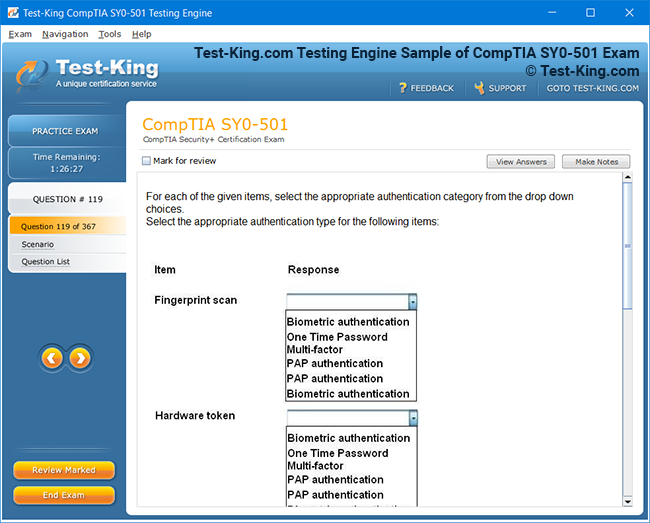
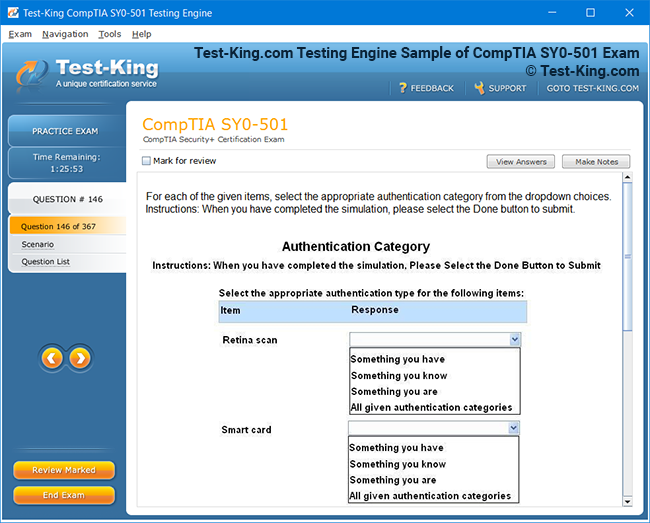
Product Screenshots
Understanding the Huawei HCPA-ECC Certification and Its Significance
The Huawei Certified Pre-Sales Associate – ECC certification represents a benchmark for professionals who seek to establish themselves in the dynamic realm of enterprise communication and cloud solutions. Unlike conventional technical certifications that primarily assess theoretical knowledge, this credential emphasizes the holistic integration of technical understanding with practical application and client engagement. It is designed for individuals who aspire to thrive in pre-sales roles where analytical acuity, problem-solving aptitude, and persuasive communication converge.
Enterprise communication has evolved into a multifaceted discipline encompassing network infrastructure, cloud orchestration, and integrated collaboration tools. In this environment, the HCPA-ECC credential serves as an affirmation that the certified professional possesses both conceptual mastery and operational competence. By attaining this certification, candidates demonstrate proficiency in designing, explaining, and implementing solutions that address complex business challenges while aligning with client objectives.
Introduction to Huawei Certified Pre-Sales Associate – ECC
The examination is meticulously structured to evaluate knowledge across fundamental domains including network principles, cloud technology, and enterprise communication systems. It assesses an individual’s capacity to interpret business requirements, configure solutions, and recommend optimal strategies for deployment. This dual emphasis on technical and consultative capabilities ensures that certified professionals can navigate real-world scenarios with precision and confidence.
Candidates often inquire about the tangible benefits of HCPA-ECC certification. Beyond the prestige associated with a globally recognized credential, it provides a competitive edge in the job market, increases visibility within the industry, and enhances the potential for career advancement. Professionals equipped with this certification can pursue opportunities in solution architecture, pre-sales consultancy, and enterprise account management, all of which demand both technical expertise and strategic insight.
The certification also functions as a foundational stepping stone for more advanced Huawei credentials. For individuals with ambitions to progress along the HCIA, HCIP, or even HCIE pathways, HCPA-ECC serves as an essential prerequisite that consolidates core knowledge while reinforcing practical skills applicable in complex enterprise environments. By completing this certification, candidates not only validate their current abilities but also position themselves for continued growth within Huawei’s professional ecosystem.
In addition to career implications, the certification cultivates a mindset attuned to problem-solving and analytical reasoning. Candidates develop the ability to approach technical challenges methodically, assess multifarious variables, and propose solutions that are both efficient and scalable. This intellectual versatility is invaluable in pre-sales contexts, where professionals must balance technical feasibility with client expectations, budgetary constraints, and operational considerations.
The HCPA-ECC program is particularly valuable for early-career professionals who seek to establish a solid foundation in enterprise communication. For those transitioning from other domains or emerging technology specialists, it provides structured learning pathways that enhance comprehension, practical application, and client-facing abilities. By systematically covering essential topics, the certification ensures that candidates gain a comprehensive perspective rather than fragmented or superficial knowledge.
The Examination Framework and Content Domains
The Huawei Certified Pre-Sales Associate – ECC evaluation is carefully designed to test both theoretical understanding and applied competence. Candidates encounter questions spanning multiple domains, each emphasizing different aspects of enterprise communication and cloud-based solutions. One of the core areas is network fundamentals, which encompass protocols, topologies, data transmission mechanisms, and connectivity paradigms. Proficiency in this area enables professionals to design resilient networks, troubleshoot potential issues, and optimize configurations in alignment with client requirements.
Another crucial domain is cloud solutions. Candidates explore virtualization, cloud storage architectures, enterprise cloud deployment strategies, and service orchestration. Understanding the principles of cloud computing is vital for pre-sales professionals who must convey complex technical concepts to clients in a comprehensible manner. Moreover, knowledge of cloud deployment models and service integration allows candidates to design solutions that are both scalable and cost-effective, reflecting the practical realities of enterprise operations.
Enterprise communication systems represent the third critical domain. Candidates must comprehend unified messaging platforms, collaborative tools, VoIP systems, and network integration strategies. Mastery of this domain ensures that professionals can propose solutions that improve organizational communication efficiency while maintaining reliability, security, and scalability. Real-world scenarios often include configuring collaboration platforms for multi-branch enterprises or integrating communication systems with existing IT infrastructures, highlighting the practical relevance of this knowledge.
The examination also emphasizes problem-solving and analytical thinking. Candidates are expected to interpret business requirements, assess technical constraints, and propose tailored solutions that optimize performance. This combination of theoretical knowledge, practical application, and strategic insight distinguishes the Huawei HCPA-ECC credential from other certifications that may focus solely on memorization or narrow technical skills.
Importance of Practical Experience
Success in the HCPA-ECC certification is not solely dependent on theoretical study. Practical experience is integral to understanding the nuances of enterprise communication systems and cloud solutions. Hands-on engagement with network configurations, cloud deployment exercises, and collaborative platform setups allows candidates to translate abstract concepts into actionable knowledge. By experimenting with these systems, candidates acquire intuition about network behavior, system integration challenges, and optimization strategies.
Laboratory exercises and simulated scenarios play a pivotal role in reinforcing learning. Candidates can, for instance, explore the performance implications of different network topologies or assess the scalability of cloud deployment models under varying workloads. These exercises cultivate analytical skills, enhance problem-solving abilities, and prepare professionals for real-world challenges they will encounter in pre-sales roles. Furthermore, familiarity with practical applications of Huawei’s technologies fosters confidence when presenting solutions to clients or stakeholders.
Networking with peers and participating in professional forums can also amplify understanding. Engaging in discussions about practical scenarios, sharing experiences, and observing different approaches provides insights that formal study materials may not capture. Mentorship from experienced professionals further bridges the gap between academic knowledge and industry expectations, enabling candidates to develop both technical competence and client-oriented acumen.
Career Advantages of HCPA-ECC Certification
Attaining the Huawei Certified Pre-Sales Associate – ECC credential unlocks multiple career advantages. Professionals with this certification are often regarded as competent problem-solvers with a holistic understanding of enterprise communication and cloud solutions. This recognition can lead to expanded career opportunities in solution architecture, pre-sales consultancy, enterprise network management, and project coordination. Employers value certified individuals for their ability to combine technical proficiency with strategic insight, a skillset crucial for ensuring successful client engagements.
The credential also facilitates progression to advanced certifications and specializations. Individuals may pursue further Huawei certifications to deepen expertise in cloud computing, network architecture, or integrated enterprise solutions. This continuum of learning strengthens technical knowledge while reinforcing professional credibility, making certified individuals more competitive in a rapidly evolving technology landscape.
Furthermore, the certification enhances marketability and professional visibility. Organizations recognize the value of certified professionals in implementing efficient, scalable, and secure enterprise solutions. Clients often perceive certified consultants as trustworthy advisors capable of delivering tailored recommendations aligned with organizational objectives. This perception can translate into tangible benefits such as higher compensation, increased responsibility, and greater influence within enterprise technology initiatives.
Intellectual Growth and Professional Credibility
Beyond tangible career outcomes, the HCPA-ECC certification fosters intellectual growth and professional credibility. Candidates cultivate analytical thinking, problem-solving proficiency, and strategic planning abilities, all of which are essential in pre-sales roles. They learn to balance technical feasibility with operational constraints, budget considerations, and client priorities, developing a nuanced understanding of the interplay between technology and business.
Professional credibility is reinforced through recognition within the Huawei ecosystem and the broader technology community. Certified individuals are often sought after for projects requiring technical expertise, solution design, and client liaison. The credential serves as an external validation of competence, signaling to employers, colleagues, and clients that the holder possesses a comprehensive understanding of enterprise communication solutions and cloud deployment strategies.
The certification journey also instills a culture of continuous learning. Technology evolves rapidly, and the ability to assimilate new concepts, tools, and methodologies is vital. HCPA-ECC encourages candidates to engage with emerging technologies, explore innovative solutions, and remain adaptable in a constantly shifting technological landscape. This mindset enhances long-term career sustainability and positions professionals as forward-thinking contributors to enterprise transformation initiatives.
Who Should Pursue HCPA-ECC
The Huawei Certified Pre-Sales Associate – ECC certification is particularly suitable for early-career professionals, IT specialists, and technology enthusiasts who aspire to enter the enterprise solution domain. Individuals transitioning from related fields such as network engineering, cloud administration, or IT support may also find it advantageous for consolidating knowledge and gaining client-facing skills. Professionals seeking to enhance their strategic influence within enterprise projects will benefit from the comprehensive learning framework offered by the certification.
By pursuing HCPA-ECC, candidates gain structured exposure to foundational concepts, real-world applications, and strategic decision-making processes. This exposure equips them with the tools necessary to excel in pre-sales environments where the ability to analyze requirements, propose optimal solutions, and communicate value propositions is paramount. Additionally, the certification provides a roadmap for continued professional development, facilitating progression to advanced certifications and specialized career pathways within the Huawei ecosystem.
Real-World Relevance of HCPA-ECC Knowledge
The practical applicability of HCPA-ECC knowledge cannot be overstated. Certified professionals often participate in client consultations, solution design workshops, and enterprise network assessments. Their ability to translate theoretical principles into actionable strategies is instrumental in ensuring project success. Knowledge acquired through the certification enables professionals to anticipate potential challenges, optimize system performance, and propose scalable solutions tailored to specific organizational needs.
For example, understanding network topologies and cloud orchestration allows a pre-sales associate to recommend solutions that enhance operational efficiency while minimizing downtime. Similarly, expertise in enterprise communication systems enables the design of collaboration frameworks that improve productivity across geographically dispersed teams. These capabilities underscore the certification’s alignment with real-world enterprise requirements, emphasizing both technical precision and client-centric problem-solving.
The HCPA-ECC certification ultimately bridges the gap between academic knowledge and professional execution. It transforms aspirants into competent practitioners who can navigate complex enterprise environments with confidence and clarity, ensuring that organizational objectives are met while delivering measurable value to clients.
Structuring a Comprehensive Approach to Certification Preparation
Embarking on the journey to achieve the Huawei Certified Pre-Sales Associate – ECC certification demands a methodical approach that balances conceptual comprehension, practical application, and strategic preparation. A structured learning path is essential for navigating the breadth of knowledge required to excel in enterprise communication, network fundamentals, and cloud solutions. Candidates who meticulously plan their study trajectory are better positioned to internalize complex concepts, manage time effectively, and develop the confidence necessary for pre-sales engagements.
The first step in crafting a robust preparation strategy is conducting an honest self-assessment. Candidates must evaluate their current understanding of networking principles, cloud orchestration, and enterprise communication systems. By identifying areas of strength and weakness, aspirants can prioritize learning efforts, focusing on topics that require deeper attention while consolidating existing knowledge. This diagnostic approach prevents the inefficiencies associated with indiscriminate study and ensures that preparation is targeted and purposeful.
A successful learning path begins with acquiring and familiarizing oneself with Huawei’s official training resources. These materials provide a foundational framework, encompassing theoretical concepts, illustrative case studies, and scenario-based exercises. Official guides elucidate the underlying principles of network topologies, cloud deployment models, and communication protocols, offering clarity on how these elements interact in practical enterprise environments. By studying these resources thoroughly, candidates gain a structured perspective that supports subsequent exploration of more advanced or nuanced topics.
Supplementary study materials from reputable educational platforms can further enrich understanding. White papers, technical articles, and industry analyses introduce contemporary developments, providing context for the practical application of HCPA-ECC knowledge. By integrating diverse sources, candidates cultivate a multidimensional understanding of enterprise solutions, enabling them to approach pre-sales challenges with analytical depth and strategic insight.
Practical experience is indispensable for bridging theoretical knowledge with real-world application. Engaging in hands-on exercises such as configuring networks, deploying cloud environments, and simulating enterprise communication scenarios fosters an intuitive grasp of system behavior. Candidates who interact directly with Huawei’s technologies develop an operational fluency that enhances problem-solving capabilities and prepares them for scenario-driven questions in the certification assessment. Experiential learning also strengthens confidence, allowing aspirants to navigate unfamiliar challenges with composure and precision.
Allocating Time and Setting Milestones
Time management is a critical determinant of success in achieving the Huawei HCPA-ECC certification. A disciplined schedule ensures consistent progress, reduces cognitive overload, and allows for systematic revision of complex concepts. Candidates are advised to segment their preparation into manageable intervals, allocating dedicated periods to specific knowledge domains. For instance, a focused study of network fundamentals might precede a deeper exploration of cloud deployment strategies, with iterative cycles of review reinforcing retention.
Setting incremental milestones is equally essential. Establishing short-term objectives such as mastering a particular protocol, completing a cloud lab exercise, or achieving a target score in practice tests fosters a sense of accomplishment and sustains motivation. These micro-goals cumulatively contribute to the broader aim of certification readiness, transforming a potentially overwhelming undertaking into a series of attainable steps. By celebrating small achievements, candidates cultivate resilience and maintain momentum throughout the preparation journey.
Balancing study with practical exercises enhances cognitive assimilation. Alternating between theoretical learning and hands-on experimentation allows candidates to reinforce understanding through immediate application. For example, after studying virtualized cloud architectures, implementing a small-scale deployment consolidates knowledge, highlights potential pitfalls, and reinforces conceptual clarity. This cyclical interplay between theory and practice is instrumental in developing the analytical agility required for pre-sales engagements.
Regular self-evaluation is another cornerstone of effective preparation. Candidates should periodically assess comprehension through quizzes, mock scenarios, or review exercises. These evaluations serve a dual purpose: they identify areas needing reinforcement and provide a measure of readiness for the certification assessment. Adaptive adjustments to the learning path based on evaluation outcomes optimize efficiency, ensuring that preparation efforts are concentrated where they yield the greatest benefit.
Integrating Practical Application with Theoretical Knowledge
The Huawei Certified Pre-Sales Associate – ECC examination emphasizes not only technical understanding but also the ability to apply knowledge pragmatically. To cultivate this capability, candidates must engage in activities that simulate enterprise environments. Setting up network topologies, configuring cloud instances, or experimenting with communication platforms transforms abstract concepts into tangible skills. These exercises illuminate the interdependencies between different components, such as how network performance impacts cloud resource allocation or how communication tools integrate with enterprise systems.
Scenario-based exercises provide particularly valuable insights. Candidates might be tasked with designing a solution to optimize collaboration for a multi-site organization or configuring cloud storage for an enterprise with varying workloads. Such exercises encourage analytical thinking, necessitating evaluation of constraints, identification of optimal strategies, and anticipation of potential challenges. By consistently practicing scenario-driven problem-solving, candidates develop the dexterity to navigate complex enterprise contexts, a skill that is highly valued in pre-sales roles.
Participation in study groups or professional forums further enhances practical comprehension. Peer interactions allow candidates to exchange insights, debate approaches, and gain exposure to alternative perspectives. Mentorship from certified professionals introduces nuanced understanding of real-world implementation, highlighting subtleties that might elude conventional study. This collaborative engagement strengthens both technical proficiency and communicative capability, ensuring that candidates are well-prepared to convey solutions effectively in client-facing contexts.
Hands-on exposure also fosters confidence in navigating uncertainties. Candidates learn to troubleshoot errors, optimize configurations, and anticipate performance bottlenecks. This experiential knowledge is instrumental not only in passing the certification examination but also in performing competently in pre-sales assignments where practical expertise and adaptability are paramount.
Enhancing Knowledge Retention and Cognitive Agility
Effective preparation for HCPA-ECC certification requires more than rote memorization; it necessitates cognitive agility and the ability to recall and apply information under dynamic circumstances. Techniques such as active recall and spaced repetition are invaluable in this context. Active recall involves regularly testing oneself on key concepts, reinforcing neural pathways associated with memory retention. Spaced repetition ensures that topics are revisited systematically, preventing cognitive decay and solidifying long-term retention of complex ideas.
Creating visual aids such as diagrams, flowcharts, and conceptual maps facilitates comprehension of intricate architectures and relationships. For instance, mapping the interactions between network devices, cloud components, and communication protocols provides clarity on system behavior and interdependencies. These cognitive tools enhance analytical reasoning, enabling candidates to synthesize information efficiently and approach problem-solving tasks with strategic insight.
Mock assessments serve as both evaluative and preparatory instruments. By simulating the actual examination environment, candidates acclimate to the timing, question format, and cognitive demands of the test. Reviewing incorrect answers elucidates gaps in understanding, guiding targeted revision and reinforcing weaker areas. Repeated engagement with mock assessments hones both technical knowledge and examination strategy, fostering confidence and competence.
Leveraging Supplementary Resources for Enriched Understanding
While Huawei’s official materials provide a solid foundation, supplementary resources are essential for a well-rounded grasp of enterprise communication and cloud solutions. Technical articles, white papers, and industry reports offer contemporary perspectives and highlight emerging trends. Engaging with these materials cultivates contextual understanding, allowing candidates to appreciate how principles are applied in varied organizational scenarios.
Participation in workshops, webinars, or online tutorials can further deepen understanding. These platforms often present practical demonstrations, case studies, and expert insights that illuminate complex topics. By integrating diverse learning modalities, candidates enhance retention, broaden perspective, and develop adaptability—qualities critical for pre-sales success.
Mentorship and networking also serve as catalysts for enriched learning. Interaction with professionals who have navigated similar certification journeys provides strategic guidance, clarifies ambiguities, and offers encouragement. Mentors can share practical tips for mastering difficult concepts, managing study schedules, and approaching scenario-based problem-solving effectively. Networking within professional communities exposes candidates to real-world challenges, best practices, and evolving industry standards, reinforcing the practical relevance of HCPA-ECC knowledge.
Balancing Motivation, Discipline, and Persistence
Maintaining motivation over the extended preparation period is essential. Candidates benefit from cultivating a growth-oriented mindset, embracing challenges as opportunities for learning rather than obstacles. Establishing tangible incentives, such as tracking progress milestones or visualizing the professional benefits of certification, reinforces commitment and perseverance.
Discipline in adhering to study schedules, completing hands-on exercises, and regularly reviewing concepts ensures sustained progress. Preparing for HCPA-ECC certification is a cumulative endeavor, requiring consistent effort and structured engagement. Persistence in navigating complex topics, overcoming learning plateaus, and refining problem-solving approaches transforms potential frustrations into valuable learning experiences.
Candidates who approach the learning path with strategic planning, disciplined execution, and a mindset oriented toward mastery are better equipped to internalize knowledge, apply skills effectively, and navigate the certification assessment with confidence. The deliberate integration of theoretical study, practical experience, cognitive reinforcement techniques, and professional engagement cultivates a comprehensive competence that is instrumental in achieving the Huawei HCPA-ECC certification.
Adapting Learning Approaches to Individual Strengths and Weaknesses
Recognizing personal learning preferences and adapting strategies accordingly enhances efficiency and effectiveness. Some candidates may benefit from immersive hands-on exercises, while others gain deeper comprehension through conceptual analysis and visualization. A balanced approach that integrates multiple modalities ensures that diverse learning needs are accommodated, facilitating comprehensive understanding.
Targeted reinforcement of weaker areas is also critical. For example, candidates struggling with cloud deployment concepts may allocate additional time to lab exercises, scenario analysis, and supplemental reading. Those needing reinforcement in network fundamentals might benefit from iterative practice, visual mapping of protocols, and case-based exploration. This adaptive approach ensures that each candidate develops a cohesive mastery across all domains assessed in the HCPA-ECC certification.
By continuously evaluating progress, adjusting strategies, and seeking experiential engagement, candidates transform the preparation journey into a dynamic, responsive process. This adaptability not only enhances examination readiness but also fosters professional agility, preparing individuals for the multifaceted challenges encountered in pre-sales consultancy and enterprise solution deployment.
Understanding the Core Domains of HCPA-ECC
The Huawei Certified Pre-Sales Associate – ECC certification encompasses a breadth of knowledge that spans networking fundamentals, cloud solutions, and enterprise communication systems. Mastery in these domains is essential for pre-sales professionals who are expected to design, implement, and present solutions that align with organizational requirements. The examination does not merely test memorization; it evaluates the ability to synthesize concepts, anticipate challenges, and articulate solutions effectively to clients and stakeholders.
Network fundamentals form the foundation of this certification. Candidates must possess a comprehensive understanding of protocols, network topologies, data transmission mechanisms, and connectivity paradigms. Knowledge in this domain enables professionals to design robust and resilient infrastructures that support enterprise operations efficiently. For example, understanding the differences between hierarchical, mesh, and star topologies allows a pre-sales associate to recommend optimal configurations based on client requirements, scalability needs, and redundancy considerations. In addition, familiarity with data encapsulation, switching, and routing principles ensures that the candidate can diagnose potential issues, enhance performance, and provide strategic recommendations during solution design discussions.
Cloud solutions constitute another pivotal domain for HCPA-ECC candidates. This area encompasses virtualization, cloud storage architectures, service orchestration, and deployment models. Candidates are expected to understand the principles of private, public, and hybrid clouds, as well as the operational implications of each model. Knowledge of virtual machines, containerization, and resource allocation is crucial for designing scalable, efficient, and cost-effective cloud environments. For instance, a pre-sales associate advising a client on cloud adoption must evaluate workload requirements, redundancy needs, and disaster recovery strategies to ensure that the solution is resilient and aligns with enterprise objectives. Mastery of cloud orchestration tools further enables candidates to automate deployment, optimize performance, and maintain system integrity in dynamic environments.
Enterprise communication systems form the third critical domain. Candidates must comprehend unified messaging platforms, collaboration tools, voice over IP systems, and network integration strategies. A professional adept in this area can propose communication frameworks that enhance organizational efficiency, reliability, and scalability. For instance, deploying a VoIP system for a multinational enterprise requires understanding bandwidth requirements, codec selection, integration with existing networks, and security measures. Similarly, configuring collaborative platforms necessitates knowledge of user access control, data synchronization, and interoperability with other enterprise applications. Real-world case studies illustrate the practical relevance of this domain, emphasizing the impact of communication systems on productivity, operational efficiency, and organizational cohesion.
Integrating Knowledge for Practical Problem-Solving
The HCPA-ECC certification emphasizes not only understanding individual domains but also integrating them to solve practical problems. Candidates must evaluate scenarios where networking, cloud infrastructure, and communication systems intersect. For example, when designing a cloud-based collaboration solution for an enterprise with multiple branches, the pre-sales associate must consider network latency, cloud resource allocation, data synchronization, and security policies simultaneously. This integrative approach ensures that solutions are holistic, scalable, and aligned with client needs.
Scenario analysis plays a crucial role in developing this integrative capability. Candidates might encounter exercises where they must design a network supporting high-volume cloud applications while maintaining seamless communication across distributed teams. Successfully addressing such scenarios requires analytical thinking, the ability to prioritize requirements, and familiarity with Huawei’s technology suite. By engaging with complex scenarios, candidates refine problem-solving skills, anticipate operational challenges, and develop confidence in proposing viable solutions in real-world contexts.
Hands-on practice further reinforces integrative understanding. Setting up small-scale lab environments, configuring network devices, deploying cloud instances, and implementing collaboration platforms allows candidates to observe interactions between different systems firsthand. Such exercises cultivate an intuitive sense of how modifications in one domain affect others, whether adjusting bandwidth allocation impacts cloud performance or modifying routing protocols influences communication system reliability. This experiential learning is vital for translating theoretical knowledge into actionable expertise, a core expectation of HCPA-ECC certified professionals.
Advanced Networking Concepts for HCPA-ECC
While foundational network knowledge is essential, advanced concepts are equally important for pre-sales proficiency. Candidates must understand the nuances of IP addressing, subnetting, VLANs, routing protocols, and network security mechanisms. Mastery of these areas ensures the ability to design secure, efficient, and resilient networks capable of supporting enterprise applications and cloud services. For instance, understanding dynamic routing protocols such as OSPF or BGP allows professionals to optimize traffic flow, enhance redundancy, and provide recommendations for network expansion or disaster recovery planning.
Security is another critical consideration within networking. Candidates must be familiar with firewalls, access control lists, encryption methodologies, and intrusion detection systems. Ensuring network integrity is paramount for protecting enterprise data and maintaining trust with clients. In pre-sales scenarios, professionals must articulate how security measures are integrated into network designs, providing clients with assurance that solutions are robust, compliant, and future-proof.
The interplay between network performance and application efficiency is a subtle yet vital concept. Candidates learn how latency, packet loss, and throughput impact cloud applications and communication systems. By understanding these interdependencies, pre-sales associates can proactively recommend configurations that optimize overall system performance, ensuring that enterprise solutions meet operational expectations without compromising reliability or security.
Cloud Solutions and Deployment Strategies
Cloud technology is rapidly evolving, and HCPA-ECC candidates must stay abreast of architectural principles, deployment methodologies, and orchestration strategies. A solid grasp of Infrastructure as a Service, Platform as a Service, and Software as a Service paradigms enables professionals to recommend solutions aligned with business objectives. For example, selecting the appropriate model for a client depends on factors such as budget constraints, scalability requirements, data sensitivity, and compliance regulations.
Virtualization is a cornerstone of cloud proficiency. Candidates must understand how virtual machines, containers, and hypervisors function, and how they contribute to resource optimization and operational efficiency. Knowledge of storage allocation, network segmentation within cloud environments, and redundancy planning ensures that deployed solutions are resilient, cost-effective, and aligned with enterprise objectives.
Cloud orchestration further enhances the candidate’s capability to manage complex environments. Automating deployment processes, monitoring resource utilization, and implementing scaling strategies are critical for ensuring optimal system performance. Candidates also need to anticipate challenges such as workload spikes, latency issues, and integration difficulties with existing infrastructure. By mastering these concepts, professionals can offer pre-sales solutions that are technically sound, strategically viable, and adaptable to evolving enterprise demands.
Enterprise Communication Systems in Practice
Effective enterprise communication extends beyond basic connectivity. Candidates must comprehend the integration of collaborative platforms, voice communication systems, and messaging solutions within the broader IT environment. Understanding protocol interactions, bandwidth considerations, and interoperability challenges is crucial for designing solutions that are seamless and user-friendly.
Deploying a VoIP system, for example, requires analyzing call quality metrics, configuring session protocols, and ensuring compatibility with legacy telephony systems. Collaboration platforms involve user management, access control, and data synchronization across multiple devices and locations. Mastery of these areas enables candidates to design communication frameworks that enhance productivity, support remote work, and maintain operational continuity.
Security and compliance considerations are integral to enterprise communication. Candidates must evaluate encryption protocols, secure access mechanisms, and regulatory requirements to ensure that communication systems are both safe and legally compliant. By understanding these parameters, pre-sales associates can provide clients with solutions that safeguard sensitive information while enabling efficient collaboration across organizational units.
Synthesizing Knowledge Across Domains
The hallmark of a proficient HCPA-ECC candidate is the ability to synthesize knowledge across networking, cloud, and communication domains. Solutions in enterprise environments rarely operate in isolation; they are interconnected systems where changes in one area affect performance, reliability, and security in another. Candidates must therefore develop analytical skills that allow them to evaluate the holistic impact of design decisions.
Scenario-based exercises, such as designing a multi-branch enterprise network with integrated cloud services and unified communication systems, exemplify this integrative approach. Candidates learn to assess client requirements, anticipate operational constraints, and propose scalable solutions that balance cost, performance, and security. This analytical agility ensures that certified professionals are equipped to deliver value beyond mere technical execution, positioning them as strategic advisors in pre-sales contexts.
Hands-on experimentation reinforces this integrative perspective. Observing how network configurations affect cloud application latency, or how communication protocols interact with virtualized infrastructure, provides experiential insight that theoretical study alone cannot deliver. By repeatedly engaging with these interactions, candidates develop a nuanced understanding of enterprise systems, enhancing both problem-solving capability and confidence in client engagements.
Cognitive Techniques for Mastery of Key Knowledge Areas
Mastery of HCPA-ECC domains requires deliberate cognitive strategies. Techniques such as active recall, scenario visualization, and iterative practice help reinforce knowledge and improve retention. Active recall involves regularly testing oneself on networking protocols, cloud deployment models, and communication system configurations to strengthen memory pathways. Scenario visualization allows candidates to mentally simulate system behavior, anticipate challenges, and evaluate the effects of design decisions before practical implementation.
Iterative practice, including repeated engagement with lab exercises, configuration tasks, and simulated client scenarios, ensures that theoretical knowledge is reinforced through practical application. This cyclical approach builds both competence and confidence, equipping candidates to navigate the dynamic demands of pre-sales environments where technical precision and strategic insight must coexist.
Preparing for Real-World Pre-Sales Scenarios
The ultimate objective of mastering HCPA-ECC knowledge areas is to perform effectively in real-world pre-sales situations. Professionals are expected to analyze client requirements, design technically robust solutions, and communicate recommendations persuasively. This demands a combination of technical proficiency, analytical reasoning, and interpersonal skills.
Understanding client environments, anticipating operational challenges, and aligning solutions with business objectives are central to success. Candidates must translate technical concepts into accessible explanations, justify design decisions, and demonstrate the value of proposed solutions. By integrating knowledge across networking, cloud, and communication domains, HCPA-ECC certified professionals become capable of delivering comprehensive, strategic, and actionable solutions that meet client expectations while optimizing enterprise performance.
Developing a Methodical Approach to HCPA-ECC Preparation
Achieving the Huawei Certified Pre-Sales Associate – ECC certification requires a methodical and disciplined approach that balances theoretical understanding, practical application, and strategic exam preparation. The examination evaluates not only knowledge of network fundamentals, cloud solutions, and enterprise communication systems but also the ability to apply these concepts in real-world scenarios. Preparing effectively necessitates a combination of cognitive strategies, experiential learning, and consistent practice.
Candidates should begin by analyzing the full breadth of the certification content. Understanding the domains and the interconnections between networking principles, cloud deployment strategies, and communication systems establishes a framework for organized study. By conceptualizing the knowledge areas as a cohesive ecosystem rather than isolated topics, aspirants develop a holistic comprehension that facilitates both retention and application. This macro perspective enables candidates to anticipate how various components interact in practical scenarios, which is essential for pre-sales engagements.
A study schedule is indispensable for structuring preparation. Allocating time to each knowledge domain based on prior experience and comprehension ensures focused attention on areas requiring reinforcement. Network fundamentals may demand more attention for individuals with limited exposure, whereas those with prior cloud experience may devote additional time to enterprise communication systems. Consistency in study routines, interspersed with hands-on exercises and revision, solidifies understanding and prevents the accumulation of knowledge gaps that could undermine exam performance.
Cognitive Techniques for Knowledge Retention
Effective retention of complex concepts demands the use of deliberate cognitive strategies. Active recall is one such technique, requiring candidates to retrieve information from memory rather than relying solely on passive reading. For instance, periodically recalling network protocols, cloud deployment models, or VoIP configuration steps strengthens neural pathways and enhances long-term retention. Regular self-quizzing reinforces comprehension, ensuring that knowledge is not only memorized but also readily retrievable during exam scenarios.
Spaced repetition complements active recall by ensuring systematic revisitation of critical concepts at intervals that optimize memory consolidation. This technique is particularly useful for retaining the intricate details of cloud orchestration, network topology configurations, and communication system protocols. By revisiting challenging topics at calculated intervals, candidates can counteract the natural tendency for cognitive decay and maintain high levels of comprehension over extended preparation periods.
Visualization techniques further enhance understanding. Creating mental maps or conceptual diagrams of network architectures, cloud service interactions, or communication system workflows facilitates comprehension of complex interdependencies. This approach enables candidates to grasp the spatial and functional relationships between components, improving analytical capabilities and enabling them to apply knowledge effectively in scenario-based assessments.
Hands-On Practice and Experiential Learning
Practical engagement is a cornerstone of effective HCPA-ECC preparation. Candidates must supplement theoretical study with experiential learning through hands-on exercises and simulated scenarios. Configuring network devices, deploying virtualized cloud environments, and setting up communication systems transforms abstract concepts into tangible experience. These exercises reinforce theoretical understanding, cultivate problem-solving skills, and provide insight into the operational behavior of systems under varied conditions.
Scenario-driven exercises are particularly beneficial. For example, designing a multi-branch enterprise network with integrated cloud applications requires careful consideration of bandwidth allocation, latency, redundancy, and security. By engaging with such scenarios, candidates develop analytical dexterity, learn to prioritize requirements, and understand the implications of design choices on overall system performance. This form of preparation closely mirrors real-world pre-sales responsibilities, enhancing both competence and confidence.
Mentorship and peer collaboration amplify experiential learning. Interacting with certified professionals or study groups provides exposure to alternative approaches, nuanced insights, and practical tips that may not be available in formal study materials. Sharing experiences, discussing problem-solving strategies, and evaluating case studies collectively deepen understanding and reinforce the practical relevance of knowledge.
Strategic Use of Mock Assessments
Mock assessments are invaluable tools for exam preparation. Simulating the actual test environment acclimatizes candidates to question formats, time constraints, and cognitive demands. Repeated engagement with practice exams helps identify knowledge gaps, reinforces learning, and builds familiarity with scenario-based questions. Reviewing incorrect responses provides insight into misconceptions and areas requiring targeted revision, ensuring that preparation remains adaptive and focused.
Timing strategies are crucial when taking mock assessments. Candidates should practice allocating appropriate durations to each question type, balancing speed with accuracy. Scenario-based questions may require additional time for analysis, while direct knowledge questions can be addressed more rapidly. Developing an efficient approach to time management during practice exams enhances confidence and reduces anxiety during the actual certification assessment.
Integrating Theory with Practical Scenarios
The HCPA-ECC examination emphasizes the application of knowledge in practical contexts. Candidates must be adept at translating theoretical understanding into actionable solutions for enterprise clients. Integrating study with scenario analysis strengthens this capability. For instance, after studying cloud storage architectures, candidates might simulate the deployment of a virtualized storage system for an organization with fluctuating workloads. Such exercises illuminate real-world considerations including redundancy, scalability, and integration with existing infrastructure.
Similarly, integrating network design knowledge with communication system deployment enhances comprehension of interdependent functionalities. Adjustments to network configurations may impact VoIP performance or collaborative platform efficiency. By experimenting with these interactions, candidates develop an intuitive understanding of cause-effect relationships within enterprise systems. This insight is invaluable for pre-sales professionals tasked with presenting coherent, efficient, and reliable solutions to clients.
Leveraging Diverse Learning Resources
While Huawei’s official materials provide a robust foundation, supplementary resources enrich comprehension and broaden perspective. Technical articles, industry white papers, and online tutorials introduce emerging trends, real-world case studies, and innovative approaches. Engaging with these materials allows candidates to contextualize concepts, understand current industry practices, and anticipate evolving challenges within enterprise solutions.
Participation in webinars, workshops, or virtual labs further deepens understanding. These platforms offer demonstrations, interactive exercises, and expert insights that complement theoretical learning. Exposure to contemporary technologies, deployment strategies, and practical challenges enhances adaptability, enabling candidates to approach the certification assessment and subsequent pre-sales engagements with confidence and analytical depth.
Time Management and Discipline
Effective study strategies for HCPA-ECC require disciplined time management. Allocating consistent periods for focused study, practical exercises, and review ensures sustained progress. Candidates benefit from creating structured schedules with clearly defined objectives, balancing study intensity with rest periods to optimize cognitive performance. Prioritization of challenging topics, iterative reinforcement of complex concepts, and adherence to a study regimen cultivate consistency and efficiency.
Motivation is reinforced through the setting of incremental goals. Achieving smaller milestones, such as mastering a specific protocol, completing a cloud deployment exercise, or attaining a target score in a practice exam, builds momentum and confidence. Celebrating these achievements enhances engagement and sustains commitment, transforming preparation from a daunting task into a manageable and rewarding process.
Stress Management and Cognitive Readiness
Examination preparation for HCPA-ECC can be intellectually demanding, necessitating strategies for stress management and cognitive readiness. Techniques such as mindfulness, deep breathing, and structured breaks mitigate cognitive fatigue and maintain focus. Candidates who cultivate mental resilience are better equipped to assimilate complex concepts, solve intricate problems, and perform effectively under exam conditions.
Developing a positive mindset toward challenges reinforces learning efficacy. Viewing errors as opportunities for insight rather than failures encourages iterative improvement and sustained engagement. Candidates who maintain curiosity, intellectual flexibility, and analytical rigor are more likely to internalize knowledge deeply and apply it effectively in both examination and professional contexts.
Tailoring Study Approaches to Individual Strengths
Recognizing personal learning preferences enhances the efficiency of HCPA-ECC preparation. Visual learners may benefit from diagrams, flowcharts, and system maps, while kinesthetic learners gain more from hands-on lab exercises and simulated configurations. Auditory learners may consolidate knowledge through discussion groups, lectures, or podcasts. Tailoring study strategies to align with cognitive strengths accelerates comprehension, retention, and application of knowledge.
Addressing weaker areas with targeted exercises ensures balanced mastery. For instance, candidates less familiar with cloud orchestration may allocate additional time to practical labs, scenario analyses, and review of architectural principles. Those requiring reinforcement in network fundamentals can engage in iterative configuration exercises and protocol mapping. This adaptive approach optimizes preparation efficiency and ensures comprehensive competency across all domains evaluated in the certification assessment.
Integrating Communication Skills with Technical Knowledge
Success in HCPA-ECC preparation is not solely contingent on technical mastery. Pre-sales professionals must also develop the ability to communicate solutions effectively. Integrating technical knowledge with persuasive communication skills enhances the ability to convey complex concepts in accessible terms, justify design decisions, and present recommendations convincingly to clients and stakeholders.
Practicing the articulation of technical solutions during study exercises or mock scenarios reinforces this capability. Candidates may simulate client presentations, explain network configurations, or outline cloud deployment strategies to peers. Such exercises cultivate clarity, confidence, and the ability to tailor explanations to diverse audiences, ensuring that the certified professional can bridge the gap between technical precision and client understanding.
Continuous Evaluation and Adaptive Learning
Preparation for the Huawei Certified Pre-Sales Associate – ECC certification should be viewed as a dynamic process. Continuous evaluation through quizzes, mock exams, and practical exercises provides feedback on progress, highlights areas for improvement, and guides the adaptation of study strategies. By responding to evaluation insights, candidates refine focus, reinforce weak domains, and ensure readiness for the certification assessment.
Adaptive learning techniques, combined with disciplined practice and practical engagement, create a resilient foundation for both examination success and professional application. Candidates who integrate theory with practice, employ cognitive strategies for retention, and maintain consistency in preparation are more likely to excel, demonstrating proficiency across network fundamentals, cloud solutions, and enterprise communication systems.
Overcoming Conceptual Complexity and Knowledge Gaps
Pursuing the Huawei Certified Pre-Sales Associate – ECC certification is an intellectually rigorous endeavor that demands engagement with multiple domains, including network fundamentals, cloud solutions, and enterprise communication systems. Candidates often encounter challenges stemming from the inherent complexity of these subjects, as well as the interdependencies between technical components and real-world applications. Recognizing these obstacles as intrinsic to the preparation journey is essential for developing resilience and adopting effective strategies for mastery.
Complexity arises from the need to understand not only individual concepts but also how they integrate to form comprehensive solutions. Networking principles, for example, require an appreciation of routing, switching, protocols, and topologies. Cloud solutions demand insight into virtualization, storage architectures, deployment models, and orchestration strategies. Enterprise communication systems necessitate proficiency in collaboration platforms, VoIP systems, unified messaging, and integration techniques. The interplay among these domains creates multifaceted scenarios that challenge cognitive agility, demanding analytical thinking and problem-solving skills simultaneously.
Knowledge gaps often manifest when candidates approach areas in which they have limited prior experience. Early-career professionals or individuals transitioning from other technology domains may find certain topics unfamiliar, resulting in uncertainty or slower assimilation of concepts. Addressing these gaps requires targeted focus, iterative learning, and the integration of diverse educational resources. Identifying weak areas through self-assessment, practice exercises, and mock evaluations enables candidates to allocate preparation time efficiently, reinforcing comprehension and mitigating the risk of critical deficiencies during the certification assessment.
Strategies for Managing Complexity
To navigate conceptual complexity effectively, candidates benefit from structured learning approaches. Breaking down intricate topics into manageable units facilitates comprehension and reduces cognitive overload. For instance, when studying cloud solutions, candidates might first master virtualization concepts, then progress to storage allocation strategies, and finally explore orchestration and deployment models. Similarly, complex network configurations can be deconstructed into fundamental components such as routing protocols, switching mechanisms, and security frameworks. This granular approach promotes incremental mastery and supports the synthesis of knowledge into coherent, practical understanding.
Scenario-based learning is particularly valuable in managing complexity. By engaging with exercises that replicate real-world enterprise environments, candidates gain insight into the interactions between network infrastructure, cloud applications, and communication systems. For example, configuring a multi-branch enterprise network with integrated cloud storage and VoIP systems requires consideration of bandwidth, latency, redundancy, and security. Navigating such scenarios develops analytical dexterity, cultivates problem-solving strategies, and reinforces comprehension through practical application, enabling candidates to approach certification challenges with confidence.
Visualization techniques also aid in managing complexity. Conceptual maps, flow diagrams, and system schematics allow candidates to represent abstract ideas spatially, enhancing cognitive clarity. Mapping network topologies, cloud orchestration pathways, or communication system workflows provides an intuitive framework for understanding interdependencies, potential bottlenecks, and optimal configurations. This approach facilitates both retention and application, enabling candidates to internalize concepts and apply them effectively during the certification examination and professional pre-sales activities.
Maintaining Motivation and Momentum
Sustaining motivation throughout the preparation journey is essential, particularly given the breadth and depth of HCPA-ECC content. Motivation can be reinforced through the establishment of tangible goals, incremental achievements, and visualization of professional outcomes. Setting milestones such as mastering specific protocols, completing cloud deployment exercises, or achieving high scores in mock assessments provides measurable progress indicators that foster engagement and momentum.
Intrinsic motivation is further cultivated by aligning preparation with career aspirations. Recognizing the potential for professional advancement, enhanced credibility, and expanded career opportunities reinforces the value of sustained effort. Candidates who internalize the significance of certification in terms of career trajectory and skill enhancement are more likely to maintain focus, navigate challenges resiliently, and commit to consistent, disciplined study practices.
Peer support and collaborative learning also bolster motivation. Engaging in study groups, discussion forums, or mentorship arrangements provides both intellectual stimulation and emotional reinforcement. Sharing experiences, addressing conceptual uncertainties collectively, and observing diverse approaches to problem-solving cultivates a sense of community, reduces isolation, and sustains enthusiasm. Mentors can offer strategic guidance, practical insights, and encouragement, serving as catalysts for both motivation and comprehension.
Managing Cognitive Fatigue and Stress
The intensive preparation required for HCPA-ECC certification can induce cognitive fatigue, which, if unmanaged, impedes learning, retention, and analytical acuity. Effective stress management techniques enhance both cognitive performance and emotional resilience. Structured study schedules with interspersed breaks, mindfulness practices, and regulated rest periods optimize focus and mental clarity. Engaging in physical activity or recreational pursuits supports cognitive recovery, reducing mental fatigue and improving overall preparation efficacy.
Developing adaptive learning strategies further mitigates stress. Candidates should approach challenging topics iteratively, allowing time for comprehension, practical experimentation, and consolidation. Rather than perceiving errors as failures, recognizing them as opportunities for insight encourages reflective learning and iterative improvement. This mindset fosters resilience, enabling candidates to persist through difficult concepts and complex scenario analyses with sustained confidence.
Building Confidence Through Practice
Confidence is a critical component of effective HCPA-ECC preparation. Candidates often encounter uncertainty when approaching scenario-based questions or applying theoretical knowledge to practical problems. Confidence is cultivated through consistent practice, experiential learning, and iterative evaluation. Engaging with hands-on exercises such as network configuration, cloud deployment, or communication system integration reinforces theoretical concepts and provides tangible evidence of capability.
Mock assessments simulate examination conditions, providing candidates with opportunities to test knowledge, apply strategies, and evaluate performance. Repeated engagement with practice exams familiarizes candidates with question structures, time constraints, and scenario complexities. Reviewing incorrect responses highlights areas for targeted reinforcement, promoting adaptive learning and progressive improvement. This process not only enhances preparedness but also reinforces confidence, equipping candidates to approach the certification assessment with composure and strategic focus.
Overcoming Procrastination and Maintaining Discipline
Procrastination is a common challenge during extensive certification preparation. Managing this tendency requires the cultivation of discipline and structured engagement. Developing a study schedule with clearly defined objectives, allocating specific time blocks for focused learning, and adhering to consistent routines fosters accountability and reduces the likelihood of delay.
Breaking study tasks into smaller, achievable components enhances engagement and diminishes the perceived magnitude of preparation. For instance, rather than attempting to master an entire domain in a single session, candidates can focus on mastering individual protocols, cloud orchestration principles, or communication system configurations sequentially. This incremental approach sustains focus, builds competence progressively, and reinforces motivation through measurable achievements.
Adapting Learning Strategies to Personal Strengths
Individual learning preferences influence the efficacy of preparation strategies. Candidates benefit from identifying their cognitive strengths and tailoring study approaches accordingly. Visual learners may leverage diagrams, schematics, and flowcharts to conceptualize complex networks, cloud systems, and communication platforms. Kinesthetic learners may derive greater benefit from hands-on lab exercises, scenario simulations, and practical configuration tasks. Auditory learners may consolidate knowledge through discussions, lectures, or collaborative problem-solving sessions. Aligning study techniques with individual cognitive styles enhances comprehension, retention, and practical application.
Targeted reinforcement of weaker domains is essential for balanced preparation. Candidates with limited exposure to cloud solutions may dedicate additional time to practical labs, architectural analysis, and scenario simulations. Those less familiar with enterprise communication systems may focus on VoIP configuration, collaborative platform integration, and system workflow analysis. By adapting strategies to individual needs, candidates optimize preparation efficiency, achieve comprehensive mastery, and increase readiness for the certification assessment.
Integrating Motivation, Discipline, and Practical Engagement
The interplay between motivation, discipline, and practical engagement is critical for successful HCPA-ECC preparation. Motivation sustains effort, discipline ensures consistency, and practical engagement reinforces comprehension. Candidates who integrate these elements develop both the cognitive and emotional resilience required to navigate conceptual complexity, manage stress, and maintain focus over extended preparation periods.
Scenario-based exercises, hands-on lab work, and iterative practice not only enhance knowledge application but also reinforce intrinsic motivation. Experiencing tangible progress through practical accomplishments fosters satisfaction, reduces anxiety, and sustains engagement. Candidates who combine structured study routines, adaptive learning strategies, and experiential practice cultivate an environment conducive to both intellectual growth and professional readiness.
Leveraging Mentorship and Professional Networks
Mentorship and professional networking play a vital role in sustaining motivation and overcoming challenges during HCPA-ECC preparation. Mentors provide insights into effective study techniques, common pitfalls, and practical applications of knowledge. Engaging with experienced professionals offers perspective, guidance, and encouragement, helping candidates navigate complex topics and scenario-based exercises with confidence.
Professional networks and peer collaboration provide opportunities for knowledge exchange, collective problem-solving, and exposure to diverse approaches. Group discussions, study forums, and shared analysis of case studies enrich understanding and reinforce motivation. This communal engagement cultivates accountability, provides feedback, and fosters a supportive environment that sustains momentum throughout the preparation journey.
Maintaining Perspective and Long-Term Vision
Maintaining perspective is crucial when facing challenges in certification preparation. Recognizing that difficulties, mistakes, and setbacks are part of the learning process encourages resilience and sustained engagement. Candidates who view preparation as a pathway to professional growth, enhanced credibility, and career advancement are more likely to persevere, maintain focus, and invest effort consistently.
By cultivating a long-term vision that emphasizes mastery, adaptability, and strategic competence, candidates integrate short-term challenges into a broader trajectory of professional development. This perspective transforms obstacles into opportunities for learning, reinforces motivation, and positions aspirants for both certification success and subsequent pre-sales proficiency.
Maximizing Professional Prospects After Certification
Achieving the Huawei Certified Pre-Sales Associate – ECC certification opens a multitude of career pathways for technology professionals seeking to excel in enterprise communication, network solutions, and cloud environments. The credential is widely recognized for its rigorous evaluation of technical knowledge, practical application, and consultative expertise, positioning certified individuals as competent pre-sales associates capable of bridging the gap between technical solutions and business needs.
Professionals with this certification are often sought after for roles that demand both technical acuity and strategic insight. Positions in solution architecture, enterprise consultancy, network planning, and pre-sales support value individuals who can not only design and implement robust infrastructures but also articulate their benefits to diverse stakeholders. The HCPA-ECC credential signals that the holder has mastered the integration of network fundamentals, cloud deployment, and enterprise communication systems, which is indispensable for navigating complex organizational requirements.
Beyond immediate technical roles, the certification enhances professional credibility. Organizations recognize certified individuals as trusted advisors capable of providing strategic guidance, ensuring that proposed solutions align with operational objectives, regulatory requirements, and organizational growth plans. This recognition often translates into increased responsibility, visibility within teams, and participation in high-impact projects, all of which accelerate career progression.
The global applicability of the certification further expands opportunities. Huawei’s ecosystem spans multiple regions and industries, making HCPA-ECC holders attractive candidates for multinational corporations seeking professionals with consistent expertise across diverse technological landscapes. This international recognition not only broadens employability but also facilitates cross-border collaborations and assignments, fostering professional growth and cultural adaptability.
Career Paths and Professional Specializations
The HCPA-ECC credential serves as a gateway to several specialized career pathways. Pre-sales consultancy is a primary avenue, where professionals analyze client requirements, design customized solutions, and provide strategic recommendations. This role necessitates a combination of technical proficiency, client engagement skills, and the ability to translate complex concepts into accessible solutions. Certified associates are often entrusted with developing proposals, presenting solutions to executive teams, and guiding clients through technical decision-making processes.
Solution architecture is another significant trajectory. Professionals in this domain leverage their knowledge of network infrastructures, cloud platforms, and communication systems to design comprehensive, scalable, and secure solutions. The capacity to evaluate system interactions, anticipate operational challenges, and optimize configurations ensures that enterprise solutions are robust and future-proof. By demonstrating expertise in both design and deployment considerations, HCPA-ECC certified individuals establish themselves as integral contributors to organizational technological strategies.
Enterprise network management roles also benefit from this certification. Professionals oversee network performance, ensure connectivity reliability, and coordinate with cloud and communication teams to maintain operational integrity. The holistic understanding cultivated during HCPA-ECC preparation allows candidates to approach these responsibilities with a strategic mindset, balancing immediate operational needs with long-term optimization and scalability.
Cloud consultancy and deployment advisory represent additional avenues. Candidates with expertise in virtualization, orchestration, and cloud service management can guide organizations in adopting, integrating, and optimizing cloud infrastructures. By understanding workload distribution, redundancy requirements, and system interoperability, certified professionals facilitate efficient cloud adoption strategies that reduce operational risk and enhance performance.
Enhancing Marketability and Professional Recognition
One of the primary benefits of HCPA-ECC certification is the enhancement of professional marketability. Certified individuals distinguish themselves in competitive environments by demonstrating both theoretical understanding and practical competence. The ability to design integrated enterprise solutions, configure cloud systems, and optimize communication platforms is a tangible differentiator that attracts employer attention and increases career mobility.
Professional recognition extends beyond employment advantages. Within organizations, certified associates often gain credibility among colleagues, clients, and management teams. Their demonstrated ability to integrate complex technological concepts with business objectives fosters trust and positions them as authoritative voices in project planning, technical decision-making, and enterprise solution design. This recognition can lead to opportunities for leadership, mentorship, and participation in high-profile projects, further accelerating career development.
Participation in industry forums, professional networks, and Huawei-sponsored initiatives amplifies this recognition. Engaging with communities of certified professionals fosters knowledge sharing, collaborative problem-solving, and awareness of emerging technologies. These interactions enhance both technical understanding and professional visibility, reinforcing the individual’s reputation as a competent, forward-thinking practitioner.
Long-Term Career Growth and Advanced Certifications
HCPA-ECC serves not only as a standalone credential but also as a stepping stone for more advanced Huawei certifications. Professionals may pursue higher-level certifications such as HCIA, HCIP, or HCIE, each of which delves deeper into specialized domains of networking, cloud solutions, and enterprise communications. Progressing along this continuum consolidates foundational knowledge, reinforces practical expertise, and opens opportunities for senior technical or consultancy roles.
The long-term benefits of certification include accelerated career growth, higher earning potential, and enhanced adaptability in rapidly evolving technological landscapes. Professionals who continue to engage with learning opportunities, emerging technologies, and strategic projects are positioned to assume roles such as senior solution architects, enterprise consultants, cloud strategy advisors, or technical managers. This trajectory demonstrates the transformative impact of HCPA-ECC certification on both career progression and professional influence.
Expanding Professional Competencies
Beyond specific career roles, the certification cultivates a wide array of competencies that are transferable across industries. Analytical thinking, problem-solving, and strategic planning are central to the pre-sales function, allowing certified associates to navigate complex enterprise requirements with confidence. Knowledge integration, acquired through the interplay of network fundamentals, cloud deployment, and communication systems, equips professionals with the ability to anticipate system interactions, optimize performance, and propose scalable solutions.
Soft skills are equally enhanced. The preparation and application of HCPA-ECC knowledge involve client communication, scenario analysis, and collaborative problem-solving. These experiences foster effective interpersonal communication, persuasive presentation abilities, and the capacity to convey technical information in accessible terms. Such competencies are invaluable for professionals seeking leadership roles, cross-functional collaboration, or client-facing responsibilities.
Professional adaptability is another key advantage. Enterprise environments are increasingly dynamic, with rapid technological evolution, changing client expectations, and complex operational constraints. Certified associates are trained to respond to these challenges analytically and strategically, ensuring resilience in the face of emerging demands. This adaptability enhances employability, supports long-term career sustainability, and reinforces the value of certification in diverse organizational contexts.
Real-World Application and Strategic Impact
The practical knowledge gained through HCPA-ECC preparation translates directly into real-world impact. Professionals can design network topologies that optimize traffic flow, configure cloud systems for scalability, and deploy communication frameworks that enhance organizational efficiency. By applying knowledge holistically, certified associates contribute to operational continuity, reduce system downtime, and improve user experience, reinforcing their role as strategic assets within organizations.
Scenario-based engagements further illustrate the certification’s value. Professionals may advise clients on integrating multi-site networks with cloud applications, configuring VoIP systems to maintain seamless communication, or optimizing cloud resources for cost efficiency. These responsibilities require both technical acumen and consultative skill, demonstrating the transformative effect of HCPA-ECC on career readiness and professional credibility.
The ability to anticipate challenges and propose proactive solutions is a hallmark of certified professionals. By leveraging comprehensive knowledge, they can identify potential bottlenecks, optimize infrastructure deployment, and ensure that enterprise solutions meet performance, security, and compliance requirements. This foresight elevates their influence within organizations, positioning them as indispensable contributors to strategic planning and operational success.
Global Opportunities and Cross-Industry Relevance
HCPA-ECC certification offers global applicability, providing professionals with opportunities across multiple industries including telecommunications, information technology, finance, healthcare, and manufacturing. Organizations worldwide recognize the credential’s rigor and practical relevance, valuing certified associates for their ability to integrate network, cloud, and communication expertise into enterprise solutions.
Cross-industry relevance enhances career mobility. Professionals can transition between sectors, applying knowledge in varied contexts while adapting to industry-specific challenges. For example, a certified associate may deploy cloud-based communication systems in a healthcare organization, optimize enterprise networks in a financial institution, or advise on collaboration platforms in a manufacturing enterprise. This versatility underscores the certification’s strategic value, fostering both employability and professional enrichment.
Engagement with international projects further broadens perspective. Certified professionals may participate in multi-regional deployments, cross-border consultations, or global solution design initiatives, gaining exposure to diverse operational models, regulatory environments, and technological landscapes. This experience enriches professional competency, cultivates cultural adaptability, and reinforces the global relevance of HCPA-ECC certification.
Continuous Learning and Long-Term Professional Development
HCPA-ECC encourages a culture of continuous learning. Technology evolves rapidly, with emerging protocols, cloud services, and communication platforms requiring ongoing engagement. Certified associates are equipped to assimilate new knowledge, adapt to changing requirements, and integrate innovative solutions into enterprise environments. This commitment to lifelong learning sustains professional relevance, enhances strategic decision-making, and ensures long-term career growth.
Participation in professional development programs, workshops, and Huawei-sponsored initiatives reinforces knowledge, introduces emerging trends, and cultivates advanced skills. Engaging with industry thought leaders, case studies, and technological innovations ensures that certified associates remain at the forefront of enterprise solution expertise. Continuous learning complements the foundational knowledge acquired through certification, creating a dynamic trajectory of professional evolution.
Conclusion
The Huawei Certified Pre-Sales Associate – ECC certification is a transformative credential that equips professionals with a comprehensive understanding of network fundamentals, cloud solutions, and enterprise communication systems. It enhances technical competence, strategic insight, and client-facing abilities, positioning certified associates as valuable assets in diverse organizational contexts. Post-certification, professionals can pursue careers in solution architecture, pre-sales consultancy, cloud strategy, and enterprise network management, benefiting from increased visibility, credibility, and global opportunities.
Beyond immediate career prospects, the certification fosters analytical thinking, problem-solving, and professional adaptability, enabling individuals to navigate complex technological landscapes with confidence. The integrative knowledge gained supports real-world application, strategic influence, and cross-industry relevance, while continuous engagement with emerging technologies ensures sustained professional growth. Ultimately, HCPA-ECC serves as both a milestone and a launchpad, guiding aspirants toward long-term career success, global mobility, and enduring professional impact.
Frequently Asked Questions
How can I get the products after purchase?
All products are available for download immediately from your Member's Area. Once you have made the payment, you will be transferred to Member's Area where you can login and download the products you have purchased to your computer.
How long can I use my product? Will it be valid forever?
Test-King products have a validity of 90 days from the date of purchase. This means that any updates to the products, including but not limited to new questions, or updates and changes by our editing team, will be automatically downloaded on to computer to make sure that you get latest exam prep materials during those 90 days.
Can I renew my product if when it's expired?
Yes, when the 90 days of your product validity are over, you have the option of renewing your expired products with a 30% discount. This can be done in your Member's Area.
Please note that you will not be able to use the product after it has expired if you don't renew it.
How often are the questions updated?
We always try to provide the latest pool of questions, Updates in the questions depend on the changes in actual pool of questions by different vendors. As soon as we know about the change in the exam question pool we try our best to update the products as fast as possible.
How many computers I can download Test-King software on?
You can download the Test-King products on the maximum number of 2 (two) computers or devices. If you need to use the software on more than two machines, you can purchase this option separately. Please email support@test-king.com if you need to use more than 5 (five) computers.
What is a PDF Version?
PDF Version is a pdf document of Questions & Answers product. The document file has standart .pdf format, which can be easily read by any pdf reader application like Adobe Acrobat Reader, Foxit Reader, OpenOffice, Google Docs and many others.
Can I purchase PDF Version without the Testing Engine?
PDF Version cannot be purchased separately. It is only available as an add-on to main Question & Answer Testing Engine product.
What operating systems are supported by your Testing Engine software?
Our testing engine is supported by Windows. Andriod and IOS software is currently under development.
Top Huawei Exams
- H12-821 - HCIP-Datacom-Core Technology V1.0
- H12-811_V2.0 - HCIA-Datacom V2.0
- H13-611 - HCIA-Storage
- H12-811 - HCIA-Datacom V1.0
- H13-624_V5.5 - HCIP-Storage V5.5
- H19-301 - Huawei Certified Pre-sales Associate-IP Network(Datacom)-ENU
- H19-308 - HCSA-Presales-Storage V4.0
- H19-101_V6.0 - HCSA-Sales-IP Network V6.0
- H12-831 - HCIP-Datacom-Advanced Routing & Switching Technology
- H12-891 - HCIE-Datacom
- H35-210_V2.5 - HCIA-Access V2.5
- H12-711_V4.0 - HCIA-Security V4.0
- H19-338_V3.0 - HCSP-Presales-Storage V3.0
- H13-629 - HCIE-Storage
- H19-401_V2.0 - HCSP-Presales-Campus Network Planning and Design V2.0
- H13-624 - HCIP-Storage V5.0
- H35-651_V1.0 - HCIP-5G-Core V1.0
- H19-110_V2.0 - HCSA-Sales-Storage V2.0
- H11-851 - HCNA-VC (Huawei Certified Network Associate - Video Conference)
- H12-841_V1.5 - HCIP-Datacom-Campus Network Planning and Deployment V1.5
- H19-461_V1.0 - HCSP-Presales-Transmission V1.0
- H13-811_V2.2 - HCIA-Cloud Service V2.2
- H12-323_V2.0 - HCIP-WLAN V2.0
- H13-821_V3.5 - HCIP-Cloud Service Solutions Architect V3.5
- H12-351 - HCIE-WLAN (Written) V1.0
- H11-851_V4.0 - HCIA-Collaboration V4.0
Huawei Certifications
- HCIA-Cloud Service - Huawei Certified Internetwork Associate Cloud Service
- HCIA-Datacom - Huawei Certified ICT Associate-Datacom
- HCIA-Routing and Switching - Huawei Certified Internetwork Associate Routing and Switching
- HCIE-Cloud DataCenter Operations - Huawei Certified Internetwork Expert Cloud DataCenter Operations
- HCIE-R&S - Huawei Certified Internetwork Expert Routing & Switching
- HCIP-Storage - Huawei Certified Internetwork Professional Storage
- HCIP-Transmission - Huawei Certified internetwork Expert - Transmission
- HCNA-Carrier IP - Huawei Certified Network Associate-Carrier IP
- HCNA-Security - Huawei Certified Network Associate Security
- HCNA-Storage - Huawei Certified Network Associate Storage
- HCNA-VC - Huawei Certified Network Associate VC
- HCNP-R&S - Huawei Certified Network Professional Routing & Switching
- HCPA-ECC - Huawei Certified Pre-sales Associate - ECC
- HCPA-IP Network - Huawei Certified Pre-sales Associate-IP Network