

Exam Code: Certified OmniStudio Consultant
Exam Name: Certified OmniStudio Consultant
Certification Provider: Salesforce
Corresponding Certification: Salesforce Certified OmniStudio Consultant
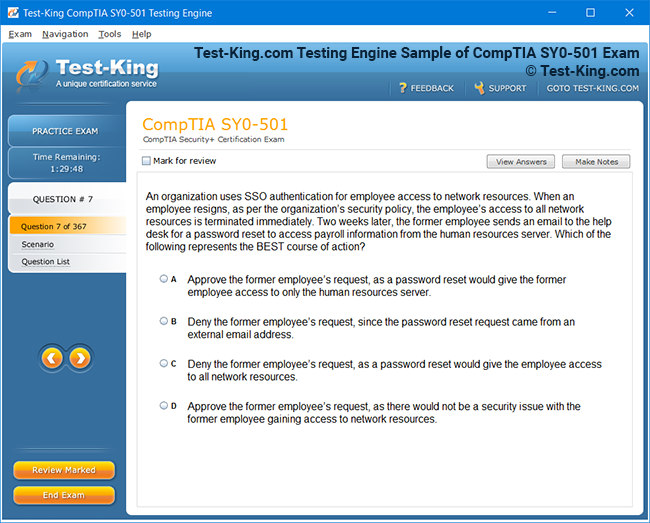
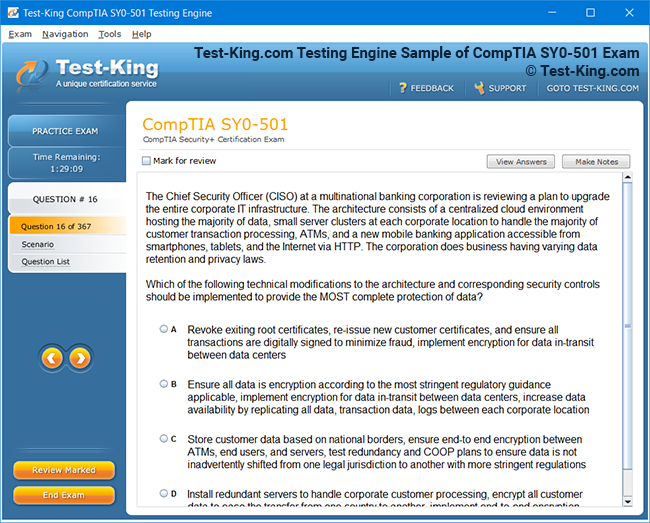
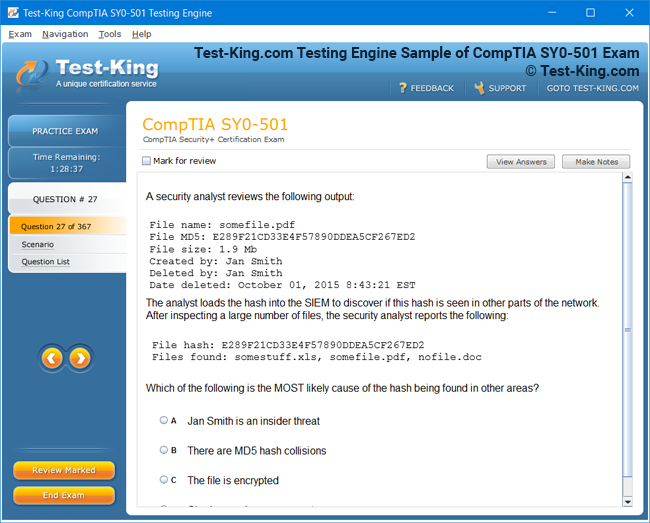
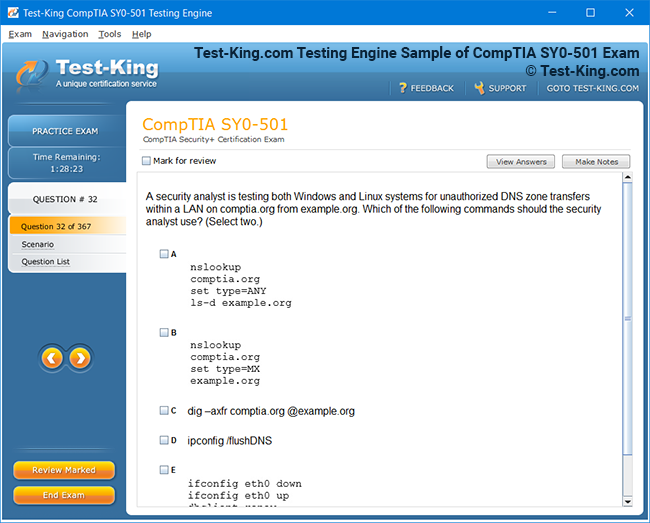
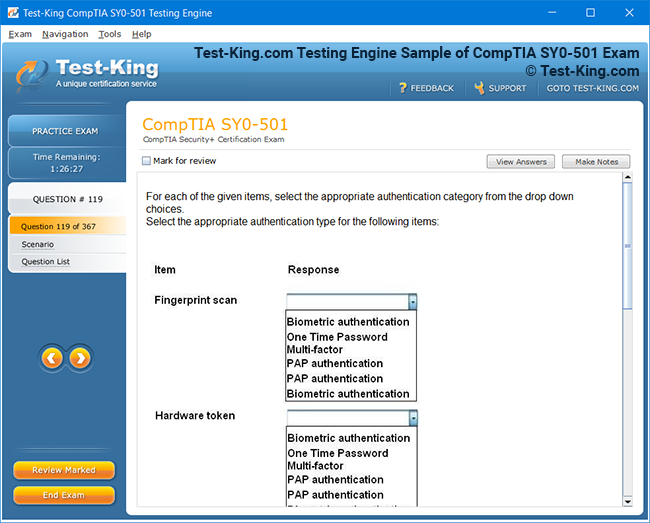
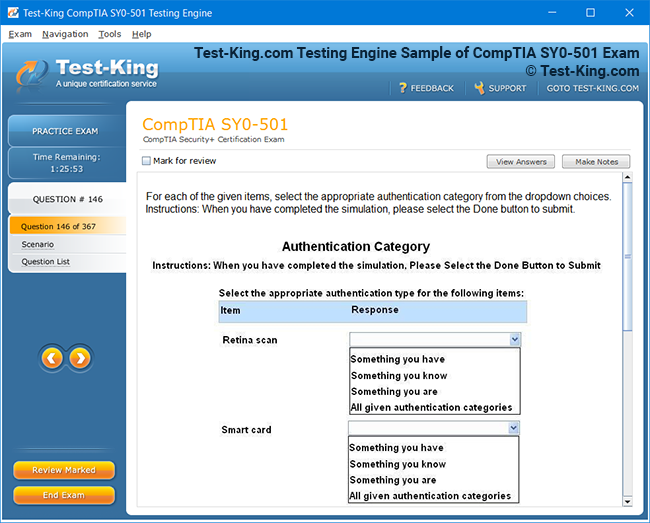
Product Screenshots
Frequently Asked Questions
How can I get the products after purchase?
All products are available for download immediately from your Member's Area. Once you have made the payment, you will be transferred to Member's Area where you can login and download the products you have purchased to your computer.
How long can I use my product? Will it be valid forever?
Test-King products have a validity of 90 days from the date of purchase. This means that any updates to the products, including but not limited to new questions, or updates and changes by our editing team, will be automatically downloaded on to computer to make sure that you get latest exam prep materials during those 90 days.
Can I renew my product if when it's expired?
Yes, when the 90 days of your product validity are over, you have the option of renewing your expired products with a 30% discount. This can be done in your Member's Area.
Please note that you will not be able to use the product after it has expired if you don't renew it.
How often are the questions updated?
We always try to provide the latest pool of questions, Updates in the questions depend on the changes in actual pool of questions by different vendors. As soon as we know about the change in the exam question pool we try our best to update the products as fast as possible.
How many computers I can download Test-King software on?
You can download the Test-King products on the maximum number of 2 (two) computers or devices. If you need to use the software on more than two machines, you can purchase this option separately. Please email support@test-king.com if you need to use more than 5 (five) computers.
What is a PDF Version?
PDF Version is a pdf document of Questions & Answers product. The document file has standart .pdf format, which can be easily read by any pdf reader application like Adobe Acrobat Reader, Foxit Reader, OpenOffice, Google Docs and many others.
Can I purchase PDF Version without the Testing Engine?
PDF Version cannot be purchased separately. It is only available as an add-on to main Question & Answer Testing Engine product.
What operating systems are supported by your Testing Engine software?
Our testing engine is supported by Windows. Andriod and IOS software is currently under development.
Top Salesforce Exams
- Certified Agentforce Specialist
- ADM-201 - Administration Essentials for New Admins
- Certified Data 360 Consultant
- Certified Revenue Cloud Consultant
- Certified Data Architect
- Certified Business Analyst
- Certified Data Cloud Consultant
- Certified Sales Cloud Consultant
- Certified Sharing and Visibility Architect
- Certified OmniStudio Developer
- Certified Platform Administrator II
- Certified Service Cloud Consultant - Salesforce Certified Service Cloud Consultant
- Certified Tableau Desktop Foundations
- Certified Development Lifecycle and Deployment Architect
- Certified Platform Identity and Access Management Architect
- Health Cloud Accredited Professional
- Certified Platform Developer II
- Public Sector Solutions Accredited Professional
- Certified Platform App Builder
- Certified Tableau Consultant
- Certified Marketing Cloud Email Specialist
- Certified CPQ Specialist
- Financial Services Cloud Accredited Professional
- Certified Marketing Cloud Administrator
- Certified Tableau Server Administrator
- Certified Tableau Data Analyst
- Certified Integration Architect
- Certified Platform Developer
- Certified Marketing Cloud Engagement Administrator
- Certified Sharing and Visibility Designer
- Certified Identity and Access Management Architect
- CRT-450 - Salesforce Certified Platform Developer I
- Field Service Lightning Consultant
- Certified Associate
- Certified Platform Sharing and Visibility Architect
- Certified OmniStudio Consultant
- Certified Marketing Cloud Consultant
- Certified AI Specialist
Certified OmniStudio Consultant Exam: Comprehensive Overview and Insights
The Salesforce Certified OmniStudio Consultant exam represents a pivotal milestone for professionals seeking to validate their expertise in designing and deploying robust solutions using the Salesforce OmniStudio suite. OmniStudio is an innovative digital experience platform that facilitates sophisticated interactions between businesses and their clients, enabling seamless orchestration of complex processes while maintaining a user-centric design philosophy. The exam is intended for professionals who are adept at translating business requirements into scalable solutions leveraging OmniStudio’s core tools, such as OmniScript, FlexCards, DataRaptors, and Integration Procedures.
Understanding the Salesforce Certified OmniStudio Consultant Exam
This credential is highly coveted within the Salesforce ecosystem, particularly for individuals involved in implementation projects where precision, efficiency, and an understanding of enterprise workflows are crucial. The exam does not merely assess theoretical knowledge but emphasizes practical comprehension of how OmniStudio components interoperate to streamline business processes. Professionals preparing for this examination are expected to exhibit the ability to design, configure, and deploy solutions that align with best practices and architectural principles established by Salesforce.
The target audience for this exam includes consultants, solution architects, business analysts, and implementation specialists who engage directly with clients to deliver digital experiences using OmniStudio. A deep understanding of Salesforce data structures, integration strategies, and declarative configuration is beneficial, but the emphasis is on leveraging OmniStudio tools to produce reusable, maintainable, and efficient solutions. Those who pursue this certification typically find themselves at the intersection of technical design and business problem-solving, where meticulous attention to detail and conceptual clarity are indispensable.
The exam format is designed to evaluate a candidate’s ability to navigate real-world scenarios. It typically consists of multiple-choice questions and scenario-based inquiries that simulate the challenges faced during the configuration and deployment of OmniStudio solutions. Candidates are assessed on their knowledge of design principles, solution architecture, data management, and integration capabilities. Rather than simply memorizing features, candidates must demonstrate an understanding of the appropriate application of these tools within diverse business contexts. Time management and analytical reasoning play critical roles in successfully completing the exam, as questions often require evaluating multiple solution approaches and selecting the one that aligns with both Salesforce best practices and client requirements.
The exam objectives encompass several key areas. First, candidates must understand how to gather and analyze business requirements to design effective solutions using OmniStudio components. This includes mapping customer journeys and determining the optimal structure for OmniScripts, FlexCards, and data integrations. Next, candidates are expected to demonstrate proficiency in configuring and testing these components, ensuring that they perform efficiently and reliably under varying conditions. Finally, the examination evaluates the ability to troubleshoot issues, optimize processes, and provide recommendations for enhancing solution scalability and maintainability.
OmniStudio itself is composed of several interconnected tools that form a holistic platform for digital experience delivery. OmniScripts allow the creation of guided interactions for users, automating complex workflows while presenting information in an intuitive and engaging manner. FlexCards provide a modular approach to displaying contextual information dynamically, enabling users to access relevant data without navigating away from their workflow. DataRaptors serve as a conduit for data extraction, transformation, and loading, allowing seamless interaction with Salesforce and external systems. Integration Procedures are designed to execute multi-step operations efficiently, coordinating between internal and external data sources while maintaining transactional integrity.
Successful candidates are expected to possess both functional and technical expertise across these modules. This includes understanding how to design OmniScripts with conditional logic, perform error handling, and utilize reusable subflows. FlexCards require knowledge of data binding, layout customization, and event-driven interactions to ensure responsive and meaningful user experiences. DataRaptors necessitate comprehension of extraction strategies, mapping configurations, and data transformation rules to maintain accuracy and consistency. Integration Procedures demand a clear understanding of orchestration, sequencing, and error mitigation, particularly when interacting with APIs and complex data structures. Each of these components contributes to the holistic architecture of OmniStudio solutions, emphasizing efficiency, maintainability, and adaptability.
Preparation for the Certified OmniStudio Consultant exam demands a combination of hands-on experience, formal training, and self-directed study. Salesforce provides an array of resources, including Trailhead modules, official documentation, and implementation guides, which serve as foundational learning materials. Candidates are encouraged to explore real-world scenarios by configuring test environments and simulating use cases that mirror client requirements. Such exercises reinforce conceptual knowledge while cultivating problem-solving acumen, a skill essential for success in both the exam and professional practice. Study plans typically integrate review sessions, practical exercises, and iterative testing to ensure comprehensive coverage of the exam objectives.
Exam readiness extends beyond mastering the technical tools; it also encompasses an understanding of design principles and industry best practices. Certified OmniStudio Consultants are expected to make informed decisions regarding solution architecture, balancing functionality, performance, and maintainability. This includes recognizing when to leverage declarative tools versus programmatic solutions, anticipating future scalability requirements, and ensuring that data management practices align with governance and compliance standards. The exam challenges candidates to demonstrate this holistic perspective, moving beyond procedural knowledge to strategic application.
Real-world application of OmniStudio concepts often involves complex integration with external systems, including ERP platforms, legacy databases, and third-party APIs. Candidates must comprehend not only the mechanics of data transfer but also the implications of data integrity, error handling, and transactional consistency. Integration Procedures and DataRaptors are central to these interactions, enabling orchestrated workflows that preserve business logic and maintain system reliability. Professionals who succeed in the exam are typically those who can conceptualize these integrations, anticipate potential pitfalls, and design solutions that are both elegant and resilient.
Another crucial aspect of the exam is understanding the dynamic user experience created by OmniStudio solutions. Guided interactions, modular information presentation, and context-aware interfaces are fundamental to delivering a seamless experience. Candidates are assessed on their ability to configure OmniScripts that adapt to user inputs, FlexCards that dynamically present information, and integration layers that supply accurate and timely data. This focus on user-centric design underscores the importance of balancing technical proficiency with a deep understanding of user needs and behavioral patterns.
Time management and strategic thinking are indispensable during the exam. Many candidates encounter complex scenarios requiring analysis of multiple solution paths, evaluation of trade-offs, and selection of the most effective approach. The ability to read the question critically, interpret the requirements accurately, and apply conceptual knowledge pragmatically often distinguishes successful candidates from those who struggle. Practice exams, mock simulations, and scenario-based exercises are particularly effective in honing these skills, providing insight into the reasoning processes necessary for correct responses.
The professional benefits of attaining the Salesforce Certified OmniStudio Consultant credential are substantial. Organizations increasingly seek individuals capable of translating intricate business requirements into automated, efficient, and scalable solutions. Certified professionals gain recognition as trusted experts, often leading to higher compensation, expanded responsibilities, and opportunities to work on innovative projects. The certification also opens pathways to advanced Salesforce certifications, enabling continued professional growth and mastery of the Salesforce ecosystem.
In preparing for this exam, candidates often encounter challenges that require perseverance and creative problem-solving. Understanding the interdependencies between OmniStudio components, translating abstract business requirements into concrete solutions, and troubleshooting complex scenarios are recurring themes. Developing a systematic approach to learning, including consistent practice, iterative refinement, and reflective analysis, helps in overcoming these challenges. Furthermore, engaging with Salesforce communities, participating in forums, and seeking mentorship from experienced professionals can provide nuanced insights and practical tips that textbooks and documentation may not fully capture.
A significant element of success is the cultivation of an inquisitive mindset and intellectual agility. The exam often requires candidates to extrapolate from known concepts to novel situations, applying principles in ways that are not explicitly outlined in study materials. Candidates who approach preparation with curiosity, actively seek understanding, and embrace the complexity of real-world applications are more likely to perform well. This approach transforms preparation from rote memorization to an engaging exploration of problem-solving and solution design.
The Salesforce Certified OmniStudio Consultant exam, therefore, serves as both a validation of current expertise and a catalyst for professional development. It challenges candidates to integrate functional knowledge, technical acumen, and strategic reasoning into cohesive solutions. Mastery of OmniStudio tools, coupled with a comprehensive understanding of design principles and user experience considerations, positions professionals as indispensable assets to organizations implementing Salesforce solutions.
OmniStudio's ecosystem thrives on innovation, and those who achieve certification become part of a community at the forefront of digital transformation. By demonstrating proficiency across OmniScripts, FlexCards, DataRaptors, and Integration Procedures, certified professionals showcase their ability to design agile, scalable, and maintainable solutions. They acquire a toolkit not only for passing the exam but for delivering real-world value, driving efficiency, and enhancing customer engagement across diverse industries.
Success in the Salesforce Certified OmniStudio Consultant exam is underpinned by a balanced synthesis of knowledge acquisition, applied practice, and reflective analysis. Candidates are encouraged to immerse themselves in the intricacies of OmniStudio, exploring advanced configurations, understanding nuances of integrations, and simulating real-world business scenarios. By doing so, they develop the confidence and competence necessary to excel both in the examination and in professional practice, ultimately achieving mastery over a platform that is central to contemporary enterprise digital transformation initiatives.
In-Depth Exploration of OmniStudio Functionalities and Exam Objectives
The Salesforce Certified OmniStudio Consultant exam evaluates a professional’s ability to design, configure, and implement complex solutions using the OmniStudio suite. At the core of this evaluation is the understanding of the fundamental components that constitute the OmniStudio ecosystem, including OmniScripts, FlexCards, DataRaptors, and Integration Procedures. Mastery of these modules is essential, not merely for passing the exam but for designing solutions that are scalable, efficient, and aligned with enterprise business processes.
OmniScripts serve as the primary tool for guiding users through structured workflows and complex processes. They enable the creation of multi-step, guided interactions that can accommodate dynamic branching logic, user inputs, and conditional processing. Understanding how to construct OmniScripts involves recognizing the importance of mapping business requirements accurately into a sequence of steps that streamline operations while maintaining user engagement. For the exam, candidates must be able to demonstrate the capacity to create OmniScripts that are not only functional but also modular, reusable, and capable of handling exception scenarios gracefully. The ability to anticipate user behavior and implement logic that adapts to different inputs reflects a nuanced comprehension of both the tool and the underlying business processes.
FlexCards complement OmniScripts by providing an interactive and modular interface for displaying contextual information. They allow data to be presented dynamically, responding to user interactions and external data sources without disrupting workflow continuity. In the context of the exam, candidates are expected to show proficiency in configuring FlexCards with accurate data bindings, implementing event-driven interactions, and leveraging templates to ensure consistent design aesthetics. The objective is to demonstrate how FlexCards can enhance the user experience by presenting information in a concise, intuitive, and context-aware manner, ensuring that users receive the right data at the right time.
DataRaptors are the engine that powers data transformation within OmniStudio solutions. They facilitate the extraction, mapping, transformation, and loading of data between Salesforce and external systems. Candidates must understand the nuances of configuring DataRaptors for various use cases, including data extraction for reporting, data transformation for operational processes, and data injection into Salesforce objects for automation. The exam evaluates the ability to design DataRaptors that handle complex data structures, maintain data integrity, and perform efficiently under high transaction volumes. A deep understanding of the relationship between DataRaptors and other OmniStudio components is crucial, as it ensures that data flows seamlessly across the solution architecture without introducing bottlenecks or inconsistencies.
Integration Procedures offer a declarative approach to orchestrating multi-step operations across internal and external systems. They provide a framework for executing sequential and parallel actions, handling complex logic, and managing errors efficiently. For candidates preparing for the exam, it is imperative to understand how to configure Integration Procedures that optimize performance, maintain transactional integrity, and integrate smoothly with DataRaptors and OmniScripts. The ability to analyze business requirements and determine the appropriate orchestration strategy reflects a high level of problem-solving acumen. In addition, Integration Procedures are often evaluated for their capability to reduce redundancy, improve maintainability, and provide a scalable foundation for enterprise-grade solutions.
The objectives of the Certified OmniStudio Consultant exam extend beyond understanding individual tools to encompass the holistic design and implementation of end-to-end solutions. Candidates are required to demonstrate the ability to gather and analyze business requirements, translating them into effective OmniStudio configurations. This involves mapping customer journeys, identifying decision points, and determining the optimal use of OmniScripts, FlexCards, DataRaptors, and Integration Procedures. Mastery of this process ensures that solutions are aligned with business objectives while remaining agile and adaptable to evolving needs.
Functional knowledge alone is insufficient for exam success; candidates must also exhibit technical acumen, including the ability to handle data transformations, manage API interactions, and configure advanced logic within OmniStudio components. For instance, constructing an OmniScript may involve configuring conditional views, implementing error handling mechanisms, and integrating with DataRaptors to retrieve or update records dynamically. FlexCards may require setting up contextual data sources, managing component visibility based on user interaction, and ensuring responsive design across devices. Integration Procedures may necessitate orchestrating multiple DataRaptor calls, applying complex branching logic, and managing transactions to ensure system reliability.
Another critical objective is understanding performance optimization and best practices. OmniStudio solutions must be designed to minimize processing time, reduce redundancy, and maintain system integrity under high load. Candidates are expected to demonstrate strategies for optimizing DataRaptor queries, reusing components across multiple OmniScripts or FlexCards, and employing caching where appropriate to enhance performance. This focus on efficiency reflects a deeper comprehension of real-world enterprise requirements, where scalability and responsiveness are paramount.
The exam also emphasizes troubleshooting and error mitigation within OmniStudio solutions. Candidates should be able to identify common pitfalls, such as data mapping inconsistencies, circular references in scripts, or inefficient orchestration in Integration Procedures. They must demonstrate methods for resolving these issues effectively, including debugging techniques, validation mechanisms, and adherence to best practices in solution design. This evaluative approach ensures that certified professionals are not only capable of creating functional solutions but also proficient in maintaining and improving them over time.
Exam preparation involves immersing oneself in practical scenarios that replicate real-world business challenges. For instance, designing a guided customer onboarding process may require creating an OmniScript with multiple branching paths, integrating DataRaptors to populate and update records, and presenting relevant information via FlexCards. Similarly, orchestrating a multi-step order management workflow could involve configuring Integration Procedures that execute sequential data updates, handle exceptions, and interact with third-party systems. Engaging with such scenarios enables candidates to internalize the interplay between OmniStudio components, reinforcing both conceptual understanding and practical problem-solving abilities.
A nuanced understanding of Salesforce data architecture enhances exam readiness. Candidates must comprehend how objects, fields, and relationships interact with OmniStudio configurations. This includes determining when to use DataRaptors for direct object manipulation versus leveraging Integration Procedures for orchestrated actions. Additionally, recognizing the implications of data types, lookup relationships, and record ownership ensures that solutions maintain data integrity and comply with organizational governance policies.
User experience considerations are integral to the exam’s objectives. Solutions must not only function correctly but also provide intuitive, seamless, and efficient interactions. Candidates are expected to configure OmniScripts that adapt to user inputs, FlexCards that deliver relevant context, and Integration Procedures that ensure timely data retrieval and updates. This focus on user-centric design emphasizes the importance of empathy, anticipation of user needs, and strategic application of OmniStudio capabilities to create meaningful digital experiences.
Candidates are encouraged to adopt a methodical approach to exam preparation. Understanding each OmniStudio component in isolation provides foundational knowledge, but connecting these components to form cohesive, end-to-end solutions demonstrates true mastery. Practicing scenario-based exercises, reviewing case studies, and reflecting on design decisions help develop the analytical mindset required to tackle complex exam questions. Additionally, exploring edge cases, error scenarios, and performance challenges builds resilience and adaptability, qualities that are highly valued in both the examination and professional practice.
The certified professional is expected to demonstrate proficiency in declarative and data-driven solutions. Declarative approaches, including configuring OmniScripts and FlexCards without code, emphasize maintainability and rapid deployment. Data-driven techniques, leveraging DataRaptors and Integration Procedures, enable complex transformations and integrations without sacrificing accuracy or efficiency. Understanding when and how to employ each approach underscores a holistic grasp of solution design and aligns with Salesforce best practices.
Exam questions often probe the candidate’s ability to optimize workflows, streamline interactions, and ensure maintainable designs. This requires awareness of modularity, reusability, and orchestration principles. Creating reusable OmniScript subflows, designing FlexCards that can be deployed across multiple contexts, and configuring Integration Procedures that accommodate evolving requirements exemplify the types of skills the exam seeks to assess. Mastery in these areas reflects an advanced understanding of both the functional and strategic dimensions of OmniStudio.
A critical element of the objectives is integration with external systems. OmniStudio solutions frequently interact with ERPs, third-party APIs, and legacy databases. Candidates must demonstrate an understanding of how to design secure, efficient, and reliable integrations. This includes handling authentication, managing data consistency, orchestrating sequential and parallel operations, and implementing robust error handling. Integration scenarios often test a candidate’s ability to think beyond the platform and consider the broader enterprise ecosystem, reinforcing the importance of holistic solution design.
Advanced capabilities of OmniStudio, such as reusable components, dynamic actions, and context-driven interactions, are also evaluated. Candidates must understand how to leverage these features to enhance flexibility, scalability, and user engagement. For example, designing an OmniScript that dynamically adjusts its steps based on input from multiple FlexCards, while coordinating updates through DataRaptors and Integration Procedures, demonstrates a sophisticated grasp of both the platform and enterprise-level design principles.
Exam readiness is further enhanced by familiarity with Salesforce documentation, Trailhead modules, and community-driven best practices. Engaging with these resources helps candidates explore uncommon scenarios, gain insights into optimization techniques, and deepen their understanding of nuanced features. This continuous exploration nurtures intellectual curiosity and equips candidates with the problem-solving toolkit necessary to excel in the exam environment.
Candidates are also expected to consider compliance, governance, and security in their designs. Handling sensitive data, enforcing field-level security, and ensuring proper access controls are fundamental principles embedded in OmniStudio solution architecture. The exam evaluates the candidate’s awareness of these considerations, emphasizing the importance of designing solutions that are not only effective but also compliant with organizational policies and regulatory standards.
In summary, the Certified OmniStudio Consultant exam tests a comprehensive understanding of the functional and technical dimensions of the platform. Success requires mastery of OmniScripts, FlexCards, DataRaptors, and Integration Procedures, coupled with the ability to design efficient, maintainable, and user-centric solutions. Candidates must demonstrate proficiency in translating business requirements into actionable configurations, optimizing workflows, integrating external systems, and ensuring data integrity, all while adhering to best practices and governance standards. Practical application, analytical reasoning, and strategic design thinking form the bedrock of exam readiness, reflecting the professional competence expected of certified individuals in the Salesforce ecosystem.
Effective Approaches to Mastering OmniStudio Concepts and Tools
The Salesforce Certified OmniStudio Consultant exam challenges candidates to demonstrate both functional expertise and technical proficiency in designing and implementing solutions using OmniStudio. Preparation for this credential requires a deliberate, structured approach that combines conceptual understanding, hands-on practice, and strategic resource utilization. Unlike exams that rely solely on rote memorization, this certification emphasizes the ability to translate complex business requirements into scalable, user-friendly solutions while leveraging the complete suite of OmniStudio components, including OmniScripts, FlexCards, DataRaptors, and Integration Procedures.
Successful preparation begins with a comprehensive grasp of the exam objectives. Candidates must internalize the nuances of each OmniStudio tool, understanding not only how they operate independently but also how they interconnect to form holistic, end-to-end solutions. OmniScripts, for instance, demand familiarity with conditional logic, guided flows, and error handling mechanisms. Candidates must practice designing workflows that accommodate multiple branching scenarios, ensuring that user interactions remain fluid while data integrity is maintained. Incorporating real-world considerations, such as handling incomplete data inputs or simulating edge cases, enhances the depth of understanding and reinforces practical problem-solving skills.
FlexCards are central to delivering contextual information dynamically and intuitively. Candidates preparing for the exam must explore diverse methods of data binding, layout optimization, and event-driven interactions. Understanding how FlexCards interact with OmniScripts and DataRaptors allows professionals to design user experiences that are both informative and responsive. A strategic study approach involves creating mock FlexCards for different business scenarios, experimenting with dynamic visibility rules, and ensuring that each card presents information in a concise and actionable format. These exercises cultivate the ability to anticipate user needs and tailor interactions accordingly.
DataRaptors serve as the backbone for data extraction, transformation, and loading within OmniStudio solutions. Mastery of DataRaptors requires detailed knowledge of mapping strategies, transformation rules, and error handling practices. Candidates must be adept at designing configurations that retrieve and manipulate data from Salesforce objects and external systems while preserving accuracy and efficiency. Practice exercises should include constructing multiple DataRaptor types, such as extract, transform, and load operations, and simulating complex scenarios where data flows across various modules. This hands-on experience ensures that candidates are prepared to answer scenario-based questions that challenge their analytical and technical capabilities.
Integration Procedures offer the declarative orchestration of multi-step operations and are critical for handling complex business processes. Exam candidates must comprehend how to structure these procedures to manage sequential and parallel operations, coordinate multiple data sources, and implement robust error-handling strategies. Preparation strategies include simulating real-world integrations, such as coordinating data updates between Salesforce and external ERP systems or designing a customer service workflow involving multiple OmniScripts and FlexCards. This exercise enhances analytical reasoning and reinforces the ability to create efficient, maintainable solutions.
In addition to understanding the functionality of each tool, candidates must develop an awareness of best practices in OmniStudio design. This includes modularity, reusability, and maintainability, which are essential for constructing scalable solutions. For example, designing OmniScripts as reusable subflows reduces redundancy and enhances efficiency, while implementing FlexCards with standardized templates ensures consistency across user interfaces. Integration Procedures should be designed with clear orchestration logic and minimal redundancy to optimize performance. By internalizing these principles, candidates cultivate the judgment necessary to select the most effective solution in complex scenarios.
Time management is another critical aspect of exam preparation. With scenario-based questions that often require multiple steps of reasoning, candidates benefit from allocating study sessions that balance conceptual review and hands-on practice. Structured study schedules, incorporating focused learning blocks for each OmniStudio component, reinforce retention while providing opportunities to simulate exam conditions. Regular assessment of progress through practice questions and timed mock tests sharpens analytical skills and helps build confidence, reducing cognitive strain during the actual exam.
Salesforce Trailhead modules constitute one of the most valuable resources for preparation. These interactive, self-paced learning paths provide detailed explanations, demonstrations, and practice exercises for each component of OmniStudio. Candidates are encouraged to progress through the modules systematically, ensuring that foundational concepts are solidified before tackling advanced topics. Trailhead exercises often include guided scenarios, prompting candidates to configure OmniScripts, FlexCards, DataRaptors, and Integration Procedures in sandbox environments. This experiential learning reinforces theoretical knowledge while providing a practical understanding of the tools in real-world contexts.
Official Salesforce documentation is equally indispensable for in-depth understanding. The implementation guides and developer references offer comprehensive explanations of component capabilities, configuration options, and architectural best practices. Candidates preparing for the exam should examine these materials thoroughly, focusing on areas that are less intuitive or frequently encountered in complex workflows, such as dynamic OmniScript branching, conditional FlexCard visibility, and transactional management within Integration Procedures. Annotating key concepts and creating personalized reference notes aids in retention and allows for quick review before the exam.
Supplemental learning through community forums and user groups provides unique insights that formal materials may not cover. Salesforce professionals often share experiences, troubleshooting tips, and innovative approaches to common challenges in OmniStudio configurations. Engaging with these communities helps candidates gain perspectives on edge cases, uncommon scenarios, and practical optimization techniques. Such interactions foster a deeper understanding of the platform, promote critical thinking, and can reveal subtleties that may appear in scenario-based exam questions.
Hands-on practice remains the cornerstone of preparation. Candidates should design and implement sample projects that replicate real-world business processes. For instance, creating a guided onboarding experience using OmniScripts, supplemented by FlexCards that provide dynamic user information, DataRaptors to retrieve and update records, and Integration Procedures for orchestrating complex operations, provides a holistic exercise that integrates all aspects of the OmniStudio suite. Repeated practice with such projects cultivates familiarity, speeds configuration skills, and enhances the ability to troubleshoot effectively under exam conditions.
Analytical exercises, such as reverse-engineering existing workflows, further strengthen problem-solving abilities. Candidates may examine a complex OmniStudio solution and identify optimization opportunities, such as reducing redundant DataRaptor calls, consolidating FlexCards, or restructuring Integration Procedures for greater efficiency. This reflective approach develops a mindset attuned to best practices, critical evaluation, and strategic thinking, all of which are integral to both exam success and professional competence.
Creating personal study aids, such as mind maps, flow diagrams, and scenario checklists, assists in synthesizing complex information into manageable insights. Visual representations of OmniStudio workflows, data mappings, and integration sequences support cognitive processing and memory retention. Candidates often benefit from documenting step-by-step procedures for typical scenarios, noting potential pitfalls, error handling strategies, and performance considerations. These personalized resources serve as practical references for revision and facilitate active learning, reducing reliance on passive reading alone.
Mock exams and timed practice questions play an essential role in acclimating candidates to the exam format and time constraints. These exercises simulate the cognitive demands of the exam, encouraging strategic reasoning, prioritization of tasks, and the application of conceptual knowledge in scenario-based contexts. Regularly analyzing performance in mock tests allows candidates to identify knowledge gaps, refine techniques, and reinforce areas requiring further study. Incorporating progressive difficulty in practice questions ensures readiness for the most challenging scenarios.
Adopting a reflective learning approach enhances retention and understanding. After each practice exercise or simulation, candidates should review their actions, evaluate the effectiveness of their solutions, and consider alternative approaches. This metacognitive practice encourages deeper comprehension, fosters adaptability, and cultivates problem-solving agility. In the context of OmniStudio, such reflection often involves evaluating the efficiency of Integration Procedures, the clarity and usability of OmniScripts, the dynamic relevance of FlexCards, and the accuracy and performance of DataRaptors.
Candidates are encouraged to simulate real-world constraints while practicing. Factors such as performance optimization, system limitations, and user experience considerations should guide project design. By introducing realistic challenges, such as handling large datasets with DataRaptors or managing multiple conditional paths in OmniScripts, candidates develop resilience and analytical foresight. These exercises not only prepare candidates for scenario-based exam questions but also mirror the challenges encountered in professional implementation projects.
Collaboration with peers and mentors is another effective strategy. Engaging in discussions about complex scenarios, sharing configurations, and reviewing each other’s solutions fosters knowledge exchange and exposes candidates to diverse approaches. Mentorship from experienced Salesforce professionals can reveal nuanced insights, optimization techniques, and problem-solving strategies that are not immediately apparent from study materials. These interactions cultivate confidence, reinforce understanding, and provide perspective on the practical application of OmniStudio capabilities.
Candidates are also advised to maintain a balance between intensive study and mental rejuvenation. Long hours of preparation can lead to cognitive fatigue, reducing the effectiveness of learning. Structured breaks, periodic review sessions, and hands-on experimentation ensure sustained engagement and deeper absorption of complex concepts. By integrating reflection, practical exercises, and interactive learning, candidates create a holistic preparation routine that supports both mastery and retention.
The integration of multiple learning modalities enhances readiness for the exam. Combining conceptual study, interactive Trailhead modules, practical sandbox exercises, community engagement, and reflective review ensures comprehensive coverage of all exam objectives. This multi-pronged approach cultivates a deep understanding of OmniStudio components, reinforces the ability to translate business requirements into actionable solutions, and develops the strategic reasoning necessary to tackle scenario-based questions effectively.
Candidates must also remain attuned to updates and evolving best practices within Salesforce OmniStudio. The platform is continuously enhanced with new features, capabilities, and design recommendations. Regularly reviewing release notes, attending webinars, and exploring new functionalities helps candidates stay current and incorporate the latest innovations into their preparation. Understanding these developments can provide a competitive edge in the exam and in professional practice, enabling candidates to design solutions that are modern, efficient, and aligned with Salesforce’s evolving ecosystem.
A final element of preparation involves cultivating confidence and mental readiness. Scenario-based questions require analytical thinking, judgment, and the ability to synthesize information under time constraints. Candidates benefit from strategies that reduce anxiety, such as familiarization with the exam format, timed practice, and visualization of successful problem-solving approaches. By approaching preparation holistically, integrating conceptual understanding, hands-on experience, reflective review, and mental conditioning, candidates equip themselves with the comprehensive toolkit necessary to achieve certification success.
Applying OmniStudio Knowledge to Real-World Scenarios
The Salesforce Certified OmniStudio Consultant exam not only tests theoretical understanding but emphasizes the application of knowledge through practical exercises and real-world scenarios. Candidates who excel in the exam often exhibit the ability to translate complex business requirements into scalable, efficient, and maintainable solutions using OmniScripts, FlexCards, DataRaptors, and Integration Procedures. Developing this proficiency requires an immersive hands-on approach that mirrors the challenges encountered in professional Salesforce implementation projects.
Hands-on practice begins with mastering OmniScripts, which serve as guided interactions that direct users through multifaceted workflows. Creating an effective OmniScript involves mapping business processes, identifying decision points, and configuring steps that respond dynamically to user input. For example, designing a customer onboarding process requires understanding the various stages of interaction, from data collection and verification to approval workflows and system updates. Candidates should practice constructing scripts that handle multiple conditional paths, integrate subflows, and incorporate error handling mechanisms to ensure seamless user experiences. This exercise fosters analytical thinking and reinforces the ability to anticipate and accommodate real-world complexities.
FlexCards complement OmniScripts by providing a modular interface for displaying contextual information. In practical exercises, candidates should experiment with different FlexCard configurations to display relevant data dynamically based on user interactions and system triggers. Designing FlexCards for a case management scenario, for instance, might involve dynamically presenting case details, customer information, and actionable items without requiring the user to navigate multiple screens. Practicing the configuration of events, data bindings, and dynamic visibility rules helps candidates internalize the principles of efficient, responsive design, which is crucial for both the exam and professional applications.
DataRaptors are central to the manipulation of data within OmniStudio solutions. Candidates must become adept at configuring DataRaptors to extract, transform, and load data between Salesforce objects and external systems. Practical exercises might involve setting up a DataRaptor to retrieve customer records for display in a FlexCard, transforming data to meet business rules, and updating Salesforce objects in accordance with workflow outcomes. Testing these configurations under various scenarios, such as incomplete data or conflicting records, reinforces understanding of data integrity, error handling, and performance optimization. This hands-on engagement develops both technical proficiency and problem-solving skills, essential for scenario-based questions in the exam.
Integration Procedures provide a declarative framework for orchestrating complex multi-step operations. Candidates should practice designing procedures that execute sequential and parallel actions, manage data transformations, and interact with both internal and external systems. For instance, orchestrating an order fulfillment workflow may involve integrating multiple DataRaptors, updating records across objects, and invoking external APIs while ensuring transactional consistency. Engaging in such exercises allows candidates to comprehend the interplay between different components, refine their orchestration logic, and understand performance considerations. These simulations cultivate the analytical reasoning required to select the most efficient and reliable solution under realistic constraints.
To enhance practical understanding, candidates should undertake projects that integrate all OmniStudio components. A comprehensive exercise might involve building a guided insurance claim process where OmniScripts manage user inputs, FlexCards display dynamic policy and claim information, DataRaptors handle data retrieval and updates, and Integration Procedures coordinate interactions between Salesforce and external legacy systems. This integrated approach reinforces the conceptual framework, promotes familiarity with the nuances of each component, and simulates the multifaceted scenarios likely to be encountered on the exam. Repeated practice with such projects develops confidence, efficiency, and adaptability.
Another effective strategy involves reverse engineering existing OmniStudio solutions. By analyzing an implemented workflow, candidates can identify design choices, optimization opportunities, and potential pitfalls. For example, evaluating an OmniScript that contains redundant steps or an Integration Procedure with excessive sequential calls allows candidates to propose refinements, such as modularizing subflows, consolidating DataRaptor actions, or optimizing error handling. This reflective approach enhances critical thinking and encourages a deeper understanding of best practices, which is instrumental in addressing scenario-based exam questions.
Practical exercises should also encompass troubleshooting and debugging. Candidates must become comfortable identifying and resolving common issues, such as misconfigured DataRaptors, incorrect field mappings, or integration failures. Simulating scenarios where data flows incorrectly or errors occur in a guided workflow allows candidates to practice diagnosing problems, applying corrective measures, and verifying successful resolution. This hands-on troubleshooting develops both technical skill and analytical acumen, ensuring that candidates are prepared for the types of questions that assess problem-solving ability rather than rote knowledge.
In addition to individual component practice, scenario-based exercises emphasize end-to-end orchestration. Candidates should simulate workflows that require coordination between multiple OmniScripts, FlexCards, DataRaptors, and Integration Procedures. For example, designing a membership renewal process might involve dynamically presenting member information via FlexCards, guiding users through a renewal workflow with OmniScripts, performing data updates through DataRaptors, and orchestrating backend validation and notifications via Integration Procedures. Practicing such integrated solutions ensures that candidates comprehend the dependencies, sequencing, and data flows necessary for efficient, scalable solutions.
Time management during practical exercises is critical. By setting realistic constraints, candidates can replicate the pressure of handling multiple complex workflows simultaneously. For instance, designing and testing a multi-step customer service process under a simulated time frame encourages prioritization, decision-making, and effective resource utilization. These exercises cultivate not only technical mastery but also cognitive agility, preparing candidates to approach scenario-based exam questions with confidence and precision.
Candidates should also explore edge cases and uncommon scenarios in their exercises. OmniStudio solutions must accommodate variations in user behavior, data inconsistencies, and unexpected system responses. Practicing solutions that account for incomplete records, invalid inputs, or external system failures enhances resilience and problem-solving capacity. These exercises reinforce an understanding of error-handling best practices, dynamic decision paths, and performance optimization, all of which are critical for passing the exam and implementing enterprise-grade solutions.
Developing reusable components during practice further solidifies mastery. Candidates should design OmniScript subflows, FlexCard templates, and Integration Procedure modules that can be adapted across multiple workflows. This approach not only optimizes efficiency but also mirrors industry best practices, demonstrating an awareness of maintainable and scalable solution design. Practicing modularity in exercises ensures that candidates are capable of recognizing opportunities for reuse during the exam and in professional projects.
Collaboration in practical exercises enhances learning. Engaging with peers to design, review, and refine OmniStudio solutions fosters the exchange of insights, exposes candidates to alternative approaches, and encourages critical evaluation of design decisions. Discussing complex workflows, evaluating error-handling strategies, and analyzing performance considerations collectively deepen understanding and reinforce problem-solving skills. Mentorship from experienced professionals provides additional context, revealing subtleties in real-world implementations that are invaluable for both exam preparation and career advancement.
Documentation of practical exercises reinforces retention and comprehension. Candidates should maintain detailed records of workflows, configuration choices, data mappings, error-handling mechanisms, and performance considerations. By reviewing these notes, candidates reinforce their understanding, identify patterns, and create a reference that can be revisited prior to the exam. Documentation also supports reflective learning, enabling candidates to assess the effectiveness of their solutions, consider alternative approaches, and internalize best practices for future application.
Hands-on experience with sandbox environments is indispensable. Configuring OmniScripts, FlexCards, DataRaptors, and Integration Procedures in a controlled setting allows candidates to explore features safely, experiment with complex scenarios, and validate solutions in real-time. Sandbox practice enhances familiarity with the interface, configuration options, and debugging tools, building both confidence and competence. Candidates who regularly practice in sandbox environments tend to demonstrate stronger performance on scenario-based questions, as they are accustomed to navigating practical challenges and applying theoretical knowledge effectively.
Candidates are encouraged to create a repertoire of mini-projects to cover diverse use cases. Examples include customer onboarding, order management, claims processing, and subscription renewal workflows. Each project should integrate multiple OmniStudio components and simulate realistic business conditions. By repeatedly designing, configuring, and testing these workflows, candidates develop proficiency in translating complex requirements into actionable solutions, reinforcing both technical skill and analytical reasoning.
Reflective review of completed exercises further enhances learning. Candidates should evaluate the effectiveness of their solutions, identify inefficiencies, and consider alternative approaches. This metacognitive practice cultivates adaptability and critical thinking, reinforcing the ability to make informed design decisions. For instance, evaluating the sequence of DataRaptor calls, the modularity of OmniScripts, or the responsiveness of FlexCards encourages deeper comprehension of system dynamics and optimal configuration practices.
Engaging with advanced configurations and uncommon scenarios also strengthens exam readiness. Candidates might experiment with nested OmniScript subflows, conditional FlexCard visibility, parallel Integration Procedure execution, and complex DataRaptor transformations. Practicing these advanced scenarios cultivates problem-solving agility, ensures familiarity with the platform’s full capabilities, and prepares candidates to address challenging scenario-based questions that require analytical reasoning and innovative solution design.
Candidates should also focus on the alignment between technical configurations and business objectives. Effective practice involves translating abstract business requirements into concrete workflows, ensuring that each OmniStudio component serves a clear purpose and contributes to the overall solution. This strategic approach emphasizes the integration of technical proficiency, analytical thinking, and business acumen, reinforcing the holistic mindset expected of certified consultants.
By consistently engaging with hands-on exercises, candidates develop a comprehensive understanding of OmniStudio components, practical problem-solving skills, and the confidence necessary to navigate complex exam scenarios. Immersive practice, reflective review, and exposure to realistic workflows cultivate the ability to design efficient, maintainable, and user-centric solutions, ensuring readiness for both the Certified OmniStudio Consultant exam and professional implementation challenges.
Maximizing Performance and Confidence Through Strategic Preparation
The Salesforce Certified OmniStudio Consultant exam is designed to assess both the theoretical understanding and practical application of OmniStudio solutions in complex business environments. Success on exam day relies not only on mastery of OmniScripts, FlexCards, DataRaptors, and Integration Procedures but also on strategic preparation, mental acuity, and the ability to navigate scenario-based questions effectively. Candidates who approach the exam methodically and cultivate both technical proficiency and test-taking strategies are more likely to achieve certification and demonstrate professional competence in implementing Salesforce solutions.
A central aspect of exam day preparation involves familiarization with the exam format and timing. The test typically consists of multiple-choice questions, scenario-based inquiries, and configuration-focused scenarios that require candidates to apply conceptual knowledge to realistic business challenges. Understanding the structure of the exam allows candidates to allocate time efficiently, prioritize questions, and avoid spending excessive effort on individual items. Strategic pacing is crucial, particularly when faced with multi-step scenarios that demand careful analysis, judgment, and application of OmniStudio principles.
To optimize performance, candidates benefit from a structured pre-exam routine that integrates both review and mental readiness. Revisiting core concepts, including OmniScript design, FlexCard configuration, DataRaptor operations, and Integration Procedure orchestration, reinforces knowledge while maintaining familiarity with the practical application of each component. Reviewing personalized study notes, flow diagrams, and past exercises enables rapid recall of key principles and ensures that candidates approach questions with confidence. This focused review supports cognitive agility and prepares the mind for complex problem-solving during the exam.
Scenario-based questions often challenge candidates to evaluate multiple approaches and select the most effective solution. For instance, a question may present a customer onboarding workflow requiring OmniScripts with conditional logic, FlexCards that display contextual information, and DataRaptors that extract and update Salesforce records. In such cases, successful candidates systematically assess each option, considering factors such as efficiency, scalability, maintainability, and user experience. Practicing this analytical approach in advance fosters a mindset capable of making informed decisions under time constraints.
Time management strategies are essential for handling the cognitive load of the exam. Candidates are encouraged to allocate specific intervals for reviewing questions, analyzing scenarios, and validating responses. For complex items, an initial reading to identify requirements followed by a careful evaluation of solution options prevents misinterpretation and ensures alignment with best practices. Additionally, managing time effectively allows for a final review of flagged questions, reinforcing confidence and minimizing the risk of oversight. Candidates who develop a consistent pacing strategy during practice exams are more adept at sustaining focus and precision during the actual test.
Understanding the nuances of question phrasing and scenario context is equally critical. Many exam items involve subtle distinctions, requiring candidates to discern the most appropriate application of OmniStudio tools. For example, determining whether an OmniScript should incorporate a subflow versus a standalone sequence demands both conceptual insight and practical judgment. Similarly, evaluating when to leverage a DataRaptor extraction versus an Integration Procedure orchestration tests analytical reasoning and comprehension of workflow dynamics. Practicing question interpretation in advance sharpens these skills and reduces cognitive errors during the exam.
Stress management is a vital component of exam readiness. High-pressure situations can impede decision-making and diminish accuracy. Candidates should develop techniques to maintain composure, such as deep breathing, mental visualization, and positive self-talk. Engaging in timed practice sessions under simulated exam conditions fosters familiarity with the intensity of the testing environment, reducing anxiety and enhancing performance. A calm, focused mindset allows candidates to approach scenario-based challenges methodically, evaluate all options, and apply their knowledge effectively.
Candidates are advised to approach difficult questions strategically rather than attempting to solve them immediately. Marking challenging items for review and progressing through the exam ensures that time is used efficiently and prevents early-stage stagnation. Returning to these questions with a fresh perspective often clarifies requirements and enables informed decision-making. This iterative approach, combined with an understanding of best practices in OmniStudio design, enhances the likelihood of selecting the most accurate solutions.
Familiarity with the exam interface is another factor that influences performance. Candidates should practice navigating question formats, utilizing marking tools, and reviewing answers within a simulated testing environment. Comfort with the interface minimizes technical distractions, allowing the focus to remain on conceptual understanding and practical application. This familiarity also reduces cognitive load, enabling candidates to allocate mental resources to analyzing complex scenarios and evaluating solution paths.
Prioritization of key topics based on exam objectives improves efficiency and reinforces confidence. While all OmniStudio components are important, candidates may encounter scenario clusters that emphasize specific configurations, integration strategies, or user experience considerations. Allocating attention to areas such as dynamic OmniScript branching, FlexCard event handling, DataRaptor transformation rules, and Integration Procedure orchestration ensures preparedness for high-impact questions. Focused review of these areas in conjunction with hands-on practice strengthens the ability to navigate multifaceted scenarios accurately.
Candidates should employ active problem-solving techniques during the exam. This involves visualizing workflows, mapping data flows, and mentally simulating user interactions to assess the effectiveness of proposed solutions. For example, evaluating how an OmniScript handles conditional paths and integrates with a DataRaptor for record updates allows candidates to anticipate outcomes and identify potential issues. Engaging in this mental rehearsal mirrors real-world implementation reasoning, reinforcing analytical skills and enhancing the precision of responses.
Preparation for scenario-based questions benefits from exposure to diverse, real-world examples. Candidates can draw upon prior hands-on exercises, simulated workflows, and sandbox projects to contextualize their understanding. For instance, a question involving customer support case management may resemble exercises completed during study, such as configuring OmniScripts with branching logic, displaying case data on FlexCards, and updating records through DataRaptors and Integration Procedures. Recognizing patterns and applying familiar problem-solving strategies improves both speed and accuracy during the exam.
Reflective review prior to exam day consolidates learning and reinforces confidence. Revisiting completed exercises, analyzing past mistakes, and identifying optimization opportunities deepen understanding and enhance retention. Candidates benefit from evaluating both successful configurations and suboptimal solutions, noting the rationale for design choices, error-handling mechanisms, and performance considerations. This reflection strengthens conceptual clarity, reinforces best practices, and prepares candidates to tackle nuanced scenario-based questions effectively.
Candidates should also pay attention to the sequencing of question responses. Addressing straightforward items first establishes momentum, ensures accumulation of points, and reduces the cognitive load associated with complex scenarios. More intricate questions, which may require multi-step reasoning or cross-component analysis, can then be approached with sufficient time and focus. This strategic ordering maximizes efficiency and supports sustained performance throughout the exam duration.
Understanding common pitfalls and challenges enhances readiness. Many candidates struggle with scenarios involving nested OmniScript subflows, complex Integration Procedure orchestration, or dynamic FlexCard interactions. Anticipating these challenges through targeted practice, scenario simulation, and reflective analysis reduces the likelihood of errors on exam day. Candidates who have encountered similar complexities in preparation are better equipped to navigate them efficiently, demonstrating both conceptual understanding and practical problem-solving acumen.
Candidates should integrate continuous self-assessment into their preparation. Reviewing performance in practice questions and timed mock exams highlights knowledge gaps, reinforces strengths, and provides insights into areas requiring further attention. Tracking progress across OmniScript configurations, FlexCard designs, DataRaptor transformations, and Integration Procedure orchestration ensures a balanced mastery of all components. This systematic approach allows candidates to address weaknesses proactively and enter the exam with confidence.
Focusing on mental resilience is essential for sustained cognitive performance. Candidates may experience fatigue during lengthy scenario evaluations, which can compromise accuracy. Incorporating regular mental breaks, mindfulness exercises, and hydration routines supports optimal focus. Practicing endurance through extended timed exercises familiarizes candidates with the demands of the exam environment, ensuring that concentration is maintained even during challenging multi-step scenarios.
Strategic use of elimination techniques can enhance accuracy in multiple-choice and scenario-based questions. By systematically excluding implausible options based on functional understanding, performance considerations, and best practices, candidates narrow their focus to the most viable solutions. This analytical approach improves decision-making efficiency, reduces the risk of errors, and strengthens confidence when selecting answers under time constraints.
Exam day readiness also involves logistical planning. Candidates should ensure familiarity with testing protocols, technology requirements, and exam location or platform guidelines. Minimizing external distractions and potential technical issues allows candidates to focus fully on applying their OmniStudio knowledge, navigating scenario-based challenges, and demonstrating proficiency in designing scalable, user-centric solutions.
Engaging in final reviews of key principles reinforces cognitive recall. Revisiting OmniScript logic structures, FlexCard data bindings, DataRaptor mapping configurations, and Integration Procedure sequences strengthens memory retention and supports rapid decision-making during the exam. Reviewing reflective notes, mental simulations, and previously encountered scenarios consolidates learning and instills confidence in both conceptual understanding and practical application.
Ultimately, performance on the Salesforce Certified OmniStudio Consultant exam is determined by the integration of technical mastery, scenario-based reasoning, and strategic exam approaches. Candidates who combine conceptual clarity, hands-on practice, analytical problem-solving, and mental preparedness are well-positioned to navigate complex workflows, apply best practices, and demonstrate the competence expected of certified professionals. By approaching exam day with systematic preparation, strategic pacing, and cognitive resilience, candidates enhance their likelihood of success and validate their expertise in designing, configuring, and implementing OmniStudio solutions.
Leveraging the Salesforce Certified OmniStudio Consultant Credential for Professional Advancement
Achieving the Salesforce Certified OmniStudio Consultant credential signifies a remarkable milestone in a professional's journey, validating proficiency in designing, configuring, and implementing sophisticated solutions using OmniStudio. Beyond the recognition of technical expertise, this certification serves as a gateway to enhanced career opportunities, increased responsibility, and professional growth within the Salesforce ecosystem. Professionals who earn this credential are equipped with a rare combination of functional insight and technical acumen, enabling them to contribute strategically to enterprise projects while driving efficiency, innovation, and user-centric solutions.
The credential opens avenues across a multitude of roles in organizations that leverage Salesforce as a core platform for digital transformation. Certified OmniStudio Consultants often assume positions as solution architects, business analysts, implementation specialists, or project leads. Their expertise in orchestrating complex workflows, integrating multiple components, and delivering scalable solutions positions them as indispensable resources within project teams. Organizations value these professionals for their ability to translate intricate business requirements into maintainable and efficient configurations, optimizing processes and ensuring high-quality delivery outcomes.
With the credential, professionals gain the confidence and credibility to lead significant projects involving OmniStudio components. For instance, they may oversee the design and deployment of guided customer onboarding processes using OmniScripts, implement contextual information displays through FlexCards, and orchestrate multi-step data operations with DataRaptors and Integration Procedures. Their proficiency allows them to anticipate potential bottlenecks, optimize data flows, and design solutions that not only meet functional requirements but also enhance performance, maintainability, and user satisfaction. This combination of technical skill and strategic thinking is highly prized in enterprises seeking to maximize their Salesforce investments.
The professional landscape for certified individuals extends across industries such as finance, insurance, healthcare, retail, and technology. Companies in these sectors increasingly rely on Salesforce OmniStudio to streamline operations, improve customer engagement, and deliver innovative digital experiences. Certified consultants are uniquely positioned to contribute to these initiatives, designing workflows that accommodate diverse business processes, integrate with external systems, and ensure compliance with regulatory and governance standards. Their expertise enables organizations to achieve operational efficiency, reduce manual intervention, and enhance decision-making through automation and data-driven insights.
Salary prospects for certified professionals often reflect the premium placed on their specialized skills. Organizations recognize the value of individuals who can bridge the gap between business requirements and technical implementation, offering compensation packages that correspond to their expertise, experience, and strategic contributions. Furthermore, certification serves as a differentiator in competitive job markets, enhancing employability, opening doors to leadership roles, and providing leverage for negotiation in career advancement discussions.
The certification also enables continuous professional growth within the Salesforce ecosystem. Many certified OmniStudio Consultants pursue advanced certifications, such as Salesforce Solution Architect, Advanced Administrator, or industry-specific credentials, expanding their capabilities and increasing their influence in strategic initiatives. This pathway supports a trajectory toward senior leadership roles, where the ability to conceptualize enterprise solutions, manage complex projects, and mentor teams becomes increasingly valuable. The foundational expertise in OmniStudio components serves as a springboard for mastering broader Salesforce functionalities and architectural design principles.
Networking and community engagement play a significant role in leveraging the certification for career advancement. Participation in Salesforce user groups, forums, and professional communities exposes certified consultants to emerging best practices, innovative use cases, and industry trends. Engaging with peers and experts fosters knowledge exchange, problem-solving insights, and collaborative learning opportunities. Professionals who actively contribute to these communities often gain recognition as thought leaders, expanding their visibility and influence within the Salesforce ecosystem.
Professional versatility is another advantage conferred by the certification. Certified OmniStudio Consultants are adept at navigating both technical and functional aspects of Salesforce projects, making them valuable in cross-functional teams. Their ability to translate business requirements into actionable configurations enables effective communication between stakeholders, including business leaders, developers, and end users. This dual proficiency enhances project outcomes, reduces implementation risks, and fosters a culture of collaboration and innovation.
Hands-on experience continues to play a pivotal role even after certification. Professionals are encouraged to engage in diverse project scenarios, exploring advanced configurations, integration challenges, and user experience enhancements. This ongoing application of skills not only reinforces mastery but also builds a portfolio of practical achievements that can be showcased to employers, clients, and professional networks. By demonstrating tangible contributions to enterprise projects, certified consultants establish credibility and authority, reinforcing the value of their certification in real-world contexts.
Innovation and continuous improvement are central to post-certification growth. Certified OmniStudio Consultants are often tasked with identifying opportunities to streamline workflows, enhance automation, and optimize solution performance. For instance, they may redesign OmniScripts to reduce redundancy, implement FlexCards that deliver contextual insights more effectively, or reconfigure Integration Procedures for faster execution and higher reliability. By embracing a mindset of continuous improvement, professionals contribute to organizational success while strengthening their own expertise and adaptability.
Mentorship and knowledge sharing are natural extensions of certification. Experienced certified consultants often guide junior colleagues, providing insight into best practices, design principles, and advanced OmniStudio configurations. Mentoring fosters the development of emerging talent, reinforces the mentor’s expertise, and contributes to a culture of learning and excellence within the organization. This dual benefit enhances both professional satisfaction and organizational capability, positioning certified consultants as influential leaders and advisors.
Entrepreneurial opportunities also emerge for those holding the certification. Independent consulting, advisory services, and freelance project management are avenues where certified professionals can apply their skills to a variety of clients and industries. By leveraging their expertise in OmniStudio configurations, integration strategies, and workflow optimization, consultants can deliver high-value solutions while building a diverse professional portfolio. This entrepreneurial path enhances career flexibility, increases exposure to innovative projects, and allows for the cultivation of a unique professional brand.
The certification further empowers professionals to influence strategic decision-making within organizations. Their expertise in orchestrating complex workflows and integrating Salesforce solutions positions them as advisors for process improvement, system architecture, and digital transformation initiatives. Certified consultants can provide insight into optimizing operational efficiency, enhancing user engagement, and leveraging automation to achieve organizational objectives. This strategic perspective elevates their professional standing and expands opportunities for leadership and impactful contributions.
Global opportunities are increasingly accessible to certified OmniStudio Consultants. As organizations worldwide adopt Salesforce for enterprise digital transformation, demand for skilled professionals transcends geographic boundaries. Certification serves as a universally recognized benchmark of expertise, opening doors to international projects, remote work, and cross-border collaboration. Professionals can apply their skills across diverse markets, gaining exposure to varying business practices, regulatory frameworks, and technological environments, which further enriches their experience and versatility.
Maintaining and expanding knowledge is integral to sustained professional growth. Salesforce releases regular updates and enhancements to OmniStudio components, introducing new capabilities, integrations, and optimization opportunities. Certified professionals who stay current with these developments remain competitive, capable of implementing innovative solutions that leverage the latest platform functionalities. Continuous learning, participation in webinars, and engagement with official release notes ensure that their expertise evolves in tandem with the platform, sustaining relevance and leadership in the field.
Career longevity and resilience are additional benefits of certification. Organizations increasingly prioritize digital transformation and process automation, making expertise in OmniStudio highly relevant and sought-after. Certified consultants are well-positioned to adapt to shifting business needs, technology trends, and evolving user expectations. Their proficiency in designing efficient, scalable, and user-centric solutions ensures continued demand, professional stability, and the ability to navigate a rapidly changing technological landscape.
Strategic thinking, technical mastery, and business acumen converge in the role of a certified OmniStudio consultant. Post-certification, professionals leverage these skills to tackle increasingly complex projects, optimize workflows, and deliver innovative solutions that align with organizational objectives. Their expertise extends beyond configuration and implementation to encompass advisory roles, project leadership, and enterprise-level solution design. This multifaceted competence positions them as indispensable contributors to both technical and strategic initiatives within their organizations.
Certification also fosters personal growth, instilling confidence, discipline, and intellectual rigor. The process of preparing for and achieving the credential develops problem-solving abilities, critical thinking, and resilience, qualities that extend beyond technical expertise into broader professional capabilities. Certified individuals often find themselves more confident in decision-making, better equipped to handle complex scenarios, and capable of mentoring others, contributing to a culture of excellence and continuous improvement.
Professional recognition is another key outcome. Earning the Salesforce Certified OmniStudio Consultant credential signals to employers, clients, and peers that the individual possesses advanced knowledge, practical skills, and strategic insight. This recognition enhances credibility, facilitates trust in project delivery, and establishes the professional as an authority in the field. Recognition often leads to increased responsibility, leadership opportunities, and invitations to contribute to high-impact projects that shape organizational success.
The integration of certification with ongoing career development creates a trajectory of growth, influence, and opportunity. Certified OmniStudio Consultants can pursue advanced technical certifications, leadership roles, and strategic advisory positions, continually expanding their impact within organizations. By combining technical proficiency, practical experience, and strategic insight, certified professionals establish a platform for sustained career advancement, professional fulfillment, and industry recognition.
The career benefits of certification extend to collaboration and interdisciplinary work. Certified consultants often bridge the gap between technical teams and business stakeholders, translating complex requirements into actionable configurations while ensuring alignment with organizational goals. Their ability to communicate effectively, design scalable workflows, and optimize user experiences enhances project outcomes and contributes to cohesive team dynamics. This role as a liaison and expert facilitator further amplifies their professional value and influence.
Conclusion
In obtaining the Salesforce Certified OmniStudio Consultant credential represents a transformative milestone in a professional’s career, offering expansive opportunities for advancement, recognition, and influence. The certification validates technical mastery, strategic thinking, and practical expertise in orchestrating complex workflows using OmniStudio components. Certified professionals are positioned to lead projects, optimize business processes, mentor colleagues, and contribute to enterprise digital transformation initiatives across industries. By leveraging the credential, engaging in continuous learning, and applying skills to real-world scenarios, certified OmniStudio consultants unlock a trajectory of growth, resilience, and professional fulfillment that extends far beyond the examination itself. The combination of technical proficiency, business acumen, and strategic insight afforded by this certification empowers professionals to navigate complex organizational landscapes, deliver innovative solutions, and establish themselves as indispensable contributors within the Salesforce ecosystem.