

Exam Code: GCP-GC-IMP
Exam Name: Genesys Cloud Certified Professional - Implementation
Certification Provider: Genesys
Corresponding Certification: GCP-GC
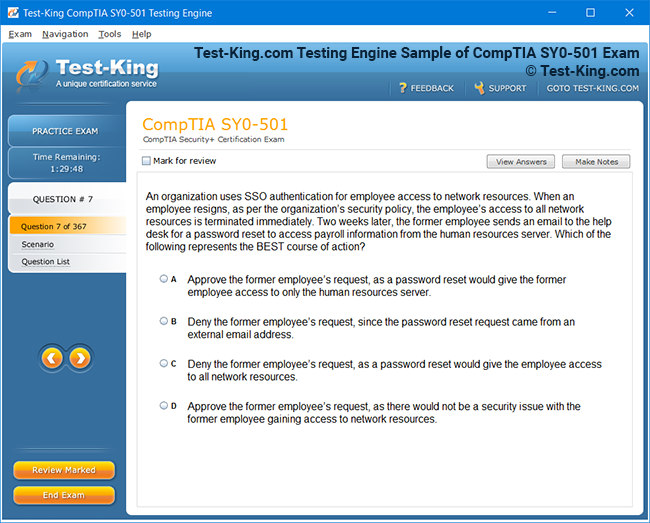
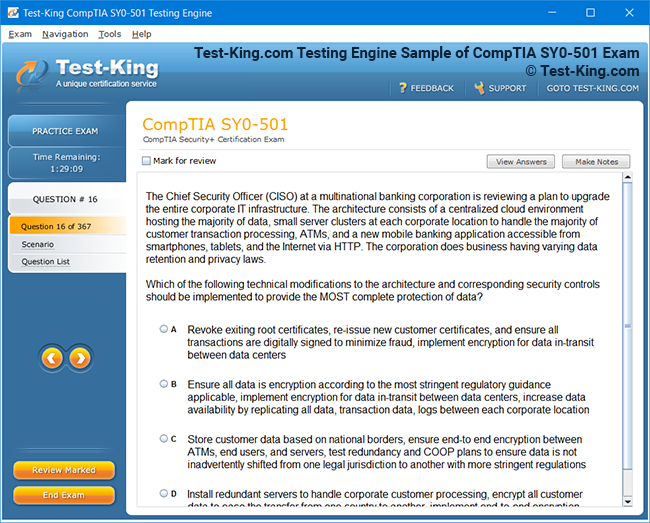
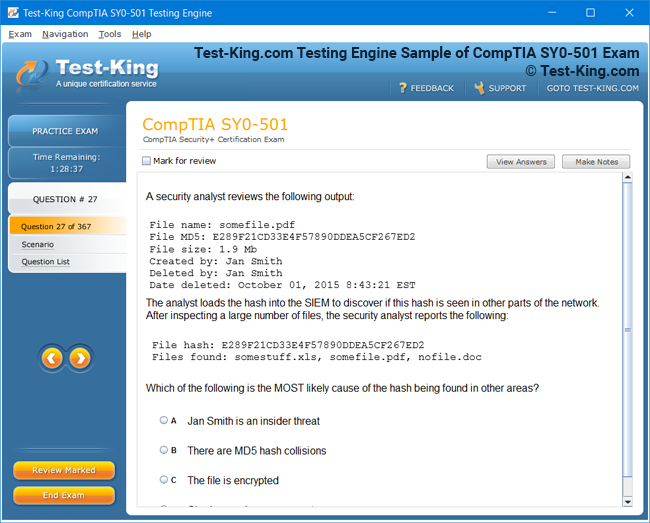
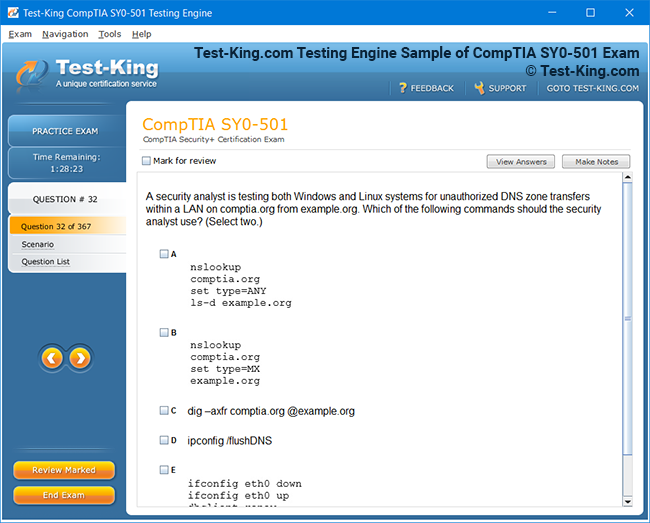
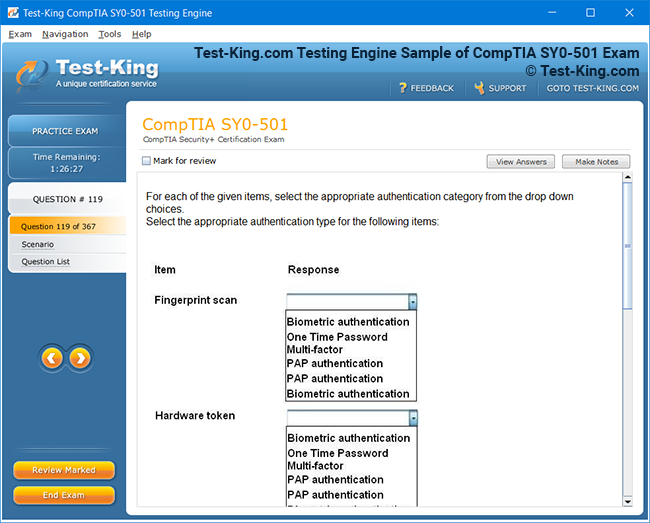
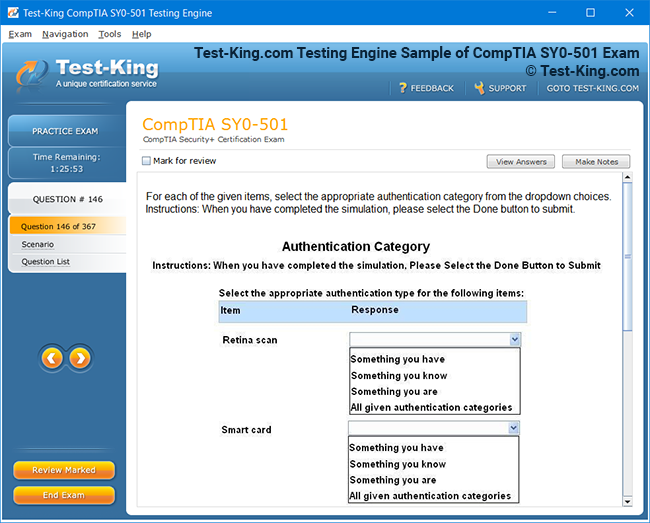
Product Screenshots
Frequently Asked Questions
How can I get the products after purchase?
All products are available for download immediately from your Member's Area. Once you have made the payment, you will be transferred to Member's Area where you can login and download the products you have purchased to your computer.
How long can I use my product? Will it be valid forever?
Test-King products have a validity of 90 days from the date of purchase. This means that any updates to the products, including but not limited to new questions, or updates and changes by our editing team, will be automatically downloaded on to computer to make sure that you get latest exam prep materials during those 90 days.
Can I renew my product if when it's expired?
Yes, when the 90 days of your product validity are over, you have the option of renewing your expired products with a 30% discount. This can be done in your Member's Area.
Please note that you will not be able to use the product after it has expired if you don't renew it.
How often are the questions updated?
We always try to provide the latest pool of questions, Updates in the questions depend on the changes in actual pool of questions by different vendors. As soon as we know about the change in the exam question pool we try our best to update the products as fast as possible.
How many computers I can download Test-King software on?
You can download the Test-King products on the maximum number of 2 (two) computers or devices. If you need to use the software on more than two machines, you can purchase this option separately. Please email support@test-king.com if you need to use more than 5 (five) computers.
What is a PDF Version?
PDF Version is a pdf document of Questions & Answers product. The document file has standart .pdf format, which can be easily read by any pdf reader application like Adobe Acrobat Reader, Foxit Reader, OpenOffice, Google Docs and many others.
Can I purchase PDF Version without the Testing Engine?
PDF Version cannot be purchased separately. It is only available as an add-on to main Question & Answer Testing Engine product.
What operating systems are supported by your Testing Engine software?
Our testing engine is supported by Windows. Andriod and IOS software is currently under development.
Top Genesys Exams
- GCP-GCX - Genesys Cloud CX Certified Professional - Consolidated
- GCP-GC-ARC - Genesys Cloud Architect Certified Specialist
- GCP-GC-ADM - Genesys Cloud Certified Professional - Contact Center Admin
- GCX-GCD - Genesys Cloud CX: Developer
- GCX-WFM - Genesys Cloud CX: WEM - Workforce Management Certified Specialist
- GC-AI-DB - Genesys Cloud: AI - Digital Bots & Knowledge
- GCX-ARC - Genesys Cloud CX: Architect
- GCP-GC-IMP - Genesys Cloud Certified Professional - Implementation
- GCP-GC-REP - Genesys Cloud Certified Professional - Reporting and Analytics
Key Skills Tested in the Genesys Cloud Certified Professional – Implementation GCP-GC-IMP Exam: Foundational Concepts and Core Competencies
The Genesys Cloud Certified Professional - Implementation Exam is designed to evaluate a candidate's proficiency in configuring, deploying, and managing the Genesys Cloud platform within complex contact center environments. This certification serves as a tangible validation of the professional's ability to architect solutions, ensure seamless operations, and optimize user experiences through effective system implementation. Professionals aspiring to excel in this exam must exhibit a comprehensive understanding of both foundational and advanced concepts, encompassing system configuration, routing strategies, workflow orchestration, and organizational management.
Understanding the Purpose and Scope of the Certification
This examination measures not only theoretical knowledge but also the practical ability to implement and administer various components of the platform in real-world scenarios. It demands familiarity with a multitude of features including user management, role assignment, skill-based routing, queue configurations, and telephony integration. In addition, it emphasizes the necessity to comprehend the relationships between these elements and how they contribute to delivering an efficient, omnichannel customer experience. Candidates must also be adept at interpreting business requirements and translating them into a coherent architecture that aligns with organizational objectives.
Core Competencies Required for Implementation Success
One of the primary areas of expertise evaluated by this certification is configuration and administration. Candidates must be capable of creating users, defining roles, and assigning permissions in a manner that reflects organizational hierarchies and operational policies. The examination also assesses understanding of profile management, ensuring that each user's access rights and capabilities are properly delineated according to the principle of least privilege. Proficiency in these areas is essential, as misconfigurations can lead to operational inefficiencies, security vulnerabilities, and compromised customer experiences.
Another fundamental competency is the mastery of interaction routing and queue management. The platform enables the creation of dynamic routing strategies, which determine how incoming interactions are directed to agents based on predefined criteria such as skills, availability, and business priorities. Candidates must understand not only the technical mechanisms for establishing these routes but also the strategic rationale behind designing an efficient and balanced workflow. This involves knowledge of both inbound and outbound interactions, as well as the ability to configure omnichannel routing to support voice, chat, email, and social media communications seamlessly.
Designing and Configuring User Interfaces
In addition to backend configurations, the examination evaluates the candidate’s capacity to optimize user interfaces and agent experiences. This includes configuring dashboards, widgets, and real-time monitoring tools to enable agents and supervisors to manage their workload effectively. Candidates must demonstrate familiarity with interface customization, ensuring that relevant information is readily accessible and that agents can navigate tasks without unnecessary complexity. Such proficiency ensures that operational efficiency is maximized and that agents are empowered to provide high-quality customer interactions consistently.
The creation and management of skills and competencies are also essential. Professionals are expected to define skill sets accurately, assign them to appropriate agents, and leverage them to implement routing strategies that align with service-level objectives. Understanding how to balance workloads across teams and ensure equitable distribution of interactions is critical to maintaining service efficiency and minimizing customer wait times. These competencies are evaluated not only through knowledge-based questions but also through scenario-based inquiries that challenge candidates to apply their understanding in practical settings.
Workflow Orchestration and Automation
A significant portion of the examination focuses on workflow orchestration and the ability to automate complex processes. Candidates must be adept at creating, configuring, and troubleshooting flows that guide interactions from initiation to resolution. This includes constructing decision trees, defining business rules, and integrating conditions that respond dynamically to customer inputs and agent availability. Automation capabilities are particularly vital in high-volume contact centers, where manual intervention is not feasible for every interaction. The exam tests the candidate’s ability to design flows that enhance efficiency while maintaining a personalized customer experience.
Workflow orchestration also requires a nuanced understanding of event-driven triggers, action sequences, and the implications of concurrency within the platform. Candidates are expected to anticipate potential bottlenecks, design redundancies where necessary, and ensure that escalations are handled appropriately. The capacity to visualize end-to-end interaction journeys and translate these into executable flows is a skill that distinguishes a proficient implementer from one with only theoretical knowledge.
Integration and System Interconnectivity
An often-overlooked yet crucial aspect of the certification revolves around integration with external systems. Candidates must be familiar with the mechanics of connecting the platform to customer relationship management systems, workforce management solutions, and third-party telephony providers. This encompasses understanding API functionalities, authentication mechanisms, data exchange protocols, and the implications of system dependencies on overall performance. The ability to design integrations that are robust, scalable, and secure is integral to the examination, as many real-world implementations involve complex, multi-system environments.
Understanding how integrations impact data flow and reporting is equally important. Professionals must be capable of configuring integrations to ensure that relevant interaction data is captured accurately, enabling analytics, forecasting, and reporting. Knowledge of how to troubleshoot common integration challenges, monitor system health, and optimize data pipelines is tested through scenario-based questions that replicate practical challenges faced by implementation specialists.
Reporting, Analytics, and Operational Insights
Although implementation primarily focuses on system configuration and workflow design, the certification also evaluates proficiency in reporting and analytics. Candidates are expected to know how to configure dashboards, generate reports, and interpret metrics to support operational decision-making. This includes understanding performance indicators such as average handling time, service-level adherence, queue occupancy, and agent utilization. Professionals must demonstrate the ability to leverage these insights to refine routing strategies, optimize resource allocation, and identify areas for process improvement.
Moreover, the ability to correlate system configurations with operational outcomes is critical. For example, understanding how a change in queue prioritization affects average wait times or how workflow modifications influence agent productivity reflects a deeper mastery of the platform. Such analytical acumen ensures that implementation decisions are grounded in measurable outcomes rather than theoretical assumptions, which is a skill highly valued by employers and assessed by the certification exam.
Security, Compliance, and Governance Considerations
A subtle yet essential area covered by the exam is security and compliance. Candidates must understand how to configure access controls, maintain data privacy, and ensure adherence to regulatory standards. This includes knowledge of authentication protocols, audit logging, and data retention policies. The certification emphasizes the importance of aligning implementation practices with organizational governance frameworks, as improper handling of sensitive customer data can have severe operational and legal consequences. Professionals are expected to demonstrate the ability to embed security and compliance into every aspect of system configuration, workflow design, and integration.
Understanding governance extends beyond technical controls to encompass procedural considerations, such as defining escalation paths, documenting configuration changes, and establishing monitoring processes. Candidates who can articulate the relationship between platform capabilities and organizational policies exhibit a level of maturity and professionalism that the certification seeks to recognize.
Scenario-Based Application and Problem Solving
Throughout the examination, candidates are challenged with scenario-based questions that assess their ability to apply knowledge pragmatically. These scenarios simulate real-world implementation dilemmas, such as balancing competing priorities, troubleshooting unexpected behavior, or redesigning workflows to accommodate new business requirements. Success in these scenarios requires not only technical proficiency but also critical thinking, adaptability, and an understanding of best practices within the contact center ecosystem.
For example, a scenario may describe a situation in which certain interactions are being misrouted due to incorrect skill assignments. Candidates must identify the root cause, determine the appropriate corrective measures, and anticipate the potential impact on service-level objectives. This approach ensures that the certification evaluates practical competence, reflecting the true demands of professional implementation roles.
Continuous Learning and Adaptability
Finally, the examination rewards candidates who demonstrate continuous learning and adaptability. The Genesys Cloud platform evolves regularly, introducing new features, capabilities, and integration options. Professionals who cultivate an inquisitive mindset, engage with platform updates, and adopt innovative approaches to implementation are more likely to excel. This dynamic nature of the platform underscores the importance of developing not only a mastery of current functionalities but also the ability to adapt swiftly to emerging tools and methodologies.
Candidates preparing for the exam must cultivate a blend of technical expertise, analytical acumen, and strategic foresight. Mastery of configuration, workflow design, integration, reporting, security, and scenario-based problem-solving forms the foundation upon which successful implementation practices are built. By internalizing these competencies and applying them in simulated or real environments, candidates position themselves for success both in the certification process and in professional implementation roles.
User Management and Role Assignments
Effective administration in the Genesys Cloud environment begins with a comprehensive understanding of user management and role assignments. Professionals must demonstrate the ability to create, modify, and deactivate user accounts in a way that aligns with organizational hierarchies and operational policies. Each user profile requires careful consideration of permissions and access levels to ensure compliance with governance frameworks and security standards. Administrators need to assign roles accurately, reflecting both functional responsibilities and skill sets, while also balancing operational efficiency. Misconfigured permissions or overlapping access can lead to security vulnerabilities and workflow disruptions, making mastery of user management a crucial component of the certification.
Beyond the initial setup, professionals must monitor user activity and maintain account integrity over time. This includes auditing access, managing temporary permissions, and responding to changes in staff responsibilities or organizational structures. Understanding the subtleties of inheritance and dependencies in role hierarchies is vital, as these influence how permissions propagate across the platform. Knowledge of licensing constraints and capacity planning further reinforces the administrator’s ability to maintain a stable and scalable environment that meets evolving business needs.
Profile Customization and Skill Definitions
A central competency tested in the certification involves defining agent skills and configuring profiles to optimize workflow allocation. Skills act as the basis for routing decisions, enabling interactions to be directed to the most qualified agents. Administrators must understand how to evaluate skill requirements for different customer interactions and assign them to appropriate users in a manner that reflects operational priorities. The careful calibration of skills ensures that high-priority interactions receive timely attention while maintaining balance across the workforce.
Profile customization extends beyond skills to include work schedules, availability patterns, and team assignments. Professionals must anticipate operational scenarios and configure profiles that accommodate peak periods, unexpected absences, and fluctuating workloads. Mastery of these features requires a combination of analytical thinking, foresight, and a deep comprehension of platform mechanics, as each adjustment can ripple through routing strategies, reporting, and agent efficiency.
Queue Configuration and Routing Strategies
The ability to design and configure queues is fundamental for ensuring smooth interaction flow. Professionals are expected to create queues that reflect business priorities, interaction types, and service-level objectives. This involves assigning skills, setting priority rules, and configuring overflow mechanisms to handle surges in volume. Administrators must also manage routing strategies that determine how interactions traverse multiple queues, leveraging criteria such as agent availability, interaction urgency, and customer segmentation.
Effective routing requires a nuanced understanding of both the technical and strategic aspects of queue management. Professionals need to balance load distribution while minimizing wait times, optimize the use of agent skills, and ensure that service-level agreements are consistently met. Scenario-based questions in the exam may present complex routing challenges, asking candidates to identify inefficiencies or propose alternative designs that improve operational outcomes. Competence in this area reflects the ability to translate theoretical knowledge into practical, high-impact configurations.
Organizational Settings and Governance Controls
Administrators must demonstrate proficiency in configuring organizational settings that shape the overall operational environment. This includes defining division structures, configuring department hierarchies, and establishing operational units that mirror business realities. Professionals are expected to ensure that these configurations facilitate efficient communication, reporting, and escalation procedures. Governance controls play a critical role, as they ensure that policies are consistently applied, regulatory requirements are met, and operational risks are mitigated.
The platform provides tools to enforce compliance, manage notifications, and audit system activity. Administrators are expected to configure these controls proactively, anticipating potential disruptions and establishing safeguards. This aspect of the certification examines the candidate’s ability to integrate technical configurations with organizational governance, highlighting the importance of foresight, precision, and adherence to best practices.
Telephony and Interaction Channels
Genesys Cloud supports a variety of interaction channels, including voice, chat, email, and social media. Proficiency in configuring telephony settings is essential for ensuring seamless communication across all channels. Professionals must understand concepts such as call routing, trunk management, and telephony integration, as well as the interplay between voice and digital channels in a multichannel environment. Properly configured telephony ensures that interactions are handled efficiently, agents are utilized effectively, and customers receive consistent experiences regardless of the channel they choose.
Channel configuration also involves setting interaction priorities, handling overflow, and defining escalation paths. Administrators need to anticipate peak periods, coordinate across teams, and optimize routing to balance workload and meet service-level expectations. The exam evaluates not only technical knowledge of telephony and digital channels but also the ability to apply these configurations strategically to support organizational objectives.
Security, Access, and Compliance Management
Security and compliance remain integral aspects of configuration and administration. Professionals must understand how to implement role-based access controls, authentication protocols, and audit trails to safeguard sensitive information. This includes managing credentials, enforcing password policies, and monitoring system access to prevent unauthorized activity. Compliance considerations may involve adhering to regulatory frameworks, maintaining data integrity, and ensuring that customer interactions are appropriately logged and accessible for review.
Administrators must also develop contingency strategies for potential security incidents. This includes creating failover plans, managing incident response procedures, and configuring alerts for anomalous activity. The certification assesses the candidate’s ability to embed security considerations into every facet of configuration, demonstrating a commitment to operational resilience and regulatory adherence.
Monitoring, Maintenance, and Optimization
Beyond initial configuration, administrators are responsible for ongoing monitoring and maintenance to sustain optimal system performance. This includes tracking system health, analyzing metrics, and implementing adjustments to improve efficiency. Regular maintenance tasks may involve updating profiles, refining routing strategies, and optimizing queue assignments to accommodate changes in staffing or customer demand.
Proactive monitoring also extends to identifying bottlenecks, mitigating risks, and fine-tuning system parameters for maximum efficiency. Professionals must develop a mindset that balances reactive problem-solving with strategic foresight, ensuring that the platform continues to support business objectives and deliver high-quality customer experiences. Scenario-based questions often challenge candidates to diagnose issues, propose corrective measures, and anticipate downstream effects of configuration changes, testing both technical acumen and operational judgment.
Scenario Application and Problem Resolution
Examination scenarios frequently present complex configuration challenges that require a nuanced understanding of the platform. Candidates may encounter situations in which misaligned skill assignments result in misrouted interactions, or where overlapping roles create inefficiencies in workload distribution. Professionals must identify root causes, implement corrective measures, and anticipate the impact on service-level objectives. This practical problem-solving component ensures that candidates are evaluated on their ability to apply knowledge pragmatically, rather than simply recalling technical details.
Scenario-based problem-solving often integrates multiple facets of administration, including user management, queue configuration, telephony settings, and governance considerations. Success requires a holistic view of the environment, combining analytical thinking, operational insight, and technical expertise. Candidates who can navigate these scenarios demonstrate the depth of their understanding and their readiness to manage complex implementations in real-world settings.
Advanced Configuration Considerations
Administrators are also expected to handle advanced configurations that extend beyond routine setup. This includes implementing conditional routing based on customer attributes, configuring dynamic queue prioritization, and designing failover mechanisms for high-availability environments. Professionals must anticipate potential disruptions and configure redundancy to ensure continuous operation, demonstrating a sophisticated grasp of the platform’s capabilities.
Advanced configurations also involve integrating reporting and analytics into administrative workflows. Professionals must ensure that system changes are aligned with data collection requirements, enabling managers to monitor performance, optimize resources, and improve customer experiences. The ability to harmonize configuration with operational insight reflects a mature understanding of platform management, which the certification seeks to recognize.
Continuous Improvement and Adaptability
A recurring theme in configuration and administration is the importance of continuous improvement. Professionals must remain vigilant, updating configurations as business requirements evolve and adopting new features as they become available. Adaptability and a commitment to ongoing learning are critical for sustaining operational excellence. The examination evaluates not only technical proficiency but also the candidate’s ability to approach administration with curiosity, strategic foresight, and responsiveness to changing conditions.
Strategic Design Principles and Contact Center Architecture
Designing and architecting solutions within the Genesys Cloud environment demands a sophisticated understanding of contact center architecture and the strategic principles that underpin successful implementations. Professionals are expected to conceptualize end-to-end solutions that integrate multiple communication channels, workflows, and operational units while aligning with organizational objectives and service-level commitments. The examination evaluates the ability to translate business requirements into coherent technical frameworks, demonstrating both foresight and precision in architectural planning.
A critical aspect of solution design is the alignment of system components with operational goals. This involves structuring organizational hierarchies, defining team responsibilities, and establishing rules for interaction prioritization. Architects must balance efficiency, scalability, and flexibility, anticipating future growth and potential operational bottlenecks. The platform provides extensive tools for customization, allowing designers to tailor workflows, queues, and routing logic to reflect unique business needs, and the certification assesses proficiency in leveraging these capabilities effectively.
Interaction Flow Design and Routing Logic
At the heart of solution architecture lies the design of interaction flows and routing logic. Professionals must demonstrate mastery in constructing pathways that guide customer interactions from initiation to resolution, encompassing voice, chat, email, and social media channels. The design process requires analyzing interaction patterns, defining decision points, and creating dynamic routing mechanisms that respond to real-time conditions such as agent availability, skill levels, and customer priority.
Designing effective routing strategies necessitates the anticipation of complex scenarios, such as simultaneous spikes in inbound calls or multi-step workflows requiring cross-departmental collaboration. Candidates are expected to optimize these flows to minimize wait times, balance workloads across teams, and ensure adherence to service-level agreements. Advanced design considerations may involve conditional routing based on customer attributes, implementing escalation paths for high-priority interactions, and integrating fallback mechanisms for unforeseen system events. Mastery of these elements demonstrates the ability to deliver both operational efficiency and a superior customer experience.
Business Rules and Automation in Solution Architecture
An essential component of architecture design is the integration of business rules and automation. Candidates must understand how to codify organizational policies into workflows that enforce consistency and efficiency. This includes defining rules for routing, escalation, agent assignment, and exception handling, ensuring that automated systems act in accordance with business priorities while reducing manual intervention. Automation enhances operational agility, enabling organizations to respond swiftly to fluctuations in demand, unexpected staff absences, or critical service disruptions.
Workflow automation also involves leveraging triggers, conditions, and actions to create intelligent, event-driven processes. Professionals are expected to design flows that dynamically adapt to varying scenarios, such as prioritizing high-value customers, rerouting interactions during peak hours, or triggering alerts when service thresholds are breached. The ability to anticipate and model these behaviors within the platform is a hallmark of architectural proficiency and a central focus of the examination.
Omnichannel Solution Design
In contemporary contact centers, omnichannel interactions are a standard expectation. Architects must ensure that all communication channels are seamlessly integrated, allowing customers to transition fluidly between voice, chat, email, and social media without loss of context. This requires not only technical configuration but also strategic planning to maintain consistency in service levels, routing logic, and agent workflows across all channels.
Designing omnichannel solutions entails understanding the nuances of each medium, including response time expectations, interaction complexity, and customer engagement patterns. Architects must configure workflows to aggregate interactions, track history, and synchronize data across channels, ensuring that agents have a complete view of customer interactions. Proficiency in omnichannel design reflects a deep understanding of both technology and customer behavior, aligning operational capability with strategic service objectives.
Scalability, Resilience, and High Availability
A key consideration in solution architecture is ensuring that the environment is scalable, resilient, and capable of maintaining high availability under varying conditions. Professionals must anticipate growth in interaction volumes, expansions in team size, and evolving business requirements. Designing for scalability involves structuring queues, routing logic, and workflows in a manner that can accommodate increased load without degrading performance or service quality.
Resilience encompasses the ability to withstand disruptions, such as system outages, network interruptions, or unplanned absences of key personnel. Architects must implement redundancy, failover mechanisms, and disaster recovery strategies to ensure uninterrupted operations. High availability considerations require an understanding of platform architecture, including server distribution, load balancing, and recovery protocols, as well as the ability to configure these features to align with organizational risk tolerance and operational expectations.
Data Flow and Integration Planning
Architecting solutions also requires a keen awareness of data flow and system integration. Professionals must design solutions that ensure accurate and timely transfer of interaction and operational data across multiple systems, including customer relationship management platforms, workforce management tools, and reporting engines. Integration planning involves understanding data dependencies, mapping interaction touchpoints, and implementing protocols for secure and efficient data exchange.
Candidates are expected to anticipate potential points of failure, latency issues, or data mismatches, and design mitigations accordingly. This may include implementing synchronous and asynchronous integration methods, establishing error-handling routines, and maintaining data integrity across distributed systems. A well-architected integration strategy ensures that operational insights are reliable, enabling managers to make informed decisions based on real-time metrics and historical trends.
Security and Compliance in Solution Architecture
Security and compliance considerations are intrinsic to solution architecture. Professionals must embed secure access controls, authentication protocols, and data governance practices into the design of every component. This includes defining user roles, permissions, and authentication flows that prevent unauthorized access while maintaining operational efficiency. Compliance considerations may involve regulatory mandates such as data retention policies, privacy regulations, and audit requirements.
Architects must anticipate the implications of design choices on security and regulatory adherence, ensuring that workflows, routing mechanisms, and integrations do not inadvertently expose sensitive data. Scenario-based exam questions often present challenges where security and compliance intersect with operational requirements, requiring candidates to balance competing priorities while maintaining adherence to best practices.
Scenario-Based Solution Modeling
Examination scenarios frequently assess a candidate’s ability to model complex, real-world solutions. For instance, a scenario may involve designing an interaction flow for a high-volume retail environment, requiring the integration of multiple channels, skill-based routing, and escalation paths while maintaining service-level objectives. Candidates must analyze the situation, identify critical requirements, and propose a solution that addresses both technical and operational considerations.
These scenarios test not only technical knowledge but also strategic thinking, problem-solving, and the ability to anticipate downstream effects. Candidates must demonstrate the ability to visualize the entire customer journey, ensuring that every touchpoint, decision node, and workflow element contributes to operational efficiency and enhanced customer satisfaction.
Optimization and Continuous Improvement in Architectural Design
Beyond initial solution design, professionals are expected to continuously monitor and optimize their architectures. This involves analyzing performance metrics, identifying inefficiencies, and iteratively refining workflows, queues, and routing strategies. Optimization requires a combination of analytical acumen, operational insight, and creativity, enabling architects to enhance both efficiency and customer experience.
Continuous improvement also entails staying abreast of platform updates, emerging capabilities, and best practices. Architects who integrate new features, adapt to evolving business needs, and anticipate potential challenges demonstrate the agility and foresight that are highly valued in implementation roles. The examination evaluates a candidate’s ability to think proactively, ensuring that solutions remain robust, efficient, and aligned with organizational goals over time.
Advanced Considerations for Complex Deployments
In complex deployments, architects must account for multifaceted interactions, interdependencies, and contingencies. This includes designing solutions for multi-site operations, distributed teams, and hybrid communication environments. Professionals must also plan for exceptional scenarios, such as system failures, peak-volume surges, or abrupt shifts in customer behavior, ensuring that the platform can adapt seamlessly without compromising service levels.
Advanced design considerations may also involve predictive routing, intelligent workload balancing, and integration of machine learning insights into workflow decision-making. Candidates are expected to demonstrate the ability to conceptualize these sophisticated solutions and translate them into executable configurations, reflecting a mastery of platform capabilities and architectural principles.
Problem-Solving and Decision-Making in Architecture
The examination emphasizes the candidate’s ability to apply knowledge in problem-solving and decision-making contexts. Professionals may encounter scenarios where trade-offs are required, such as balancing response time against agent utilization or optimizing routing for efficiency while maintaining a personalized customer experience. Success requires a holistic understanding of system behavior, operational priorities, and business objectives, allowing architects to make informed decisions that maximize overall performance.
Scenario-based exercises challenge candidates to weigh options, justify design choices, and anticipate the implications of each decision. This approach ensures that the certification evaluates practical competence and strategic thinking, reflecting the demands of real-world solution architecture in a dynamic contact center environment.
Leveraging Data for Operational Insight
Analytics and reporting constitute a critical dimension of the Genesys Cloud Certified Professional - Implementation Exam, evaluating the candidate's ability to harness data for operational insight and strategic decision-making. Professionals are expected to understand the flow of interaction and operational data, transforming it into actionable intelligence that informs workforce planning, process optimization, and customer experience enhancement. The examination emphasizes the application of analytical principles to real-world scenarios, testing the ability to interpret complex datasets, configure reports, and construct dashboards that provide both granularity and strategic overview.
Understanding data lineage is essential, as the accuracy and reliability of reports depend on the integrity of underlying datasets. Professionals must identify sources of data across voice, chat, email, and social media channels, ensuring that metrics reflect authentic interactions and operational realities. Mastery in this area requires a combination of analytical acuity and technical proficiency, enabling candidates to identify patterns, anomalies, and trends that may impact service levels or resource allocation.
Dashboard Design and Configuration
A key competency involves designing dashboards that deliver insights to diverse stakeholders, from agents to supervisors and executives. Candidates must be able to configure visualizations that track critical performance indicators, including average handling time, service-level compliance, queue occupancy, and agent utilization. Dashboards should offer clarity without overwhelming users, providing intuitive access to metrics that support both operational management and strategic planning.
Designing effective dashboards requires an understanding of audience needs, data prioritization, and presentation best practices. Professionals are expected to translate complex datasets into meaningful visual narratives, enabling decision-makers to identify bottlenecks, monitor real-time performance, and make informed adjustments. Scenario-based questions may present challenges where conflicting priorities require candidates to optimize dashboard configuration for multiple user roles while maintaining accuracy and responsiveness.
Report Creation and Scheduling
Report creation is a foundational skill for certified professionals, encompassing the ability to generate custom reports that meet specific operational requirements. Candidates must demonstrate proficiency in selecting relevant data sources, defining report parameters, and scheduling recurring reports to maintain consistent visibility into performance metrics. Understanding the balance between granularity and clarity is critical, as overly detailed reports can obscure key insights, whereas excessively summarized data may omit important operational nuances.
Scheduling reports effectively ensures timely dissemination of information to stakeholders, supporting proactive management and operational agility. Professionals must anticipate the cadence of data needs, align reporting schedules with operational cycles, and configure automated notifications for report delivery. Mastery of this capability reflects the candidate’s ability to sustain a data-driven culture within the contact center environment.
Metrics Interpretation and Analysis
Beyond generating reports, the examination evaluates the ability to interpret metrics and extract actionable insights. Candidates must understand the implications of key performance indicators, analyzing trends over time, identifying outliers, and correlating operational behaviors with outcomes. For instance, changes in queue occupancy may reflect staffing imbalances or workflow inefficiencies, while deviations in average handling time may indicate training needs or process bottlenecks.
Analytical reasoning extends to comparing performance across teams, channels, or time periods, enabling professionals to recommend targeted interventions. This requires an ability to contextualize data within organizational objectives, linking operational metrics to strategic goals and service-level agreements. Scenario-based questions often challenge candidates to diagnose underlying issues from reported metrics and propose corrective actions that optimize efficiency and customer satisfaction.
Interaction Data and Customer Insights
A crucial dimension of analytics in Genesys Cloud involves interaction data and the insights it provides into customer behavior. Professionals must understand how to aggregate, filter, and analyze data from multiple channels to derive a comprehensive view of customer interactions. This includes evaluating call volumes, chat durations, email response times, and social media engagements to identify trends, preferences, and potential pain points.
The ability to generate customer-centric insights enables organizations to tailor workflows, refine routing strategies, and enhance agent effectiveness. Professionals must also be adept at correlating interaction data with business outcomes, such as conversion rates, retention metrics, or customer satisfaction scores. This analytical capability reflects a nuanced understanding of both operational performance and customer experience, a combination that is central to the certification’s objectives.
Workforce and Resource Analytics
Analytics extends beyond customer interactions to include workforce performance and resource allocation. Candidates must demonstrate proficiency in evaluating agent productivity, adherence to schedules, and skill utilization. Understanding these dynamics allows administrators to optimize team composition, adjust staffing levels, and implement training programs that address gaps in performance or capability.
Workforce analytics also involves anticipating demand fluctuations and aligning resources accordingly. Professionals are expected to interpret historical trends, forecast future volumes, and recommend adjustments that ensure service-level compliance while minimizing operational costs. The examination assesses the candidate’s ability to integrate these insights into system configuration, routing strategies, and workflow design to enhance overall efficiency.
Data Quality, Governance, and Compliance
A pivotal aspect of analytics is ensuring data quality, governance, and compliance. Professionals must understand how to maintain accurate, consistent, and secure datasets that adhere to organizational and regulatory requirements. This includes establishing protocols for data validation, implementing access controls, and auditing data usage to prevent errors or breaches. Governance practices ensure that reports and dashboards reflect true operational conditions, enabling reliable decision-making and strategic planning.
Compliance considerations often intersect with reporting and analytics, particularly in regulated industries. Candidates are expected to design data workflows that safeguard sensitive information, maintain audit trails, and support regulatory reporting requirements. Scenario-based questions may challenge candidates to balance operational needs with compliance obligations, testing their ability to make informed, ethical decisions.
Scenario-Based Reporting Challenges
The certification examination frequently incorporates scenario-based challenges that require candidates to apply analytical knowledge in practical contexts. A scenario may describe a sudden surge in interaction volumes across multiple channels, requiring the candidate to analyze performance metrics, identify bottlenecks, and propose data-driven interventions. Professionals must demonstrate the ability to synthesize complex information, make strategic recommendations, and adjust configurations to optimize outcomes.
These scenarios often integrate multiple dimensions of analytics, including interaction metrics, workforce performance, and system data. Success requires a holistic perspective, combining technical proficiency, operational understanding, and critical thinking to generate insights that improve efficiency, maintain service levels, and enhance the customer experience.
Advanced Analytics and Predictive Insights
Advanced analytics capabilities are increasingly relevant in Genesys Cloud implementations. Professionals must understand how to leverage historical data, trend analysis, and predictive modeling to anticipate operational challenges and opportunities. Predictive insights enable proactive management of interaction volumes, agent allocation, and workflow adjustments, enhancing both efficiency and responsiveness.
Candidates are expected to demonstrate the ability to integrate predictive analytics into dashboards, reporting frameworks, and operational decision-making. This involves understanding statistical models, interpreting probabilistic outcomes, and applying these insights to real-world operational scenarios. Mastery of advanced analytics underscores a professional’s ability to move beyond reactive reporting toward strategic, data-informed planning.
Continuous Improvement Through Data
Continuous improvement is a central theme in analytics and data management. Professionals must cultivate a mindset that seeks insights not only to monitor performance but also to drive iterative enhancements in workflows, agent deployment, and customer engagement strategies. By analyzing data, identifying patterns, and implementing informed adjustments, administrators and architects can refine operations over time, ensuring sustained efficiency and customer satisfaction.
The examination evaluates the candidate’s ability to embed data-driven thinking into everyday operational practice, transforming analytics from a passive reporting function into a proactive driver of organizational success. Scenario-based exercises test this ability by presenting complex challenges that require nuanced interpretation, strategic foresight, and actionable recommendations grounded in data.
Understanding Integration Principles
Integration is a pivotal skill evaluated in the Genesys Cloud Certified Professional - Implementation Exam. Professionals must possess a comprehensive understanding of how the platform interacts with external systems to streamline workflows, enhance customer experiences, and ensure operational efficiency. Effective integration requires mastery of data flow, authentication mechanisms, and interoperability between disparate software ecosystems. Candidates are expected to conceptualize and implement solutions that allow customer relationship management systems, workforce management platforms, and third-party telephony providers to work cohesively with Genesys Cloud.
A successful integration strategy begins with mapping the data and functional requirements between systems. Professionals must identify which data points are essential, the timing and frequency of data exchanges, and the impact of these exchanges on workflows and operational metrics. They also need to anticipate potential bottlenecks, such as latency or data conflicts, and design mechanisms that mitigate these issues. The ability to foresee challenges and plan contingencies is crucial in demonstrating the depth of understanding required for the certification.
Automation and Workflow Orchestration
Automation is intrinsically linked to integration, as it allows complex workflows to execute with minimal manual intervention while maintaining consistency and accuracy. Candidates are expected to design automated processes that encompass decision-making logic, event triggers, and conditional routing. Automation enhances operational efficiency by reducing human error, accelerating response times, and optimizing the utilization of agent skills.
Workflow orchestration involves structuring interactions to flow seamlessly from initiation to resolution. Professionals must configure actions, conditions, and triggers that guide interactions based on real-time context. For example, an incoming customer email may trigger a sequence that identifies the inquiry type, routes it to the appropriate team, and initiates notifications to relevant stakeholders. Mastery in this area requires both analytical reasoning and a creative approach to leveraging platform capabilities, ensuring that automation delivers tangible operational benefits.
API Utilization and External System Connectivity
A critical aspect of the examination is understanding the use of application programming interfaces to enable secure and reliable communication between Genesys Cloud and external systems. Candidates must demonstrate familiarity with authentication protocols, data formatting, and API endpoints. The goal is to ensure that information flows seamlessly across systems, enabling real-time updates, accurate reporting, and coordinated operational management.
Integration through APIs allows for custom functionality that extends the platform’s native capabilities. Professionals may be required to retrieve customer interaction histories, push status updates, or synchronize agent availability across platforms. Scenario-based questions often present challenges where candidates must identify the most efficient method of leveraging APIs to resolve operational constraints or fulfill complex business requirements.
Designing Multi-System Workflows
The creation of multi-system workflows is a sophisticated skill evaluated in the certification. Candidates must conceptualize processes that span multiple platforms while maintaining data integrity, operational efficiency, and compliance. This involves configuring triggers, orchestrating sequences, and establishing error-handling routines that ensure continuity even when individual systems experience disruptions.
Professionals are expected to anticipate interdependencies between systems and design workflows that mitigate risk. For example, an automated customer survey may depend on successful call completion, CRM update, and reporting engine synchronization. Understanding the sequence and potential points of failure is essential for ensuring that automated workflows function reliably and deliver consistent results.
Error Handling and Troubleshooting
Automation and integration introduce potential points of failure that professionals must anticipate and manage. Candidates are expected to demonstrate the ability to troubleshoot issues arising from system connectivity, workflow misconfigurations, or data inconsistencies. This includes implementing error-handling routines, logging mechanisms, and notification systems that alert administrators to anomalies.
Proficiency in troubleshooting extends to understanding the root causes of integration failures, whether they stem from incorrect API configurations, incompatible data formats, or timing conflicts. Professionals must also be able to propose and implement corrective measures that restore functionality without disrupting ongoing operations. Scenario-based questions often challenge candidates to resolve complex issues while maintaining service levels, testing both technical knowledge and operational judgment.
Security and Compliance in Integration
Security considerations are integral to integration and automation. Professionals must ensure that data exchanged between systems is encrypted, access is authenticated, and sensitive information is protected in accordance with organizational policies and regulatory requirements. Understanding the implications of data exposure and potential vulnerabilities is essential for designing secure, compliant integrations.
Candidates are expected to implement best practices for API security, such as token-based authentication, secure transmission protocols, and access controls that restrict system interactions to authorized personnel. They must also anticipate scenarios where integration may conflict with compliance mandates and design solutions that uphold both operational and regulatory standards.
Scenario-Based Automation Challenges
The examination frequently incorporates scenario-based exercises that require candidates to apply their knowledge of integration and automation in practical contexts. A scenario may describe a situation in which multiple customer touchpoints must be synchronized across systems, requiring the candidate to design an automated workflow that ensures timely routing, updates records accurately, and triggers appropriate notifications. Candidates are expected to identify potential points of failure, propose contingencies, and demonstrate the logical structuring of interactions to achieve the desired outcome.
These challenges often combine elements of workflow orchestration, API utilization, and data synchronization. Success requires the ability to visualize end-to-end processes, anticipate operational contingencies, and implement solutions that maximize efficiency while minimizing risk. Professionals must also demonstrate adaptability, adjusting workflows dynamically based on changing operational conditions or unexpected events.
Optimizing Integration for Performance
High-performing integrations require attention to efficiency, scalability, and responsiveness. Candidates must understand how to optimize API calls, manage data volumes, and configure workflows to prevent delays or system overloads. This includes balancing synchronous and asynchronous processes, prioritizing critical interactions, and designing mechanisms that maintain continuity during high-volume periods.
Optimization also involves monitoring integration performance over time, identifying bottlenecks, and implementing adjustments to improve throughput. Professionals are expected to leverage analytics to assess the effectiveness of automated workflows, ensuring that integrations continue to meet operational goals and service-level commitments. Scenario-based questions often challenge candidates to identify inefficiencies and propose enhancements that increase overall system performance.
Continuous Improvement and Innovation
Integration, automation, and API utilization are not static capabilities; they require continuous refinement and innovation to align with evolving business needs. Professionals must remain aware of new features, enhancements, and best practices within the Genesys Cloud platform, applying these insights to improve workflow design, enhance interoperability, and optimize automation. This mindset ensures that implementations remain agile, scalable, and resilient in the face of changing operational demands.
Candidates are expected to demonstrate not only technical competence but also strategic foresight, anticipating emerging challenges and opportunities. By continuously refining integrations, optimizing automation, and leveraging APIs innovatively, professionals contribute to sustained operational excellence, enhanced customer experiences, and measurable business value.
Strategic Exam Preparation Techniques
Achieving success in the Genesys Cloud Certified Professional - Implementation Exam requires a methodical and strategic approach to preparation. Professionals must cultivate both technical expertise and operational acumen to excel in scenario-based assessments that simulate real-world implementation challenges. A foundational step involves thoroughly reviewing the core components of the platform, including configuration, workflow design, routing strategies, integration, automation, analytics, and security protocols. Understanding the interdependencies between these elements is essential, as the examination emphasizes holistic problem-solving rather than isolated technical knowledge.
Effective preparation begins with an assessment of personal strengths and weaknesses across these domains. Candidates should identify areas that require deeper exploration, such as multi-channel routing, API integration, or advanced analytics, and allocate dedicated study time accordingly. Practice exercises, hands-on labs, and simulation environments offer invaluable opportunities to apply theoretical knowledge to practical scenarios, reinforcing comprehension and building confidence. Professionals who integrate practical exercises into their study regimen often demonstrate superior performance, as the exam rewards the ability to navigate complex, dynamic implementation challenges.
Time management is another critical consideration. Candidates must balance the breadth of study material with focused revision on high-impact topics. Establishing a structured schedule that includes iterative review cycles, scenario-based problem solving, and mock assessments ensures comprehensive coverage while mitigating cognitive fatigue. Additionally, maintaining a reflective approach—documenting insights, lessons learned, and common pitfalls—enables continuous improvement and enhances recall during the examination.
Understanding Scenario-Based Questions
The examination heavily emphasizes scenario-based questions designed to simulate real-world implementation dilemmas. Candidates must interpret business requirements, analyze system behavior, and propose solutions that optimize operational efficiency, service-level adherence, and customer satisfaction. These scenarios often integrate multiple facets of the platform, including user management, queue configuration, workflow automation, data analytics, and integration with external systems.
For example, a scenario may describe a sudden influx of interactions during peak hours, requiring candidates to adjust routing strategies, redistribute agent workloads, and maintain service-level agreements. Success demands a holistic understanding of the platform’s capabilities and the ability to anticipate downstream effects of configuration changes. Candidates must also demonstrate adaptability, as dynamic scenarios may introduce unforeseen complications that require immediate assessment and intervention.
Real-World Implementation Challenges
In practical implementation contexts, professionals encounter multifaceted challenges that extend beyond technical configuration. Organizational objectives, resource limitations, and customer expectations often intersect, creating complex decision-making environments. Candidates preparing for the exam must develop a keen awareness of these dynamics and cultivate problem-solving strategies that balance operational constraints with strategic outcomes.
For instance, implementing omnichannel routing in a large contact center may involve coordinating between voice, chat, email, and social media channels. Professionals must ensure seamless customer transitions across channels, optimize agent skills for each interaction type, and monitor performance metrics in real time. This requires careful planning, continuous monitoring, and iterative adjustment, reflecting the real-world demands of a dynamic implementation environment. Exam scenarios replicate these complexities, testing candidates’ ability to synthesize information, make informed decisions, and implement effective solutions.
Prioritization and Decision-Making Frameworks
Effective decision-making is a cornerstone of both examination success and real-world implementation. Professionals must prioritize tasks, allocate resources strategically, and determine the optimal sequence of actions to achieve operational objectives. This involves evaluating competing demands, assessing risks, and anticipating the impact of decisions on service levels, agent performance, and customer satisfaction.
Candidates are encouraged to develop structured frameworks for decision-making, incorporating both qualitative and quantitative analysis. Metrics such as average handling time, queue occupancy, agent availability, and service-level adherence provide critical data for informed choices. Integrating these insights with contextual understanding of business priorities allows professionals to balance efficiency, quality, and compliance in real-world and exam scenarios alike.
Troubleshooting and Contingency Planning
A significant portion of exam scenarios revolves around troubleshooting operational disruptions and implementing contingency plans. Professionals must identify root causes of system failures, workflow inefficiencies, or misrouted interactions and propose corrective measures that restore optimal performance. This requires analytical thinking, technical proficiency, and operational insight, as candidates navigate complex interdependencies across multiple platform components.
Contingency planning is equally vital, encompassing strategies for high-volume surges, system outages, or resource shortages. Candidates must design workflows and routing mechanisms that maintain continuity and service-level compliance under adverse conditions. Scenario-based exercises frequently test these capabilities, presenting unexpected challenges that require rapid, well-reasoned responses grounded in best practices and platform knowledge.
Integration of Analytics into Decision-Making
Analytics and reporting are integral to effective exam preparation and practical implementation. Professionals must leverage data to inform configuration adjustments, optimize agent utilization, and refine workflow orchestration. Understanding key performance indicators, interpreting metrics, and translating insights into actionable strategies are essential skills evaluated by the certification.
For example, analyzing average queue times, agent occupancy rates, and customer interaction patterns can reveal bottlenecks or inefficiencies. Candidates must propose modifications to routing strategies, skill assignments, or automated workflows that enhance operational performance. This iterative, data-driven approach mirrors real-world decision-making and underscores the importance of analytical proficiency in both exam and implementation contexts.
Continuous Improvement and Knowledge Refinement
Examination preparation benefits from a continuous improvement mindset, where candidates iteratively refine their understanding, practice skills, and incorporate feedback from mock exercises or lab environments. Professionals are encouraged to explore platform updates, advanced features, and emerging best practices to ensure comprehensive knowledge and adaptability.
This iterative approach enhances both confidence and competence, allowing candidates to navigate complex exam scenarios with clarity and precision. Continuous learning also reflects the expectations of real-world implementation roles, where evolving technologies, customer demands, and operational challenges require sustained professional development and strategic foresight.
Scenario-Based Problem Solving
Practical implementation scenarios in the examination simulate real-world complexities that require candidates to synthesize multiple competencies simultaneously. A scenario may involve a sudden change in business requirements, necessitating adjustments to routing logic, skill assignments, workflow automation, and data reporting mechanisms. Candidates must assess the implications of these changes, identify potential risks, and implement solutions that maintain service quality and operational efficiency.
Problem-solving in these contexts demands not only technical acumen but also strategic thinking, operational awareness, and adaptability. Candidates are expected to anticipate consequences, manage dependencies, and optimize outcomes across multiple platform dimensions. This integrative approach ensures that professionals are evaluated on both competence and judgment, reflecting the multifaceted nature of implementation roles.
Exam Simulation and Practice Strategies
Simulated exam environments are invaluable for reinforcing knowledge and building practical problem-solving skills. Professionals should engage with scenario-based exercises that replicate the pacing, complexity, and decision-making demands of the actual examination. Practicing under timed conditions enhances focus, reinforces prioritization strategies, and familiarizes candidates with the format and style of scenario questions.
Reviewing performance in these simulations allows candidates to identify gaps in understanding, refine workflows, and develop efficient problem-solving approaches. Combining simulation practice with hands-on exercises in the platform strengthens both conceptual comprehension and practical proficiency, providing a comprehensive foundation for exam success.
Resource Utilization and Study Materials
Effective preparation also involves strategic utilization of available resources, including platform documentation, training modules, practice exercises, and community knowledge bases. Candidates are encouraged to explore case studies, implementation guides, and troubleshooting tutorials that provide insights into real-world practices and nuanced platform features.
Leveraging these resources supports both theoretical understanding and practical application, allowing candidates to internalize best practices, anticipate challenges, and develop adaptable problem-solving approaches. Professionals who integrate diverse learning materials into a cohesive preparation strategy often demonstrate superior mastery and confidence during the examination.
Confidence Building and Mental Readiness
Psychological preparation is as important as technical competence. Candidates must cultivate resilience, focus, and confidence to navigate complex scenario-based questions effectively. Techniques such as time management, scenario visualization, and reflective analysis enhance readiness and reduce anxiety during the examination. Maintaining composure enables professionals to approach challenges methodically, applying knowledge strategically and demonstrating practical proficiency.
Mental readiness also reinforces the ability to adapt to dynamic scenarios, interpret ambiguous information, and make informed decisions under pressure. Developing this mindset during preparation mirrors real-world implementation environments, where professionals must respond to evolving operational demands with clarity and agility.
Conclusion
Achieving the Genesys Cloud Certified Professional - Implementation Exam requires an integrated approach that combines technical mastery, analytical reasoning, scenario-based problem solving, and strategic decision-making. Professionals must prepare thoroughly by engaging with practical exercises, exploring real-world scenarios, and cultivating a mindset of continuous learning. By developing proficiency in configuration, workflow orchestration, integration, automation, analytics, and operational strategy, candidates position themselves to excel not only in the examination but also in the dynamic environment of contact center implementation.
Success depends on the ability to synthesize knowledge, anticipate operational challenges, and apply solutions that optimize efficiency, enhance customer experience, and maintain compliance with organizational and regulatory requirements. Through disciplined preparation, scenario-based practice, and reflective learning, professionals can achieve both certification success and the practical competence required to drive impactful implementations within the Genesys Cloud ecosystem.