McAfee Secure

Certification: ACIS-6202

Certification Full Name: ACIS - Avaya Aura Contact Center

Certification Provider: Avaya

Exam Code: 6210

Exam Name: Avaya Aura Contact Center Implementation Exam

Pass Your ACIS-6202 Exam - 100% Money Back Guarantee!

Get Certified Fast With Latest & Updated 6210 Preparation Materials

71 Questions and Answers with Testing Engine

"Avaya Aura Contact Center Implementation Exam Exam", also known as 6210 exam, is a Avaya certification exam.

Pass your tests with the always up-to-date 6210 Exam Engine. Your 6210 training materials keep you at the head of the pack!

guary

Money Back Guarantee

Test-King has a remarkable Avaya Candidate Success record. We're confident of our products and provide a no hassle money back guarantee. That's how confident we are!

99.6% PASS RATE
Was: $137.49
Now: $124.99

Product Screenshots

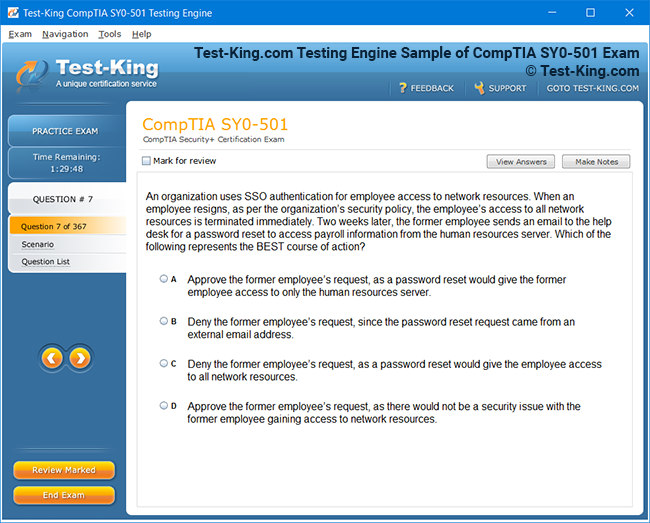
6210 Sample 1
Test-King Testing-Engine Sample (1)
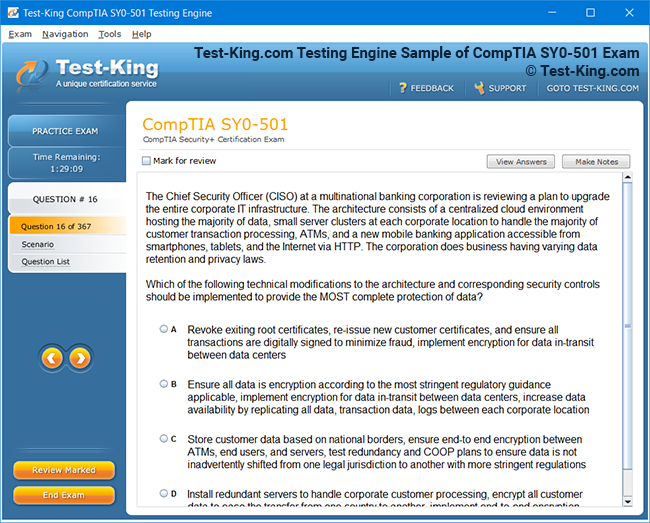
6210 Sample 2
Test-King Testing-Engine Sample (2)
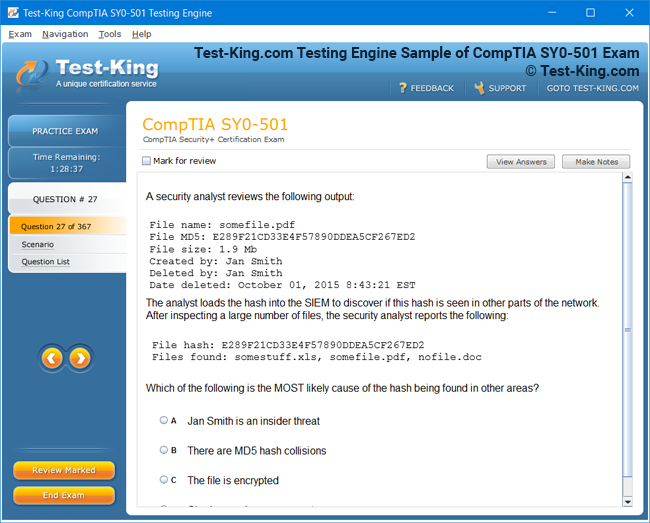
6210 Sample 3
Test-King Testing-Engine Sample (3)
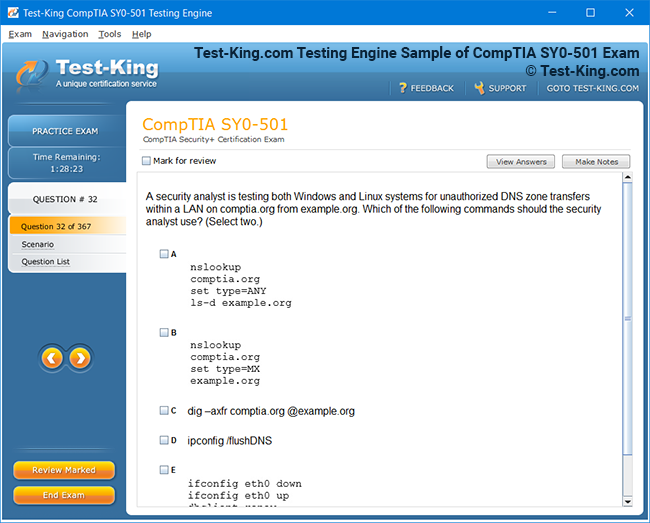
6210 Sample 4
Test-King Testing-Engine Sample (4)
6210 Sample 5
Test-King Testing-Engine Sample (5)
6210 Sample 6
Test-King Testing-Engine Sample (6)
6210 Sample 7
Test-King Testing-Engine Sample (7)
6210 Sample 8
Test-King Testing-Engine Sample (8)
6210 Sample 9
Test-King Testing-Engine Sample (9)
6210 Sample 10
Test-King Testing-Engine Sample (10)
nop-1e =1

Comprehensive Guide to ACIS-6202: Avaya Aura Contact Center Certification

The ACIS-6202 certification, offered by Avaya, is a distinguished credential designed to validate expertise in deploying, managing, and troubleshooting the Avaya Aura Contact Center. This certification serves as a bridge between fundamental knowledge and practical implementation of contact center solutions, making it highly coveted among IT professionals and communication specialists. Avaya Aura Contact Center is renowned for its sophisticated capabilities in handling complex customer interactions across multiple channels, including voice, email, chat, and social media. Professionals who earn ACIS-6202 gain an edge in understanding the nuances of routing, reporting, and administration, which are crucial for ensuring seamless customer experiences in modern enterprises.

Understanding the ACIS-6202 Certification

The scope of ACIS-6202 extends beyond basic operational tasks. It encompasses advanced skills in integrating the contact center with enterprise systems, optimizing call flows, and configuring real-time and historical reporting tools. Candidates preparing for this certification must develop a keen understanding of Avaya Aura architecture, which includes core components such as Communication Manager, Session Manager, and System Manager. Mastery of these elements enables professionals to design resilient contact center environments capable of handling high call volumes without compromising service quality. The certification also emphasizes understanding network considerations, security protocols, and disaster recovery planning, ensuring that certified individuals can maintain continuity even under critical conditions.

Benefits of ACIS-6202 Certification

Earning the ACIS-6202 certification offers multifaceted benefits. Primarily, it elevates one’s professional credibility and demonstrates a commitment to specialized knowledge in contact center solutions. Organizations increasingly seek personnel who can leverage Avaya Aura Contact Center features to streamline operations, reduce costs, and enhance customer satisfaction. Certified professionals are often entrusted with designing and implementing innovative call routing strategies, configuring intelligent queuing systems, and analyzing performance metrics to drive continuous improvement.

The credential also opens doors to career advancement. With the certification, professionals are more competitive for roles such as contact center administrator, solutions architect, technical consultant, and implementation engineer. Beyond job opportunities, the certification fosters a deep understanding of enterprise communication ecosystems, empowering professionals to contribute strategically to business goals. For organizations, having ACIS-6202 certified staff ensures that critical systems are maintained efficiently, minimizing downtime and improving overall operational resilience.

Another noteworthy advantage of the ACIS-6202 certification is its impact on skill development. Candidates gain hands-on experience in configuring communication workflows, optimizing agent performance, and integrating third-party applications. This practical expertise cultivates problem-solving acumen and equips professionals to handle real-world challenges. The certification also promotes adaptability, as it requires familiarity with evolving Avaya Aura software releases and industry trends in customer engagement.

Exam Structure and Key Concepts

The ACIS-6202 examination evaluates both theoretical knowledge and practical aptitude. Candidates are tested on a comprehensive range of topics, including system architecture, configuration procedures, troubleshooting techniques, and best practices for contact center management. Questions are designed to assess the candidate’s ability to apply concepts in realistic scenarios, such as configuring skill-based routing, managing call recordings, or optimizing multimedia interactions.

One of the critical areas of focus is the Avaya Aura architecture, which comprises multiple interdependent components. Understanding how Communication Manager interacts with Session Manager and System Manager is essential, as it underpins effective call handling, session management, and system scalability. The examination also tests knowledge of reporting mechanisms, requiring candidates to interpret real-time dashboards, generate historical reports, and identify key performance indicators that influence operational decisions.

Candidates must also demonstrate proficiency in security configurations, including authentication protocols, encryption techniques, and access control policies. Network considerations form another vital component of the exam, as certified professionals must ensure high availability, low latency, and fault-tolerant configurations across geographically dispersed contact centers. Troubleshooting skills are emphasized throughout the exam, with scenarios designed to test a candidate’s ability to diagnose connectivity issues, identify misconfigured parameters, and implement corrective actions efficiently.

Practical Skills and Real-World Applications

Beyond theoretical understanding, the ACIS-6202 certification equips candidates with practical skills essential for managing sophisticated contact center environments. Certified professionals can deploy intelligent routing strategies that assign incoming interactions based on agent skills, customer priority, or historical interactions. They are adept at configuring multimedia workflows, ensuring that emails, chats, and social media messages are directed to appropriate resources without delays. The ability to integrate Avaya Aura Contact Center with customer relationship management systems allows for personalized service delivery, enhancing the overall customer experience.

Operational efficiency is another domain where ACIS-6202 certified professionals excel. They can monitor system performance in real-time, identify bottlenecks, and implement corrective measures to maintain service levels. The certification also emphasizes capacity planning, which helps organizations anticipate peak loads, optimize agent allocation, and ensure seamless handling of customer interactions during high-demand periods. By mastering these practical aspects, certified individuals contribute to both cost savings and enhanced customer satisfaction.

Moreover, the certification encourages a proactive approach to system maintenance. Professionals are trained to perform regular audits, update software versions, and apply patches while minimizing disruptions. Troubleshooting techniques taught as part of the certification curriculum prepare candidates to quickly resolve issues related to call routing, connectivity, agent availability, and reporting discrepancies. This combination of technical knowledge and operational insight makes ACIS-6202 certified individuals invaluable assets in any enterprise that relies on contact center solutions.

Preparation Strategies and Study Resources

Success in the ACIS-6202 exam requires a well-structured preparation strategy. Candidates are advised to begin with a thorough review of Avaya Aura documentation, which provides detailed explanations of system components, configuration guidelines, and recommended practices. Hands-on experience is crucial, and setting up a lab environment allows candidates to practice call routing configurations, session management, and reporting tasks. Interactive simulations and scenario-based exercises further reinforce practical knowledge and problem-solving skills.

In addition to official documentation, numerous study resources are available, including online courses, practice exams, and technical forums where candidates can share insights and resolve doubts. Engaging with these resources helps build confidence, improves familiarity with the exam format, and exposes candidates to a diverse range of operational scenarios. Study plans often include focused sessions on critical topics, timed practice exercises, and periodic self-assessments to track progress. Candidates are also encouraged to explore case studies and real-world implementations to understand how theoretical knowledge translates into practical outcomes.

Career Impact and Opportunities

ACIS-6202 certification significantly enhances career prospects. Professionals with this credential are positioned for roles that require advanced technical knowledge and strategic thinking. Opportunities include positions such as contact center engineer, implementation consultant, systems integrator, and technical specialist. Certified individuals are often called upon to lead projects that involve deploying Avaya Aura Contact Center solutions, optimizing workflows, and improving customer engagement metrics.

The certification also offers global recognition, as Avaya is widely used across industries and geographies. This opens doors to international assignments, cross-functional projects, and consultancy roles. Employers value the certification for its assurance of a candidate’s ability to manage complex contact center environments, maintain high service levels, and implement best practices in customer interaction management.

Earning ACIS-6202 is not only a career-enhancing milestone but also a gateway to continuous professional growth. It encourages lifelong learning, as professionals must stay abreast of evolving technologies, software updates, and emerging trends in unified communications. This commitment to learning ensures that certified individuals remain competitive and relevant in a rapidly changing technological landscape.

 Advanced Architecture and System Components

The ACIS-6202 certification delves deeply into the intricate architecture of Avaya Aura Contact Center, equipping professionals with the ability to navigate its complex layers with precision. At the heart of this ecosystem lies Communication Manager, a pivotal component responsible for orchestrating voice calls and multimedia interactions with remarkable efficiency. It serves as the nerve center, ensuring that calls are appropriately routed, agent availability is optimized, and system performance is meticulously monitored. Communication Manager integrates seamlessly with Session Manager, which handles the session initiation protocol communications and ensures that multimedia interactions such as voice, video, and chat traverse the network reliably. Session Manager’s robust architecture allows organizations to deploy a geographically dispersed contact center without compromising connectivity or quality, creating a resilient infrastructure that can handle large-scale operations.

System Manager complements these components by providing centralized administration and streamlined configuration management. Through System Manager, certified professionals can orchestrate user provisioning, security policies, and system-wide updates with minimal disruption. It enables unified visibility across the entire contact center ecosystem, empowering administrators to make informed decisions, monitor system health, and anticipate potential bottlenecks before they impact operations. Integration with Avaya Aura Contact Center also involves Interaction Center Server, which manages interactions across multiple channels, ensures skill-based routing, and provides historical and real-time analytics to guide operational improvements. Mastery of these interrelated components is essential for candidates pursuing ACIS-6202 certification, as the exam evaluates both conceptual understanding and practical ability to manipulate the architecture effectively.

Interaction Management and Call Routing Strategies

A core focus of ACIS-6202 certification is interaction management, which emphasizes delivering superior customer experiences through intelligent call routing and workflow automation. Professionals are trained to configure routing strategies that prioritize customer needs, agent skills, and organizational goals simultaneously. Skill-based routing ensures that interactions are directed to the most qualified agents, while priority queuing mechanisms allow high-value customers to receive expedited service. Multimedia routing extends these principles to emails, chat sessions, and social media interactions, guaranteeing that every customer engagement is handled promptly and accurately.

Advanced routing strategies also involve the configuration of overflow and failover mechanisms, which are critical for maintaining service continuity during peak periods or system anomalies. Certified individuals learn to implement threshold-based routing, where calls are redirected dynamically based on real-time metrics such as agent availability, queue length, and interaction type. By leveraging these strategies, organizations can minimize wait times, optimize resource utilization, and maintain consistently high levels of customer satisfaction. ACIS-6202 emphasizes practical understanding, requiring candidates to simulate complex routing scenarios, troubleshoot misrouted interactions, and apply corrective measures that preserve both operational efficiency and customer trust.

Reporting and Analytics Proficiency

Another pivotal aspect of the ACIS-6202 certification is proficiency in reporting and analytics. Certified professionals must be adept at interpreting real-time dashboards, analyzing historical data, and generating actionable insights that inform operational strategies. Real-time monitoring allows administrators to observe call volumes, agent availability, and queue performance instantaneously, enabling swift corrective action when anomalies arise. Historical reporting provides a comprehensive view of trends, patterns, and agent performance, facilitating data-driven decisions that enhance service quality and operational efficiency.

The certification also emphasizes key performance indicators critical to contact center operations, such as average handle time, first call resolution, and service level adherence. Professionals are trained to extract meaningful insights from metrics, identify areas requiring intervention, and recommend process improvements. Advanced analytics capabilities include forecasting call volumes, predicting peak periods, and optimizing workforce allocation to prevent service degradation. By mastering these skills, ACIS-6202 certified professionals empower organizations to operate with precision, anticipate challenges, and continually refine customer interaction processes.

Security, Compliance, and System Integrity

Security and compliance are integral to the ACIS-6202 certification, reflecting the growing importance of safeguarding sensitive customer data and maintaining system integrity. Certified professionals gain expertise in configuring authentication protocols, encryption mechanisms, and access control policies that protect contact center communications from unauthorized access. They are trained to implement secure voice and data transmission channels, ensuring that interactions remain confidential and compliant with regulatory standards such as GDPR and HIPAA.

In addition to encryption and authentication, the certification addresses audit trails and logging mechanisms, which are essential for maintaining accountability and detecting anomalies. Professionals learn to monitor system activity, review access records, and investigate irregularities to prevent breaches or operational disruptions. Disaster recovery planning is also emphasized, with candidates instructed on creating redundant systems, implementing failover configurations, and developing strategies to restore service rapidly in the event of hardware or network failures. These security and compliance competencies not only protect organizational assets but also reinforce customer trust by demonstrating a commitment to safeguarding their information.

Integration and Interoperability

ACIS-6202 certification places significant focus on integration and interoperability with third-party applications and enterprise systems. Professionals learn to connect Avaya Aura Contact Center with customer relationship management platforms, workforce management tools, and business intelligence systems. This integration enables organizations to deliver personalized service, optimize agent scheduling, and leverage analytics to inform strategic decisions. By synchronizing contact center operations with broader enterprise workflows, certified individuals enhance both operational efficiency and customer engagement.

Interoperability extends to multi-vendor environments, where ACIS-6202 certified professionals must ensure seamless communication across diverse systems and protocols. This requires a nuanced understanding of network configurations, session protocols, and software compatibility. Candidates are trained to troubleshoot integration issues, configure middleware solutions, and maintain system harmony, ensuring that the contact center operates cohesively within the larger technological ecosystem. Mastery of integration principles allows certified professionals to support digital transformation initiatives and adapt to evolving business requirements effectively.

Troubleshooting and Problem-Solving Skills

The ACIS-6202 certification emphasizes advanced troubleshooting and problem-solving skills, recognizing that operational excellence depends on rapid issue resolution. Candidates are trained to identify root causes of system anomalies, whether they arise from configuration errors, network inconsistencies, or hardware failures. Troubleshooting exercises encompass call routing issues, connectivity problems, agent performance discrepancies, and reporting inaccuracies. Through practical simulations, candidates learn to apply diagnostic tools, interpret system logs, and implement corrective measures with minimal disruption.

Problem-solving extends beyond immediate technical concerns, encompassing proactive maintenance and preventive strategies. ACIS-6202 certified professionals develop the ability to anticipate potential system failures, optimize configurations, and implement redundancy measures that enhance reliability. This holistic approach to troubleshooting ensures that contact centers remain resilient, adaptable, and capable of maintaining high service levels even under challenging conditions. The cultivation of these competencies is essential for sustaining operational excellence and reinforcing organizational confidence in contact center technology.

Preparation Techniques and Resource Utilization

Success in the ACIS-6202 examination requires meticulous preparation and strategic utilization of available resources. Candidates are encouraged to immerse themselves in Avaya Aura documentation, which provides comprehensive explanations of system components, configuration procedures, and best practices. Hands-on practice in a simulated lab environment allows candidates to apply theoretical knowledge to realistic scenarios, reinforcing their understanding of call routing, session management, reporting, and troubleshooting.

Supplementary study materials, including online courses, practice exams, and interactive workshops, further enhance preparation. Engaging with technical forums and discussion groups exposes candidates to a variety of operational challenges and solutions, broadening their problem-solving repertoire. Effective preparation involves systematic study plans that balance conceptual learning with practical exercises, timed assessments, and review of previous scenarios. This structured approach ensures that candidates develop both confidence and competence, equipping them to perform effectively in the examination and, subsequently, in real-world contact center operations.

Career Advancement and Professional Recognition

Achieving ACIS-6202 certification has a profound impact on career trajectories, offering opportunities for advancement, specialization, and professional recognition. Certified individuals are highly sought after for roles that demand technical mastery, strategic insight, and operational acumen. Positions such as contact center engineer, solutions consultant, implementation specialist, and systems integrator often require the advanced knowledge validated by this credential. Employers value ACIS-6202 certified professionals for their ability to optimize contact center performance, ensure system reliability, and contribute to organizational growth.

The certification also enhances professional credibility and visibility within the industry. It signals a commitment to excellence, technical proficiency, and continuous learning, distinguishing individuals in competitive job markets. Certified professionals frequently take on leadership roles, guiding projects, mentoring junior staff, and driving innovation in contact center management. The global recognition of Avaya credentials further expands career opportunities, enabling professionals to participate in international initiatives, collaborate across regions, and adapt to diverse technological landscapes. This combination of technical expertise and strategic influence positions ACIS-6202 certified individuals as indispensable assets in modern communication ecosystems.

Operational Mastery and System Optimization

The ACIS-6202 certification is designed to empower professionals with advanced operational mastery of Avaya Aura Contact Center. Achieving this credential demonstrates an individual's capability to manage complex contact center environments with remarkable precision. At the core of operational excellence lies the understanding of agent management and workflow orchestration. Certified professionals can assign skills-based queues, balance call volumes, and ensure that high-priority interactions receive timely attention. The ability to configure multi-level escalation pathways ensures that urgent customer inquiries are routed efficiently, reducing delays and enhancing overall satisfaction.

Optimization within Avaya Aura Contact Center is not limited to call routing. Certified individuals develop expertise in fine-tuning system parameters such as agent availability settings, interactive voice response timings, and automated call distribution thresholds. They are trained to analyze real-time metrics and adjust configurations dynamically to prevent service bottlenecks. The certification emphasizes the importance of holistic operational oversight, where real-time dashboards, alerts, and predictive analytics work in concert to ensure seamless performance. Professionals with ACIS-6202 credentials are adept at balancing efficiency and service quality, creating a contact center environment that is both responsive and resilient.

Multimedia and Omnichannel Integration

One of the distinguishing features of Avaya Aura Contact Center is its capacity for omnichannel engagement. The ACIS-6202 certification equips professionals with the skills to manage interactions across voice, email, chat, social media, and video platforms. Integration of these channels requires meticulous configuration and an understanding of how each channel interacts with agent workflows and reporting mechanisms. Certified professionals ensure that all customer interactions, regardless of medium, are tracked, prioritized, and routed effectively.

Multimedia integration also enhances the quality of customer engagement. Professionals are trained to leverage historical interaction data to provide contextualized responses, ensuring personalized and efficient service. Automated workflows facilitate the seamless transfer of interactions between channels without loss of information or context. For example, an email query can transition to a live chat or voice call if escalation is required, with all previous interactions preserved for continuity. Mastery of these capabilities ensures that organizations can deliver consistent and high-quality experiences across every touchpoint.

Advanced Reporting and Decision-Making

The ability to interpret and act upon data is a critical component of ACIS-6202 certification. Professionals gain proficiency in generating real-time reports, analyzing historical trends, and applying predictive analytics to forecast contact center performance. These competencies enable organizations to make informed operational decisions, optimize resource allocation, and anticipate fluctuations in customer demand. Certified individuals can identify underperforming agents, detect inefficiencies in routing strategies, and implement corrective measures proactively.

Advanced reporting extends to the evaluation of key performance indicators such as customer satisfaction scores, first call resolution rates, average handle time, and service level adherence. By combining quantitative metrics with qualitative analysis, ACIS-6202 certified professionals provide a comprehensive view of contact center performance. This analytical insight allows leadership to make strategic adjustments, improve agent training programs, and refine customer interaction workflows. The certification emphasizes that reporting is not merely a record-keeping function but a tool for continuous improvement and operational excellence.

Security Measures and Compliance Practices

ACIS-6202 certification underscores the importance of security and compliance within contact center operations. Certified professionals are trained to implement robust security protocols to safeguard customer data and system integrity. This includes configuring authentication mechanisms, enabling encryption for voice and data transmission, and enforcing role-based access controls. These measures protect sensitive information from unauthorized access, ensuring that customer interactions remain confidential and secure.

Compliance with regulatory standards is another essential focus. Professionals understand the requirements of laws such as GDPR and HIPAA and are capable of implementing systems that adhere to these mandates. They are also adept at configuring audit trails, monitoring system access, and maintaining comprehensive logs that document interactions and administrative actions. The certification equips individuals with the knowledge to anticipate potential compliance risks, proactively mitigate vulnerabilities, and maintain operational integrity under stringent regulatory scrutiny.

Integration with Enterprise Systems

ACIS-6202 certification places significant emphasis on integration with broader enterprise systems, reflecting the necessity of interconnected communication platforms in modern organizations. Professionals learn to interface Avaya Aura Contact Center with customer relationship management tools, workforce management systems, and business intelligence platforms. These integrations enable seamless data flow, enhance operational efficiency, and support informed decision-making. For instance, syncing contact center interactions with CRM records allows agents to access customer history, personalize responses, and resolve inquiries more effectively.

Interoperability extends to multi-vendor environments, where ACIS-6202 certified individuals ensure that Avaya Aura Contact Center functions harmoniously alongside other telephony, networking, and software systems. This requires a comprehensive understanding of network protocols, API configurations, and middleware solutions that facilitate data exchange. By mastering integration techniques, professionals help organizations leverage their existing technological investments while enhancing the agility and responsiveness of contact center operations.

Troubleshooting and Preventive Maintenance

Troubleshooting is a cornerstone of ACIS-6202 certification, emphasizing the ability to quickly identify and resolve operational issues. Candidates learn to diagnose problems across voice and multimedia channels, including call routing anomalies, agent availability discrepancies, and system latency concerns. Troubleshooting exercises train professionals to apply diagnostic tools, analyze system logs, and implement solutions that restore functionality efficiently. These skills are essential for maintaining continuous service and minimizing disruptions during peak operational periods.

Preventive maintenance complements troubleshooting by focusing on proactive system care. Certified individuals develop strategies to anticipate potential failures, optimize system configurations, and schedule updates without impacting service availability. Regular audits, patch applications, and configuration reviews form part of this preventive approach, ensuring that the contact center remains robust, reliable, and capable of handling evolving demands. ACIS-6202 emphasizes that sustained excellence requires both reactive problem-solving and proactive system stewardship.

Exam Preparation Strategies

Preparation for the ACIS-6202 certification demands a methodical and immersive approach. Candidates are encouraged to engage deeply with Avaya Aura technical documentation, practice lab exercises, and scenario-based simulations. Hands-on practice allows learners to apply theoretical knowledge to realistic operational challenges, reinforcing understanding of call routing, multimedia integration, reporting, and troubleshooting. Interactive exercises and timed assessments provide valuable feedback, helping candidates refine their skills and identify areas requiring additional focus.

Supplementary resources, including online courses, discussion forums, and practice exams, enhance readiness by exposing candidates to diverse operational scenarios and solutions. Structured study plans that balance conceptual learning with practical application prove most effective, ensuring candidates develop confidence and competence across all areas of the exam. Continuous engagement with evolving Avaya Aura features and real-world use cases further solidifies knowledge, enabling candidates to excel not only in the examination but also in practical deployment and management of contact center solutions.

Career Opportunities and Professional Growth

ACIS-6202 certification serves as a catalyst for professional growth, opening doors to a wide array of roles that require technical expertise and strategic insight. Certified professionals are equipped to assume responsibilities such as contact center engineer, technical consultant, systems integrator, and implementation specialist. Organizations value these individuals for their ability to optimize workflows, enhance service quality, and ensure the resilience of contact center infrastructure.

The credential also enhances professional visibility and credibility, signaling a commitment to technical mastery and continuous learning. ACIS-6202 certified professionals often take on leadership roles, guiding projects, mentoring team members, and driving innovation in customer engagement strategies. Global recognition of the certification further expands opportunities, enabling professionals to participate in international assignments, collaborate across regions, and contribute to enterprise-wide communication initiatives. The combination of technical proficiency, operational insight, and strategic influence positions individuals as indispensable assets in contemporary communication ecosystems.

System Design and Deployment Strategies

The ACIS-6202 certification equips professionals with profound knowledge in designing and deploying Avaya Aura Contact Center solutions. System design encompasses both architectural planning and operational configuration, ensuring that the contact center performs efficiently under variable loads. Certified individuals are trained to evaluate organizational requirements, anticipate call volumes, and design an infrastructure that supports scalability, redundancy, and high availability. Deployment strategies focus on minimizing service disruption while implementing complex workflows, agent routing logic, and multimedia interaction handling. By mastering system design, certified professionals create resilient communication networks capable of sustaining enterprise operations without compromising service quality.

Integration of communication components is a critical aspect of deployment. Professionals are adept at configuring Communication Manager, Session Manager, and System Manager to operate cohesively, enabling seamless call handling and session management. Advanced deployment techniques involve optimizing network bandwidth, configuring failover mechanisms, and ensuring interoperability with third-party systems. ACIS-6202 emphasizes practical understanding, requiring candidates to simulate deployment scenarios, troubleshoot configuration anomalies, and verify system performance metrics. This hands-on approach reinforces knowledge and develops operational intuition essential for effective system deployment.

Interaction Flow and Workflow Optimization

A core competency validated by ACIS-6202 certification is the ability to orchestrate interaction flows and optimize workflows. Professionals learn to create intelligent routing strategies that prioritize customer needs, agent expertise, and business objectives simultaneously. Skill-based routing ensures interactions are matched with agents possessing the appropriate competencies, while escalation paths handle complex or urgent inquiries efficiently. By configuring automated workflows, certified individuals reduce response times, improve agent productivity, and enhance the overall customer experience.

Workflow optimization extends to multimedia channels such as email, chat, and social media. Certified professionals ensure that interactions traverse these channels seamlessly, preserving context and history for uninterrupted customer service. Automated transfer mechanisms and predefined routing rules facilitate quick resolution, while real-time monitoring identifies potential bottlenecks and allows immediate corrective action. This holistic approach to workflow management enables organizations to deliver consistent, high-quality service across all communication channels, reflecting the comprehensive expertise cultivated through ACIS-6202 certification.

Advanced Analytics and Performance Monitoring

The ability to interpret operational data and translate it into actionable insights is a defining feature of ACIS-6202 certification. Professionals develop proficiency in monitoring real-time dashboards, analyzing historical trends, and forecasting operational demands. Performance metrics such as average handle time, first call resolution, customer satisfaction, and service level adherence are central to this analysis. By understanding these indicators, certified individuals can identify inefficiencies, optimize agent performance, and implement strategic adjustments that enhance service quality.

Advanced analytics also involves predictive modeling, allowing professionals to anticipate peaks in interaction volumes and adjust staffing levels accordingly. Historical trend analysis supports capacity planning, helping organizations allocate resources efficiently and prevent service degradation. Certified professionals leverage these insights to drive continuous improvement, ensuring that contact center operations evolve in alignment with customer expectations and organizational objectives. ACIS-6202 emphasizes practical application, encouraging candidates to utilize real-world scenarios to refine analytical skills and operational decision-making.

Security Protocols and Compliance Measures

Security and compliance are integral components of ACIS-6202 certification. Professionals gain expertise in implementing authentication protocols, encryption mechanisms, and access control policies that protect sensitive customer information. These measures safeguard both voice and data transmissions, ensuring interactions remain confidential and secure. Compliance with regulatory standards such as GDPR, HIPAA, and industry-specific mandates is a critical aspect of professional responsibilities. Certified individuals are capable of configuring systems to meet these requirements, maintaining audit trails, and monitoring access logs to detect anomalies or unauthorized activity.

Proactive security practices extend to disaster recovery and business continuity planning. Professionals are trained to design redundant systems, implement failover configurations, and develop rapid restoration strategies in the event of network or hardware failures. This comprehensive approach ensures that contact centers remain operational under adverse conditions, preserving service quality and organizational reliability. ACIS-6202 certification validates the ability to integrate security and compliance seamlessly into daily operations, reflecting the strategic importance of safeguarding both technological assets and customer trust.

Integration with Enterprise Applications

Integration with enterprise systems is a key focus of ACIS-6202 certification. Professionals are skilled at connecting Avaya Aura Contact Center with customer relationship management platforms, workforce management tools, and business intelligence systems. This integration enables a unified operational environment where data flows freely between applications, supporting informed decision-making and personalized customer interactions. By synchronizing contact center operations with enterprise workflows, certified professionals enhance efficiency, reduce redundancy, and improve service delivery.

Interoperability extends to multi-vendor ecosystems, where ACIS-6202 certified individuals ensure compatibility and seamless operation across diverse technologies. This requires an understanding of network protocols, API configurations, and middleware solutions that facilitate communication between systems. Professionals are trained to troubleshoot integration issues, optimize configurations, and maintain consistent performance across heterogeneous environments. Mastery of these skills allows organizations to leverage existing technological investments while enhancing the agility and responsiveness of contact center operations.

Troubleshooting Complex Scenarios

ACIS-6202 certification emphasizes advanced troubleshooting skills essential for sustaining contact center operations. Candidates develop the ability to diagnose problems related to call routing, session management, agent performance, and system latency. By interpreting system logs, analyzing operational metrics, and applying diagnostic tools, certified professionals can identify root causes and implement corrective measures swiftly. Troubleshooting exercises often simulate high-pressure scenarios, reinforcing the ability to maintain service continuity during critical periods.

Preventive maintenance complements reactive troubleshooting, focusing on minimizing disruptions before they occur. Certified individuals implement regular system audits, apply software updates, and optimize configurations to prevent potential failures. This proactive approach ensures operational stability, reduces downtime, and enhances overall system reliability. ACIS-6202 emphasizes that sustainable contact center performance relies on both rapid problem resolution and diligent preventive care, preparing professionals to manage complex environments with confidence.

Exam Preparation and Study Techniques

Preparation for ACIS-6202 certification requires a comprehensive and immersive approach. Candidates are advised to explore Avaya Aura technical documentation thoroughly, gaining familiarity with system architecture, configuration procedures, and best practices. Hands-on practice is essential, as it allows learners to apply theoretical knowledge to real-world scenarios, including call routing, multimedia management, reporting, and troubleshooting exercises. Simulated labs and scenario-based practice enhance skill retention and operational intuition.

Additional resources such as online courses, practice tests, and interactive forums provide opportunities for collaborative learning and exposure to diverse operational challenges. Structured study plans that balance conceptual understanding with practical exercises ensure candidates develop both confidence and competence. Continuous engagement with evolving Avaya Aura features and real-world implementations further solidifies knowledge, preparing candidates to excel in both the examination and professional practice.

Career Implications and Professional Advancement

Achieving ACIS-6202 certification significantly elevates professional prospects. Certified individuals are well-positioned for roles such as contact center engineer, implementation consultant, solutions architect, and systems integrator. Organizations value these professionals for their technical expertise, operational insight, and ability to optimize contact center performance. Certified individuals often lead projects, mentor junior staff, and contribute strategically to organizational initiatives aimed at improving customer engagement.

The certification also enhances professional credibility and global recognition. It signals a commitment to technical mastery, continuous learning, and operational excellence. ACIS-6202 certified professionals are frequently sought for international projects, cross-functional collaborations, and advisory roles, reflecting the universal applicability of Avaya Aura expertise. By achieving this credential, individuals demonstrate not only technical proficiency but also strategic value, positioning themselves as indispensable contributors to contemporary communication ecosystems.

Enterprise Communication and System Architecture

ACIS-6202 certification enables professionals to attain a profound understanding of enterprise communication and the underlying architecture of Avaya Aura Contact Center. At the core, Communication Manager functions as the central hub, orchestrating voice and multimedia interactions with meticulous efficiency. Certified professionals grasp the intricacies of session control, call routing, and agent resource allocation, ensuring that the contact center operates seamlessly even under peak loads. Integration with Session Manager allows secure and reliable session initiation across voice, chat, and video channels, while System Manager provides centralized oversight for administration, configuration, and monitoring.

Architectural comprehension extends to redundancy, scalability, and fault tolerance, all of which are essential for resilient contact center operations. ACIS-6202 certified professionals evaluate enterprise requirements and design infrastructures capable of sustaining complex communication flows. The certification emphasizes the interconnection of various Avaya Aura components, ensuring that all elements function harmoniously. This holistic perspective allows professionals to optimize system performance, minimize latency, and maintain operational consistency across distributed environments.

Intelligent Routing and Interaction Management

A distinguishing aspect of Avaya Aura Contact Center is its ability to implement intelligent routing strategies that prioritize both business objectives and customer satisfaction. ACIS-6202 certified individuals are adept at configuring skill-based routing, where interactions are directed to agents with the appropriate expertise. Priority queues and escalation mechanisms ensure that critical interactions receive immediate attention, while automated workflows reduce manual intervention and increase efficiency.

Multimedia interaction management is also a focus area, enabling emails, chat messages, and social media interactions to traverse the system seamlessly. Certified professionals configure routing rules that maintain context and interaction history, ensuring that customers receive consistent and personalized service. Interaction management extends to real-time monitoring, where dashboards provide instantaneous insights into call volumes, queue statuses, and agent availability. By analyzing these metrics, professionals can dynamically adjust routing strategies, optimize agent allocation, and maintain high levels of service quality.

Reporting, Analytics, and Operational Insights

ACIS-6202 certification places a strong emphasis on the use of reporting and analytics to drive operational decision-making. Professionals are trained to generate comprehensive reports, analyze historical trends, and employ predictive analytics to forecast future interaction volumes. Key performance indicators such as average handle time, service level adherence, first call resolution, and customer satisfaction are central to performance evaluation. By interpreting these metrics, certified individuals can identify inefficiencies, improve agent productivity, and implement strategies that enhance the overall customer experience.

Advanced analytics enables proactive management of contact center operations. Forecasting interaction patterns allows organizations to allocate resources efficiently, anticipate peak periods, and prevent service degradation. Professionals leverage historical data to refine workforce planning, optimize routing algorithms, and enhance system capacity. ACIS-6202 certification ensures that candidates can not only interpret data but also apply insights to operational planning and process improvement, creating a contact center environment that is both adaptive and performance-driven.

Security, Compliance, and Risk Mitigation

Security and compliance are integral elements of the ACIS-6202 certification. Certified professionals are proficient in configuring authentication protocols, enabling encryption for voice and data transmissions, and implementing role-based access controls. These measures safeguard sensitive customer information and maintain the integrity of contact center systems. Compliance with regulatory frameworks such as GDPR, HIPAA, and industry-specific mandates is a critical component of certification, with professionals trained to ensure adherence to these standards.

Risk mitigation extends to disaster recovery planning and system redundancy. ACIS-6202 certified individuals design failover strategies, create backup configurations, and implement recovery procedures that minimize downtime and operational disruption. Proactive security monitoring and preventive maintenance form the backbone of system integrity, allowing organizations to protect their technological investments while maintaining customer trust. The certification emphasizes that comprehensive risk management is essential for sustaining both operational reliability and corporate reputation.

Integration with Enterprise Ecosystems

ACIS-6202 certification also focuses on the seamless integration of Avaya Aura Contact Center with broader enterprise systems. Professionals learn to connect the contact center with customer relationship management platforms, workforce management solutions, and business intelligence applications. These integrations facilitate a unified flow of information, enabling personalized service, efficient resource allocation, and informed decision-making. By synchronizing contact center data with enterprise workflows, certified individuals help organizations optimize operations and enhance the customer experience.

Interoperability extends to complex multi-vendor environments, requiring an understanding of network protocols, application programming interfaces, and middleware solutions. Certified professionals troubleshoot integration challenges, maintain compatibility across diverse technologies, and ensure that all systems operate cohesively. Mastery of integration principles allows enterprises to leverage existing infrastructure while enhancing operational agility, reflecting the strategic value of ACIS-6202 certification.

Troubleshooting and Preventive Operations

A critical aspect of ACIS-6202 certification is advanced troubleshooting, encompassing the diagnosis and resolution of complex system issues. Candidates learn to address problems related to call routing, session management, agent performance, and connectivity. By analyzing system logs, interpreting performance metrics, and employing diagnostic tools, certified professionals can identify root causes and implement corrective actions efficiently.

Preventive operations complement reactive troubleshooting, emphasizing system health monitoring, regular audits, and configuration optimization. Certified individuals anticipate potential failures, apply patches, and update software without impacting service availability. This proactive approach ensures sustained system reliability and operational excellence. ACIS-6202 certification equips professionals with the skills to maintain continuity, reduce downtime, and enhance overall contact center resilience.

Exam Preparation and Knowledge Reinforcement

Effective preparation for ACIS-6202 certification combines theoretical study with hands-on practice. Candidates benefit from thorough engagement with Avaya Aura documentation, gaining insights into system components, configuration procedures, and best practices. Practical exercises in simulated lab environments reinforce learning, allowing candidates to experience real-world operational scenarios, including routing configurations, multimedia handling, reporting, and troubleshooting.

Additional resources such as online tutorials, practice examinations, and technical forums enhance readiness by exposing candidates to diverse operational challenges. Structured study routines that balance conceptual understanding with applied practice help develop confidence and competence. Engagement with evolving Avaya Aura updates and enterprise use cases ensures that candidates remain current with technological advancements, preparing them to excel in both the certification examination and practical deployment.

Career Advancement and Industry Recognition

Obtaining ACIS-6202 certification significantly enhances professional prospects. Certified individuals are well-positioned for technical and strategic roles, including contact center engineer, solutions consultant, systems integrator, and implementation specialist. Organizations recognize these professionals for their technical proficiency, operational insight, and ability to optimize contact center performance. Certified individuals frequently take on leadership roles, mentoring teams, guiding projects, and driving initiatives that improve customer engagement and operational efficiency.

The credential also confers global recognition, reflecting Avaya Aura expertise that is valued across industries and geographies. ACIS-6202 certified professionals often participate in international assignments, collaborative enterprise projects, and advisory roles. By achieving this certification, individuals demonstrate a combination of technical mastery, strategic acumen, and operational effectiveness, positioning themselves as indispensable contributors to contemporary communication networks and enterprise-level contact center management.

Strategic Implementation and System Expertise

The ACIS-6202 certification empowers professionals to develop strategic expertise in implementing and managing Avaya Aura Contact Center solutions. Achieving this credential demonstrates proficiency in orchestrating complex communication networks, configuring agent workflows, and ensuring seamless interaction management across multiple channels. At the heart of system expertise is Communication Manager, which facilitates voice routing, call handling, and multimedia interactions with precision. Integration with Session Manager enables secure session initiation across voice, chat, and video platforms, while System Manager provides centralized oversight for administration, configuration, and monitoring, ensuring consistent operational performance.

Certified professionals master the interplay between these components, optimizing network performance, latency, and scalability. They are capable of designing infrastructures that support peak call volumes, geographic dispersion, and business continuity. The ACIS-6202 credential emphasizes hands-on proficiency, requiring candidates to simulate deployment scenarios, troubleshoot misconfigurations, and verify system performance under realistic operational conditions. By combining architectural understanding with practical skill, certified individuals ensure that Avaya Aura Contact Center operates as a resilient and efficient enterprise communication hub.

Interaction Orchestration and Workflow Precision

A critical competency developed through ACIS-6202 certification is the orchestration of interactions and precision in workflow design. Certified professionals configure skill-based routing to match incoming interactions with agents possessing the appropriate expertise, ensuring that customer inquiries are addressed efficiently. Escalation paths and priority queues handle urgent or complex interactions, reducing resolution time and enhancing overall service quality.

The certification also emphasizes seamless management of multimedia interactions. Emails, chats, and social media messages are routed intelligently, maintaining contextual continuity and interaction history. Automated workflows reduce manual intervention, increase productivity, and enable dynamic adjustment of agent assignments in response to real-time metrics. By mastering these processes, ACIS-6202 certified individuals create contact center environments that deliver consistent, high-quality customer experiences while maximizing operational efficiency.

Advanced Reporting and Analytical Insight

Reporting and analytics form a cornerstone of ACIS-6202 certification. Professionals develop proficiency in interpreting real-time dashboards, generating historical reports, and applying predictive analytics to optimize contact center operations. Key performance indicators, including average handle time, service level adherence, first call resolution, and customer satisfaction, provide actionable insights into performance trends and operational bottlenecks.

Advanced analytics allow professionals to forecast call volumes, identify seasonal or cyclical patterns, and optimize resource allocation proactively. By leveraging historical data, ACIS-6202 certified individuals refine workforce management, adjust routing strategies, and improve system capacity to meet anticipated demand. The ability to translate data into strategic decisions ensures that contact centers operate with precision, responsiveness, and adaptability, providing a competitive advantage to organizations in dynamic business environments.

Security, Compliance, and Risk Management

Security and compliance are emphasized throughout ACIS-6202 certification. Professionals gain expertise in configuring authentication protocols, implementing encryption for voice and data transmissions, and enforcing role-based access controls to protect sensitive information. Compliance with regulations such as GDPR, HIPAA, and industry-specific standards is a critical focus, ensuring that certified individuals can maintain legal and ethical oversight of contact center operations.

Risk management extends to disaster recovery planning and preventive maintenance. Certified professionals design redundant systems, implement failover configurations, and establish rapid recovery strategies to minimize downtime and maintain service continuity. Proactive monitoring, system audits, and preventive updates enhance operational stability and ensure the integrity of enterprise communication networks. ACIS-6202 certification validates the ability to integrate security, compliance, and risk mitigation seamlessly into daily operations.

Integration with Enterprise Solutions

The ACIS-6202 credential highlights the importance of integration with enterprise systems. Professionals are skilled in connecting Avaya Aura Contact Center with customer relationship management platforms, workforce management solutions, and business intelligence applications. These integrations enable unified workflows, provide real-time insights, and facilitate personalized customer service. Synchronizing contact center operations with enterprise systems enhances efficiency, reduces redundancy, and supports data-driven decision-making across organizational units.

Interoperability in multi-vendor environments is another critical aspect. Certified professionals ensure that Avaya Aura components operate cohesively alongside diverse technologies, configure middleware solutions, and troubleshoot integration challenges. This capability enables organizations to maximize their technological investments while maintaining operational agility and delivering superior customer experiences.

Troubleshooting and Preventive Strategies

ACIS-6202 certification emphasizes advanced troubleshooting and preventive strategies essential for uninterrupted contact center operations. Professionals develop the ability to identify and resolve issues related to call routing, session management, agent performance, and system latency. By analyzing system logs, interpreting performance metrics, and applying diagnostic tools, certified individuals can pinpoint root causes and implement corrective measures swiftly.

Preventive strategies complement troubleshooting, focusing on system health monitoring, regular audits, configuration optimization, and software updates. ACIS-6202 certified professionals anticipate potential failures, maintain redundancy, and implement failover mechanisms that ensure service continuity. By combining reactive troubleshooting with proactive maintenance, they foster operational resilience, minimize downtime, and enhance overall service quality in complex contact center environments.

Exam Preparation and Knowledge Reinforcement

Effective preparation for ACIS-6202 certification requires a blend of theoretical study and practical application. Candidates are encouraged to engage deeply with Avaya Aura technical documentation to understand system components, configuration procedures, and best practices. Hands-on practice in simulated lab environments allows candidates to apply knowledge to real-world scenarios, including call routing, multimedia handling, reporting, and troubleshooting exercises.

Supplementary study resources, such as online courses, practice exams, and discussion forums, provide additional opportunities for exposure to operational challenges and solutions. Structured study routines balance conceptual learning with applied practice, enhancing both confidence and competence. Continuous engagement with evolving Avaya Aura updates and real-world use cases ensures that candidates remain current with technological advancements, preparing them to excel in both the examination and professional practice.

Career Advancement and Professional Recognition

Achieving ACIS-6202 certification significantly enhances career prospects and professional recognition. Certified individuals are highly sought after for technical and strategic roles such as contact center engineer, implementation consultant, systems integrator, and solutions architect. Organizations value these professionals for their expertise, operational insight, and ability to optimize contact center performance. Certified individuals often take on leadership responsibilities, mentor team members, guide complex projects, and drive initiatives that improve customer engagement and operational efficiency.

Global recognition of the certification further expands opportunities, enabling professionals to participate in international assignments, collaborate across regions, and contribute to enterprise-wide communication initiatives. ACIS-6202 certification reflects a combination of technical mastery, strategic acumen, and operational effectiveness, positioning individuals as indispensable contributors to contemporary communication networks and enterprise-level contact center management.

Conclusion

ACIS-6202 certification represents the pinnacle of expertise in Avaya Aura Contact Center, encompassing advanced skills in system architecture, interaction management, reporting, security, integration, and troubleshooting. Professionals who achieve this credential are equipped to design, deploy, and maintain sophisticated contact center environments capable of delivering exceptional customer experiences. The certification fosters a blend of theoretical knowledge, practical expertise, and strategic insight, ensuring that certified individuals can navigate complex operational challenges and contribute meaningfully to organizational goals. By pursuing ACIS-6202 certification, professionals not only elevate their career prospects but also establish themselves as authoritative experts in the realm of enterprise communication, demonstrating a commitment to excellence, innovation, and continuous learning.


Frequently Asked Questions

How can I get the products after purchase?

All products are available for download immediately from your Member's Area. Once you have made the payment, you will be transferred to Member's Area where you can login and download the products you have purchased to your computer.

How long can I use my product? Will it be valid forever?

Test-King products have a validity of 90 days from the date of purchase. This means that any updates to the products, including but not limited to new questions, or updates and changes by our editing team, will be automatically downloaded on to computer to make sure that you get latest exam prep materials during those 90 days.

Can I renew my product if when it's expired?

Yes, when the 90 days of your product validity are over, you have the option of renewing your expired products with a 30% discount. This can be done in your Member's Area.

Please note that you will not be able to use the product after it has expired if you don't renew it.

How often are the questions updated?

We always try to provide the latest pool of questions, Updates in the questions depend on the changes in actual pool of questions by different vendors. As soon as we know about the change in the exam question pool we try our best to update the products as fast as possible.

How many computers I can download Test-King software on?

You can download the Test-King products on the maximum number of 2 (two) computers or devices. If you need to use the software on more than two machines, you can purchase this option separately. Please email support@test-king.com if you need to use more than 5 (five) computers.

What is a PDF Version?

PDF Version is a pdf document of Questions & Answers product. The document file has standart .pdf format, which can be easily read by any pdf reader application like Adobe Acrobat Reader, Foxit Reader, OpenOffice, Google Docs and many others.

Can I purchase PDF Version without the Testing Engine?

PDF Version cannot be purchased separately. It is only available as an add-on to main Question & Answer Testing Engine product.

What operating systems are supported by your Testing Engine software?

Our testing engine is supported by Windows. Andriod and IOS software is currently under development.

Complete Guide to Avaya 6210 Exam: Avaya Aura Contact Center Implementation Overview

The Avaya 6210 exam is designed to evaluate a candidate’s grasp of implementing, configuring, and supporting Avaya Aura Contact Center in varied enterprise ecosystems. Aspiring professionals who pursue this certification aim to demonstrate their ability to manage customer communication flows, integrate multimedia interactions, optimize routing efficiencies, and maintain seamless connectivity between system components. This examination is not merely a theoretical evaluation but a reflection of practical capabilities in handling real-world scenarios, including deployment complexities, configuration nuances, troubleshooting routines, and system maintenance within Avaya Aura Contact Center environments. For individuals aiming to master customer engagement platforms and intelligent contact routing, understanding foundational principles becomes essential before delving into intricate architecture or scripting functionalities.

Understanding the Avaya 6210 Exam and Foundations of Avaya Aura Contact Center

Avaya Aura Contact Center is a sophisticated and modular customer interaction management platform that offers unified voice, email, chat, messaging, and social media handling. Unlike rudimentary call center systems that rely exclusively on voice telephony, this solution amalgamates multiple interaction channels to deliver consistent service experiences. It functions harmoniously with Avaya Aura Communication Manager and other Avaya applications, creating a centralized orchestration hub where contact flows are defined, managed, analyzed, and improved. The system comprises key components such as Contact Center Manager Administration, Contact Center Manager Server, Communication Control Toolkit, and Avaya Media Server. Each component plays its part in administration, media handling, real-time communication control, and routing logics, allowing organizations to tailor customer interaction strategies with meticulous finesse.

One of the primary motivations in preparing for Avaya 6210 is the opportunity to comprehend the lifecycle of customer inquiries from initiation to resolution. When a customer makes contact through voice or digital media, the system utilizes routing workflows, skillset associations, agent availability, and service level priorities to channel the request to the most appropriate agent or queue. Candidates preparing for this exam must understand how routing scripts are designed using graphical editors or textual logic structures, how agents are assigned skillsets and priorities, and how multimedia campaigns are configured for email or chat management. Moreover, individuals should be familiar with workforce optimization tools, historical reporting, real-time monitoring dashboards, and how these tools collectively contribute to enhancing customer satisfaction and agent productivity.

Exam preparation also demands an unwavering knowledge of networking principles, telecommunication protocols, and integration abilities with Session Initiation Protocol, SIP-based trunking systems, and legacy telephony networks. Avaya Aura Contact Center communicates across IP-based infrastructures, making concepts like IP addressing, subnetting, Quality of Service parameters, SIP signaling, and media stream management indispensable. Candidates must be ready to deal with issues arising from incompatible network configurations, latency concerns, codec mismatches, or authentication failures. Understanding how Avaya Session Manager and System Manager contribute to call routing, user provisioning, and policy enforcement is crucial because the contact center depends upon these services for flawless interconnectivity among endpoints and applications.

The Avaya Aura Contact Center solution is built with resilience and high availability in mind. The architecture supports redundancy through primary and secondary servers, mirroring databases, backup configurations, and failover capabilities that ensure uninterrupted operations even in unforeseen disruptions. For the exam, one must know how to configure high availability, backup and restore procedures, disaster recovery planning, and how licensing plays an instrumental part in activating features. Licensing in Avaya environments often operates through WebLM or similar license managers and includes agent licenses, multimedia licenses, IVR ports, and application-specific entitlements. Understanding how to install, apply, and troubleshoot licenses is another imperative aspect.

In the implementation stage, administrators begin by verifying hardware prerequisites, supported operating systems, and software compatibility. Avaya Aura Contact Center commonly runs on Windows Server platforms, requiring meticulous configuration of domain memberships, static IP assignments, DNS records, and firewall rules. Before installing the core applications, one must install prerequisite software like Microsoft SQL Server for database services, Internet Information Services for web-based management tools, and necessary language packs or runtime components. During installation, the Contact Center Manager Server is configured with database connections, system passwords, network details, and connection parameters for Avaya Aura Communication Manager or Session Manager. The Contact Center Manager Administration interface then allows administrators to create agents, skillsets, directory numbers, routing scripts, and multimedia settings. Ensuring that all components communicate effectively involves configuring host files, verifying server reachability through ping or telnet utilities, and checking service statuses.

Understanding the flow of data and call routing within Avaya Aura Contact Center is a pivotal aspect of mastering this domain. When a contact arrives, whether it is a voice call or email interaction, the system evaluates the contact’s origin, customer data, assigned skillset, agent priority, and business rule logic defined in the routing script. Routing scripts allow administrators to define conditional paths, time-of-day operations, holiday schedules, overflow routing, and queue announcements. For example, if call volumes increase beyond threshold limits, calls may be redirected to backup agents or external destinations. Similarly, if no agent is available for a specific skillset, calls can be queued with music or announcements until an agent becomes available. The exam tests practical knowledge of designing such scripts, testing their functionalities, and troubleshooting script failures. It is important to familiarize oneself with common script errors, syntax mishaps, and the process of validating script logic before placing it into production.

Along with routing voice interactions, Avaya Aura Contact Center supports email and chat handling through multimedia workflows. Candidates should understand how to configure contact channels for incoming emails, assign email addresses to specific queues, and define service level thresholds for respond times. Emails are often sorted based on keywords, subject lines, or sender addresses, and routed to agents trained to handle specific query types. Chat sessions follow similar routing methods but require additional configuration for web-based interfaces and secure sockets. Knowing how to deploy web chat widgets, authenticate customer sessions, and manage real-time chat transcripts is integral for modern contact centers where digital interactions are rapidly eclipsing voice-only engagements.

Additionally, the Avaya 6210 exam evaluates proficiency in workforce management, agent performance optimization, and historical data analysis. Workforce management tools predict interaction volumes, schedule agent shifts, and evaluate performance metrics. Real-time monitoring dashboards display active calls, queue statuses, agent login information, and service levels. Historical reporting tools generate data about call volumes, average handling time, abandoned calls, email queues, and other performance indicators over a time period. Candidates must know how to generate reports, customize report templates, export data for management reviews, and analyze performance statistics to identify strengths or inefficiencies in the contact center.

Security considerations are equally paramount. The exam taker should be aware of user authentication processes, access control lists, encrypted communication channels, and compliance with data protection regulations. Avaya Aura Contact Center allows granular role-based access control where administrators can assign permissions to supervisors, agents, and technical users. Password policies, session timeouts, and audit logging help maintain secure operational frameworks. Additionally, the platform must be aligned with organizational guidelines for storing call recordings, encrypting sensitive communications, and ensuring data sovereignty in cloud-based deployments.

Scalability is another essential discipline that cannot be overlooked. The system can cater to small businesses with a few agents or large organizations with thousands of concurrent users. As enterprises expand, administrators must plan capacity increases by allocating additional server resources, migrating to more powerful hardware, or deploying additional nodes for high-volume traffic. The architecture provides modular scalability by allowing administrators to add more media servers, voice ports, multimedia licenses, or reporting servers without disrupting ongoing operations. Understanding how to forecast capacity needs and plan scalable deployments is indispensable in the Avaya 6210 exam.

Troubleshooting is a critical skill tested, requiring candidates to diagnose and resolve common errors. This involves reviewing system logs, event logs, SIP traces, database connectivity errors, licensing issues, and routing anomalies. When an agent is unable to log in, one must examine credential mismatches, skillset assignments, network connectivity, or database synchronization problems. If calls are dropping unexpectedly, potential issues may include codec incompatibility, insufficient media ports, network latency, or misconfigured routing scripts. Troubleshooting also requires understanding Avaya tools such as trace logging, system monitoring utilities, and log analysis techniques. These abilities ensure a candidate is not only knowledgeable in theory but also capable of practical implementation and support.

An often overlooked but indispensable subject in exam preparation is understanding best practices for maintenance. Regular system updates, patch management, database backups, license renewals, and system health checks ensure the platform operates smoothly. Administrators must document changes, maintain configuration records, and schedule maintenance during off-peak hours to avoid service disruptions. Applying updates to operating systems or Avaya software components should be done systematically, ensuring compatibility and backing up critical data before execution. System health monitoring includes checking CPU utilization, disk space, memory consumption, and network throughput to identify anomalies early.

Lastly, individuals must understand the strategic importance of Avaya Aura Contact Center in modern customer service landscapes. Organizations adopt this solution to enrich customer experiences, minimize waiting times, enhance agent efficiency, and harness data-driven decision-making. Through integration with CRM systems, the platform can retrieve customer histories, purchasing patterns, previous complaints, and personalize service delivery. Artificial intelligence-based functionalities, such as automated chatbots, speech analytics, and predictive routing, are steadily becoming intertwined with Avaya ecosystems. While not always deeply examined in the Avaya 6210 exam, familiarity with these emerging trends can significantly elevate comprehension and readiness for advanced responsibilities.

This exploration of Avaya Aura Contact Center and the Avaya 6210 exam lays a foundation for deeper understanding of architecture, deployment, configuration, and tactical problem-solving. Every aspect, from SIP protocols to routing logic and multimedia handling, contributes to mastering the intricacies of this technology and excelling in professional environments that rely on seamless, resilient, and intelligent contact center solutions.

Detailed Architectural Framework, Functional Elements, and Core Features

Avaya Aura Contact Center operates on a layered and meticulously engineered architecture designed to handle multifarious communication channels while preserving robustness, scalability, and intelligent routing. To meaningfully comprehend this exam’s expectations and successfully configure environments in real deployments, a thorough understanding of the architecture and components becomes imperative. Every component, from server-based applications to multimedia routing engines, embraces a coherent structure that enables seamless collaboration between telephony, networking, database systems, and customer interaction frameworks. This architectural tapestry is not merely a technical blueprint but a living orchestration of voice, email, chat, social media, and contextual data, funneled through sophisticated routing logic and agent assignment algorithms.

The architecture begins with Avaya Aura Communication Manager or Session Manager as the telephony control node, orchestrating voice signaling and call routing across SIP or H.323 protocols. This nexus ensures that calls originating from private branch exchanges, digital gateways, or IP endpoints arrive at Avaya Aura Contact Center with appropriate signaling information, caller identification, and trunk metadata. Once a call enters the contact center realm, the Contact Center Manager Server becomes the control nucleus, orchestrating call distribution, managing voice media allocation through Avaya Media Server, and implementing routing decisions based on skillsets, agent availability, and business rules. The architectural dance between SIP signaling, media stream negotiation, and backend databases illustrates a symphonic interplay, where each component must be configured with precision to ensure flawless connectivity.

Alongside the telephony core, the architecture consists of Contact Center Manager Administration, a web-based interface that enables administrators to define agents, create skillsets, assign directory numbers, manage scripts, configure multimedia contact queues, and monitor performance. This interface stores configuration data in an underlying Microsoft SQL Server database, facilitating persistence, fault tolerance, and transactional integrity. Within this infrastructure, Communication Control Toolkit acts as the middleware allowing agents’ desktop applications to interact with call control commands, enabling call answering, holding, transferring, or conferencing. Supervisors utilize tools like Avaya Aura Contact Center Supervisor Display for real-time monitoring, which extracts live data on active agents, queues, and service levels from the real-time database hosted on the server.

The Avaya Media Server holds a pivotal responsibility for processing voice and multimedia streams. It handles playing announcements, music-on-hold, interactive prompts, and media mixing for conference calls. It uses IP-based protocols, dealing with Real-Time Transport Protocol to transport audio packets across networks. Understanding how to configure media channels, assign announcement files, and integrate voice response systems becomes essential for those aiming to master the exam. Avaya Media Server communicates with the Contact Center Manager via SIP to receive instructions for connecting media to agent endpoints or callers waiting in queues. Failure to set proper media port assignments or codec preferences can result in silent calls, one-way audio, or poor-quality communications, making it a crucial area for troubleshooting proficiency.

When exploring core features, one discovers that Avaya Aura Contact Center heavily emphasizes intelligent routing. This capability allows the system to evaluate each contact’s attributes, determine the required skillset, and assign the contact to the most appropriate agent or queue. Routing logic is often developed using scripts that include conditional statements, time-of-day checks, holiday schedules, priority management, and overflow rules. These scripts control whether a contact should be redirected to another queue, receive an announcement, or wait in line. Exam readiness requires mastery in creating, validating, and optimizing routing logic to ensure efficient workflows. Candidates are expected to understand how variables, expressions, and call control blocks interact to produce dynamic routing behaviors within a script.

In addition to voice routing, multimedia features form a fundamental pillar of the architecture. The system supports email routing via multimedia contact servers that retrieve incoming emails from configured mailboxes. Emails can be filtered based on keywords, customer domains, or urgency levels, then directed toward agents with appropriate skillsets. Chat interactions operate through web widgets and secure sockets, connecting customers to Live Chat services. Both email and chat interactions are queued similarly to voice contacts, and service level agreements define acceptable response times. Knowledge of configuring multimedia contact types, assigning agent rights for email handling, setting up SMTP or IMAP parameters, and managing chat server configurations becomes indispensable for success in the exam.

Beyond essentials of routing and media handling, architectural awareness extends into real-time and historical reporting frameworks. Real-time data services collect live operational statistics such as number of active calls, abandoned calls, agent login status, and queue waiting times. Supervisors rely on these metrics to make on-the-spot decisions, reassign agents, or activate overflow routes. Historical reporting involves storing comprehensive datasets over hours, days, or months to generate analytical insights. Reports might include average handling time, service level compliance, agent productivity, or email resolution duration. These insights inform long-term strategies, staffing plans, and performance enhancements. Being conversant in configuring, accessing, and interpreting real-time and historical reports becomes a vital component of exam preparation.

Licensing is a foundational element without which none of the features in Avaya Aura Contact Center can function. Licenses determine the number of concurrent agents, multimedia channels, interactive voice response ports, and advanced functionalities available. License files are managed through WebLM or license management utilities, which require correct server hostname entries, IP addresses, and entitlement keys provided by vendors. If licenses are not properly installed or expired, features like multimedia routing, voice calls, or supervisor monitoring cease to function. For the exam, it is crucial to understand the process of applying license files, validating entitlements, resolving license errors, and planning adequate capacity before deployment.

Security architecture integrates user authentication, role-based access control, encrypted communication mechanisms, and audit logs to ensure compliance with privacy standards and organizational policies. Users are categorized into roles such as administrators, supervisors, and agents, each with defined access rights. Authentication can be handled locally or integrated into directory services like Active Directory. The system logs user activities, changes in configurations, and anomalous behaviors for audit review. Transport Layer Security can be enabled to encrypt SIP signaling and web-based administration sessions, safeguarding sensitive data from interception. Understanding these security practices is essential to prevent unauthorized system access and data breaches.

High availability strategies are embedded within the architecture to maintain operational continuity. Redundancy is achieved by configuring primary and secondary servers, database replication methods, and failover procedures. In the event of a primary server failure, secondary servers can assume responsibilities, minimizing downtime and preserving interaction flows. Exam candidates must be aware of backup and restore procedures, disaster recovery planning, synchronization processes, and how to verify system integrity after a failover event. Regular backups of databases, configuration files, and routing scripts protect against catastrophic data loss, and restoration processes should be tested periodically.

Avaya Aura Contact Center also allows integration with CRM systems, workforce management platforms, and external applications through open APIs and software development kits. Integration allows agents to access customer records, past interactions, purchasing history, and contextual data during live calls or chats. This creates a personalized and anticipatory service experience, reducing call duration and enhancing satisfaction. Understanding how data flows between Avaya platforms and third-party systems, configuring web services, and ensuring secure data transactions enriches the architectural perspective and broadens professional competence.

Networking underpins the entire Avaya environment. Network configurations include assigning static IP addresses to servers, configuring routing tables, defining VLANs for voice traffic, and ensuring Quality of Service to prioritize audio packets. SIP signaling and media flows depend on firewall rules, NAT traversal, and correct port openings. Configuring DNS records for server resolution, validating latency thresholds, minimizing jitter, and ensuring stable packet delivery are pivotal for pristine audio quality. Any lapse in network configurations can result in echo, latency, jitter, or dropped calls, making network literacy indispensable for implementers and exam takers.

With the rise of virtualization, Avaya Aura Contact Center can be deployed on virtual machines using platforms like VMware or Hyper-V. Virtual deployments require understanding of resource allocation, virtual network adapters, snapshots, and high availability clustering. Administrators must ensure sufficient CPU, memory, disk IOPS, and network bandwidth to prevent performance degradation. Virtualization aids in scalability, simplifies disaster recovery, and reduces hardware costs, but misconfiguration can lead to system instability or sluggish agent interfaces.

While the architecture predominantly focuses on structured functionalities, the presence of reporting tools such as Avaya Contact Center Manager Administration’s historical report creation adds another layer of operational refinement. Reports can describe total incoming calls over specific periods, categorize them by skillset, agent, or queue, and highlight patterns like peak traffic hours or abandoned call rates. Understanding how to tailor report parameters, interpret numeric insights, and convert data into managerial decisions is invaluable.

The framework also emphasizes voice announcements, prompts, and interactive options delivered through IVR systems integrated with Avaya Media Server or external voice response platforms. IVR menus allow customers to select service options, retrieve account information, or perform transactions without agent intervention. Understanding the configuration of IVR ports, voice prompt file formats, menu scripting, and DTMF recognition is pivotal for enhancing customer autonomy and reducing agent workloads.

Workforce optimization tools expand upon performance management by enabling supervisors to conduct quality monitoring, call recording playback, and agent coaching sessions. Voice analytics, sentiment analysis, and keyword identification can reveal patterns of customer dissatisfaction or agent excellence. These tools complement the core architecture and provide a panoramic view of operational excellence.

Understanding architecture is not merely theoretical; it forms the bedrock upon which implementation strategies, configuration tasks, and troubleshooting methodologies rest. For Avaya 6210 exam candidates, immersing themselves in these architectural intricacies, functional components, communication flows, and routing fortitudes is the pathway to comprehensive mastery of the Avaya Aura Contact Center ecosystem.

Installation Steps, Configuration Practices, System Preparation, and Deployment Strategies

Deploying Avaya Aura Contact Center demands meticulous planning, comprehensive understanding of system requirements, and a methodical approach to configuration and implementation. The Avaya 6210 exam emphasizes the candidate’s ability to translate theoretical knowledge into practical deployment strategies that ensure a resilient, high-performing, and scalable contact center environment. Deployment begins with a thorough assessment of organizational requirements, including expected call volumes, agent capacities, multimedia interaction types, and integration needs with existing telephony, CRM, or network infrastructures. Candidates must understand that a deployment is not simply installing software but involves orchestration of servers, media resources, routing logic, licensing, network configuration, security settings, and ongoing operational monitoring.

System preparation forms the first critical step in the deployment journey. Administrators are required to verify hardware prerequisites, ensuring that servers meet processing power, memory allocation, and storage capacity specifications mandated by Avaya Aura Contact Center. The installation environment must be compatible with supported operating systems, typically Windows Server variants, and should be prepared with correct domain configurations, network connectivity, DNS records, and firewall adjustments to facilitate communication between servers and endpoints. Pre-installation checks also include confirming that supporting software such as Microsoft SQL Server for databases and Internet Information Services for web management interfaces is installed and correctly configured. Inadequate preparation may lead to installation failures, performance bottlenecks, or service interruptions, which underscores the importance of rigorous preliminary assessments.

The installation process itself involves methodically deploying core components in a defined sequence. Contact Center Manager Server acts as the foundational element, requiring precise input of network parameters, database connections, and administrative credentials. During installation, server roles are delineated to manage tasks such as call routing, multimedia processing, and administrative functions. Following this, Contact Center Manager Administration provides a web-based interface for configuring agents, skillsets, routing scripts, queues, and multimedia channels. The correct alignment of server components is crucial to ensure that voice, email, chat, and social media interactions are processed efficiently. This necessitates familiarity with the relationship between various servers, including Communication Manager, Media Server, and optional peripheral applications, to maintain coherent operation across the contact center environment.

Configuration practices encompass the meticulous setup of user accounts, agent profiles, and skillsets. Each agent is assigned specific competencies aligned with business rules and service level agreements. Proper configuration of skill-based routing ensures that contacts are delivered to the most suitable agent, reducing wait times and enhancing customer satisfaction. Routing scripts define how calls or digital interactions traverse queues based on conditional logic, time-of-day restrictions, and overflow rules. Candidates must understand how to design, test, and validate these scripts to ensure they operate as intended in high-volume environments. In addition, multimedia configuration involves setting up email queues, chat servers, and web-based widgets, allowing non-voice interactions to be routed with the same precision as voice calls.

Licensing is integral to successful deployment, as it governs the number of agents, multimedia channels, and system functionalities available. Administrators must apply licenses accurately using license management tools, validate entitlements, and monitor consumption to ensure that all active users and services are properly covered. Mismanaged licensing can lead to disabled features or noncompliance with vendor agreements, emphasizing the importance of careful license administration. Candidates should also understand strategies for scaling licenses in growing environments, including adding agent licenses, multimedia licenses, or additional port capacity in anticipation of increased traffic or organizational expansion.

Network configuration is a cornerstone of deployment success. Avaya Aura Contact Center relies on IP-based communications, making proper assignment of static IP addresses, subnet configurations, and gateway routing essential. Network devices must be configured to prioritize voice traffic through Quality of Service parameters, minimizing jitter, packet loss, and latency that could degrade call quality. Firewalls must permit necessary SIP signaling and media ports while maintaining security, and virtual LANs can be used to segregate voice and data traffic for optimal performance. Candidates preparing for the exam should be adept at verifying connectivity between servers, endpoints, and media resources, including the ability to troubleshoot misconfigured network paths or blocked ports that may hinder system operation.

High availability and redundancy are critical deployment considerations. The architecture allows for primary and secondary server configurations, database mirroring, and media server failover, ensuring continuous service in the event of hardware or software failures. Administrators must configure backup and restore procedures, test failover scenarios, and maintain synchronization between mirrored servers. This level of preparedness not only ensures system resilience but also demonstrates the candidate’s competency in managing production-grade environments. Understanding how to plan for scalability and load balancing across multiple servers ensures that as interaction volumes grow, the system maintains consistent performance and user experience.

Security considerations are woven into every deployment decision. Role-based access control enables precise assignment of privileges to administrators, supervisors, and agents, while secure authentication protocols prevent unauthorized access. Encryption for SIP signaling and web-based interfaces safeguards sensitive information, and audit logs record configuration changes, system access, and user activity. Deployers must ensure compliance with organizational and regulatory requirements, including data privacy standards and secure storage of call recordings or customer information. Candidates should recognize that security measures are not merely preventative but are integral to maintaining trust, regulatory adherence, and operational continuity.

Integration with existing enterprise systems adds complexity but also expands the functional capabilities of Avaya Aura Contact Center. CRM systems provide agents with historical customer information, enabling personalized and contextual interactions. Workforce management systems optimize agent scheduling based on predicted contact volumes, ensuring that staffing aligns with demand. Open APIs and software development kits allow for custom integrations, supporting reporting, analytics, or specialized interaction handling. Candidates must understand the dependencies and configuration steps required to enable these integrations, including data mapping, authentication, and system synchronization.

Monitoring and verification are essential to confirm that deployments function as intended. Real-time dashboards provide visibility into active calls, queue lengths, service levels, and agent availability, while historical reporting captures performance metrics over time. Administrators validate routing scripts, confirm correct agent skillset assignments, and test multimedia interactions to ensure all channels operate seamlessly. Troubleshooting during deployment often involves analyzing system logs, media server performance, SIP signaling traces, and database connectivity. A methodical approach to identifying and resolving configuration or network anomalies is crucial to achieving operational stability.

Voice and multimedia testing is another critical deployment task. Administrators must verify that calls are correctly routed, announcements play as intended, music-on-hold functions properly, and IVR prompts guide customers effectively. Email and chat interactions require validation to confirm proper routing, response times, and agent accessibility. Failure to conduct comprehensive testing may result in suboptimal customer experiences and operational disruptions. Exam candidates should be proficient in performing these tests, documenting outcomes, and making necessary configuration adjustments to optimize system performance.

Operational readiness includes creating documentation, defining escalation paths, and establishing maintenance schedules. Deployment is not considered complete until administrators ensure that recovery procedures, patch management processes, and monitoring protocols are in place. Detailed documentation assists future troubleshooting, audits, and knowledge transfer, ensuring that the contact center can operate efficiently over time. Candidates should understand the importance of maintaining detailed configuration records, documenting network topologies, and recording routing script versions.

Virtualization is increasingly common in modern deployments. Avaya Aura Contact Center components can run on virtual machines, which requires careful allocation of CPU, memory, storage, and network bandwidth to prevent bottlenecks. Virtualization simplifies disaster recovery, allows for rapid provisioning of new servers, and facilitates high availability through clustering. Candidates should be familiar with virtual machine best practices, resource monitoring, and the impact of virtualization on performance and scalability.

Training and knowledge transfer are essential to ensure that agents, supervisors, and administrators can operate and manage the system effectively. Agents must understand how to log in, manage calls, respond to multimedia contacts, and adhere to workflow policies. Supervisors need familiarity with monitoring dashboards, reporting tools, and escalation procedures. Administrators require proficiency in configuration, troubleshooting, license management, and system updates. Comprehensive training ensures operational efficiency, reduces human error, and enhances service delivery.

Scalability planning is integral to deployment strategy. Anticipating future growth in call volumes, agent numbers, or interaction channels allows administrators to design an environment that can expand without disruption. This includes planning additional media servers, port capacity, agent licenses, and server resources. Proper scalability planning mitigates performance degradation during peak periods and ensures consistent customer experience.

Documentation of deployment steps is indispensable. Detailed records of server installations, IP addresses, database configurations, routing scripts, agent assignments, and multimedia settings enable reproducibility, auditing, and troubleshooting. Exam candidates are expected to appreciate the importance of maintaining comprehensive documentation, not only as a reference but also as a means to ensure accountability and operational transparency.

Disaster recovery preparation is embedded within deployment. Administrators configure regular backups of databases, routing scripts, media files, and configuration settings. Recovery procedures are tested periodically to ensure that critical services can be restored quickly in the event of hardware failure, network disruption, or software corruption. High availability strategies are complemented by these measures, providing a resilient operational framework capable of sustaining business continuity.

Understanding deployment strategies extends to maintaining ongoing operational health. This involves monitoring system performance, analyzing call quality metrics, reviewing error logs, and implementing updates or patches. Proactive monitoring enables early detection of potential issues, such as server resource exhaustion, network congestion, or software conflicts, allowing for timely interventions. Candidates are expected to be conversant with best practices in system monitoring, maintenance schedules, and performance optimization.

End-to-end deployment knowledge also encompasses the configuration of IVR systems, voice prompts, announcements, and multimedia channels. Administrators set up IVR menus to facilitate automated self-service, enabling customers to retrieve information, perform transactions, or navigate options without requiring agent intervention. Proper IVR configuration reduces agent workload, accelerates response times, and improves overall contact center efficiency. Candidates preparing for the exam should understand the steps for creating IVR scripts, assigning prompts, configuring ports, and verifying correct operation.

Integration with workforce optimization tools ensures that staffing aligns with predicted interaction volumes. These tools analyze historical data to forecast call or email traffic, enabling supervisors to schedule agents effectively. Real-time adjustments can also be made based on queue length, abandoned contacts, or agent availability. Understanding how to configure and utilize workforce management tools is crucial for achieving operational efficiency and meeting service level targets.

Finally, deployment strategies require a keen awareness of evolving customer interaction trends, including social media, messaging platforms, and AI-enabled channels. Administrators must be prepared to integrate new channels into existing routing scripts, maintain security and compliance, and ensure seamless agent access. The ability to adapt deployment practices to incorporate emerging technologies reflects the depth of understanding expected for successful implementation and professional competency.

Routing, Scripting, Agent Setup, and Interaction Management

Configuring Avaya Aura Contact Center requires a profound understanding of routing mechanisms, scripting logic, agent setup, and multimedia management to ensure that every interaction, whether voice, email, or chat, is delivered efficiently and consistently. The Avaya 6210 exam evaluates a candidate’s ability to implement these configurations with precision, translating theoretical knowledge into operational practices that enhance service levels, agent productivity, and customer satisfaction. Configuration is not merely assigning values in menus but orchestrating an ecosystem of workflows, rules, and parameters that collectively govern the entire contact center environment.

Routing constitutes the backbone of interaction management. Every incoming contact traverses a series of decision points, governed by scripts that evaluate attributes such as caller ID, interaction type, service level priorities, agent availability, time-of-day conditions, and queue thresholds. These scripts define conditional paths that determine whether a call is delivered to a particular skillset, redirected to an alternative queue, presented with an announcement, or placed on hold. Routing strategies must consider peak traffic scenarios, overflow handling, and prioritization to minimize abandoned contacts while maximizing customer experience. Candidates are expected to comprehend the nuances of skill-based routing, priority queues, and multimedia routing to design workflows that efficiently handle high-volume, multichannel interactions.

Scripting, as part of configuration, enables administrators to implement complex routing and interaction rules. Scripts can include conditional statements, branching logic, loops, and integration with external databases or customer relationship management systems. This allows contacts to be dynamically routed based on real-time parameters, historical customer data, or service level thresholds. Candidates must understand script creation, validation, testing, and deployment. The examination evaluates knowledge of how variables, expressions, and decision blocks interact to ensure that routing behavior aligns with business requirements. Troubleshooting scripts also requires an understanding of error messages, failed execution paths, and the methodology for correcting logical inconsistencies to maintain operational integrity.

Agent setup is another pivotal area of configuration. Each agent is assigned unique credentials, skillsets, extension numbers, and queue access based on their role and expertise. Skillsets are defined according to interaction type, complexity, and priority levels, ensuring that contacts reach agents with the appropriate competencies. Agent states, such as available, busy, wrap-up, or offline, determine how incoming contacts are distributed. Proper configuration of agent profiles is essential to prevent routing errors, overloading, or underutilization of resources. Supervisory roles require additional privileges to monitor agent performance, access real-time dashboards, and generate reports on key metrics such as average handling time, service level adherence, and contact abandonment rates.

Multimedia interaction management extends configuration beyond traditional voice contacts. Email routing involves defining mailbox access, processing rules, and service level agreements to ensure timely responses. Emails can be categorized based on keywords, sender domains, subject lines, or urgency indicators, and assigned to agents with the requisite skills. Chat interactions require configuring secure web interfaces, session management, and routing logic that aligns with agent availability and expertise. The system ensures that digital interactions are treated with the same rigor as voice calls, enabling consistent handling across all channels. Candidates must demonstrate proficiency in configuring multimedia channels, integrating them into routing scripts, and validating performance to meet organizational expectations.

Announcements and prompts are integral to interaction management, providing customers with guidance, information, or alerts. Administrators configure media resources such as audio files for greetings, menu prompts, queue notifications, and hold music. These media elements are linked to routing scripts and queues to ensure that every customer receives the appropriate auditory experience. Proper management of media resources, including file formats, storage locations, and playback configurations, ensures seamless interaction flow and reduces the likelihood of disruptions or errors during calls. Understanding the interplay between media resources and routing scripts is essential for effective system configuration.

Interactive voice response, or IVR, systems further enhance the contact center’s capability to manage high volumes of interactions efficiently. IVR allows customers to perform self-service tasks, such as retrieving account information, checking service statuses, or navigating service options, without the need for direct agent intervention. Configuration involves defining IVR menus, prompts, port assignments, and integration with backend databases. Candidates must understand how IVR configurations influence call routing, reduce agent workload, and enhance customer autonomy. Proper IVR implementation also requires testing for usability, accuracy, and seamless integration with other system components.

Skill-based routing, an extension of agent and multimedia configuration, ensures that contacts are directed to agents with appropriate competencies. This includes defining skill proficiency levels, assigning priority values, and integrating with routing scripts to dynamically evaluate which agent is best suited for each interaction. High-volume environments necessitate careful balancing of agent load to prevent service degradation and maintain equitable distribution of contacts. The exam evaluates a candidate’s ability to design and implement skill-based routing policies that align with organizational objectives, improve efficiency, and reduce wait times.

Time-based routing introduces additional complexity by incorporating business hours, holiday schedules, and peak period considerations into contact distribution. Routing scripts evaluate current time and day parameters to determine the appropriate path for each interaction. For example, calls received outside of regular business hours may be routed to voicemail, redirected to backup agents, or presented with pre-recorded announcements. Candidates must understand how to configure these temporal conditions, test their impact on routing logic, and ensure continuity of service across varying operational periods.

Queue management is critical for optimizing agent utilization and customer satisfaction. Administrators configure queue thresholds, maximum wait times, overflow strategies, and announcement schedules to manage interaction flow effectively. Queues may be prioritized based on interaction type, service level requirements, or customer segmentation. Candidates must understand how to adjust queue parameters to balance performance, maintain service levels, and prevent excessive abandonment rates. Monitoring real-time queue performance also informs dynamic adjustments, ensuring that agents are allocated effectively to meet operational demands.

Integration with external data sources enriches routing and scripting capabilities. Customer relationship management systems provide historical interaction data, account information, and service preferences that influence routing decisions. Integration allows scripts to evaluate customer value, interaction history, or service entitlements, dynamically influencing which agent or queue receives the contact. Candidates must understand the configuration steps required to enable data integration, including authentication, data mapping, and synchronization, ensuring that routing decisions are informed by accurate and timely information.

Monitoring tools and dashboards play a crucial role in validating configuration efficacy. Supervisors can track agent states, queue lengths, service levels, and real-time interaction metrics, providing insight into system performance and operational bottlenecks. Historical reports allow evaluation of average handling time, contact volumes, abandonment rates, and agent productivity. Candidates are expected to understand how configuration choices impact monitoring outputs, how to interpret metrics, and how to use this information to optimize routing, agent assignment, and multimedia handling.

Security considerations remain paramount in configuration practices. Role-based access control ensures that only authorized personnel can modify scripts, routing logic, agent profiles, or multimedia resources. Password policies, session management, and encryption protocols safeguard system integrity and protect sensitive customer data. Candidates must be familiar with configuring security parameters, auditing changes, and ensuring compliance with organizational policies and regulatory standards. Proper security configuration prevents unauthorized access, operational disruptions, and potential data breaches.

High availability considerations influence configuration decisions. Redundant media servers, mirrored databases, and failover strategies must be configured to ensure that routing, scripting, and multimedia handling continue uninterrupted during hardware or software failures. Candidates must understand how to implement failover procedures, synchronize configurations across servers, and test system resilience to guarantee operational continuity. These practices demonstrate a candidate’s ability to maintain a stable and robust contact center environment even under unexpected conditions.

Virtualized deployments require attention to resource allocation and system performance. Agents, multimedia channels, and routing scripts must operate efficiently within virtual machines, necessitating careful configuration of CPU, memory, network bandwidth, and storage resources. Candidates must understand how virtualization affects routing performance, media processing, and agent interfaces, ensuring that configuration choices do not introduce latency, jitter, or degraded service quality.

Troubleshooting configuration errors involves analyzing system logs, routing script execution paths, agent states, media server performance, and queue behavior. Candidates must be capable of identifying misconfigurations, verifying correct parameter assignments, and applying corrective measures. Effective troubleshooting ensures that interactions are delivered accurately, service levels are maintained, and customer satisfaction is preserved. The ability to diagnose and resolve configuration-related issues is a core competency evaluated in the Avaya 6210 exam.

Training agents and supervisors on configured workflows, multimedia handling, and routing behaviors ensures operational readiness. Agents must understand how to manage calls, emails, and chats according to established scripts and routing logic. Supervisors require familiarity with monitoring dashboards, performance metrics, and escalation procedures. Training reinforces configuration accuracy, reduces errors, and enhances overall contact center efficiency.

Scalability in configuration is essential to accommodate growing interaction volumes. Administrators must plan for additional agent accounts, multimedia channels, routing capacity, and server resources to prevent bottlenecks. Candidates should understand how to adjust configurations dynamically to respond to fluctuating traffic, ensuring that service quality remains consistent during peak periods.

Documentation of configuration choices is indispensable. Detailed records of routing scripts, agent profiles, skillset assignments, multimedia setups, and queue parameters enable reproducibility, auditing, and troubleshooting. Candidates are expected to appreciate the importance of maintaining comprehensive documentation as a reference, ensuring operational transparency, and supporting continuous improvement initiatives.

Interaction optimization relies on analyzing configuration outcomes through performance metrics. Administrators can evaluate agent utilization, average handling times, queue lengths, and multimedia response times to refine routing strategies, adjust skillset allocations, and optimize queue parameters. Continuous analysis and configuration refinement ensure that the contact center operates efficiently, meeting service level agreements and maintaining high levels of customer satisfaction.

Monitoring, Maintenance, Error Resolution, and Performance Optimization

Managing and maintaining Avaya Aura Contact Center requires a comprehensive understanding of system management, proactive monitoring, troubleshooting methodologies, and performance optimization techniques. The Avaya 6210 exam assesses a candidate’s proficiency in sustaining operational excellence, ensuring high availability, and swiftly addressing issues that may disrupt interaction flows or agent productivity. Effective system management encompasses the orchestration of servers, databases, agent states, media servers, routing scripts, multimedia interactions, and network infrastructure, while maintaining security, compliance, and resilience across the contact center environment.

Monitoring forms the cornerstone of system management, allowing administrators and supervisors to track real-time operational metrics, detect anomalies, and make informed decisions. Real-time dashboards provide visibility into active calls, queue lengths, abandoned interactions, agent login states, service levels, and media server utilization. Supervisors can intervene when performance metrics deviate from expected thresholds, reallocating agents, adjusting routing priorities, or initiating overflow procedures. Effective monitoring ensures that service levels are maintained, interactions are delivered promptly, and customer satisfaction is upheld. Candidates must be adept at interpreting monitoring data, understanding the correlation between metrics, and identifying patterns indicative of potential system or configuration issues.

Historical reporting complements real-time monitoring by capturing data over extended periods, enabling trend analysis, performance evaluation, and strategic planning. Reports may include call volumes, average handling times, service level adherence, queue durations, agent productivity, and multimedia resolution rates. By analyzing these metrics, administrators can identify inefficiencies, forecast staffing needs, optimize routing scripts, and enhance agent skillset assignments. The ability to generate, interpret, and act upon historical reports is vital for sustained operational performance and is a key focus area for the Avaya 6210 exam.

Maintenance is a multifaceted aspect of system management that includes routine updates, patch application, backup procedures, license renewal, database optimization, and media resource management. Regular software updates and patches address security vulnerabilities, improve system stability, and introduce new functionalities. Administrators must plan maintenance windows to minimize disruption, ensure compatibility with existing configurations, and validate system integrity post-update. Backup procedures involve duplicating databases, configuration files, routing scripts, media resources, and license files to protect against data loss, corruption, or system failure. Restoration exercises should be periodically conducted to ensure readiness in case of emergencies. Proper maintenance practices safeguard the operational continuity of the contact center while ensuring compliance with organizational policies and regulatory requirements.

Troubleshooting is an essential competency, requiring the ability to identify, diagnose, and resolve issues affecting call quality, routing logic, agent performance, or multimedia interactions. Common troubleshooting scenarios include agents being unable to log in, calls experiencing one-way audio, dropped interactions, misrouted contacts, delayed email responses, and failed chat sessions. Administrators must analyze system logs, media server performance, network traces, routing script execution, and database connectivity to isolate root causes. Troubleshooting also involves verifying license validity, checking high availability configurations, and confirming proper integration with external systems such as CRM platforms. The Avaya 6210 exam evaluates practical knowledge in systematically approaching problems, applying corrective measures, and verifying resolution to prevent recurrence.

Network health is intricately linked to overall system performance. Avaya Aura Contact Center relies on IP-based communications, making it crucial to maintain low latency, minimal jitter, and high packet delivery reliability. Network monitoring includes evaluating bandwidth usage, verifying Quality of Service configurations, detecting packet loss, and assessing firewall or router settings. Misconfigured networks can result in degraded audio quality, delayed multimedia interactions, or dropped calls. Administrators must be capable of conducting network diagnostics, correlating performance anomalies with network conditions, and implementing optimizations to maintain seamless communication flows.

High availability and disaster recovery configurations are integral to resilient system management. Redundant servers, mirrored databases, and failover procedures ensure continuous operation during hardware failures or software disruptions. Administrators must configure failover mechanisms, synchronize configurations across primary and secondary servers, and periodically test these contingencies to verify operational readiness. Regular evaluation of redundancy strategies ensures that system downtime is minimized and customer interactions are preserved, which is critical for maintaining service levels and organizational credibility.

Security management is embedded in system administration, requiring enforcement of role-based access control, password policies, session management, and encrypted communication channels. Administrators must ensure that only authorized personnel can modify configurations, access multimedia resources, or view sensitive customer information. Audit logs provide a record of user activity, configuration changes, and system access, supporting compliance with organizational policies and regulatory standards. Security awareness is crucial not only for protecting data but also for maintaining operational integrity, as breaches or unauthorized modifications can severely impact contact center functionality.

System optimization encompasses multiple dimensions, including agent performance, routing efficiency, media server utilization, and database responsiveness. Administrators can analyze agent states, queue lengths, service levels, and historical performance metrics to adjust skillset assignments, redistribute workload, or refine routing scripts. Optimizing media server allocations ensures that audio prompts, announcements, and IVR interactions occur without interruption or latency. Database performance tuning, including indexing, query optimization, and periodic maintenance, contributes to faster retrieval of historical records, accurate reporting, and seamless integration with CRM systems. Candidates are expected to demonstrate understanding of optimization principles and the ability to implement improvements that enhance operational efficiency and service quality.

Integration management is another critical domain, as Avaya Aura Contact Center often interfaces with CRM platforms, workforce management tools, and analytics applications. Proper configuration and monitoring of these integrations ensure data consistency, accurate routing based on customer information, and timely reporting. Administrators must verify authentication, data mappings, and synchronization schedules to prevent integration-related disruptions. Exam candidates should be proficient in configuring and managing these integrations to support end-to-end operational effectiveness.

Virtualization adds another layer of complexity to system management. Virtual environments require careful allocation of resources such as CPU, memory, storage, and network bandwidth to maintain system responsiveness. Administrators must monitor virtual machine performance, ensure proper high availability configurations, and evaluate the impact of virtualized components on multimedia handling and agent interaction. Understanding virtualization intricacies is essential for sustaining a robust and scalable contact center environment while leveraging the benefits of modern deployment architectures.

Training and knowledge dissemination play a pivotal role in maintaining operational efficiency. Agents must understand procedures for handling calls, emails, and chats in alignment with routing scripts and business rules. Supervisors require familiarity with dashboards, reporting tools, and escalation processes to make informed decisions. Administrators need comprehensive knowledge of configuration management, troubleshooting methods, maintenance practices, and performance optimization. Effective training ensures that personnel can manage and sustain the system without introducing errors, reducing operational risk and enhancing service quality.

Documentation supports sustainable system management by capturing configuration details, routing scripts, skillset assignments, media resources, maintenance schedules, and troubleshooting procedures. Detailed records facilitate reproducibility, audits, compliance, and rapid resolution of operational issues. Exam candidates must recognize the importance of maintaining accurate and comprehensive documentation, which serves as a reference for ongoing management and continuous improvement initiatives.

Monitoring of multimedia interactions is critical to maintaining consistent service quality across voice, email, chat, and emerging digital channels. Administrators must track response times, queue lengths, agent engagement, and service adherence, ensuring that interactions are addressed efficiently and meet organizational performance standards. Analysis of multimedia metrics allows for proactive adjustments to staffing, routing, and agent training, ensuring that customer experiences remain seamless regardless of channel.

Proactive system maintenance strategies prevent issues from escalating into operational disruptions. This includes scheduling updates, validating configurations, optimizing performance parameters, and conducting preventive checks on hardware, network, and software components. Administrators must develop routines that anticipate potential bottlenecks, errors, or failures, thereby sustaining high availability and service reliability. Such proactive management practices are a fundamental aspect of the competencies assessed in the Avaya 6210 exam.

Escalation procedures form an essential aspect of operational resilience. When issues exceed immediate resolution capabilities, predefined escalation paths ensure that critical problems receive prompt attention from specialized personnel. Documenting and rehearsing escalation protocols minimizes downtime, mitigates risk, and ensures a coordinated response. Candidates are expected to understand the design and implementation of escalation workflows to maintain continuity in high-pressure environments.

Optimization of system performance is an ongoing responsibility, requiring iterative analysis of agent workload, routing efficiency, queue management, and media server utilization. Continuous tuning of parameters, adjusting scripts, and refining skillset distributions ensure that the contact center adapts to changing workloads, evolving customer demands, and emerging communication channels. Administrators must possess the foresight to identify areas for improvement and implement strategies that enhance both operational efficiency and customer satisfaction.

Redundancy and failover configurations contribute to uninterrupted service delivery. Synchronization of databases, replication of server configurations, and testing of failover mechanisms guarantee that operations persist even during unanticipated hardware or software failures. High availability not only sustains service continuity but also reduces potential revenue loss, preserves brand reputation, and strengthens customer trust. Exam candidates must demonstrate familiarity with the deployment, testing, and maintenance of these resilience mechanisms.

Proactive evaluation of system performance using real-time and historical metrics allows administrators to make informed decisions regarding staffing, routing, configuration adjustments, and training requirements. Performance evaluation ensures that service level agreements are consistently met, agents are utilized efficiently, and multimedia interactions are handled seamlessly. Candidates must be able to leverage analytical insights to optimize system functionality and drive continuous improvement.

Conclusion 

In  effective system management, monitoring, troubleshooting, and performance optimization in Avaya Aura Contact Center require a deep understanding of technical configurations, operational workflows, agent management, multimedia handling, and integration strategies. The Avaya 6210 exam assesses a candidate’s ability to sustain high availability, diagnose and resolve issues, optimize resources, and maintain compliance with organizational and regulatory standards. Mastery of these competencies ensures that contact centers deliver consistent, efficient, and high-quality customer interactions, supporting organizational objectives, enhancing service delivery, and reinforcing customer trust.