

Certification: ACSS-3000
Certification Full Name: ACSS - IP Office Platform
Certification Provider: Avaya
Exam Code: 78200X
Exam Name: Avaya IP Office Platform Configuration and Maintenance Exam
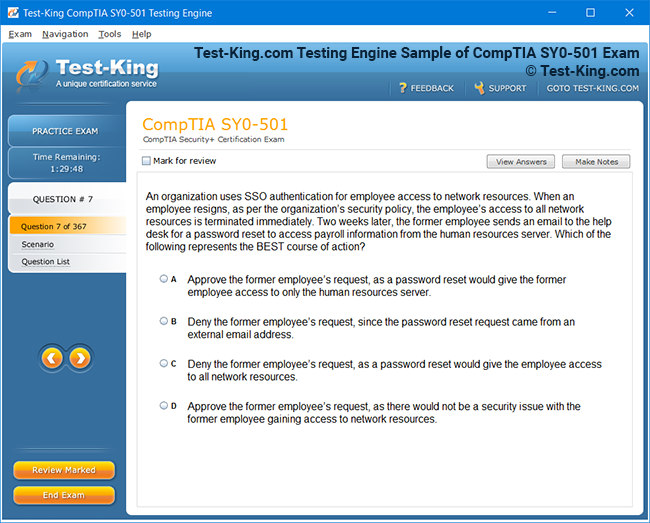
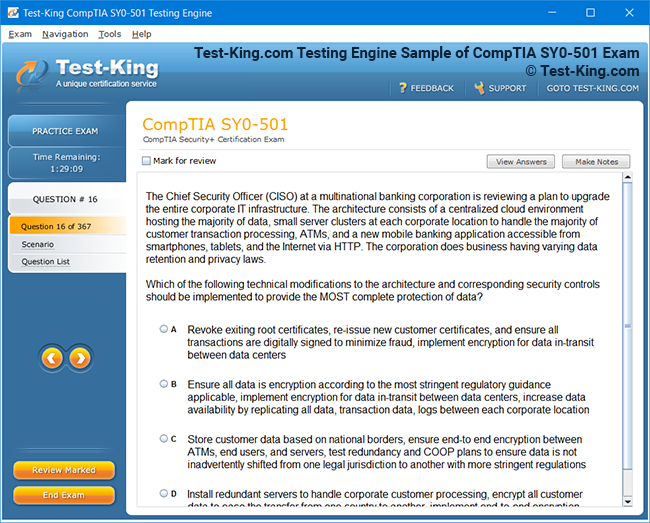
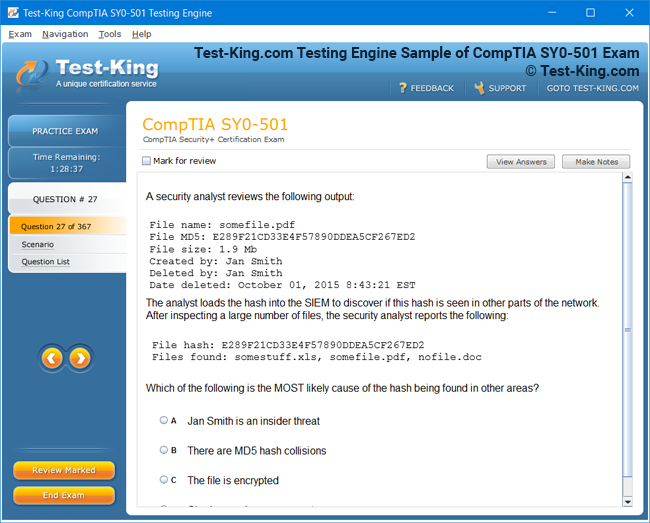
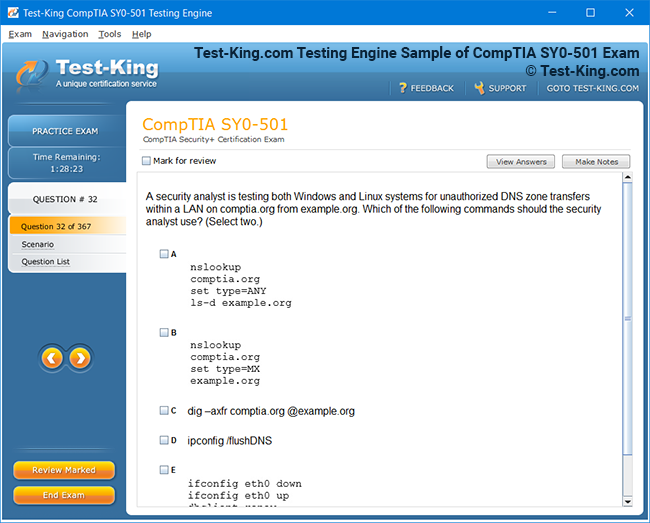
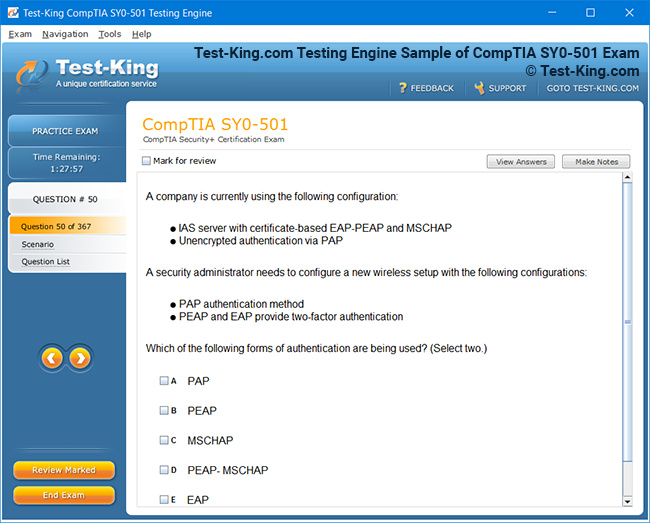
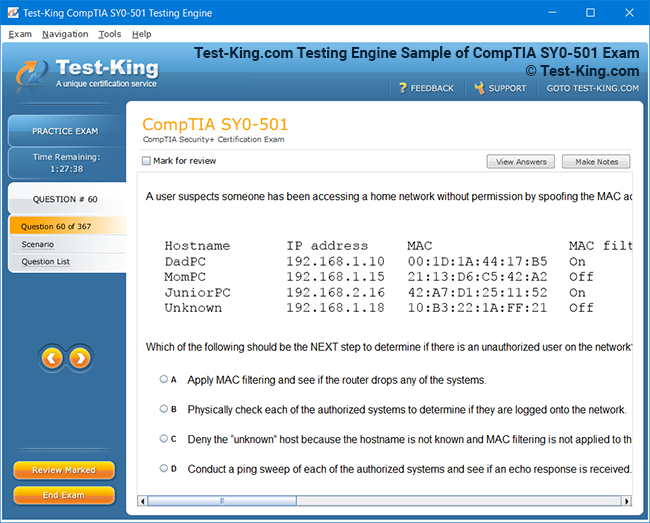
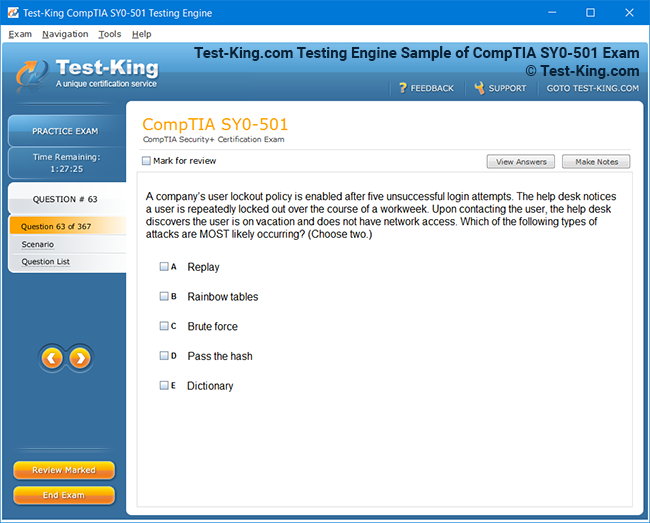
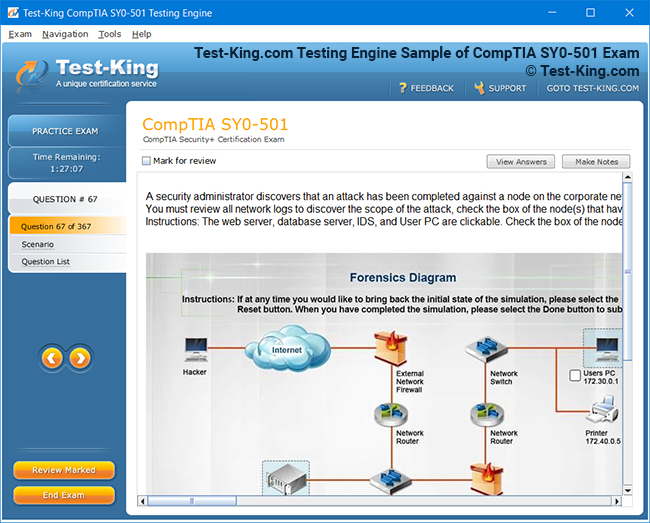
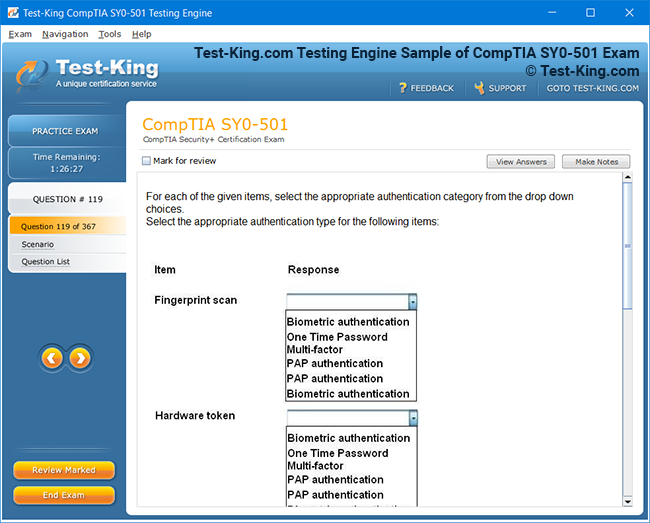
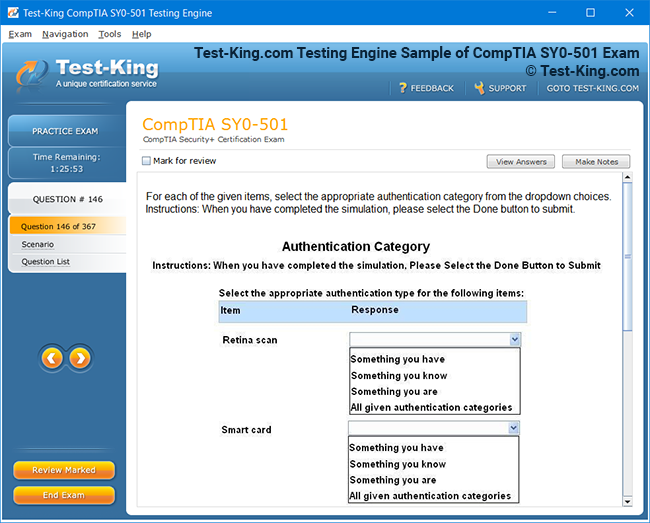
Product Screenshots
A Comprehensive Guide to ACSS-3000 Certification: What IT Professionals Need to Know
The ACSS-3000 certification, also known as the ACSS - IP Office Platform credential provided by Avaya, is an essential milestone for IT professionals who wish to establish authority in the field of unified communications. This certification is designed for individuals who seek to demonstrate their proficiency in deploying, configuring, and maintaining Avaya IP Office systems. In an era where telecommunication infrastructures underpin almost every aspect of organizational operations, expertise in a globally recognized platform such as Avaya’s IP Office can significantly differentiate one from peers in the competitive IT landscape.
The certification embodies both theoretical understanding and practical application, which allows professionals to engage confidently with complex communication ecosystems. Avaya’s IP Office Platform is renowned for its versatility and scalability, supporting enterprises ranging from small businesses to multinational corporations. Professionals certified in this domain gain intimate familiarity with the system’s architecture, including its voice, video, messaging, and conferencing capabilities. Through this certification, IT specialists are not only able to manage day-to-day operations but also to anticipate, diagnose, and resolve intricate issues that might arise in live environments.
Understanding ACSS-3000 Certification and Its Relevance
In addition to technical prowess, the ACSS-3000 credential reflects a dedication to continuous professional development. Employers recognize it as evidence that a candidate possesses the skills necessary to design, implement, and sustain communication solutions that optimize organizational efficiency. The certification demonstrates an advanced understanding of network topologies, telephony protocols, and system integration practices that are indispensable in contemporary IT operations. Professionals with this qualification often find opportunities in roles such as system administrator, network engineer, technical consultant, and unified communications specialist, often commanding elevated responsibilities and remuneration.
The preparation journey for the ACSS-3000 certification is rigorous and intellectually enriching. Candidates immerse themselves in the nuances of Avaya’s IP Office Platform, exploring its multi-faceted components and mastering the interactions between hardware and software. They learn to navigate complex configuration settings, perform systematic troubleshooting, and implement best practices that enhance system performance. This process cultivates analytical acumen, problem-solving dexterity, and a methodical approach to technological challenges, attributes that are highly prized in any IT professional.
Understanding the scope of this certification requires appreciation of the IP Office Platform’s fundamental characteristics. The system is designed to integrate telephony, video, messaging, and collaboration tools within a single interface, promoting seamless communication across organizations. Certified professionals develop a deep awareness of how these elements interact, ensuring they can optimize the platform’s efficiency and reliability. For instance, knowledge of system redundancy protocols and failover mechanisms allows professionals to maintain operational continuity even during unforeseen disruptions, a capability crucial for enterprises reliant on uninterrupted communication.
Another aspect of the ACSS-3000 certification involves familiarity with the security protocols embedded in the IP Office Platform. In an age where cyber threats are pervasive, ensuring the integrity and confidentiality of communication channels is imperative. Professionals trained under this certification learn to configure secure voice and data channels, manage user access privileges, and implement encryption methods that protect sensitive organizational information. This dimension of expertise positions certified individuals as custodians of both communication efficiency and security, bridging the gap between operational performance and risk management.
Moreover, the ACSS-3000 certification equips candidates with insights into system scalability and customization. Businesses evolve, and their communication needs change accordingly. Certified IT professionals understand how to expand system capabilities, integrate third-party applications, and tailor the platform to meet unique organizational requirements. This knowledge allows enterprises to adopt flexible solutions that grow alongside their operations, avoiding costly disruptions or inefficiencies associated with rigid communication infrastructures.
An often-overlooked benefit of ACSS-3000 certification is the enhancement of soft skills that are critical for technical professionals. During the preparation and practical application of the curriculum, candidates refine their ability to communicate complex concepts to non-technical stakeholders, manage project timelines, and collaborate with multidisciplinary teams. This fusion of technical and interpersonal expertise renders certified individuals invaluable in scenarios where strategic decisions must align with technological realities.
The intellectual rigor of preparing for this certification is complemented by practical exposure to real-world challenges. Candidates engage in simulated troubleshooting exercises, learning to identify root causes of network anomalies, rectify misconfigurations, and ensure optimal system performance under varying loads. These experiential learning opportunities cultivate a mindset of resilience and adaptability, preparing professionals to address both routine operational issues and unforeseen technical crises. By mastering these competencies, certified specialists contribute directly to the operational stability and strategic agility of the organizations they serve.
One distinctive attribute of the ACSS-3000 certification is its focus on interoperability within broader IT ecosystems. The IP Office Platform rarely exists in isolation; it frequently interfaces with enterprise networks, cloud services, customer relationship management systems, and other communication tools. Professionals who achieve this certification acquire the expertise to ensure seamless integration across these systems, fostering a cohesive technological environment that enhances productivity and reduces friction between disparate components.
The impact of this certification extends beyond individual career growth. Organizations benefit from having personnel who can deploy, maintain, and optimize sophisticated communication infrastructures. This, in turn, contributes to enhanced operational efficiency, reduced downtime, and improved user satisfaction. Moreover, enterprises with certified professionals gain credibility when engaging clients or partners, as it signals a commitment to technological competence and quality assurance.
For professionals aspiring to attain the ACSS-3000 credential, an understanding of Avaya’s educational framework is crucial. The preparation materials encompass in-depth modules that cover configuration, administration, troubleshooting, and maintenance of the IP Office Platform. Candidates are guided through various system scenarios, including common deployment topologies, voice and data integration, and advanced feature utilization. Mastery of these modules ensures that individuals are not merely passing an examination but acquiring enduring skills applicable in practical contexts.
Candidates are also encouraged to develop familiarity with the nuances of IP telephony protocols, network design principles, and diagnostic tools employed within the platform. These technical proficiencies enable professionals to analyze call flows, optimize system performance, and preemptively address potential disruptions. The integration of these competencies fosters a holistic understanding of communication systems, reinforcing the professional’s ability to make informed decisions that enhance both efficiency and reliability.
Furthermore, the ACSS-3000 certification instills an appreciation for the evolving nature of communication technology. Avaya continuously updates its platforms to accommodate emerging standards, user requirements, and security protocols. Certified professionals are therefore positioned at the forefront of technological trends, capable of adapting their expertise to align with new features, enhancements, and industry best practices. This adaptive capability ensures that their skills remain relevant, valuable, and sought after across diverse organizational contexts.
Another critical dimension of the certification experience is exposure to troubleshooting methodologies that are both systematic and innovative. Candidates learn to employ diagnostic tools, interpret system logs, and resolve issues that may span hardware, software, or network layers. This analytical training not only hones technical skills but also cultivates an investigative mindset that is transferable to a broad spectrum of IT challenges. Professionals become adept at identifying patterns, predicting potential complications, and implementing sustainable solutions that minimize operational disruptions.
The ACSS-3000 certification also emphasizes customer-centric system management. IT professionals are trained to anticipate user needs, configure intuitive interfaces, and maintain a seamless user experience across communication platforms. This focus on end-user satisfaction underscores the intersection of technology and human factors, highlighting the necessity of designing solutions that are both technically robust and ergonomically accessible. Certified individuals therefore become instrumental in aligning technological functionality with organizational objectives, ensuring that the system serves as an enabler rather than an obstacle.
In essence, achieving the ACSS-3000 credential signifies more than technical competence; it represents an intricate blend of strategic insight, operational proficiency, and adaptive expertise. Certified professionals are equipped to navigate complex systems, optimize performance, and foster resilience within enterprise communication networks. Their contributions extend beyond individual tasks, influencing organizational efficiency, security, and overall communication effectiveness in a manner that reinforces both reputation and productivity.
The journey toward ACSS-3000 certification is a testament to perseverance, intellectual curiosity, and a commitment to excellence. Candidates emerge with not only mastery over the Avaya IP Office Platform but also a broadened perspective on communication ecosystems, problem-solving approaches, and technology integration strategies. In an industry characterized by continuous innovation and increasing interconnectivity, the skills cultivated through this certification are indispensable for professionals who aspire to lead, innovate, and excel.
Ultimately, the ACSS-3000 certification is an investment in knowledge, capability, and career growth. It transforms proficient IT practitioners into versatile experts capable of managing and enhancing one of the most critical aspects of modern enterprise operations: communication. By bridging technical rigor with practical application, the certification fosters a cadre of professionals who are as adept at configuring complex systems as they are at optimizing them for real-world effectiveness, securing a future where communication infrastructures operate seamlessly, securely, and intelligently.
Exam Overview and Areas of Focus
The ACSS-3000 certification, known as ACSS - IP Office Platform by Avaya, serves as a benchmark for IT professionals seeking to validate their expertise in enterprise communication systems. The examination is meticulously crafted to assess both conceptual understanding and practical proficiency. It covers a wide array of topics, ensuring that certified individuals possess the skills necessary to manage, optimize, and troubleshoot the IP Office Platform in real-world environments. Candidates must familiarize themselves with the architecture, system configuration, and operational intricacies to perform efficiently in diverse organizational contexts.
The scope of the certification extends beyond basic operational knowledge, delving into the nuances of telephony protocols, network integration, and system security. Professionals are expected to understand voice and video traffic patterns, call routing methodologies, and the configuration of user profiles and access privileges. The exam evaluates a candidate’s ability to implement solutions that maintain continuity, enhance performance, and safeguard sensitive communications, reflecting the complex demands of modern enterprise networks.
Critical areas of focus include system installation, configuration, and administration. Candidates are exposed to scenarios that mirror actual enterprise deployments, such as multi-site connectivity, redundancy management, and integration with third-party applications. The examination emphasizes not only technical competence but also strategic problem-solving, challenging candidates to anticipate system bottlenecks and implement solutions that minimize disruption. Understanding the interactions between hardware and software components is essential, as misconfigurations can propagate issues across the communication network.
The ACSS-3000 exam also evaluates knowledge of system maintenance and monitoring. Professionals must demonstrate proficiency in applying updates, conducting routine health checks, and interpreting diagnostic logs to detect anomalies. This aspect of the certification ensures that candidates are capable of sustaining optimal system performance over time, preventing minor issues from escalating into operational failures. The ability to perform preventive maintenance and predict system behavior under varying loads underscores the practical value of the credential.
Another pivotal dimension of the exam is troubleshooting and problem resolution. Candidates are presented with hypothetical scenarios in which they must identify the root causes of faults, whether they originate from network misconfigurations, hardware malfunctions, or user errors. Proficiency in using diagnostic tools, analyzing call flows, and applying systematic approaches to restore functionality is critical. This skill set ensures that certified professionals can maintain the resilience and reliability of enterprise communication infrastructures.
Security considerations constitute a significant portion of the evaluation. Candidates are expected to demonstrate knowledge of authentication mechanisms, encryption protocols, and access control configurations within the IP Office Platform. Securing communication channels against unauthorized access and ensuring the confidentiality of transmitted data is paramount, and the examination tests both theoretical understanding and practical application of these security measures. Professionals must be adept at balancing operational accessibility with robust safeguards, a skill essential in any enterprise environment.
Preparing for the ACSS-3000 certification requires a structured approach. Candidates benefit from comprehensive study guides that cover system architecture, configuration options, and operational workflows. These resources often include illustrative scenarios, case studies, and practical exercises that reinforce conceptual understanding through hands-on application. By engaging with these materials, candidates develop the confidence to tackle the diverse challenges posed by the exam and real-world system administration.
Practical experience with the IP Office Platform is invaluable for exam preparation. Candidates who have worked directly with system installations, user configurations, and troubleshooting exercises gain insights that transcend textbook knowledge. Understanding the subtleties of feature interactions, system limitations, and performance optimizations equips candidates to approach the examination with a well-rounded perspective. Experiential learning enhances retention and ensures that certified professionals can translate knowledge into effective operational strategies.
Time management during preparation is another crucial factor. The breadth of topics covered in the ACSS-3000 certification requires candidates to allocate focused periods to each domain, ensuring that no area is neglected. By structuring study schedules and incorporating iterative review sessions, candidates can consolidate their understanding while reinforcing retention of complex concepts. The integration of practical exercises alongside theoretical study allows for continuous reinforcement and bridges the gap between knowledge acquisition and application.
Understanding common pitfalls is also important for candidates seeking certification. Many professionals may underestimate the intricacies of system integration, the impact of network topology on performance, or the subtleties of call routing. Awareness of these potential challenges allows candidates to focus on areas that often determine success or failure in both the examination and practical scenarios. Recognizing the importance of meticulous configuration, proactive troubleshooting, and strategic planning ensures that candidates approach the exam with a mindset aligned to real-world demands.
Simulation exercises form an integral part of preparation. By replicating scenarios that mirror enterprise environments, candidates can practice system configuration, diagnose faults, and implement solutions under controlled conditions. This method enhances familiarity with system interfaces, reinforces procedural knowledge, and builds the analytical skills necessary to navigate unexpected complications. Simulated exercises also foster confidence, reducing anxiety and improving decision-making during the actual examination.
The examination environment emphasizes both precision and adaptability. Candidates must not only recall facts but also demonstrate the ability to apply knowledge to dynamic situations. This dual emphasis ensures that certified professionals are not merely theoretical experts but are capable of effective action in operational contexts. The ACSS-3000 certification thus validates both cognitive understanding and practical dexterity, reflecting the multifaceted demands of enterprise communication management.
In addition to technical skills, the exam indirectly assesses soft skills critical to professional success. Candidates benefit from cultivating analytical reasoning, structured problem-solving, and effective communication, which are indispensable when collaborating with colleagues or presenting solutions to non-technical stakeholders. These competencies enhance the value of certification, positioning professionals as holistic contributors who can navigate both technological and organizational landscapes.
Resource selection is key during preparation. Avaya provides an array of materials including comprehensive guides, knowledge modules, and practice scenarios tailored to the IP Office Platform. Leveraging these resources ensures that candidates receive accurate, up-to-date information while engaging with realistic examples of system configurations and troubleshooting challenges. Supplementing official materials with community insights, forums, and experiential learning can further reinforce understanding and provide diverse perspectives on practical system management.
The cognitive demands of the examination also necessitate sustained focus and intellectual agility. Candidates must synthesize information across multiple domains, recognize interdependencies within system components, and anticipate the consequences of configuration decisions. Developing these abilities fosters a mindset of strategic thinking and proactive management, qualities that extend beyond the certification and contribute to professional excellence in operational environments.
Familiarity with real-world deployment scenarios enhances both preparation and post-certification competence. Candidates who understand how IP Office systems are implemented in small, medium, and large enterprises are better equipped to address variations in configuration, user requirements, and system constraints. This contextual awareness allows certified professionals to deliver tailored solutions, optimize performance, and anticipate potential complications, thereby maximizing the practical utility of their knowledge.
Exam readiness also involves cultivating resilience and adaptability. Professionals must navigate complex system interactions, unexpected behaviors, and evolving platform features. Developing these attributes during preparation ensures that certified individuals are capable of maintaining operational continuity, implementing innovative solutions, and adapting strategies to accommodate emerging requirements. This adaptability is a hallmark of expertise, distinguishing those who can effectively manage the IP Office Platform from those with only theoretical understanding.
Time management during the actual examination is critical. Candidates must allocate attention proportionally across questions, balancing depth of response with overall completion. Practicing under timed conditions familiarizes candidates with the pacing required for success, ensuring that analysis, configuration logic, and troubleshooting steps are executed efficiently without compromising accuracy. This skill reflects broader professional competencies, as efficient decision-making and prioritization are integral to operational excellence.
Networking with peers and mentors provides additional advantages. Engaging with individuals who have successfully obtained the ACSS-3000 certification offers insights into common challenges, effective study strategies, and practical applications of knowledge. Mentorship accelerates learning by highlighting subtle aspects of system management and providing guidance that complements formal study materials. Collaborative learning also reinforces understanding and exposes candidates to diverse perspectives on troubleshooting and optimization strategies.
Maintaining a structured log of study progress, practice exercises, and simulated scenarios enhances retention and identifies areas requiring reinforcement. This methodical approach ensures comprehensive coverage of all exam domains while fostering iterative learning. By continuously reviewing and applying knowledge, candidates can solidify understanding, refine problem-solving approaches, and develop the confidence necessary to perform effectively in both examination and operational settings.
Exam preparation benefits from a balance of theory and practice. While understanding concepts such as system architecture, protocol behavior, and configuration workflows is essential, practical application ensures that knowledge is internalized and operationalized. Hands-on engagement with the IP Office Platform allows candidates to experiment with feature settings, observe system responses, and develop intuitive understanding, reinforcing theoretical learning and building competence for real-world deployments.
Professional development continues beyond certification. Preparing for the ACSS-3000 credential instills a mindset of continuous improvement, encouraging candidates to stay abreast of platform updates, emerging communication technologies, and evolving industry standards. Certified individuals are thus positioned not only as experts in the IP Office Platform but as adaptable professionals capable of navigating a rapidly changing technological landscape, ensuring sustained relevance and contribution to organizational success.
The examination also tests the ability to optimize system performance under diverse conditions. Candidates learn to balance load distribution, configure call routing efficiently, and manage resource allocation. Mastery of these tasks ensures that communication systems operate seamlessly even during peak demand or unforeseen challenges, demonstrating both technical proficiency and strategic foresight.
Leveraging ACSS-3000 Certification in Enterprise Environments
The ACSS-3000 certification, also recognized as ACSS - IP Office Platform by Avaya, offers IT professionals a profound understanding of enterprise communication systems, equipping them with the expertise to manage complex infrastructures. In real-world scenarios, the knowledge gained through this certification enables professionals to optimize system performance, streamline operations, and ensure seamless connectivity across diverse organizational environments. Enterprises, whether they are small businesses or multinational corporations, rely on such certified expertise to maintain operational continuity and enhance user experience across voice, video, and messaging platforms.
Certified professionals often encounter situations where the IP Office Platform must integrate with existing enterprise networks, requiring a deep understanding of interoperability. They leverage skills in configuring network settings, aligning telephony protocols with organizational requirements, and ensuring compatibility with third-party applications. These capabilities enable enterprises to maintain cohesive communication channels, facilitating collaboration among distributed teams and minimizing disruptions caused by misconfigurations or incompatible systems.
Another significant application of ACSS-3000 knowledge lies in system deployment and configuration. Professionals are equipped to handle multi-site implementations, ensuring that branch offices, remote locations, and centralized systems operate in harmony. They can configure redundancy protocols, manage failover mechanisms, and optimize resource allocation to maintain high availability. These competencies are particularly valuable in sectors where continuous communication is critical, such as healthcare, finance, and customer support centers. By implementing resilient architectures, certified individuals safeguard organizations against downtime and ensure that communication networks remain robust under varying operational loads.
The expertise obtained through the certification also extends to troubleshooting and problem resolution. In dynamic enterprise environments, system anomalies can arise due to hardware failures, network inconsistencies, or user errors. ACSS-3000 certified professionals employ systematic diagnostic methodologies to identify root causes, analyze system logs, and implement corrective measures. Their ability to swiftly resolve issues minimizes disruption, enhances operational efficiency, and reduces the risk of prolonged outages that could impact organizational productivity.
Security is an increasingly critical aspect of enterprise communication, and the ACSS-3000 certification equips professionals to implement robust safeguards. They understand authentication mechanisms, encryption protocols, and access control policies within the IP Office Platform, ensuring that sensitive data remains protected. Certified individuals can configure secure communication channels, monitor for potential breaches, and respond to security incidents, maintaining compliance with organizational and regulatory requirements. This expertise is invaluable in industries handling confidential or proprietary information, where communication security is integral to operational integrity.
The certification also prepares professionals to optimize system performance. They can analyze call flows, identify bottlenecks, and implement strategies to enhance voice and video quality. By fine-tuning network settings, managing bandwidth allocation, and balancing resource utilization, certified specialists ensure that communication remains reliable and efficient, even during periods of high demand. Their interventions improve overall user experience, reduce latency, and prevent disruptions that could affect critical business operations.
ACSS-3000 knowledge is particularly relevant in environments where integration with cloud services and collaborative tools is essential. Professionals can configure the IP Office Platform to work seamlessly with unified communication applications, video conferencing software, and customer relationship management systems. This integration enables organizations to leverage multiple communication channels within a single framework, promoting operational coherence and enhancing productivity. Certified professionals thus become enablers of organizational efficiency, ensuring that technology supports strategic objectives rather than impeding them.
Certified professionals often play a pivotal role in user support and training. Their deep understanding of the IP Office Platform allows them to guide end-users in effectively utilizing system features, resolving common issues, and adopting best practices. This guidance reduces the burden on IT support teams, empowers users, and enhances overall satisfaction with the communication system. By bridging the gap between technical complexity and user accessibility, ACSS-3000 certified professionals foster a culture of efficiency and self-sufficiency within organizations.
The expertise gained through the certification also extends to strategic planning and system evolution. Professionals can assess organizational communication needs, anticipate growth patterns, and recommend upgrades or expansions. Their knowledge of system scalability, feature customization, and deployment strategies ensures that communication infrastructures evolve in alignment with business objectives. By planning proactively, certified individuals help organizations avoid costly retrofits, minimize disruptions, and maximize the return on investment in communication technologies.
Real-world application of ACSS-3000 skills often involves collaboration with other IT teams. Certified professionals interact with network engineers, system administrators, and security specialists to ensure cohesive implementation and maintenance of the IP Office Platform. Their ability to communicate technical requirements, propose solutions, and coordinate actions enhances team efficiency and ensures that projects are completed successfully. This collaborative capability underscores the practical value of the certification in enterprise contexts, where effective teamwork is as critical as technical acumen.
Troubleshooting complex scenarios in enterprise environments demands not only technical knowledge but also analytical reasoning and foresight. ACSS-3000 certified professionals develop these skills by learning to anticipate system behavior, identify potential points of failure, and implement preemptive measures. They can analyze patterns in system performance, predict the impact of changes, and deploy solutions that maintain stability and reliability. This proactive approach reduces downtime, mitigates risks, and strengthens organizational resilience against technological disruptions.
The certification also equips professionals to handle emergency situations with composure and efficiency. In instances of system outage or network disruption, they can quickly diagnose problems, restore functionality, and communicate effectively with stakeholders. This capability ensures minimal impact on business operations and reinforces trust in the IT infrastructure. The combination of technical expertise, strategic thinking, and calm decision-making in high-pressure scenarios is a hallmark of ACSS-3000 certified individuals.
In addition to operational responsibilities, certified professionals contribute to optimizing resource utilization within enterprises. They can configure call distribution, manage voicemail systems, and streamline conferencing and messaging platforms to reduce unnecessary overhead. This optimization enhances efficiency, lowers operational costs, and ensures that communication resources are aligned with organizational priorities. By maximizing the utility of existing infrastructure, certified individuals create tangible value for enterprises while maintaining high service standards.
Monitoring and reporting are essential aspects of real-world application. Professionals utilize system analytics to track performance metrics, detect anomalies, and generate insights for continuous improvement. They can evaluate call quality, identify network inefficiencies, and recommend interventions to enhance overall system functionality. This data-driven approach ensures that decision-making is informed by objective analysis rather than intuition, reinforcing the strategic impact of the ACSS-3000 certification in enterprise operations.
Another area where certification proves invaluable is in supporting mobile and remote workforce environments. Professionals can configure remote access, secure telephony extensions, and virtual collaboration tools, enabling seamless communication regardless of location. This capability has become increasingly important as enterprises adopt flexible work models, ensuring that distributed teams remain connected, productive, and supported by a robust communication framework. Certified individuals play a critical role in facilitating these transitions, ensuring that technology adapts to evolving business needs.
The application of ACSS-3000 knowledge is also evident in project implementation and system upgrades. Professionals can plan deployment timelines, coordinate resources, and execute configurations with precision. Their understanding of dependencies, system limitations, and integration requirements ensures that projects are completed efficiently and without operational disruption. By aligning technical execution with organizational objectives, certified professionals enhance both the effectiveness and reliability of enterprise communication systems.
Certified individuals also contribute to innovation within organizations. By leveraging in-depth understanding of the IP Office Platform, they can propose new features, automate processes, and implement enhancements that improve communication workflows. Their expertise enables experimentation with advanced functionalities, fostering a culture of continuous improvement and technological advancement. This innovative capability distinguishes ACSS-3000 professionals as not merely operational managers but as strategic contributors to organizational growth.
The ability to translate technical expertise into actionable strategies is a defining characteristic of ACSS-3000 certified professionals. They can assess business requirements, recommend appropriate configurations, and implement solutions that address both immediate needs and long-term goals. This integration of technical skill with strategic thinking ensures that enterprises benefit from communication systems that are not only functional but also aligned with broader operational objectives.
Supporting compliance and regulatory adherence is another domain where certification is crucial. Professionals understand the importance of safeguarding sensitive data, maintaining audit trails, and configuring systems in accordance with legal and organizational standards. Their expertise ensures that communication platforms operate within mandated frameworks, reducing risk and enhancing organizational credibility. This role underscores the practical, real-world relevance of ACSS-3000 certification beyond purely technical considerations.
The certification also fosters a mindset of continuous learning. Professionals remain abreast of platform updates, emerging communication technologies, and industry best practices. This ongoing engagement ensures that certified individuals maintain relevance, adapt to evolving enterprise needs, and contribute enduring value to their organizations. By embracing lifelong learning, they transform their ACSS-3000 credential into a foundation for sustained professional growth and technological mastery.
In essence, ACSS-3000 certified professionals function as linchpins within enterprise communication ecosystems. Their expertise spans configuration, optimization, troubleshooting, security, and strategic planning, allowing organizations to operate efficiently and adapt to dynamic demands. From small businesses to global enterprises, the practical application of this certification enhances operational resilience, facilitates innovation, and ensures that communication infrastructures support both immediate requirements and long-term objectives.
The integration of technical mastery, strategic insight, and adaptive capability underscores the transformative impact of ACSS-3000 certification in real-world contexts. Professionals equipped with this credential are not only adept at managing complex systems but are also capable of shaping communication frameworks that foster collaboration, efficiency, and sustainable growth. Through hands-on expertise, analytical reasoning, and proactive problem-solving, certified individuals ensure that enterprise communication platforms remain reliable, secure, and optimized, reinforcing their value as indispensable contributors to organizational success.
Mastering System Troubleshooting and Advanced Deployment
The ACSS-3000 certification, also known as ACSS - IP Office Platform by Avaya, equips IT professionals with advanced skills in troubleshooting, system configuration, and optimization that are critical in enterprise environments. Professionals who hold this credential are capable of managing complex communication infrastructures with precision, ensuring operational continuity and system resilience. The expertise developed through certification spans multiple dimensions of enterprise telephony, encompassing fault diagnosis, configuration optimization, and strategic deployment practices that enhance both performance and reliability.
Effective troubleshooting begins with a comprehensive understanding of the IP Office Platform’s architecture. Certified professionals are trained to analyze call flows, system logs, and network interactions to identify the root cause of anomalies. In real-world environments, disruptions may occur due to hardware failures, software misconfigurations, network latency, or user errors. Professionals apply systematic diagnostic approaches, leveraging their knowledge of protocol behaviors, interface interactions, and resource dependencies to restore functionality quickly. This ability to pinpoint and remediate issues minimizes downtime, ensuring that communication channels remain uninterrupted for critical business operations.
One of the core competencies emphasized through ACSS-3000 certification is the ability to manage advanced configurations across multi-site deployments. Professionals gain expertise in orchestrating connectivity between headquarters, branch offices, and remote locations, integrating each site seamlessly into a cohesive communication network. They configure redundancy protocols, failover mechanisms, and bandwidth allocation strategies to ensure that system performance remains consistent, even during peak operational periods. This level of sophistication enables enterprises to maintain high service availability, mitigate risks associated with system outages, and optimize overall network efficiency.
Security remains an essential consideration during troubleshooting and configuration. Certified professionals understand the intricacies of authentication processes, encryption protocols, and access control mechanisms inherent in the IP Office Platform. They are adept at securing voice, video, and messaging communications, protecting sensitive organizational information from unauthorized access or interception. This knowledge allows professionals to implement measures that balance operational flexibility with rigorous security standards, ensuring compliance with regulatory frameworks and safeguarding enterprise assets.
Optimization of the communication system is another dimension of ACSS-3000 expertise. Professionals are trained to assess system performance metrics, identify bottlenecks, and implement strategies to enhance efficiency. They can configure call routing, manage resource allocation, and adjust system parameters to improve voice and video quality while minimizing latency and jitter. By fine-tuning these settings, certified individuals ensure that the IP Office Platform operates at peak efficiency, delivering seamless communication experiences that support organizational productivity and user satisfaction.
Certified professionals also develop skills in proactive system management. They anticipate potential failures, implement preventive maintenance strategies, and monitor key performance indicators to detect irregularities before they escalate into operational issues. This proactive approach enhances the reliability of enterprise communication systems, reducing downtime and minimizing the impact of unforeseen disruptions. By integrating predictive analysis with hands-on configuration, professionals reinforce the resilience and stability of the IP Office environment.
Advanced troubleshooting often requires the ability to integrate and manage third-party applications within the IP Office Platform. Certified individuals are proficient in ensuring interoperability with customer relationship management tools, collaboration software, and cloud-based services. They can identify compatibility issues, implement solutions, and optimize interactions between multiple systems, resulting in cohesive operational environments where information flows seamlessly and communication tools complement one another. This capability enhances organizational efficiency, streamlines workflows, and supports the adoption of innovative technological solutions.
In real-world deployments, certified professionals encounter a range of complex issues requiring analytical reasoning and strategic problem-solving. These may include call quality degradation, network congestion, feature misconfigurations, or unexpected system behaviors. ACSS-3000 certification prepares individuals to address these challenges through structured methodologies, systematic analysis, and iterative testing. Professionals are trained to consider multiple variables, simulate different scenarios, and apply corrective measures that restore operational equilibrium while preventing recurrence.
Configuration management is a vital skill emphasized during certification. Professionals are capable of customizing user profiles, managing extension assignments, and adjusting system parameters to meet specific organizational requirements. They can implement policies that regulate access levels, define call routing priorities, and optimize voicemail and messaging systems. This level of control ensures that communication networks are aligned with operational goals, adaptable to evolving needs, and capable of supporting a diverse range of organizational processes.
The certification also cultivates expertise in managing high-availability and redundancy configurations. Professionals can design and implement failover strategies, backup systems, and load balancing mechanisms to maintain uninterrupted service during hardware or network failures. This capability is crucial for enterprises where continuous communication is essential, enabling organizations to operate smoothly even in the face of infrastructure challenges. By ensuring system resilience, certified individuals protect organizational continuity and maintain stakeholder confidence.
Monitoring and analytics form a critical aspect of optimization practices. Professionals utilize performance data to evaluate system efficiency, detect emerging issues, and guide improvements. By analyzing call statistics, bandwidth utilization, and resource allocation, they can make informed decisions that enhance both operational performance and user experience. The ability to translate data insights into actionable interventions underscores the practical value of ACSS-3000 certification in maintaining high-functioning enterprise communication systems.
The ability to support remote and distributed teams is another key application of advanced configuration skills. Certified professionals can configure remote access, secure extensions, and collaboration tools that enable employees to communicate effectively regardless of location. This flexibility is increasingly important in contemporary work environments, where hybrid and remote operations are common. By ensuring seamless connectivity and secure communication channels, certified individuals contribute directly to organizational productivity and operational coherence.
ACSS-3000 certification also emphasizes the integration of automated processes and intelligent features within the IP Office Platform. Professionals can implement call routing rules, automated attendants, and unified messaging workflows that streamline operations and reduce manual intervention. These capabilities enhance efficiency, improve response times, and optimize resource utilization, demonstrating the strategic benefits of advanced configuration expertise in real-world settings.
In addition to technical capabilities, certified professionals develop analytical and decision-making skills essential for troubleshooting complex systems. They learn to evaluate multiple variables simultaneously, anticipate potential consequences, and implement solutions that balance immediate needs with long-term system stability. This multidimensional approach enables organizations to maintain resilient communication networks, adapt to evolving demands, and reduce operational risk.
Training and mentoring capabilities are also enhanced through certification. Professionals are equipped to guide colleagues and end-users in navigating system functionalities, understanding configuration nuances, and adhering to best practices. This knowledge transfer reduces the learning curve for new staff, enhances overall system utilization, and fosters a culture of technological competence within the organization. The ability to convey complex technical concepts in accessible terms is a crucial complement to hands-on expertise, amplifying the impact of ACSS-3000 certification.
Project management and deployment planning are integral components of advanced application. Certified professionals can design implementation timelines, coordinate resources, and execute configuration strategies that minimize operational disruption. Their understanding of dependencies, potential failure points, and integration requirements ensures that deployment initiatives are efficient, effective, and aligned with organizational objectives. This strategic capability underscores the role of ACSS-3000 certification in guiding not only operational execution but also long-term system evolution.
Continuous improvement and adaptation are embedded in the certification’s practical value. Professionals remain vigilant to emerging technologies, platform updates, and industry best practices, ensuring that systems evolve in step with organizational and technological shifts. This ongoing engagement reinforces the relevance of certification, positioning individuals as adaptive experts capable of maintaining, optimizing, and enhancing communication networks over time.
The integration of troubleshooting, advanced configuration, and optimization skills cultivates a holistic expertise that is indispensable in contemporary enterprise environments. Professionals certified in ACSS-3000 can seamlessly transition between reactive problem-solving and proactive system enhancement, ensuring that communication infrastructures are both resilient and efficient. This dual capability is essential in environments where operational continuity, security, and performance are non-negotiable, and where technological agility determines competitive advantage.
The strategic deployment of features within the IP Office Platform further exemplifies the practical application of certification knowledge. Professionals can implement automated call distribution, configure conferencing tools, and manage unified messaging systems in ways that maximize efficiency and align with organizational goals. Their ability to harmonize these functionalities with broader business processes demonstrates the value of ACSS-3000 certification in enhancing both technical operations and organizational productivity.
By mastering troubleshooting, advanced configurations, and optimization, certified professionals contribute to organizational resilience, operational efficiency, and user satisfaction. Their expertise ensures that communication networks remain reliable, adaptable, and capable of supporting evolving business requirements. The ACSS-3000 credential thus represents a convergence of technical mastery, strategic insight, and practical application, preparing professionals to manage sophisticated enterprise communication systems with confidence and foresight.
Unlocking Opportunities through ACSS-3000 Certification
The ACSS-3000 certification, also referred to as ACSS - IP Office Platform by Avaya, represents a pivotal credential for IT professionals seeking to expand their career horizons in the realm of enterprise communication systems. This certification serves as both a validation of technical expertise and a gateway to advanced professional opportunities, positioning certified individuals to pursue roles that demand proficiency in deploying, managing, and optimizing the IP Office Platform. By attaining this credential, professionals signal to employers their capacity to handle complex communication infrastructures, implement strategic solutions, and maintain operational continuity across diverse organizational environments.
Earning ACSS-3000 certification can significantly enhance employability and career mobility. Organizations across industries such as finance, healthcare, education, and customer service increasingly rely on sophisticated telecommunication systems to support their operations. Professionals with certified knowledge of the IP Office Platform are often sought after for roles including system administrators, network engineers, unified communications consultants, and technical project managers. The certification not only validates technical proficiency but also demonstrates a commitment to ongoing professional development, an attribute highly valued by employers in a competitive job market.
Beyond traditional roles, ACSS-3000 certification opens avenues for leadership and strategic positions. Certified professionals often participate in enterprise-wide projects involving system upgrades, multi-site deployments, and integration with emerging technologies. Their expertise enables them to influence decision-making processes, recommend enhancements, and guide implementation strategies that align with organizational objectives. This blend of technical insight and strategic involvement facilitates professional growth, providing opportunities to transition into roles that combine operational management with leadership responsibilities.
The certification also enhances credibility and recognition within professional networks. Peers, colleagues, and industry stakeholders acknowledge the rigor and depth of knowledge required to attain the ACSS-3000 credential. This recognition can lead to collaborative opportunities, invitations to participate in high-profile projects, and consideration for roles that require specialized expertise. By establishing a reputation as a proficient and reliable professional, individuals can leverage certification to expand their professional influence and foster meaningful connections within the IT and telecommunications community.
One of the most tangible benefits of ACSS-3000 certification is the potential for career acceleration and higher compensation. Organizations recognize that professionals equipped with certified knowledge can implement systems more efficiently, optimize performance, and reduce operational risks. This expertise translates into measurable value, often resulting in elevated remuneration, bonuses, and advancement opportunities. Professionals who demonstrate both technical proficiency and strategic acumen are frequently entrusted with responsibilities that carry greater impact, visibility, and reward.
The journey toward certification cultivates competencies that extend beyond technical skills, encompassing analytical thinking, problem-solving, and project management. Certified professionals develop the ability to assess complex scenarios, evaluate multiple variables, and implement solutions that balance operational efficiency with organizational objectives. These skills are highly transferable, allowing individuals to adapt to evolving technological landscapes, take on diverse responsibilities, and assume positions that require both technical mastery and strategic foresight.
Networking and mentorship opportunities are also amplified through certification. Professionals often engage with peers who have achieved similar credentials, gaining insights into best practices, emerging trends, and advanced applications of the IP Office Platform. Mentorship relationships, whether formal or informal, provide guidance on career trajectories, technical challenges, and strategic growth, enhancing both competence and confidence. Through these interactions, certified individuals can expand their knowledge, refine their professional approach, and cultivate connections that support long-term career development.
Certification also provides a competitive advantage in recruitment and organizational advancement. Employers seeking candidates for specialized communication roles often prioritize individuals with validated expertise in the IP Office Platform. ACSS-3000 certification signals proficiency, reliability, and readiness to handle critical enterprise systems, reducing the training burden and ensuring immediate contribution to operational objectives. This recognition can be pivotal in securing interviews, promotions, or opportunities in high-stakes projects where technical acumen is essential.
Professional growth facilitated by ACSS-3000 extends to interdisciplinary collaboration. Certified professionals interact with network engineers, system administrators, cybersecurity specialists, and business stakeholders to implement and maintain integrated communication solutions. Their ability to communicate technical concepts, propose effective solutions, and coordinate complex tasks enhances organizational efficiency and fosters professional versatility. This interdisciplinary engagement broadens career prospects, enabling professionals to pursue roles that combine technical expertise with strategic coordination and organizational influence.
The certification also prepares individuals to embrace emerging technologies and evolving communication trends. Professionals familiar with the IP Office Platform are often tasked with integrating new features, adopting cloud-based solutions, or implementing collaborative tools that enhance operational effectiveness. Their proficiency in navigating technological transitions positions them as key contributors to innovation initiatives, ensuring that enterprises remain agile and adaptive in rapidly changing environments. This capability reinforces the value of certification as a catalyst for professional advancement and relevance in dynamic industries.
Continuous professional development is a hallmark of ACSS-3000 certification. Certified individuals are encouraged to remain informed about updates to the IP Office Platform, advancements in unified communication technologies, and best practices in system deployment and optimization. By staying current, professionals maintain the relevance of their expertise, enhance their strategic contributions, and ensure sustained career growth. This commitment to lifelong learning further distinguishes certified professionals as adaptable and forward-thinking contributors to organizational success.
Certified professionals often take on advisory roles, guiding organizations in the selection, configuration, and optimization of communication systems. Their expertise enables informed decision-making regarding infrastructure investments, system enhancements, and operational strategies. By contributing insights grounded in practical experience and certified knowledge, they influence organizational direction, reinforce operational efficiency, and enhance the strategic value of communication technologies within enterprises.
The impact of certification also extends to entrepreneurial opportunities. Professionals equipped with ACSS-3000 knowledge may establish consulting practices, offering expertise in IP Office deployments, system optimization, and technical support to a variety of clients. Their certification serves as a differentiator in competitive markets, validating competence and instilling confidence in prospective clients. This entrepreneurial pathway exemplifies how certification can create alternative career avenues beyond traditional corporate roles, empowering professionals to leverage their skills independently.
In addition to technical and strategic benefits, the certification fosters personal development. Candidates cultivate resilience, attention to detail, and adaptive thinking through rigorous preparation and hands-on experience. These qualities enhance professional performance, enable effective problem-solving under pressure, and facilitate growth in leadership and management capacities. The intersection of personal and professional development highlights the holistic value of the ACSS-3000 credential, reinforcing its significance in shaping well-rounded, capable IT professionals.
Global applicability of the certification also enhances career mobility. Organizations worldwide recognize the IP Office Platform and the associated certification, enabling professionals to pursue opportunities across borders and industries. This international recognition expands career possibilities, allowing certified individuals to work with multinational corporations, collaborate on global projects, and contribute expertise to diverse operational contexts. The portability of the credential underscores its strategic value in an increasingly interconnected professional landscape.
Mentoring and training responsibilities are often part of career growth for certified professionals. Their expertise allows them to instruct colleagues, onboard new staff, and develop organizational knowledge repositories. By sharing insights, best practices, and operational strategies, certified individuals enhance team competency, foster a culture of continuous improvement, and reinforce the strategic importance of effective communication management. This mentorship role contributes to both organizational success and personal professional reputation.
The certification also empowers professionals to influence organizational policy and strategy. By understanding system capabilities, operational limitations, and optimization opportunities, certified individuals can recommend policies that enhance efficiency, security, and user experience. Their insights inform decision-making processes, align communication strategies with business objectives, and ensure that technological investments yield tangible benefits. This strategic influence reflects the broader career impact of ACSS-3000 certification, positioning professionals as both technical experts and organizational advisors.
By developing a comprehensive understanding of enterprise communication systems, professionals can navigate complex career paths with confidence. ACSS-3000 certification equips individuals to assume responsibility for critical infrastructure, manage advanced deployments, and optimize operational performance. This expertise not only facilitates career progression but also enhances professional reputation, credibility, and influence within organizational and industry networks.
The certification further enhances the capacity to adapt to emerging challenges. Professionals can integrate new technologies, implement system enhancements, and respond to evolving business requirements with agility. Their ability to align technical solutions with organizational goals strengthens career prospects, ensuring that certified individuals remain relevant, influential, and valued contributors throughout their professional trajectory.
In essence, ACSS-3000 certification serves as a transformative credential that empowers IT professionals to expand their career opportunities, enhance technical proficiency, and contribute strategically to organizational success. By mastering the IP Office Platform, certified individuals can pursue diverse roles, assume leadership responsibilities, and navigate complex technological landscapes with confidence. The career advancement facilitated by this certification reflects a convergence of expertise, strategic insight, and practical application, ensuring that professionals are well-positioned to thrive in dynamic enterprise environments.
Adapting to Emerging Communication Technologies
The ACSS-3000 certification, also referred to as ACSS - IP Office Platform by Avaya, equips IT professionals with a foundational expertise that enables them to adapt to the dynamic landscape of enterprise communication technologies. The rapid evolution of telephony systems, unified communication platforms, and collaborative tools necessitates continuous learning and the ability to integrate new features seamlessly. Professionals certified in this domain are uniquely positioned to navigate these technological shifts, ensuring that organizations remain agile, resilient, and competitive. By mastering the IP Office Platform, individuals gain the versatility required to implement updates, optimize workflows, and adopt innovations that align with emerging business needs.
Staying current with evolving standards and protocols is essential for professionals seeking to maximize the value of their certification. Advances in voice over IP, video conferencing technologies, and cloud-based communication systems introduce novel challenges and opportunities for system integration. ACSS-3000 certified individuals are adept at evaluating the implications of these innovations, determining their applicability to organizational environments, and implementing solutions that enhance operational efficiency. Their ability to adapt to change reinforces the strategic relevance of the credential in dynamic enterprise contexts.
Continuous learning forms the cornerstone of sustained professional relevance. The certification journey instills a mindset that prioritizes knowledge acquisition, hands-on experimentation, and critical evaluation of emerging technologies. Professionals are encouraged to engage with platform updates, attend industry conferences, participate in technical communities, and explore supplementary training resources. By embracing lifelong learning, certified individuals not only maintain expertise in the IP Office Platform but also cultivate the adaptability required to address future communication challenges.
The integration of cloud technologies into enterprise communication represents a transformative trend that certified professionals are well-equipped to manage. Knowledge gained through ACSS-3000 certification allows individuals to implement hybrid solutions that bridge on-premises systems with cloud-based services. This capability enhances scalability, ensures redundancy, and provides flexible access for remote or distributed teams. Professionals can configure secure connections, optimize bandwidth allocation, and maintain system reliability while leveraging the cost and efficiency benefits associated with cloud adoption.
Automation and intelligent communication workflows are increasingly critical in modern enterprises. ACSS-3000 certification provides professionals with the skills to implement automated call routing, unified messaging, and intelligent conferencing solutions. These tools reduce manual intervention, streamline operations, and improve response times, thereby enhancing organizational productivity. Certified professionals can design, configure, and monitor these automated systems, ensuring that they function optimally and adapt to the unique requirements of each organization.
Security remains an evolving priority in enterprise communications, and certified professionals are well-positioned to address emerging threats. The knowledge and experience gained through ACSS-3000 certification equip individuals to implement advanced encryption, secure authentication protocols, and access control mechanisms. They can anticipate potential vulnerabilities, monitor for anomalous activity, and respond to incidents with precision. As cyber threats become more sophisticated, the ability to maintain secure and compliant communication infrastructures reinforces the long-term relevance of certified professionals.
The rise of remote work and hybrid operational models has reshaped enterprise communication priorities. Certified professionals can configure secure remote access, virtual extensions, and collaboration tools to ensure seamless connectivity for employees regardless of location. Their expertise ensures that communication remains uninterrupted, secure, and integrated with existing enterprise systems, thereby supporting organizational efficiency and continuity. By facilitating flexible work arrangements, ACSS-3000 certified individuals contribute to workforce satisfaction and organizational resilience.
Professional networking and engagement with industry communities enhance the applicability of the certification. By participating in forums, technical groups, and professional associations, certified individuals gain exposure to emerging trends, innovative solutions, and practical insights from peers. These interactions foster collaborative problem-solving, idea exchange, and exposure to cutting-edge practices, amplifying the professional value of the certification and enhancing career trajectories in a rapidly evolving industry.
Another key trend involves analytics-driven communication management. Certified professionals can leverage system data to evaluate call quality, monitor network performance, and assess user engagement. By interpreting metrics, identifying patterns, and implementing data-informed optimizations, they ensure that enterprise communication systems function at peak efficiency. This analytical approach enables proactive intervention, reduces operational disruptions, and aligns system performance with organizational objectives.
The role of certified professionals extends to strategic planning and innovation. Knowledge acquired through ACSS-3000 certification allows individuals to anticipate future communication requirements, propose system enhancements, and guide the adoption of emerging technologies. They can advise on investments in infrastructure, software integration, and operational processes, ensuring that enterprises remain competitive and adaptable. Their strategic contributions underscore the broader organizational impact of certification beyond immediate technical proficiency.
Emerging trends also emphasize interoperability and integration with diverse enterprise applications. Professionals are trained to ensure seamless connectivity between the IP Office Platform and collaboration tools, customer management systems, and productivity suites. By facilitating coherent information flows and reducing silos, certified individuals enhance operational efficiency, promote real-time collaboration, and enable data-driven decision-making. This capability ensures that enterprises fully leverage the potential of their communication systems within broader organizational ecosystems.
Continuous development of troubleshooting and advanced configuration skills is essential in keeping pace with evolving technologies. ACSS-3000 certified professionals remain adept at diagnosing complex system behaviors, implementing optimization strategies, and adapting workflows to accommodate new features. Their expertise ensures that organizations can maintain robust, secure, and high-performing communication networks, even as technological environments evolve rapidly. This adaptability reinforces the ongoing relevance and value of the certification in enterprise contexts.
Career growth opportunities are amplified by awareness of emerging communication trends. Certified professionals can pursue advanced roles in systems architecture, unified communications strategy, technical leadership, and enterprise consulting. Their ability to align technological solutions with strategic objectives enhances organizational impact and opens pathways to senior positions. The intersection of technical mastery, strategic insight, and adaptability distinguishes certified individuals as key contributors to both operational efficiency and innovation initiatives.
Mentorship and training responsibilities continue to expand as professionals gain experience. ACSS-3000 certified individuals often guide colleagues, train new employees, and develop organizational knowledge repositories. This dissemination of expertise ensures the continuity of operational competence, fosters a culture of learning, and reinforces the organization’s investment in communication infrastructure. By shaping the skills of emerging professionals, certified individuals amplify the long-term value of their certification within organizational ecosystems.
Global applicability of the certification further enhances career prospects. Organizations worldwide recognize the IP Office Platform and its certified professionals, enabling mobility across regions and industries. Professionals can contribute to multinational deployments, provide consultancy for diverse operational contexts, and engage with international teams on complex projects. This global recognition not only increases employability but also provides opportunities for cross-cultural collaboration and exposure to diverse technological implementations.
Future trends indicate increasing adoption of artificial intelligence and machine learning in communication systems. Certified professionals with ACSS-3000 credentials are positioned to leverage these innovations to enhance automated call routing, predictive analytics, and intelligent system monitoring. Their expertise allows them to integrate AI-driven solutions in ways that optimize workflow, improve response efficiency, and anticipate potential disruptions, further solidifying the strategic value of their knowledge.
The certification also reinforces professional resilience and adaptability. Professionals trained through ACSS-3000 gain the ability to navigate rapid changes in communication technologies, adapt strategies to new requirements, and maintain operational continuity. These competencies extend beyond technical proficiency, encompassing decision-making, critical analysis, and strategic foresight. By cultivating these skills, certified individuals ensure sustained relevance and the capacity to thrive amidst evolving technological landscapes.
Professional credibility is enhanced by certification as well. Organizations recognize ACSS-3000 certified individuals as qualified experts capable of managing, optimizing, and securing enterprise communication systems. This recognition facilitates leadership opportunities, involvement in strategic initiatives, and participation in high-impact projects. The certification thus serves as a distinguishing factor that elevates professional reputation, reinforces trust among stakeholders, and positions individuals as indispensable contributors to enterprise communication management.
Long-term value of the certification lies in the convergence of technical mastery, strategic foresight, and continuous learning. Professionals not only manage current systems but anticipate future requirements, ensuring that communication infrastructures evolve alongside organizational needs. They remain at the forefront of emerging technologies, capable of integrating new features, optimizing workflows, and ensuring security and performance standards. This enduring relevance underscores the significance of ACSS-3000 certification as a lifelong professional asset.
The capacity to mentor, lead projects, and influence organizational communication strategies further amplifies career impact. Certified individuals contribute to knowledge dissemination, operational planning, and technology adoption, ensuring that enterprises derive maximum benefit from their communication infrastructure. By combining technical competence with leadership skills, professionals expand their influence and create pathways for ongoing advancement in both technical and managerial domains.
The practical and strategic applications of ACSS-3000 certification continue to evolve with the advancement of enterprise communication technologies. Professionals who embrace continuous learning, remain attuned to emerging trends, and integrate innovative solutions position themselves at the vanguard of industry developments. Their expertise enables organizations to adopt new technologies, optimize existing systems, and maintain operational excellence in an increasingly complex and connected digital environment.
Conclusion
The ACSS-3000 certification represents more than technical proficiency in the Avaya IP Office Platform; it embodies a commitment to continuous learning, adaptability, and strategic influence. Certified professionals gain the expertise to troubleshoot, configure, optimize, and secure enterprise communication systems while remaining agile in the face of emerging technologies. Their knowledge extends to strategic planning, mentorship, and innovation, creating a multidimensional impact on organizational operations and career trajectories. By embracing evolving trends, integrating new technologies, and maintaining a mindset of lifelong learning, ACSS-3000 certified individuals ensure sustained relevance, enhanced professional opportunities, and enduring contributions to the advancement of enterprise communication infrastructures worldwide.
Frequently Asked Questions
How can I get the products after purchase?
All products are available for download immediately from your Member's Area. Once you have made the payment, you will be transferred to Member's Area where you can login and download the products you have purchased to your computer.
How long can I use my product? Will it be valid forever?
Test-King products have a validity of 90 days from the date of purchase. This means that any updates to the products, including but not limited to new questions, or updates and changes by our editing team, will be automatically downloaded on to computer to make sure that you get latest exam prep materials during those 90 days.
Can I renew my product if when it's expired?
Yes, when the 90 days of your product validity are over, you have the option of renewing your expired products with a 30% discount. This can be done in your Member's Area.
Please note that you will not be able to use the product after it has expired if you don't renew it.
How often are the questions updated?
We always try to provide the latest pool of questions, Updates in the questions depend on the changes in actual pool of questions by different vendors. As soon as we know about the change in the exam question pool we try our best to update the products as fast as possible.
How many computers I can download Test-King software on?
You can download the Test-King products on the maximum number of 2 (two) computers or devices. If you need to use the software on more than two machines, you can purchase this option separately. Please email support@test-king.com if you need to use more than 5 (five) computers.
What is a PDF Version?
PDF Version is a pdf document of Questions & Answers product. The document file has standart .pdf format, which can be easily read by any pdf reader application like Adobe Acrobat Reader, Foxit Reader, OpenOffice, Google Docs and many others.
Can I purchase PDF Version without the Testing Engine?
PDF Version cannot be purchased separately. It is only available as an add-on to main Question & Answer Testing Engine product.
What operating systems are supported by your Testing Engine software?
Our testing engine is supported by Windows. Andriod and IOS software is currently under development.
Avaya Certifications
- ACIS-6202 - ACIS - Avaya Aura Contact Center
- ACIS-6209 - ACIS - Avaya Aura Contact Center CCT and Multimedia
- ACIS-7120 - ACIS - Avaya Aura Core Components
- ACIS-7392 - ACIS - Avaya Aura Call Center Elite
- ACIS-7594 - ACIS - Avaya Solutions Platform
- ACIS-7720 - ACIS-7720 - Avaya IP Office Platform
- ACSS-3000 - ACSS - IP Office Platform
- ACSS-3105 - ACSS - Avaya Communications Server 1000 for Avaya Aura
- ACSS-3107 - ACSS - Avaya Session Border Controller Enterprise
- ACSS-3312 - ACSS - Avaya Aura Contact Center
- ACSS-7220 - ACSS - Avaya Aura Core Components
- ACSS-7240 - ACSS - Avaya Equinox Solution with Avaya Aura Collaboration Applications
- ACSS-7492 - ACSS - Avaya Aura Call Center Elite
- ACSS-7694 - ACSS - Avaya Solutions Platform