

Certification: Cisco Business Architecture Practitioner
Certification Full Name: Cisco Business Architecture Practitioner
Certification Provider: Cisco
Exam Code: 840-450
Exam Name: Mastering The Cisco Business Architecture Discipline (DTBAD)
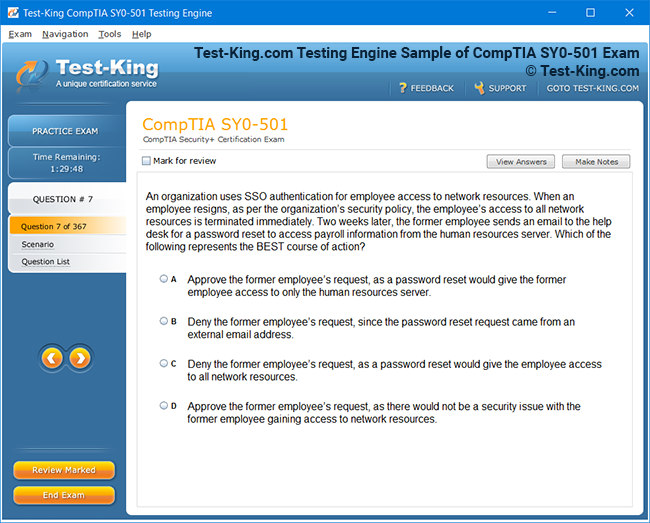
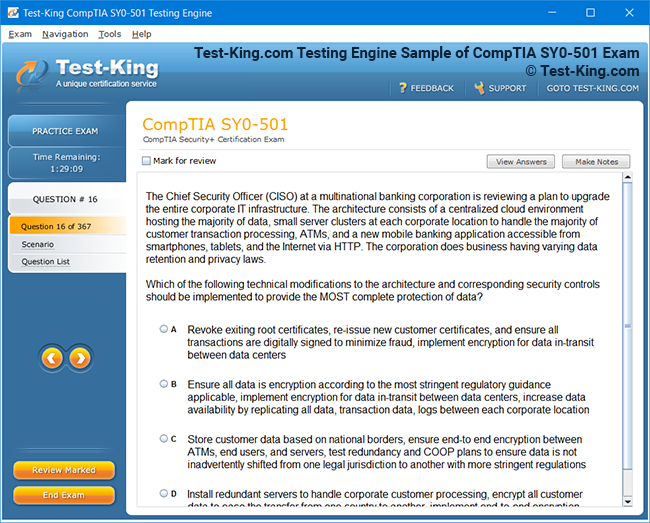
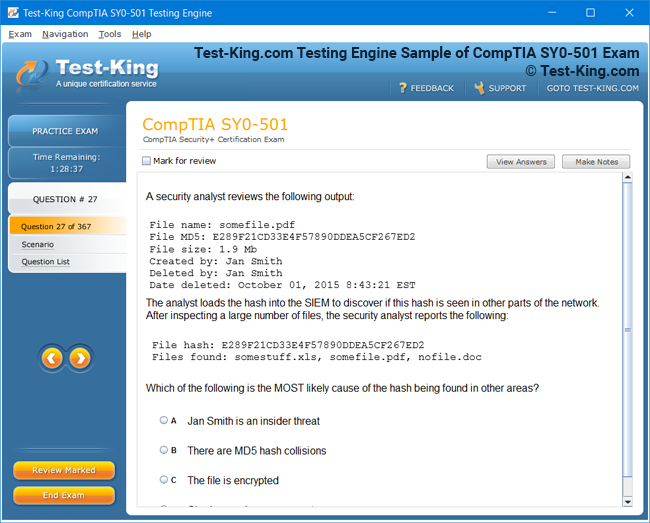
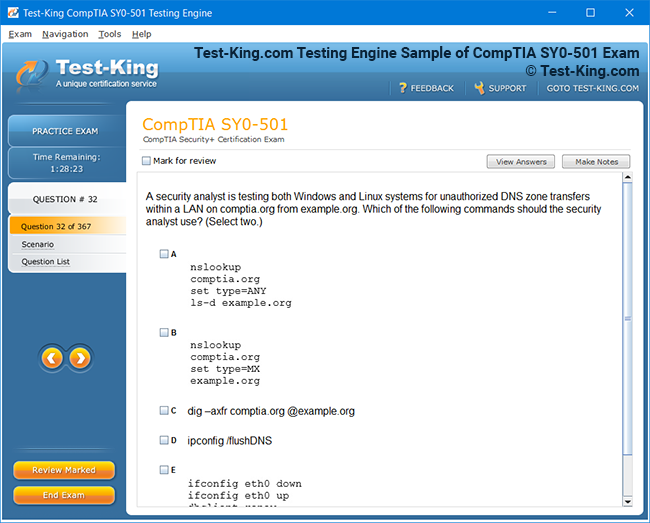
Product Screenshots
What Is the Cisco Business Architecture Practitioner Certification? A Complete Overview
In the contemporary corporate landscape, the ability to seamlessly bridge business strategy with technology implementation is an invaluable skill. The Cisco Business Architecture Practitioner Certification emerges as a pivotal credential for professionals who aspire to harness the power of enterprise architecture to foster organizational transformation. This certification, offered by Cisco, a global leader in networking and digital solutions, equips candidates with a profound understanding of business architecture frameworks, methodologies, and the strategic alignment of processes with technological infrastructure.
Introduction to Cisco Business Architecture Practitioner Certification
The role of a business architect has evolved into a linchpin within organizations seeking to adapt swiftly to market dynamism and technological disruptions. Possessing the Cisco Business Architecture Practitioner Certification signals to employers and peers alike that a professional is not only conversant with the theoretical underpinnings of business architecture but also capable of applying these principles pragmatically to achieve tangible business outcomes. The certification emphasizes the translation of high-level corporate strategy into actionable initiatives, ensuring that business goals are consistently aligned with technological capabilities.
Core Focus of the Certification
The certification primarily concentrates on enabling professionals to master the art of business architecture through a structured yet flexible approach. It delves into understanding enterprise functions, business capabilities, organizational structures, and the intricate interrelationships among these elements. Candidates learn to visualize complex processes, identify redundancies, and propose optimizations that streamline workflows while maximizing value delivery.
One of the distinctive features of this credential is its focus on the convergence of business and IT strategies. While traditional business management often treats these domains separately, the Cisco Business Architecture Practitioner Certification emphasizes their symbiosis, allowing professionals to design solutions that are both strategically aligned and technologically feasible. This holistic perspective ensures that organizations can reduce inefficiencies, enhance agility, and respond proactively to market trends and customer needs.
The certification also encourages mastery over various modeling techniques that capture enterprise operations with clarity and precision. These include capability mapping, value stream analysis, and process modeling, each of which provides a lens to examine how resources, processes, and systems coalesce to deliver business value. By developing these competencies, professionals are prepared to drive initiatives that harmonize strategy, processes, and technology, resulting in more coherent and resilient organizations.
Strategic Benefits for Professionals
Earning the Cisco Business Architecture Practitioner Certification provides multifaceted benefits for both career growth and organizational impact. From a personal development perspective, the credential enhances an individual's strategic thinking, analytical reasoning, and problem-solving capabilities. Professionals equipped with this certification are better positioned to contribute to high-level strategic discussions, influence decision-making, and lead transformation projects with authority.
For organizations, professionals holding this certification act as catalysts for change. They possess the acumen to evaluate current business models, anticipate potential bottlenecks, and implement solutions that optimize operational efficiency. Their expertise facilitates informed investment decisions, promotes innovation, and ensures that digital transformation initiatives are not only ambitious but also sustainable. Companies benefit from having a cadre of practitioners who can translate strategy into executable plans, bridging the gap between conceptual visions and operational realities.
Moreover, the certification often serves as a differentiator in competitive job markets. Organizations increasingly recognize the value of business architects who possess formalized credentials from esteemed providers such as Cisco. Professionals with this certification frequently experience enhanced career mobility, higher remuneration prospects, and opportunities to engage in cross-functional leadership roles that demand both strategic insight and technical literacy.
Knowledge Areas and Skill Development
The curriculum underpinning the Cisco Business Architecture Practitioner Certification encompasses several critical knowledge domains. A significant emphasis is placed on understanding enterprise strategy and governance frameworks, enabling practitioners to guide organizations in aligning initiatives with long-term objectives. Candidates also delve into business capability modeling, which involves delineating core functions, resources, and processes that underpin value creation within the enterprise.
Process analysis and improvement form another cornerstone of the certification. Professionals learn to dissect complex workflows, identify inefficiencies, and propose innovative solutions that enhance productivity. In parallel, they gain proficiency in mapping business capabilities to technological solutions, ensuring that IT investments are justified and strategically aligned. This dual focus on business and technology ensures that certified practitioners can operate effectively at the intersection of organizational strategy and implementation.
The certification also emphasizes stakeholder engagement and communication skills. Effective business architects must articulate complex concepts to diverse audiences, including executives, operational managers, and technical teams. By honing these competencies, candidates learn to cultivate consensus, foster collaboration, and drive initiatives that resonate across the organizational hierarchy. This holistic skill set is instrumental in ensuring that strategic plans are not only well-conceived but also executable in practical contexts.
Preparation and Examination Overview
To achieve the Cisco Business Architecture Practitioner Certification, candidates are required to demonstrate a thorough understanding of the subject matter through a rigorous assessment process. The examination typically evaluates knowledge of business architecture principles, frameworks, modeling techniques, and the application of these concepts in real-world scenarios. It is designed to measure both theoretical comprehension and practical problem-solving capabilities, ensuring that certified professionals are prepared to handle complex business challenges.
Preparation for the certification involves a combination of structured learning, hands-on experience, and review of case studies that illustrate successful application of business architecture principles. Candidates are encouraged to engage with Cisco’s official training resources, participate in workshops, and explore peer-reviewed literature on enterprise architecture. This multifaceted approach not only enhances knowledge retention but also develops the analytical skills necessary for practical application.
A key strategy for success lies in the integration of conceptual understanding with real-world practice. By examining business processes, capability maps, and value streams within actual organizational contexts, candidates cultivate an intuitive grasp of how theoretical frameworks translate into actionable strategies. This experiential learning reinforces the principles taught during formal training and equips professionals to address challenges that are unique to their organizational environments.
Application in Real-World Enterprises
The relevance of the Cisco Business Architecture Practitioner Certification extends far beyond theoretical knowledge. In practice, certified professionals play a pivotal role in guiding organizations through transformation initiatives, optimizing business processes, and ensuring that technological implementations are aligned with strategic objectives. By applying the frameworks and methodologies acquired through the certification, they are able to design enterprise architectures that are both resilient and adaptable, capable of responding to evolving market conditions.
Businesses that leverage the expertise of certified practitioners often witness improved operational efficiency, clearer strategic alignment, and enhanced innovation capacity. Practitioners contribute to the development of governance structures that facilitate decision-making, resource allocation, and risk management. They also support digital transformation initiatives by ensuring that IT investments are coherent with business priorities and deliver measurable value.
The certification’s emphasis on modeling, analysis, and strategic alignment ensures that professionals are not merely advisors but active agents of change. Their insights inform leadership decisions, shape organizational processes, and guide technology adoption in ways that reinforce the enterprise’s overarching objectives. As such, the Cisco Business Architecture Practitioner Certification represents both a personal credential of distinction and a strategic asset for organizations striving to achieve sustainable competitive advantage.
Global Recognition and Industry Impact
Cisco’s reputation as a leader in networking and digital solutions amplifies the value of this certification. Globally recognized, the credential signals to employers, colleagues, and clients that the holder possesses an authoritative understanding of business architecture principles. This recognition is particularly advantageous for multinational organizations seeking consistent frameworks for enterprise architecture across diverse markets and operational environments.
The certification also contributes to the broader evolution of the business architecture profession. As more professionals acquire formal credentials, the field becomes increasingly standardized, with a shared lexicon, methodologies, and best practices. This professionalization enhances collaboration among practitioners, promotes the adoption of effective frameworks, and elevates the overall impact of business architecture within the corporate ecosystem.
Moreover, the Cisco Business Architecture Practitioner Certification has a ripple effect on industry standards. Certified professionals influence how organizations conceptualize, design, and implement enterprise architecture, promoting practices that are both innovative and grounded in strategic imperatives. Their expertise informs policies, drives efficiency, and shapes the future trajectory of business and technology integration.
Knowledge Foundations
Understanding the Cisco Business Architecture Practitioner Certification entails recognizing its multifaceted nature, blending strategic insight, practical application, and professional development. It is a credential that equips professionals to navigate complex organizational landscapes, aligning business strategy with technology execution. Through mastery of enterprise frameworks, capability modeling, process optimization, and stakeholder engagement, candidates acquire a toolkit that enables them to effect meaningful change within their organizations.
Understanding Enterprise Architecture and Business Strategy Alignment
The Cisco Business Architecture Practitioner Certification emphasizes the intricate alignment of enterprise architecture with overarching business strategy. In modern organizations, the ability to synchronize strategic objectives with operational execution has become a critical differentiator, ensuring that investments in technology and human capital generate maximum value. Enterprise architecture acts as a navigational map that delineates the relationships among business functions, capabilities, processes, and technological infrastructure, providing a coherent view of how the organization operates and evolves.
A professional pursuing this certification gains expertise in deciphering the complex interdependencies that exist within an enterprise. By understanding these relationships, certified individuals are able to design frameworks that not only support immediate operational goals but also accommodate long-term strategic aspirations. This alignment ensures that business initiatives are consistently prioritized, resources are allocated judiciously, and transformation projects achieve measurable outcomes.
The certification emphasizes a holistic perspective where business objectives, customer needs, and technological capabilities converge. By cultivating this understanding, candidates develop a heightened awareness of how strategic goals influence operational decisions, how technological innovations can unlock new business opportunities, and how capability gaps can impede growth if left unaddressed.
Core Frameworks and Methodologies
Central to the Cisco Business Architecture Practitioner Certification is the mastery of established frameworks that facilitate systematic analysis and design of enterprise architecture. These frameworks provide structured approaches to mapping capabilities, modeling processes, and defining organizational roles, enabling professionals to capture the complexity of enterprises with clarity and precision.
One key methodology involves capability-based planning, where business capabilities are identified, analyzed, and aligned with strategic objectives. This approach allows organizations to pinpoint strengths, recognize weaknesses, and prioritize areas for improvement. Capability maps serve as visual representations of what the business does and how these functions interconnect, offering actionable insights that guide decision-making and investment strategies.
Another critical methodology emphasized in the certification is value stream mapping. This technique focuses on understanding the end-to-end flow of value creation within the organization. By examining how products, services, and information traverse through various functions, practitioners can identify bottlenecks, redundancies, and inefficiencies. Value stream analysis ensures that processes are not only optimized for efficiency but also designed to maximize customer satisfaction and business impact.
The certification also introduces process modeling techniques that capture organizational workflows in detail. Process models provide a structured representation of tasks, roles, inputs, and outputs, allowing professionals to assess performance, simulate changes, and implement improvements. Through these models, candidates learn to translate strategic goals into operational practices, ensuring that every process contributes meaningfully to the enterprise’s objectives.
Business Capabilities and Organizational Structures
A distinctive focus of the Cisco Business Architecture Practitioner Certification lies in understanding and optimizing business capabilities within organizational structures. Business capabilities define what an organization is capable of performing, representing the foundational building blocks of enterprise operations. By delineating these capabilities, professionals can assess alignment with strategic priorities, identify areas of redundancy, and design initiatives that enhance organizational effectiveness.
Organizational structures, in turn, influence how capabilities are executed. The certification equips candidates with the tools to analyze reporting hierarchies, decision-making authorities, and interdepartmental dependencies. By mapping these structures against business capabilities, practitioners gain insight into how the organization functions in practice, revealing opportunities for restructuring, process improvement, and enhanced collaboration.
The interplay between capabilities and structures also impacts change management and transformation initiatives. Certified professionals are trained to anticipate resistance, identify key stakeholders, and design interventions that facilitate smooth adoption of new processes, technologies, or strategic directives. This capability-centric perspective ensures that organizations remain agile and resilient in the face of market fluctuations or technological disruption.
Strategic Decision-Making and Governance
The Cisco Business Architecture Practitioner Certification emphasizes the importance of governance frameworks in guiding strategic decision-making. Governance involves establishing policies, roles, and processes that ensure decisions are made consistently, resources are allocated effectively, and risks are mitigated. Certified practitioners learn to design governance structures that balance accountability with flexibility, enabling organizations to respond to changing circumstances without sacrificing control or coherence.
Effective governance requires a deep understanding of how business capabilities, processes, and technology investments interact. By analyzing these relationships, practitioners can evaluate the potential impact of strategic initiatives, assess risks, and recommend interventions that enhance organizational performance. This analytical approach enables organizations to pursue innovation and transformation while maintaining alignment with core objectives and regulatory requirements.
Decision-making is further strengthened through the application of performance metrics and key indicators. The certification guides candidates in defining metrics that capture operational efficiency, capability utilization, and strategic alignment. By leveraging these metrics, professionals can provide leadership with actionable insights, prioritize initiatives that deliver the highest value, and monitor the outcomes of transformation efforts over time.
Integration of Technology and Business Functions
A significant aspect of the certification involves understanding how technology supports and enhances business functions. In contemporary enterprises, technology is not merely an operational tool but a strategic enabler that drives innovation, efficiency, and competitive advantage. Certified professionals are trained to evaluate technological solutions in the context of business capabilities, ensuring that IT investments align with strategic priorities and operational needs.
This integration requires an appreciation of both current systems and emerging technologies. Practitioners examine existing infrastructure, software applications, and digital platforms to identify gaps or inefficiencies. They also consider future technological trends, such as automation, artificial intelligence, and cloud computing, assessing their potential to enhance business performance. By bridging the gap between technology and business functions, certified professionals ensure that digital initiatives are purposeful, coherent, and capable of delivering measurable value.
The certification further emphasizes the design of architecture that accommodates change and scalability. Professionals learn to create models that anticipate evolving business requirements, allowing enterprises to adapt processes, expand capabilities, and integrate new technologies seamlessly. This forward-looking approach ensures that organizations remain competitive in dynamic markets and resilient against operational disruptions.
Analytical and Strategic Thinking Skills
The Cisco Business Architecture Practitioner Certification fosters advanced analytical and strategic thinking skills. Candidates are encouraged to examine complex organizational scenarios, identify interdependencies, and formulate recommendations that enhance overall performance. This analytical rigor enables professionals to interpret data, recognize patterns, and make informed decisions that align with strategic objectives.
Strategic thinking extends beyond problem-solving to encompass foresight and planning. Certified professionals are trained to anticipate future challenges, evaluate the impact of potential interventions, and develop roadmaps that guide transformation initiatives. This perspective ensures that organizational change is not reactive but proactive, guided by a coherent vision and underpinned by evidence-based analysis.
These skills are critical in ensuring that business architecture practices are not confined to theoretical exercises but translate into tangible organizational improvements. Practitioners are equipped to influence leadership decisions, advocate for necessary investments, and champion initiatives that strengthen operational efficiency, customer satisfaction, and overall strategic coherence.
Real-World Application of Frameworks
The practical application of the frameworks taught in the certification is central to its value. Professionals leverage their understanding of capabilities, processes, and governance structures to initiate projects that drive operational excellence and strategic alignment. Certified individuals often engage in transformation initiatives, technology adoption programs, and process reengineering efforts, applying their expertise to enhance organizational performance.
By using capability mapping, value stream analysis, and process modeling in real-world contexts, practitioners uncover inefficiencies, align resources with strategic priorities, and create actionable insights. Their contributions extend to designing scalable solutions, facilitating cross-functional collaboration, and ensuring that initiatives remain adaptable to evolving business environments. The integration of these frameworks into everyday operations underscores the practical significance of the certification, enabling organizations to realize the full potential of their strategic investments.
Impact on Organizational Agility
The Cisco Business Architecture Practitioner Certification equips professionals to enhance organizational agility. Agile enterprises are able to respond swiftly to market shifts, customer demands, and technological disruptions. Certified practitioners contribute to this agility by ensuring that business processes, capabilities, and technology systems are designed for flexibility, scalability, and resilience.
By fostering a deep understanding of enterprise architecture and strategic alignment, the certification prepares professionals to implement adaptive frameworks that support continuous improvement. Organizations benefit from having leaders who can anticipate change, coordinate resources efficiently, and implement solutions that maintain operational continuity while driving innovation. This capability-centric approach empowers enterprises to maintain a competitive edge in complex, dynamic environments.
Elevating Professional Competence
Achieving the Cisco Business Architecture Practitioner Certification elevates a professional’s competence, signaling mastery over essential frameworks and methodologies. Certified individuals possess the knowledge, analytical skills, and strategic insight required to influence high-level decision-making, guide transformation initiatives, and foster sustainable organizational growth. Their expertise positions them as authoritative voices in discussions on enterprise strategy, operational efficiency, and technology integration.
This elevated competence also fosters cross-functional collaboration, enabling certified professionals to work effectively with leaders from finance, operations, IT, and human resources. Their ability to translate complex architectural concepts into actionable strategies ensures that initiatives are understood, embraced, and successfully implemented across the organization.
Examination Overview and Eligibility Criteria
The Cisco Business Architecture Practitioner Certification is designed to evaluate a professional’s ability to synthesize strategic insights with operational execution. The examination serves as a comprehensive assessment of both theoretical knowledge and practical proficiency, ensuring that certified individuals possess the competence to bridge business strategy and enterprise architecture effectively. Candidates who pursue this credential are tested on their understanding of business capabilities, process optimization, technology integration, and governance frameworks, all of which are essential for aligning organizational objectives with operational realities.
Eligibility for the certification does not strictly require prior credentials, yet candidates are encouraged to have foundational experience in business architecture, enterprise strategy, or related domains. Professionals with backgrounds in business analysis, process management, IT strategy, and organizational transformation are often well-positioned to succeed. Practical experience in applying business architecture frameworks within organizational contexts enhances the ability to interpret complex scenarios and propose actionable solutions, which is a key component of the examination.
The assessment is designed to measure both conceptual understanding and the capacity for pragmatic application. Candidates are evaluated on their ability to analyze business processes, map capabilities, design governance structures, and integrate technology solutions in alignment with strategic goals. This ensures that those who achieve the certification are capable of delivering tangible value and influencing decision-making at both operational and executive levels.
Exam Structure and Content Coverage
The examination encompasses several critical knowledge domains, reflecting the breadth and depth of the certification curriculum. Candidates are expected to demonstrate mastery in enterprise capability modeling, process analysis, value stream mapping, and strategic alignment of business and technology initiatives. These competencies are assessed through scenario-based questions that simulate real-world challenges, requiring candidates to apply frameworks, interpret data, and recommend solutions that enhance organizational performance.
One core area of focus is capability mapping, where candidates are required to identify, categorize, and prioritize business capabilities in alignment with strategic objectives. Understanding the interconnections among capabilities allows practitioners to uncover gaps, redundancies, and areas for improvement, forming the basis for informed decision-making and transformation planning. The exam evaluates the ability to construct coherent capability maps, interpret their implications, and apply them in organizational contexts.
Process modeling constitutes another significant component. Candidates are tested on their proficiency in representing complex workflows, delineating inputs and outputs, and analyzing operational dependencies. The ability to model processes accurately is crucial for identifying inefficiencies, designing improvements, and ensuring that operational practices support overarching business strategies. Scenario questions often present intricate process networks, requiring candidates to optimize flows while maintaining alignment with strategic priorities.
The integration of technology and business functions is also a central theme. Candidates must demonstrate awareness of how digital solutions, platforms, and infrastructure can enhance business capabilities, streamline operations, and drive innovation. Exam questions assess the capacity to align technology investments with business goals, evaluate the feasibility of proposed solutions, and anticipate the impact of technological changes on enterprise performance.
Governance and strategic decision-making are assessed through questions that examine candidates’ understanding of policies, frameworks, and accountability structures. Professionals are expected to design governance mechanisms that facilitate effective decision-making, mitigate risks, and ensure consistency across business initiatives. These competencies are vital for enabling organizations to pursue transformation while maintaining control and strategic coherence.
Preparation Strategies and Learning Approaches
Achieving success in the Cisco Business Architecture Practitioner Certification requires a multifaceted preparation strategy. Candidates are encouraged to engage with official Cisco training resources, including instructional materials, workshops, and case studies that provide practical insights into enterprise architecture and strategic alignment. These resources offer a structured approach to understanding core frameworks, methodologies, and their application in organizational contexts.
Hands-on experience is particularly valuable. By analyzing business processes, constructing capability maps, and simulating governance scenarios within real or hypothetical organizations, candidates develop an intuitive grasp of the principles underpinning business architecture. Practical exercises reinforce theoretical knowledge, enabling professionals to apply concepts confidently and accurately during the examination.
Peer collaboration and knowledge exchange also enhance preparation. Engaging with communities of practice, attending professional forums, and discussing case studies with colleagues allows candidates to gain diverse perspectives, identify common challenges, and explore innovative approaches to business architecture. These interactions enrich understanding and cultivate critical thinking, both of which are essential for navigating complex exam scenarios.
Time management and structured study plans are critical for comprehensive preparation. Candidates benefit from organizing their learning into focused modules, dedicating specific periods to mastering capability modeling, process optimization, technology alignment, and governance frameworks. Incorporating regular review sessions, practice questions, and scenario analyses ensures that knowledge is retained and applied effectively under exam conditions.
Analytical exercises, such as evaluating enterprise workflows, mapping value streams, and assessing capability interdependencies, are instrumental in strengthening problem-solving skills. Candidates who engage deeply with these exercises develop the ability to interpret multifaceted organizational situations, propose viable solutions, and anticipate potential consequences, all of which are essential for success in the examination.
Recommended Study Materials and Resources
A wide array of study materials is available to support candidates preparing for the Cisco Business Architecture Practitioner Certification. Official Cisco training courses provide structured curricula that cover essential frameworks, methodologies, and practical applications. These courses often include instructional videos, interactive exercises, and case studies that illustrate real-world scenarios, helping candidates contextualize theoretical concepts.
Supplementary resources, such as professional journals, enterprise architecture publications, and white papers, offer deeper insights into emerging trends, best practices, and innovative approaches. Candidates are encouraged to explore these materials to gain a broader understanding of how business architecture is applied across industries, and to develop a nuanced perspective on strategic alignment, process optimization, and capability mapping.
Practice assessments and scenario-based exercises are invaluable for honing examination skills. These exercises simulate the types of questions encountered in the certification exam, challenging candidates to analyze situations, interpret data, and formulate actionable recommendations. By repeatedly engaging with these simulations, candidates build confidence, improve analytical acuity, and refine their approach to complex organizational challenges.
Professional networking and mentorship further enhance preparation. Engaging with certified practitioners, attending webinars, and participating in discussion groups provides exposure to diverse experiences and practical insights. Mentorship relationships offer guidance on effective study strategies, exam navigation, and the application of business architecture principles in organizational settings, contributing to a well-rounded preparation experience.
Timeframe and Study Commitment
The preparation journey for the Cisco Business Architecture Practitioner Certification requires disciplined study and consistent engagement. While individual timelines may vary, successful candidates typically invest several weeks to months in structured preparation, balancing theoretical study with hands-on practice and scenario analysis. Regularly reviewing key concepts, revisiting challenging topics, and simulating examination conditions are essential for reinforcing knowledge and building confidence.
Candidates are advised to allocate time for understanding the interconnections among business capabilities, processes, and technology systems. Developing proficiency in capability mapping, process modeling, value stream analysis, and governance design is particularly important, as these domains constitute the core of the examination. Engaging in iterative practice and reflective analysis ensures that knowledge is not only memorized but also internalized and applicable in real-world contexts.
Maintaining focus and motivation throughout the preparation period is critical. Setting clear milestones, tracking progress, and celebrating incremental achievements helps candidates sustain momentum and build the resilience required to navigate complex and demanding exam scenarios. The disciplined approach to study enhances comprehension, fosters analytical rigor, and positions candidates for success in achieving the certification.
Integration of Knowledge into Professional Practice
Preparation for the Cisco Business Architecture Practitioner Certification is not solely an academic exercise; it also serves as a transformative process for professional development. Candidates who immerse themselves in the study of business capabilities, enterprise frameworks, and strategic alignment cultivate competencies that extend beyond examination performance. They acquire analytical acuity, strategic foresight, and the ability to translate theory into practice, which are invaluable in guiding organizational transformation initiatives.
By engaging with practical exercises, scenario analyses, and real-world case studies, candidates develop the ability to navigate complex organizational landscapes. They learn to assess the impact of business decisions, design coherent capability maps, optimize workflows, and integrate technology solutions that support strategic goals. This experiential approach ensures that the certification serves as a conduit for professional growth, equipping practitioners with tools to influence operational and strategic outcomes effectively.
Enhancing Exam Readiness and Confidence
Achieving readiness for the certification examination requires not only knowledge acquisition but also the cultivation of confidence and strategic problem-solving skills. Candidates benefit from repeated practice under timed conditions, exposure to diverse scenario types, and reflective evaluation of performance. This preparation fosters an adaptive mindset, enabling professionals to approach complex questions with clarity, discernment, and composure.
Understanding the examination format, content distribution, and question typology allows candidates to allocate effort efficiently and prioritize areas of relative strength or improvement. By integrating study materials, practical exercises, peer discussions, and reflective learning, candidates create a comprehensive preparation ecosystem that supports both knowledge mastery and exam readiness.
Business Architect as a Strategic Catalyst
The Cisco Business Architecture Practitioner Certification equips professionals to assume the role of a business architect, an increasingly indispensable position within contemporary enterprises. A business architect functions as a strategic catalyst, bridging the divide between executive vision and operational execution. This role requires an amalgamation of analytical acumen, strategic foresight, and a profound understanding of organizational dynamics. By leveraging business architecture frameworks, certified professionals can translate complex corporate strategies into actionable initiatives, ensuring that business objectives, processes, and technological capabilities are harmoniously aligned.
Organizations today face unprecedented volatility and complexity. Market disruptions, technological evolution, and shifting customer expectations necessitate leaders who can navigate uncertainty with precision. Business architects, armed with the knowledge and competencies conferred by the Cisco Business Architecture Practitioner Certification, are uniquely positioned to meet these challenges. Their expertise enables them to dissect organizational structures, evaluate operational efficacy, and recommend interventions that enhance agility, resilience, and value delivery.
The business architect's remit extends beyond mere process optimization; it encompasses capability alignment, resource orchestration, and strategic governance. By analyzing the interplay of enterprise functions and technological assets, professionals can identify gaps, redundancies, and opportunities for innovation. The resulting insights empower organizations to streamline workflows, optimize investments, and implement initiatives that drive measurable performance improvements across multiple dimensions.
Influence on Organizational Design and Capability Development
One of the most significant impacts of the Cisco Business Architecture Practitioner Certification is the ability to influence organizational design. Certified professionals possess the tools to evaluate existing structures critically, propose refined reporting hierarchies, and facilitate interdepartmental collaboration. Organizational design is not merely a static chart of roles and responsibilities; it reflects how capabilities are deployed, how decisions are made, and how value is delivered to stakeholders.
Business architects assess how capabilities are distributed across the enterprise, identifying areas where consolidation, decentralization, or specialization may be advantageous. They design models that ensure resources are allocated efficiently and that processes are structured to maximize agility and responsiveness. This approach fosters an adaptive organization, capable of evolving in response to technological advancements, market pressures, and shifting strategic priorities.
Capability development is another core focus. Certified professionals understand that organizational competence is rooted in the development, refinement, and deployment of capabilities that support strategic goals. By mapping capabilities to business objectives and technological solutions, practitioners can pinpoint deficiencies, prioritize initiatives, and guide learning and development efforts. This capability-centric perspective ensures that organizations not only operate effectively today but are equipped to scale and innovate in the future.
Driving Digital Transformation and Innovation
The role of the business architect is intricately linked to digital transformation initiatives. Enterprises increasingly rely on digital technologies to enhance operational efficiency, improve customer engagement, and gain competitive advantage. Professionals with the Cisco Business Architecture Practitioner Certification are trained to evaluate technological solutions in the context of business capabilities, ensuring that investments in digital tools are strategic, coherent, and impactful.
By integrating digital solutions with enterprise architecture, business architects enable organizations to optimize processes, reduce redundancies, and harness data-driven insights. They identify opportunities for automation, digital collaboration, and process reengineering, ensuring that technology adoption is not an end in itself but a means to achieve strategic objectives. Certified professionals play a pivotal role in steering digital transformation programs, aligning IT initiatives with business priorities, and mitigating risks associated with technological disruption.
Innovation is also nurtured through the application of business architecture principles. By analyzing organizational processes, resource allocation, and market trends, business architects can propose creative solutions that enhance competitiveness and deliver value to stakeholders. This analytical yet inventive approach ensures that enterprises are not only responsive to current demands but also anticipatory of emerging opportunities and challenges.
Enhancing Decision-Making and Governance
A crucial aspect of the business architect’s influence is their role in governance and strategic decision-making. Certified professionals are adept at designing governance frameworks that facilitate clarity, accountability, and consistency in organizational decision-making. Governance encompasses the policies, protocols, and structures that ensure initiatives are executed in alignment with strategic priorities and regulatory standards.
Through comprehensive analysis of capabilities, processes, and technology systems, business architects inform executive decisions, enabling leaders to allocate resources judiciously, mitigate risks, and pursue high-value initiatives. Their insights enhance transparency and coherence across decision-making channels, fostering organizational confidence and operational efficiency. By integrating governance with capability mapping and process optimization, certified professionals ensure that decisions are evidence-based, strategically aligned, and practically executable.
The analytical rigor cultivated through the certification empowers business architects to balance short-term operational requirements with long-term strategic imperatives. They identify trade-offs, forecast potential outcomes, and propose solutions that optimize performance across multiple dimensions. This capacity to evaluate complex scenarios and provide actionable recommendations is a defining feature of the role, ensuring that organizational objectives are achieved without compromising agility or innovation.
Stakeholder Engagement and Communication
The impact of the Cisco Business Architecture Practitioner Certification extends to the realm of stakeholder engagement. Business architects must communicate complex concepts with clarity and precision, translating technical and strategic details into language that resonates with diverse audiences. This includes executives, operational managers, technical teams, and external partners. Effective communication fosters alignment, builds consensus, and ensures that initiatives are understood, supported, and implemented successfully.
Certified professionals are trained to employ visual modeling techniques, narrative frameworks, and analytical insights to convey recommendations persuasively. They facilitate workshops, strategic reviews, and cross-functional discussions, ensuring that stakeholders are engaged and informed throughout the lifecycle of transformation initiatives. This emphasis on communication reinforces the architect’s role as a bridge between strategic vision and operational execution, enabling coherent and coordinated action across the enterprise.
By cultivating these engagement skills, business architects enhance organizational cohesion and alignment. They anticipate resistance, address concerns proactively, and foster a culture of collaboration that supports continuous improvement and innovation. This relational competence complements analytical expertise, ensuring that initiatives are both strategically sound and practically implementable.
Measuring Impact and Value Delivery
The practical significance of the Cisco Business Architecture Practitioner Certification is evident in the ability of certified professionals to measure and demonstrate value delivery. Business architects employ metrics, key performance indicators, and outcome assessments to evaluate the effectiveness of initiatives, capability development, and process enhancements. This evidence-based approach enables organizations to track progress, justify investments, and refine strategies over time.
Value measurement extends beyond financial metrics to include operational efficiency, customer satisfaction, and strategic alignment. Certified practitioners assess how capabilities, workflows, and technology systems contribute to these outcomes, identifying opportunities for improvement and ensuring that organizational efforts are coherent and impactful. This analytical rigor ensures that transformation initiatives generate tangible benefits and support sustainable growth.
Through systematic evaluation, business architects can identify trends, uncover emerging risks, and anticipate future requirements. Their insights inform strategic planning, guide resource allocation, and enhance organizational resilience. The ability to quantify and articulate impact reinforces the credibility of the business architect and underscores the practical utility of the certification in driving enterprise success.
Real-World Case Applications
The principles and methodologies imparted by the Cisco Business Architecture Practitioner Certification find tangible expression in diverse organizational contexts. Certified professionals have contributed to enterprise-wide transformations, digital adoption programs, process optimization initiatives, and governance restructuring efforts. By applying capability mapping, value stream analysis, and process modeling, business architects enable organizations to enhance efficiency, reduce operational friction, and deliver superior value to stakeholders.
In multinational enterprises, certified professionals facilitate alignment across geographically dispersed operations, ensuring that strategic objectives are consistently applied and local adaptations are appropriately integrated. They support mergers and acquisitions by analyzing organizational capabilities, designing integration frameworks, and identifying synergies. In smaller organizations, business architects streamline operations, optimize resource allocation, and guide technology adoption, contributing to growth and competitive positioning.
These real-world applications underscore the versatility and impact of the Cisco Business Architecture Practitioner Certification. Professionals leverage the knowledge and competencies gained through certification to influence strategy, optimize operations, and drive innovation across diverse organizational environments. Their contributions extend from high-level planning to operational execution, demonstrating the breadth and depth of the certification’s relevance.
Fostering Organizational Agility and Resilience
Certified business architects enhance organizational agility, equipping enterprises to respond proactively to market volatility, technological disruption, and evolving customer expectations. By designing flexible capability frameworks, adaptable processes, and integrated technology solutions, professionals ensure that organizations remain responsive, resilient, and forward-looking.
The certification also instills a mindset of continuous improvement, encouraging practitioners to monitor performance, iterate on processes, and refine strategies in alignment with emerging insights. This dynamic approach enables organizations to maintain strategic coherence while pursuing innovation, ensuring sustained competitiveness and long-term growth.
Professional Trajectory and Career Advancement
The Cisco Business Architecture Practitioner Certification serves as a catalyst for significant career advancement, providing professionals with the skills, knowledge, and recognition necessary to excel in enterprise architecture and strategic roles. Individuals who attain this credential often find themselves positioned for leadership responsibilities that require a confluence of analytical reasoning, strategic foresight, and operational expertise. Career trajectories frequently extend into business architecture, enterprise strategy, digital transformation leadership, and senior management roles where bridging the gap between technology and business objectives is paramount.
Professionals equipped with this certification are capable of navigating complex organizational landscapes, identifying capability gaps, and orchestrating initiatives that align business strategy with operational execution. These competencies enable them to influence decision-making at multiple levels, participate in strategic planning, and contribute meaningfully to enterprise transformation efforts. The certification’s emphasis on holistic understanding of business processes, governance frameworks, and technological integration ensures that holders are prepared to take on high-impact responsibilities that shape organizational direction and outcomes.
The certification also facilitates lateral career mobility. Experienced professionals can transition from roles such as business analysts, process managers, or IT strategists into more comprehensive architecture and leadership positions. By combining practical experience with the credentialed expertise provided by the Cisco Business Architecture Practitioner Certification, individuals enhance their professional versatility, making them attractive candidates for a range of organizational roles across sectors and geographies.
Industry Demand and Global Relevance
Global demand for certified business architects has grown steadily as organizations increasingly recognize the strategic importance of aligning business capabilities with technological initiatives. Companies across diverse industries, including finance, healthcare, manufacturing, telecommunications, and technology services, seek professionals capable of designing scalable, efficient, and resilient enterprise architectures. The Cisco Business Architecture Practitioner Certification, backed by Cisco’s global reputation, provides a widely recognized benchmark of competency and credibility, enhancing employability and career prospects in multiple international markets.
Organizations value certified professionals for their ability to drive transformation programs, optimize operational workflows, and implement technology solutions that yield tangible business outcomes. The certification is particularly relevant in contexts of digital transformation, mergers and acquisitions, and large-scale process reengineering, where the convergence of strategy, process, and technology is critical. Professionals who hold this credential are regarded as pivotal enablers of innovation and efficiency, contributing to organizational resilience and competitive advantage.
The growing emphasis on enterprise agility, customer-centric operations, and data-driven decision-making further amplifies the demand for individuals skilled in business architecture. Certified professionals bring analytical acuity, capability mapping expertise, and strategic foresight to the forefront of organizational initiatives, enabling enterprises to navigate uncertainty and leverage emerging opportunities effectively. Their global recognition and expertise position them to operate in diverse markets, often engaging with multinational teams, cross-border projects, and complex organizational ecosystems.
Salary Insights and Compensation Trends
The Cisco Business Architecture Practitioner Certification has a demonstrable impact on earning potential, reflecting the value of the skill set it represents. Professionals who attain this credential often command competitive salaries relative to peers in business analysis, process management, and IT strategy roles. Compensation is influenced by factors such as geographic location, years of experience, organizational scale, industry, and the scope of responsibility within the enterprise.
Certified professionals typically experience salary growth as they progress into senior roles, reflecting the strategic impact and leadership responsibilities associated with business architecture. Their ability to design enterprise capabilities, optimize processes, and guide technology integration directly contributes to organizational performance, making them highly valued assets whose remuneration reflects their expertise and influence.
Beyond base salary, certified individuals often benefit from performance-based incentives, project bonuses, and professional recognition that further enhance the financial and career rewards of their expertise. Organizations view these professionals as strategic investments, rewarding their capacity to align initiatives with long-term objectives, drive efficiency, and implement sustainable transformation programs.
Specialized Roles and Emerging Opportunities
The certification opens pathways to a variety of specialized roles that leverage the convergence of strategy, architecture, and technology. Roles such as enterprise architect, digital transformation consultant, capability analyst, process optimization lead, and strategic planner are frequently pursued by certified professionals. Each role demands proficiency in business capability modeling, process mapping, governance frameworks, and technology integration, competencies cultivated through the certification.
Emerging opportunities are particularly evident in organizations undergoing digital transformation or adopting innovative business models. Certified professionals contribute to the design and implementation of digital ecosystems, automation initiatives, and customer-centric processes. They evaluate technological investments in light of strategic priorities, ensuring that digital adoption is purposeful, efficient, and aligned with enterprise goals. The demand for such expertise is accelerating as industries increasingly recognize the need for holistic, capability-driven approaches to organizational transformation.
The versatility of the certification allows professionals to operate across functional domains. They may lead cross-functional teams, consult with executive leadership, or contribute to enterprise-wide strategic planning. Their role often involves synthesizing data, modeling business processes, and orchestrating initiatives that enhance both operational efficiency and strategic coherence, highlighting the broad applicability and relevance of the credential.
Professional Growth and Skill Expansion
In addition to immediate career advancement, the Cisco Business Architecture Practitioner Certification fosters long-term professional growth. The knowledge and methodologies acquired through the certification equip individuals to continuously enhance their analytical, strategic, and leadership capabilities. Practitioners develop a nuanced understanding of organizational complexity, interdependencies among capabilities, and the strategic implications of technological adoption.
The certification encourages a mindset of continuous improvement and innovation. Professionals are trained to evaluate business processes critically, identify opportunities for optimization, and anticipate the implications of strategic decisions. These competencies are transferable across industries and organizational contexts, enabling certified individuals to adapt to evolving business landscapes and assume leadership positions in diverse enterprises.
Furthermore, certified professionals gain credibility and influence within their organizations, often participating in strategic committees, transformation initiatives, and high-level decision-making forums. Their expertise positions them as trusted advisors capable of guiding organizational strategy, fostering cross-functional collaboration, and driving initiatives that deliver measurable outcomes. This professional authority contributes to both personal growth and organizational advancement, enhancing the long-term value of the certification.
Conclusion
The Cisco Business Architecture Practitioner Certification represents a transformative credential that opens pathways to strategic, high-impact roles within enterprises worldwide. Certified professionals enjoy enhanced career prospects, competitive remuneration, and opportunities for leadership in business architecture, digital transformation, and strategic planning. The global demand for skilled practitioners underscores the relevance and prestige of the certification, while the comprehensive skill set it imparts ensures that individuals can navigate complex organizational challenges with analytical acuity and strategic foresight.
By bridging the gap between business strategy and operational execution, certified professionals contribute significantly to organizational performance, innovation, and resilience. The certification equips individuals not only with technical and analytical expertise but also with the strategic insight and influence required to shape enterprise success. For those seeking to elevate their careers and drive meaningful organizational impact, the Cisco Business Architecture Practitioner Certification offers a pathway that combines professional growth, global recognition, and tangible value creation.
Frequently Asked Questions
How can I get the products after purchase?
All products are available for download immediately from your Member's Area. Once you have made the payment, you will be transferred to Member's Area where you can login and download the products you have purchased to your computer.
How long can I use my product? Will it be valid forever?
Test-King products have a validity of 90 days from the date of purchase. This means that any updates to the products, including but not limited to new questions, or updates and changes by our editing team, will be automatically downloaded on to computer to make sure that you get latest exam prep materials during those 90 days.
Can I renew my product if when it's expired?
Yes, when the 90 days of your product validity are over, you have the option of renewing your expired products with a 30% discount. This can be done in your Member's Area.
Please note that you will not be able to use the product after it has expired if you don't renew it.
How often are the questions updated?
We always try to provide the latest pool of questions, Updates in the questions depend on the changes in actual pool of questions by different vendors. As soon as we know about the change in the exam question pool we try our best to update the products as fast as possible.
How many computers I can download Test-King software on?
You can download the Test-King products on the maximum number of 2 (two) computers or devices. If you need to use the software on more than two machines, you can purchase this option separately. Please email support@test-king.com if you need to use more than 5 (five) computers.
What is a PDF Version?
PDF Version is a pdf document of Questions & Answers product. The document file has standart .pdf format, which can be easily read by any pdf reader application like Adobe Acrobat Reader, Foxit Reader, OpenOffice, Google Docs and many others.
Can I purchase PDF Version without the Testing Engine?
PDF Version cannot be purchased separately. It is only available as an add-on to main Question & Answer Testing Engine product.
What operating systems are supported by your Testing Engine software?
Our testing engine is supported by Windows. Andriod and IOS software is currently under development.
Top Cisco Exams
- 200-301 - Cisco Certified Network Associate (CCNA)
- 350-401 - Implementing Cisco Enterprise Network Core Technologies (ENCOR)
- 300-410 - Implementing Cisco Enterprise Advanced Routing and Services (ENARSI)
- 350-701 - Implementing and Operating Cisco Security Core Technologies
- 300-420 - Designing Cisco Enterprise Networks (ENSLD)
- 300-415 - Implementing Cisco SD-WAN Solutions (ENSDWI)
- 300-715 - Implementing and Configuring Cisco Identity Services Engine (300-715 SISE)
- 350-601 - Implementing and Operating Cisco Data Center Core Technologies (DCCOR)
- 810-110 - Cisco AI Technical Practitioner (AITECH)
- 350-101 - Implementing and Operating Cisco Wireless Core Technologies (WLCOR)
- 350-801 - Implementing Cisco Collaboration Core Technologies (CLCOR)
- 350-201 - Performing Cybersecurity Using Cisco Security Technologies (CBRCOR)
- 300-710 - Securing Networks with Cisco Firewalls
- 350-501 - Implementing and Operating Cisco Service Provider Network Core Technologies (SPCOR)
- 500-220 - Cisco Meraki Solutions Specialist
- 200-901 - DevNet Associate (DEVASC)
- 400-007 - Cisco Certified Design Expert
- 300-620 - Implementing Cisco Application Centric Infrastructure (DCACI)
- 100-150 - Cisco Certified Support Technician (CCST) Networking
- 200-201 - Understanding Cisco Cybersecurity Operations Fundamentals (CBROPS)
- 300-730 - Implementing Secure Solutions with Virtual Private Networks (SVPN 300-730)
- 350-901 - Designing, Deploying, and Managing Network Automation Systems
- 820-605 - Cisco Customer Success Manager (CSM)
- 300-640 - Implementing Cisco Data Center AI Infrastructure (DCAI)
- 300-745 - Designing Cisco Security Infrastructure
- 300-435 - Automating Cisco Enterprise Solutions (ENAUTO)
- 300-110 - Designing Cisco Wireless Networks (WLSD)
- 300-510 - Implementing Cisco Service Provider Advanced Routing Solutions (SPRI)
- 800-150 - Supporting Cisco Devices for Field Technicians
- 300-425 - Designing Cisco Enterprise Wireless Networks (300-425 ENWLSD)
- 300-440 - Designing and Implementing Cloud Connectivity (ENCC)
- 300-720 - Securing Email with Cisco Email Security Appliance (300-720 SESA)
- 100-160 - Cisco Certified Support Technician (CCST) Cybersecurity
- 300-815 - Implementing Cisco Advanced Call Control and Mobility Services (CLASSM)
- 300-215 - Conducting Forensic Analysis and Incident Response Using Cisco CyberOps Technologies (CBRFIR)
- 500-442 - Administering Cisco Contact Center Enterprise
- 100-140 - Cisco Certified Support Technician (CCST) IT Support
- 300-220 - Conducting Threat Hunting and Defending using Cisco Technologies for Cybersecurity
- 300-610 - Designing Cisco Data Center Infrastructure for Traditional and AI Workloads
- 300-515 - Implementing Cisco Service Provider VPN Services (SPVI)
- 700-805 - Cisco Renewals Manager (CRM)
- 300-830 - Implementing Cisco Collaboration Cloud Customer Experience (CLCCE)
- 300-635 - Automating Cisco Data Center Solutions (DCAUTO)
- 010-151 - Supporting Cisco Data Center System Devices (DCTECH)
- 300-820 - Implementing Cisco Collaboration Cloud and Edge Solutions
- 500-470 - Cisco Enterprise Networks SDA, SDWAN and ISE Exam for System Engineers (ENSDENG)
- 300-615 - Troubleshooting Cisco Data Center Infrastructure (DCIT)
- 500-560 - Cisco Networking: On-Premise and Cloud Solutions (OCSE)
- 700-242 - Cisco Environmental Sustainability Fundamentals - Stage 1 (CESF)
- 500-443 - Advanced Administration and Reporting of Contact Center Enterprise
- 700-750 - Cisco Small and Medium Business Engineer
- 300-445 - Designing and Implementing Enterprise Network Assurance
- 300-725 - Securing the Web with Cisco Web Security Appliance (300-725 SWSA)