
Certification: RHIA
Certification Full Name: Registered Health Information Administrator
Certification Provider: AHIMA
Exam Code: RHIA
Exam Name: Registered Health Information Administrator
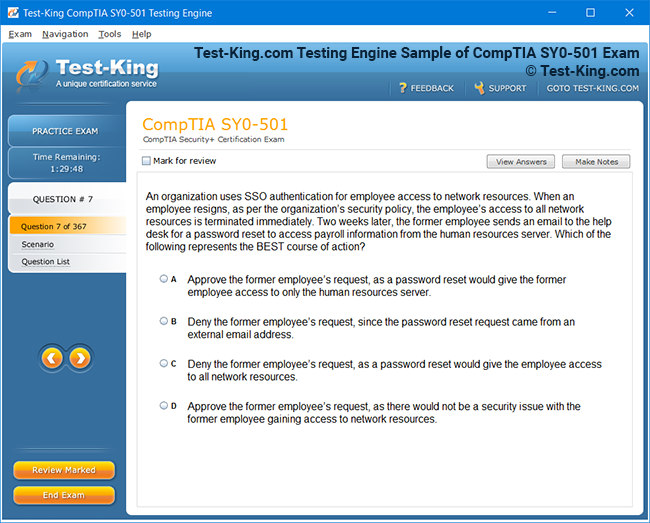
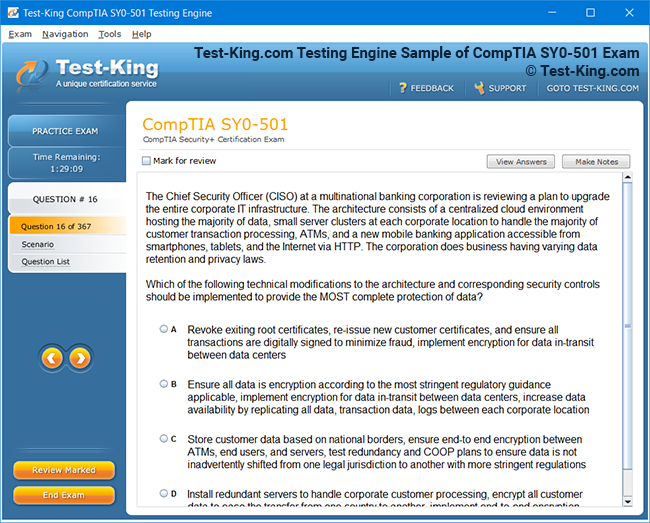
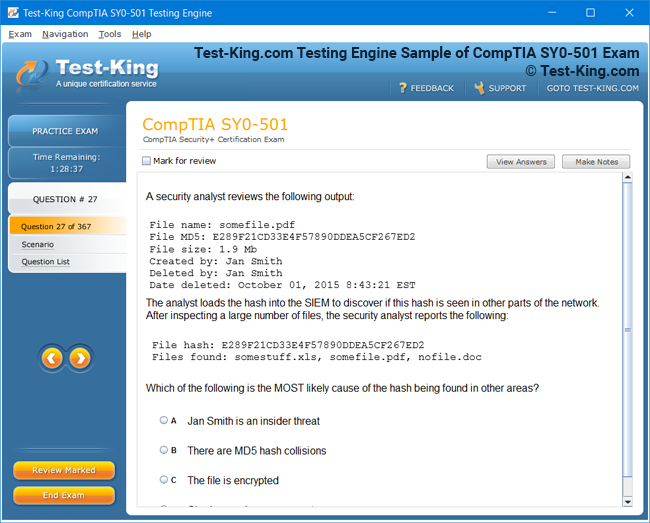
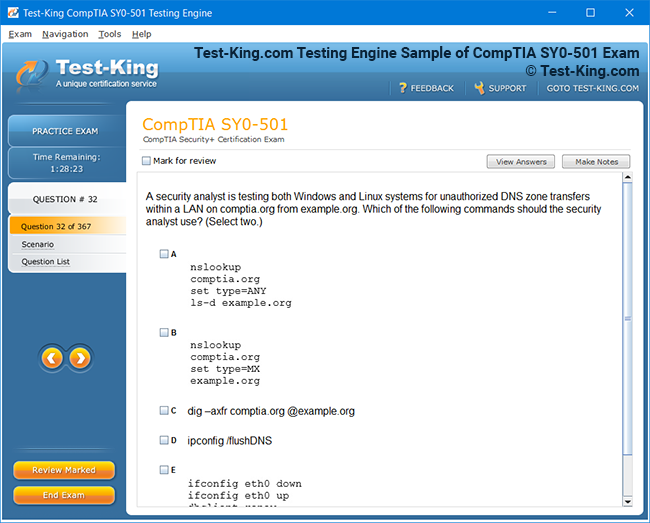
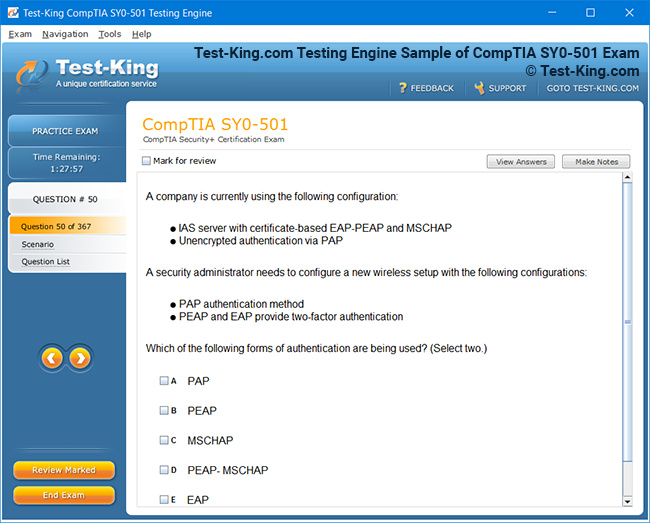
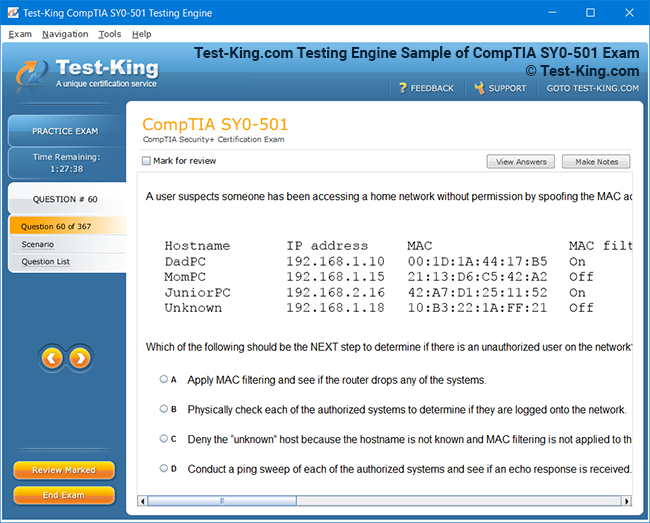
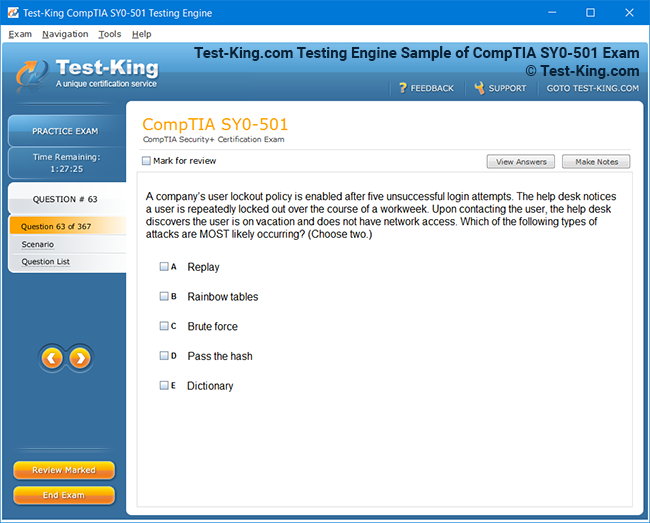
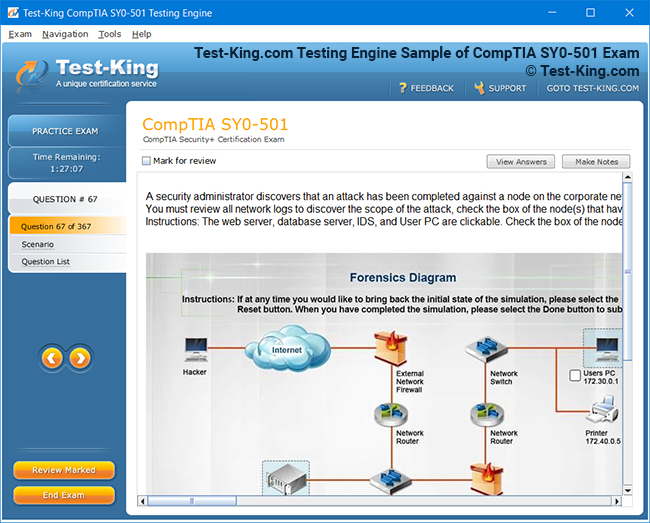
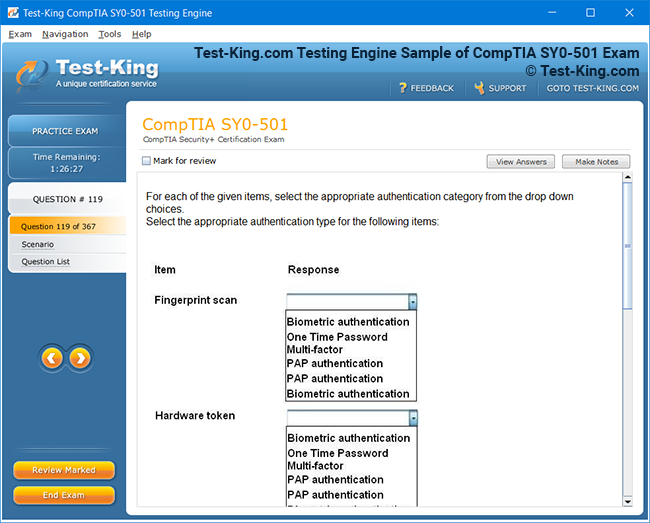
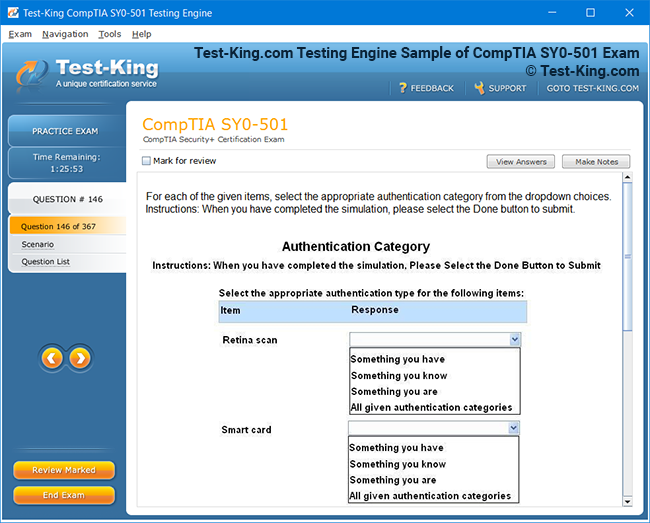
Product Screenshots
AHIMA RHIA: Advancing Your Career With Certificate in Health Information Management
The Registered Health Information Administrator credential, commonly known as the RHIA, is one of the most prestigious and widely recognized certifications in the health information management profession. Offered by the American Health Information Management Association, known as AHIMA, this certification validates that a professional has achieved a comprehensive level of knowledge in health data management, healthcare information technology, privacy and security, revenue cycle management, and leadership within health information systems. It is a credential that speaks directly to the complexity and importance of the role that health information professionals play in modern healthcare organizations of every size and type.
Earning the RHIA is not a simple task. Candidates must meet specific educational requirements, including a bachelor's degree from an AHIMA-accredited health information management program, before they are eligible to sit for the certification examination. This educational prerequisite ensures that all RHIA-certified professionals share a common foundational knowledge base that employers can rely on when making hiring and promotion decisions. The credential represents not just the passing of an examination but the completion of a rigorous academic program combined with demonstrated competence across the full breadth of health information management practice, making it one of the most meaningful credentials in the healthcare administration field.
Why Employers Prioritize RHIA
Healthcare organizations across the country actively seek professionals who hold the RHIA credential when filling health information management positions at every level. Hospital systems, physician group practices, long-term care facilities, insurance companies, government health agencies, and health information technology vendors all recognize the RHIA as a reliable indicator of professional competence and readiness. When a hiring manager sees this credential on a resume, it eliminates significant uncertainty about whether the candidate has the foundational knowledge required to perform effectively in a health information management role without extensive remedial training or close supervision.
The value employers place on the RHIA certification has grown alongside the increasing complexity of health information management work. As electronic health record systems have become universal in healthcare settings, as coding and billing regulations have multiplied in complexity, and as data privacy requirements have intensified under federal and state law, the knowledge required to manage health information effectively has expanded dramatically. The RHIA curriculum and examination are updated regularly to reflect these changes, ensuring that certified professionals carry current and relevant knowledge that addresses the real challenges healthcare organizations face in managing their health information functions today.
Financial Impact on Earnings
One of the most tangible and immediate benefits of earning the RHIA certification is its positive impact on earning potential. Health information management professionals who hold the RHIA credential consistently earn more than their peers who work in similar roles without the certification. Industry compensation surveys conducted by AHIMA and other professional organizations regularly document a meaningful salary premium for RHIA-certified professionals compared to those without the credential. This salary advantage reflects the genuine value that employers place on certified expertise and their willingness to pay a premium to attract and retain professionals whose qualifications have been formally verified.
The financial benefits of the RHIA certification are not limited to base salary. Certified professionals are more frequently considered for leadership positions, special project assignments, and consulting engagements that carry additional compensation above their regular pay. Many healthcare organizations offer certification bonuses or salary adjustments to employees who earn recognized professional credentials, and the RHIA typically qualifies for these incentive programs. Additionally, the RHIA certification opens access to senior and director-level roles in health information management that carry compensation packages substantially higher than individual contributor positions, making the long-term financial return on the certification investment very favorable for professionals at every career stage.
Roles Available to RHIA Holders
The RHIA certification is associated with a broad and diverse range of professional roles across the healthcare industry. Health information managers, directors of health information management departments, clinical data specialists, healthcare compliance officers, revenue cycle managers, health informatics analysts, and chief information officers in healthcare organizations are among the positions that RHIA-certified professionals commonly hold. This diversity of role types means that certified professionals are not locked into a single career track but can move between different types of health information work based on their interests, strengths, and the opportunities available in their geographic area or preferred work setting.
Beyond traditional health information management department roles, RHIA-certified professionals are increasingly finding opportunities in health information technology companies, consulting firms that serve healthcare clients, government health agencies, and academic institutions. The broad knowledge base the RHIA validates transfers well across these different environments because health information challenges are consistent across healthcare settings even when the specific organizational contexts differ. For professionals who want flexibility and variety in their career, the RHIA certification provides a foundation that supports movement across sectors, settings, and role types in ways that more narrowly focused credentials do not.
Health Data Management Expertise
At the core of the RHIA credential is expertise in health data management, which encompasses the collection, organization, storage, retrieval, analysis, and use of health information across its full lifecycle. This expertise is increasingly important as healthcare organizations generate and rely on enormous volumes of clinical and administrative data to support patient care, operational decision-making, quality improvement, research, and regulatory reporting. RHIA-certified professionals bring a structured and comprehensive understanding of how health data should be managed to ensure its accuracy, completeness, accessibility, and security throughout its lifecycle in complex healthcare environments.
The health data management knowledge validated by the RHIA certification includes familiarity with health information systems and the standards that govern how health data is structured and exchanged, such as HL7 FHIR, ICD coding systems, and CPT coding conventions. It also encompasses skills in data quality assessment, database management principles, and the design and evaluation of health information systems. As healthcare organizations increasingly depend on data analytics to drive clinical and operational improvements, RHIA-certified professionals who can bridge the gap between clinical data expertise and analytical applications are exceptionally well positioned for roles that sit at the intersection of health information management and healthcare analytics.
Privacy and Security Responsibilities
Health information privacy and security is one of the most consequential areas of responsibility that RHIA-certified professionals carry. The Health Insurance Portability and Accountability Act, along with state-level privacy laws and regulations, impose strict requirements on how healthcare organizations collect, use, store, and disclose protected health information. Violations of these requirements can result in substantial financial penalties, reputational damage, and in serious cases, criminal liability. RHIA-certified professionals are trained to implement, monitor, and enforce the policies and procedures that keep healthcare organizations compliant with these demanding legal and regulatory obligations.
The RHIA curriculum covers privacy and security in depth, equipping certified professionals with knowledge of HIPAA privacy and security rules, breach notification requirements, risk assessment methodologies, and the technical and administrative safeguards that healthcare organizations must maintain to protect patient information. As cyber threats against healthcare organizations have intensified in recent years, with ransomware attacks and data breaches becoming increasingly common and costly, the demand for health information professionals with strong privacy and security expertise has grown substantially. RHIA-certified professionals who combine health information management knowledge with a thorough grasp of healthcare privacy and security requirements are among the most sought-after specialists in the field.
Revenue Cycle Management Skills
Revenue cycle management is another major area of competence associated with the RHIA certification that has significant practical and financial implications for healthcare organizations. The revenue cycle encompasses all the administrative and clinical functions involved in capturing, managing, and collecting patient service revenue, from the initial scheduling of a patient appointment through the final resolution of the patient account. Errors or inefficiencies anywhere in the revenue cycle result in delayed payments, claim denials, lost revenue, and compliance risks that directly affect the financial health of healthcare organizations. RHIA-certified professionals play a critical role in ensuring the integrity and efficiency of this process.
The revenue cycle knowledge embedded in the RHIA certification includes expertise in medical coding, clinical documentation improvement, charge capture, claims submission, denial management, and reimbursement methodologies. RHIA-certified professionals often serve as the bridge between clinical staff, who generate the documentation that drives billing, and the administrative staff responsible for submitting claims and managing payer relationships. Their deep understanding of both the clinical and administrative dimensions of the revenue cycle makes them uniquely qualified to identify improvement opportunities, resolve disputes with payers, and lead initiatives that enhance the accuracy and completeness of clinical documentation across the organization.
Leadership Opportunities Become Accessible
The RHIA credential is explicitly designed to prepare professionals for leadership roles in health information management, and this leadership orientation is one of the features that distinguishes it from more technically focused health information credentials. The RHIA examination and curriculum address topics like organizational management, workforce development, project management, strategic planning, and change management within healthcare settings. These leadership competencies prepare certified professionals to take on supervisory and director-level roles that require not just technical expertise but the ability to lead teams, manage resources, and align health information functions with broader organizational goals.
Many health information management directors and department leaders in hospitals, health systems, and other healthcare organizations hold the RHIA credential. This prevalence of the RHIA at leadership levels reflects both the comprehensive knowledge base the credential validates and the explicit preparation for management responsibilities that the certification program provides. For professionals who aspire to move from technical individual contributor roles into positions of organizational leadership, the RHIA provides a recognized and respected pathway. It signals to employers that the certified professional has both the domain expertise and the leadership preparation required to manage complex health information functions and the teams responsible for them.
Exam Preparation Strategies Work
Preparing effectively for the RHIA certification examination requires a structured and disciplined approach that goes well beyond casual review of study materials. The examination is comprehensive and covers multiple domains including data content, structure and standards, information protection, informatics and analytics, revenue cycle management, compliance, and leadership. Candidates should begin by obtaining the official AHIMA exam content outline, which specifies exactly what topics are covered in the examination and with what relative weight. This document is the authoritative guide to examination content and should drive every study decision a candidate makes from the beginning of preparation.
Effective preparation combines multiple study strategies rather than relying on any single approach. Reading AHIMA's official study guide and domain-specific reference materials builds the conceptual foundation that the exam requires. Practice examination questions help candidates assess their readiness, identify knowledge gaps, and develop familiarity with the question formats and reasoning patterns the exam employs. Study groups with other RHIA candidates provide accountability, shared insights, and collaborative review of challenging topics. Many candidates also benefit from formal review courses offered by AHIMA or authorized education providers that organize exam content systematically and highlight the areas most likely to appear on the examination.
AHIMA Community Membership Benefits
Earning the RHIA certification connects professionals to AHIMA's extensive community of health information management practitioners, which includes tens of thousands of certified professionals working across every segment of the healthcare industry. AHIMA provides its members with access to professional development resources, industry publications, continuing education programs, networking events, and advocacy initiatives that keep certified professionals informed and engaged with developments in the field. This community membership is an ongoing benefit of certification that extends well beyond the examination itself and contributes to professional growth throughout an entire career.
AHIMA's component state associations further extend the community benefits of RHIA certification by providing local networking opportunities, regional educational events, and state-level advocacy on health information management issues. Many RHIA-certified professionals find that their most valuable professional relationships develop through active participation in both national and state-level AHIMA activities. These relationships generate job leads, mentorship connections, collaborative learning opportunities, and the kind of collegial support that makes navigating the complexities of health information management work more manageable and professionally rewarding over the long term.
Continuing Education Keeps Skills Fresh
The RHIA certification requires ongoing continuing education to maintain active status, which ensures that certified professionals keep their knowledge current as the health information management field evolves. AHIMA requires RHIA-certified professionals to complete a defined number of continuing education hours during each two-year recertification cycle. These continuing education activities must cover relevant health information management topics, and AHIMA offers a wide range of approved activities including webinars, conferences, online courses, and self-directed learning programs that make it convenient for working professionals to meet their requirements without interrupting their careers.
The continuing education requirement, while sometimes viewed primarily as a compliance obligation, delivers genuine professional value by exposing certified professionals to new developments in their field on a regular and structured basis. Health information management is a field that changes rapidly, driven by evolving technology, shifting regulatory requirements, changing healthcare delivery models, and advances in data analytics and informatics. Professionals who engage consistently with continuing education stay informed about these changes, adapt their skills accordingly, and maintain the currency of knowledge that makes the RHIA credential meaningful to employers throughout the professional's career and not just at the moment of initial certification.
Informatics and Analytics Knowledge
Health informatics and analytics represent one of the fastest-growing areas within health information management and an area where RHIA-certified professionals have significant opportunities to differentiate themselves and expand their career options. Healthcare organizations are increasingly investing in data analytics capabilities to support quality improvement, population health management, operational efficiency, and strategic decision-making. RHIA-certified professionals who develop strong informatics and analytics skills are positioned to contribute to these initiatives in ways that add substantial organizational value and open doors to emerging roles that bridge health information management with data science.
The informatics and analytics content covered in the RHIA curriculum includes topics like healthcare data standards, database design and management, statistical analysis fundamentals, data visualization concepts, and the application of analytical methods to health information questions. While the RHIA alone does not make a professional a data scientist, it provides the health information management foundation that specialized analytics training can build upon. Many RHIA-certified professionals supplement their credential with additional training in tools like SQL, Tableau, or Python, creating a combination of health information expertise and technical analytics skill that is exceptionally valuable and relatively rare in the job market.
Compliance and Regulatory Competence
Healthcare is one of the most heavily regulated industries in the economy, and health information management professionals sit at the center of many of the compliance challenges that healthcare organizations face. The RHIA certification validates comprehensive knowledge of the regulatory environment governing health information, including HIPAA, the Health Information Technology for Economic and Clinical Health Act, Medicare and Medicaid documentation and coding requirements, accreditation standards, and state-specific health information laws. This regulatory competence is essential for any health information management professional who wants to contribute meaningfully to their organization's compliance program.
RHIA-certified professionals frequently serve as the primary resource within their organizations for questions about health information compliance. Colleagues in clinical, administrative, and executive roles rely on them to interpret regulatory requirements, evaluate the compliance implications of proposed policies or practices, and guide the organization through regulatory audits and accreditation surveys. This advisory role gives certified professionals significant organizational influence and visibility that extends well beyond the formal boundaries of the health information management department. Professionals who embrace this compliance advisory function and invest in keeping their regulatory knowledge current become indispensable resources that their organizations work hard to retain.
Telehealth Expanding Job Opportunities
The rapid expansion of telehealth services across the healthcare industry has created new job opportunities for health information management professionals that did not exist in meaningful numbers just a few years ago. Telehealth generates health information management challenges related to documentation standards, record retention, coding and billing for virtual visits, privacy and security of electronically transmitted health information, and compliance with state-specific telehealth regulations that vary significantly across jurisdictions. RHIA-certified professionals are well equipped to address these challenges because their broad health information management knowledge base applies directly to the unique characteristics of telehealth environments.
Health information management roles specifically focused on telehealth operations, virtual care compliance, and digital health information governance are emerging in large health systems, telehealth companies, and digital health startups. These roles often offer competitive compensation, flexible work arrangements, and exposure to some of the most innovative developments in healthcare delivery. RHIA-certified professionals who develop familiarity with telehealth-specific health information management issues position themselves well for these emerging opportunities. As telehealth continues to grow as a permanent component of healthcare delivery rather than a temporary accommodation, the demand for health information management expertise in digital health settings will continue to expand alongside it.
Conclusion
The RHIA certification is far more than a credential that demonstrates knowledge of health information management principles. It is a career-transforming investment that opens doors to higher compensation, more responsible and influential roles, broader career options, and deeper professional engagement with one of the most important and complex fields in the entire healthcare industry. Professionals who earn the RHIA position themselves at the intersection of clinical knowledge, information technology, regulatory compliance, data analytics, and organizational leadership — a combination of competencies that is genuinely rare and consistently in demand across every segment of the healthcare industry.
The preparation process for the RHIA examination produces lasting professional benefits that extend well beyond exam day. Candidates who work systematically through the examination domains gain a structured and comprehensive understanding of health information management that fills the gaps inevitably left by on-the-job experience alone. This structured knowledge makes certified professionals more effective in their current roles while simultaneously preparing them for the expanded responsibilities that come with career advancement. The discipline required to prepare for and pass a rigorous professional examination also builds habits of structured learning and systematic problem-solving that serve professionals well throughout their careers.
The healthcare industry will continue to generate growing demand for qualified health information management professionals for the foreseeable future. Population growth, the aging of the baby boom generation, the expansion of electronic health record adoption, the intensification of data analytics in healthcare decision-making, and the ongoing complexity of healthcare regulation all contribute to a persistent and growing need for professionals who can manage health information effectively. RHIA-certified professionals are positioned to meet this demand and to grow with it, taking on increasingly senior and influential roles as their experience accumulates alongside their certification.
For professionals who are considering whether to pursue the RHIA credential, the evidence in favor of doing so is compelling across every dimension of professional life. The salary benefits are real and lasting. The career opportunities are broad and growing. The professional community is supportive and engaged. The knowledge gained through preparation is immediately applicable and practically valuable. And the credential itself carries the weight of one of the most respected professional associations in healthcare. Investing in the RHIA certification is, for any serious health information management professional, one of the most consequential and rewarding career decisions they can make, with returns that accumulate across every subsequent stage of a long and meaningful professional career in health information management.
Frequently Asked Questions
How can I get the products after purchase?
All products are available for download immediately from your Member's Area. Once you have made the payment, you will be transferred to Member's Area where you can login and download the products you have purchased to your computer.
How long can I use my product? Will it be valid forever?
Test-King products have a validity of 90 days from the date of purchase. This means that any updates to the products, including but not limited to new questions, or updates and changes by our editing team, will be automatically downloaded on to computer to make sure that you get latest exam prep materials during those 90 days.
Can I renew my product if when it's expired?
Yes, when the 90 days of your product validity are over, you have the option of renewing your expired products with a 30% discount. This can be done in your Member's Area.
Please note that you will not be able to use the product after it has expired if you don't renew it.
How often are the questions updated?
We always try to provide the latest pool of questions, Updates in the questions depend on the changes in actual pool of questions by different vendors. As soon as we know about the change in the exam question pool we try our best to update the products as fast as possible.
How many computers I can download Test-King software on?
You can download the Test-King products on the maximum number of 2 (two) computers or devices. If you need to use the software on more than two machines, you can purchase this option separately. Please email support@test-king.com if you need to use more than 5 (five) computers.
What is a PDF Version?
PDF Version is a pdf document of Questions & Answers product. The document file has standart .pdf format, which can be easily read by any pdf reader application like Adobe Acrobat Reader, Foxit Reader, OpenOffice, Google Docs and many others.
Can I purchase PDF Version without the Testing Engine?
PDF Version cannot be purchased separately. It is only available as an add-on to main Question & Answer Testing Engine product.
What operating systems are supported by your Testing Engine software?
Our testing engine is supported by Windows. Andriod and IOS software is currently under development.