

Certification: IBM Certified Mobile Application Developer - Mobile Foundation V8.0
Certification Full Name: IBM Certified Mobile Application Developer - Mobile Foundation V8.0
Certification Provider: IBM
Exam Code: C1000-003
Exam Name: IBM Mobile Foundation v8.0 Application Development
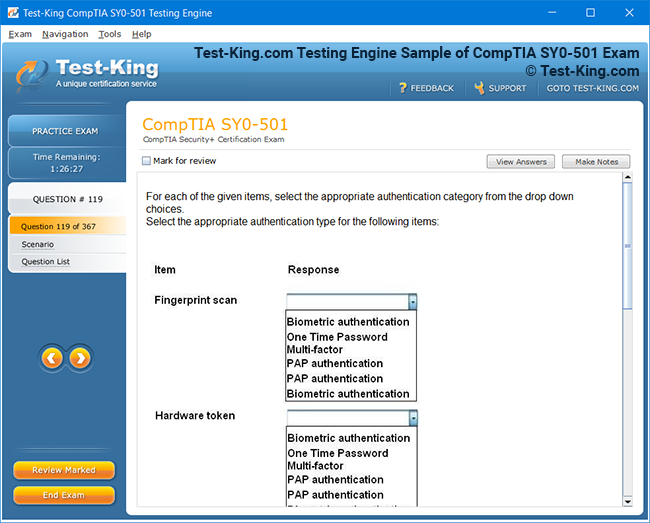
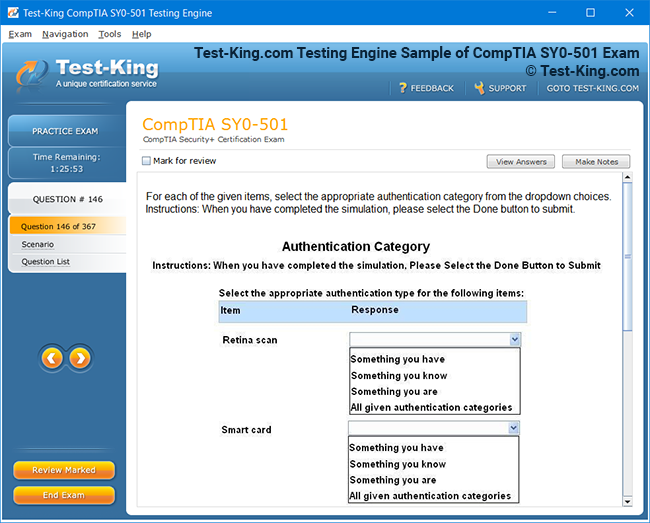
Product Screenshots
IBM Certified Mobile Application Developer - Mobile Foundation V8.0 Certification
The landscape of mobile application development has grown increasingly intricate, requiring developers to navigate not only the nuances of coding but also the intricacies of cloud integration, security protocols, and platform interoperability. The IBM Mobile Foundation v8.0 environment provides an extensive framework for creating, deploying, and managing enterprise-grade mobile applications. As a developer aspiring to acquire the IBM Certified Mobile Application Developer credential, understanding the multifaceted components of the Mobile Foundation ecosystem is imperative. This knowledge is not solely limited to technical skills but also encompasses strategic comprehension of application lifecycle management, testing, deployment, and user engagement methodologies.
Understanding the IBM Mobile Foundation Environment and Exam Preparation
The IBM Mobile Foundation environment is designed to enable developers to leverage reusable assets, integrate with backend systems, and streamline the delivery of mobile solutions across heterogeneous devices. The architecture primarily revolves around a core server component that orchestrates application delivery, security, push notifications, and operational analytics. This central orchestration allows for seamless interaction between the mobile client and enterprise systems, ensuring data integrity, performance optimization, and adherence to regulatory compliance standards. It is essential for developers to understand how each module interplays with another, particularly how adapters facilitate communication between mobile apps and backend services. Adapters serve as intermediaries, transforming and routing data while ensuring authentication, authorization, and efficient data handling.
For candidates preparing for the IBM certification, familiarizing oneself with the exam’s structure, types of questions, and commonly emphasized topics is crucial. The examination assesses proficiency in various domains including application development, backend integration, security implementation, and application lifecycle management. Questions typically present scenarios requiring the candidate to analyze requirements, recommend architectural approaches, or troubleshoot issues within the Mobile Foundation environment. It is valuable to approach each question with an analytical mindset, considering both technical feasibility and best practices. For instance, understanding when to employ direct HTTP adapters versus SQL adapters can influence data flow efficiency and scalability of the mobile solution.
The exam preparation also necessitates familiarity with development tools and platforms that support the Mobile Foundation ecosystem. Integrated development environments and tooling provide developers with capabilities such as debugging, deployment automation, and application profiling. Developers are encouraged to experiment with sample applications, analyze backend responses, and monitor performance metrics to cultivate an intuitive grasp of how the Mobile Foundation server manages runtime operations. Additionally, grasping security considerations such as OAuth authentication, single sign-on implementation, and secure data storage is essential, as these are frequently emphasized in both practical development scenarios and examination questions.
One of the most common areas examined is the orchestration of mobile application components and their communication with enterprise resources. Candidates are often prompted to identify optimal strategies for handling offline data synchronization, push notifications, and API integrations. Understanding the nuances of JSON data transformations, error handling mechanisms, and caching strategies contributes significantly to both practical application development and exam performance. Real-world mobile applications often encounter scenarios where connectivity is intermittent or backend services respond unpredictably. Preparing for such scenarios involves creating robust error-handling logic, designing efficient caching strategies, and ensuring smooth user experiences regardless of network conditions.
Testing within the Mobile Foundation environment is another critical component. Developers must understand unit testing, integration testing, and end-to-end validation to ensure applications function correctly across diverse devices and operating systems. Automated testing frameworks integrated with the development environment allow developers to simulate multiple user interactions and backend responses. These tests not only verify functional correctness but also evaluate performance, latency, and security compliance. In an examination setting, candidates may be required to interpret test results, diagnose potential bottlenecks, or suggest improvements to enhance reliability and maintainability of mobile applications.
The intricacies of application deployment form an additional layer of expertise assessed during the certification. Deploying applications within the Mobile Foundation environment entails understanding platform-specific considerations, containerization benefits, and versioning strategies. Developers need to plan deployment pipelines that integrate automated builds, continuous integration, and monitoring mechanisms to ensure smooth rollouts. The IBM Mobile Foundation server facilitates deployment tracking, environment segregation, and rollback capabilities, which are crucial when addressing operational contingencies. Exam questions often explore scenarios where deployment decisions impact user experience, data consistency, or system availability, requiring candidates to balance technical and business considerations effectively.
Security and identity management within mobile applications are topics of considerable importance. Developers must be adept at implementing authentication and authorization mechanisms that protect sensitive data while maintaining a seamless user experience. Techniques such as token-based authentication, encrypted storage, and secure API interactions form the backbone of secure mobile application development. Scenario-based questions in the certification exam may present hypothetical breaches, regulatory constraints, or access control requirements, asking candidates to recommend strategies to safeguard enterprise data. A thorough understanding of security principles, coupled with practical implementation knowledge, equips developers to handle these challenges proficiently.
Performance optimization remains an ongoing concern in mobile application development. Candidates preparing for the IBM Mobile Foundation certification are expected to comprehend strategies for minimizing latency, optimizing network communication, and managing resource utilization efficiently. Techniques such as lazy loading, asynchronous data fetching, and efficient data serialization contribute to improved responsiveness and user satisfaction. Examination questions often explore performance trade-offs or require candidates to recommend modifications to existing implementations to enhance efficiency, underscoring the importance of both conceptual and hands-on knowledge.
Understanding analytics and monitoring capabilities within Mobile Foundation is also essential. Developers must be capable of instrumenting applications to collect operational metrics, track user behavior, and generate actionable insights. These analytics inform continuous improvement strategies, allowing developers to refine application performance, identify user engagement trends, and preemptively address potential issues. Within the context of certification preparation, candidates are encouraged to explore how analytic data can inform decision-making, improve design patterns, and enhance overall application quality.
Another critical aspect is the integration of push notifications and real-time messaging. Mobile Foundation provides mechanisms to send targeted notifications, monitor delivery, and manage subscriptions efficiently. Candidates need to understand the lifecycle of notifications, message queuing, and delivery optimization to ensure timely and relevant communication with end users. Exam scenarios may present complex messaging requirements, challenging candidates to design workflows that balance immediacy, relevance, and resource utilization.
Practical application development within the Mobile Foundation ecosystem also involves leveraging reusable assets, component libraries, and cloud services to accelerate development while maintaining code quality. Candidates are encouraged to explore various libraries and frameworks supported by the platform, analyze architectural trade-offs, and ensure adherence to coding standards. This holistic understanding of both development practices and enterprise requirements forms the foundation for successful certification preparation.
To simulate real-world conditions, candidates should practice with mock exams that reflect the IBM C1000-003 environment. These practice tests help familiarize developers with the type, format, and complexity of questions they will encounter. Mock exams typically include scenario-based questions that assess analytical thinking, problem-solving capabilities, and technical knowledge. Engaging with these practice exams allows candidates to identify knowledge gaps, refine time management strategies, and cultivate confidence. Reviewing results systematically and revisiting weak areas enhances both retention and application of learned concepts.
The Mobile Foundation certification exam emphasizes a combination of theoretical knowledge and applied skills. Candidates are often asked to demonstrate comprehension of both conceptual frameworks and practical implementations. This includes understanding mobile client-server interactions, API integrations, authentication strategies, offline data handling, performance tuning, and deployment pipelines. Preparing for such comprehensive assessment requires disciplined study, hands-on experimentation, and consistent evaluation of progress through practice tests and scenario analyses.
Finally, cultivating a mindset attuned to continuous learning is invaluable. The IBM Mobile Foundation environment evolves with emerging technologies, best practices, and enterprise requirements. Developers who maintain engagement with community discussions, forums, and documentation are better equipped to navigate updates, adopt innovative techniques, and implement sustainable solutions. Certification preparation, therefore, is not merely an exam-focused endeavor but an opportunity to deepen professional expertise, enhance problem-solving capabilities, and align practical skills with industry standards.
Advanced Concepts and Practical Implementation Strategies
Developing mobile applications in the IBM Mobile Foundation v8.0 environment necessitates an intricate understanding of advanced development methodologies, integration strategies, and operational intricacies that extend beyond basic coding paradigms. The platform is designed to accommodate enterprise-scale applications that demand both robustness and agility, requiring developers to balance performance optimization, security, and maintainability with innovative design. Mastery of these dimensions is essential not only for effective application development but also for success in certification assessments where practical comprehension and scenario-based reasoning are evaluated.
Central to the IBM Mobile Foundation ecosystem is the orchestration of backend services and mobile clients, which relies on the judicious use of adapters and integration frameworks. Adapters function as conduits between mobile applications and enterprise resources, transforming data formats, managing communication protocols, and enforcing security policies. Developers must recognize when to implement SQL adapters for database interactions, HTTP adapters for RESTful services, or custom adapters tailored to unique business requirements. Understanding the lifecycle of adapter requests, error handling mechanisms, and data transformation processes is indispensable, as it ensures consistent and reliable application performance across diverse usage scenarios.
The examination often includes scenarios where candidates are required to optimize application communication with backend systems while maintaining data integrity and security. Effective strategies include employing caching mechanisms to minimize redundant requests, leveraging asynchronous calls to improve responsiveness, and implementing retry logic to handle intermittent network disruptions. Additionally, developers must account for transaction consistency and concurrency control, particularly when multiple users interact with shared resources. These considerations not only enhance application reliability but also reflect best practices that are crucial for both professional development and certification evaluation.
Security considerations permeate every facet of application development within the Mobile Foundation environment. Developers are expected to implement multifaceted authentication and authorization mechanisms, including token-based authentication, single sign-on, and role-based access controls. Scenario-based questions may present hypothetical security breaches, compliance requirements, or access control dilemmas, requiring candidates to recommend mitigation strategies that align with enterprise policies. Beyond authentication, secure data handling practices such as encrypted storage, SSL/TLS communication, and secure API interactions are emphasized to prevent data leakage and ensure regulatory compliance.
Performance optimization remains a critical competency, particularly as applications scale to support extensive user bases. Techniques such as data compression, lazy loading, and optimized query design reduce latency and improve user experience. Developers are encouraged to monitor application performance using analytics and instrumentation tools, enabling proactive identification of bottlenecks and resource-intensive operations. Examination questions frequently require candidates to analyze performance metrics, recommend enhancements, or troubleshoot scenarios where latency, throughput, or memory utilization may impede functionality.
Testing is an integral component of robust mobile application development. Unit testing ensures individual components function correctly, integration testing validates communication between modules, and end-to-end testing verifies comprehensive workflows. Automated testing frameworks provided by the IBM Mobile Foundation environment allow developers to simulate real-world interactions, generate reproducible test cases, and assess application behavior under diverse conditions. Within the certification context, candidates are expected to interpret test results, diagnose potential failures, and propose corrective actions that maintain both functional accuracy and operational efficiency.
The deployment and operational lifecycle of applications is another domain of emphasis. Developers must be familiar with strategies for versioning, environment segregation, and rollback mechanisms to manage releases effectively. Deployment pipelines integrate automated builds, continuous integration, and monitoring capabilities to ensure that updates are seamlessly propagated across environments. Candidates may encounter scenarios in the certification assessment that require balancing deployment speed, user experience continuity, and backend compatibility, reflecting real-world constraints where technical decisions have operational implications.
Analytics and operational monitoring provide actionable insights that guide continuous improvement and strategic decision-making. Developers should instrument applications to capture user behavior, usage patterns, and system performance metrics. These insights facilitate proactive maintenance, optimize feature utilization, and support iterative enhancement of the application. In examination scenarios, candidates are expected to interpret analytics data to make informed decisions regarding performance tuning, feature prioritization, or security reinforcement, underscoring the interplay between technical knowledge and business acumen.
Push notifications and real-time messaging constitute essential features of enterprise mobile applications. Understanding the architecture of notification services, message queuing, delivery optimization, and subscription management allows developers to design effective communication workflows. Certification questions often present complex messaging requirements, asking candidates to propose strategies that ensure timely delivery, relevance, and scalability. Implementing such features requires a holistic understanding of both backend infrastructure and client-side interaction patterns to deliver seamless and impactful user experiences.
Developers are encouraged to leverage reusable components, design patterns, and platform-specific libraries to accelerate development while ensuring code maintainability. Best practices include modular design, adherence to coding standards, and thoughtful abstraction of business logic to promote scalability and readability. Scenario-based questions in the IBM certification often assess a candidate’s ability to recommend architectural improvements, refactor inefficient workflows, or implement reusable modules that enhance the maintainability and longevity of mobile applications.
Offline data synchronization is another critical area where practical expertise is essential. Mobile applications must gracefully handle intermittent connectivity while maintaining consistency between client and server data. Strategies include conflict resolution mechanisms, local caching, and transaction queuing to ensure that operations are correctly applied once connectivity is restored. Certification assessments frequently present scenarios requiring candidates to design resilient offline workflows that balance data integrity, user experience, and system performance, reflecting the realities of mobile computing in enterprise environments.
Understanding application lifecycle management is fundamental for both development and certification preparation. Developers must manage requirements, design specifications, testing, deployment, and operational monitoring cohesively. Lifecycle considerations include version control, environment management, and continuous integration practices that streamline development while mitigating risks. Candidates are expected to demonstrate knowledge of how lifecycle decisions influence application stability, maintainability, and scalability, aligning technical execution with organizational objectives.
Integration with cloud services and third-party APIs extends the capabilities of mobile applications and introduces additional complexity. Developers must understand API authentication, rate limiting, error handling, and data transformation to ensure seamless interoperability. Certification questions often explore scenarios where multiple services interact, requiring candidates to design resilient workflows that handle failures gracefully and maintain consistent user experiences. Practical experience with cloud integrations reinforces conceptual understanding, enabling candidates to apply best practices in both exam and real-world contexts.
Monitoring and logging are indispensable for operational success. Developers must implement structured logging, event tracking, and error reporting to facilitate troubleshooting and performance optimization. Analytics generated through monitoring provide insights into user engagement, feature utilization, and system health. Candidates are encouraged to evaluate monitoring strategies, correlate data points, and recommend enhancements that improve overall application reliability. Examination scenarios may present hypothetical operational issues, challenging candidates to apply analytical reasoning and technical knowledge to resolve incidents efficiently.
Performance tuning extends beyond code optimization to include strategic resource management. Developers must consider network usage, data payload optimization, and client-side processing efficiency. Certification assessments may require candidates to propose solutions to mitigate high latency, excessive memory consumption, or network congestion, emphasizing the importance of comprehensive performance strategies. Understanding the interplay between client and server, combined with analytic insights, equips developers to make informed decisions that enhance application responsiveness and user satisfaction.
Collaboration and communication within development teams also contribute to successful outcomes. Developers are expected to coordinate requirements, share best practices, and document workflows clearly to ensure continuity and maintainability. Scenario-based questions often highlight collaborative challenges, requiring candidates to propose approaches that balance technical considerations with team coordination and project management. Effective collaboration ensures that applications are not only technically sound but also aligned with business priorities and stakeholder expectations.
In addition to practical skills, cognitive agility is essential for navigating scenario-based questions. Candidates are encouraged to develop problem-solving frameworks, anticipate potential issues, and devise innovative solutions within the Mobile Foundation environment. The examination frequently evaluates the ability to synthesize technical knowledge, operational constraints, and business requirements into coherent strategies, reflecting the multifaceted nature of enterprise mobile application development.
Hands-on practice with simulated exams reinforces learning and builds confidence. Mock tests provide opportunities to encounter realistic scenarios, manage time effectively, and evaluate understanding of advanced topics such as adapter configurations, offline data handling, security enforcement, and performance tuning. Consistent engagement with these practice exams allows candidates to refine strategies, address knowledge gaps, and internalize best practices, ensuring preparedness for both the certification assessment and professional responsibilities.
The IBM Mobile Foundation environment emphasizes a holistic approach to mobile application development that encompasses architecture, integration, security, performance, testing, deployment, analytics, and lifecycle management. Candidates who immerse themselves in practical experimentation, scenario analysis, and continuous review cultivate expertise that extends beyond the examination and supports long-term professional success. The integration of technical proficiency, analytical reasoning, and strategic planning forms the foundation for effective mobile solutions in complex enterprise environments, equipping developers with the skills needed to excel in dynamic and demanding contexts.
Integrating Enterprise Systems and Advanced Application Strategies
Developing enterprise mobile applications using the IBM Mobile Foundation v8.0 environment requires a profound understanding of system integration, modular architecture, and scalable application design. Developers are expected to not only produce functional applications but also ensure that these solutions seamlessly interact with backend systems, cloud services, and third-party APIs. The certification evaluation emphasizes the candidate’s ability to synthesize practical experience with theoretical knowledge, focusing on advanced integration strategies, performance optimization, and robust security implementations.
A crucial element in enterprise mobile application development is the orchestration of backend services through adapters and integration frameworks. Adapters act as intermediaries that transform data between the mobile client and server systems, handling authentication, data validation, and secure communication. SQL adapters allow access to relational databases, facilitating CRUD operations with transactional integrity. HTTP adapters enable communication with RESTful services and third-party APIs, allowing applications to retrieve, manipulate, and present dynamic content. Understanding the optimal use of each adapter type and managing their lifecycles ensures efficient data flow and system reliability.
Data synchronization is another essential consideration, especially for applications that operate under intermittent connectivity. Developers must design mechanisms for offline storage, conflict resolution, and queued operations to guarantee consistency when connectivity is restored. The Mobile Foundation environment provides tools for local data caching and automated synchronization, but developers need to implement strategies that handle edge cases and ensure minimal data loss. Certification questions often present scenarios requiring candidates to determine the best approach to maintaining data integrity while balancing user experience and performance considerations.
Security is deeply ingrained in every facet of mobile application development. Implementing secure authentication and authorization protocols is paramount. Token-based authentication ensures that client requests are validated without exposing sensitive credentials, while single sign-on and role-based access control streamline secure access across multiple applications. Developers must also manage encrypted data storage and secure API interactions to prevent unauthorized access and comply with regulatory mandates. Scenario-based questions frequently challenge candidates to design solutions that prevent breaches while maintaining operational efficiency.
Performance optimization involves a combination of strategic architecture and meticulous resource management. Developers should employ lazy loading to defer the initialization of non-critical components, implement asynchronous data fetching to reduce blocking operations, and optimize network calls to minimize latency. Analytics and monitoring tools integrated into the Mobile Foundation environment provide real-time insights into application responsiveness, server utilization, and user interactions. Candidates preparing for certification are expected to interpret these metrics, identify performance bottlenecks, and propose actionable solutions to enhance application efficiency.
Testing and validation are indispensable practices that ensure application reliability. Unit testing validates individual components, integration testing examines communication between modules, and end-to-end testing verifies the entire application workflow under realistic conditions. Automated testing frameworks simulate diverse user interactions and backend responses, allowing developers to anticipate potential failures and enhance fault tolerance. During the certification assessment, candidates may be presented with scenarios requiring interpretation of test results and recommendations for corrective measures to maintain functionality and performance.
The deployment process in the Mobile Foundation environment involves meticulous planning to ensure smooth transitions across development, staging, and production environments. Developers must consider version control, rollback strategies, and environment-specific configurations to maintain operational stability. Continuous integration pipelines facilitate automated builds, testing, and deployment, reducing the likelihood of errors and accelerating release cycles. Candidates are often assessed on their ability to balance deployment speed with quality assurance, ensuring that updates are reliable, consistent, and minimally disruptive.
Analytics and monitoring extend beyond performance metrics to include user engagement, feature utilization, and operational insights. Instrumenting applications to collect structured data allows developers to make informed decisions regarding enhancements, feature prioritization, and user experience improvements. Candidates are expected to demonstrate the ability to leverage analytics to support strategic application evolution, reflecting an understanding of both technical and business considerations. Scenario-based questions may ask how analytic insights can be used to improve performance, optimize resource allocation, or enhance security measures.
Push notifications and messaging play a pivotal role in user engagement and application interactivity. Developers need to understand the mechanisms for delivering targeted notifications, managing message queues, and ensuring timely and relevant communication. Certification scenarios may challenge candidates to design solutions that handle high volumes of notifications, ensure delivery consistency, and optimize resource usage. Mastery of these features ensures that applications remain responsive, interactive, and aligned with enterprise communication strategies.
Integration with external services and APIs is a frequent requirement in enterprise mobile applications. Developers must handle authentication, rate limiting, error handling, and data transformation when consuming services from third-party providers. Certification questions often present complex integration scenarios, requiring candidates to design robust workflows that maintain data integrity, security, and responsiveness. Effective integration strategies contribute to a seamless user experience and demonstrate the developer’s capacity to manage heterogeneous systems within the Mobile Foundation ecosystem.
Understanding the application lifecycle is crucial for sustainable development and certification readiness. Developers manage the complete spectrum from requirements gathering, design, testing, deployment, and operational monitoring. Lifecycle considerations include versioning, environment segregation, and continuous improvement practices that maintain application quality while enabling rapid innovation. Candidates are evaluated on their ability to implement lifecycle strategies that balance technical rigor with operational efficiency, ensuring long-term application stability and scalability.
Developers must also adopt best practices in modular design, reusable components, and coding standards. Employing design patterns such as model-view-controller or observer patterns enhances maintainability, promotes code reusability, and improves readability. Certification assessments may present scenarios asking candidates to refactor inefficient code or implement modular architectures to solve specific challenges. This approach fosters sustainable development practices while ensuring that applications remain adaptable to evolving business needs.
Offline data management and synchronization represent additional challenges. Applications must provide reliable offline experiences without compromising data consistency. Developers implement local caching, transaction queuing, and conflict resolution mechanisms to manage operations during connectivity disruptions. Scenario-based questions may ask candidates to design solutions that reconcile offline changes with server data, ensuring that user actions are accurately reflected and conflicts are minimized. Mastery of offline workflows is critical for enterprise-grade mobile applications where connectivity cannot be guaranteed.
Monitoring and logging contribute significantly to application reliability. Developers implement structured logging, error reporting, and event tracking to diagnose issues, optimize performance, and maintain system health. Real-time monitoring enables proactive maintenance, while historical analytics provide insights into long-term trends and user behaviors. Certification questions often assess the candidate’s ability to leverage monitoring data to troubleshoot problems, recommend enhancements, and anticipate operational challenges.
Performance tuning is not limited to code optimization but encompasses resource management, network utilization, and server-client interactions. Developers optimize payload sizes, manage client-side processing, and implement caching strategies to reduce latency and improve responsiveness. Certification scenarios may require candidates to analyze network patterns, identify inefficiencies, and propose comprehensive performance improvements, reflecting an integrated approach to mobile application optimization.
Collaboration and communication among development teams enhance project outcomes and maintain continuity. Developers share best practices, coordinate requirements, and document workflows to ensure maintainability and knowledge transfer. Certification scenarios often highlight collaborative challenges, asking candidates to propose strategies that balance team coordination, technical implementation, and project goals. Effective collaboration ensures that enterprise applications are not only technically robust but also aligned with business objectives and stakeholder expectations.
Scenario-based problem solving is essential for both examination success and practical application development. Candidates are encouraged to approach complex challenges with analytical reasoning, anticipate potential pitfalls, and devise innovative solutions. Questions often combine technical constraints with business requirements, requiring a synthesis of skills, judgment, and strategy to propose optimal solutions. Developing a methodical problem-solving framework enhances preparedness for the IBM certification as well as professional competency in real-world environments.
Hands-on experience with simulated examinations reinforces conceptual understanding and builds confidence. Mock tests provide exposure to realistic scenarios, time management practice, and evaluation of knowledge in advanced topics such as adapter configuration, offline data synchronization, security enforcement, and performance optimization. Regular practice helps identify weaknesses, improve retention, and internalize best practices, ensuring readiness for both certification assessment and professional responsibilities.
The IBM Mobile Foundation environment embodies a comprehensive approach to mobile application development, integrating architecture, integration, security, performance, testing, deployment, and operational analytics. Candidates who engage deeply with these aspects through practical exercises, scenario analysis, and continuous review cultivate expertise that extends beyond the certification and supports sustained professional growth. The integration of technical proficiency, strategic planning, and analytical reasoning provides a foundation for delivering robust, scalable, and enterprise-ready mobile solutions.
Advanced Integration, Security, and Operational Excellence
The IBM Mobile Foundation v8.0 environment presents a sophisticated platform for enterprise mobile application development, demanding both technical acumen and strategic understanding of integration, security, and operational management. Developers working within this ecosystem are expected to design solutions that seamlessly connect mobile clients with backend systems, third-party APIs, and cloud services while ensuring security, performance, and maintainability. Certification assessments evaluate the candidate’s ability to manage complex scenarios, apply practical knowledge, and recommend solutions aligned with enterprise objectives.
Integration forms the backbone of robust mobile applications in the IBM Mobile Foundation ecosystem. Adapters act as intermediaries, facilitating communication between mobile clients and enterprise backends. SQL adapters manage relational database interactions, enforcing transactional integrity and enabling sophisticated queries. HTTP adapters provide access to RESTful services, enabling data retrieval, manipulation, and presentation in diverse formats. Developers must discern which adapter type best suits a given scenario, taking into account performance, security, and scalability. Understanding error handling, transformation logic, and lifecycle management of adapters is critical for both real-world applications and certification readiness.
Data synchronization in mobile applications poses unique challenges, particularly under intermittent connectivity. Developers must implement mechanisms for offline storage, queued operations, and conflict resolution to maintain consistency between local and server data. The Mobile Foundation platform offers tools for caching, automated synchronization, and conflict management, but developers must architect solutions that handle edge cases effectively. Scenario-based examination questions often present complex synchronization issues, requiring candidates to balance user experience with data integrity and system reliability.
Security is paramount in enterprise mobile application development. Developers are expected to implement comprehensive authentication and authorization strategies, including token-based authentication, single sign-on, and role-based access control. Encrypted storage, secure communication channels, and rigorous API security protocols protect sensitive data from unauthorized access. Certification assessments frequently present scenarios where breaches, regulatory requirements, or access control conflicts must be mitigated, requiring candidates to recommend strategies that ensure both security and operational efficiency.
Performance optimization is another critical competency. Developers should employ techniques such as lazy loading, asynchronous data fetching, and optimized network communication to reduce latency and improve user experience. Monitoring tools integrated within the Mobile Foundation environment provide insights into application responsiveness, server utilization, and user interactions. Candidates preparing for certification must analyze these metrics, identify performance bottlenecks, and propose solutions that balance speed, efficiency, and resource utilization.
Testing strategies ensure application reliability and robustness. Unit tests verify individual components, integration tests evaluate communication between modules, and end-to-end testing examines comprehensive workflows. Automated testing frameworks allow developers to simulate diverse user interactions and backend responses, identifying potential failures and validating system behavior. In certification scenarios, candidates may be asked to interpret test results, diagnose faults, or recommend corrective measures to maintain functionality and performance.
Deployment and operational lifecycle management are integral to maintaining enterprise applications. Developers must manage version control, environment segregation, and rollback procedures to ensure seamless application delivery. Continuous integration pipelines automate builds, testing, and deployment, reducing errors and accelerating release cycles. Certification questions often assess candidates’ ability to implement deployment strategies that maintain system stability, optimize release schedules, and minimize operational disruptions.
Analytics and monitoring provide actionable insights that support continuous improvement and strategic decision-making. Developers instrument applications to track user behavior, feature utilization, and system performance metrics. These insights guide enhancements, optimize resource allocation, and inform decisions regarding security, performance, and operational management. Certification scenarios may require candidates to leverage analytics data to resolve performance issues, enhance security measures, or improve overall system efficiency.
Push notifications and real-time messaging are essential for maintaining user engagement. Developers must understand message queuing, subscription management, and delivery optimization to ensure timely and relevant communication. Certification assessments may challenge candidates to design solutions capable of handling high volumes of messages while maintaining reliability and scalability. Mastery of these messaging workflows ensures applications remain responsive, interactive, and aligned with enterprise communication strategies.
Integration with cloud services and external APIs expands the functionality of mobile applications but introduces additional complexity. Developers must handle authentication, rate limiting, error handling, and data transformation when interacting with third-party services. Certification scenarios frequently present complex integration challenges requiring candidates to design resilient workflows that maintain data consistency, security, and user experience. Practical experience with cloud and API integration reinforces conceptual understanding and prepares candidates for advanced scenarios in both examination and real-world contexts.
Application lifecycle management encompasses requirements gathering, design, testing, deployment, and operational monitoring. Developers must implement strategies for versioning, environment management, and continuous improvement to maintain application quality and scalability. Certification questions often evaluate candidates’ ability to manage lifecycle processes effectively, ensuring that applications remain adaptable to evolving business requirements while maintaining operational stability.
Modular design and reusable components are key practices that enhance maintainability and code quality. Employing architectural patterns such as model-view-controller or observer patterns enables scalability, simplifies testing, and improves readability. Certification scenarios may require candidates to refactor code or recommend modular designs that improve maintainability and efficiency. Adherence to coding standards and best practices ensures applications remain sustainable and adaptable to future changes.
Offline data handling is crucial for providing uninterrupted mobile experiences. Developers implement local caching, transaction queues, and conflict resolution mechanisms to maintain data consistency during connectivity disruptions. Certification assessments often present scenarios requiring candidates to reconcile offline changes with server data, ensuring minimal data loss and maintaining a seamless user experience. Proficiency in designing reliable offline workflows is essential for enterprise applications where connectivity cannot always be guaranteed.
Monitoring and logging are vital for operational success and troubleshooting. Developers implement structured logging, error reporting, and event tracking to identify issues, optimize performance, and maintain system health. Analytics generated from monitoring provides insights into long-term trends, user behaviors, and system efficiency. Certification questions may assess candidates’ ability to interpret monitoring data, identify root causes, and propose enhancements to maintain operational reliability.
Performance tuning extends beyond code optimization, encompassing network usage, resource management, and server-client interactions. Developers optimize payload sizes, manage client-side processing, and implement caching to reduce latency and improve responsiveness. Certification scenarios may require candidates to analyze network traffic, identify inefficiencies, and recommend holistic performance improvements, demonstrating a comprehensive understanding of mobile application optimization.
Collaboration and communication within development teams enhance productivity and maintain continuity. Developers share best practices, coordinate requirements, and document workflows to ensure maintainability and knowledge transfer. Certification questions may highlight challenges requiring candidates to propose collaborative strategies that balance technical implementation with project management and organizational priorities. Effective collaboration ensures that enterprise mobile applications are technically robust, strategically aligned, and operationally sustainable.
Scenario-based problem solving is central to both practical development and examination success. Candidates are expected to approach challenges with analytical reasoning, anticipate potential issues, and devise innovative solutions. Questions frequently combine technical constraints with business requirements, requiring candidates to synthesize skills, judgment, and strategy into coherent recommendations. Developing problem-solving frameworks enhances readiness for certification and fosters professional competency in real-world enterprise environments.
Hands-on practice with simulated examinations reinforces learning and builds confidence. Mock tests expose candidates to realistic scenarios, improve time management, and assess knowledge in advanced topics such as adapter configuration, offline synchronization, security, and performance optimization. Regular engagement with these practice tests helps identify weaknesses, improve retention, and internalize best practices, ensuring preparedness for certification and professional responsibilities.
The IBM Mobile Foundation environment emphasizes a holistic approach to mobile application development, integrating architecture, integration, security, performance, testing, deployment, and operational analytics. Candidates who immerse themselves in practical experimentation, scenario analysis, and continuous review cultivate expertise that extends beyond certification, supporting long-term professional growth. The fusion of technical proficiency, strategic planning, and analytical reasoning provides a foundation for delivering scalable, secure, and enterprise-ready mobile solutions that meet the evolving demands of complex organizational ecosystems.
Enterprise Mobile Application Optimization and Advanced Deployment Strategies
The development of enterprise mobile applications within the IBM Mobile Foundation v8.0 environment demands a combination of technical mastery, strategic foresight, and meticulous attention to operational intricacies. Developers are tasked with delivering applications that are not only functionally rich but also secure, performant, and scalable across heterogeneous devices and networks. The IBM Mobile Foundation platform provides comprehensive capabilities for orchestrating backend integration, lifecycle management, analytics, security, and deployment, all of which form the bedrock of both practical development and certification evaluation.
Effective integration with backend systems is pivotal for enterprise-grade applications. Adapters serve as intermediaries, transforming and routing data between mobile clients and enterprise resources. SQL adapters facilitate interaction with relational databases, supporting complex queries, transaction management, and data validation. HTTP adapters allow seamless communication with RESTful APIs and third-party services, enabling dynamic content retrieval and processing. Developers must determine the optimal use of each adapter, considering system performance, data consistency, and security. Understanding adapter lifecycle management, error handling, and transformation logic is critical for maintaining reliable and responsive mobile applications.
Data synchronization is particularly important in scenarios involving intermittent connectivity or offline usage. Developers implement local caching, queued operations, and conflict resolution to maintain consistency between mobile clients and backend systems. The Mobile Foundation platform provides built-in tools for automated synchronization and conflict detection, but effective solutions require careful design to address edge cases. Certification questions often present intricate synchronization scenarios, challenging candidates to design workflows that ensure data integrity, user satisfaction, and system reliability.
Security considerations permeate all aspects of application development. Developers are expected to implement multifaceted authentication and authorization mechanisms, including token-based authentication, single sign-on, and role-based access control. Secure data storage, encrypted communication channels, and rigorous API security protocols prevent unauthorized access and safeguard sensitive enterprise information. Scenario-based assessment questions frequently present hypothetical breaches, regulatory constraints, or access control conflicts, requiring candidates to propose solutions that balance security, performance, and operational efficiency.
Optimizing application performance is a continual concern, particularly for enterprise applications supporting large user bases. Developers utilize strategies such as asynchronous data fetching, lazy loading, efficient network communication, and payload optimization to minimize latency and enhance responsiveness. Monitoring and analytics tools provide real-time insights into application behavior, server utilization, and user interactions. Candidates preparing for certification are expected to analyze these metrics, identify performance bottlenecks, and recommend enhancements to ensure optimal application efficiency.
Testing methodologies are crucial for ensuring application stability and reliability. Unit tests verify individual components, integration tests assess communication between modules, and end-to-end testing validates the complete application workflow under real-world conditions. Automated testing frameworks simulate diverse interactions and backend responses, enabling developers to anticipate failures and improve fault tolerance. In certification scenarios, candidates may be asked to interpret test results, diagnose issues, or propose corrective actions that preserve both functionality and performance.
Deployment and operational lifecycle management are integral to sustaining enterprise applications. Developers must plan version control, environment segregation, rollback procedures, and deployment pipelines to maintain operational stability. Continuous integration pipelines automate build, test, and deployment processes, reducing errors and accelerating release cycles. Certification questions often assess a candidate’s ability to implement deployment strategies that balance speed, reliability, and maintainability, reflecting real-world operational considerations.
Analytics and monitoring are essential for data-driven decision-making and continuous improvement. Developers instrument applications to capture performance metrics, user behavior, feature usage, and operational health indicators. These insights support proactive maintenance, performance optimization, and security enforcement. Certification scenarios may ask candidates to leverage analytic data to address operational issues, optimize resource allocation, or enhance system performance, demonstrating the interplay between technical knowledge and strategic insight.
Push notifications and real-time messaging are vital for user engagement. Developers must understand message queuing, subscription management, delivery optimization, and scaling strategies to ensure timely and effective communication. Certification questions often present scenarios requiring candidates to design messaging workflows capable of handling high traffic while maintaining reliability and responsiveness. Mastery of messaging and notification systems contributes to enhanced user experience and application interactivity.
Integration with cloud services and external APIs expands the functionality of enterprise applications but introduces additional complexity. Developers must manage authentication, rate limiting, error handling, and data transformations to ensure interoperability. Certification assessments may present multifaceted integration scenarios where candidates must design resilient workflows that maintain security, performance, and data consistency. Practical experience with cloud services and APIs strengthens conceptual understanding and prepares developers for advanced real-world challenges.
Lifecycle management encompasses planning, development, testing, deployment, and ongoing monitoring. Developers manage versioning, environment-specific configurations, and continuous improvement practices to maintain application quality and scalability. Certification questions evaluate candidates’ ability to implement lifecycle management strategies that ensure operational stability, adaptability, and alignment with business objectives.
Modular design and reusable components are crucial for maintainable and scalable applications. Developers leverage architectural patterns such as model-view-controller, observer patterns, and service-oriented components to create efficient, reusable, and testable code. Certification scenarios may require candidates to refactor existing applications or recommend modular designs to improve maintainability and reduce technical debt. Consistent adherence to coding standards and best practices supports long-term sustainability and adaptability of enterprise applications.
Offline data handling is essential for uninterrupted user experiences. Developers implement local caching, transactional queuing, and conflict resolution mechanisms to maintain consistency when connectivity is unavailable. Certification scenarios often test the ability to design workflows that reconcile offline and server data efficiently, minimizing data loss and ensuring seamless user experience. Expertise in offline synchronization is critical for enterprise applications that operate in diverse and unpredictable network conditions.
Monitoring and logging are central to operational resilience. Developers implement structured logging, error reporting, and event tracking to facilitate troubleshooting, optimize performance, and maintain system health. Analytics derived from monitoring enable informed decision-making regarding performance, resource utilization, and feature enhancements. Certification questions may require candidates to interpret monitoring data, identify root causes of issues, and propose improvements that enhance system stability and responsiveness.
Performance tuning extends to network optimization, client-server interactions, and resource management. Developers optimize data payloads, manage local processing, and implement caching strategies to reduce latency and improve responsiveness. Certification scenarios may present candidates with performance challenges requiring analysis of system behavior and recommendations for holistic improvements, reflecting an integrated approach to mobile application optimization.
Collaboration and communication within development teams significantly impact project success. Developers coordinate requirements, share knowledge, and document processes to maintain continuity and quality. Certification scenarios may involve collaborative challenges requiring candidates to propose strategies that balance technical implementation, team coordination, and organizational objectives. Effective collaboration ensures that applications are technically robust, strategically aligned, and operationally sustainable.
Problem-solving and scenario-based reasoning are essential for both certification success and professional excellence. Candidates are expected to analyze complex challenges, anticipate potential issues, and devise innovative solutions. Questions often combine technical, operational, and business constraints, requiring a synthesis of analytical thinking, practical knowledge, and strategic judgment. Developing structured problem-solving approaches enhances readiness for both certification and enterprise-level application development.
Hands-on practice through simulated exams reinforces conceptual understanding and confidence. Mock tests expose candidates to realistic scenarios, evaluate time management, and assess proficiency in advanced topics such as adapter configuration, offline synchronization, performance optimization, security, and deployment. Regular engagement with practice exams identifies gaps in knowledge, improves retention, and internalizes best practices, ensuring preparedness for certification assessments and professional responsibilities.
The IBM Mobile Foundation platform emphasizes a comprehensive approach to mobile application development, integrating architecture, integration, security, performance, testing, deployment, and analytics. Developers who actively engage with these components through practical experimentation, scenario analysis, and continuous review cultivate expertise that extends beyond certification, fostering sustained professional growth. The combination of technical mastery, strategic insight, and analytical reasoning enables developers to deliver scalable, secure, and enterprise-ready mobile solutions that meet the evolving demands of complex organizations.
Mastering Advanced Practices, Optimization, and Career Growth
Enterprise mobile application development within the IBM Mobile Foundation v8.0 environment requires not only technical proficiency but also strategic insight into system integration, performance optimization, security implementation, and operational management. Developers working in this ecosystem must navigate complex interactions between mobile clients, backend systems, cloud services, and third-party APIs while maintaining high standards of performance, scalability, and security. Certification evaluations assess candidates on their ability to apply practical knowledge to real-world scenarios, demonstrating expertise in architecture, integration, lifecycle management, and user experience optimization.
Backend integration is fundamental to delivering robust mobile applications. Adapters serve as intermediaries that manage data transformation, routing, and secure communication between mobile clients and enterprise systems. SQL adapters enable complex database interactions, supporting transactional integrity and efficient query execution. HTTP adapters allow access to RESTful services and third-party APIs, ensuring seamless content retrieval and processing. Developers must analyze system requirements to select the most suitable adapter type, considering factors such as performance, scalability, and security. Proper understanding of adapter lifecycles, error handling, and data transformation ensures consistent and reliable application behavior, which is a critical focus of both practical development and certification assessments.
Data synchronization represents another essential aspect of mobile application development. Applications must handle intermittent connectivity and offline scenarios without compromising data consistency. Developers implement local caching, queued operations, and conflict resolution mechanisms to maintain integrity between mobile clients and backend systems. The Mobile Foundation platform offers tools for automated synchronization, but designing workflows to address edge cases, minimize conflicts, and optimize user experience requires careful planning. Certification questions often present intricate scenarios, challenging candidates to propose strategies that reconcile offline and online data seamlessly while maintaining performance and reliability.
Security permeates all facets of mobile application development. Developers are expected to implement multifaceted authentication and authorization strategies, including token-based authentication, single sign-on, and role-based access controls. Ensuring encrypted data storage, secure communication channels, and rigorous API security prevents unauthorized access and safeguards sensitive enterprise information. Scenario-based certification questions frequently present breaches, regulatory challenges, or access control dilemmas, requiring candidates to recommend solutions that preserve security while maintaining operational efficiency.
Performance optimization is a continuous concern, particularly for applications serving large and geographically distributed user bases. Developers employ strategies such as asynchronous data retrieval, lazy loading, network optimization, and payload compression to reduce latency and improve responsiveness. The Mobile Foundation environment provides monitoring and analytics tools that enable developers to track application behavior, server utilization, and user interactions in real time. Candidates are expected to interpret performance metrics, identify bottlenecks, and propose enhancements to achieve optimal responsiveness and efficiency.
Testing strategies are integral to ensuring application stability and reliability. Unit tests validate individual components, integration tests assess communication between modules, and end-to-end testing examines complete workflows under realistic conditions. Automated testing frameworks simulate diverse interactions and backend responses, allowing developers to anticipate failures and improve fault tolerance. Certification scenarios often require candidates to interpret test outcomes, diagnose faults, and recommend corrective actions to maintain functional and operational integrity.
Deployment and lifecycle management are critical for sustaining enterprise applications. Developers plan version control, environment segregation, and rollback procedures to ensure smooth deployments. Continuous integration pipelines automate builds, testing, and deployments, reducing errors and accelerating release cycles. Certification questions frequently assess candidates’ ability to balance speed, quality, and operational stability when implementing deployment strategies, reflecting the real-world necessity of managing complex software ecosystems.
Analytics and monitoring provide actionable insights for application improvement and operational efficiency. Developers instrument applications to capture performance metrics, user engagement, feature utilization, and operational health indicators. These insights support proactive maintenance, resource optimization, and strategic decision-making. Certification scenarios often evaluate candidates’ ability to leverage analytics data to address performance issues, enhance security, and improve overall system efficiency.
Push notifications and real-time messaging are central to user engagement and interactivity. Developers must understand message queuing, subscription management, delivery optimization, and scalability to ensure timely and relevant communication. Certification questions frequently present scenarios requiring candidates to design messaging workflows capable of handling high traffic while maintaining reliability and responsiveness, emphasizing the importance of strategic and technical proficiency.
Cloud and API integrations extend application capabilities but introduce additional complexity. Developers manage authentication, error handling, rate limiting, and data transformation to ensure interoperability. Certification assessments often include scenarios requiring candidates to design resilient workflows that maintain data integrity, security, and performance across multiple services. Practical experience with these integrations strengthens conceptual understanding and prepares candidates for both examination and professional application development.
Application lifecycle management is a comprehensive discipline that encompasses planning, development, testing, deployment, and operational monitoring. Developers must manage versioning, environment-specific configurations, and continuous improvement practices to maintain quality, adaptability, and scalability. Certification questions often evaluate candidates’ ability to implement lifecycle management strategies that ensure sustainable, high-quality applications aligned with business objectives.
Modular design and reusable components enhance maintainability, scalability, and code quality. Developers utilize architectural patterns such as model-view-controller, observer, and service-oriented designs to create efficient, reusable, and testable codebases. Certification scenarios may require candidates to refactor applications, implement modular architectures, or recommend reusable components to improve maintainability and reduce technical debt. Adhering to best practices and coding standards ensures sustainable application development that remains adaptable to evolving enterprise requirements.
Offline data handling is crucial for uninterrupted mobile experiences. Developers implement local caching, transactional queuing, and conflict resolution mechanisms to maintain data integrity during connectivity disruptions. Certification scenarios often assess candidates’ ability to design reliable workflows that synchronize offline and server data efficiently, minimizing conflicts and ensuring seamless user experiences. Proficiency in offline data management is essential for enterprise applications that operate in variable network environments.
Monitoring and logging are indispensable for operational resilience. Developers implement structured logging, error reporting, and event tracking to diagnose issues, optimize performance, and maintain system health. Analytics derived from monitoring provide insights into trends, user behaviors, and operational efficiency. Certification questions often require candidates to interpret monitoring data, identify issues, and recommend improvements to enhance stability, security, and performance.
Performance tuning requires an integrated approach to resource management, network optimization, and client-server interaction. Developers optimize data payloads, manage local processing, and implement caching strategies to reduce latency and improve responsiveness. Certification scenarios may require candidates to analyze system behavior, identify inefficiencies, and propose holistic improvements, reflecting comprehensive expertise in mobile application optimization.
Collaboration and communication within development teams are critical for project success. Developers coordinate requirements, share best practices, and document workflows to ensure maintainability and knowledge transfer. Certification scenarios may involve collaborative challenges requiring candidates to propose strategies that balance technical implementation with team coordination and organizational priorities. Effective collaboration ensures enterprise applications are technically robust, strategically aligned, and operationally sustainable.
Scenario-based problem solving is fundamental for both examination and professional excellence. Candidates are expected to analyze complex challenges, anticipate potential pitfalls, and devise innovative solutions. Questions often combine technical constraints with operational and business considerations, requiring synthesis of analytical reasoning, practical knowledge, and strategic judgment. Developing structured problem-solving frameworks enhances preparedness for certification and reinforces professional competence in dynamic enterprise environments.
Hands-on experience through simulated examinations is invaluable. Mock tests expose candidates to realistic scenarios, improve time management, and assess proficiency in advanced topics such as adapter configuration, offline synchronization, performance optimization, security, and deployment. Regular practice identifies knowledge gaps, improves retention, and helps internalize best practices, ensuring candidates are well-prepared for certification assessments and professional responsibilities.
Mastering the IBM Mobile Foundation environment provides a comprehensive foundation for developing secure, scalable, and high-performance enterprise mobile applications. By integrating architecture, backend integration, security, performance optimization, testing, deployment, analytics, and lifecycle management, developers cultivate skills that extend beyond certification to real-world implementation. Scenario-based reasoning, problem-solving, and hands-on practice equip professionals with the ability to design, optimize, and maintain applications that meet evolving enterprise demands.
Conclusion
Achieving proficiency in IBM Mobile Foundation v8.0 Application Development not only prepares candidates for certification but also enhances professional capability, enabling developers to deliver robust, secure, and innovative mobile solutions. Through practical experimentation, continuous learning, scenario-based problem solving, and mastery of advanced techniques, developers can achieve operational excellence, contribute meaningfully to enterprise objectives, and advance their careers. Certification serves as both validation and a stepping stone toward long-term professional growth, opening opportunities for higher responsibility, increased earning potential, and recognition as a proficient mobile application developer within complex organizational ecosystems.
Frequently Asked Questions
How can I get the products after purchase?
All products are available for download immediately from your Member's Area. Once you have made the payment, you will be transferred to Member's Area where you can login and download the products you have purchased to your computer.
How long can I use my product? Will it be valid forever?
Test-King products have a validity of 90 days from the date of purchase. This means that any updates to the products, including but not limited to new questions, or updates and changes by our editing team, will be automatically downloaded on to computer to make sure that you get latest exam prep materials during those 90 days.
Can I renew my product if when it's expired?
Yes, when the 90 days of your product validity are over, you have the option of renewing your expired products with a 30% discount. This can be done in your Member's Area.
Please note that you will not be able to use the product after it has expired if you don't renew it.
How often are the questions updated?
We always try to provide the latest pool of questions, Updates in the questions depend on the changes in actual pool of questions by different vendors. As soon as we know about the change in the exam question pool we try our best to update the products as fast as possible.
How many computers I can download Test-King software on?
You can download the Test-King products on the maximum number of 2 (two) computers or devices. If you need to use the software on more than two machines, you can purchase this option separately. Please email support@test-king.com if you need to use more than 5 (five) computers.
What is a PDF Version?
PDF Version is a pdf document of Questions & Answers product. The document file has standart .pdf format, which can be easily read by any pdf reader application like Adobe Acrobat Reader, Foxit Reader, OpenOffice, Google Docs and many others.
Can I purchase PDF Version without the Testing Engine?
PDF Version cannot be purchased separately. It is only available as an add-on to main Question & Answer Testing Engine product.
What operating systems are supported by your Testing Engine software?
Our testing engine is supported by Windows. Andriod and IOS software is currently under development.
Top IBM Exams
- C1000-183 - IBM Maximo Manage v9.0 Functional Deployment - Professional
- C1000-156 - QRadar SIEM V7.5 Administration
- S2000-025 - IBM AIX v7.3 Administrator Specialty
- C1000-138 - IBM API Connect v10.0.3 Solution Implementation
- C1000-200 - IBM MQ v9.4 Administrator - Professional
- C1000-004 - IBM Curam SPM V7.X Application Developer
- C1000-171 - IBM App Connect Enterprise V12.0 Developer
- C1000-174 - IBM WebSphere Application Server Network Deployment v9.0.5 Administrator
IBM Certifications
- IBM Certified Administrator - Cloud Pak for Integration V2021.2
- IBM Certified Administrator - IBM Cloud Pak for Business Automation v21.0.3
- IBM Certified Administrator - IBM Cognos Analytics Administrator V11
- IBM Certified Administrator - Security QRadar SIEM V7.5
- IBM Certified Administrator - Spectrum Protect V8.1.9
- IBM Certified Advocate - Cloud v1
- IBM Certified Advocate - Cloud v2
- IBM Certified Application Developer - Curam SPM V7.X
- IBM Certified Associate Administrator - IBM QRadar SIEM V7.3.2
- IBM Certified Associate Analyst - IBM QRadar SIEM V7.3.2
- IBM Certified Associate Business Process Analyst - Curam V6.0.5
- IBM Certified BPM System Administration - Business Process Manager Advanced V8.5
- IBM Certified Data Engineer - Big Data
- IBM Certified Database Administrator - DB2 11 DBA for z/OS
- IBM Certified Database Associate - DB2 11 Fundamentals for z/OS
- IBM Certified Deployment Professional - FileNet P8 V5.5.3
- IBM Certified Deployment Professional - Maximo Asset Management v7.6 Functional Analyst
- IBM Certified Deployment Professional - Maximo Manage v8.0
- IBM Certified Deployment Professional - Security Access Manager V9.0
- IBM Certified Developer - Business Automation Workflow V20.0.0.2 using Workflow Center
- IBM Certified Mobile Application Developer - Mobile Foundation V8.0
- IBM Certified SOC Analyst - IBM QRadar SIEM V7.3.2
- IBM Certified Solution Advisor - Spectrum Storage V7
- IBM Certified Solution Architect - Cloud Pak for Integration v2021.4
- IBM Certified Solution Designer - Datacap V9.0
- IBM Certified Solution Developer - App Connect Enterprise V11
- IBM Certified Solution Developer - InfoSphere DataStage v11.3
- IBM Certified Solution Developer - Integration Bus v10.0
- IBM Certified Specialist - AI Enterprise Workflow V1
- IBM Certified Specialist - SPSS Modeler Professional v3
- IBM Certified System Administrator - MQ V9.0
- IBM Certified System Administrator - WebSphere Application Server Network Deployment V8.5.5 and Liberty Profile
- IBM Certified System Administrator - WebSphere Application Server Network Deployment V9.0
- IBM Certified Technical Advocate - Cloud v3
- IBM Cloud Pak for Data System V1.x Administrator Specialty
- IBM Enterprise Content Management - Software Technical Mastery
- IBM Mastery - IBM Mastery Test
- IBM Technical Mastery - IBM Watson Customer Engagement: Watson Supply Chain