

Certification: IBM Certified Solution Developer - InfoSphere DataStage v11.3
Certification Full Name: IBM Certified Solution Developer - InfoSphere DataStage v11.3
Certification Provider: IBM
Exam Code: C2090-424
Exam Name: InfoSphere DataStage v11.3
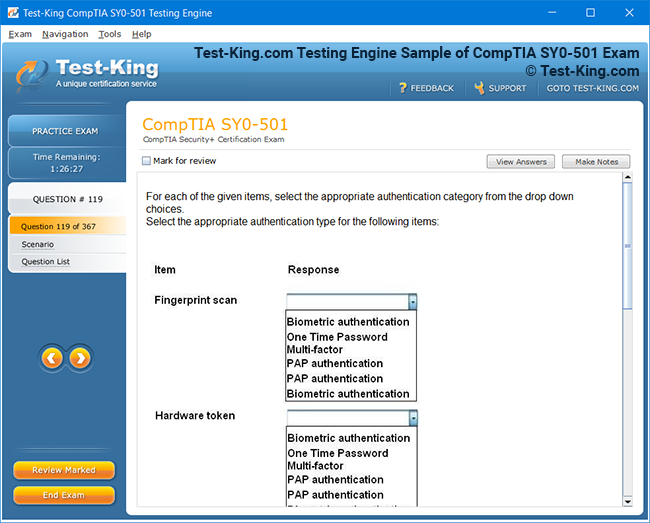
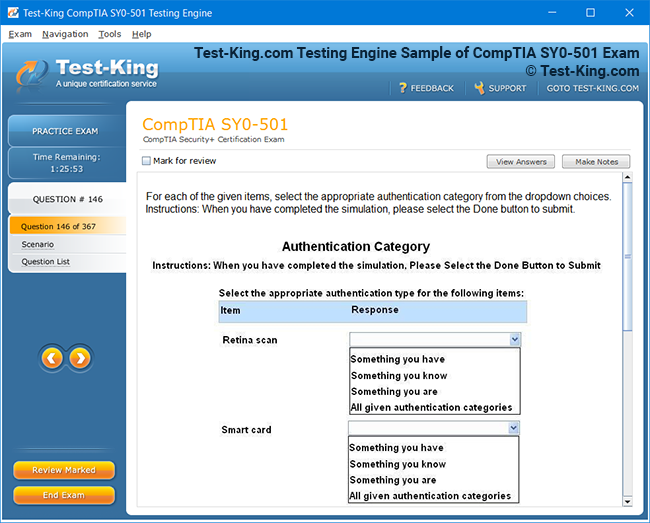
Product Screenshots
How IBM Certified Solution Developer - InfoSphere DataStage v11.3 Certification Enhances Enterprise Data Management Skills
IBM InfoSphere DataStage v11.3 represents a transformative tool in enterprise data management, enabling organizations to harmonize and orchestrate complex data environments with unparalleled precision. The certification associated with this platform validates a professional’s ability to design, develop, and implement robust data integration solutions. At the core of its importance lies the capacity to manage Extract, Transform, Load (ETL) processes efficiently, ensuring that data flows seamlessly across multiple systems and is transformed into actionable intelligence. The credential not only underscores technical proficiency but also signals an adeptness in analytical thinking, problem-solving, and strategic planning, which are indispensable in today’s data-driven enterprises.
Understanding IBM InfoSphere DataStage v11.3 and Its Significance
Enterprise data management is no longer a peripheral function; it is the backbone of operational efficiency and strategic decision-making. Organizations today contend with vast volumes of information originating from diverse sources such as transactional databases, cloud platforms, IoT devices, and third-party repositories. Managing this influx requires meticulous design and execution of data pipelines, which certified professionals are trained to accomplish. The IBM DataStage certification equips individuals with the knowledge to conceptualize these pipelines, enforce data governance policies, and ensure the fidelity of information across the enterprise ecosystem.
Technical Mastery and Parallel Processing
One of the critical dimensions of certification lies in cultivating technical mastery, particularly in ETL development and parallel processing. IBM DataStage v11.3 is engineered to optimize performance through parallelism, enabling simultaneous processing of large datasets across multiple nodes. Certified professionals gain the expertise to leverage this architecture effectively, designing workflows that reduce latency and enhance throughput. This capability is particularly invaluable for enterprises dealing with high-frequency transactional data, real-time analytics, or massive data warehouses, where speed and accuracy are paramount.
The certification process emphasizes practical competencies, enabling developers to navigate complex scenarios involving heterogeneous data sources. This includes relational databases, flat files, web services, and cloud storage systems. By mastering transformation techniques, such as aggregation, filtering, joining, and pivoting, certified developers can ensure that the right data is delivered to the right destination in the most efficient manner. The focus on parallel processing not only accelerates ETL jobs but also imbues professionals with a nuanced understanding of resource allocation, job sequencing, and performance tuning.
Ensuring Data Quality and Governance
Enterprise data management extends beyond mere integration; it encompasses the continuous assurance of data quality and adherence to governance standards. Certified IBM DataStage developers are trained to implement rigorous validation, cleansing, and standardization routines that mitigate errors, redundancies, and inconsistencies. These processes are crucial in environments where decision-making depends on precise and timely information. By establishing automated checks and balances within ETL pipelines, professionals enhance trustworthiness of data, enabling executives and analysts to rely on insights for strategic planning.
Data governance is another pivotal aspect addressed through the certification. Professionals learn to enforce policies that control access, lineage, and retention of sensitive information, ensuring compliance with regulatory frameworks such as GDPR, HIPAA, and SOX. This dual focus on quality and governance ensures that enterprise data remains accurate, auditable, and secure, while also aligning with organizational objectives and industry standards.
Strategic Benefits for Organizations
The ripple effects of certification extend beyond individual skill enhancement to organizational transformation. Professionals armed with IBM DataStage v11.3 certification contribute to the creation of resilient data ecosystems capable of supporting high-impact business initiatives. The ability to streamline complex data workflows reduces operational friction, allowing teams to focus on generating value rather than troubleshooting errors. Automated and optimized pipelines facilitate faster reporting cycles, more reliable analytics, and improved forecasting capabilities, directly influencing enterprise agility and competitiveness.
Moreover, certification fosters a deeper alignment between technical execution and business strategy. Developers trained in DataStage not only construct data pipelines but also appreciate the strategic implications of data movement, integration, and transformation. This holistic perspective enables them to anticipate business needs, prioritize critical datasets, and communicate effectively with stakeholders. The result is a synergistic relationship between technology and enterprise objectives, where data management becomes a proactive enabler of decision-making rather than a reactive utility.
Real-World Applications and Case Studies
In practical terms, certified IBM DataStage developers are instrumental in executing large-scale integration projects across industries. Financial institutions, for instance, utilize DataStage to consolidate transactional data from multiple banking systems into centralized analytics platforms, ensuring compliance and supporting risk assessment models. Healthcare organizations rely on certified professionals to integrate patient records, lab results, and billing information into coherent datasets, improving patient outcomes and operational efficiency. Retail enterprises harness these skills to combine point-of-sale, inventory, and customer loyalty data, generating actionable insights for personalized marketing and supply chain optimization.
The versatility of certification is evident in its applicability to diverse operational contexts. Professionals are trained to anticipate and mitigate challenges such as inconsistent data formats, missing information, and system-specific constraints. They implement robust error-handling mechanisms, monitor ETL performance, and establish feedback loops that enable continuous improvement. These competencies ensure that enterprises derive maximum value from their data investments while minimizing risk and inefficiencies.
Career Impact and Professional Growth
On an individual level, IBM DataStage v11.3 certification serves as a catalyst for career advancement. Certified professionals gain recognition as experts in data integration and ETL development, which opens doors to roles such as data architect, integration specialist, and enterprise solutions developer. The credential is globally recognized, enhancing employability and positioning individuals for leadership opportunities within technical teams.
Beyond career elevation, certification also facilitates continuous learning and adaptation to emerging technologies. Skills acquired through the certification process, such as parallel processing, job orchestration, and data transformation, are transferable to cloud-based platforms, big data frameworks, and AI-driven analytics pipelines. This adaptability ensures that certified professionals remain relevant and competitive in an ever-evolving technological landscape, ready to tackle the challenges of modern enterprise data management.
Preparation and Skill Development
Achieving IBM DataStage certification requires a balanced approach that combines theoretical understanding with hands-on experience. Professionals are encouraged to immerse themselves in practical projects, simulating enterprise data integration scenarios, and exploring the full capabilities of the platform. Familiarity with job design, metadata management, parallel processing configurations, and data quality techniques is essential for both exam success and practical application.
Structured learning, supplemented by exploration of case studies and simulation exercises, helps internalize best practices and reinforces problem-solving abilities. Practitioners learn to navigate intricate ETL workflows, identify bottlenecks, and optimize job performance. This experiential learning cultivates a mindset of continuous improvement, ensuring that certified professionals can adapt to diverse enterprise requirements and deliver high-quality data solutions consistently.
Advanced Techniques and Optimization
Certification also emphasizes mastery of advanced techniques that elevate enterprise data management. These include implementing reusable components, designing parameterized jobs, and orchestrating multi-stage workflows to achieve scalability and maintainability. Professionals gain insights into performance monitoring, resource allocation, and system tuning, which are crucial for managing large-scale data environments efficiently.
By mastering these sophisticated capabilities, certified developers can preemptively address potential performance issues, reduce operational costs, and maximize system throughput. The combination of strategic insight and technical expertise enables organizations to leverage data as a strategic asset, supporting growth, innovation, and competitive differentiation.
Integration with Emerging Technologies
IBM DataStage v11.3 certification does not operate in isolation; it intersects with emerging paradigms in data management and analytics. Certified professionals are well-positioned to integrate traditional ETL workflows with cloud data lakes, real-time streaming platforms, and AI-enhanced analytics tools. This integration ensures that enterprises can harness the full spectrum of available technologies, from batch processing to advanced predictive modeling.
The certification fosters an adaptive mindset, preparing professionals to navigate hybrid environments that combine on-premises infrastructure with cloud services. By understanding both legacy systems and modern platforms, certified developers can design seamless integrations that preserve data integrity while enhancing agility and responsiveness.
Organizational Transformation Through Certified Professionals
Ultimately, the value of IBM DataStage certification is reflected in organizational outcomes. Enterprises benefit from improved data quality, accelerated reporting, and enhanced operational efficiency. Teams led by certified professionals are better equipped to manage change, implement new technologies, and scale data solutions to meet evolving business demands. The expertise of certified developers ensures that data initiatives are executed with precision, reliability, and strategic foresight, creating a culture of data-driven excellence.
Certified professionals serve as catalysts for transformation, bridging technical and business perspectives. Their ability to architect robust ETL solutions, enforce governance, and optimize performance elevates the organization’s capacity to make informed decisions, respond to market dynamics, and innovate with confidence. This strategic impact underscores the profound significance of IBM InfoSphere DataStage v11.3 certification in contemporary enterprise data management.
Technical Acumen and Practical Expertise
IBM InfoSphere DataStage v11.3 certification cultivates a profound technical acumen that equips professionals to tackle the most intricate challenges in enterprise data management. The credential signifies more than familiarity with ETL processes; it represents mastery over the design, implementation, and optimization of data integration workflows. Certified developers acquire the capability to seamlessly extract, transform, and load data from diverse sources, ensuring consistency, reliability, and timeliness in enterprise information systems. This expertise forms the foundation upon which organizations build agile, scalable, and resilient data infrastructures capable of supporting complex analytics, reporting, and decision-making processes.
The certification process emphasizes hands-on experience with DataStage’s sophisticated features. Developers engage with parallel processing techniques that enhance job performance, leveraging partitioning, pipelining, and node distribution to maximize efficiency. This practical immersion ensures that certified professionals can design and execute data workflows that handle massive volumes with precision, while simultaneously reducing processing latency and resource consumption. By integrating these skills into daily operational contexts, certified developers become indispensable assets to organizations seeking to convert raw data into actionable intelligence.
Optimizing ETL Workflows and Data Pipelines
A core competency reinforced by the certification is the ability to architect and optimize ETL workflows. IBM DataStage v11.3 enables the construction of pipelines that manage complex transformations, data cleansing routines, and validation processes. Certified professionals learn to anticipate challenges such as schema mismatches, null values, and inconsistent formats, implementing preemptive solutions that safeguard data integrity. By configuring reusable components, parameterized jobs, and conditional flows, these developers create flexible and maintainable architectures that can adapt to evolving business requirements without introducing inefficiencies.
Optimization extends beyond individual job design. Certified developers analyze workflow dependencies, identify bottlenecks, and implement performance tuning strategies that enhance overall system throughput. This analytical approach ensures that enterprise data systems operate at peak efficiency, delivering timely insights for decision-makers. The emphasis on both design rigor and performance optimization distinguishes certified professionals as experts capable of orchestrating large-scale integrations with minimal intervention and maximal reliability.
Ensuring Data Integrity and Governance
Data quality and governance form the cornerstone of enterprise information management, and certification ensures that professionals are well-versed in these disciplines. IBM DataStage v11.3 provides tools for validating, standardizing, and reconciling datasets, enabling certified developers to enforce rigorous quality control measures throughout the ETL process. These measures prevent errors from propagating downstream, protecting analytical models, reporting accuracy, and regulatory compliance.
Governance is addressed through meticulous attention to data lineage, access controls, and auditing capabilities. Certified developers understand how to track the flow of information from source to destination, document transformation logic, and establish retention policies in alignment with organizational standards. By embedding governance into workflows, professionals not only enhance data reliability but also create a transparent and auditable environment that fosters trust across enterprise stakeholders.
Real-World Implementation and Strategic Influence
The practical impact of IBM DataStage certification extends to real-world enterprise applications, where certified professionals translate their knowledge into tangible outcomes. In banking, for example, developers consolidate transactional data across multiple systems to provide unified insights for risk management, compliance reporting, and customer analytics. In healthcare, certified professionals integrate patient records, laboratory data, and insurance claims to support clinical decision-making and operational efficiency. Retail organizations rely on these skills to harmonize inventory, sales, and customer engagement data, enabling precise forecasting and personalized marketing strategies.
Beyond technical execution, certification instills a strategic mindset. Professionals understand how data integration initiatives align with broader organizational objectives. They anticipate business needs, prioritize critical datasets, and recommend process enhancements that improve agility and competitiveness. This dual focus on tactical proficiency and strategic insight allows certified developers to function as architects of enterprise transformation, bridging the gap between technical teams and executive leadership.
Leveraging Parallelism and Advanced Processing Techniques
IBM DataStage v11.3 certification emphasizes advanced processing techniques that are vital for handling today’s data-intensive environments. Parallelism is a cornerstone of these capabilities, allowing simultaneous processing of multiple data streams to accelerate workflows and reduce bottlenecks. Certified professionals gain proficiency in partitioning strategies, node distribution, and pipeline orchestration, ensuring optimal utilization of system resources. These skills are particularly crucial for enterprises managing terabytes of data daily, where processing efficiency directly impacts operational costs and decision-making timelines.
In addition to parallelism, the certification cultivates expertise in job orchestration, scheduling, and automation. Developers learn to create end-to-end pipelines that integrate monitoring, error handling, and alert mechanisms, enhancing system reliability and resilience. By mastering these techniques, certified professionals enable organizations to scale data operations, manage peak workloads, and maintain consistent performance under varying demands.
Enhancing Analytical Capabilities and Decision Support
Data integration is intrinsically linked to the quality of analytics and decision-making within enterprises. Certified IBM DataStage developers ensure that data is accurate, consistent, and accessible for analytical consumption. By implementing structured transformations, normalization routines, and validation checks, these professionals provide a dependable foundation for reporting, forecasting, and business intelligence initiatives. This reliability enhances confidence in insights derived from complex data models, allowing decision-makers to act with precision and agility.
Moreover, certified professionals contribute to the development of analytical-ready datasets that facilitate advanced techniques such as predictive modeling, machine learning, and real-time analytics. Their expertise ensures that data pipelines are not merely conduits of information but enablers of sophisticated analytical strategies that drive innovation, optimize processes, and uncover hidden patterns within enterprise data.
Adaptability and Integration with Emerging Technologies
Certification in IBM DataStage v11.3 equips professionals with the adaptability to navigate emerging technological landscapes. As organizations increasingly adopt cloud-based data lakes, streaming platforms, and AI-driven analytics, certified developers can integrate traditional ETL workflows with modern architectures seamlessly. Their skills in job orchestration, data transformation, and system optimization are transferable across platforms, ensuring continuity and performance in hybrid or evolving environments.
This adaptability fosters innovation and future-proofing within enterprises. Certified developers are prepared to implement solutions that leverage new technologies without compromising existing infrastructure or data integrity. Their ability to bridge legacy systems and contemporary platforms ensures that organizations remain competitive, agile, and capable of exploiting the full potential of their data assets.
Operational Efficiency and Enterprise Agility
The operational benefits of certification are manifold. By streamlining data workflows, automating repetitive tasks, and optimizing processing performance, certified professionals enhance overall enterprise efficiency. Teams spend less time troubleshooting errors or reconciling inconsistent data, allowing resources to be redirected toward strategic initiatives and high-value projects. This efficiency not only reduces operational costs but also accelerates project timelines, enabling organizations to respond rapidly to market shifts and business opportunities.
Enterprise agility is further reinforced through the creation of scalable, modular data pipelines. Certified developers design solutions that can adapt to changing requirements, accommodate growing data volumes, and integrate new sources without disrupting ongoing operations. This flexibility empowers organizations to remain resilient, responsive, and strategically aligned in a competitive, data-driven landscape.
Career Development and Recognition
On an individual level, IBM DataStage certification serves as a springboard for professional growth. Certified developers gain recognition for their expertise, opening pathways to advanced roles such as data architect, enterprise integration consultant, and technical lead. The credential enhances employability, credibility, and influence within teams, positioning professionals as key contributors to organizational success.
Beyond immediate career advantages, certification fosters continuous learning and skill expansion. Professionals are encouraged to explore complementary technologies, engage with evolving data paradigms, and refine problem-solving approaches. This commitment to lifelong learning ensures sustained relevance and adaptability, allowing certified developers to navigate the dynamic field of enterprise data management with confidence.
Organizational Impact and Cultural Transformation
Certified IBM DataStage professionals contribute significantly to organizational culture by promoting data-driven decision-making and operational excellence. Their expertise ensures that data initiatives are executed with precision, reliability, and strategic foresight, creating a culture of accountability and insight. Teams benefit from standardized workflows, clear governance practices, and efficient data pipelines, fostering collaboration and knowledge sharing across departments.
The presence of certified professionals also drives innovation within enterprises. Their ability to implement advanced transformations, integrate emerging technologies, and optimize performance encourages experimentation and adoption of best practices. This cultural shift enhances the organization’s ability to capitalize on data as a strategic asset, reinforcing competitive advantage and long-term sustainability.
Strategic Application Across Industries
IBM DataStage v11.3 certification is not limited to a single industry; its principles and applications extend across diverse sectors. In finance, certified developers streamline reporting, risk assessment, and compliance processes. Healthcare organizations leverage certification skills to integrate patient data, improve clinical analytics, and support operational efficiency. Retail enterprises utilize these competencies to consolidate sales, inventory, and customer behavior data, enhancing marketing precision and supply chain management.
The versatility of certification demonstrates its strategic value, as certified professionals can adapt methodologies to address unique operational challenges, regulatory requirements, and business objectives. Their expertise ensures that organizations extract maximum value from their data, regardless of the sector, scale, or complexity of operations.
Knowledge Consolidation and Best Practices
Certification encourages the consolidation of knowledge and the application of industry best practices. Professionals are trained to implement standardized workflows, reusable components, and modular designs that facilitate scalability and maintainability. They learn to monitor performance metrics, troubleshoot errors, and continuously optimize ETL jobs, ensuring that enterprise data systems remain robust, reliable, and efficient.
By internalizing these practices, certified developers become agents of excellence within their organizations. They establish benchmarks for quality, promote consistency across projects, and provide mentorship to peers, fostering a professional environment where data management expertise is continuously enhanced and disseminated.
Strategic Advantages and Organizational Impact
IBM InfoSphere DataStage v11.3 certification empowers professionals to exert a transformative influence on enterprise data management. By attaining this credential, individuals acquire a sophisticated understanding of ETL processes, data orchestration, and integration strategies, positioning them as pivotal contributors to organizational efficacy. The certification signifies not merely technical competence but a comprehensive grasp of how data flows, transforms, and informs decision-making across multifaceted systems. Organizations benefit from the presence of certified professionals as they facilitate the creation of harmonized data ecosystems that optimize accuracy, consistency, and operational agility.
Certified developers possess the acumen to streamline convoluted data pipelines, orchestrate complex workflows, and mitigate inefficiencies that often plague large-scale data environments. Their expertise enables enterprises to consolidate disparate data sources, implement rigorous validation protocols, and enforce governance standards that safeguard both integrity and compliance. This dual focus on technical execution and strategic foresight ensures that data is transformed into actionable intelligence that underpins high-stakes decisions, predictive analytics, and long-term strategic planning.
Enhancing Data Quality and Reliability
A cornerstone of IBM DataStage certification is its emphasis on data quality and reliability. Professionals trained under this framework acquire the skills to establish meticulous data validation, cleansing, and standardization procedures. By preemptively identifying anomalies, redundancies, and inconsistencies, certified developers ensure that downstream processes receive accurate and trustworthy datasets. This capability is critical for organizations that rely on timely and precise information for operational efficiency, financial reporting, and customer insights.
The certification also instills a disciplined approach to data governance. Certified professionals are adept at managing data lineage, enforcing access controls, and instituting auditing mechanisms that align with regulatory requirements. Whether handling sensitive financial records, healthcare information, or operational data, the integration of governance practices ensures accountability, traceability, and resilience across enterprise systems. This structured methodology enhances stakeholder confidence and fosters a culture where decisions are predicated on reliable and verifiable data.
Mastery of Parallelism and Performance Optimization
IBM InfoSphere DataStage v11.3 leverages parallel processing to maximize efficiency in ETL workflows, a competency that is central to certification. Certified developers understand the nuances of partitioning, node distribution, and pipeline orchestration, enabling them to execute large-scale data transformations with speed and precision. The optimization of parallel jobs ensures minimal latency, reduced computational overhead, and enhanced throughput, which are crucial in environments with high-volume transactional data or complex analytical requirements.
Beyond parallelism, the certification encourages mastery of performance monitoring and resource management. Professionals learn to analyze job execution metrics, identify bottlenecks, and implement corrective measures that improve system responsiveness and reliability. These skills empower organizations to maintain high availability, process growing data volumes effectively, and adapt dynamically to fluctuating workloads. The ability to fine-tune processes at both micro and macro levels distinguishes certified developers as architects of efficient and resilient data systems.
Real-World Applications Across Industries
The practical significance of IBM DataStage certification is evident across a spectrum of industries. In banking and finance, certified developers orchestrate the integration of transactional, regulatory, and customer data to facilitate compliance reporting, risk modeling, and portfolio analytics. Healthcare organizations benefit from professionals who consolidate patient records, laboratory results, and insurance information, streamlining operations and enhancing clinical decision-making. Retail enterprises leverage these capabilities to synchronize inventory, sales, and customer engagement datasets, producing actionable insights that inform marketing strategies and supply chain optimization.
The adaptability of certified professionals ensures that solutions are tailored to specific operational needs while maintaining scalability and resilience. They implement robust error-handling procedures, monitor ETL performance, and establish feedback mechanisms that support continuous improvement. These competencies enable organizations to respond proactively to data challenges, minimize operational risk, and extract maximum value from information assets.
Strategic Decision-Making and Business Alignment
IBM DataStage certification cultivates a strategic mindset, equipping professionals to bridge the gap between technical execution and business objectives. Certified developers comprehend the implications of data integration decisions on enterprise operations, allowing them to prioritize initiatives, allocate resources effectively, and design pipelines that align with organizational strategy. By understanding business requirements alongside technical capabilities, these professionals contribute to decisions that are both informed and actionable.
Their role extends beyond implementation to advisory capacities, where they recommend optimizations, forecast data-related risks, and guide teams on best practices. This integration of strategic insight with technical expertise transforms data management from a transactional function into a proactive driver of enterprise value. The ability to anticipate trends, support predictive analytics, and facilitate real-time decision-making amplifies the influence of certified developers within organizations.
Career Growth and Professional Influence
Certification in IBM DataStage v11.3 significantly enhances career trajectories. Professionals gain recognition as experts in enterprise data integration, qualifying for advanced roles such as data architect, ETL consultant, or integration lead. The credential signals competence in both technical and strategic dimensions, increasing employability, credibility, and influence within professional networks. Individuals are often entrusted with leading integration projects, mentoring peers, and shaping best practices, reinforcing their status as thought leaders in data management.
In addition to immediate career benefits, certification encourages continuous skill development. Professionals are exposed to advanced transformation techniques, performance tuning methodologies, and emerging technologies, enabling them to remain competitive in a rapidly evolving data landscape. This adaptability ensures sustained professional relevance and positions certified developers to navigate transitions to cloud platforms, big data frameworks, and AI-enhanced analytics environments seamlessly.
Integration with Emerging Technologies and Platforms
IBM DataStage v11.3 certification prepares professionals to integrate traditional ETL methodologies with contemporary technological paradigms. As enterprises increasingly adopt hybrid infrastructures that combine on-premises systems with cloud platforms, certified developers provide the expertise to bridge these environments effectively. Their skills in orchestrating workflows, managing metadata, and ensuring data integrity facilitate seamless integration across diverse architectures.
Emerging technologies such as real-time streaming, data lakes, and AI-driven analytics demand adaptive integration strategies. Certified developers are proficient in configuring pipelines that accommodate these innovations, ensuring that enterprise data remains timely, accurate, and actionable. This foresight enables organizations to leverage new technologies without disrupting existing operations, reinforcing strategic agility and competitiveness.
Operational Efficiency and Scalable Data Architectures
Certified IBM DataStage professionals contribute directly to operational efficiency by designing scalable, modular, and reusable ETL workflows. These architectures accommodate growing data volumes, integrate additional sources seamlessly, and minimize downtime. By automating repetitive processes, implementing monitoring routines, and optimizing performance, certified developers reduce operational overhead while enhancing reliability and speed.
The ability to scale effectively is particularly valuable for enterprises experiencing rapid growth or fluctuating data demands. Certified professionals anticipate expansion needs, design adaptable pipelines, and implement resource management strategies that maintain system stability under increased loads. This proactive approach ensures that enterprise data operations remain resilient, efficient, and capable of supporting strategic initiatives.
Enhancing Analytical Capability and Business Intelligence
DataStage certification elevates the analytical potential of organizations by ensuring that integrated datasets are accurate, timely, and structured for consumption by business intelligence tools. Certified professionals implement rigorous transformation, normalization, and validation processes, providing a reliable foundation for dashboards, predictive models, and advanced analytics. The quality and consistency of data supplied through these pipelines directly influence the accuracy of insights, the effectiveness of strategies, and the ability to respond swiftly to market dynamics.
Moreover, certified developers facilitate the preparation of analytical-ready datasets that enable complex modeling, trend analysis, and scenario planning. By ensuring that data flows seamlessly from source to insight, they empower decision-makers to act with confidence, derive strategic value from information assets, and drive innovation across enterprise functions.
Leadership and Mentorship Roles
IBM DataStage v11.3 certification positions professionals to assume leadership and mentorship responsibilities within their organizations. Certified developers often guide teams in the implementation of best practices, standardize workflows, and provide technical oversight on large-scale projects. Their expertise fosters a collaborative culture, promotes knowledge sharing, and ensures that data management initiatives adhere to rigorous standards of quality and performance.
Leadership extends to influencing enterprise strategy, where certified professionals advise on the optimization of data pipelines, the adoption of new technologies, and the alignment of data initiatives with business objectives. Their dual capacity to execute and strategize enhances organizational maturity in data management, positioning the enterprise to leverage information as a competitive advantage.
Adapting to Industry-Specific Requirements
The applicability of IBM DataStage v11.3 certification spans diverse industries, each with unique operational, regulatory, and analytical demands. Certified professionals tailor integration workflows to meet sector-specific requirements, whether consolidating financial transactions, harmonizing healthcare records, or integrating retail supply chain data. They implement domain-specific validation, cleansing, and transformation routines, ensuring compliance with industry standards and facilitating accurate reporting.
This versatility underscores the strategic value of certification, as professionals can navigate varying contexts, anticipate unique challenges, and deliver solutions that meet both operational and analytical needs. The capacity to adapt methodologies across industries enhances enterprise resilience and positions certified developers as indispensable contributors to organizational success.
Knowledge Consolidation and Continuous Improvement
Certification in IBM DataStage v11.3 fosters the consolidation of technical knowledge, practical experience, and strategic insight. Professionals internalize best practices for ETL design, job orchestration, performance optimization, and governance implementation. They develop a structured approach to troubleshooting, monitoring, and iterative improvement, ensuring that data operations remain robust and efficient over time.
Continuous improvement is embedded in the certification ethos, encouraging professionals to refine processes, adopt emerging technologies, and explore innovative integration strategies. This commitment to excellence not only elevates individual expertise but also enhances organizational capabilities, ensuring that data management practices evolve in tandem with technological and business developments.
Advanced Optimization and Enterprise Efficiency
IBM InfoSphere DataStage v11.3 certification cultivates advanced expertise that allows professionals to design, execute, and optimize complex data integration workflows in large-scale enterprise environments. Certified developers gain a deep understanding of ETL processes, parallel job execution, and workflow orchestration, empowering organizations to convert raw, heterogeneous data into precise, actionable insights. The credential embodies more than technical proficiency; it represents the ability to foresee challenges, anticipate bottlenecks, and implement solutions that enhance both speed and reliability in enterprise data operations.
One of the most critical competencies reinforced through certification is performance optimization. Professionals learn to analyze execution logs, identify resource-intensive operations, and refine job configurations to achieve superior throughput. The mastery of partitioning techniques, node distribution, and pipelining ensures that massive datasets are processed efficiently, reducing latency and operational costs. By embedding these practices within enterprise workflows, certified developers ensure that data operations remain robust under fluctuating volumes and complex transformation requirements.
Ensuring Data Fidelity and Reliability
IBM DataStage v11.3 certification places significant emphasis on data quality and integrity. Certified developers are trained to implement rigorous validation routines, data cleansing techniques, and standardization procedures that prevent inconsistencies, redundancies, and anomalies from propagating through the system. These practices are critical in high-stakes environments such as finance, healthcare, and retail, where inaccurate data can compromise decision-making, regulatory compliance, and operational efficiency.
Governance is tightly interwoven with quality assurance. Certified professionals understand the importance of data lineage, access controls, and auditing mechanisms. By establishing transparent workflows that document transformations and maintain traceability, they ensure that information remains both reliable and compliant with organizational policies and industry standards. This integration of quality and governance strengthens stakeholder confidence and supports informed decision-making across the enterprise.
Practical Application Across Industries
Certified IBM DataStage professionals apply their expertise across a myriad of industries, addressing domain-specific challenges while maintaining a high standard of performance. In banking and financial services, they consolidate transactional, regulatory, and customer data to enable accurate risk modeling, compliance reporting, and predictive analytics. Healthcare institutions rely on their skills to integrate patient records, clinical data, and insurance claims, enhancing operational efficiency and supporting clinical decisions. Retail and logistics enterprises utilize these capabilities to synchronize inventory, sales, and customer engagement information, allowing for refined forecasting and personalized marketing strategies.
The versatility of certified professionals ensures that ETL pipelines are both scalable and adaptable. They implement robust error-handling mechanisms, monitor performance metrics, and optimize workflows to accommodate changing data volumes and structures. These capabilities empower organizations to respond proactively to operational challenges, minimize downtime, and extract maximum value from their data investments.
Strategic Alignment and Decision-Making
IBM DataStage v11.3 certification develops professionals who not only execute technical solutions but also understand their strategic implications. Certified developers align ETL initiatives with organizational objectives, ensuring that workflows are designed to support timely, data-driven decisions. They prioritize critical datasets, anticipate potential risks, and recommend process improvements that enhance operational agility and enterprise competitiveness.
This strategic perspective transforms data management from a procedural function into a value-generating activity. Certified professionals serve as advisors, bridging technical and business domains, and providing insights that inform executive decisions. Their contributions enable enterprises to leverage information as a strategic asset, optimizing outcomes from analytics, forecasting, and operational initiatives.
Mastery of Parallelism and Workflow Orchestration
The certification process emphasizes the importance of parallel processing and advanced job orchestration in achieving efficient data pipelines. Certified developers acquire expertise in partitioning data streams, distributing workloads across nodes, and orchestrating complex transformations simultaneously. These skills ensure that large datasets are processed rapidly without compromising accuracy or system stability.
Advanced orchestration techniques extend to scheduling, automation, and error recovery. Certified professionals configure workflows that include conditional branching, event-based triggers, and monitoring routines, enabling enterprises to maintain continuous operations with minimal manual intervention. The ability to manage both high-volume batch processing and real-time data streams enhances operational resilience and supports dynamic business environments.
Integration with Emerging Technologies
IBM DataStage v11.3 certification equips professionals with the adaptability to integrate traditional ETL workflows with emerging technologies. Certified developers are proficient in combining on-premises infrastructure with cloud platforms, data lakes, and streaming services, ensuring seamless data flow across hybrid environments. They also facilitate integration with AI and machine learning pipelines, enabling organizations to derive predictive and prescriptive insights from their consolidated data assets.
This adaptability ensures that enterprises remain competitive in rapidly evolving technological landscapes. Certified professionals can implement modern architectures without disrupting existing processes, preserving data integrity while enhancing analytical capabilities. Their expertise enables organizations to leverage both legacy systems and innovative platforms effectively, driving continuous improvement and strategic advantage.
Operational Efficiency and Scalable Architectures
Certified IBM DataStage professionals design workflows that maximize operational efficiency and scalability. They implement reusable components, modular pipelines, and parameterized jobs that can accommodate growing data volumes and evolving business requirements. Automation and monitoring routines reduce manual intervention, optimize resource utilization, and enhance reliability across the enterprise.
Scalable architectures ensure that enterprises can expand their data operations without sacrificing performance or consistency. Certified developers anticipate future needs, integrate new sources seamlessly, and maintain high availability, enabling organizations to respond swiftly to changes in data demands or business priorities. This proactive approach enhances both operational resilience and long-term strategic flexibility.
Analytical Enablement and Business Intelligence
The impact of certification extends to enhancing analytical readiness and business intelligence capabilities. Certified developers ensure that data is accurately transformed, cleansed, and structured for analytical consumption. Their expertise enables organizations to generate reliable dashboards, conduct predictive modeling, and perform sophisticated analytics with confidence.
By providing high-quality, structured datasets, certified professionals facilitate informed decision-making at every organizational level. They support scenario analysis, trend identification, and insight generation, ensuring that data is not only operationally useful but strategically valuable. The rigorous preparation and execution of ETL processes directly contribute to the organization’s ability to act swiftly and intelligently in competitive environments.
Leadership, Mentorship, and Knowledge Dissemination
IBM DataStage v11.3 certification empowers professionals to assume leadership and mentorship roles within their organizations. Certified developers guide teams in the implementation of best practices, standardization of workflows, and optimization of ETL processes. Their influence fosters collaboration, knowledge sharing, and professional development among peers, creating a culture of continuous improvement and excellence in data management.
Leadership extends to strategic advisory responsibilities. Certified professionals provide insights on pipeline optimization, system architecture, and technology adoption, shaping enterprise approaches to data integration. Their dual capability to execute complex technical tasks while advising on strategic implications reinforces organizational maturity in data management and strengthens the value of information as a core asset.
Industry-Specific Adaptability
The certification’s applicability spans multiple sectors, with professionals tailoring ETL solutions to meet unique operational and regulatory demands. In finance, they manage transaction consolidation, compliance reporting, and risk modeling. Healthcare institutions benefit from seamless integration of clinical, administrative, and research data. Retail enterprises enhance supply chain coordination, sales analysis, and customer engagement by leveraging certified expertise.
This adaptability illustrates the certification’s strategic value. Professionals navigate diverse operational landscapes, anticipate industry-specific challenges, and implement solutions that meet both operational and analytical requirements. Their ability to translate technical proficiency into actionable insights ensures organizational success across a variety of contexts.
Knowledge Consolidation and Continuous Advancement
IBM DataStage v11.3 certification fosters comprehensive knowledge consolidation. Professionals internalize ETL design principles, workflow orchestration, performance optimization, and governance protocols. This integrated expertise ensures that data operations are both robust and adaptable, supporting enterprise goals consistently.
Continuous advancement is a hallmark of certification. Professionals refine their skills through ongoing engagement with emerging technologies, evolving data paradigms, and innovative integration strategies. This commitment to lifelong learning ensures that certified developers remain relevant, capable, and influential in shaping the future of enterprise data management.
Mastery of Enterprise Data Integration
IBM InfoSphere DataStage v11.3 certification equips professionals with profound expertise in enterprise data integration, enabling them to design, implement, and optimize data workflows across complex organizational ecosystems. Certified developers possess the capability to orchestrate Extract, Transform, Load processes seamlessly, ensuring that data from heterogeneous sources is accurately consolidated and transformed into actionable intelligence. This expertise allows organizations to harness data as a strategic asset, driving operational efficiency, analytics, and informed decision-making.
Certification emphasizes the development of both theoretical understanding and practical competencies. Professionals learn to navigate intricate data structures, harmonize diverse datasets, and design pipelines that scale with enterprise demands. By mastering advanced transformation techniques, including aggregation, filtering, and pivoting, certified developers guarantee that data is accurate, reliable, and ready for analytical or operational consumption.
Optimizing Workflow Performance and Scalability
A key advantage of IBM DataStage v11.3 certification lies in the ability to optimize workflow performance while maintaining scalability. Certified professionals understand the intricacies of parallel processing, partitioning strategies, and pipeline orchestration, which allow high-volume data transformations to occur efficiently. These skills are essential for enterprises managing terabytes of transactional, operational, or analytical data daily, where speed and reliability directly impact business outcomes.
Performance optimization extends beyond individual job design to encompass system-wide efficiency. Certified developers monitor execution metrics, identify bottlenecks, and implement configuration adjustments to maximize throughput. They also employ reusable components and modular job designs, ensuring that workflows are maintainable, adaptable, and capable of scaling with evolving business needs. This dual focus on efficiency and scalability positions certified professionals as architects of resilient and high-performing data ecosystems.
Data Governance and Quality Assurance
IBM DataStage v11.3 certification places a significant emphasis on data governance and quality assurance. Professionals learn to implement rigorous validation, cleansing, and standardization routines, which prevent errors, inconsistencies, and redundancies from propagating through enterprise systems. This ensures that decision-makers have access to accurate and reliable information, enabling informed strategic choices and operational precision.
Governance practices taught in certification include lineage tracking, access control, and auditing protocols. Certified developers maintain transparency and accountability across workflows, ensuring compliance with regulatory standards such as GDPR, HIPAA, and SOX. By embedding these practices into ETL pipelines, certified professionals elevate the trustworthiness of enterprise data, reinforcing confidence among stakeholders and aligning data management with organizational objectives.
Real-World Applications and Industry Adaptability
Certified IBM DataStage professionals apply their skills across diverse industries, tailoring integration workflows to meet unique operational challenges. In banking, they consolidate transactional, compliance, and customer data, facilitating risk management and predictive analytics. Healthcare institutions rely on certified developers to integrate clinical, administrative, and research datasets, improving patient care, operational efficiency, and reporting accuracy. Retail and logistics enterprises utilize these capabilities to synchronize sales, inventory, and customer interaction data, enabling precise forecasting and enhanced strategic planning.
The adaptability of certified professionals ensures that workflows remain scalable, reliable, and compliant with industry-specific requirements. Their expertise allows them to anticipate potential challenges, implement preemptive solutions, and optimize ETL processes, ensuring seamless data flow even in complex, dynamic environments. This versatility underscores the strategic value of certification in facilitating enterprise agility and operational excellence.
Strategic Alignment and Decision Support
IBM DataStage certification nurtures a strategic perspective, enabling professionals to align technical workflows with organizational goals. Certified developers understand the broader implications of ETL processes on business operations, allowing them to prioritize critical datasets, streamline data pipelines, and recommend enhancements that support strategic decision-making. This alignment ensures that data management initiatives contribute directly to enterprise performance, innovation, and competitiveness.
Professionals also act as advisors, providing insights on data infrastructure improvements, system optimization, and process efficiency. Their contributions bridge the gap between technical teams and executive leadership, ensuring that data-driven decisions are informed, timely, and actionable. By linking operational proficiency with strategic foresight, certified developers enhance the organization’s ability to leverage information for long-term advantage.
Leveraging Advanced Processing Techniques
A central component of IBM DataStage v11.3 certification is the mastery of advanced processing techniques. Certified developers gain proficiency in parallelism, node distribution, and pipeline orchestration, which optimize the performance of complex ETL jobs. These skills allow enterprises to handle high-frequency data streams, large-scale batch operations, and hybrid workloads with minimal latency.
In addition, certification emphasizes job automation, conditional execution, and error handling. Professionals configure workflows that anticipate exceptions, provide alerts, and implement recovery mechanisms, enhancing reliability and reducing the need for manual intervention. By applying these advanced methodologies, certified developers ensure consistent performance, scalability, and operational resilience across enterprise data systems.
Integration with Emerging Technologies
IBM DataStage v11.3 certification equips professionals to integrate traditional ETL processes with contemporary technological paradigms. Certified developers facilitate seamless connectivity between on-premises systems, cloud platforms, data lakes, and streaming architectures. This integration enables real-time analytics, AI-driven insights, and predictive modeling, ensuring that enterprises remain at the forefront of data innovation.
The certification also fosters adaptability to evolving platforms and tools. Professionals leverage skills in metadata management, workflow orchestration, and system optimization to incorporate new technologies without disrupting existing operations. This flexibility allows enterprises to benefit from modern solutions while preserving data integrity, reliability, and operational continuity.
Operational Efficiency and Enterprise Agility
Certified IBM DataStage developers enhance operational efficiency by designing reusable, modular workflows and automating repetitive processes. These improvements reduce resource consumption, accelerate processing, and minimize operational errors. Enterprises gain the ability to handle growing data volumes without compromising performance, creating a responsive and agile data environment.
Scalable architectures designed by certified professionals ensure that pipelines can evolve alongside business needs. Workflows are adaptable, resilient, and capable of accommodating additional data sources, system expansions, or new business requirements. This operational agility positions organizations to respond quickly to market changes, technological advancements, and strategic opportunities.
Supporting Analytics and Business Intelligence
IBM DataStage v11.3 certification strengthens analytical capabilities by providing reliable, structured data for business intelligence initiatives. Certified developers implement transformation, validation, and normalization routines that produce high-quality datasets suitable for dashboards, predictive models, and advanced analytics. The consistency and integrity of these datasets underpin accurate insights, informed decision-making, and strategic forecasting.
Professionals also facilitate analytical-ready environments by preparing data for integration with machine learning models, real-time analytics platforms, and predictive algorithms. This capability allows enterprises to exploit data for competitive advantage, uncover patterns, and generate actionable insights across multiple operational domains.
Leadership and Knowledge Dissemination
Certification empowers professionals to assume leadership and mentorship roles within their organizations. Certified developers guide teams in implementing best practices, optimizing ETL processes, and standardizing workflows. Their influence cultivates collaboration, knowledge sharing, and continuous improvement, ensuring that enterprise data management practices remain robust and up to date.
In addition to technical guidance, certified professionals provide strategic counsel on pipeline architecture, system integration, and technology adoption. Their ability to execute complex data transformations while advising on enterprise strategy reinforces organizational competence, elevates operational maturity, and enhances the value derived from data assets.
Industry Versatility and Adaptability
IBM DataStage certification is highly adaptable across sectors. Certified professionals tailor workflows to industry-specific requirements, ensuring compliance, scalability, and accuracy. In finance, they manage transaction consolidation and regulatory reporting. In healthcare, they integrate clinical and operational data to support patient outcomes and administrative efficiency. Retail organizations benefit from synchronized supply chain, sales, and customer engagement data for improved strategic planning.
The versatility of certified developers enables organizations to respond effectively to unique operational challenges. Their ability to design, optimize, and scale ETL workflows ensures that enterprises across industries can leverage data for operational and strategic advantage, regardless of scale or complexity.
Continuous Improvement and Knowledge Consolidation
IBM DataStage v11.3 certification promotes the consolidation of technical knowledge, practical expertise, and strategic insight. Certified professionals internalize ETL design principles, performance tuning techniques, governance protocols, and workflow optimization strategies. This integrated skill set ensures that data operations remain efficient, reliable, and aligned with enterprise objectives.
The certification also encourages continuous improvement. Professionals refine their methodologies, adopt emerging technologies, and explore innovative integration strategies, ensuring that they remain adaptable, relevant, and effective. Their commitment to lifelong learning enhances both individual capabilities and organizational proficiency, solidifying the strategic role of data management within the enterprise.
Advanced Capabilities and Enterprise Impact
IBM InfoSphere DataStage v11.3 certification empowers professionals to operate at the forefront of enterprise data management, equipping them with advanced technical and strategic skills. Certified developers gain mastery in designing, executing, and optimizing data workflows that transform raw, diverse datasets into accurate, actionable insights. This expertise allows organizations to consolidate information from multiple sources, ensure its consistency, and derive value for operational, analytical, and strategic purposes.
The certification encompasses both theoretical understanding and hands-on competencies. Professionals acquire proficiency in extracting, transforming, and loading data through complex pipelines while employing parallel processing, conditional workflows, and robust error-handling mechanisms. These capabilities enable enterprises to handle high-volume, high-velocity data environments efficiently, ensuring that critical information is accessible, reliable, and ready for decision-making at all organizational levels.
Optimizing Performance and Workflow Efficiency
A cornerstone of the certification is the ability to enhance workflow performance. Professionals learn to leverage partitioning strategies, node distribution, and pipelining techniques to ensure that ETL jobs execute efficiently. This reduces latency, maximizes throughput, and optimizes system resource utilization. Certified developers also focus on modular design and reusable components, ensuring scalability and maintainability across enterprise data pipelines.
Performance monitoring and optimization are emphasized, allowing professionals to identify bottlenecks, adjust configurations, and implement advanced tuning strategies. These skills ensure that large-scale data processing is conducted with minimal delays, supporting operational continuity and enabling enterprises to respond rapidly to changing business requirements. The combination of high efficiency and scalability distinguishes certified professionals as invaluable contributors to enterprise data initiatives.
Ensuring Data Integrity and Governance
IBM DataStage v11.3 certification emphasizes the critical importance of data integrity and governance. Certified professionals are adept at implementing rigorous validation, cleansing, and standardization routines that prevent errors, inconsistencies, and redundancies. This ensures that data flowing through enterprise systems is accurate, consistent, and reliable for analytics, reporting, and decision-making.
Governance practices are integrated into workflows, encompassing lineage tracking, access controls, and auditing mechanisms. These measures ensure transparency, accountability, and regulatory compliance across all ETL processes. Certified developers create auditable pipelines that maintain traceability and documentation, instilling confidence among stakeholders and reinforcing the organization’s commitment to reliable data management.
Real-World Applications Across Industries
The practical applications of IBM DataStage certification are evident across a multitude of industries. In banking, certified developers consolidate financial, transactional, and customer data to facilitate compliance reporting, risk assessment, and predictive analytics. Healthcare institutions benefit from the integration of clinical, operational, and administrative datasets, improving patient care and operational efficiency. Retail and logistics enterprises utilize these skills to harmonize sales, inventory, and customer engagement data, supporting forecasting, supply chain optimization, and strategic planning.
Certified professionals ensure that solutions are tailored to industry-specific requirements while maintaining scalability, reliability, and regulatory compliance. They anticipate challenges, implement robust error-handling routines, and optimize workflows for high-volume and complex data operations. This adaptability enhances enterprise agility, allowing organizations to respond proactively to evolving market and operational demands.
Strategic Alignment and Decision Support
IBM DataStage v11.3 certification develops professionals capable of aligning technical operations with organizational objectives. Certified developers prioritize data pipelines based on strategic importance, streamline critical workflows, and provide recommendations for process improvements. Their insights enable enterprises to leverage data as a strategic asset, enhancing operational efficiency, decision-making, and competitive positioning.
Professionals also serve as strategic advisors, guiding teams and leadership on workflow optimization, system enhancements, and integration strategies. Their understanding of both technical and business imperatives allows organizations to implement data-driven initiatives effectively, supporting predictive modeling, scenario planning, and long-term strategic goals.
Advanced Processing and Parallelism
A critical feature of IBM DataStage v11.3 certification is the mastery of advanced processing techniques. Certified developers excel in parallelism, node distribution, and pipeline orchestration, which ensures rapid, reliable, and efficient execution of ETL jobs. These skills are particularly vital for enterprises managing large datasets or real-time streaming data, where latency and accuracy are paramount.
Automation, conditional execution, and monitoring are emphasized, allowing workflows to operate with minimal manual intervention. Error recovery mechanisms, alert configurations, and job scheduling strategies enhance system reliability and ensure consistent performance. By implementing these advanced techniques, certified professionals guarantee that data pipelines remain resilient, scalable, and operationally efficient.
Integration with Modern Technologies
Certification prepares professionals to integrate traditional ETL pipelines with emerging technologies. Certified developers facilitate the connection of on-premises systems, cloud platforms, data lakes, and real-time streaming architectures. This enables enterprises to implement AI-driven analytics, predictive modeling, and advanced business intelligence solutions while maintaining data integrity and consistency.
Professionals also adapt workflows to evolving technological landscapes, ensuring seamless operation across hybrid infrastructures. Their skills in orchestration, metadata management, and optimization allow organizations to incorporate modern tools and methodologies without disrupting established processes, reinforcing strategic flexibility and operational continuity.
Enhancing Analytical and Business Intelligence Capabilities
IBM DataStage v11.3 certification enhances the analytical potential of enterprises by providing high-quality, structured, and validated data for business intelligence. Certified developers implement transformations, normalization, and validation processes that produce datasets suitable for dashboards, predictive models, and decision-support systems. The integrity of this data ensures that insights are accurate, reliable, and actionable.
Certified professionals also prepare analytical-ready environments for advanced modeling, scenario analysis, and trend identification. Their work enables organizations to extract deeper insights, improve forecasting accuracy, and make informed strategic decisions, reinforcing the value of enterprise data as a critical competitive resource.
Leadership, Mentorship, and Knowledge Transfer
Certified IBM DataStage developers often assume leadership and mentorship responsibilities within their organizations. They guide teams in adopting best practices, optimizing workflows, and maintaining data quality and governance standards. This influence fosters collaboration, continuous learning, and professional development across departments, strengthening the organization’s overall data management capability.
Leadership extends to strategic counsel, where certified professionals advise on pipeline architecture, integration strategies, and technology adoption. Their dual role as technical executors and strategic advisors enhances enterprise decision-making, ensuring that data-driven initiatives are both efficient and aligned with organizational objectives.
Adaptability Across Industries
IBM DataStage certification demonstrates adaptability across diverse sectors. Professionals tailor ETL solutions to meet industry-specific operational, analytical, and regulatory requirements. In finance, they manage compliance reporting and risk data consolidation. In healthcare, they integrate clinical, administrative, and research data. Retail and logistics enterprises rely on certified developers to synchronize supply chain, sales, and customer engagement data for improved operational and strategic outcomes.
This versatility ensures that certified professionals can navigate complex, high-stakes environments with precision, scalability, and reliability. Their ability to implement solutions that meet the unique demands of different industries highlights the strategic value of certification in optimizing enterprise data management.
Knowledge Consolidation and Continuous Improvement
Certification in IBM DataStage v11.3 promotes comprehensive knowledge consolidation. Professionals internalize ETL design principles, performance optimization techniques, governance protocols, and workflow orchestration strategies. This integrated skill set ensures that data operations are both efficient and aligned with enterprise objectives.
Continuous improvement is also a central theme. Certified developers refine processes, adopt emerging technologies, and explore innovative integration methods to maintain relevance and effectiveness. This commitment to lifelong learning enhances individual capabilities and strengthens organizational proficiency, ensuring that enterprise data management practices evolve alongside technological and business advancements.
Conclusion
IBM InfoSphere DataStage v11.3 certification represents a transformative credential for professionals seeking to master enterprise data integration and management. It equips individuals with technical proficiency, strategic insight, and operational expertise necessary to design scalable, efficient, and reliable ETL workflows. Certified developers ensure data integrity, facilitate analytics, and support informed decision-making across complex organizational landscapes.
The credential fosters career growth, professional recognition, and leadership opportunities, while simultaneously enhancing enterprise agility, operational efficiency, and analytical capability. By integrating best practices, advanced processing techniques, and modern technological paradigms, certified professionals enable organizations to extract maximum value from data, ensuring long-term competitiveness, innovation, and strategic advantage.
Frequently Asked Questions
How can I get the products after purchase?
All products are available for download immediately from your Member's Area. Once you have made the payment, you will be transferred to Member's Area where you can login and download the products you have purchased to your computer.
How long can I use my product? Will it be valid forever?
Test-King products have a validity of 90 days from the date of purchase. This means that any updates to the products, including but not limited to new questions, or updates and changes by our editing team, will be automatically downloaded on to computer to make sure that you get latest exam prep materials during those 90 days.
Can I renew my product if when it's expired?
Yes, when the 90 days of your product validity are over, you have the option of renewing your expired products with a 30% discount. This can be done in your Member's Area.
Please note that you will not be able to use the product after it has expired if you don't renew it.
How often are the questions updated?
We always try to provide the latest pool of questions, Updates in the questions depend on the changes in actual pool of questions by different vendors. As soon as we know about the change in the exam question pool we try our best to update the products as fast as possible.
How many computers I can download Test-King software on?
You can download the Test-King products on the maximum number of 2 (two) computers or devices. If you need to use the software on more than two machines, you can purchase this option separately. Please email support@test-king.com if you need to use more than 5 (five) computers.
What is a PDF Version?
PDF Version is a pdf document of Questions & Answers product. The document file has standart .pdf format, which can be easily read by any pdf reader application like Adobe Acrobat Reader, Foxit Reader, OpenOffice, Google Docs and many others.
Can I purchase PDF Version without the Testing Engine?
PDF Version cannot be purchased separately. It is only available as an add-on to main Question & Answer Testing Engine product.
What operating systems are supported by your Testing Engine software?
Our testing engine is supported by Windows. Andriod and IOS software is currently under development.
Top IBM Exams
- C1000-183 - IBM Maximo Manage v9.0 Functional Deployment - Professional
- S2000-025 - IBM AIX v7.3 Administrator Specialty
- C1000-004 - IBM Curam SPM V7.X Application Developer
- C1000-138 - IBM API Connect v10.0.3 Solution Implementation
- C1000-200 - IBM MQ v9.4 Administrator - Professional
- C1000-174 - IBM WebSphere Application Server Network Deployment v9.0.5 Administrator
IBM Certifications
- IBM Certified Administrator - Cloud Pak for Integration V2021.2
- IBM Certified Administrator - IBM Cloud Pak for Business Automation v21.0.3
- IBM Certified Administrator - IBM Cognos Analytics Administrator V11
- IBM Certified Administrator - Security QRadar SIEM V7.5
- IBM Certified Administrator - Spectrum Protect V8.1.9
- IBM Certified Advocate - Cloud v1
- IBM Certified Advocate - Cloud v2
- IBM Certified Application Developer - Curam SPM V7.X
- IBM Certified Associate Administrator - IBM QRadar SIEM V7.3.2
- IBM Certified Associate Analyst - IBM QRadar SIEM V7.3.2
- IBM Certified Associate Business Process Analyst - Curam V6.0.5
- IBM Certified BPM System Administration - Business Process Manager Advanced V8.5
- IBM Certified Data Engineer - Big Data
- IBM Certified Database Administrator - DB2 11 DBA for z/OS
- IBM Certified Database Associate - DB2 11 Fundamentals for z/OS
- IBM Certified Deployment Professional - FileNet P8 V5.5.3
- IBM Certified Deployment Professional - Maximo Asset Management v7.6 Functional Analyst
- IBM Certified Deployment Professional - Maximo Manage v8.0
- IBM Certified Deployment Professional - Security Access Manager V9.0
- IBM Certified Developer - Business Automation Workflow V20.0.0.2 using Workflow Center
- IBM Certified Mobile Application Developer - Mobile Foundation V8.0
- IBM Certified SOC Analyst - IBM QRadar SIEM V7.3.2
- IBM Certified Solution Advisor - Spectrum Storage V7
- IBM Certified Solution Architect - Cloud Pak for Integration v2021.4
- IBM Certified Solution Designer - Datacap V9.0
- IBM Certified Solution Developer - App Connect Enterprise V11
- IBM Certified Solution Developer - InfoSphere DataStage v11.3
- IBM Certified Solution Developer - Integration Bus v10.0
- IBM Certified Specialist - AI Enterprise Workflow V1
- IBM Certified Specialist - SPSS Modeler Professional v3
- IBM Certified System Administrator - MQ V9.0
- IBM Certified System Administrator - WebSphere Application Server Network Deployment V8.5.5 and Liberty Profile
- IBM Certified System Administrator - WebSphere Application Server Network Deployment V9.0
- IBM Certified Technical Advocate - Cloud v3
- IBM Cloud Pak for Data System V1.x Administrator Specialty
- IBM Enterprise Content Management - Software Technical Mastery
- IBM Mastery - IBM Mastery Test
- IBM Technical Mastery - IBM Watson Customer Engagement: Watson Supply Chain