

Certification: NAPLEX
Certification Full Name: North American Pharmacist Licensure Examination
Certification Provider: Test Prep
Exam Code: NAPLEX
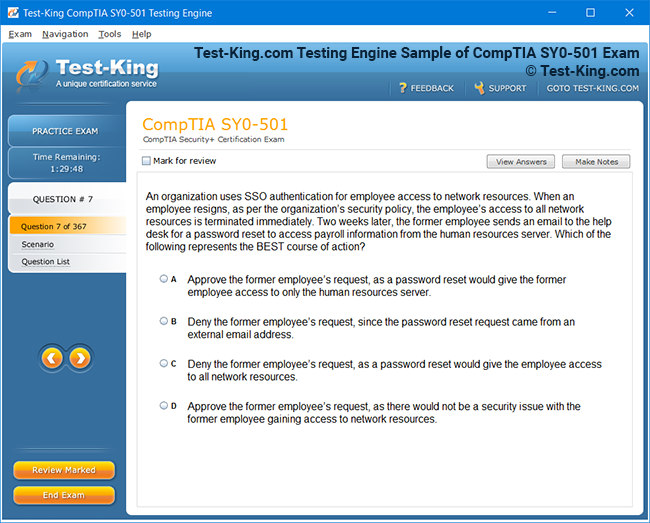
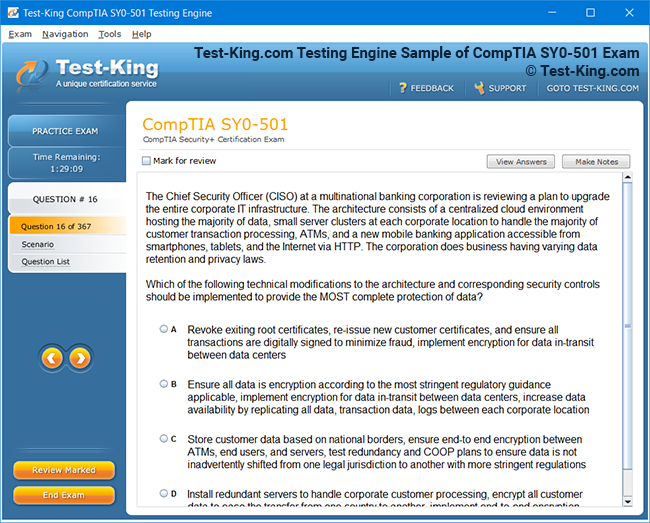
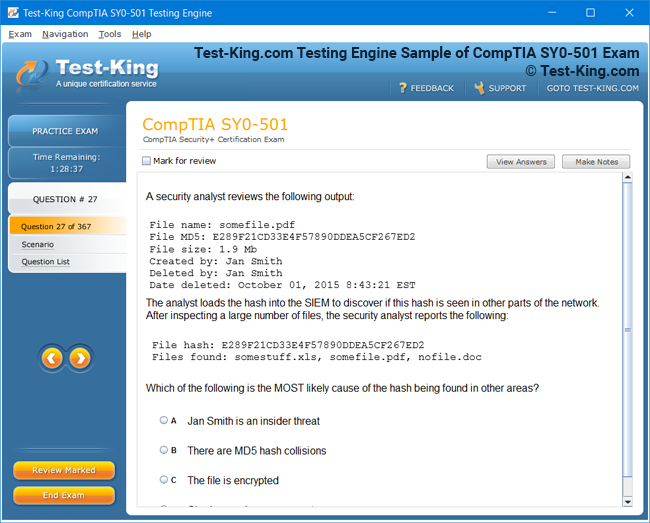
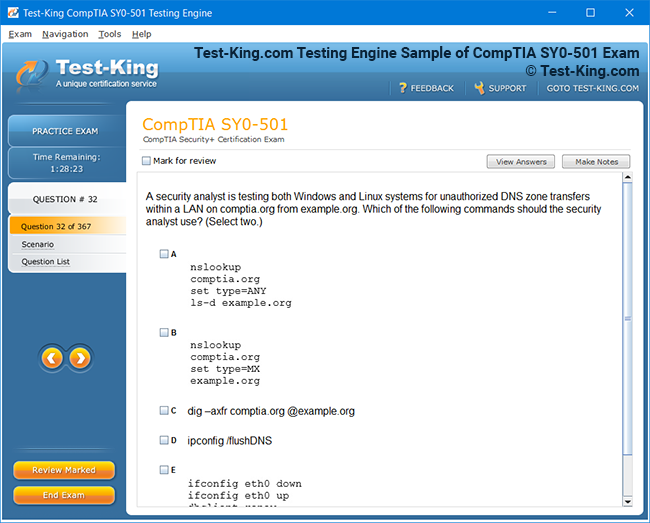
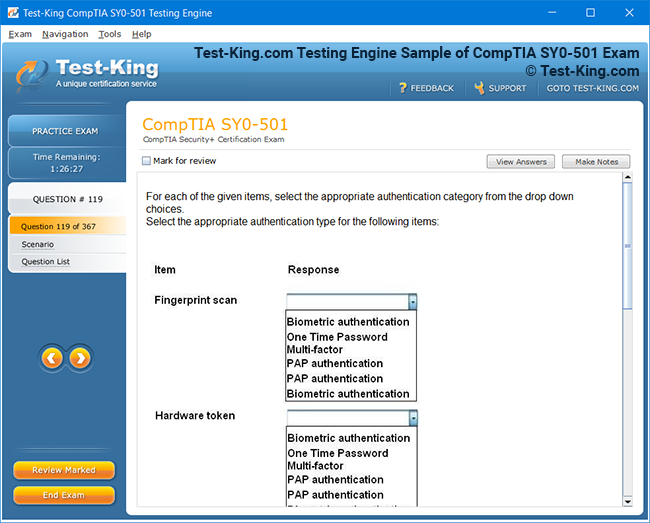
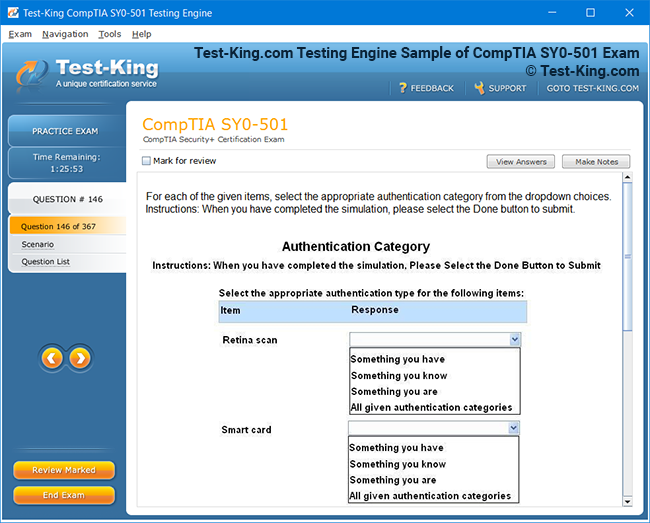
Product Screenshots
Navigating the NAPLEX Application Process
For many pharmacy graduates, the transition from the classroom and clinical rotations to preparing for professional licensure is both exhilarating and nerve-racking. The culmination of years of study, late nights, and intense experiential learning often narrows into one pivotal milestone: the North American Pharmacist Licensure Examination. This examination is not merely a standardized test; it is the gateway to entering the profession as a licensed pharmacist and shaping a future in patient care, clinical leadership, or specialized practice. But before one can even arrive at the testing center, there is an intricate pathway of preparation that involves more than textbooks and review guides. The administrative and procedural groundwork is just as vital as academic preparation. Without a properly managed application, all the knowledge in the world cannot secure entry to the exam.
Understanding the Journey Toward Eligibility and Application
The first important consideration is timing. Data consistently reveal that candidates who sit for the examination shortly after graduation tend to perform better than those who delay. This correlation makes intuitive sense: the knowledge base cultivated during years of schooling remains fresh, therapeutic concepts are still resonating in memory, and the rhythm of disciplined study has not yet diminished. Procrastination in this step can lead to unnecessary cognitive attrition, making the test more challenging than it needs to be. Therefore, early action is both a strategic and practical choice.
The most authoritative resource for beginning this process is the NAPLEX and MPJE Candidate Application Bulletin. This comprehensive guide functions as a navigational compass, offering clear explanations of eligibility requirements, registration processes, deadlines, and expectations. Unlike scattered advice on online forums or word-of-mouth guidance from peers, the bulletin is meticulously curated and updated by the National Association of Boards of Pharmacy. It is mobile-friendly, easily accessible, and serves as a single repository of indispensable information. Skimming through it is not sufficient; candidates are encouraged to read it thoroughly, almost like a survival manual that can illuminate every step of the way. Many who underestimate its significance often find themselves entangled in delays or confused about documentation.
Alongside the bulletin, another crucial component of the application journey is the NABP e-Profile. This digital identity is not just a formality but the primary gateway through which all critical actions occur. Establishing an e-Profile is straightforward but demands accuracy and attention to detail. It is through this profile that candidates submit their applications, request eligibility, receive their authorization to test, and even seek accommodations under the Americans with Disabilities Act. The importance of precision cannot be overstated, especially regarding the name entered in the profile. This name must perfectly align with the government-issued identification that will be presented at the testing center. Even minor discrepancies, such as a missing middle initial or a hyphenated surname, can result in rejection on the day of the examination. Such oversights are not only frustrating but can also lead to financial and emotional setbacks.
For those who require testing accommodations, the e-Profile also serves as the portal to submit formal requests. The process involves documentation and verification, and while it may appear daunting, it is designed to ensure fairness and accessibility. Candidates with legitimate needs are encouraged to engage with this process early, as approval timelines can vary. Waiting until the last minute is unwise, since eligibility must be secured before the authorization to test is issued.
The application itself involves a rhythm of steps that must be followed diligently. Once the e-Profile is established, the candidate applies for eligibility through their respective state board of pharmacy. Each jurisdiction may have subtle differences in requirements, and therefore, familiarity with local rules is critical. Some boards request additional documentation or verification of graduation, while others may impose unique conditions. This variability underscores the necessity of consulting both the bulletin and the state board’s official communication. Once eligibility is confirmed, the NABP grants the authorization to test, often referred to as the ATT. This document is the key to scheduling the examination. Without it, a candidate cannot select a testing date or location.
When the ATT arrives, candidates must act promptly. Test center slots can fill quickly, particularly during peak periods when large cohorts of graduates seek to sit for the exam simultaneously. Delaying the scheduling of a test can result in limited date availability or inconvenient locations. Furthermore, aligning the test date with personal readiness is essential. Too soon, and preparation may feel incomplete; too late, and knowledge may fade. Striking this balance requires foresight and a clear-eyed assessment of one’s study progress.
Beyond the administrative steps, there are subtle nuances in preparing the documentation required. A government-issued identification is mandatory at the testing center, and it must match the e-Profile exactly. Passports, driver’s licenses, and other IDs must be valid, unexpired, and in pristine condition. Candidates who fail to ensure these details may find themselves barred from entry, despite months of preparation. The emotional toll of such a scenario can be devastating, emphasizing the importance of meticulous attention to every procedural detail.
Another often-overlooked aspect of the application process is understanding the financial commitments involved. Applying for eligibility, purchasing the examination, and rescheduling if necessary all carry fees. These costs may vary across jurisdictions, but they accumulate quickly. Budgeting for them ahead of time prevents unpleasant surprises and allows candidates to focus on the intellectual and emotional demands of preparation.
Many graduates also find it beneficial to explore additional resources that expand upon the bulletin’s content. Blogs, infographics, and explanatory guides produced by pharmacy organizations or educational institutions often provide digestible overviews of otherwise complex steps. For example, a visual depiction of the application timeline can help candidates conceptualize the process more clearly. However, these supplementary materials should never replace the primary source of truth: the bulletin and the official communications from the NABP and state boards.
It is worth noting that while the process may appear linear on the surface, in reality, it often involves parallel actions. Candidates may find themselves creating an e-Profile, submitting transcripts, reviewing the bulletin, and budgeting for fees simultaneously. The orchestration of these actions requires organizational skills and perhaps even the use of planners or digital reminders. Treating the application as an afterthought, squeezed between study sessions, is a recipe for unnecessary stress. Instead, allocating dedicated time to navigate these steps ensures smoother progress.
Moreover, the emotional landscape of the application process cannot be ignored. Many students find this period filled with anticipation, uncertainty, and even trepidation. The act of applying is symbolic; it signifies the crossing of a threshold from being a student to becoming a professional. This transformation can feel daunting, yet it also instills a sense of pride and accomplishment. Embracing this duality—acknowledging the anxiety while celebrating the achievement—can provide balance during the process.
A frequent inquiry among graduates revolves around whether they should wait to receive their diploma before applying. The reality is that most boards of pharmacy require proof of graduation before eligibility can be granted, but this does not mean that candidates must delay initiating the process. Creating an e-Profile, familiarizing oneself with the bulletin, and preparing documentation can all be completed in advance. By the time the degree is officially conferred, much of the groundwork is already in place, allowing for a swift transition into eligibility approval and test scheduling.
Candidates sometimes wonder if there is an optimal jurisdiction in which to apply. While it may appear tempting to select a state with seemingly less stringent requirements, the decision should align with long-term career goals. Licensure is jurisdiction-specific, and transferring licenses later can involve additional steps such as the Multistate Pharmacy Jurisprudence Examination or reciprocity processes. It is usually prudent to apply in the state where one intends to practice, ensuring alignment between application efforts and professional aspirations.
The meticulous nature of this process may initially seem overwhelming, but each requirement exists for a reason. The NAPLEX is a high-stakes examination, and ensuring that only eligible, qualified candidates sit for it preserves the integrity of the profession. These safeguards protect patients, maintain public trust, and uphold the standards of pharmacy practice. By embracing the procedural rigor rather than resisting it, candidates can cultivate a mindset of professionalism that will serve them well throughout their careers.
In summary, the pathway to sitting for the North American Pharmacist Licensure Examination begins long before a candidate encounters multiple-choice questions or case-based scenarios. It begins with foresight, preparation, and careful adherence to administrative steps. The Candidate Application Bulletin acts as a compass, the NABP e-Profile serves as the portal, and personal diligence ensures alignment with requirements. By applying early, managing documentation carefully, budgeting for fees, and understanding jurisdictional nuances, graduates can eliminate unnecessary obstacles and approach the examination with confidence. The application process may be procedural, but it is also symbolic, marking the moment when years of academic preparation coalesce into the pursuit of professional licensure.
Building a Framework for Preparation and Intellectual Endurance
Preparing for the North American Pharmacist Licensure Examination is not simply a matter of reading textbooks and hoping for the best. It is an undertaking that demands a deliberate strategy, thoughtful time management, and a willingness to balance intellectual intensity with psychological resilience. Many graduates approach this preparation with trepidation, but those who construct a coherent plan that merges content mastery with structured repetition often find themselves more confident and less burdened by uncertainty. The pathway to success begins with designing a study framework that is sustainable, comprehensive, and attuned to the unique demands of the examination.
Timing is the first variable to consider when embarking on this academic journey. Research and experiential accounts demonstrate that individuals who sit for the examination soon after graduation generally fare better. This advantage is rooted in the freshness of knowledge and the momentum carried over from rigorous academic schedules. Delaying preparation risks the erosion of pharmacotherapeutic concepts, clinical reasoning, and calculation skills. Thus, when sketching a study plan, it is vital to integrate a realistic timeline that acknowledges the immediacy of the challenge without creating panic. Many candidates choose an intensive eight to twelve-week preparation window, but the duration can be adapted depending on personal learning styles and life commitments.
The backbone of any preparation lies in the official NAPLEX Content Outline. This document serves as a cartographic representation of the test blueprint, detailing the domains of knowledge assessed and the approximate weight each domain carries in the exam. It divides the content into categories such as ensuring safe and effective pharmacotherapy, performing calculations, and managing health information. Rather than approaching study sessions haphazardly, candidates should use this outline as their guiding structure. Allocating study time proportionally to the weight of each domain allows for a balanced approach where no area is neglected. For example, if one domain constitutes nearly two-thirds of the examination, then the study plan should mirror that priority with a greater investment of hours.
In constructing daily and weekly goals, the principles of active recall and spaced repetition become indispensable. Active recall requires students to test themselves regularly instead of passively rereading material. This practice strengthens neural pathways and enhances long-term retention. Spaced repetition, on the other hand, involves revisiting concepts at increasing intervals over time. By allowing the mind to nearly forget information before being prompted to retrieve it again, memory consolidation becomes more robust. Combining these two methods creates a dynamic interplay between challenge and reinforcement, ensuring that information remains readily accessible during the high-pressure environment of test day.
A study plan that focuses exclusively on knowledge accumulation without accounting for endurance and well-being is incomplete. Burnout is a very real hazard during this preparatory period, and it can manifest as diminished concentration, irritability, or even physical fatigue. Candidates must design their plan to include restorative activities such as short breaks, exercise, or mindful breathing. These interludes do not detract from preparation but instead sustain it by maintaining cognitive sharpness. Some students benefit from creating rituals, such as morning walks or evening reflection periods, that punctuate their study blocks and prevent the monotony of endless hours at a desk.
Pharmacotherapy remains the heart of the examination, and therefore an extensive portion of preparation must revolve around drug classes, mechanisms of action, therapeutic uses, contraindications, and monitoring parameters. However, calculation skills should not be relegated to the margins. Medication dosing, compounding, pharmacokinetics, and dilution calculations all feature prominently and are unforgiving in their precision. Many candidates mistakenly assume that calculations can be polished in the final week of study, but this underestimates the cognitive dexterity required. Incorporating a small but consistent dose of calculation practice into daily study ensures fluency by the time of the exam.
The Pre-NAPLEX is a valuable diagnostic tool that can serve as a barometer of readiness. Comprising one hundred questions retired from actual examinations, it provides a realistic sense of pacing, question style, and personal areas of weakness. It is advisable to attempt this practice test after an initial round of content review rather than at the very beginning. This timing ensures that the results are meaningful and highlight areas needing reinforcement rather than confirming what is already obvious. The feedback from the Pre-NAPLEX can then be integrated into the evolving study plan, recalibrating focus toward weaker domains.
For those fortunate enough to have access through their institutions, the NAPLEX Advantage offers another avenue for assessment. This proctored practice exam has been shown to exhibit a moderately strong correlation with eventual NAPLEX performance, giving candidates an empirical sense of their preparedness. While it cannot be purchased individually, participation through schools provides an additional layer of feedback that can shape study strategies. The combination of Pre-NAPLEX and NAPLEX Advantage results, when available, creates a multidimensional portrait of readiness that is far superior to guesswork.
The psychology of preparation plays as pivotal a role as the academic strategies employed. Many candidates struggle with intrusive doubts and performance anxiety, which can erode the efficiency of their study sessions. One effective approach is to simulate examination conditions regularly. Sitting in a quiet room, timing oneself, and working through practice questions without interruptions cultivates familiarity with the testing atmosphere. Over time, this repeated simulation reduces the novelty and intimidation of the real exam day. Another approach involves visualization: imagining oneself walking into the test center calmly, navigating each section with poise, and leaving with a sense of accomplishment. These mental exercises may sound abstract but are rooted in cognitive-behavioral science, which demonstrates that mental rehearsal can prime the brain for actual performance.
The study plan must also account for individual learning preferences. Some learners thrive on solitary study, while others benefit from the synergy of group discussions. Study groups can foster accountability, expose members to diverse perspectives, and provide a forum for clarifying difficult concepts. However, group study is not universally effective. For some, it becomes a source of distraction or comparison-induced stress. A well-designed plan acknowledges these personal tendencies and selects methods accordingly. The key is not to imitate others blindly but to cultivate an approach that aligns with one’s temperament and cognitive style.
Resource selection is another critical consideration. While there are numerous commercial review books, flashcards, and question banks available, candidates must exercise discernment in choosing them. Overwhelming oneself with too many resources can fragment attention and dilute focus. It is often wiser to commit deeply to a few high-quality resources rather than skim through a plethora of materials superficially. The best resources are those that not only provide content but also foster active engagement through practice questions, explanations, and mnemonics. The Candidate Application Bulletin itself should remain a constant companion, clarifying procedural rules and ensuring that no logistical detail is overlooked in the midst of content review.
Daily study should be organized into blocks that balance intensity with recuperation. For instance, a candidate might dedicate the morning to pharmacotherapy review, the afternoon to calculation practice, and the evening to practice questions. Short breaks interspersed throughout the day prevent cognitive fatigue. Weekly reflection is also advisable: at the end of each week, reviewing what was accomplished, what remains challenging, and how to adjust for the following week ensures that the plan remains dynamic rather than rigid. This iterative refinement mirrors the process of continuous quality improvement, a principle pharmacists apply in professional practice and can equally apply in their own preparation.
Nutrition, sleep, and physical health are integral elements often ignored in study plans. A fatigued body cannot sustain a sharp mind, and irregular sleep undermines memory consolidation. Candidates should strive to maintain consistent sleep schedules, consume balanced meals, and integrate some form of physical activity into their routines. Even light exercise, such as stretching or short walks, enhances circulation and boosts mental alertness. Hydration is equally important, as dehydration impairs concentration. These physiological considerations are not peripheral luxuries but central components of intellectual endurance.
Another dimension to preparation involves cultivating adaptability. No matter how carefully a plan is crafted, life events can intrude—unexpected family obligations, health concerns, or even personal crises. Building flexibility into the study plan allows for the absorption of such shocks without complete derailment. For example, incorporating buffer days or lighter review periods provides room to catch up if needed. Resilience in the face of disruption is as important as diligence in moments of calm.
Some graduates grapple with the question of how much practice is enough. The answer is not numerical but qualitative. It is not about the sheer volume of questions answered but about the depth of reflection applied to each one. Reviewing why an answer was correct or incorrect, understanding the underlying principles, and connecting the concept to broader therapeutic knowledge are what solidify learning. Passive accumulation of practice questions without analysis creates the illusion of mastery without its substance. Therefore, reflective practice must be embedded into the plan.
The human element of support cannot be overlooked. Friends, mentors, and family members often serve as anchors during this period of intense preparation. Sharing one’s study goals with supportive individuals can create a network of encouragement and accountability. Mentors, particularly those who have recently taken the exam, can offer insights that blend practical wisdom with moral reassurance. Preparing in isolation may foster independence, but balancing it with human connection helps mitigate the loneliness that can sometimes accompany rigorous study.
Ultimately, the crafting of a strategic study plan for the NAPLEX is a deeply personal endeavor that merges science, discipline, and self-awareness. It is about weaving together content mastery, diagnostic tools like the Pre-NAPLEX, psychological strategies for resilience, and logistical considerations such as nutrition and scheduling. The process requires attentiveness to detail, adaptability in the face of unpredictability, and an unwavering commitment to both intellectual rigor and personal well-being. By integrating these components into a coherent plan, candidates transform preparation from an amorphous challenge into a structured journey that builds both competence and confidence.
Understanding the Role of Simulated Assessments in Building Mastery and Confidence
When aspiring pharmacists prepare for the North American Pharmacist Licensure Examination, the natural instinct is to immerse themselves in textbooks, therapeutic guidelines, and calculation drills. Yet one of the most powerful tools for preparation lies not only in studying content but in experiencing the structure, rhythm, and psychological demands of the test itself through practice exams. These simulated assessments are more than mere rehearsals; they are diagnostic mirrors that reveal strengths, illuminate weaknesses, and cultivate familiarity with the cognitive strain of timed evaluations. For many graduates, the Pre-NAPLEX and other available resources like the NAPLEX Advantage function as indispensable anchors in preparation, guiding the trajectory of study while also tempering anxiety with experiential familiarity.
The Pre-NAPLEX stands out as a primary practice tool because it is composed of one hundred questions that have previously appeared on actual examinations. Unlike generic question banks, this resource offers authenticity, exposing candidates to the real cadence, complexity, and linguistic patterns used in the licensure test. When approached earnestly, it can provide a realistic assessment of one’s current readiness. However, it is essential to understand the limitations. Because the Pre-NAPLEX contains only a fraction of the actual exam’s length and breadth, its results should not be interpreted as an exact predictor of performance. Instead, it functions best as a compass, indicating whether a candidate is oriented in the right direction or needs to recalibrate their study path.
Timing is critical when incorporating the Pre-NAPLEX into a study plan. Taking it too early may result in discouragement, as many topics will not have been reviewed thoroughly. Conversely, saving it until the very last moment reduces the opportunity to use its feedback effectively. An ideal approach is to attempt it after completing a comprehensive first pass of content review. At this point, the score achieved and the insights gleaned can inform targeted study. For instance, if calculations emerge as a weak area, more deliberate practice in dosage conversions, pharmacokinetics, or compounding should follow. If therapeutic management questions prove challenging, then additional attention to guidelines and drug class distinctions is warranted.
In addition to the Pre-NAPLEX, the NAPLEX Advantage offers another valuable dimension of preparation. This proctored practice exam, usually administered through schools, has demonstrated a moderately strong correlation with actual performance. Its design not only tests knowledge but also simulates the environment of accountability by requiring candidates to sit under formal conditions. The presence of proctors, the structure of the session, and the seriousness of the atmosphere make it distinct from self-administered practice. Although it cannot be purchased individually, those whose schools provide it benefit from experiencing the pressure of a supervised environment. Even if the questions differ from the actual licensure exam, the psychological training it provides is profound.
Beyond these formal tools, countless candidates rely on commercial question banks and self-created mock exams. These resources can vary in quality, but they serve a crucial purpose by offering an expansive supply of practice questions. Repeated exposure to test-like material develops familiarity with the style of questioning, whether it involves case-based clinical scenarios, calculation-intensive items, or drug interaction evaluations. The volume of practice enhances not just recognition of content but also stamina, since the actual licensure exam demands sustained concentration across numerous questions over several hours. Developing the capacity to maintain focus for extended periods is just as vital as knowing pharmacotherapeutic facts.
The science underpinning practice exams is rooted in well-established principles of learning psychology. One of the most robust is the testing effect, which demonstrates that actively retrieving information enhances long-term retention far more effectively than passive review. Each time a candidate recalls the mechanism of action of a drug or calculates a complex dosing regimen under test conditions, the memory trace is strengthened. This process is further reinforced by corrective feedback. When an error occurs, the act of confronting the mistake and reviewing the correct rationale creates a more durable memory than if the concept had been studied correctly the first time. Thus, mistakes during practice should not be feared but embraced as opportunities for growth.
Another scientific insight relates to transfer-appropriate processing. This principle posits that memory performance is optimized when the cognitive processes engaged during learning mirror those required during retrieval. In other words, studying in a manner that simulates the examination—timed, multiple-choice, case-based—ensures that the brain rehearses the very skills needed on test day. Reading summaries or highlighting notes may create a sense of productivity, but only through test-like practice does one condition the mind to navigate the pressures of the actual exam.
Practice exams also serve as an antidote to the insidious phenomenon of illusions of competence. Many students mistakenly equate familiarity with mastery. For example, reading about hypertension management repeatedly may create the illusion of knowledge, but when confronted with a nuanced question involving comorbidities, contraindications, and patient-specific variables, the fragility of that knowledge becomes apparent. By forcing candidates to apply principles to new contexts, practice exams expose the superficiality of passive learning and compel deeper engagement with the material.
The benefits of practice exams extend beyond knowledge retention into the realm of emotional regulation. Test anxiety is a common affliction, manifesting as racing thoughts, sweaty palms, or a sense of impending failure. This anxiety often stems from uncertainty—uncertainty about what the exam will feel like, how time will be managed, or whether knowledge will surface under pressure. Simulated practice reduces this uncertainty. Each session spent under exam-like conditions transforms the unknown into the familiar, gradually reducing anxiety. The nervous system adapts to the repeated experience, allowing calmness to take root where once there was only panic.
Interpreting practice exam results requires discernment. A low score should not be viewed as a definitive forecast of failure but as a diagnostic signal. It reveals where more effort must be directed, whether in pharmacotherapy, patient safety, or calculation domains. Conversely, a high score is not an excuse for complacency. It may mask areas of weakness that went untested. A reflective approach involves not only reviewing the questions answered incorrectly but also analyzing the ones answered correctly. Was the correct answer chosen through genuine knowledge or through guesswork and elimination? Distinguishing between the two prevents overconfidence and ensures that mastery is authentic.
Incorporating practice exams into a study routine requires balance. Overuse can lead to fatigue and diminishing returns, while underuse fails to harness their full potential. A balanced approach might involve completing full-length simulations at periodic intervals—perhaps every two or three weeks—while interspersing shorter question sets into daily study. This rhythm allows for ongoing assessment without overwhelming the schedule. It also mirrors the ebb and flow of actual test-taking, where bursts of intensity are followed by periods of recovery.
The endurance required for the licensure exam cannot be overstated. Sitting for hours, navigating hundreds of questions, and sustaining mental clarity demands both preparation and conditioning. Practice exams train this endurance. Initially, a candidate may find focus waning after ninety minutes, but with repeated simulation, stamina increases. Just as athletes train for marathons by gradually extending their mileage, pharmacy graduates train for the exam by gradually extending their cognitive endurance.
Feedback from practice exams should not remain abstract but be translated into concrete adjustments. For example, if repeated errors occur in drug interaction questions, then a specific study block devoted to pharmacokinetic mechanisms and metabolic pathways may be warranted. If calculations consistently pose difficulties, then dedicating daily practice sessions to compounding or dosing conversions becomes essential. In this way, practice exams function as a diagnostic laboratory, generating data that can be acted upon in real time.
Some candidates struggle with the emotional toll of confronting mistakes repeatedly. It can be disheartening to see scores below expectations or to feel as though progress is stagnant. Yet this struggle is itself part of the preparation. Developing resilience, the ability to persist despite setbacks, mirrors the qualities required in professional practice. Pharmacists encounter complex patients, ambiguous cases, and therapeutic failures. Learning to confront errors with humility, curiosity, and persistence during preparation fosters the very mindset that will serve practitioners throughout their careers.
The value of practice exams also extends into time management. Many candidates underestimate the importance of pacing, answering too slowly at the beginning and then rushing through the latter half of the test. Full-length simulations reveal personal tendencies in pacing. Some individuals spend excessive time second-guessing themselves, while others skim too quickly and miss details. By observing these patterns during practice, candidates can develop strategies to balance accuracy with efficiency. For instance, learning when to mark a question for review rather than agonize over it can conserve precious minutes.
Moreover, practice exams cultivate adaptability. The licensure exam often presents questions in unpredictable sequences, blending calculations with therapeutic scenarios and patient safety items. This unpredictability can be disorienting unless one has trained for it. By exposing oneself to mixed question sets and resisting the urge to compartmentalize, candidates learn to shift cognitive gears rapidly. This skill reduces fatigue and enhances performance across the full span of the exam.
The interplay between practice exams and study resources should also be recognized. Reading guidelines or reviewing drug monographs is essential, but without the crucible of application, such knowledge remains inert. Practice exams breathe life into static information, compelling candidates to retrieve, apply, and synthesize knowledge dynamically. This synergy between study and practice forms the foundation of true readiness.
Finally, it is important to acknowledge the symbolic role of practice exams. They are not only preparatory exercises but rites of passage, signifying the transition from passive learner to active professional. Each completed practice exam reflects discipline, perseverance, and a willingness to confront discomfort in pursuit of growth. They embody the fusion of knowledge and resilience, preparing candidates not just to pass an exam but to shoulder the responsibilities of a profession that demands precision, empathy, and unwavering commitment to patient safety.
Navigating the Experience with Strategy, Poise, and Psychological Readiness
The day of the North American Pharmacist Licensure Examination is the culmination of years of education, months of preparation, and countless hours spent poring over therapeutic guidelines, calculation exercises, and practice exams. It is a day that carries both immense significance and profound emotional weight. For many graduates, the anticipation of this occasion evokes feelings of exhilaration intertwined with unease, as the final gateway to becoming a licensed pharmacist must be crossed under strict conditions. While mastery of knowledge and practice questions form the intellectual core of readiness, the orchestration of test-day logistics, emotional composure, and strategic planning is equally critical. To succeed, candidates must learn to balance composure with alertness, precision with pacing, and confidence with humility.
Preparation for test day begins long before arriving at the testing center. The Candidate Application Bulletin outlines rules, expectations, and logistical requirements, and familiarity with its details can prevent disruptive surprises. Items permitted and prohibited, identification requirements, break structures, and the overall testing environment are all spelled out meticulously. The candidate who studies this guidance as carefully as they study pharmacotherapy material eliminates unnecessary sources of anxiety. Missteps such as arriving with mismatched identification or attempting to bring prohibited items like personal calculators, notes, or electronic devices can result in being turned away. To avoid these perils, it is advisable to prepare essentials the night before: ensuring the identification is accurate, packing any allowed items, and mapping out the route to the test center.
On the morning of the examination, physiological preparation takes center stage. Sleep the night before is invaluable, though anxiety often makes rest elusive. Even if deep rest is elusive, lying quietly with eyes closed can provide restoration. Awakening with enough time to eat a nourishing breakfast is essential, as sustained cognitive performance demands adequate energy. Foods rich in complex carbohydrates, proteins, and hydration can maintain stamina better than quick stimulants such as excessive caffeine, which may lead to jitteriness and sudden energy crashes. Clothing should be comfortable yet appropriate for the variability of testing room temperatures; layering provides adaptability.
Arrival at the testing center should be timed with prudence. Arriving too early can magnify nervous anticipation, while cutting it close invites panic in the face of unexpected delays such as traffic or parking difficulties. A balanced approach is to arrive early enough to complete check-in calmly without subjecting oneself to extended periods of idle waiting. Upon arrival, the check-in process involves presenting identification that perfectly matches the details entered in the NABP e-Profile. Candidates will typically undergo security procedures, such as fingerprinting or palm vein scans, storage of personal belongings, and verification of eligibility. Understanding these procedures beforehand ensures that the process feels like a familiar routine rather than an intimidating ordeal.
Once inside the testing room, candidates confront the reality of the exam’s length and intensity. The test is computer-based, and the atmosphere is often quiet punctuated only by the sound of keyboards and the occasional shuffle of fellow examinees. For many, the initial surge of adrenaline can create a sensation of hyper-vigilance, where every sound feels amplified and concentration feels fragile. Breathing techniques can counteract this physiological response. Slow, deliberate breaths signal to the nervous system that the body is safe, calming the sympathetic arousal that accompanies stress. Simple practices such as inhaling deeply through the nose for four counts, holding briefly, and exhaling for six counts can reset the body’s equilibrium.
The structure of breaks during the exam is another crucial detail. The Candidate Application Bulletin specifies when and how breaks are permitted, and candidates must internalize these guidelines in advance. Breaks offer not just a respite for the body but also a reset for the mind. Stretching, drinking water, and briefly closing the eyes during these intervals can replenish mental stamina. However, discipline during breaks is essential. Dwelling on difficult questions already answered or catastrophizing about performance can erode composure. Instead, breaks should be treated as intentional recovery periods, focused on relaxation and resetting attention.
Time management during the exam is a delicate art. Each question requires not only knowledge but also discernment about how long to dwell on it. Candidates who linger too long on difficult items risk rushing through later questions, leading to careless mistakes. A pragmatic approach is to mark challenging questions for review and proceed steadily, ensuring that the exam’s pacing remains under control. Practicing this rhythm during simulated exams can make it second nature by the actual test day. The ability to triage questions mirrors the clinical skill of triaging patients: not every situation requires immediate resolution, but none can be ignored entirely.
Mental resilience becomes paramount when encountering particularly challenging questions. It is inevitable that some items will appear unfamiliar, ambiguously worded, or deceptively complex. In such moments, panic is the natural but counterproductive response. A better strategy is to pause, breathe, and apply clinical reasoning. Breaking the question into its components, eliminating clearly incorrect options, and recalling general principles often leads to a rational choice even in the absence of complete certainty. Accepting that some uncertainty is inevitable prevents paralysis and preserves momentum.
Another dimension of test-day strategy involves emotional self-talk. The narrative a candidate maintains internally can either fortify or destabilize performance. Thoughts such as “I am failing” or “I cannot do this” trigger spirals of doubt, while balanced affirmations such as “I have prepared thoroughly” or “I can reason through this” create a stabilizing counterpoint. This form of cognitive reframing is not superficial positivity but a deliberate psychological tool that anchors the mind in productive patterns. The words we tell ourselves during high-stakes moments wield real influence over physiological arousal and cognitive clarity.
The testing environment also demands adaptability to distractions. Despite the controlled conditions, occasional noises or movements may occur. Candidates who become fixated on these external disturbances risk derailing focus. Practicing mindfulness can help: acknowledging the distraction briefly, then gently redirecting attention back to the question at hand. Like waves in the ocean, distractions arise and recede, but the candidate’s task is to keep the internal compass fixed on the exam.
As the hours progress, mental fatigue can creep in. The sheer volume of questions taxes even the most diligent minds. Sustaining clarity requires micro-strategies: stretching subtly in the chair, adjusting posture, taking a sip of water, or momentarily closing the eyes between questions. These minute acts prevent cognitive stagnation and refresh attention. Recognizing when fatigue is distorting judgment is also vital; rushing recklessly in the final stretch undermines the careful reasoning cultivated throughout preparation.
Completing the exam often brings a flood of emotions. Some candidates feel relief, others apprehension, and many experience a blend of both. The key is to allow these emotions to arise without judgment. Obsessively replaying questions in the mind or speculating about results provides no benefit and only perpetuates stress. Instead, stepping outside, breathing fresh air, and engaging in restorative activities can help transition out of the intense testing mindset. The results will arrive in due time, and the period immediately following the exam is best spent in recovery rather than rumination.
The science of performance psychology underpins much of this test-day guidance. Studies in cognitive load theory emphasize that the brain has finite working memory capacity, and overloading it with stress, self-doubt, or distractions reduces problem-solving efficiency. By managing emotions, conserving mental energy, and pacing strategically, candidates preserve working memory for the task at hand. This balance between cognitive efficiency and emotional regulation is the hallmark of peak performance.
Equally important is recognizing the symbolic dimension of test day. It is not just an exam but a rite of transition into the profession. Walking into the testing center signifies leaving behind the identity of a student and stepping toward the role of a licensed pharmacist. This transition carries gravity, but also pride. Embracing the day as a celebration of perseverance rather than merely a trial of endurance can reframe the experience in empowering ways. Each candidate who sits for the exam embodies years of dedication, sacrifice, and ambition, and the act itself is a testament to resilience.
In the final analysis, conquering test day requires more than intellectual acumen. It requires logistical foresight, physical care, psychological resilience, and an adaptable mindset. From preparing identification and clothing the night before, to managing breaks, to reframing negative self-talk, every element contributes to the tapestry of readiness. The examination is not simply about answering questions correctly but about demonstrating the capacity to perform under pressure, a skill that parallels the realities of pharmacy practice. By approaching test day with strategy, poise, and composure, candidates honor both their own journey and the profession they are about to join.
Interpreting Outcomes, Building Resilience, and Shaping the Future
The culmination of the North American Pharmacist Licensure Examination brings with it a moment of profound anticipation, when weeks of preparation and the intensity of test day finally recede into the background, leaving the candidate in a state of suspense as they await their official outcome. This waiting period, although brief in comparison to the long path of study and clinical practice that preceded it, can feel interminable. The journey does not end when the final question is submitted; rather, the true significance of the exam unfolds when results are received, interpreted, and used to inform the next steps of one’s professional trajectory. Understanding how results are reported, what the categories of success or failure signify, and how to respond constructively in either scenario is essential for transforming the outcome into a springboard for the future.
Results are typically delivered through the official online systems managed by the National Association of Boards of Pharmacy. In jurisdictions that participate in the centralized reporting interface, candidates often receive their status within fourteen business days, though the timeline can fluctuate depending on administrative processes or the policies of specific boards of pharmacy. In jurisdictions that do not rely on the centralized interface, the responsibility falls upon the candidate to consult their state board directly for official updates. This variability underscores the importance of verifying the exact procedures in one’s jurisdiction well before sitting for the exam, so that expectations regarding timelines and modes of communication are realistic.
When the result becomes available, it will appear as either Pass or Fail within the candidate’s online profile. For those who pass, this binary designation carries tremendous weight, representing not just the successful completion of an examination but the official acknowledgment of readiness to enter professional practice. The simple word Pass encapsulates years of effort, late nights of study, hours of clinical rotations, and the mastery of a vast and intricate body of pharmaceutical knowledge. Yet for those who see Fail, the meaning can feel equally absolute, often accompanied by disappointment, self-doubt, or fear of professional delay. It is in this context that understanding the deeper layers of the result reporting system becomes vital.
Candidates who do not pass are provided with a performance report, which is more than just a notification of failure; it is a diagnostic instrument that dissects performance across various competency domains. These domains, which mirror the blueprint of the exam, provide insight into the relative strengths and weaknesses of the candidate’s preparation. For example, one individual may find that their pharmacotherapy knowledge was strong but their ability to manage calculations under time pressure was deficient, while another might discover the opposite. The ranking within these competency areas serves as a roadmap for targeted remediation, offering direction for how to refine study strategies before attempting the exam again. This granular feedback transforms the report from a mere evaluation into a pedagogical tool that, if embraced, can guide growth and improvement.
Responding to a passing result, while celebratory, also requires deliberate planning. Passing the exam is not the conclusion of professional development but the gateway to licensure and active practice. Candidates must ensure they complete any additional requirements mandated by their jurisdiction, such as jurisprudence examinations like the MPJE or state-specific licensing steps. Additionally, the transition into the professional workforce requires attention to detail in preparing applications for positions, refining resumes, and cultivating interview readiness. Passing the exam confirms technical competence, but employers also seek qualities of leadership, adaptability, and communication. Thus, the period following success should be viewed not only as a time for relief and celebration but also as an opportunity to position oneself strategically in the labor market.
For those who encounter a failing result, resilience is the indispensable quality. While the initial sting of disappointment is natural and should be acknowledged, it must not be allowed to calcify into defeatism. Many highly successful pharmacists have experienced setbacks along the way, and one examination does not define an entire career. The key lies in responding constructively: carefully reviewing the performance report, identifying study approaches that were ineffective, and seeking new resources or strategies. Some candidates may find that structured study programs or tutoring provide accountability and fresh perspectives. Others may realize that their challenge lay not in knowledge but in test-taking anxiety, necessitating psychological strategies such as mindfulness or cognitive-behavioral techniques. Failure, when reframed as feedback, becomes not an endpoint but a catalyst for growth.
The waiting period itself requires careful psychological management. During the days between the exam and the release of results, candidates often replay questions in their minds, second-guessing their answers or speculating about their performance. This mental rumination rarely yields accurate predictions and often amplifies stress. A healthier approach is to deliberately redirect energy into restorative activities: exercise, reconnecting with friends and family, engaging in creative hobbies, or simply allowing the mind to rest after months of strain. Such activities replenish resilience and ensure that whether the outcome is pass or fail, the candidate will be emotionally equipped to handle it with clarity.
Another dimension worth considering is the communal aspect of results. Many candidates belong to cohorts of peers from their pharmacy programs, and the timing of result releases often overlaps, leading to conversations, comparisons, and sometimes unhealthy competition. While sharing experiences can foster solidarity, it can also exacerbate insecurity. It is crucial to remember that each candidate’s journey is unique, shaped by personal circumstances, study methods, and stressors. Benchmarking against peers should not overshadow individual growth. The profession values diversity of experiences and perspectives, and each path, whether linear or circuitous, contributes meaningfully to the fabric of pharmacy practice.
Planning next steps also involves considering long-term professional development. Passing the exam is a milestone, but continuous learning is a hallmark of pharmacy as a discipline. Advances in pharmacogenomics, the rise of personalized medicine, the integration of technology in dispensing systems, and the growing role of pharmacists in direct patient care all demand ongoing education. Those who have passed should seek opportunities for residencies, certifications, or advanced practice training, while those preparing to retake the exam can simultaneously broaden their horizons by engaging with continuing education resources. In both cases, the commitment to lifelong learning transforms the licensure process from a single hurdle into the foundation of an enduring career.
The symbolic resonance of the exam results should not be underestimated. For many, seeing Pass affirms not only their academic prowess but also their identity as a pharmacist, someone entrusted with the responsibility of safeguarding patient health and guiding therapeutic decisions. For others, receiving Fail, though painful, can mark the beginning of a period of deep reflection, self-awareness, and renewed commitment. Both outcomes, when viewed through the lens of growth, carry profound significance. They represent different aspects of the same journey, one that is defined not by a single test but by perseverance, adaptability, and service to patients.
In preparing for the future, candidates should also consider the role of mentorship. Those who pass can offer guidance to peers still preparing, sharing insights about study methods, test-day strategies, and emotional management. Those who fail can seek out mentors who have overcome similar challenges, drawing strength from their experiences. This reciprocal dynamic strengthens the profession as a whole, fostering a culture of support and shared wisdom. Pharmacy is not a solitary endeavor; it thrives on collaboration, and this spirit can extend even to the shared challenges of licensure examinations.
Ultimately, the results of the NAPLEX, whether triumphant or disappointing, serve as a catalyst for growth. They compel candidates to reflect, adapt, and chart the path forward with intention. The profession of pharmacy is not defined by perfection but by resilience, adaptability, and dedication to patient well-being. By approaching results with a balanced mindset, candidates can transform a simple binary designation into a meaningful turning point.
Conclusion
The moment of receiving results from the North American Pharmacist Licensure Examination is not merely an administrative update but a transformative juncture in the professional journey of every aspiring pharmacist. For those who pass, it affirms readiness for practice and opens the doors to licensure, employment, and new opportunities for growth. For those who do not, it provides critical feedback and the chance to regroup, refine, and return stronger. Both outcomes, while different in their immediate emotional impact, converge upon the same truth: success in pharmacy is built upon resilience, continuous learning, and unwavering commitment to patient care. The test may end in a word as simple as Pass or Fail, but the narrative that follows is written by how each candidate chooses to respond. By interpreting results with clarity, embracing feedback with humility, and planning next steps with purpose, candidates transform the outcome into a stepping stone toward a meaningful and enduring career.
Frequently Asked Questions
How can I get the products after purchase?
All products are available for download immediately from your Member's Area. Once you have made the payment, you will be transferred to Member's Area where you can login and download the products you have purchased to your computer.
How long can I use my product? Will it be valid forever?
Test-King products have a validity of 90 days from the date of purchase. This means that any updates to the products, including but not limited to new questions, or updates and changes by our editing team, will be automatically downloaded on to computer to make sure that you get latest exam prep materials during those 90 days.
Can I renew my product if when it's expired?
Yes, when the 90 days of your product validity are over, you have the option of renewing your expired products with a 30% discount. This can be done in your Member's Area.
Please note that you will not be able to use the product after it has expired if you don't renew it.
How often are the questions updated?
We always try to provide the latest pool of questions, Updates in the questions depend on the changes in actual pool of questions by different vendors. As soon as we know about the change in the exam question pool we try our best to update the products as fast as possible.
How many computers I can download Test-King software on?
You can download the Test-King products on the maximum number of 2 (two) computers or devices. If you need to use the software on more than two machines, you can purchase this option separately. Please email support@test-king.com if you need to use more than 5 (five) computers.
What is a PDF Version?
PDF Version is a pdf document of Questions & Answers product. The document file has standart .pdf format, which can be easily read by any pdf reader application like Adobe Acrobat Reader, Foxit Reader, OpenOffice, Google Docs and many others.
Can I purchase PDF Version without the Testing Engine?
PDF Version cannot be purchased separately. It is only available as an add-on to main Question & Answer Testing Engine product.
What operating systems are supported by your Testing Engine software?
Our testing engine is supported by Windows. Andriod and IOS software is currently under development.
Top Test Prep Exams
- NCLEX-RN - National Council Licensureination - NCLEX-RN
- GMAT Test - Graduate Management Admission Test: Analytical Writing Assessment (AWA), Quantitative section, Verbal section
- SAT Test - Scholastic Assessment Test: Reading, Writing and Language, Mathematics
- ASVAB Test - Armed Services Vocational Aptitude Battery Test: General Science, Arithmetic Reasoning, Word Knowledge, Paragraph Comprehension, Mathematics Knowledge, Electronics Information, Automotive & Shop Information, Mechanical Comprehension, Assembling Objects
- CPA Test - Certified Public Accountant Test: Auditing and Attestation, Business Environment and Concepts, Financial Accounting and Reporting, Regulation
- TEAS Test - Test of Essential Academic Skills: Reading Comprehension, Sentence Correction, Math Problem Solving, Sentence Completion
- MACE - Medication Aide Certification Examination
- ACT Test - American College Testing: English, Math, Reading, Science, Writing
- NREMT - National Registry Emergency Medical Technician
- NCLEX-PN - National Council Licensureination - NCLEX-PN
- LSAT Test - Law School Admission Test: Logical Reasoning, Reading Comprehension, Analytical Reasoning
- PTCE - Pharmacy Technician Certification Exam
- HSPT Test - High School Placement Test
- HESI A2 - HESI Admission Assessment Exam (A2)
- FSOT - Foreign Service Officer Test
- USMLE - United States Medical Licensing Examination
Test Prep Certifications
- AACD - American Academy of Cosmetic Dentistry
- ACLS - Advanced Cardiac Life Support
- ACT - American College Testing
- AGA - Association of Government Accountants
- AICP - American Institute of Certified Planners
- ASSET - Short Placement Tests Developed by ACT
- ASVAB - Armed Services Vocational Aptitude Battery
- CBEST - California Basic Educational Skills Test
- CCE-CCC - Certified Cost Consultant /Certified Cost Engineer
- CDL - Commercial Drivers License
- CFA Level 1 - Chartered Financial Analyst Level 1
- CFA Level 2 - Chartered Financial Analyst Level 2
- CFA Level 3 - Chartered Financial Analyst Level 3
- CGFNS - Commission on Graduates of Foreign Nursing Schools
- CLEP - College Level Examination Program
- CNA - Certified Nursing Assistant
- COMPASS - Computer-Adaptive Placement Assessment and Support System
- CPA - Certified Public Accountant
- CPHQ - Certified Professional in Healthcare Quality
- EMT - Emergency Medical Technician
- FORKLIFT - Forklift Operator Certification
- FSOT - Foreign Service Officer Test
- GACE - Georgia Assessments for the Certification of Educators
- GMAT - Graduate Management Admission Test
- GRE - Graduate Record Examination
- HESI A2 - Health Education Systems Inc
- HSPT - High School Placement Test
- IBLCE - International Board of Lactation Consultant Examiners
- ISEE - Independent School Entrance Exam
- ITBS - Iowa Test of Basic Skills
- LEED - Leadership in Energy and Environmental Design
- LSAT - Law School Admission Test
- MACE - Medication Aide Certification Examination
- MCAT - Medical College Admission Test
- MCQS - Multiple-choice questions for general practitioner (GP) Doctor
- NAPLEX - North American Pharmacist Licensure Examination
- NBRC - National Board for Respiratory Care
- NCE - National Counselor Examination
- NCIDQ - National Council for Interior Design Qualification
- NCLEX-PN - National Council Licensure Examination PN
- NCLEX-RN - National Council Licensure Examination RN
- NCMA - National Certified Medical Assistant
- NET - Nurse Entrance Test
- NREMT - National Registry Emergency Medical Technician
- OAT - Optometry Admission Test
- PARCC - Partnership for Assessment of Readiness for College and Careers
- PCAT - Pharmacy College Admission Test
- PSAT - Preliminary Scholastic Aptitude Test / NMSQT
- PTCE - Pharmacy Technician Certification Examination (PTCB)
- Registered Dietitian - Registered Dietitian Nutritionist
- SAT - Scholastic Aptitude Test
- SBAC - Smarter Balanced Assessment Consortium
- SNUSAT - Shiv Nadar University Scholastic Aptitude Test
- SOL - Standards of Learning Practice
- TEAS - Test of Essential Academic Skills
- THEA - Texas Higher Education Assessment
- USMLE - United States Medical Licensing Examination
- WORKKEYS - WORKKEYS Assessment Test