

Certification: DCA-DPM
Certification Full Name: Dell EMC Associate - Data Protection and Management
Certification Provider: Dell
Exam Code: DEA-3TT2
Exam Name: Data Protection and Management Version 2
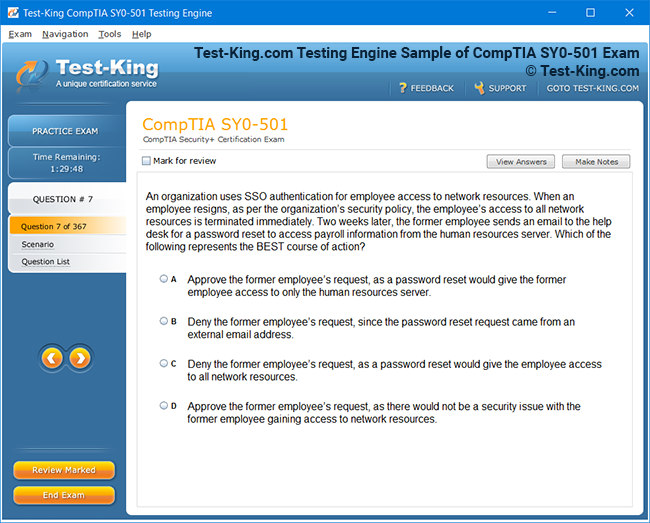
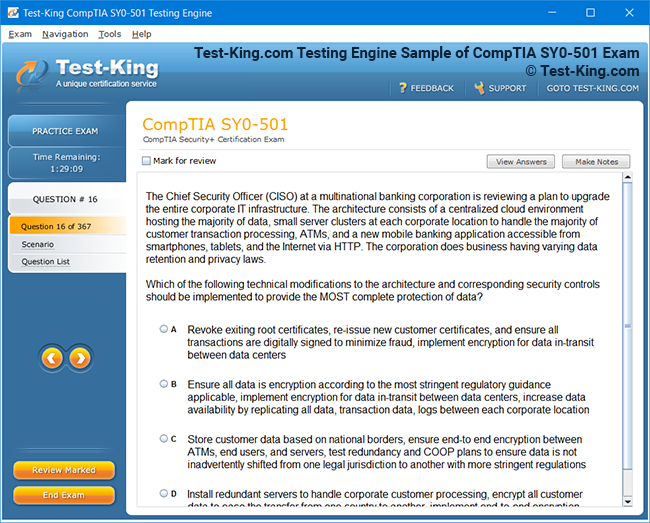
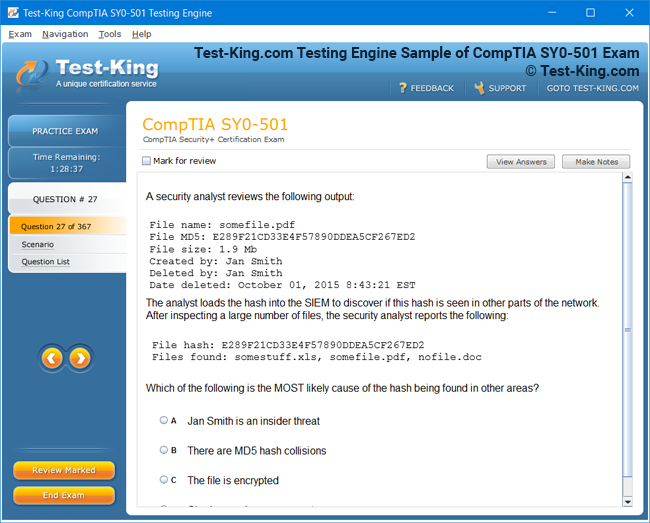
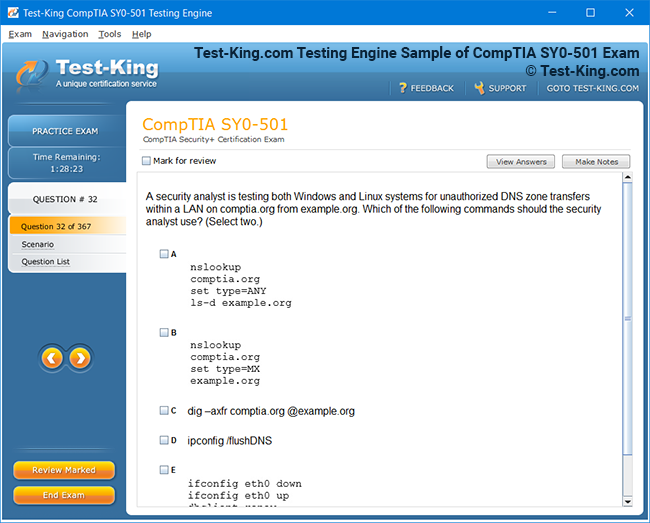
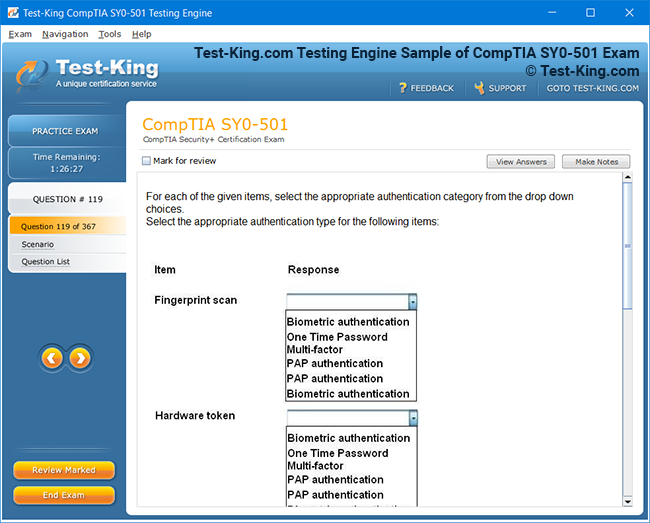
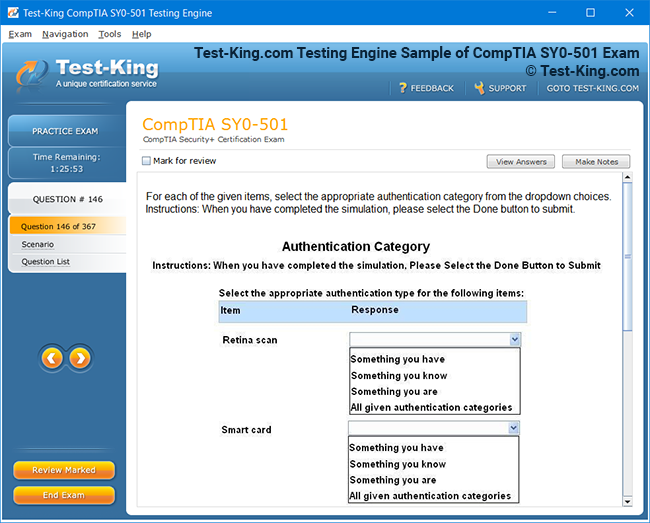
Product Screenshots
DCA-DPM Exam: Rise and Shine as Dell EMC Certified Associate – Data Protection and Management
The Dell EMC DEA-3TT2 (DCA-DPM) certification, formally known as Dell EMC Certified Associate – Data Protection and Management, has emerged as a distinctive benchmark for individuals aspiring to carve a niche in the data protection domain. This credential encapsulates a blend of theoretical knowledge and practical understanding, providing candidates with a comprehensive framework for mastering the intricacies of data storage, replication, backup, and recovery strategies within modern enterprise environments. Individuals who pursue the DEA-3TT2 exam often seek a rigorous yet rewarding path, where the amalgamation of diligence and strategic preparation culminates in a recognized validation of expertise that resonates in both professional and technical circles.
Understanding Dell EMC DEA-3TT2 Certification and Its Relevance
The DEA-3TT2 examination is structured to evaluate a candidate’s understanding of data protection principles, enterprise storage architectures, and management protocols. Candidates are expected to navigate through a carefully curated set of sixty questions within ninety minutes, and the assessment is calibrated to require a minimum achievement of sixty percent for successful certification. This structure is designed not merely to test rote memorization but to challenge candidates’ abilities to apply their knowledge in realistic scenarios. The questions span multiple formats, encompassing scenario-based queries, multiple-choice items, and analytical problem-solving tasks, all aimed at gauging the candidate’s ability to implement data protection and management solutions efficiently.
Pursuing the Dell EMC DEA-3TT2 certification is not restricted to seasoned IT professionals; it also extends to newcomers who demonstrate a keen interest in developing proficiency in data protection and management systems. The exam serves as an entry point for individuals seeking to establish a foundational understanding of enterprise storage solutions and their operational complexities. By achieving this certification, candidates validate their capability to manage critical enterprise data, ensure compliance with data retention policies, and implement robust backup and disaster recovery plans, which are increasingly indispensable in contemporary organizational infrastructures. The credential acts as a tangible testament to a candidate’s dedication, analytical acumen, and technical competence in handling sensitive and mission-critical data.
An in-depth comprehension of the DEA-3TT2 syllabus is paramount for candidates who aspire to excel. The curriculum spans multiple domains, including the principles of data protection, storage networking fundamentals, backup methodologies, data replication, recovery strategies, and compliance standards. Each domain is carefully interwoven to provide a holistic perspective on data management, allowing candidates to acquire a nuanced understanding of how theoretical concepts translate into practical implementations. While the syllabus outlines the technical topics, it also implicitly emphasizes the importance of strategic thinking, problem-solving capabilities, and an ability to adapt solutions to varying organizational contexts. Candidates who internalize these elements are more likely to approach the examination with confidence and precision, as opposed to merely relying on superficial memorization.
Preparing for the Dell EMC DEA-3TT2 examination involves more than just familiarizing oneself with the syllabus. Strategic planning, disciplined study habits, and utilization of credible study resources play a pivotal role in shaping a successful outcome. Candidates are encouraged to adopt a methodical approach, commencing with a comprehensive review of the foundational concepts, followed by iterative engagement with practice questions and scenario analyses. Incorporating a study guide that consolidates essential information and provides illustrative examples of typical exam questions significantly enhances a candidate’s readiness. The integration of practice tests allows aspirants to benchmark their performance, identify knowledge gaps, and refine their problem-solving strategies before encountering the actual examination environment.
Understanding the prerequisites and examination parameters is an indispensable step in effective preparation. Dell EMC has delineated specific criteria to ensure that candidates possess a baseline comprehension before attempting the DEA-3TT2 exam. Familiarity with exam codes, eligibility requirements, and the overarching pattern provides candidates with a strategic advantage, as it minimizes uncertainties and fosters a structured approach toward preparation. Neglecting these foundational aspects may lead to inefficient study efforts or misalignment with the examination’s expectations. Therefore, aspiring candidates are advised to invest time in exploring the exam framework, the types of questions, and the domains emphasized, thereby creating a roadmap that aligns with the desired outcomes.
A consistent and deliberate study approach is essential to internalize the extensive breadth of topics encompassed within the DEA-3TT2 curriculum. Candidates should cultivate a disciplined routine that balances focused study sessions with intermittent breaks, thereby optimizing cognitive retention and preventing mental fatigue. Allocating at least two hours daily for focused study sessions is a pragmatic strategy, allowing candidates to progressively cover complex topics while retaining flexibility for revision and reinforcement. During these sessions, note-taking and the creation of an index of key points can significantly enhance memorization and provide a valuable reference for subsequent review. By recording important concepts, definitions, and procedural steps, candidates not only consolidate their learning but also build a personalized resource for rapid revision in the days leading to the exam.
Nutrition, physical wellness, and mental resilience are equally critical factors that influence preparation efficacy. Maintaining adequate hydration, consuming protein-rich meals, and incorporating light physical activity contribute to sustained concentration and cognitive performance. Furthermore, intermittent pauses during study sessions, such as brief walks or relaxation exercises, serve to rejuvenate the mind and prevent burnout. This holistic approach ensures that candidates maintain an optimal balance of mental acuity and physical vitality, which collectively enhances their ability to assimilate complex information and apply it during the examination.
The DEA-3TT2 study material should be selected judiciously to ensure authenticity, comprehensiveness, and alignment with the exam framework. Platforms that provide carefully curated sample questions, practice tests, and explanatory guides facilitate an immersive learning experience. Engaging with sample questions simulates the examination environment, acquainting candidates with the phrasing, structure, and time constraints they will encounter. Practice tests serve a dual purpose: they reinforce theoretical understanding and enable continuous assessment of performance. Through repeated engagement with these resources, candidates can identify areas of weakness, adjust their study priorities, and enhance their problem-solving efficiency.
Regular assessment through practice tests is vital to building confidence and refining exam strategies. Candidates should focus initially on accurately answering questions within their competence rather than pursuing perfect scores. This approach minimizes anxiety, encourages steady progress, and fosters a deeper understanding of the subject matter. Gradual improvement in weaker domains, reinforced through successive practice attempts, allows candidates to approach the actual exam with a well-rounded skill set, ensuring both proficiency and composure under timed conditions. The iterative process of practice, evaluation, and reinforcement forms the cornerstone of a robust preparation strategy, bridging the gap between theoretical comprehension and practical application.
The utilization of reliable resources, such as those provided by DBExam.com, offers additional benefits by providing access to expertly designed practice tests and simulation tools that closely mirror the DEA-3TT2 examination. These resources are meticulously crafted to reflect the depth, complexity, and style of the questions candidates are likely to face. The availability of unlimited practice attempts allows candidates to engage in repeated testing, thereby solidifying their knowledge, honing time management skills, and fostering familiarity with the examination format. This iterative exposure reduces uncertainty and enhances overall readiness, equipping candidates with both technical expertise and psychological preparedness.
Achieving the Dell EMC Certified Associate – Data Protection and Management credential has significant professional implications. The certification serves as a distinguishing attribute on a candidate’s resume, signaling competence, dedication, and a proactive commitment to professional growth. Individuals who earn the DEA-3TT2 certification often experience enhanced employment opportunities, as organizations increasingly recognize and value validated expertise in data protection and management. The certification also positively influences salary potential, as employers acknowledge the technical acumen and strategic understanding that certified professionals bring to the enterprise environment. Additionally, it fosters networking opportunities with fellow certified peers, facilitating collaboration, knowledge exchange, and engagement with a broader professional community.
The certification also elevates professional credibility by providing tangible evidence of a candidate’s capabilities. In an era where data integrity, security, and compliance are paramount, the ability to demonstrate proficiency in data protection protocols, storage management, and recovery strategies confers a competitive advantage. Organizations are more likely to entrust critical projects to individuals who possess recognized credentials, ensuring that certified professionals can contribute effectively to enterprise objectives, mitigate risks, and implement best practices in data management.
Beyond immediate career advantages, the Dell EMC DEA-3TT2 certification symbolizes motivation, perseverance, and intellectual curiosity. It reflects a candidate’s willingness to engage in rigorous preparation, navigate complex technical landscapes, and continuously develop their skill set. Such attributes are increasingly valued in a dynamic IT environment, where adaptability, problem-solving aptitude, and lifelong learning define professional success. By achieving this certification, individuals align themselves with global standards, positioning their expertise in a way that is universally recognized and respected.
Candidates who aspire to excel in the DEA-3TT2 examination are encouraged to view preparation as a multidimensional endeavor. It requires the harmonious integration of structured study, practical application, continuous self-assessment, and personal well-being. By internalizing these principles and maintaining a disciplined approach, candidates can transform the preparation process into a pathway of growth, confidence, and professional empowerment. The DEA-3TT2 certification thus serves not merely as a credential but as a testament to a candidate’s comprehensive mastery of data protection and management, their strategic acumen, and their readiness to contribute meaningfully to organizational success.
Detailed Insights into Dell EMC DEA-3TT2 Certification Content
The Dell EMC DEA-3TT2 certification, officially known as Dell EMC Certified Associate – Data Protection and Management, is meticulously designed to evaluate an aspirant’s understanding of comprehensive data protection methodologies, storage management techniques, and recovery strategies. The examination serves as a testament to an individual’s capability to implement robust enterprise solutions while ensuring data integrity, regulatory compliance, and operational efficiency. The syllabus, although structured systematically, presents a sophisticated blend of theoretical and practical elements, reflecting real-world scenarios that professionals encounter in enterprise environments. Mastery of these domains equips candidates with not only technical proficiency but also analytical insight into the multifaceted challenges of data protection and management.
At the core of the DEA-3TT2 curriculum lies the foundational understanding of data protection principles, which encompasses the philosophy, architecture, and operational paradigms that govern enterprise storage and backup systems. Candidates are expected to comprehend diverse backup methodologies, including full, incremental, and differential approaches, along with their associated advantages and limitations in different organizational contexts. The principles extend to understanding replication strategies, the significance of data deduplication, and the role of snapshot technologies in ensuring rapid recovery and minimizing downtime. Awareness of these mechanisms is essential, as the examination frequently presents scenario-based questions that test the candidate’s ability to choose optimal solutions for varied operational demands.
The curriculum also delves into storage networking fundamentals, emphasizing the criticality of connectivity, redundancy, and fault tolerance in enterprise data environments. Understanding the intricacies of storage area networks, network-attached storage, and hybrid architectures enables candidates to appreciate the interaction between hardware, software, and network configurations. These insights are indispensable for configuring resilient storage solutions and ensuring seamless data availability. Moreover, the syllabus accentuates the importance of monitoring and managing storage resources effectively, which includes evaluating performance metrics, anticipating potential bottlenecks, and implementing preventive measures to avert data loss or corruption.
Backup and recovery strategies form another pivotal domain within the DEA-3TT2 examination framework. Candidates must be adept at designing and executing comprehensive backup plans tailored to organizational requirements, factoring in recovery point objectives, recovery time objectives, and overall business continuity considerations. The curriculum covers an array of technologies and methodologies, including cloud-integrated backups, offsite replication, and automated recovery workflows. Understanding the interplay between these approaches is crucial for devising solutions that minimize operational disruption while maximizing data protection efficacy. Scenario-driven questions in the exam often challenge candidates to apply these strategies in environments with complex constraints, testing both conceptual understanding and practical decision-making skills.
A notable component of the DEA-3TT2 syllabus involves compliance standards, data governance, and regulatory mandates. In contemporary enterprise ecosystems, adherence to data protection laws, retention policies, and audit requirements is non-negotiable. Candidates are expected to familiarize themselves with prevailing standards and best practices, including data encryption, access controls, and audit trail management. This knowledge ensures that certified professionals can not only safeguard data but also maintain transparency, accountability, and legal compliance. The inclusion of regulatory principles in the curriculum underscores the broader responsibility of data protection specialists to integrate technical acumen with ethical and legal considerations.
The examination also places significant emphasis on troubleshooting, problem-solving, and optimization techniques. Candidates are required to identify potential vulnerabilities, diagnose issues in storage configurations, and implement corrective measures effectively. The DEA-3TT2 assessment frequently simulates operational challenges, prompting aspirants to analyze system behaviors, evaluate performance anomalies, and recommend strategic solutions. Mastery of these competencies is vital, as the ability to troubleshoot efficiently distinguishes proficient practitioners from those with superficial understanding. Practical exercises embedded within the study material, coupled with iterative engagement with practice tests, cultivate these analytical and problem-solving skills, preparing candidates for real-world professional demands.
Candidates aiming for the DEA-3TT2 certification benefit from a thorough engagement with sample questions and practice scenarios that mirror the complexity and style of the actual examination. These exercises illuminate subtle nuances in the syllabus content, including distinctions between similar technologies, contextual applications of backup strategies, and scenario-specific decision-making processes. Regular practice hones not only knowledge retention but also time management skills, enabling candidates to approach the examination with both confidence and precision. The iterative cycle of practice, evaluation, and adjustment becomes a central pillar of effective preparation, transforming abstract concepts into tangible expertise.
A profound understanding of replication strategies is critical within the DEA-3TT2 curriculum. Candidates must discern between synchronous and asynchronous replication, comprehend the implications of latency, and appreciate the operational trade-offs inherent in each approach. The examination often tests the ability to recommend replication solutions aligned with organizational priorities, such as minimizing downtime, ensuring data consistency, and optimizing resource utilization. Knowledge of replication complements broader backup and recovery strategies, offering a layered approach to data protection that mitigates risk and enhances reliability.
Data deduplication and compression techniques also constitute essential topics within the syllabus. Candidates are expected to understand the mechanisms that reduce storage consumption, optimize bandwidth utilization, and accelerate backup operations. These concepts extend to evaluating storage efficiency, designing cost-effective solutions, and implementing technologies that enhance overall system performance. The examination probes both conceptual understanding and the practical application of these techniques, requiring candidates to integrate theoretical knowledge with situational analysis to derive optimal outcomes.
The DEA-3TT2 curriculum further encompasses the principles of snapshot management, which involves capturing point-in-time representations of data to facilitate rapid recovery and minimize operational disruption. Candidates must comprehend the technical underpinnings of snapshot creation, retention policies, and integration with broader backup workflows. Scenario-based questions test the candidate’s ability to leverage snapshots effectively, particularly in environments with high data volatility or stringent recovery requirements. Mastery of snapshot strategies complements replication, deduplication, and backup techniques, forming a cohesive and resilient data protection framework.
An additional domain of significance in the DEA-3TT2 examination is the strategic deployment of cloud-integrated solutions. As enterprises increasingly migrate workloads to cloud environments, candidates must understand hybrid storage architectures, cloud backup orchestration, and considerations for data sovereignty and compliance. The syllabus emphasizes the importance of evaluating cloud service models, integrating on-premises and cloud-based solutions, and managing the unique challenges of offsite data replication. By internalizing these concepts, candidates position themselves to address contemporary enterprise demands, demonstrating versatility and adaptability in diverse operational contexts.
Monitoring, alerting, and performance optimization are integral to the DEA-3TT2 examination framework. Candidates must grasp techniques for continuous oversight of storage infrastructure, identifying anomalies, forecasting potential failures, and proactively initiating remedial measures. Effective monitoring encompasses understanding performance metrics, capacity planning, and resource allocation, enabling certified professionals to maintain operational efficiency and data availability. The curriculum reinforces the need for a strategic perspective, where technical expertise is augmented by foresight, planning, and analytical acumen to mitigate risks and optimize outcomes.
In addition to technical mastery, the DEA-3TT2 syllabus underscores the importance of procedural documentation, operational workflows, and knowledge management. Candidates are encouraged to develop and maintain detailed records of backup configurations, replication schedules, recovery plans, and compliance adherence. This practice not only ensures continuity during personnel transitions but also facilitates auditing, troubleshooting, and iterative improvements in operational processes. The integration of documentation with technical execution reflects the holistic approach of the certification, where competence encompasses both practical implementation and organizational diligence.
Candidates often encounter scenario-based questions that combine multiple domains, requiring the synthesis of storage architecture, backup methodology, replication strategy, and compliance considerations. These integrated challenges test cognitive agility, analytical reasoning, and the ability to prioritize competing objectives under constraints. The DEA-3TT2 examination thus evaluates both depth and breadth of knowledge, encouraging aspirants to approach each problem with strategic insight and a clear understanding of operational implications. Preparation for such multifaceted scenarios necessitates extensive engagement with practice material, simulated exercises, and iterative refinement of problem-solving strategies.
The DEA-3TT2 syllabus also addresses emerging trends in data protection and management, including automation, orchestration, and AI-assisted monitoring. Candidates are introduced to concepts that enable streamlined operations, predictive maintenance, and enhanced resilience. Understanding the evolving technological landscape allows certified professionals to anticipate future demands, adapt to innovations, and implement solutions that maintain competitive advantage. Incorporating these forward-looking elements into preparation ensures that candidates not only succeed in the examination but also remain relevant and proficient in dynamic enterprise environments.
Throughout the preparation journey, aspirants benefit from engaging with authentic study resources that provide a realistic representation of the examination environment. Regular exposure to practice questions, explanatory material, and scenario simulations cultivates familiarity with the exam format, enhances comprehension, and reinforces practical application. By systematically covering all domains, candidates internalize both foundational concepts and advanced techniques, ensuring a comprehensive grasp of the syllabus content. This approach fosters confidence, reduces examination anxiety, and equips aspirants with the skills necessary to navigate complex operational challenges in their professional careers.
Preparing Smarter for Dell EMC Certified Associate – Data Protection and Management
Success in the Dell EMC DEA-3TT2 examination, formally recognized as Dell EMC Certified Associate – Data Protection and Management, requires more than mere familiarity with data protection concepts and enterprise storage methodologies. Effective preparation demands a judicious combination of meticulous planning, disciplined execution, and intelligent resource utilization. Candidates who approach the exam with a strategic mindset, rather than relying solely on arduous effort, are better positioned to assimilate complex concepts, retain critical information, and demonstrate practical proficiency during the assessment. The preparation process should integrate theoretical learning with practical application, ensuring that each candidate develops a nuanced understanding of storage architectures, backup methodologies, replication strategies, and recovery workflows.
A structured study schedule forms the cornerstone of efficient preparation. Allocating dedicated time for study each day enables candidates to maintain consistency, reinforce retention, and gradually cover the extensive DEA-3TT2 syllabus. While individual learning rhythms vary, committing a minimum of two focused hours daily is advisable, with the flexibility to extend sessions based on comprehension levels and personal energy cycles. Breaking down study sessions into digestible segments prevents cognitive overload, allowing candidates to concentrate on one topic at a time, absorb complex material, and revisit challenging concepts without feeling overwhelmed. A disciplined approach to time management ensures that every minute devoted to study contributes meaningfully to overall readiness.
Comprehensive familiarity with the DEA-3TT2 syllabus is pivotal for targeted preparation. Candidates should begin by reviewing foundational principles of data protection, understanding storage networking fundamentals, backup methodologies, replication mechanisms, and recovery strategies. Each domain should be explored in depth, with attention to both conceptual understanding and practical application. While the syllabus outlines essential topics, candidates should also appreciate the interconnections among them, recognizing how replication complements backup strategies, how monitoring enhances storage efficiency, and how compliance intersects with technical operations. Internalizing these interdependencies equips candidates to tackle scenario-based questions and make informed decisions under exam conditions.
Note-taking and the creation of personalized indexes of key concepts significantly enhance retention and facilitate rapid revision. As candidates progress through the syllabus, documenting essential points, procedural steps, and illustrative examples reinforces memory and creates a reference repository for later review. This practice transforms abstract information into tangible knowledge, enabling candidates to revisit critical topics efficiently, identify gaps in understanding, and consolidate learning. Detailed notes also provide a practical advantage during revision, as they allow for targeted reinforcement of weaker areas without the need to revisit entire sections of the study material.
Regular practice is integral to mastering the DEA-3TT2 examination. Engaging with authentic sample questions, scenario simulations, and practice tests cultivates familiarity with the examination format, question phrasing, and time constraints. These exercises encourage analytical thinking, prompt application of theoretical knowledge, and reveal subtleties that may not be immediately apparent in standard study guides. By simulating the examination environment repeatedly, candidates build confidence, refine time management skills, and develop strategic approaches to solving complex problems. Iterative practice ensures that preparation evolves from mere comprehension to practical competence, a vital distinction for success in enterprise-focused examinations.
Performance assessment through practice tests provides essential insights into strengths and weaknesses. Candidates benefit from evaluating their responses, identifying areas of uncertainty, and systematically reinforcing understanding in domains where accuracy or speed may lag. Initial focus should be on mastering questions that align with existing knowledge, gradually extending attention to more challenging topics. Over time, repeated engagement with practice questions enhances proficiency, fosters adaptability, and prepares candidates to approach unfamiliar scenarios with analytical rigor. A cyclical process of testing, reflection, and targeted improvement is therefore indispensable for effective DEA-3TT2 preparation.
In addition to technical understanding, cognitive strategies play a crucial role in exam readiness. Visualization techniques, memory reinforcement exercises, and the use of mnemonic devices can aid retention of complex procedures, terminologies, and configurations. By transforming abstract concepts into memorable constructs, candidates improve recall during high-pressure situations, ensuring that knowledge is accessible when needed most. Such cognitive tools complement traditional study methods, enhancing both efficiency and depth of understanding. Candidates who integrate these strategies into their preparation often exhibit greater agility in reasoning, problem-solving, and decision-making during the examination.
Physical wellness, mental resilience, and environmental optimization are equally important for sustained preparation. Maintaining a balanced diet, staying hydrated, and incorporating light physical activity contribute to enhanced concentration and mental stamina. Creating a conducive study environment, free from distractions, ensures that cognitive resources are devoted entirely to the assimilation of material. Strategic breaks during study sessions, such as short walks or relaxation exercises, prevent mental fatigue, rejuvenate focus, and maintain engagement over extended periods. Candidates who attend to their physiological and psychological well-being optimize learning efficiency and are better equipped to navigate the cognitive demands of the examination.
Resource selection is another critical aspect of strategic preparation. Candidates should prioritize authentic, comprehensive, and up-to-date study materials that accurately reflect the DEA-3TT2 examination framework. Well-curated guides, sample questions, scenario exercises, and explanatory content provide a structured pathway through the syllabus, ensuring that preparation is thorough and targeted. Reliance on unreliable or fragmented sources can result in gaps in understanding, misalignment with examination expectations, and inefficient use of study time. Thoughtful resource selection ensures that every study session contributes meaningfully to competence and confidence.
Scenario-based practice forms an essential element of preparation for the DEA-3TT2 examination. Candidates must engage with exercises that replicate real-world enterprise environments, challenging them to integrate multiple domains, make strategic decisions, and implement solutions under operational constraints. These scenarios often combine aspects of backup methodologies, replication strategies, storage configuration, compliance adherence, and recovery planning. Mastery of such integrated exercises not only prepares candidates for the examination but also enhances professional problem-solving capabilities, reinforcing practical applicability alongside theoretical knowledge.
Time management within practice sessions mirrors the constraints of the actual examination. Candidates benefit from simulating the ninety-minute timeframe, responding to sixty questions, and allocating time proportionally to different question types. Practicing under timed conditions develops pacing strategies, mitigates anxiety, and enhances the ability to prioritize questions based on complexity and familiarity. Over successive practice sessions, candidates refine these strategies, achieving both accuracy and efficiency. The iterative combination of timed practice, scenario simulation, and review fosters a holistic preparedness that encompasses cognitive, strategic, and procedural dimensions.
Understanding the interrelationship between technical concepts, operational efficiency, and regulatory compliance enhances strategic preparation. Candidates must appreciate how backup strategies support recovery objectives, how replication mechanisms ensure continuity, and how adherence to standards safeguards organizational integrity. Scenario questions often integrate these aspects, requiring candidates to analyze operational constraints, evaluate options, and select solutions that optimize multiple parameters simultaneously. Preparation that emphasizes these interconnections cultivates strategic thinking, enabling candidates to approach problems with both analytical depth and practical pragmatism.
Incremental and iterative review is critical for consolidating learning. Candidates should revisit previously studied topics regularly, reinforcing retention and identifying areas requiring additional focus. This process ensures that knowledge remains fresh, connections between domains are strengthened, and readiness is maintained across the entire syllabus. Combining review with active engagement through practice questions and scenario simulations amplifies understanding, enabling candidates to apply learned principles fluently during the examination. Iterative learning transforms preparation into a dynamic process of continuous improvement rather than a static accumulation of information.
Integration of cloud-based and hybrid storage concepts enhances preparation relevance. Candidates must comprehend the nuances of offsite replication, cloud backup orchestration, and data sovereignty considerations. Understanding how on-premises and cloud resources interact, the challenges inherent in hybrid deployments, and the strategies for maintaining consistency and reliability ensures that certified professionals are adept at addressing contemporary enterprise demands. Incorporating these emerging paradigms into preparation ensures that aspirants are not only exam-ready but also equipped to meet evolving professional expectations.
Engagement with authentic practice material, such as those offered by trusted platforms, is essential for bridging the gap between theory and application. Carefully constructed sample questions, explanatory solutions, and full-length practice tests replicate the examination experience, allowing candidates to gauge comprehension, assess timing, and reinforce confidence. These exercises facilitate familiarity with question patterns, challenge reasoning skills, and foster a disciplined approach to answering complex inquiries. Regular exposure to high-quality practice content ensures that preparation is comprehensive, strategic, and aligned with examination standards.
Candidates should also cultivate adaptability and resilience throughout preparation. Encountering unfamiliar questions, complex scenarios, or initially confusing concepts is inevitable. Rather than becoming discouraged, aspirants should embrace these challenges as opportunities for growth, engaging in iterative practice, focused review, and analytical reflection. Developing resilience enhances problem-solving agility, maintains motivation, and instills a mindset of continuous improvement. These attributes are not only critical for examination success but also integral to professional competence in dynamic enterprise environments.
Finally, strategic preparation incorporates evaluation and self-reflection. Candidates should periodically assess performance, analyze trends in correct and incorrect responses, and adjust study priorities accordingly. Identifying patterns of error, gaps in comprehension, and areas requiring reinforcement informs targeted action, ensuring that preparation remains efficient, focused, and effective. This cycle of assessment, reflection, and refinement cultivates both competence and confidence, establishing a foundation for successful performance in the DEA-3TT2 examination and long-term professional mastery in data protection and management.
Enhancing Exam Readiness for Dell EMC Certified Associate – Data Protection and Management
Achieving success in the Dell EMC DEA-3TT2 certification, formally recognized as Dell EMC Certified Associate – Data Protection and Management, demands not only conceptual understanding of data protection and management principles but also strategic utilization of high-quality study materials and practice assessments. While familiarity with the syllabus is essential, the ability to translate theoretical knowledge into practical competence is often what distinguishes aspirants who excel from those who merely attempt the examination. Engaging with authentic study guides, curated sample questions, and comprehensive practice tests is fundamental to building proficiency, confidence, and precision in responding to complex scenarios that mirror real-world enterprise environments.
A well-chosen study guide serves as the backbone of effective preparation. It should consolidate the breadth of the DEA-3TT2 syllabus into a cohesive framework, presenting concepts in a structured, accessible manner while providing illustrative examples that reinforce comprehension. Such guides typically cover foundational principles of data protection, storage networking, backup methodologies, replication strategies, recovery workflows, compliance considerations, and emerging trends such as cloud-integrated solutions and hybrid architectures. By following a systematically organized study guide, candidates can progress logically through the curriculum, ensuring that all critical domains are addressed and interconnections between topics are clearly understood. The depth and clarity of a quality study guide empower aspirants to internalize technical knowledge and develop a practical mindset for applying concepts effectively.
Sample questions embedded within study resources play a pivotal role in transforming passive reading into active learning. These exercises provide exposure to the question formats, phrasing, and scenarios that candidates are likely to encounter during the DEA-3TT2 examination. By engaging repeatedly with varied sample questions, candidates can identify subtle distinctions among similar concepts, hone analytical reasoning, and refine problem-solving techniques. Scenario-based questions, in particular, challenge aspirants to integrate multiple domains, such as evaluating backup solutions while considering replication mechanisms, recovery objectives, and compliance constraints. This immersive approach cultivates cognitive agility, enabling candidates to approach unfamiliar or complex scenarios with confidence and strategic insight.
Practice tests are instrumental in simulating the actual examination environment, offering aspirants a realistic appraisal of their preparedness. These assessments typically replicate the examination format, encompassing sixty questions to be completed within ninety minutes, thus providing candidates with a practical framework for managing time, prioritizing questions, and maintaining accuracy under pressure. By attempting multiple practice tests, candidates develop an intuitive sense of pacing, learn to allocate effort according to question complexity, and experience the psychological dynamics of timed assessments. Iterative engagement with practice tests fosters resilience, reduces exam-related anxiety, and enables aspirants to identify recurring patterns in strengths and weaknesses, informing targeted refinement of study strategies.
An essential aspect of leveraging study materials and practice tests involves systematic performance analysis. After completing practice assessments, candidates should carefully review their responses, identify incorrect answers, and evaluate the reasoning behind errors. This reflective process allows for focused remediation in weaker areas, ensuring that subsequent study sessions address gaps in comprehension. Over time, iterative engagement with practice questions and performance evaluation cultivates a nuanced understanding of the syllabus, enhances the ability to apply concepts under variable conditions, and develops an adaptable approach to solving multifaceted problems, which is crucial for success in enterprise-focused examinations such as the DEA-3TT2.
High-quality resources often include explanatory solutions and context-driven rationales for answers. These explanations deepen comprehension by elucidating why certain responses are correct while others are not, providing candidates with insight into underlying principles and operational implications. Engaging with these detailed explanations encourages aspirants to think critically, recognize patterns, and apply logic rather than relying solely on memorization. This methodical approach strengthens conceptual clarity, equips candidates to handle complex or scenario-driven questions, and nurtures strategic thinking skills that extend beyond the examination into professional practice.
Practice tests also provide opportunities for adaptive learning, where candidates can adjust focus based on evolving performance metrics. For instance, repeated challenges in areas such as replication strategies, snapshot management, or backup methodologies may indicate the need for deeper engagement with study guides or supplemental resources. Conversely, consistent proficiency in other domains signals readiness and allows candidates to allocate time more efficiently. This dynamic, performance-driven study approach transforms preparation into a continuous cycle of assessment, reflection, and refinement, ensuring that effort is directed where it yields maximum impact.
Engagement with practice tests from reputable platforms, such as those designed by experienced professionals, offers additional advantages. These resources are typically constructed to reflect the complexity, style, and cognitive demands of the DEA-3TT2 examination. Candidates benefit from exposure to realistic question phrasing, integrated scenarios, and nuanced challenges that may not be present in generic study materials. The availability of unlimited practice attempts allows aspirants to experiment, learn from mistakes, and iteratively enhance both knowledge retention and exam-taking skills. Over successive attempts, candidates develop familiarity with common patterns, increase confidence, and cultivate mental stamina for managing the intensity of the actual examination.
Strategic use of practice tests extends beyond mere repetition. Candidates are encouraged to simulate examination conditions rigorously, adhering to timing constraints, minimizing interruptions, and maintaining focus throughout the session. This disciplined approach not only prepares aspirants for the logistical aspects of the exam but also reinforces concentration, decision-making, and stress management. Experiencing the examination environment in a controlled, repetitive manner reduces uncertainty, enhances preparedness, and provides a realistic metric for assessing readiness, ensuring that candidates approach the actual DEA-3TT2 exam with composure and efficiency.
Incorporating a reflective component into practice testing further augments preparation efficacy. Candidates should document performance insights, identify trends, and track progress over time, creating a personalized feedback loop that informs subsequent study priorities. By maintaining a record of performance across multiple practice tests, aspirants can quantify improvement, recognize persistent challenges, and adjust learning strategies proactively. This metacognitive approach reinforces accountability, encourages self-directed learning, and cultivates a disciplined, iterative mindset that is invaluable for mastering both the DEA-3TT2 syllabus and broader professional competencies in data protection and management.
Another crucial element in leveraging study materials involves integrating practical exercises and hands-on simulations. While theoretical understanding is foundational, experiential engagement with storage configurations, replication setups, backup procedures, and recovery workflows enhances comprehension and reinforces memory. Candidates who combine conceptual learning with practical application develop a holistic perspective, recognizing how abstract principles translate into operational procedures. This dual approach bridges the gap between knowledge acquisition and skillful execution, preparing aspirants to respond effectively to both examination scenarios and real-world challenges in enterprise data protection environments.
Candidates should also prioritize resources that incorporate advanced or emerging topics, such as cloud integration, hybrid architectures, automated monitoring, and orchestration strategies. Understanding these contemporary paradigms ensures that certified professionals remain relevant, versatile, and capable of addressing modern enterprise requirements. Practice tests that integrate these topics provide aspirants with exposure to the evolving landscape of data protection, encouraging adaptive thinking and equipping them with skills that extend beyond conventional storage and backup paradigms. Familiarity with cutting-edge concepts enhances both examination performance and professional proficiency, fostering a comprehensive mastery of the domain.
Engaging with sample questions and practice tests in a systematic, scheduled manner ensures consistent progress and prevents cognitive fatigue. Candidates benefit from alternating between intensive study sessions focused on difficult topics and practice assessments that reinforce applied understanding. This alternating methodology promotes sustained engagement, prevents monotony, and fosters retention by combining active learning with evaluation. Over time, aspirants cultivate both technical competence and strategic exam-taking ability, creating a balanced preparation experience that optimizes performance outcomes.
Collaborative learning can further enhance the effectiveness of study materials and practice tests. Candidates who participate in peer discussions, study groups, or mentorship interactions gain exposure to diverse perspectives, alternative approaches, and nuanced interpretations of complex topics. Discussing scenario-based questions, evaluating different solutions, and sharing insights encourages deeper cognitive processing, reinforces understanding, and broadens analytical capability. Collaborative engagement complements solitary study and practice, creating a multifaceted preparation environment that mirrors real-world professional collaboration in data protection and management domains.
In addition to structured practice, aspirants should cultivate reflective thinking and metacognitive strategies. After completing practice tests, evaluating not only the correctness of answers but also the reasoning process, time allocation, and decision-making approach provides deeper insight into strengths and areas requiring improvement. This level of self-analysis develops strategic awareness, enabling candidates to fine-tune their approach, anticipate potential pitfalls, and enhance efficiency in responding to complex examination scenarios. Over time, these reflective practices cultivate both technical mastery and cognitive agility, essential traits for success in the DEA-3TT2 examination.
Integrating multiple resources strategically amplifies preparation effectiveness. Combining a comprehensive study guide with curated sample questions, full-length practice tests, scenario-based exercises, and explanatory materials creates a layered learning approach. Each layer reinforces understanding, addresses different cognitive dimensions, and builds confidence incrementally. Candidates benefit from this multidimensional methodology by developing a robust, nuanced grasp of the DEA-3TT2 syllabus, refining problem-solving strategies, and cultivating resilience for high-pressure examination conditions. This integrated approach ensures that preparation is thorough, balanced, and aligned with the demands of contemporary enterprise data protection practices.
Enhancing Preparation for Dell EMC Certified Associate – Data Protection and Management
Achieving proficiency in the Dell EMC DEA-3TT2 certification, formally recognized as Dell EMC Certified Associate – Data Protection and Management, requires not only conceptual understanding but also the utilization of highly credible resources that simulate the examination environment and reinforce practical application. Among the platforms that have emerged as a reliable companion for aspirants, DBExam.com stands out for its meticulously designed materials, practice tests, and scenario simulations, offering a holistic approach to mastering the syllabus and excelling in the examination. The resources provided by DBExam.com are tailored to address both foundational knowledge and complex problem-solving, ensuring that candidates acquire not only familiarity with theoretical constructs but also the agility to navigate enterprise-level data protection and management scenarios with precision.
DBExam.com has garnered a reputation over more than a decade for producing educational content that aligns with industry standards and examination requirements. Their DEA-3TT2 resources are curated by professionals with extensive experience in data protection, storage management, and enterprise IT infrastructure. This expert curation ensures that the questions, scenarios, and practice tests reflect both the depth and breadth of the DEA-3TT2 syllabus. Candidates engaging with these resources encounter questions that challenge analytical reasoning, decision-making, and practical application of knowledge, mimicking the complexities of real-world enterprise environments. This approach transcends rote learning, emphasizing strategic thinking and operational comprehension as essential components of preparation.
One of the most significant benefits of DBExam.com resources is the availability of high-quality practice tests that simulate the actual DEA-3TT2 examination experience. These practice tests incorporate sixty questions designed to be completed within ninety minutes, mirroring the time constraints and pressure of the official assessment. Candidates are exposed to diverse question types, including scenario-based items, analytical problem-solving exercises, and application-focused queries, providing comprehensive exposure to the examination structure. By engaging with these practice tests repeatedly, aspirants develop familiarity with question phrasing, enhance time management skills, and cultivate confidence in addressing complex problems under timed conditions.
The platform emphasizes iterative learning, allowing candidates to take unlimited practice tests, each iteration providing an opportunity for self-assessment, reflection, and refinement. By reviewing responses, analyzing errors, and revisiting related concepts, candidates can identify persistent challenges, reinforce understanding in weaker areas, and track progress over time. This cyclical approach to preparation fosters metacognitive awareness, enabling aspirants to approach the actual examination with strategic insight and a well-honed problem-solving framework. Repetition under simulated conditions ensures that candidates are not only knowledgeable but also psychologically prepared for the pressures of the exam environment.
DBExam.com also offers scenario-based simulations that integrate multiple domains of the DEA-3TT2 syllabus, such as backup strategies, replication methodologies, recovery planning, storage networking, and compliance considerations. These integrated scenarios encourage aspirants to synthesize knowledge from different areas, apply analytical reasoning, and make informed decisions reflective of real enterprise challenges. By confronting complex, multidimensional problems in practice, candidates cultivate cognitive flexibility and operational intuition, preparing them to navigate the nuanced demands of the examination and the professional responsibilities associated with data protection and management.
The explanatory solutions accompanying DBExam.com practice tests provide additional value by elucidating the rationale behind each answer. Detailed explanations clarify why certain choices are correct, the operational implications of alternative options, and the underlying principles that govern the scenario. This analytical insight fosters deeper comprehension, encourages critical thinking, and enables candidates to apply knowledge beyond memorization. Understanding the reasoning behind each solution enhances the ability to tackle unfamiliar questions, promotes strategic judgment, and ensures that aspirants can adapt to the dynamic nature of enterprise data protection challenges.
A distinctive feature of DBExam.com resources is the meticulous alignment with the DEA-3TT2 syllabus. Each practice test, simulation, and question bank is constructed to reflect the current scope of the examination, encompassing foundational principles, advanced concepts, emerging technologies, and compliance considerations. Candidates benefit from exposure to contemporary topics such as cloud integration, hybrid architectures, automation, and orchestration, ensuring that preparation remains relevant and comprehensive. By interacting with content that mirrors the evolving enterprise landscape, aspirants gain both examination readiness and professional competence, equipping them to handle modern data protection and management scenarios with expertise.
The platform’s approach emphasizes strategic use of resources. Rather than relying solely on passive reading or memorization, candidates are encouraged to engage actively with practice tests, analyze performance metrics, and refine study approaches based on observed trends. This dynamic engagement transforms preparation into a continuous, adaptive process, where knowledge acquisition is integrated with practical application and reflective assessment. The iterative interplay of learning, testing, and analysis enhances retention, cultivates problem-solving acumen, and fosters confidence, ensuring that candidates are both technically proficient and strategically prepared.
DBExam.com also offers the advantage of accessibility and convenience. Aspirants can engage with practice tests and study resources at their own pace, accommodating individual learning styles, schedules, and personal commitments. The platform supports flexible study approaches, allowing candidates to simulate timed examinations, revisit challenging questions, and reinforce understanding without external constraints. This autonomy in learning encourages responsibility, self-direction, and sustained motivation, critical attributes for achieving mastery in the DEA-3TT2 curriculum.
Candidates benefit additionally from the comprehensive coverage of operational and theoretical dimensions provided by DBExam.com. Resources encompass not only the procedural execution of backup, replication, and recovery strategies but also the analytical frameworks necessary for evaluating alternative solutions, optimizing performance, and ensuring compliance with organizational policies and regulatory standards. Exposure to these multi-layered perspectives equips aspirants to approach both examination questions and professional challenges with a holistic, informed, and agile mindset, reinforcing the practical value of certification in real-world enterprise settings.
The platform also integrates feedback mechanisms, allowing candidates to gauge performance, identify patterns of errors, and assess progress over successive practice attempts. By documenting responses, tracking accuracy, and analyzing trends, aspirants gain insight into cognitive strengths and potential areas requiring reinforcement. This feedback-driven approach ensures that preparation is targeted, efficient, and continually evolving, enabling candidates to optimize study time and achieve maximal proficiency prior to the examination. The ability to monitor improvement and adjust strategies proactively fosters both confidence and competence, critical components of successful DEA-3TT2 preparation.
DBExam.com resources additionally support the cultivation of examination strategies, including time allocation, prioritization of question types, and methods for approaching complex or unfamiliar scenarios. Aspirants learn to balance speed and accuracy, apply analytical reasoning under time constraints, and navigate integrated scenario-based questions with strategic foresight. These skills are transferable to professional contexts, enhancing decision-making capabilities, operational efficiency, and confidence in managing enterprise data protection and management responsibilities. The platform’s focus on strategic engagement, rather than passive consumption, empowers candidates to internalize knowledge and develop effective approaches to problem-solving.
Practical engagement with DBExam.com resources also encourages the development of resilience and adaptability. Encountering challenging questions or initially perplexing scenarios provides opportunities for iterative learning, reflection, and improvement. Candidates learn to approach difficulties methodically, identify underlying principles, and apply corrective strategies, fostering cognitive flexibility and perseverance. These attributes are essential not only for examination success but also for professional competence in the dynamic and often unpredictable realm of enterprise data protection and management, where operational challenges require informed and adaptable solutions.
By integrating the comprehensive study materials, practice tests, scenario simulations, explanatory solutions, and performance feedback provided by DBExam.com, candidates construct a multidimensional preparation ecosystem. This approach ensures that knowledge acquisition, practical application, self-assessment, and strategic reflection occur in tandem, fostering a balanced, rigorous, and effective preparation experience. Aspirants emerge not only well-prepared for the DEA-3TT2 examination but also equipped with operational insights, analytical acumen, and professional skills that are directly applicable to the responsibilities of certified professionals in data protection and management domains.
The iterative and layered learning facilitated by DBExam.com transforms preparation from a linear endeavor into a dynamic process of continuous improvement. Candidates engage with foundational concepts, apply them in simulated scenarios, assess performance, reflect on errors, and refine strategies in successive cycles. Over time, this methodical approach consolidates understanding, enhances problem-solving agility, and instills confidence. The cumulative effect is a preparation experience that mirrors professional practice, emphasizing competence, precision, and adaptive thinking, essential traits for mastering both the DEA-3TT2 examination and enterprise-level data protection responsibilities.
Unlocking Opportunities with Dell EMC Certified Associate – Data Protection and Management
Earning the Dell EMC DEA-3TT2 certification, formally recognized as Dell EMC Certified Associate – Data Protection and Management, is more than an achievement; it is a gateway to elevated career prospects, enhanced professional credibility, and expanded opportunities for collaboration in enterprise IT environments. The certification signifies not only technical expertise in data protection, storage management, replication strategies, and recovery methodologies but also demonstrates an aspirant’s dedication to mastering complex operational concepts that are vital in contemporary enterprise landscapes. Professionals who attain DEA-3TT2 certification position themselves as competent practitioners, equipped with the strategic insight and practical skills necessary to navigate high-stakes environments, ensure data integrity, and optimize organizational performance.
The DEA-3TT2 credential amplifies job opportunities across diverse domains in IT infrastructure, storage management, and enterprise data protection. Organizations increasingly seek certified professionals to manage complex backup environments, architect reliable storage solutions, and implement recovery strategies that align with business continuity objectives. Certification enhances employability, distinguishing candidates in competitive talent pools, as employers value the verification of practical skills and theoretical proficiency offered by formal credentials. Certified individuals are often considered for roles involving storage administration, data protection specialist responsibilities, backup and recovery coordination, and enterprise storage architecture, among others. The breadth of opportunities reflects the comprehensive nature of the DEA-3TT2 syllabus, encompassing both foundational and advanced concepts essential for effective enterprise operations.
A significant advantage of the DEA-3TT2 certification lies in its impact on salary potential. Certified professionals frequently command higher compensation due to the verified competence, practical skills, and operational understanding the credential represents. Organizations recognize that professionals who can implement resilient backup strategies, ensure data replication integrity, and optimize storage networks reduce risk, enhance efficiency, and contribute to organizational stability. Certification signals readiness to take on complex responsibilities, enabling salary negotiation leverage and positioning individuals for remuneration reflective of their verified expertise. The recognition of competence through DEA-3TT2 certification thus translates into tangible professional and financial benefits, reinforcing the value of structured preparation and mastery of the curriculum.
Networking and collaboration opportunities expand significantly after obtaining DEA-3TT2 certification. Certified professionals gain access to a community of peers, experts, and mentors within the Dell EMC ecosystem, facilitating knowledge sharing, exchange of best practices, and collaboration on enterprise solutions. Engaging with a certified network fosters continuous learning, exposes professionals to innovative strategies in data protection and management, and provides avenues for career mentorship. The relationships established through professional networking enhance problem-solving capabilities, broaden industry perspective, and create avenues for collaborative initiatives, thereby extending the utility of the certification beyond individual expertise into collective organizational impact.
Professional credibility and recognition are amplified through DEA-3TT2 certification. The credential serves as an objective measure of knowledge, practical capability, and commitment to the field of data protection and management. Certified individuals are perceived as motivated, disciplined, and capable of handling complex operational challenges, enhancing trust and credibility among employers, colleagues, and clients. This recognition facilitates access to leadership opportunities, involvement in strategic projects, and participation in high-visibility assignments, elevating the professional profile and reinforcing career trajectory. By signaling both technical proficiency and ethical dedication, certification consolidates a professional reputation that can open doors to roles demanding strategic oversight and operational acumen.
The DEA-3TT2 certification also catalyzes opportunities for specialization and career diversification. Professionals can leverage the foundational and advanced knowledge acquired to pursue specialized roles such as cloud data protection architect, storage infrastructure consultant, or enterprise recovery strategist. The breadth of the syllabus—including backup methodologies, replication strategies, compliance considerations, storage optimization, and cloud integration—enables aspirants to adapt to diverse technological landscapes and assume responsibilities that require nuanced understanding and applied expertise. Certification thus provides a versatile platform for career growth, empowering professionals to navigate evolving enterprise environments with confidence and competence.
Additionally, the credential supports global recognition of expertise. Organizations across geographies value Dell EMC certifications, acknowledging the rigorous preparation, practical skill development, and operational understanding associated with the DEA-3TT2 exam. Certified professionals enjoy credibility in international contexts, which is particularly advantageous for roles in multinational corporations, consulting, or remote enterprise management. The portability of certification enhances professional mobility, enabling individuals to pursue opportunities across regions while maintaining recognition for their specialized competencies. This global dimension underscores the strategic advantage of obtaining DEA-3TT2 certification for aspirants aiming to expand their career horizons and engage with diverse operational ecosystems.
Continuous professional development is also facilitated by DEA-3TT2 certification. The preparation process encourages disciplined study, engagement with scenario-based practice, and reflection on operational principles, habits that translate into lifelong learning and adaptive skill-building. Certified individuals often maintain engagement with updated practices, emerging technologies, and evolving industry standards, ensuring sustained relevance and expertise in dynamic enterprise environments. The emphasis on iterative learning, practical application, and strategic problem-solving during certification preparation fosters a mindset of continuous improvement, enabling professionals to stay ahead of technological advances and operational innovations.
The influence of DEA-3TT2 certification on leadership potential is notable. Professionals who demonstrate mastery in data protection, storage management, and enterprise recovery strategies are often entrusted with decision-making responsibilities, strategic planning, and oversight of critical operational projects. Certification signals both competence and reliability, attributes that organizations value when considering candidates for supervisory or managerial roles. Certified individuals are positioned to influence enterprise policies, optimize workflows, and mentor junior professionals, integrating technical proficiency with leadership capability. The credential thus acts as a catalyst for professional growth, bridging technical mastery with strategic responsibility and organizational impact.
Earning DEA-3TT2 certification also promotes enhanced analytical and problem-solving skills. The examination emphasizes scenario-based assessments, integration of multiple operational domains, and decision-making under constraints. Candidates develop the capacity to evaluate complex environments, consider operational trade-offs, and implement optimal solutions, translating examination preparation into professional expertise. The skill set cultivated through preparation—analytical reasoning, operational foresight, and strategic thinking—serves as a foundation for tackling advanced responsibilities in enterprise data protection, storage architecture, and recovery management, enhancing professional effectiveness and organizational contribution.
The certification further contributes to strategic career differentiation. In competitive professional landscapes, credentials like DEA-3TT2 distinguish candidates from peers, providing tangible proof of competence, commitment, and expertise. Employers prioritize individuals who have demonstrated both theoretical knowledge and practical proficiency, making certified professionals more attractive candidates for promotions, specialized assignments, and leadership roles. This differentiation is particularly valuable in organizations where data protection and management are critical to operational continuity, regulatory compliance, and enterprise resilience. Certification thus acts as a differentiating factor, enhancing career trajectory and visibility in professional networks.
Professional recognition extends beyond immediate organizational contexts. The DEA-3TT2 credential is widely acknowledged in the IT community, signaling a standard of excellence in data protection and management. Certified professionals may be invited to participate in industry forums, contribute to knowledge sharing initiatives, and engage in consultancy opportunities. The credibility associated with certification fosters trust among peers and clients, encouraging collaboration, thought leadership, and innovation. By attaining DEA-3TT2 certification, individuals gain a platform to influence industry practices, contribute to professional discourse, and reinforce their standing as competent and reliable experts.
The ongoing utility of DEA-3TT2 certification is reinforced by its adaptability to evolving technological trends. With enterprise data protection increasingly incorporating cloud integration, hybrid architectures, automated monitoring, and orchestration, certified professionals are prepared to navigate complex systems, implement resilient solutions, and optimize workflows. The knowledge and skills acquired through certification enable professionals to remain agile, adopt emerging technologies seamlessly, and maintain operational efficiency. This adaptability ensures sustained relevance and career growth in a field characterized by rapid technological advancement and dynamic enterprise demands.
Conclusion
Obtaining the Dell EMC DEA-3TT2 certification, recognized as Dell EMC Certified Associate – Data Protection and Management, is a transformative milestone for professionals seeking to advance their careers in enterprise IT. The credential amplifies job opportunities, enhances salary potential, and fosters professional credibility while providing access to collaborative networks and global recognition. It equips aspirants with advanced analytical, operational, and strategic capabilities, preparing them to navigate complex enterprise environments and assume leadership responsibilities. By leveraging the knowledge, practical skills, and professional insights gained through DEA-3TT2 certification, individuals unlock pathways to sustained career growth, operational excellence, and enduring professional distinction in the dynamic field of data protection and management.
Frequently Asked Questions
How can I get the products after purchase?
All products are available for download immediately from your Member's Area. Once you have made the payment, you will be transferred to Member's Area where you can login and download the products you have purchased to your computer.
How long can I use my product? Will it be valid forever?
Test-King products have a validity of 90 days from the date of purchase. This means that any updates to the products, including but not limited to new questions, or updates and changes by our editing team, will be automatically downloaded on to computer to make sure that you get latest exam prep materials during those 90 days.
Can I renew my product if when it's expired?
Yes, when the 90 days of your product validity are over, you have the option of renewing your expired products with a 30% discount. This can be done in your Member's Area.
Please note that you will not be able to use the product after it has expired if you don't renew it.
How often are the questions updated?
We always try to provide the latest pool of questions, Updates in the questions depend on the changes in actual pool of questions by different vendors. As soon as we know about the change in the exam question pool we try our best to update the products as fast as possible.
How many computers I can download Test-King software on?
You can download the Test-King products on the maximum number of 2 (two) computers or devices. If you need to use the software on more than two machines, you can purchase this option separately. Please email support@test-king.com if you need to use more than 5 (five) computers.
What is a PDF Version?
PDF Version is a pdf document of Questions & Answers product. The document file has standart .pdf format, which can be easily read by any pdf reader application like Adobe Acrobat Reader, Foxit Reader, OpenOffice, Google Docs and many others.
Can I purchase PDF Version without the Testing Engine?
PDF Version cannot be purchased separately. It is only available as an add-on to main Question & Answer Testing Engine product.
What operating systems are supported by your Testing Engine software?
Our testing engine is supported by Windows. Andriod and IOS software is currently under development.
Top Dell Exams
- D-PST-DY-23 - Dell PowerStore Deploy 2023
- D-PE-FN-01 - Dell PowerEdge Foundations v2
- D-PST-DS-00 - Dell PowerStore Design
- D-DP-FN-01 - Dell Data Protection Management Foundations v2
- D-ISM-FN-01 - Dell Information Storage and Management Foundations
- D-PVM-DS-01 - Dell PowerMax Design v2
- D-PDD-DY-01 - Dell PowerProtect Data Domain Deploy v2
- D-UN-DY-23 - Dell Unity Deploy 2023
- D-SNC-DY-00 - Dell SONiC Deploy
- D-MSS-DS-23 - Dell Midrange Storage Solutions Design 2023
Dell Certifications
- DCA-CIS - Associate - Cloud Infrastructure and Services Version 4.0
- DCA-DPM - Dell EMC Associate - Data Protection and Management
- DCA-ISM - Dell EMC Associate - Information Storage and Management Version 4.0
- DCA-Networking - Dell EMC Associate - Networking
- DCS - Implementation Engineer, Campus Networking - Dell Certified Specialist - Implementation Engineer, Campus Networking
- DCS-IE Isilon Solutions - Dell Certified Specialist - Implementation Engineer Isilon Solutions
- DCS-IE Networking - Dell Certified Specialist - Implementation Engineer, Data Center Networking
- DCS-IE PowerEdge - Dell Certified Specialist - Implementation Engineer PowerEdge
- DCS-IE PowerProtect DD - Dell Certified Specialist - Implementation Engineer, PowerProtect DD
- DCS-IE PowerStore Solutions - Dell Certified Specialist - Implementation Engineer, PowerStore Solutions
- DCS-IE VxRail - Dell Certified Specialist - Implementation Engineer, VxRail Version 2.0
- DCS-PE - Dell Certified Specialist - Platform Engineer, PowerStore
- DCS-SA PowerProtect DD - Dell Certified Specialist - System Administrator, PowerProtect DD
- DCS-SA VxRail Appliance - Dell Certified Specialist - Storage Administrator VxRail Appliance
- DCS-TA Midrange Storage Solutions - Dell Certified Specialist Technology Architect - Midrange Storage Solutions
- DCS-TA PowerMax and All Flash Solutions - Dell Certified Specialist Technology Architect - PowerMax and All Flash Solutions
- Dell Information Storage and Management Foundations 2023
- Dell PowerStore Deploy 2023
- Dell SONiC Deploy
- Dell Unity Deploy 2023